CULTURE
© Iwan Sastrawan
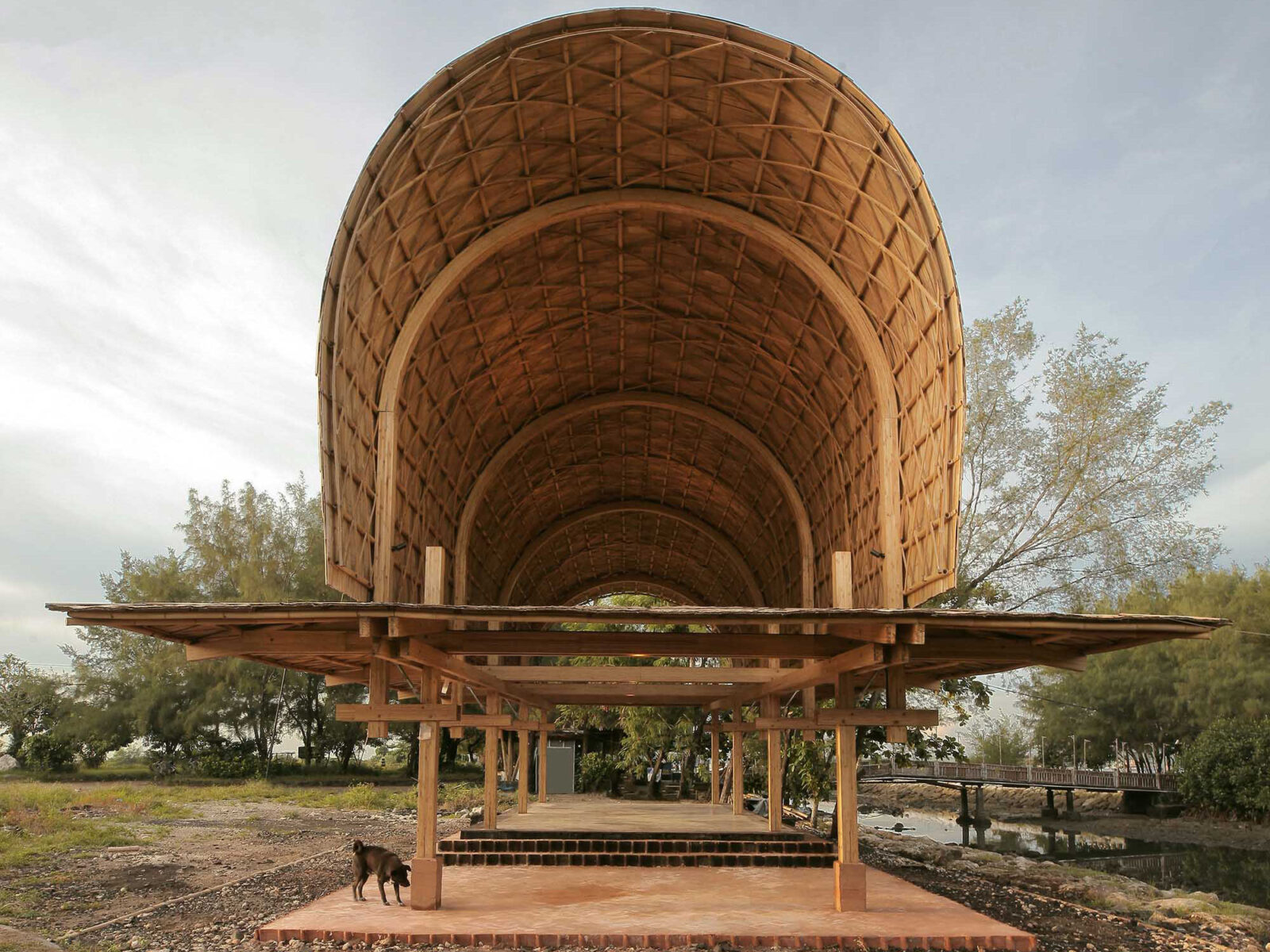
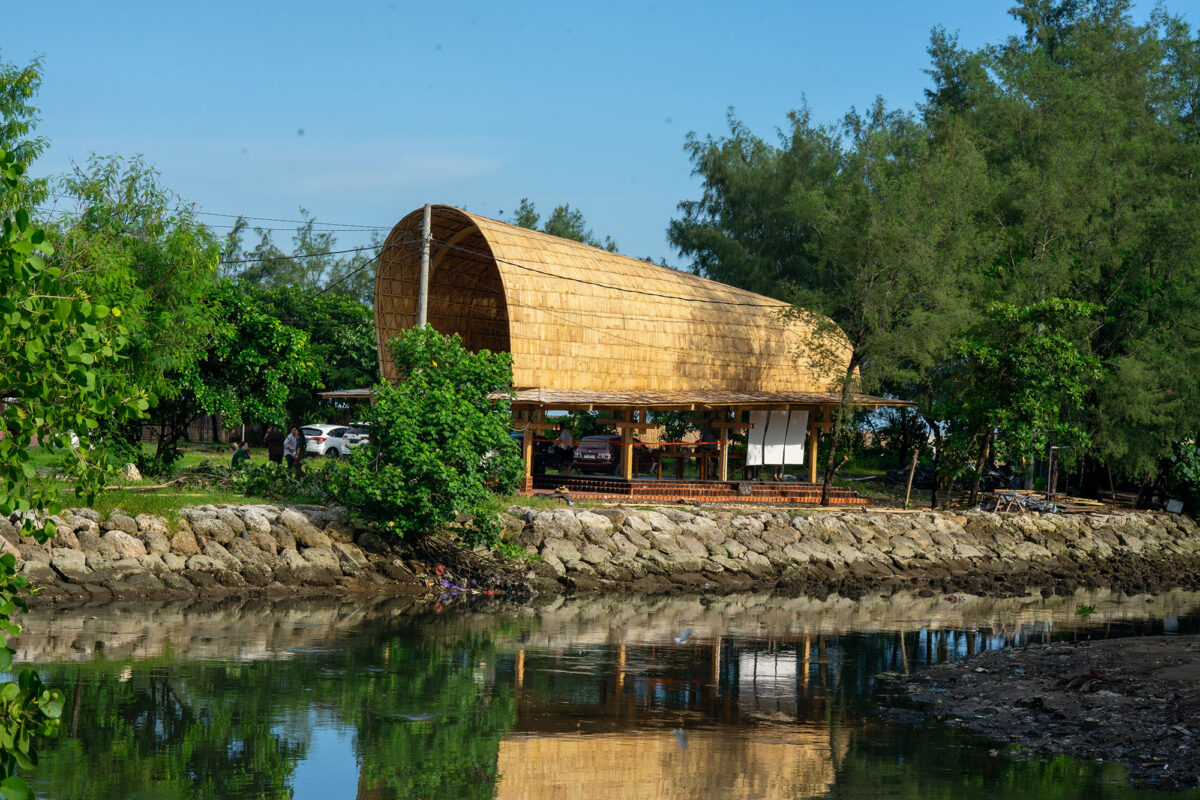
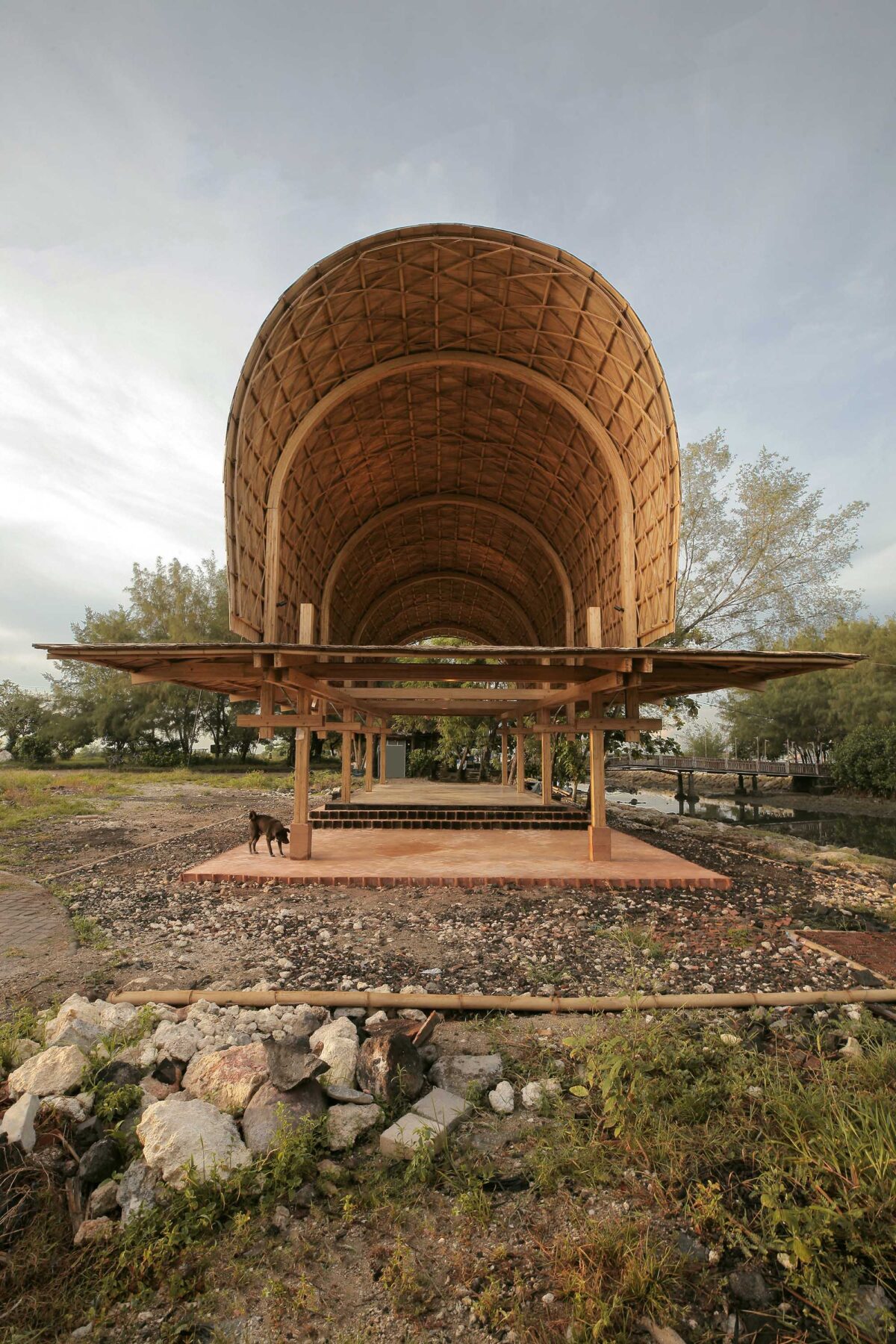
インドネシア・バリ島のメルタサリビーチに建つ〈バレ・バイオ(Bale Bio)〉は、再生可能建築の可能性と美しさを体現する、竹でつくられた地域コミュニティの集いの場です。
バウハウス・アース(Bauhaus Earth)による、世界4地域での持続可能建築を模索する「ReBuiltプロジェクト」の一環として、地域のリサイクル素材や天然素材に焦点を当てて活動するケイブ・アーバン(Cave Urban)によるプロジェクトです。
注目ポイント
- バリ島の伝統的な集会所「バレ・バンジャル」を現代的に再構築
- 地元で調達された自然素材やリサイクル素材を使用
- バリで初めて使用された構造用集成竹材「エンジニアードバンブー」
- 国内の豊富な竹資源を活用した地域産業の支援
(以下、ケイブ・アーバンから提供されたプレスキットのテキストの抄訳)
© Iwan Sastrawan
再生可能建築の可能性を示す〈バレ・バイオ〉
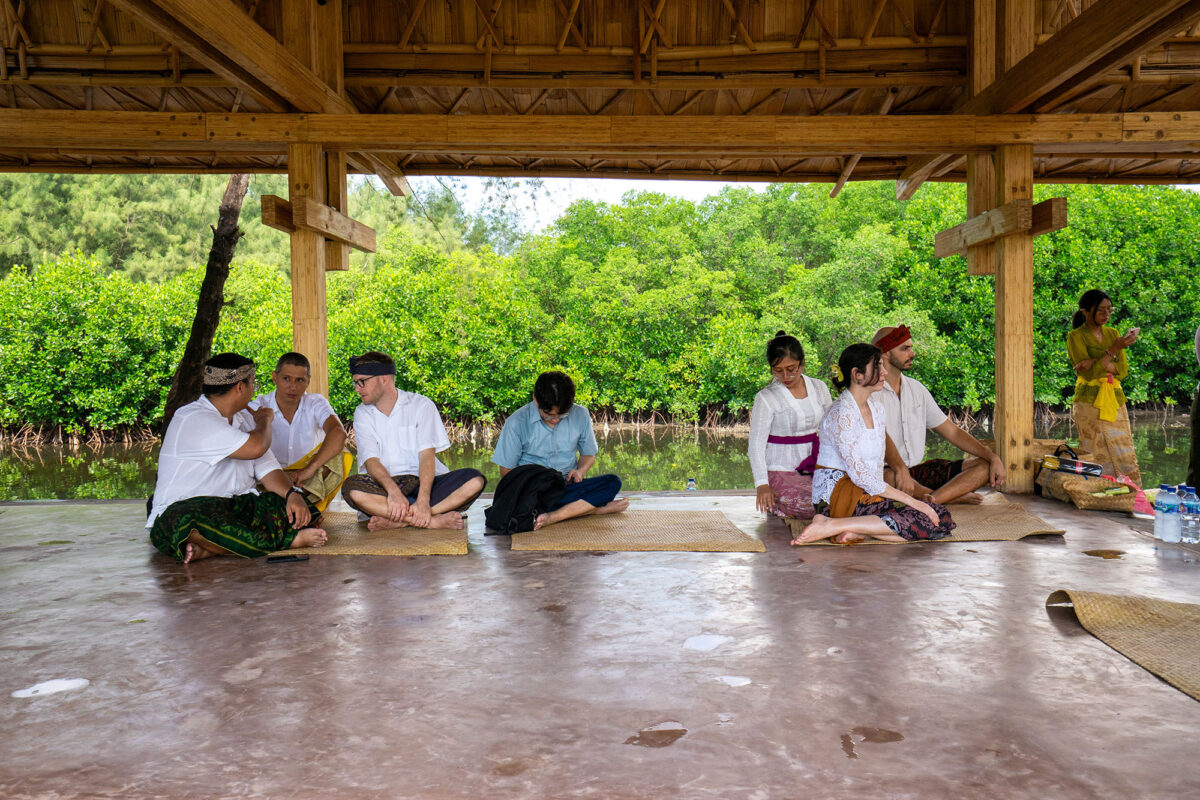
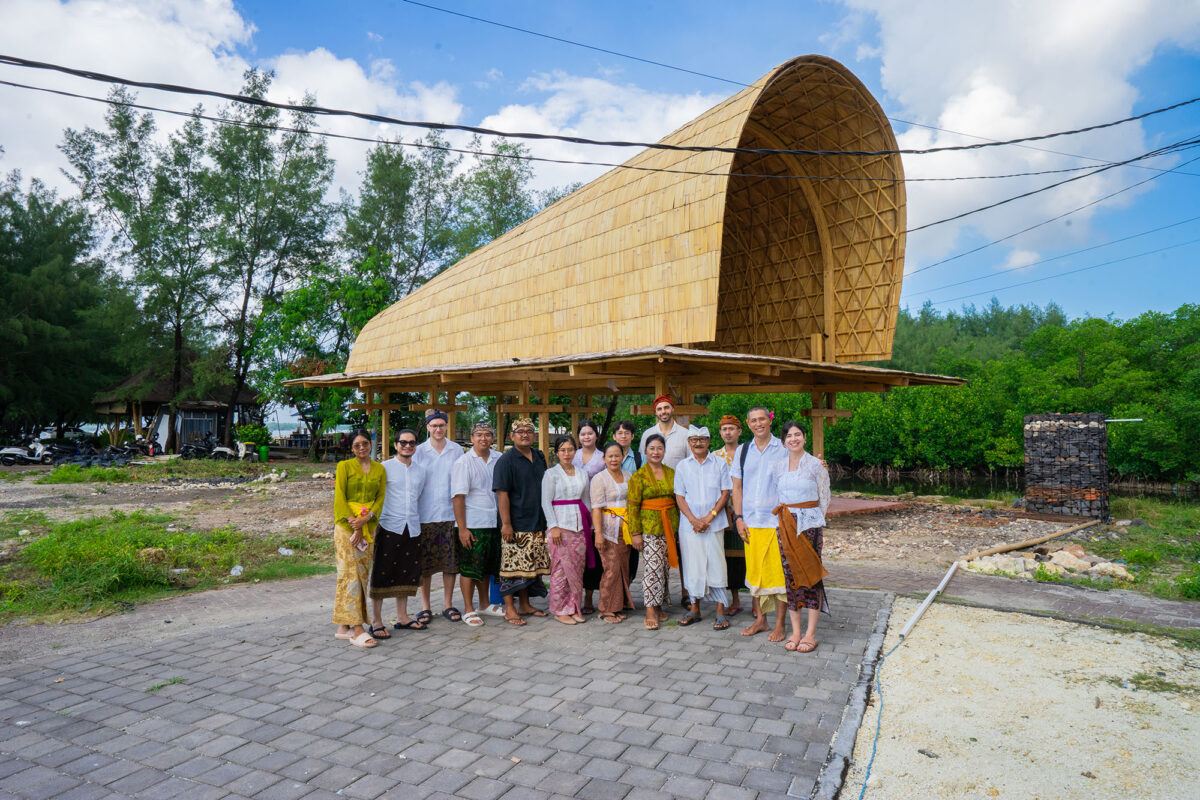
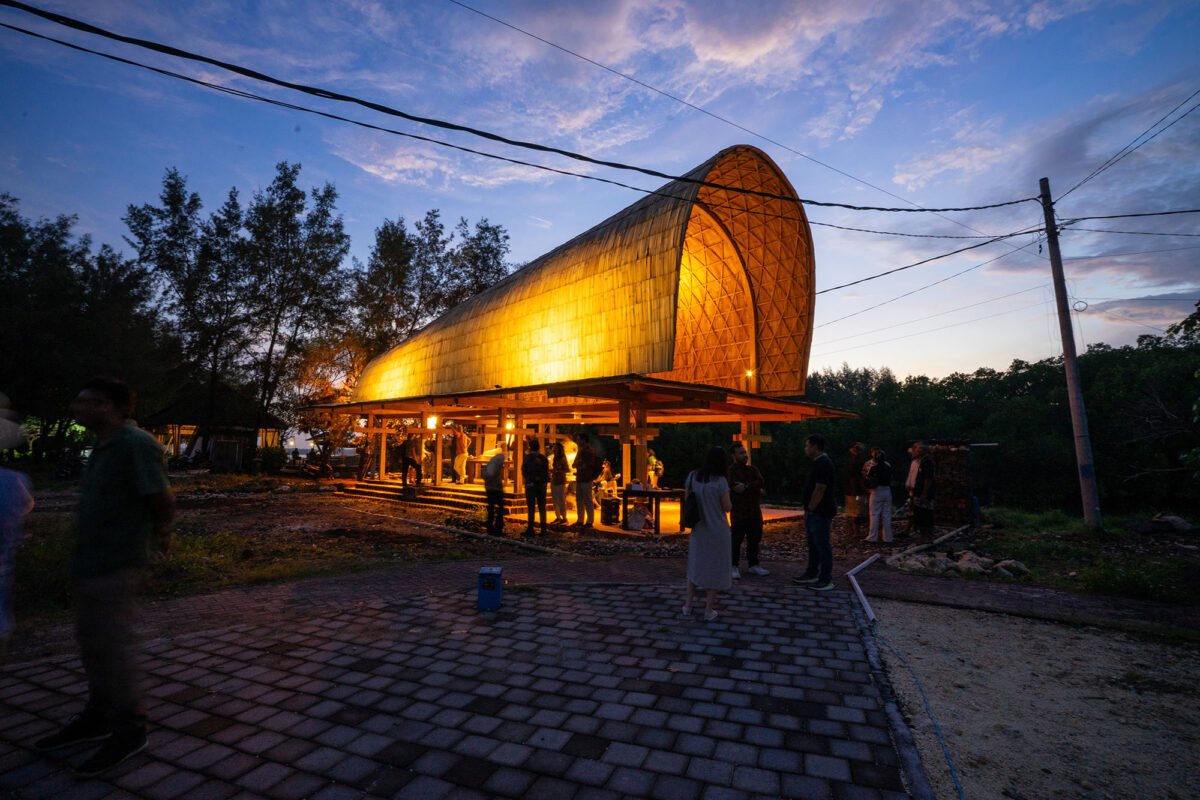
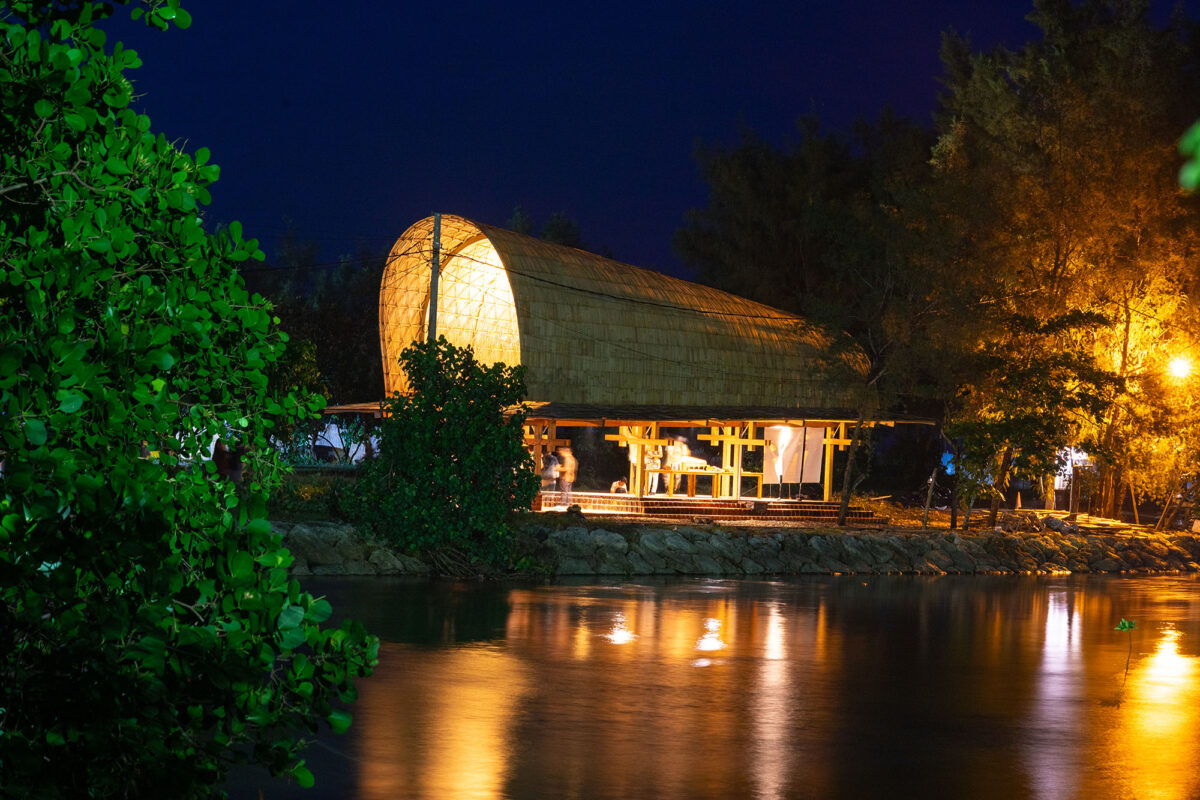
〈バレ・バイオ〉は、再生可能建築の可能性と美しさを体現する、84m²のパビリオンである。バウハウス・アースによる「ReBuiltプロジェクト」の一環として、地元コミュニティと協働で設計された。
そのデザインは、バリ島の各村落に存在する伝統的な集会所「バレ・バンジャル(Bale Banjar)」に着想を得ている。
© Iwan Sastrawan
地元素材と文化を活かした設計思想
ケイブ・アーバンのジェド・ロング(Jed Long)は次のように語る。
「〈バレ・バイオ〉は、バリの伝統的な建築形態を再解釈し、地元で調達された自然素材とリサイクル素材を用いることで、建設が環境にポジティブな影響を与える可能性を示している。」
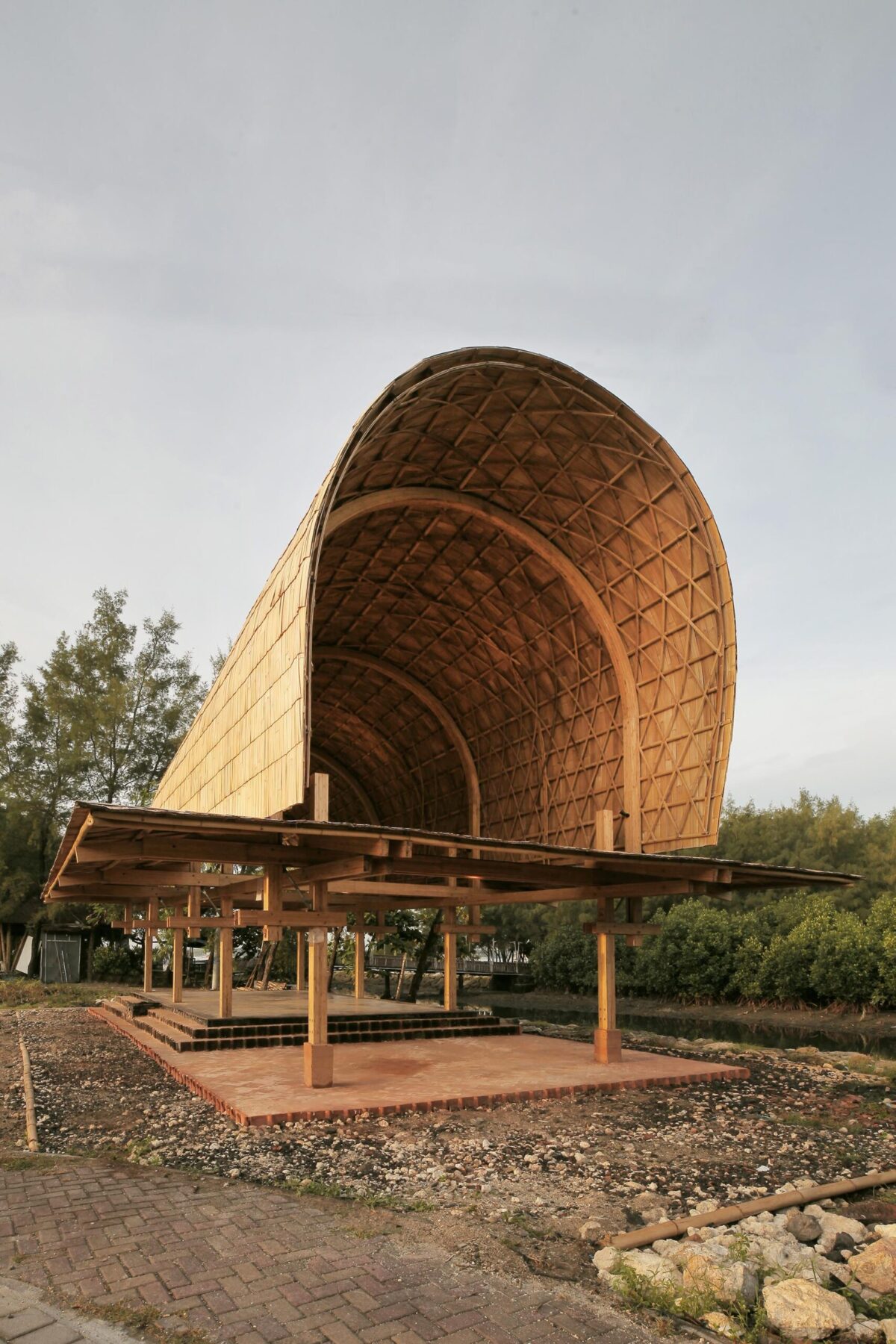
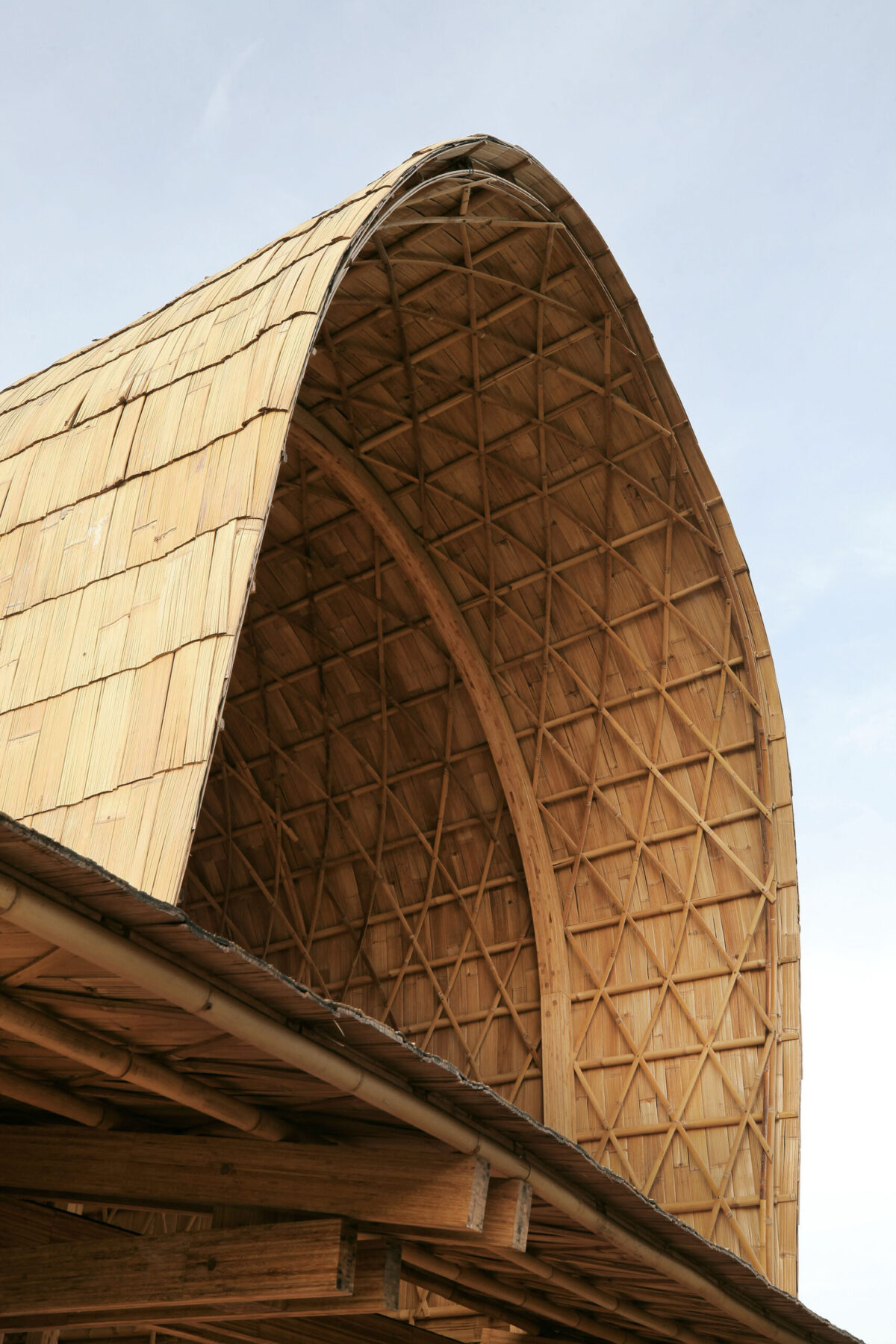
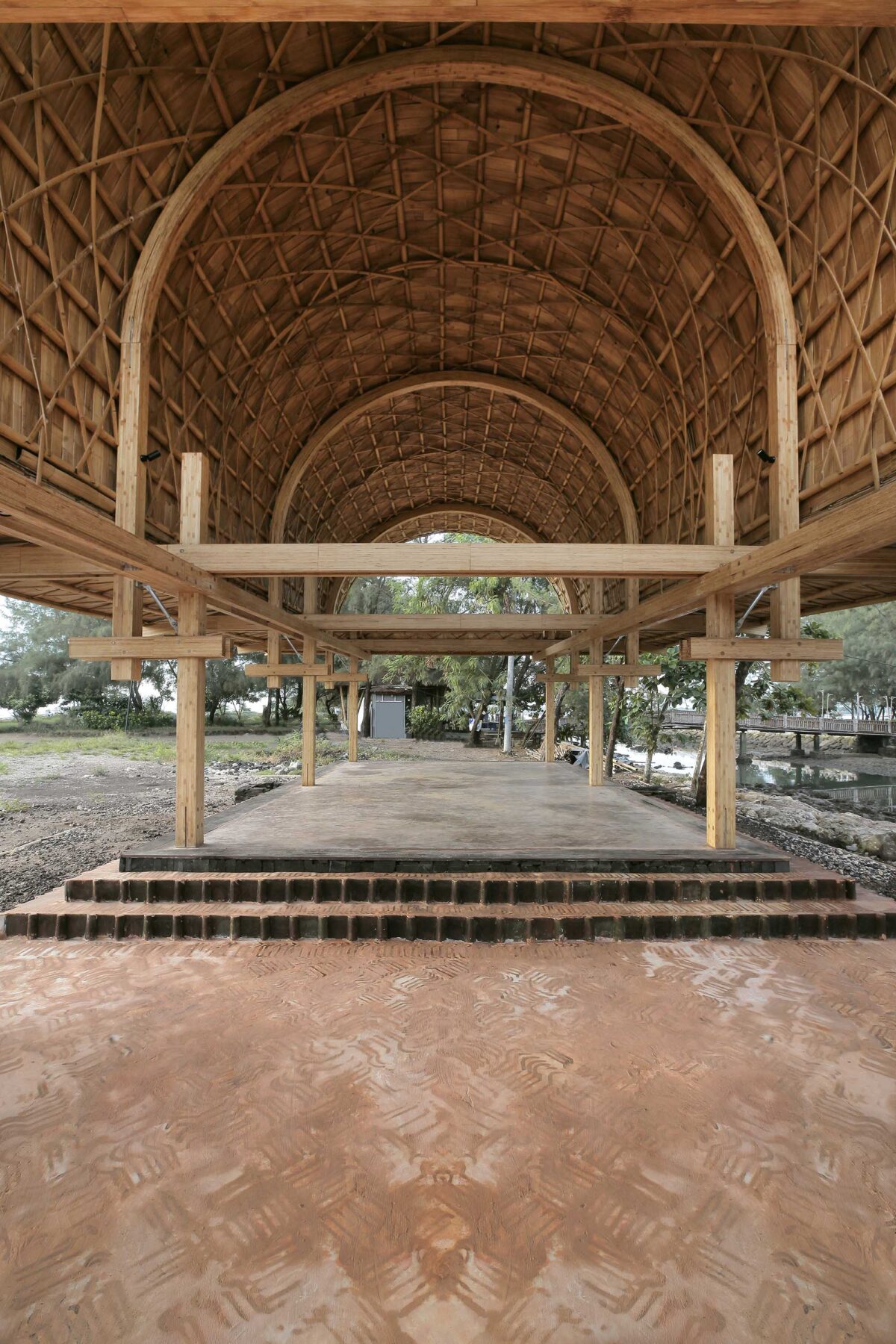
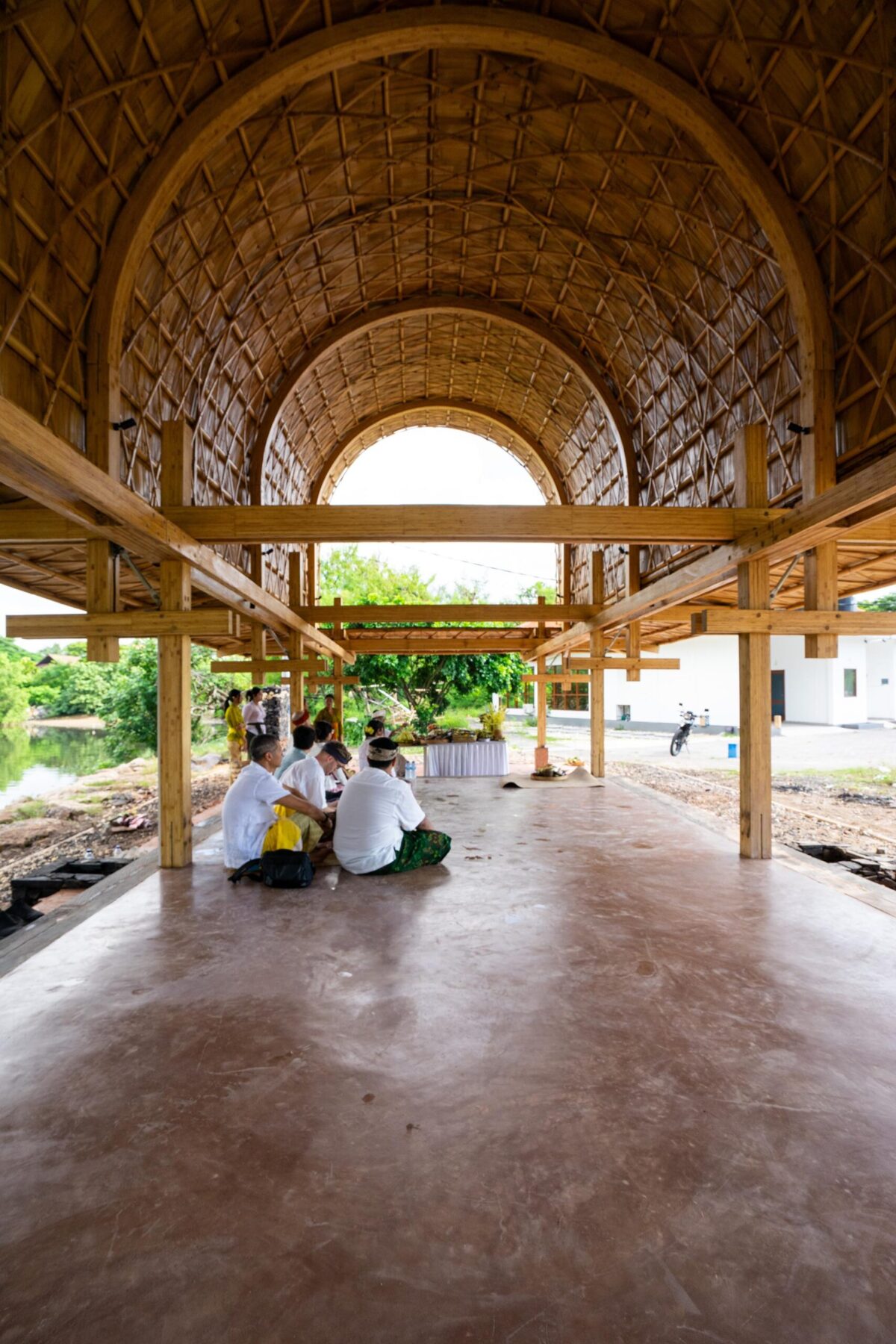
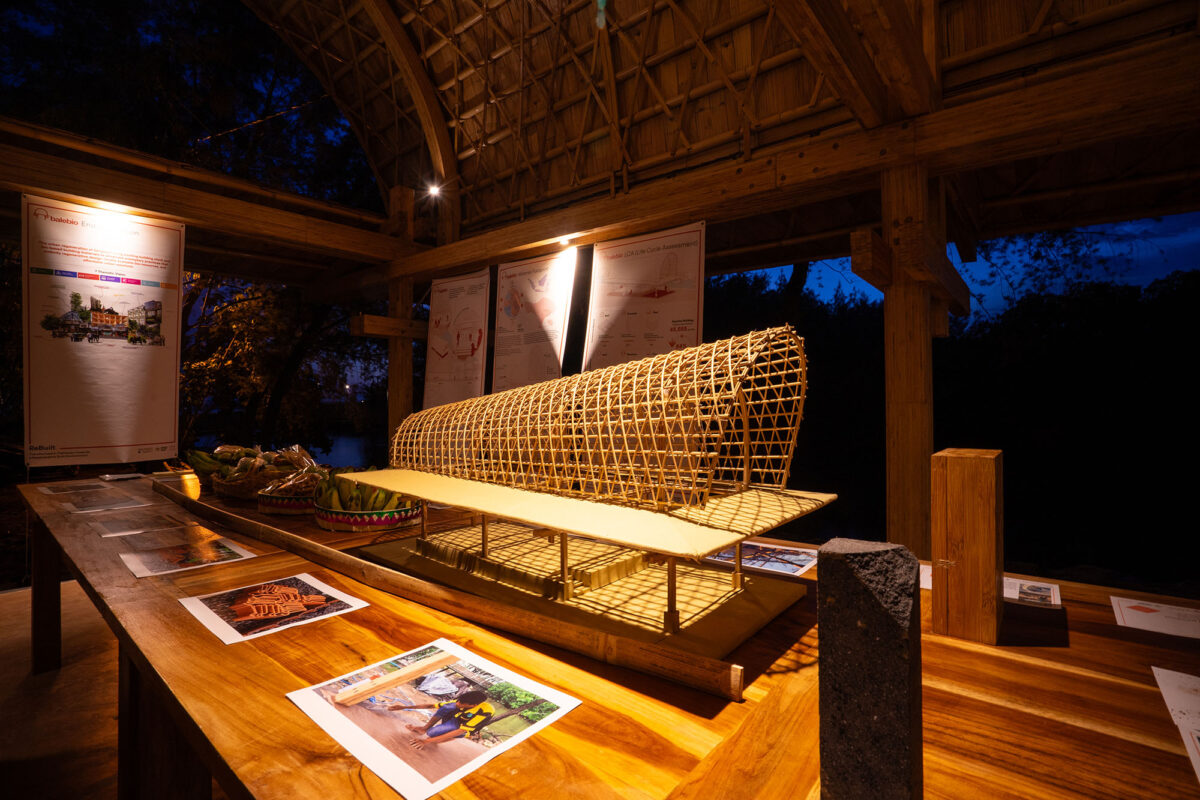
パビリオンは、細い竹の梁にペループ(平らにした竹)を重ねた樽型ヴォールト屋根を特徴とし、メルタサリビーチの岸辺から8.5mの高さにそびえ立つ。層状に重ねられた竹構造は、地域コミュニティの集いの場として、文化的に親しみやすく魅力的な空間を提供する。
© Iwan Sastrawan
バリ初のエンジニアードバンブー構造
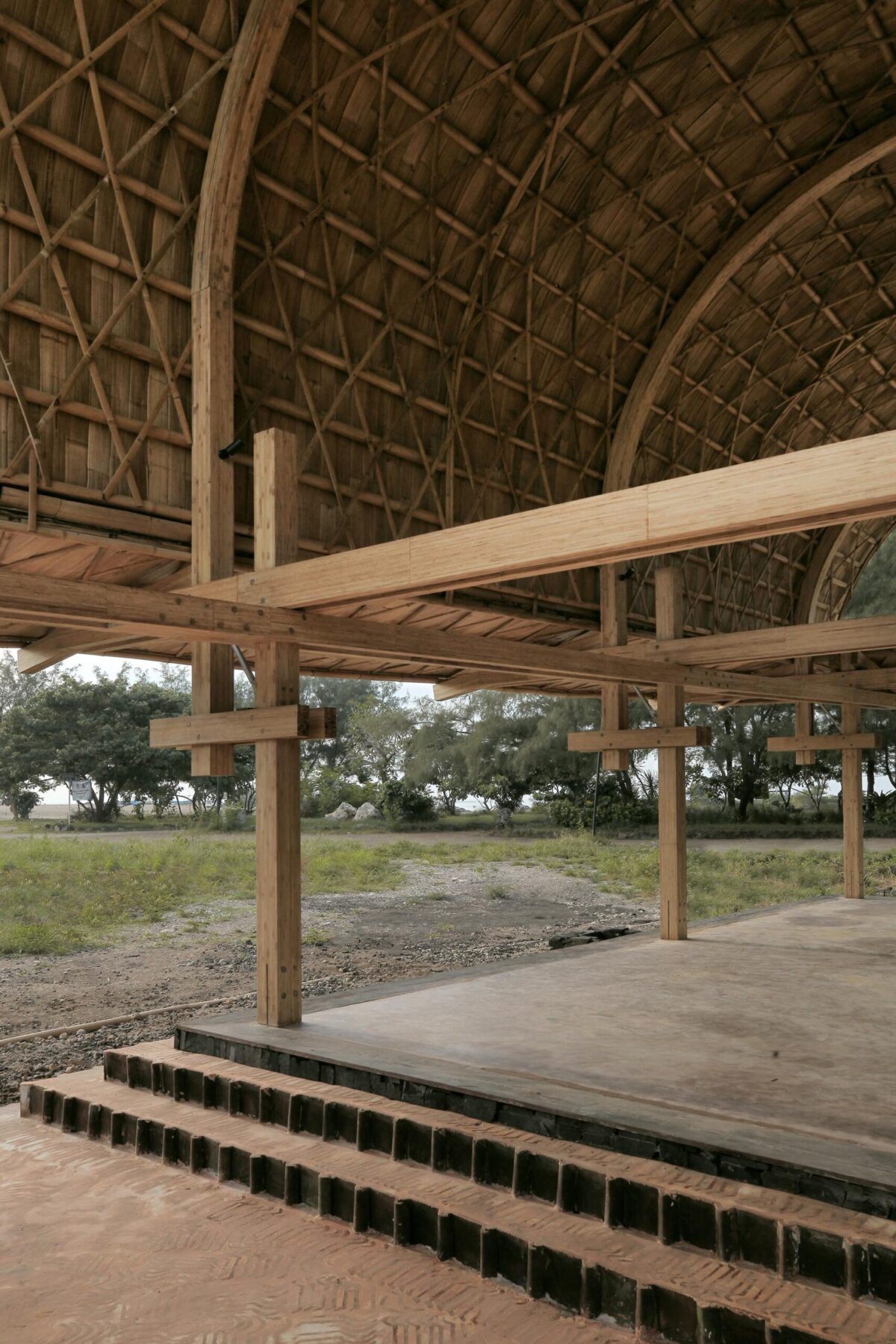
構造には、バリで初めて採用されたエンジニアードバンブー(竹の構造用集成材)の柱と梁が用いられている。この素材は、ラミネート、圧縮、樹脂接着によって製造され、木や鋼鉄に代わる強靭かつ耐久性の高い、経済的で持続可能な代替材として注目されている。
床には、屋根瓦、パラ石、アイアンウッドなどの地元のリサイクル素材が使われている。
© Iwan Sastrawan
バウハウス・アースによる徹底した環境評価とライフサイクル分析
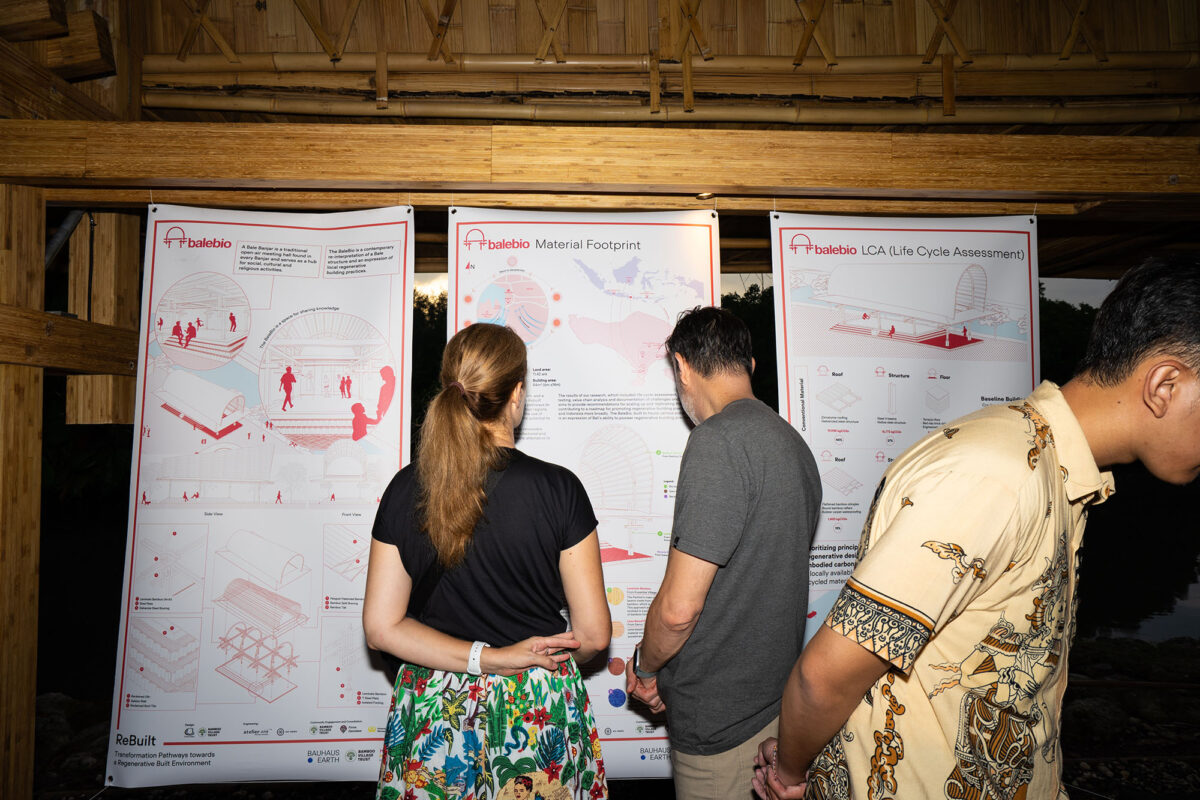
バウハウス・アースは、地元パートナーと連携し、計画段階でライフサイクル評価、構造試験、バリューチェーン分析を実施した。その結果、〈バレ・バイオ〉の総排出量は、バイオベースでない構造物に比べて84%少ないことが示された。
ジェド・ロングは続ける。
「〈バレ・バイオ〉は、建設環境が生態系に与える影響を軽減する解決策を模索する地元のステークホルダーを結集する機会となった。このパビリオンは、地元の知識と材料を活かし、抽出型ではなく再生可能な方法で建設が可能であることを示している。」
© Iwan Sastrawan
バリを拠点に進む、竹を用いた持続可能な建築の実験
〈バレ・バイオ〉はバウハウス・アースによる、ドイツ連邦環境省の支援を受ける「ReBuiltプロジェクト」の主要な構成要素であり、このプロジェクトは世界4地域におけるバイオベース建築材料の活用を調査している。
その中でバリは、竹を高度に再生可能な地域建築材料として位置づけ、研究と実装を進めている。インドネシアでは、豊富な竹資源を活かし、エンジニアードバンブーの生産拡大を図るとともに、地域産業の支援、森林伐採の削減、再生可能な建築実践を先駆ける取り組みを進めている。
© Iwan Sastrawan
© Iwan Sastrawan
© Iwan Sastrawan
© Iwan Sastrawan
© Iwan Sastrawan
© Iwan Sastrawan
© Iwan Sastrawan
以下、ケイブ・アーバンのリリース(英文)です。
Project Name: Bale Bio
Completion Year: 2025
Area: 84 m²
Project Location: Mertasari Beach, Sanur, Bali
Client/sponsor: BMUV
Project Lead: Bauhaus Earth
Design: Cave Urban, Bamboo Village Trust
Manufacturing: Indobamboo
Structural engineering: Atelier One
Environmental Engineering: Eco Mantra
Partners: Bauhaus Earth, Bamboo Village Trust, Kota KitaMedia Credits
Photographs: Iwan SastrawanProject Description
The BaleBio is an 84-square-metre pavilion that demonstrates the potential and elegance of regenerative architecture. As part of BauhausEarth’s ReBuilt project, it was designed both for and with the local community—inspired by the Bale Banjar, a traditional meeting hall for social, cultural, and religious activities, found in every Banjar (local village organization) of Bali.
“The BaleBio draws upon local Balinese vernacular typologies, reimagined through the use of locally sourced natural and recycled materials to create a vision for how construction can have a positive impact on the environment.” – Jed Long, Cave Urban
With its iconic barrel-vaulted roof made of slim bamboo rafters clad in pelupuh (flattened bamboo), the BaleBio rises to a height of 8.5 metres over the shore of Mertasari Beach. The laminated bamboo pavilion provides a culturally familiar and attractive place for community gatherings. The structure is supported by columns and beams of engineered bamboo, used for the first time in Bali. Lamination, compression, and resin bonding make the material exceptionally strong, durable, and a practical economical and sustainable alternative to wood or steel. The floor is made of local recycled materials, including roof tiles, paras stone, and ironwood.
Bauhaus Earth, in collaboration with its local partners, conducted a Life Cycle Assessment, structural testing, and value-chain analysis during the planning process. The calculations showed that total emissions of the BaleBio pavilion were 84% less than those from non-bio-based constructions.
“The BaleBio is an opportunity for bringing together a broad group of local stakeholders who are all developing solutions to reduce the ecological impact of the built environment. The pavilion demonstrates that we can build in a way that is regenerative rather than extractive, making use of local knowledge and materials.” – Jed Long, Cave Urban
BaleBio is a key component of the Bauhaus Earth ReBuilt Project, which explores the use of bio-based building materials in four regions of the world, supported by the German Federal Ministry for the Environment. In Bali, the research focuses on bamboo as a highly renewable local building material. Indonesia is employing its abundant bamboo resources to increase the production of engineered bamboo to support local industry, reduce deforestation and pioneer regenerative building practices.
ケイブ・アーバン 公式サイト
https://www.caveurban.com/balebio-bali
【購読無料】空間デザインの今がわかるメールマガジン TECTURE NEWS LETTER
RECOMMENDED ARTICLE