

地形と呼応する 有機的な茅葺き建築 - アフリカの土着建築を現代に翻訳したシャルジャの研究・学習拠点〈シャルジャ・ブリディ・パーク〉
©︎ Arch Exist
©︎ Arch Exist
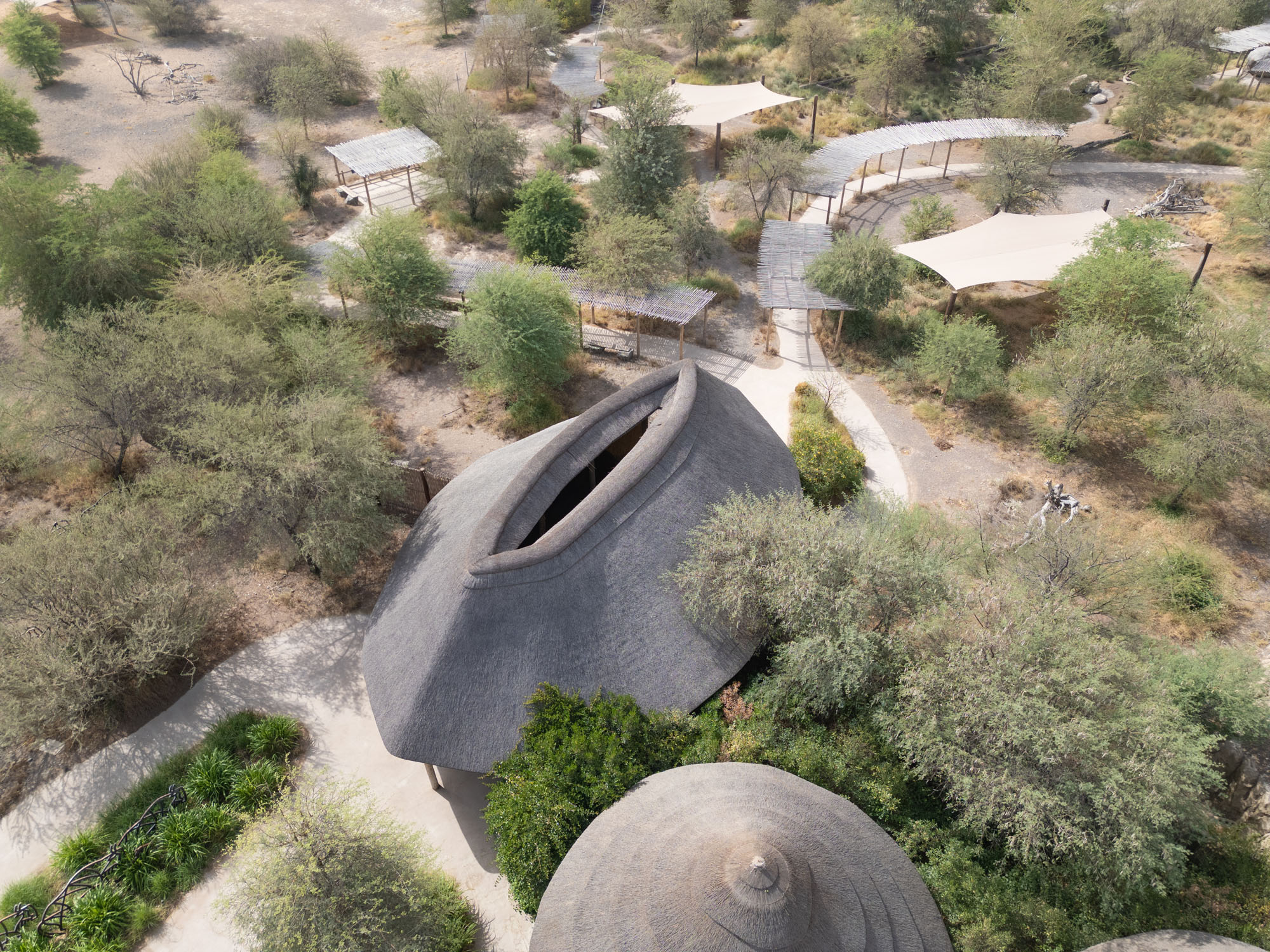
UAEのシャルジャに位置する〈シャルジャ・ブリディ・パーク(Sharjah Bridi Park)〉は、ケニアを拠点とするウルコ・サンチェス・アーキテクツ(Urko Sanchez Architects)が設計した、アフリカの生態系を研究・学習するための複合施設です。
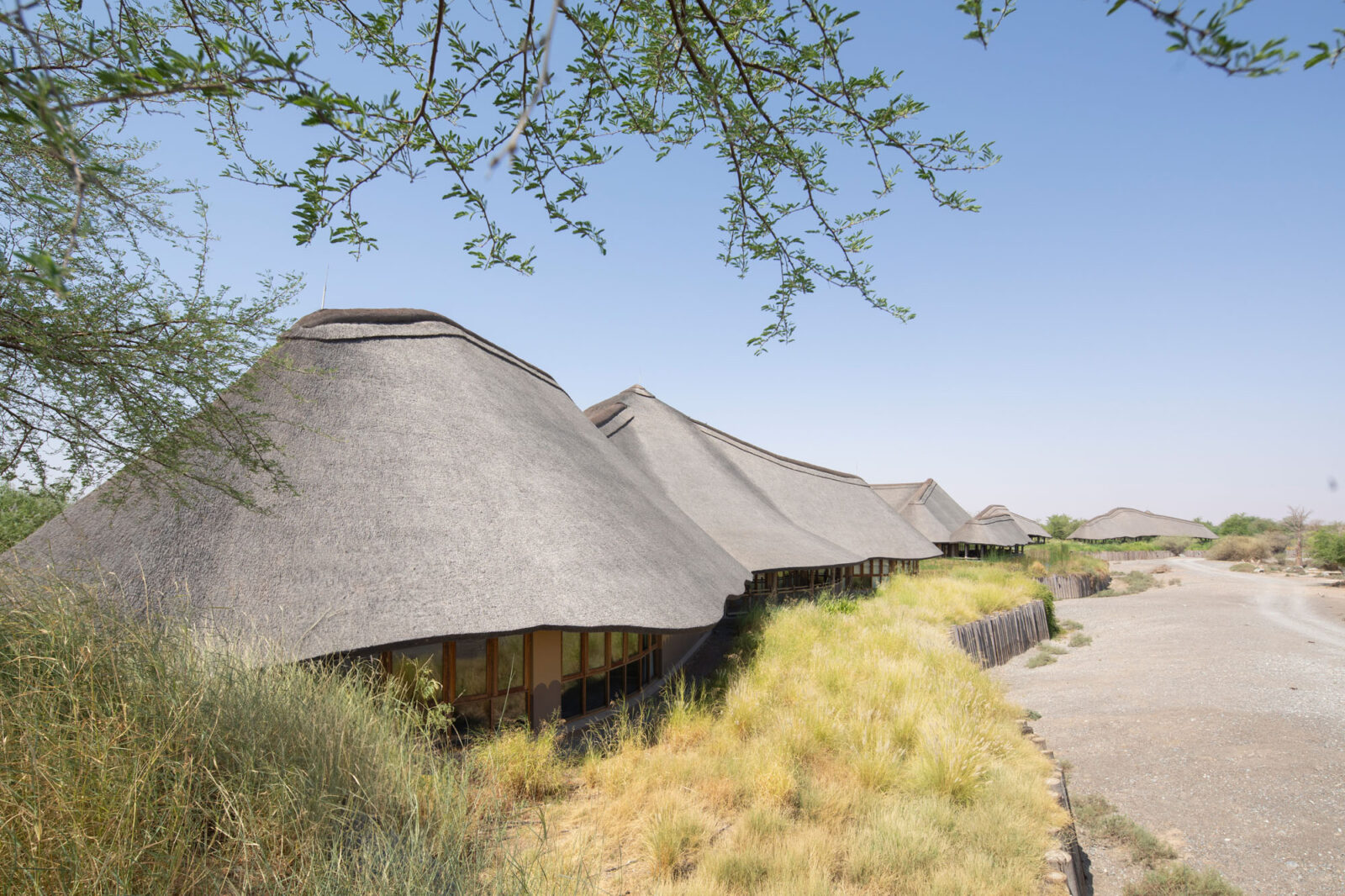
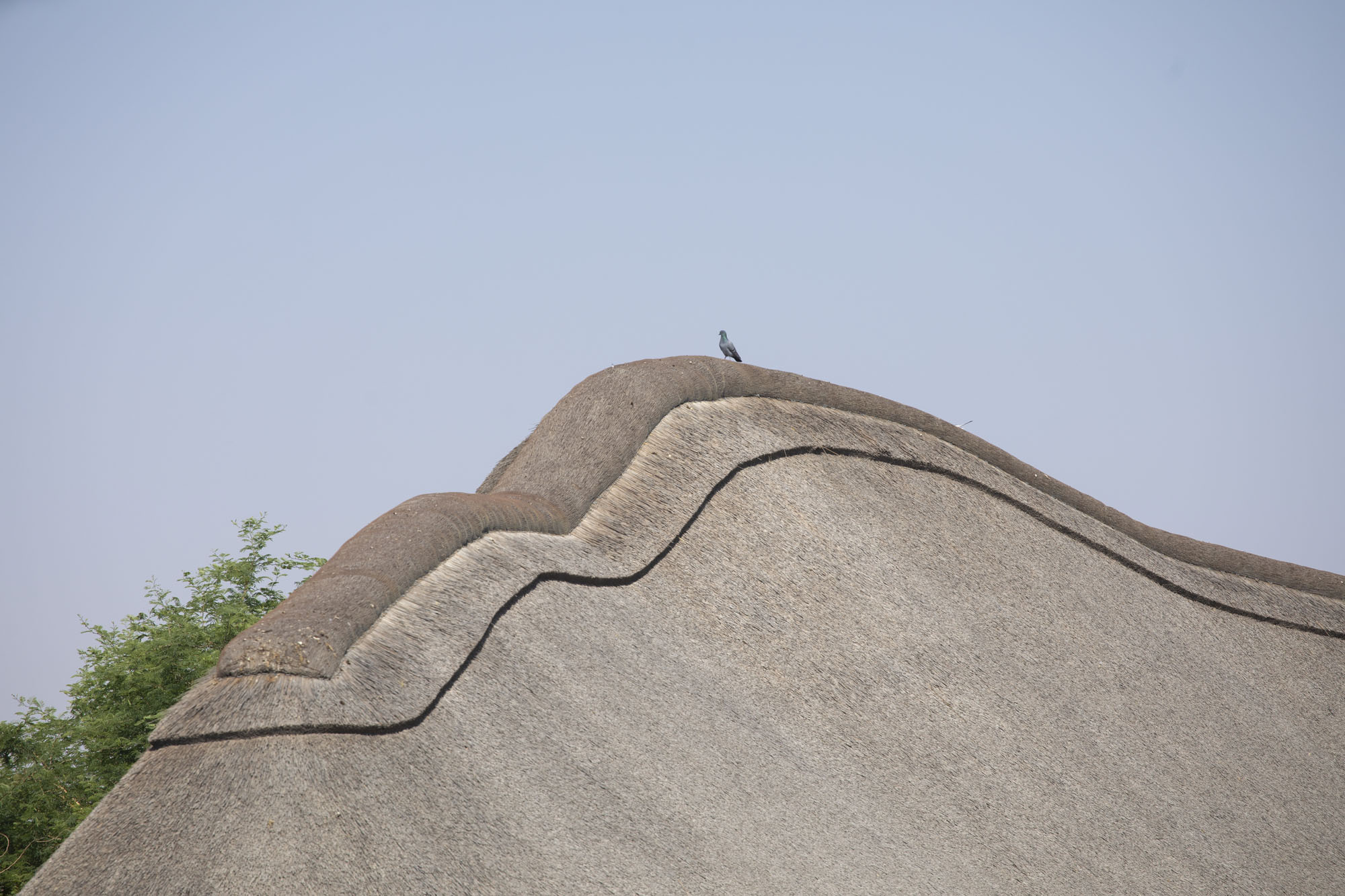
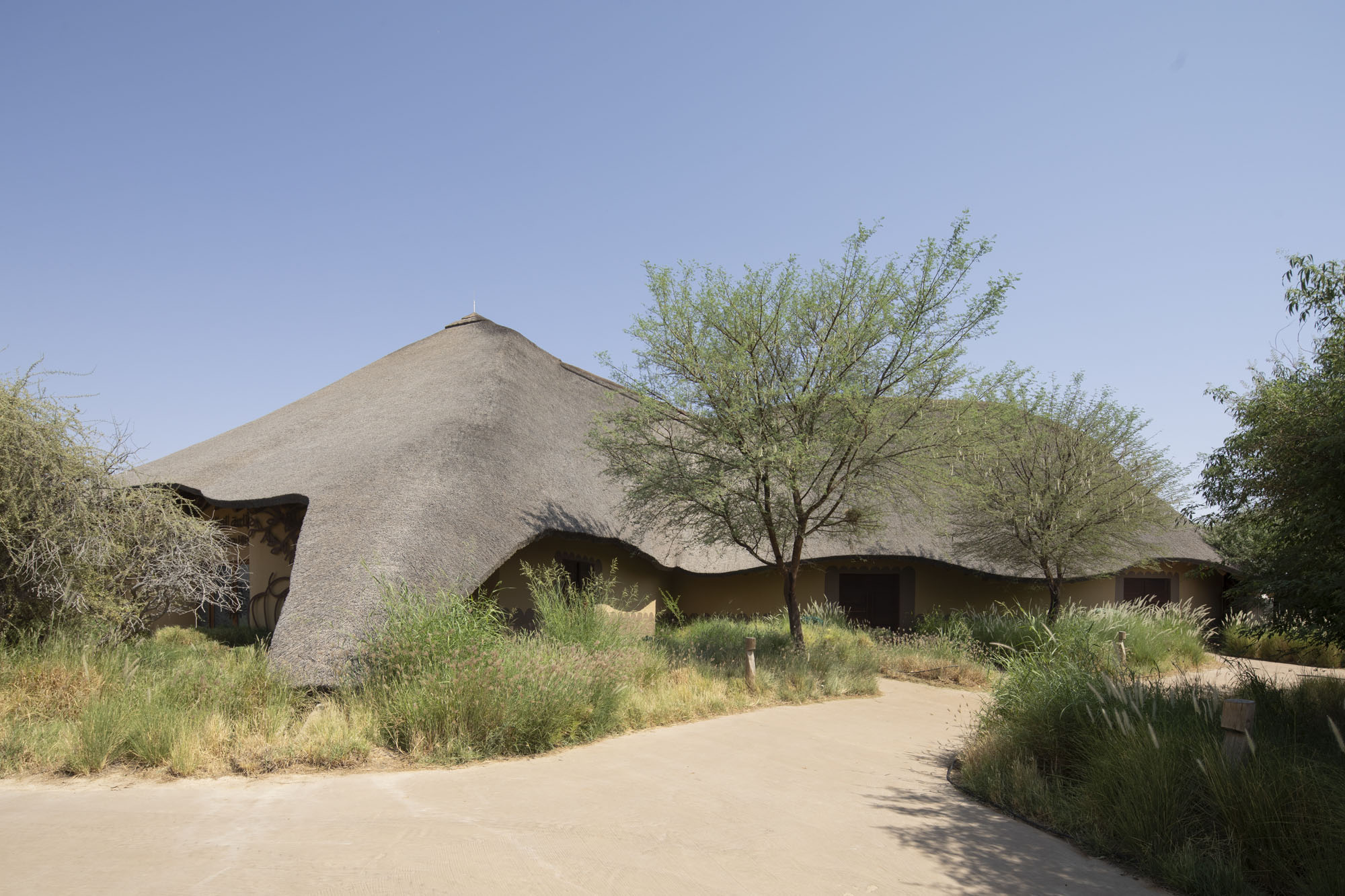
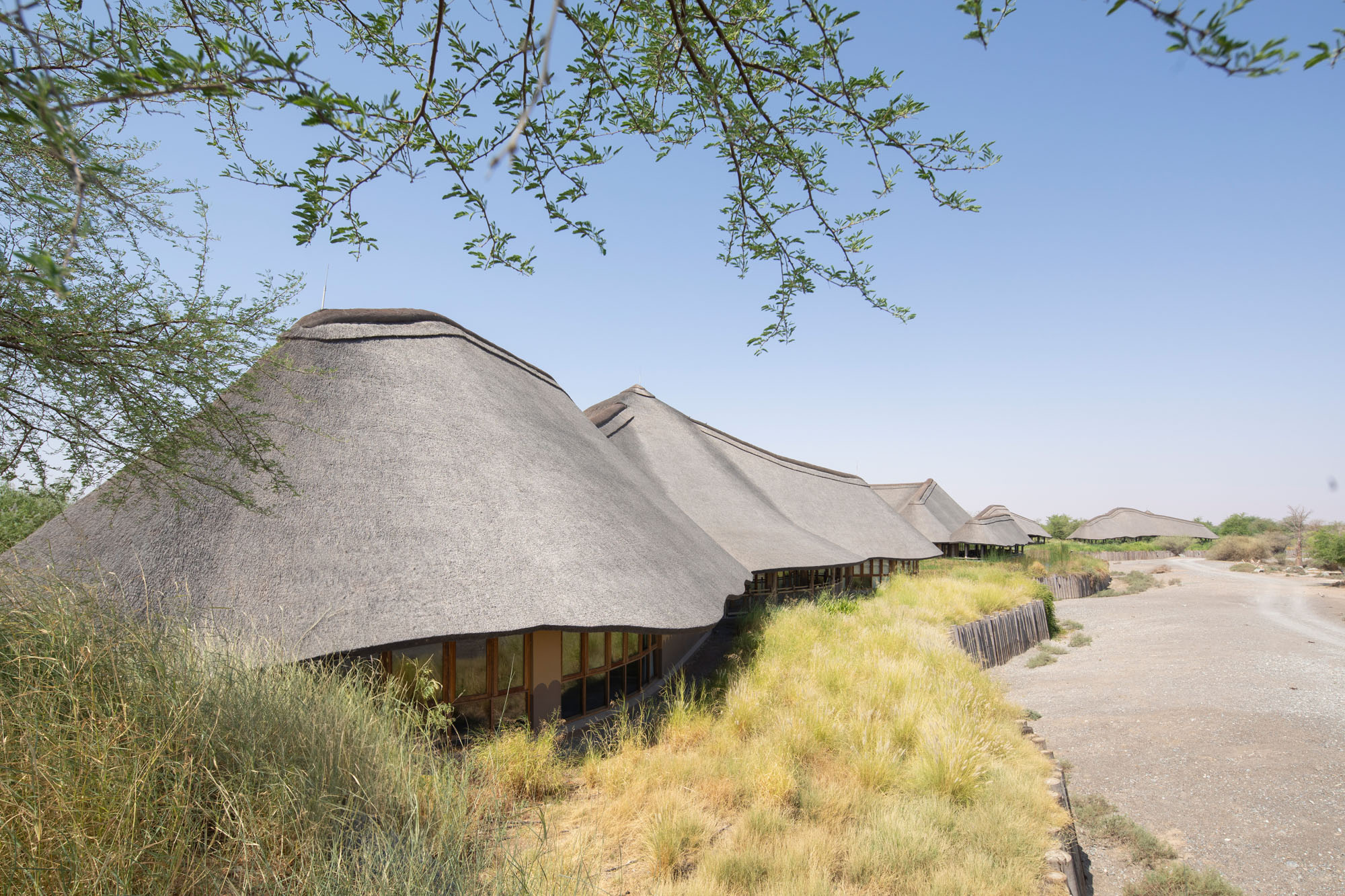
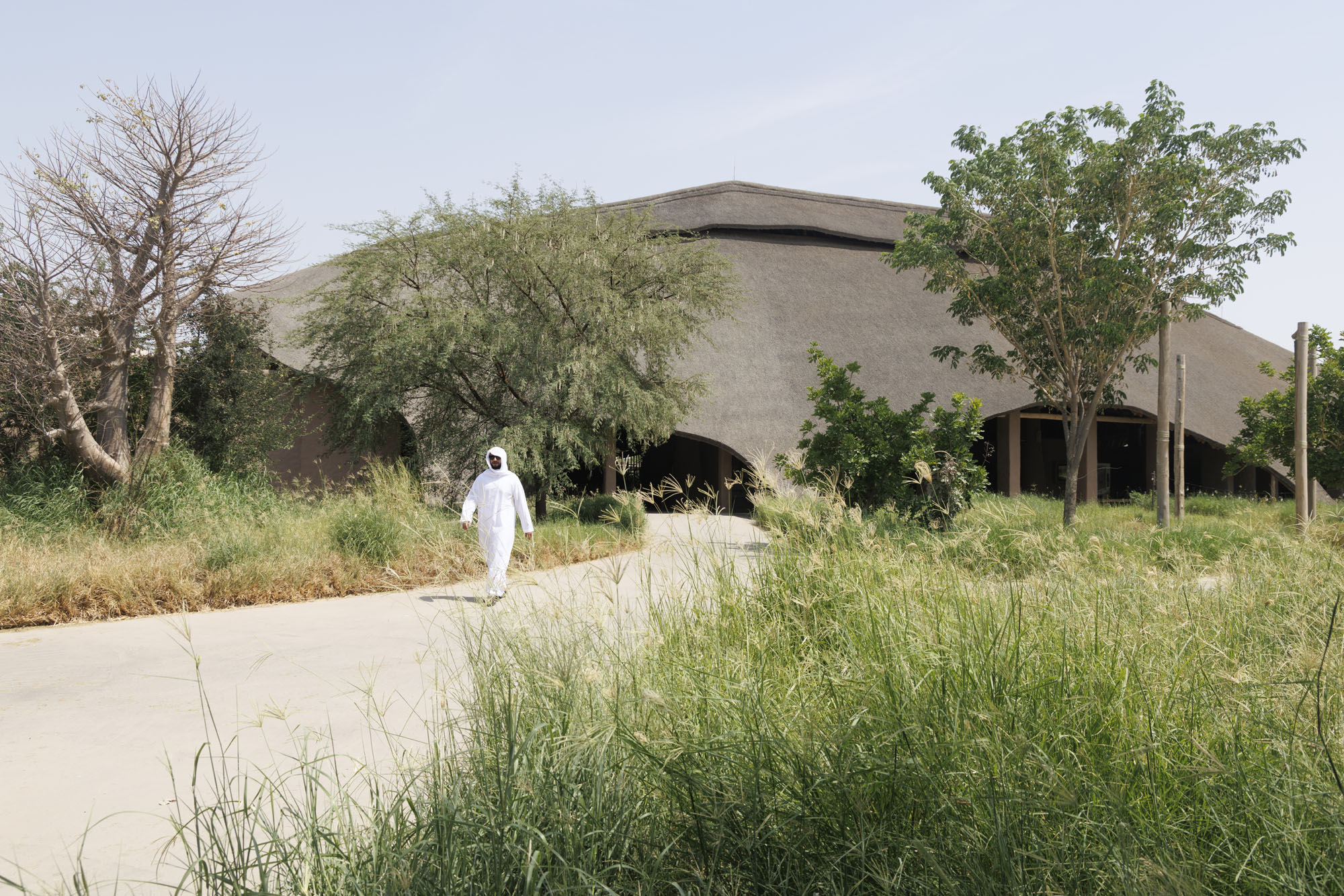
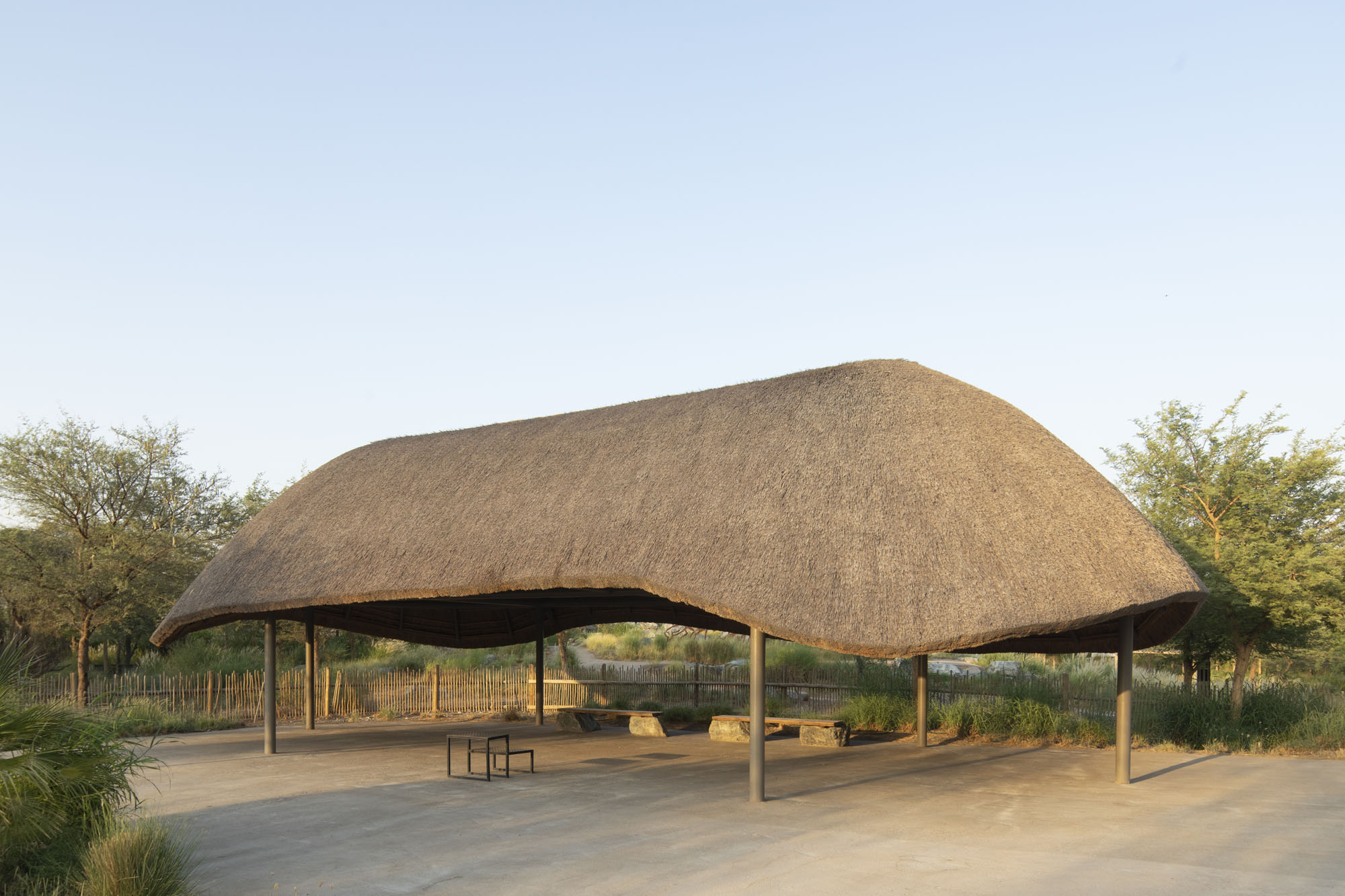
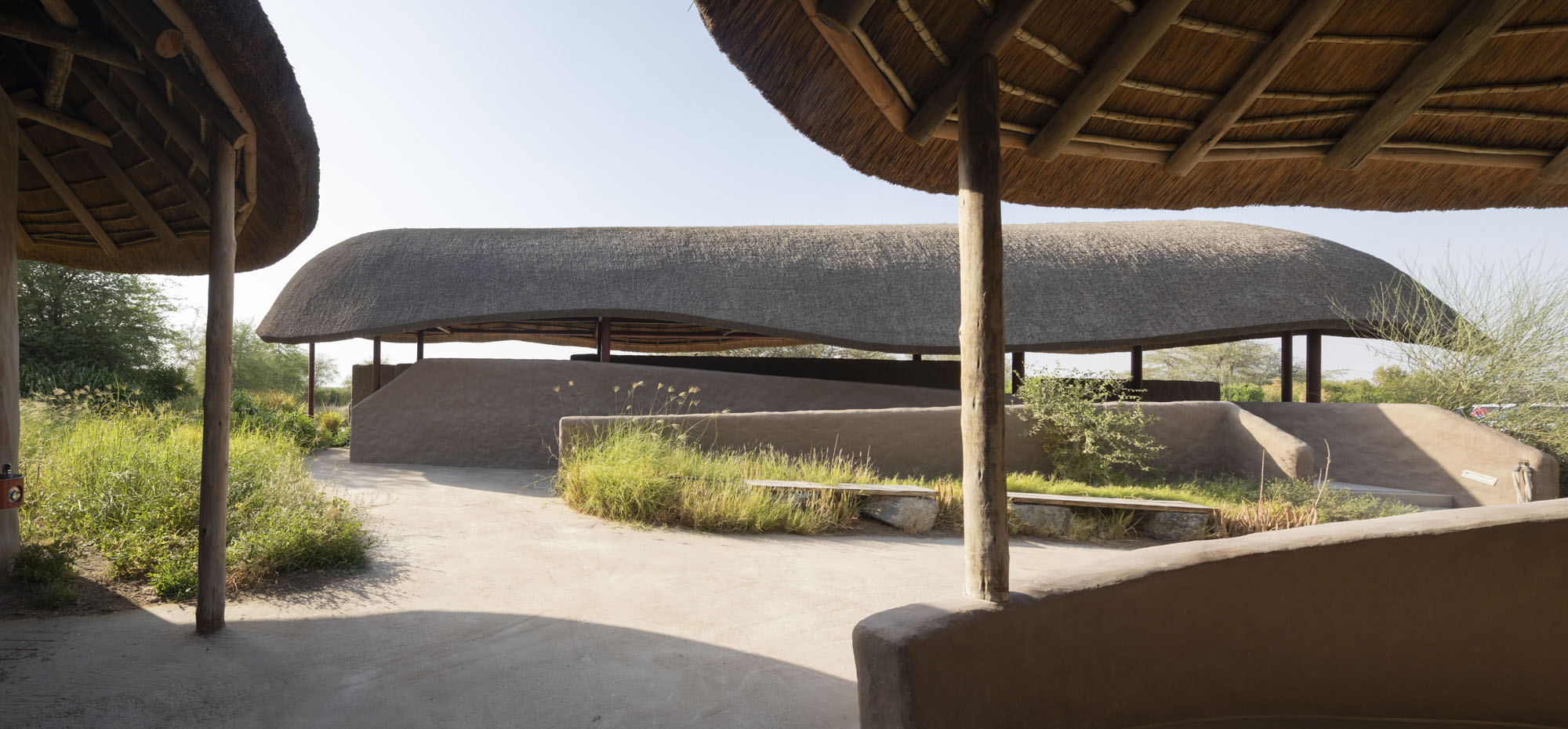
アフリカの伝統的な建築様式を現代の文脈へと翻訳し、茅葺きと木構造を統合した「地形から隆起するような有機的なフォルム」が最大の特徴となっています。
注目ポイント
- アフリカの土着建築の現代的トランスレーション
- 現地の過酷な気候に適応する、気候風土に応答する茅葺きシステム
- 木材と茅葺きのシームレスな統合
- 地形と呼応する彫刻的なランドスケープ
(以下、ウルコ・サンチェス・アーキテクツから提供されたプレスキットのテキストの抄訳)
©︎ Arch Exist
©︎ Arch Exist
アフリカ生態系を学ぶ拠点
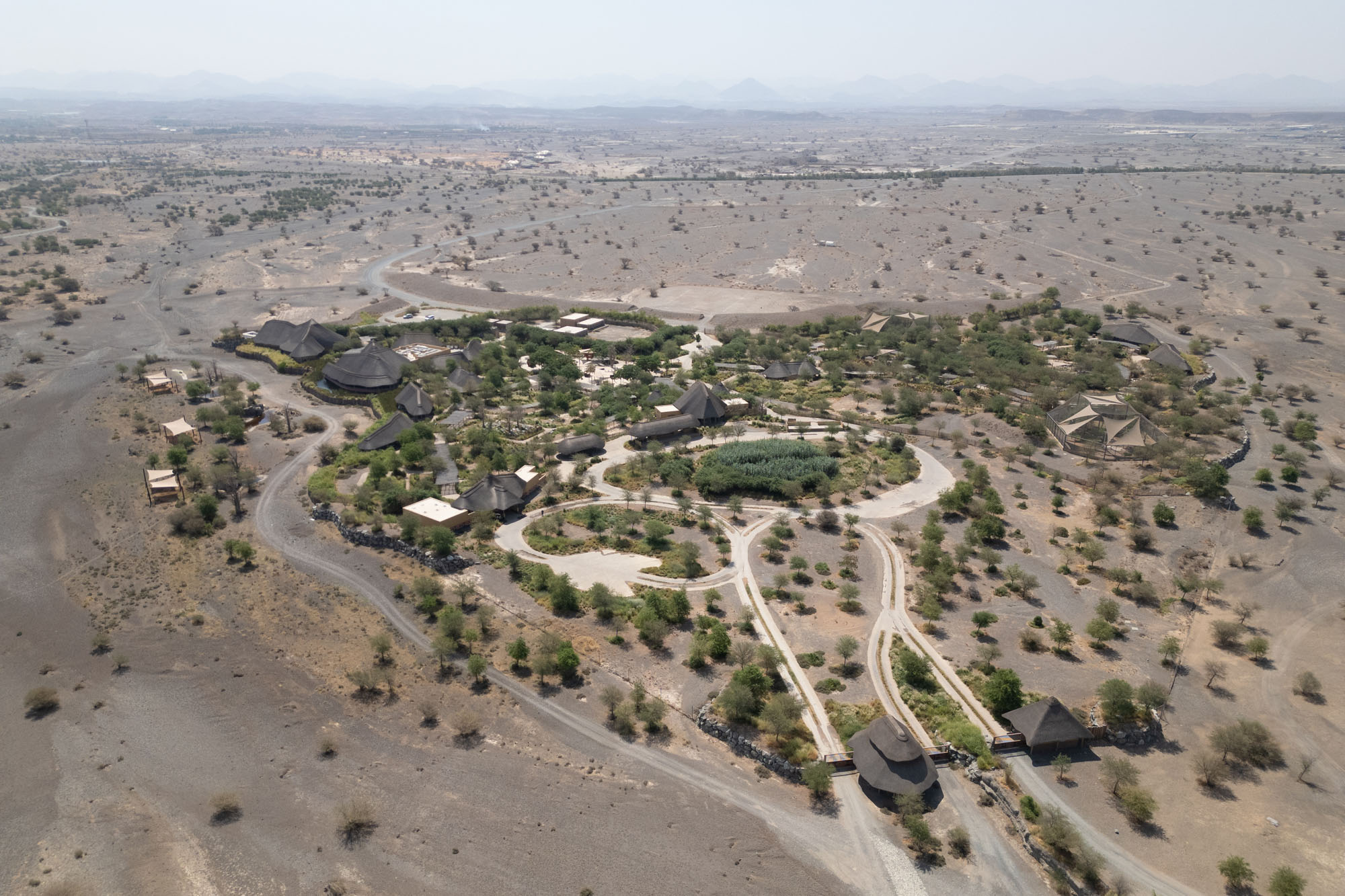
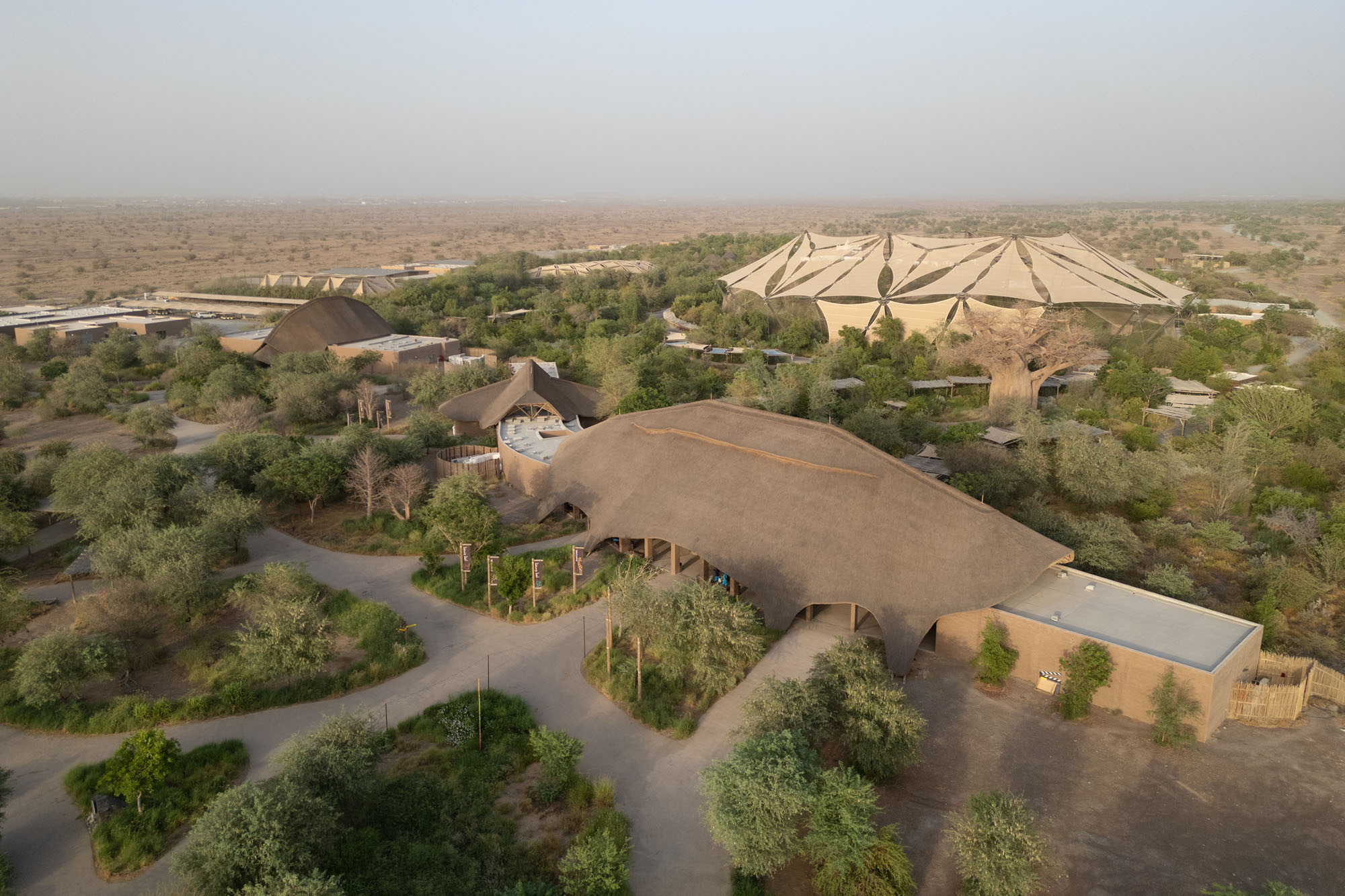
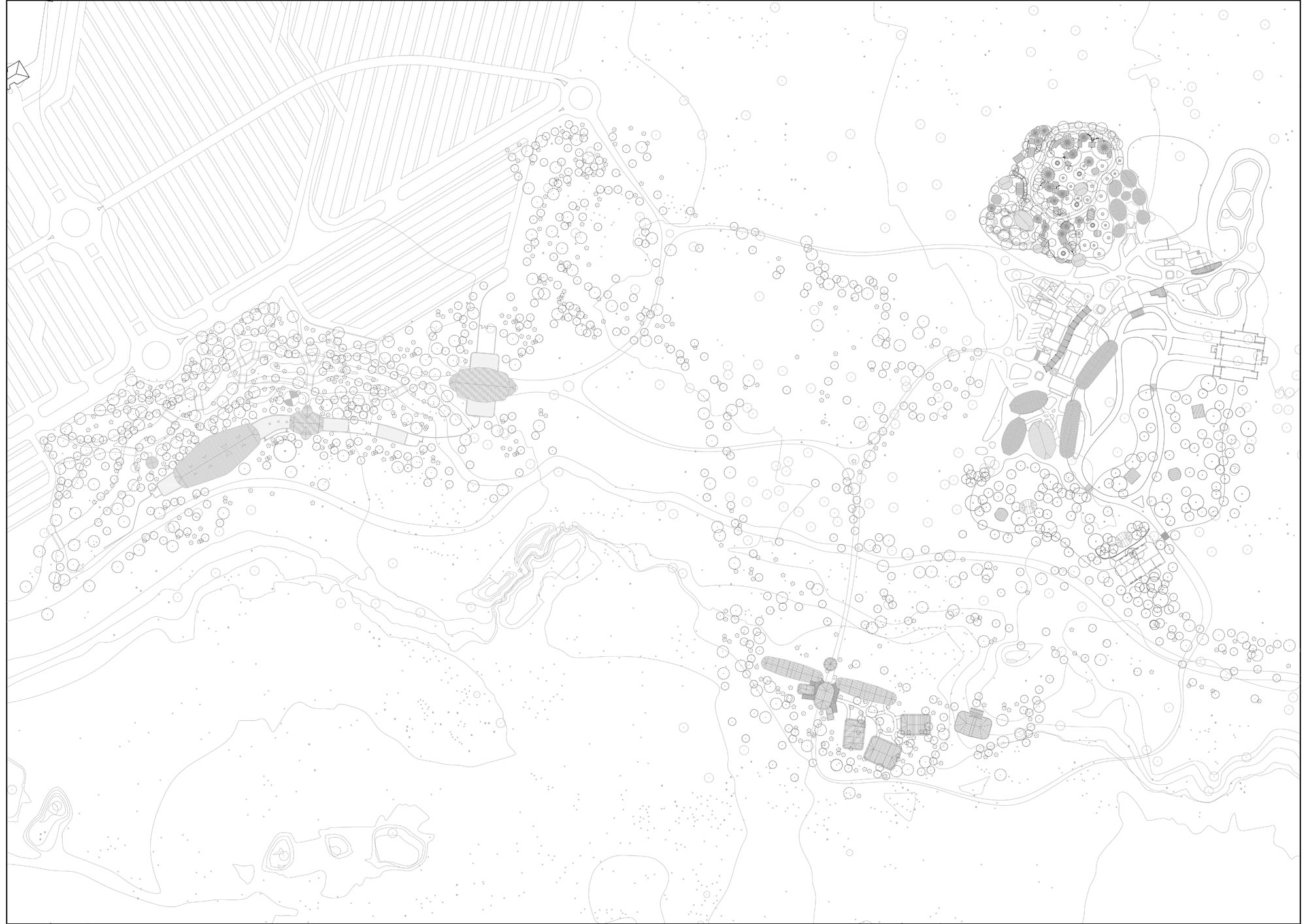
シャルジャのアル・ブリディ保護区内に位置する本プロジェクトは、アフリカの生態系の研究、教育、そして学習に特化した環境として構想された。本プロジェクトにおいて私たちが担った役割は、来訪者の体験を形づくる公共施設およびサービス施設群(エントランス・パビリオン、チケット売り場、小売スペース、教育キャンプ、付帯施設)の設計に重点を置くことであった。
©︎ Arch Exist
©︎ Arch Exist
伝統建築の現代的解釈とアプローチ
本プロジェクトにおける建築的アプローチは、アフリカの伝統的な建築様式を深く探求し、それを現代の文脈へと翻訳する試みから生まれた。
私たちは、これら土着の構造や素材、そして職人技を再解釈することで、周囲の景観と美しく調和し、表現力豊かでありながらも高い機能性を備えた建築言語を構築したのである。
©︎ Arch Exist
©︎ Arch Exist
気候への適応と有機的な形態の追求
設計プロセスの重要なプロセスとして、茅葺き屋根システムの性能と、現地の過酷な気候への適応性に関する広範なリサーチが実施された。これは、建築としての真正性と環境への配慮を両立させるための探求である。
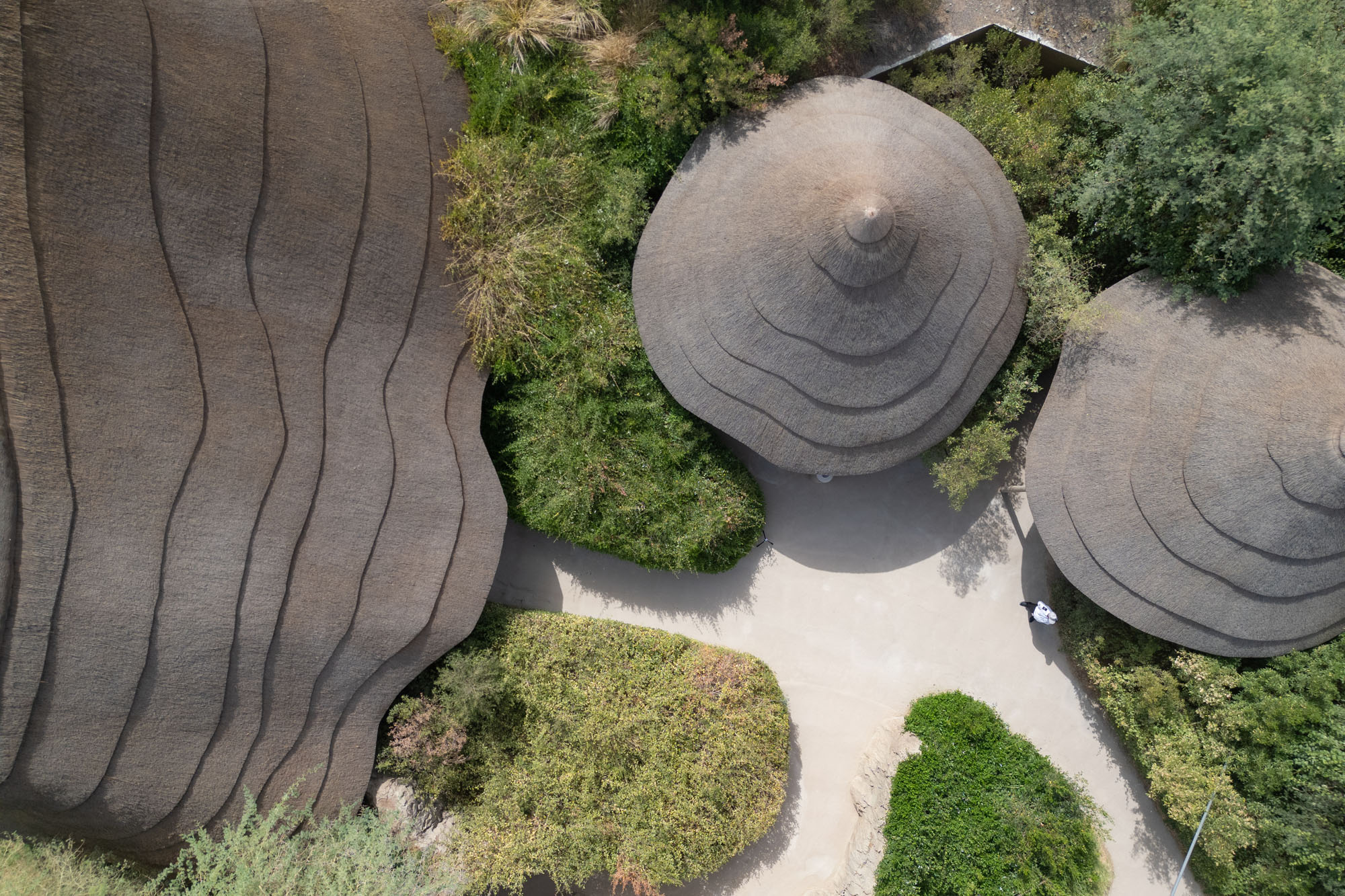
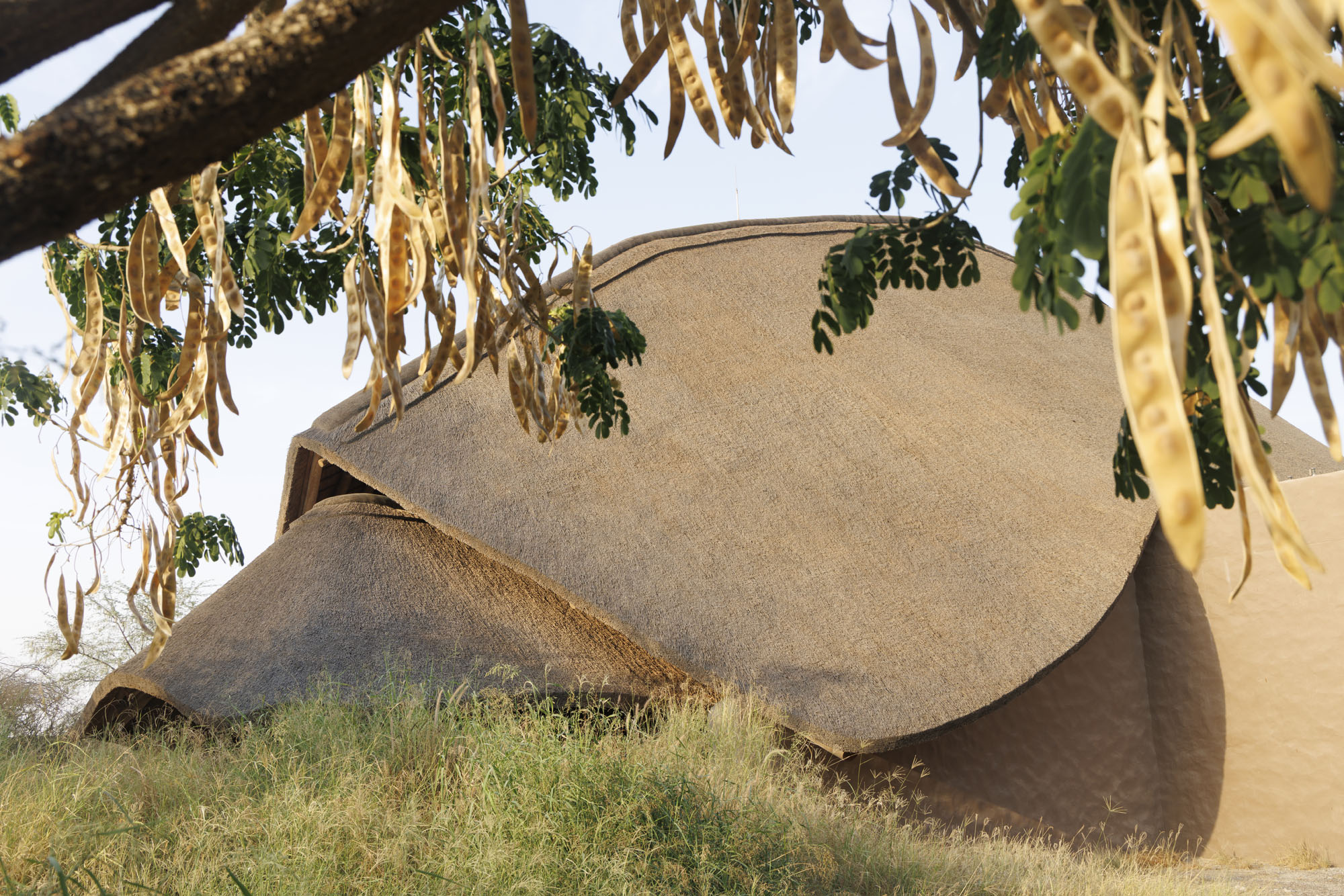
さらに、ケニアでの実務経験を活かし、建物を単なる建造物ではなく、地形から隆起する彫刻的な存在として構想した。自然の有機体を想起させるその形態は、建物同士、そして周囲の植生と静かな対話を交わしている。
©︎ Arch Exist
©︎ Arch Exist
素材の統合:茅葺きと木材の意図的融合
こうした空間表現において、素材性は中心的な役割を担っており、とりわけ、茅葺きと木材の意図的な組み合わせにそれは顕著に表れている。
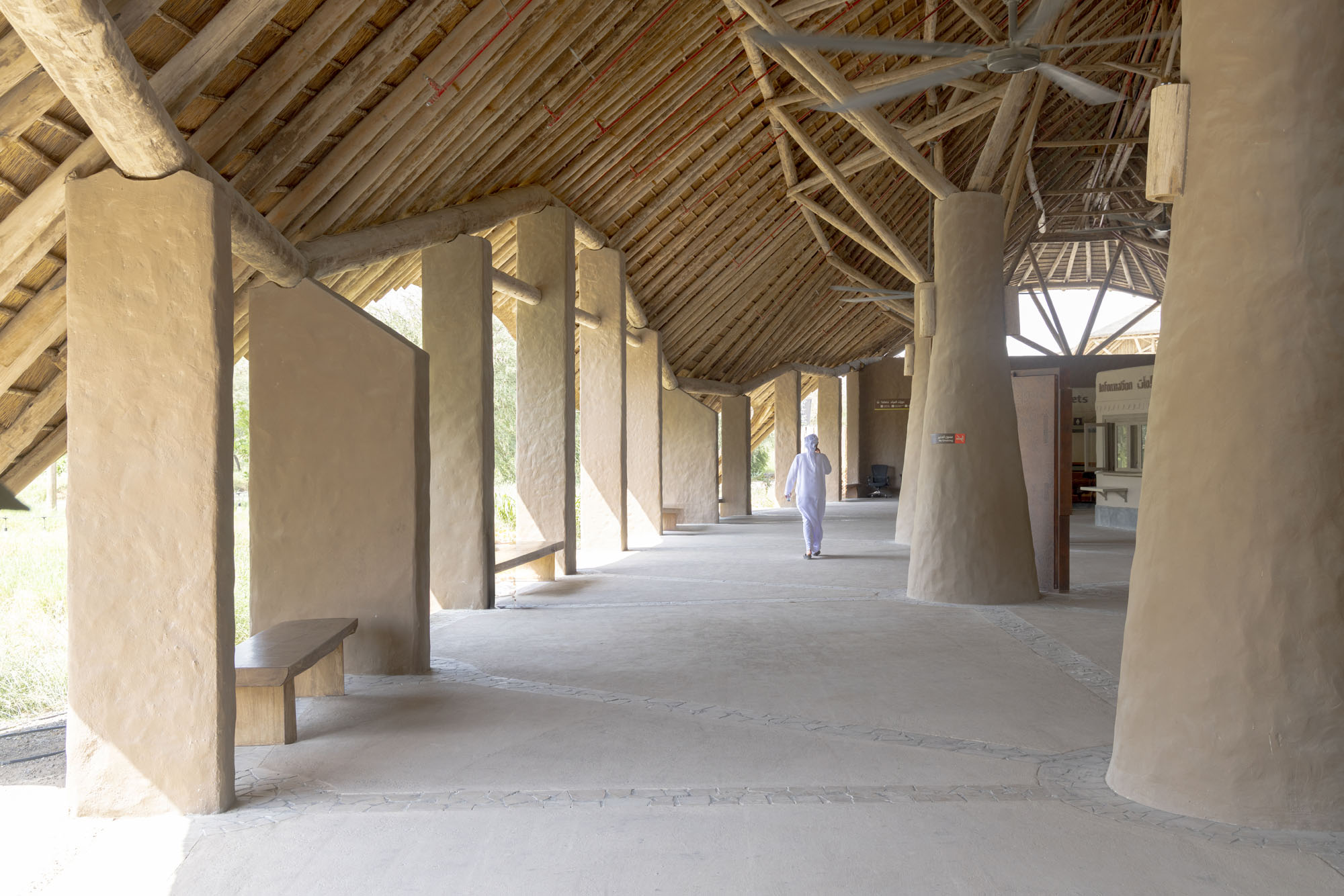
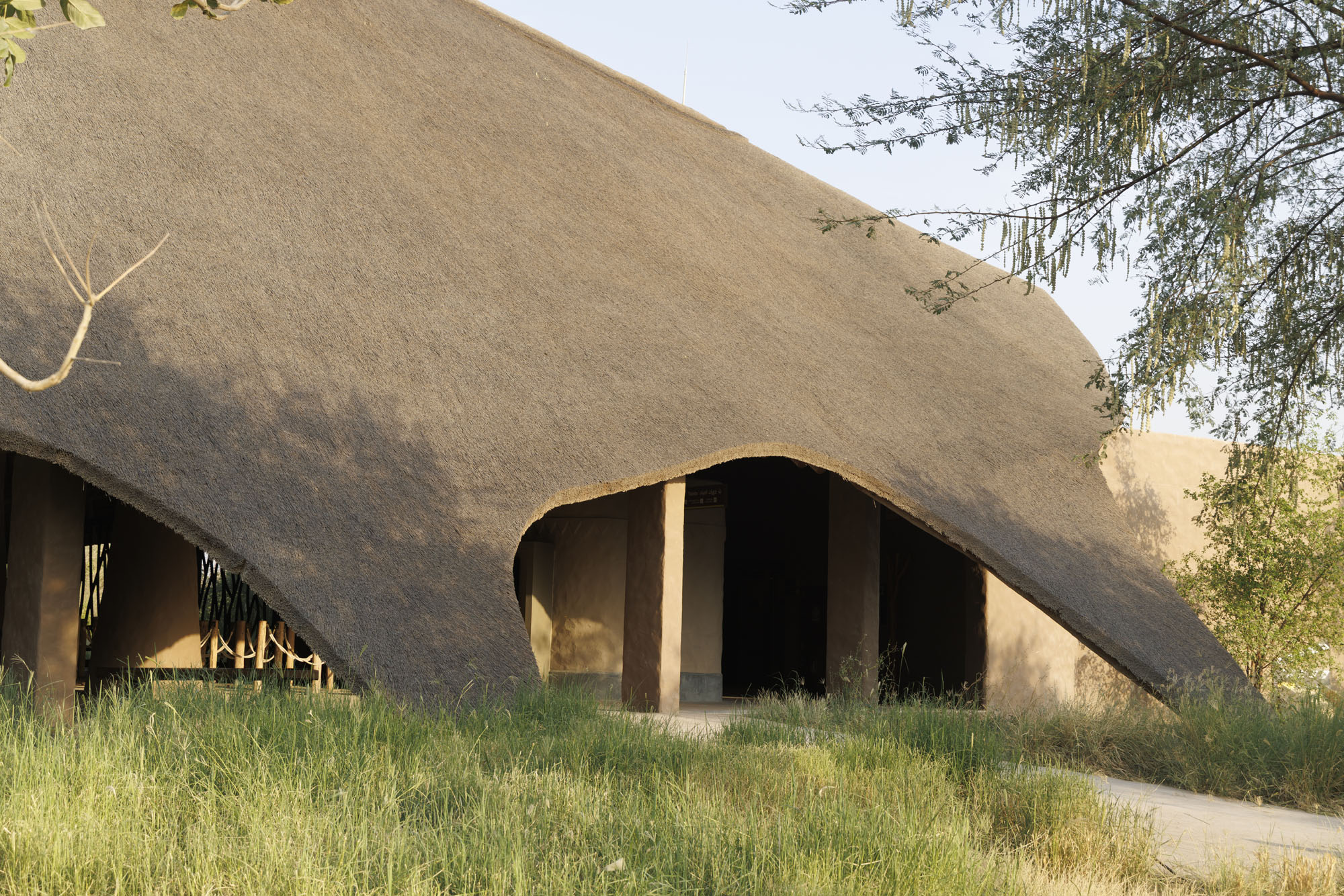
屋根を独立した要素として扱うのではなく、茅葺きを下部にある木造構造の延長として構想した。すなわち、温もり、質感、そして職人技が一体となって機能する統合的なシステムである。木造の骨組みが空間に明快さとリズムをもたらす一方で、茅葺きは柔らかさと奥行き、さらには気候への適応性を付与し、光と熱を適切に濾過することで、本プロジェクトが掲げる環境理念をより強固なものとしている。
©︎ Arch Exist
©︎ Arch Exist
これらの素材が一体となることで、大地に根ざした触覚的な建築言語が創出され、感覚的な自然の豊かさと、現代の文脈において求められる耐久性および洗練性が結び付けられている。
これらのアプローチの結果として、学びと適応、そして自然環境と建築形態の相互作用を称賛する、見事に調和のとれた建築的景観が誕生したのである。
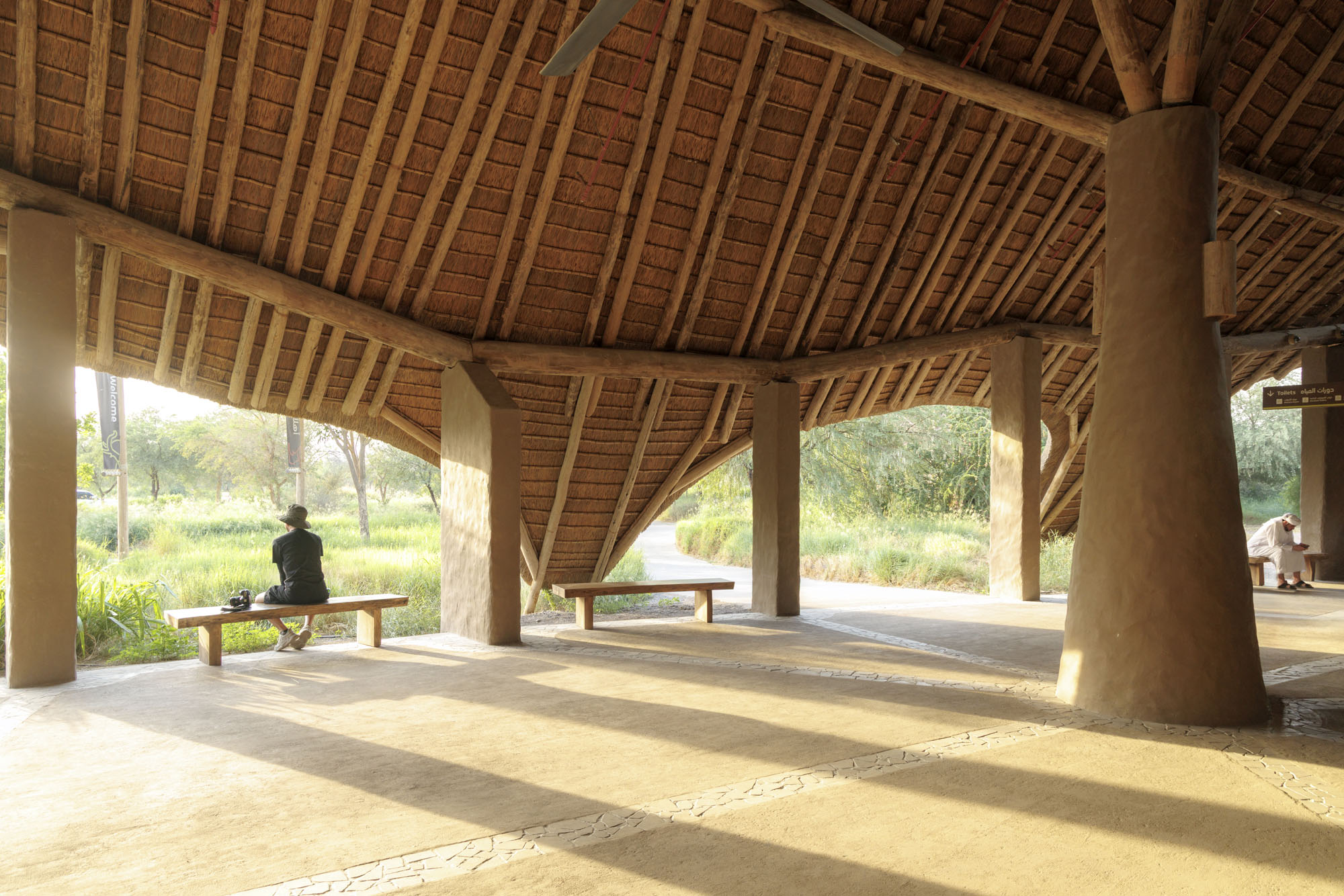
©︎ Arch Exist
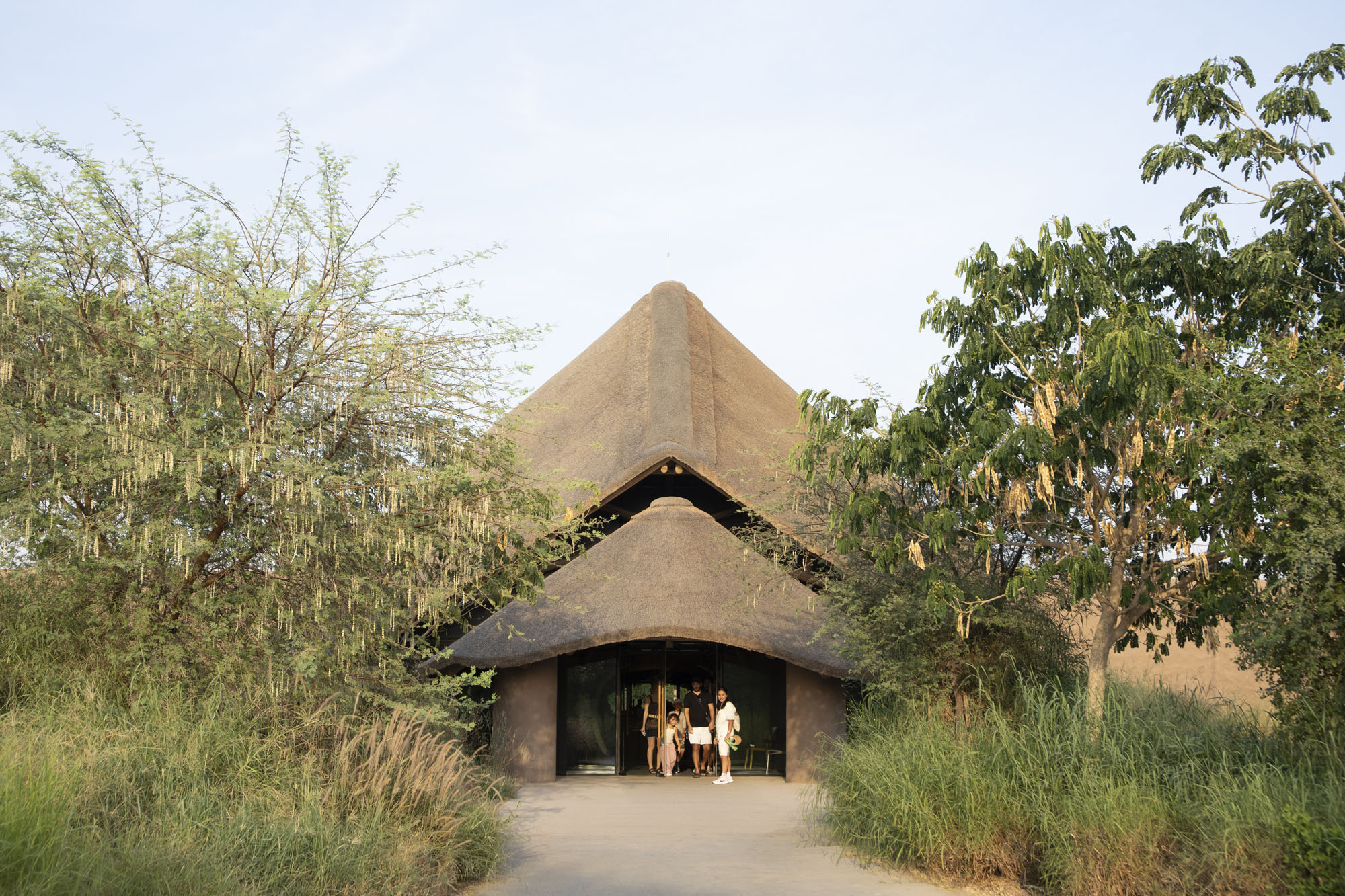
©︎ Arch Exist
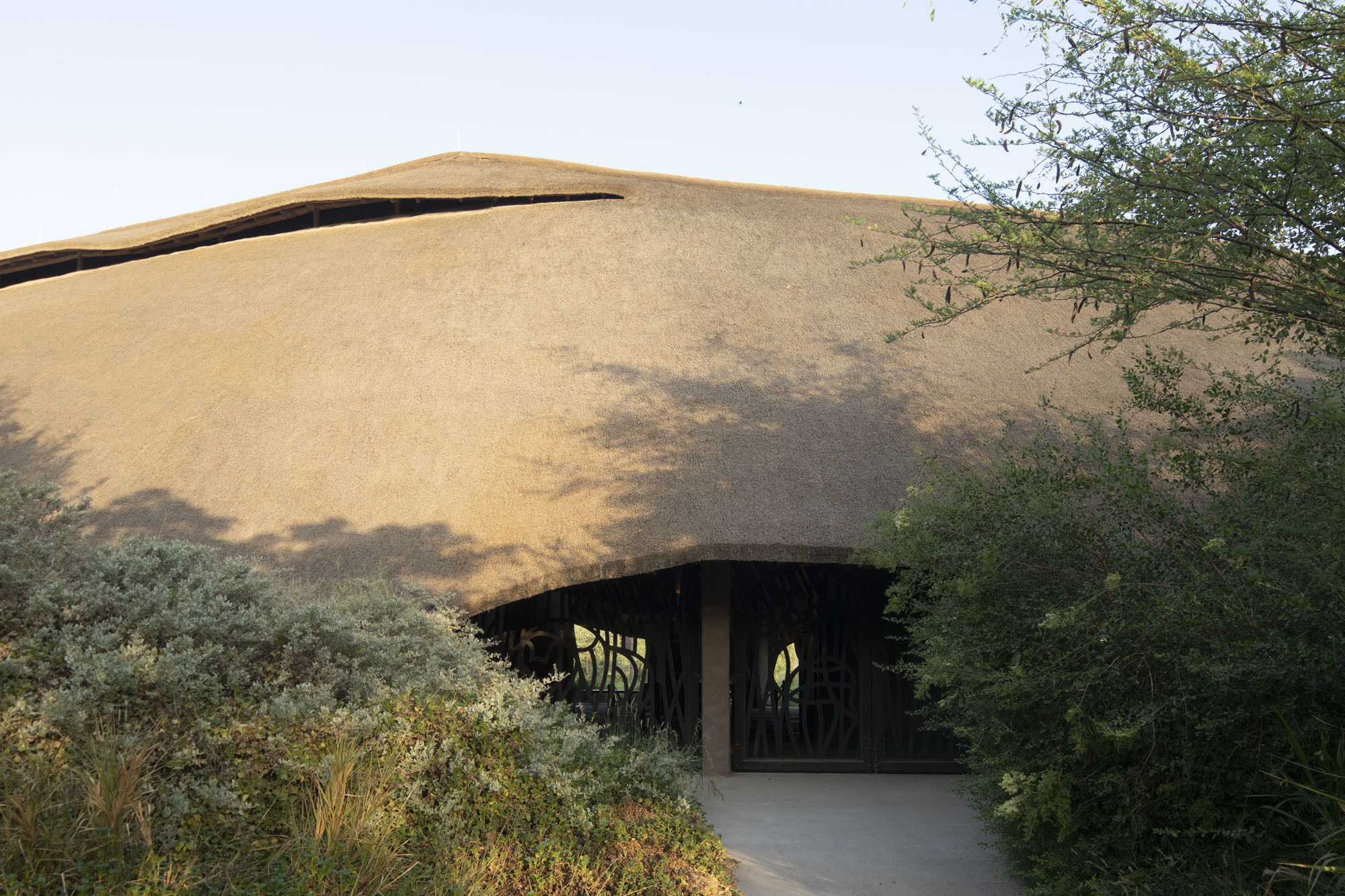
©︎ Arch Exist
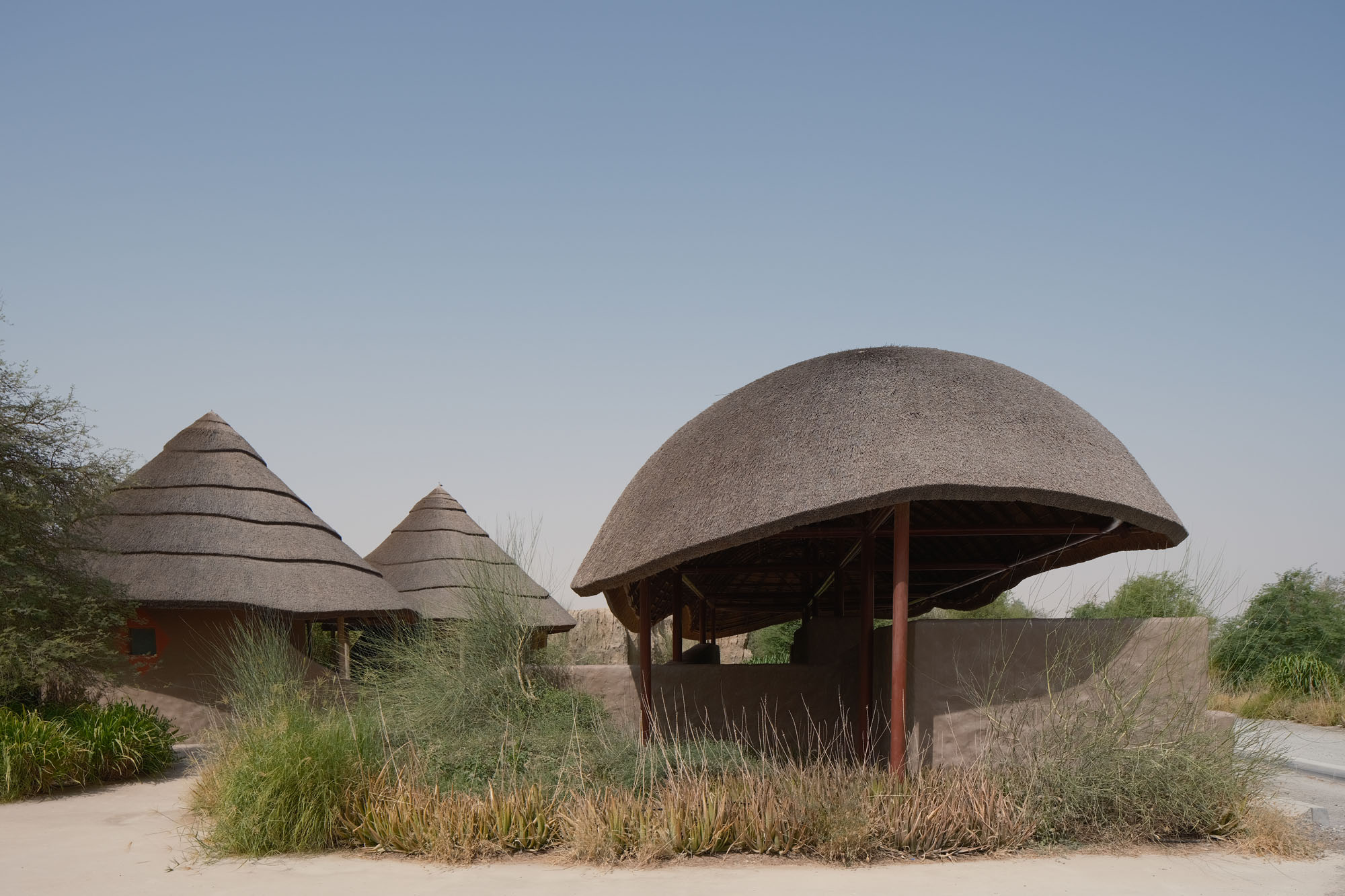
©︎ Arch Exist
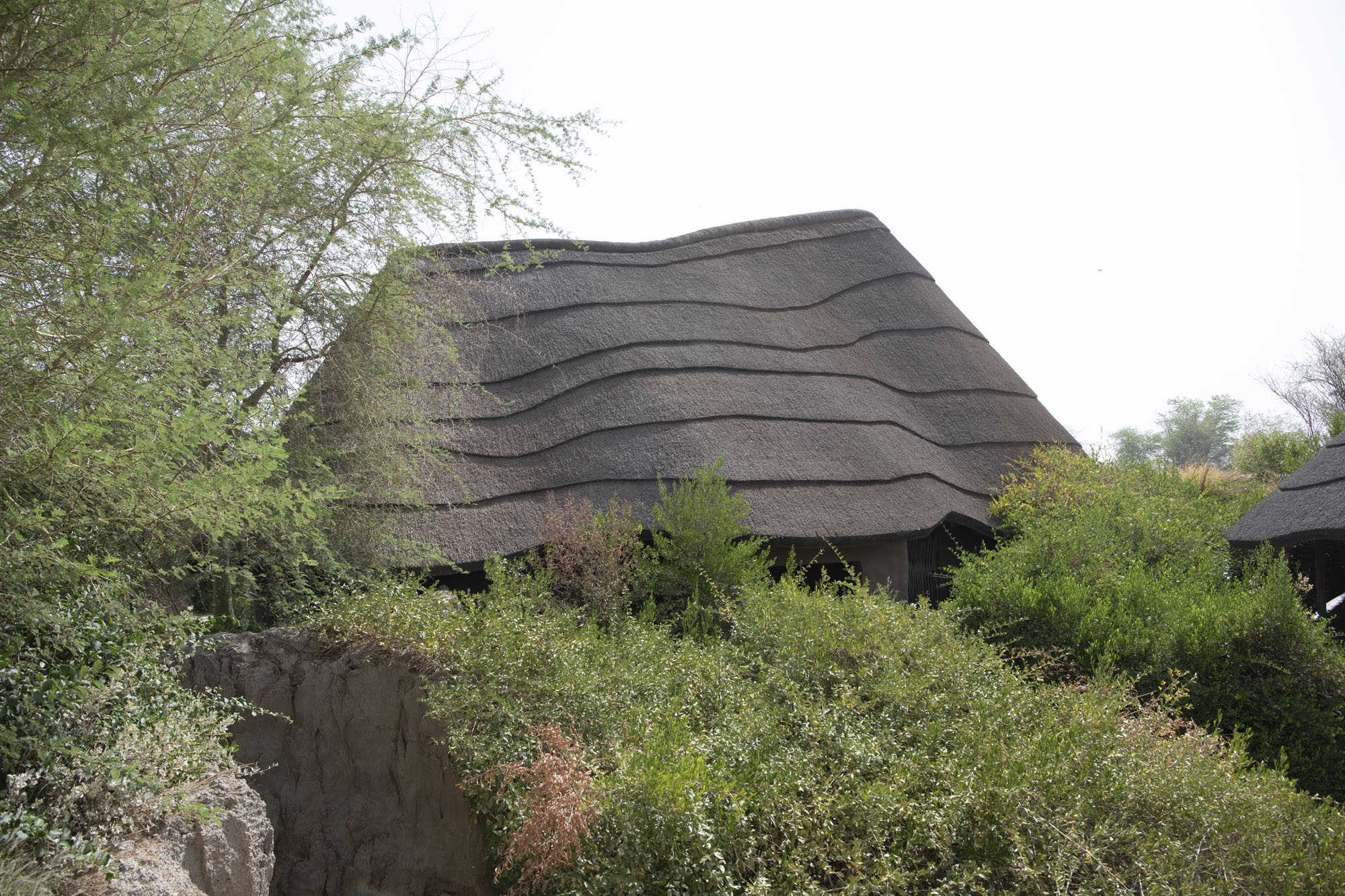
©︎ Arch Exist
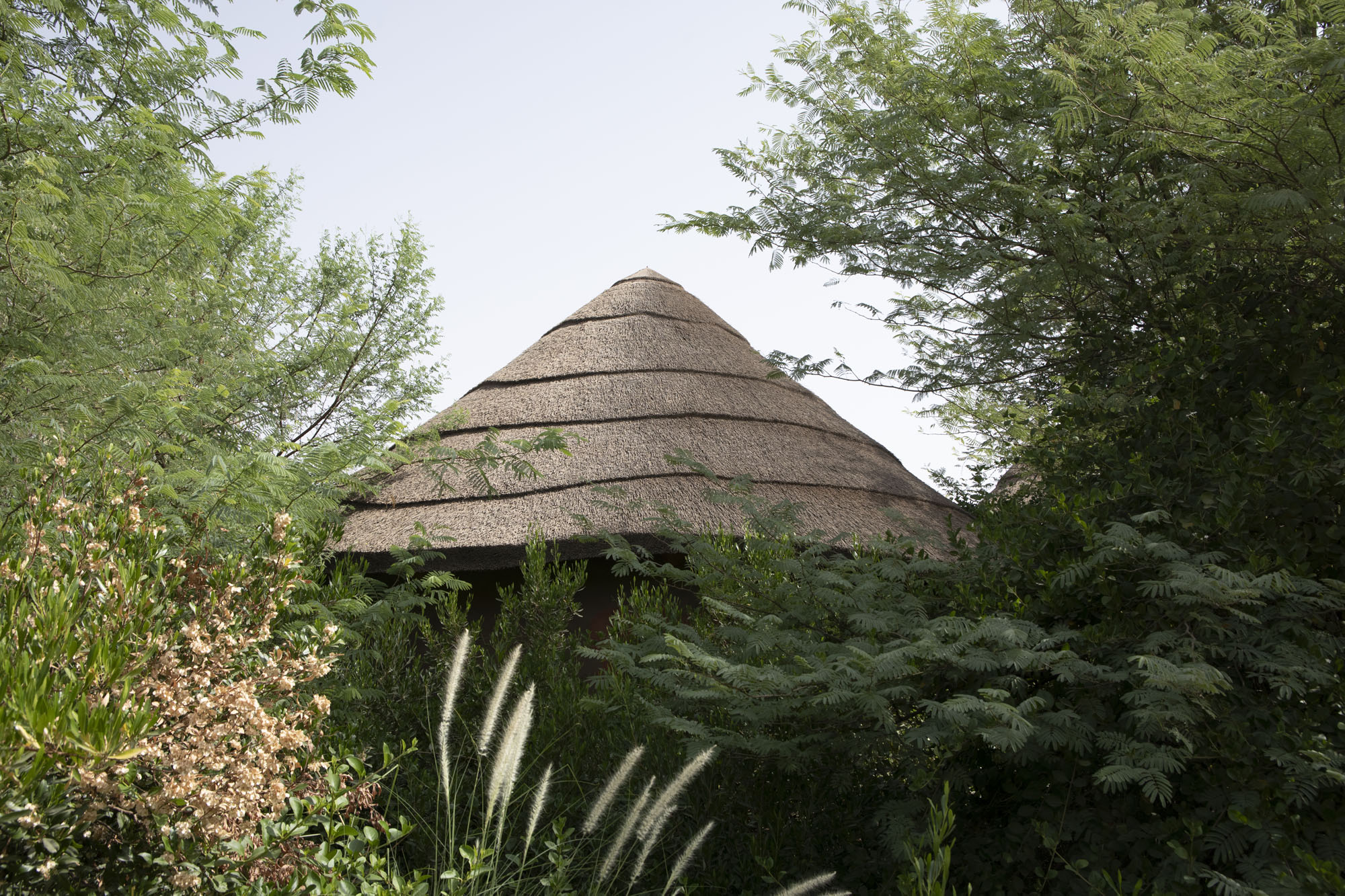
©︎ Arch Exist
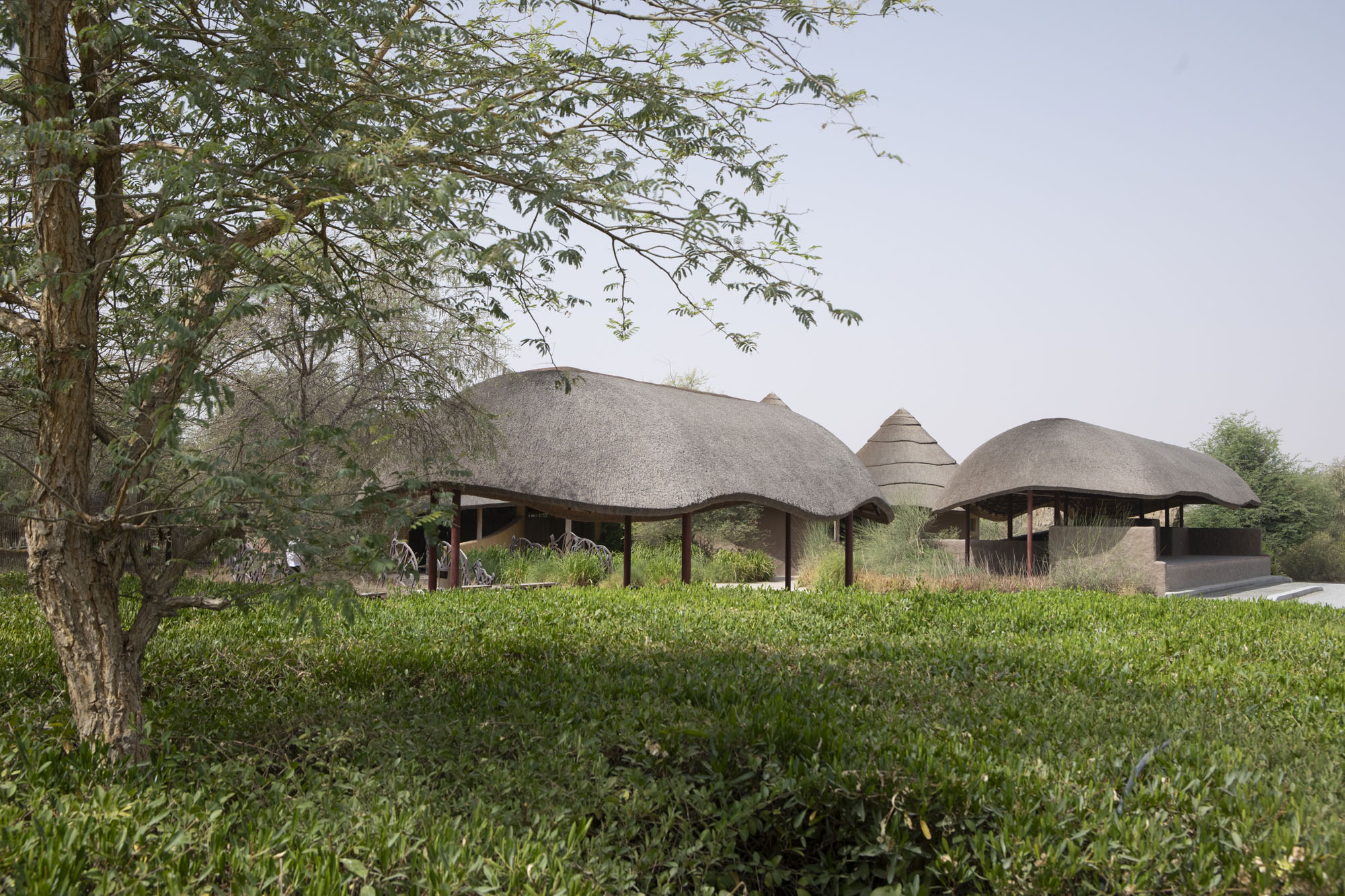
©︎ Arch Exist
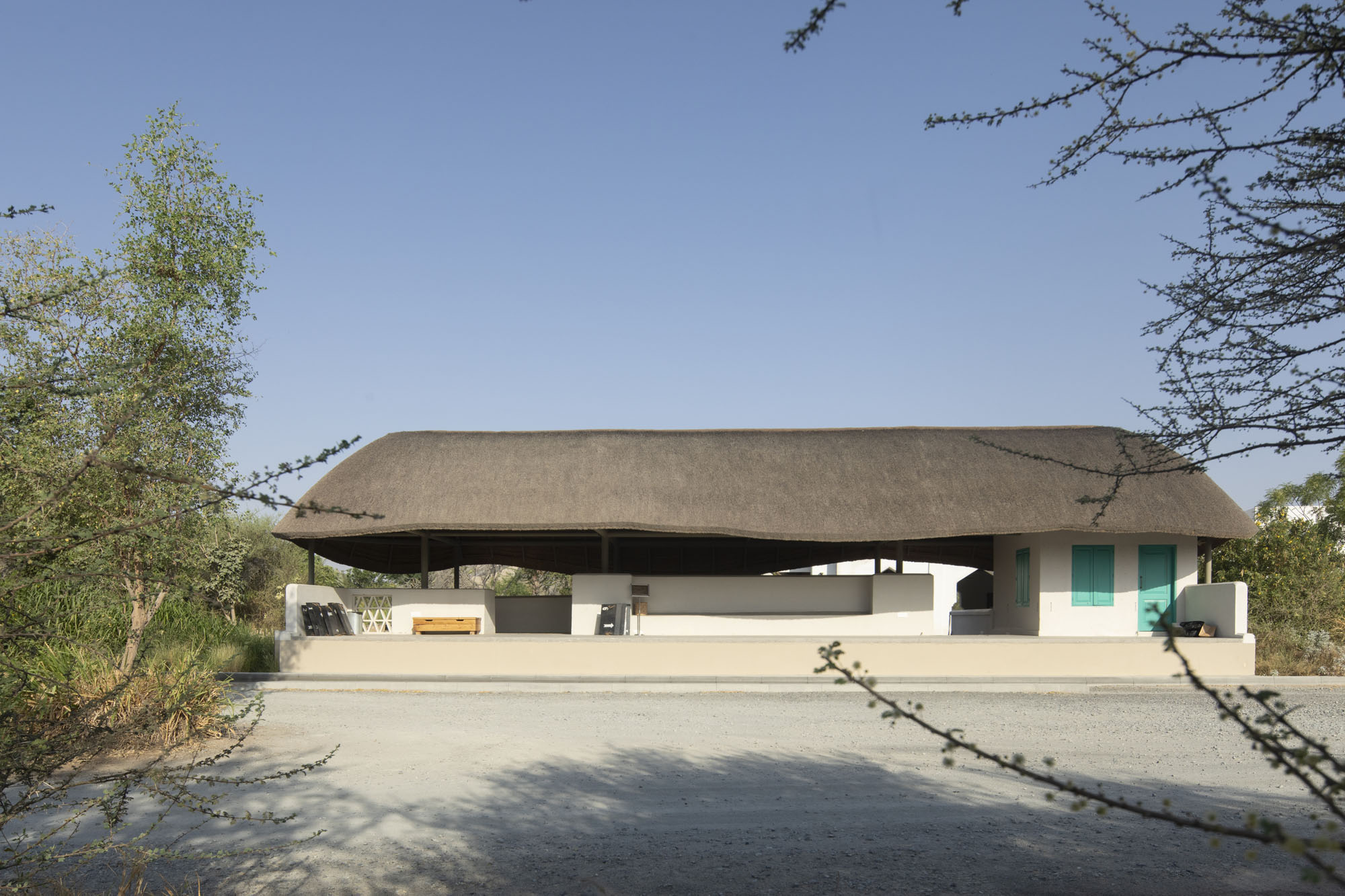
©︎ Arch Exist
©︎ Arch Exist
©︎ Arch Exist
Entrance Area
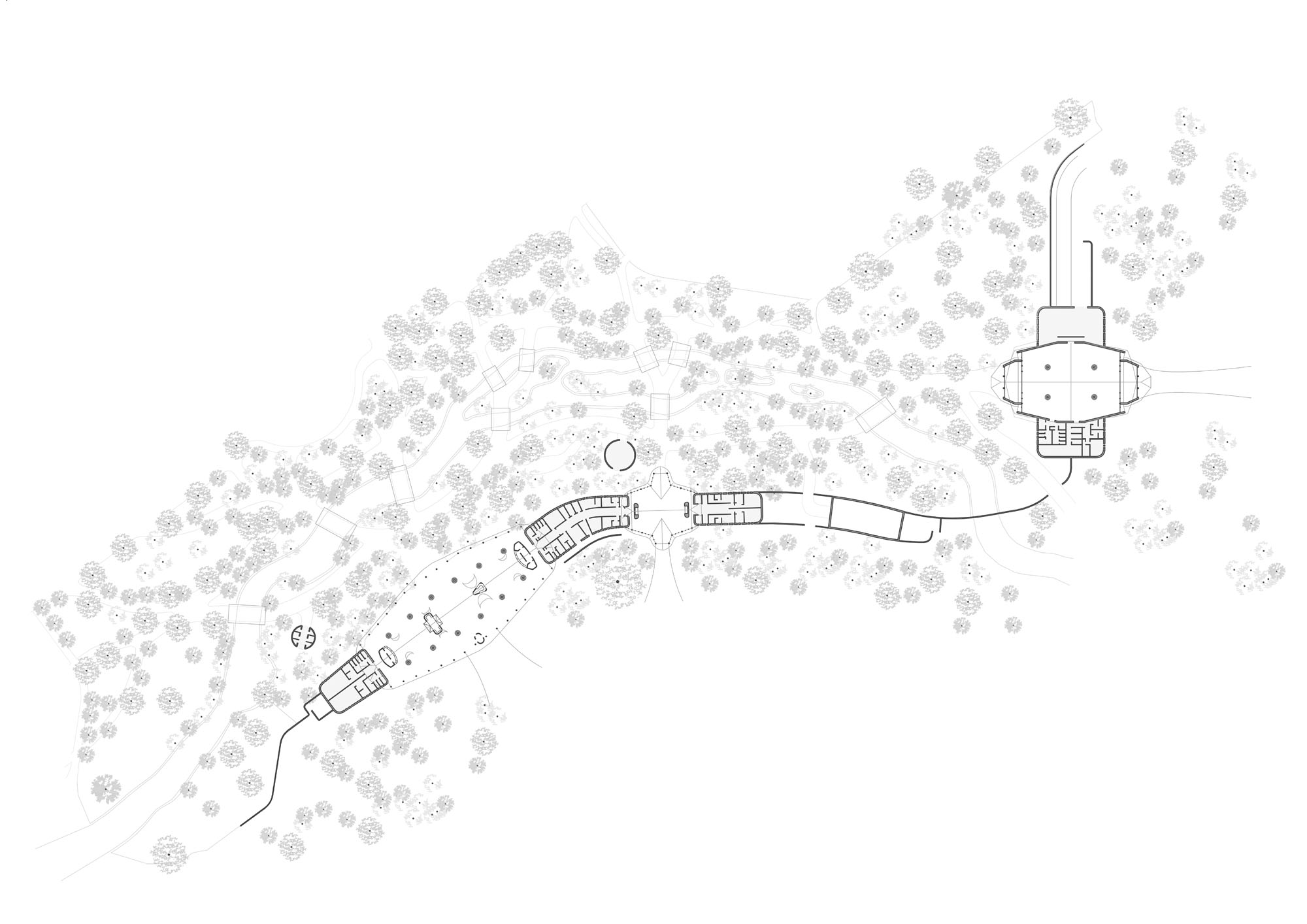
Entrance Building Ground Floor Plan
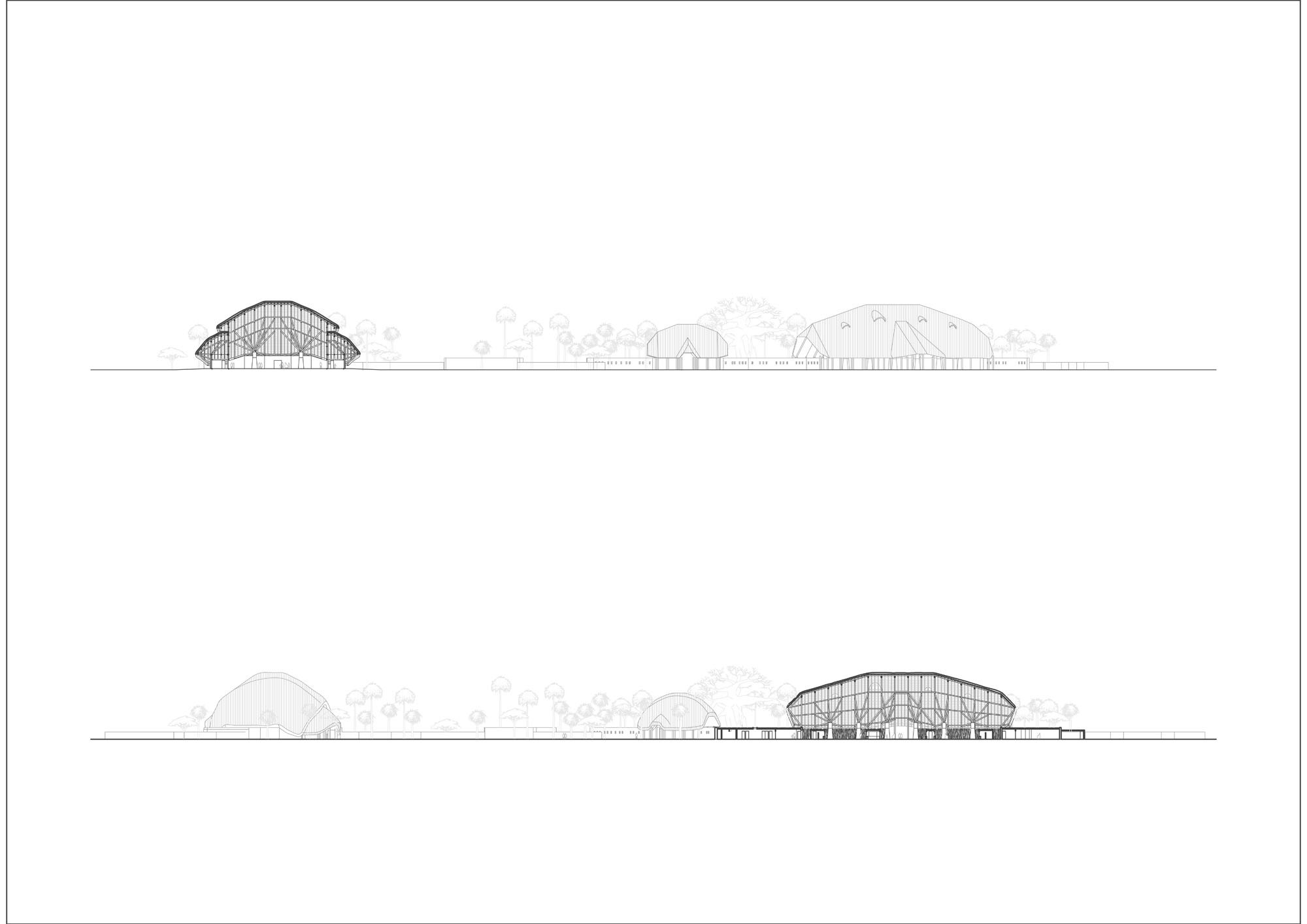
Sections
以下、ウルコ・サンチェス・アーキテクツのリリース(英文)です。
SHARJAH BRIDI PARK
Type Facility
Location Sharjah, UAE
Year 2016
Client TLZ
Area 20.000m2
Photographs Arch Exist
Website Link: https://urkosanchez.com/work/sharjah-bridi-park/Summary:
Located within the Al Bridi Reserve in Sharjah, the project was conceived as an environment dedicated to research, education, and the study of African ecosystems. Our role centred on designing the ensemble of public and service buildings that structure the visitor experience: entrance pavilions, ticketing areas, retail spaces, educational camp, and ancillary facilities.
The architectural approach emerged from a deep exploration of traditional African building typologies and their translation into a contemporary context. We reinterpreted these vernacular structures, materials, and craftsmanship to develop an expressive yet functional language that resonates with the landscape.
A key part of the design process involved extensive studies on the performance and adaptation of thatched roofing systems to the local climate, seeking to achieve both authenticity and environmental responsiveness. Drawing from our experience in Kenya, we envisioned the buildings as sculptural presences that rise from the terrain, forms that evoke natural organisms, engaging in a quiet dialogue with one another and with the surrounding vegetation.
Materiality became central to this expression, particularly through the deliberate pairing of thatch and timber. Rather than treating the roof as a separate element, the thatch was conceived as an extension of the wooden structure beneath it—an integrated system in which warmth, texture, and craft operate in unison. The timber framework provides clarity and rhythm, while the thatch introduces softness, depth, and climatic performance, filtering light and heat in a way that reinforces the project’s environmental ethos. Together, these materials create an architectural language that feels both grounded and tactile, bridging a sensorial natural richness with the durability and refinement required by the contemporary context.
The result is a cohesive architectural landscape that celebrates learning, adaptation, and the interplay between nature and built form.
ウルコ・サンチェス・アーキテクツ 公式サイト
https://urkosanchez.com
![[Interview]iF Design代表のウヴェ氏に聞く、建築と都市の2026年メガトレンド](https://magazine-asset.tecture.jp/wpcms/wp-content/uploads/2026/07/23221054/iF_AwardCeremony_2026_AwardCeremony-82-900x600.jpg)
![[Report]激変する時代の中で、建築とデザインはどう拡張するか。「iF DESIGN AWARD 2026」授賞式&最新トレンド](https://magazine-asset.tecture.jp/wpcms/wp-content/uploads/2026/07/24010304/iFDesignTrendConference26-45-900x600.jpg)
![[Report]RUI Architectsが可動モジュールを設計して松竹のアートスペースをリニューアル、柿落とし展「継承のトランジション」の会場デザインも担当](https://magazine-asset.tecture.jp/wpcms/wp-content/uploads/2026/07/24141011/20260713shutl_press11-01309-c-900x629.jpeg)