S.O.S アーキテクツがタイ・チェンマイの山岳地帯に手がけた、木材のアップサイクルで生み出すホテル〈ウッド・キャビン〉
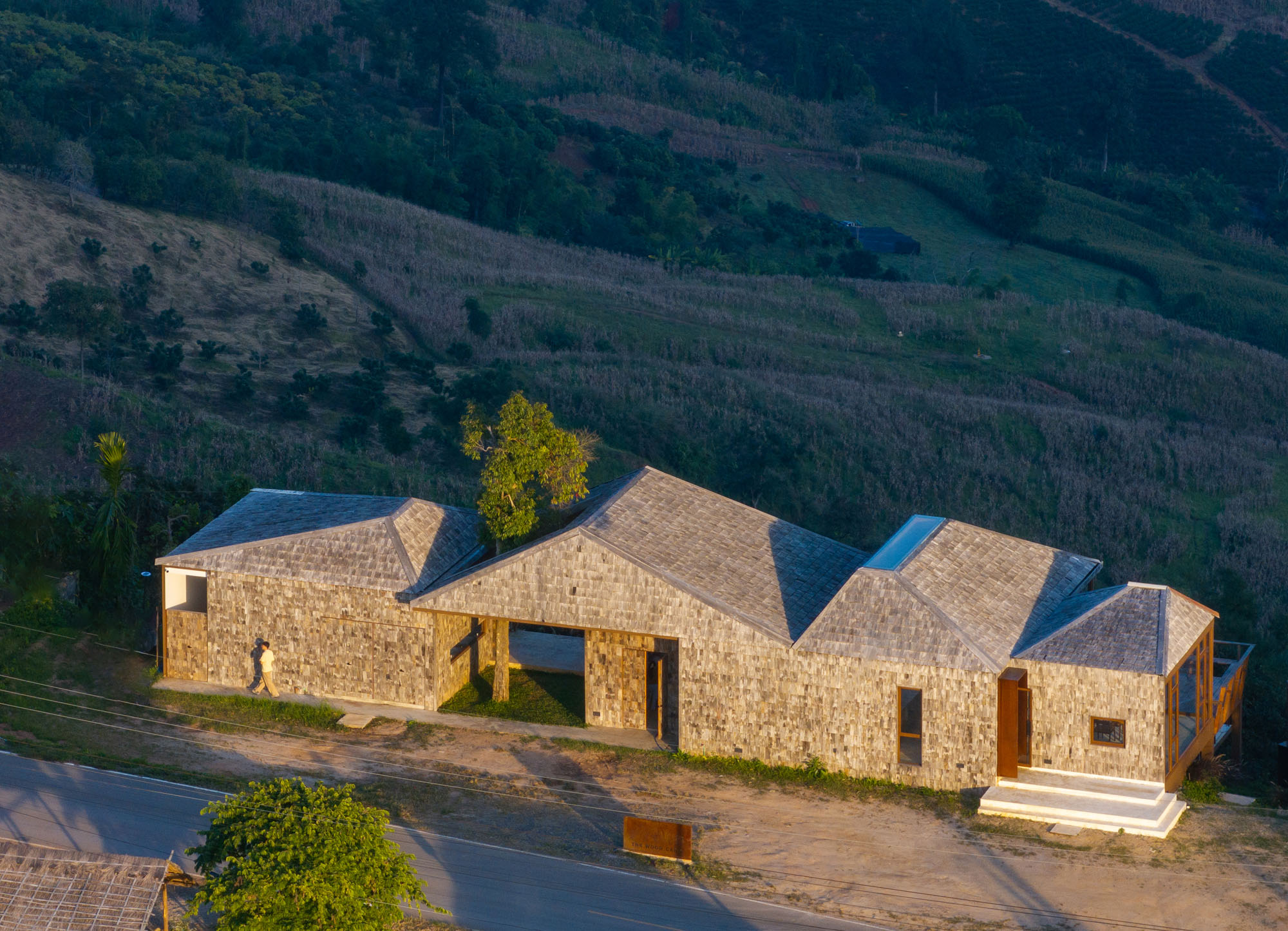
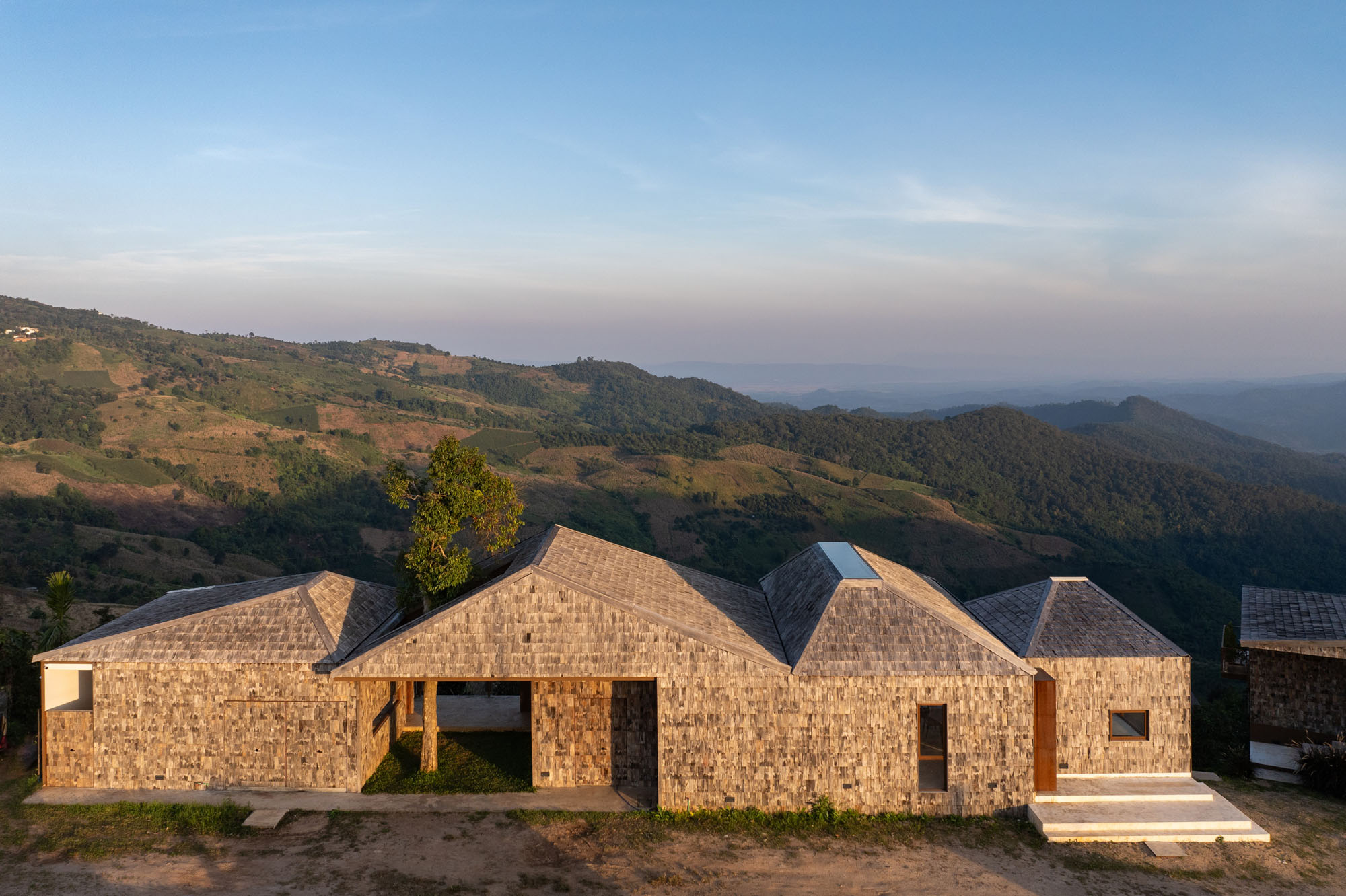
タイ・チェンマイの山岳地帯に佇む〈ウッド・キャビン(The Wood Cabin)〉は、山の稜線を思わせる建築形態と、再利用とアップサイクルのアプローチも統合した木造建築からなる宿泊施設です。
チェンマイを拠点とする S.O.S アーキテクツ(S.O.S Architects)が設計を手がけました。
注目ポイント
- 地形とシンクロし景観に溶け込む屋根のライン
- 内外の連続性を生み出す木材を用いたデザイン
- 専門企業との協業による木材のアップサイクル
(以下、S.O.S アーキテクツS.O.S アーキテクツから提供されたプレスキットのテキストの抄訳)
©︎ Rungkit Charoenwat
©︎ Rungkit Charoenwat
自然と調和する〈ウッド・キャビン〉
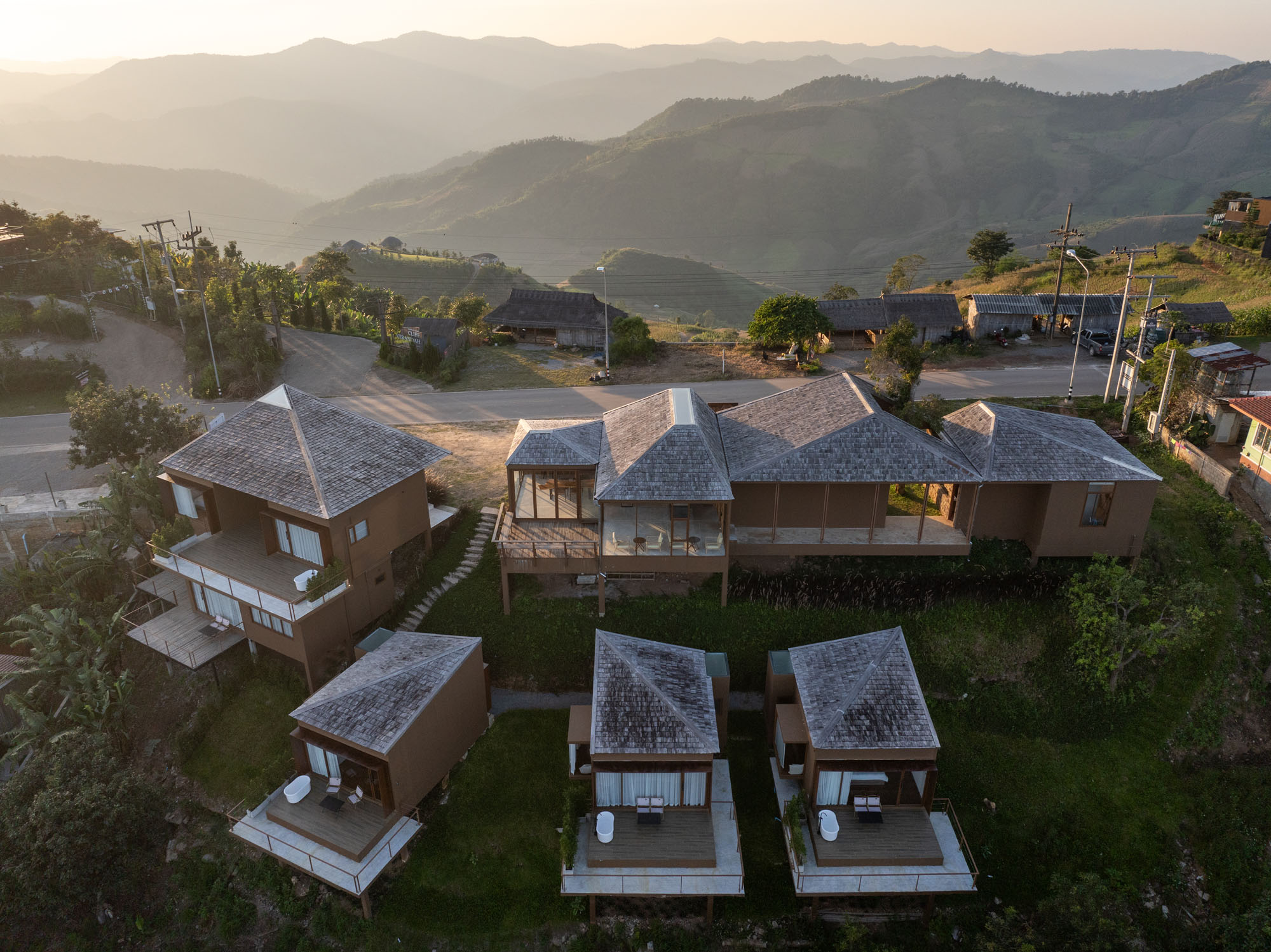
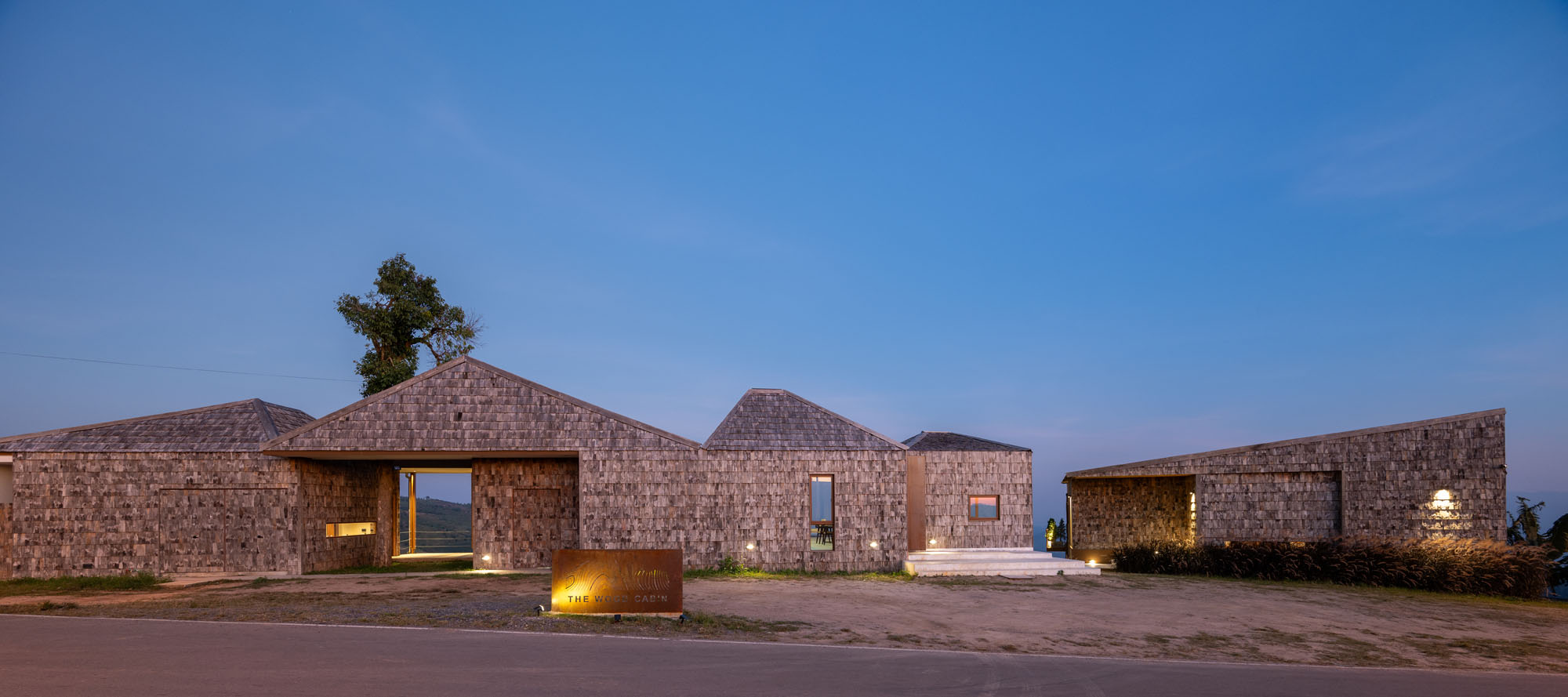
〈ウッド・キャビン〉は、居住者が自然と密接かつ真摯なつながりを体験できる隠れ家を創出するという、根本的な設計意図から誕生した。このプロジェクトは、建築を孤立したオブジェクトとして捉えるのではなく、周囲の環境と対話しながら存在する、景観の不可欠な一部として構想されている。
©︎ Rungkit Charoenwat
default
©︎ Rungkit Charoenwat
地形を模した形態と空間構成
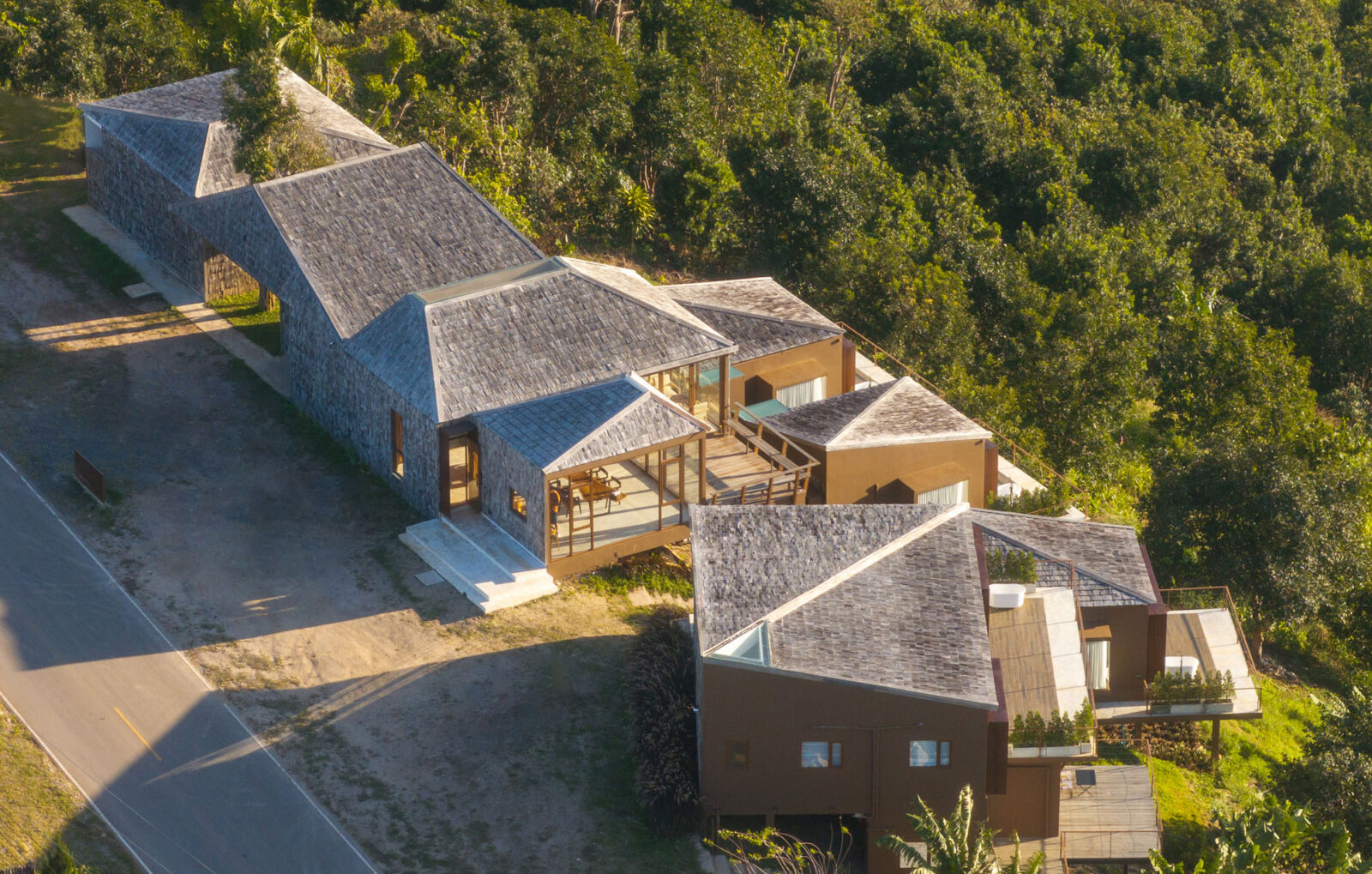
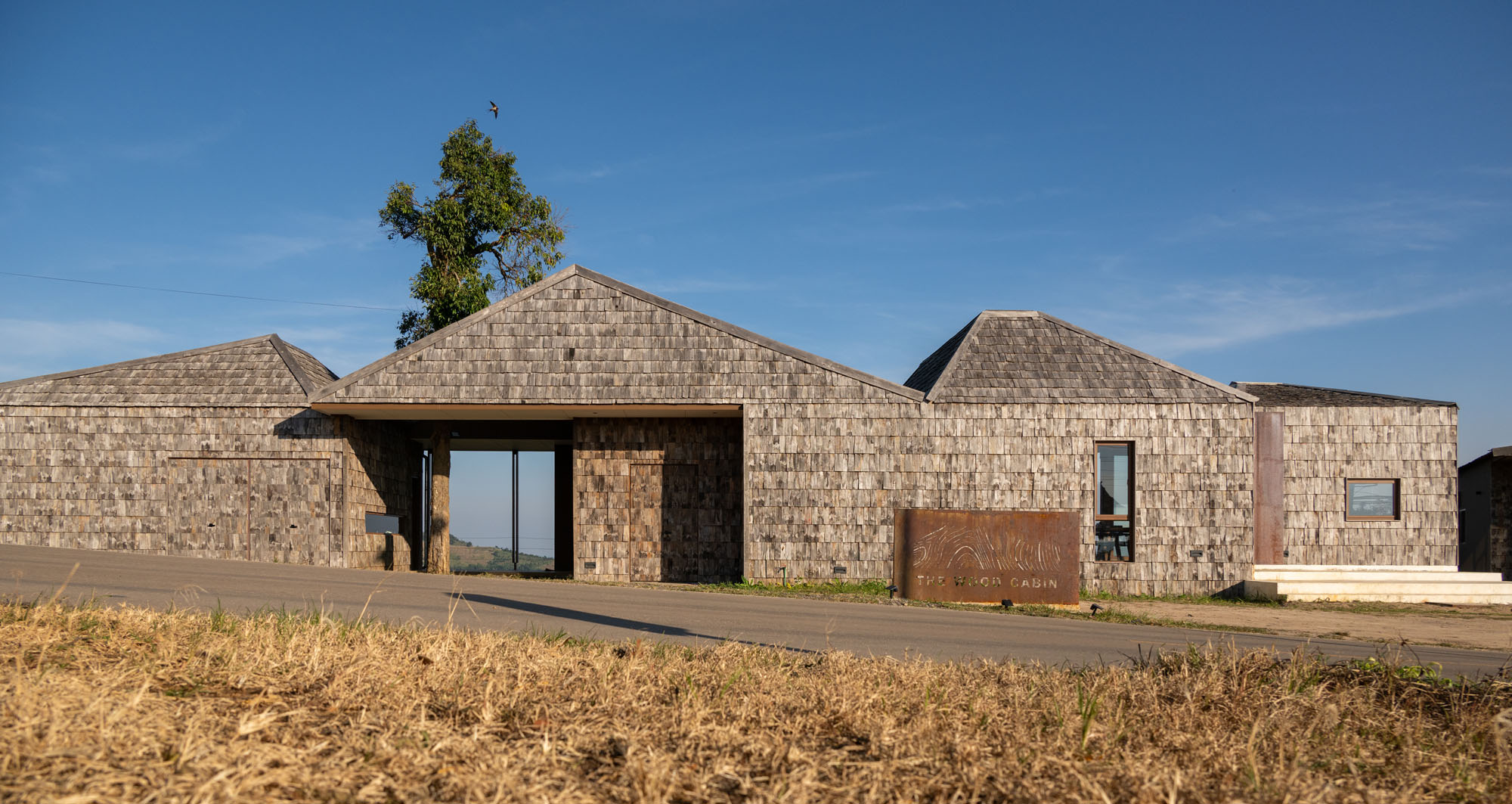
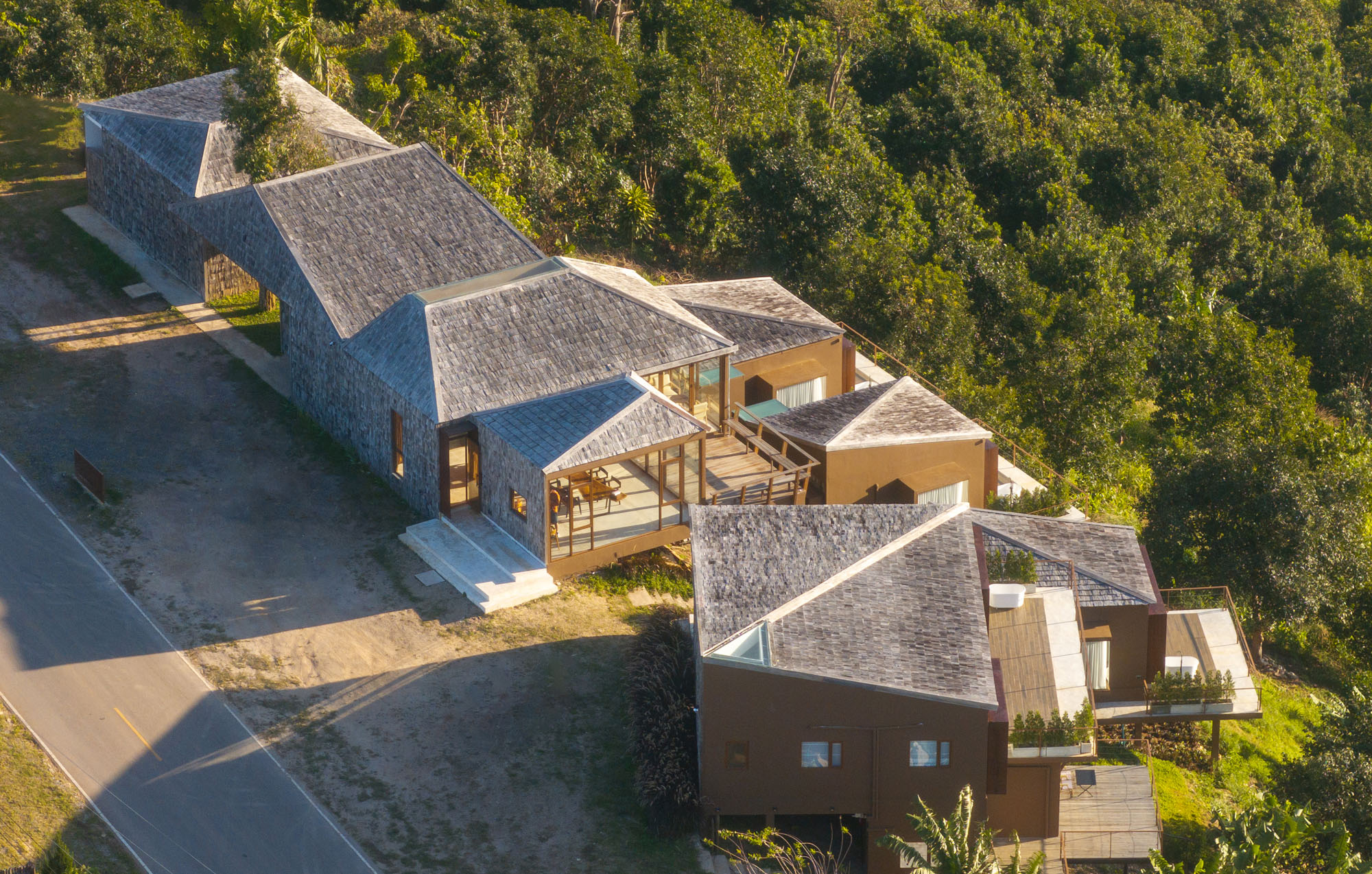
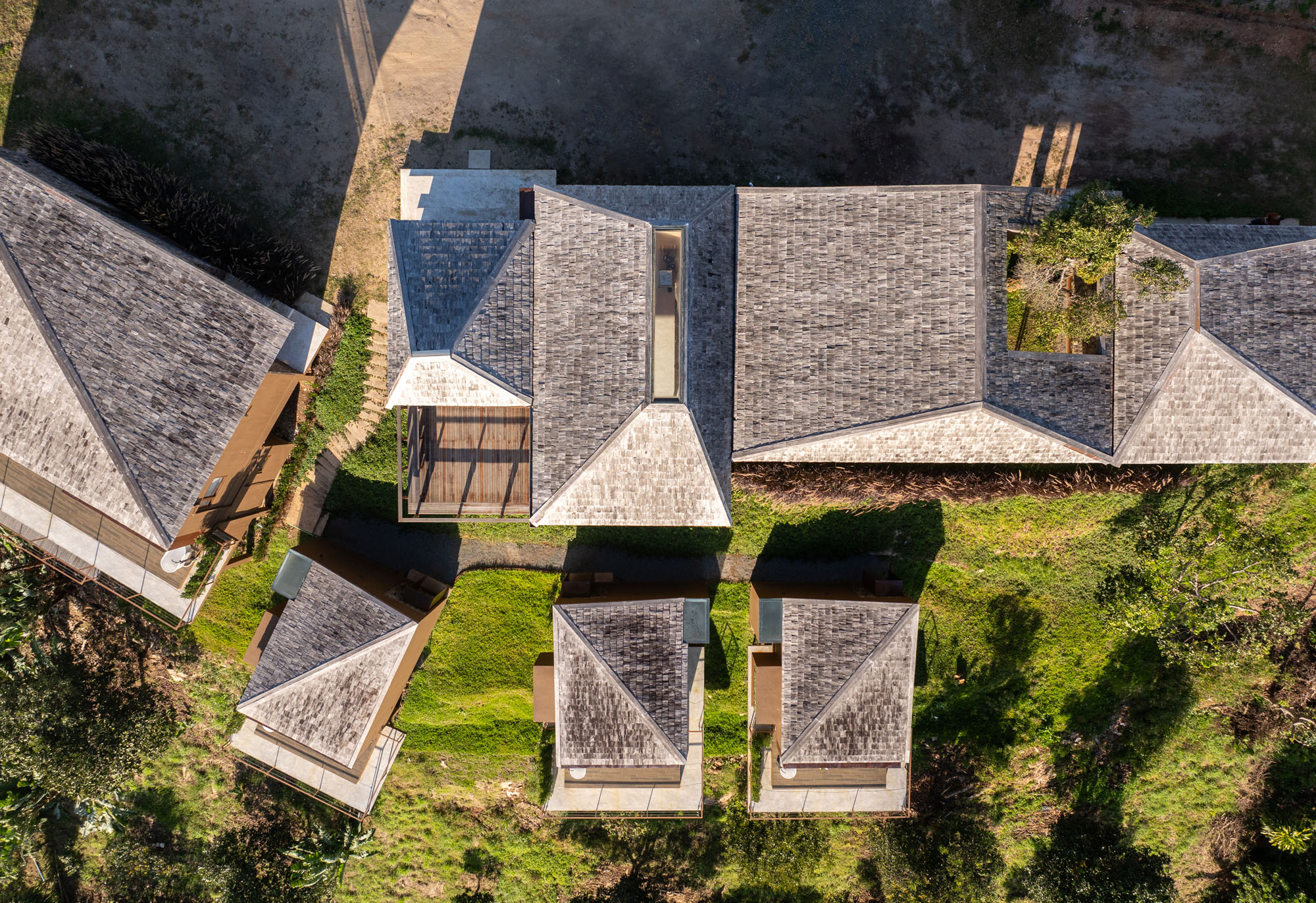
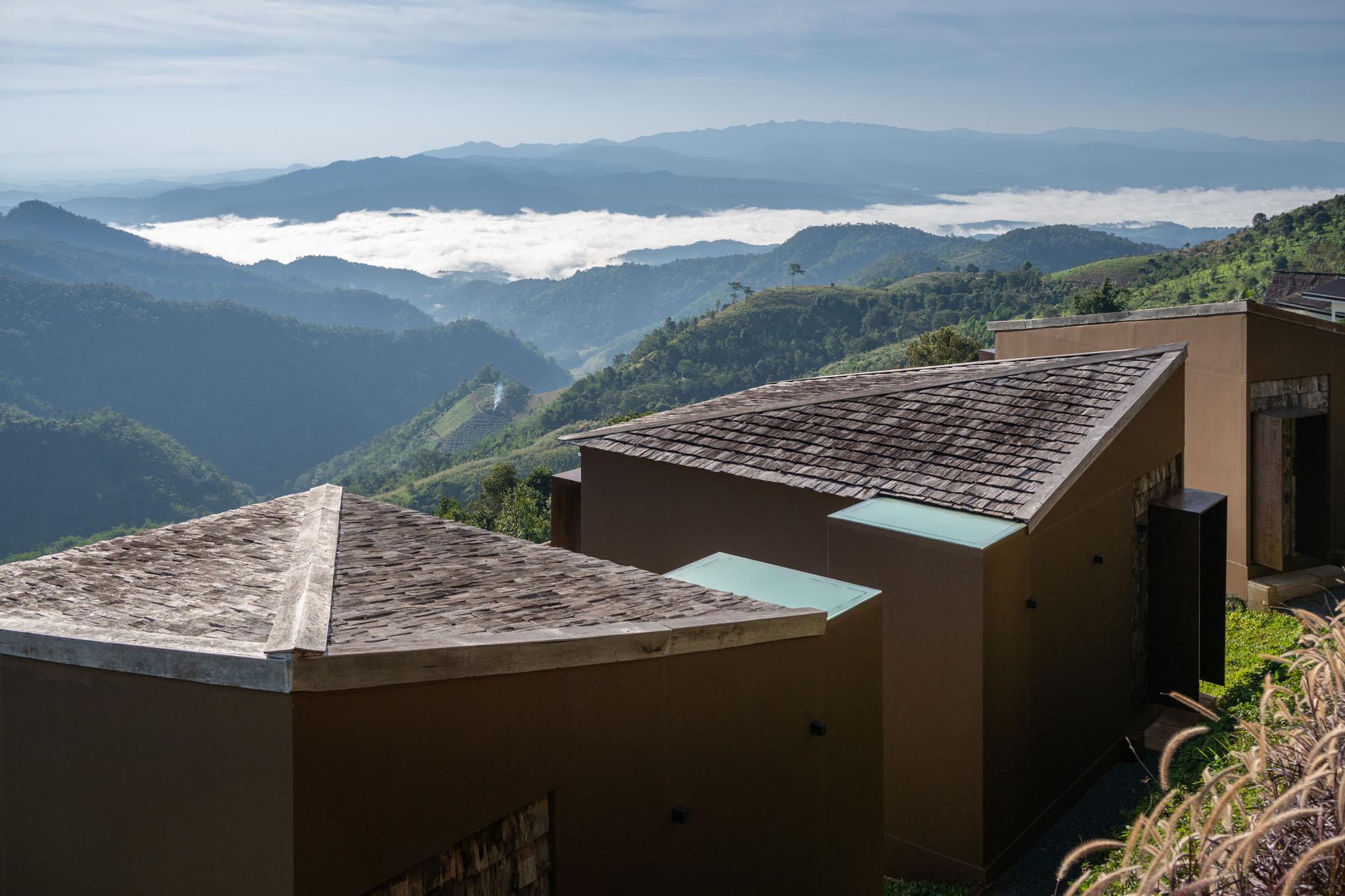
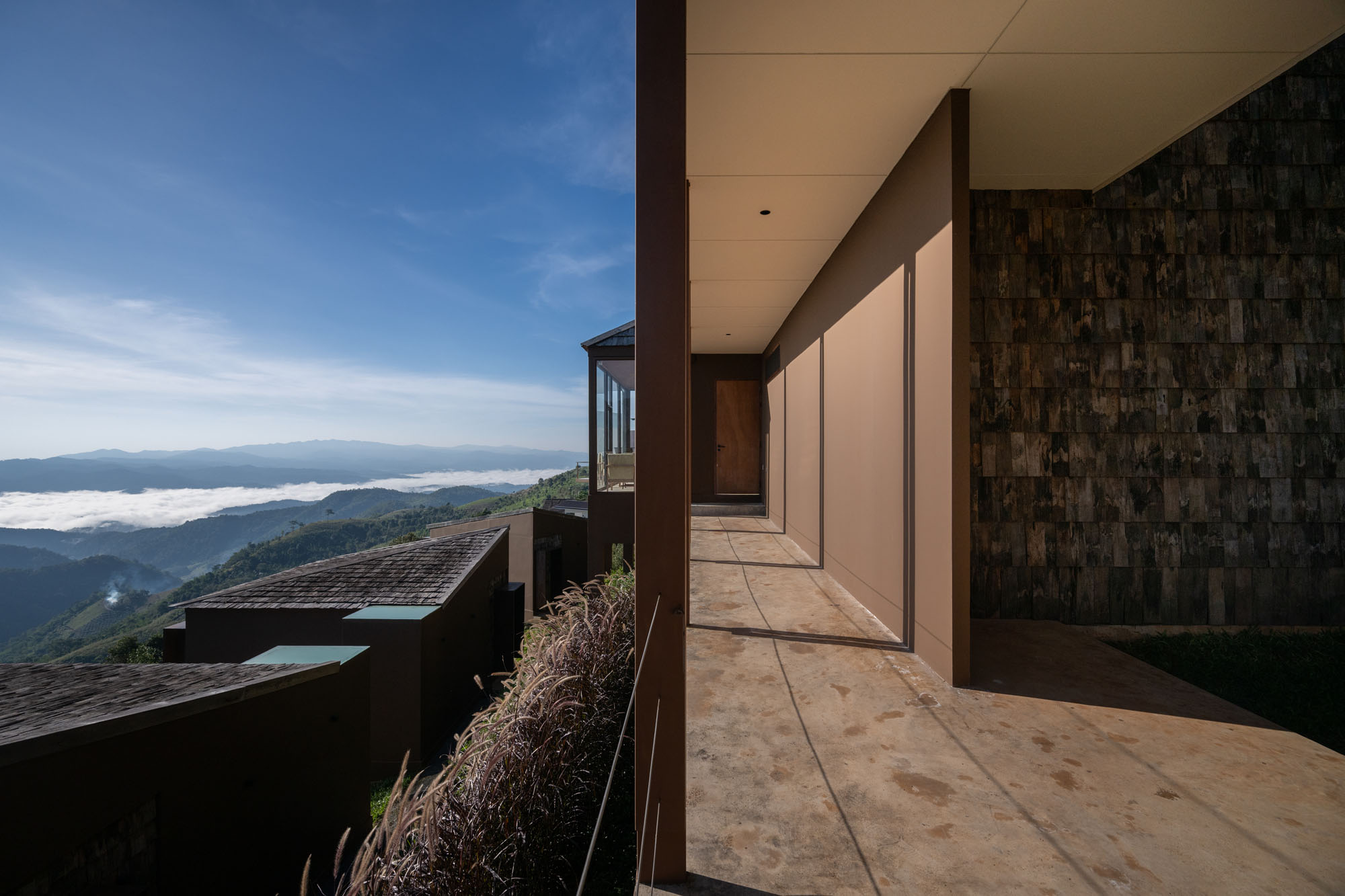
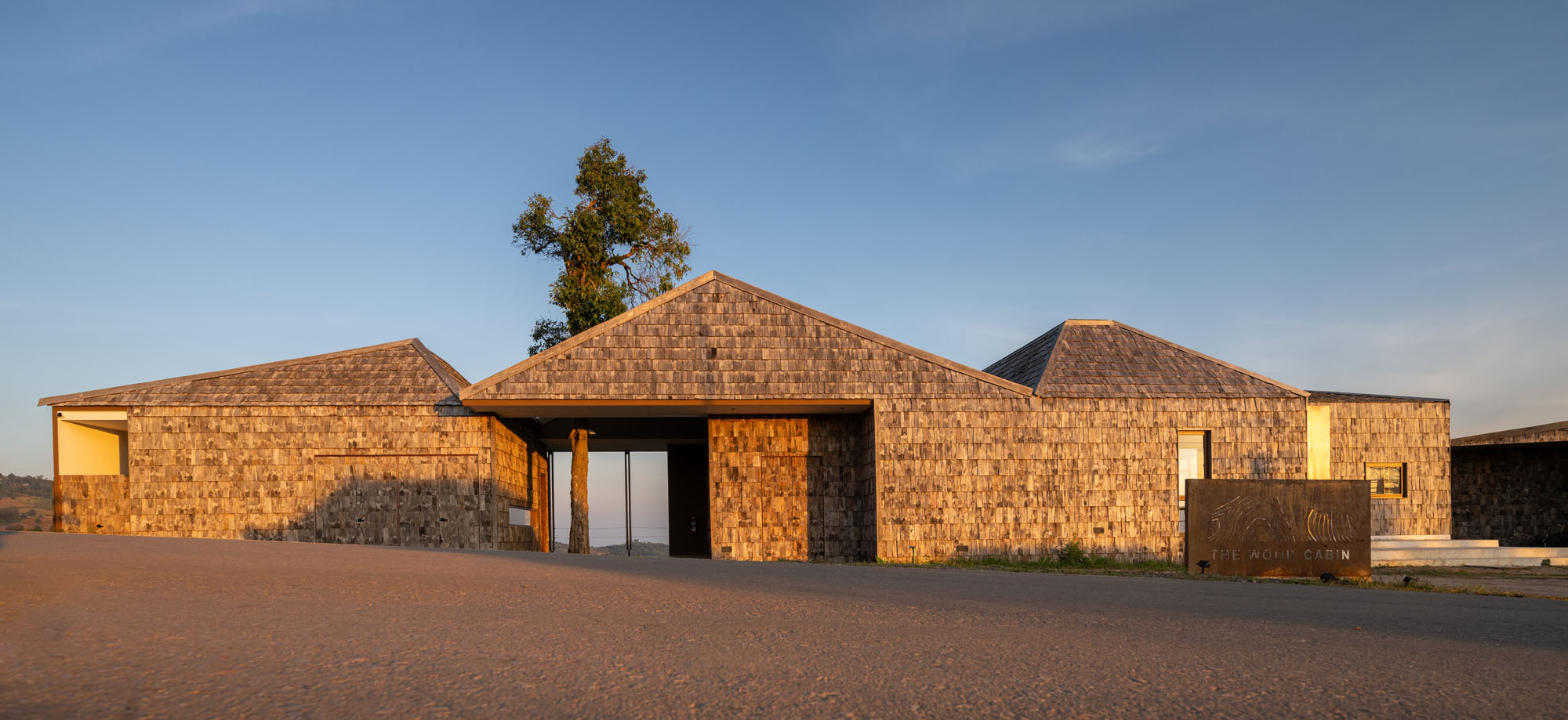
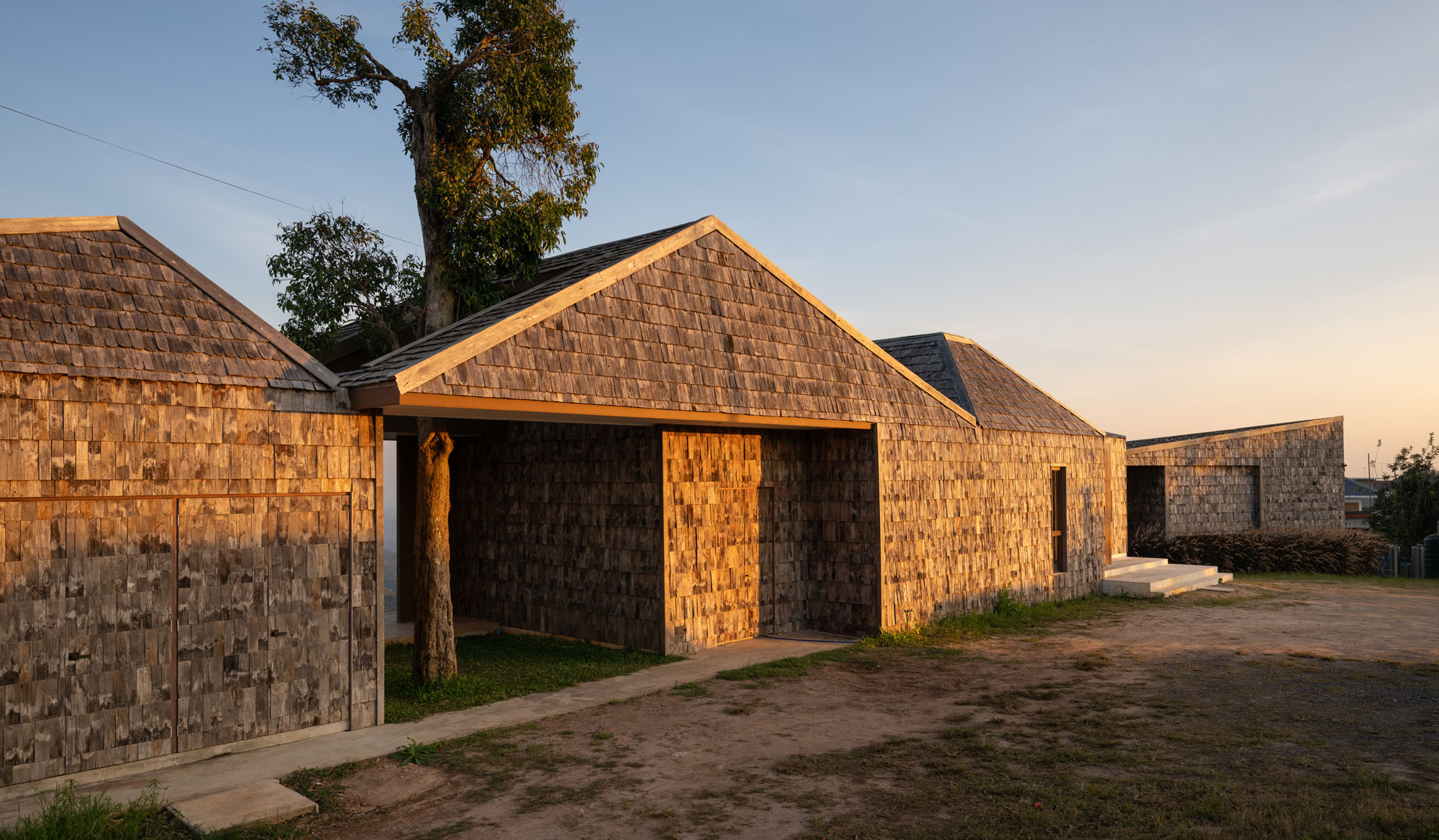
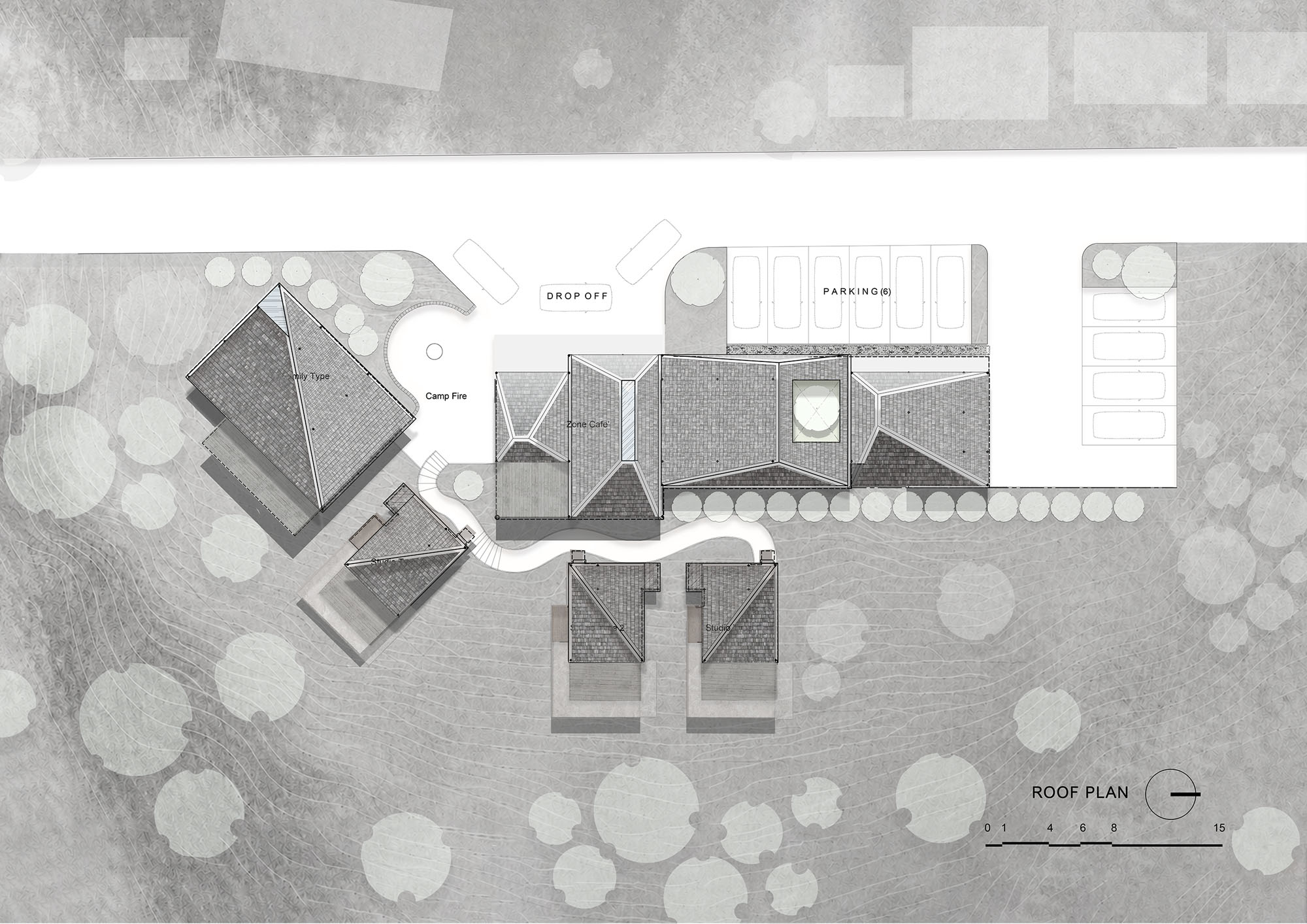
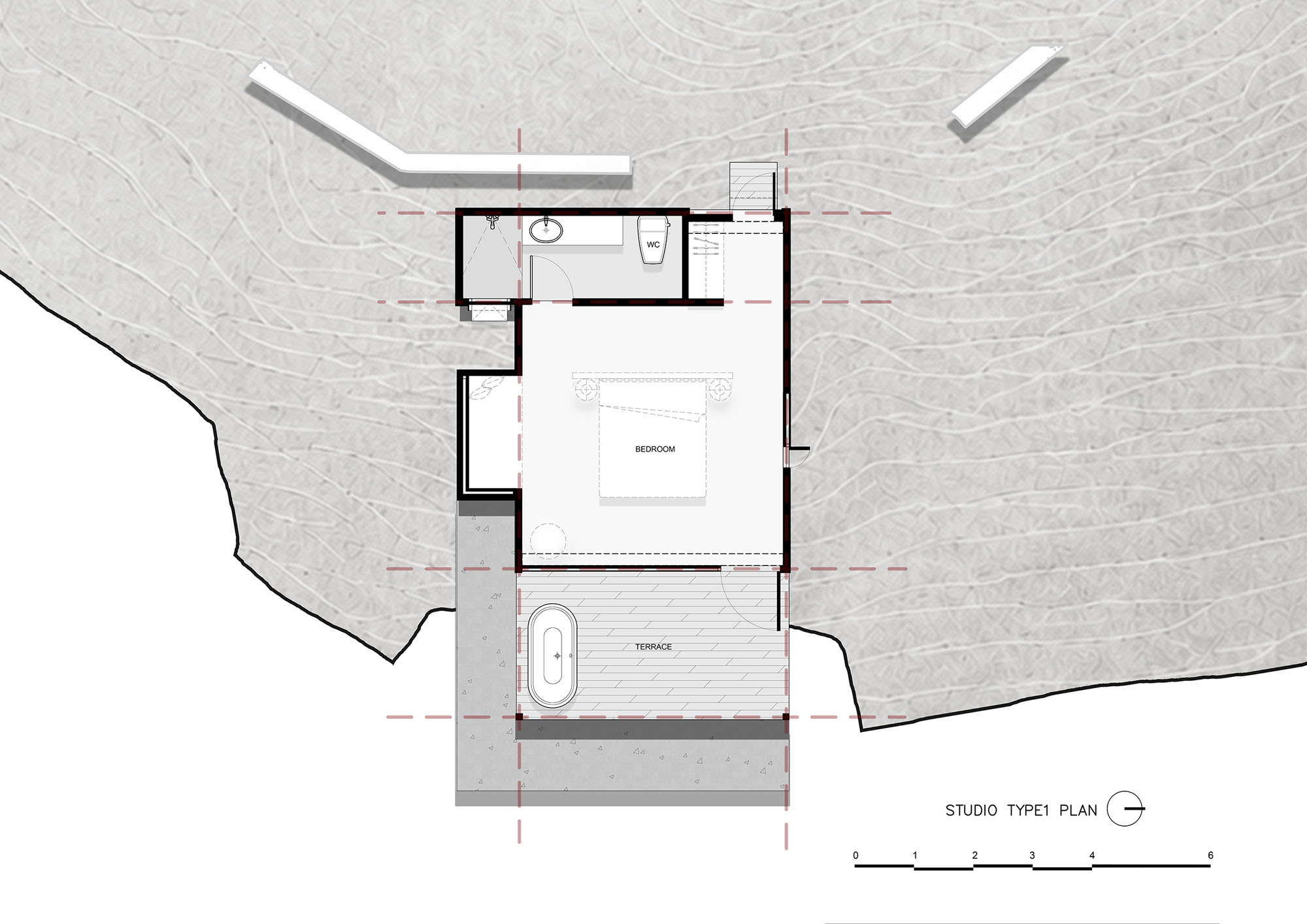
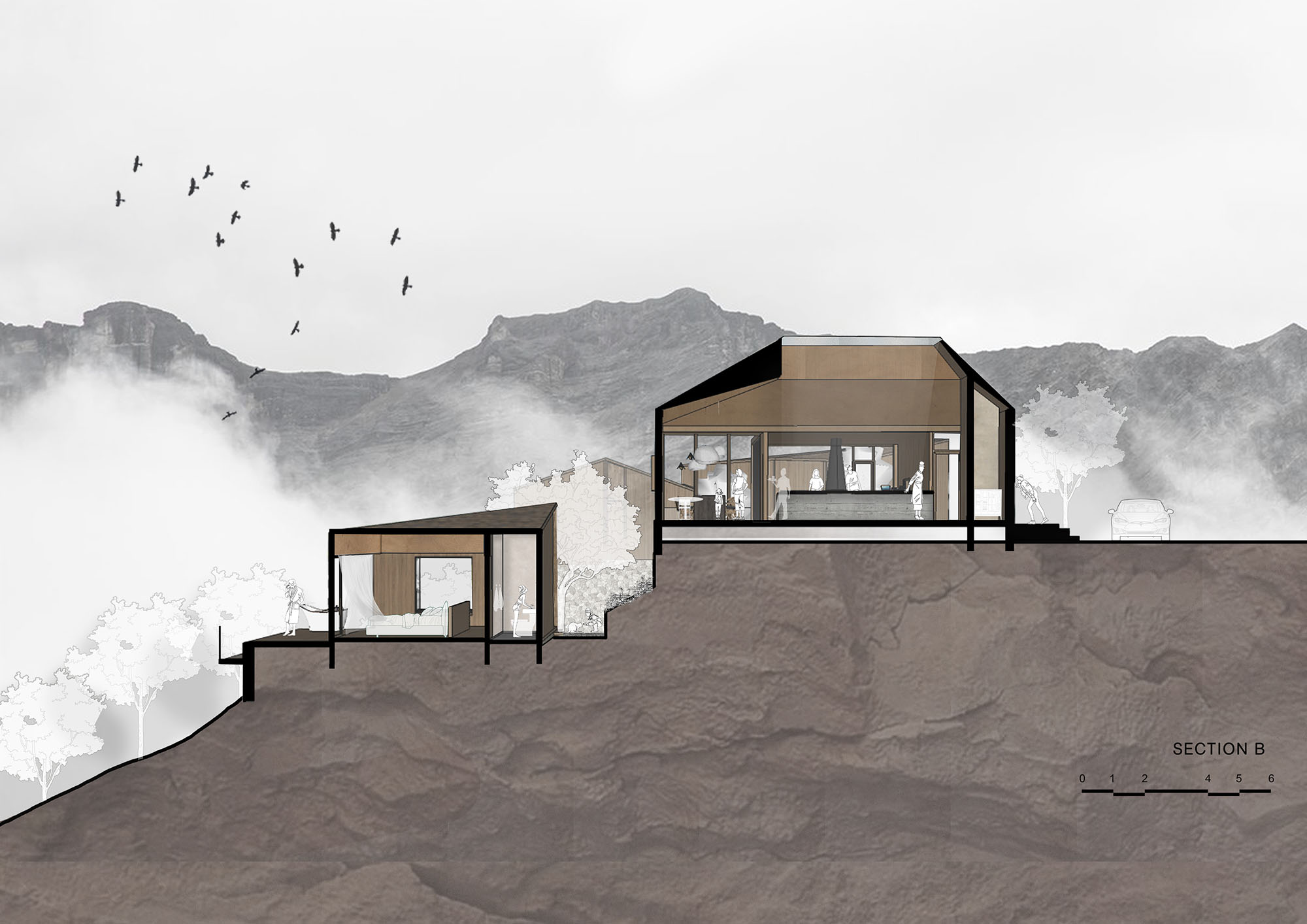
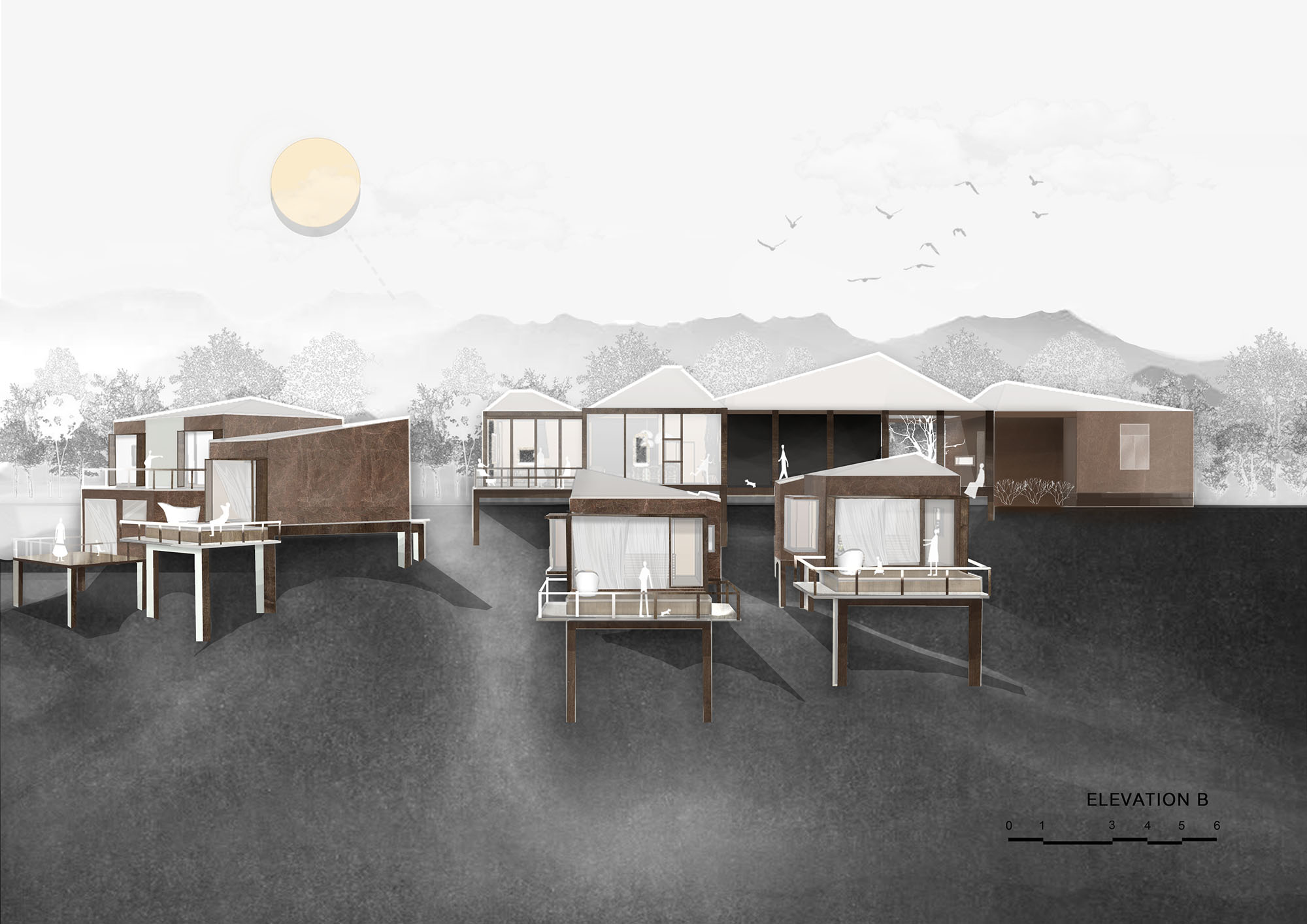
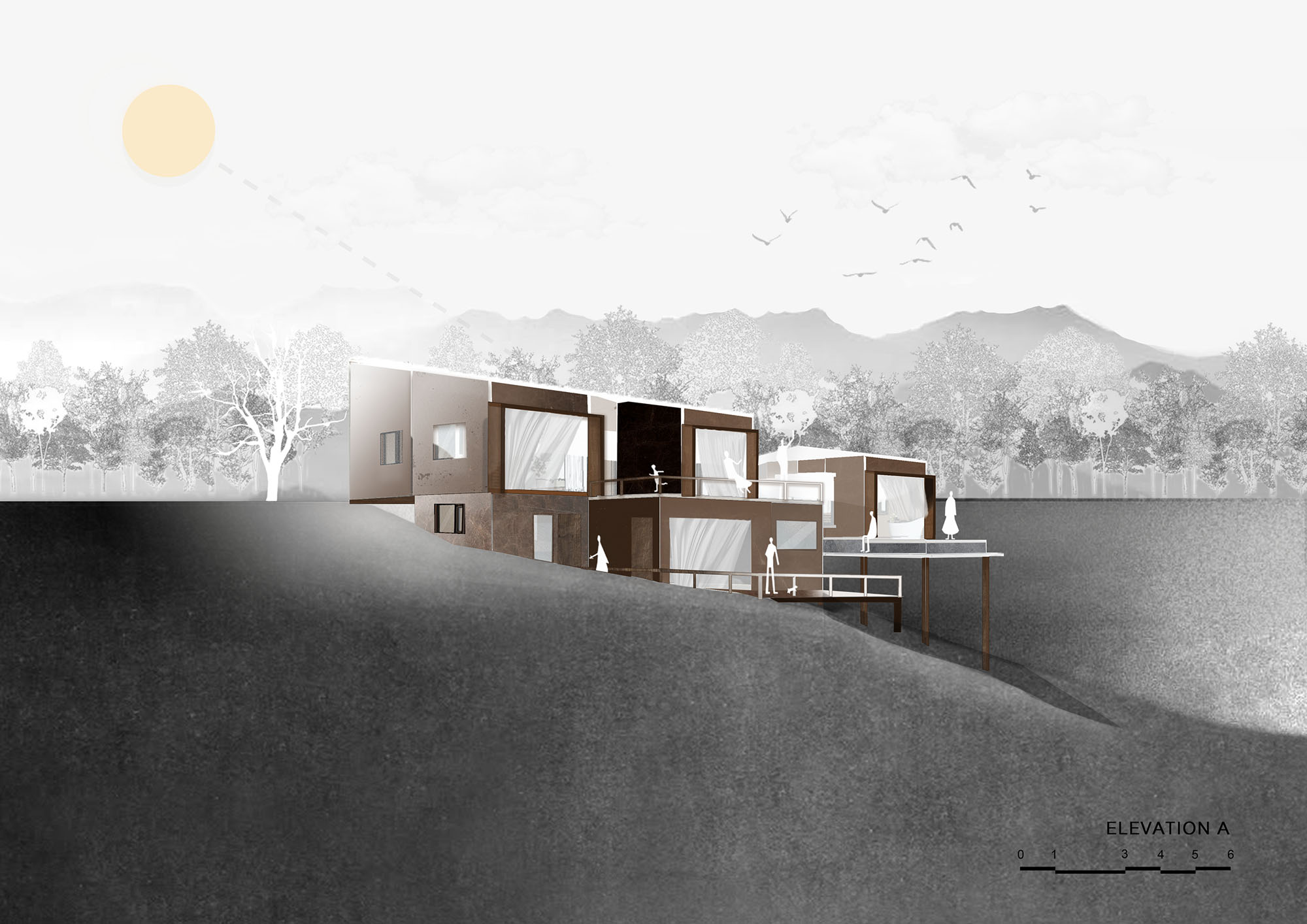
その中核となるコンセプトは、建物の形態とボリュームによって具現化されている。山岳地帯からインスピレーションを得たこの建築は、自然の地形を空間的・形態的な生成源として解釈した。建物のボリュームは山稜の層状構造を彷彿とさせるように配置され、傾斜した屋根のラインは丘の輪郭や自然の地形を反映している。このアプローチにより、建築は環境へシームレスに溶け込み、視覚的な圧迫感を最小限に抑えつつ、既存の景観との関係性を強化している。
©︎ Rungkit Charoenwat
©︎ Rungkit Charoenwat
内外をつなぐデザインの連続性
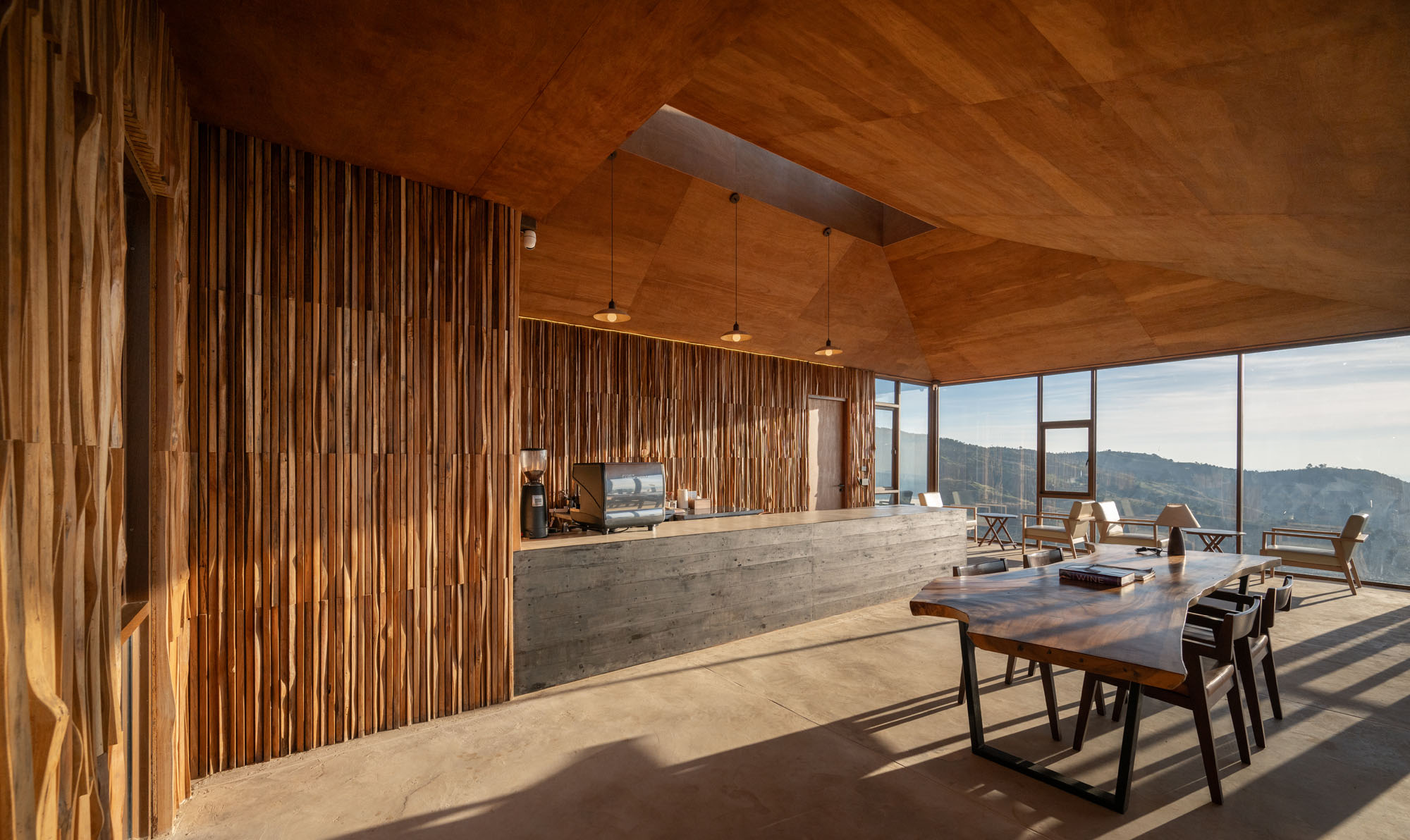
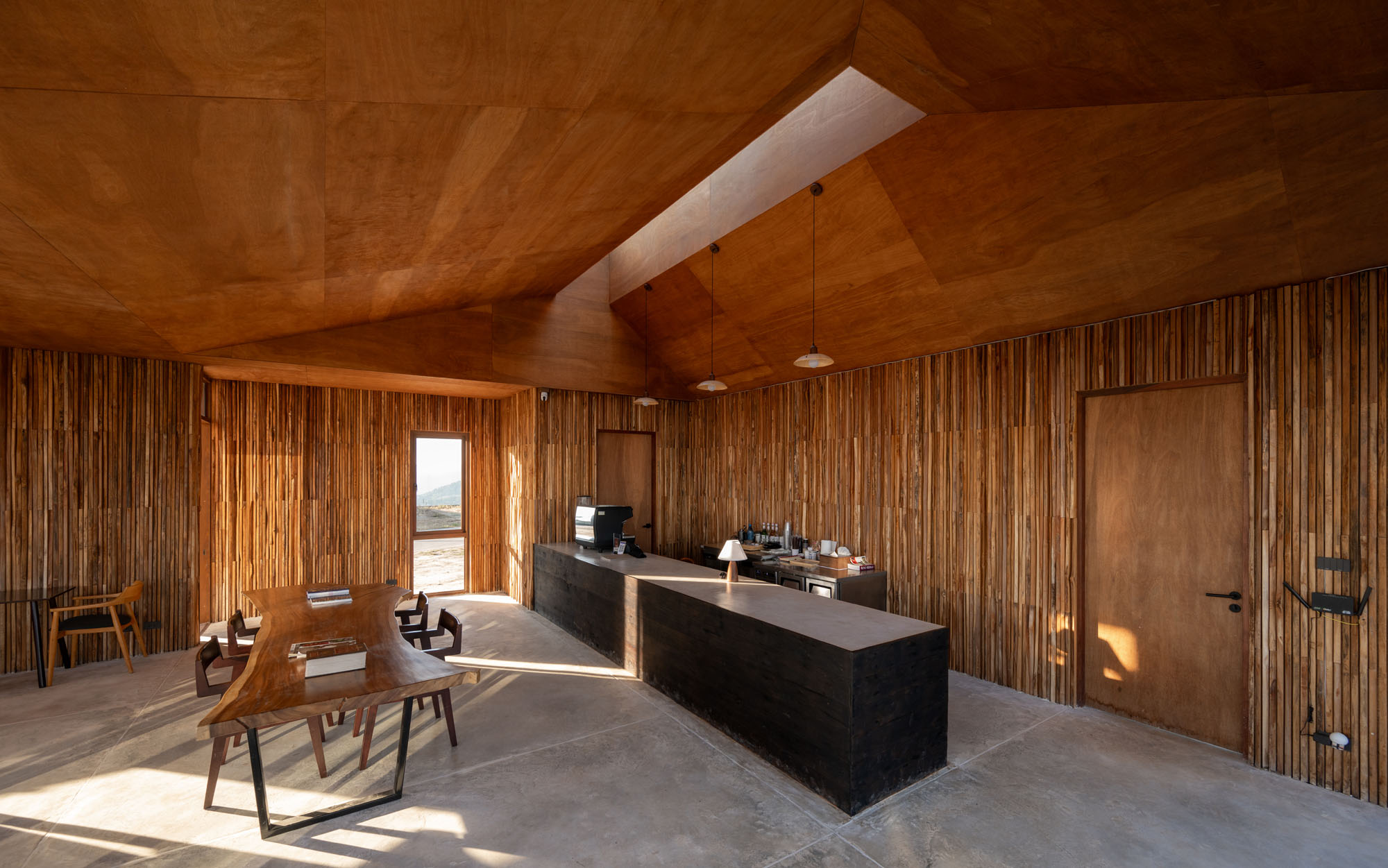
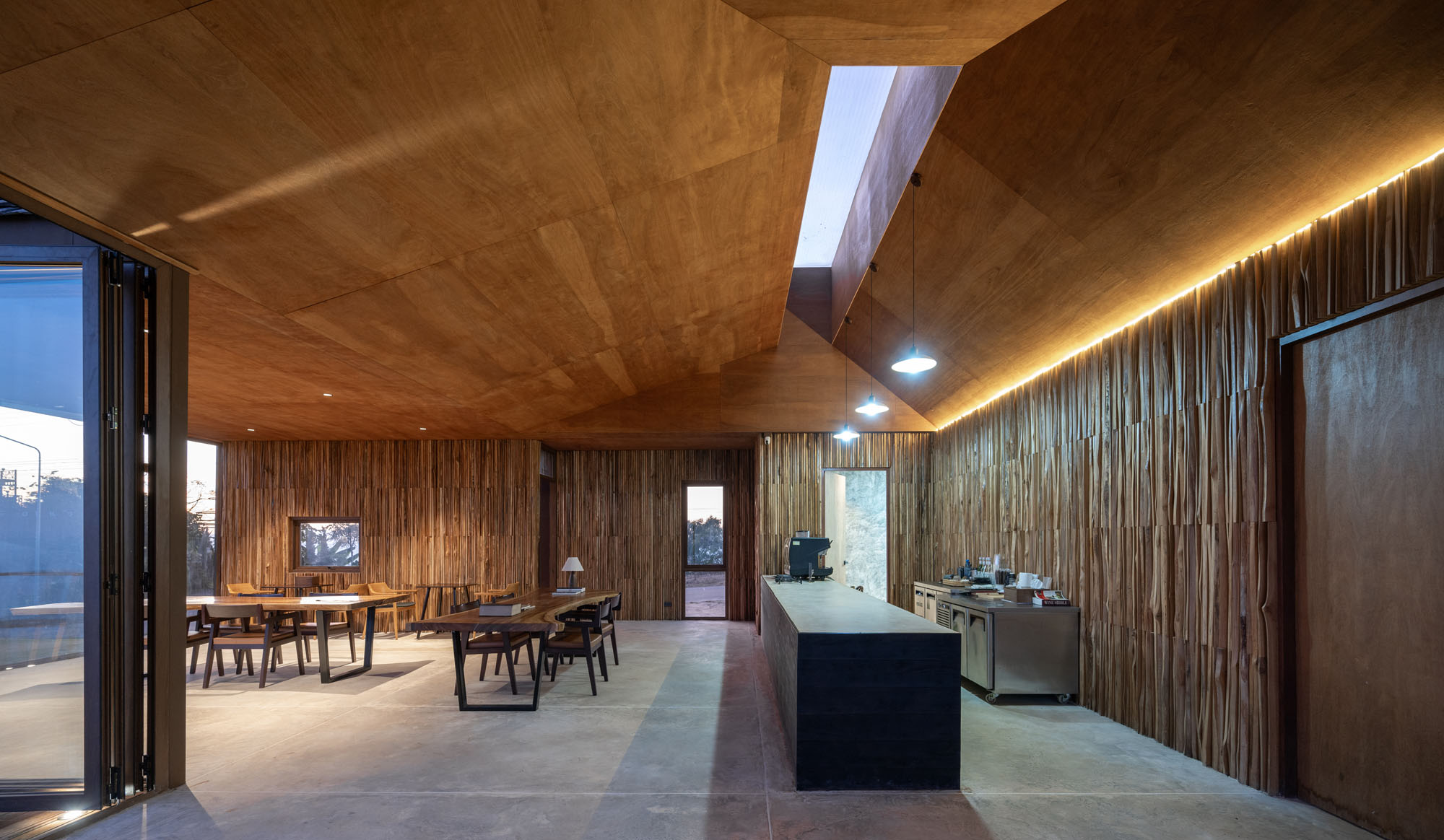
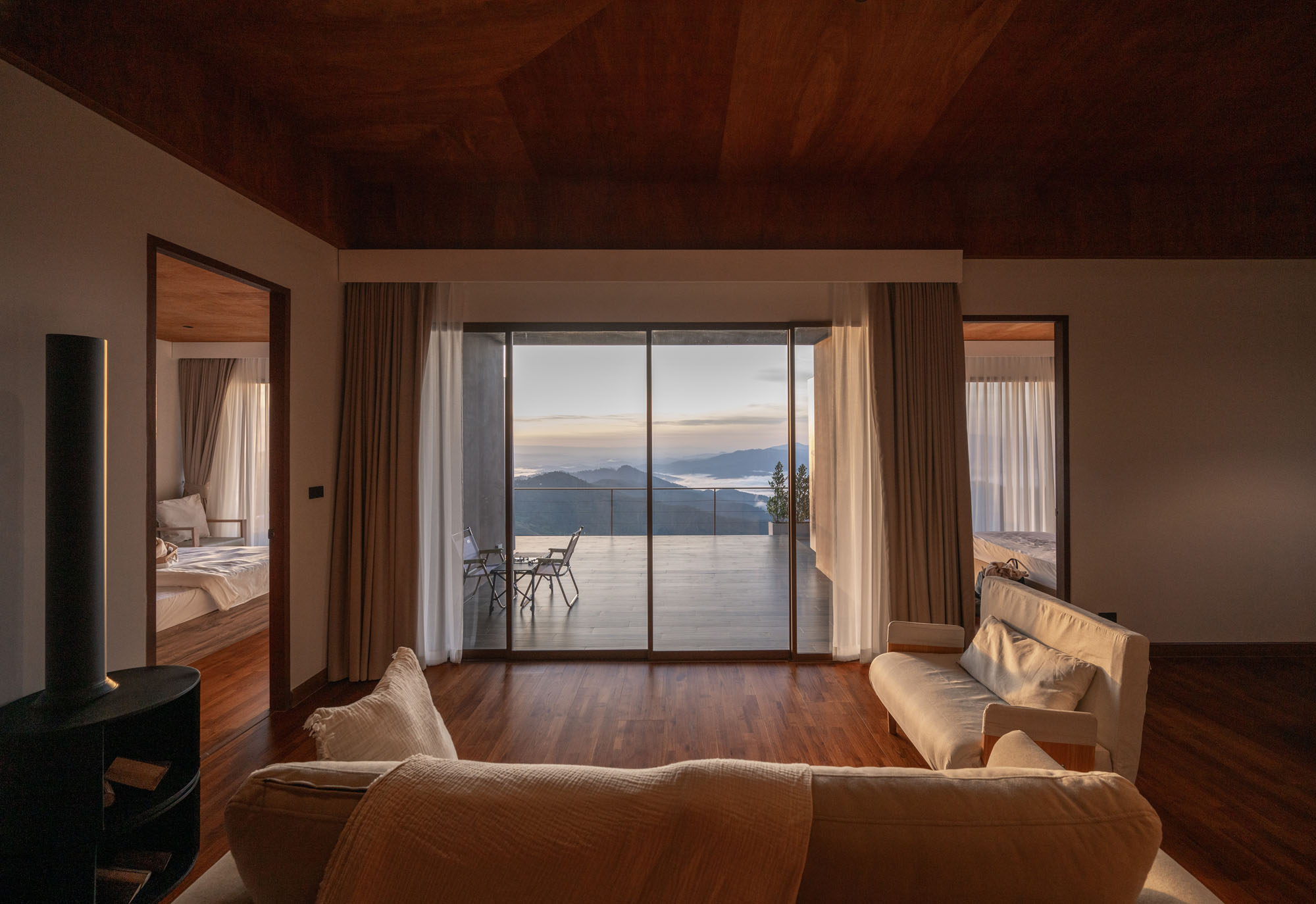
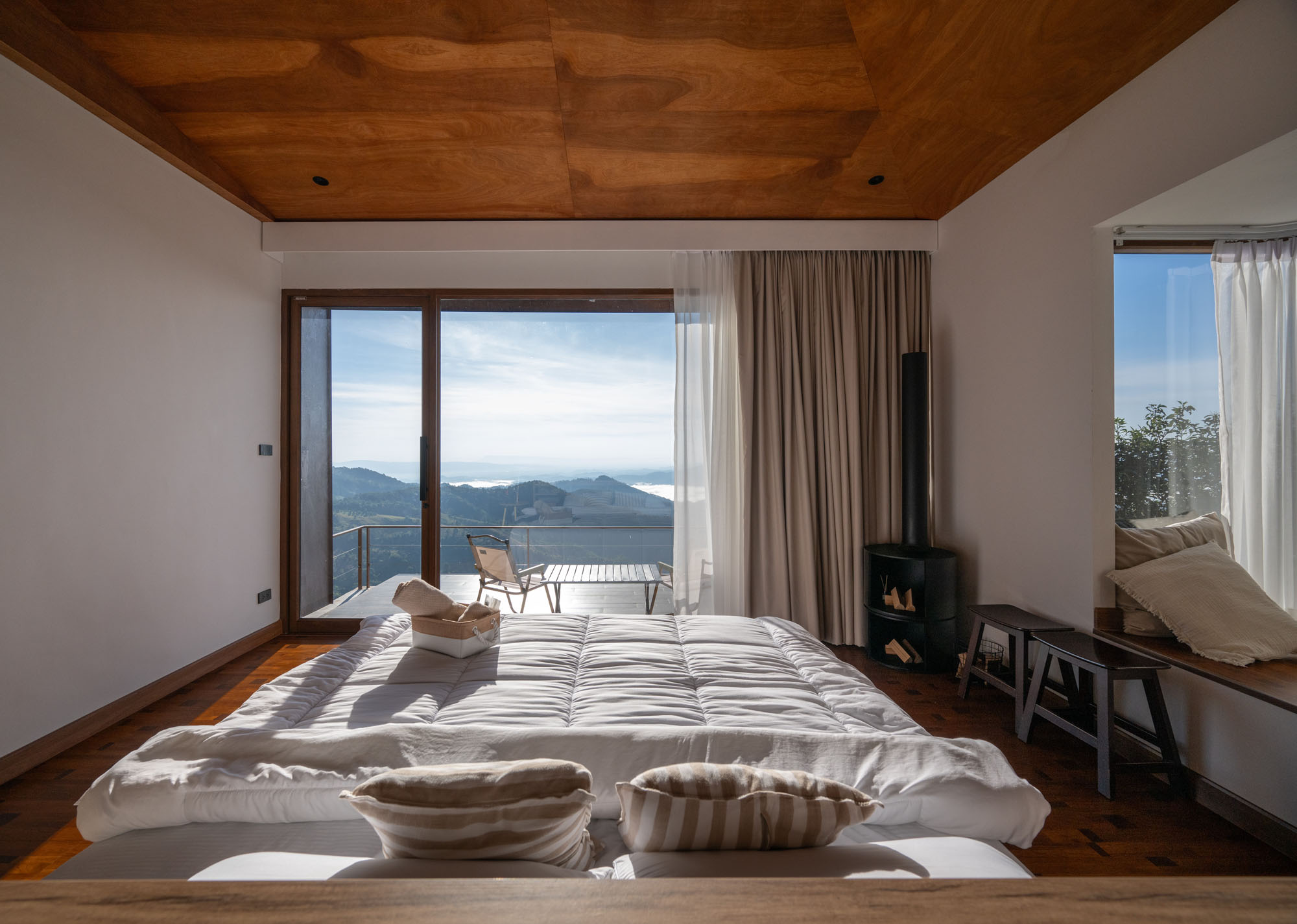
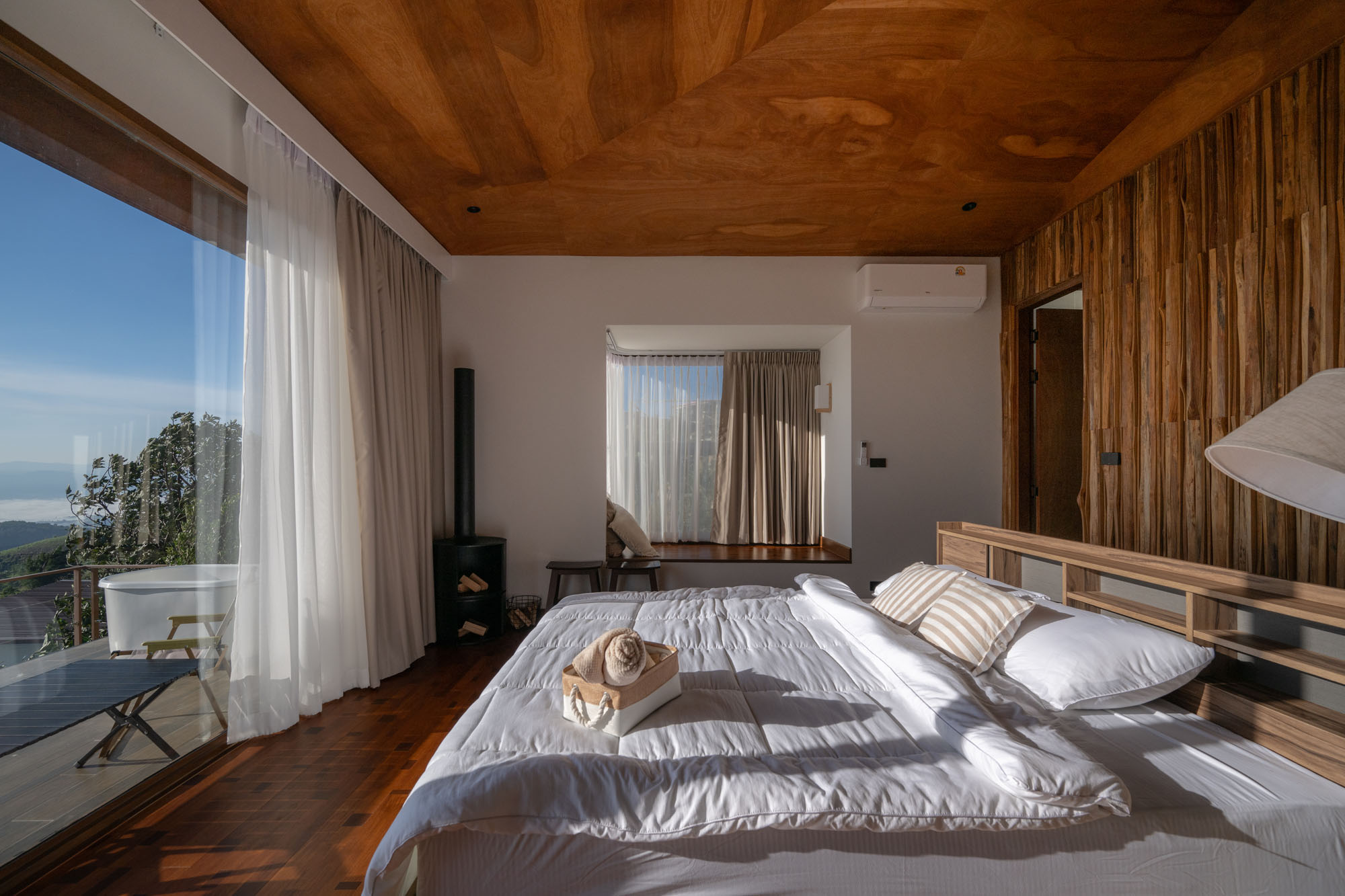
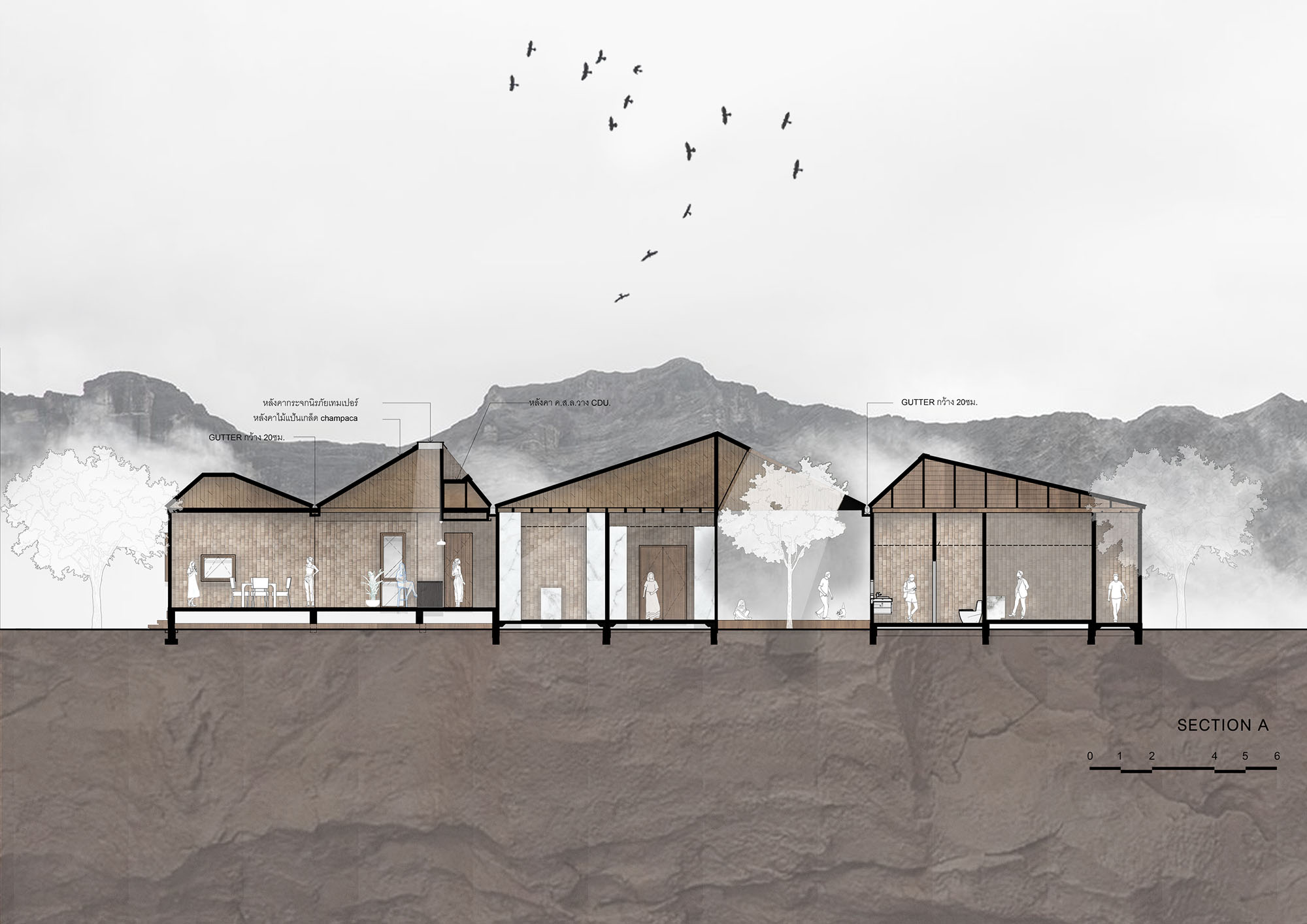
この概念的な連続性は外観にとどまらず、内部空間へと引き継がれている。外部の形態から導き出された傾斜ラインや幾何学的な形状は、特に天井のデザインを通じて、内部の要素へと変換された。こうした手法により、外部と内部の間に空間的な連続性が生まれ、境界が溶け合い、直感的で自然な感覚をもたらす流動的な建築体験が創出されている。
©︎ Rungkit Charoenwat
©︎ Rungkit Charoenwat
光と眺望を取り込む開口部
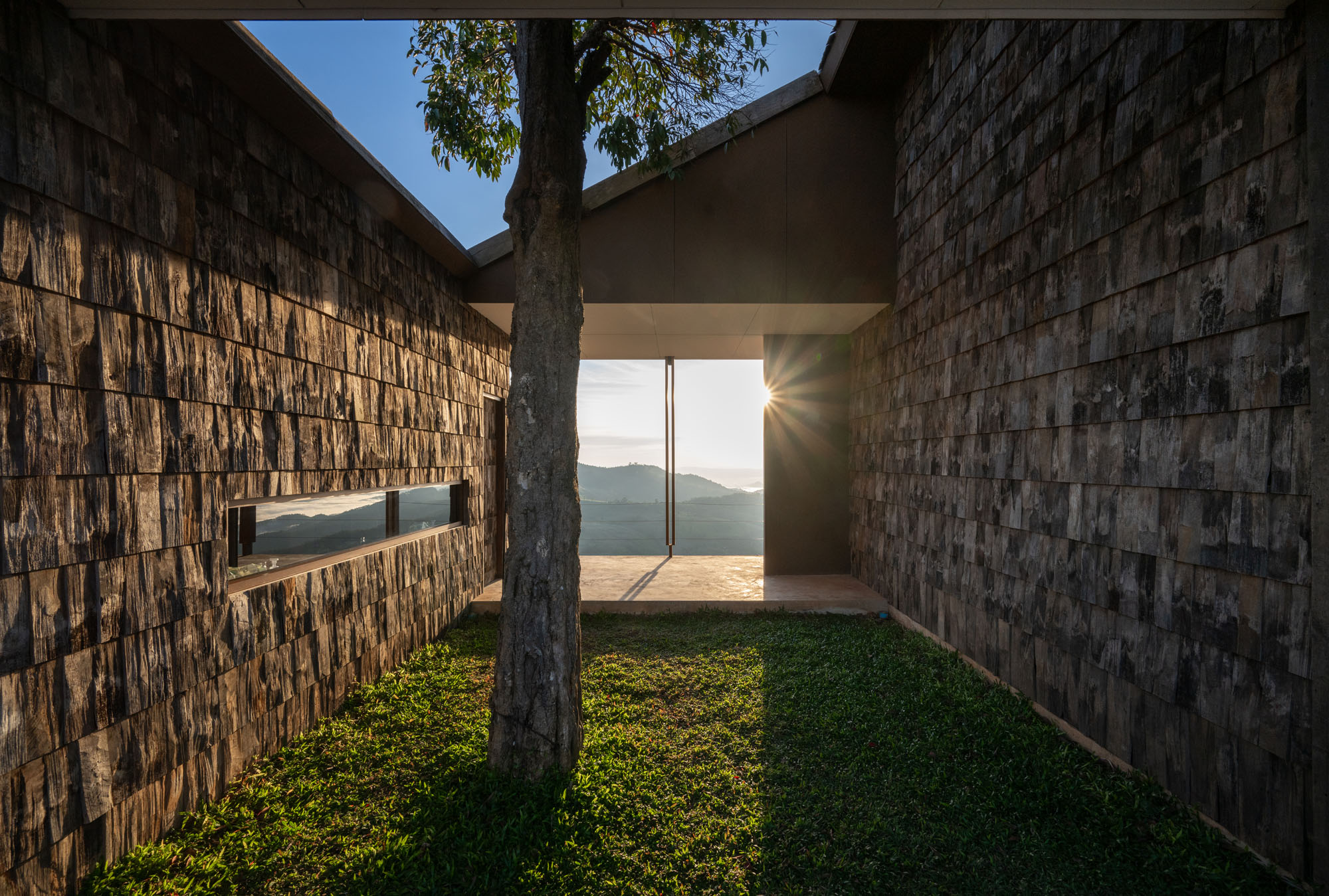
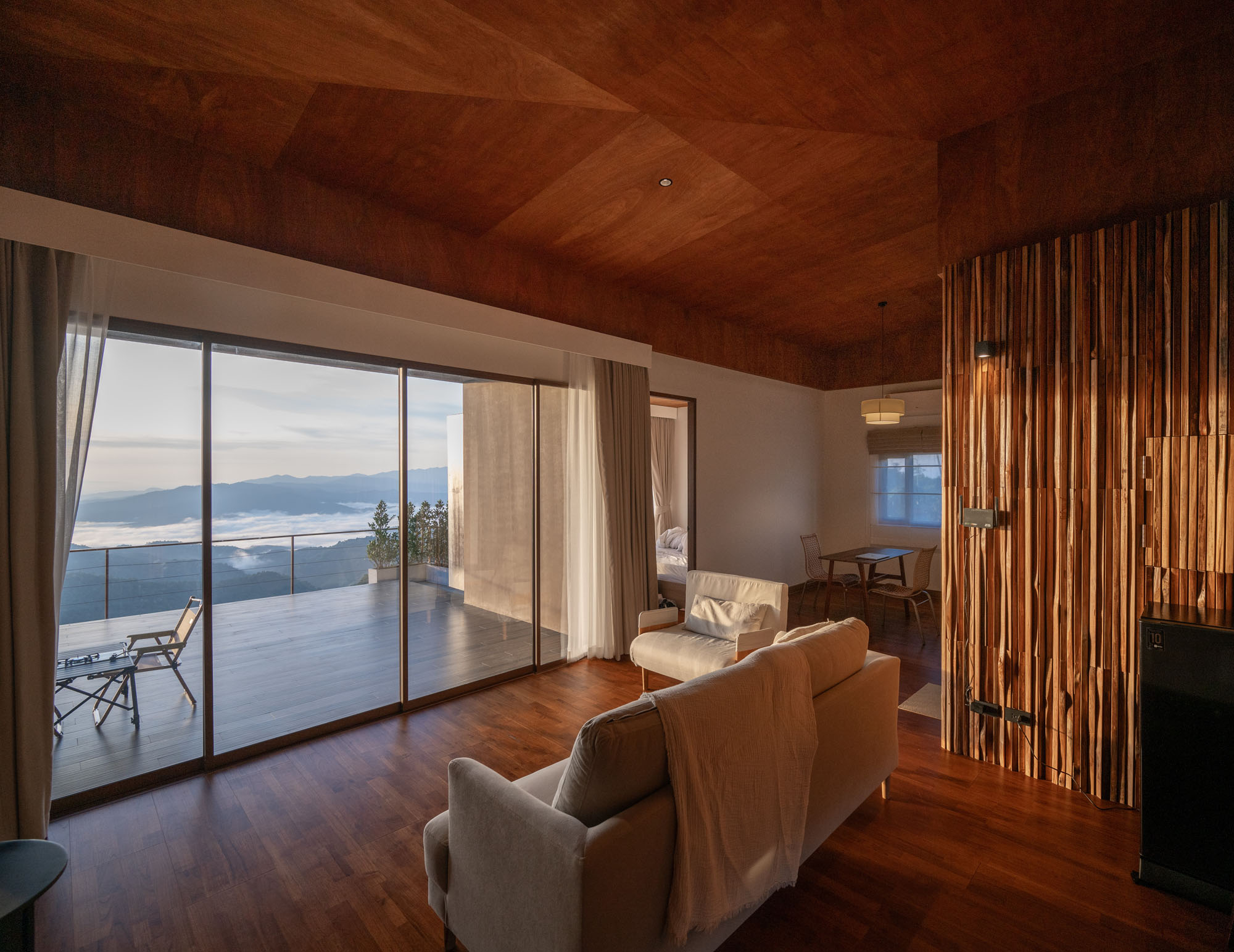
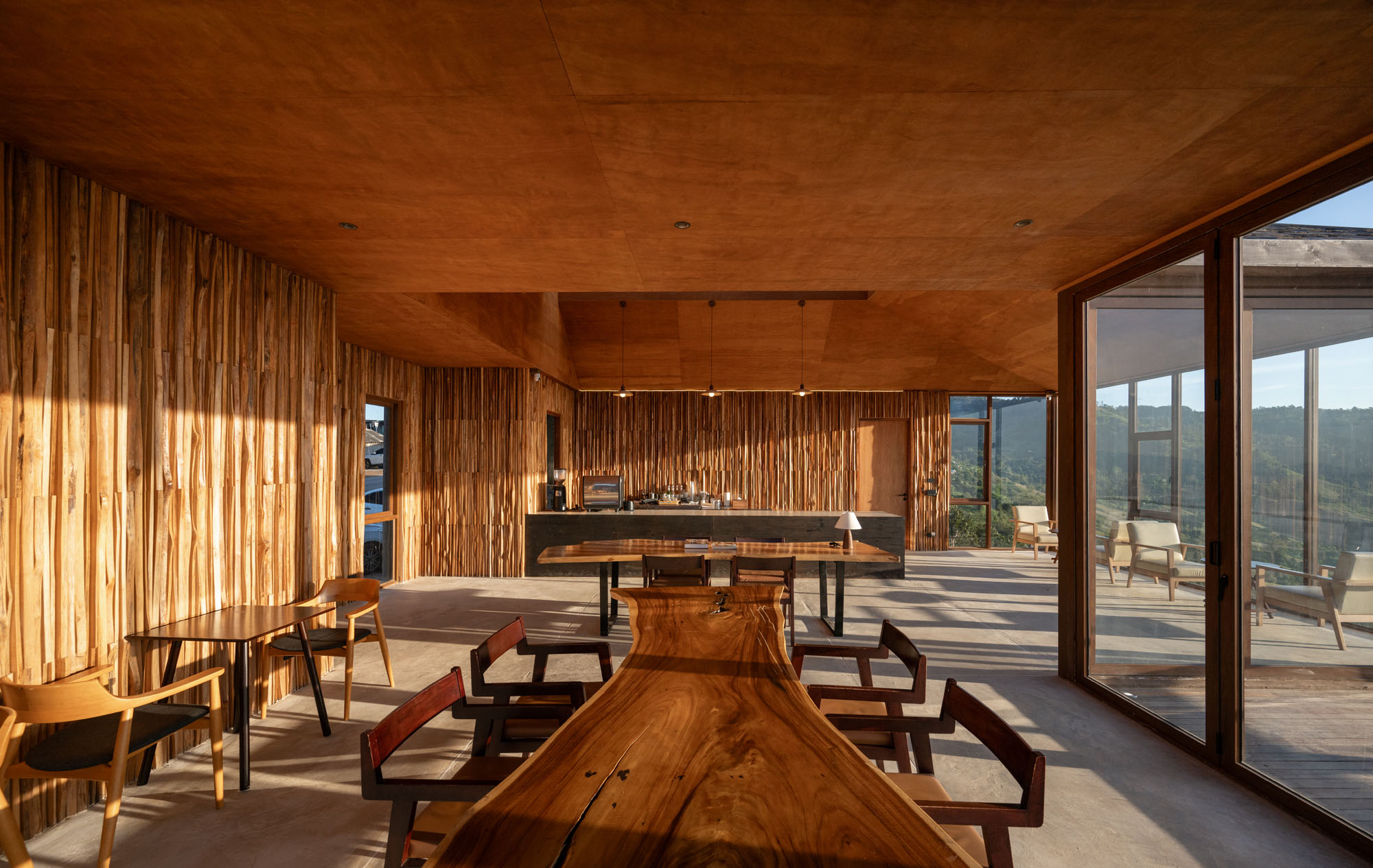
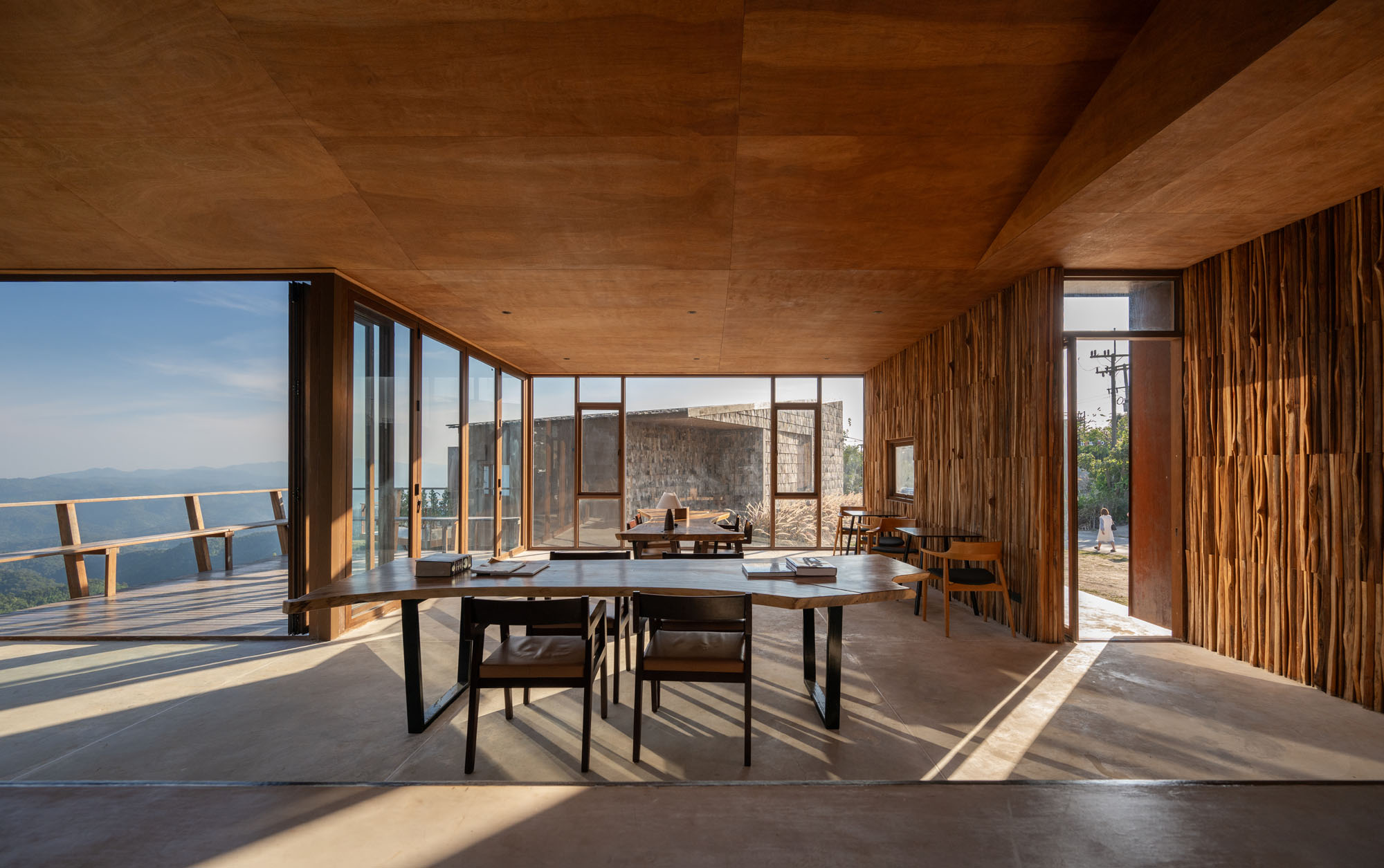
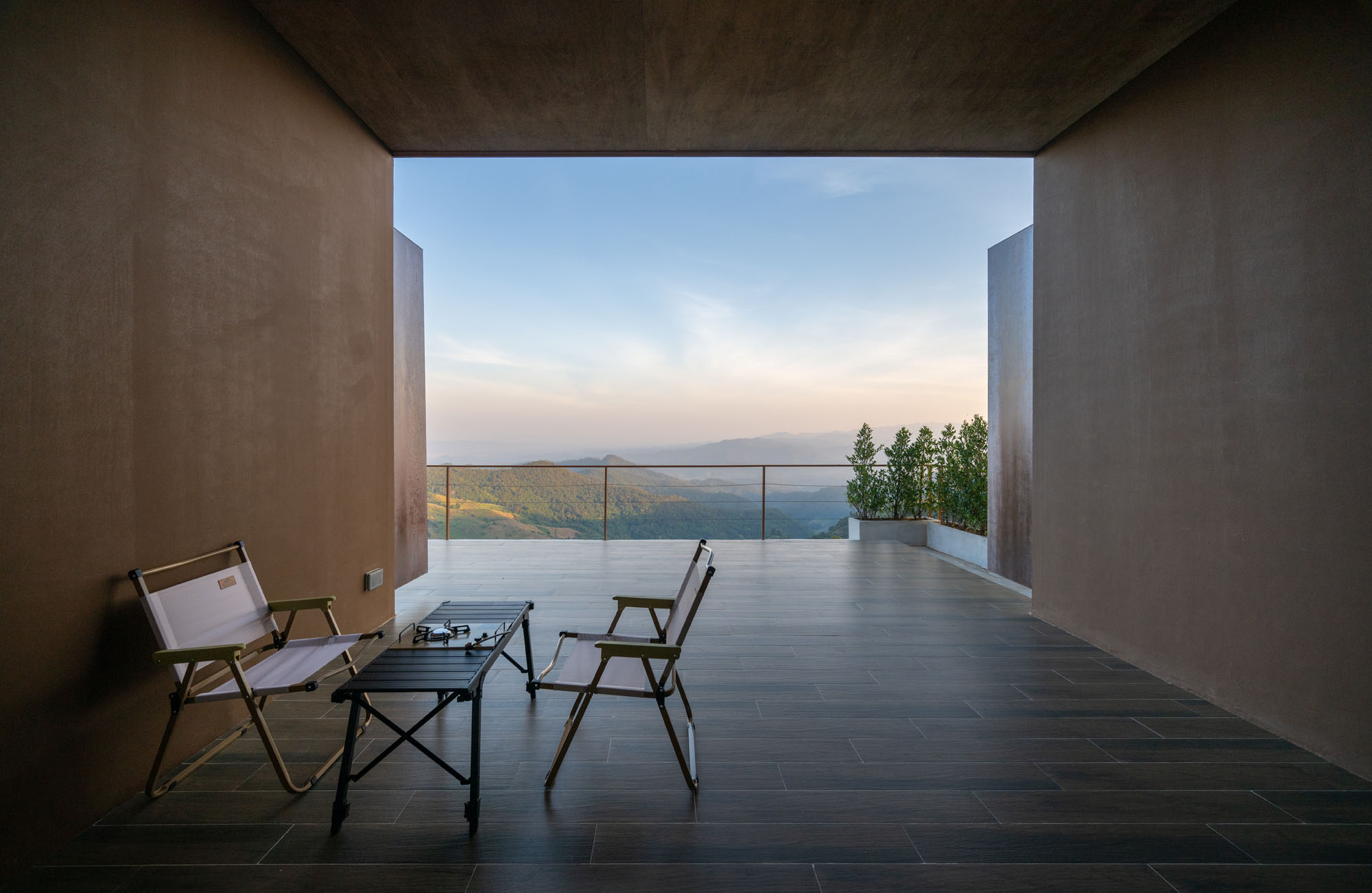
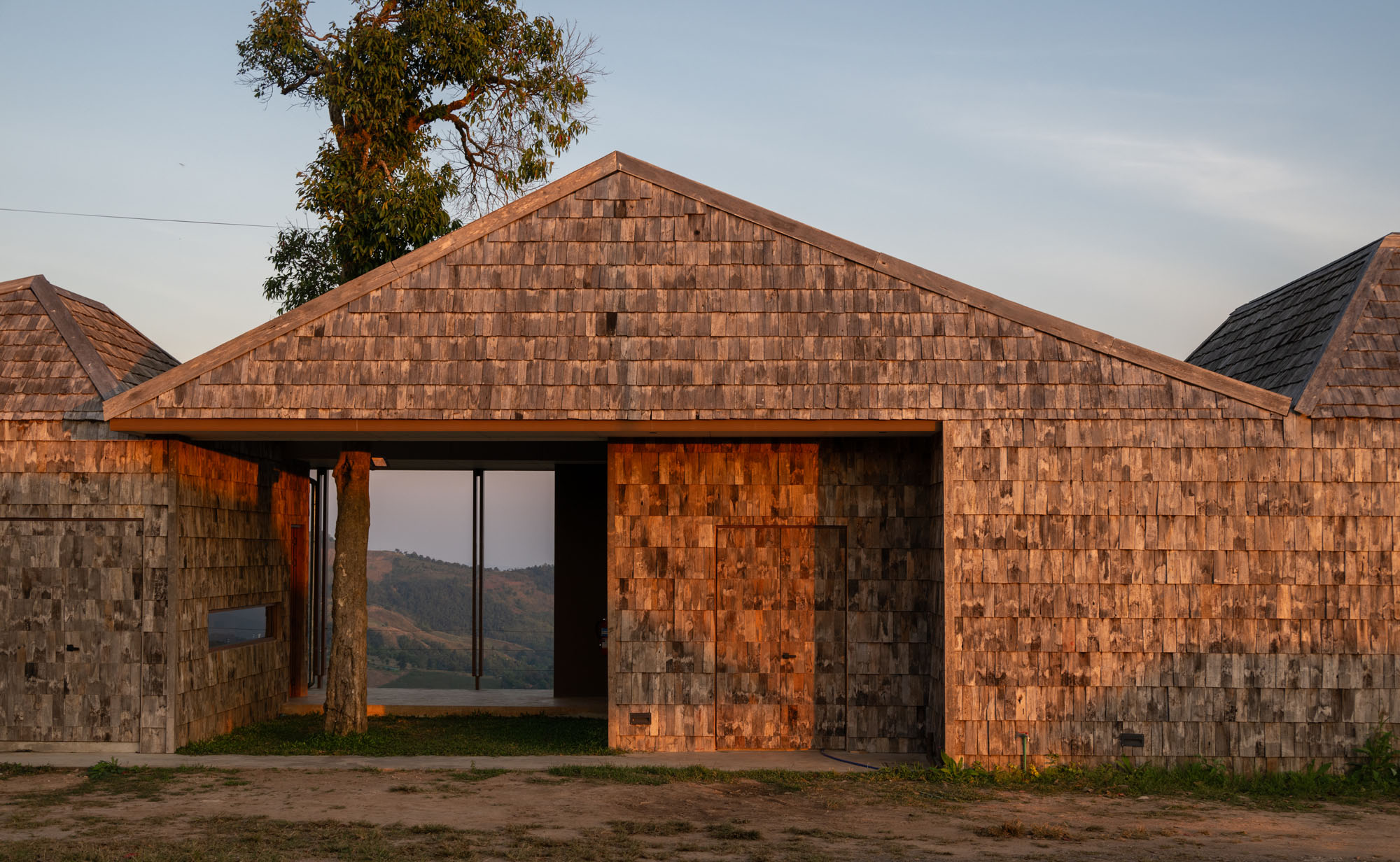
大きな開口部は、内部空間と周囲の景色を結びつけるよう慎重に配置され、眺望を額縁のように切り取って日常の生活の中に景観を取り込んでいる。これと並行して天窓が導入され、建物の中心部に自然光を導くことで内部の雰囲気を豊かにし、1日を通して変化する光の質感を際立たせている。これらの戦略が相まって、建築、利用者、そして自然の間の「つながり」という、本プロジェクトの中心テーマをより強固なものにしている。
©︎ Rungkit Charoenwat
©︎ Rungkit Charoenwat
素材の選定と持続可能性
山岳林に囲まれたこの場所において、木々は敷地の主要な「住人」として捉えられている。したがって木材は、単なる美的品質のためだけでなく、敷地そのものへの意識的な応答として、プロジェクトの主要な素材に選定された。素材選定にあたっては、単なる視覚的な表現だけでなく、資源効率と環境への責任を重視したアプローチが取られている。
©︎ Rungkit Charoenwat
©︎ Rungkit Charoenwat
再利用とアップサイクルを支える専門知識
この戦略は、再利用とアップサイクルの実践を通じて実現された。解体された地元の伝統家屋から調達した再生木製屋根板や、木材加工産業からの余剰木材が、建築デザインに再統合されている。本プロジェクトは、チャンパカ・ウッド(Champaca Wood)との協業と、彼らの素材に関する専門知識の恩恵を受けている。同社がもつ再生木材や端材に関する知見は、設計と施工の両プロセスに活かされた。
©︎ Rungkit Charoenwat
廃棄される木材への新たな価値の付与
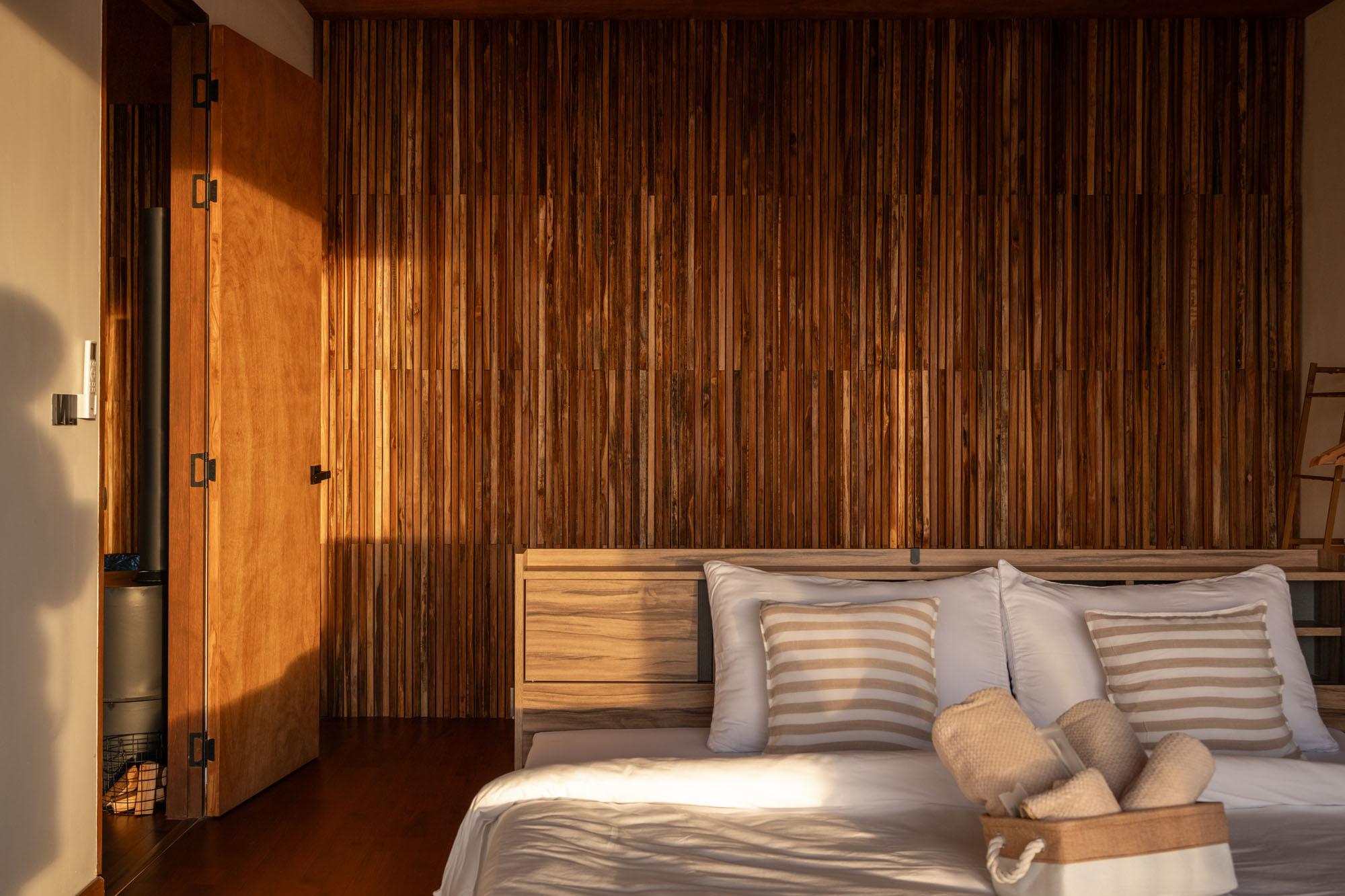
再生チーク材の屋根板は建物の外壁材(スキン)として再利用され、新規に加工される木材の代わりとして用いられることで材料の無駄を削減している。また、通常は木材の切断時に廃棄される辺材の端材は、内装壁の仕上げ材として使用され、光が表面を横切るにつれて奥行き、質感、そして繊細な影の遊びを生み出す。木材の自然な曲線、不完全さ、木目は意図的に露出され、強い地域アイデンティティを反映した、抑制の効いた素朴な雰囲気を醸し出している。
さらに、端材は寄木張りの床材へと生まれ変わり、丸太板の使用を最小限に抑えつつ、独特な模様と素材の豊かさを生み出した。こうして生まれた美学は、標準化された素材からではなく、端材の創造的な再利用から導き出されたものであり、持続可能な建築デザインへの新たなアプローチを示している。
©︎ Rungkit Charoenwat
©︎ Rungkit Charoenwat
自然と再びつながる建築体験
最終的に、天然素材、空間構成、そして建築的意図が融合し、静謐で没入感のある隠れ家が生み出される。〈ウッド・キャビン〉は単なる宿泊施設ではない。空間、光、素材を通じて、居住者にペースを落とし、周囲と向き合い、自然と再びつながることを促す建築体験そのものなのである。
©︎ Rungkit Charoenwat
©︎ Rungkit Charoenwat
©︎ Rungkit Charoenwat
©︎ Rungkit Charoenwat
©︎ Rungkit Charoenwat
©︎ Rungkit Charoenwat
©︎ Rungkit Charoenwat
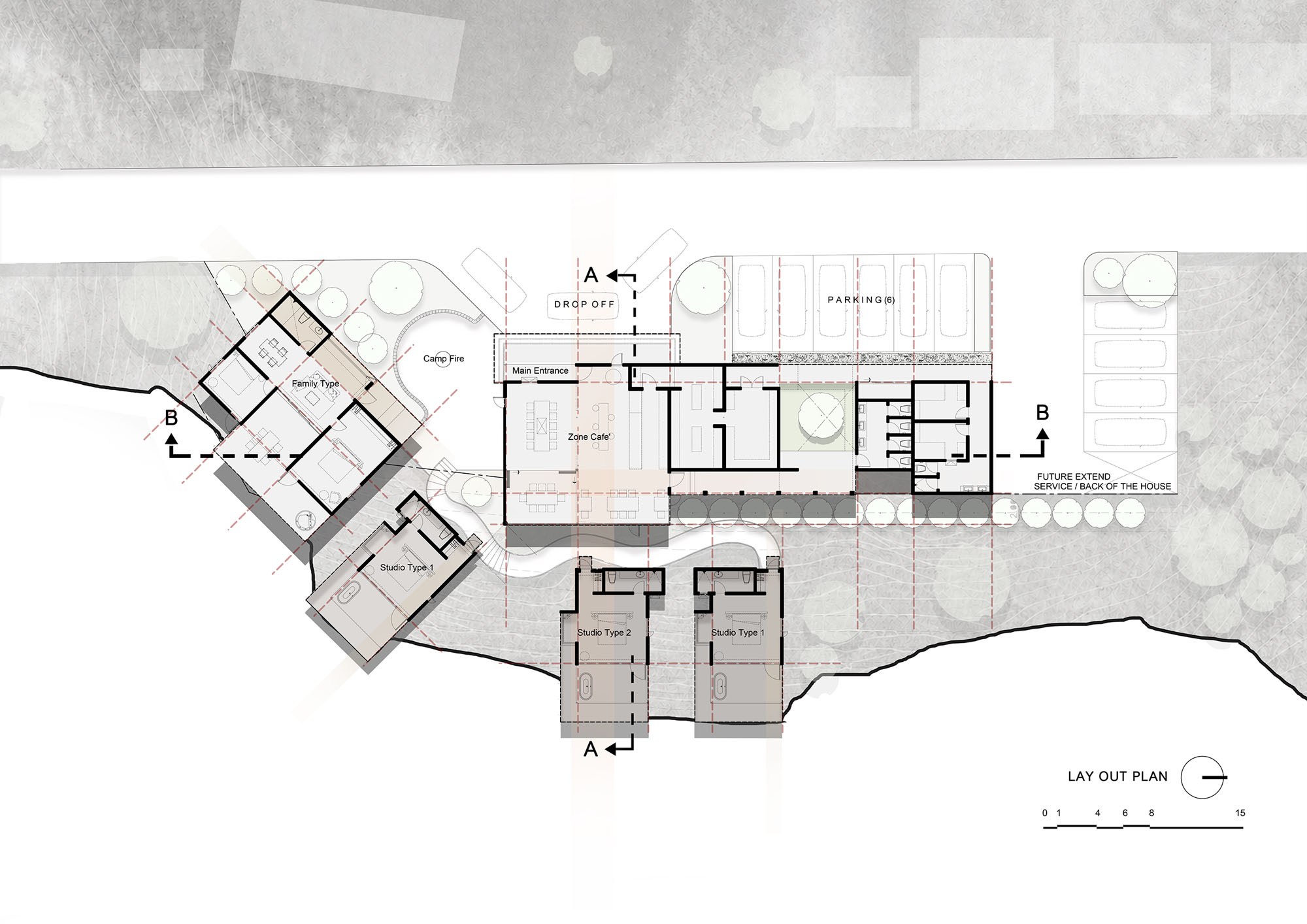
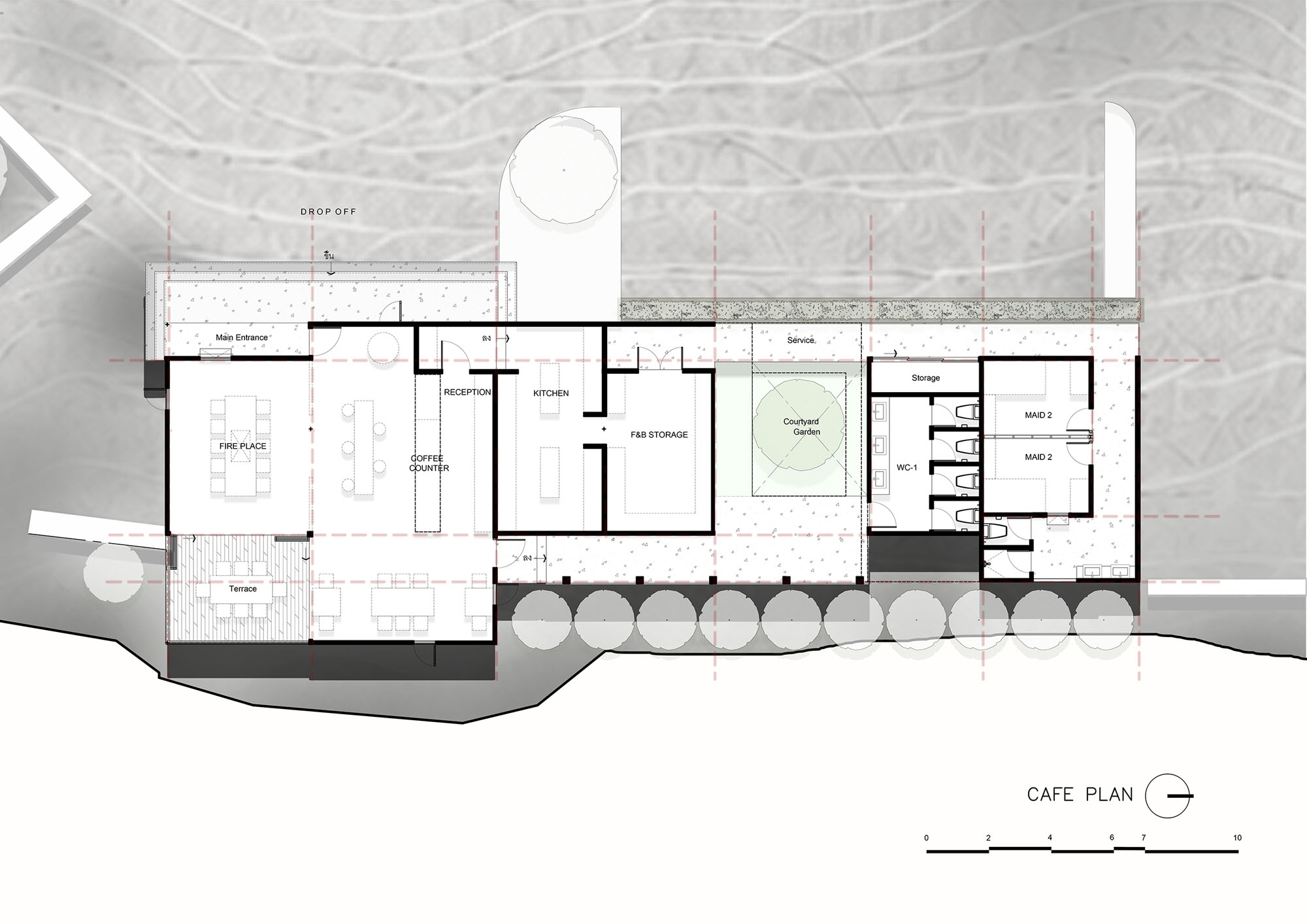
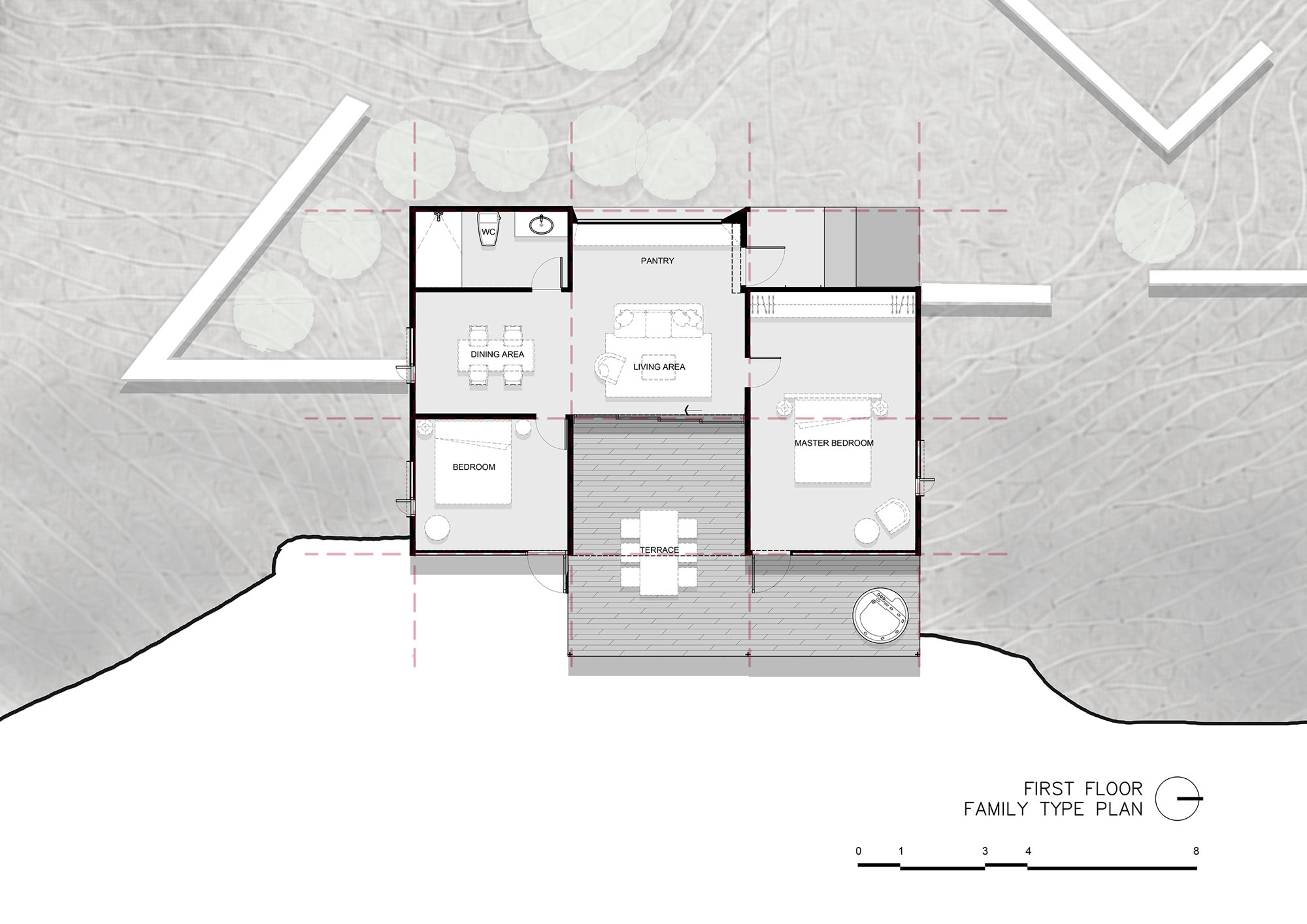
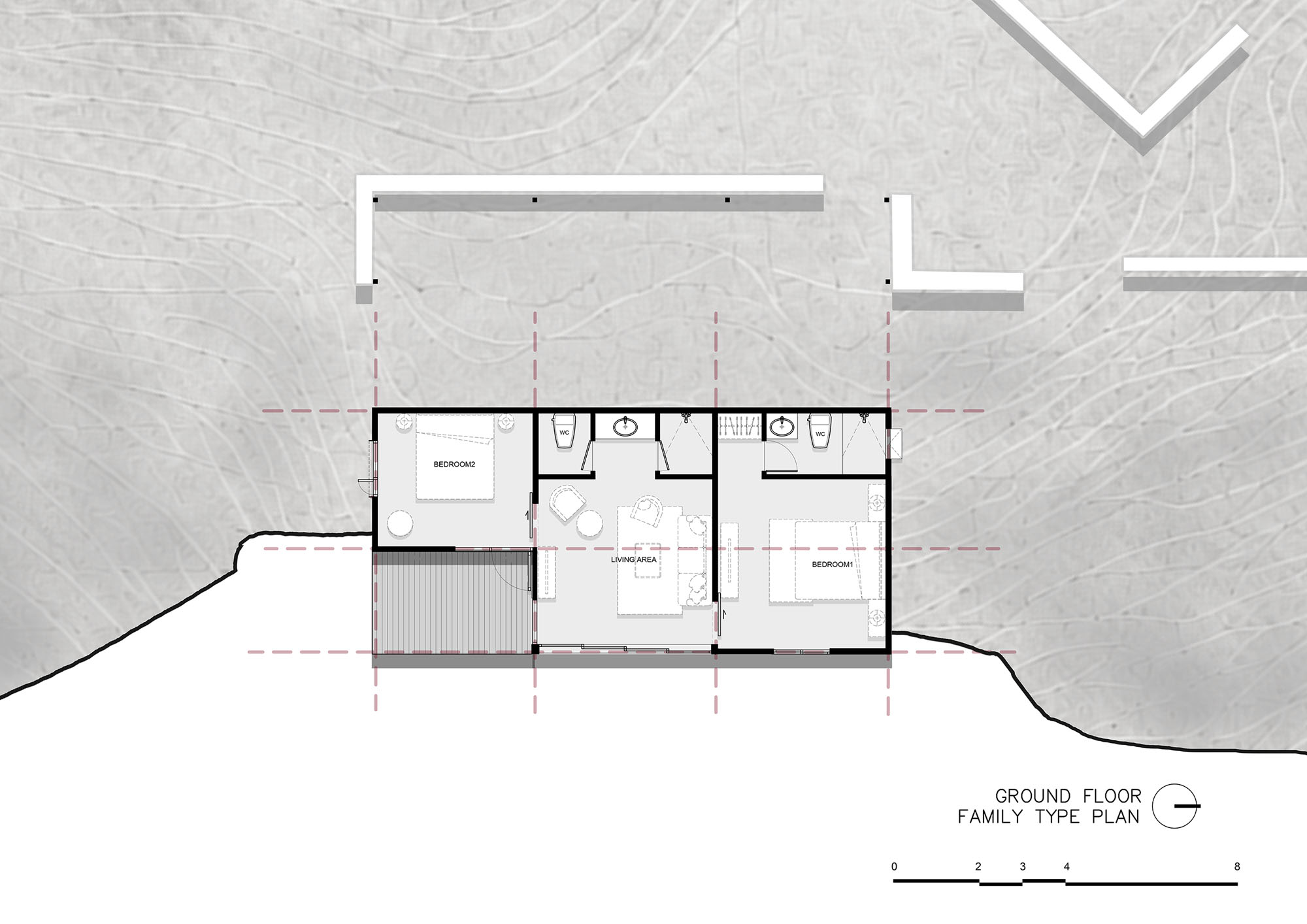
以下、S.O.S アーキテクツのリリース(英文)です。
Main Information
Project Name: THE WOOD CABIN
Office Name: S.O.S Architects
Office Website: https://sos-architects.com/
Social Media Accounts: https://www.facebook.com/sosarchitect/ ,
Contact email: sosarchitects.cm@gmail.com
Firm Location: 181/36 Chang Phueak Rd, Tambon Si Phum, Mueang Chiang Mai District, Chiang Mai 50200Completion Year: 2026
Gross Built Area (m2/ ft2): 705 m2
Project Location: Baan Doi lan, Unnamed Road, Wa Wi, Mae Suai District, Chiang Rai 57180
Program / Use / Building Function: Resort Hotel
Lead Architects: Chaikla Dangboon , Tariya Tiwan
Lead Architects e-mail: chaikla.sosarchitects@gmail.com , Tj.tariya@gmail.com
Structure Engineer : Chaiwat Kaewkam
Construction consultant : Creative DesignPhotographer
Photo Credits: Rungkit Charoenwat
Photographer’s Website: –
Photographer’s e-mail : Rungkit62@gmail.com
Video link: –
Project DescriptionThe Wood Cabin
Architecture in Harmony with Nature and Design
The Wood Cabin originates from a fundamental design intention to create a retreat that allows its occupants to experience a close and genuine connection with nature. Rather than positioning architecture as an isolated object, the project is conceived as an integral part of the landscape—one that exists in dialogue with its surrounding context.The core concept is articulated through the building form and massing. Drawing inspiration from the mountainous terrain, the architecture interprets the natural topography as a spatial and formal generator. The building volumes are arranged to resemble the layering of mountain ridges, while the sloping rooflines echo the contours of hills and natural landforms. This approach enables the architecture to blend seamlessly into its environment, minimizing visual intrusion and reinforcing its relationship with the existing landscape.
This conceptual continuity extends beyond the exterior and is carried into the interior spaces. Slanted lines and geometries derived from the external form are translated into interior elements, particularly through ceiling design. These gestures establish a sense of spatial continuity between outside and inside, allowing boundaries to dissolve and creating a fluid architectural experience that feels intuitive and natural.
Large openings are carefully positioned to connect interior spaces with the surrounding scenery, framing views and drawing the landscape into everyday use. In parallel, skylights are introduced to bring natural daylight into the heart of the building, enriching the interior atmosphere and accentuating the changing qualities of light throughout the day. Together, these strategies reinforce the project’s central theme of connection—between architecture, users, and nature.
Materiality and Sustainability
Situated within a mountainous forest context, trees are interpreted as the primary “inhabitants” of the site. Timber is therefore selected as the project’s main material, not merely for its aesthetic qualities, but as a conscious response to the site itself. Material selection is approached with an emphasis on resource efficiency and environmental responsibility rather than visual expression alone.This strategy is realized through the use of reuse and upcycling practices. Reclaimed wooden roof shingles sourced from dismantled local vernacular houses, along with surplus timber from the wood-processing industry, are reintegrated into the architectural design. The project benefits from the collaboration and material expertise of Champaca Wood, whose knowledge of reclaimed and leftover timber informed both design and construction processes.
Reclaimed teak roof shingles are repurposed as the building skin, replacing newly processed timber and reducing material waste. Sapwood offcuts—typically discarded during timber cutting—are used as interior wall finishes, creating depth, texture, and nuanced shadow play as light moves across the surfaces. The natural curves, imperfections, and grain patterns of the wood are intentionally revealed, contributing to a restrained rustic character that reflects a strong sense of local identity.
In addition, end-grain wood remnants are transformed into parquet flooring, minimizing the use of full timber boards while generating distinctive patterns and material richness. The resulting aesthetic emerges not from standardized materials, but from the creative reuse of leftovers—demonstrating an alternative approach to sustainable architectural design.
Ultimately, the natural materials, spatial strategies, and architectural intent converge to create a calm and immersive retreat. The Wood Cabin is not merely a place to stay, but an architectural experience—one that encourages occupants to slow down, engage with their surroundings, and reconnect with nature through space, light, and material.
S.O.S アーキテクツ 公式サイト
https://sos-architects.com/