旧発電所の地下に眠る風景を「ありのまま」体験する。ドイツ・ベルリンに位置するテクノ文化のアーカイブ施設〈リビング・アーカイブ〉 / オフィス・パークシェールバート
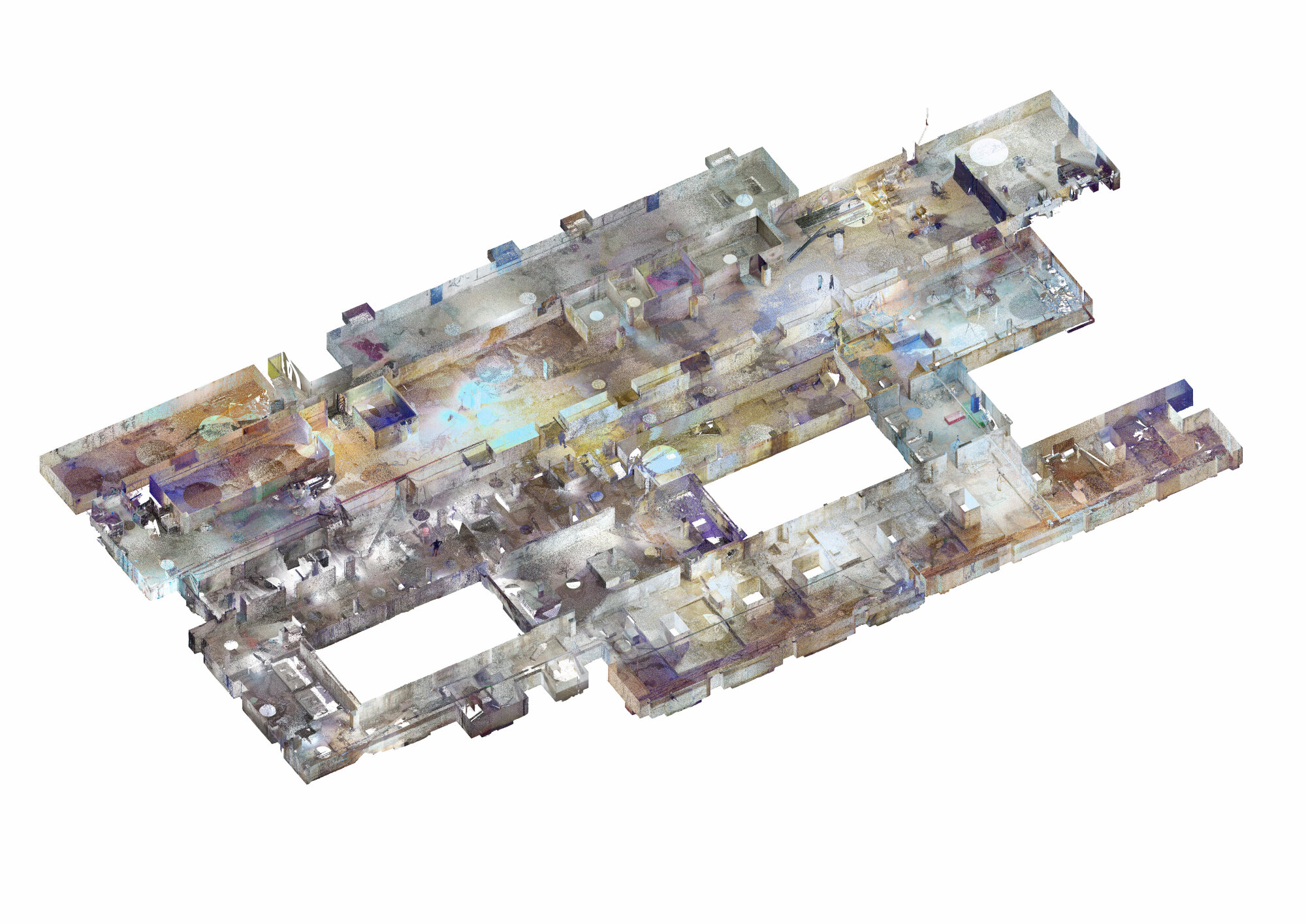
ドイツ・ベルリンに位置する〈リビング・アーカイブ(Living Archive)〉は、旧東ベルリンの発電所の地下に広がる約3,400m²の未利用空間を活用した、テクノ文化を記録・保存する常設アーカイブ施設です。
ベルリンを拠点とする建築・都市計画事務所オフィス・パークシェールバート(Office ParkScheerbarth)が設計を手がけ、既存の地下構造や廃材を活かしながら、ベルリンの壁崩壊後に生まれたクラブカルチャーのDIY精神や、未利用空間を発見する体験を建築的に表現しています。
注目ポイント
- 旧発電所の地下空間の「アダプティブリユース(適応的再利用)」
- 「ありのまま」の空間を活かした、発見と体験の展示構成
- 既存資材の再利用で表現する、クラブカルチャーのDIY精神
(以下、オフィス・パークシェールバートから提供されたプレスキットのテキストの抄訳)
©︎ Jan Bitter
©︎ Jan Bitter
東ベルリンの旧発電所の地下空間を活用した、テクノ文化のアーカイブ
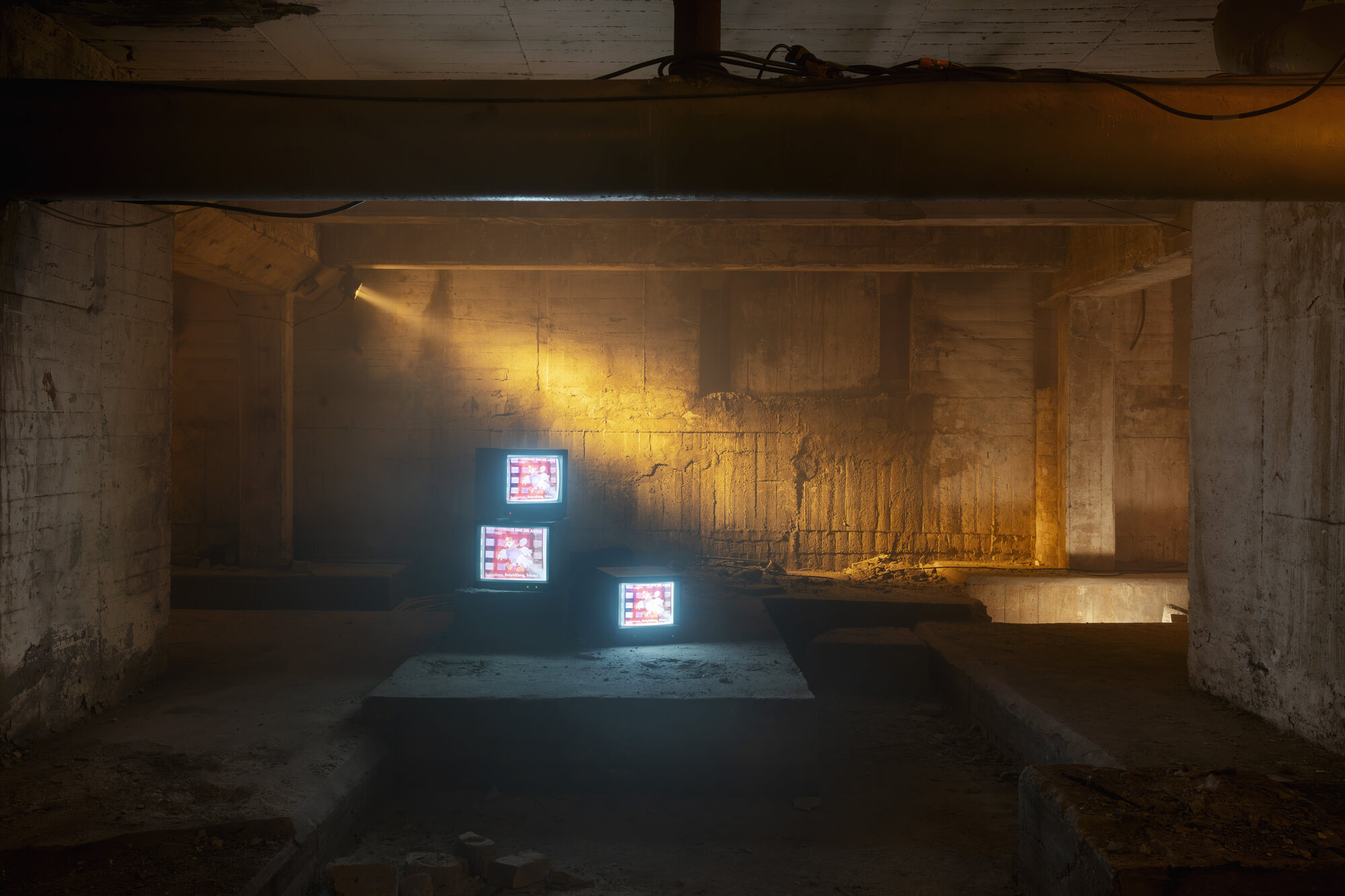
ドイツ・ベルリンに位置する旧発電所の地下に広がる、これまで未利用だった3,400m²の空間が、初めて一般公開された。
この地下空間に対し、ベルリンを拠点とする建築設計事務所 オフィス・パークシェールバートは、テクノクラブ「トレゾール(Tresor)」の創設者であるディミトリ・ヘゲマン(Dimitri Hegemann)と共同で、テクノ文化を記録・保存する常設アーカイブ〈リビング・アーカイブ〉の構想を具体化した。この構想は、ヘゲマンが2015年に初めて発表したものである。
展覧会『Dancefloors After 1989』は、この構想を実際の空間で検証する試みとして開催された。5週間にわたる展覧会の実施に向けて、同事務所は必要な許可を取得するとともに、建物内にある資材を活用した展示空間を設計した。
©︎ Jan Bitter
発電所からクラブカルチャーの拠点へと転換した建築
この発電所は、ベルリンの壁が建設された時期とほとんど重なる1960年から1964年にかけて建設され、東ベルリンの中心部に熱と電力を供給していた。
現在、建物南側の棟には1991年に設立されたテクノクラブ「トレゾール」が入居している。また、かつてのタービンホールは「クラフトヴェルク・ベルリン(Kraftwerk Berlin)」として活用されており、展覧会やイベント、音楽フェスティバル「ベルリン・アトナル(Berlin Atonal)」などの会場となっている。
©︎ Jan Bitter
ダンスフロアの視点から振り返る、ベルリンの壁崩壊後の文化
ベルリンのクラブ文化を支援するネットワーク「クラブコミッション・ベルリン(Clubcommission Berlin)」が企画した展覧会『Dancefloors After 1989』は、2026年10月3日のドイツ統一記念日に開幕し、ベルリンの壁崩壊の記念日である11月9日まで開催された。
本展は、ダンスフロアという視点から、1989年以降の社会や文化の変化を捉えるものである。
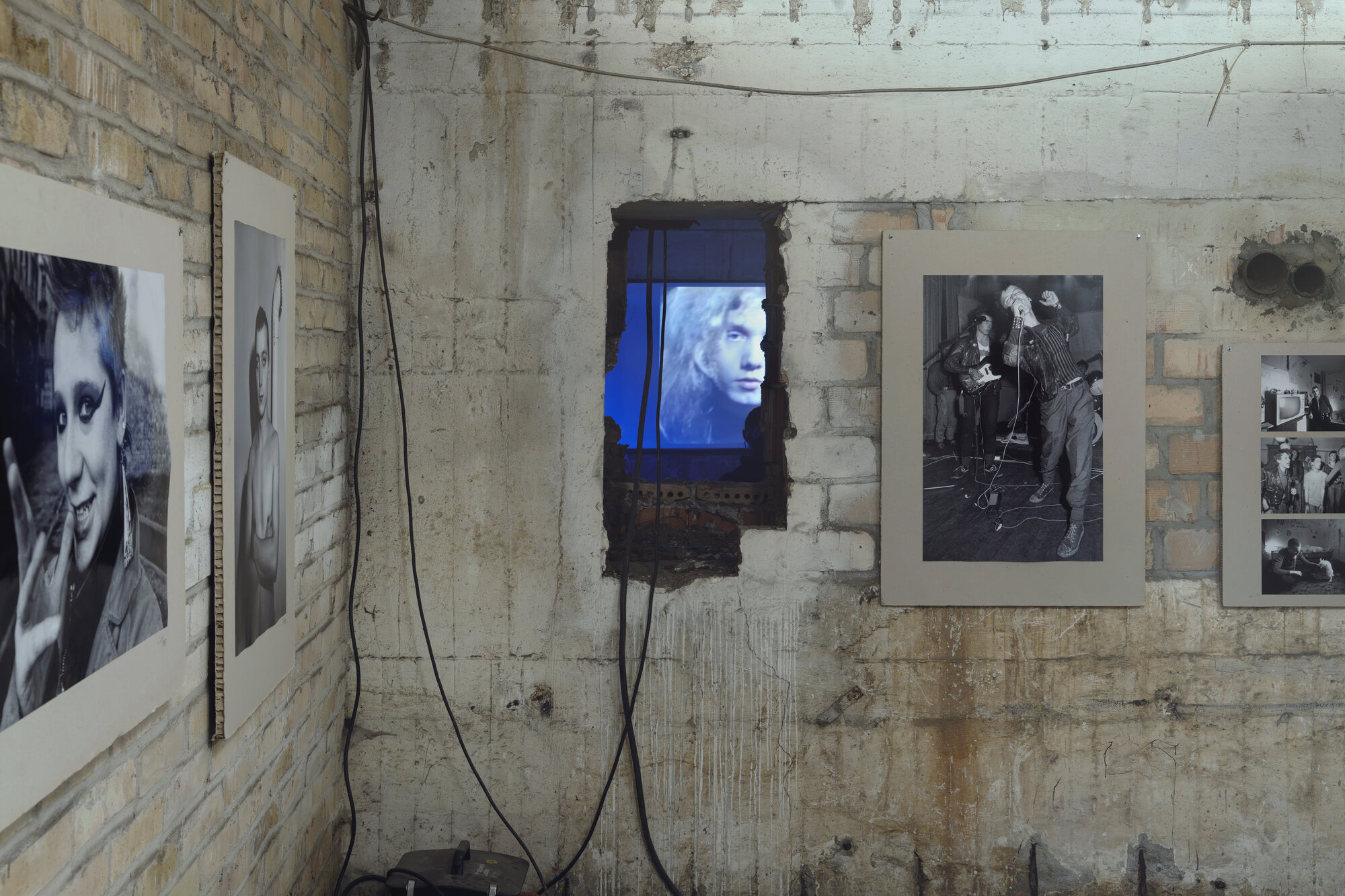
ベルリンのクラブから旧東ドイツの小さな町々までを対象とし、パンクやヒップホップのシーンに加え、クィア、移民、黒人コミュニティなど、多様な文化や人々の活動に焦点を当てている。
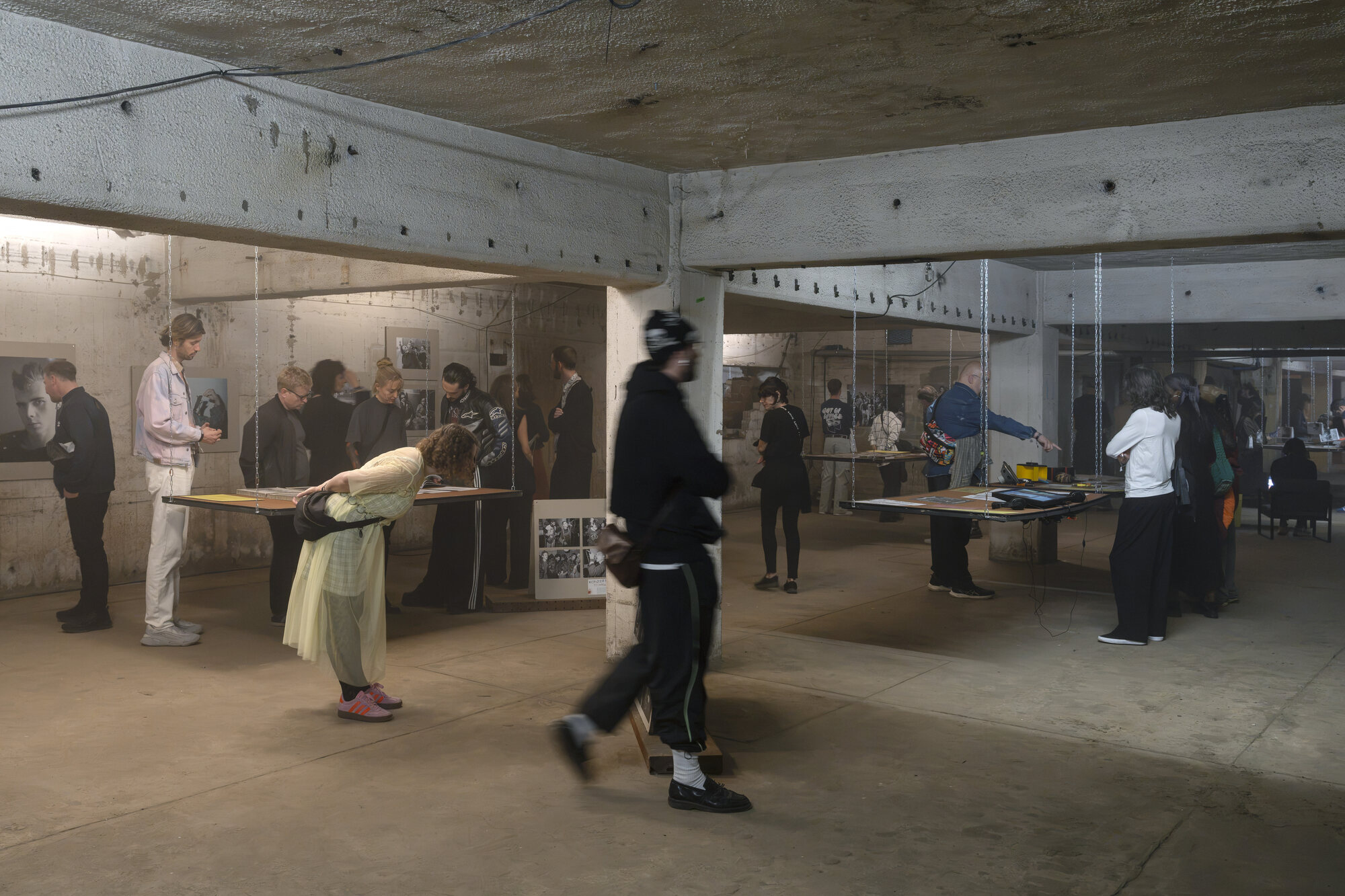
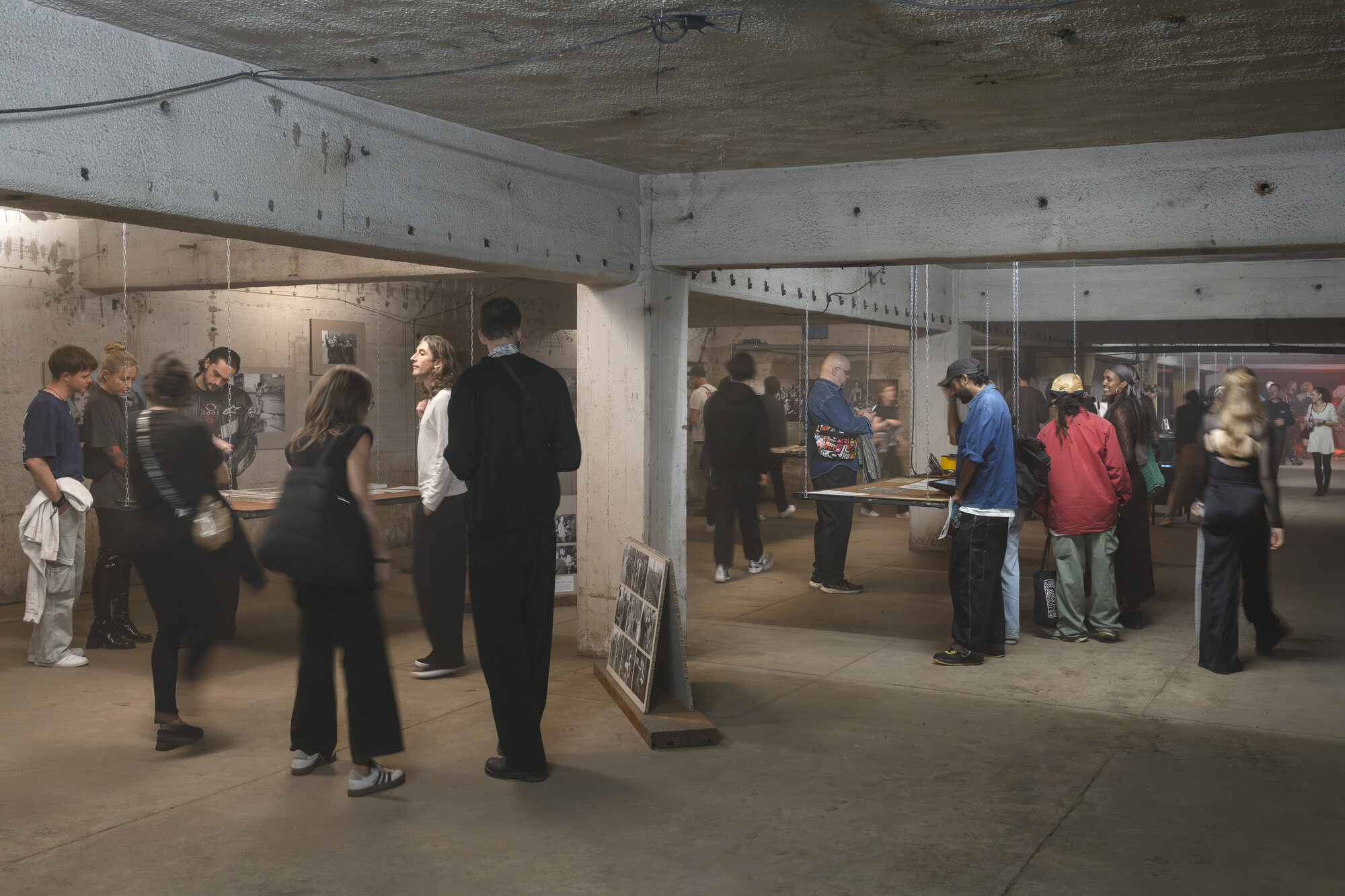
会場には30以上の物語や芸術的な表現が並べられている。それぞれの異なる視点や立場をあえて統合することなく、多様な歴史や経験をそのまま提示する構成となっている。
Basement 3D Scan by BHT Berlin
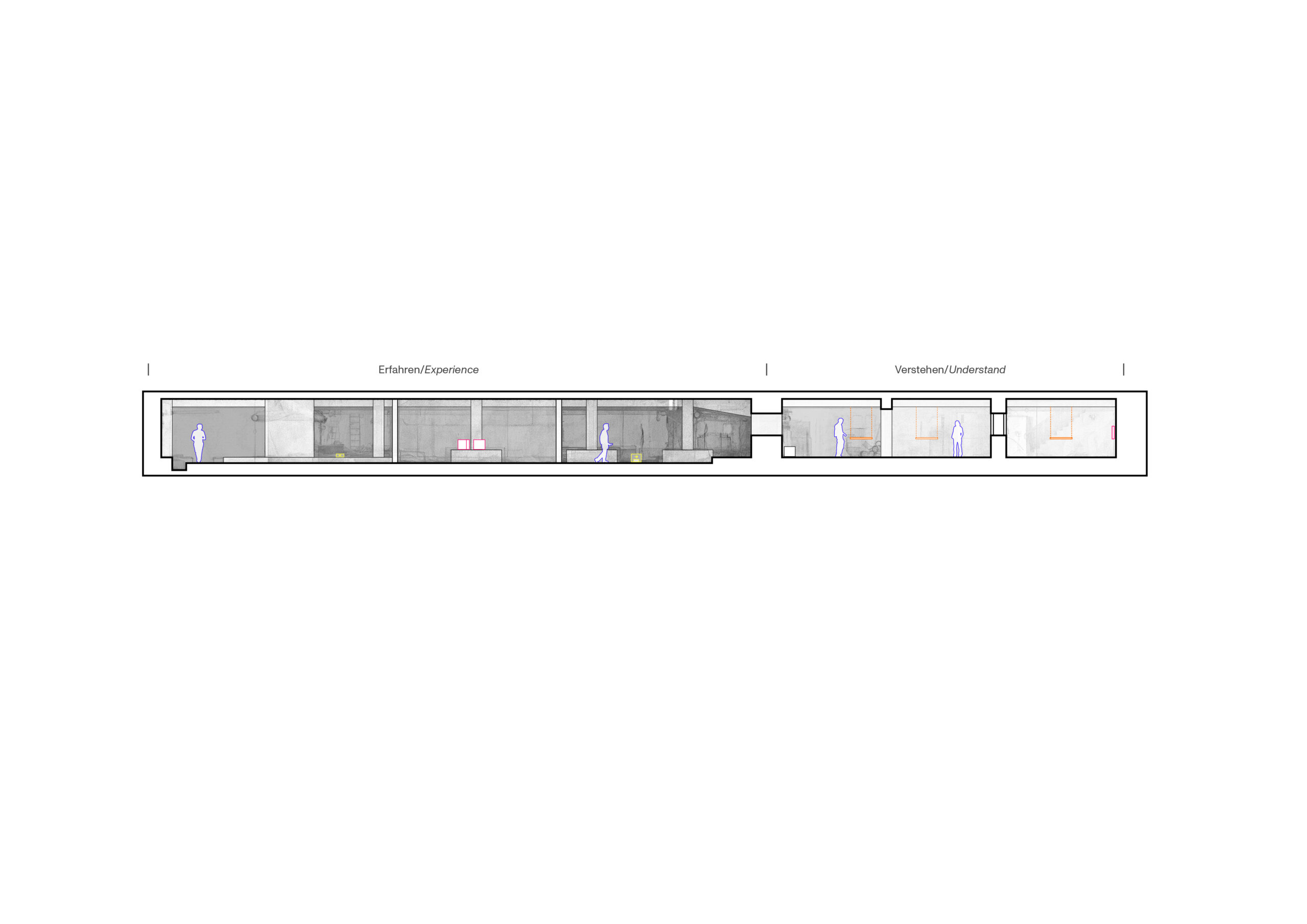
Section
「ありのまま」の空間を活かした、発見と体験の展示構成
アーカイブの構想に基づき、地下空間は「体験(Experiencing)」と「理解(Understanding)」という2つのエリアに分けられている。空間構成と展示デザインには、「ありのまま(as found)」という共通の原則が貫かれている。
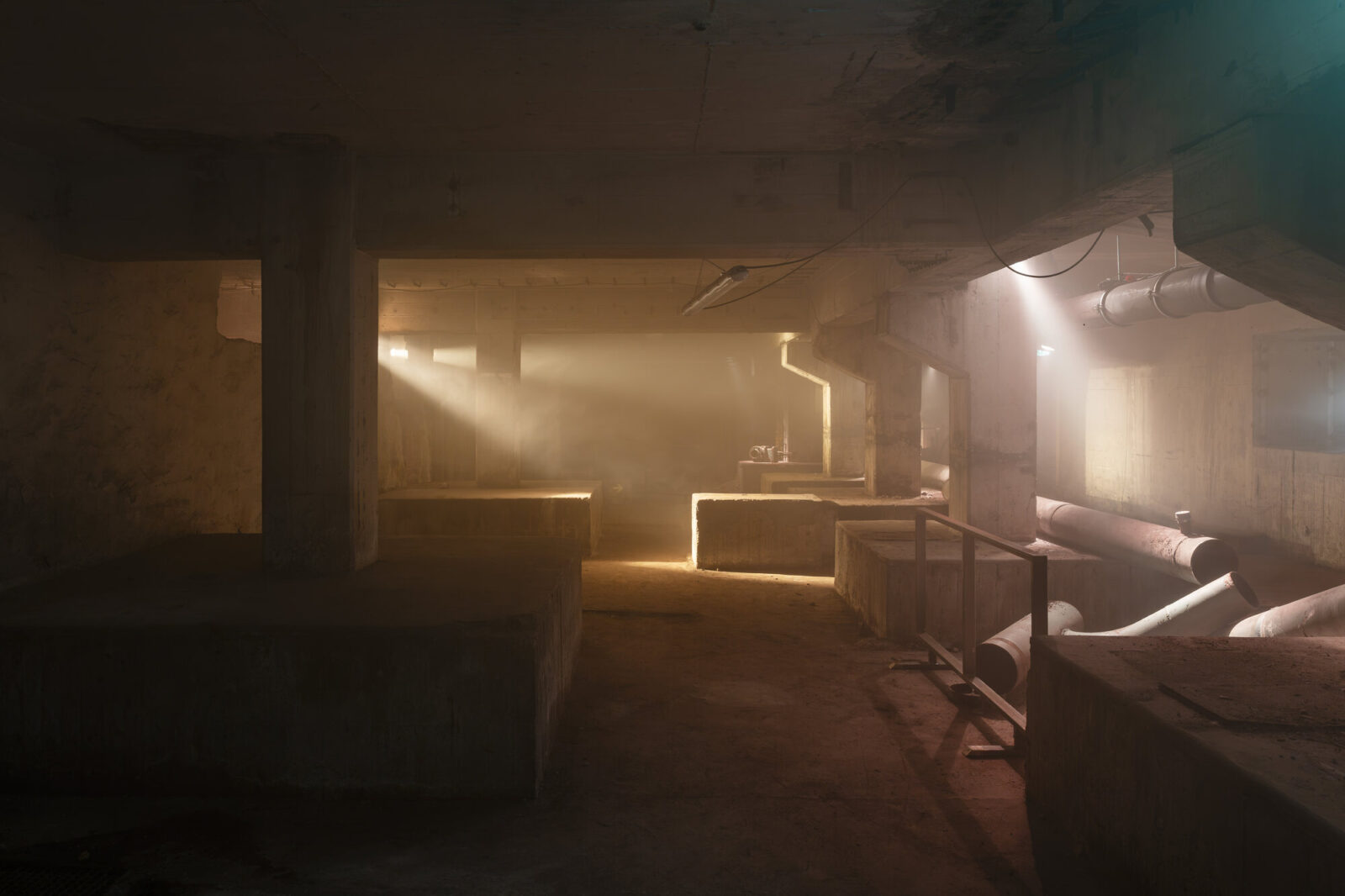
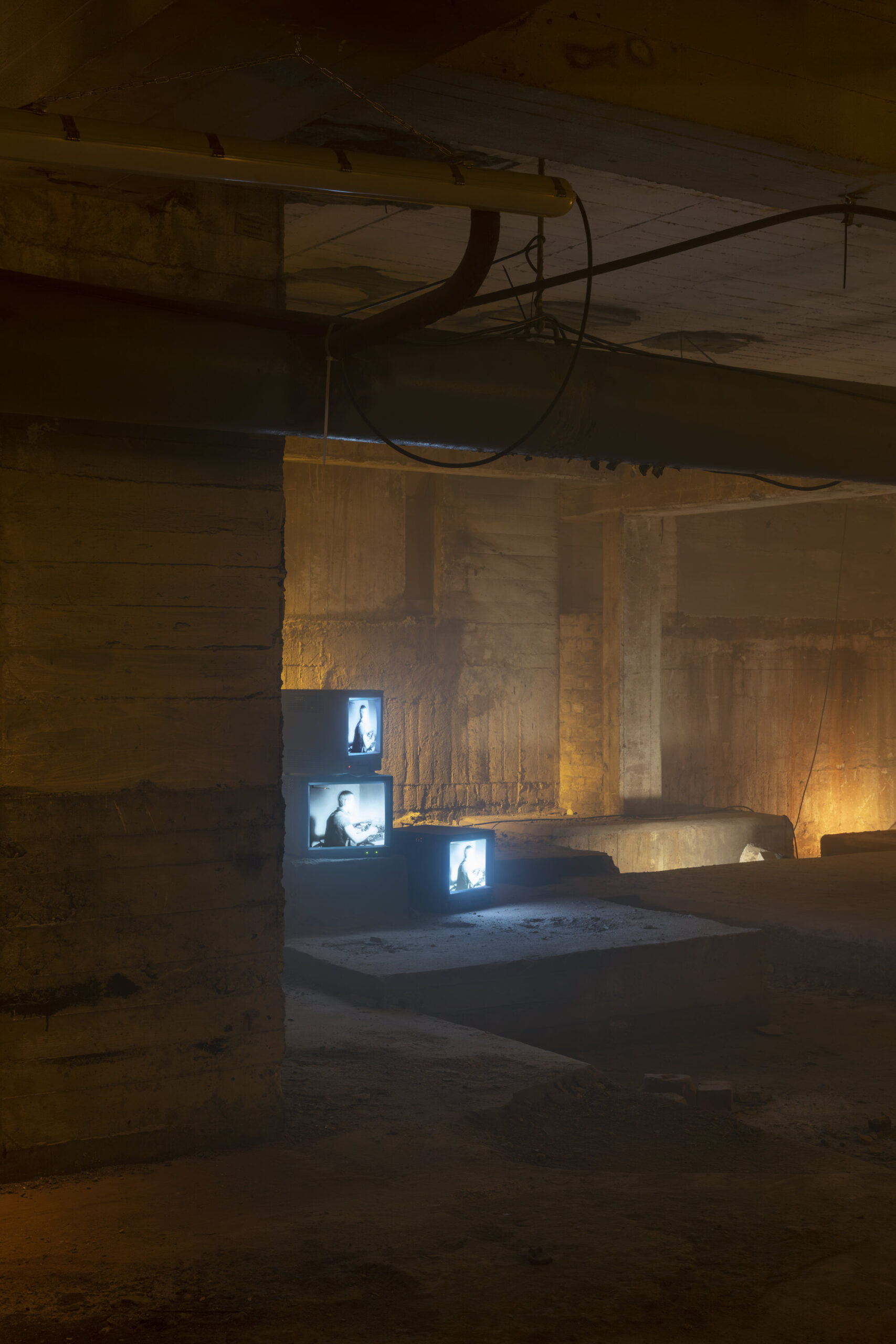
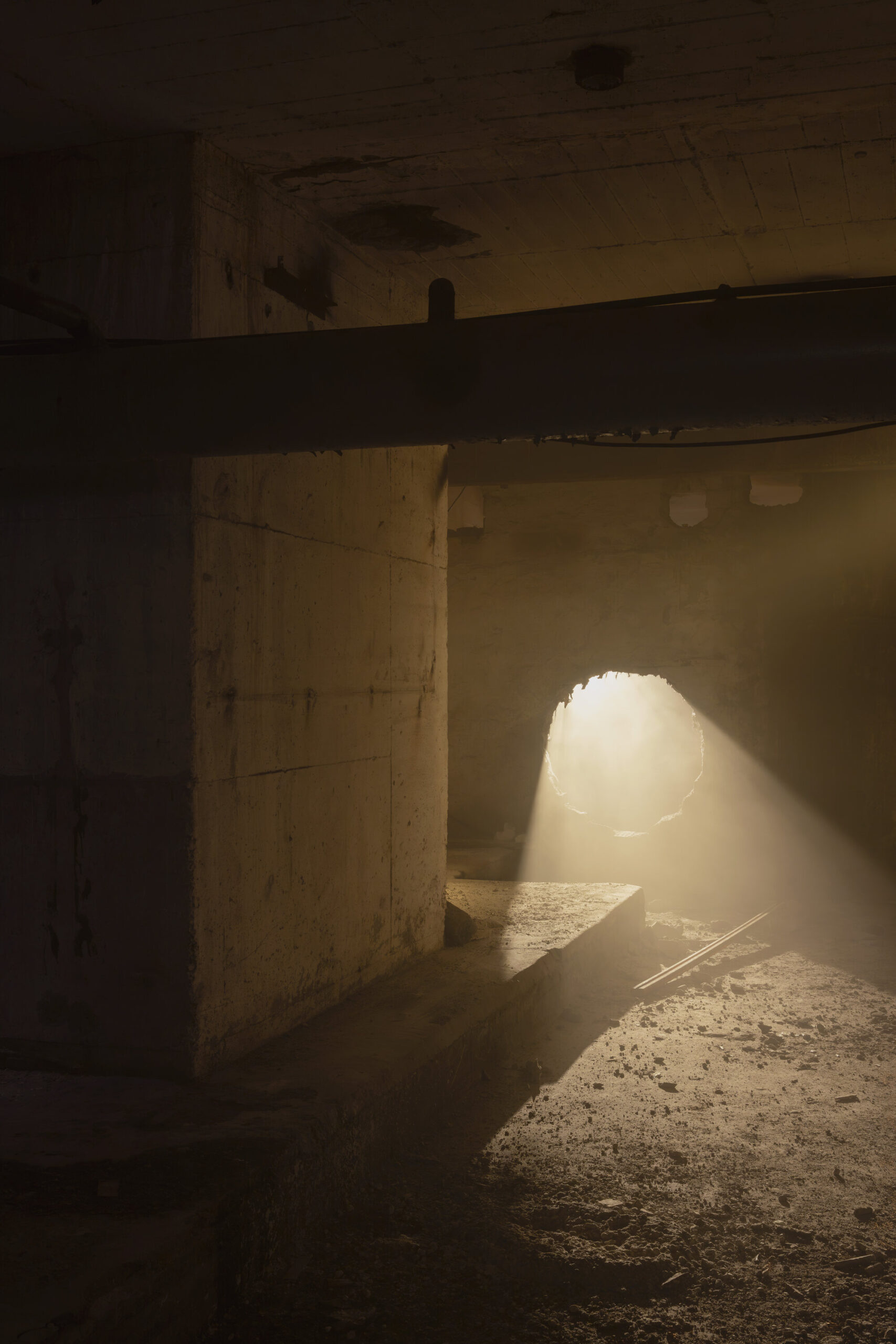
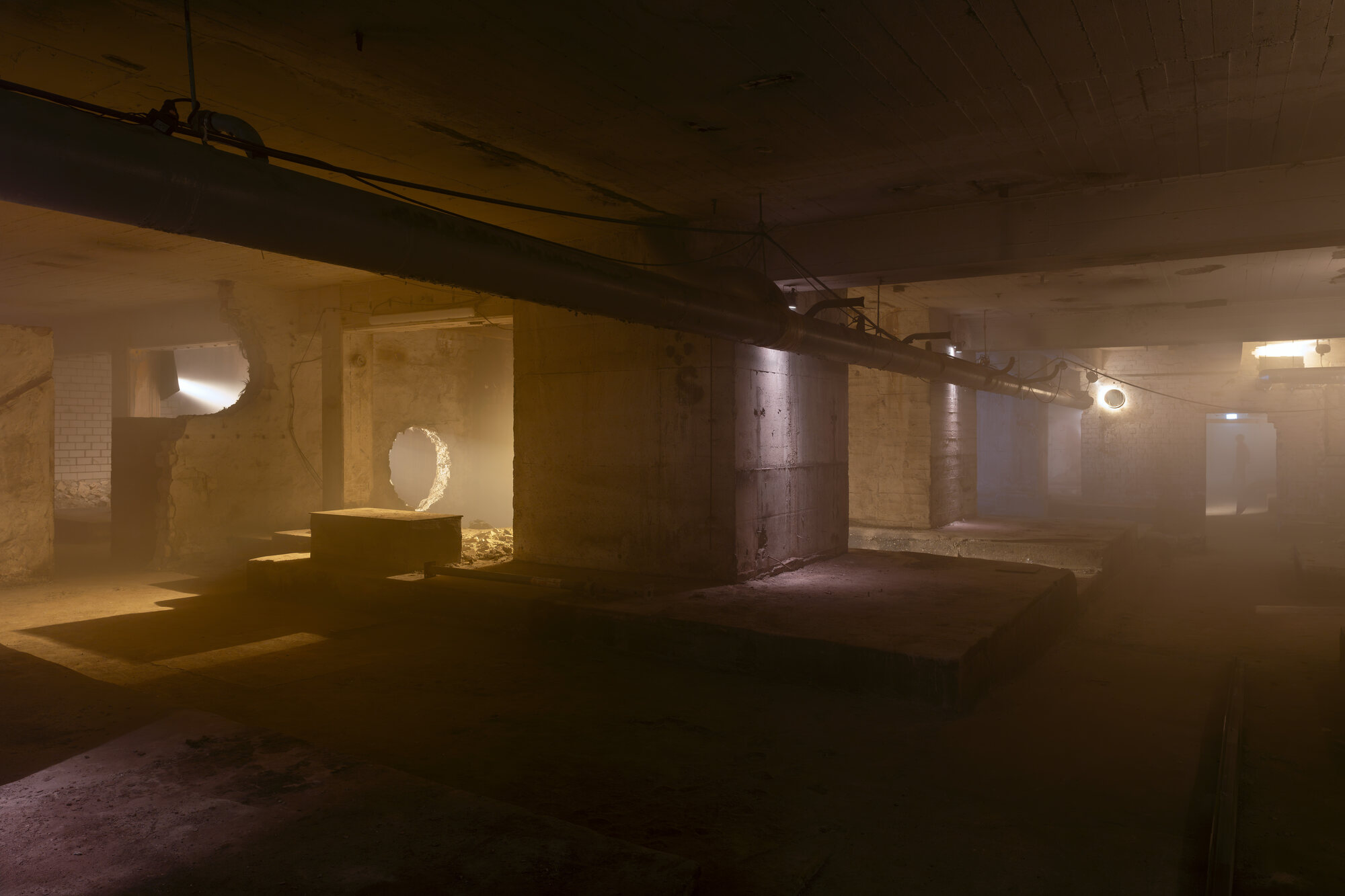
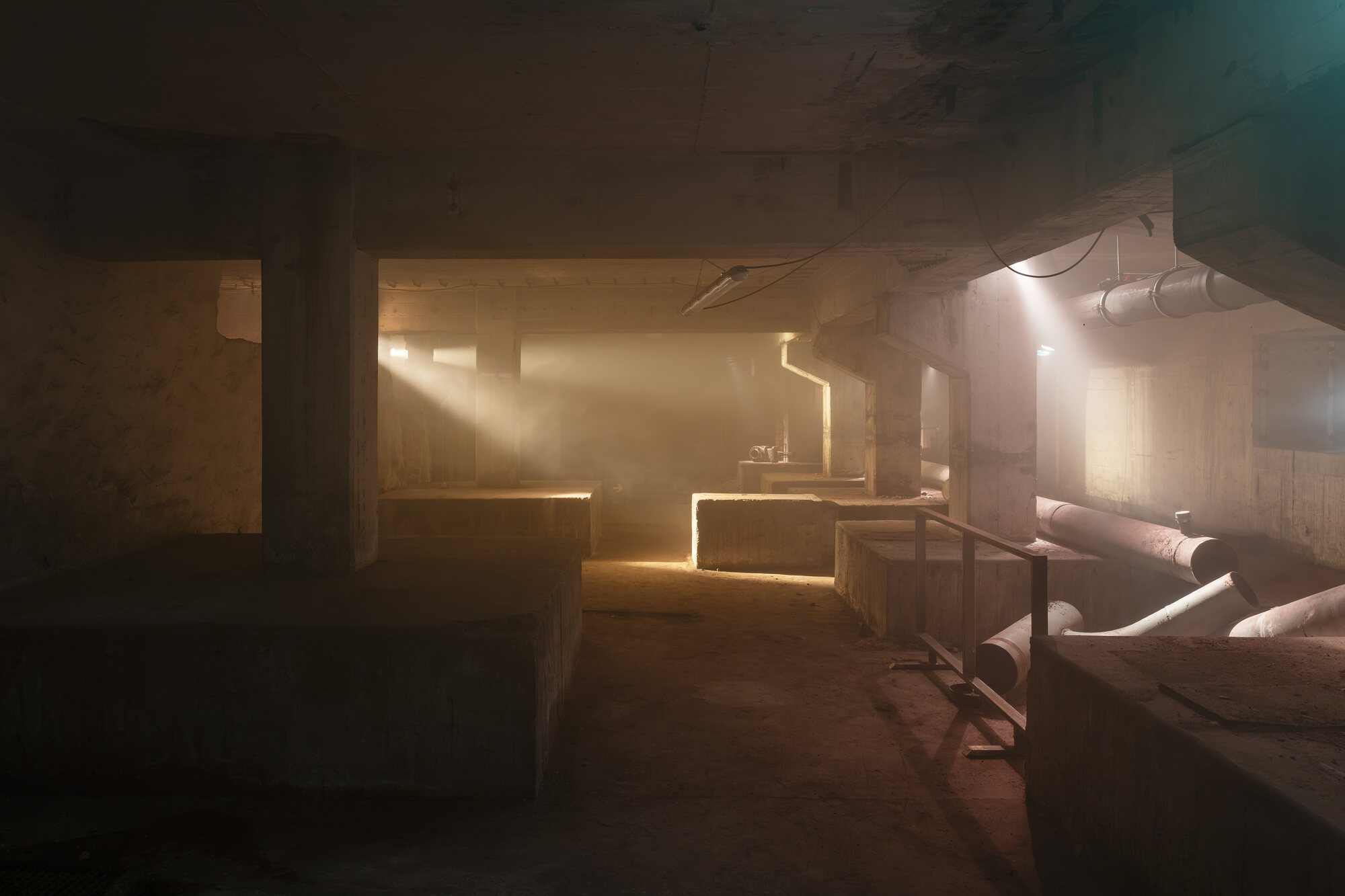
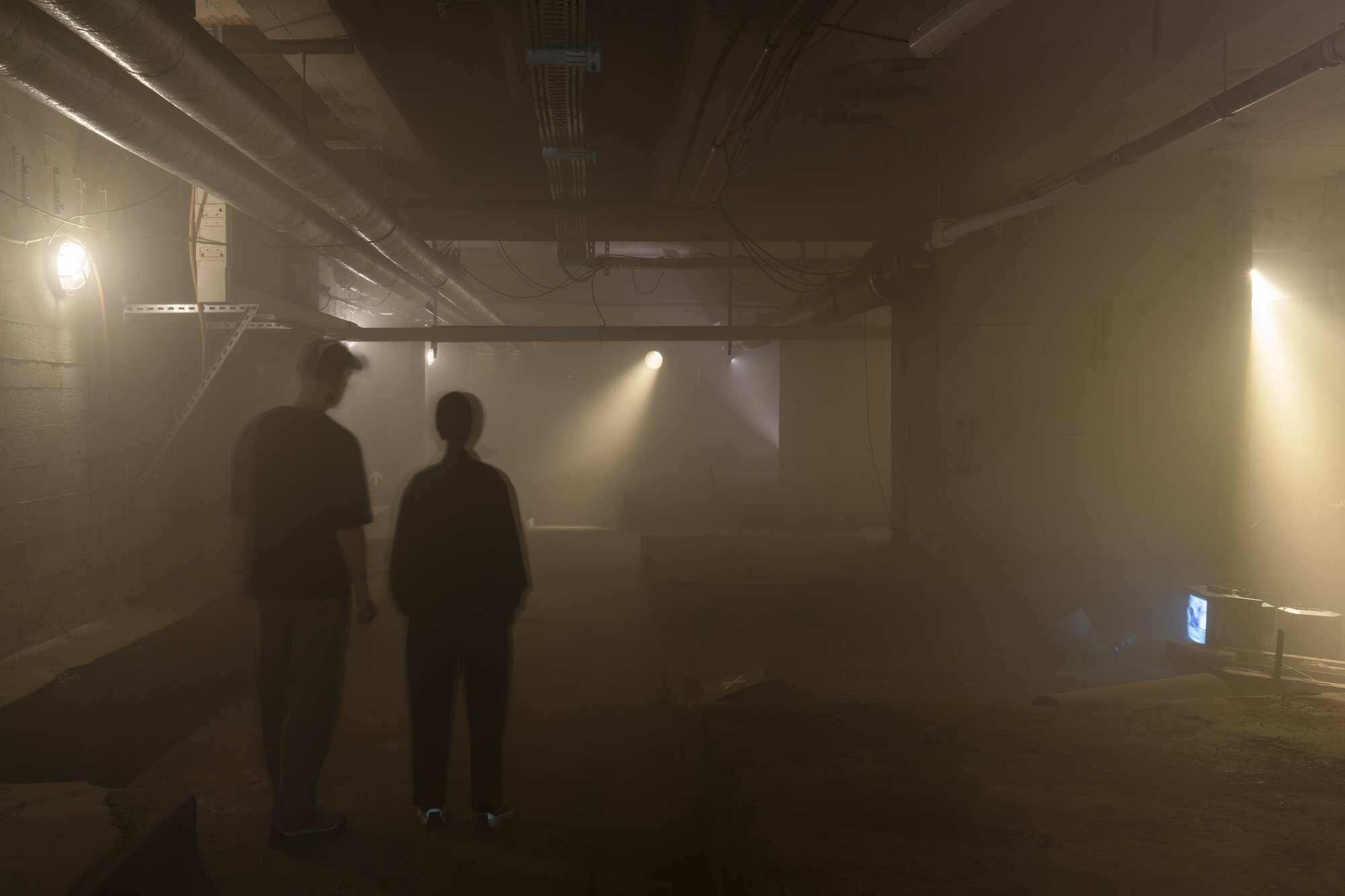
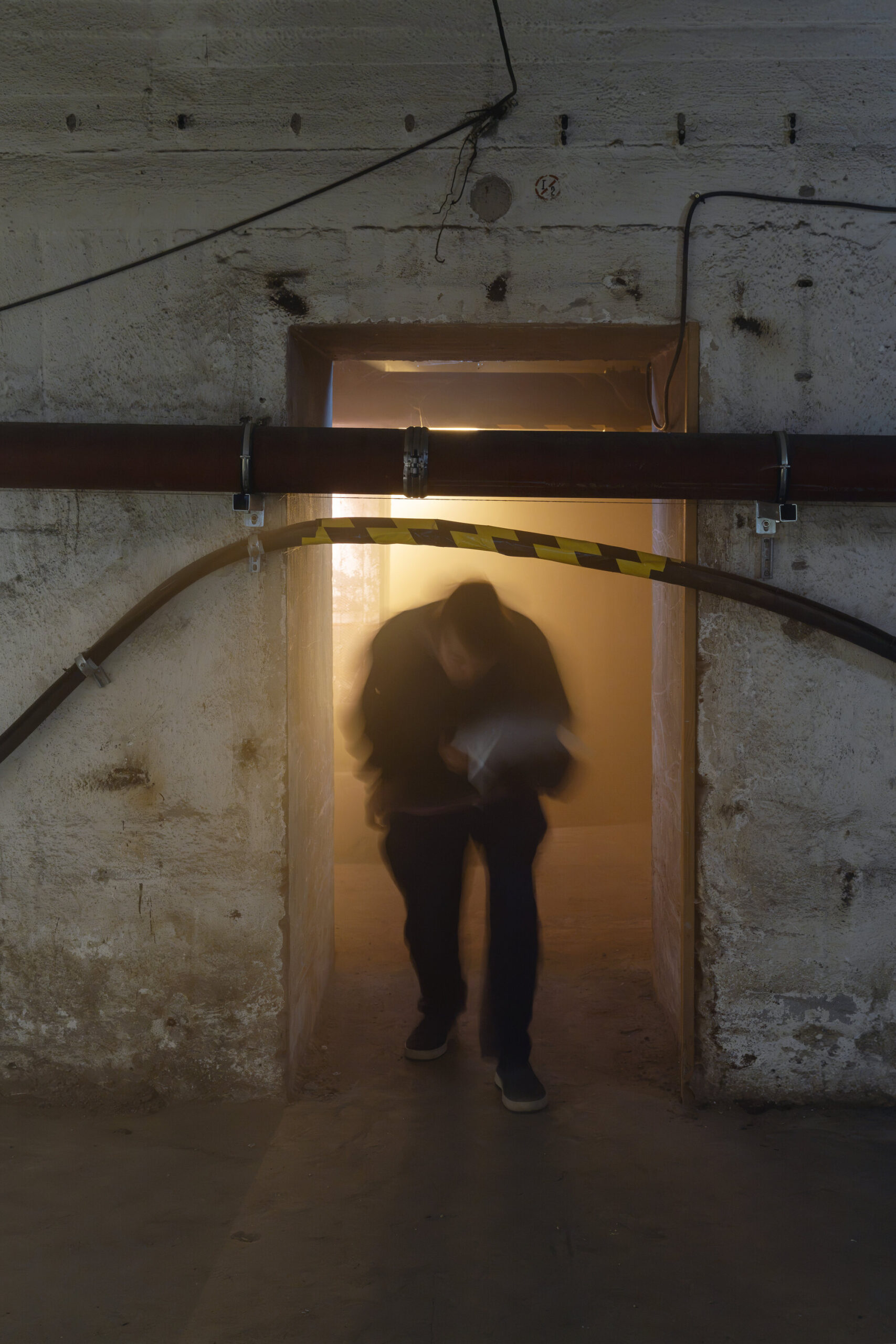
「トレゾール」のダークルームに設けられた隠し扉を抜けると、巨大な基礎構造とコンクリートの柱に囲まれた、霧に包まれた空間が現れる。
©︎ Jan Bitter
©︎ Jan Bitter
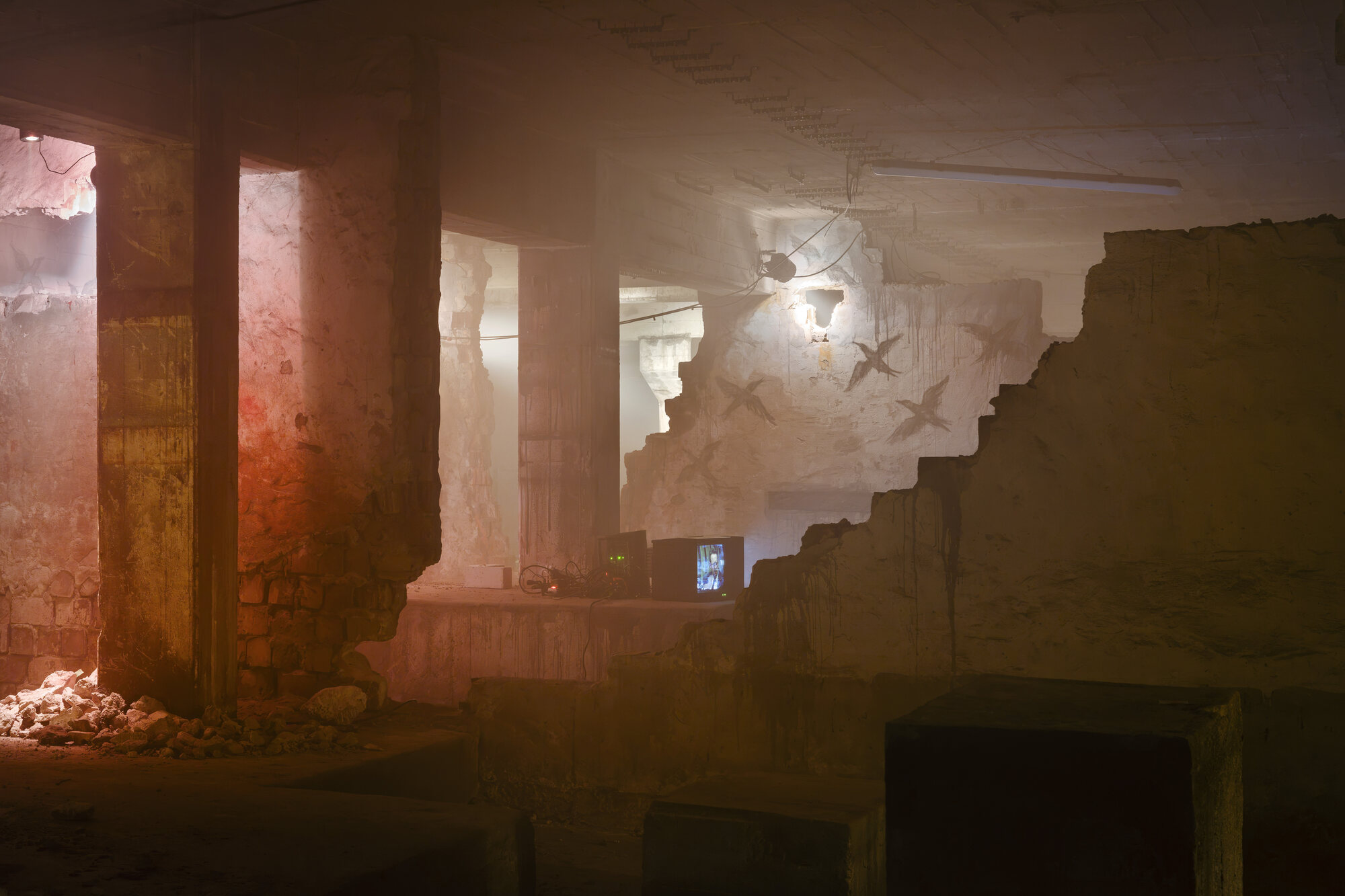
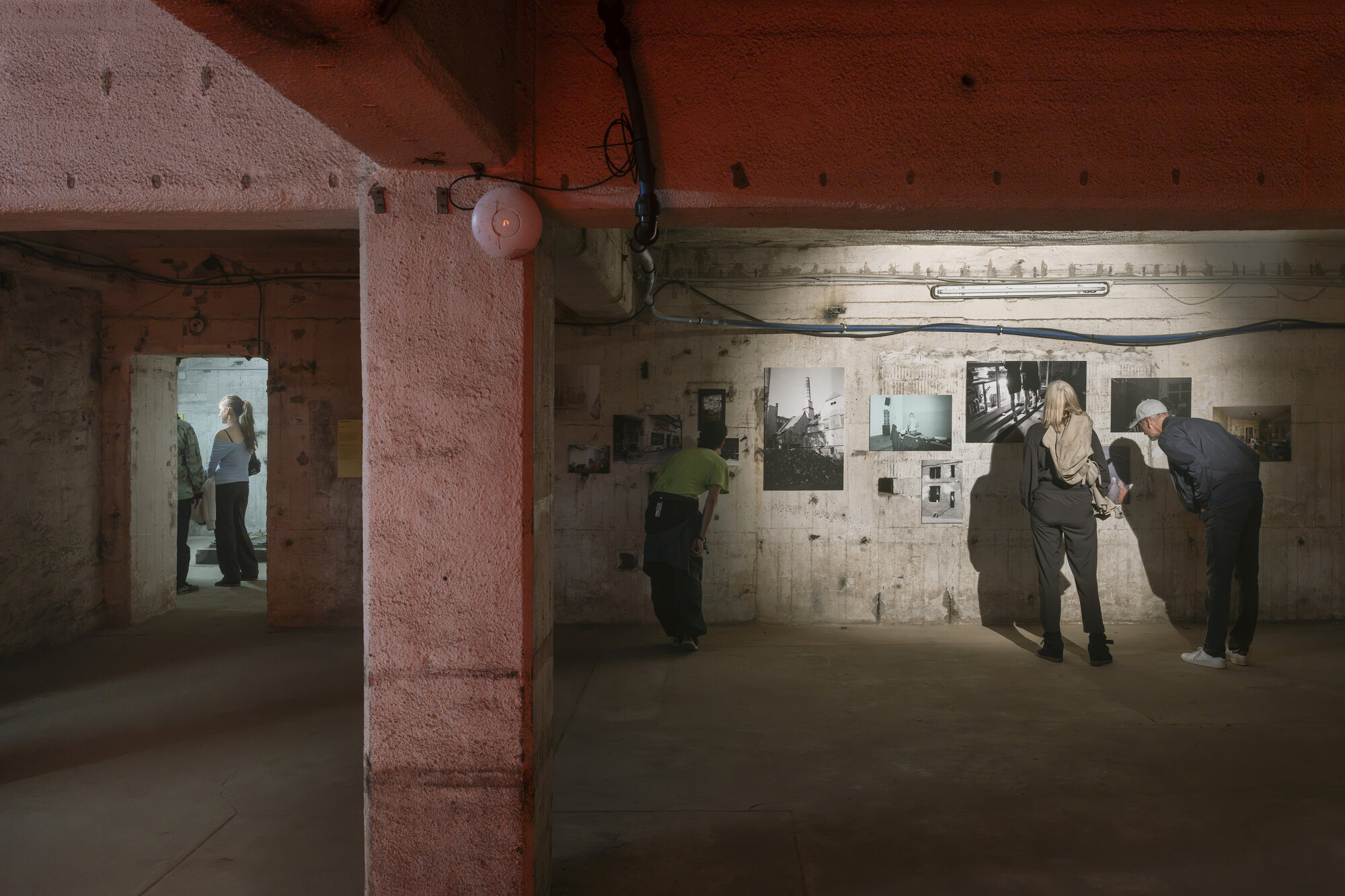
ほこりをかぶった瓦礫の山を横目に、地下空間の奥深くまで果てしなく続くような見通しの中を進む動線は、まるで放置されていた場所を初めて発見したかのような感覚を生み出す。
それは、ベルリンの壁崩壊後、人々が空き地や使われなくなった建物を占拠し、新たな活動の場として利用し始めた当時の感覚を想起させるものである。
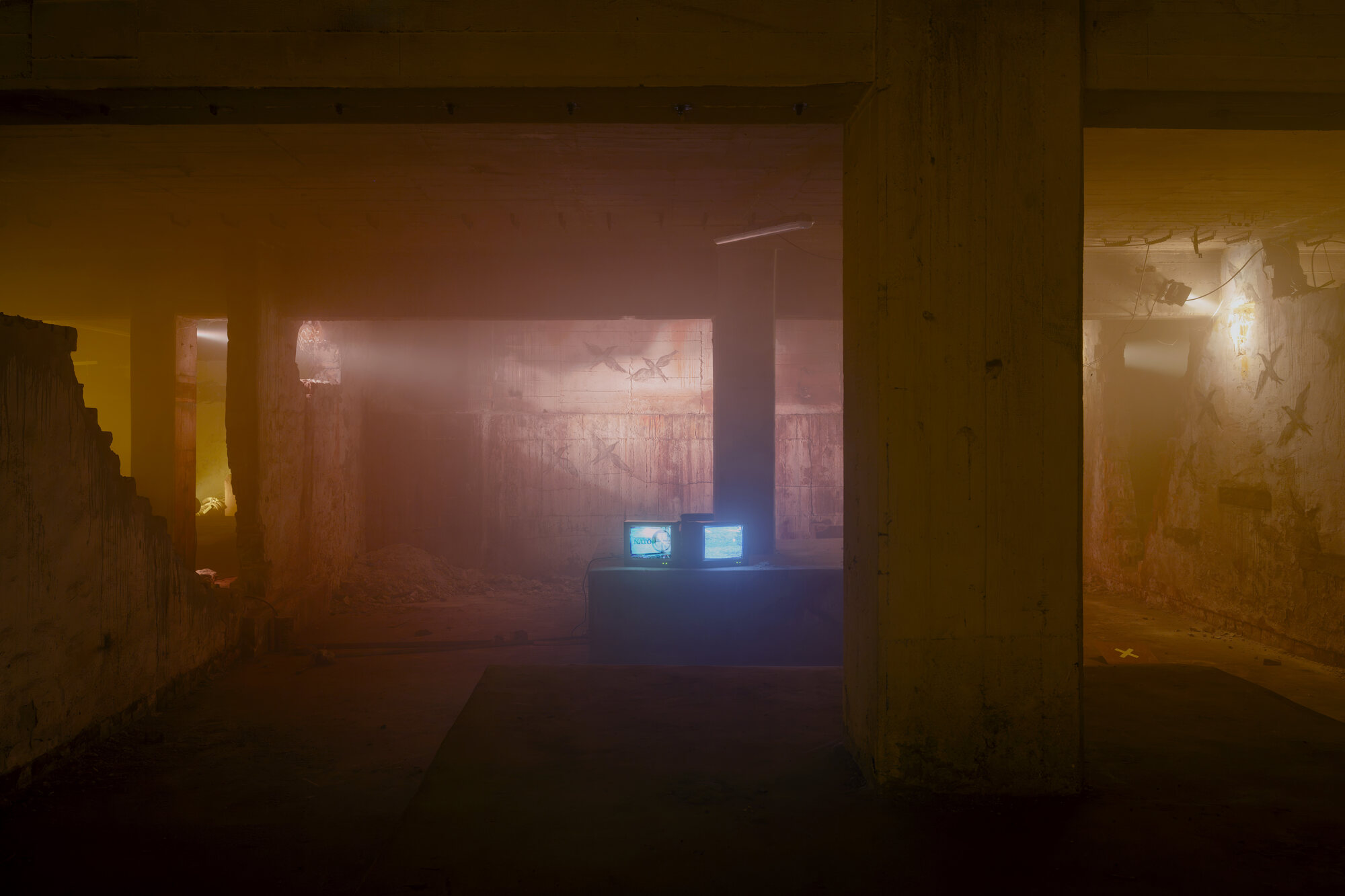
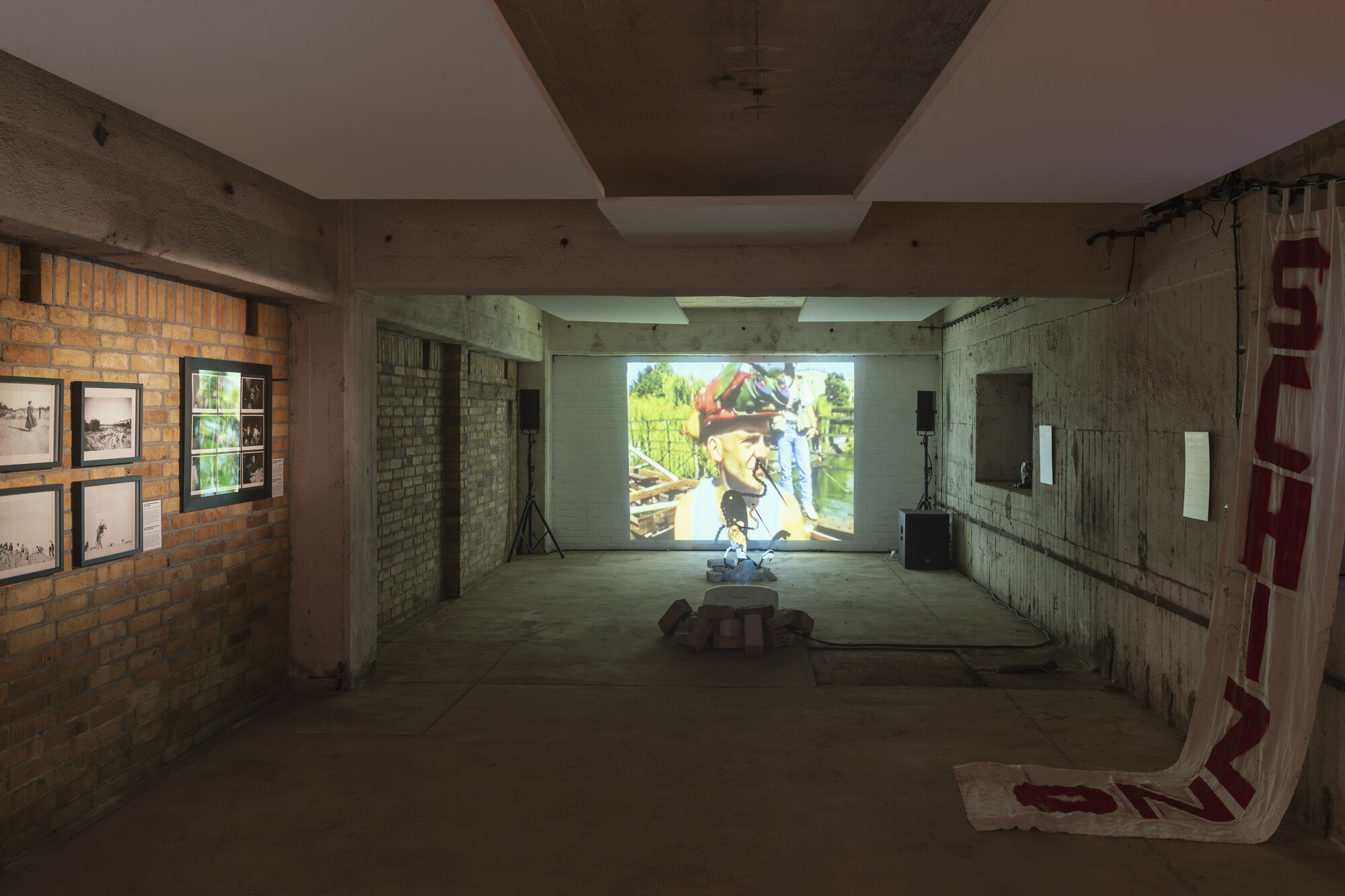
動線の先には、ラース・ムラシュ(Lars Murasch)、セシリア・トッシュ(Cecilia Tosh)、ヤシャ・ミュラー=グートホフ(Jascha Müller-Guthof)による、この場所のために制作された光、音、映像のインスタレーションが展開されている。
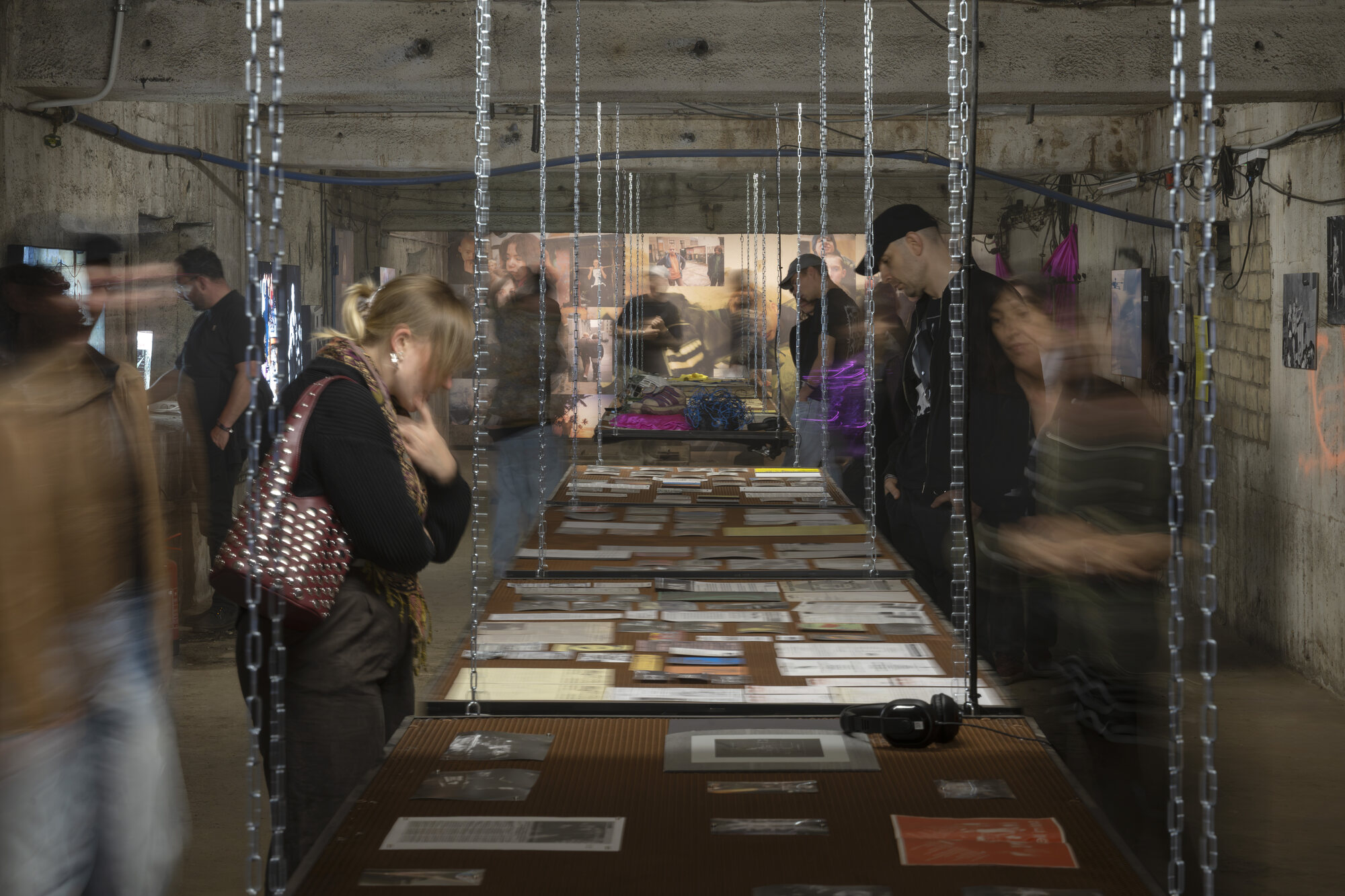
さらにその先には、明確に整理された展示エリアが設けられており、文書資料や映像、当事者の証言、音声資料などを通じて、それぞれの物語をより深く理解できる構成となっている。
©︎ Jan Bitter
©︎ Jan Bitter
既存資材の再利用によって表現する、クラブカルチャーのDIY精神
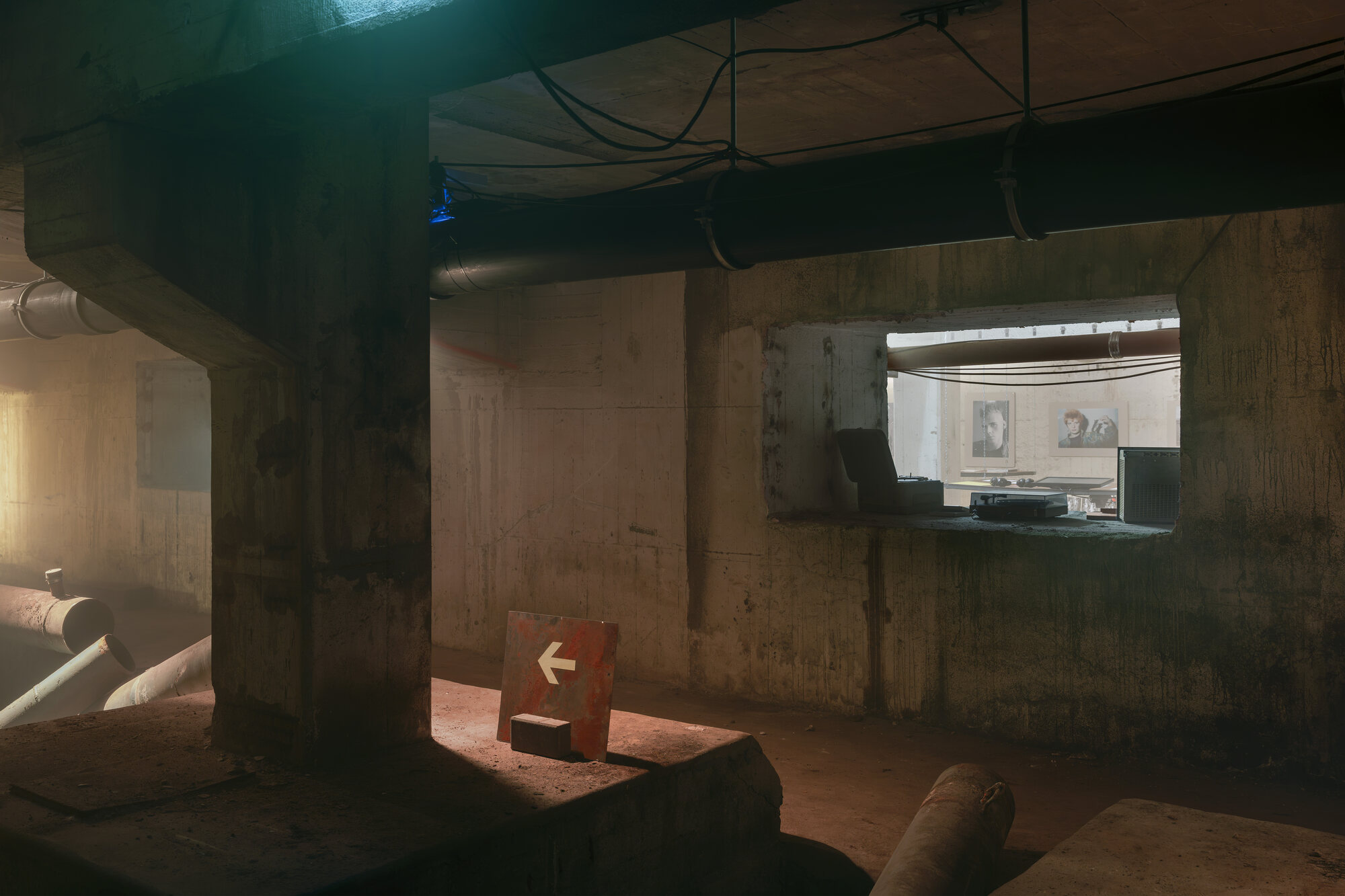
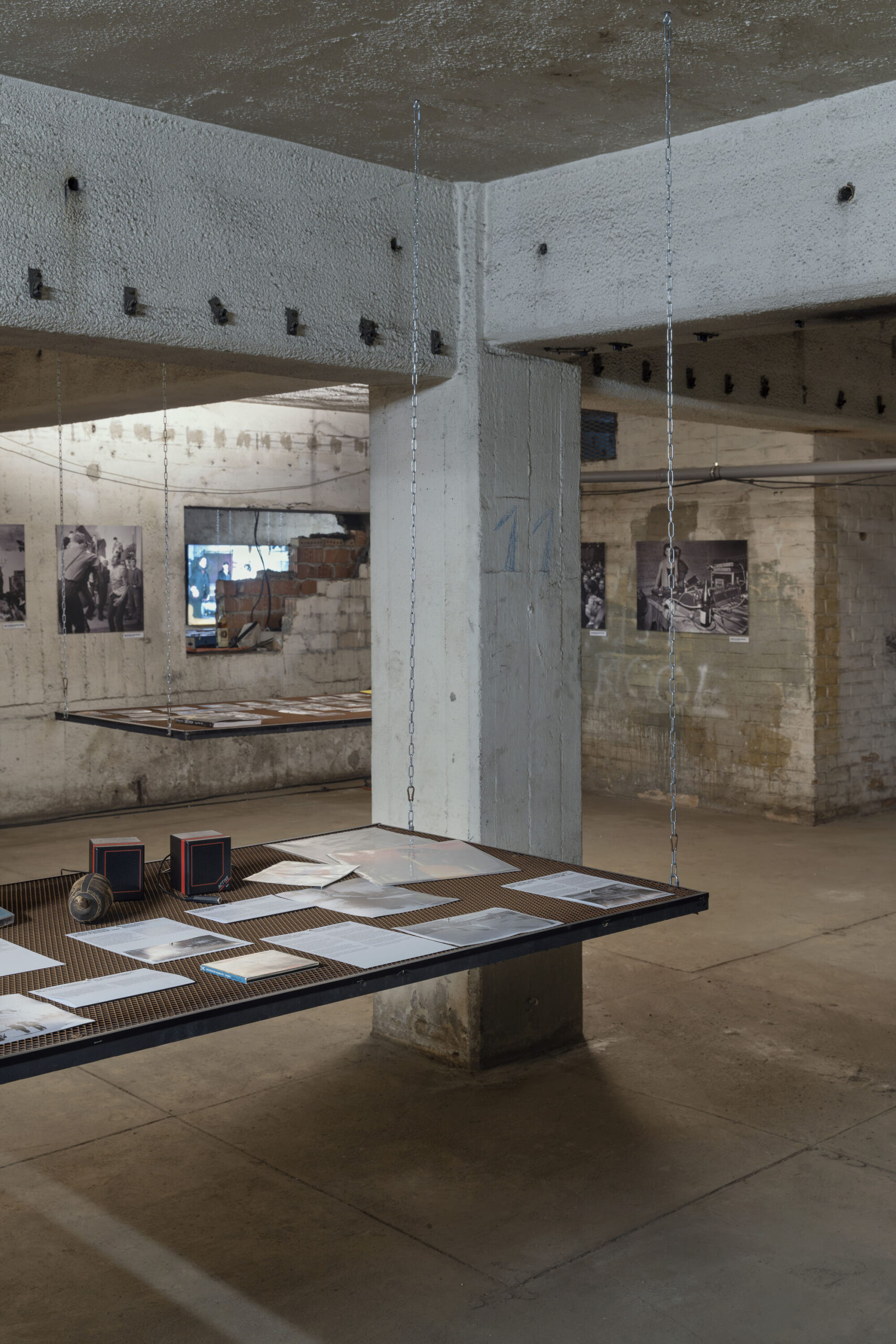
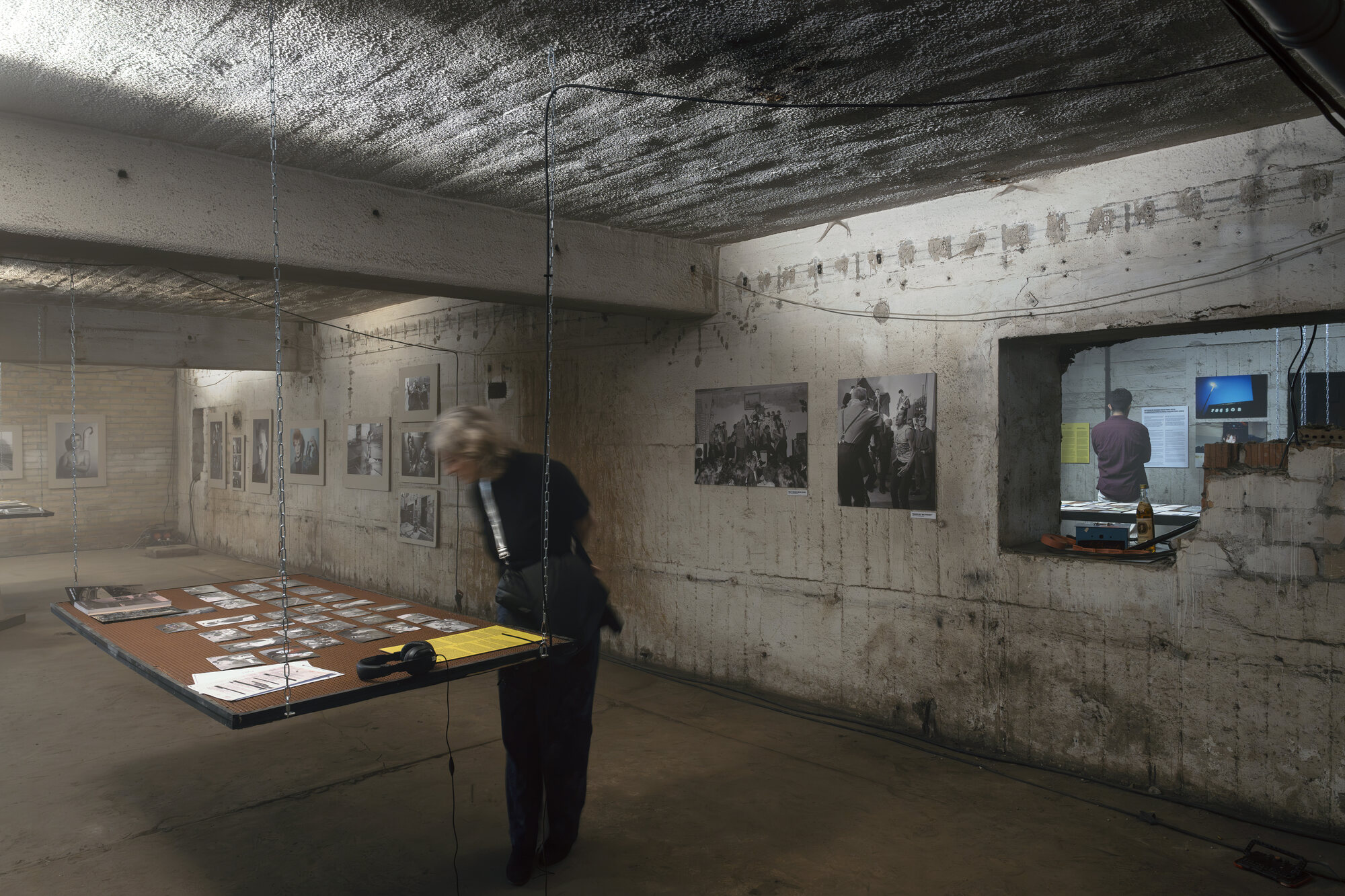
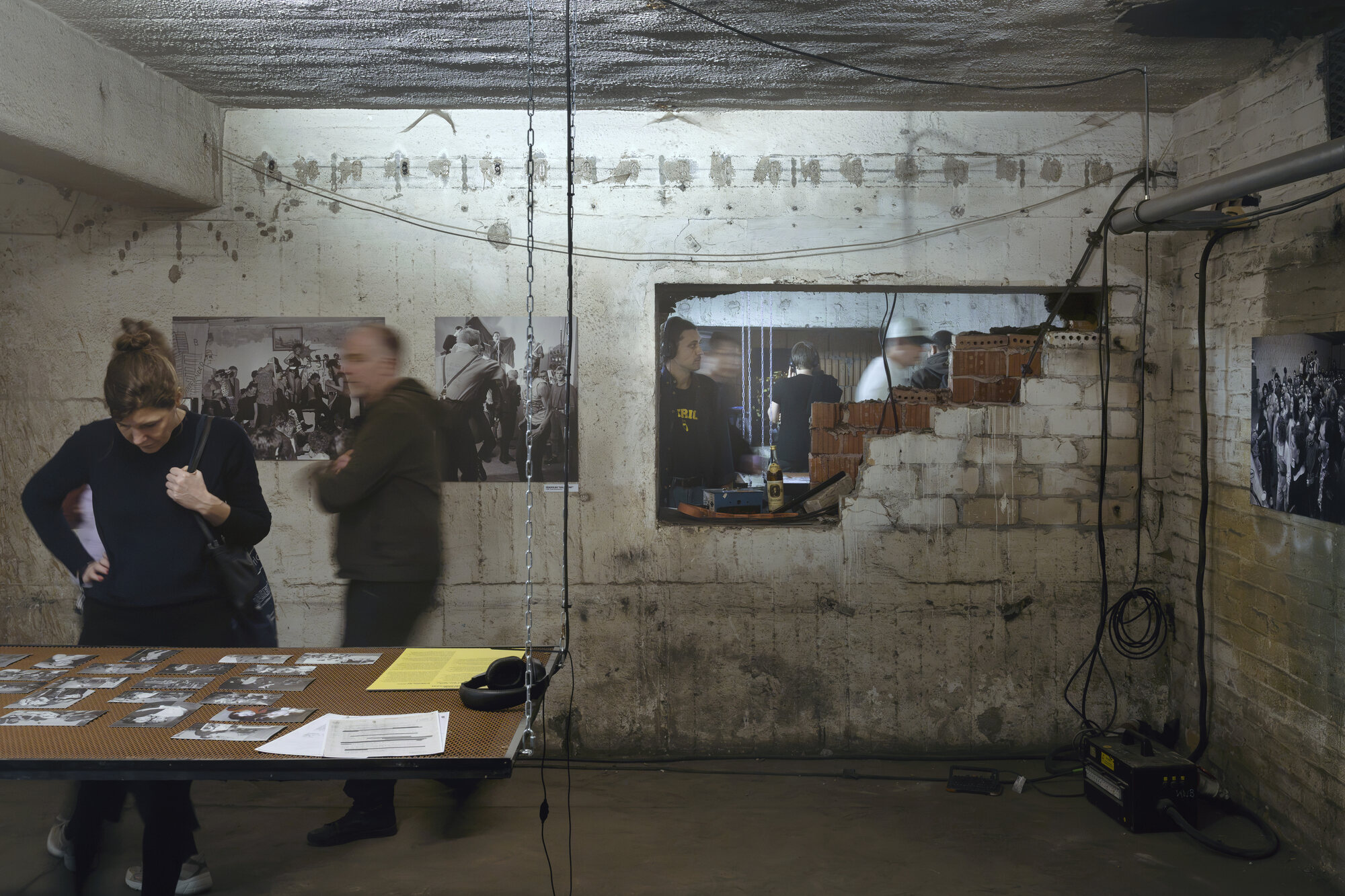
展示に使用された家具は、「クラフトヴェルク・ベルリン」が保有する資材バンクから調達され、ベルリンのクラブやサブカルチャーシーンに関わる人々と協働しながら、新たな用途へと転用された。
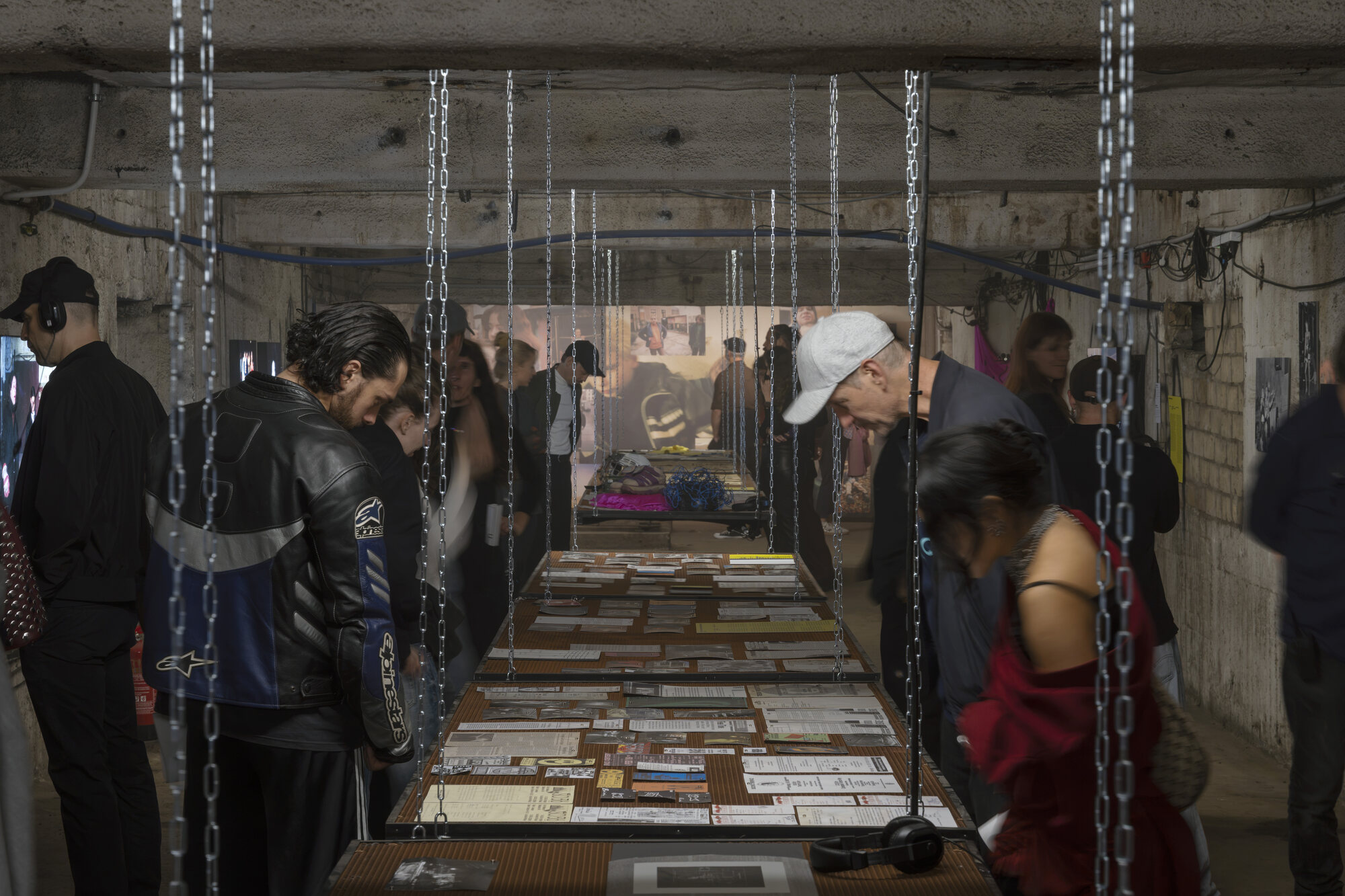
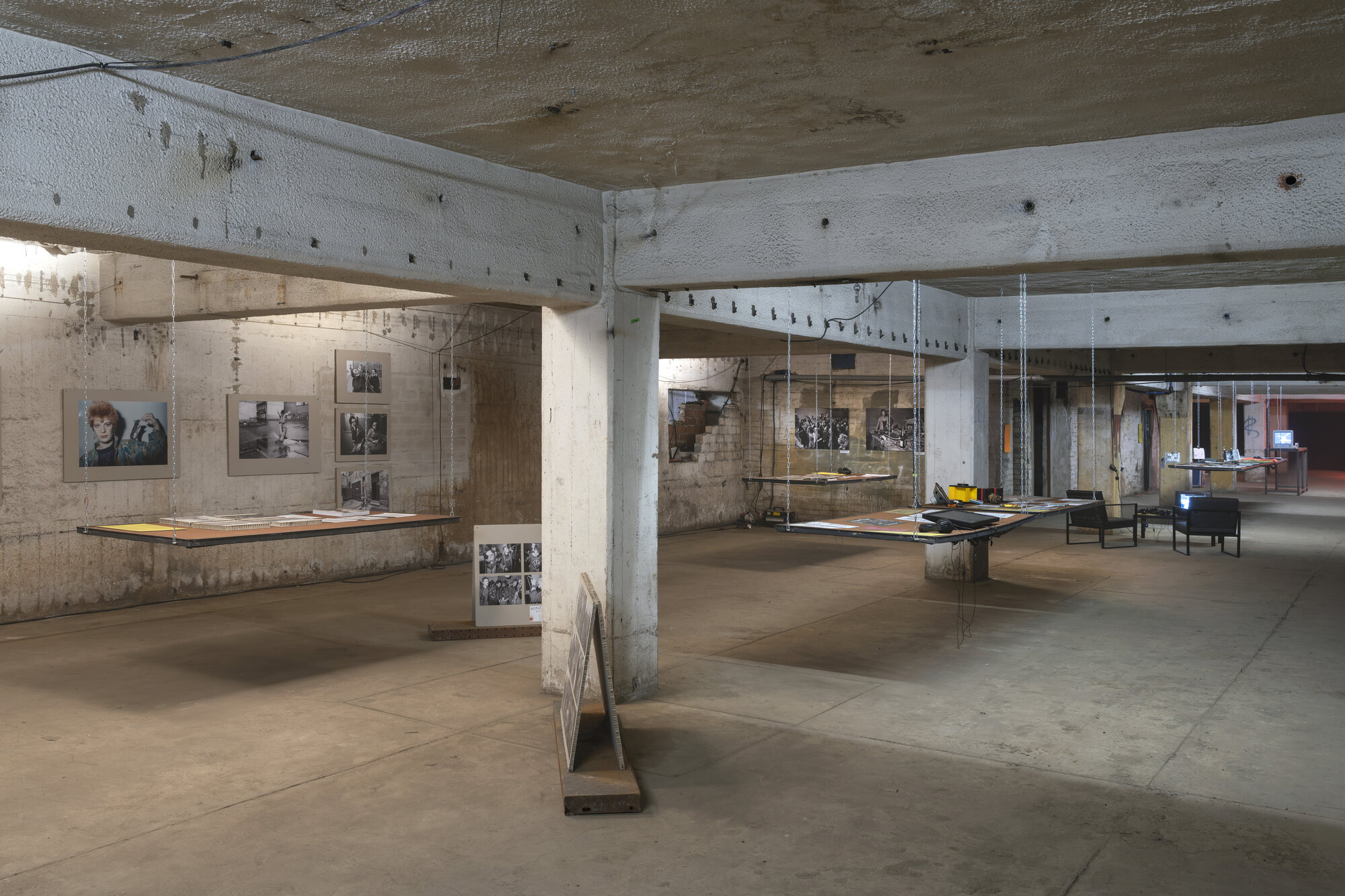
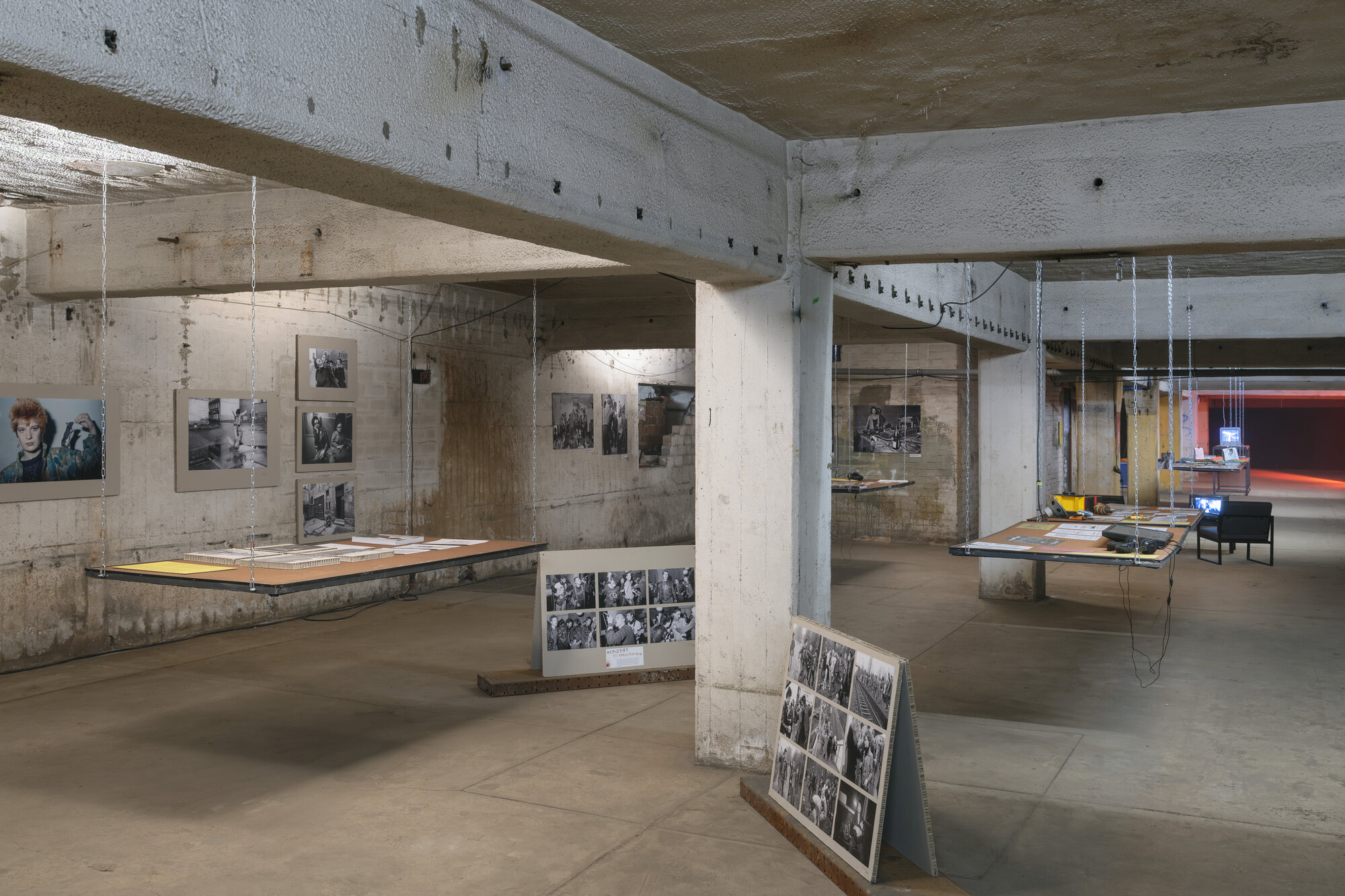
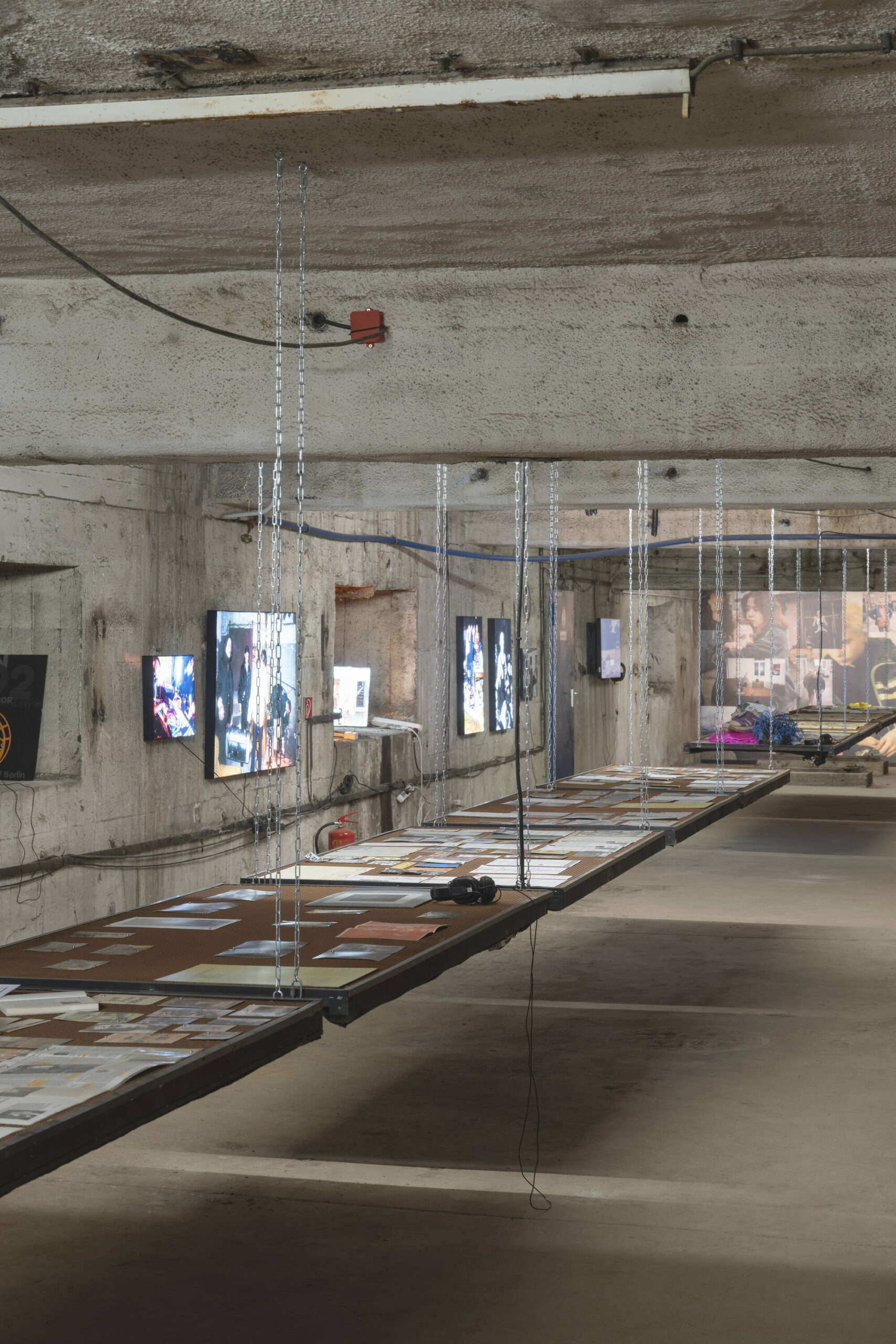
映画制作で使用されていた壁は吊り下げ式のテーブルに、古い鋼板はサインに転用され、階段の踏み板は紙に印刷された展示物を床からわずかに浮かせて支える台として再利用されている。
©︎ Jan Bitter
©︎ Jan Bitter
こうしたアプローチは、ベルリンの壁崩壊後、身近にあるものを活用しながら自分たちの活動空間をつくり上げていたクラブカルチャーのDIY精神を想起させるものである。
また、このようなシンプルな手法によって、防火安全性の確保、限られた予算への対応、環境負荷の低減など、期間限定の展覧会に求められる条件も満たしている。こうして、かつての発電所の地下空間そのものが、展覧会で語られる、発見され、再び使われるようになった場所の1つとして立ち現れるのである。
©︎ Jan Bitter
©︎ Jan Bitter
©︎ Jan Bitter
©︎ Jan Bitter
©︎ Jan Bitter
©︎ Jan Bitter
©︎ Jan Bitter
©︎ Jan Bitter
©︎ Jan Bitter
©︎ Jan Bitter
©︎ Jan Bitter
©︎ Jan Bitter
©︎ Jan Bitter
以下、オフィス・パークシェールバートのリリース(英文)です。
Living Archive, Berlin
Office ParkScheerbarthOffice ParkScheerbarth tests a techno archive beneath an East Berlin power station
For the first time, 3,400 square metres of previously unused basement beneath a former East Berlin power station are open to the public. For these spaces, Berlin studio Office ParkScheerbarth developed a concept with Tresor founder Dimitri Hegemann for the permanent Living Archive of techno culture he first announced in 2015. The exhibition “Dancefloors After 1989” now tests it at full scale. For its five-week run, the studio secured the permit and designed the exhibition, using material the building itself supplied.
Built between 1960 and 1964, around the same time as the Berlin Wall, the power station supplied heat and electricity to the centre of East Berlin. Today its southern wing houses Tresor, a techno club founded in 1991, while its turbine hall operates as Kraftwerk Berlin, a venue for exhibitions, events and the Berlin Atonal festival.
Initiated by Clubcommission Berlin, the city’s club culture network, the exhibition opened on 3 October, German Unity Day, and runs until 9 November, the anniversary of the fall of the Wall. It looks at the years after 1989 from the dancefloor: from Berlin clubs to small towns in former East Germany, through punk and hip-hop scenes, and through queer, migrant and Black communities. More than 30 stories and artistic positions sit side by side, deliberately left unreconciled.
As planned for the archive, the basement is divided into two areas: “Experiencing” and “Understanding”. Both the space and the exhibition design follow a single principle: as found.
Behind a hidden door in Tresor’s darkroom, a fog-filled space opens up between massive foundations and concrete columns. The route past dusty piles of rubble, with seemingly endless sightlines into the depths of the basement, conveys the sense of an abandoned place just discovered, the same feeling that marked the claiming of vacant lots and empty buildings after the Wall came down. The path continues through site-specific light, sound and video works by Lars Murasch, Cecilia Tosh and Jascha Müller-Guthof. A clearly structured section follows, where documents, films, eyewitness accounts and sound deepen the stories.
The furniture comes from Kraftwerk Berlin’s own material bank and was repurposed together with members of the city’s club and subculture scenes: walls from film productions became suspended tables, old steel sheets became signage, and single stair treads lift paper prints just off the floor. The approach recalls the do-it-yourself practice of post-Wall clubs, which worked with whatever they found. With these simple means, it also meets the demands of a temporary exhibition: fire safety, a tight budget and a small environmental footprint. For a moment, the basement itself becomes one of the found places whose stories the exhibition tells.
オフィス・パークシェールバート 公式サイト
https://www.o-ps.com/