台湾に残る日本家屋のアダプティブリユース - 日本統治時代の木造住宅を小学校の教室へ再生した〈プロジェクト・ウィーブフィールド〉
©︎ Yuchen Chao Photography
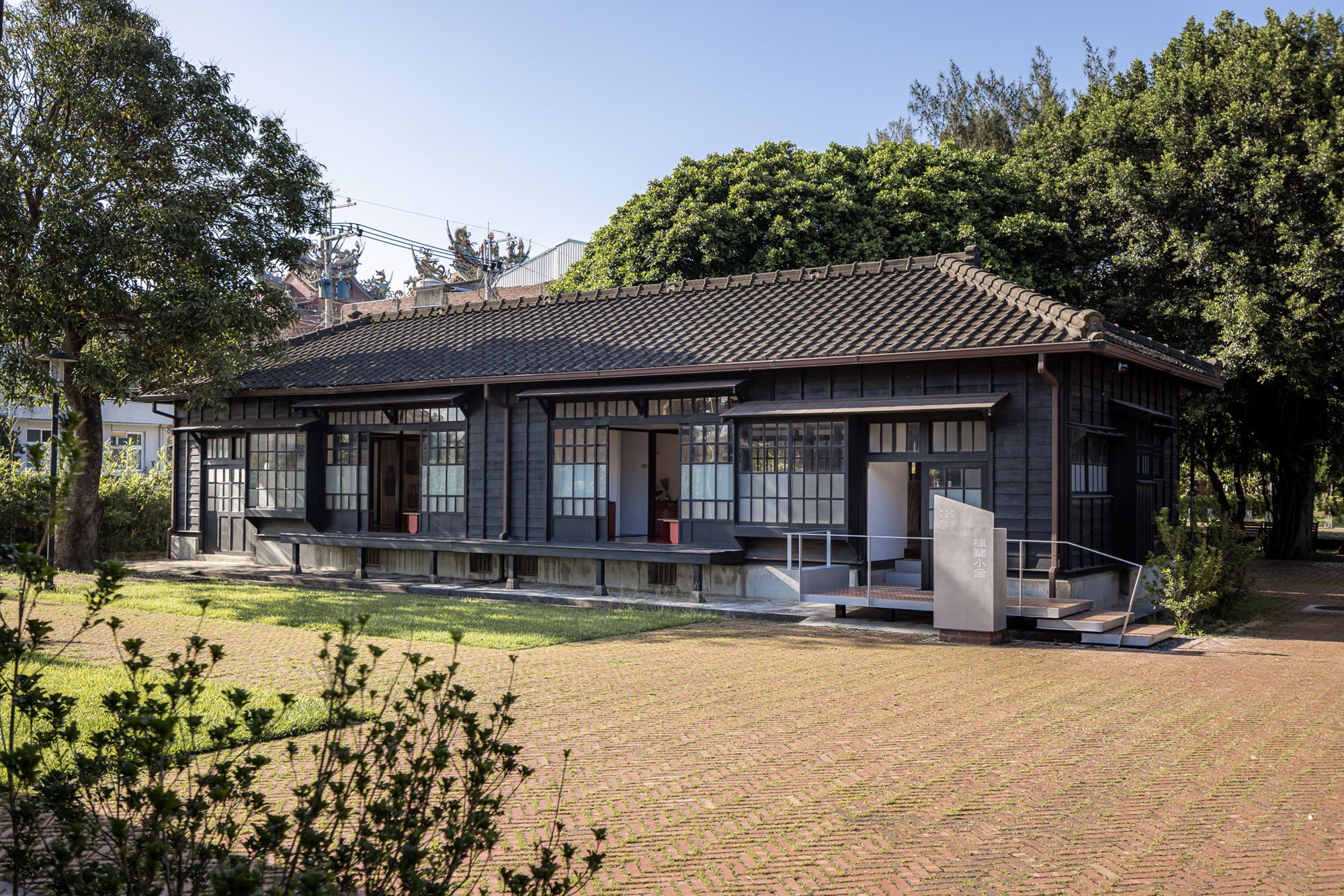
台湾・苗栗県に位置する〈プロジェクト・ウィーブフィールド(Project Weavefield)〉は、日本統治時代に建設された歴史的な住宅を、現代の教育環境へと再生した小学校のいぐさ編みの教室です。
台湾の設計事務所 スタジオ・ウィススペース+アーキテクツ(studio whispace + architects)が設計しました。
注目ポイント
- 空間に刻まれた記憶と現代の実用性の融合
- 歴史と日常が交差する「第三の空間」
- 日本家屋に見られる収納の論理を引き継いだ展示機能
(以下、スタジオ・ウィススペース+アーキテクツから提供されたプレスキットのテキストの抄訳)
©︎ Yuchen Chao Photography
©︎ Yuchen Chao Photography
歴史と日常が交差する「第三の空間」
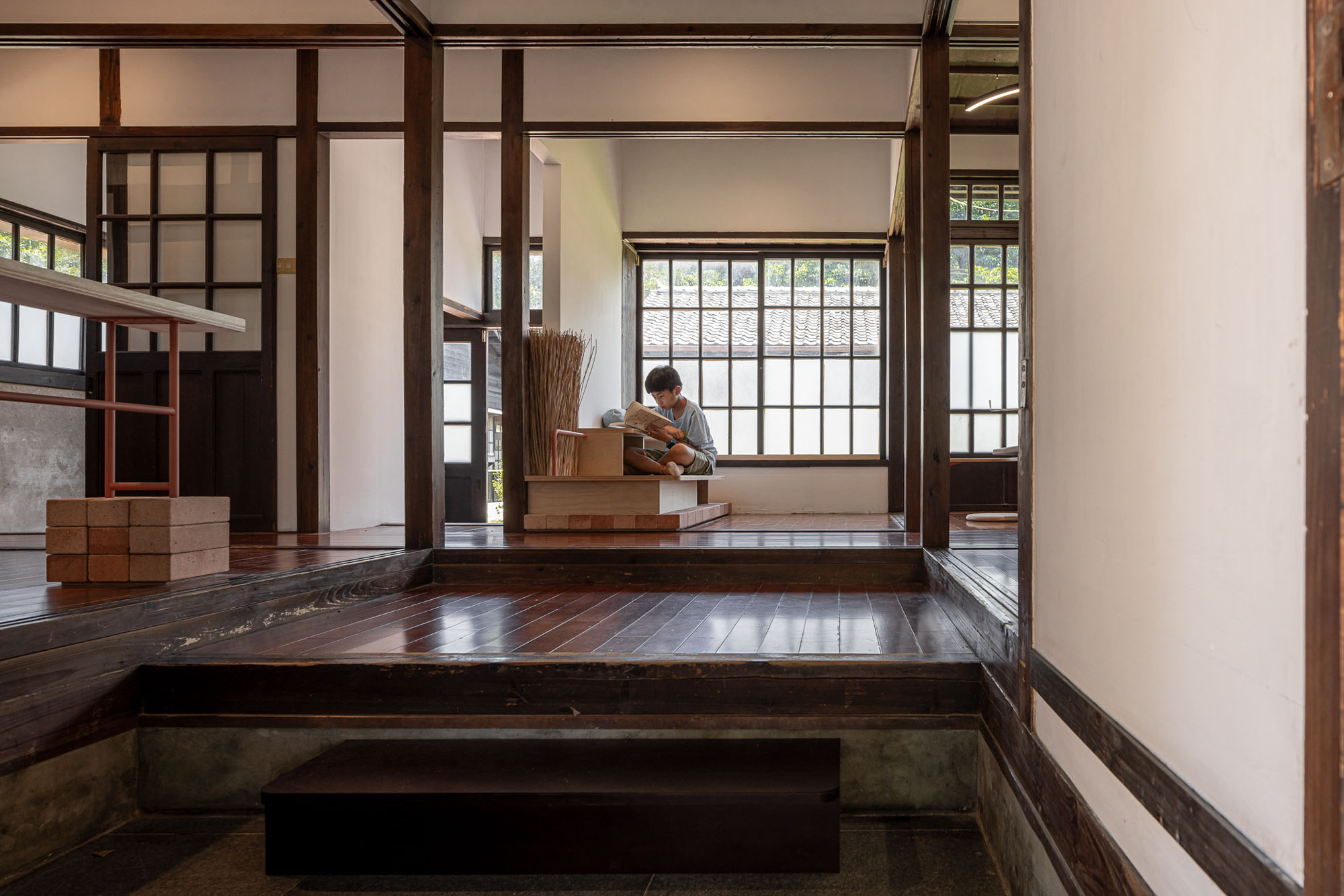
時の流れの中で、建築は変化を目の当たりにし、同じ敷地内でありながら新たな役割を担うようになる。小学校のキャンパス内に位置する本プロジェクトは、20世紀初頭、日本統治時代に建設された、保存状態の極めて良好な住宅建築を活用しており、現在は現代的な教育環境の中に美しく溶け込んでいる。
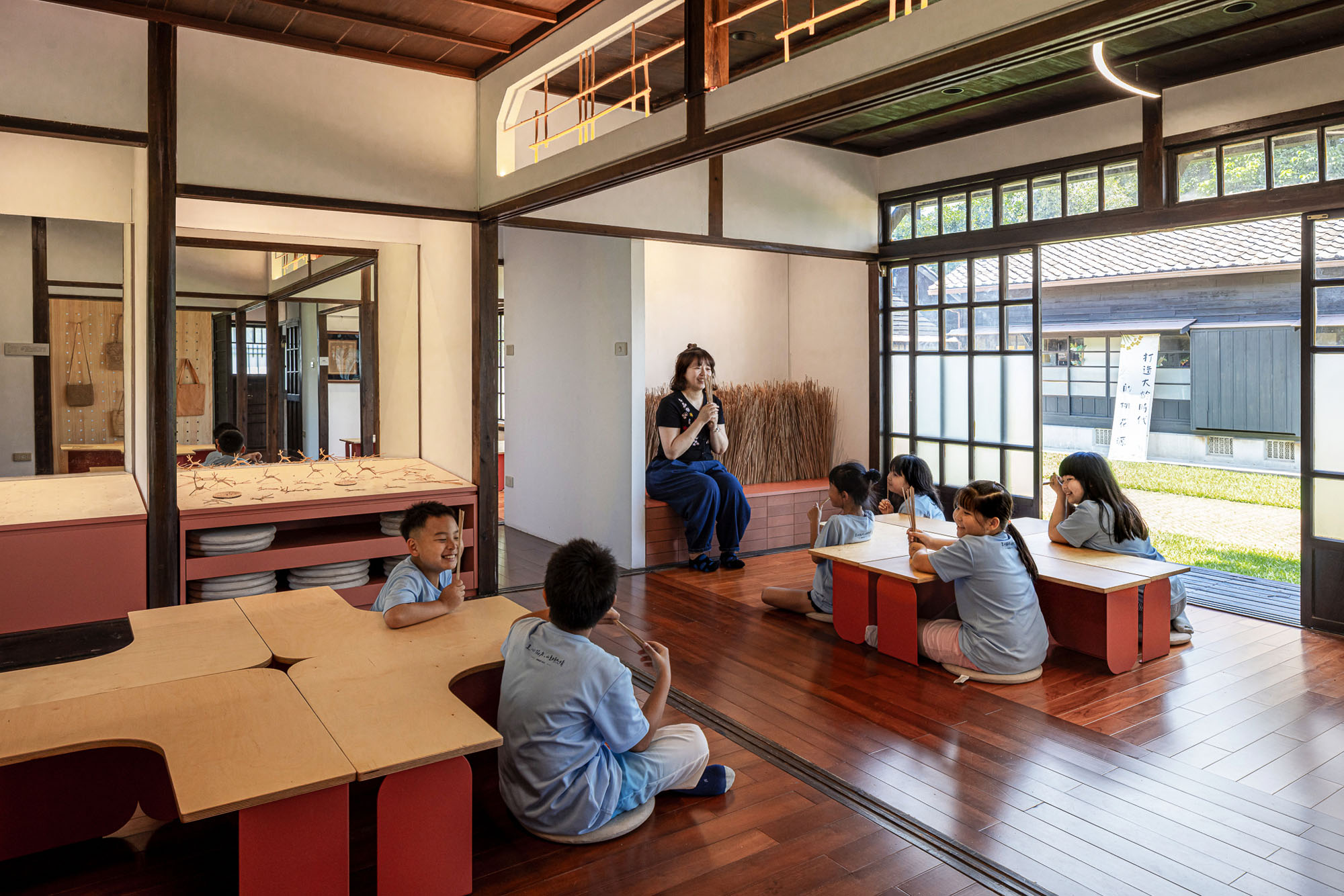
かつて質素な住居であったこの空間は、今やいぐさ編みの教室として機能している。単なる過去の遺物の修復にとどまらず、このデザインは歴史と日常生活との対話を促し、記憶と実用性の間に「第三の空間」を創出しているのである。
©︎ Yuchen Chao Photography
©︎ Yuchen Chao Photography
©︎ Yuchen Chao Photography
五感に働きかける文化伝承の場
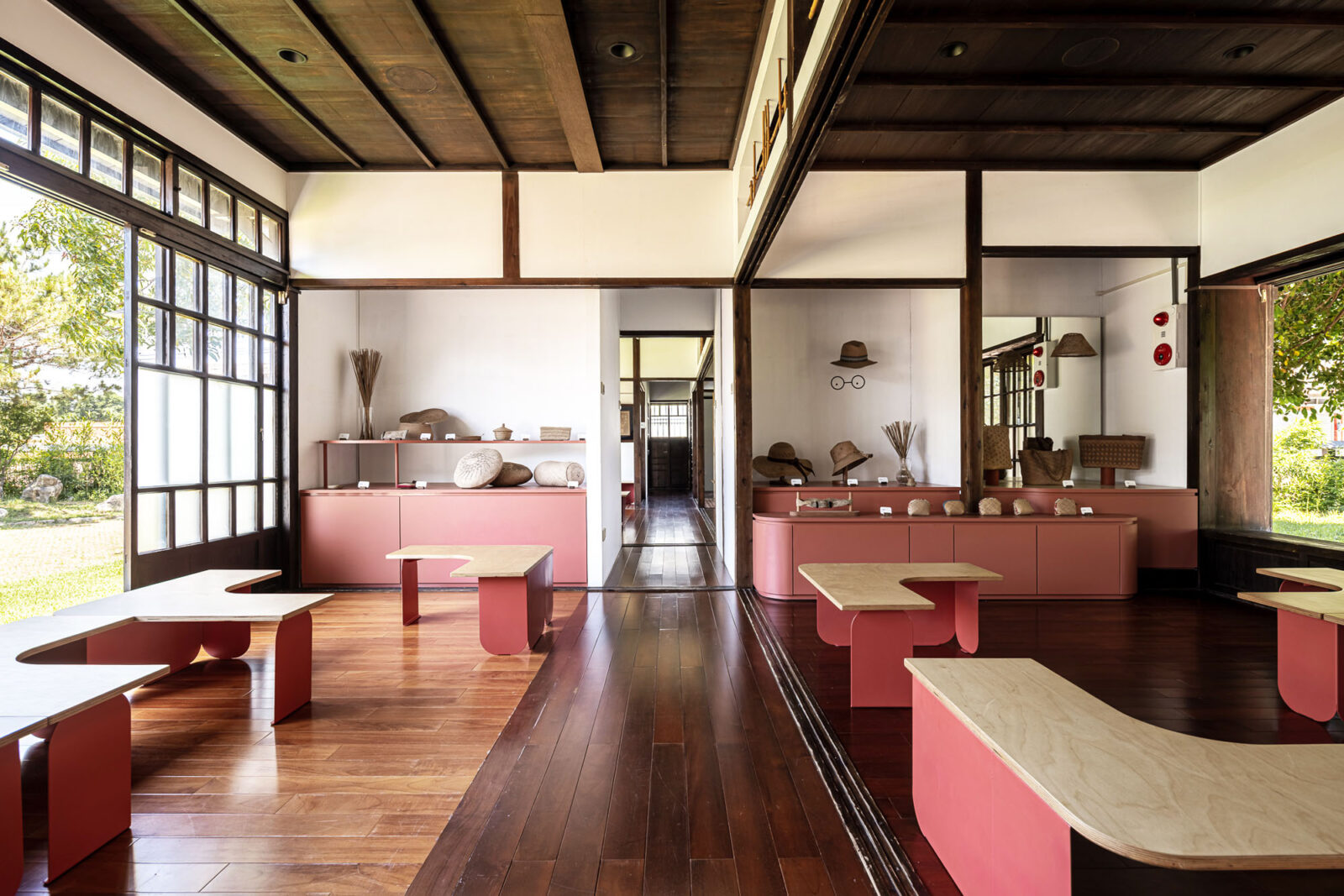
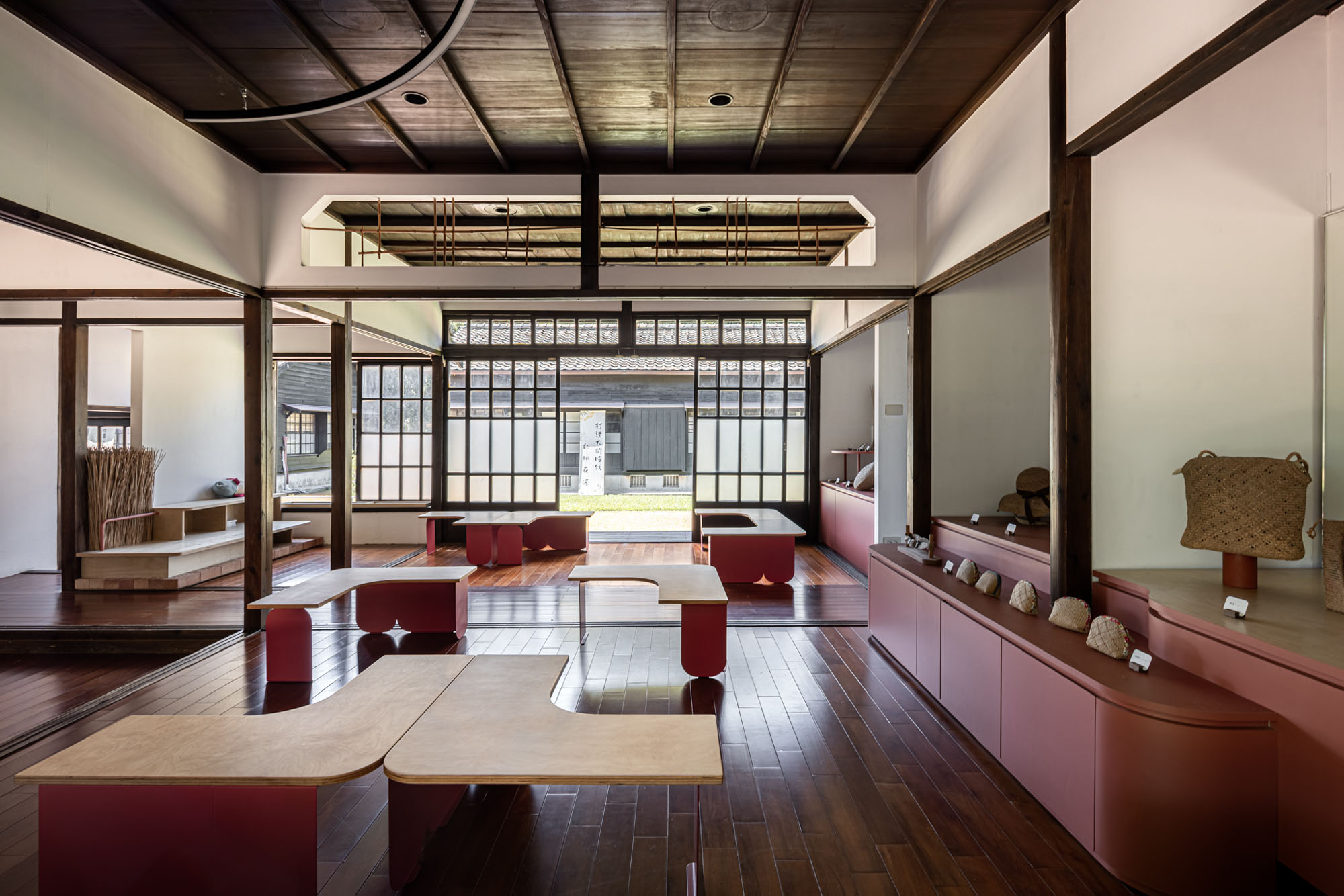
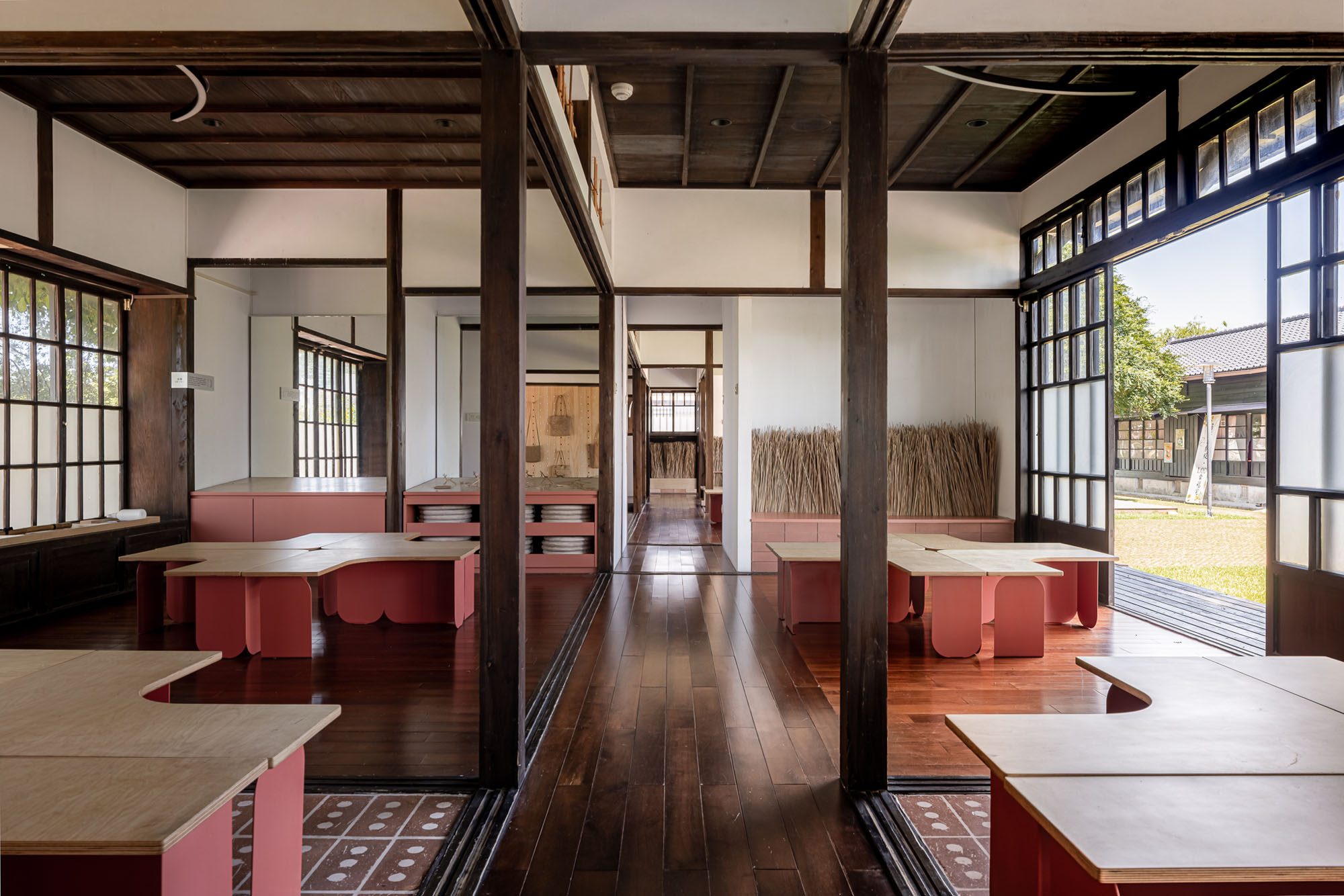
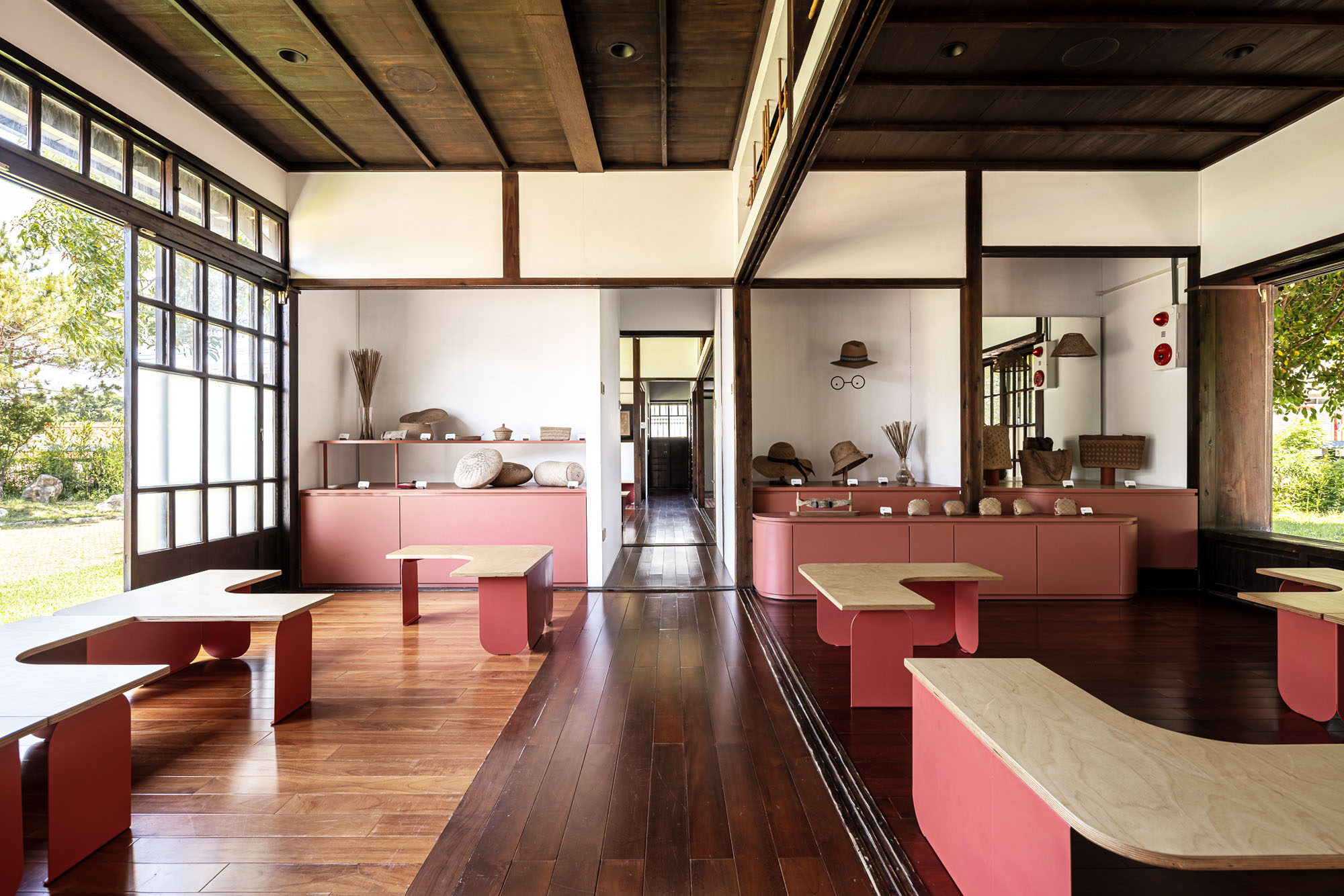
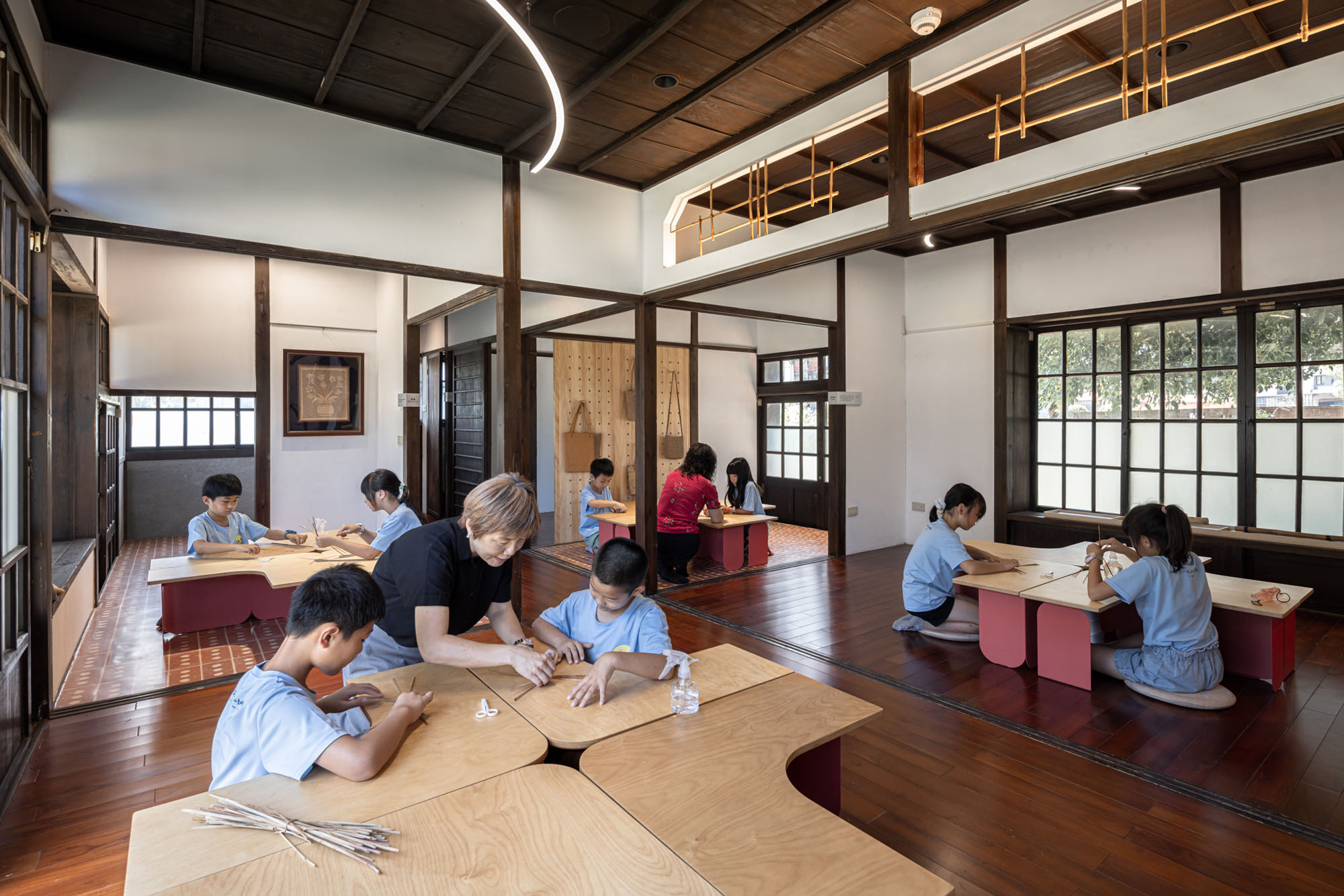
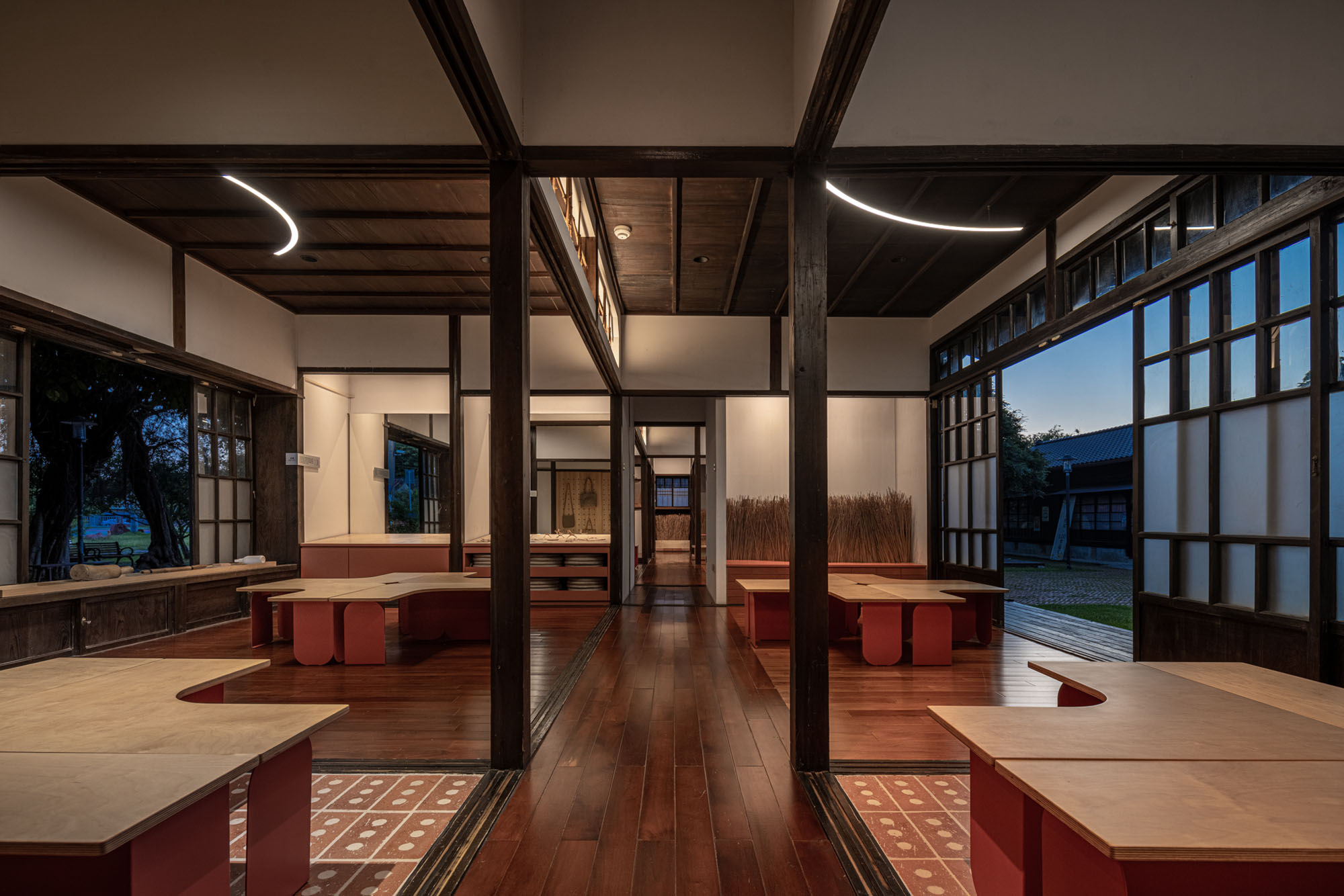
いぐさ編みの文化伝承の最前線として、この空間は展示、家具、そしていぐさを用いたインスタレーションを空間全体に統合している。いぐさの香りに包まれながら展開される教育活動は、視覚、触覚、嗅覚を複合的に駆使し、その体験を生徒たちの記憶に深く刻み込む。
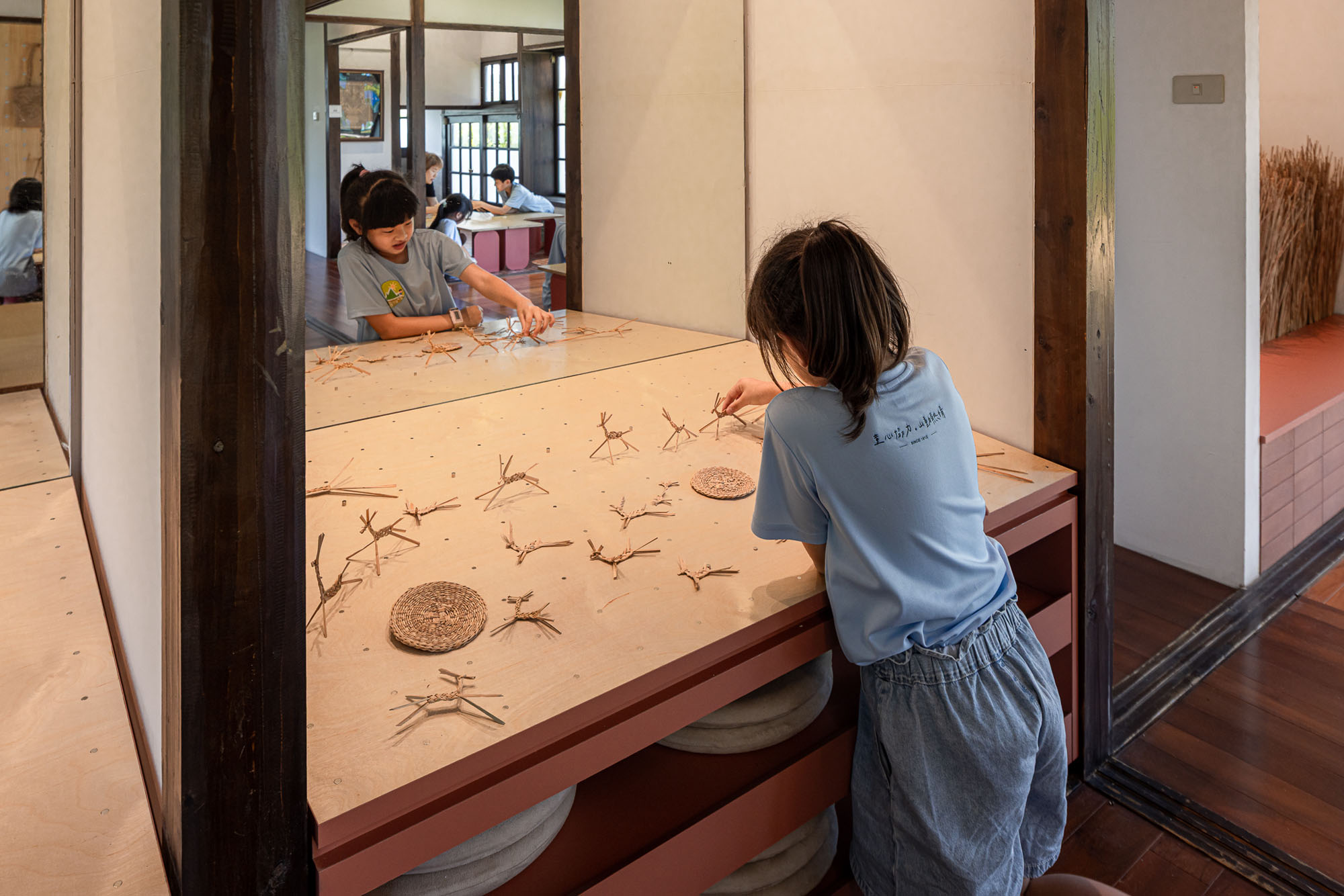
空間の特性と人間の身体スケールに合わせて設計された特注の低い編み台は、生徒たちと地域の文脈との間に独自のつながりを育んでいる。
©︎ Yuchen Chao Photography
©︎ Yuchen Chao Photography
©︎ Yuchen Chao Photography
過去の論理を継承する空間構成
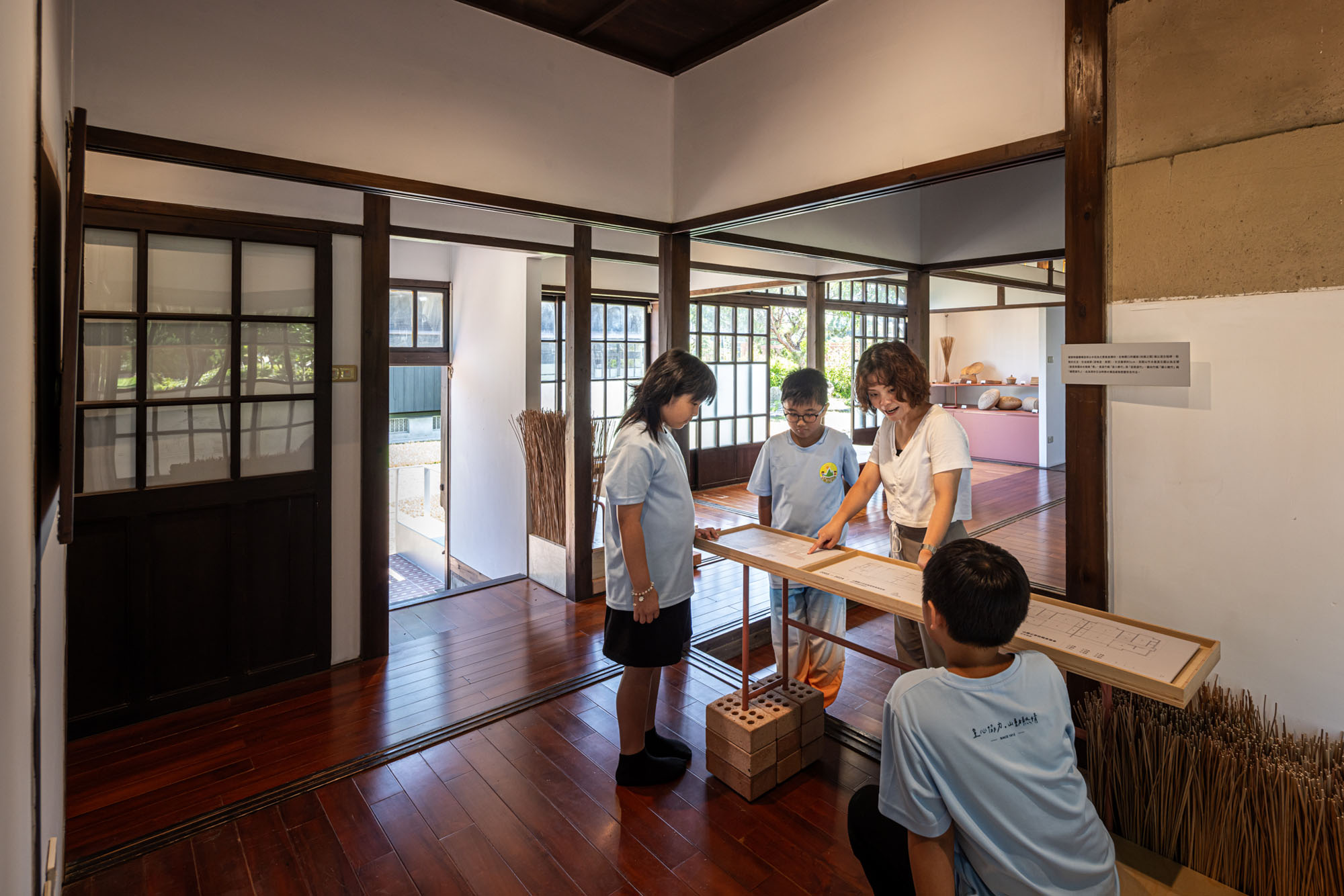
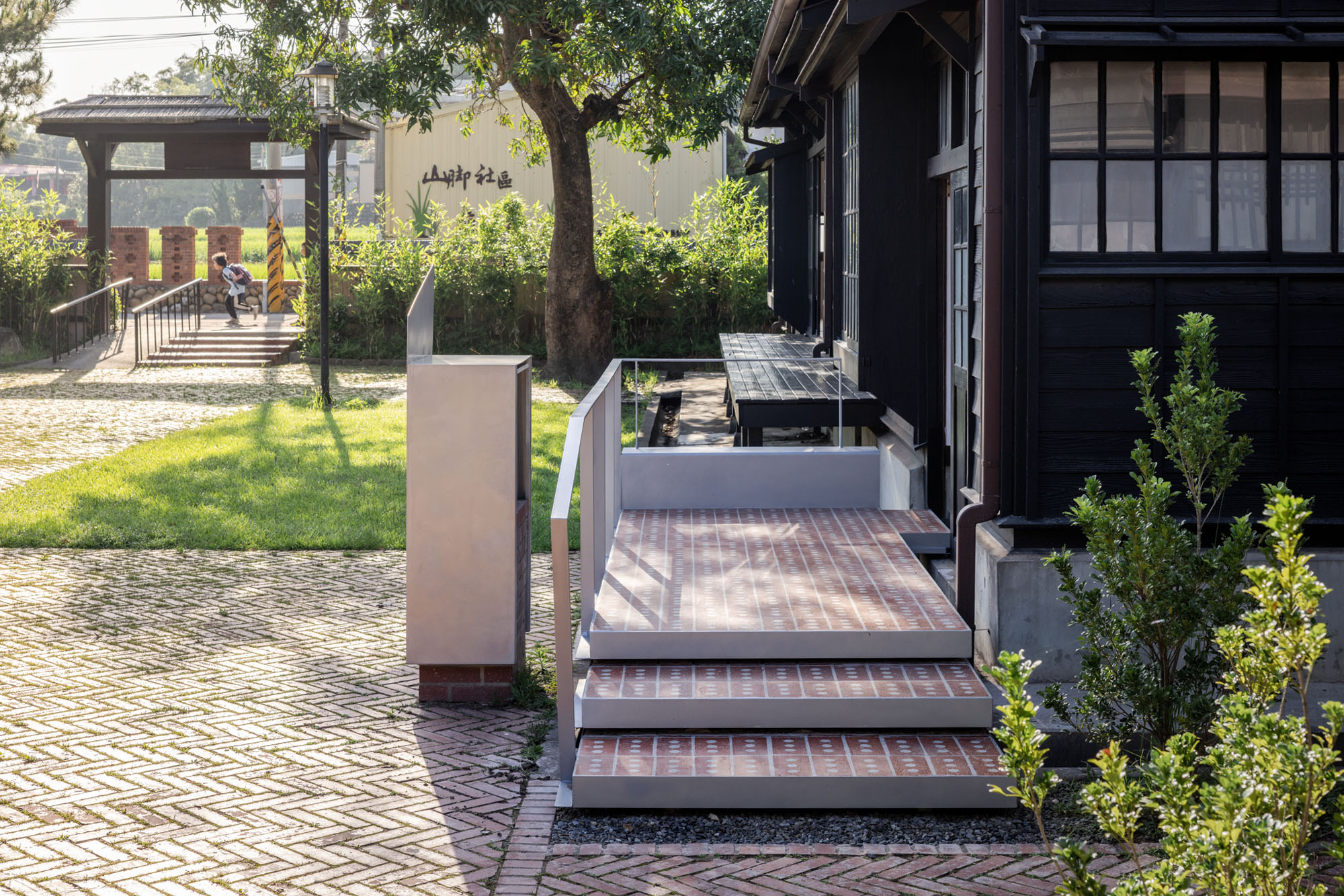
デザインの起点は、屋内と屋外のレベル差を調整するスチール製の階段とサインシステムである。
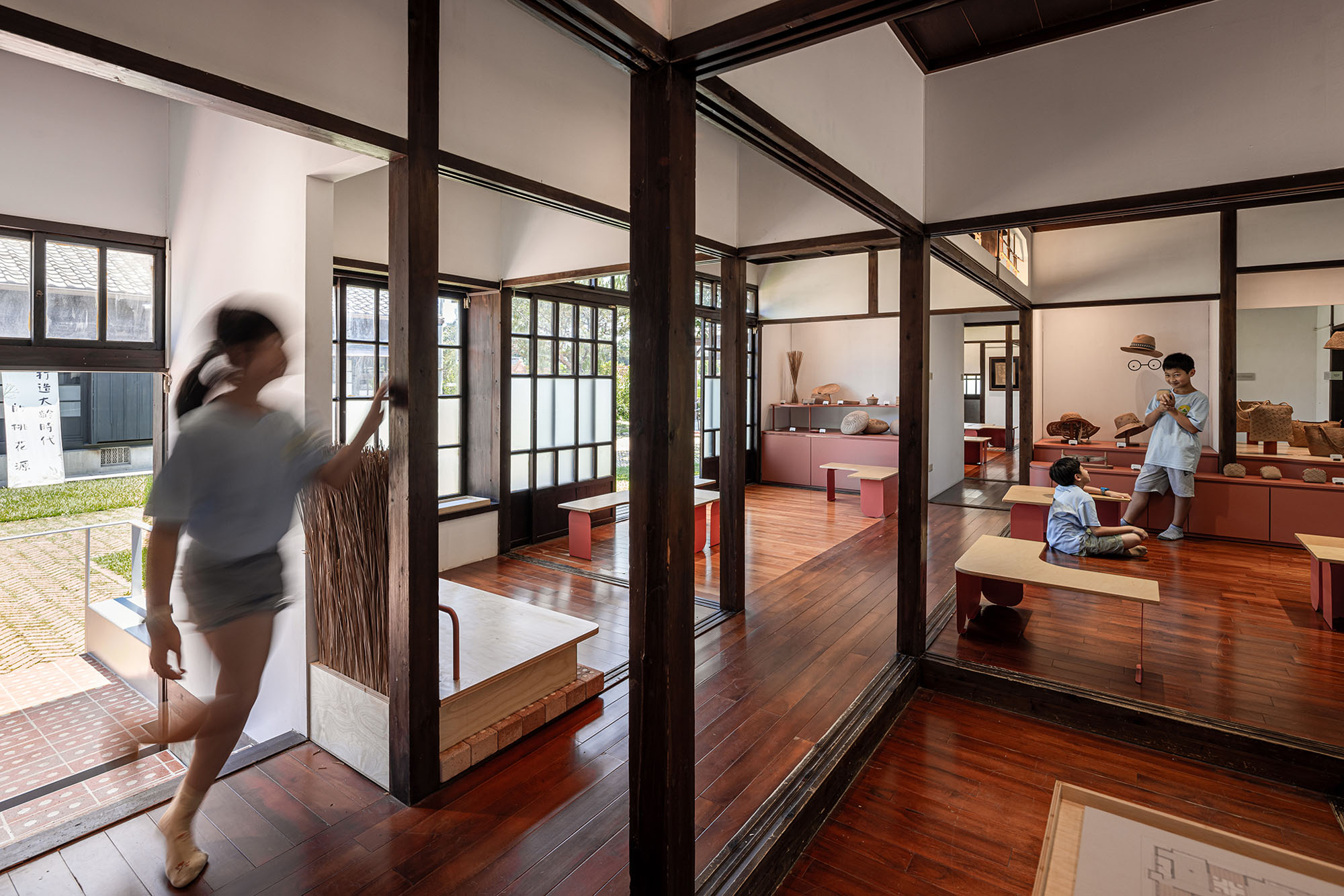
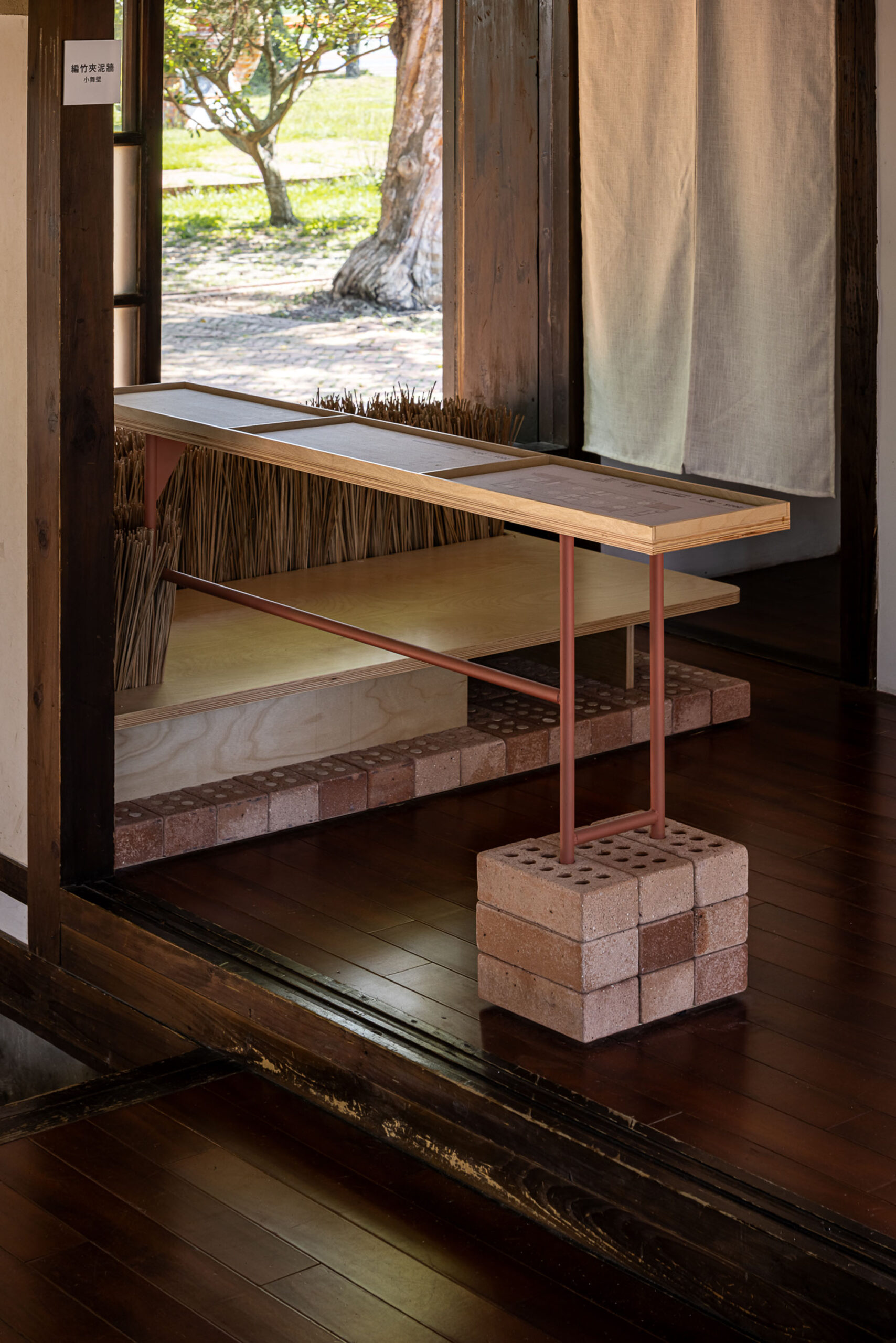
取り外し可能な高床式床による調整機能が空間の柔軟性を高める一方で、展示機能は日本の伝統的な住居に見られる収納の論理を引き継いでいる。空間に配されたいぐさ編みの展示は日常の記憶を呼び起こし、過去の生活情景と現代の物語とをシームレスに結びつける。
©︎ Yuchen Chao Photography
©︎ Yuchen Chao Photography
素材と光が紡ぐ時代の連続性
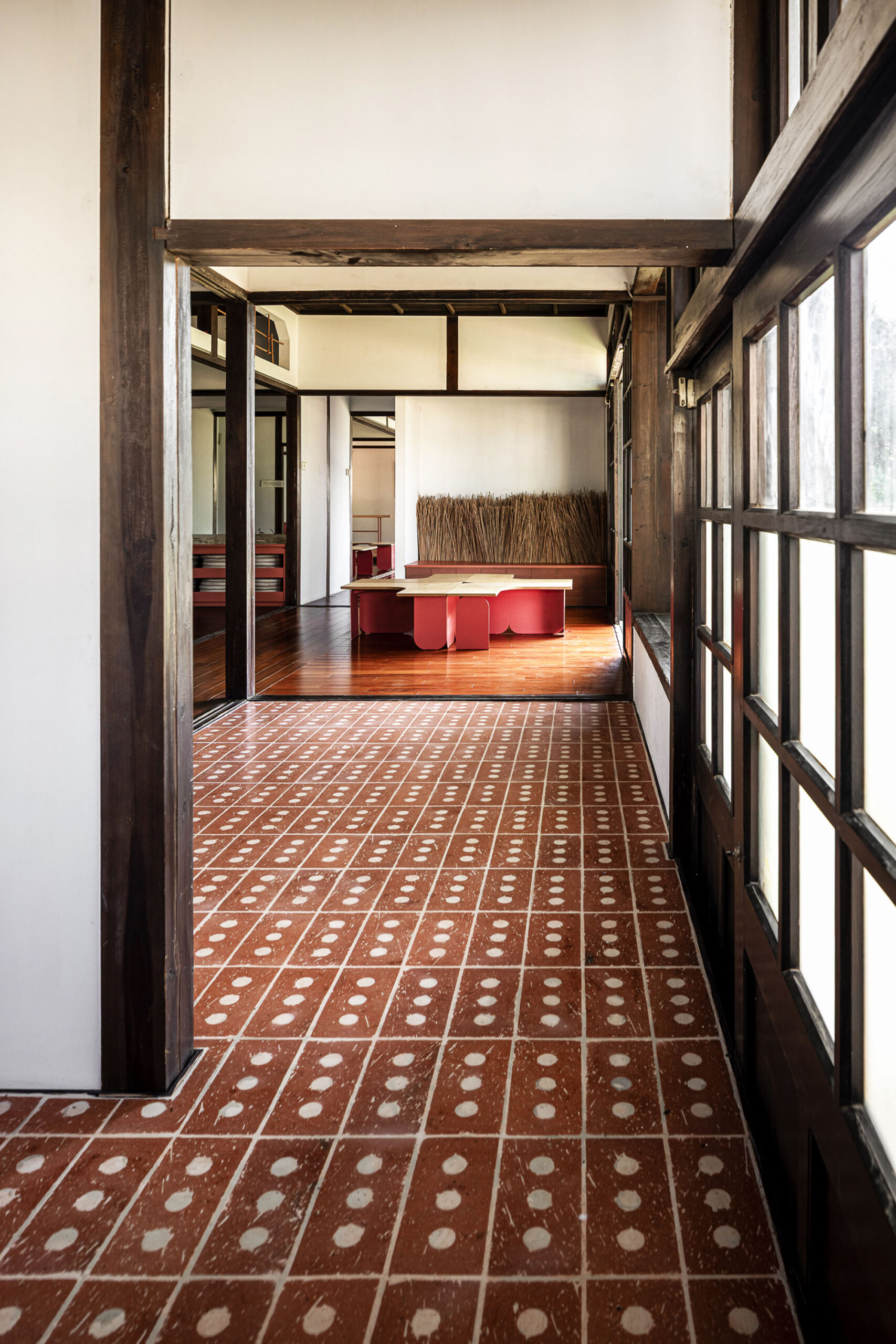
床材には一部レンガを用いており、その表面を研磨することで、伝統的な素材を柔らかく表現力豊かなものへと変容させ、古い記憶を現代のキャンパスライフへと運び込んでいる。
また、照明デザインは、静的なものから流動的なものへの物語の転換をさらに推し進める要素である。間仕切りとなるスクリーンの下に吊り下げられた円形のライトストリップは、硬直したグリッドを崩し、流れるような光の道筋を刻み出す。これにより空間のエッジが和らげられ、学びと交流に適した開放的で双方向的な雰囲気が創出される。
かつて静かに日常のリズムを刻んでいた素材は、今や子供たちの学びと成長の一部として展開し、移り変わる時代を超えて「今」の瞬間を表現するものとして、この空間に息づき続けている。
©︎ Yuchen Chao Photography
©︎ Yuchen Chao Photography
©︎ Yuchen Chao Photography
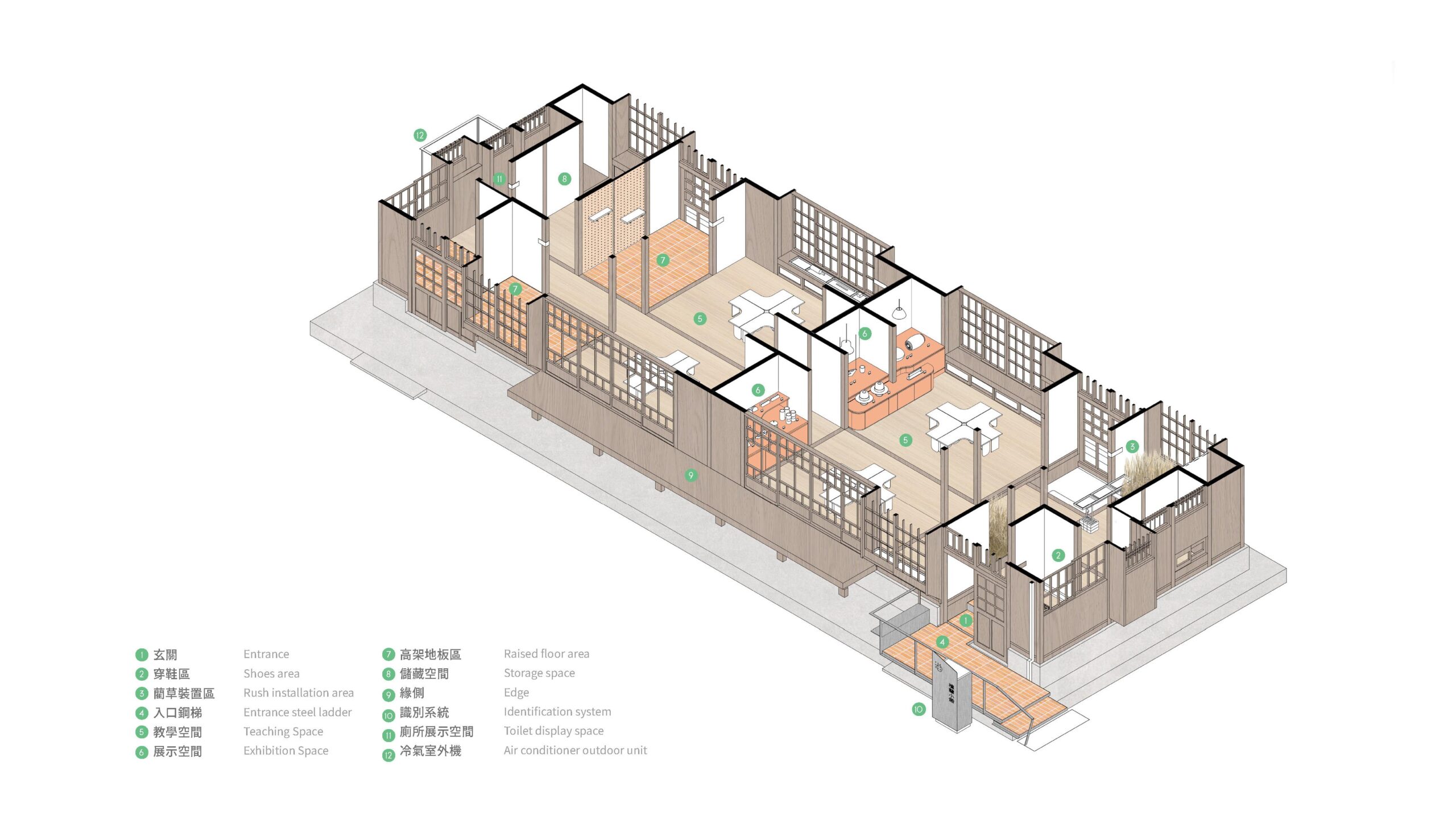
Perspective
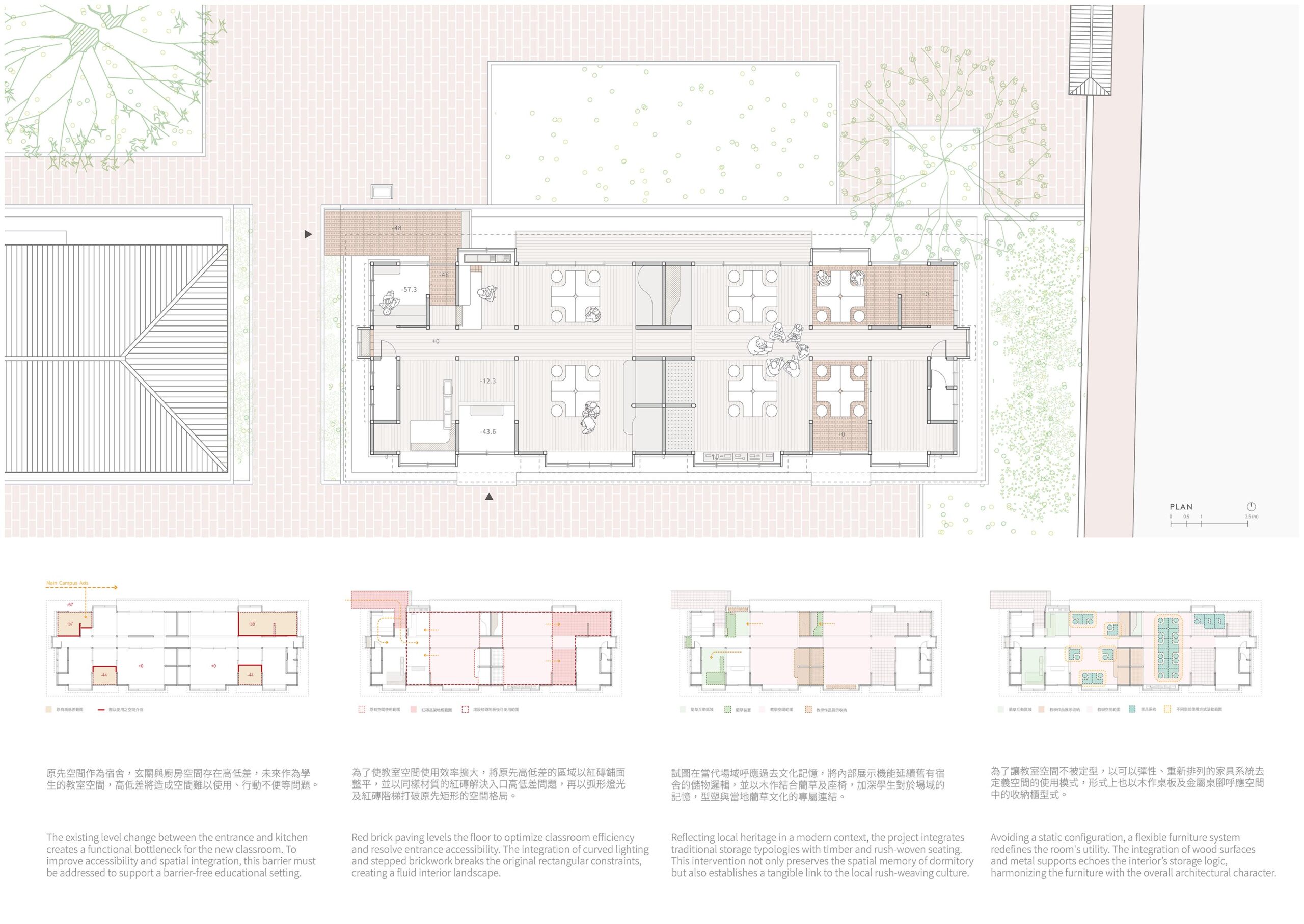
Plan
以下、スタジオ・ウィススペース+アーキテクツのリリース(英文)です。
General Information
Project name: Project Weavefield
Completion Year: 2025
Size: 120m2
Project location: Yuanli Township, Miaoli County, TaiwanLandscape/Architecture Firm: studio whispace + architects
Website: https://www.studiowhispace.com/
https://www.instagram.com/studio.whispace/
Contact e-mail: info@studiowhispace.com
Lead Architects: Wen-Chian, Hu; Pei-Hsuan, Jin
Design Team: Wen-Chian, Hu; Pei-Hsuan, Jin; Tse-Yao, Lin; Su-Ting, LinClients: Shan-Jiao Elementary School; Taiwan Design Research Institute (TDRI)
Collaborators:Media Provider
Photo credits: Yuchen Chao Photography
Photographer’s website: https://www.instagram.com/yuchenchao_studio/short description
“A century-old Japanese dormitory, a breath of wild rush grass, and the quiet hum of a modern campus.”
In the heart of Yuanli, history is no longer a relic behind glass. Step into a space where polished bricks carry the warmth of the past and circular light carves a path for the future. Witness the transformation of a colonial dwelling into a living, tactile classroom where memory is woven by hand.
Project Description
English:Amid the tides of time, architecture bears witness to change, taking on new roles within the same site. Situated within an elementary school campus, the project occupies a rare, well-preserved early 20th-century residential building—originally constructed during the Japanese colonial period—now embedded within a contemporary educational environment. Once a humble dwelling, the space now serves as a rush-weaving classroom. Rather than restoring a relic, the design opens a dialogue between history and daily life, creating a third space between memory and use.
As the frontline of rush-weaving cultural transmission, the space integrates exhibition, furniture, and rush installations. Teaching activities unfold amid the scent of rush grass, engaging sight, touch, and smell to deepen memory. Custom low tables for weaving, designed to suit the spatial character and human scale, foster a unique connection between students and the local context.
Design begins with a steel staircase and signage system that negotiate level differences between interior and exterior. Removable raised flooring adjustments enhance spatial flexibility, while display functions continue the storage logic of the original Japanese dwelling. Rush-weaving exhibits echo everyday memories, bridging past scenarios and contemporary narratives.
Materials include fair-faced bricks, their surfaces polished for flooring—transforming traditional materials into soft, expressive surfaces that carry old memories into present-day campus life. Lighting design furthers the narrative shift from static to fluid. Circular light strips, suspended below the partition screen, disrupt rigid grids and carve paths of flowing light—softening edges and creating an open, interactive atmosphere suitable for learning and exchange. Materials that once quietly carried the rhythms of everyday life now unfold as part of children’s learning and growth, continuing to inhabit the space as an expression of the present moment across shifting times.
スタジオ・ウィススペース+アーキテクツ 公式サイト
https://www.studiowhispace.com

![[Report]RUI Architectsが可動モジュールを設計して松竹のアートスペースをリニューアル、柿落とし展「継承のトランジション」の会場デザインも担当](https://magazine-asset.tecture.jp/wpcms/wp-content/uploads/2026/07/24141011/20260713shutl_press11-01309-c-900x629.jpeg)
![[Interview]BIM図面審査がスタート! さまざまな設計者のニーズに応えるVectorworksによる「限界のないデザイン」の世界](https://magazine-asset.tecture.jp/wpcms/wp-content/uploads/2026/07/13084316/rinterview_vectorworks_056-e1784200974912-900x555.jpg)