CULTURE
©︎ Kéré Architecture
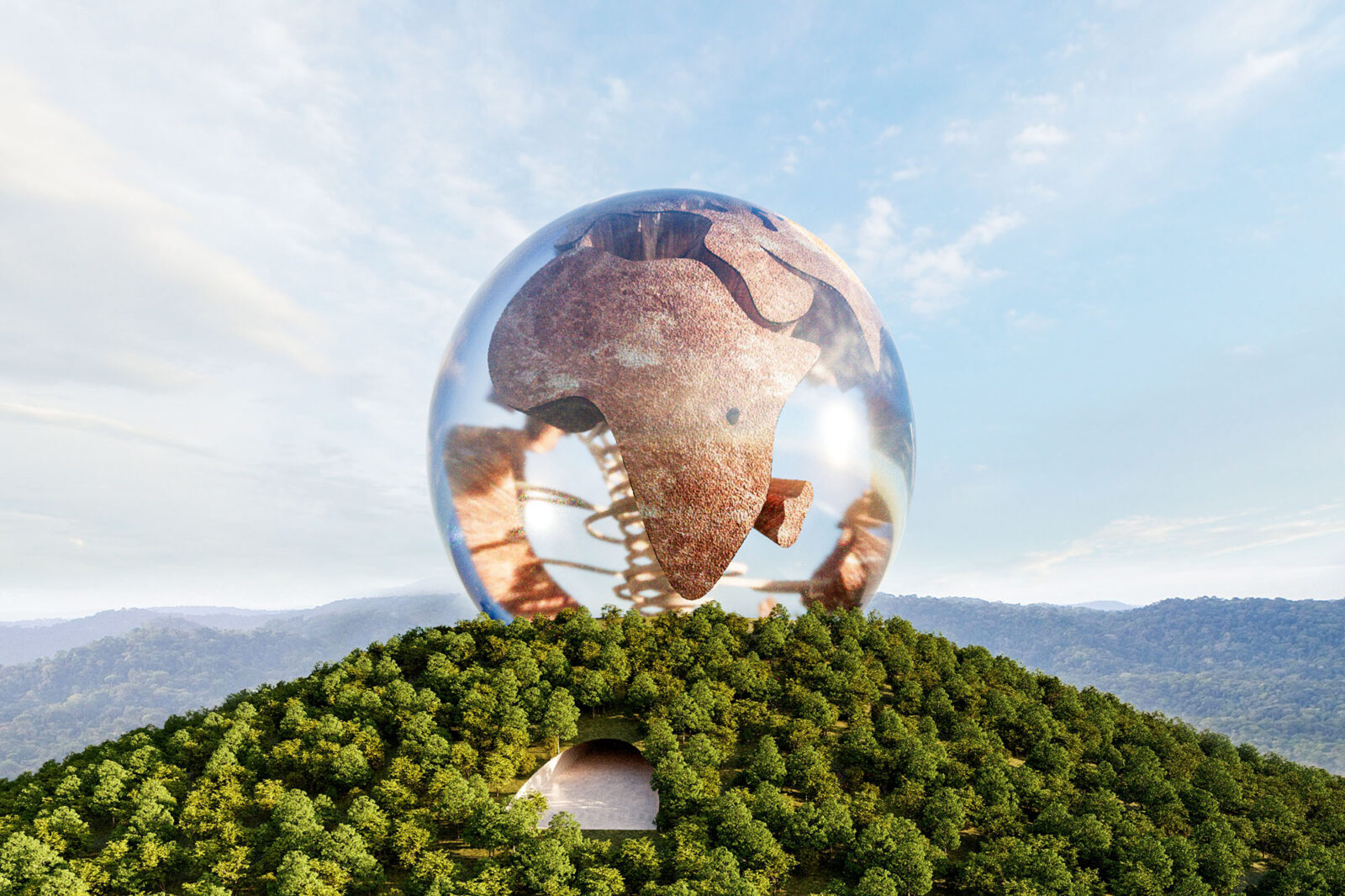
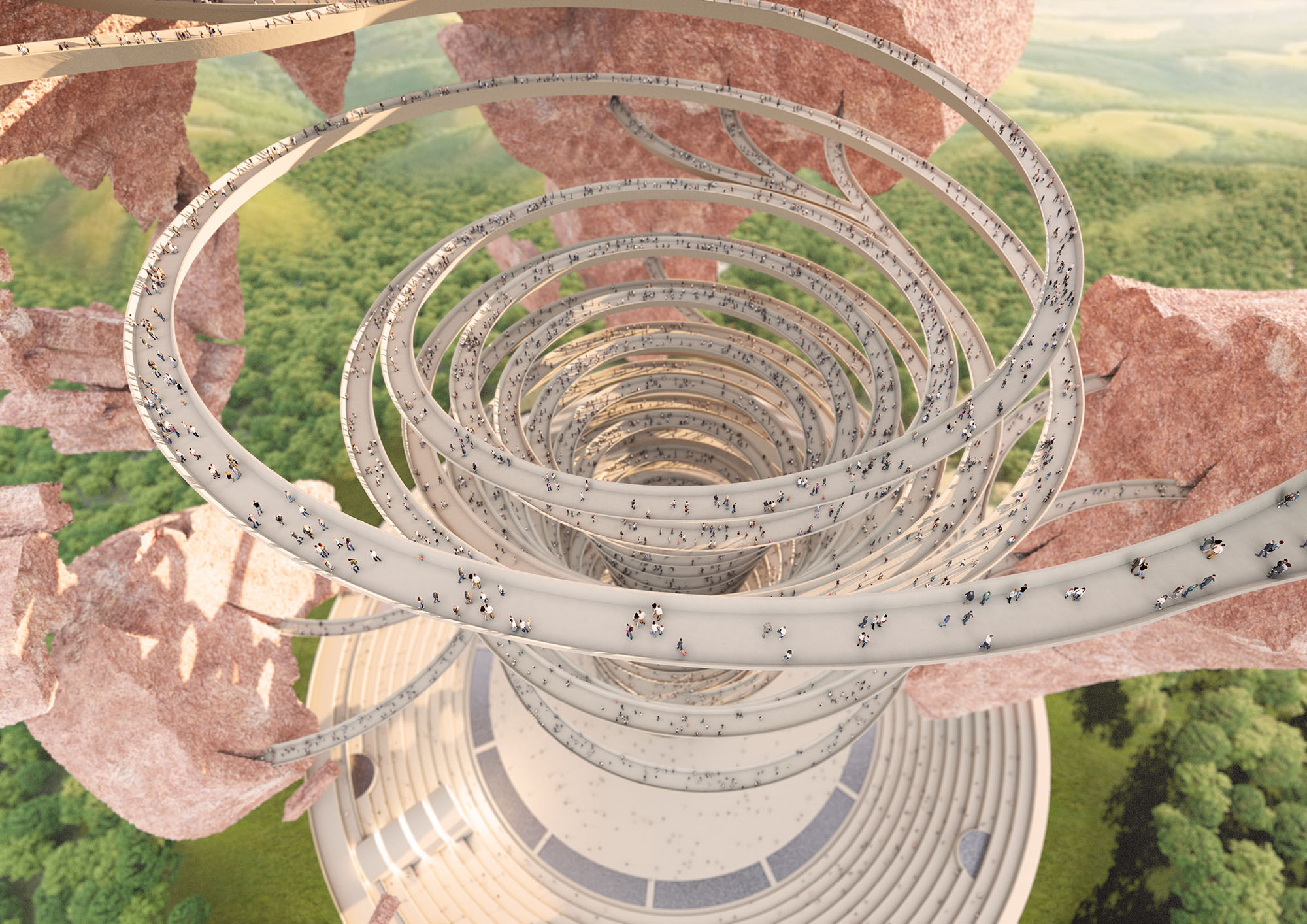
〈ユネスコ・バーチャル・ミュージアム(UNESCO Virtual Museum)〉は、盗難等により失われた数百点の芸術作品を展示する、ユネスコ(UNESCO)からの依頼のもと仮想空間に設計された博物館です。
2022年にプリツカー賞を受賞したブルキナファソの建築家フランシス・ケレ(Francis Kéré)が率いるケレ・アーキテクチャ(Kéré Architecture)が設計しました。
注目ポイント
- ユネスコが主導する「世界的な文化財の違法取引対策」としてのプロジェクト
- 文化財の盗難・消失というグローバル課題に対する建築
- 一般市民、特に若い世代の意識を高めることを目的としたバーチャル空間
- アフリカ文化を象徴する「バオバブの木」を模したフランシス・ケレによる設計
(以下、ケレ・アーキテクチャから提供されたプレスキットのテキストの抄訳)
©︎ Kéré Architecture
プロジェクトの背景と目的
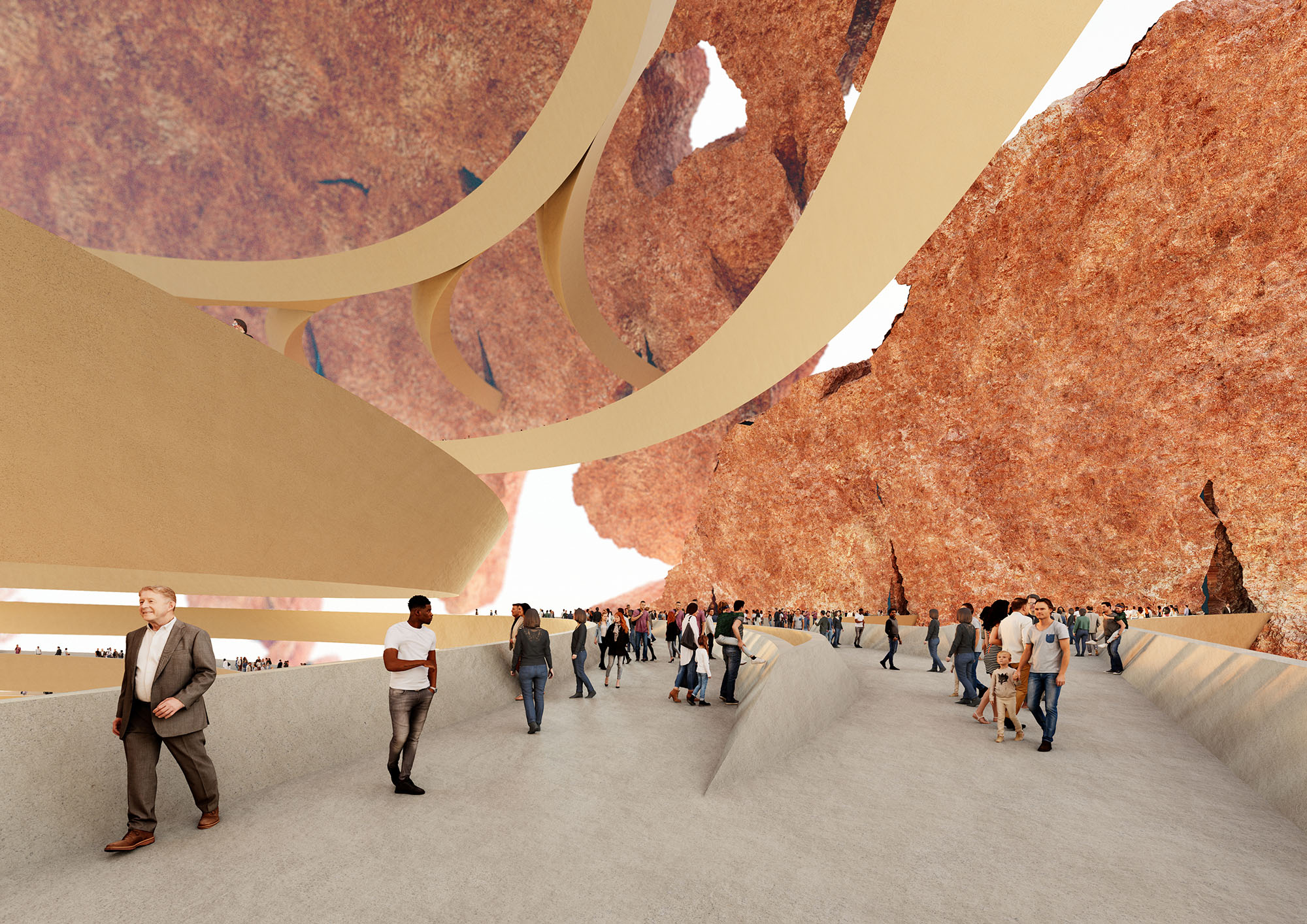
〈ユネスコ・バーチャル・ミュージアム〉プロジェクトは、1970年のユネスコ条約を通じて世界的な文化財の違法取引対策を優先するという、ユネスコが近年ますます強めている姿勢への対応策である。この取り組みは、150カ国以上が参加し文化政策強化のロードマップ策定を目的とした会議「MONDIACULT 2022」において、ユネスコ事務局長オードレ・アズレ(Audrey Azoulay)により正式に発表されたものである。
このインタラクティブな博物館は2025年半ばにバーチャルオープンを予定しており、「ユネスコの使命の中核をなす重大な問題である文化財の違法取引について、ユネスコ加盟国、一般市民、そして若い世代の意識を高めること」という明確な使命を有している。
©︎ Kéré Architecture
初期展示と教育的役割
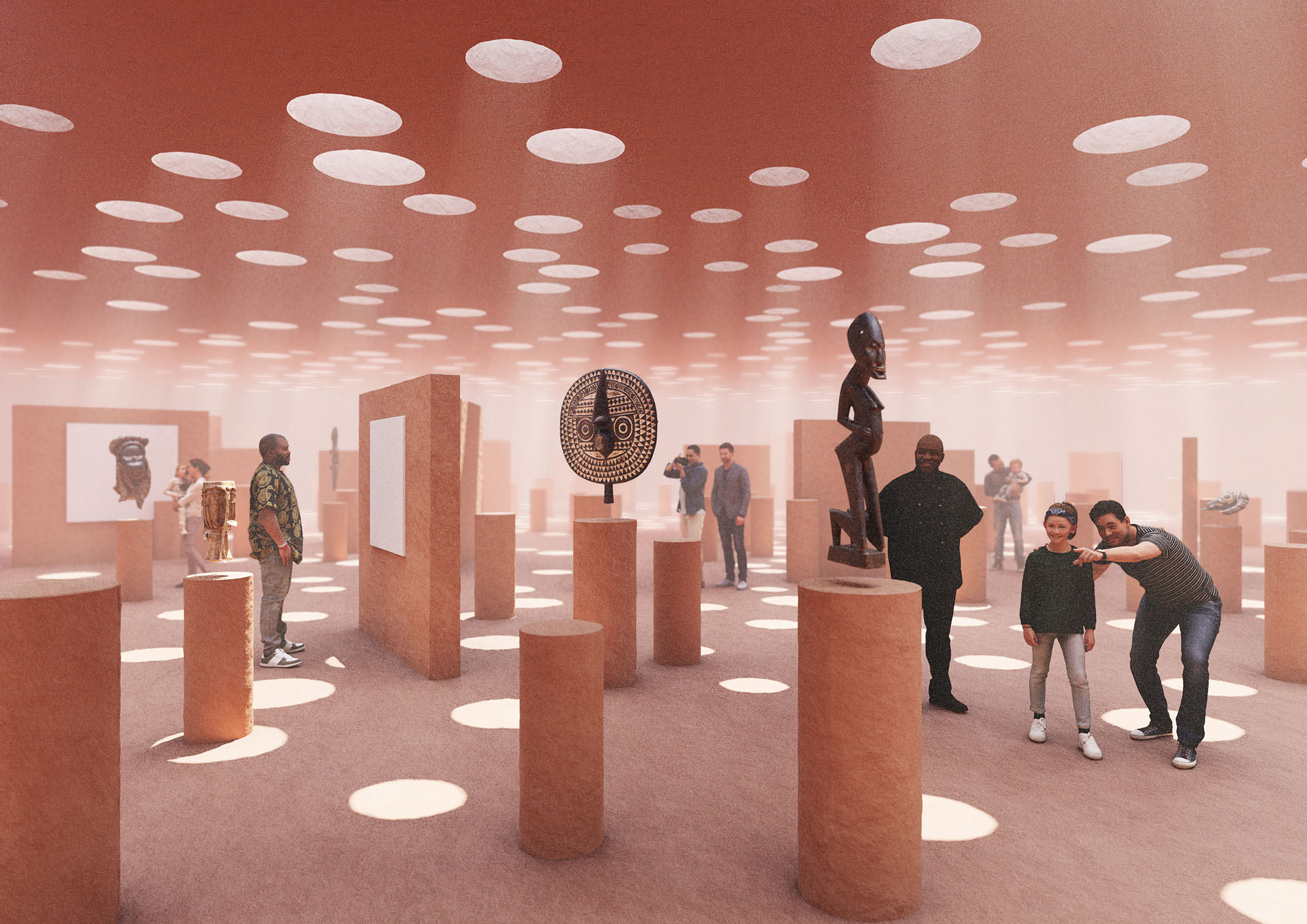
初期段階では、国際刑事警察機構(INTERPOL)がリストアップした数百点の芸術作品を展示し、文化的に重要な品々を紹介する予定である。これらの遺物の盗難や消失は、地域社会や国家の文化遺産にとって重大な損失である。この博物館は、特に若者を対象としながら、文化財の違法取引について一般市民を教育し啓発するユネスコの取り組みにおける中核的な要素である。
©︎ Kéré Architecture
フランシス・ケレとの協働と建築コンセプト
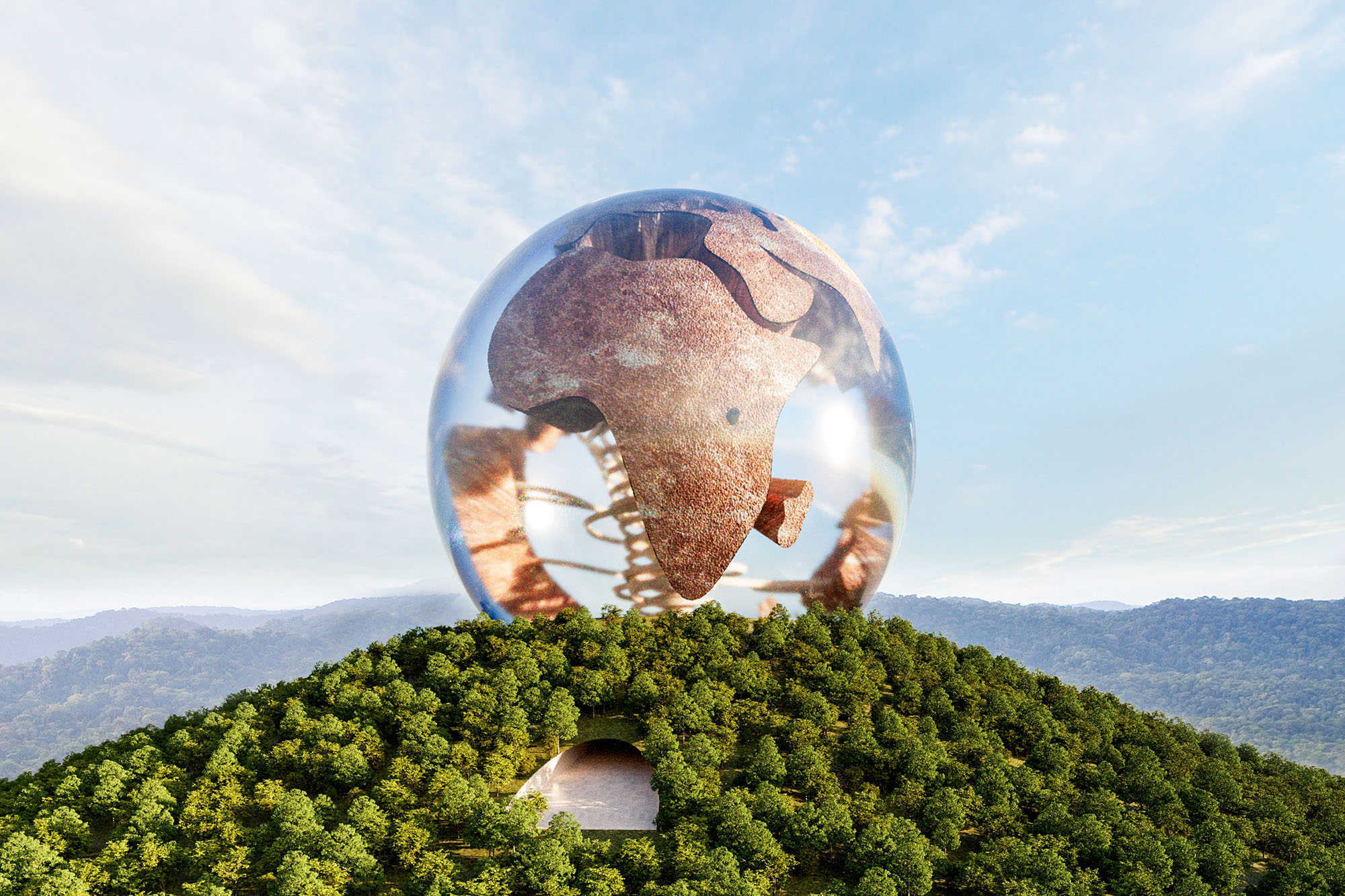
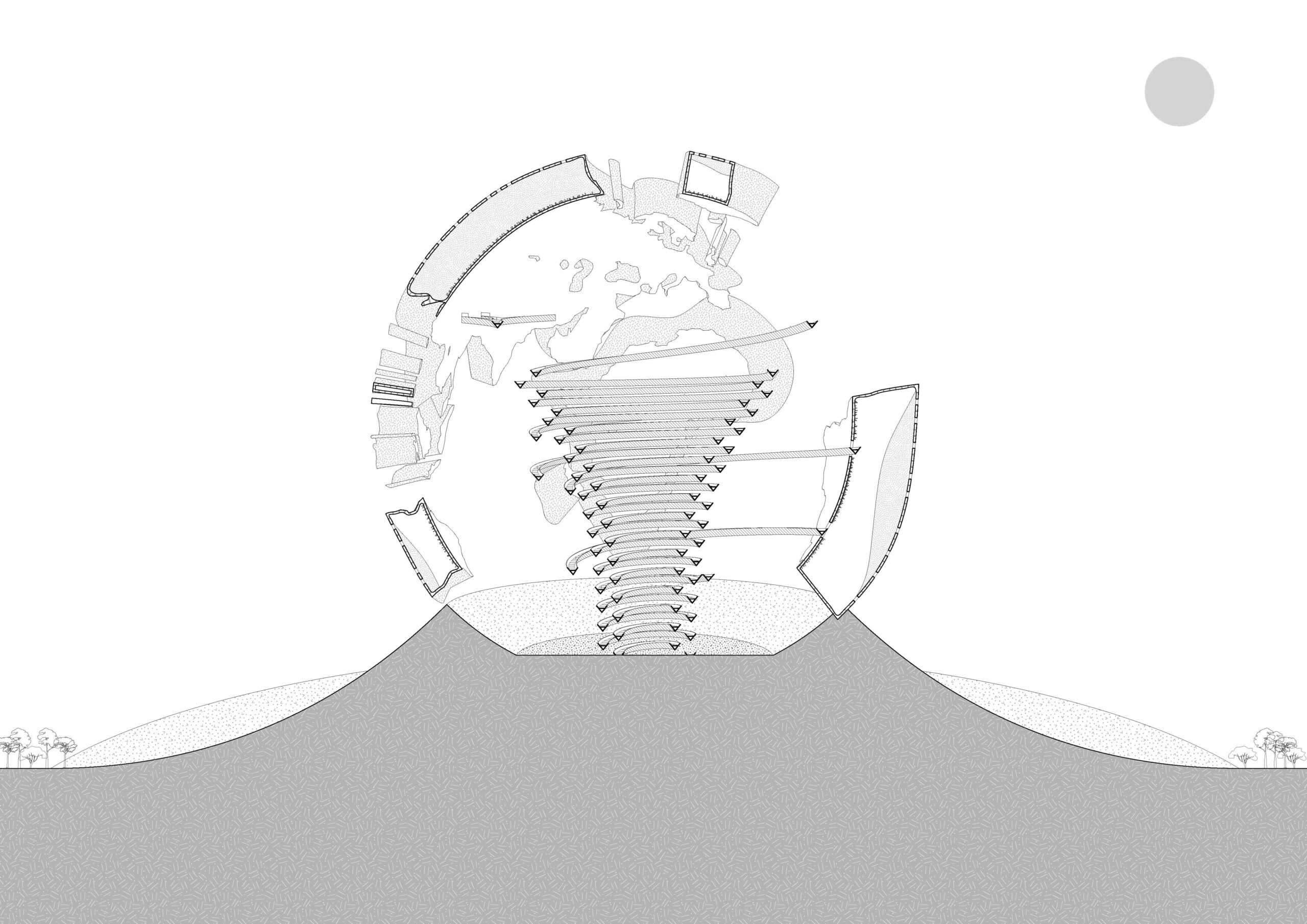
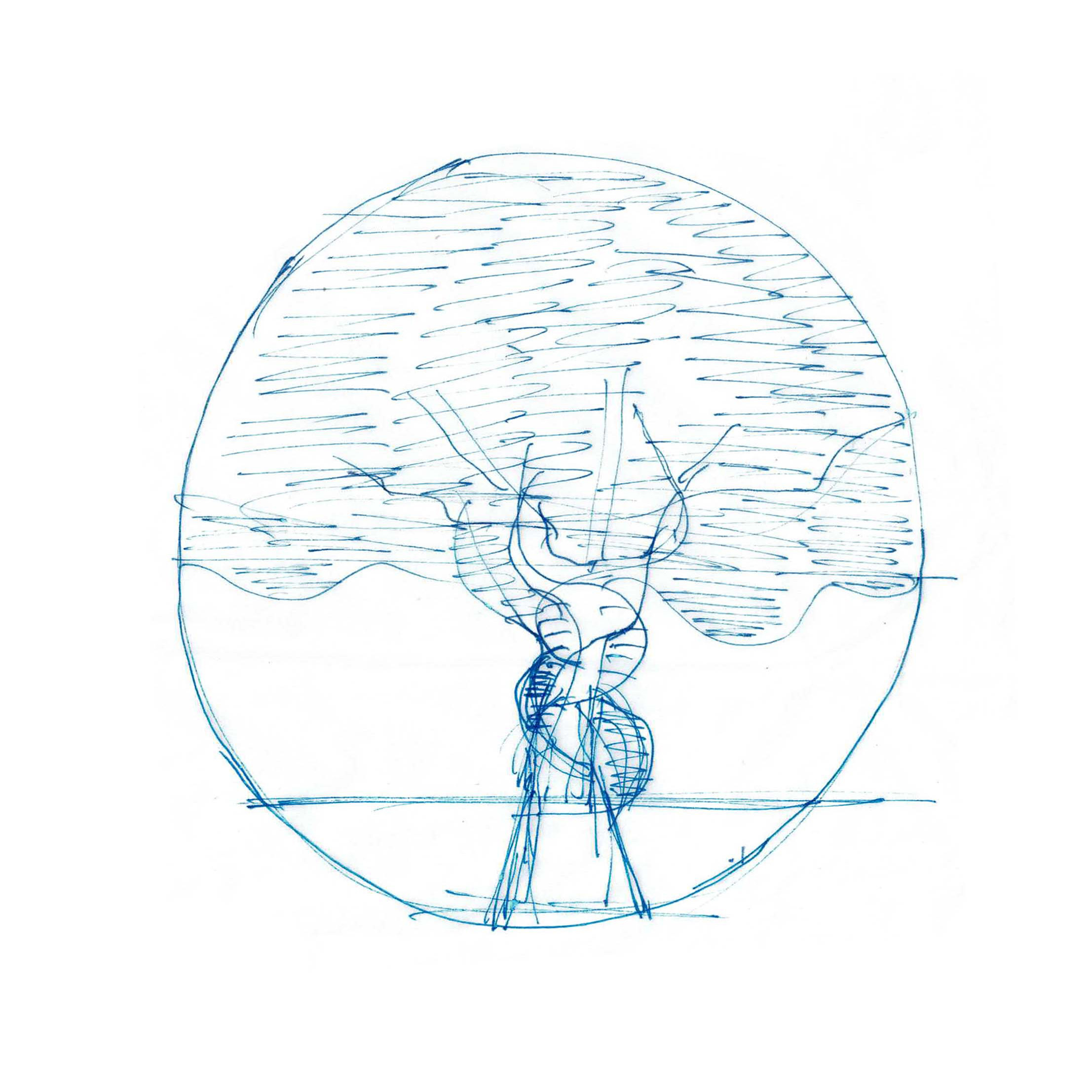
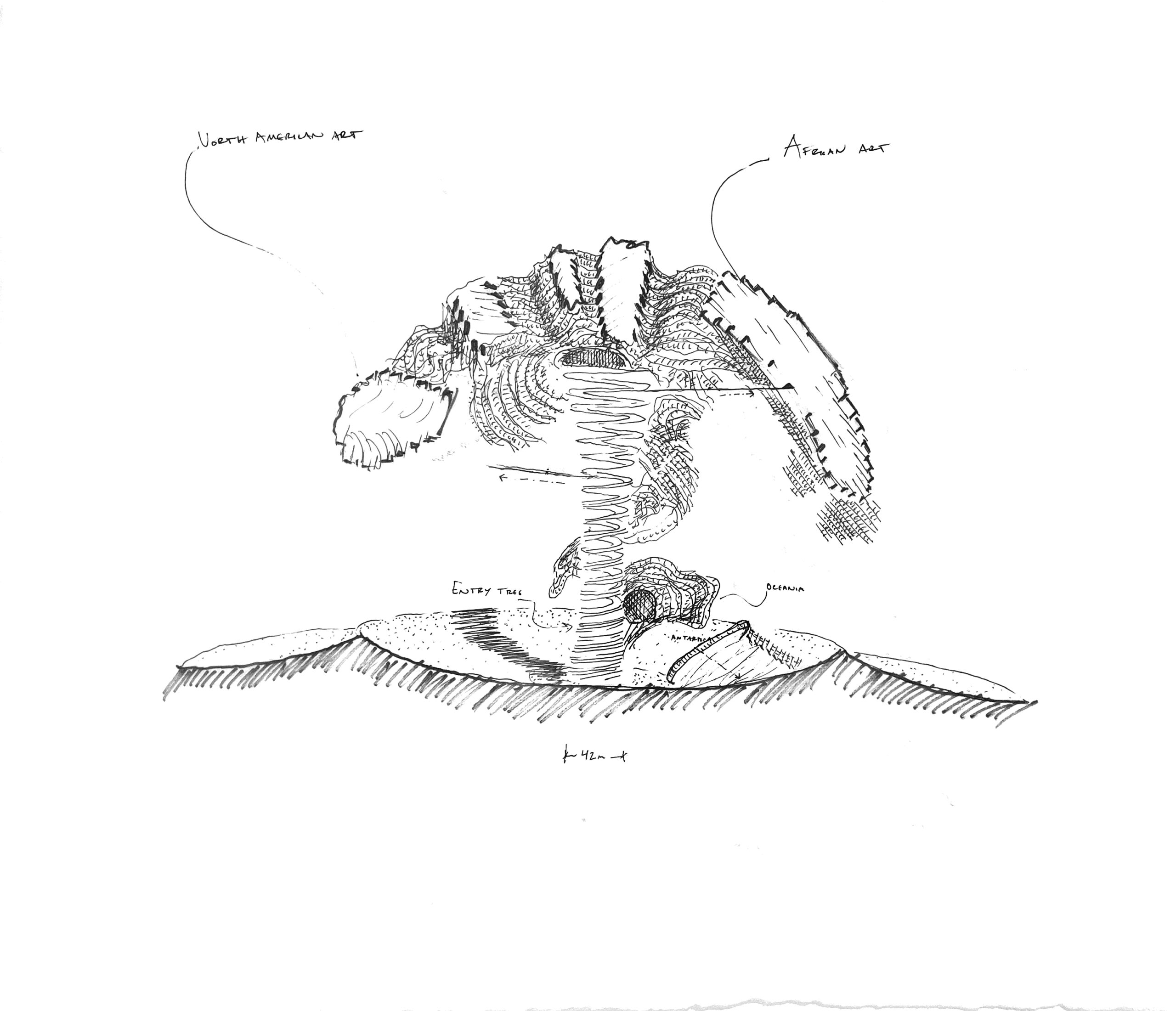
ユネスコが著名なブルキナファソ人建築家フランシス・ケレとの協働を選んだ背景には、革新的で、かつ地元調達・環境に優しい手法を用いた持続可能な建築設計への彼の献身がある。ケレが設計する博物館は、バオバブの木を模した形態となる予定である。
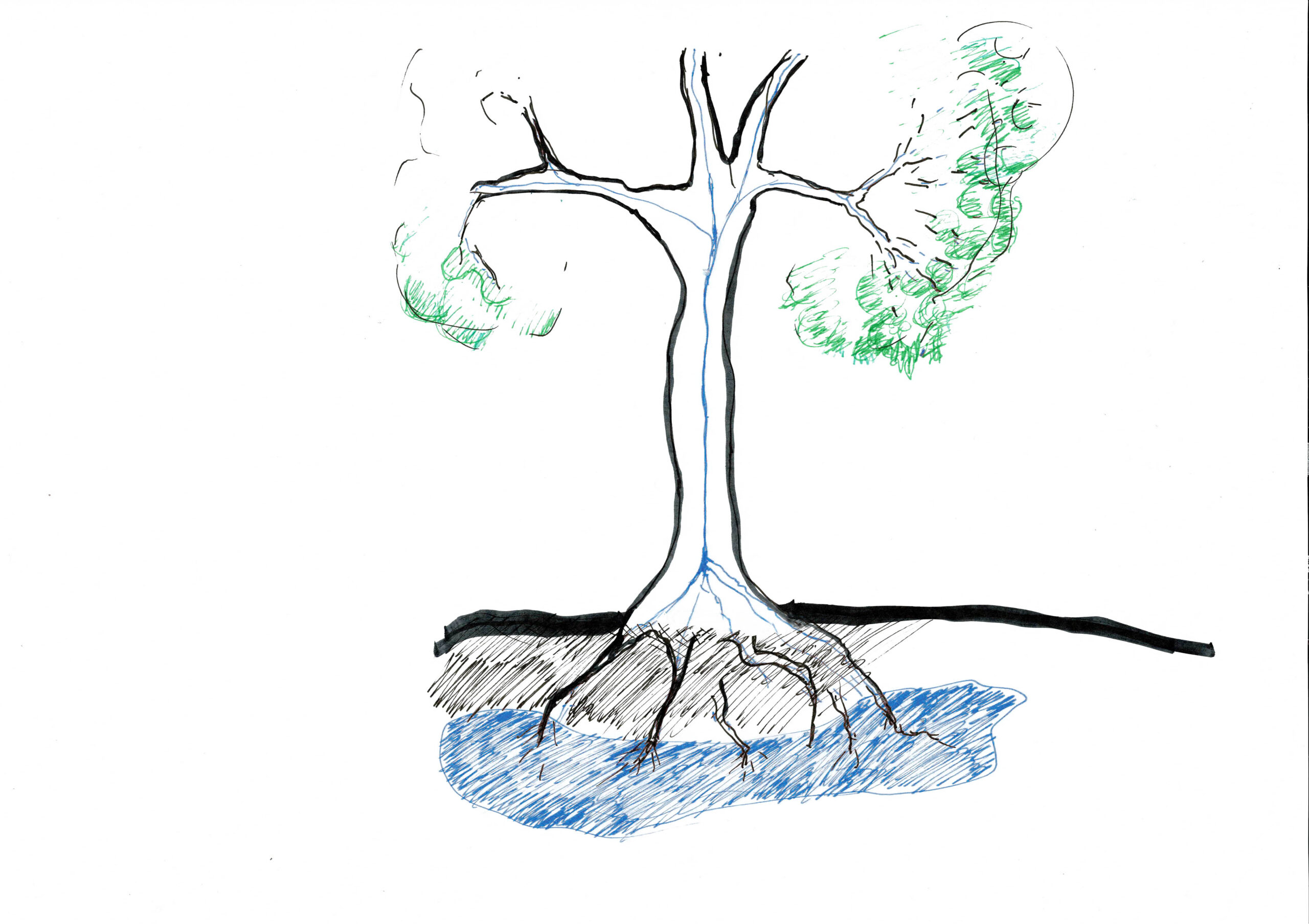
バオバブは回復力を象徴するとともに、多くのアフリカ共同体において中心的役割を担う存在である。その根は、有形・無形を問わず文化遺産のあらゆる側面を包含し、私たちのアイデンティティの基盤を象徴するメタファーとして機能する。
Section @ Kéré Architecture
文化遺産とレジリエンスの象徴性
文化は木の根のように相互に依存し合いながら育まれるものである。文化遺産はコミュニティの根幹を成し、その盗難は文化的アイデンティティの基盤を損なう行為である。
レジリエンスに着想を得た〈ユネスコ・バーチャル・ミュージアム〉は、こうした相互に関連する文化的要素の保存について、一般市民への啓発に尽力する。
Sketch @ Francis Kéré
Sketch @ Francis Kéré
Sketch @ Francis Kéré
Sketch @ Francis Kéré
以下、ケレ・アーキテクチャのリリース(英文)です。
UNESCO Virtual Museum of Stolen Cultural Objects
The UNESCO Virtual Museum project is a response to UNESCO’s increasing commitment to prioritize combating the illicit trafficking of cultural property worldwide, especially through the 1970 UNESCO Convention. This initiative was officially announced by Audrey Azoulay, the Director-General of UNESCO, during MONDIACULT 2022, a gathering of over 150 countries to develop a roadmap for strengthening cultural policies. This interactive museum is set to open its virtual doors in mid-2025 and has a clear mission: to raise awareness among UNESCO Member States, the general public, and the younger generation about the significant issue of illicit cultural property trafficking, which is central to UNESCO’s mission.
In its initial phase, the UNESCO Virtual Museum will exhibit hundreds of artworks listed by INTERPOL, showcasing culturally significant items. The theft or disappearance of these artifacts represents a substantial loss to the cultural heritage of communities and nations. This museum is a pivotal element in UNESCO’s efforts to educate and inform the general public, particularly the youth, about the illicit trade in cultural properties.
UNESCO’s deliberate choice to collaborate with Francis Kéré, a renowned Burkinabé architect, stems from his dedication to designing sustainable buildings using innovative, locally-sourced, and eco-friendly methods. The future UNESCO Museum designed by Kéré will take the form of a baobab tree, symbolizing resilience and the central role of the baobab in the lives of many African communities. The tree’s roots serve as a metaphor for the foundations of our identity, encompassing both tangible and intangible aspects of cultural heritage.
Culture, much like the interdependent roots of a tree, requires nurturing. Cultural artifacts represent the roots of a community, and their theft undermines the foundation of cultural identity. The UNESCO Virtual Museum, inspired by resilience, is dedicated to educating the public about the preservation of these interconnected elements.
Project Credits:
UNESCO Virtual Museum of Stolen Cultural ObjectsLocation: https://museum.unesco.org/
Status: Completed
Date: 2023-2025
Architect: Francis Kéré
Design Team: Andrea Maretto, Josh Greene
Collaborators: Makemepulse
Client: UNESCO
ケレ・アーキテクチャ 公式サイト
https://www.kerearchitecture.com/work/design/unesco-virtual-museum-of-stolen-cultural-objects
【購読無料】空間デザインの今がわかるメールマガジン TECTURE NEWS LETTER
RECOMMENDED ARTICLE