CULTURE
©︎ Luc Boegly
©︎ Luc Boegly
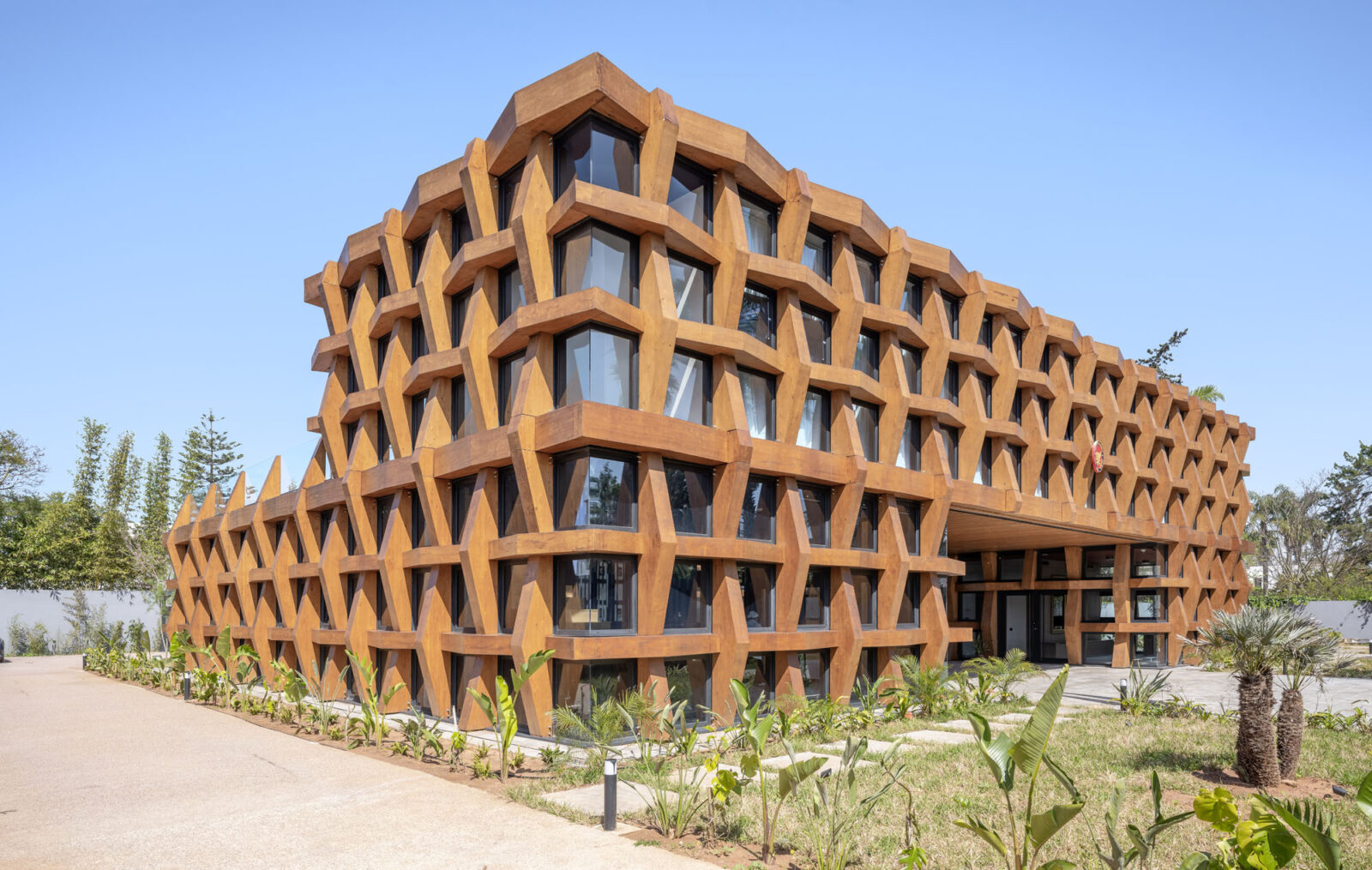
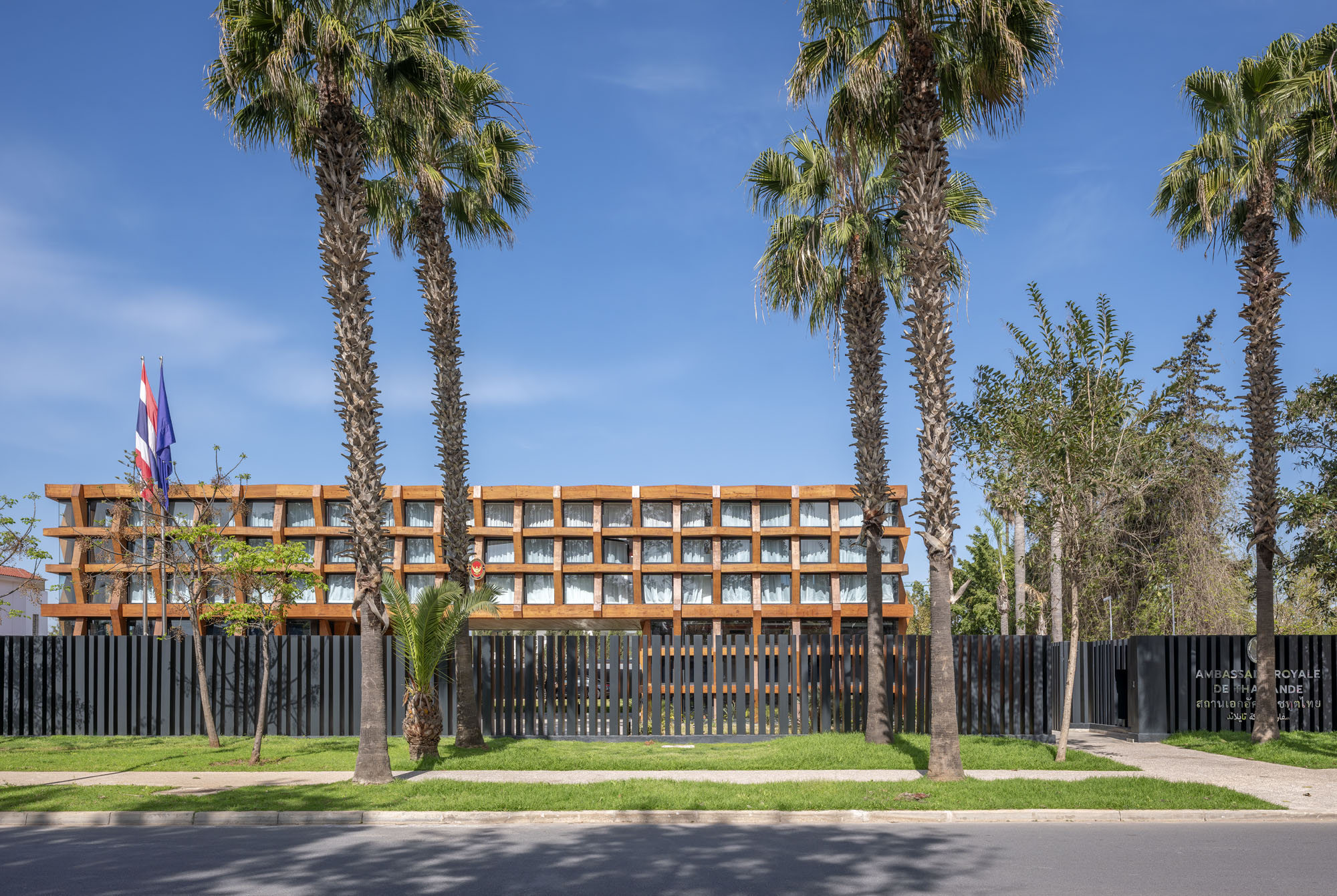
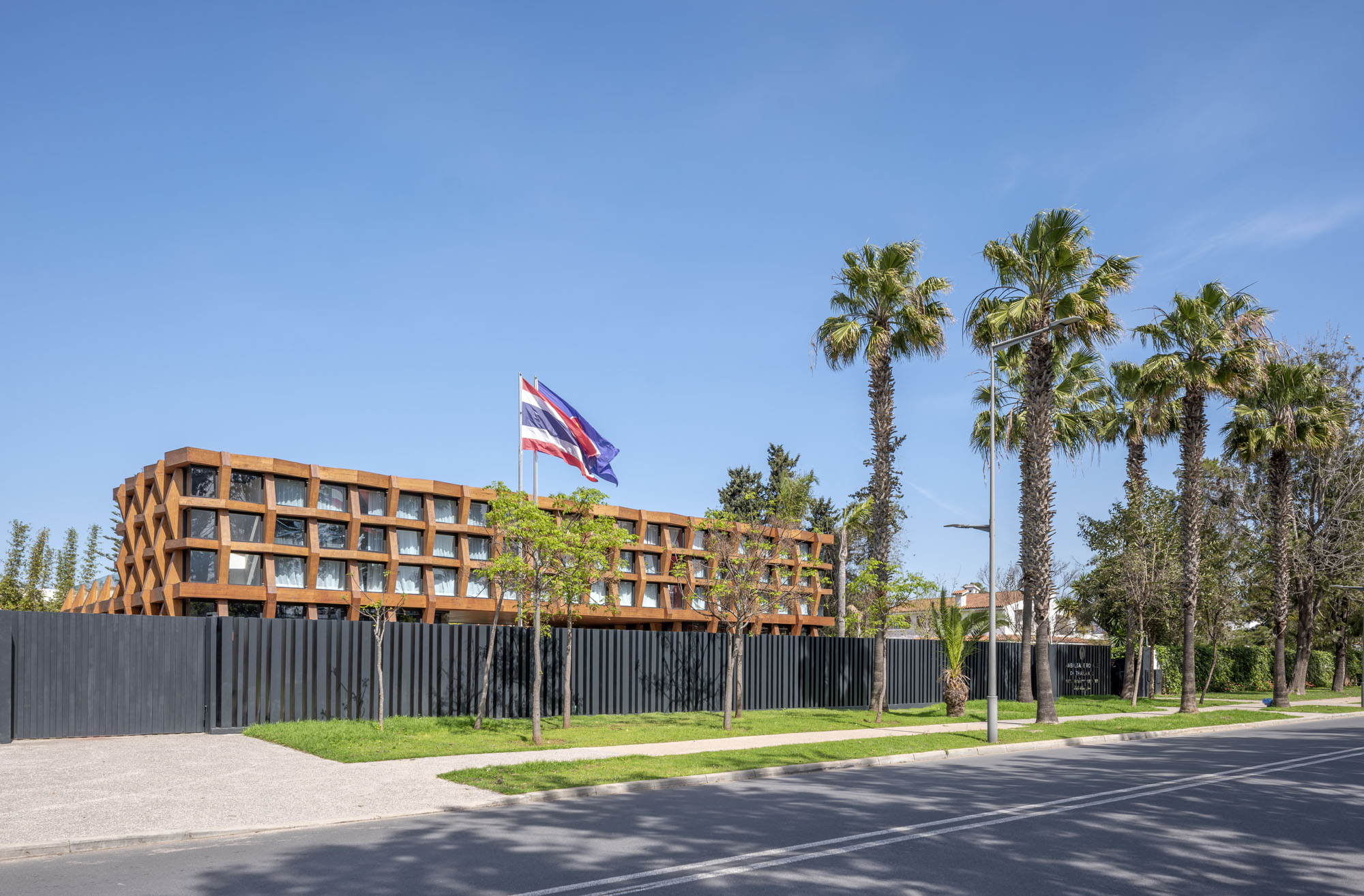
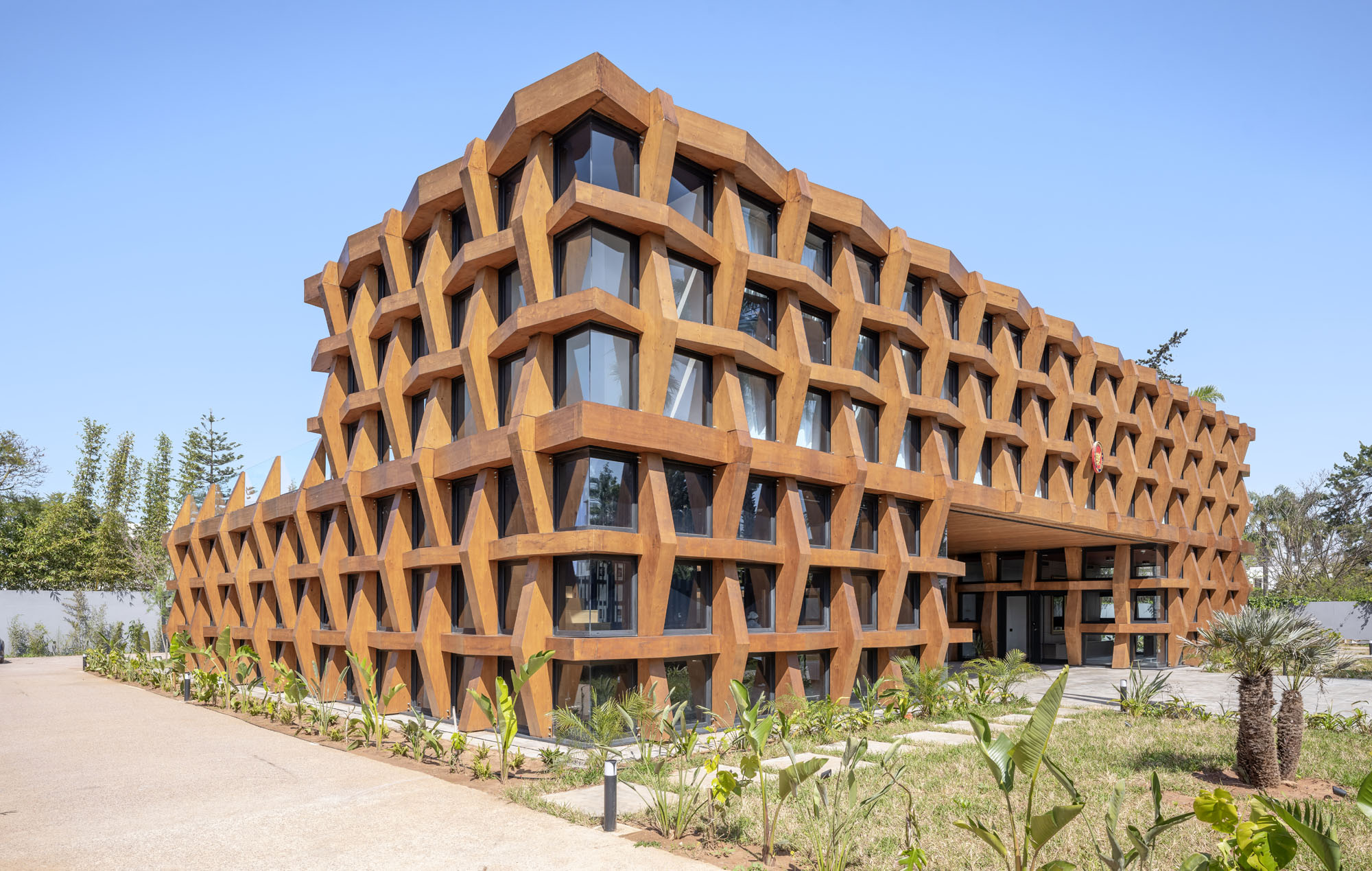
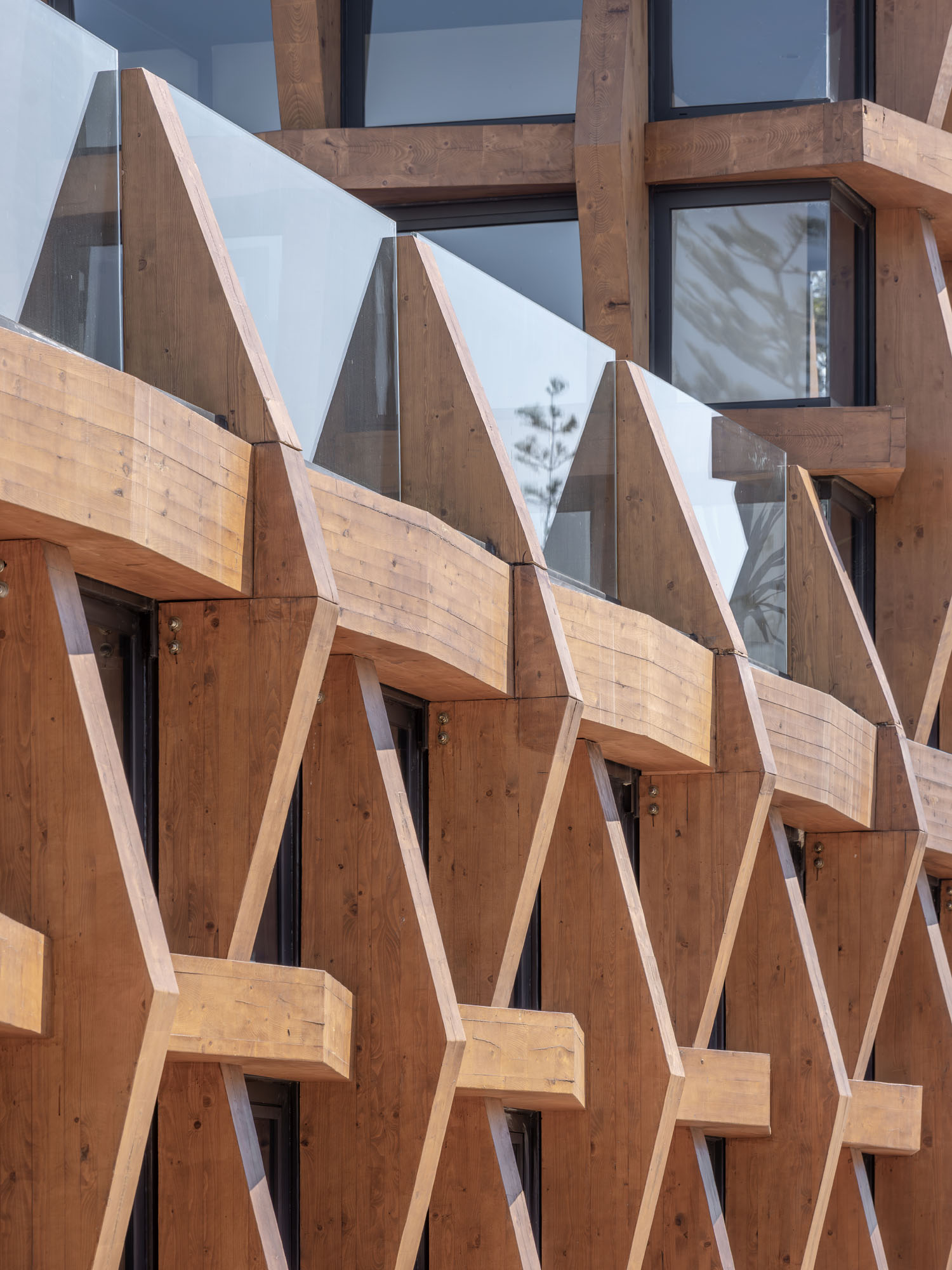
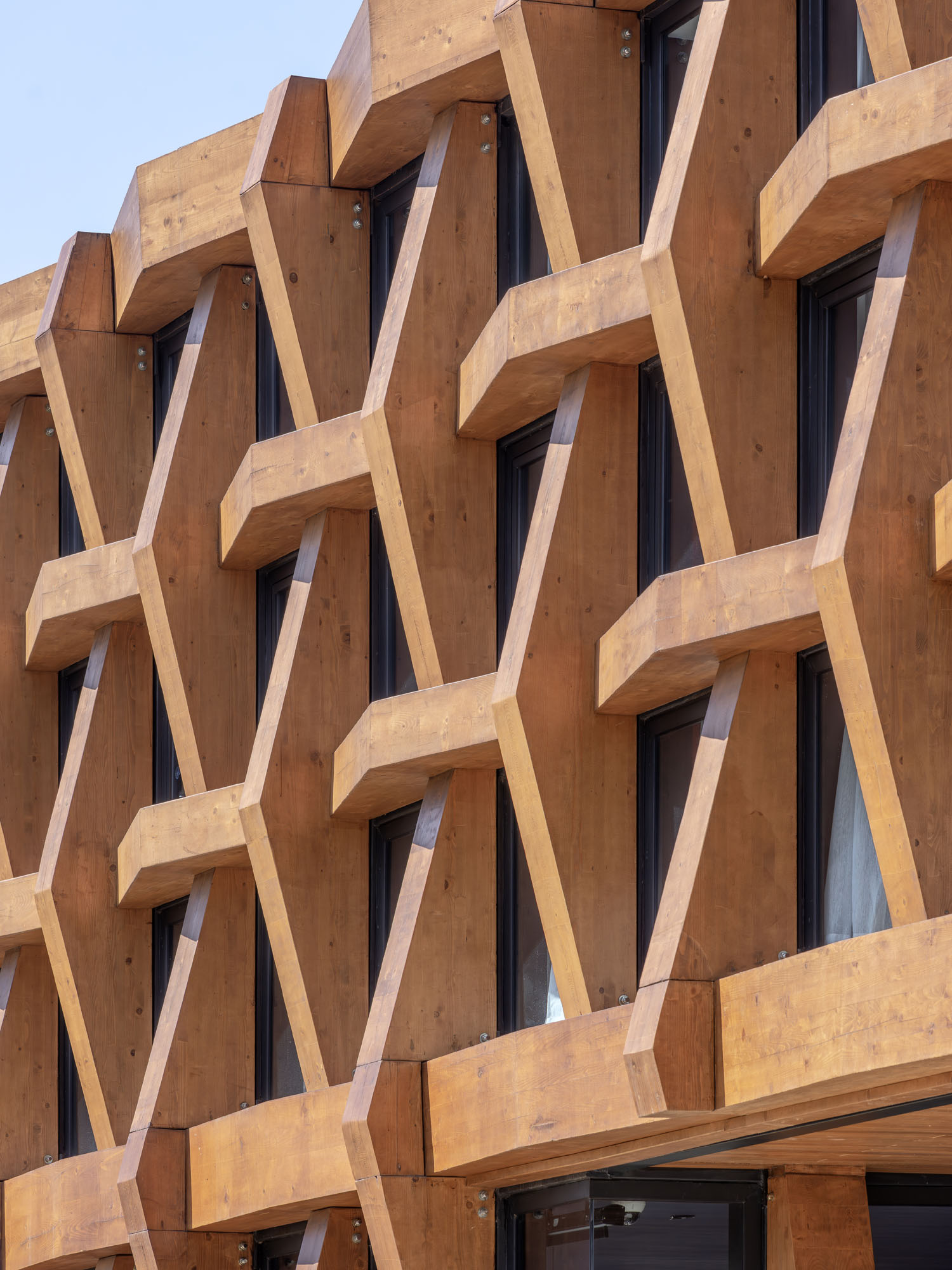
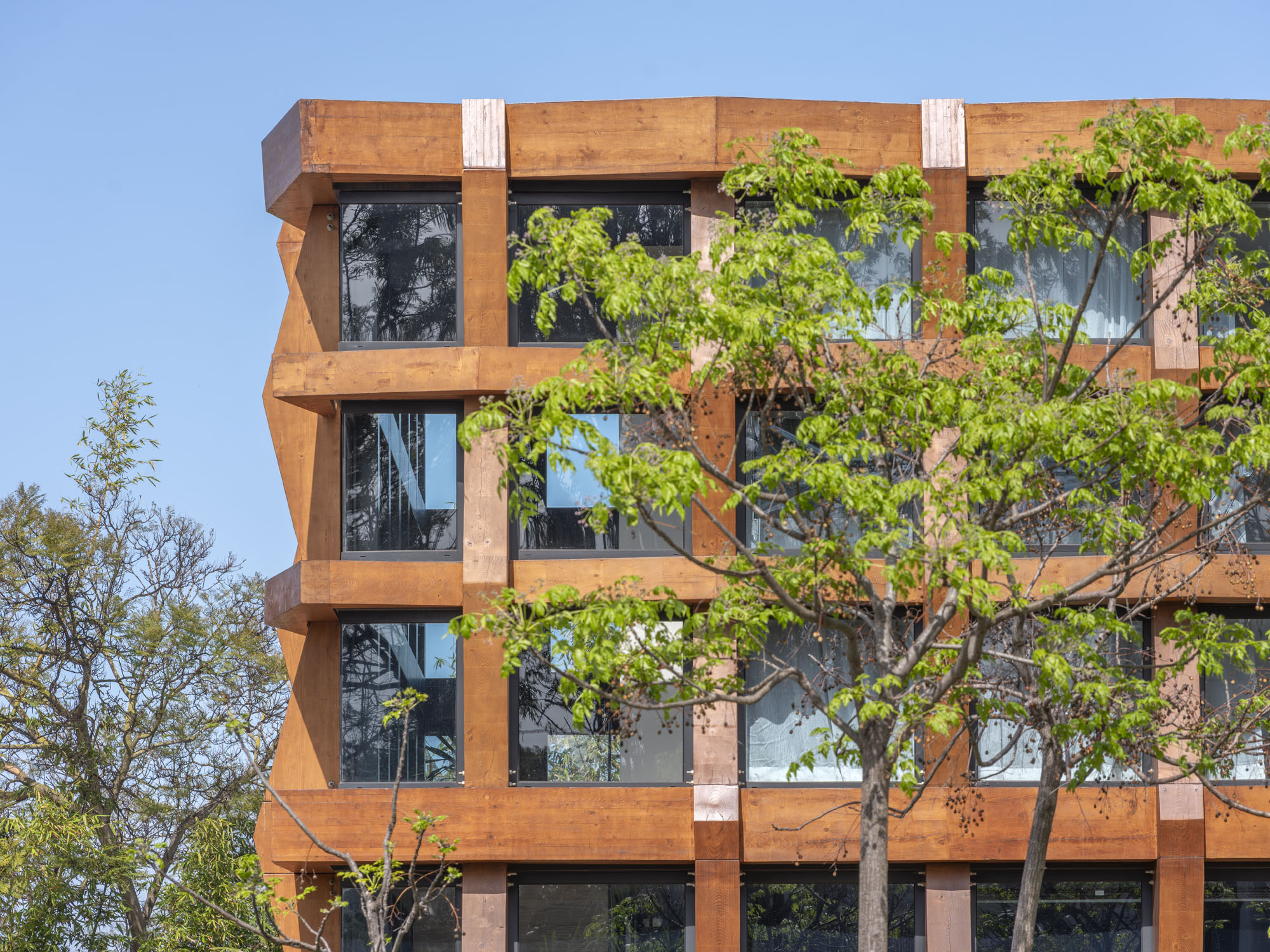
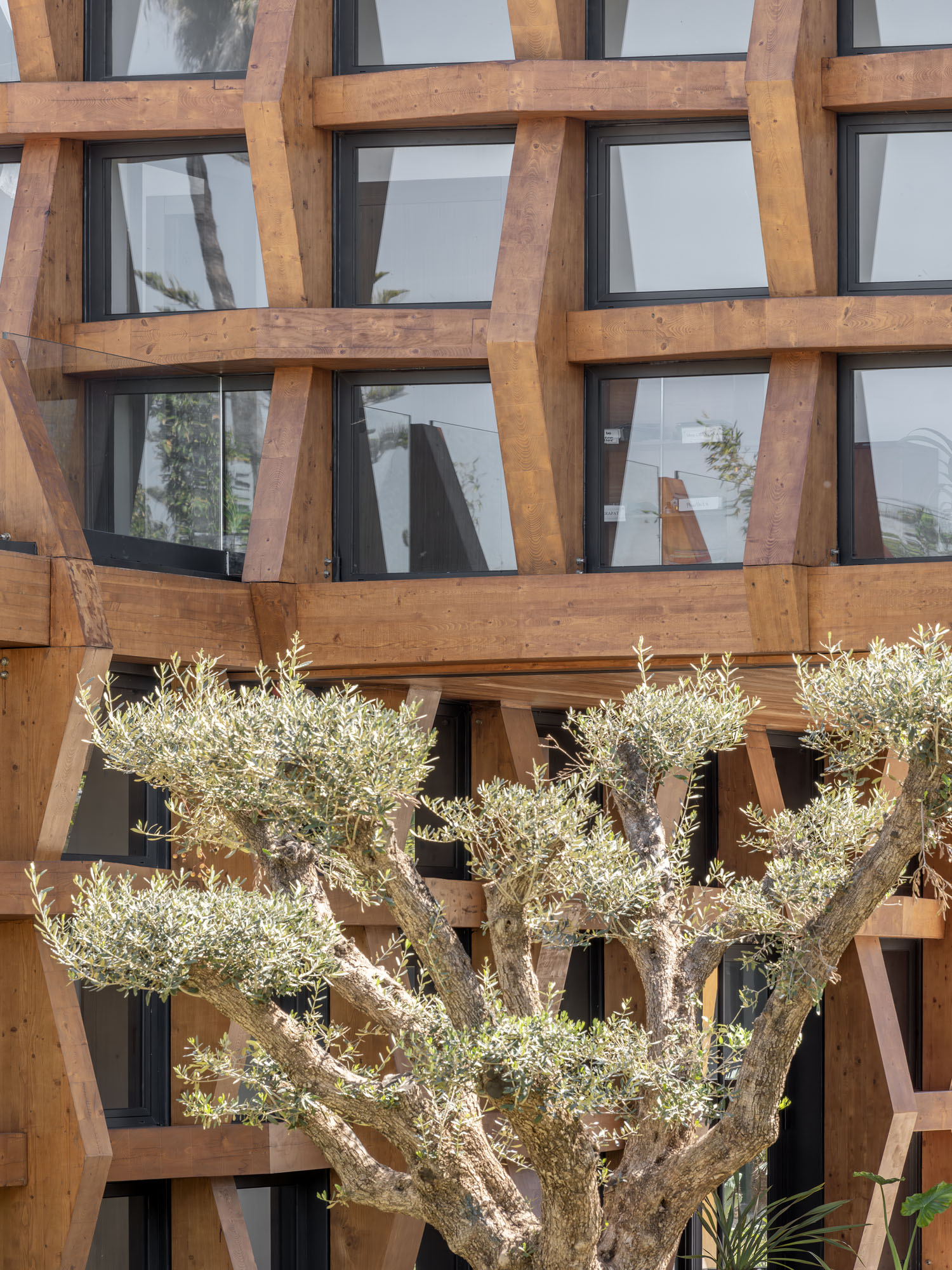
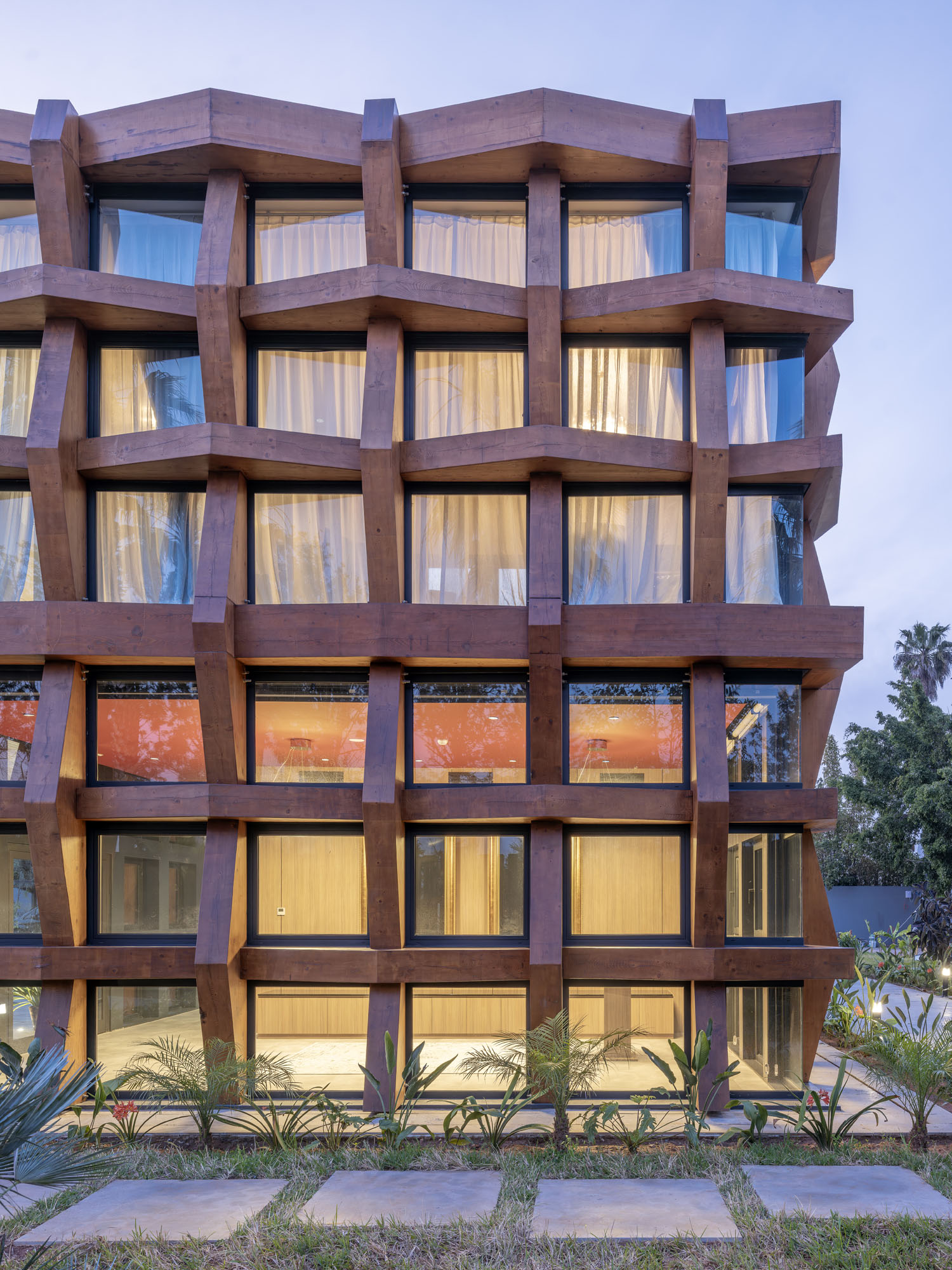
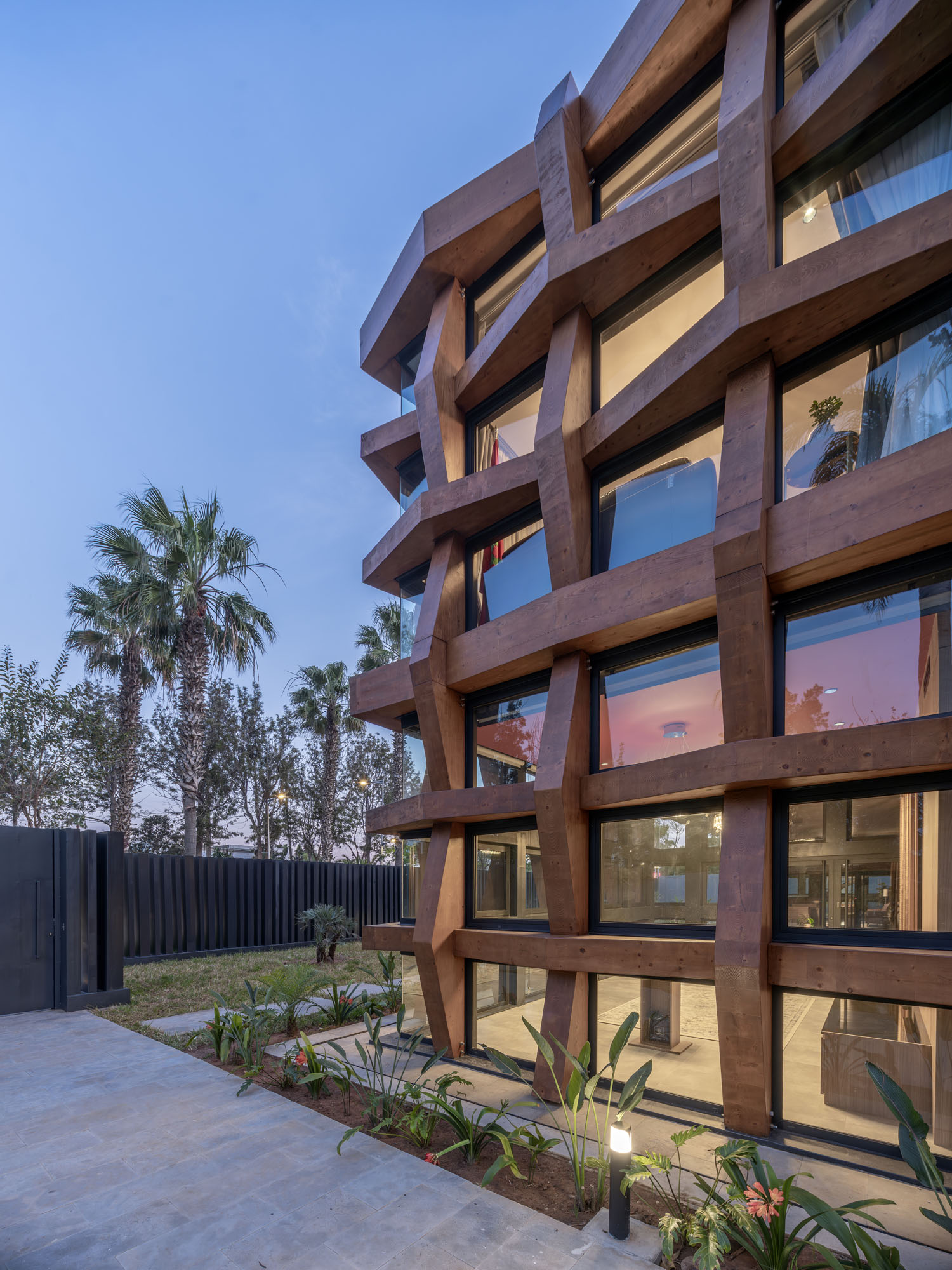
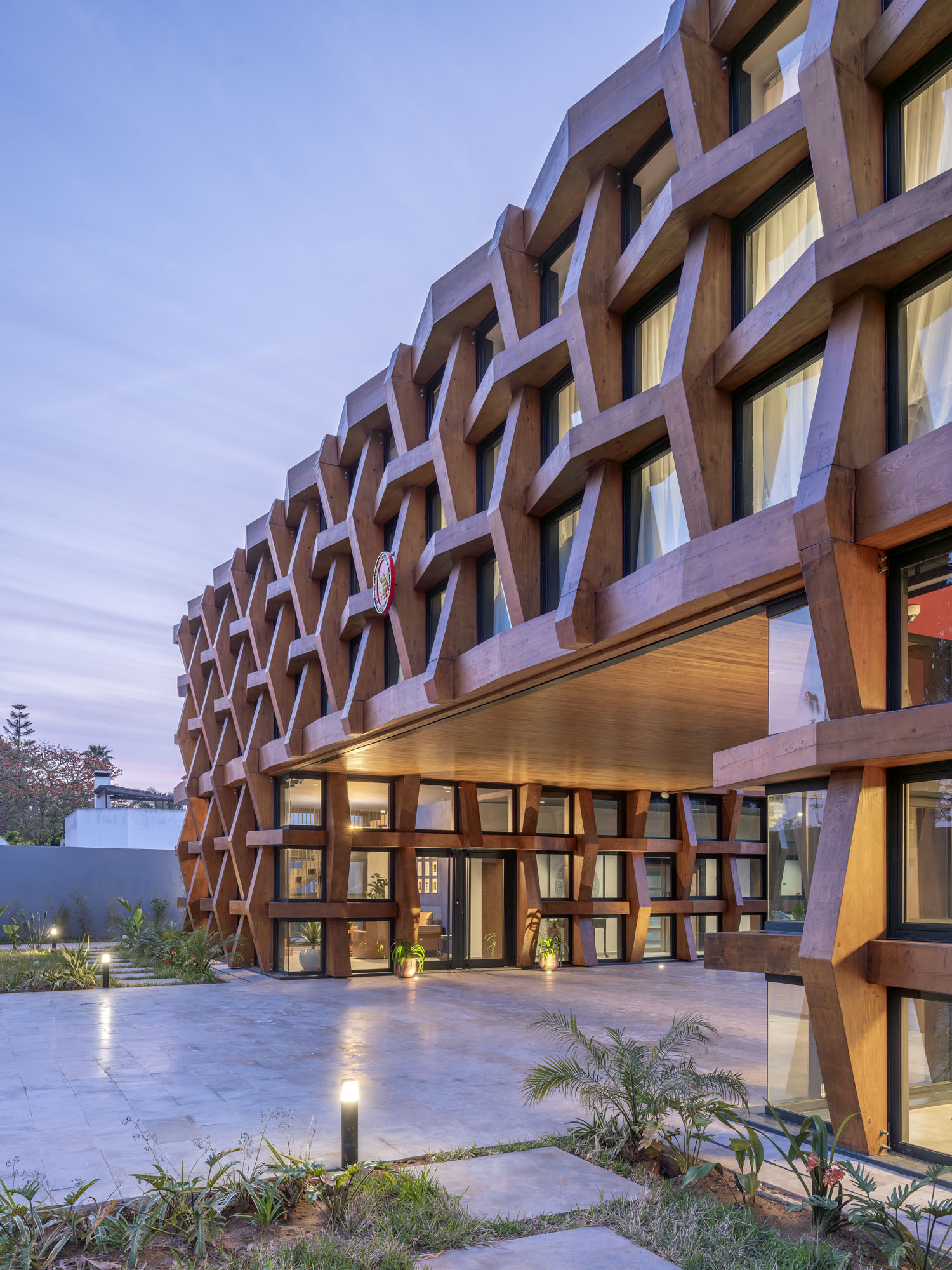
モロッコの首都ラバトに位置する〈タイ王国大使館(Royal Thai Embassy)〉は、タイの伝統建築とモロッコの幾何学的木工模様に着想を得た、幾何学的な木造ファサードが特徴的な新たな大使館です。
パリとカサブランカを拠点とする建築家・都市デザイナーチーム OUALALOU+CHOIが設計しました。
注目ポイント
- 大使館に生み出すウェルカムな雰囲気をもたらす多孔質な壁と透明なファサード
- イベント・外交スペースとして統合する熱帯庭園
- タイ×モロッコの伝統融合を体現する木製ファサード
- 厳しい工期に対応するプレファブリケーション化戦略
(以下、OUALALOU+CHOIから提供されたプレスキットのテキストの抄訳)
©︎ Luc Boegly
©︎ Luc Boegly
大使館建設計画の背景
ラバトの高級外交地区に位置する新たな〈タイ王国大使館〉は、首都における戦略的立地にある。当初の計画では老朽化した既存別荘の改修が求められていたが、同等の時間と予算を投じるのであれば、既存建物を解体し、大使館としての役割により適した新築を建設する方が望ましいと判断された。
©︎ Luc Boegly
©︎ Luc Boegly
開放性と流動的な動線計画
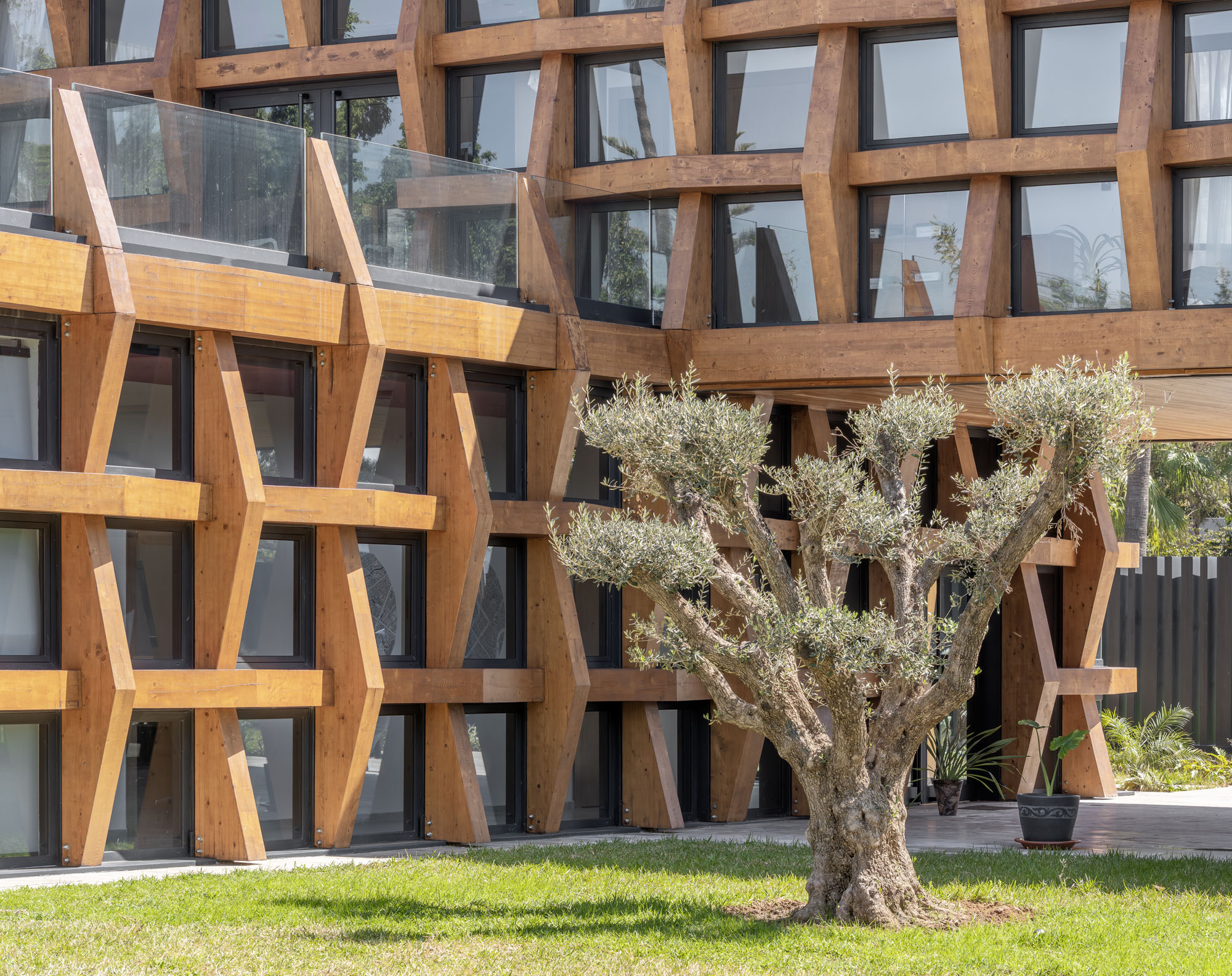
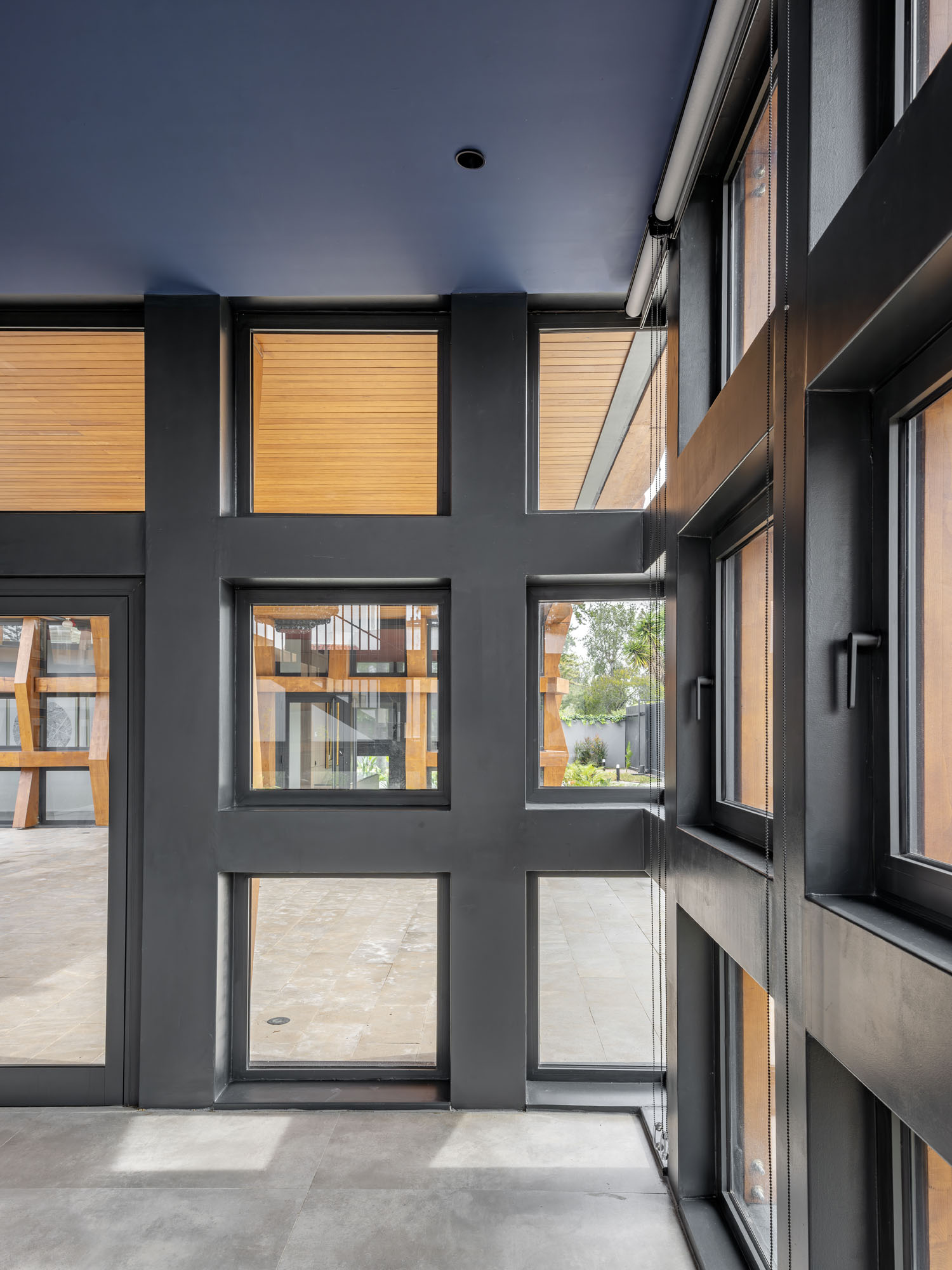
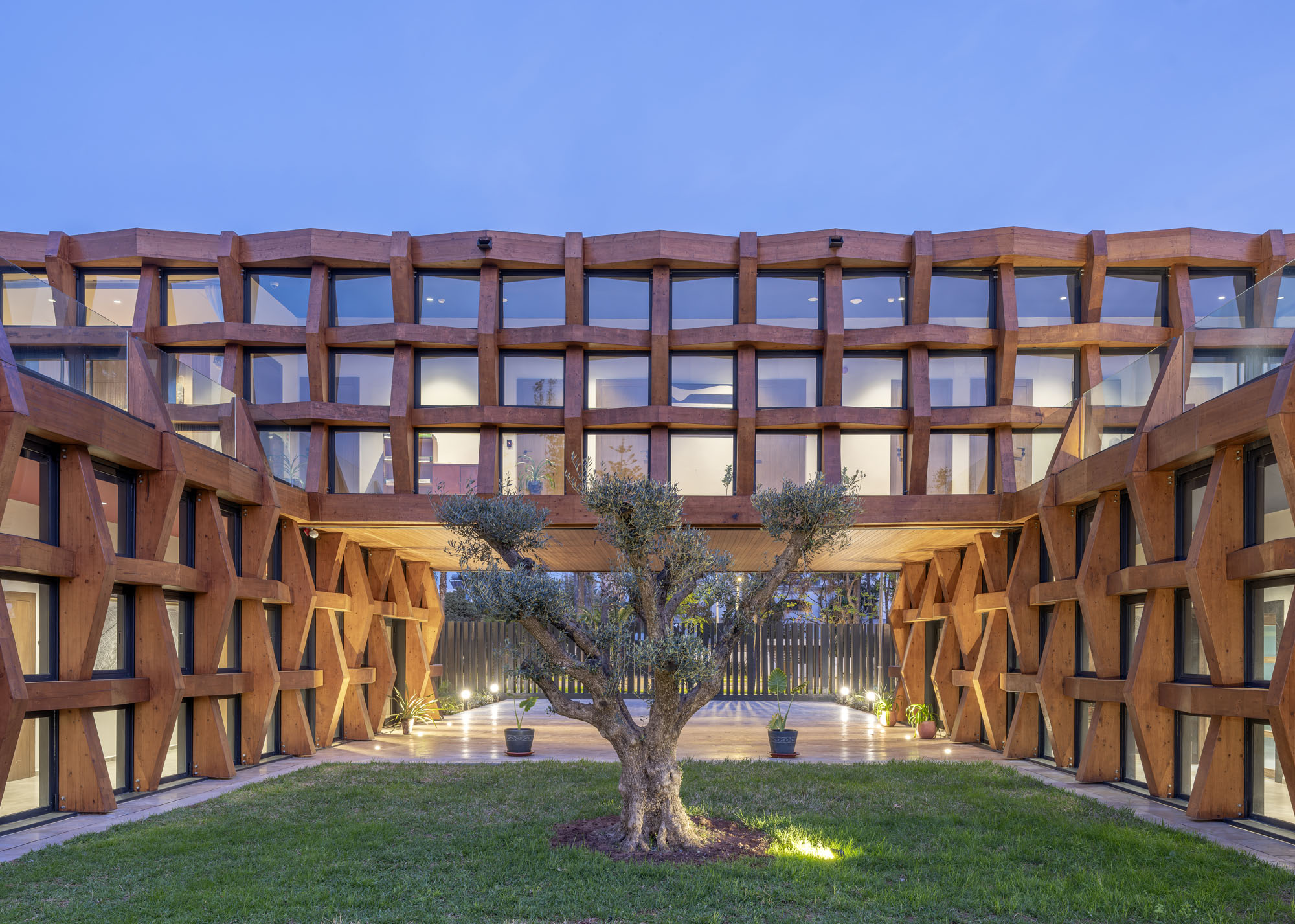
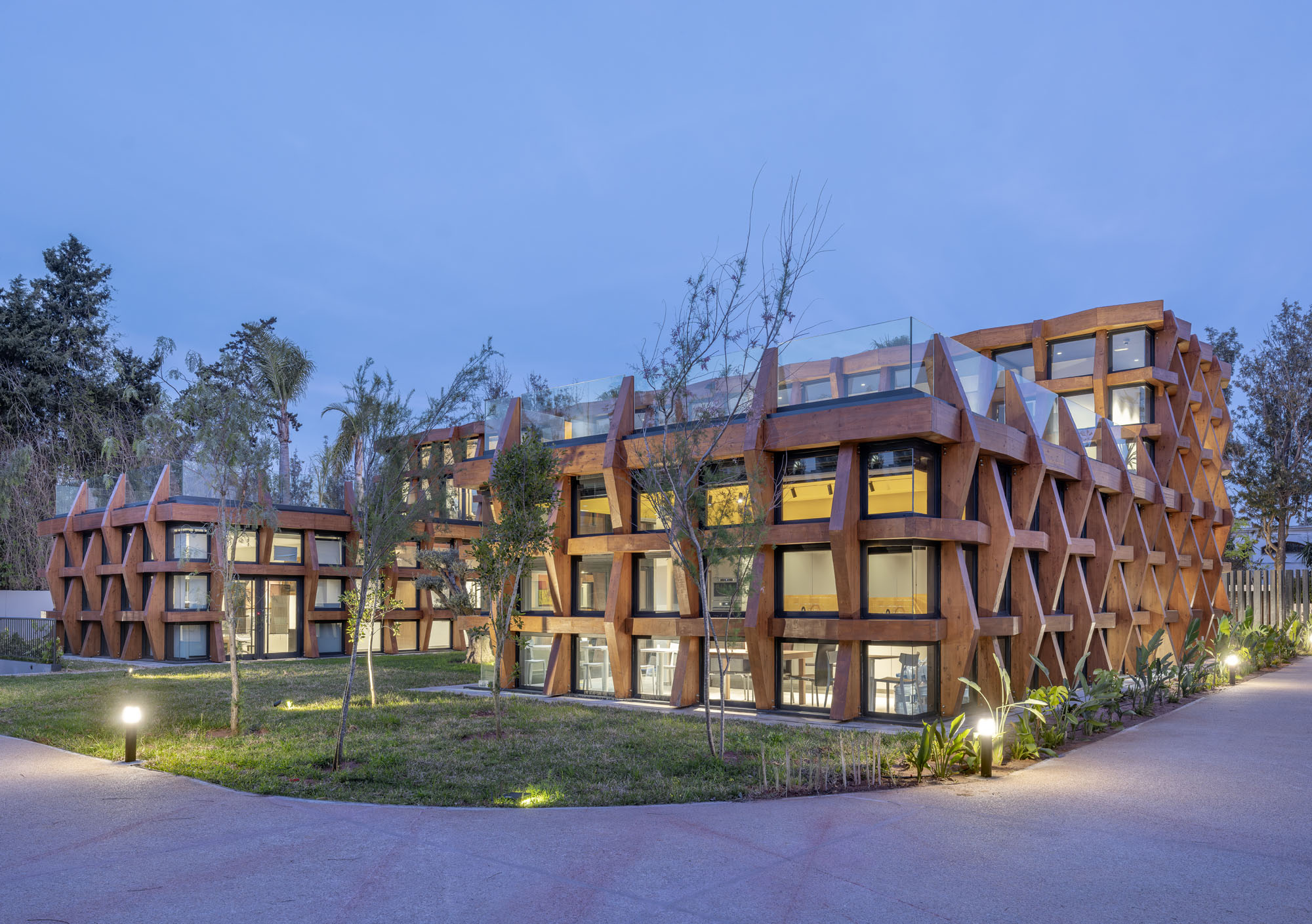
流動的な動線とアクセスの原理に基づき、〈タイ王国大使館〉は多孔質の境界壁から透明なファサードに至るまで、開放的で歓迎的な存在感を示している。建物は熱帯庭園に囲まれており、この庭園が大使館における多様な外交行事の主要なイベントスペースとして機能する。
©︎ Luc Boegly
©︎ Luc Boegly
タイとモロッコの伝統を融合する木製ファサード
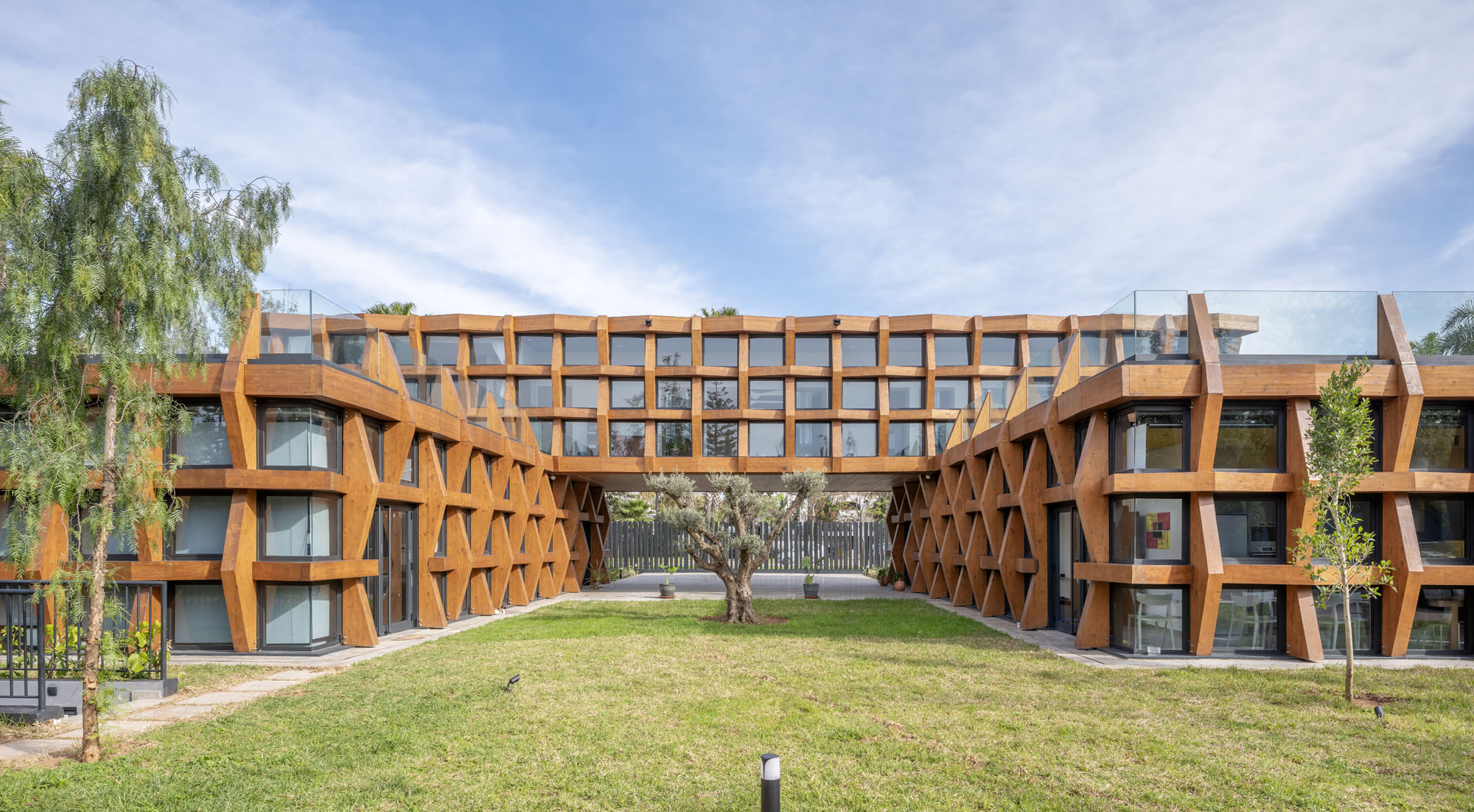
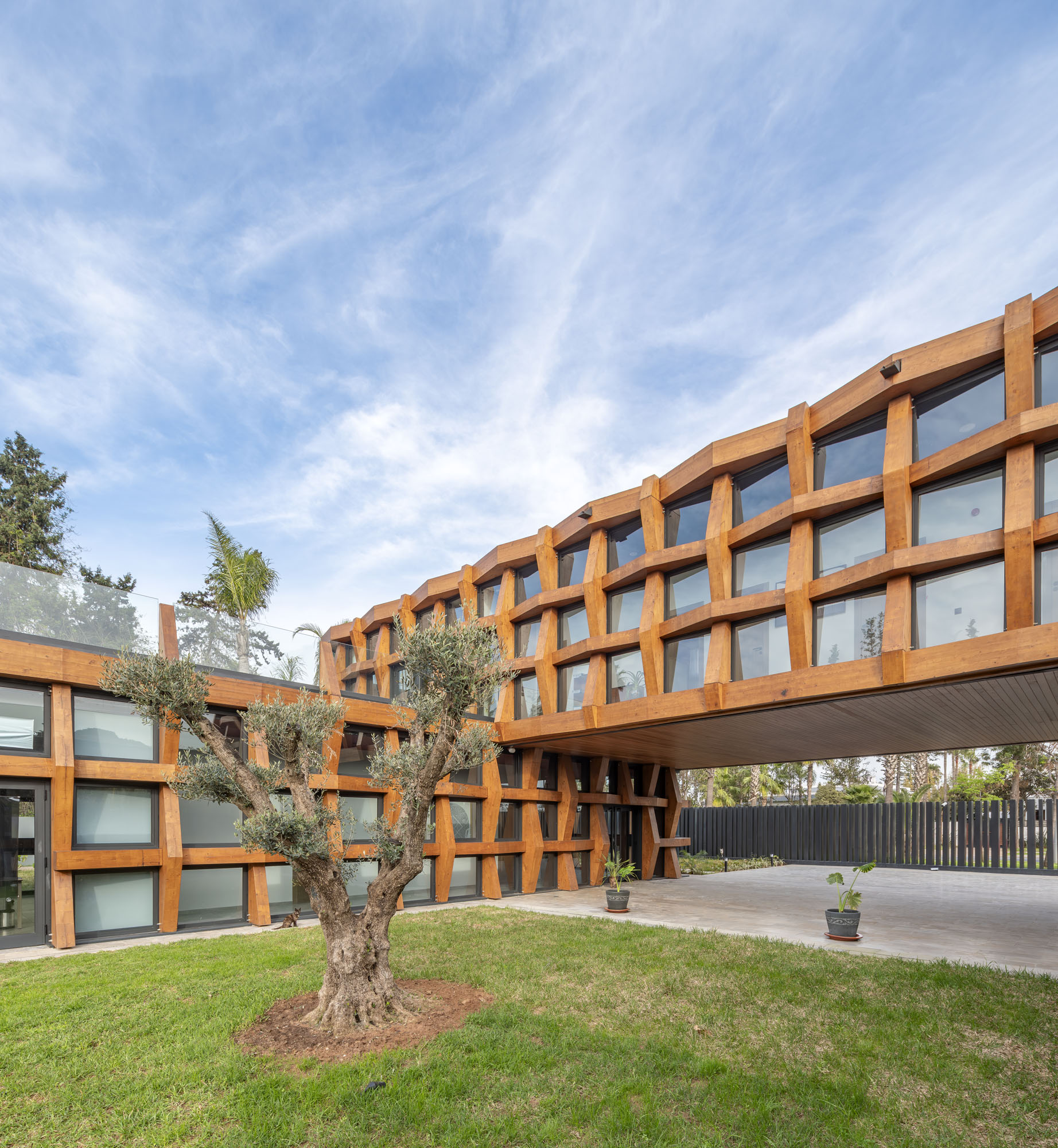
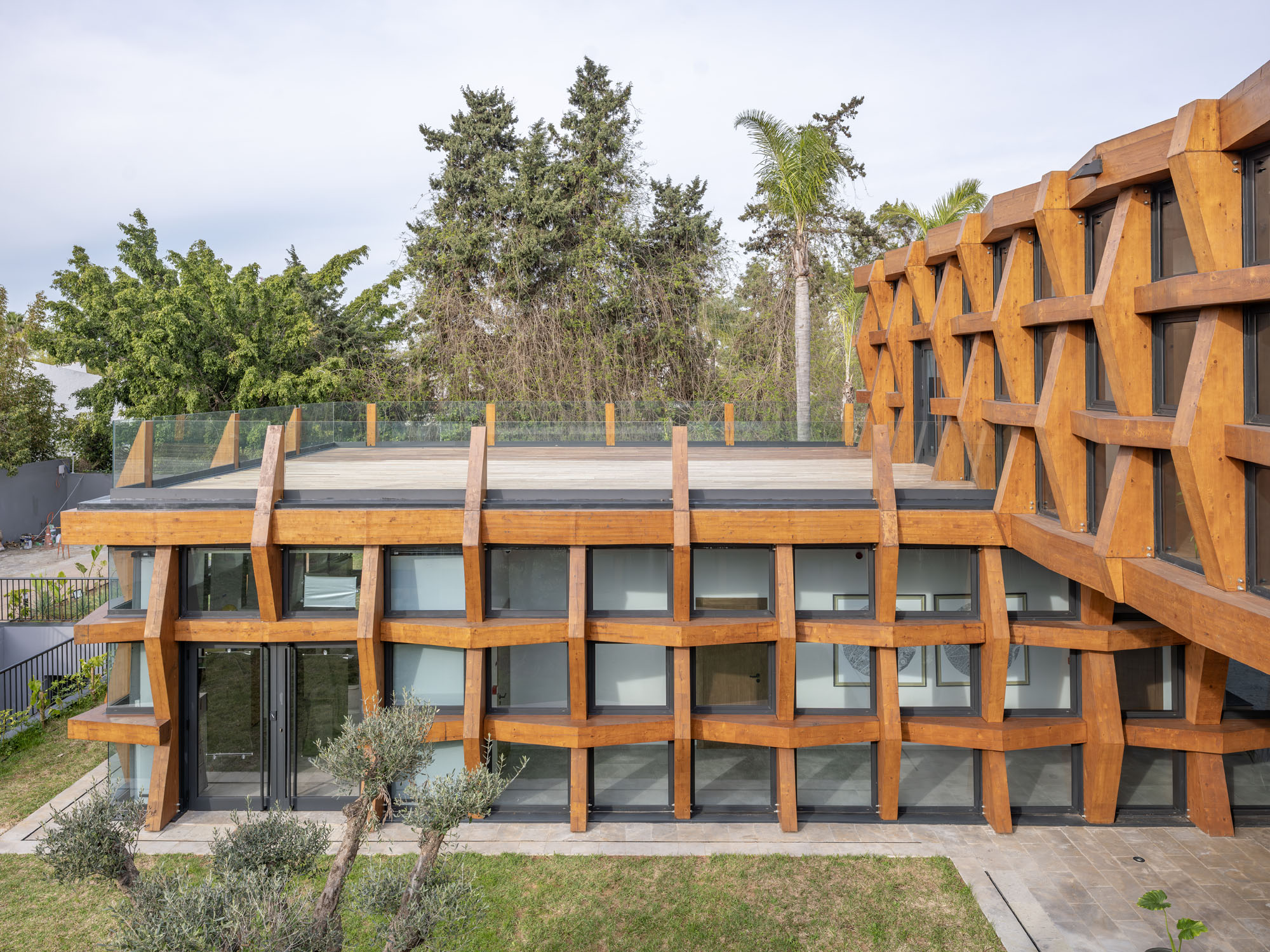
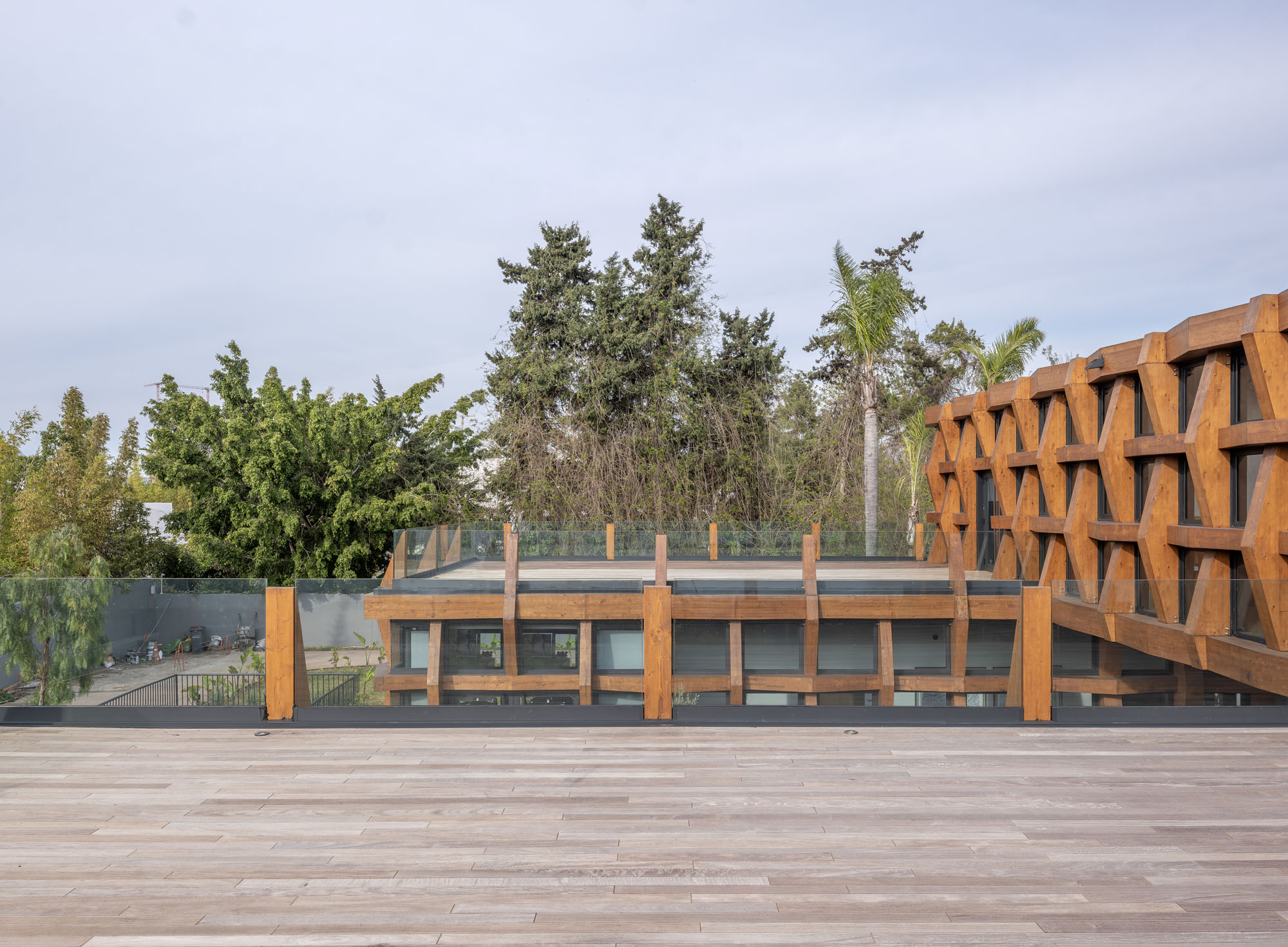
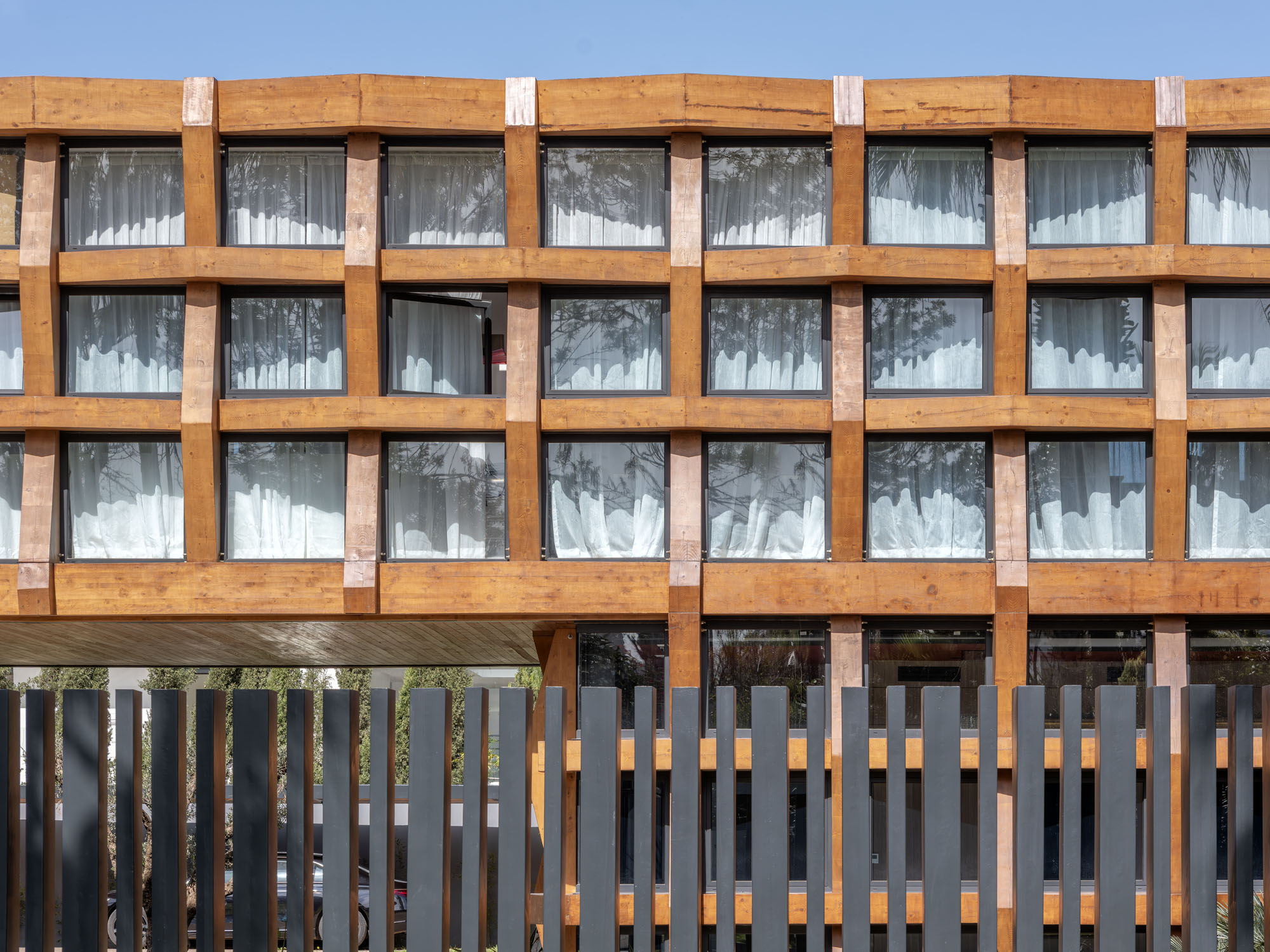
大使館の木製ファサードは、タイ王国の伝統建築とモロッコの幾何学的木工模様に着想を得ている。伝統的な編み込み技法は、外壁・間仕切り・日除けといった構造のほか、各種工芸品や装飾品にも活用されている。本プロジェクトの目的は、タイとモロッコの伝統を調和の取れた一体へと融合させることである。
©︎ Luc Boegly
プレファブリケーションによる迅速な施工
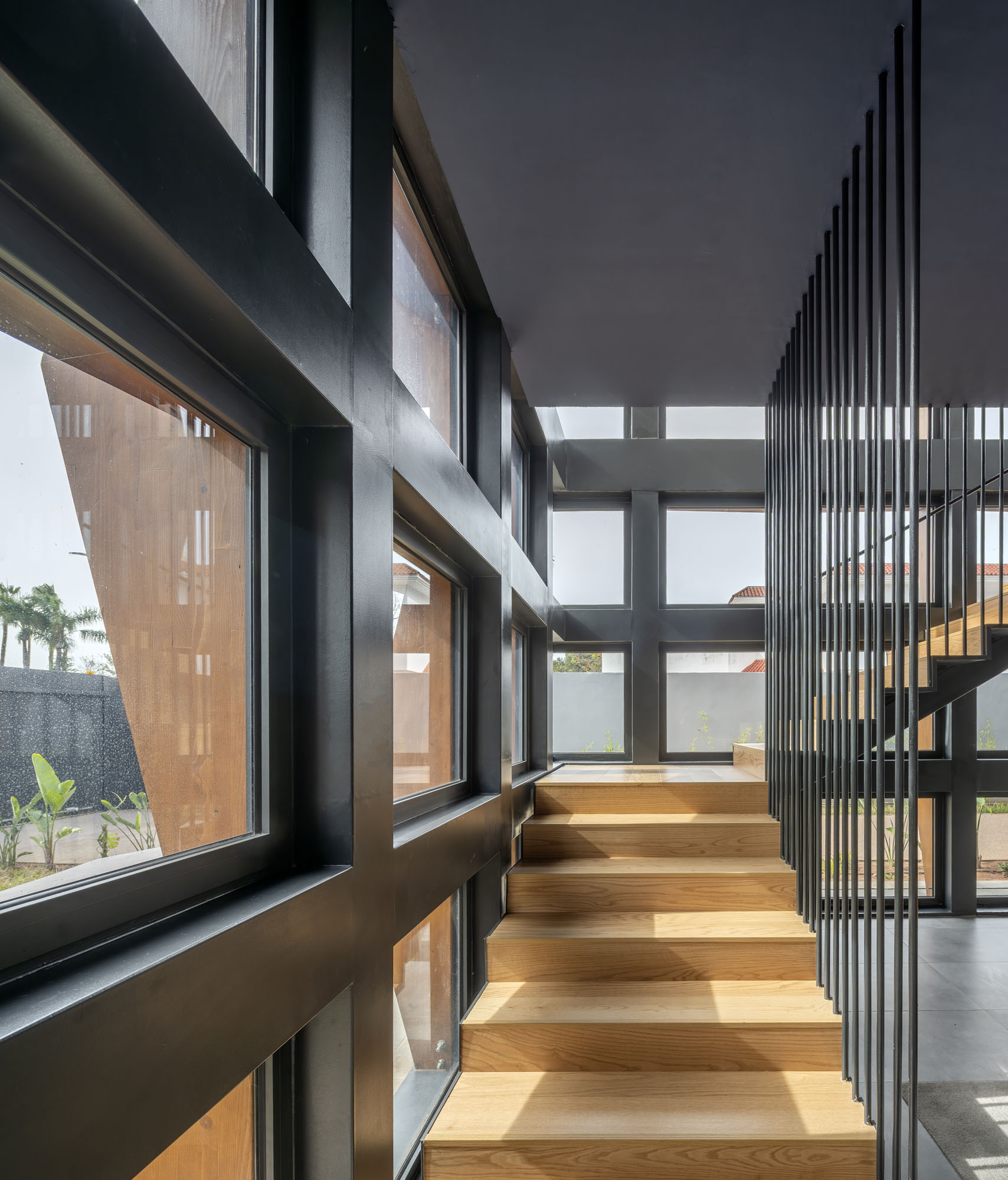
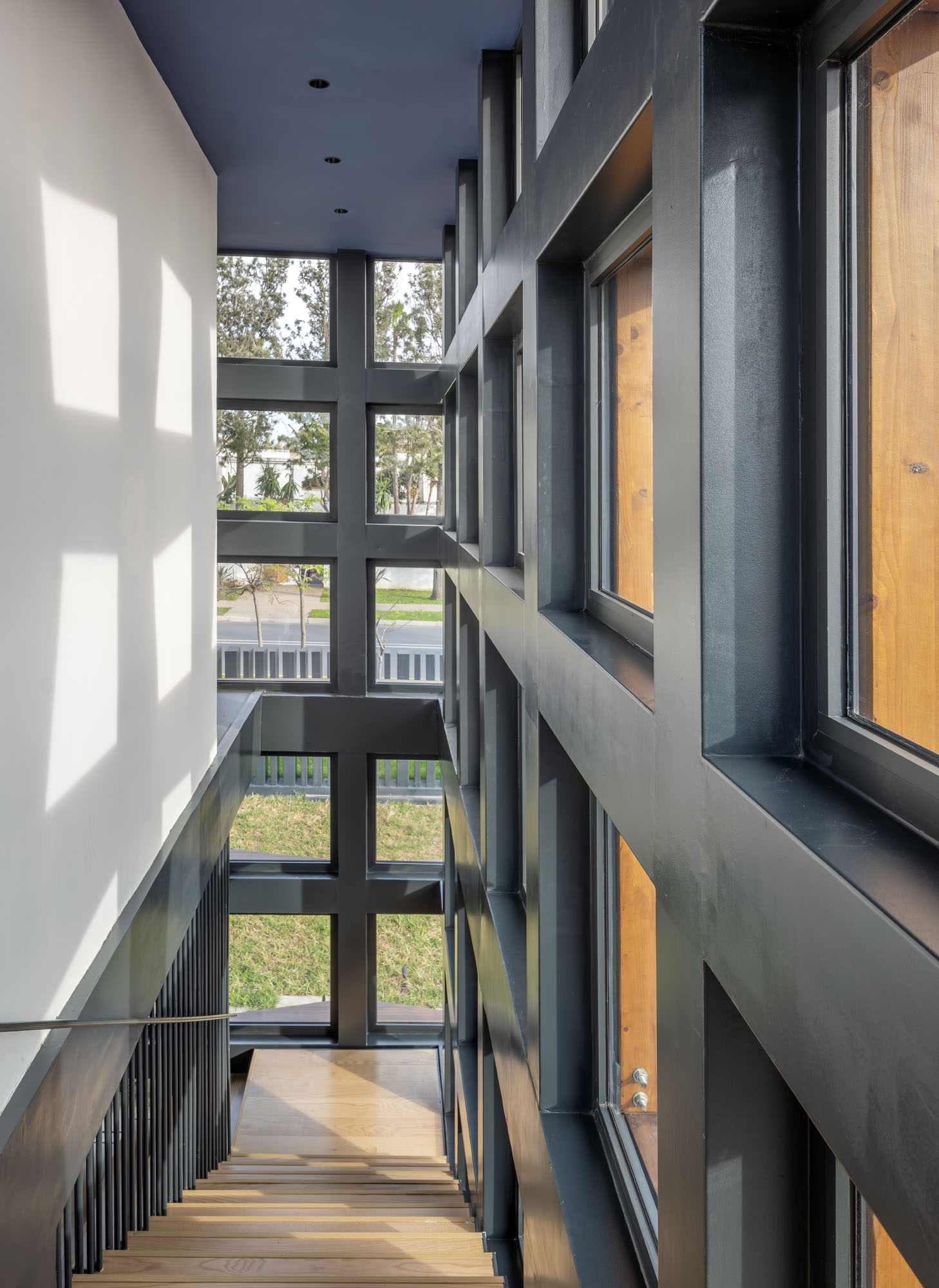
木材を用いた建築は、極めて厳しい工期制約への対応策でもある。木製ファサードのプレファブリケーション化によって施工スケジュールの圧縮が可能となった。建築材料の選択は、迅速・効率的・生態学的であることを旨とする設計思想と施工ロジックと不可分である。
©︎ Luc Boegly
©︎ Luc Boegly
©︎ Luc Boegly
©︎ Luc Boegly
©︎ Luc Boegly
©︎ Luc Boegly
©︎ Luc Boegly
©︎ Luc Boegly
©︎ Luc Boegly
©︎ Luc Boegly
©︎ Luc Boegly
以下、OUALALOU+CHOIのリリース(英文)です。
OUALALOU + CHOI ROYAL THAI EMBASSY
Rabat, MoroccoLocated in the prestigious diplomatic district of Rabat, the new Royal Thai Embassy sits on a strategic site in the country’s capital. Though the initial brief was to rehabilitate an existing dilapidated villa, we realized that with a similar investment in time and budget, it would be preferable to demolish the existing building and construct a new one that
would be better adapted to its role as an embassy. Based on a fluid principle of circulation and access, the new Royal Thai Embassy presents an open and welcoming presence, from its porous boundary walls to its transparent facades. The building sits amidst a tropical garden which serves as the primary event space for the embassy’s many diplomatic functions.The embassy’s wooden façade is inspired by ROYAL THAI EMBASSY – RABAT
traditional Thai architecture and Moroccan geometric woodwork patterns. The ancestral method of weaving is utilized as a means of construction (exterior walls, partitions, shading) and for various traditional objects and ornaments. The aim of this project is to meld Thai and Moroccan traditions into a harmonious whole.
Building in wood also responds to the extremely tight time constraints, and the prefabrication of the wooden façade facilitates a compressed construction schedule. The choice of construction material is inseparable from the building’s design and the logic behind its implementation, which aims to be swift, efficient, and ecological.OUALALOU+CHOI is an award-winning international team of architects and urban designers based in Paris and Casablanca. Founded by Tarik OUALALOU and Linna CHOI, the office considers the architectural project as a means of challenging given restraints and creating work which resonates across different cultures and contexts.
The office approaches architectural projects as spaces of negotiation and resistance, where communities and their relationship to public space can be reimagined. Deeply committed to both the constructive necessities of building and the speculative dimension of architecture, the agency develops collective, inclusive, and generous projects.
Projects by the firm include the Grand Stade Hassan II for the World Cup 2030, the Morocco Pavilion at EXPO Dubai 2020, Université UM6P (Laayoune), United Nations COP22 Village (Marrakech), the new Cultural Center of Morocco (Paris), the plan for the renewal of the historic center of the city of Casablanca, and the Volubilis Museum (Meknes).
PROJECT CREDITS
Client: Ambassade Royale de Thaïlande à Rabat
Date: Completion January 2025
Location: Rabat, Morocco
Program: Embassy with a consular section
Site Area: 1917 m²
GFA: 493 m²
OUALALOU+CHOI 公式サイト
https://www.oplusc.com/profile
【購読無料】空間デザインの今がわかるメールマガジン TECTURE NEWS LETTER
RECOMMENDED ARTICLE