

CULTURE
©︎ line+ studio
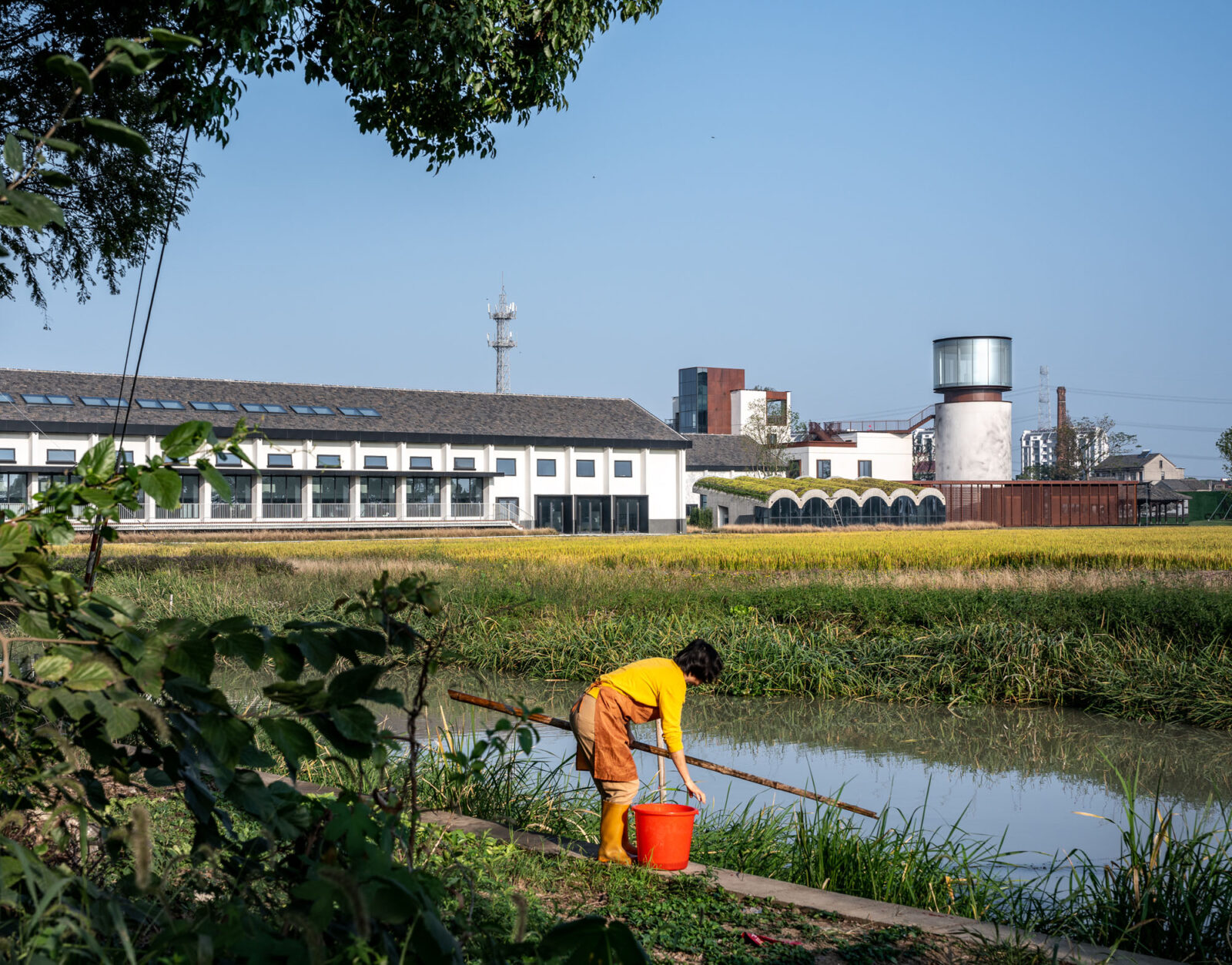
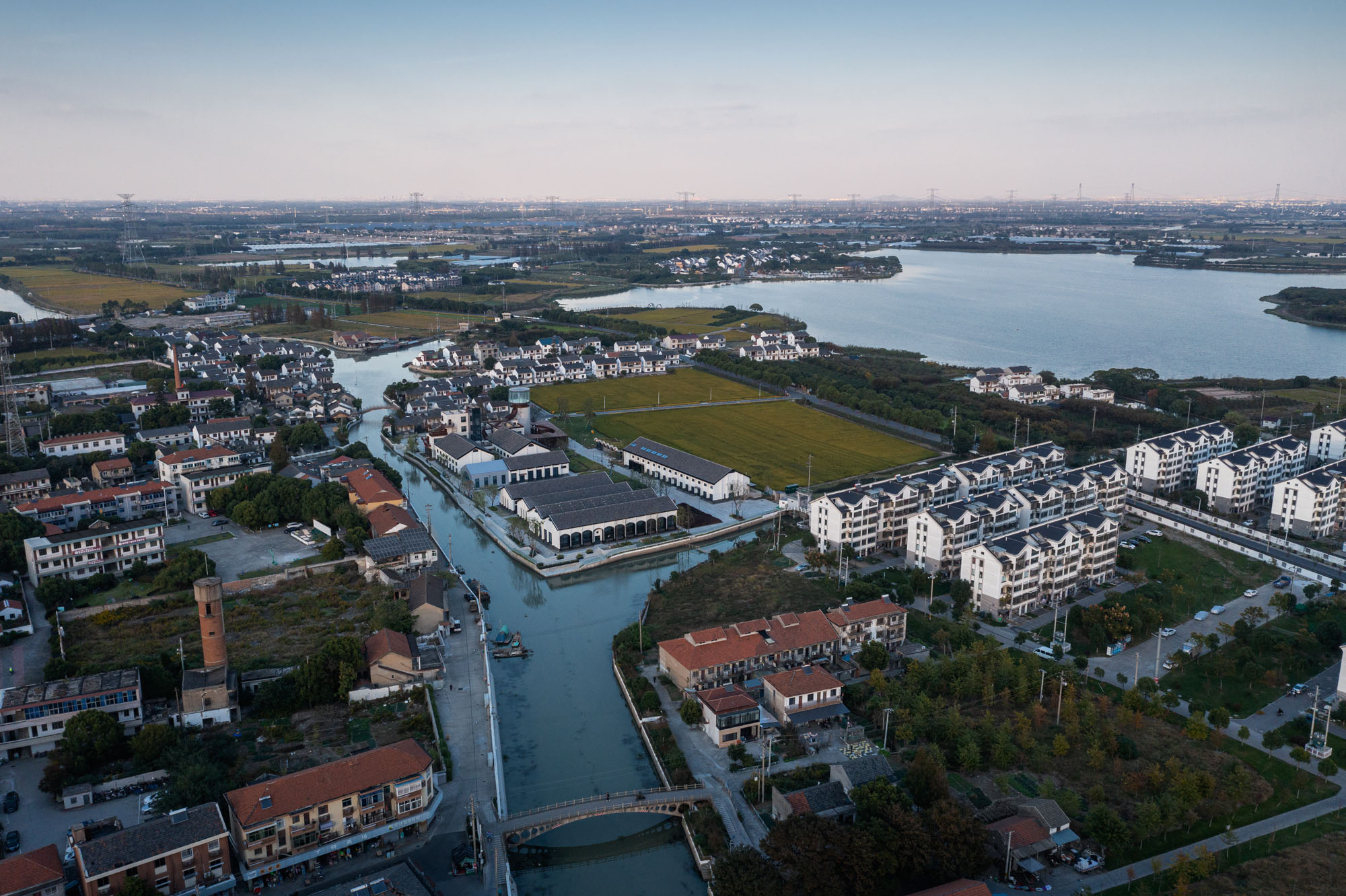
〈RE-Dingzha〉は、中国・嘉善県(かぜんけん)に位置する歴史ある村「丁柵(Dingzha)」の再生プロジェクトです。
「保存(現状維持)」か「更新(新築)」という従来の選択肢を脱し、既存の要素を徹底的に再利用する「ラディカル・リユース(Radical Reuse)」という新たな概念のもと、ロッテルダムと深圳に拠点を置くMLA+と杭州と上海を拠点とするline+ studioが設計しました。
注目ポイント
- 農村復興の第3のモデルとしての「ラディカル・リユース」
- 既存の構造物やインフラを可能な限り残し、スクラップ・アンド・ビルドによるCO2排出を回避
- 解体された屋根瓦や煉瓦、再生アルミや再生コンクリートを採用したマテリアルパレット
- 廃倉庫の天井高を活かしたコワーキングスペースなど、既存空間を読み解き新たなプログラムを挿入
(以下、MLA+から提供されたプレスキットのテキストの抄訳)
©︎ Chen Xi Studio
©︎ Chen Xi Studio
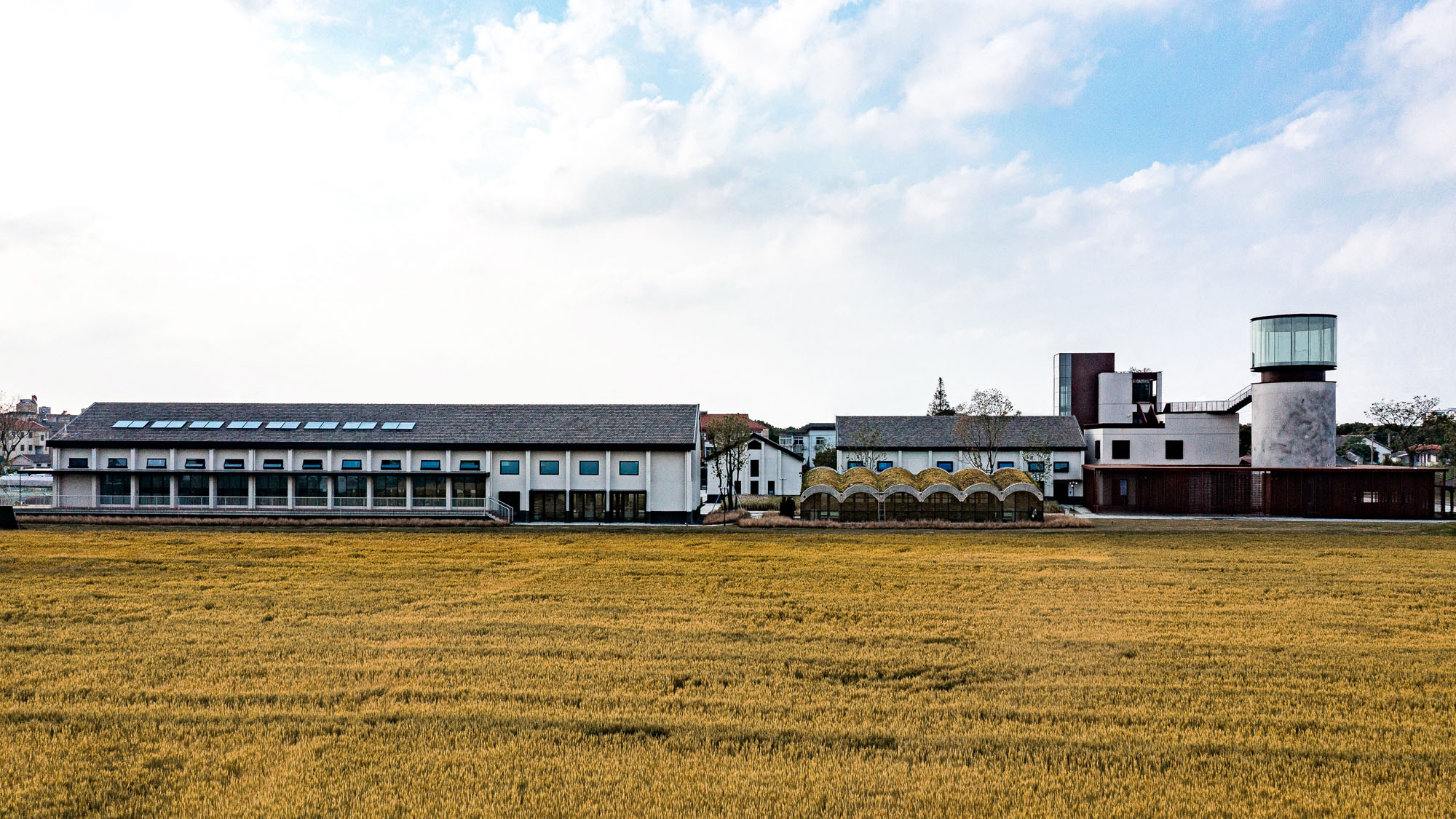
©︎ Simu
中国の農村におけるパラダイムシフト
中国には歴史ある村や町が数多く存在するが、その大半はかつて農民主導の共産主義社会を発展させるという政治的意志によって成長を遂げたものである。しかし、中国の対外開放と市場経済の確立以降、開発の焦点は都市へと移った。何百万人もの人々が農村から繁栄する都市へと移住し、置き去りにされた村々は衰退の一途をたどり、今や廃村と化している場所も少なくない。
こうした農村の人口減少は深刻な問題である。食料安全保障は脅かされ、都市と農村の社会的分断は拡大し、インフラや建築ストックの価値は低下している。中国政府が掲げる「共同繁栄」モデルは、こうした町や村を経済的・空間的に活性化させることで、この流れを逆転させようとする試みである。
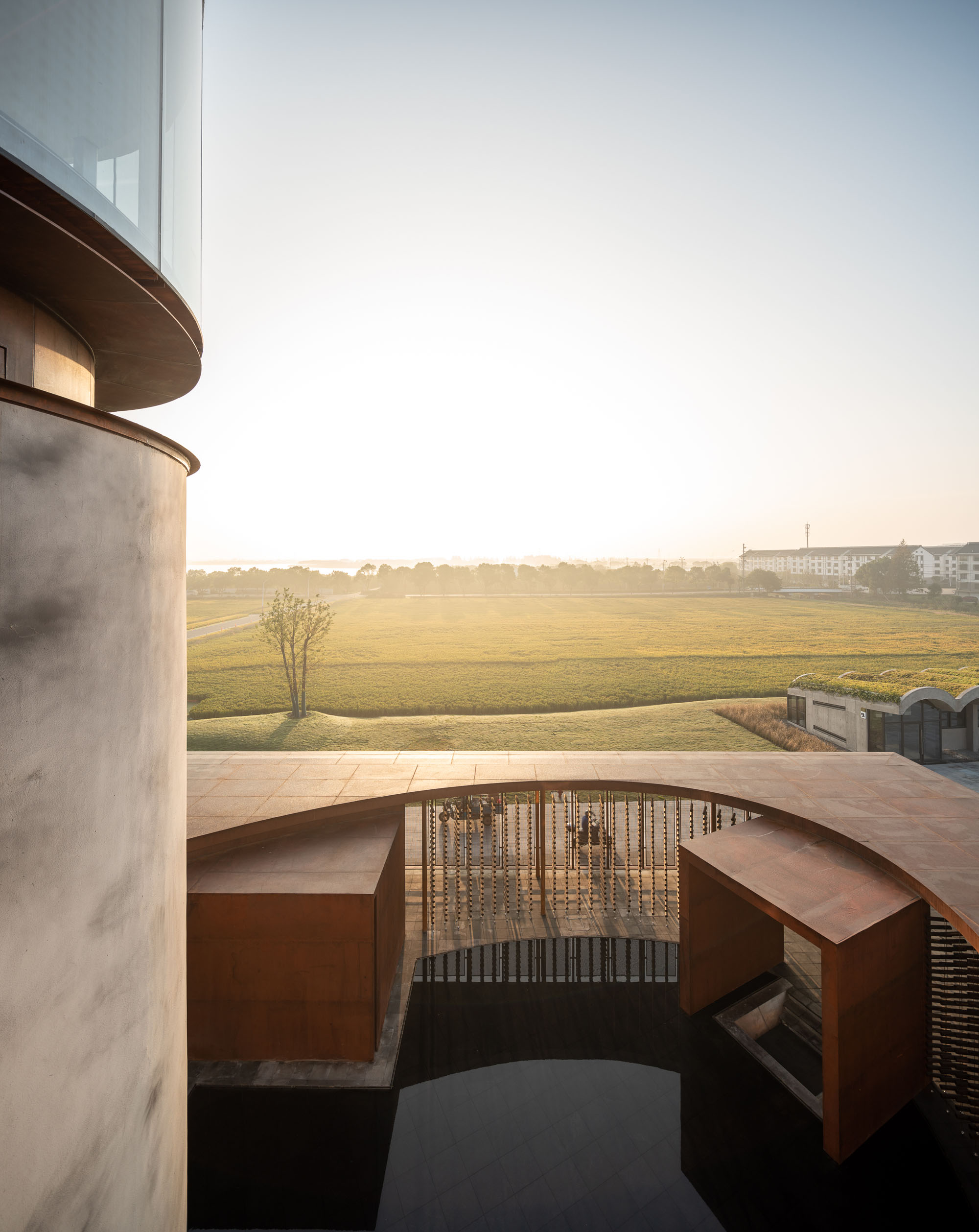
©︎ Chen Xi Studio
歴史的水郷「丁柵(Dingzha)」の記憶
2022年初頭、MLA+とline+ studioは、嘉善県政府および浙江ブルータウングループからの委託を受け、江蘇省・浙江省・上海市の境界に位置する嘉興の歴史的な町、「丁柵(Dingzha)」の再生プロジェクトに着手した。
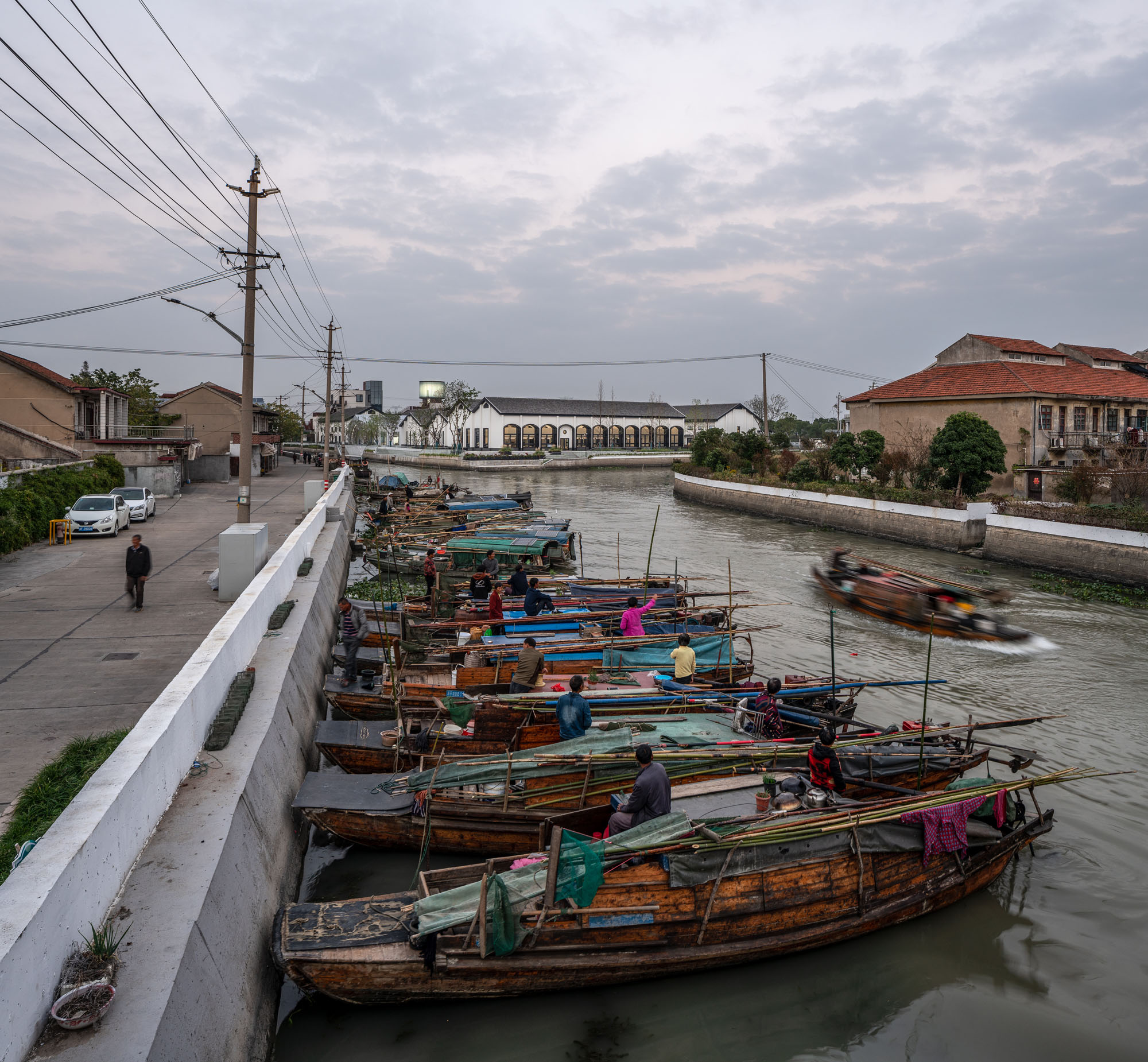
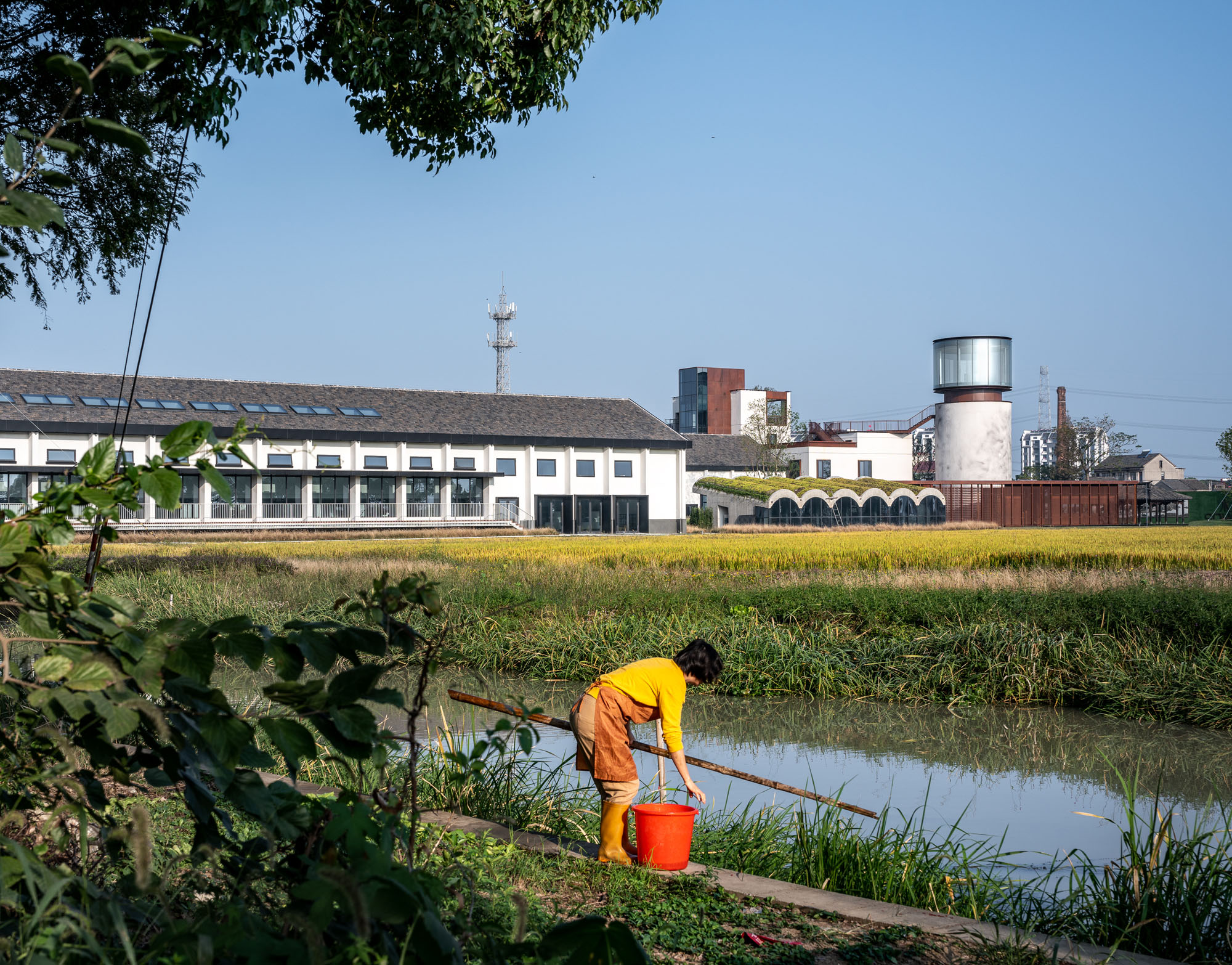
丁柵は500年近い豊かな歴史をもつ町である。周囲を水路網に恵まれ、かつては稲作と漁業の地域拠点として栄えた。設計チームが掲げた主要な目標の1つは、町の「記憶」と村としてのアイデンティティを保持しながら、この場所を変革することであった。
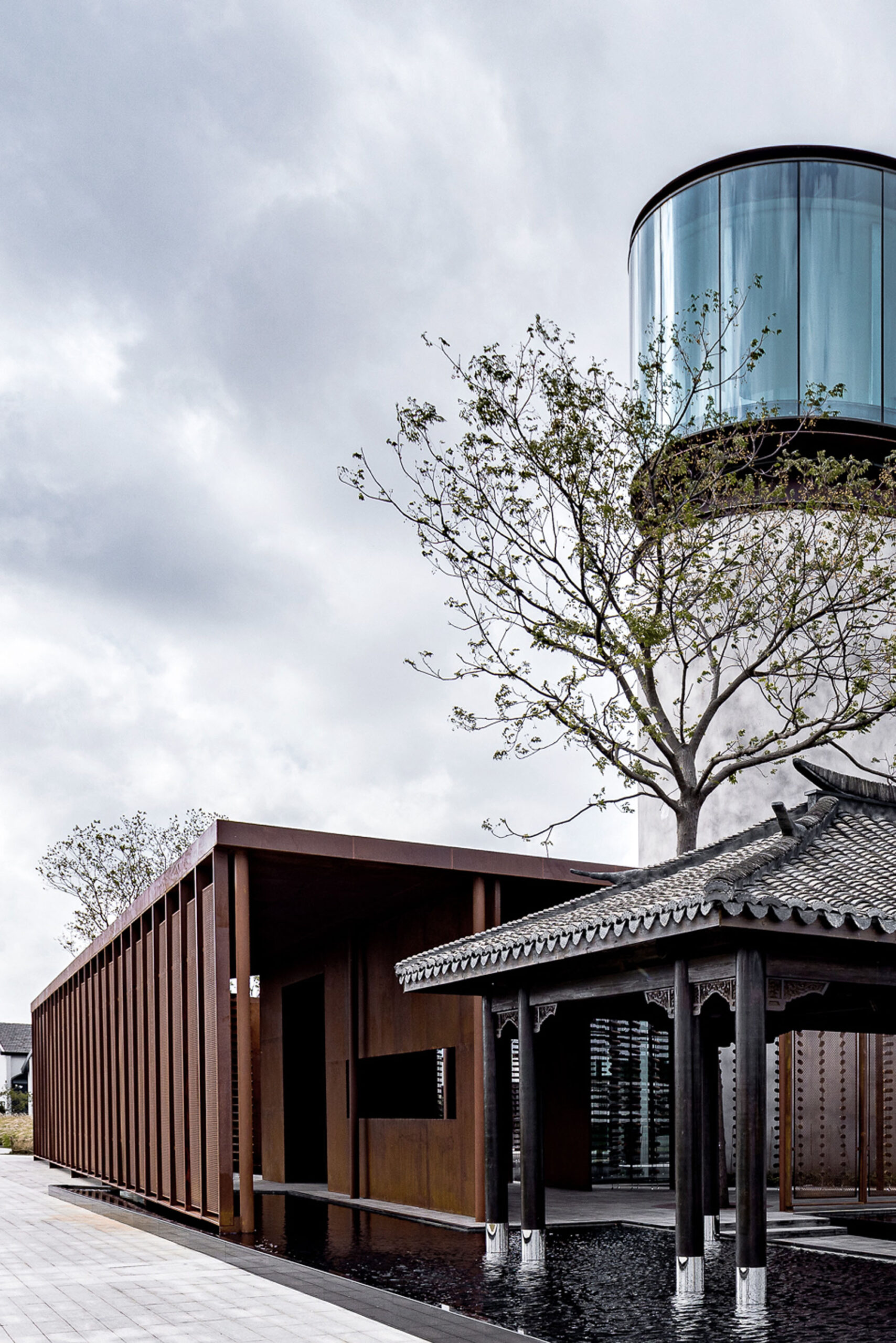
©︎ Simu
既存ストックの最大活用によるアイデンティティの醸成
解体は、その場所のアイデンティティや伝統的な特性を保存する方法ではない。また、解体と再建のプロセスは膨大な量のCO2を排出するため、気候危機の観点からも正当化できるものではない。慎重な調査、計画、設計を経た結果、この再生計画では「既存の建物や構造物を可能な限り再利用し、安全上の懸念から絶対に必要なもののみを取り除く」という方針が導き出された。
丁柵の再生は、都市・ランドスケープデザインから地域コミュニティや経済の再構築に至るまで、総合的な姿勢によって貫かれている。このアプローチは、古い村落が本来もつ質を基盤とし、そこに新たな価値を注入することで地元住民に利益をもたらすものである。同時に、新規移住者や意識の高い観光客にとっても魅力的な、未来を見据えた新たな物語を構築する試みでもある。
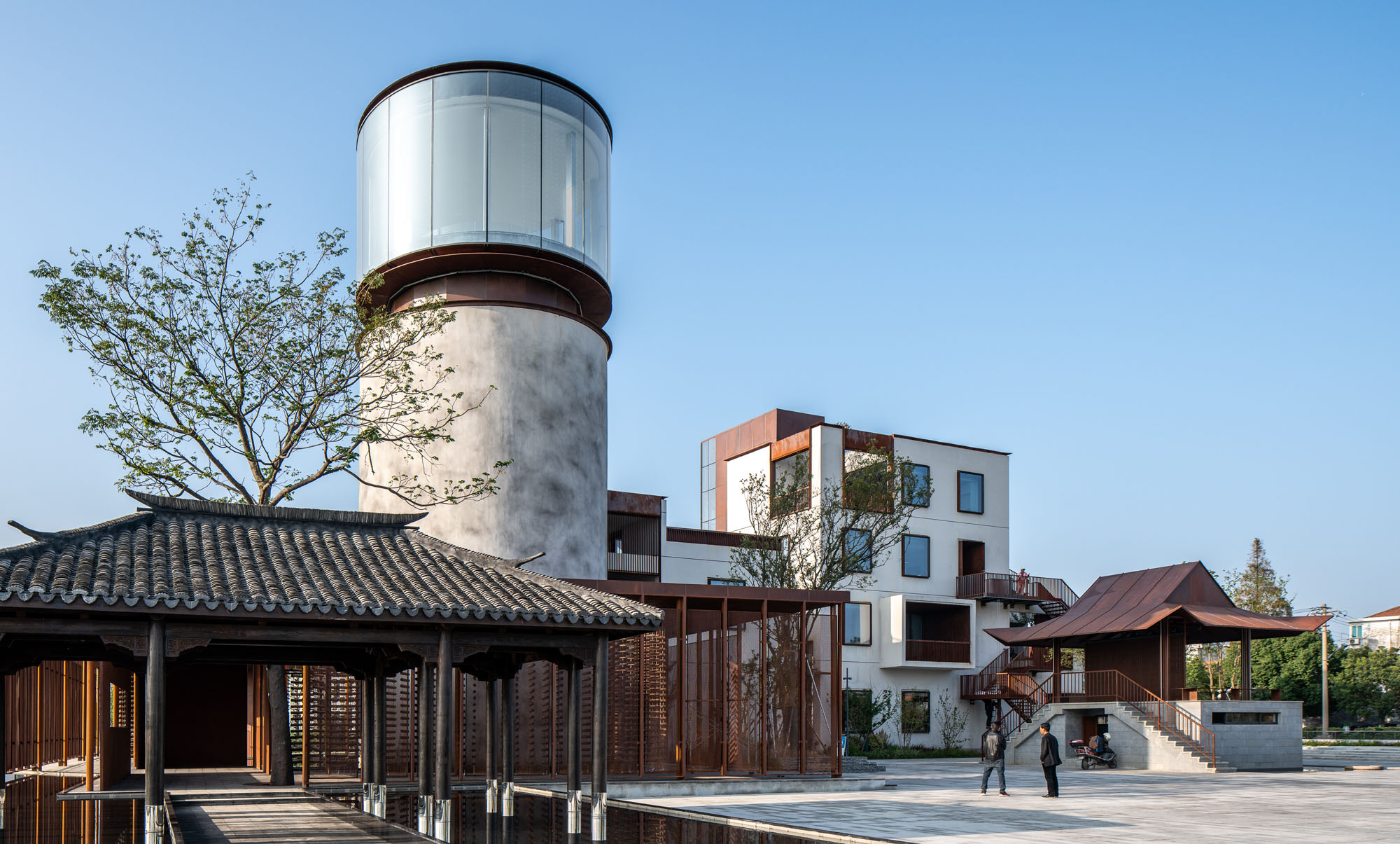
©︎ Chen Xi Studio
©︎ Simu
©︎ Chen Xi Studio
社会・経済・個人への多層的なインパクト
本プロジェクトがもたらす影響は、社会的(Social)、経済的(Economic)、個人的(Individual)な側面に分類できる。
- 社会的影響:建物は地域文化を体現する存在である。丁柵の建築物を保存することは、コミュニティの歴史と記憶を維持することにほかならない。その再生は新たな人々の流入を促し、地域コミュニティのさらなる進化を可能にする。
- 経済的影響:丁柵の伝統的な農業的特徴を尊重しつつ、その魅力と認知度を刷新することで経済的機会が創出される。「農業技術展示スポット」は食料生産と小規模な農村観光を結びつける役割を果たし、「建築研究産業スポット」やコワーキングスペースは、現在の農村地域には存在しない新たな経済活動を可能にする。
- 個人的影響:丁柵は、既存住民と都市からの移住者の双方に、新たな農村生活の形態を提供する。前者は技術の進歩を駆使して農村での未来を築く機会を得られ、後者は都市とは異なる生活様式を体験することができる。
©︎ Chen Xi Studio
©︎ Simu
現代の開発動向に対する批評性と実践
本プロジェクトは、現代の開発動向に対して以下の3つの視点から関連性をもっている。
- ラディカル・リユース(抜本的再利用):気候変動時代の都市再生には、スクラップ・アンド・ビルドではなく「再利用」を選択することが求められる。丁柵はこのアプローチの模範的事例である。
- 農村部における都市化からの脱却:経済機会と利便性を求めて人々が農村から都市中心部へ流出する結果、農村の生活水準は低下しコミュニティは消滅しつつある。これは移動手段をもたない人々にとって死活問題となり、長期的には食の安全を脅かすリスクがある。丁柵プロジェクトは、地域の歴史と伝統的な経済基盤に、新たなプログラム・技術・環境向上を融合させた「現代的な農村ライフスタイル」を提供することで、この傾向を逆転させる一助となる。
- 場所の画一性の回避:現代の開発モデルはしばしば高い画一性を生み出し、建物や都市空間から地域性を奪ってしまう。既存のものを再利用することでこれを回避できる。丁柵は他に類を見ない特徴的でユニークな場所であり、こうした特質こそが今、再評価されているのである。
©︎ Chen Xi Studio
©︎ Simu
スケールを横断する波及効果
このプロジェクトの影響は、小規模な視点と大規模な視点の双方において現れる。
小規模な視点では、町の発展展望を促進する効果がある。インフラ、交通、生活利便施設へのアクセスを改善することで、地域社会のニーズと願望を支える魅力的で歓迎される環境が創出される。これは投資や新規事業を引き寄せ、雇用機会を創出し、地域経済の活性化へとつながる。
大規模な視点では、持続可能なアプローチが、困難ではあるものの実現可能かつ必要であることを証明している。本プロジェクトがモデルとなり、より多くの関係者が同様の道筋をたどり、新規開発や建て替えよりも再利用や資源採掘(アーバンマイニング)を優先するよう促すことが期待される。最終的には、中国内外の他の町やコミュニティにも波及効果をもたらす可能性があるだろう。
©︎ line+ studio
©︎ Chen Xi Studio
©︎ line+ studio
「ラディカル・リユース」による再生
MLA+と line+ studioは、歴史ある田舎町の再生を再定義した。本プロジェクトは「保存(現状維持)」と「更新(新築)」の二項対立から脱却し、町全体を対象とした「ラディカル・リユース(抜本的再利用)」という新概念を導入したのである。
これにより、既存の低炭素開発手法とは異なるアプローチの事例が示された。炭素排出削減の最良策は、新規資材の使用を最小限に抑えることにある。同時に、再生事業が招きがちな社会問題「ジェントリフィケーション(都市の富裕化現象)」にも対処している。村の空間的・経済的・社会的構造を損なわないことで、地元住民は受動的な被害者ではなく、主体的な参加者へと変容する。外部勢力に押し出されるのではなく、自らの運命を定義し、再生の恩恵を享受できるのである。
©︎ Chen Xi Studio
©︎ Chen Xi Studio
©︎ Chen Xi Studio
関係者全員の主体性を育む設計プロセス
丁柵で実証した包括的かつ急進的な再利用による再生は、完全に統合されたチームによってのみ実現する。すべての主要関係者が日々連携し、実現に向けて協力することが不可欠である。都市計画・建築・インテリア・ランドスケープの各設計分野が統合チームとして機能し、専門家、地域コミュニティ、地元政治指導者、建設会社を結びつけた。
密接な連携と、町の発展・再生に影響する要素や視点を可視化する設計手法の活用が、成功の鍵となった。 従来の専門分野の境界を超え、全員を設計プロセスに参加させることで、関係者全員の主体性が大きく育まれたのである。丁柵は共同の努力と成果の結晶であり、集団による設計と実施の模範例となった。
©︎ Chen Xi Studio
住民の生活に根ざした「意味ある変化」
町の再生において、丁柵の遺産と特性を保存することが私たちの主な目標であった。当初、地元住民は再生計画による地域アイデンティティの喪失を懸念していた。こうした懸念に対処し、気候変動と空間的公正の課題に貢献するため、私たちは「すべてを地元で」という理念のもと、ラディカル・リユースを手法として採用した。その結果、歴史的要素と現代的要素が融合し、どちらのアイデンティティも損なわない町が生まれた。
最終結果について地元住民に感想を尋ねたところ、「今では犬の散歩さえ楽しめるようになった」という答えや、子供を外で遊ばせたり、昼食後に気持ちよく散歩したりしているという声が聞かれた。私たちは、生活の基本的でシンプルかつ日常的なものを改善することで、新たな「象徴的な構造物(アイコン)」を追加するよりも大きな影響を与えられたと感じている。 私たちの仕事は、意味ある形で他者に奉仕することを目的としている。虚栄を避けつつ変化をもたらすという目標は達成できたと確信している。
©︎ line+ studio
©︎ line+ studio
©︎ line+ studio
制約を創造の源泉へ:空間の転用
再生を「ラディカル・リユース」と捉えることで、可能性は自然と限定される。しかし、私たちはこの制約を、革新的解決策への機会およびインスピレーションと捉えている。
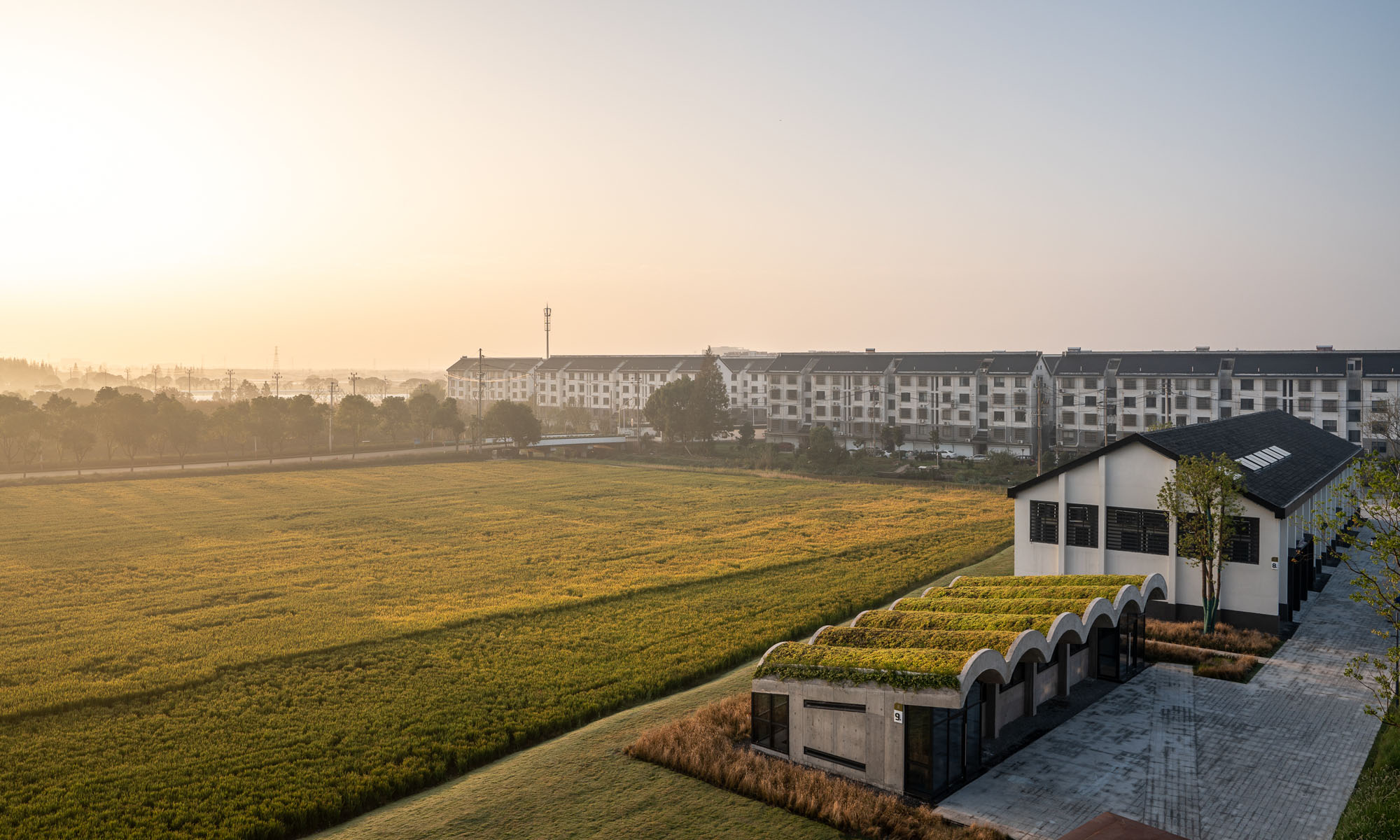
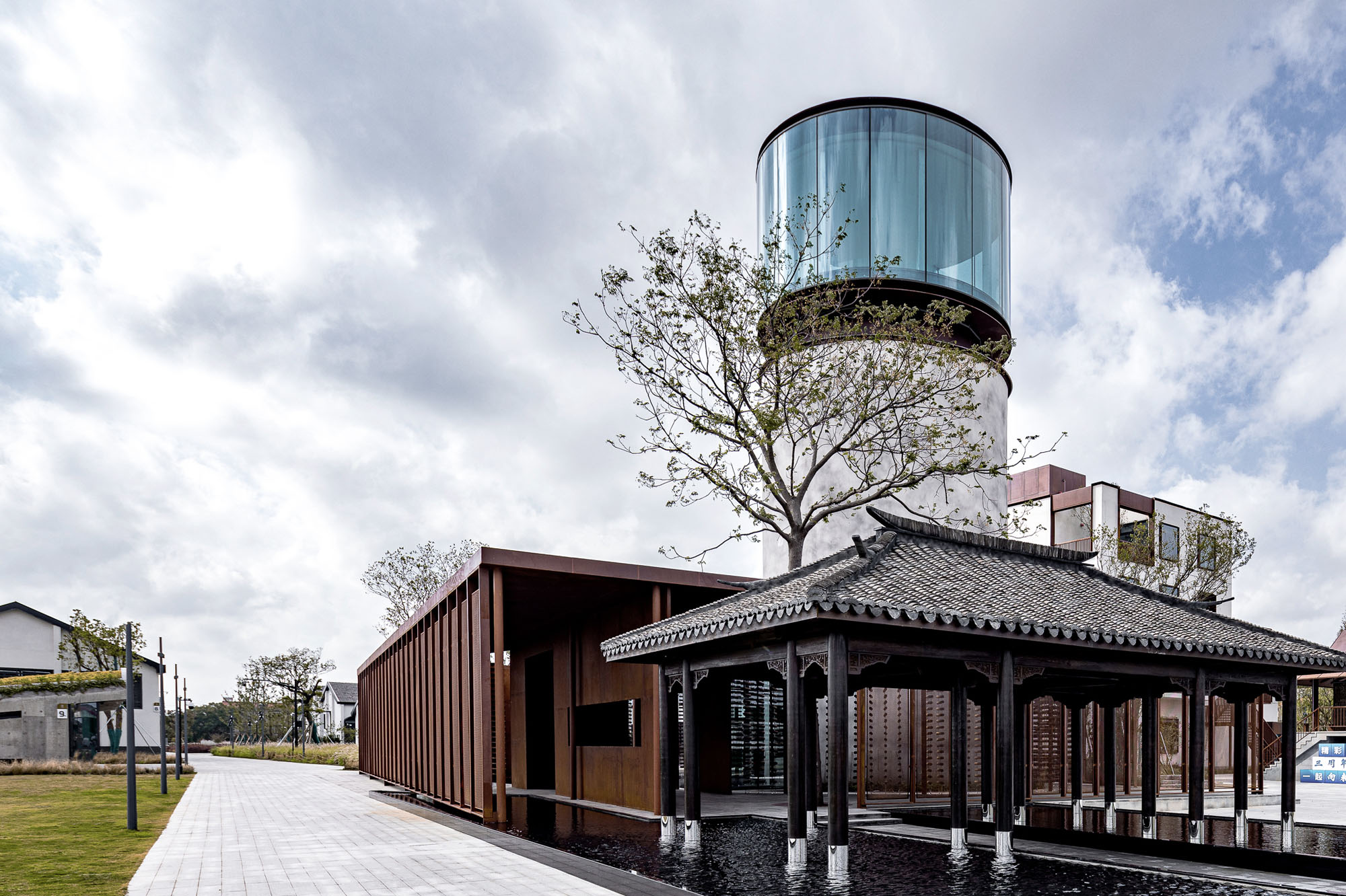
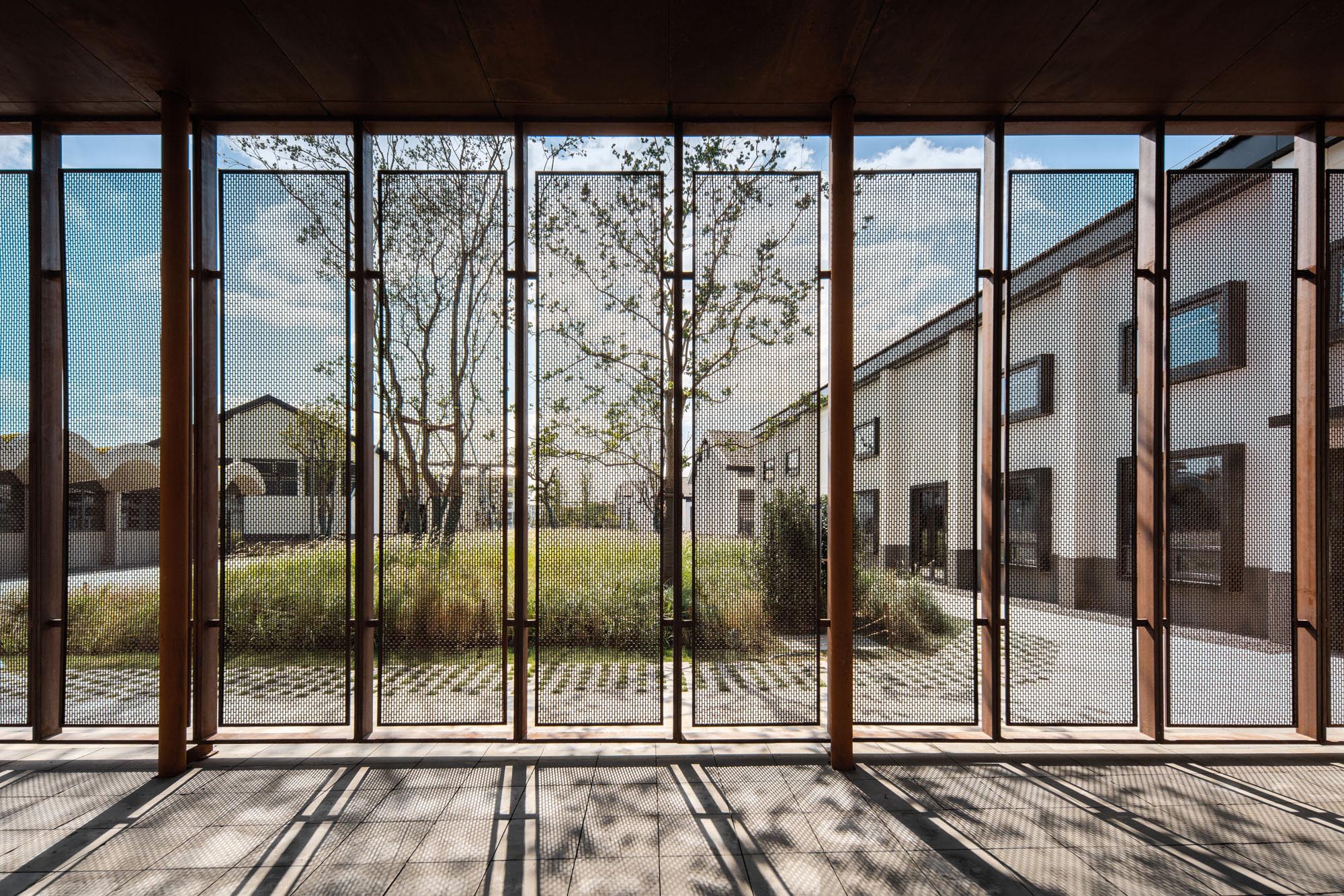
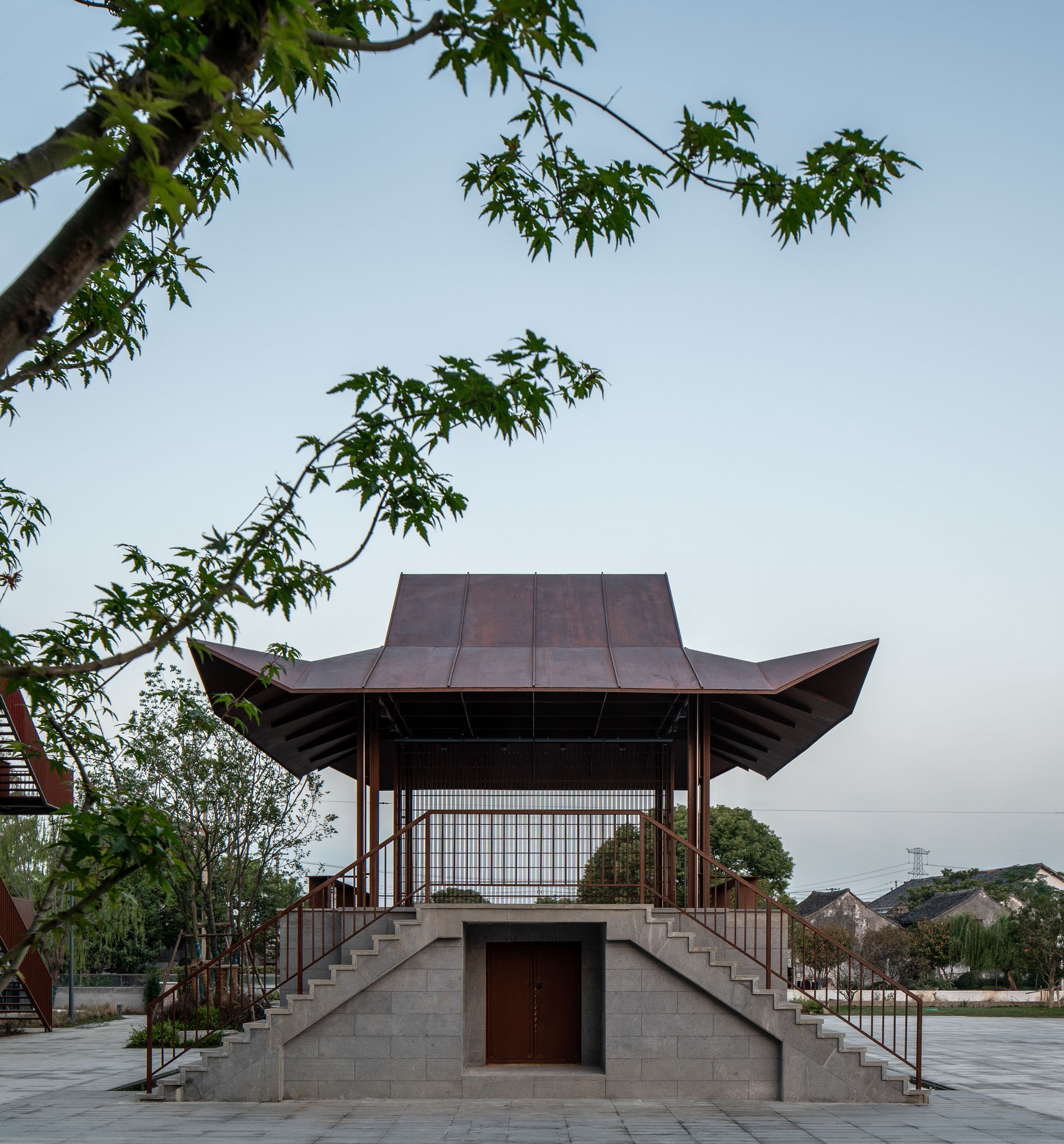
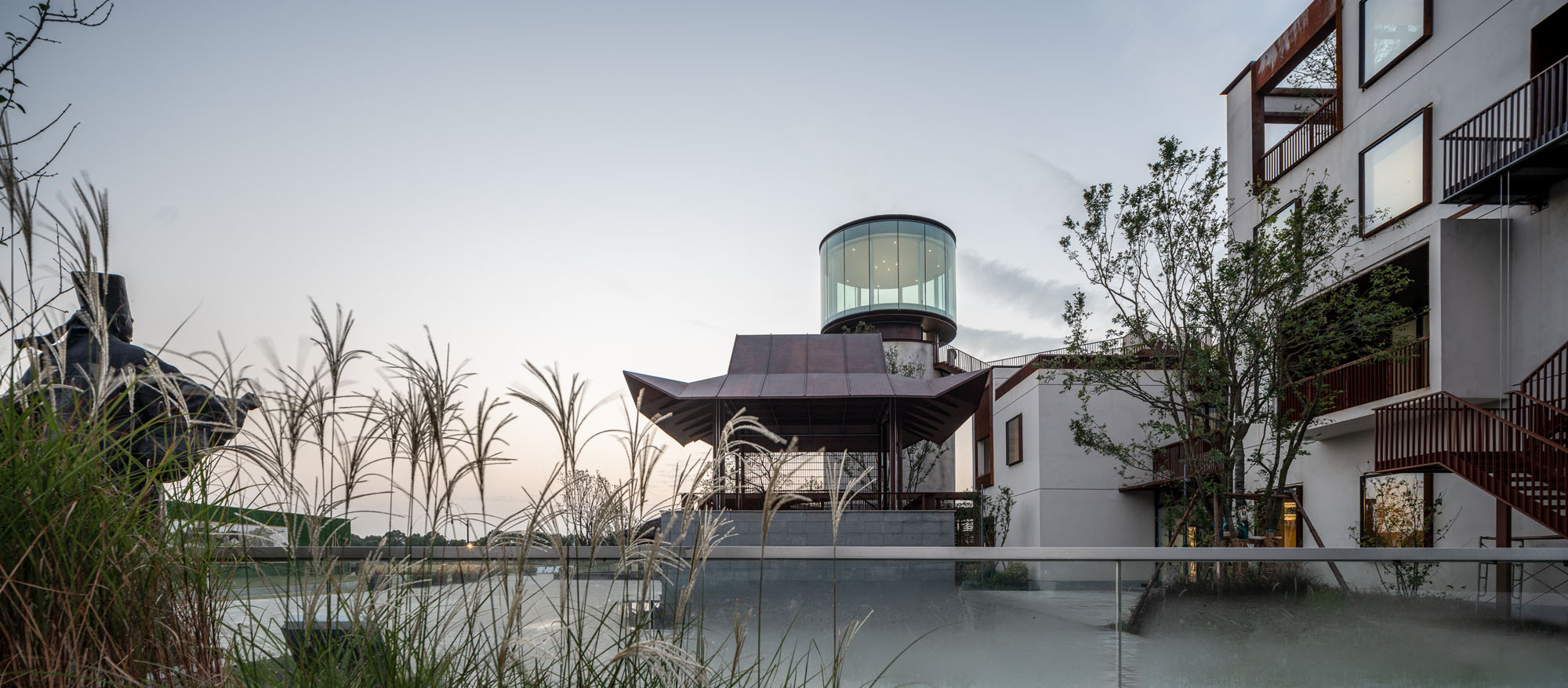
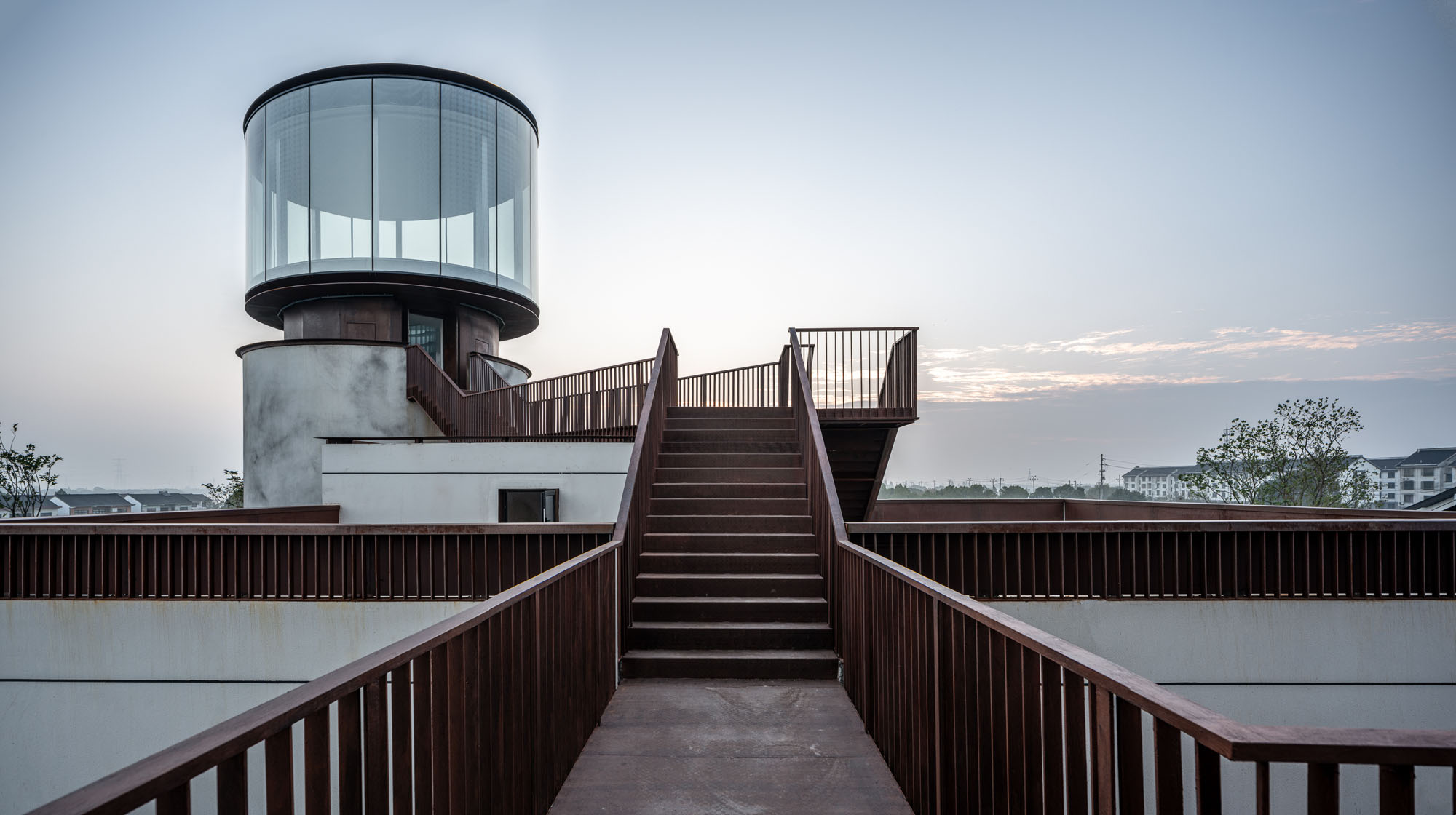
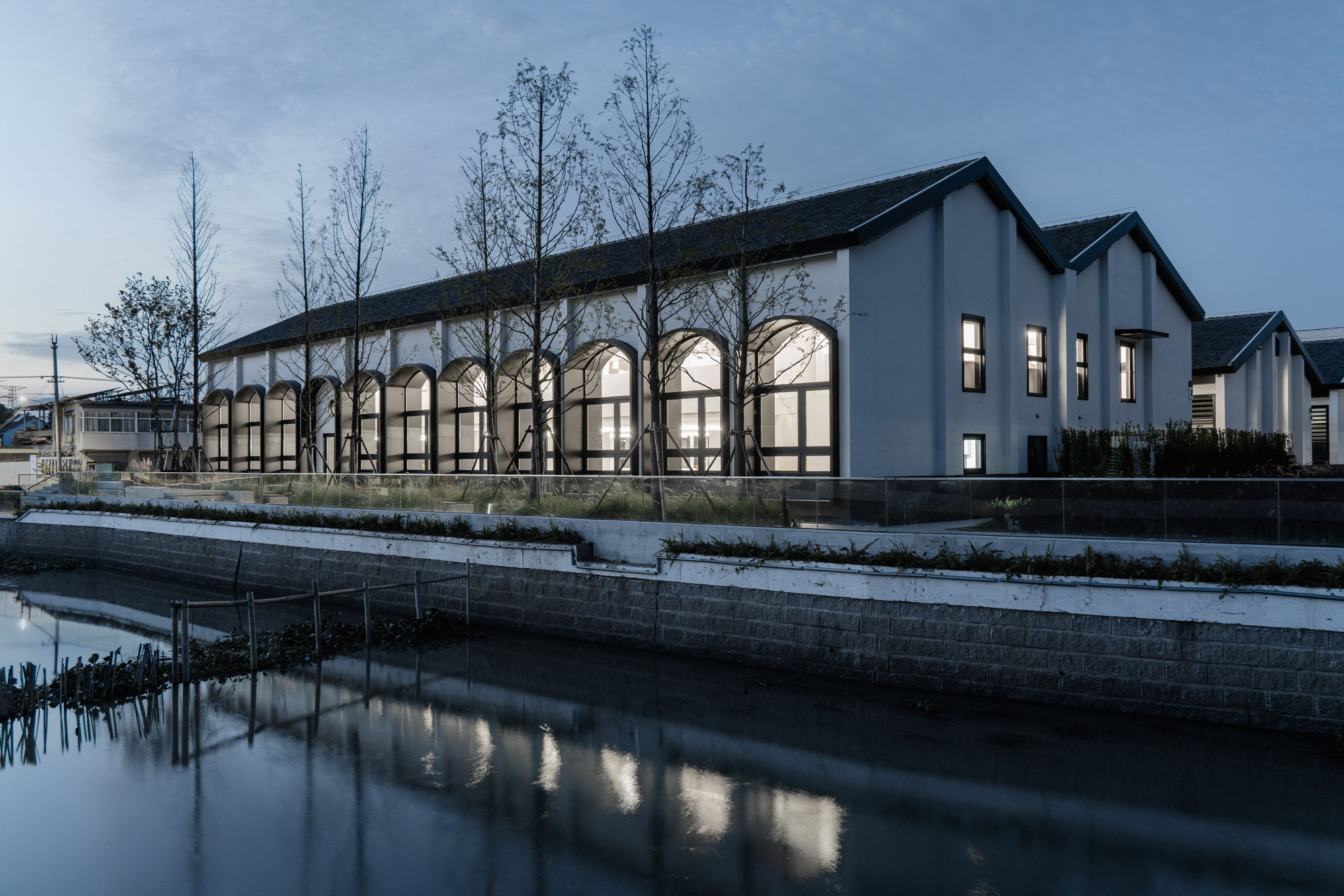
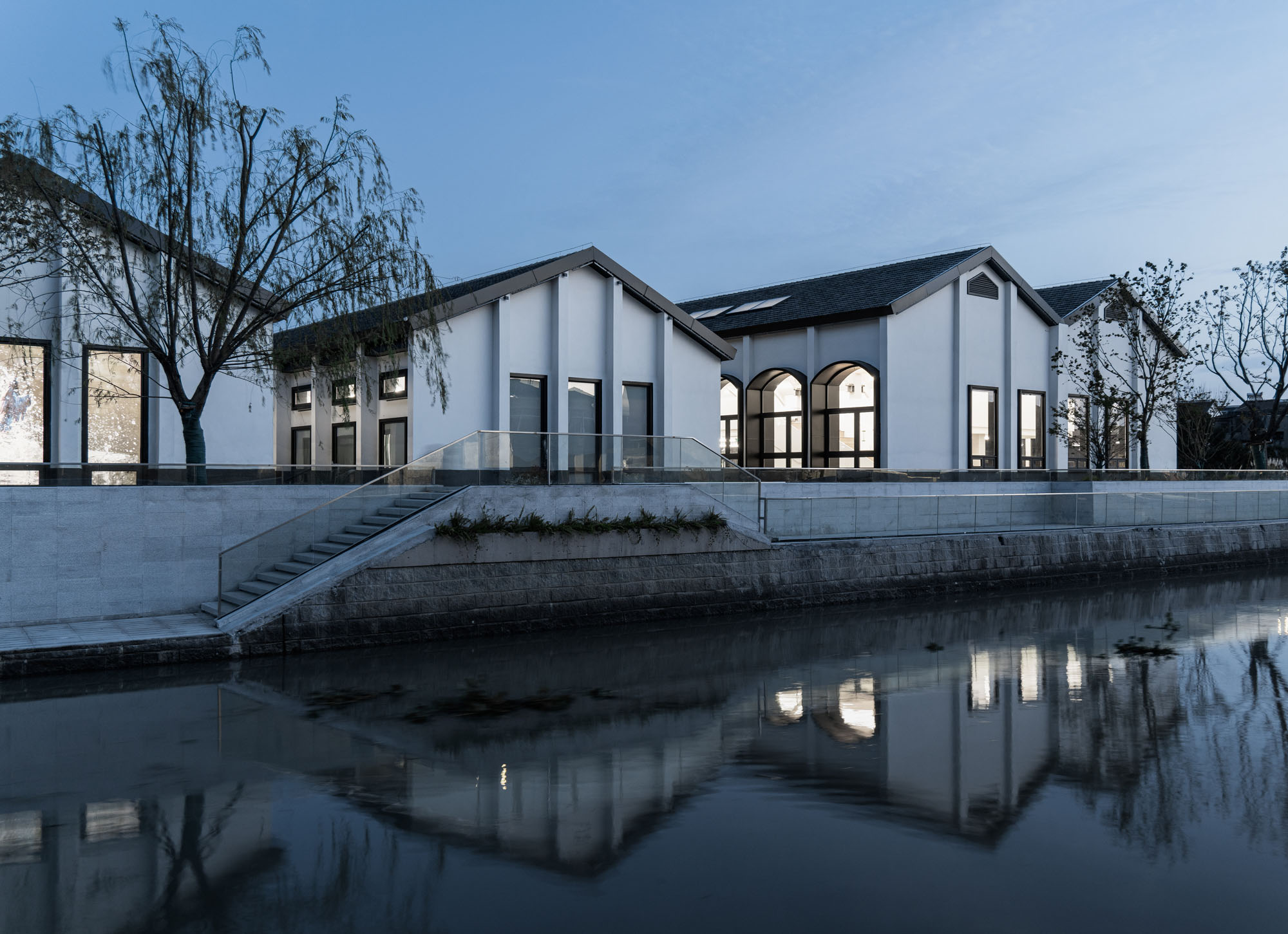
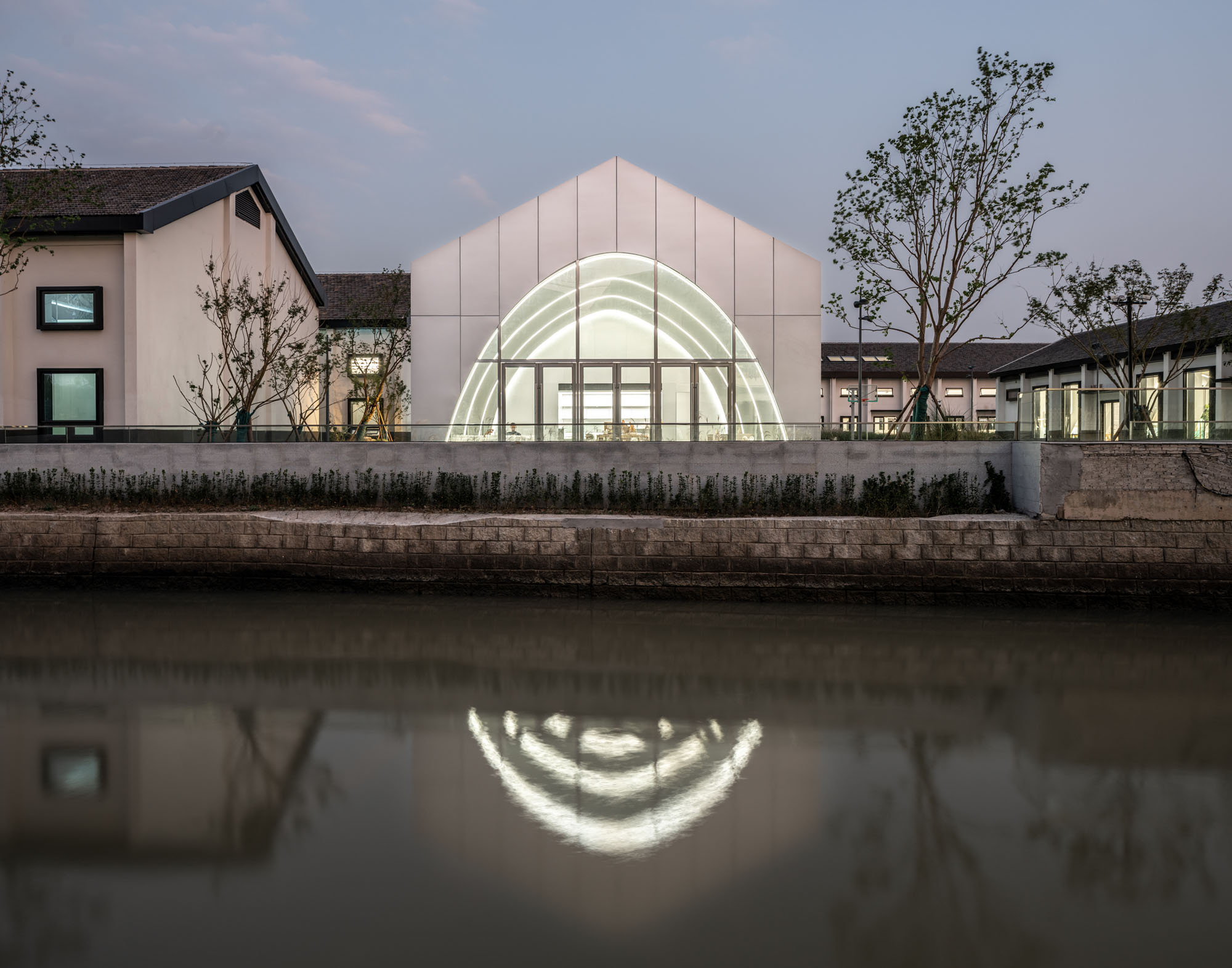
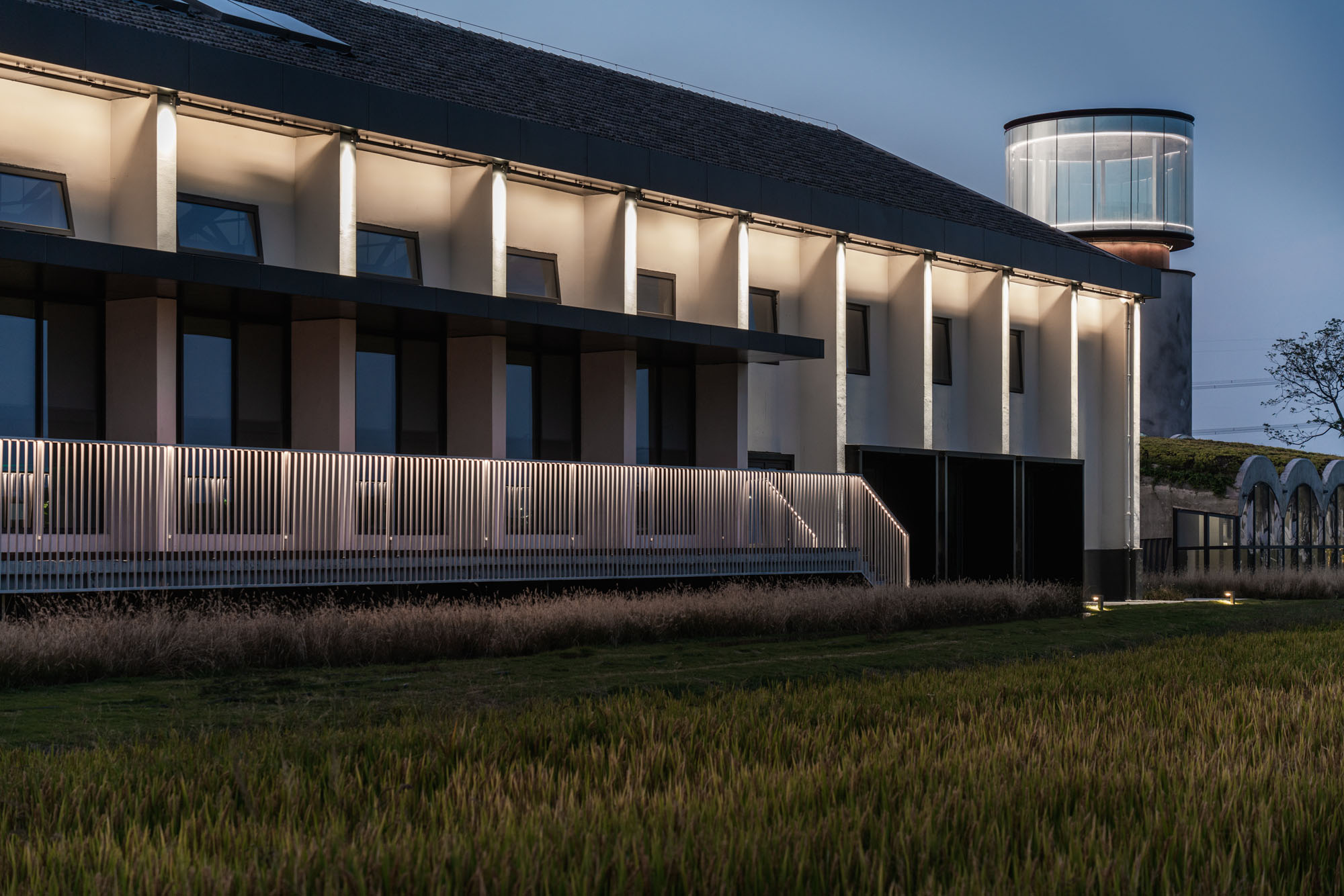
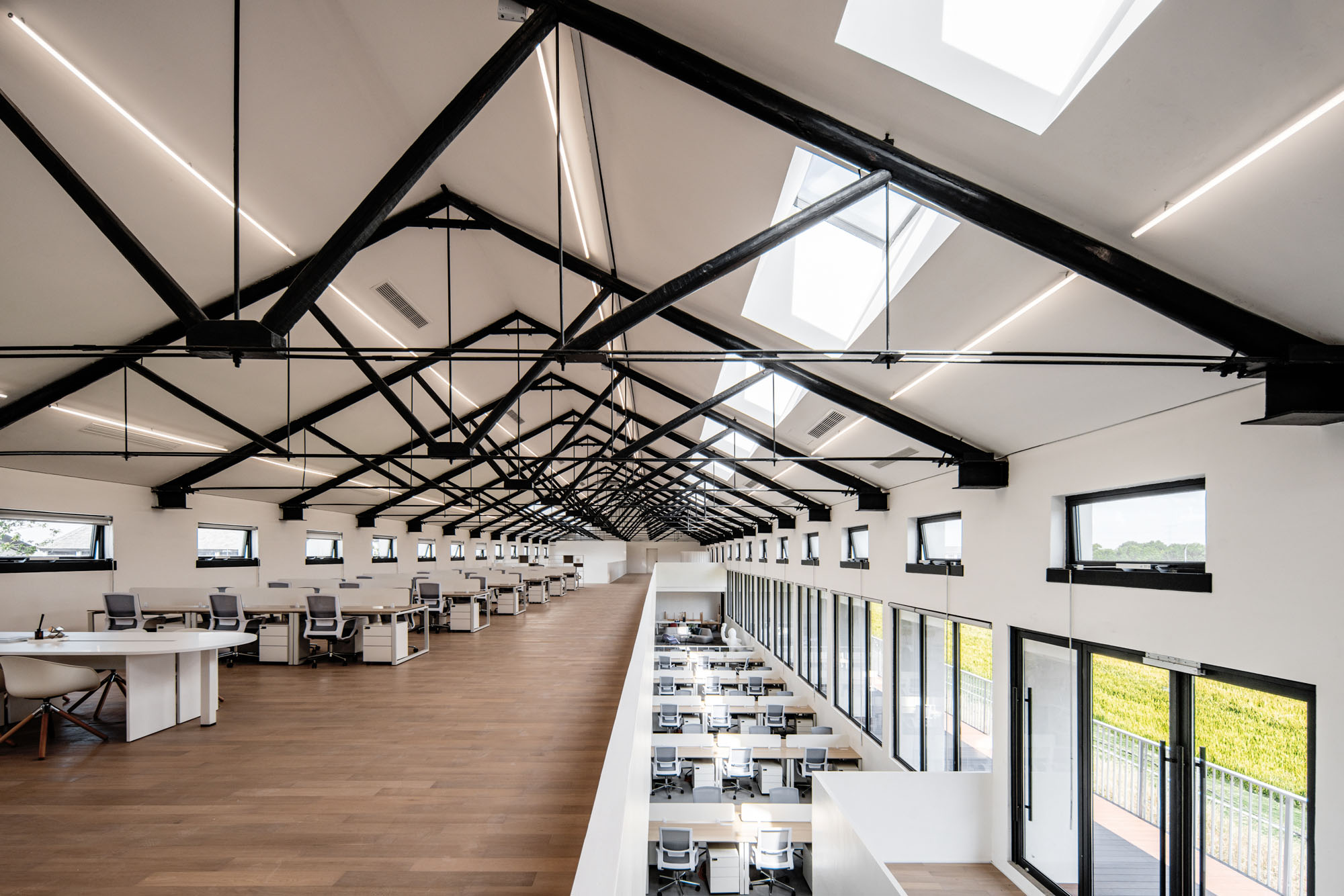
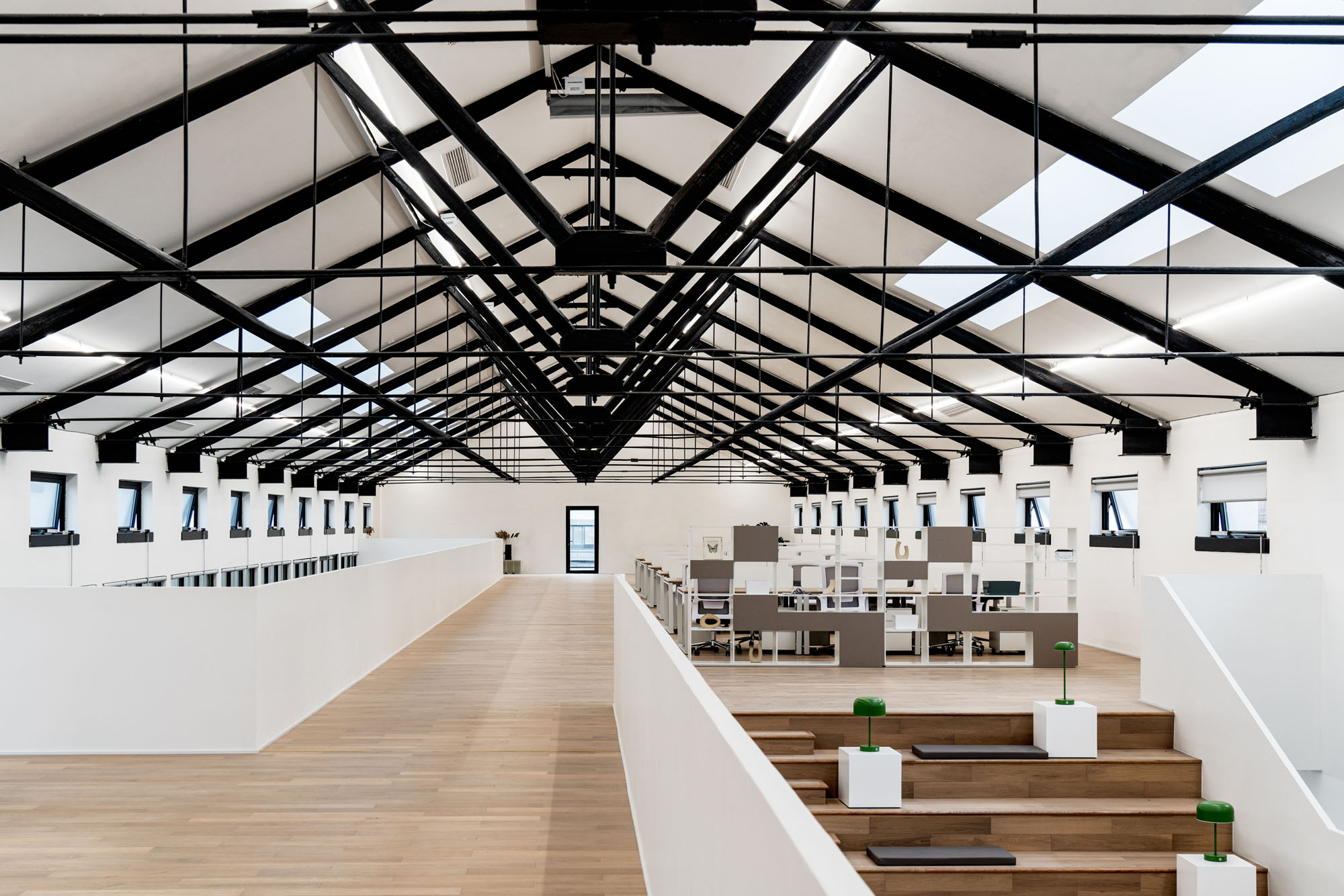
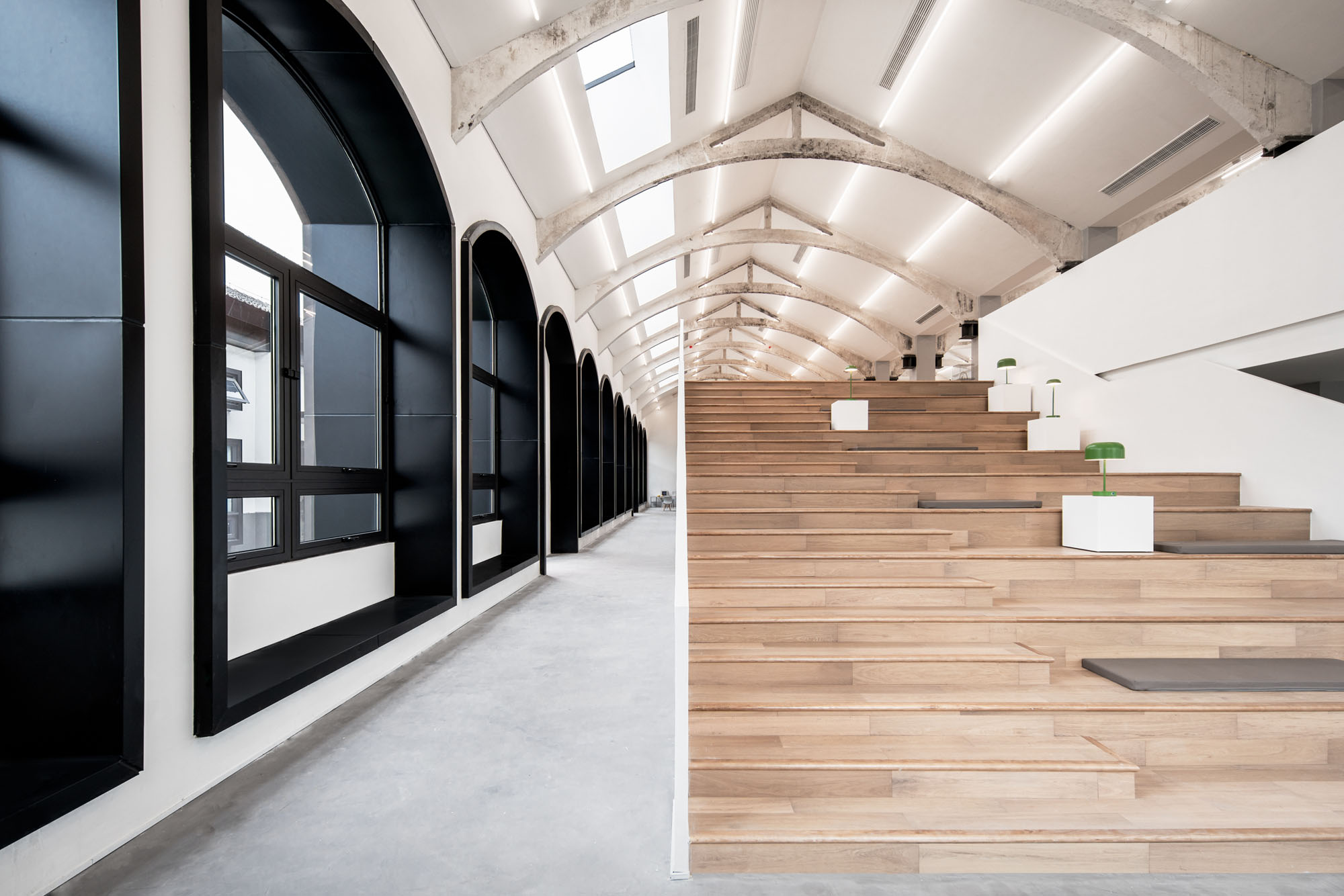
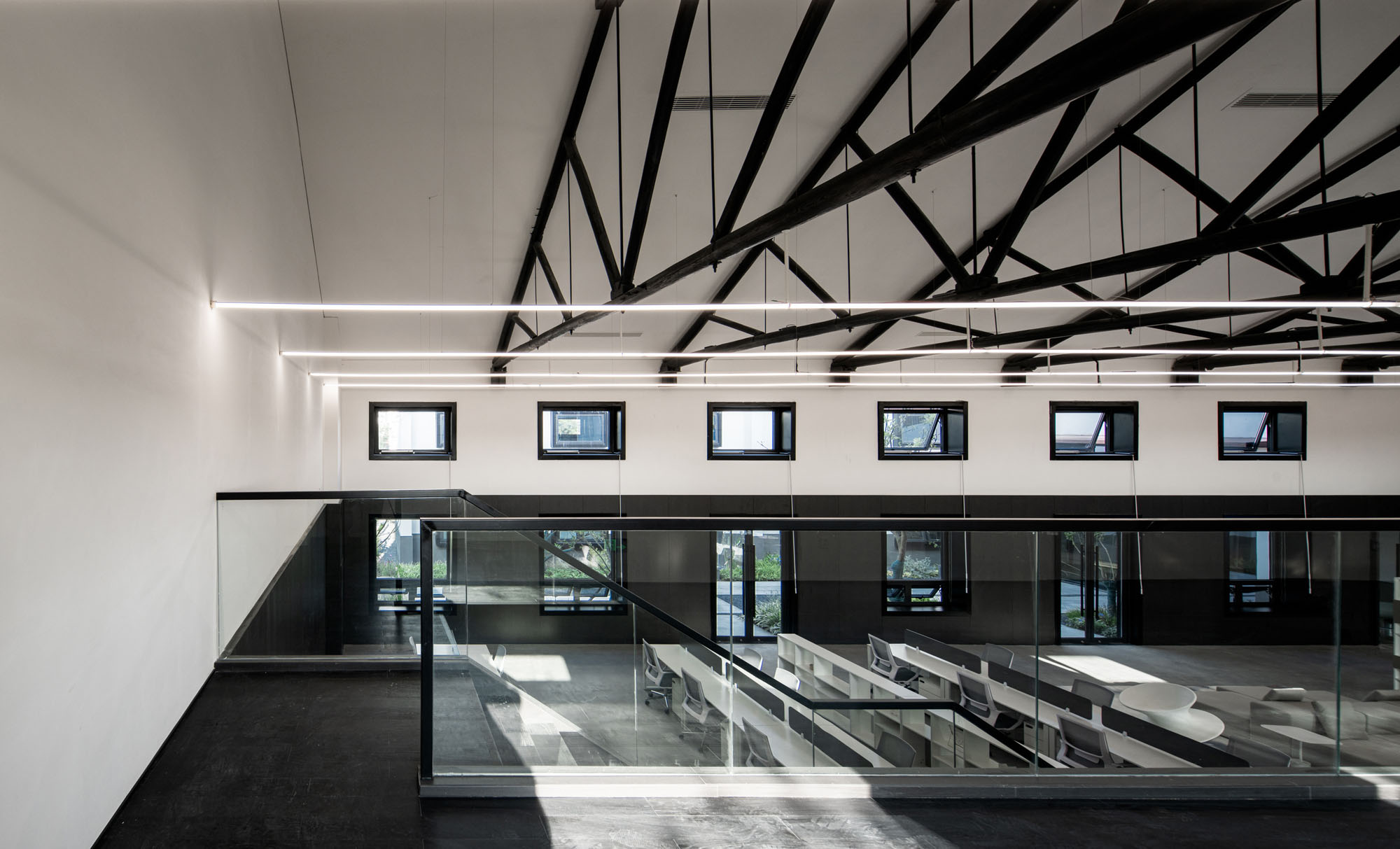
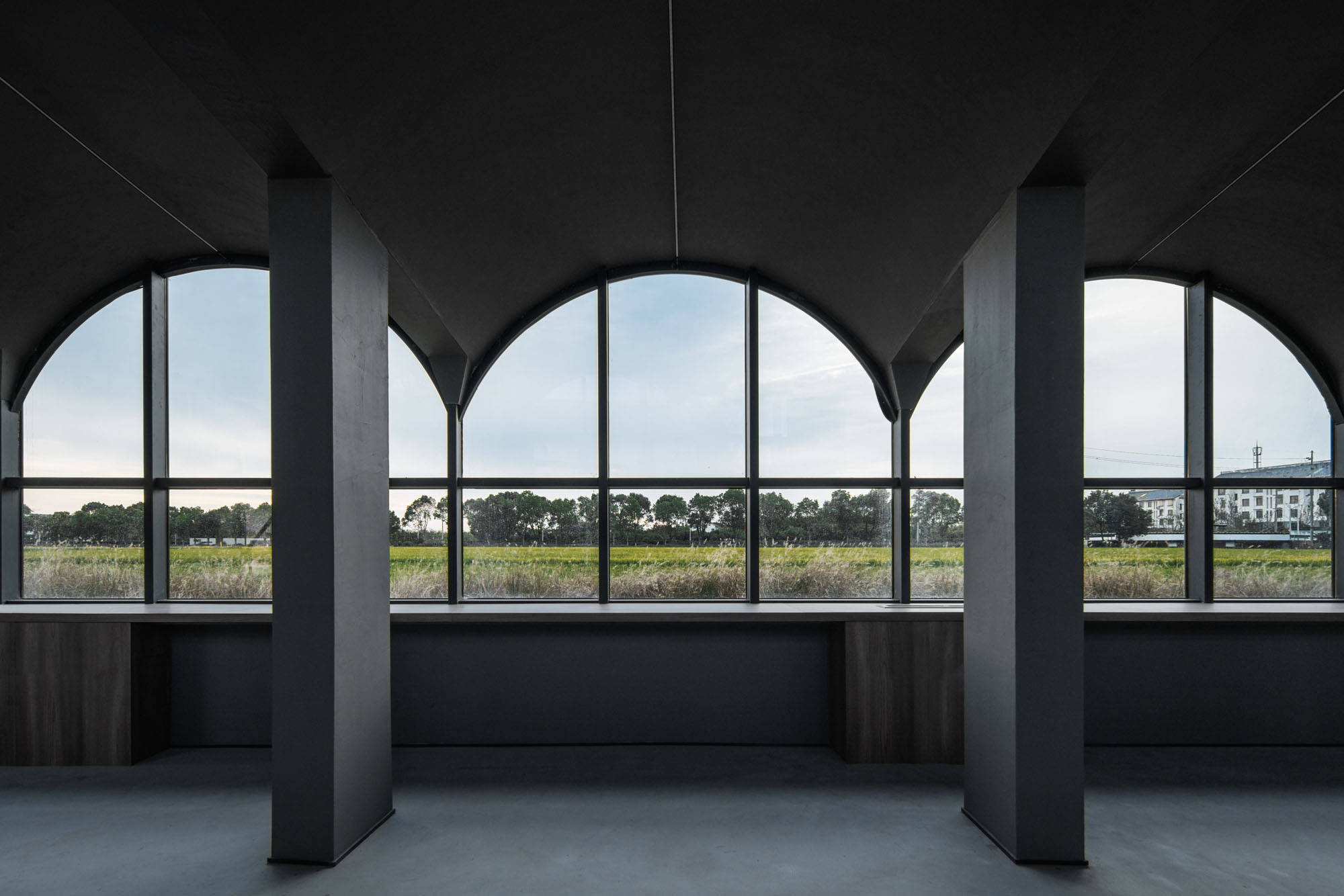
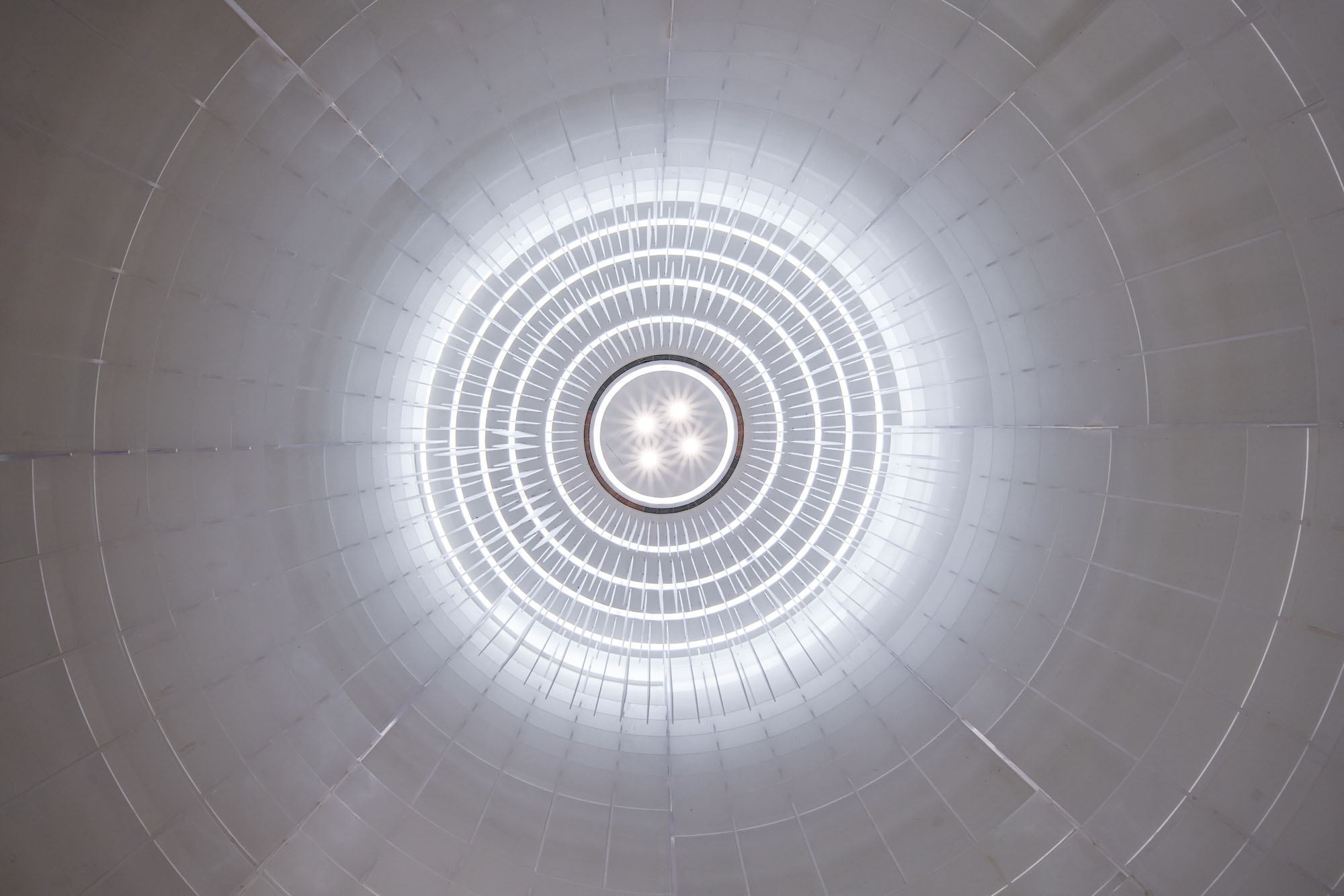
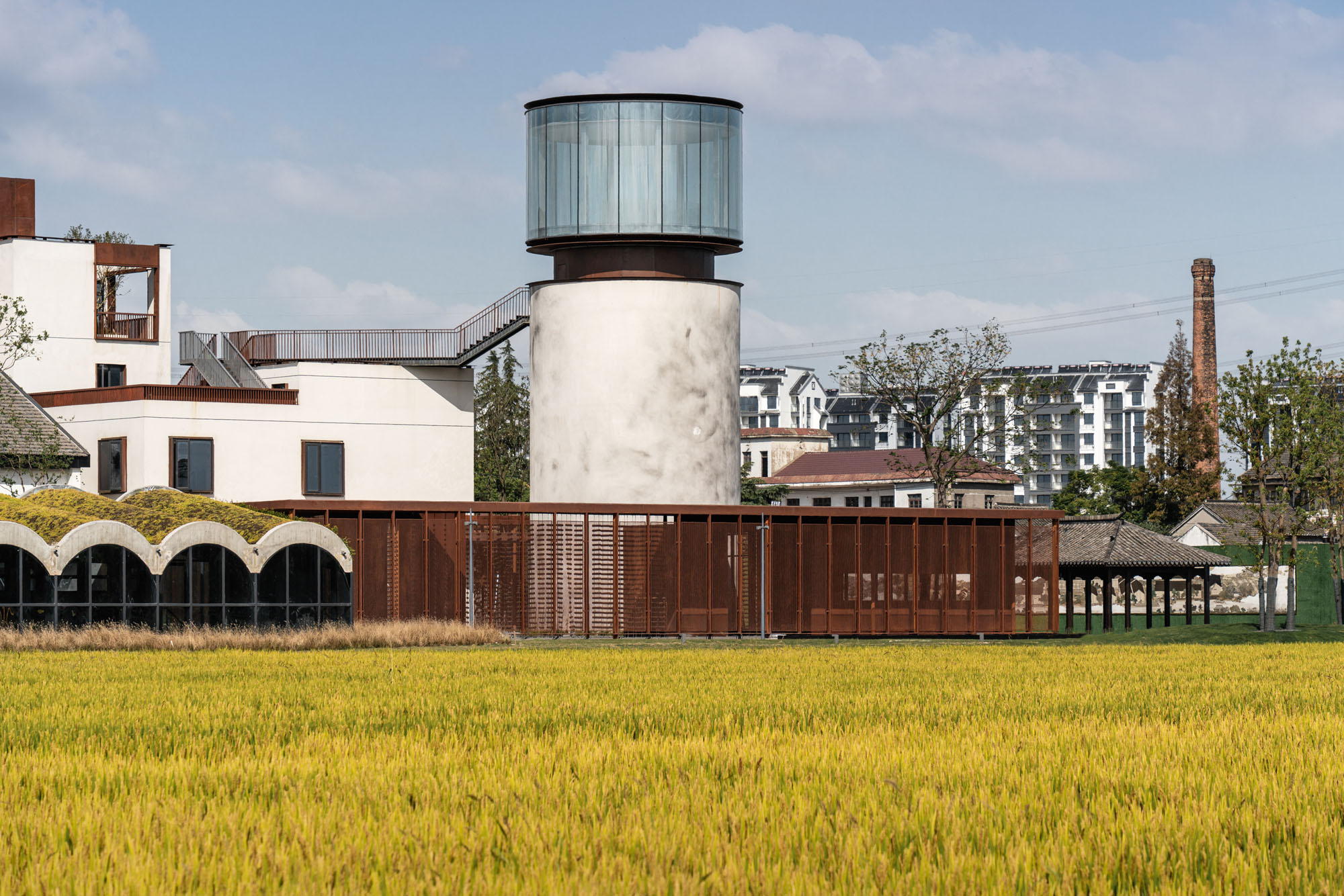
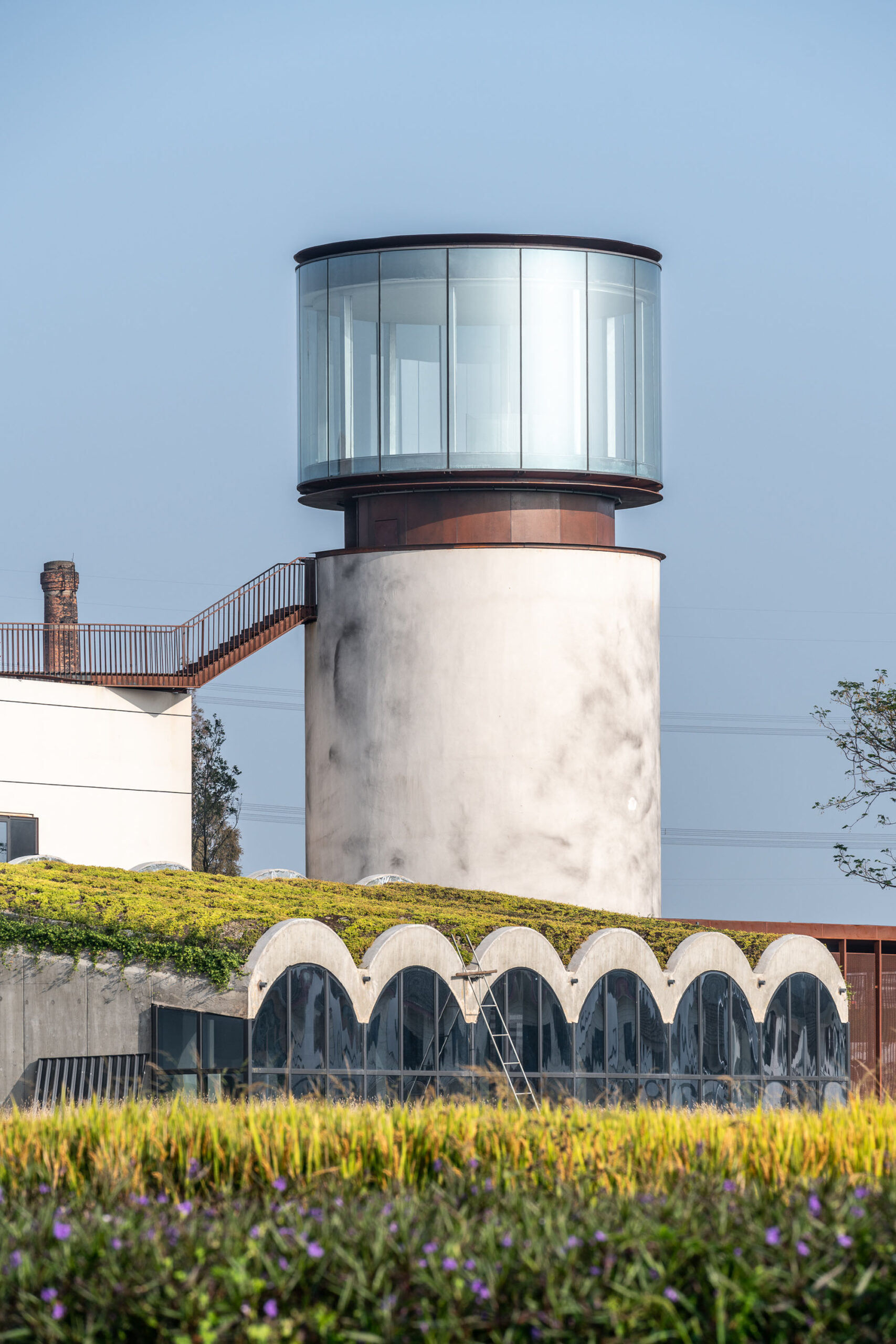
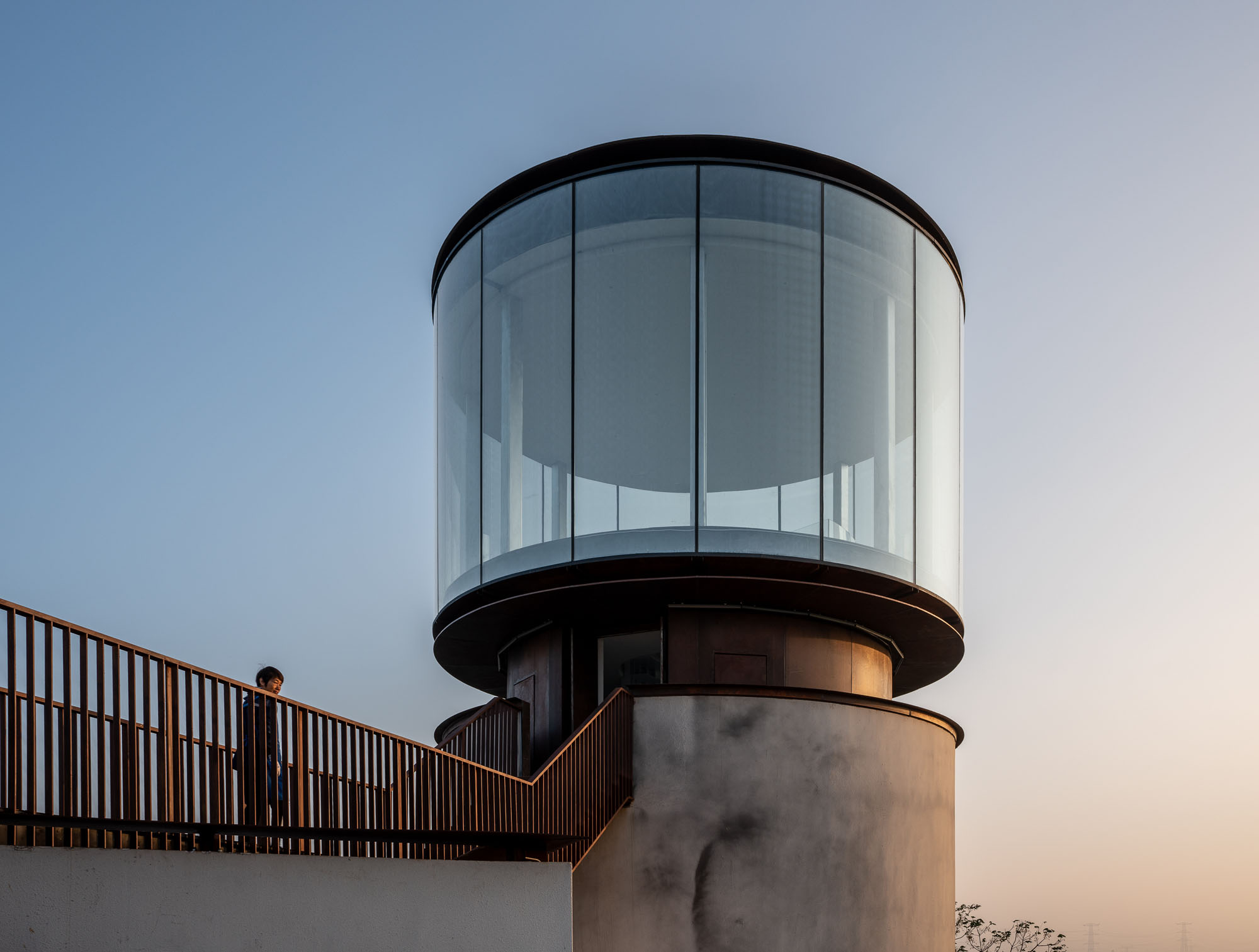
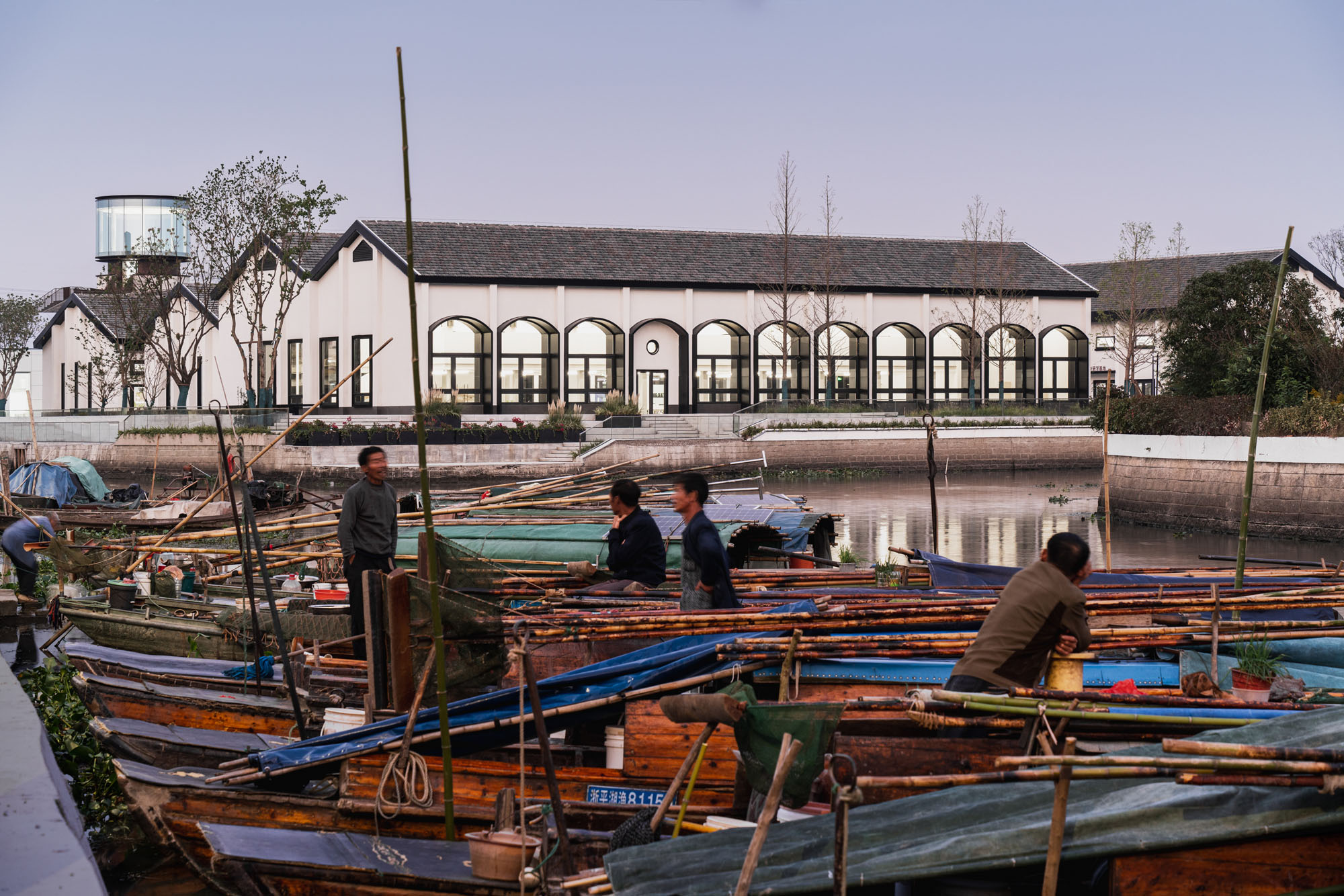
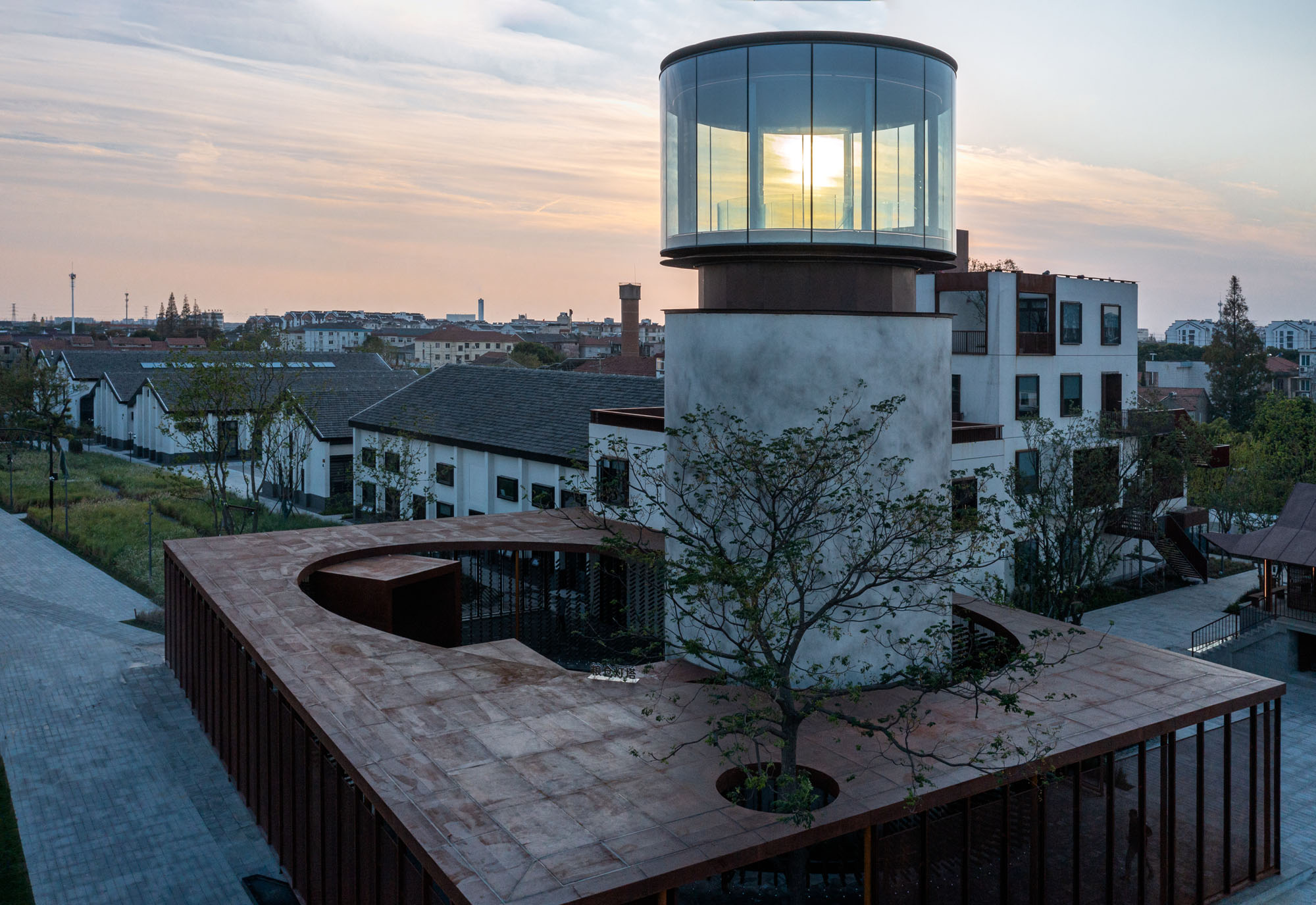
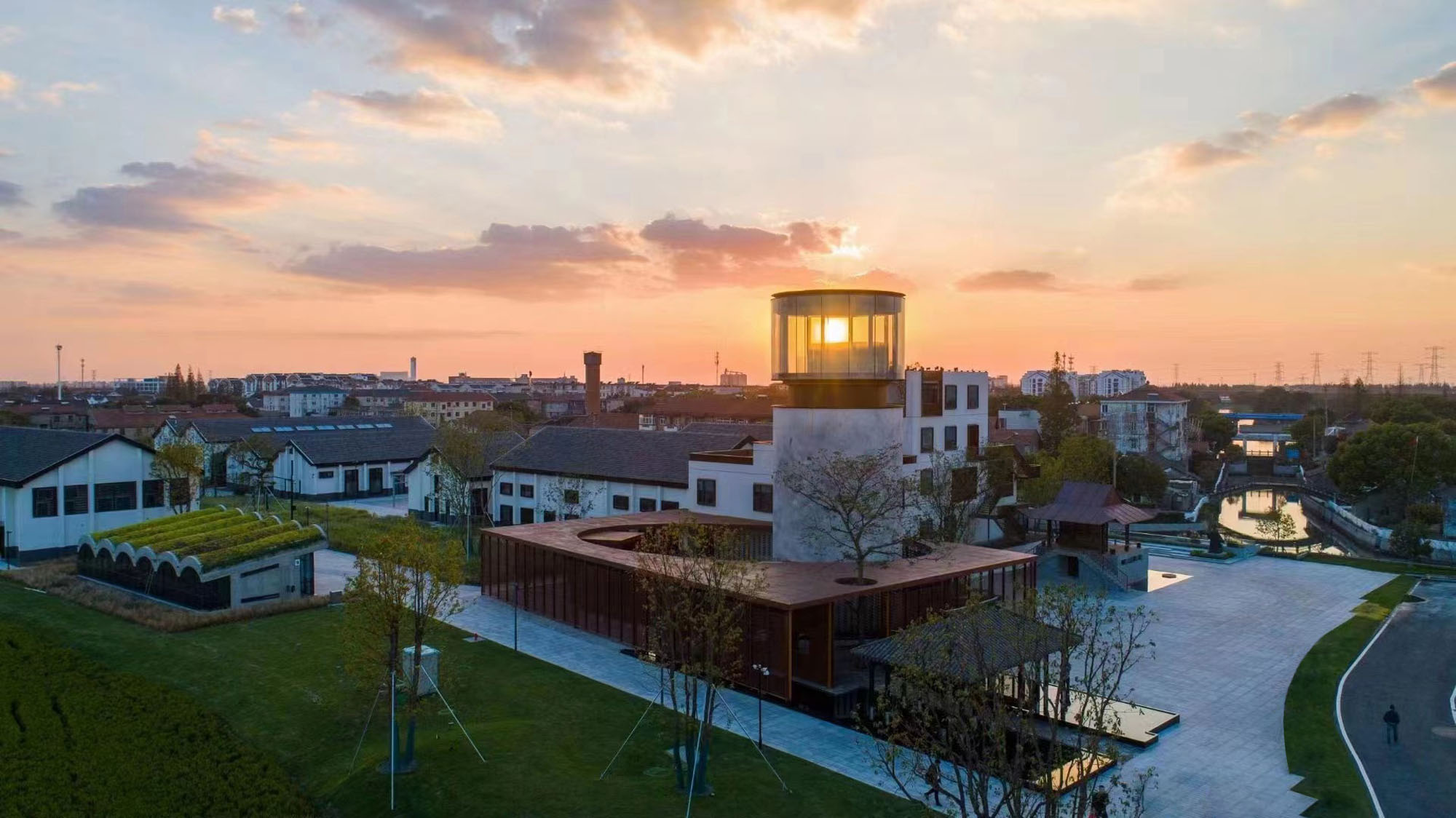
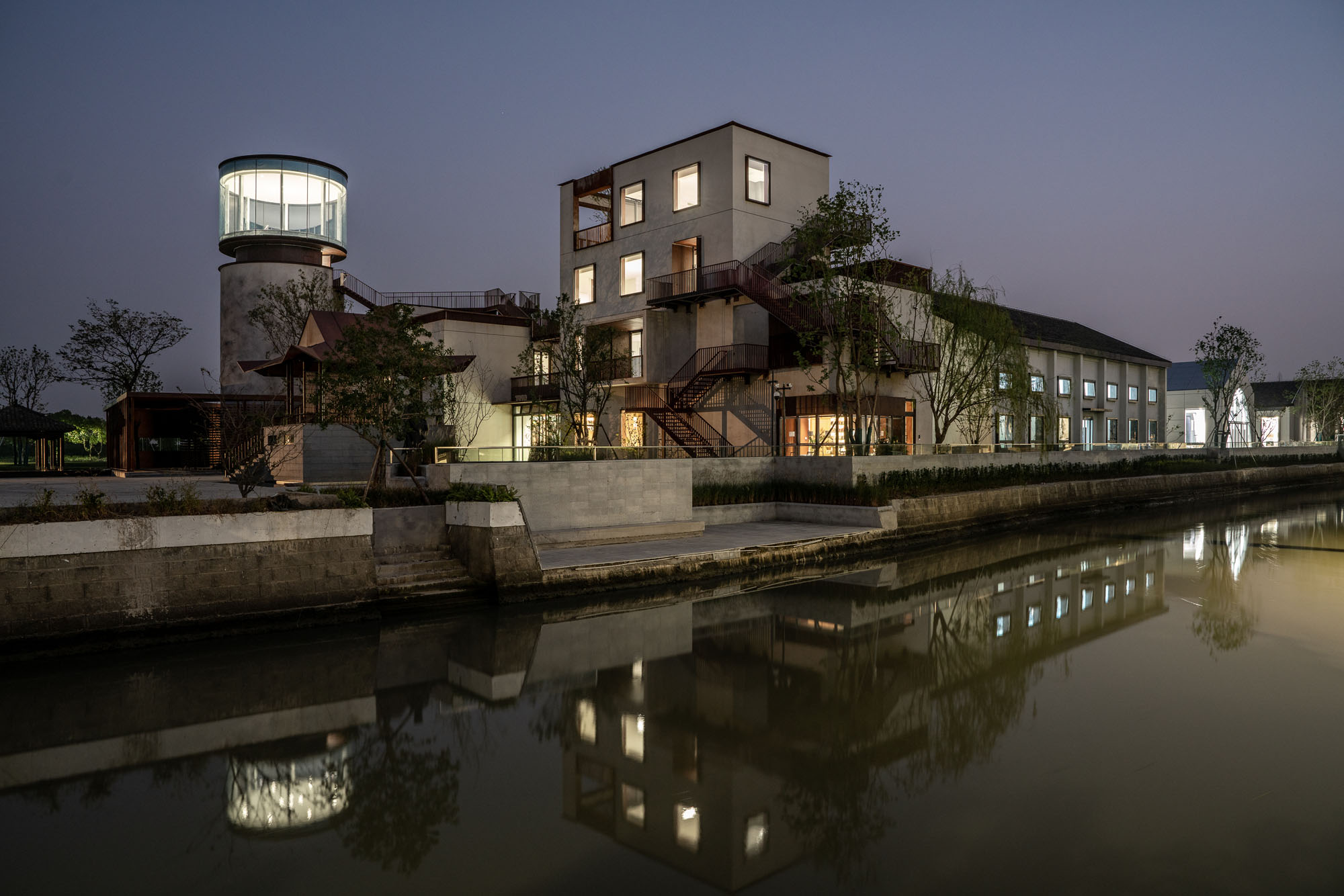
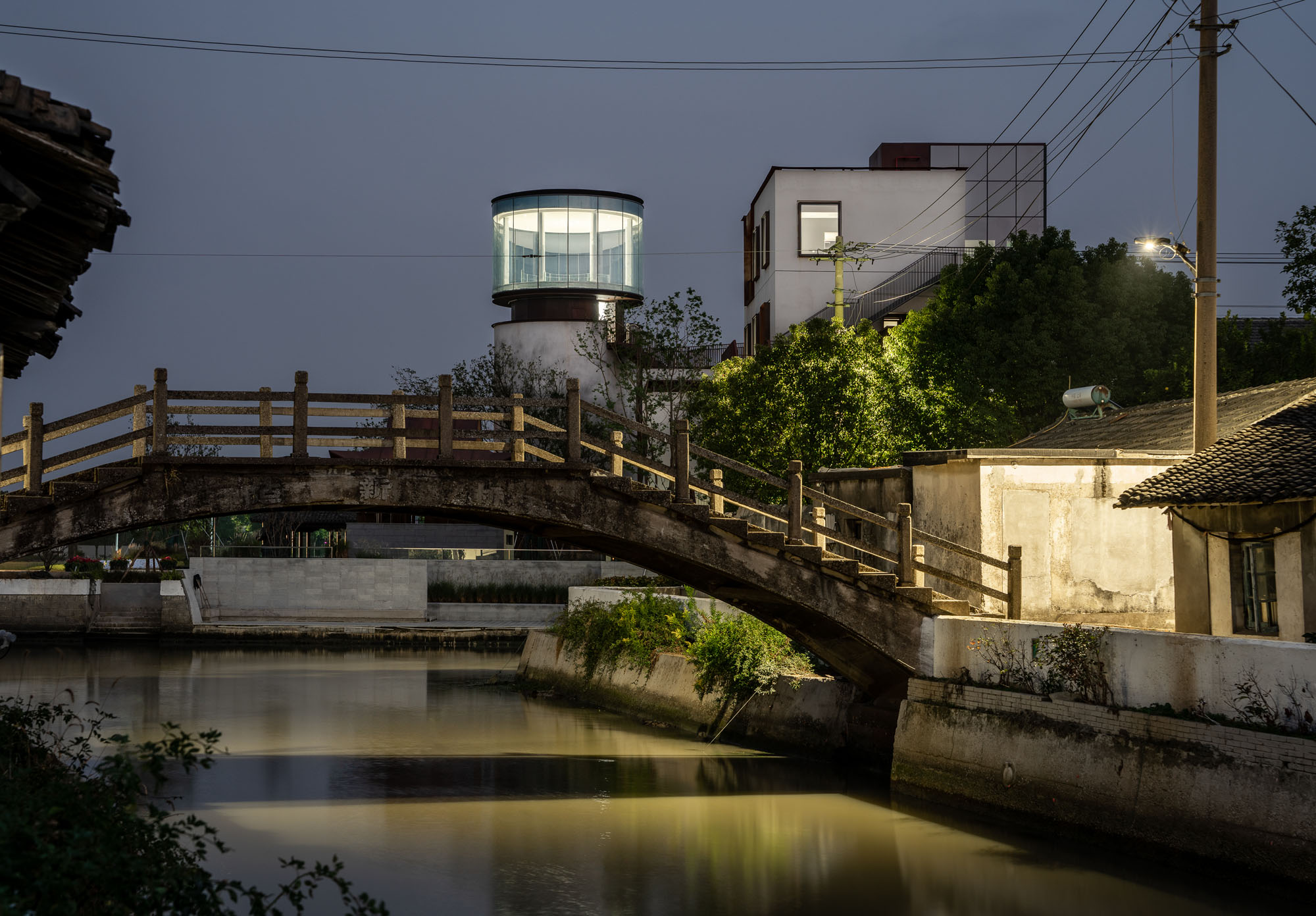
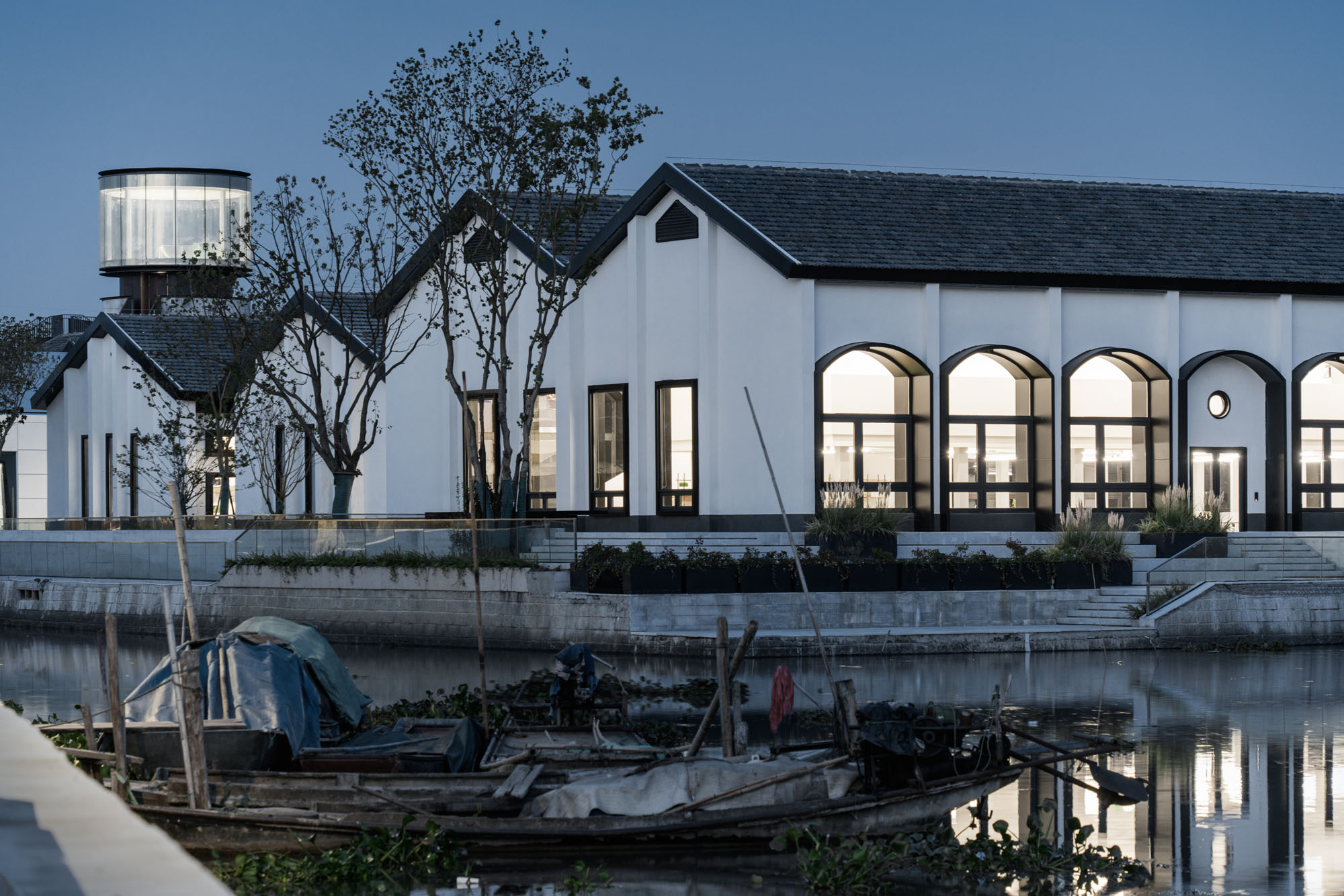
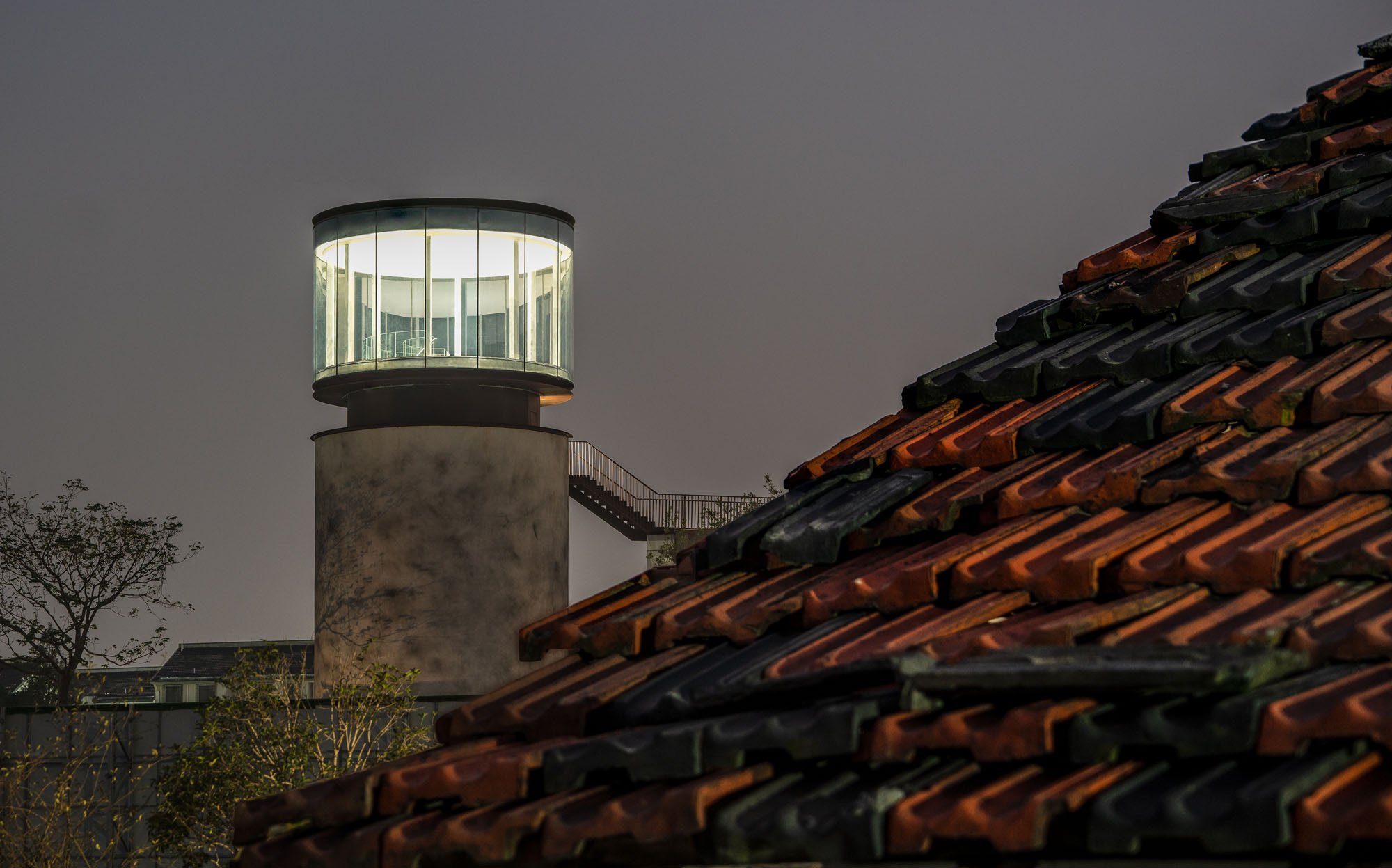
例えば、廃墟と化した古い倉庫群の活用法を考える際、私たちはその高い天井と広大な空間に着想を得た。そこで、田舎の環境の中で出会いの場や新しい働き方が生まれるエリアへと変えることを決定した。その結果、工業的な特徴は保ちつつも新たな命が吹き込まれた。倉庫はワークスペース、文化センター、図書館兼書店、そして交流の場へと生まれ変わったのである。また、本来の機能を失った古い灯台は、高い場所からその場所と周囲を体験できる展望台へと生まれ変わった。
©︎ Chen Xi Studio
©︎ line+ studio
徹底した再利用とリサイクル素材による環境への配慮
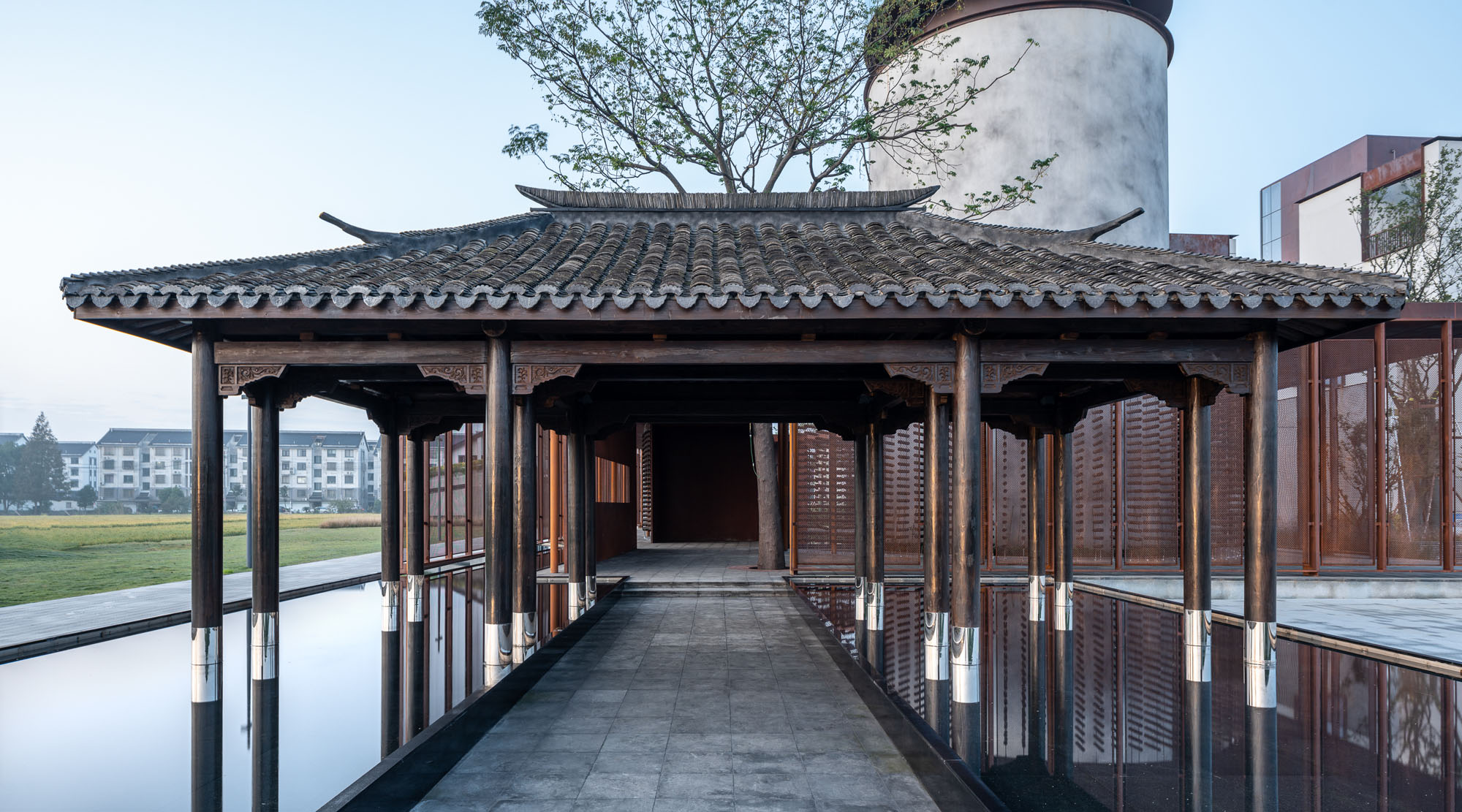
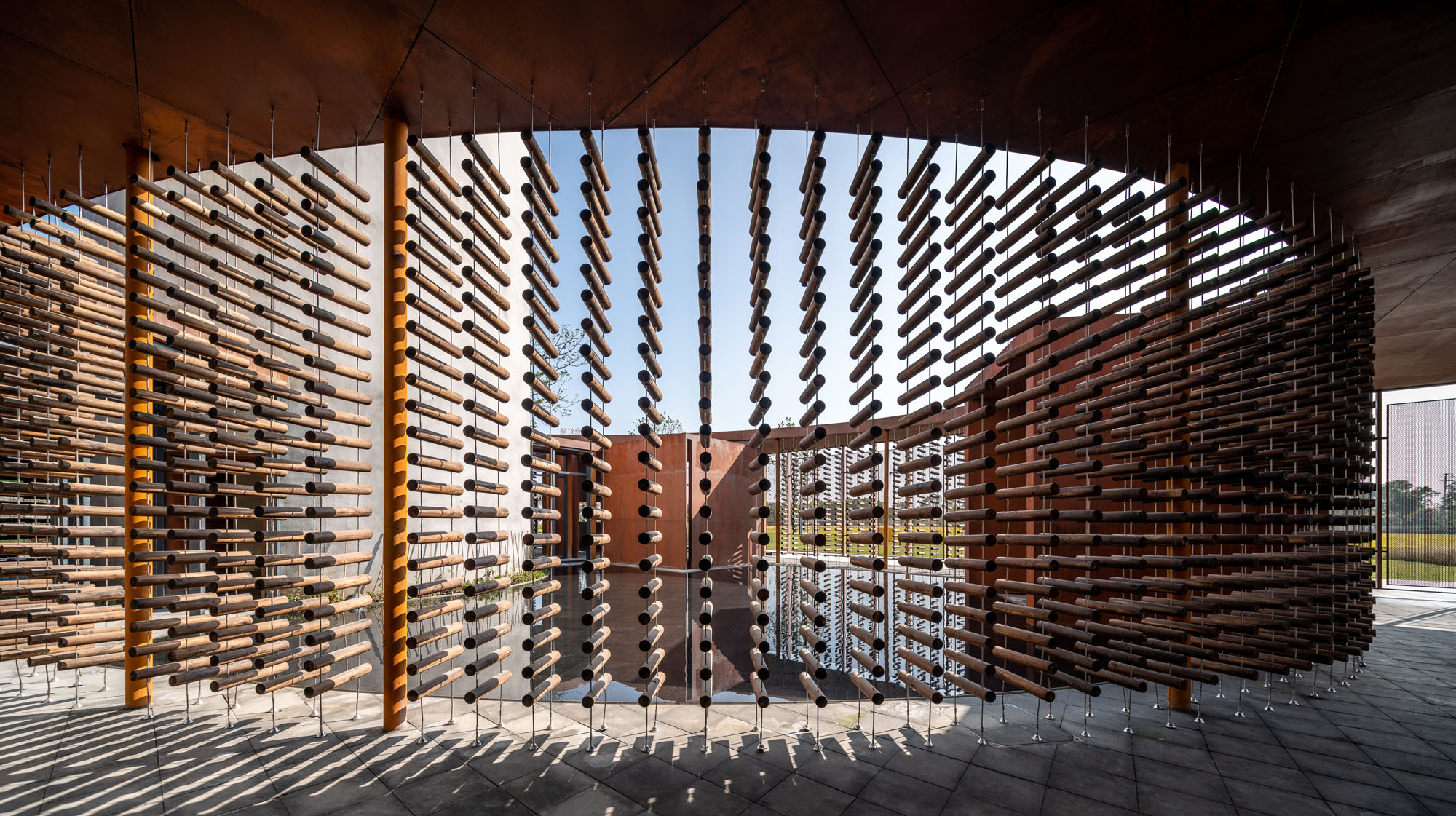
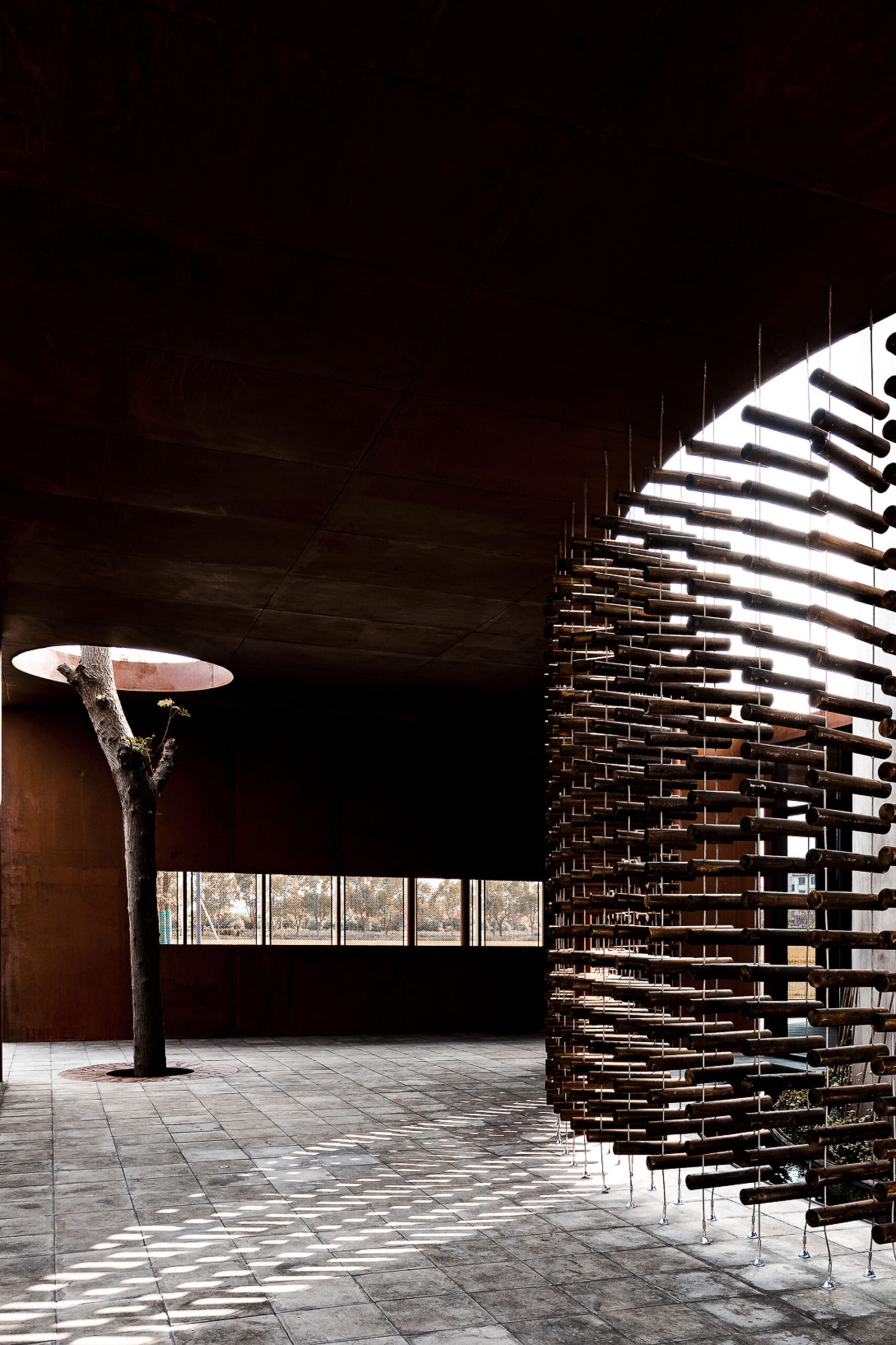
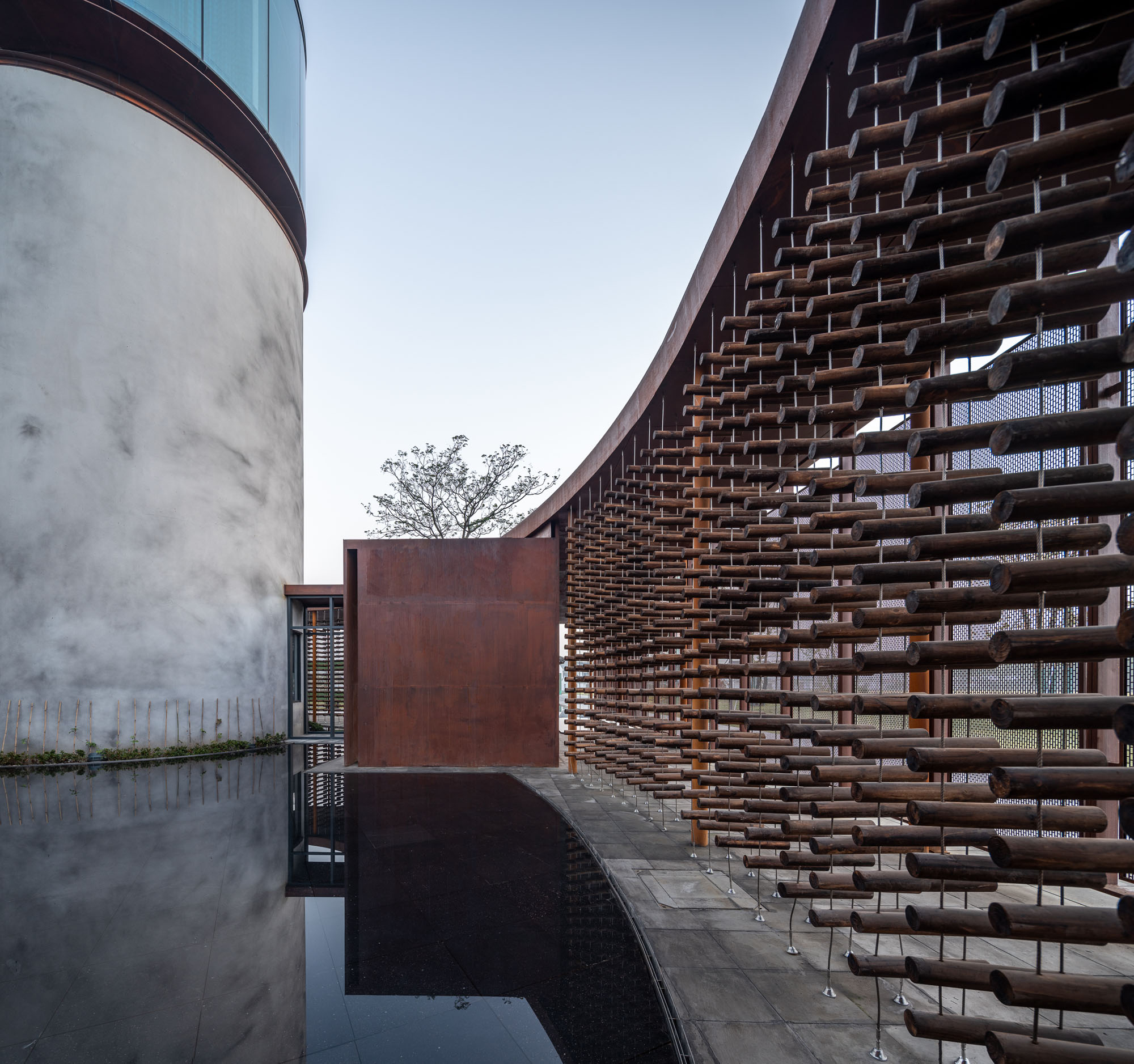
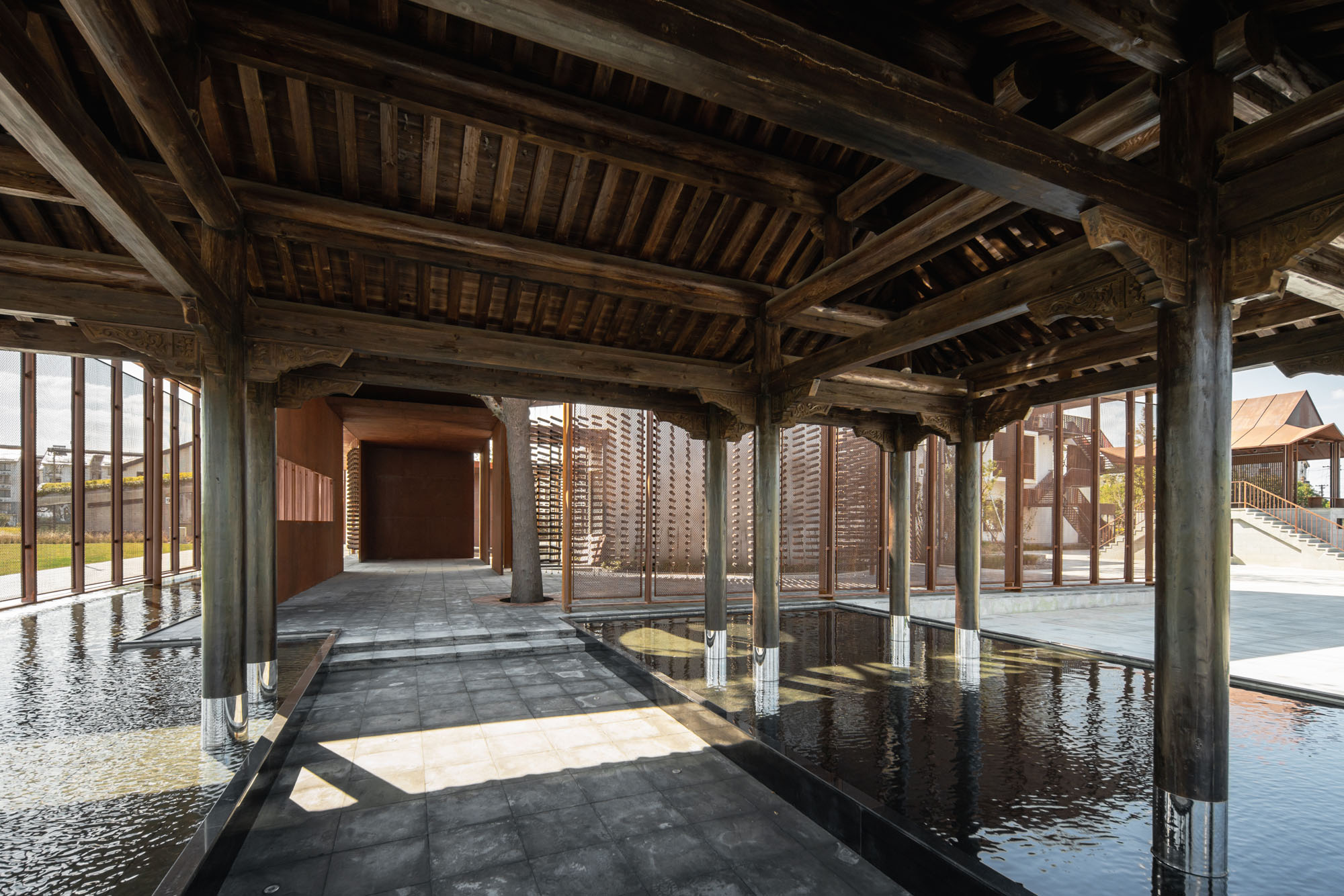
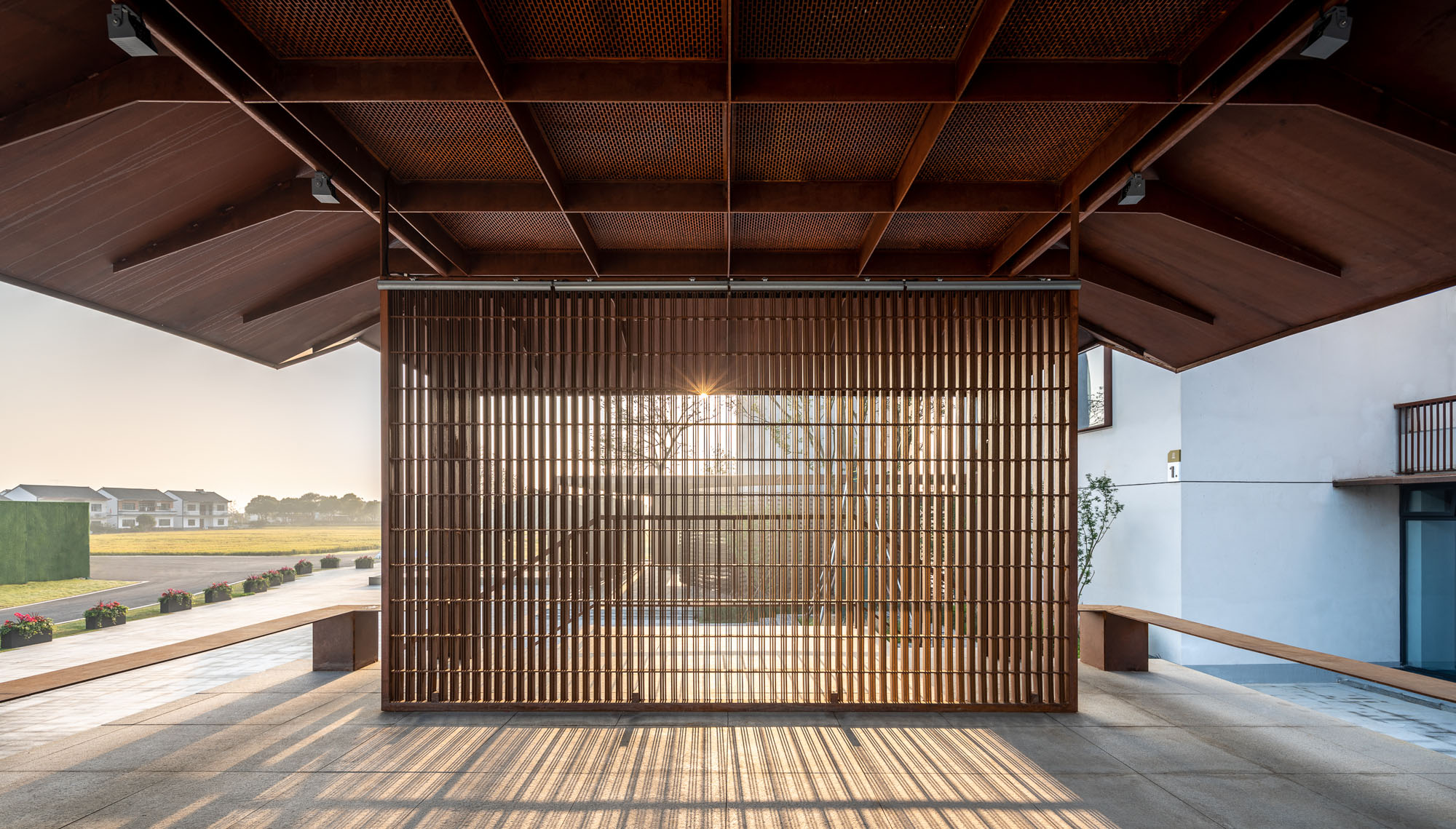
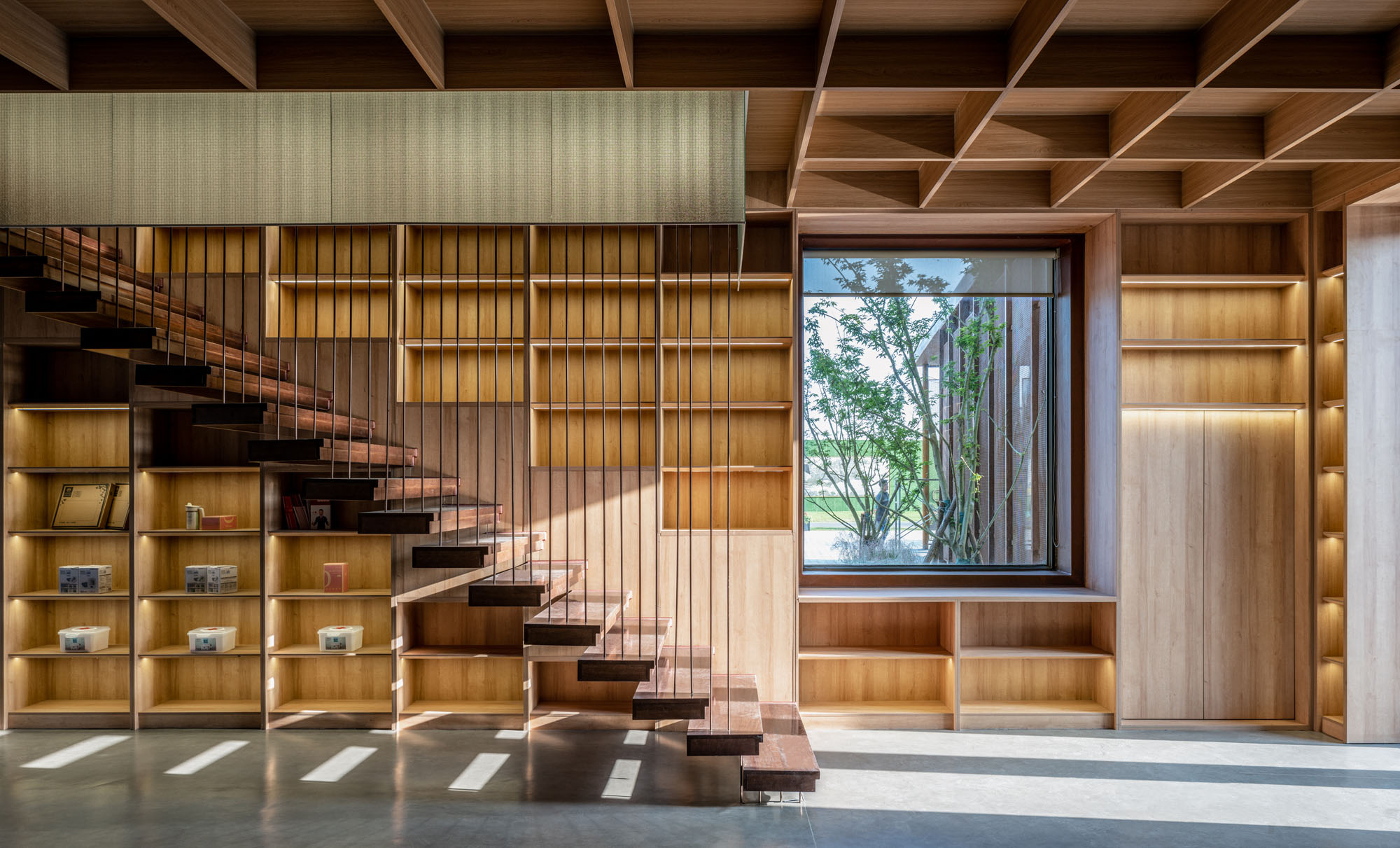
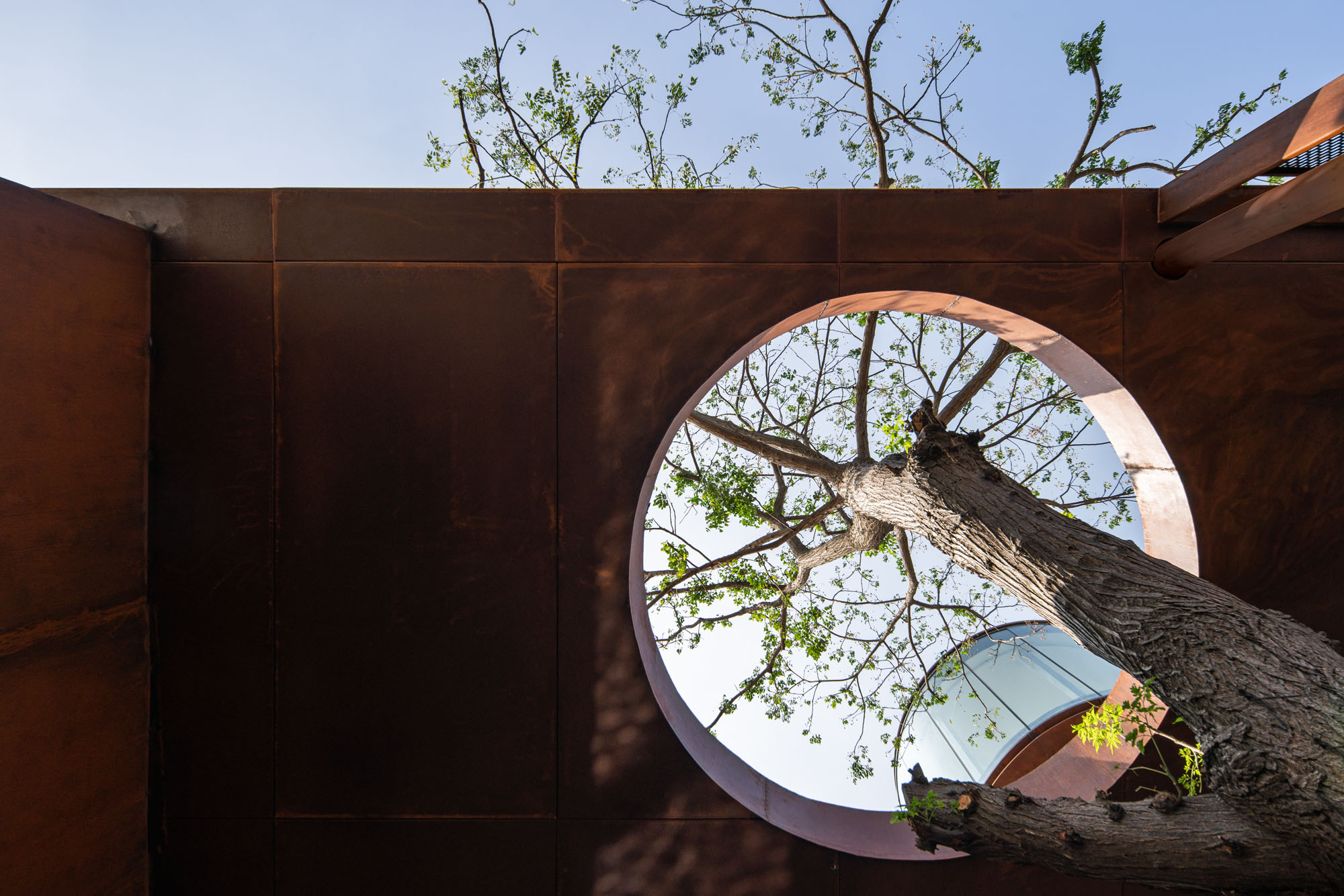
私たちにとって「ラディカル・リユース」とは、可能な限り解体を最小限に抑え、既存構造要素を最大限活用することを意味する。既存建物の屋根瓦、古い壁のレンガ、コンクリート部材、鋼製梁や柱といった構造部材を再利用した。現行の規制や安全基準を満たすために新たな基礎を築く必要があっても、基本構造は可能な限り維持している。 新たに追加された部分は、再生アルミや再生コンクリート部材など、リサイクル素材で構成されており、地域生態系を損なう可能性のある資材の使用は回避した。
責任ある設計は資材選択だけにとどまらない。中国では欧米式の市民参加は困難とされるが、私たちは現地住民に直接働きかけ、要望や懸念を把握することに努めた。非公式ながらも彼らの意見は設計プロセスに反映され、最終的に実現した「ラディカル・リユース」の概念形成に寄与している。
©︎ Chen Xi Studio
©︎ line+ studio
©︎ line+ studio
現場での円滑な連携が生むディテール
資材と技法について、本プロジェクトでは既存資材の活用と必要最小限の追加に重点を置き、美観よりも持続可能性を優先した。地域の歴史的技法とその背景を研究し、伝統的実践から発展させたものを設計選択の根拠としている。
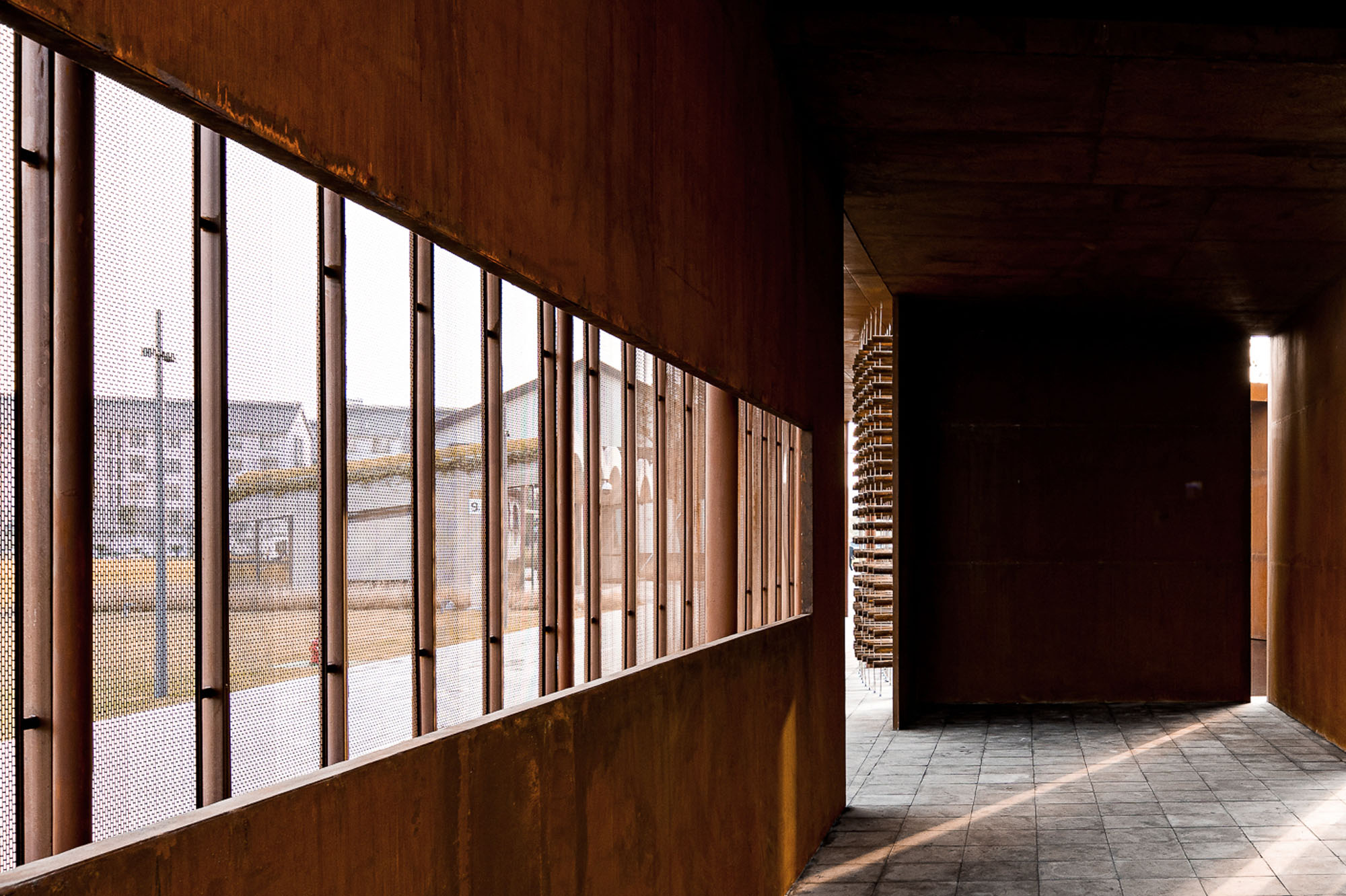
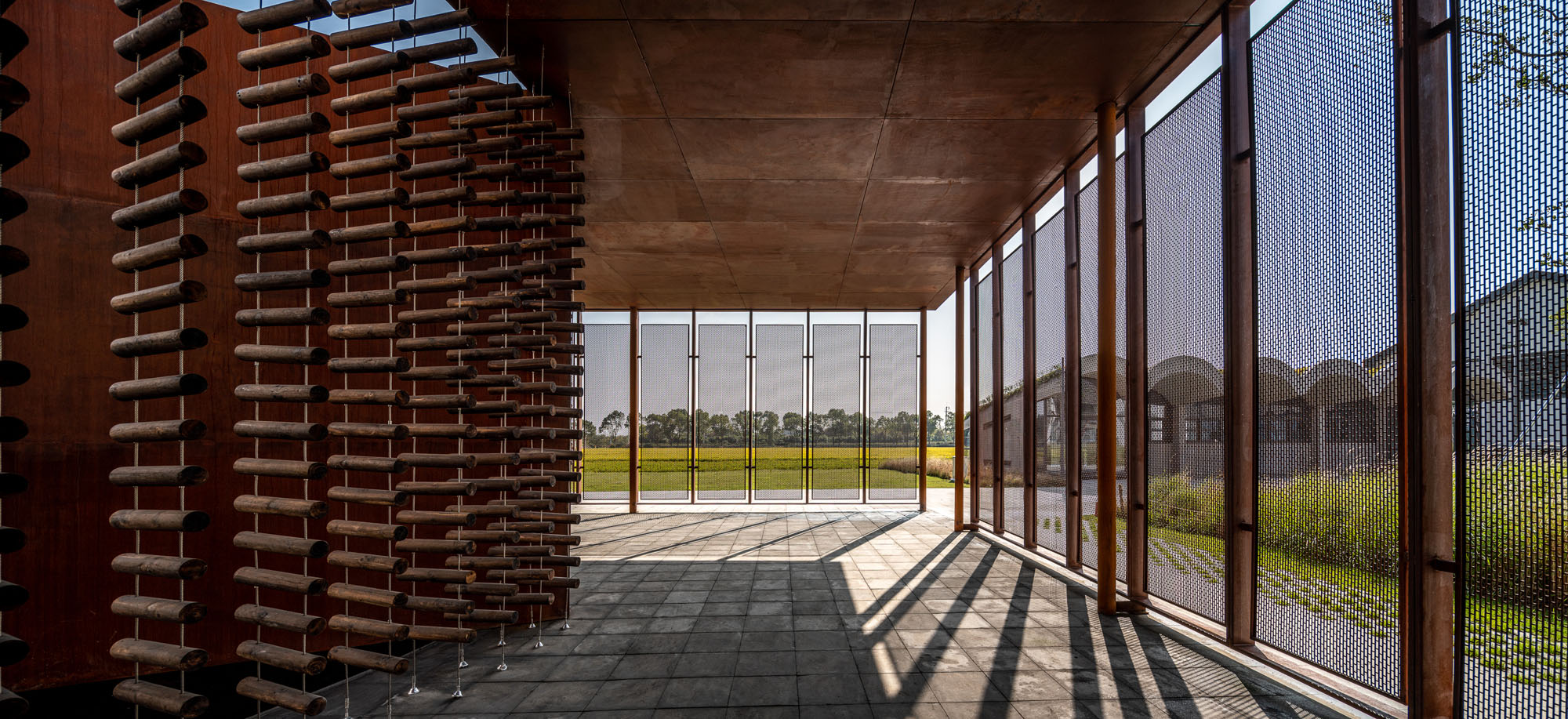
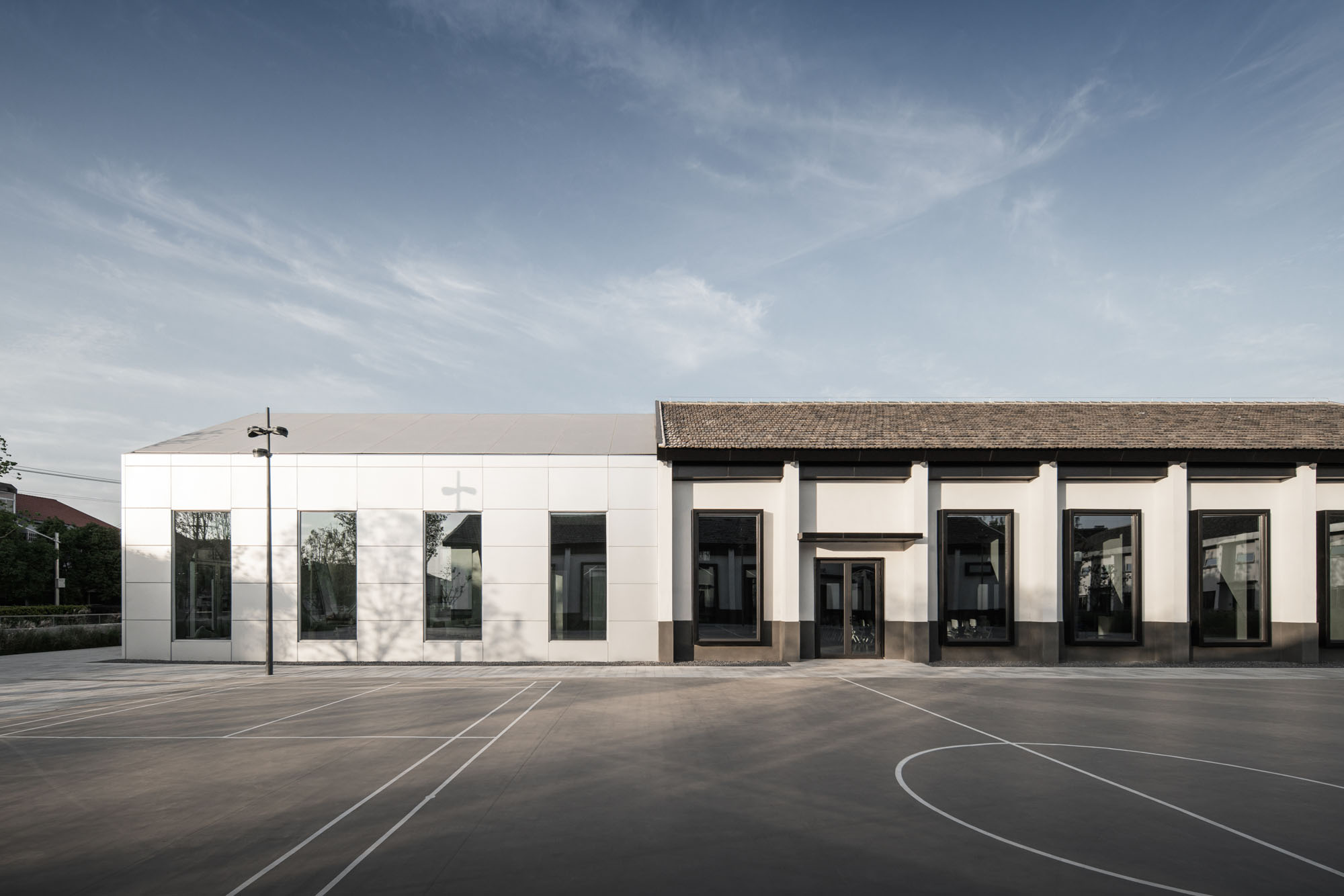
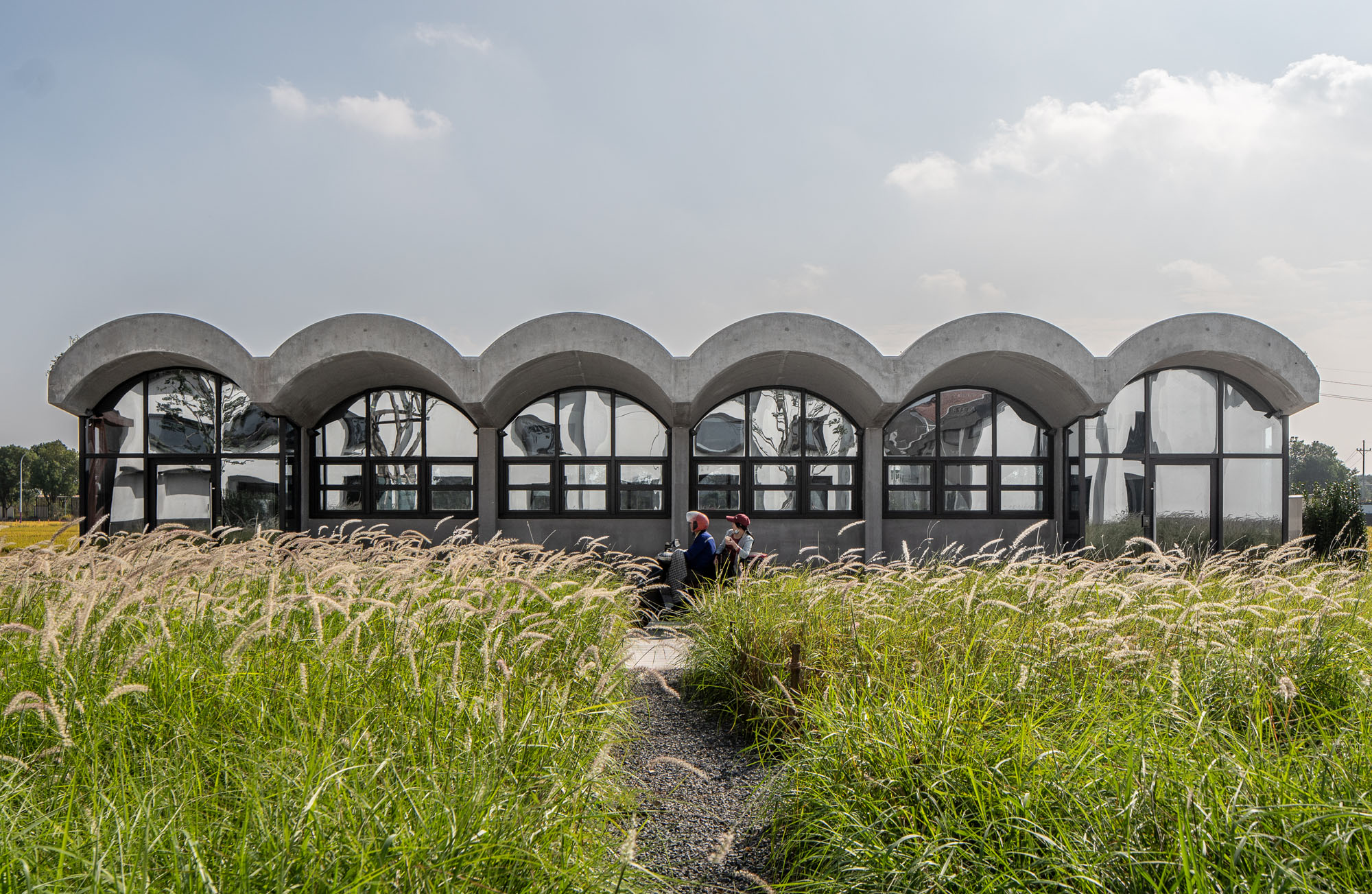
再構築が必要な箇所では、元の構造物から回収した建材を転用した。例えば、古い屋根の煉瓦を新たな屋根材として再利用しつつ、過酷な気象条件に耐えることで知られる地域の伝統的アーチ様式を遵守した。木材・鋼材・石材などの自然素材の使用を維持し、自然な風合いと魅力を創出している。自然採光を強化するために新たな窓を設けつつも、地域のアイデンティティを保持し不要な生産を削減するため、既存のファサードを維持した。
©︎ line+ studio
©︎ line+ studio
このアプローチにより、丁柵プロジェクトは極めて困難なものとなった。設計から施工までの期間が非常に限られていたため、設計プロセスは流動的となり、図面作成と並行して建材メーカーや施工会社への現地視察を頻繁に行った。サンプルは共同で開発し、素材や質感も共同で選定した。
設計チームの建築家が常駐し、施工プロセスに関する日次報告をチームに提供することで、施工会社と関係各所間の円滑な連携が確保され、必要な箇所での迅速な対応が可能となった。 建築家の経験、集団での創造活動、そして明確な再生・急進的再利用戦略が相まって、このプロセスは成功を収め、印象的な成果をもたらしたのである。
©︎ Chen Xi Studio
©︎ line+ studio
©︎ line+ studio
©︎ line+ studio
©︎ line+ studio
©︎ Chen Xi Studio
©︎ Chen Xi Studio
©︎ Chen Xi Studio
©︎ line+ studio
©︎ line+ studio
© 业主团队
©︎ Chen Xi Studio
©︎ Chen Xi Studio
©︎ line+ studio
©︎ Chen Xi Studio
以下、MLA+のリリース(英文)です。
Architects: MLA+, line+ studio
Area: 11824 m²
Year: 2022
Photographs: Chen Xi Studio, Simu
Category: Renovation
Design Principal: Peidong Zhu
Design Team: Mingquan Xing, Wangtao Bao, Shengyao Zhao, Ke Gao, Shiqiu Liang, Xiangjun Liu, Wenyu Zhou (Architecture), Jun Zhu, Xiaoxiao Fan, Zhiyi He (Interior), Shangyang Li, Jianbo Jin, Feier Rao, Jun Li, Wenjie Zhang (Landscape)
Project Management: Zhejiang Blue City Youdao Construction Management Co., Ltd.
Project Operator: Hangzhou Hongyi Culture Commercial Tourism Development Co., Ltd.
Preliminary Design Cooperation Unit: Hangzhou Ouben Structural Design Office Co., Ltd.(Structure), Hangzhou MJP M&E (Mechanical and Electrical)
Construction Drawing Cooperation Unit: UADI
Client: Jiashan County Yaozhuang Rural Revitalization Development and Construction Co., Ltd.
City: Jiashan
Country: ChinaProject title: RE-Dingzha: Responsible Regenerative Re-use
Project Description:
There are many old villages and towns in China, most of which experienced growth due to the political will to develop the communist society around the farmer. After the opening up of China and the establishment of a market economy, cities became the focus. Millions of people moved from the countryside to the prospering cities, leaving dying villages behind that have now become abandoned. An emptying countryside is problematic; food security is compromised, the social divide is enhanced, and infrastructure and building stock are devalued. The Common Prosperity model seeks to revert this by revitalizing the development of these towns and villages, economically and spatially.
In early 2022, MLA+ together with Line+ were commissioned by the Jiashan County Government and Zhejiang Blue Town Group to work on the regeneration of Dingzha, a historic town located in Jiaxing, at the crossroads of Jiangsu, Zhejiang, and Shanghai. Dingzha has a rich history of nearly five hundred years. It was a local center of paddy agriculture and fishing, thanks to the surrounding water network. One of the key goals of the design team was to transform the town while keeping its “memory” and village identity.
Demolition is not the way to preserve a site’s identity and traditional characteristics. Demolition and reconstruction lead to enormous amounts of CO2 that are unjustifiable in light of the climate crisis. Careful research, planning, and design, led to a regeneration plan that reuses as much of the original buildings and structures as possible, and only removes what was absolutely necessary due to safety concerns.
Regeneration in Dingzha is a holistic attitude – from Urban and Landscape design to the rebuilding of the local community and economy. This approach builds on the inherent qualities of the old village and infuses them with new qualities for the locals to profit from. It establishes a new, forward-looking narrative that is also attractive to new arrivals and mindful tourism.Project from he social, economic and individual impact:
S: Buildings represent local culture. The preservation of Dingzha’s buildings keeps the community’s history and memory intact; Its regeneration also attracts new groups of people, allowing the local community to further evolve.
E: Honoring Dingzha’s traditional agricultural character and updating its appeal and profile, creates economic opportunities. The Agricultural Technology Exhibition Spot links food production to small-scale rural tourism. The Architecture Research Industrial Spot and coworking spaces allow new economic activities that do not now exist in rural areas.
I: Dingzha offers a new form of rural life for the existing population and new arrivals from cities. The former are given the opportunity to use all the advancements of technology to secure their rural future, while the latter can live a lifestyle different from the urban way that cities offer.Relation to the current development/trend:
Radical reuse: Regeneration in times of climate change requires choosing reuse over replacement. Dingzha is an exemplary case of this approach.
Deurbanization in rural areas: People leave rural areas for urban centers due to economic opportunities and convenience, leading to declining quality of life and vanishing communities in the countryside. This poses problems to those not mobile and can risk food safety in the long term. Dingzha helps reverse this by offering a modern rural lifestyle that combines the local history and traditional economic base with a new program, technology, and an upgraded environment.
Uniformity of places: Present development models often create a high uniformity level where buildings and urban spaces lack local identity. Reusing what is there helps avoid this. Dingzha is a characteristic, unique place like no other, qualities that are now embraced.Impact on the scale:
On a small scale, we boost the town’s development perspectives. By improving infrastructure, transportation, and access to amenities, we create an attractive and welcoming environment that supports the needs and aspirations of the local community. This can, in turn, attract investment and new businesses, creating job opportunities and boosting the local economy.
On a big scale, we prove that taking a sustainable approach is possible and needed, despite it being more challenging. We hope the project can serve as a model and inspire more parties to follow similar paths and prioritize reuse and material mining over greenfield development or replacement. Eventually, this can have a knock-on effect on other towns and communities in China and beyond.MLA+ and Line+ redefined regeneration of a historic rural town. The project departs from both the preservation (keeping everything unchanged) and the renewal (rebuilding new), and introduces radical reuse as a new concept for an entire town.
This makes it an example of a low-carbon development approach that is different. The best way of saving carbon is to use as few new materials as possible. At the same time, the social problem regeneration often results in is also addressed: gentrification. By keeping the spatial, economic, and social fabric of the village intact, the locals turn into active members. They can define their own fate and profit from the regeneration, rather than become victims pushed out by outside players.
Regeneration in the holistic, radical reuse way as demonstrated in Dingzha, only works with a fully integrated team. It involves all key players working hand in hand daily to make this happen. Design disciplines Urban -, Architecture -, Interior – and Landscape Design, worked as an integrated team that brought experts, the community, local political leadership, and construction companies together. Close collaboration and using design as the tool that demonstrates the factors and perspectives affecting the town’s development and regeneration, proved to be the recipe for success.
Transcending the traditional boundaries of disciplinary work and making everybody part of the design process also greatly helped create ownership of all parties involved.
Dingzha became a joint effort and achievement – an example of collective design and implementation.Preserving Dingzha’s heritage and character while regenerating the town was our main goal. Initially, locals were concerned about the loss of local identity due to regeneration plans. To address these concerns and contribute to climate change and spatial justice agendas, we employed radical reuse as a tool, keeping everything local. The outcome is a town that merges historic and contemporary elements, without compromising either identity.
We asked locals how they feel about the final result and were told that they “even enjoy walking the dog now”, let their kids play outside, or take a nice walk after lunch. We feel that by improving the basic, simple, and everyday things in life, we made a bigger impact than adding a new “iconic structure” would.
Our work is meant to serve others in a meaningful way. We believe that we have met our goal to make a difference while avoiding vanity.Regeneration as radical reuse naturally limits the possibilities. We see these limitations as an opportunity and inspiration for new and innovative solutions. For example, when thinking about what to do with the old, now abandoned warehouses, we got inspired by the high ceilings and big space. We decided to turn them into an area where places to meet and new forms of working in a rural environment can emerge.
In that way, the industrial character is preserved but filled with new life: warehouses became workspaces, a cultural center, a library and bookstore, and meeting spaces. The old lighthouse lost its original function and was turned into a vista tower where people can experience the place and its surrounding from high up.To us, radical reuse means demolishing as little and reusing as many original structure elements as possible. We recycled roof tiles from the original buildings, structure components such as bricks from the old walls, concrete elements, steel beams, and columns. Where possible, we kept the basic structures, even if that meant building a new foundation to meet current regulations and safety standards.
The newly added parts came from recycled sources, such as recycled aluminum and recycled concrete elements. We avoided materials that could potentially deteriorate local ecosystems.Responsible design goes beyond materials. While western-style public participation is difficult to achieve in China, we still approached locals and mapped their wishes and worries. Though informal, their input was included in the design process, ultimately shaping the concept of radical reuse as realized.
Materials/techniques:
Our approach prioritized sustainability over aesthetics, with a focus on utilizing existing materials and incorporating only necessary additions. Our research into local, historical techniques and their rationale informed our design choices, which were evolved from traditional practices.
In instances where reconstruction was required, we repurposed materials salvaged from the original structures, such as bricks from the old rooftops to create new ones, while adhering to the region’s traditional arc style known for its durability against harsh weather conditions.
The use of natural materials such as wood, steel, and stone was preserved to create a natural feeling and charm. We also incorporated new windows to enhance natural light, while preserving the original facades to retain the area’s local identity and reduce unnecessary production.The approach chosen made Dingzha a demanding project. Since the time between design and construction was quite limited, the design process turned out to be fluid, often supplementing drawings with visits to the producers of materials and the construction company. Samples were developed together and materials and textures were also chosen together.
An architect from our team was constantly on-site and provided the design team with daily reports of the construction process. This ensured smooth communication between the construction company and all other parties involved and allowed us to take quick action wherever needed.
The experience of the architects, the collective generation, and the clear regeneration radical reuse strategy helped this process to be successful and deliver a striking result.
MLA+ 公式サイト
https://mlaplus.com/projects/dingzha-chenxiang-soho-creative-settlement/
【購読無料】空間デザインの今がわかるメールマガジン TECTURE NEWS LETTER
RECOMMENDED ARTICLE



