![[大阪・関西万博]海外パビリオン紹介_UAE](https://magazine-asset.tecture.jp/wpcms/wp-content/uploads/2025/04/28211148/UAE_7-900x683-1.jpg)
CULTURE
©︎ Adam Mørk
©︎ Adam Mørk
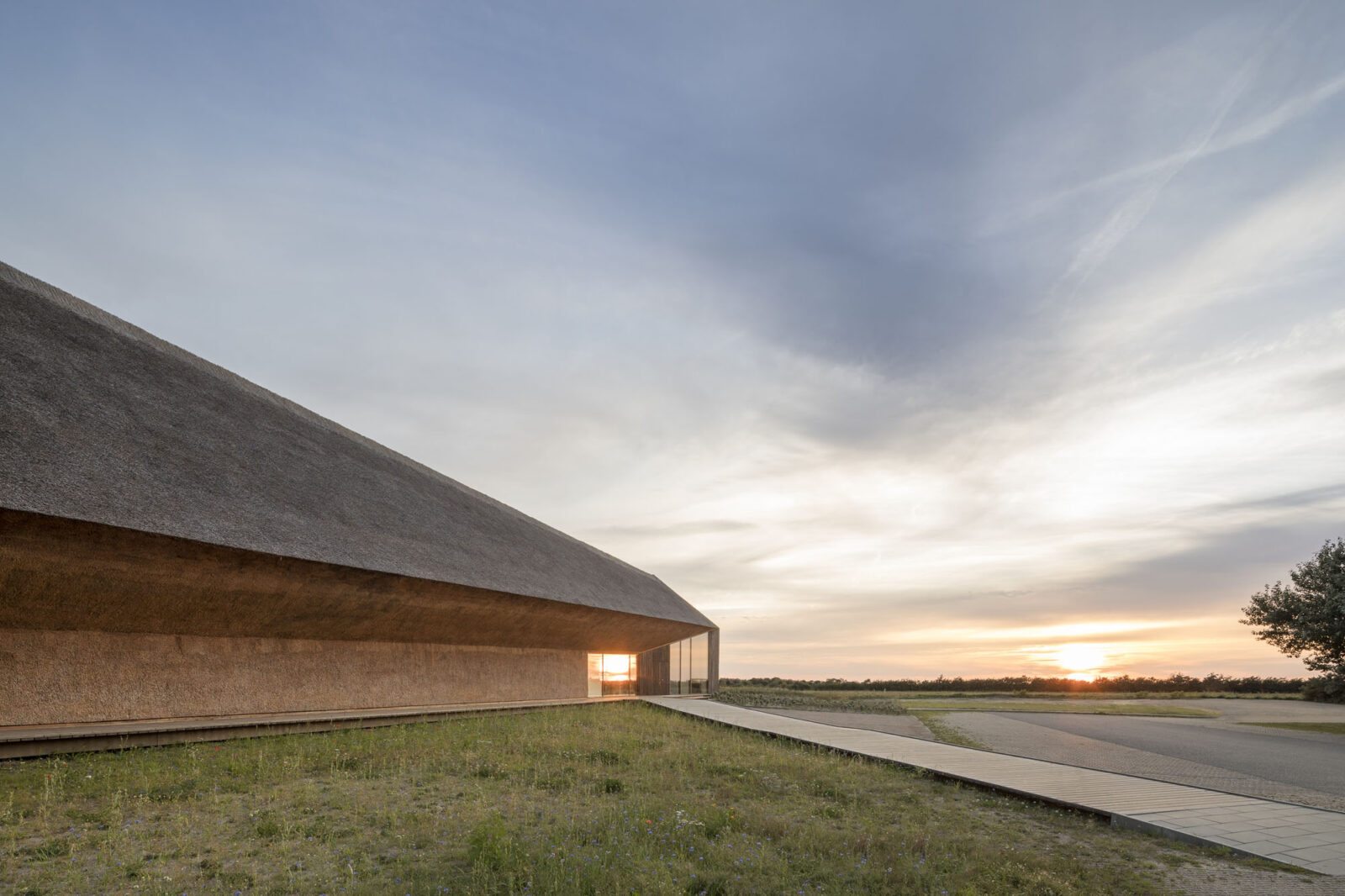
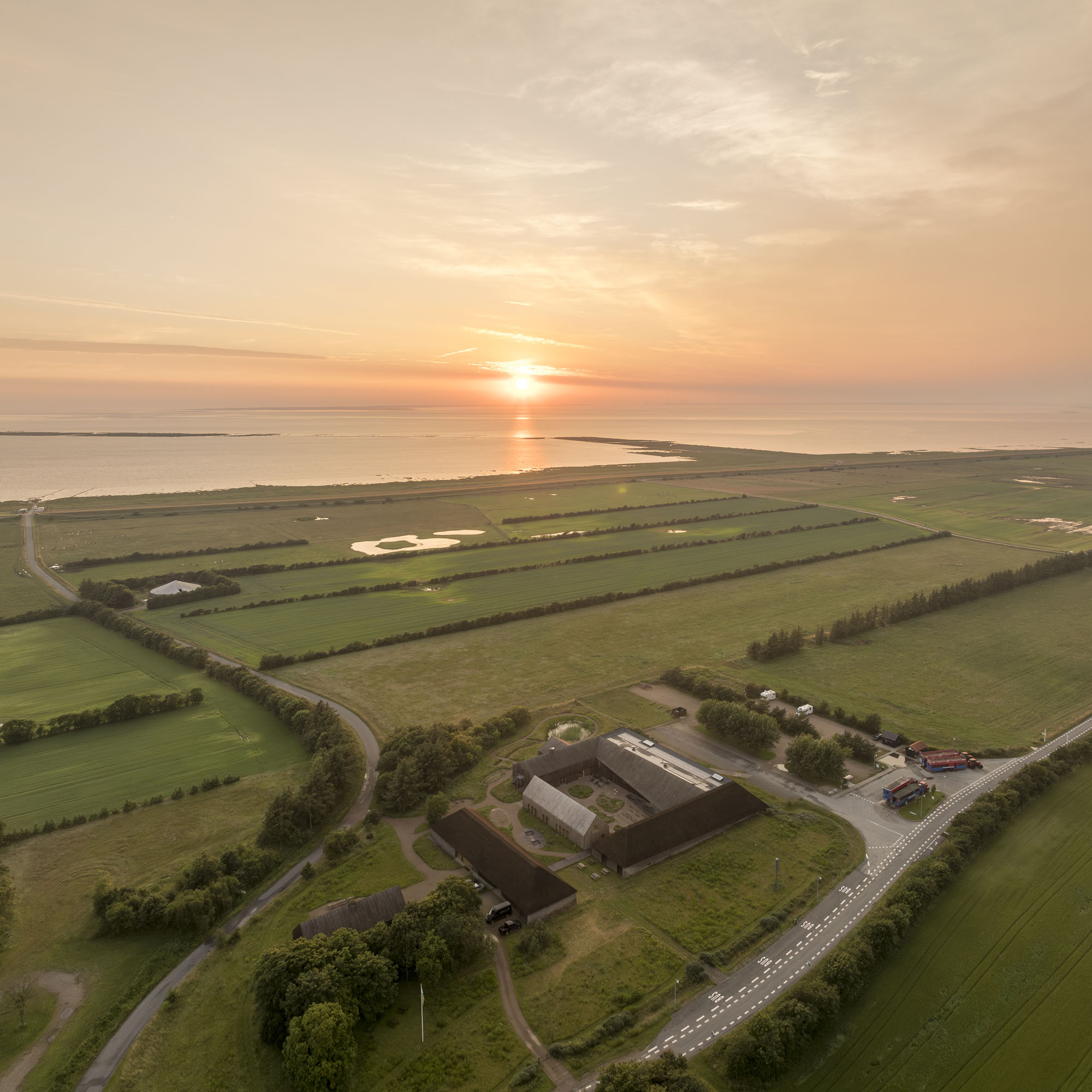
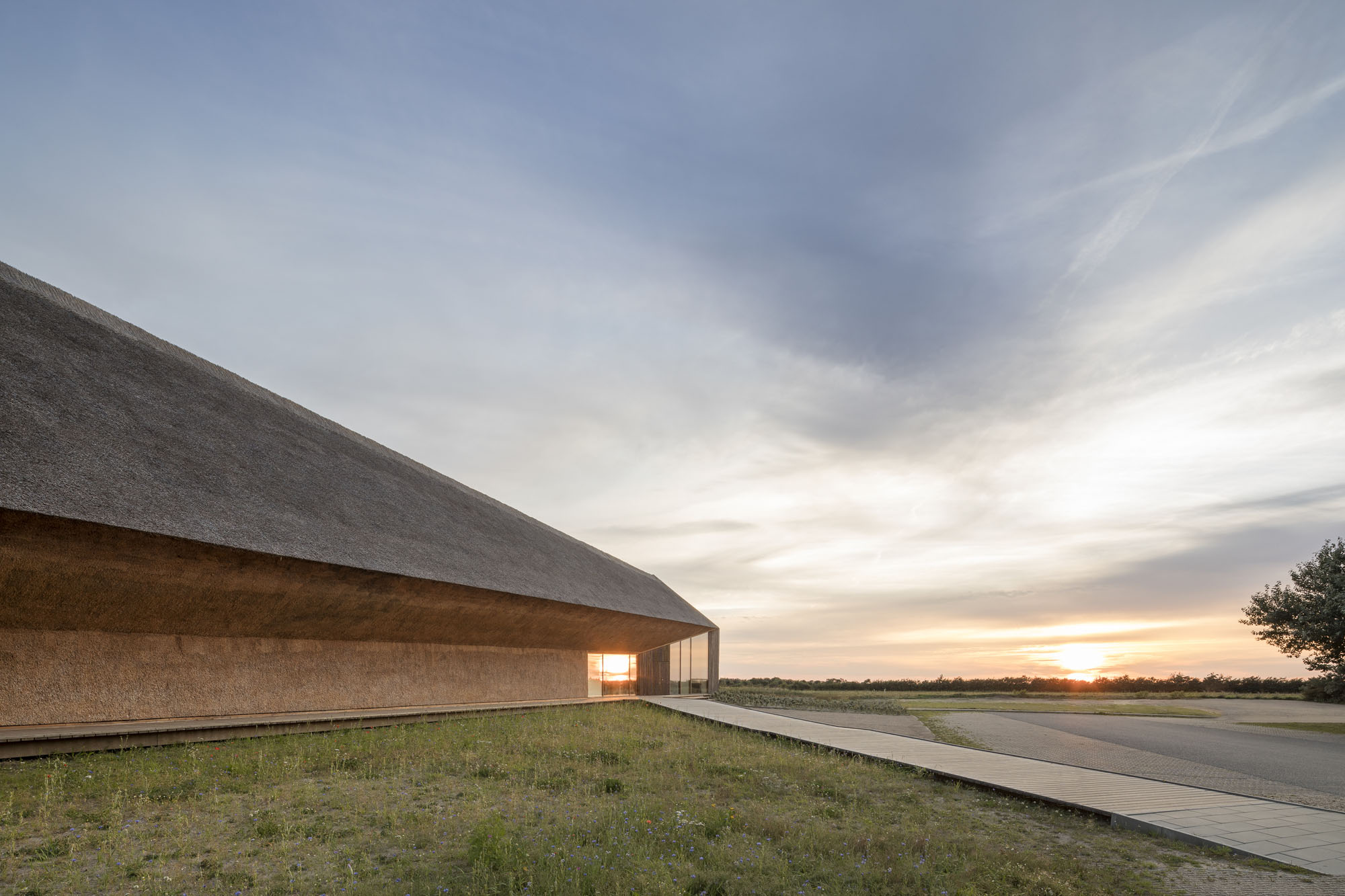
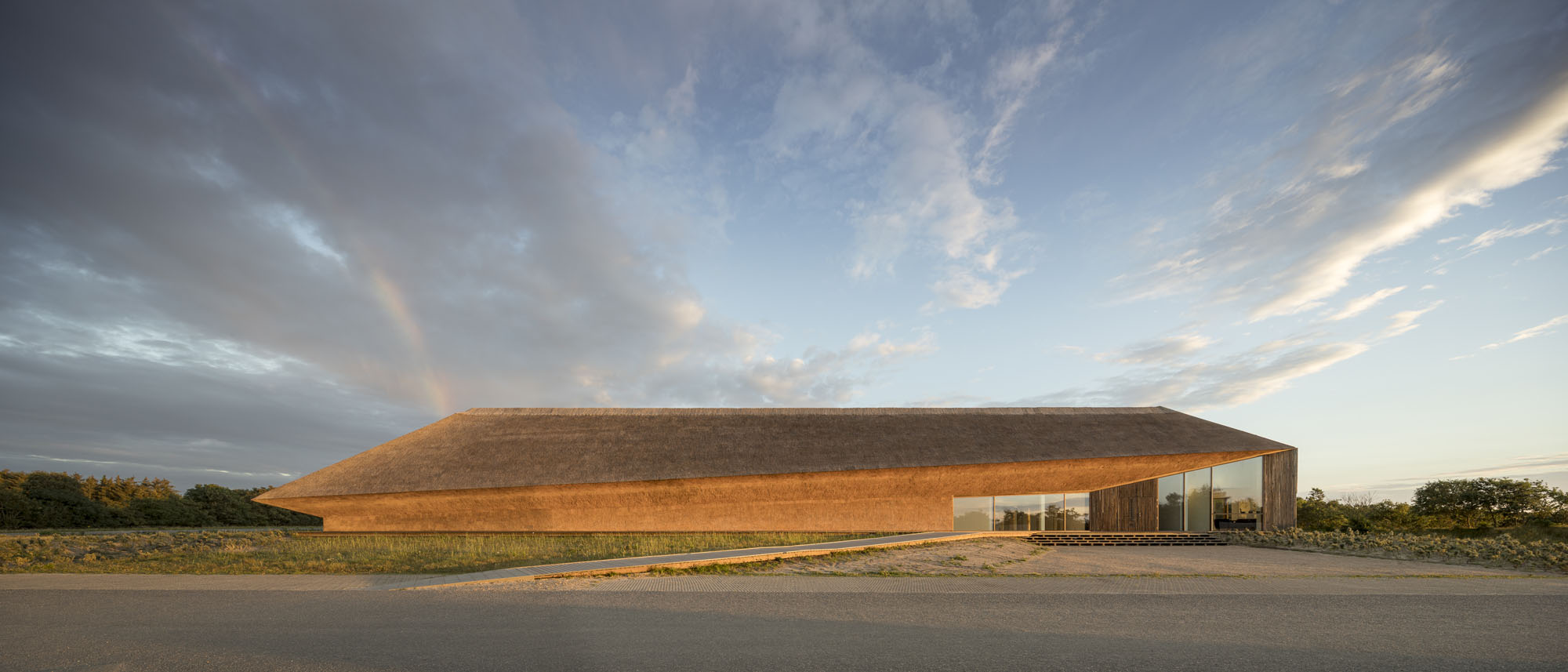
デンマークのヴェスター・ヴェットステッド近郊の海岸沿いに建つ〈ワッデン・シー・センター(Wadden Sea Centre)〉は、ユネスコ世界遺産に指定された保護湿地帯への旅の起点となるビジターセンターです。
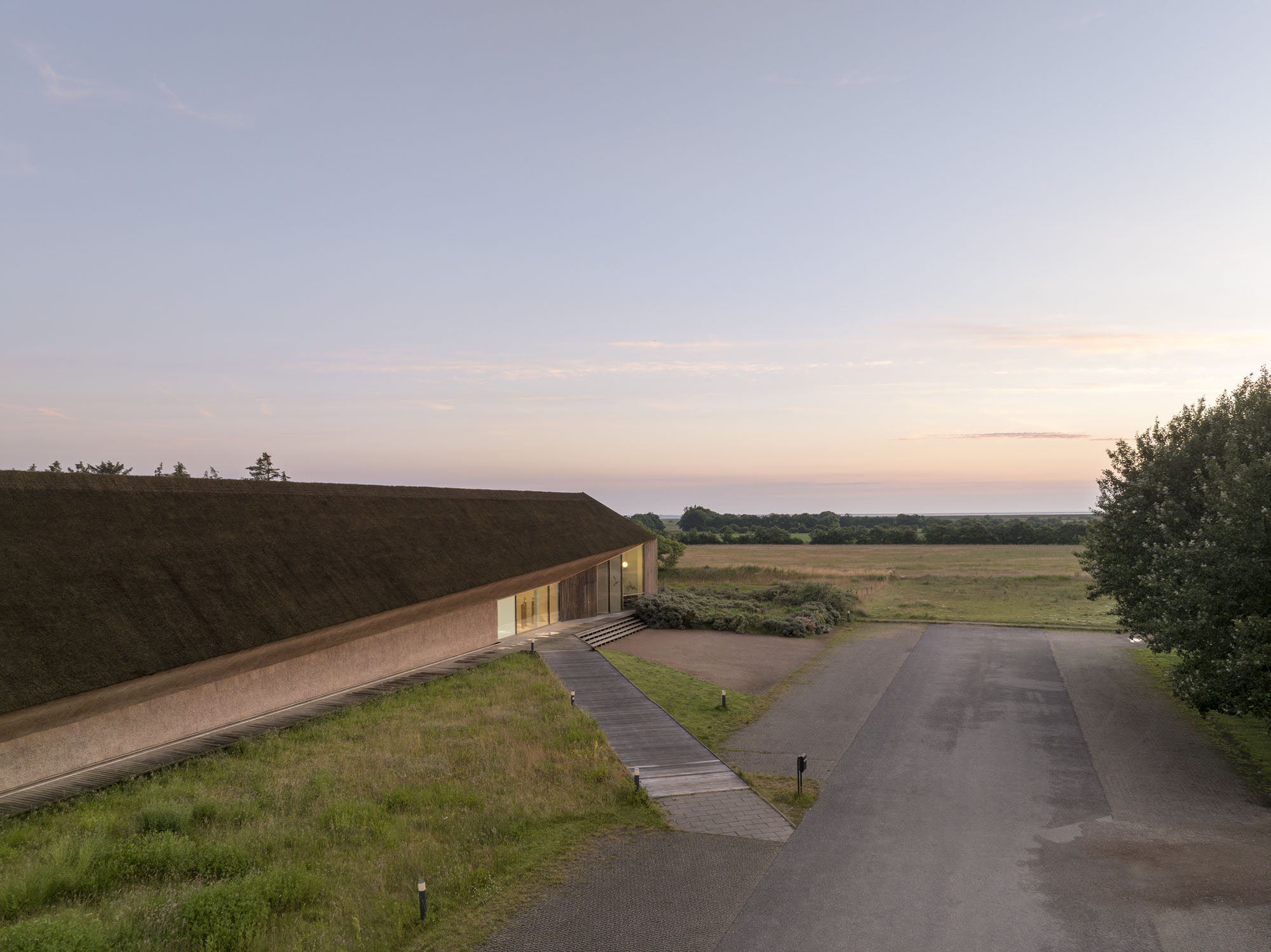
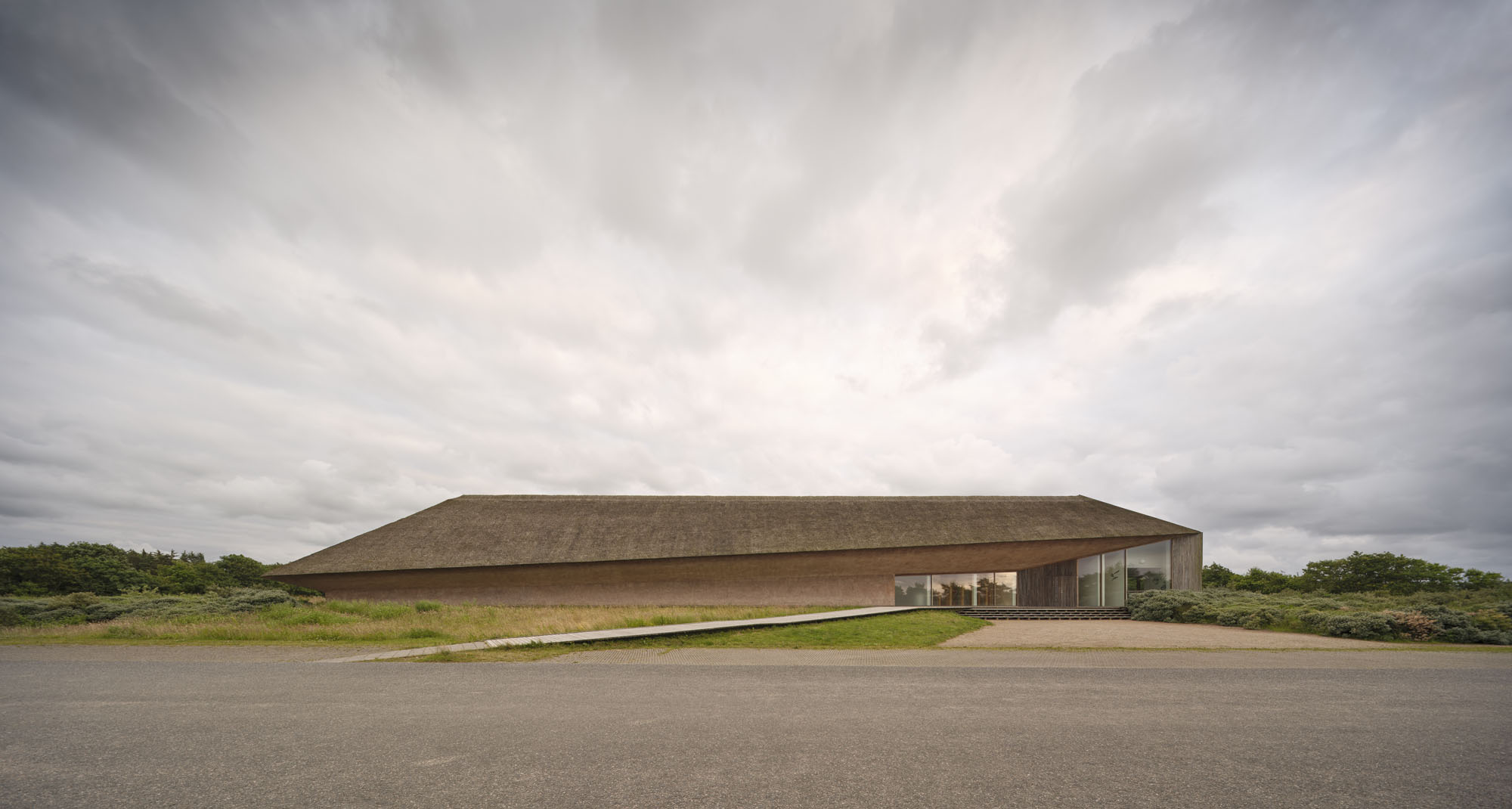
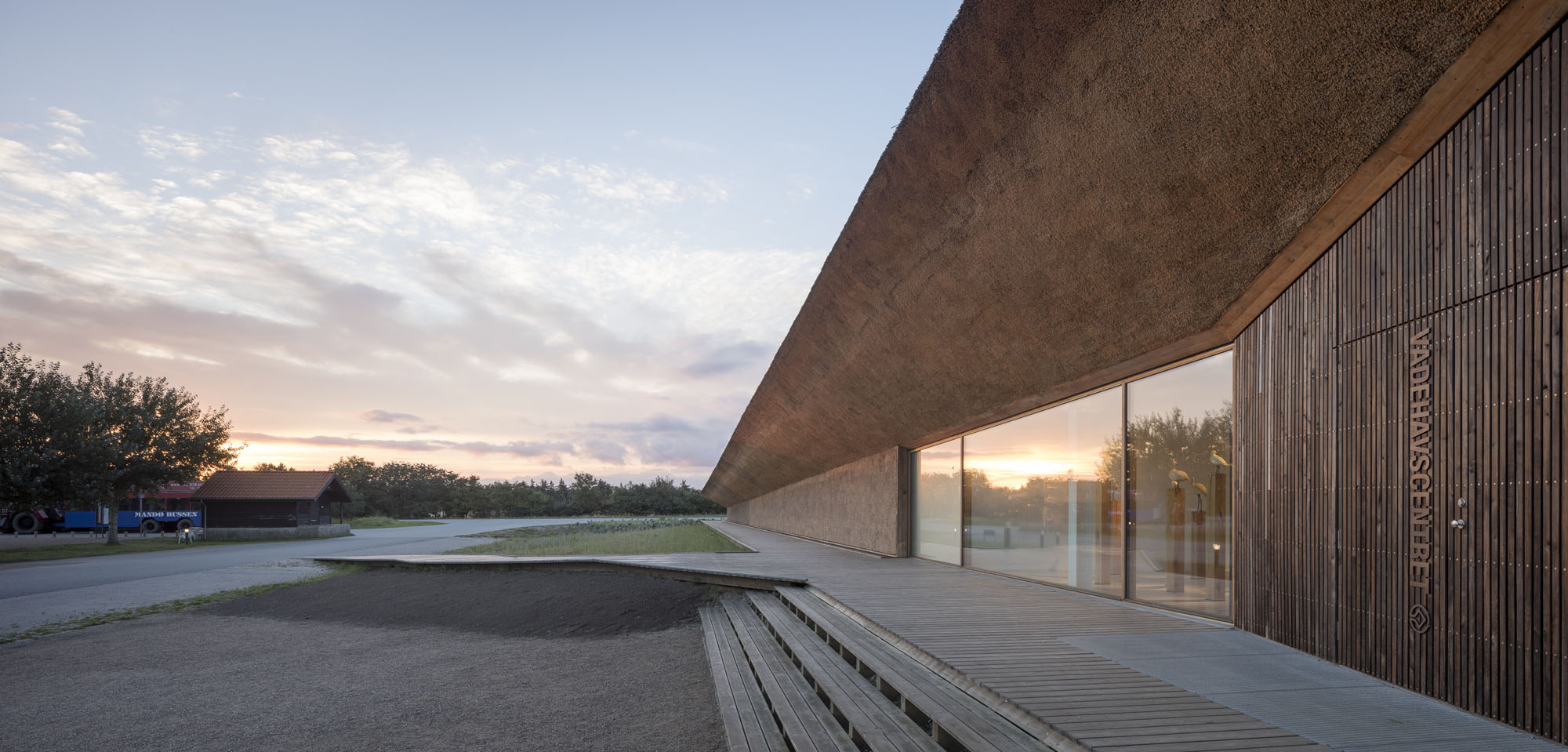
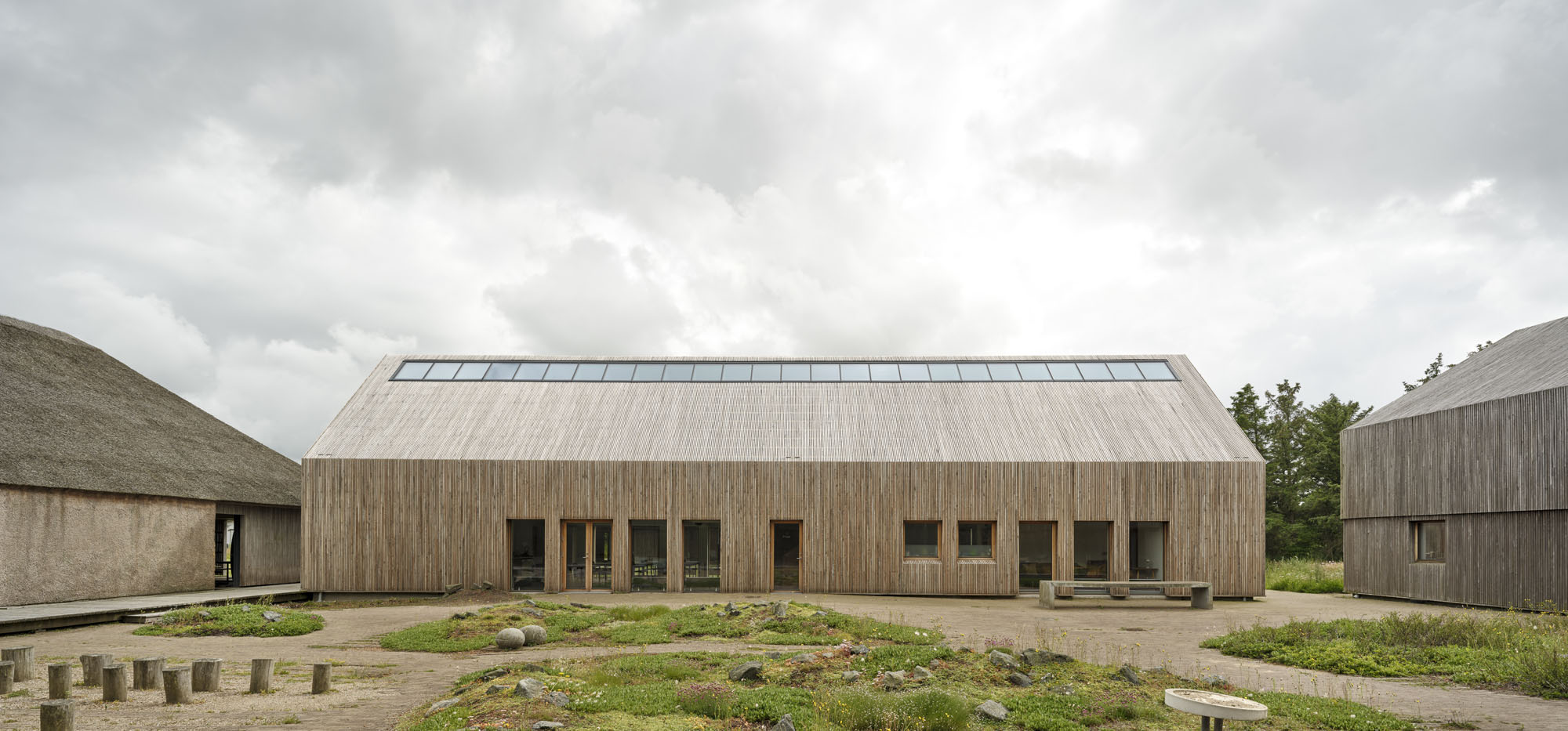
地域の伝統的素材である葦を現代的な造形へと昇華した茅葺き屋根が特徴的な建築であり、デンマークの建築事務所 ドルテ・マンドラップ(Dorte Mandrup)が設計しました。
注目ポイント
- 伝統素材「葦」の現代的かつ彫刻的な再解釈
- 新旧を調和させる、ロビニア材による増改築アプローチ
- 渡り鳥の物語を際立たせる「触覚的な外部」と「抽象的な内部」の空間対比
- 素材の特性を活かした合理的なサステナビリティ
(以下、ドルテ・マンドラップから提供されたプレスキットのテキストの抄訳)
©︎ Adam Mørk
©︎ Adam Mørk
地域の素材と伝統的職人技を称える〈ワッデン・シーセンター〉
過酷な環境に寄り添う「文脈的建築」
〈ワッデン・シーセンター〉は、厳しい自然条件下における文脈的建築である。自然と芸術、そして建築の相乗効果を通じて、このユネスコ保護湿地帯の重要性を認識させるとともに、辺境の農村地域における持続可能な発展に寄与している。
©︎ Adam Mørk
©︎ Adam Mørk
悠久の自然が織りなす特異なランドスケープ
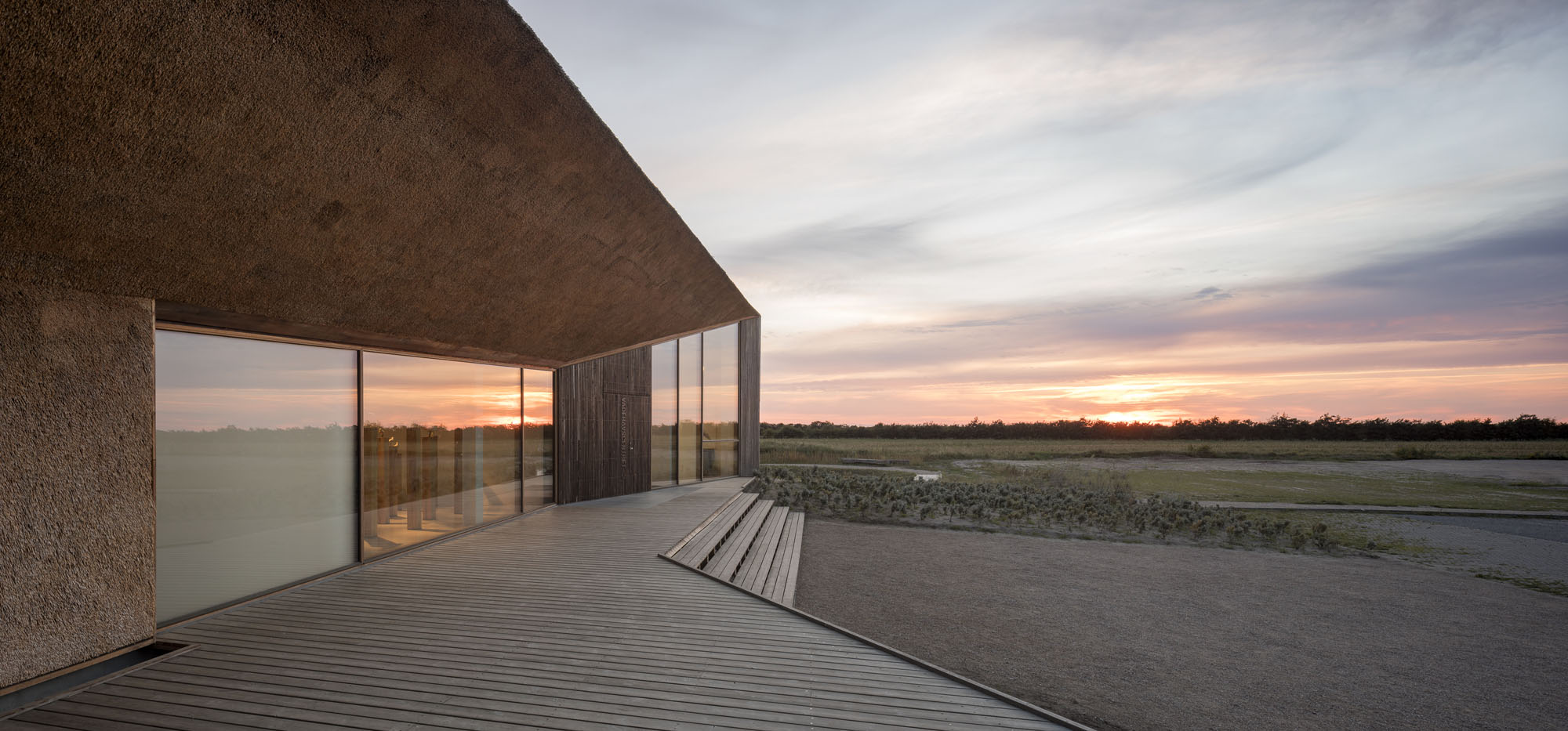
〈ワッデン・シー・センター〉は、デンマークのヴェスター・ヴェットステッド近郊の海岸沿い、平坦な黄褐色の湿地帯からその姿を現す。この建物は、果てしなく続く水平線、人里離れた農家、そして容赦なく吹き付ける西風によって特徴づけられる景観から生まれ出た。
約1万2000年前、氷河期の終焉により500kmに及ぶ沿岸地帯が形成されたが、これが現在のワッデン海である。この地では数百万年にわたり潮の満ち引きが繰り返され、独特の湿原が形成されてきた。
©︎ Adam Mørk
伝統の継承と空間の対比
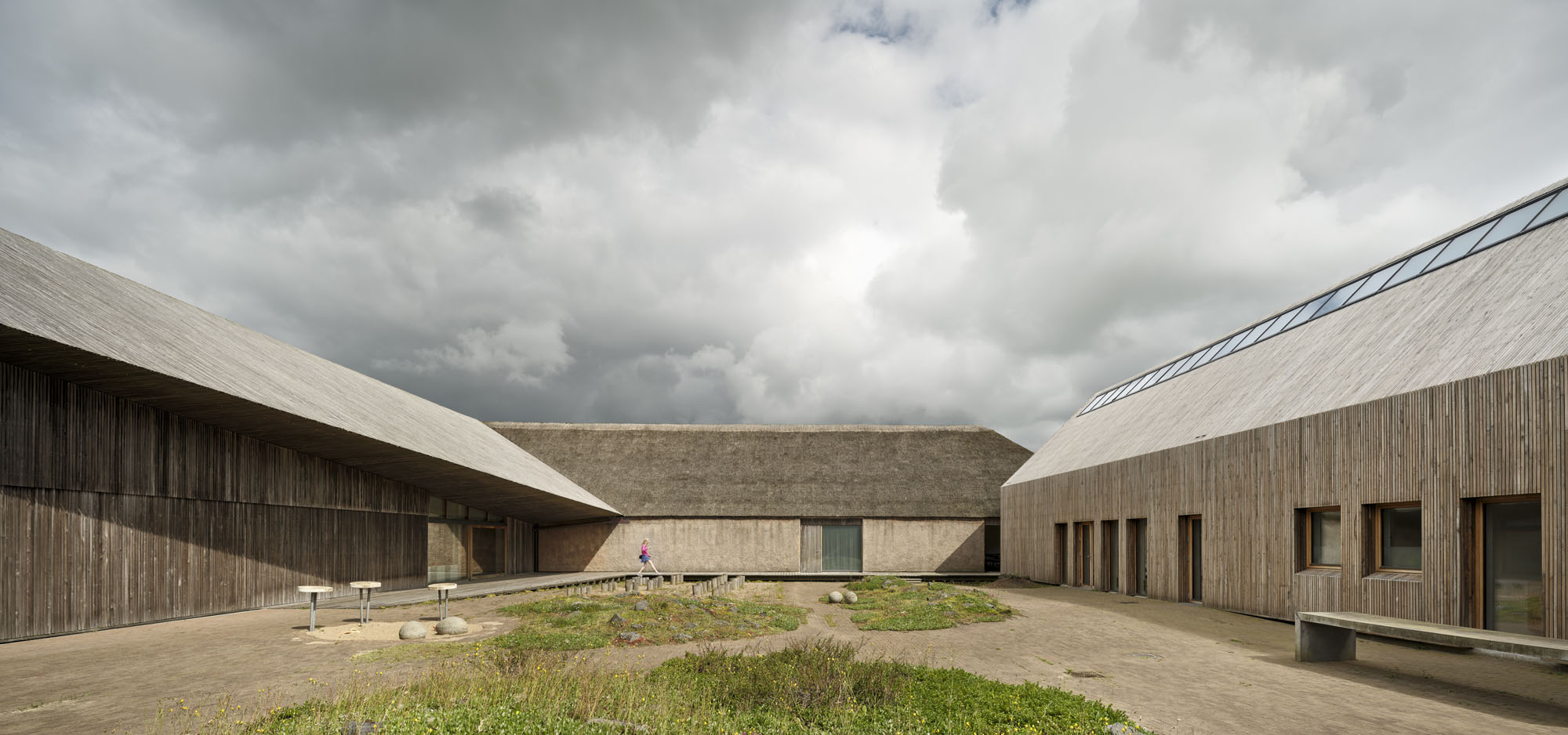
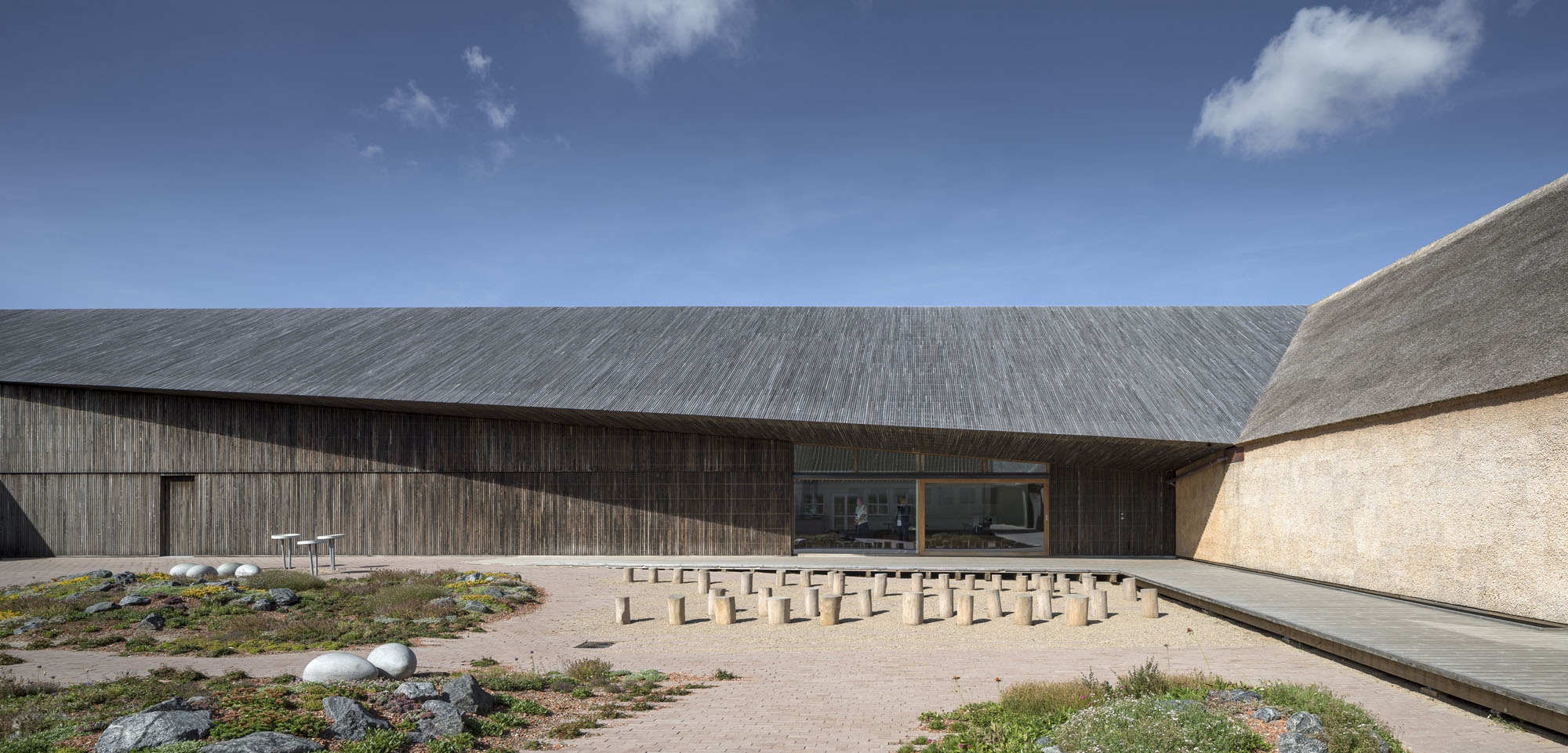
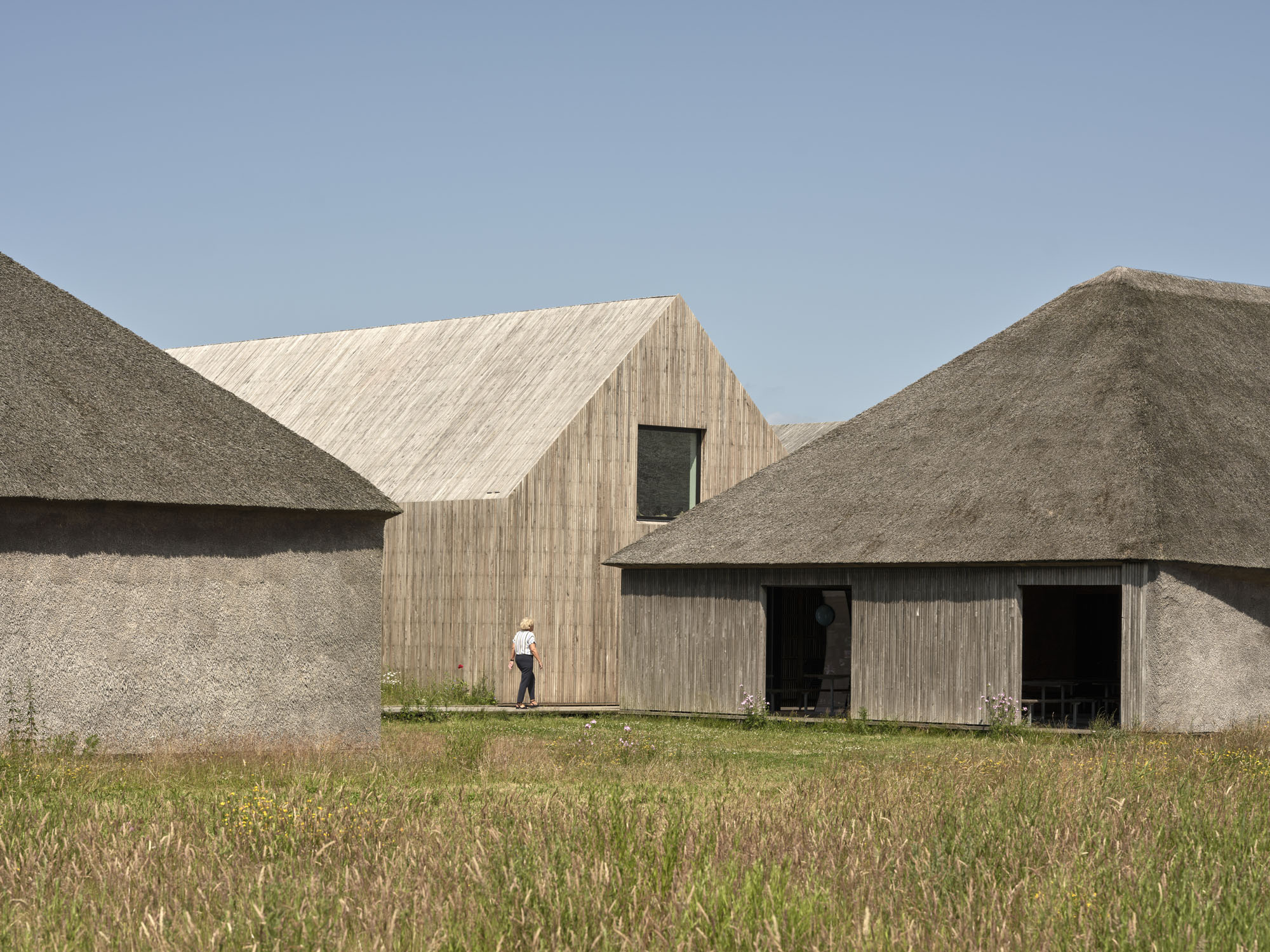
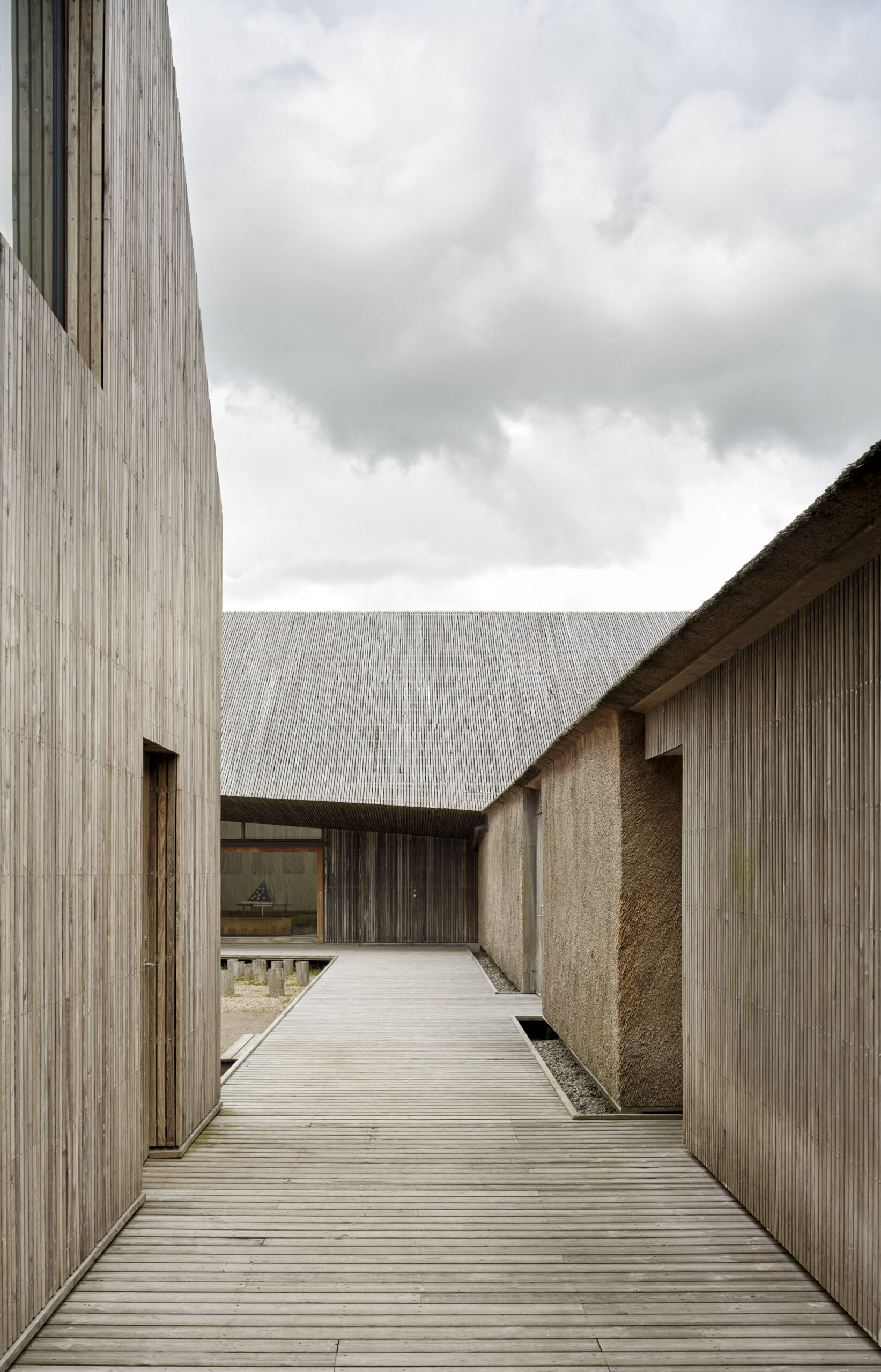
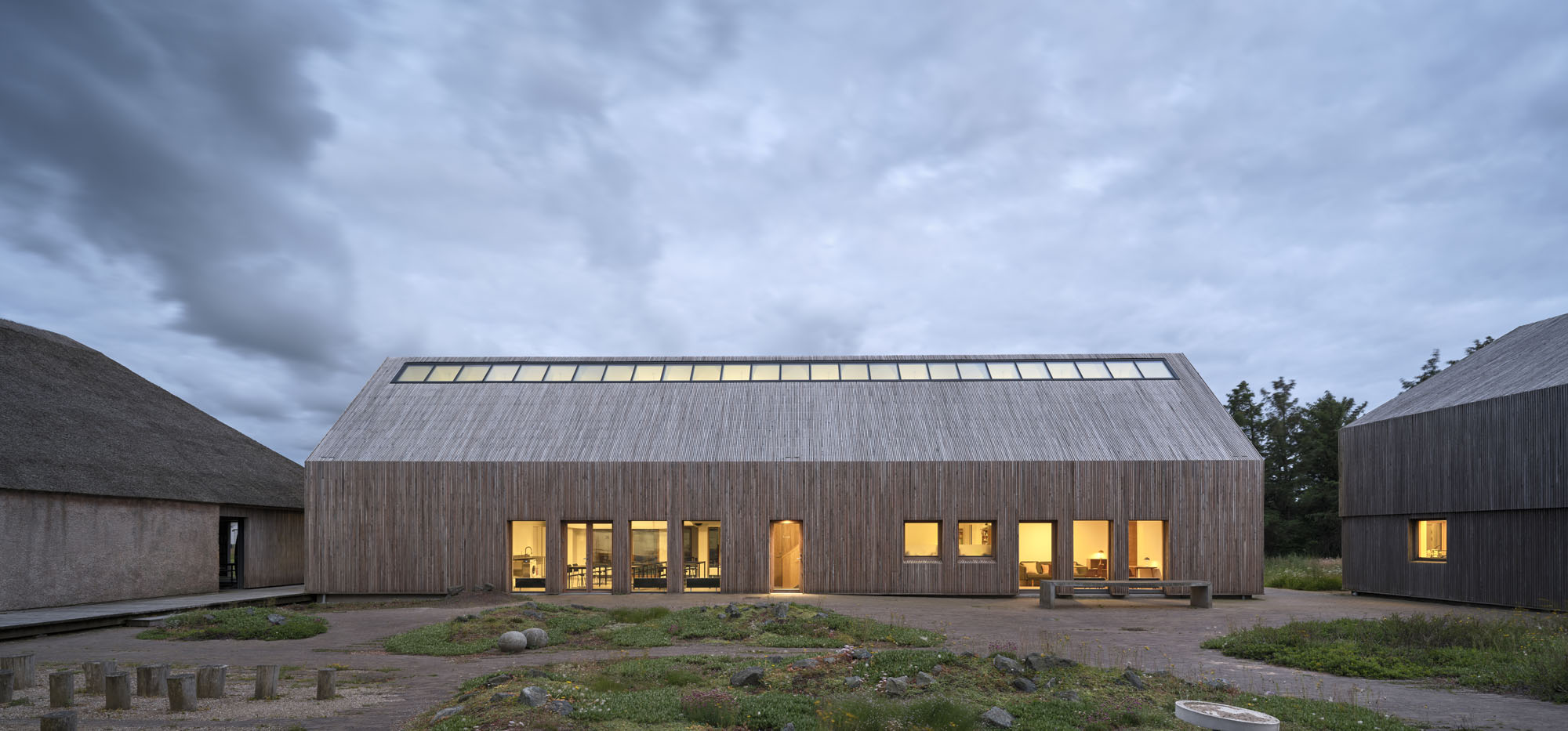
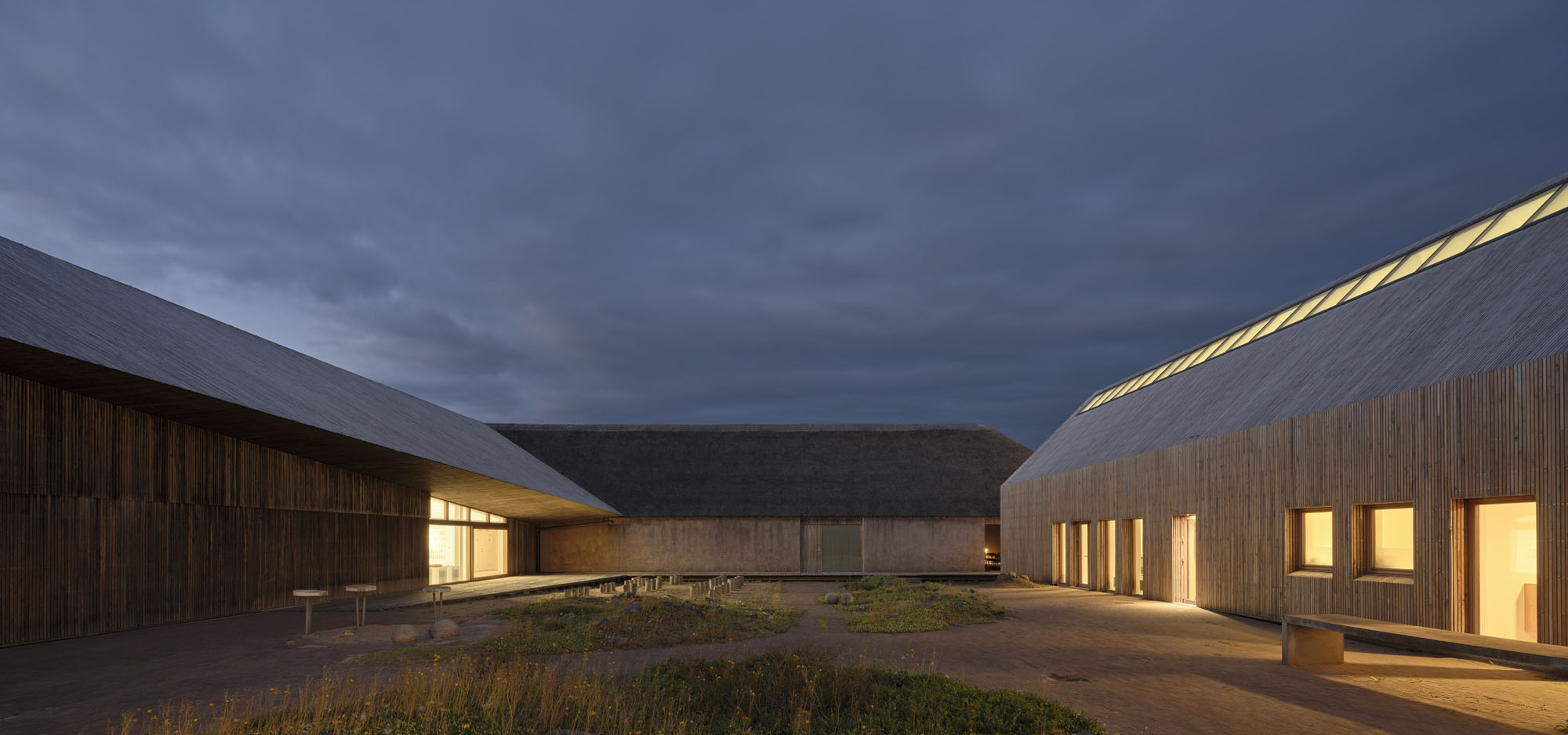
〈ワッデン・シー・センター〉は、既存構造の一部改造と増築によって構成されている。新棟は既存部分を包み込み、建築群全体を景観の中へと統合する。新旧の移行は、彫刻的な造形操作と素材感の変化によって表現されている。
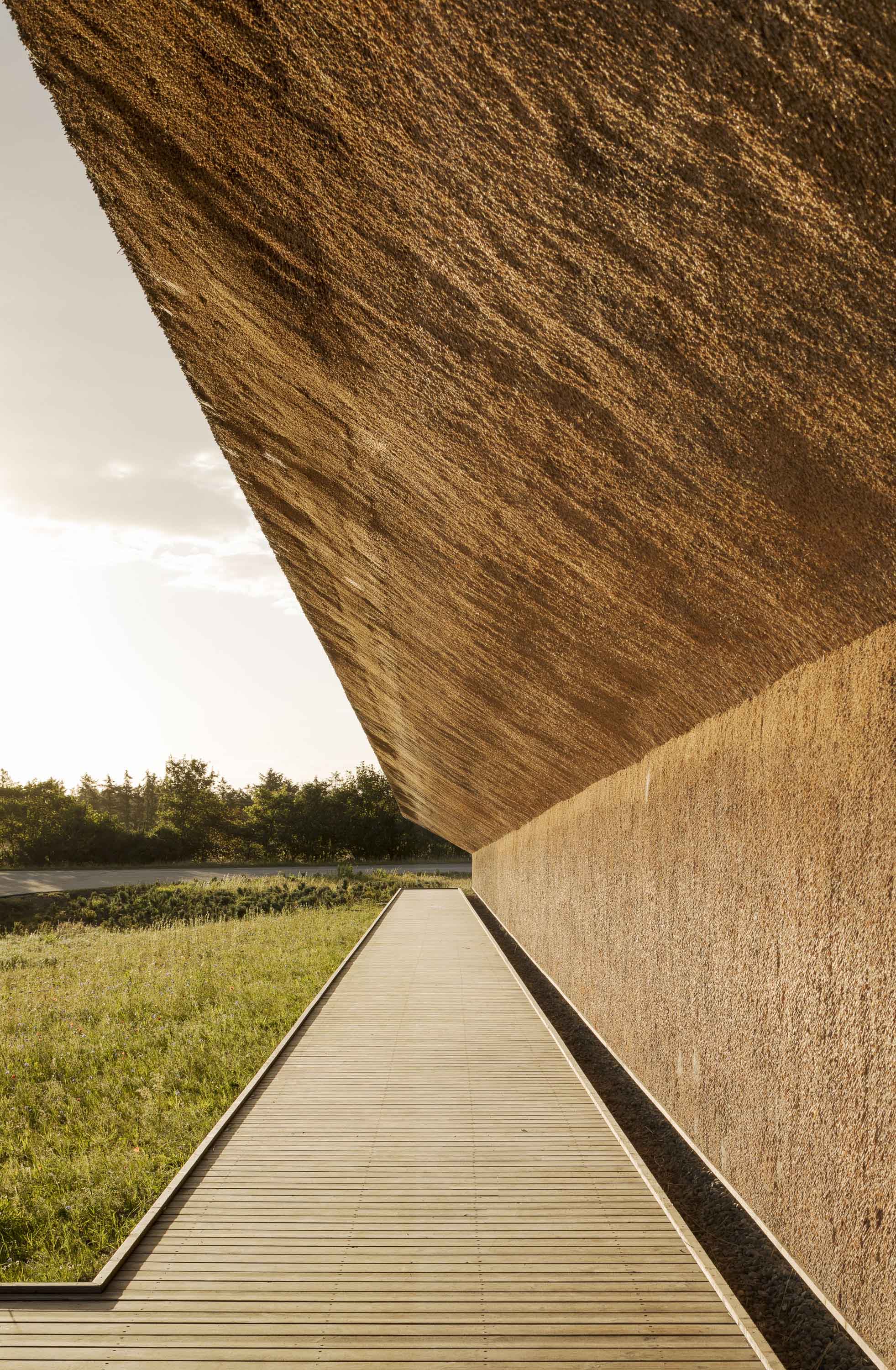
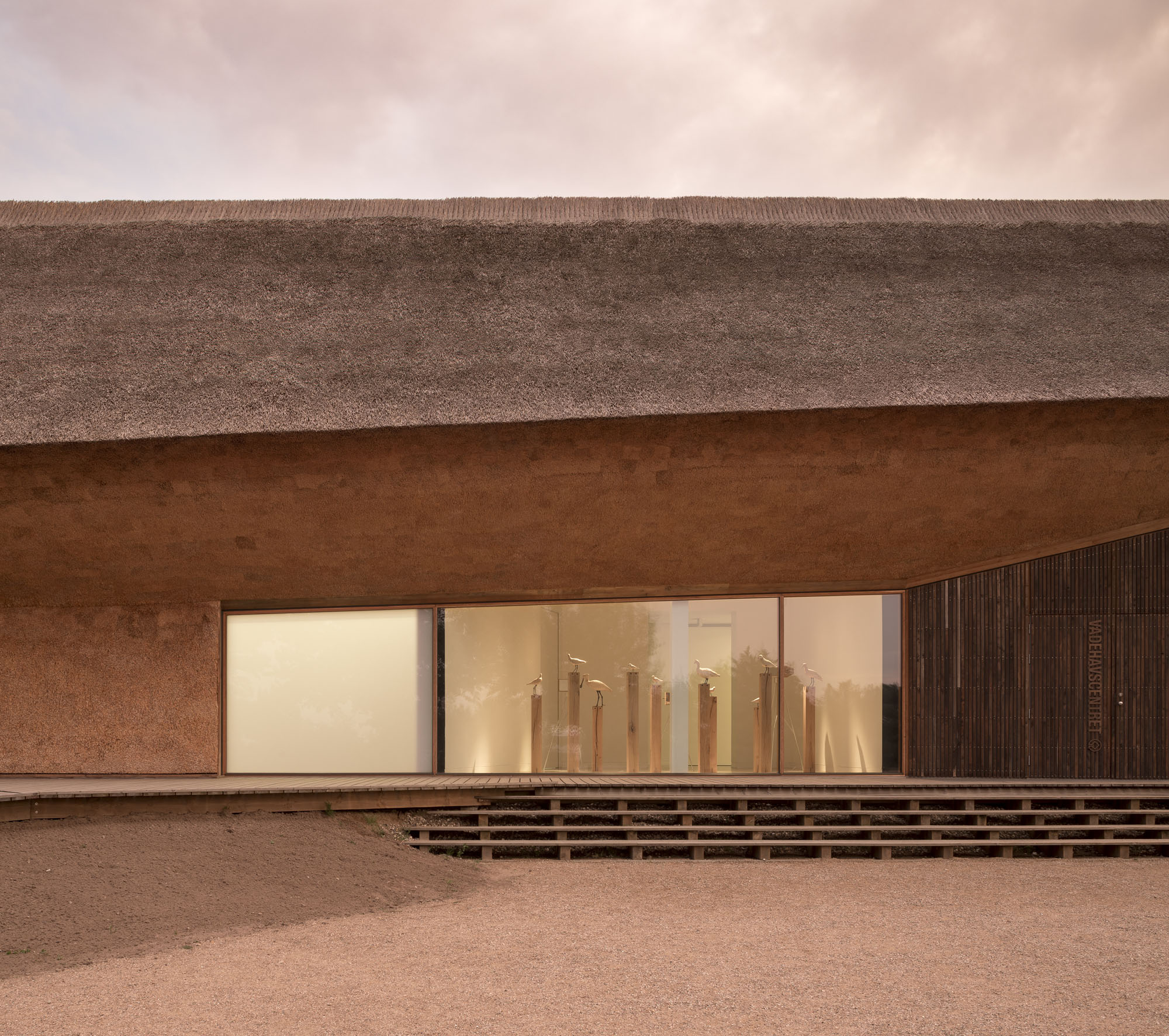
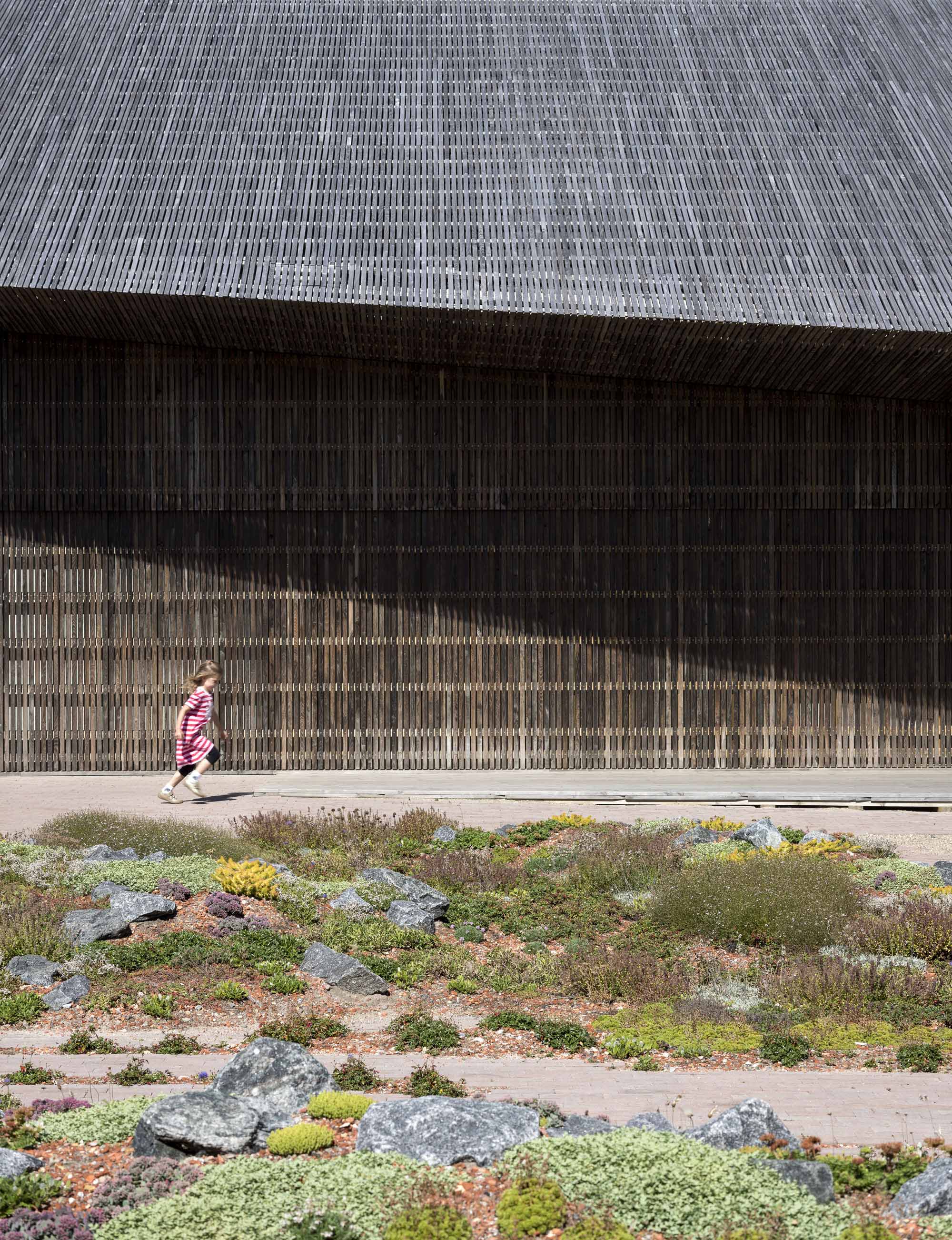
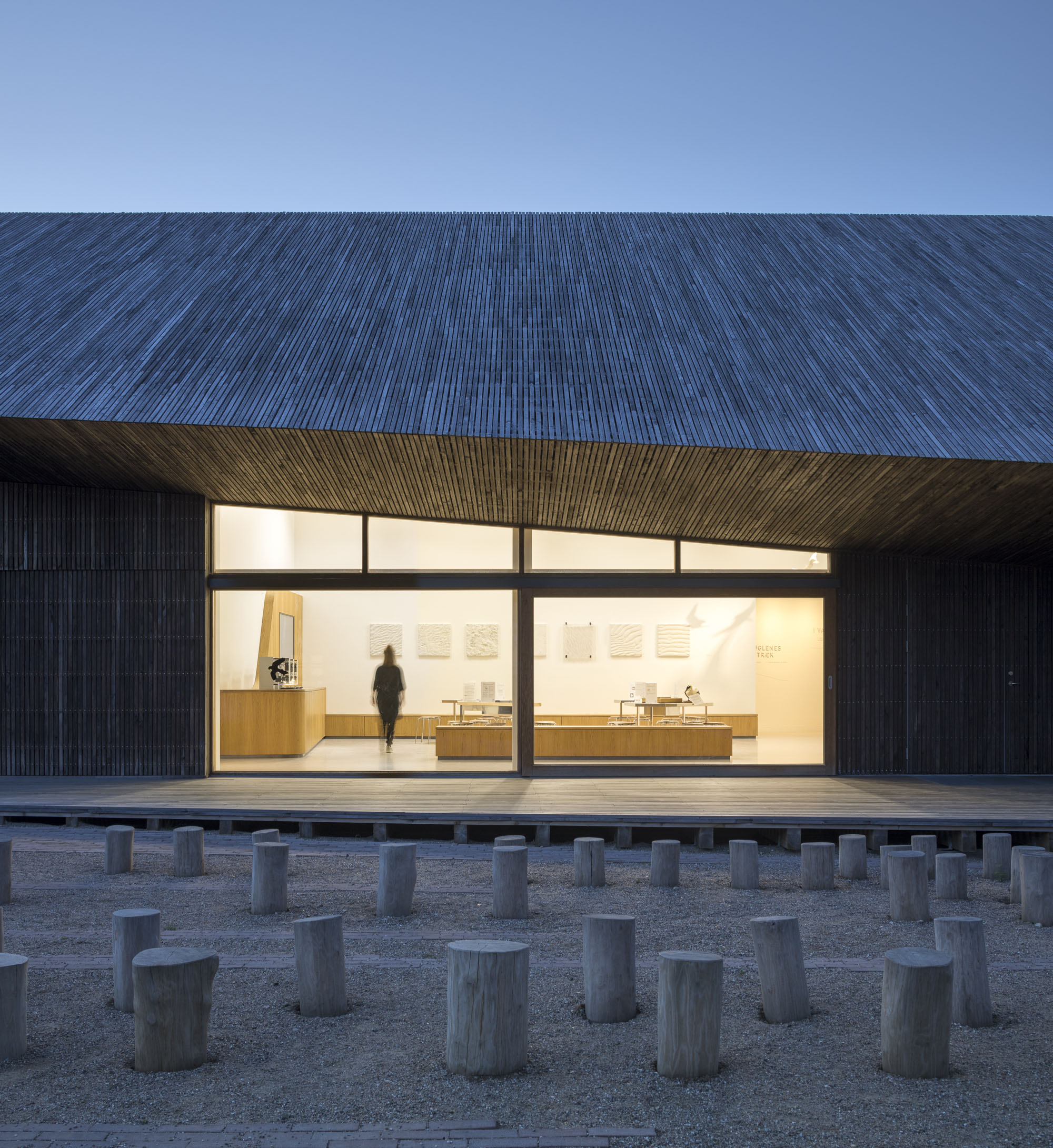
地元産の葦を彫刻的に加工し、長い水平の切断面として張り出しや天蓋を形成することで、斜面と垂直面が交差する空間を生み出した。葦はヴァイキング時代から屋根材として用いられており、その技法は現在に至るまでほぼ変わっていない。
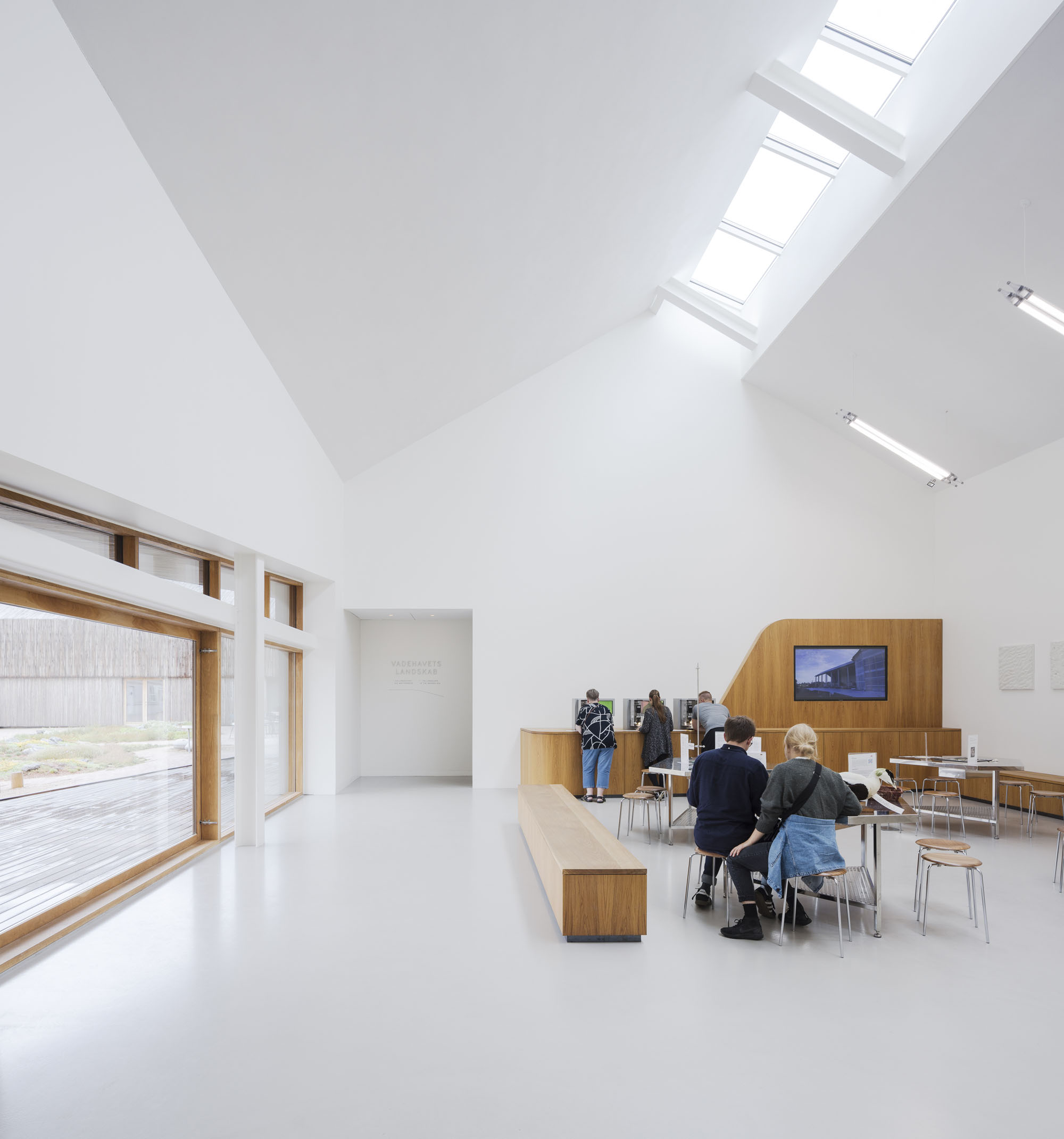
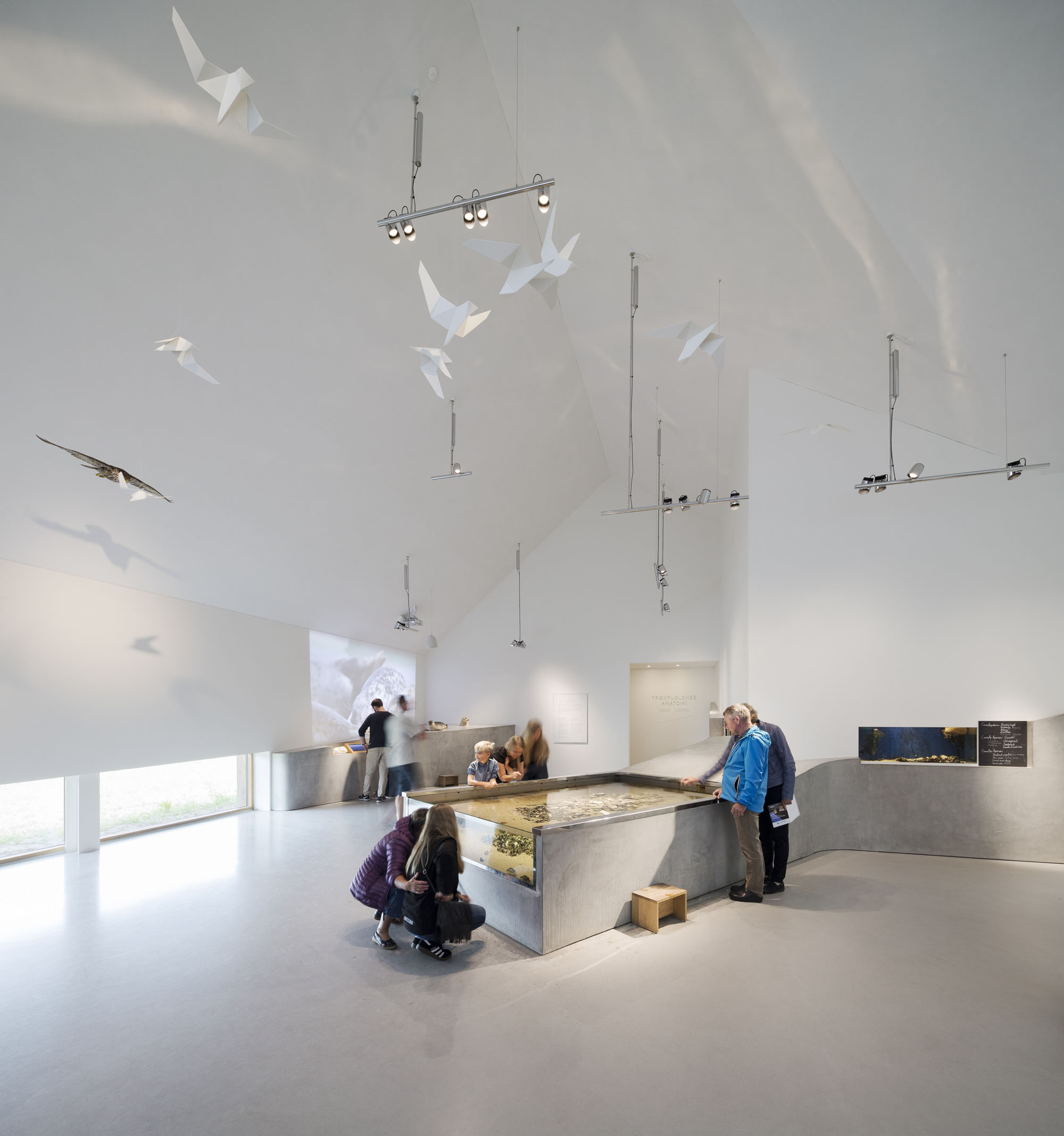
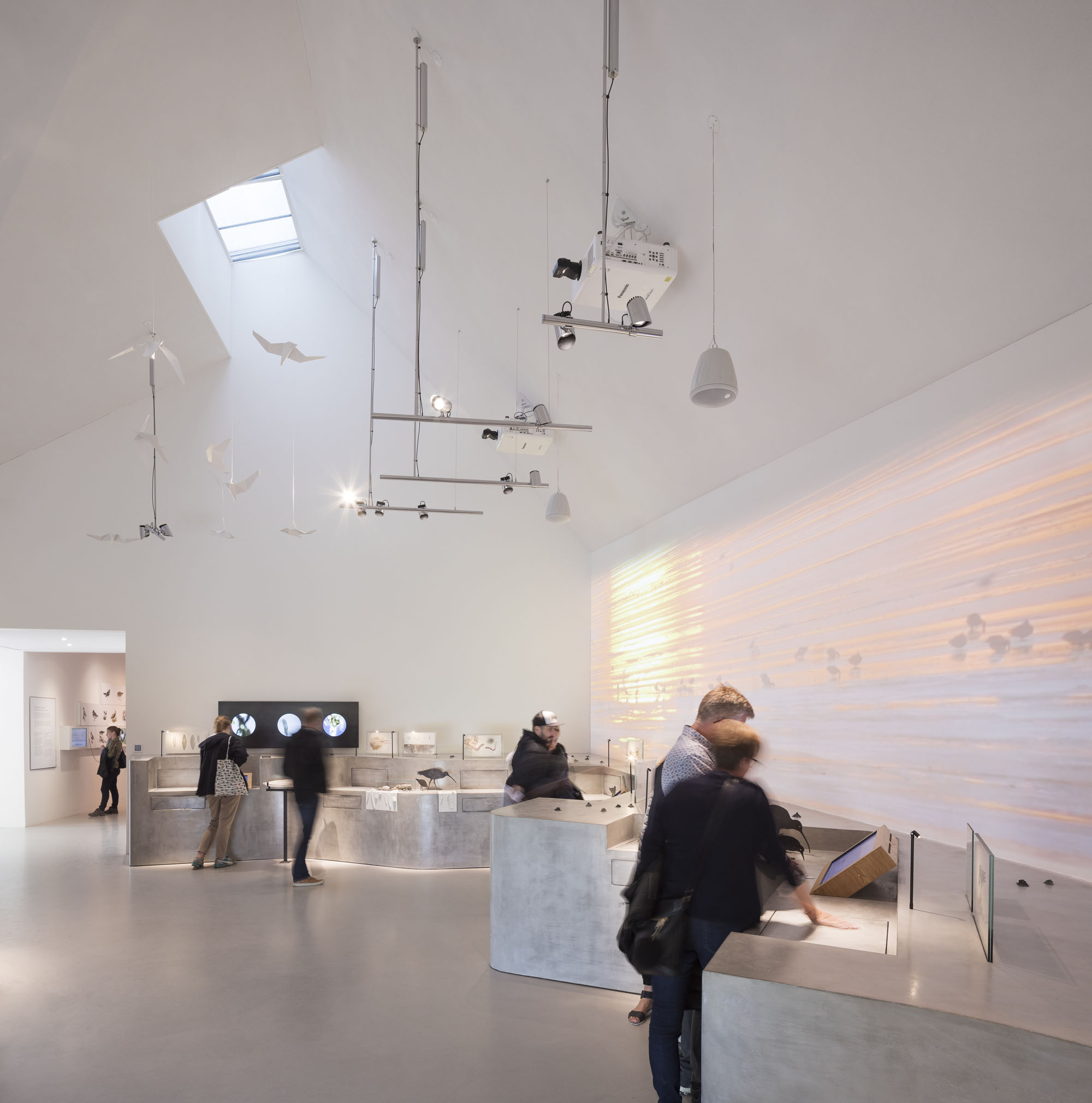
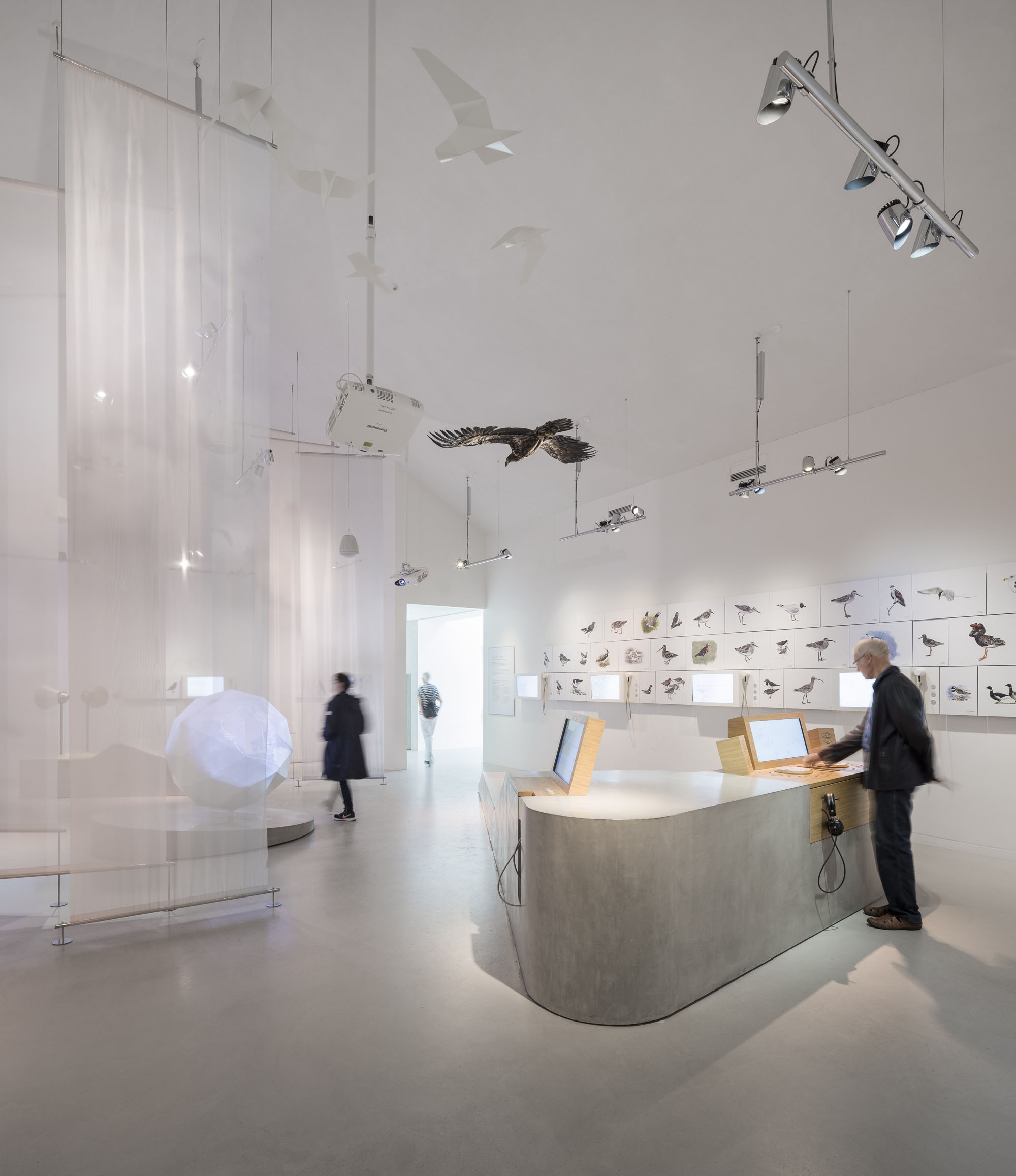
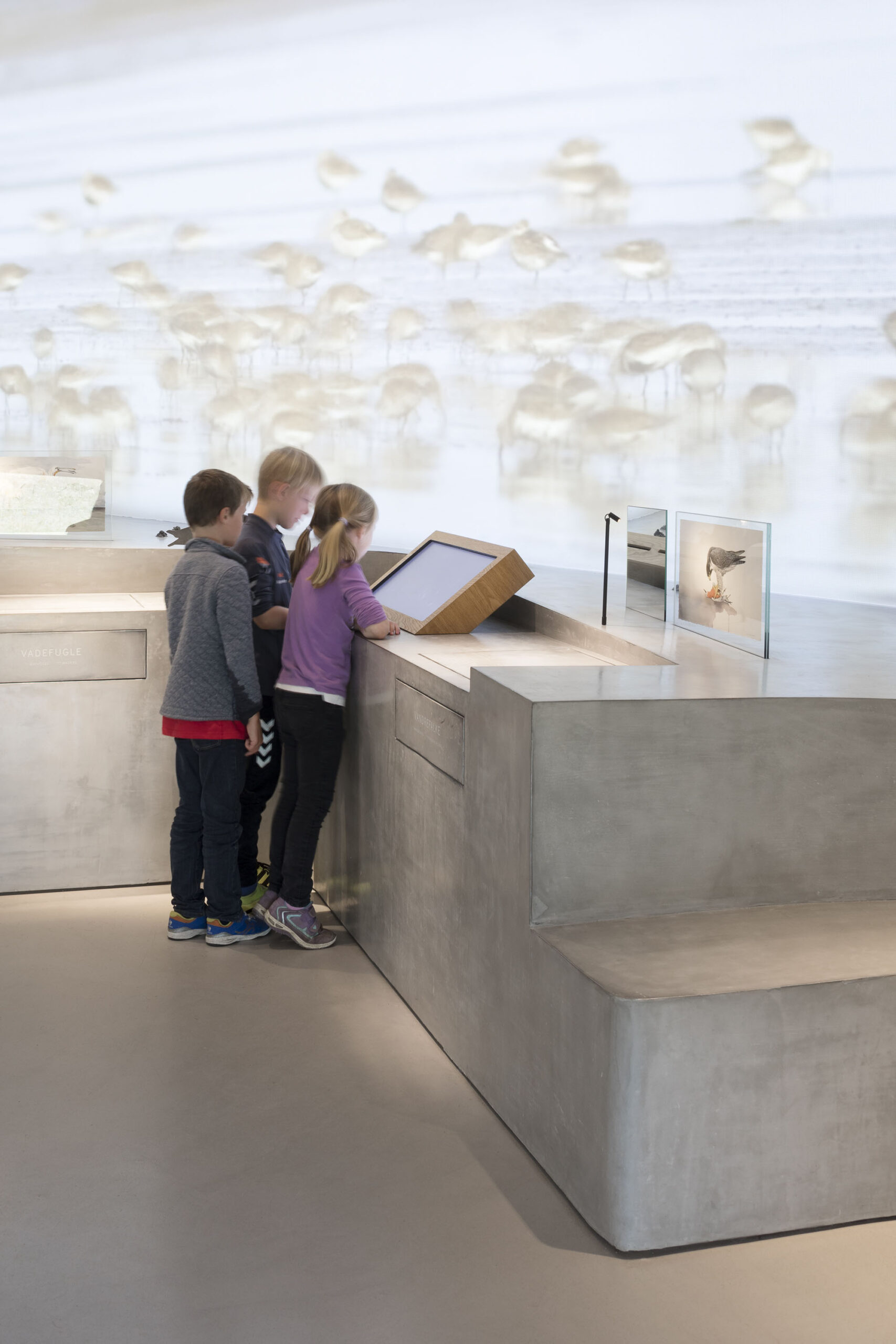
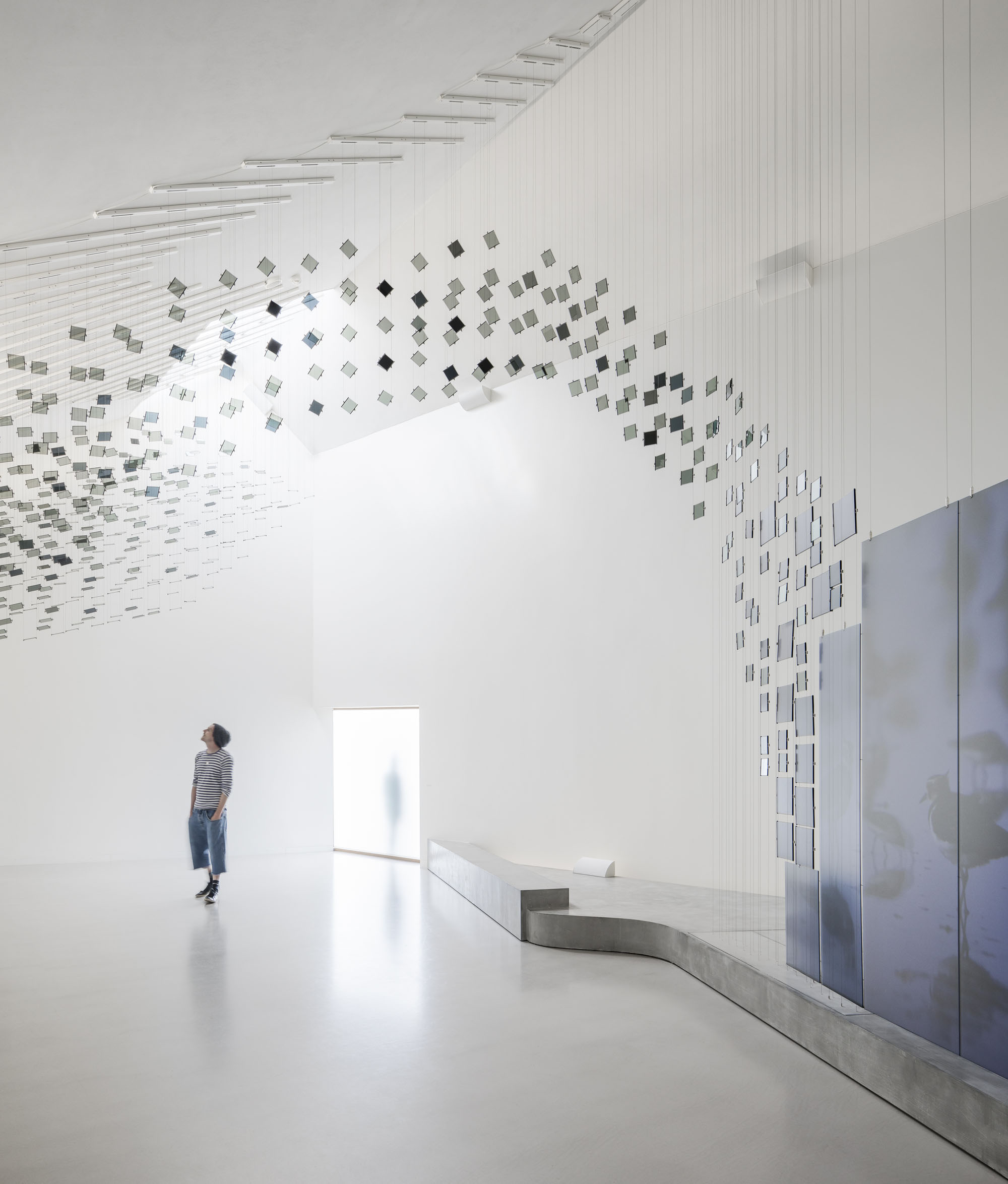
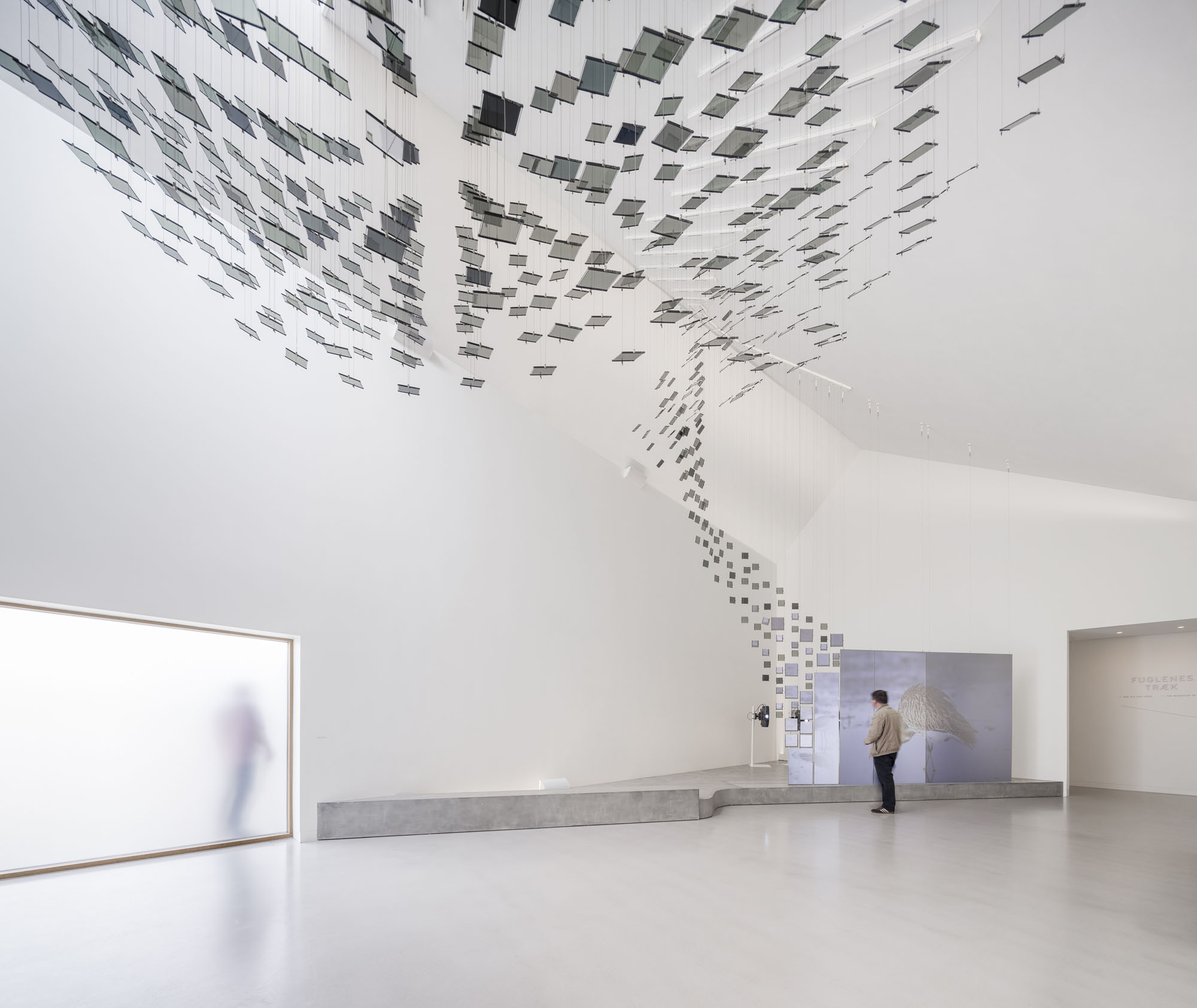
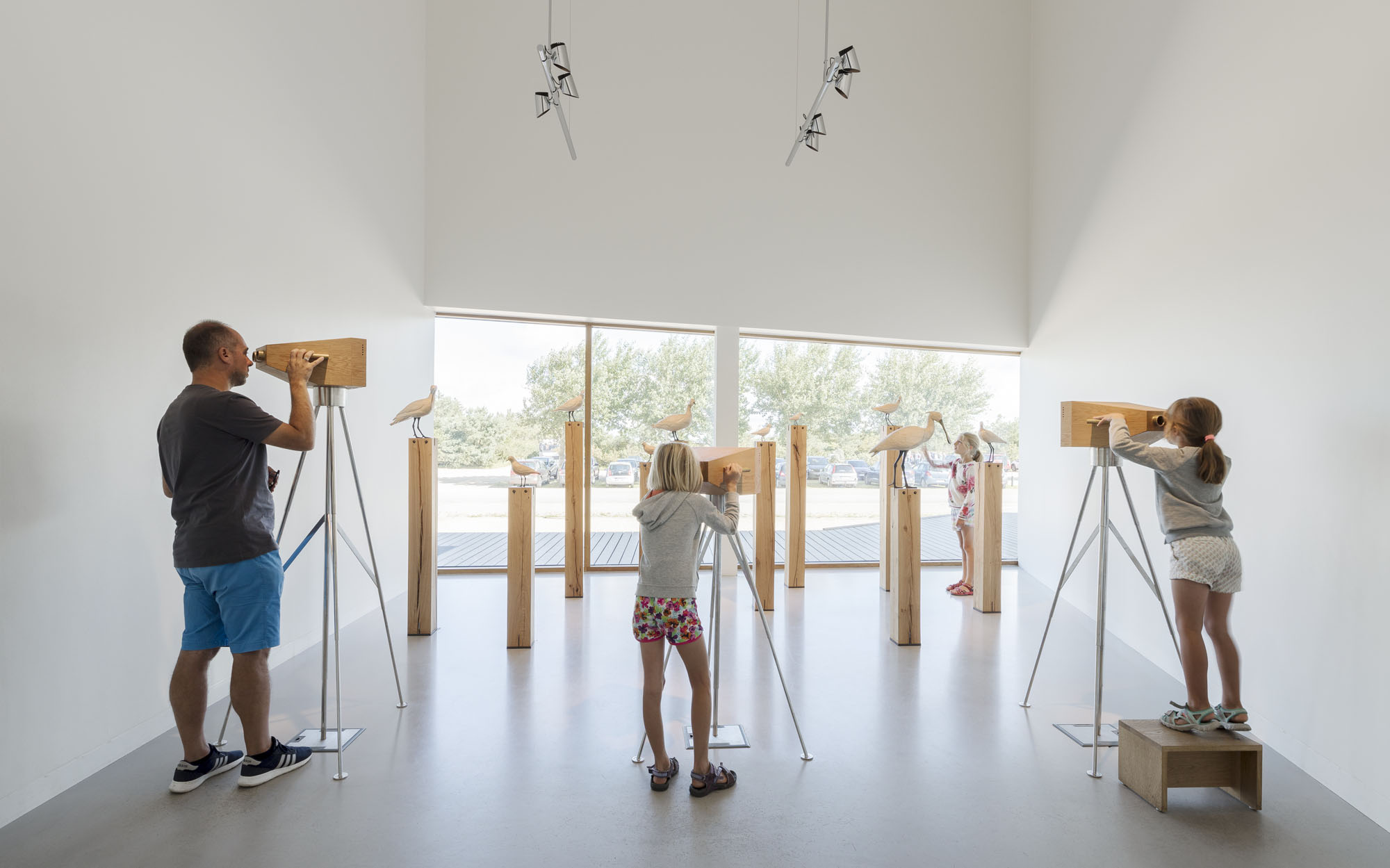
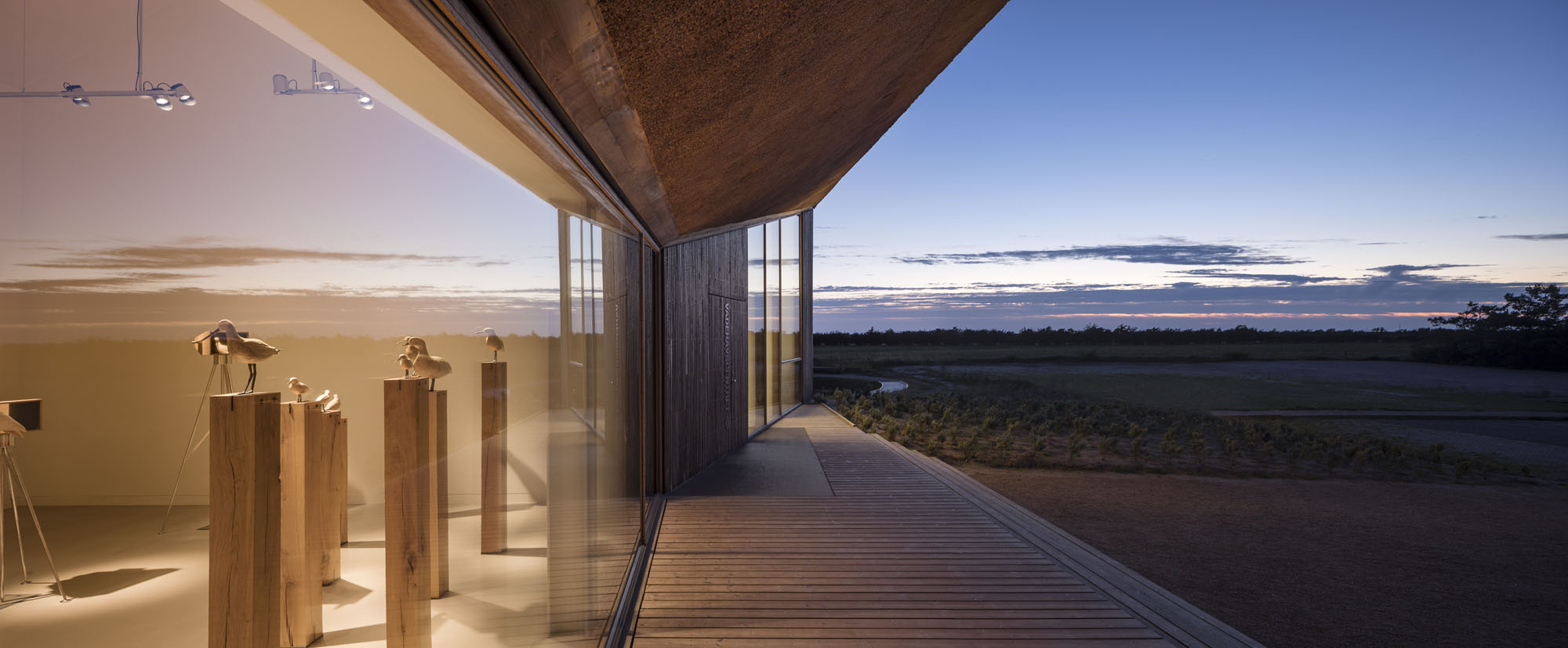
本センターにおいて、葦は現代的で有機的なデザインの建築材料として再解釈され、触覚的で魅力的な質感を帯びて再実現されている。また、外部の触覚性と物質性は、内部においては意図的に純粋な抽象空間へと変化させられており、鳥たちの物語が息づく場を創出している。
©︎ Adam Mørk
©︎ Adam Mørk
環境負荷を抑えるサステナビリティの追求
持続可能性(サステナビリティ)は、本プロジェクトの設計と素材性の核心である。建物の表面を覆う葦は、乾燥以外の加工を一切必要とせずに直接使用できる、数少ない建材の1つである。天然の塩分を含み、風によって乾燥状態が保たれるため、カビの発生を防ぐことができる。
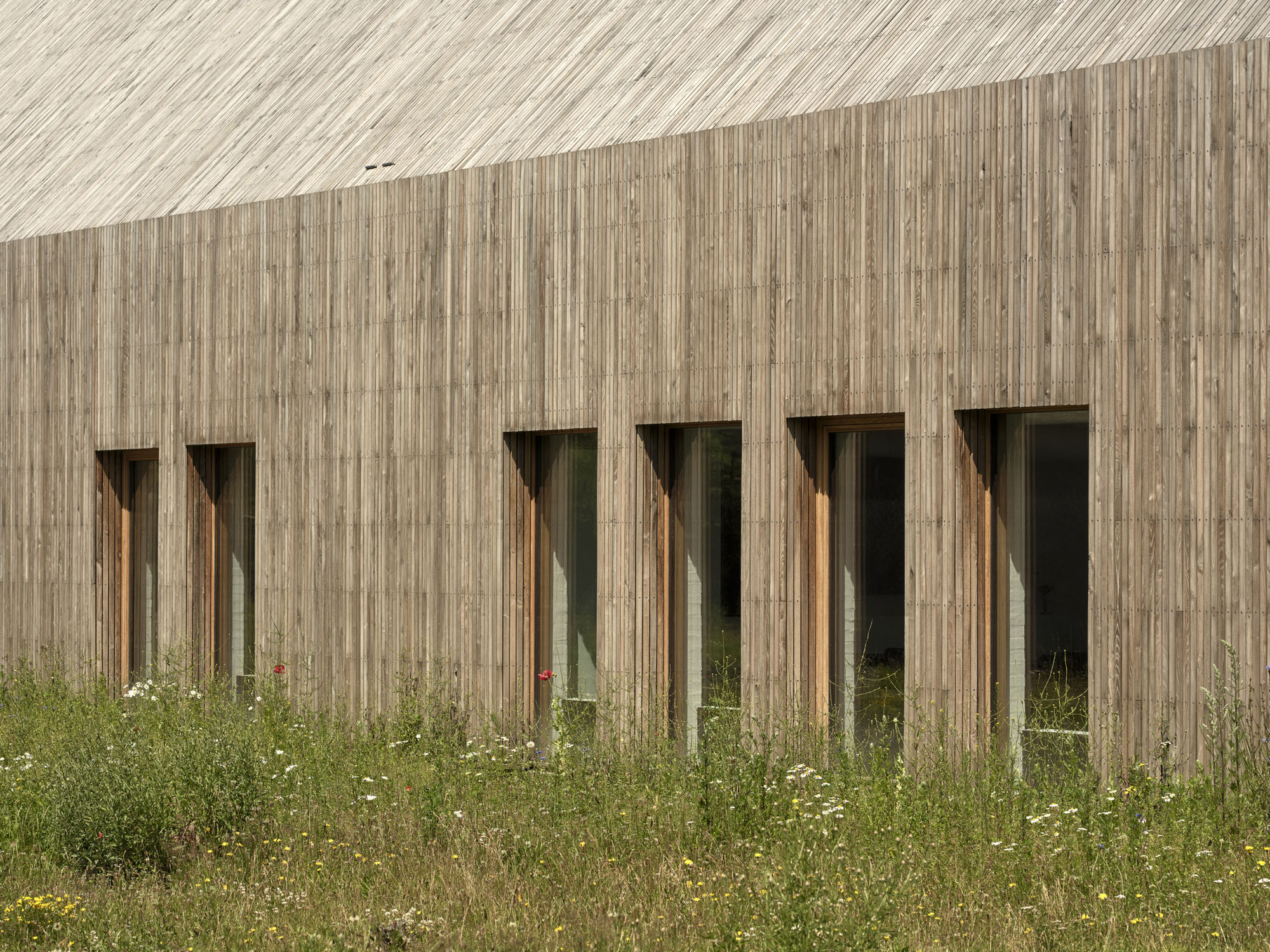
また、調和のとれた表現を実現するため、既存建物にはロビニア材を張り巡らせた。時を経て灰色に変色するこの木材は、景観や葦の色調と美しく溶け合う。極めて耐久性が高く、持続可能な方法で栽培された素材であるロビニア材は、建物の環境負荷を最小限に抑える一助となっている。
さらに、地熱熱源と太陽光発電パネルを組み合わせることにより、素材と構造が自然との調和を保ちながら、低エネルギー住宅を実現している。
©︎ Adam Mørk
©︎ Adam Mørk
ユネスコ保護景観を巡る旅の起点として
〈ワッデン・シー・センター〉は、3段階のフェーズに分けて完成を迎えた。国際コンペティションを通じて新たなビジターセンターを設立する構想は、この場所を単なる拠点としてではなく、ユネスコ保護景観への旅の起点とすることを目指したものであった。
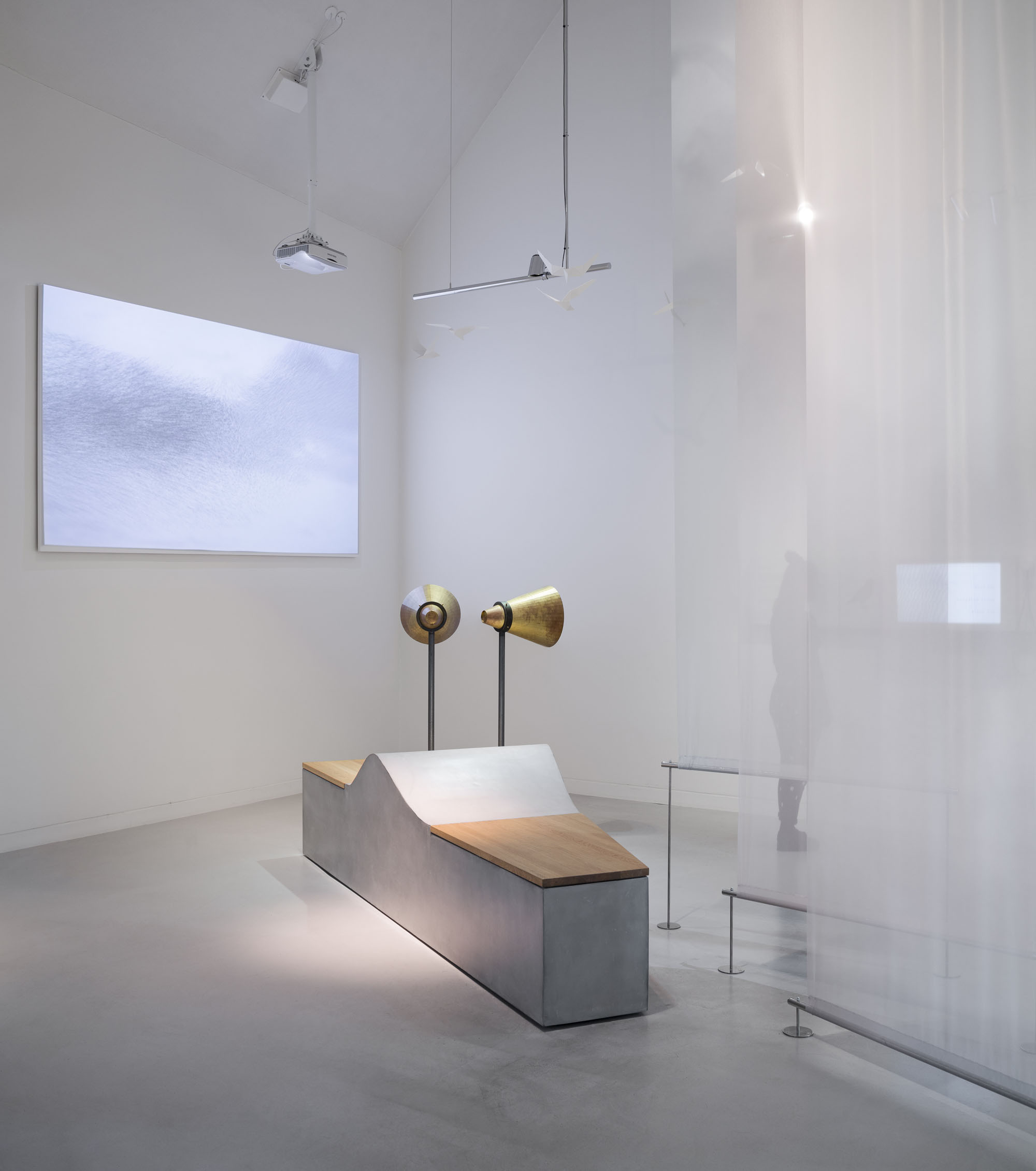
この野心的な構想は、2021年3月の第2期完成をもってようやく実現に至り、ボートハウスが旅の出発点を確立し、新たな展示設備が展示空間を完結させたのである。
©︎ Adam Mørk
©︎ Adam Mørk
©︎ Adam Mørk
©︎ Adam Mørk
©︎ Adam Mørk
©︎ Adam Mørk
©︎ Adam Mørk
©︎ Adam Mørk
©︎ Adam Mørk
©︎ Adam Mørk
©︎ Adam Mørk
©︎ Adam Mørk
©︎ Adam Mørk
©︎ Adam Mørk
©︎ Adam Mørk
©︎ Adam Mørk
©︎ Adam Mørk
©︎ Adam Mørk
以下、ドルテ・マンドラップのリリース(英文)です。
THE WADDEN SEA CENTRE PAYS HOMEAGE TO REGIONAL MATERIALS AND TRADITIONAL CRAFTMANSHIP
The Wadden Sea Centre is contextual architecture under demanding conditions. Through a synergy of nature, art, and architecture the project creates awareness of these important UNESCO-protected wetlands and contributes to a sustainable development of the peripheral rural area.
The Wadden Sea Centre emerges out of the flat, yellow-brown marshland on the coast near Vester Vedsted, Denmark. The building arises from a landscape characterized by endless horizontal lines, secluded farmhouses, and a relentless Western wind. Around 12.000 years ago, the end of the ice age created a 500 km long coastal area that we now call the Wadden Sea. Here, tides have been coming and going for millions of years, creating unique marshlands.
In form and materiality, the Wadden Sea Centre is both a continuation and an interpretation of the place and the traditional thatched houses connected to the area. A sculptural adaptation of the volatile reeds anchors yet simultaneously distinguishes the building in the distinctive landscape. The body is stretched and pulled down towards the horizon, drawing the visitor towards the facade and the entrance to the exhibition – telling the story of the millions of migrating birds stopping at the Wadden Sea every year to feed and prepare for the straining travel South.
Paying homage to local traditions
The Wadden Sea Centre is a partial transformation and extension. The new building embraces the existing and integrates the whole building complex into the landscape. The transition between new and old is conveyed through sculptural grips and shifts in materiality. Locally harvested reeds are sculpturally processed into long horizontal cuts to create overhangs, canopies, and encounters between diagonal and vertical surfaces. The reeds have been used for roofing since the Viking Age with an almost unchanged technique. In the Wadden Sea Centre, the reeds are reinterpreted and re-actualized as building material in a modern, organic design with tactile, alluring qualities. The tactility and materiality of the outside I deliberately changed to pure abstract space on the inside to let the narrative of the birds come to live.Sustainability is central to the design and materiality. The reeds covering the surfaces of the building are one of the only building materials that can be used directly, without any processing other than drying. They are naturally impregnated by the salt, and the wind keeps them dry and free of fungus. To create a harmonious expression, the existing building is clad with Robinia wood, which over time becomes grey and merges with the shades of the landscape and the reeds. Robinia wood is a very durable, sustainably grown material that helps to keep the building’s environmental impact to a minimum. In combination with geothermal heat and solar cells, materials and constructions ensure a low-energy house in harmony with nature.
Completed through three phases, the Wadden Sea Centre was initiated through an international competition to establish a new visitor centre – not as a focal point but a beginning to the journey out into the UNESCO-protected landscape. This ambition has not been reached until the completion of the second phase in March 2021 with the boathouse finally establishing the starting point for this journey and a new installation completing the exhibition.About Dorte Mandrup
Danish architecture studio Dorte Mandrup A/S was founded in 1999. The studio employs 75 talented people from more than 12 different countries and operates internationally. The studio specializes in cultural buildings, mixed-use and transformations. The Whale in Norway is being designed and two visitor centers located by the Wadden Sea, one in Germany and another in The Netherlands, are under way. These are three out of five of the studio’s projects situated in relation to areas appointed UNESCO World Heritage Sites. In 2020 the studio won both the competition for the Exile Museum near Anhalter Bahnhof in Berlin and the competition to design one of the world’s largest timber-hybrid buildings in Gothenburg, Sweden.
Read more at www.dortemandrup.dkPhotos
Photos can be used in connection with mentioning the Wadden Sea Centre and Dorte Mandrup. Photos must be credited photographer Adam MørkFacts
Name: Wadden Sea Centre
Client: Municipality of EsbjergArchitect: Dorte Mandrup A/S
Landscape: Marianne Levinsen Landscape ApS
Engineer: Steensen & Varming and Anders Christensen ApS
Exhibition design: JAC Studio + Jason Bruges & No Parking
Lighting Design: Fortheloveoflight
ドルテ・マンドラップ 公式サイト
https://dortemandrup.dk
【購読無料】空間デザインの今がわかるメールマガジン TECTURE NEWS LETTER
RECOMMENDED ARTICLE