CULTURE
©︎ Jihun Bae
©︎ Jihun Bae
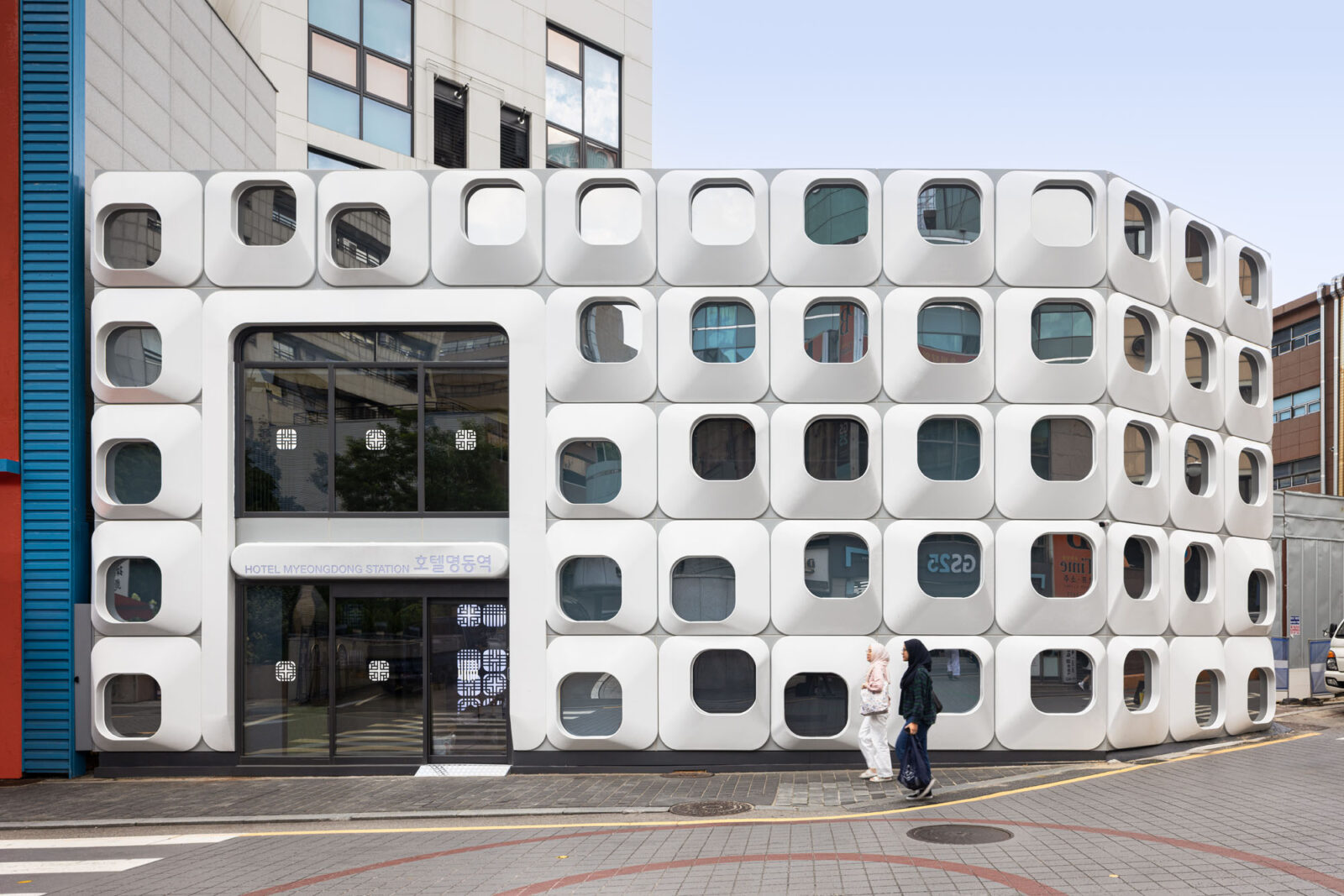
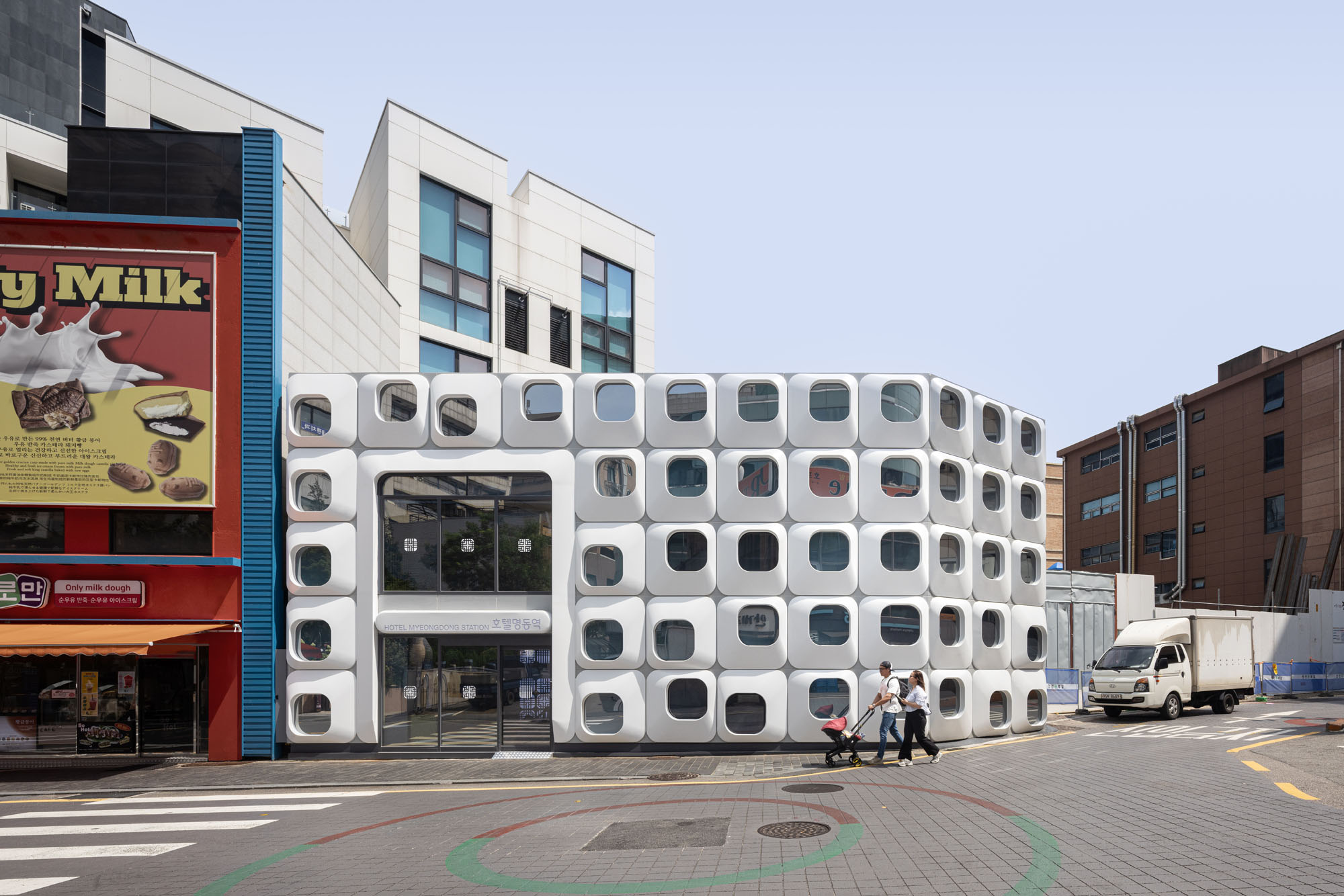
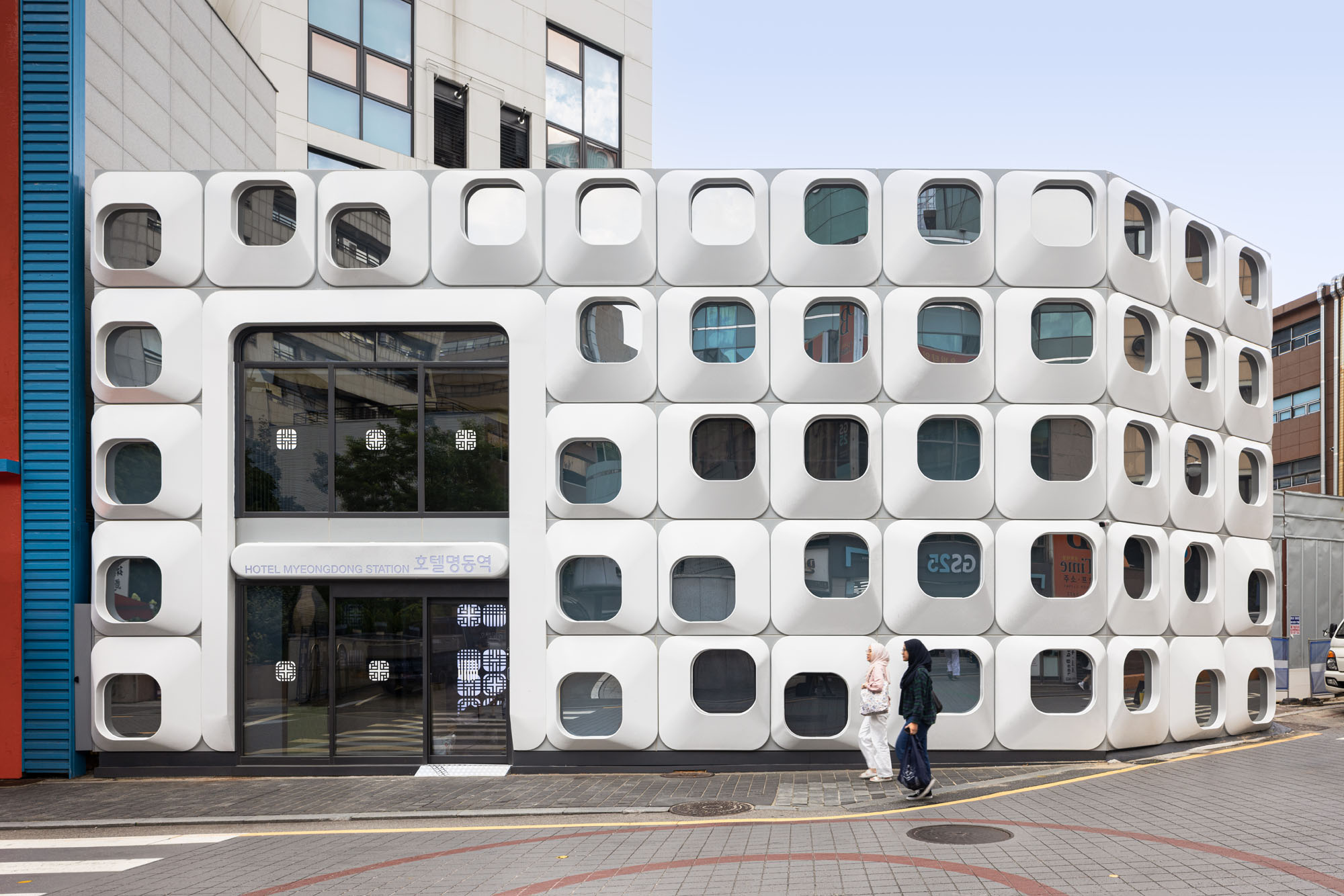
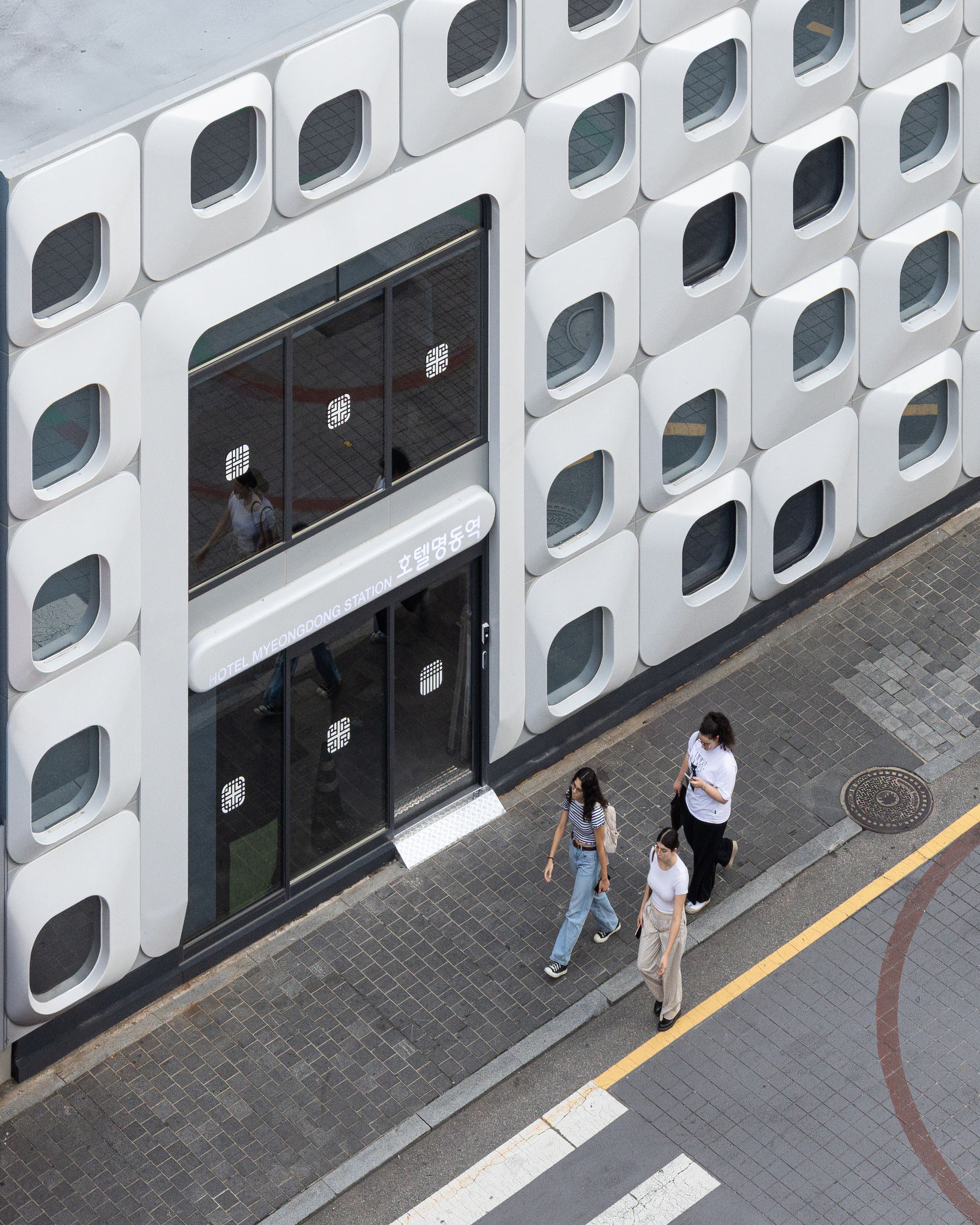
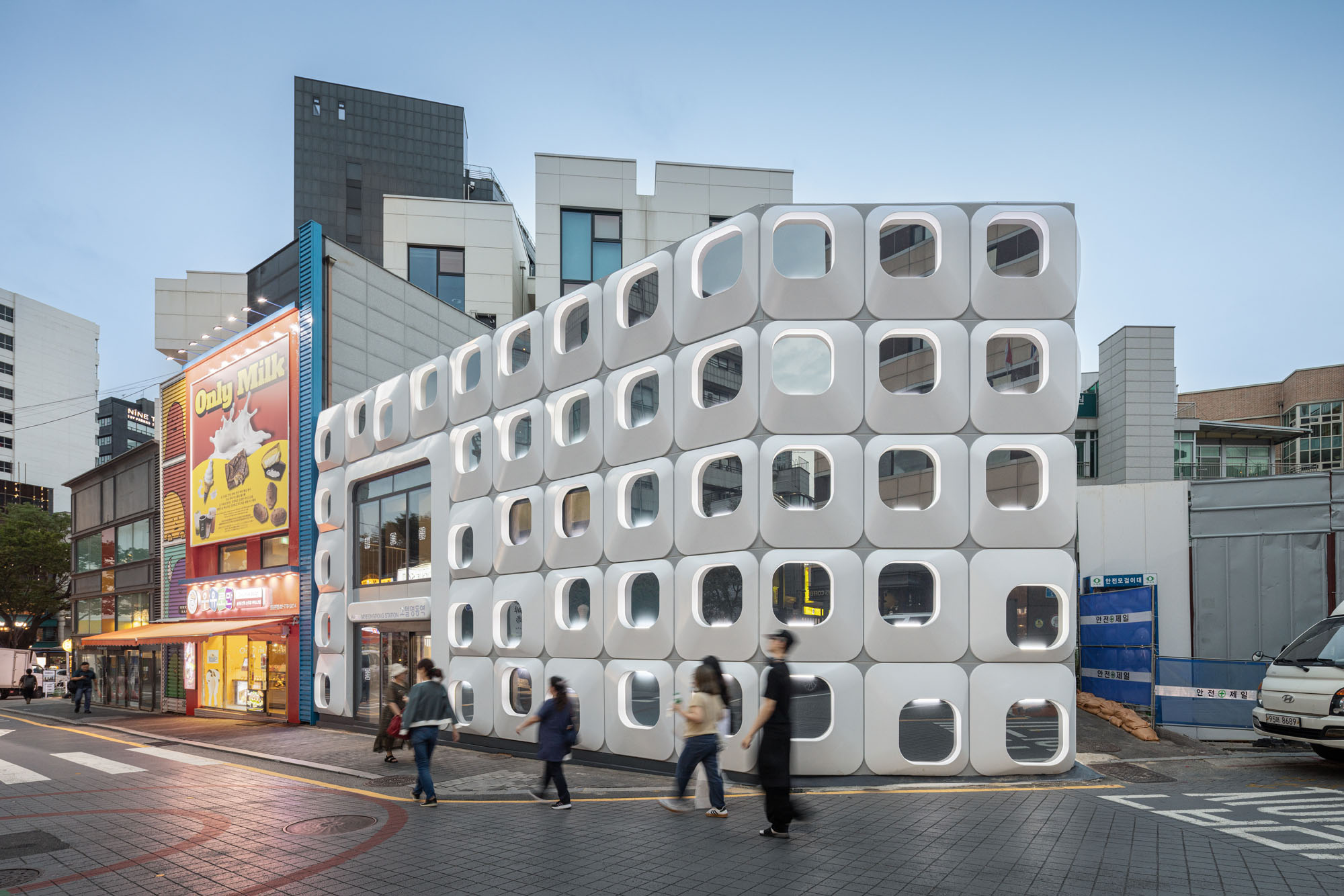
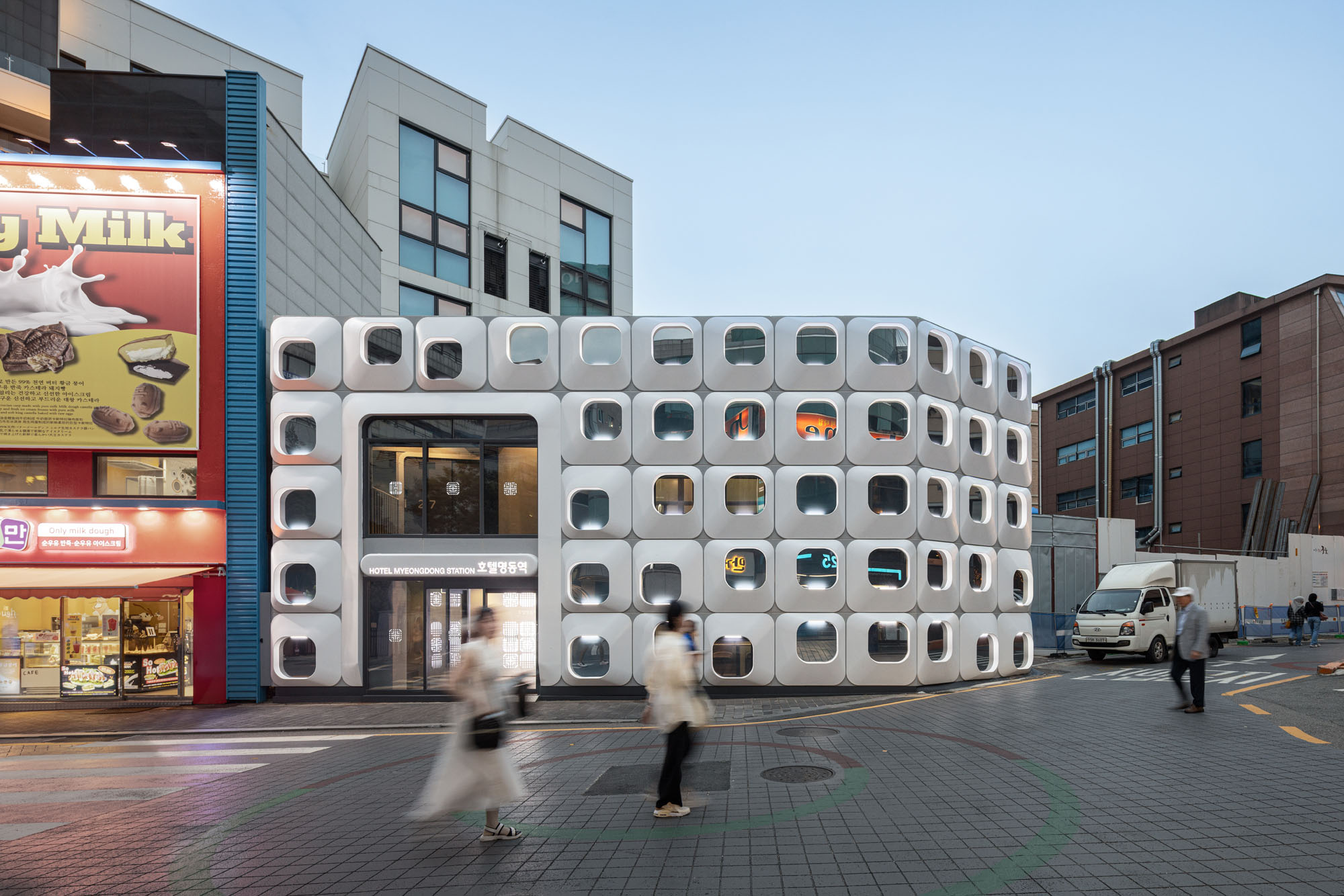
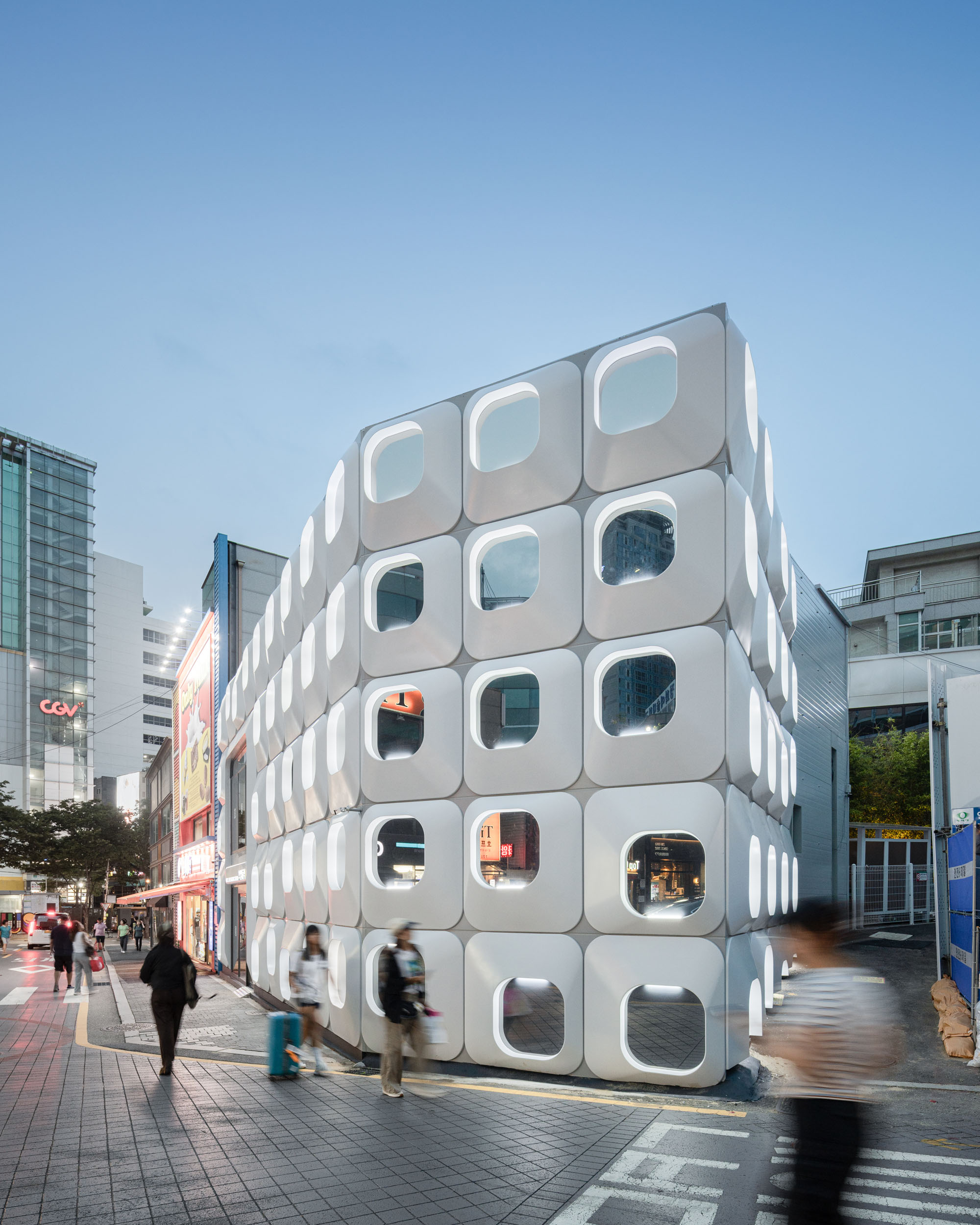
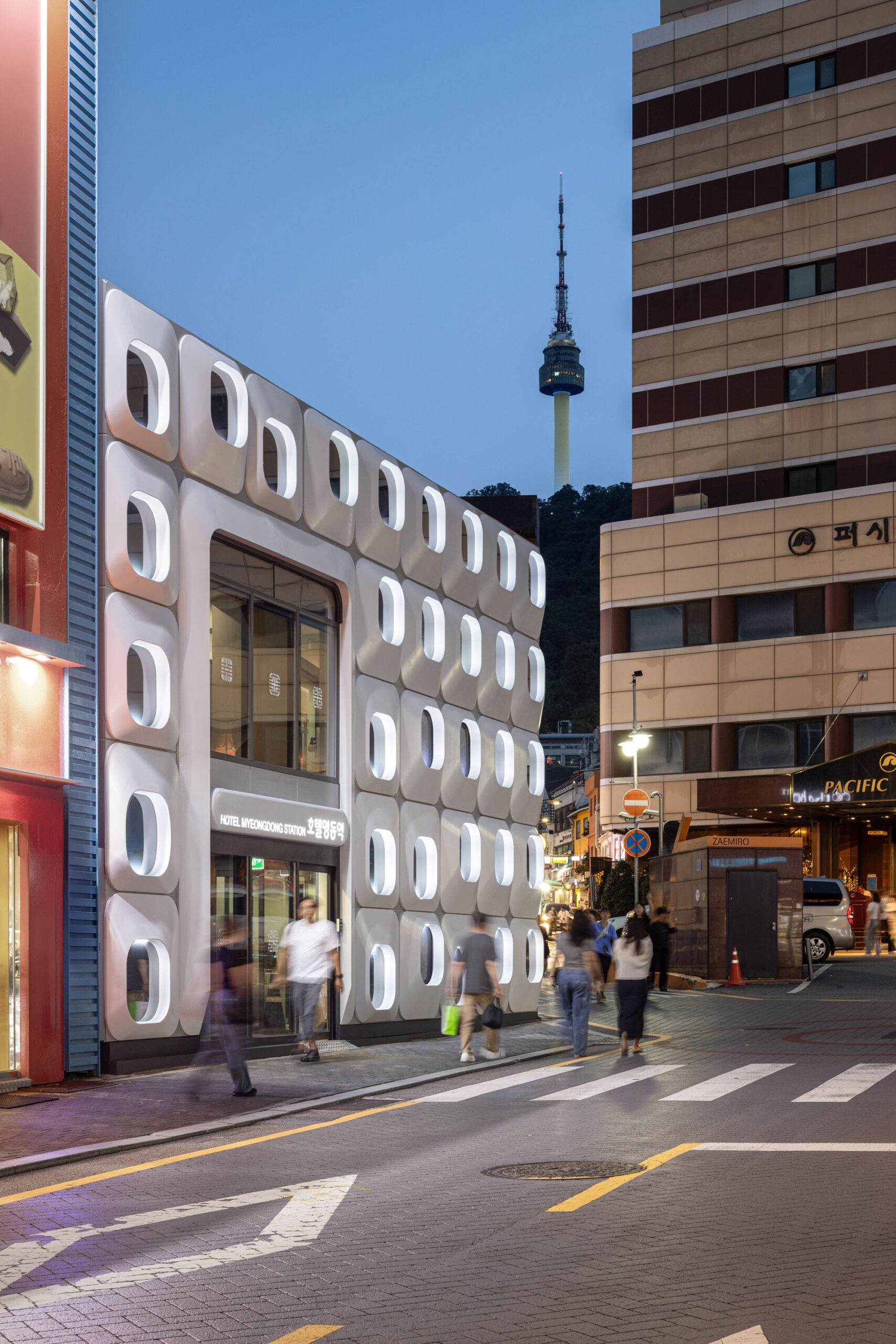
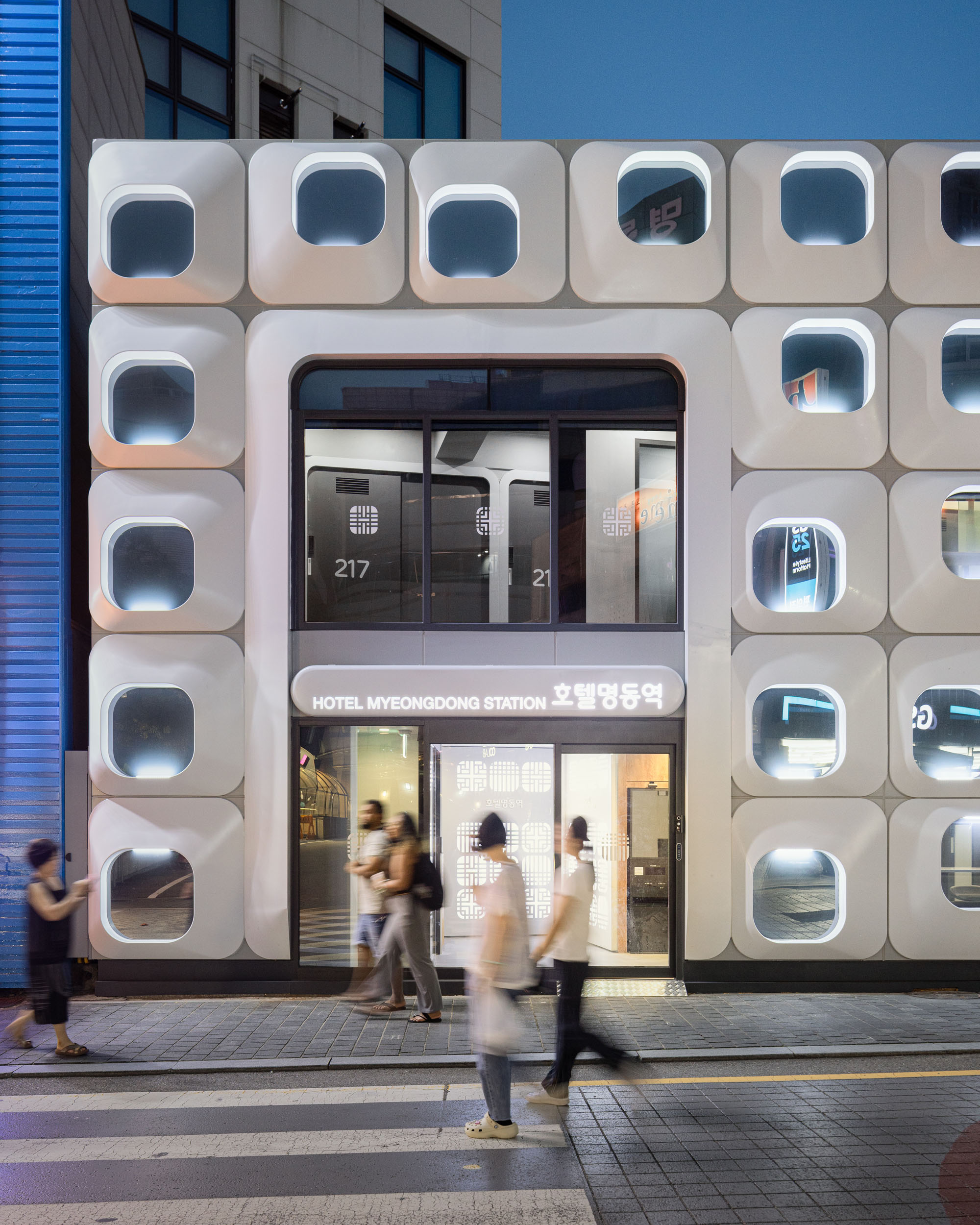
韓国・ソウルの都市部に位置する〈ホテル明洞駅(Hotel Myeongdong Station)〉は、宿泊ユニットの機能という「内部プログラム」そのものを造形の発端とし、建物の全体構成からファサードに至るまでを設計されたホテルです。
韓国の設計事務所 ヨンジュ・リー・アーキテクチャ(Yong Ju Lee Architecture)が設計しました。
注目ポイント
- 外部環境ではなく、「プログラム主導」の造形アプローチ
- 睡眠・収納・衛生機能などを最適化して統合した、コンパクトな「モジュールユニット」
- プログラムを収容するボリュームを検証する「AIによる形態生成」
- 3DモデルとCNC加工による、「デジタルファブリケーションするファサード」
(以下、ヨンジュ・リー・アーキテクチャから提供されたプレスキットのテキストの抄訳)
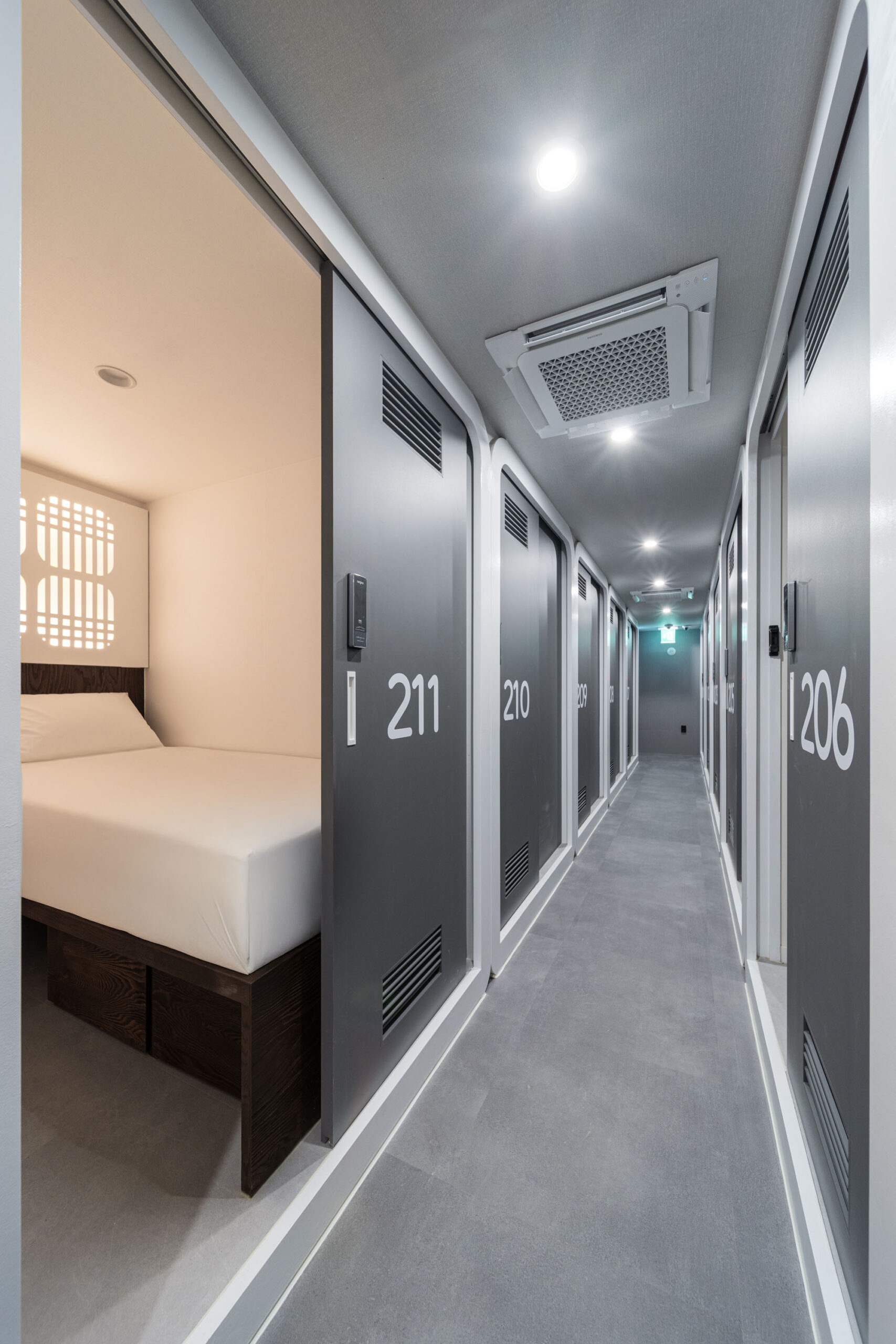
©︎ Jihun Bae
外部コンテクストに依存しない、プログラム主導の造形
ソウルの密集した都心部に位置する〈ホテル明洞駅〉は、外部環境ではなく、内部プログラムそのものを造形の発端としている。
マイクロ宿泊ユニットの空間的密度と機能の統合が、建物の全体構成と造形の原理を決定づけているのである。この戦略により、敷地や周辺の条件に依存しない、自律的な建築言語が確立された。
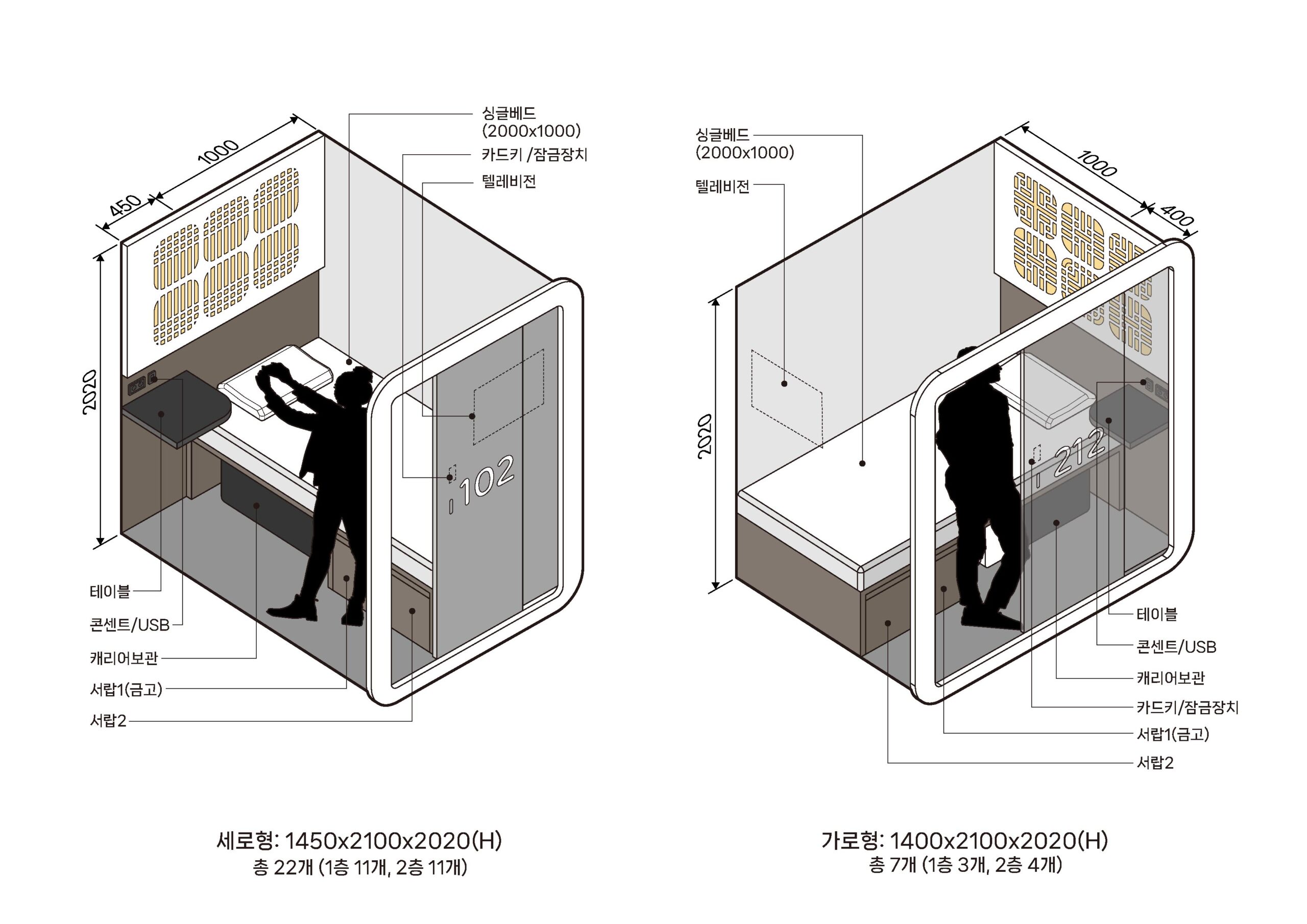
Unit diagram
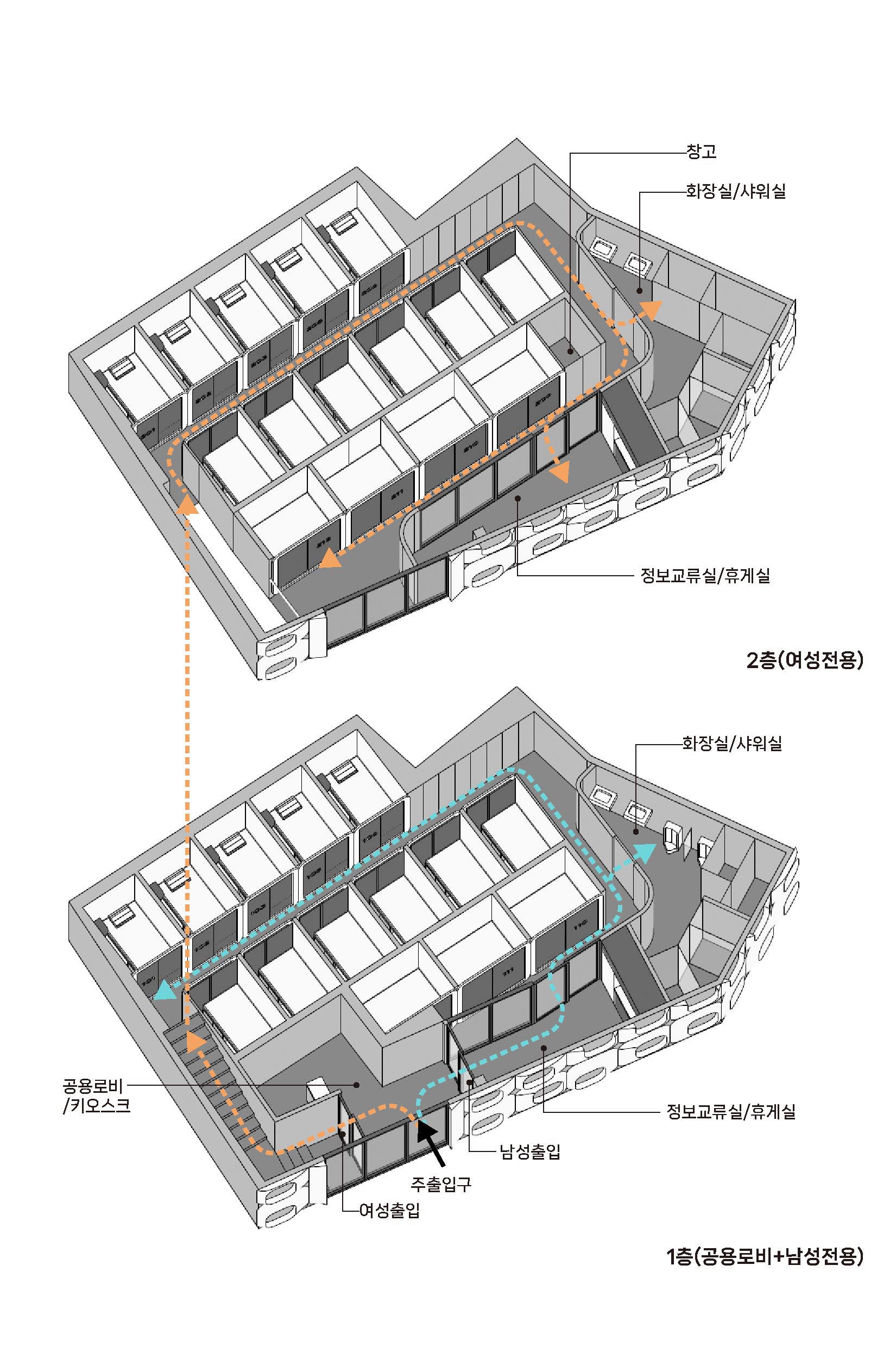
Floor diagram
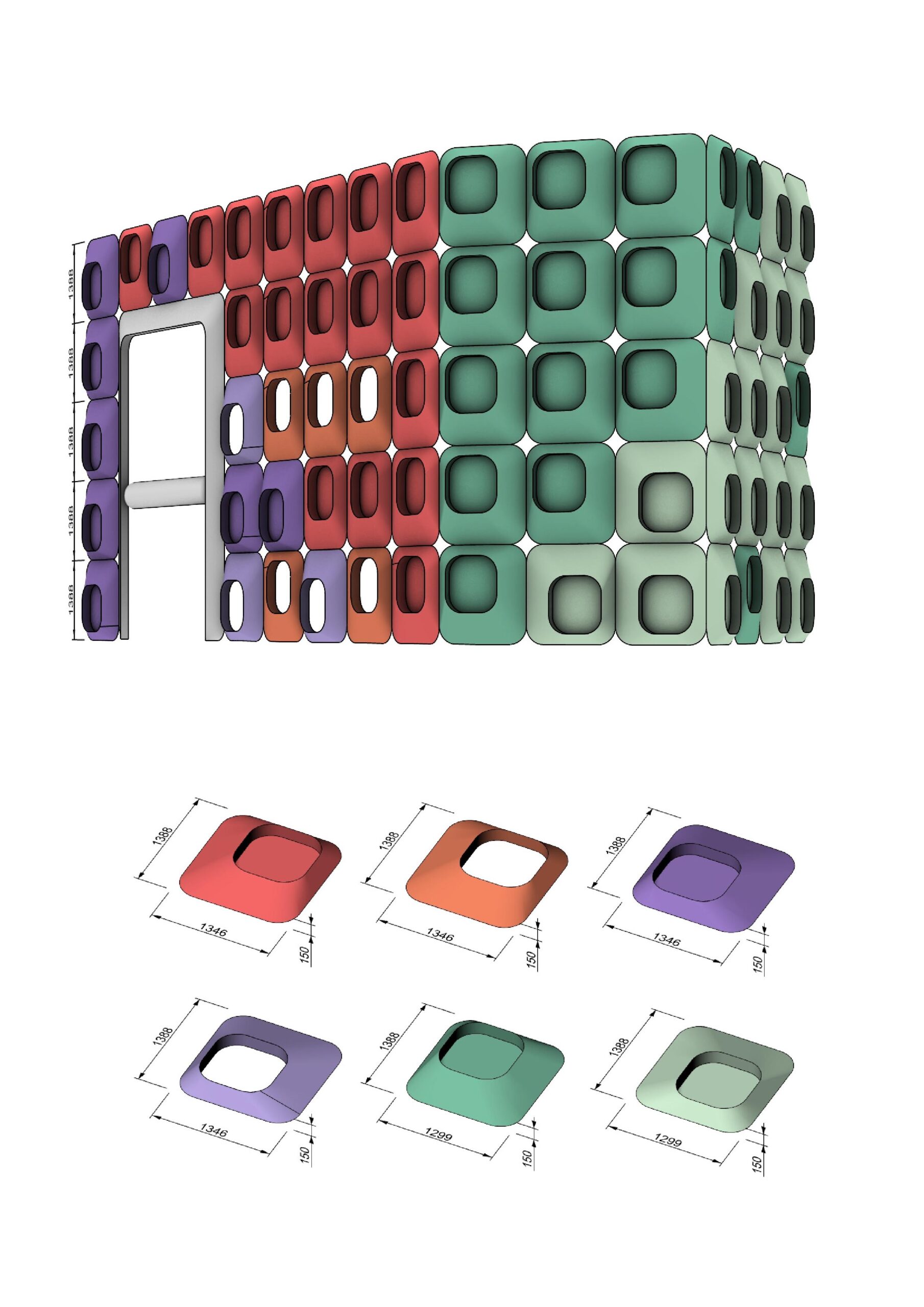
Panel diagram
空間効率を極めたモジュールユニットと全体構成
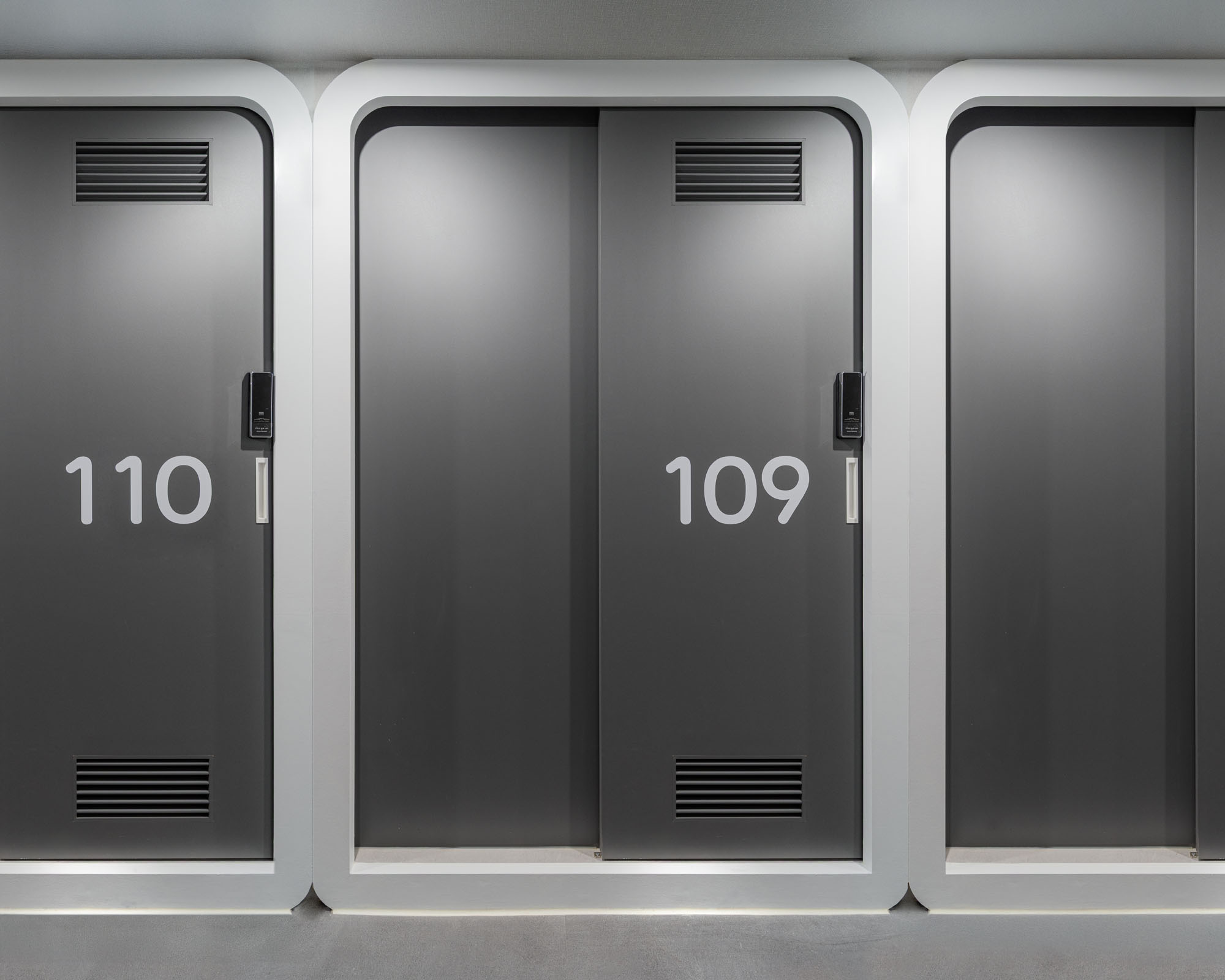
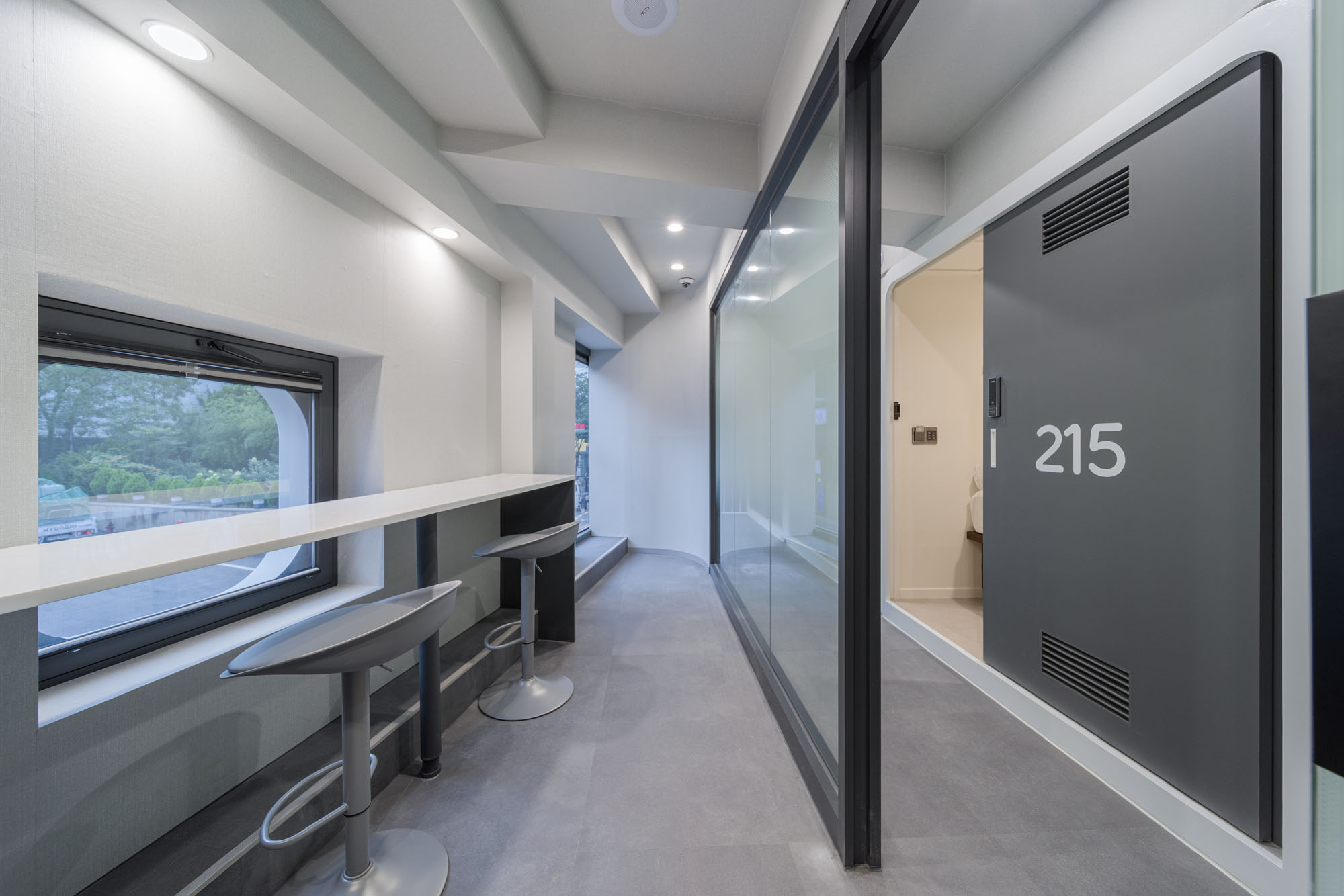
本プロジェクトは、ベッド、収納、テーブル、そして衛生機能を統合した、コンパクトなモジュールユニットの形態を定義することから始まった。各ユニットは空間効率と機能の階層性を重視して設計されており、類似した構成を持つ2つのバリエーションが生成された。
これら計29のユニットが、中央廊下に沿って反復的に配置されている。ユニット間や共用空間の動線は、滞在体験を最適化するように綿密に計画されており、その反復パターンによって、機能と形態が単一の体系的な論理へと統合されている。
©︎ Jihun Bae
©︎ Jihun Bae
AI活用とプログラム変数が導く必然的な外殻
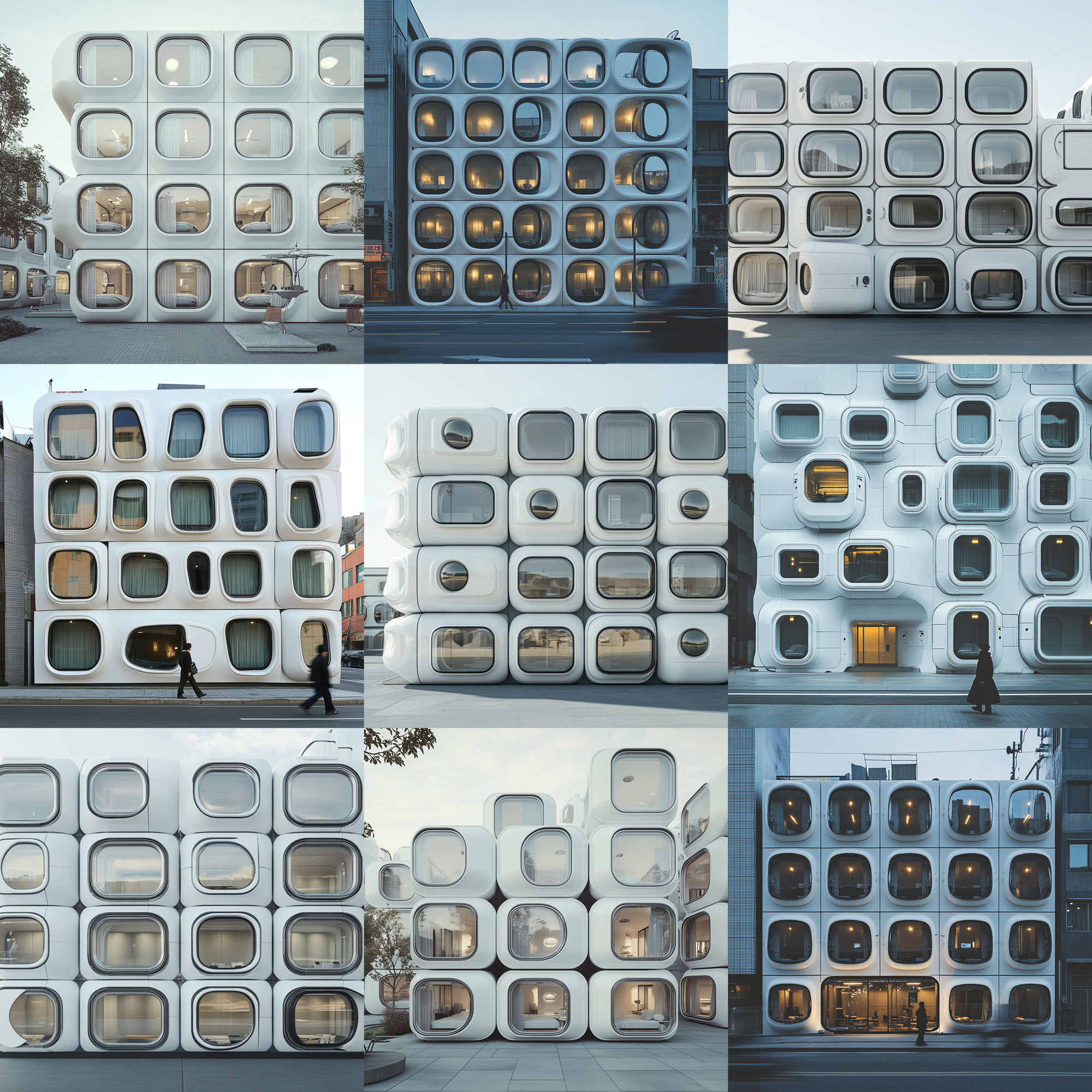
初期デザインは、AIによる形態生成実験に由来する。しかし、これらは自律的な形状提案としてではなく、プログラムを収容するボリュームの可能性を検証するための視覚的ツールとして活用された。
実際の設計プロセスは、照明、就寝方向、収納の動線といったプログラム変数から開始されている。その結果として完成した外殻は、決して装飾的な付加物ではなく、ユニットの反復と積層がもたらした必然的な帰結である。
Initial AI proposal
多機能な居住モジュールとリズミカルなファサード
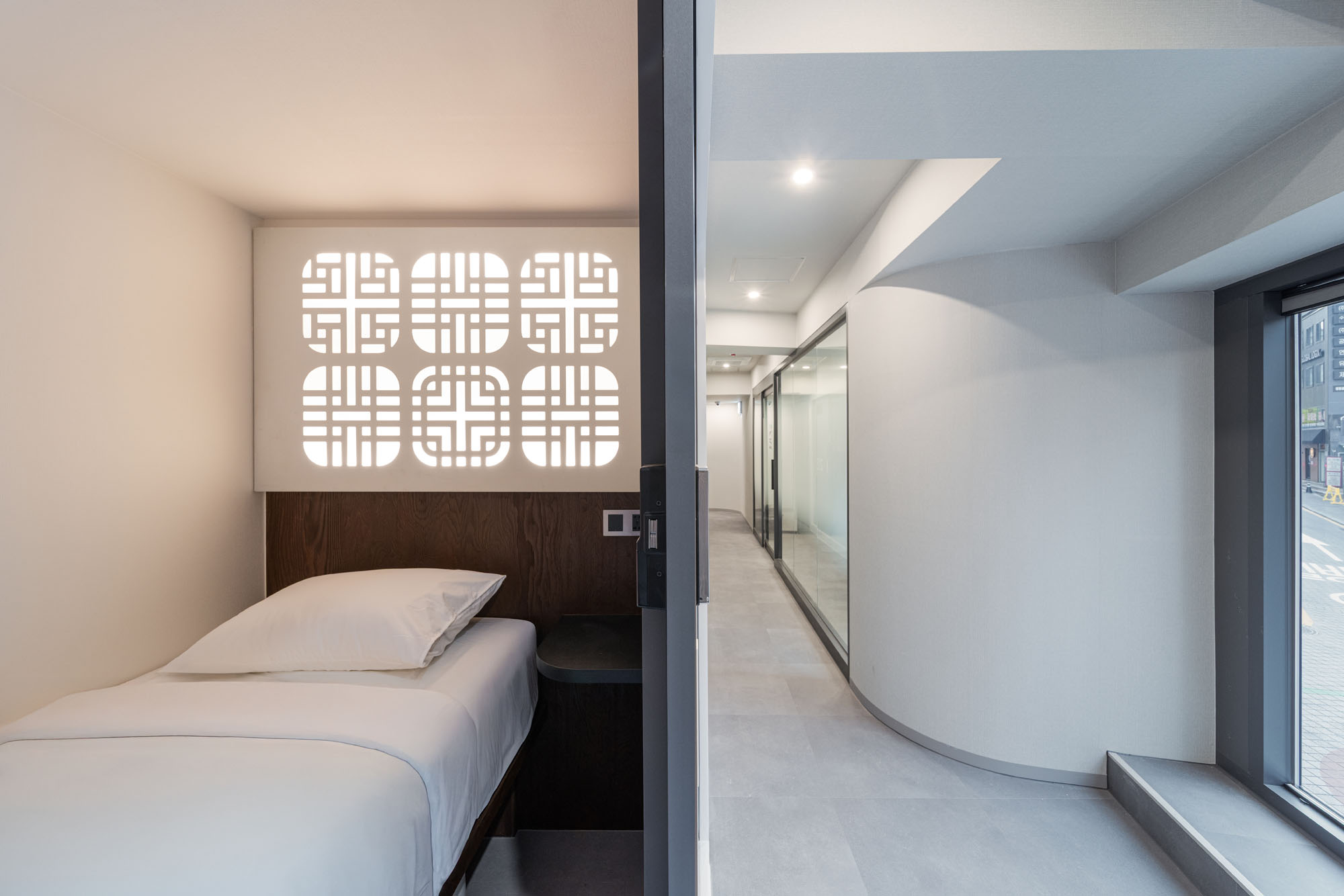
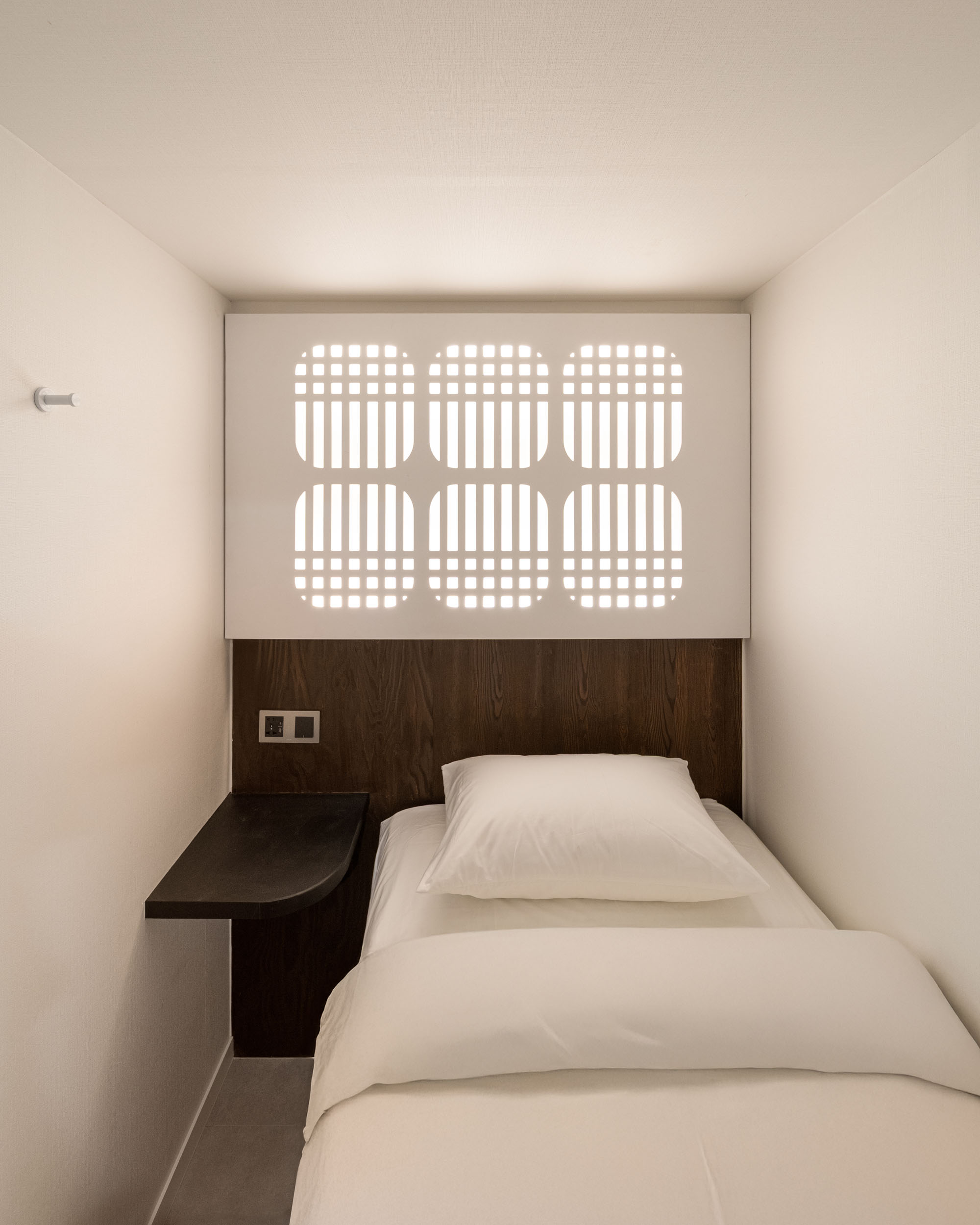
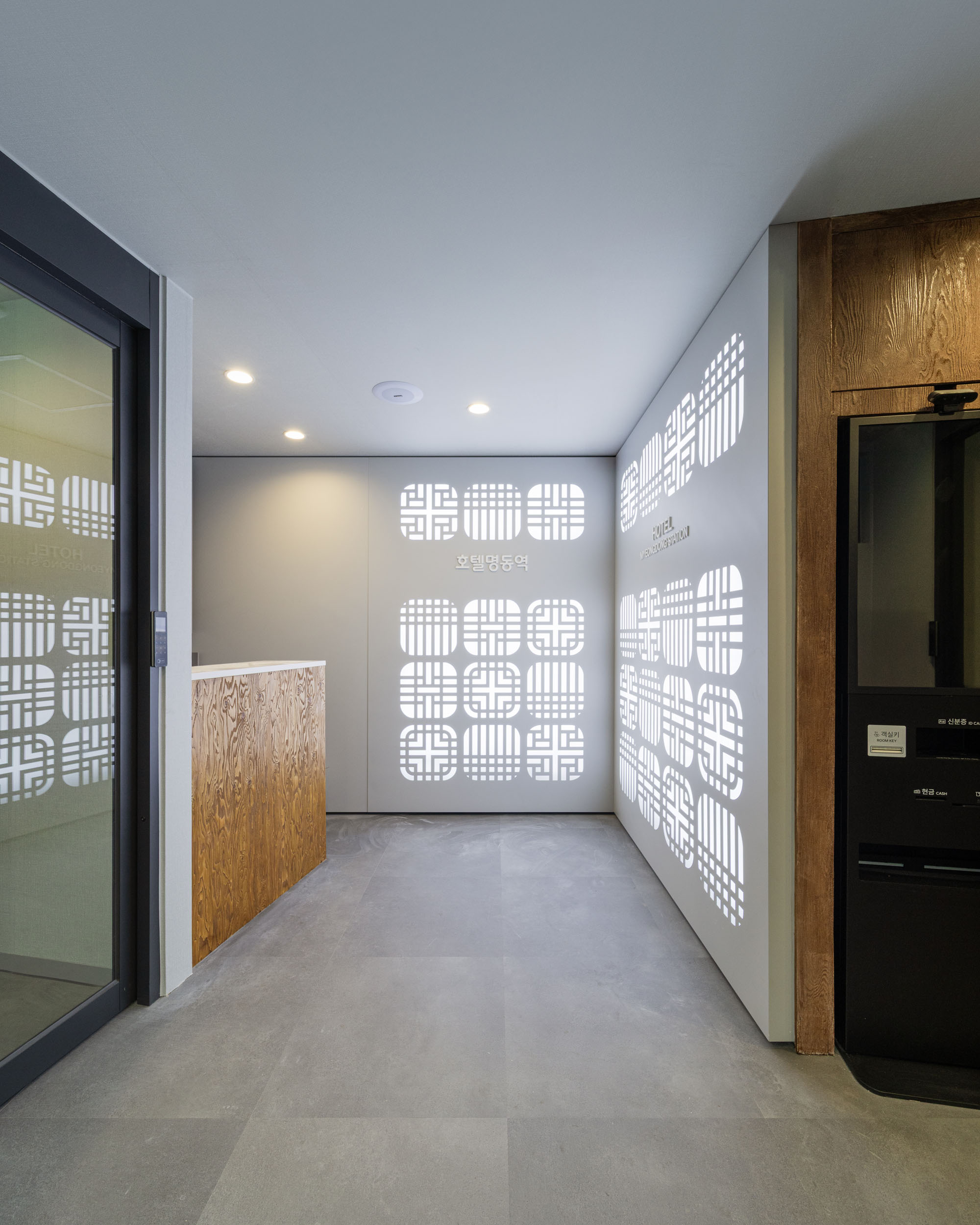
各居住モジュールは、睡眠、休息、収納、そして作業の機能を統合したコンパクトな居住単位である。伝統的なモチーフに着想を得た反復パターンから派生したヘッドボードパネルは、単なる装飾を超え、光と眺望を媒介する重要な役割を担っている。
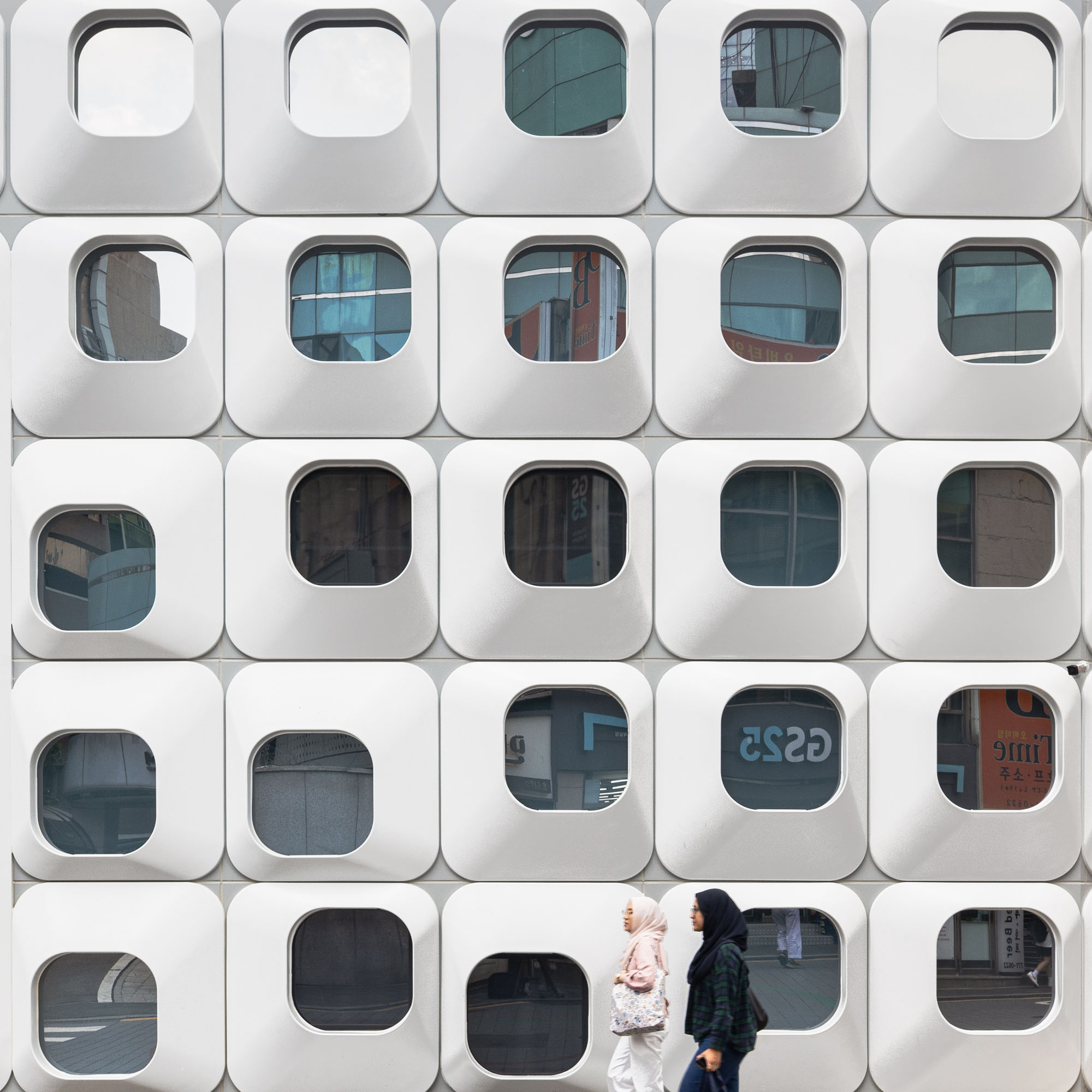
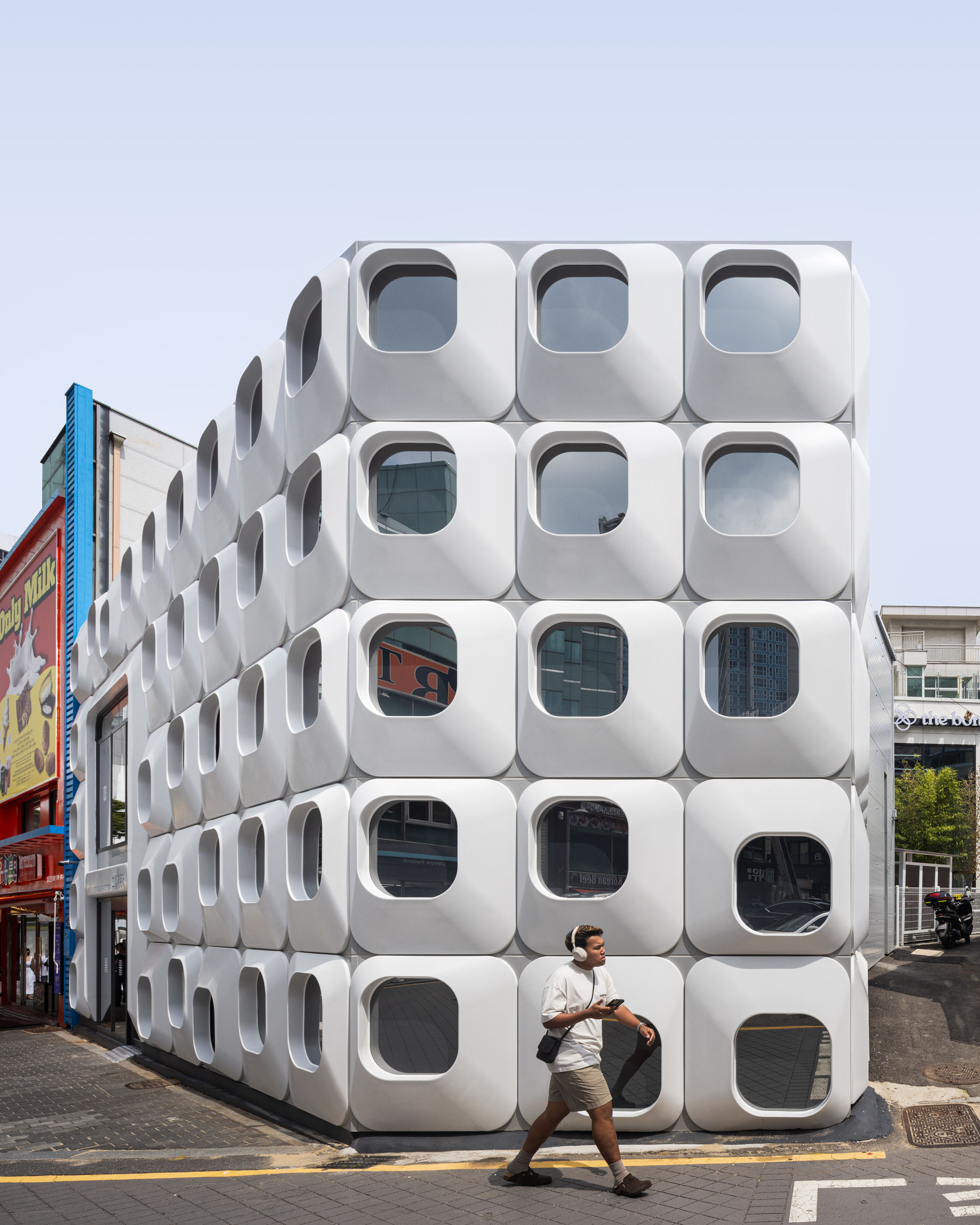
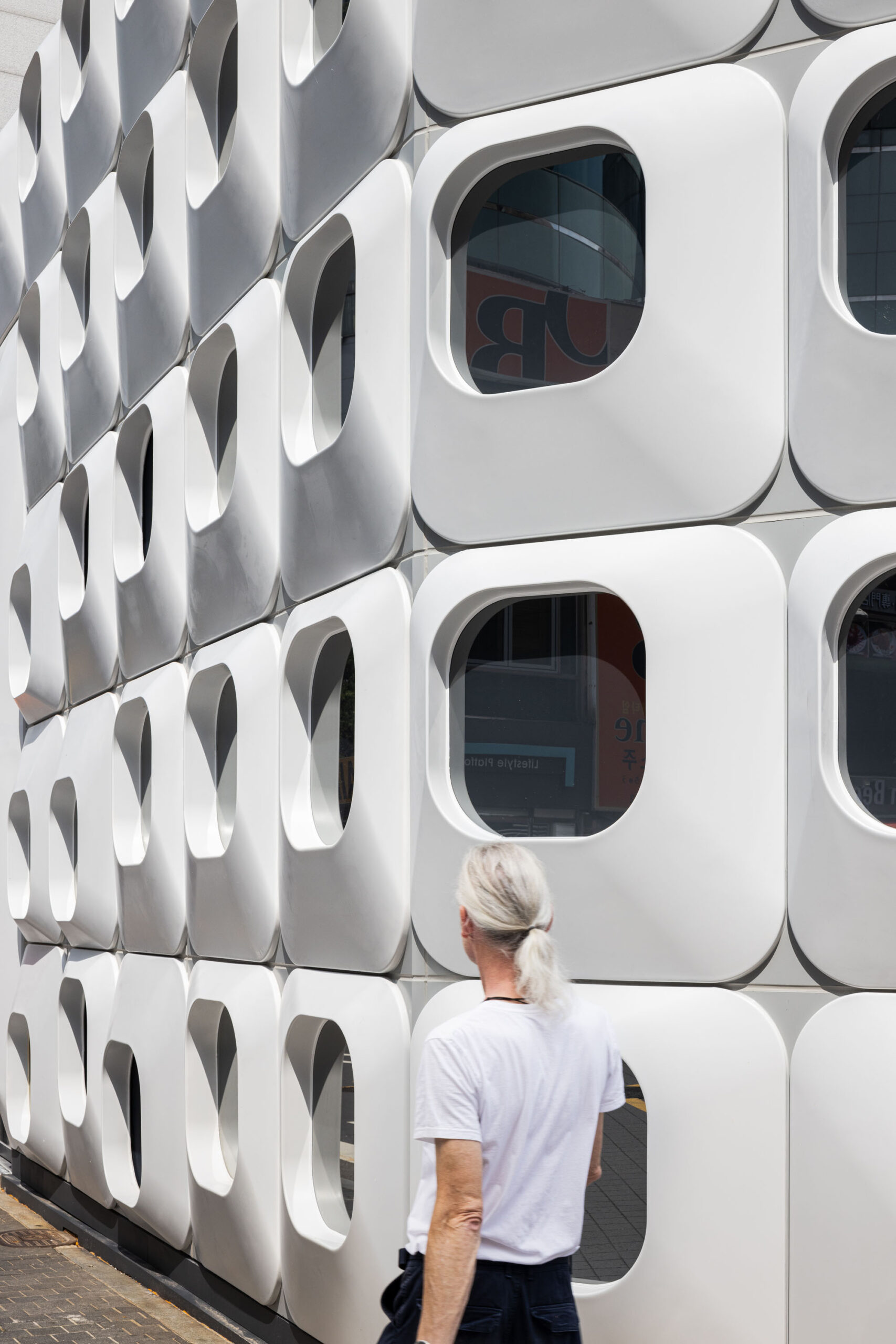
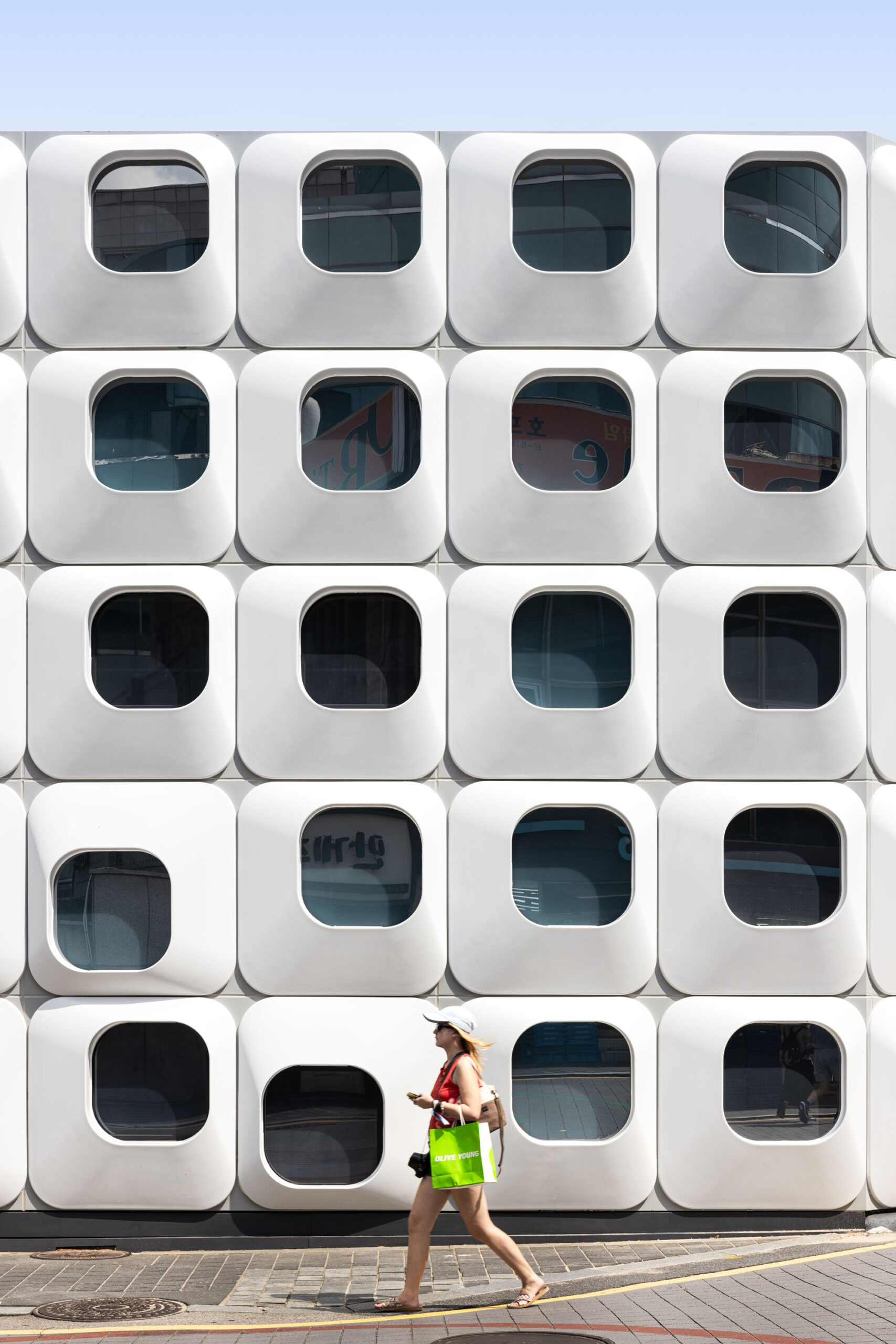
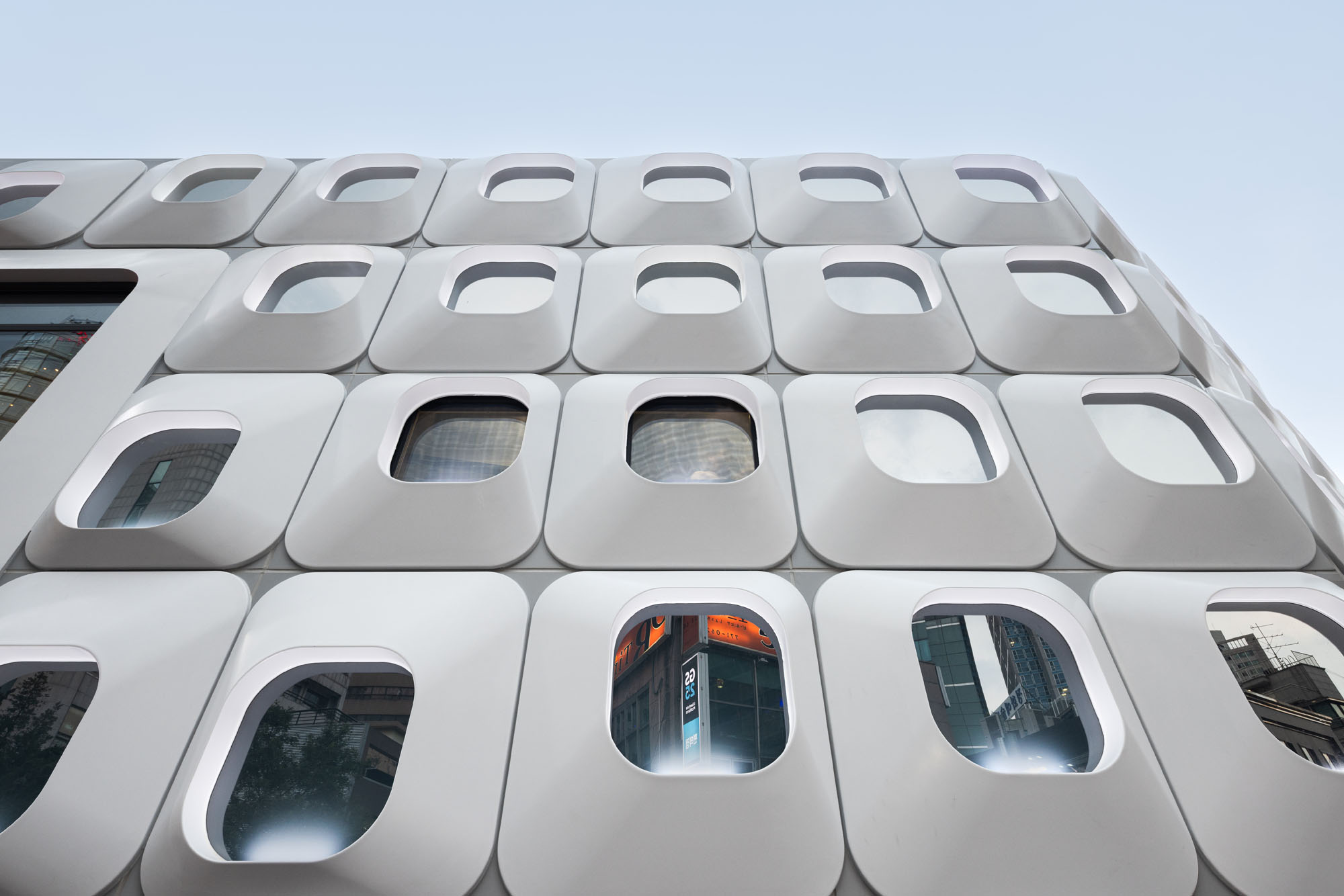
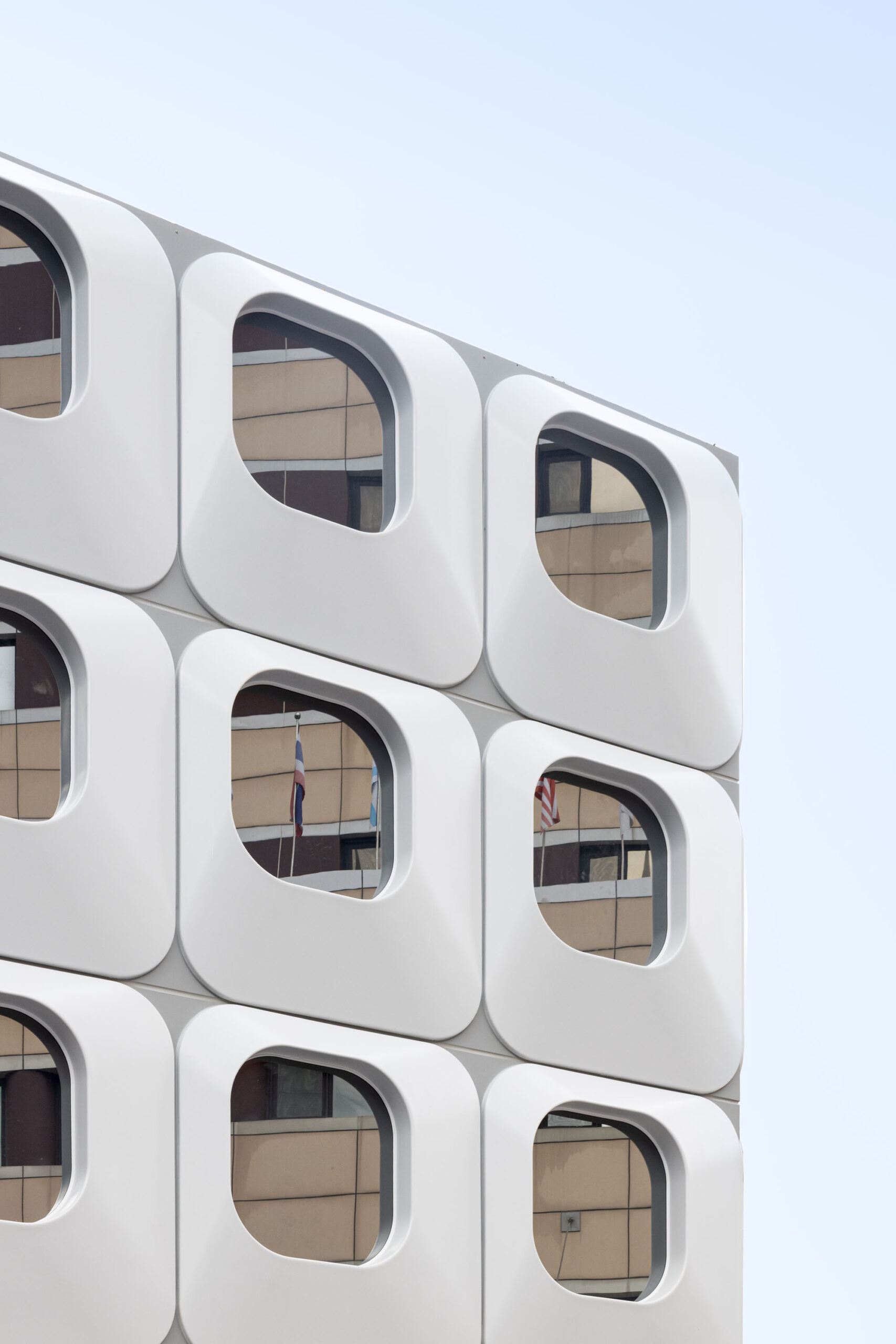
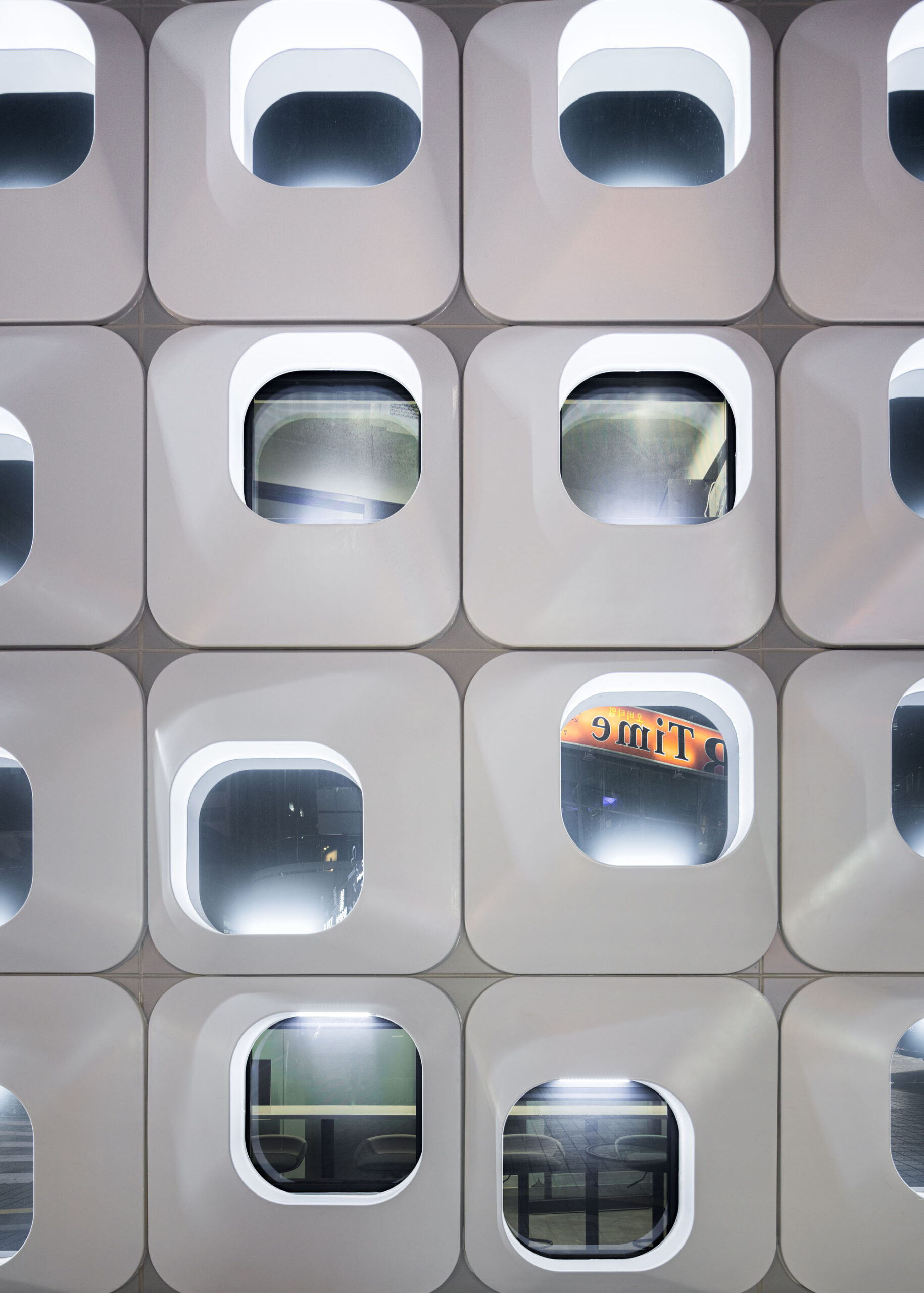
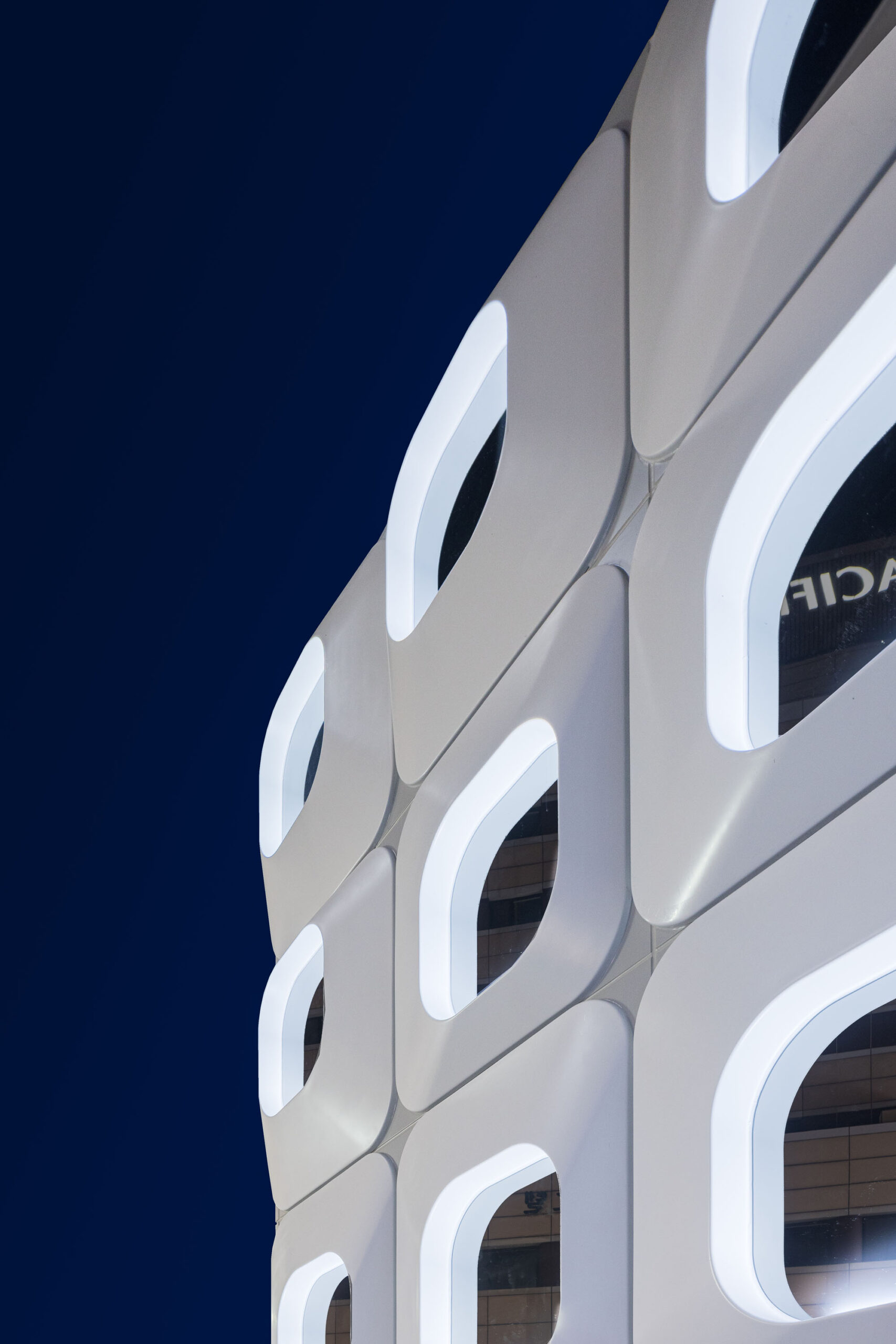
さらに、建築の外装は曲面をもつABSパネルで構成されており、2種類のパネルを回転および反復配置することで、リズミカルなファサードを形成している。各パネルは3Dモデリングに基づくCNC加工により製造された後、真空成形と難燃処理が施され、アルミフレームに取り付けられた。
©︎ Jihun Bae
©︎ Jihun Bae
©︎ Jihun Bae
©︎ Jihun Bae
©︎ Jihun Bae
©︎ Jihun Bae
©︎ Jihun Bae
©︎ Jihun Bae
©︎ Jihun Bae
©︎ Jihun Bae
©︎ Jihun Bae
©︎ Jihun Bae
©︎ Jihun Bae
©︎ Jihun Bae
©︎ Jihun Bae
©︎ Jihun Bae
©︎ Jihun Bae
以下、ヨンジュ・リー・アーキテクチャのリリース(英文)です。
Project name: Hotel Myeongdong Station
Architect: Yong Ju Lee Architecture (Yong Ju Lee)
Design team: Dohoon Kim, Dajeong Son
Location: 13, Toegye-ro 18-gil, Jung-gu, Seoul
Programme: Tourist Accommodation Facility (Hostel)
Site area: 129.3 ㎡
Building area: 112.59 ㎡
Gross floor area: 214.52 ㎡
Building scope: Two stories
Height: 2.5m
Building to land ratio: 87.08 %
Floor area ratio: 165.91 %
Structure: Steel Frame + Cement Brick Structure
Exterior finishing: Fire-retardant ABS + Composite Panel
Interior finishing: Painting and Wallpaper Finish
Coding and Fabrication: Sunjin Plus
Design period: 2025. 1. ~ 2025. 3.
Construction period: 2025. 4. ~ 2025. 9.
Construction budget: 600,000,000 won
Client: Janghak Lee, Sanghoon Lee
Photo: Jihun BaeLocated in the dense urban core of Seoul, Hotel Myeongdong Station takes the internal program itself, rather than the external context, as the starting point of its form-making. The spatial density and functional integration of the micro-accommodation units determine the overall configuration and formal principle of the building. This strategy establishes an autonomous architectural language, independent from the site or surrounding conditions.The project began by defining the form of a compact modular unit integrating bed, storage, table, and sanitary functions. Each unit was designed with a focus on spatial efficiency and functional hierarchy, resulting in two variations of a similar composition, and a total of twenty-nine units are arranged repetitively along a central corridor. Circulation between the units and communal spaces was organised to optimize the experience of the stay, while the repeatable pattern allows function and form to merge into a single systemic logic.The initial design originated from AI-based formal generation experiments, though these were used not as autonomous shape proposals but as visual tools to test volumetric possibilities accommodating the program. The actual design process began with programmatic variables such as lighting, sleeping orientation, and storage circulation. Consequently, the completed envelope is not an ornamental addition but the result of the repetition and stacking of units.Each accommodation module is a compact living unit integrating functions for sleeping, resting, storage, and working, and the headboard panel, derived from repetitive patterns inspired by traditional motifs, extends beyond decoration to mediate light and views. The building envelope consists of curved ABS panels, arranged through rotation and repetition of two types to create a rhythmic façade. Each panel was fabricated using CNC-machined dies based on 3D modeling, then vacuum-formed, fire-retardant finished, and mounted onto an aluminum frame.
ヨンジュ・リー・アーキテクチャ 公式サイト
https://www.yongjulee.com
【購読無料】空間デザインの今がわかるメールマガジン TECTURE NEWS LETTER
RECOMMENDED ARTICLE


![[大阪・関西万博]シグネチャーパビリオン紹介_河森正治氏](https://magazine-asset.tecture.jp/wpcms/wp-content/uploads/2025/04/05160010/rrR0050017-900x596.jpg)