
工場と自然という台湾らしさを織り込む本社ビル - 都市のカオスを受け入れデザインへと昇華する〈アプリシティ・デベロップメントブランド本社〉
© Studio Millspace
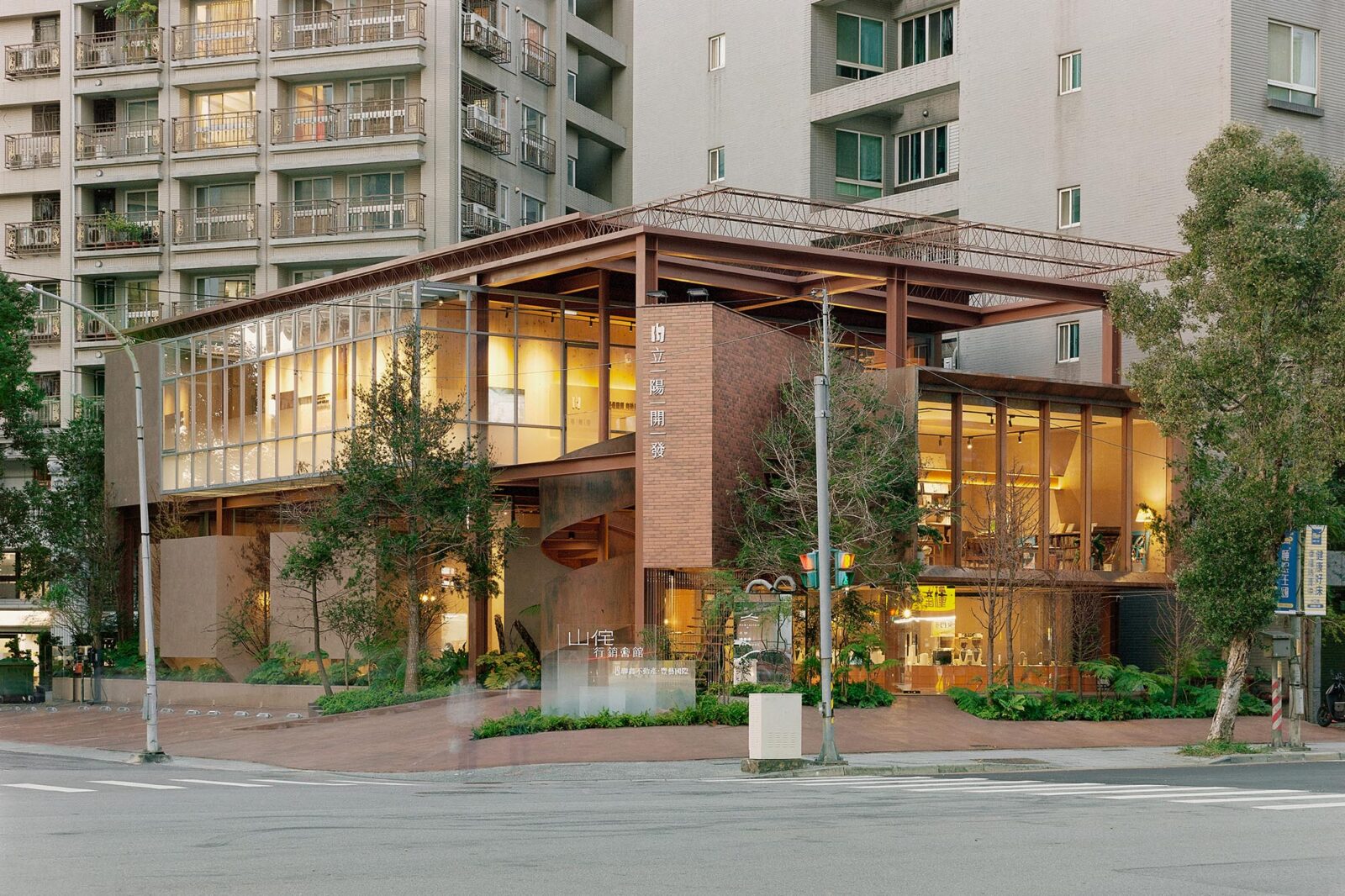
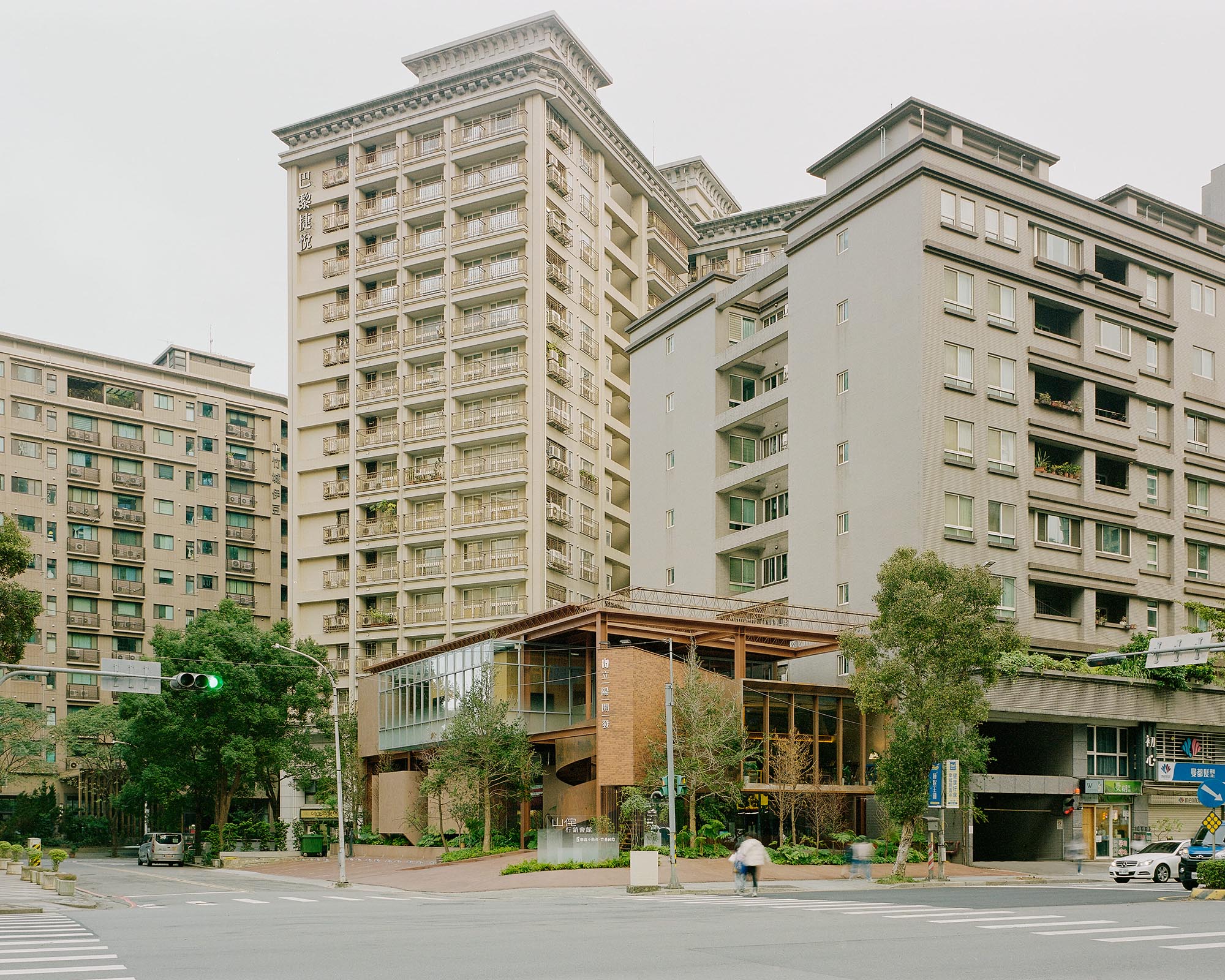
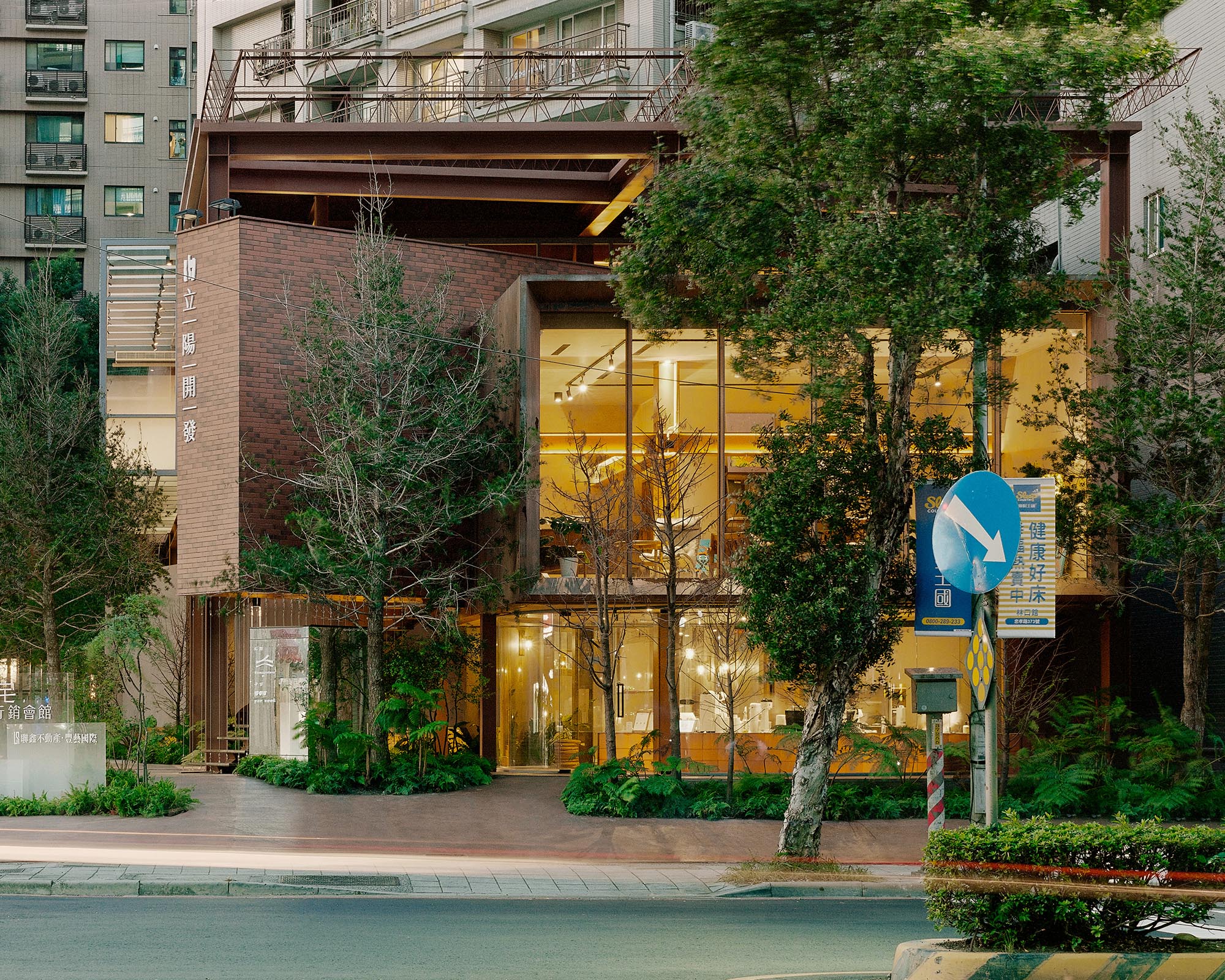
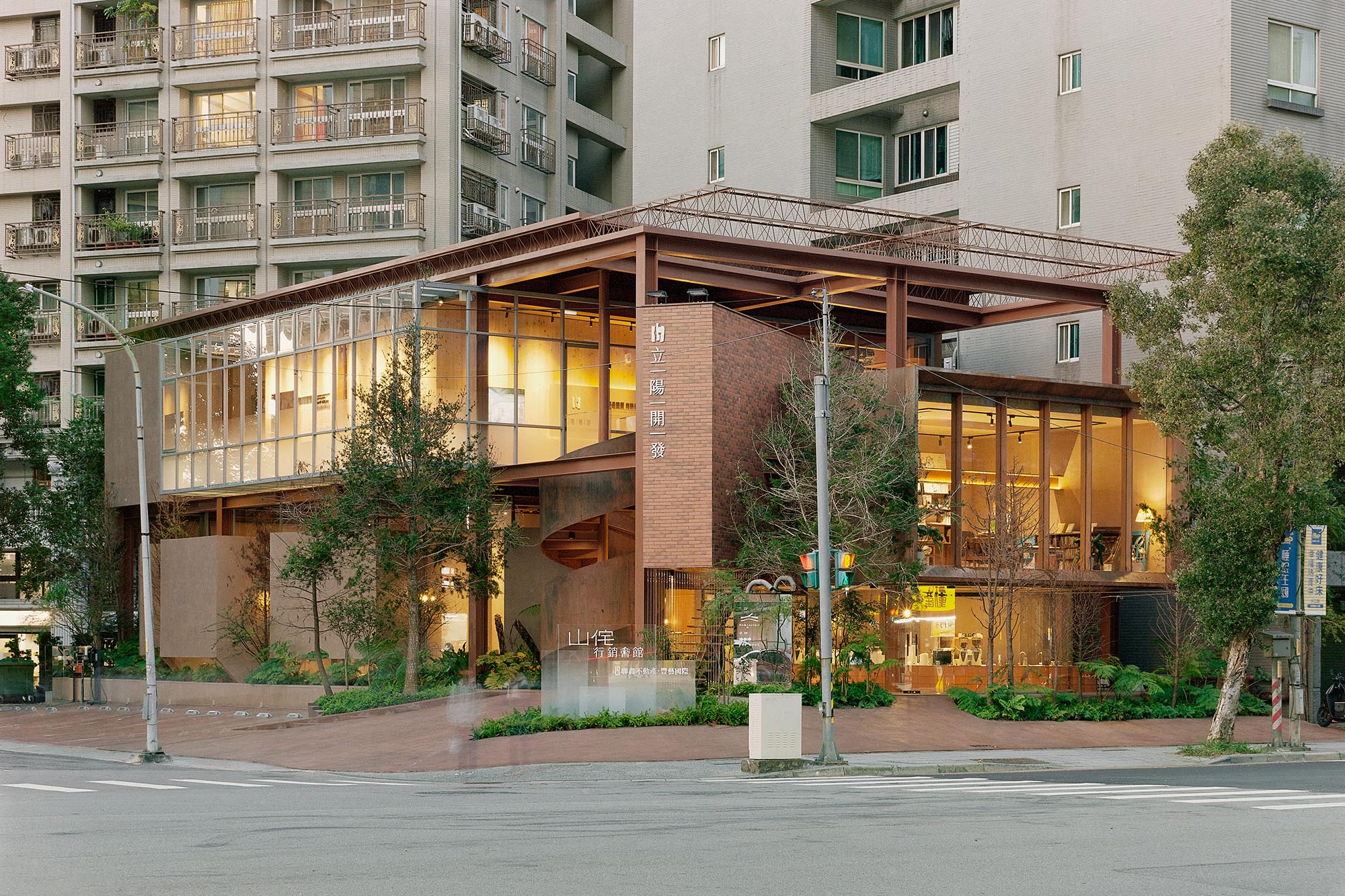
〈アプリシティ・デベロップメントブランド本社(Apricity Development Brand headquarters)〉は、「工業建築」と「自然」という台湾らしい要素を融合して構成された、カフェや書店、休憩スペースも組み込まれた台湾の開発企業の本社ビルです。
台湾を拠点とするSoar Design Studio + Ray Architrctsが設計しました。
注目ポイント
- 工場らしさを反映する鉄骨フレームと即興的な空間ボリューム
- 公共空間と小売空間を融合し、企業本社の境界性を曖昧化
- 台湾の自然と都市をコラージュ的に融合
- 都市の「カオス」的な特性から生み出す建築デザイン
(以下、Soar Design Studio + Ray Architrctsから提供されたプレスキットのテキストの抄訳)
© Studio Millspace
© Studio Millspace
工場の記憶を継承する本社デザイン
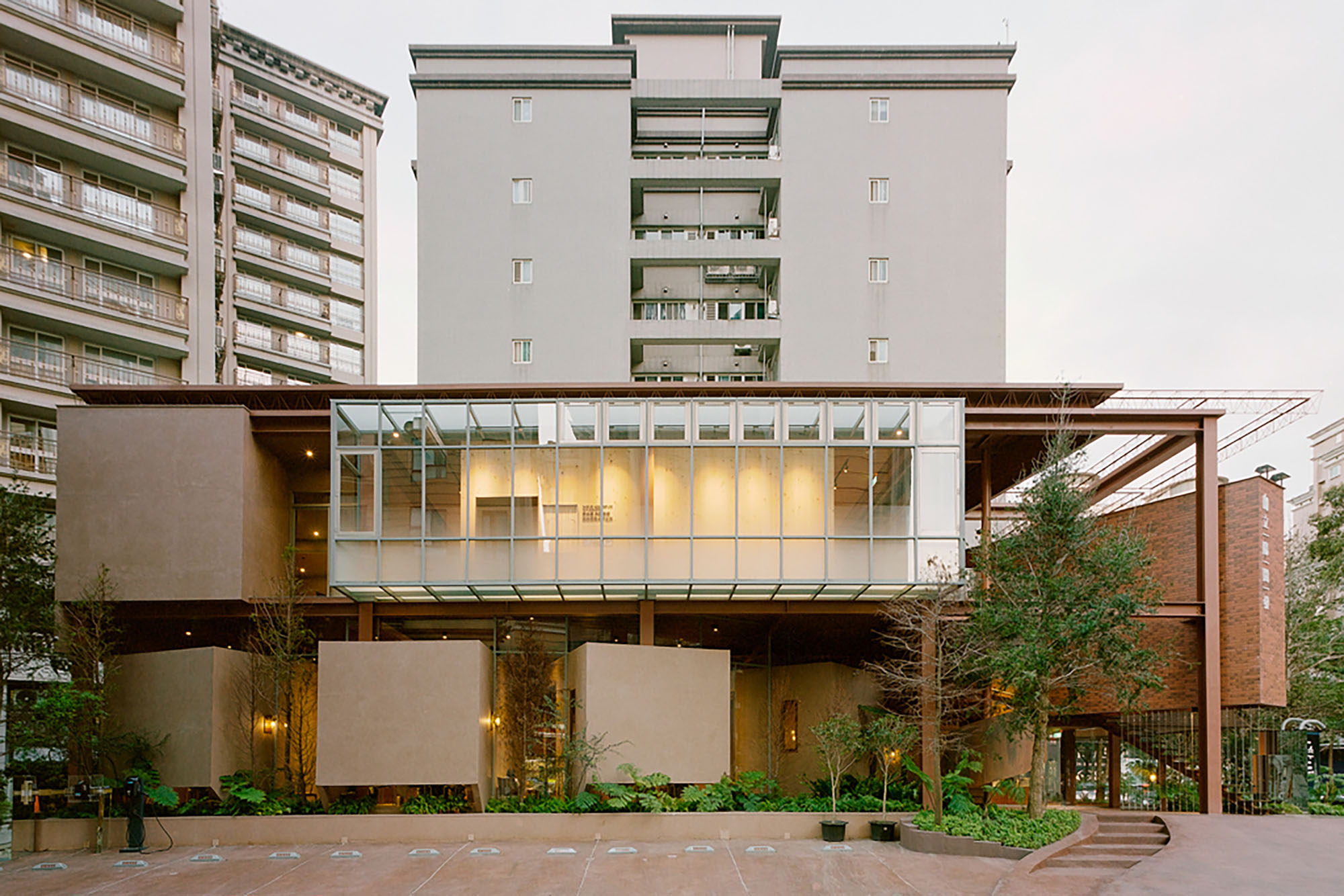
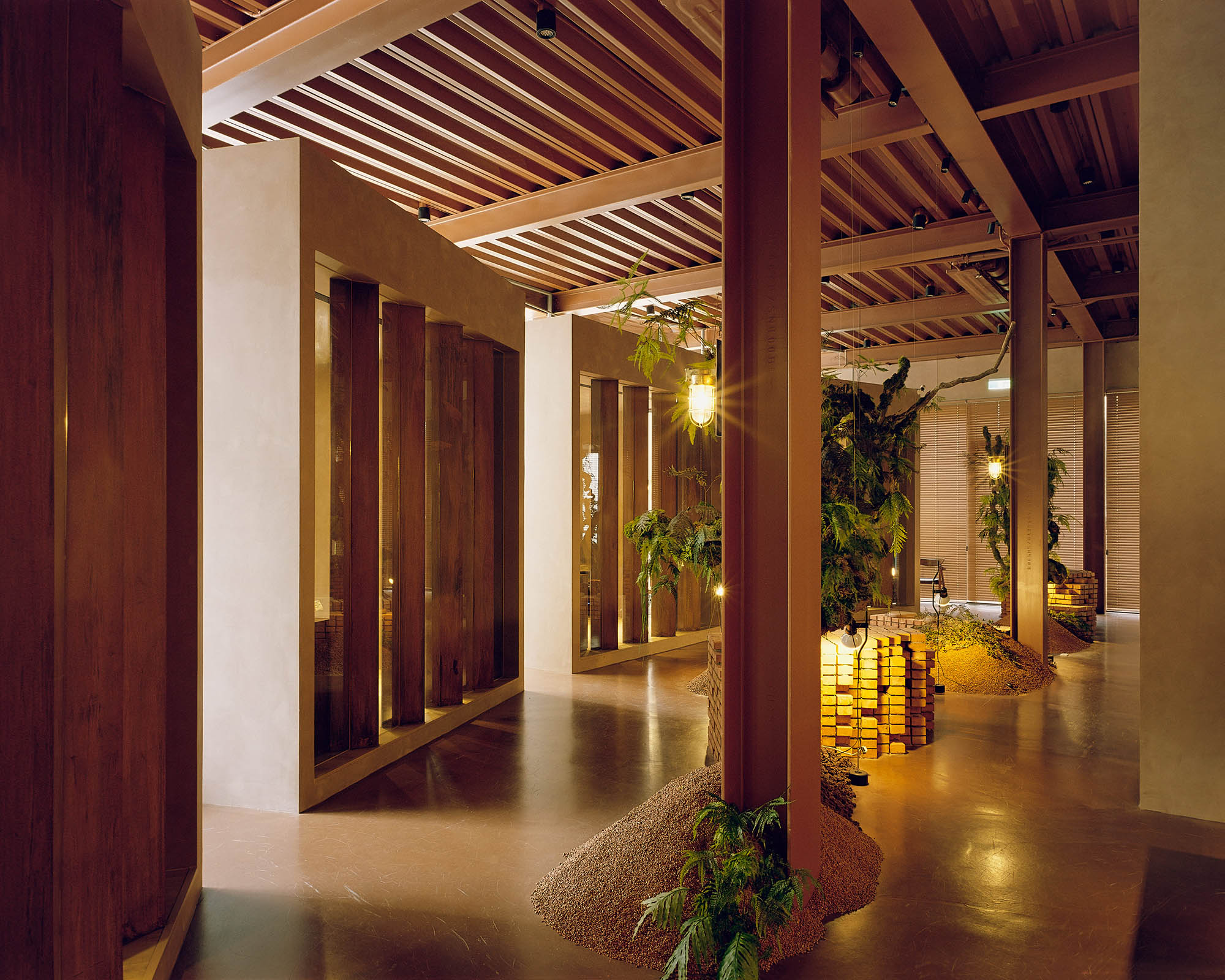
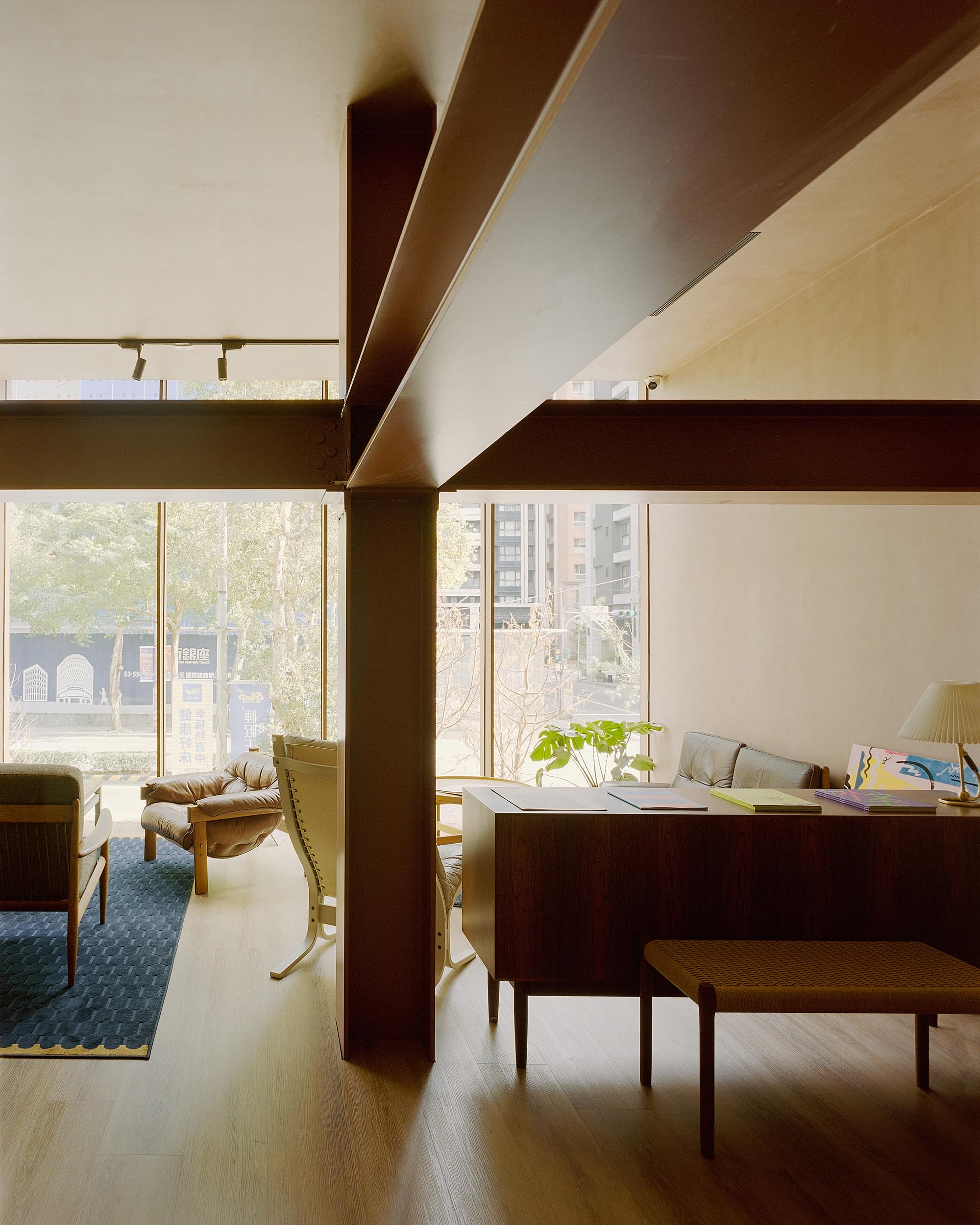
この開発企業の本社では、工場の鋼鉄フレームがレイアウトを形づくり、創業の起源である煉瓦窯の記憶を反映している。
空間は解体と再構成を繰り返しながら挿入されており、商業施設的な閉鎖性とは一線を画している。デザインは「地域への開放性」を重視し、ブランドビジョンを一般に公開しており、再解釈された工場の美学と台湾の森林の印象が都市に織り交ぜられている。
© Studio Millspace
デザインの主な特徴
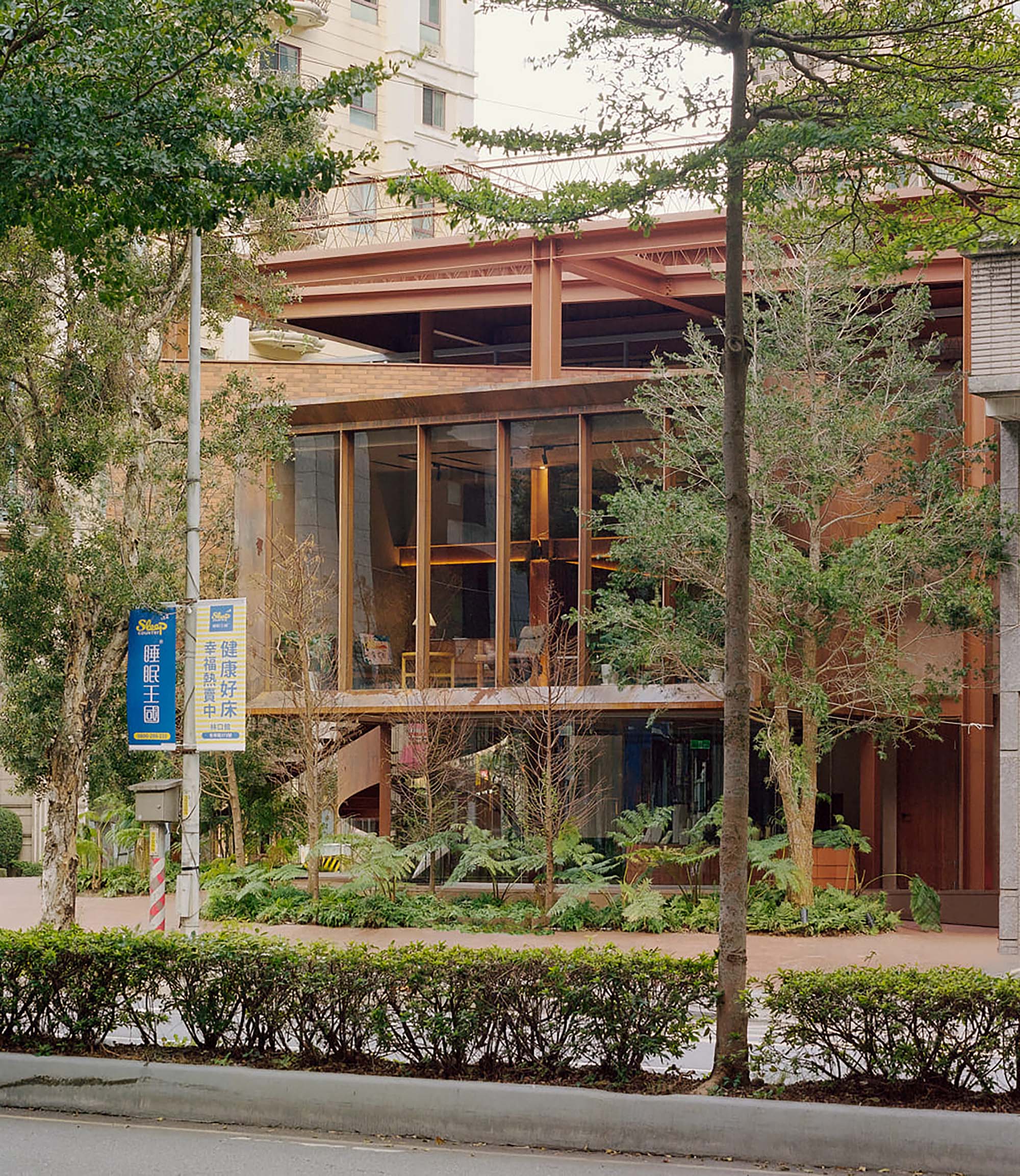
- 工場の製造プロセスや有機的な都市ファサードに呼応する、解体と再構成で形づくられた形態
- 企業ビル特有の境界感を曖昧にする、公共空間と小売空間の融合
- 開放的で流動的なボリュームが外部とつながり、自由に散策できる迷路のような体験を提供
© Studio Millspace
© Studio Millspace
工業建築と自然の融合によるブランドビジョンの建築化
クライアントは「場所の感覚」を重視する開発会社であり、本社ビルを都市への親和性と革新的な都市美学を示すマニフェストとして活用しており、規範的な箱型構造から離れ、非伝統的な建築表現によってブランドビジョンを具体化している。
公共と小売を招き入れる建築的ジェスチャーは、企業本社の境界性を溶解させ、台湾の都市をコラージュ的に再解釈する。山岳的な自然の雰囲気と工業建築の言語が交錯し、新たなメトロポリタンのプロトタイプを提示している。
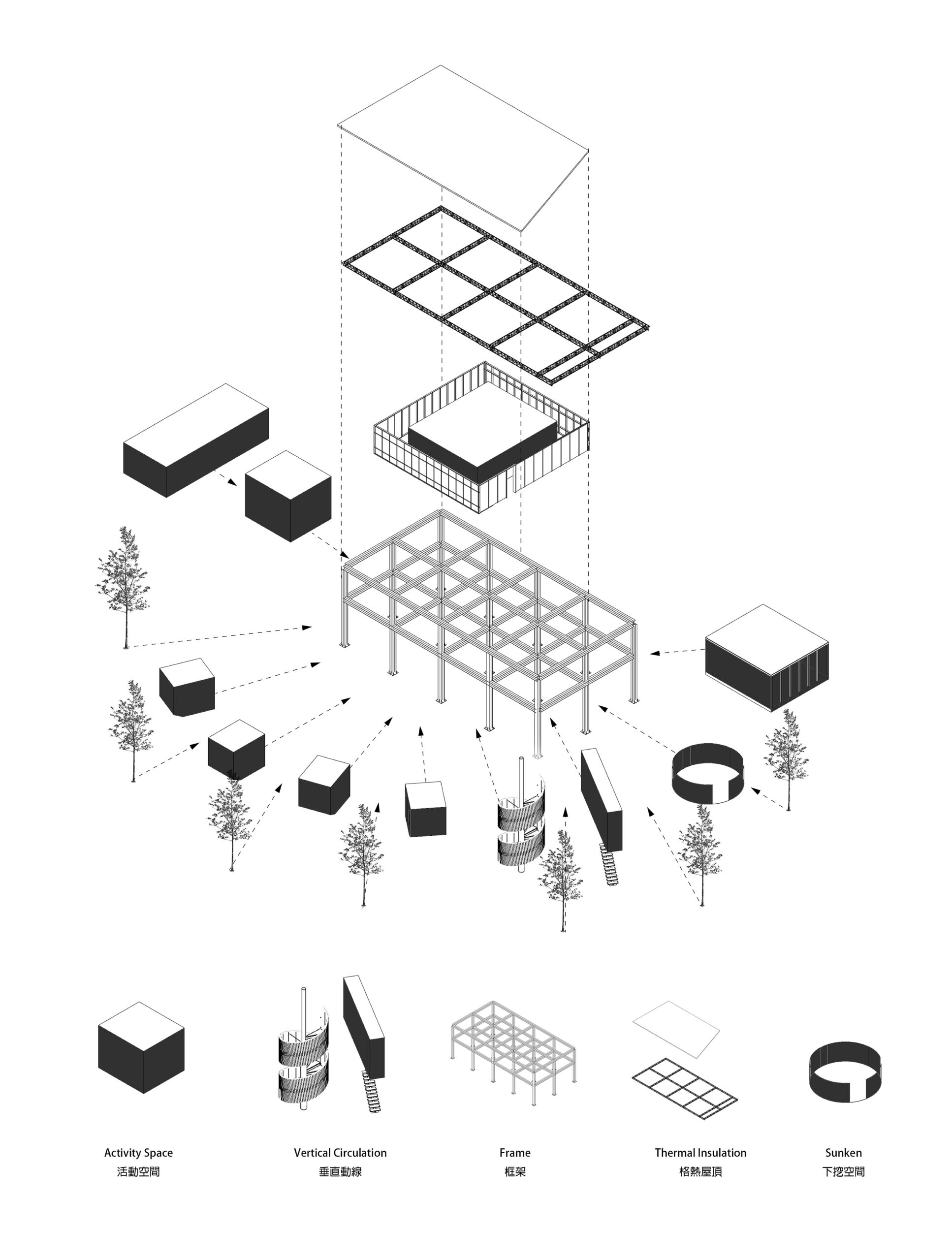
建物の構成は「形態は機能に従う」の論理に基づき、工場において必要に応じて制御室が追加されていくように、柔軟な配置が行われている。
© Studio Millspace
© Studio Millspace
ボリュームと素材の表現
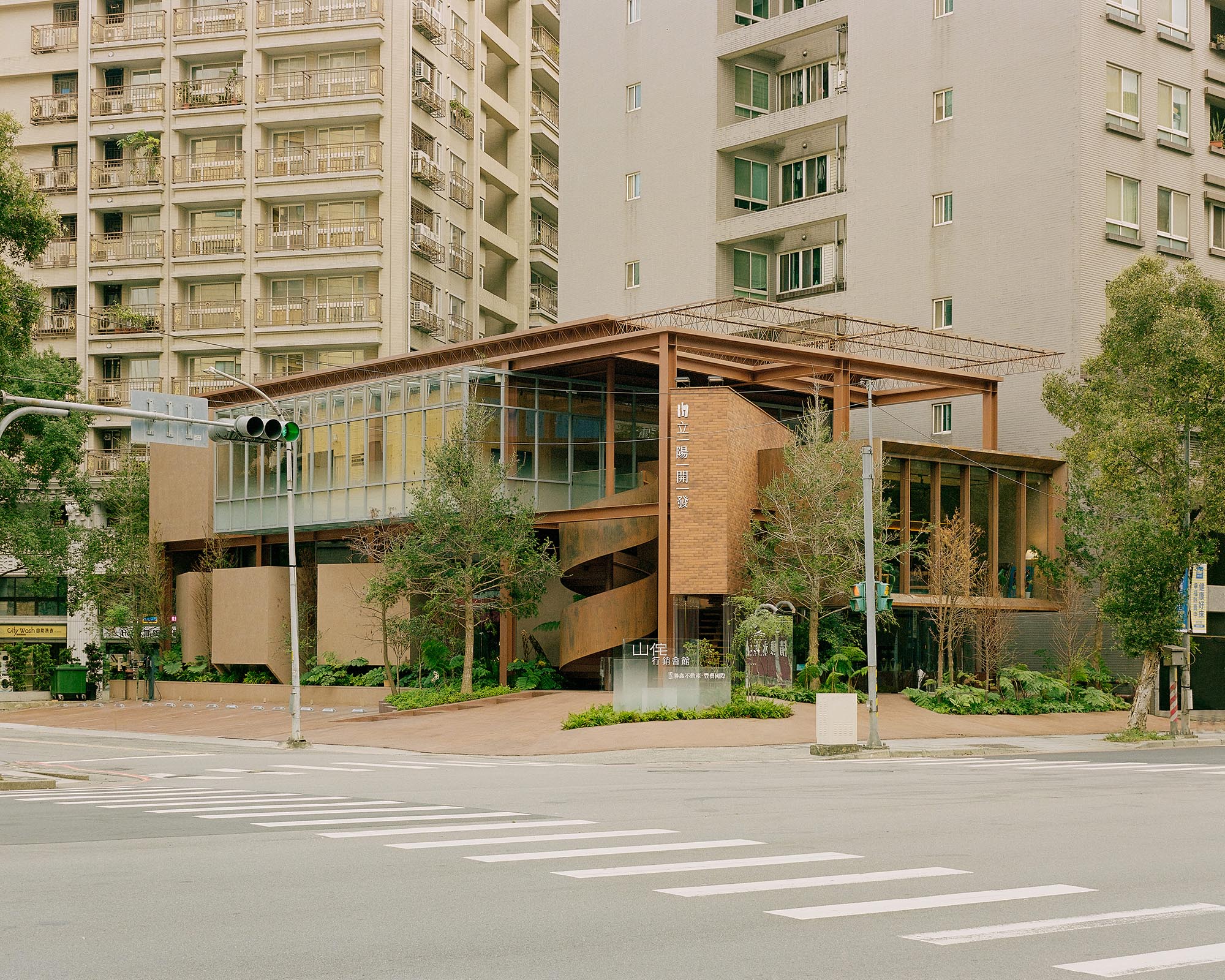
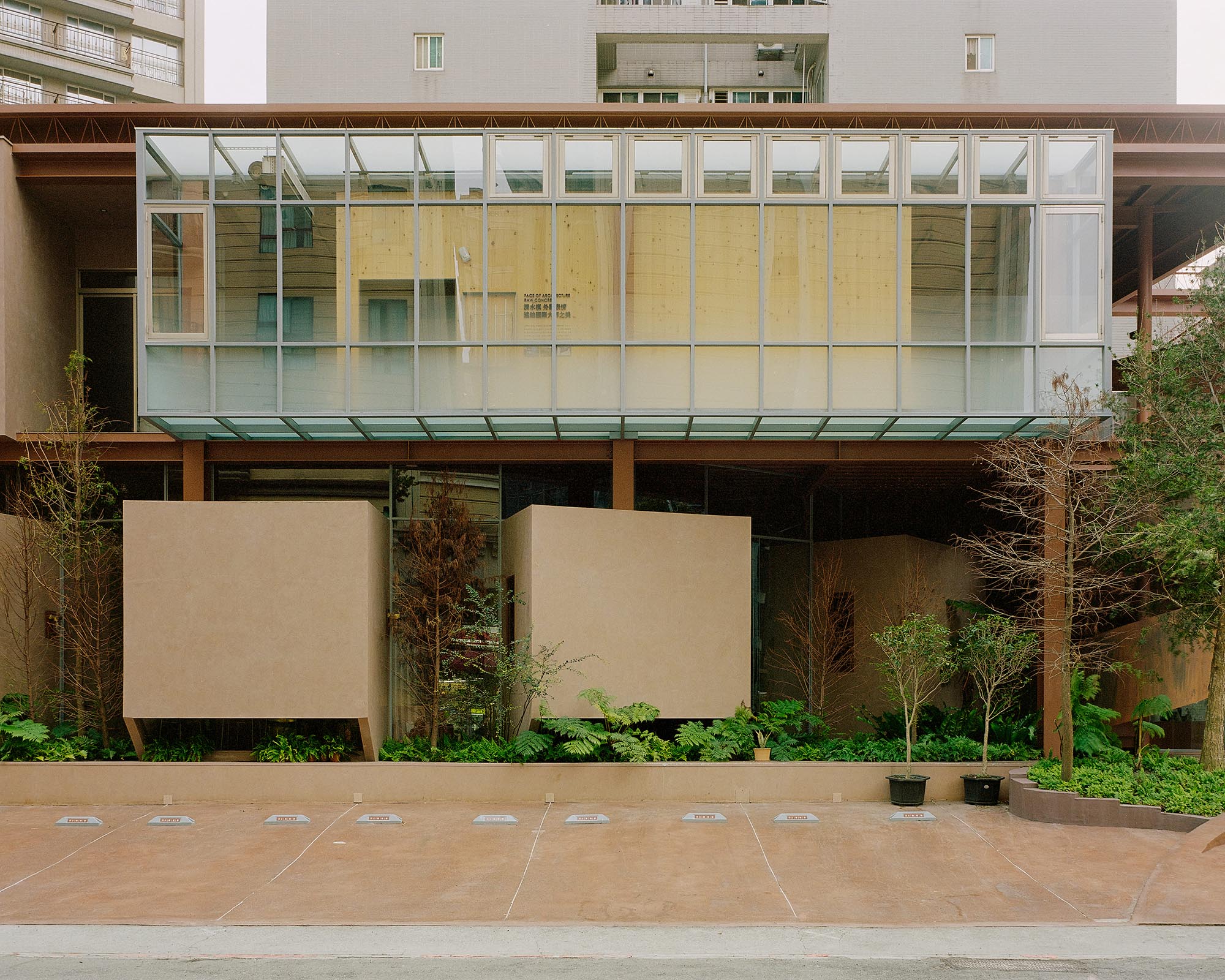
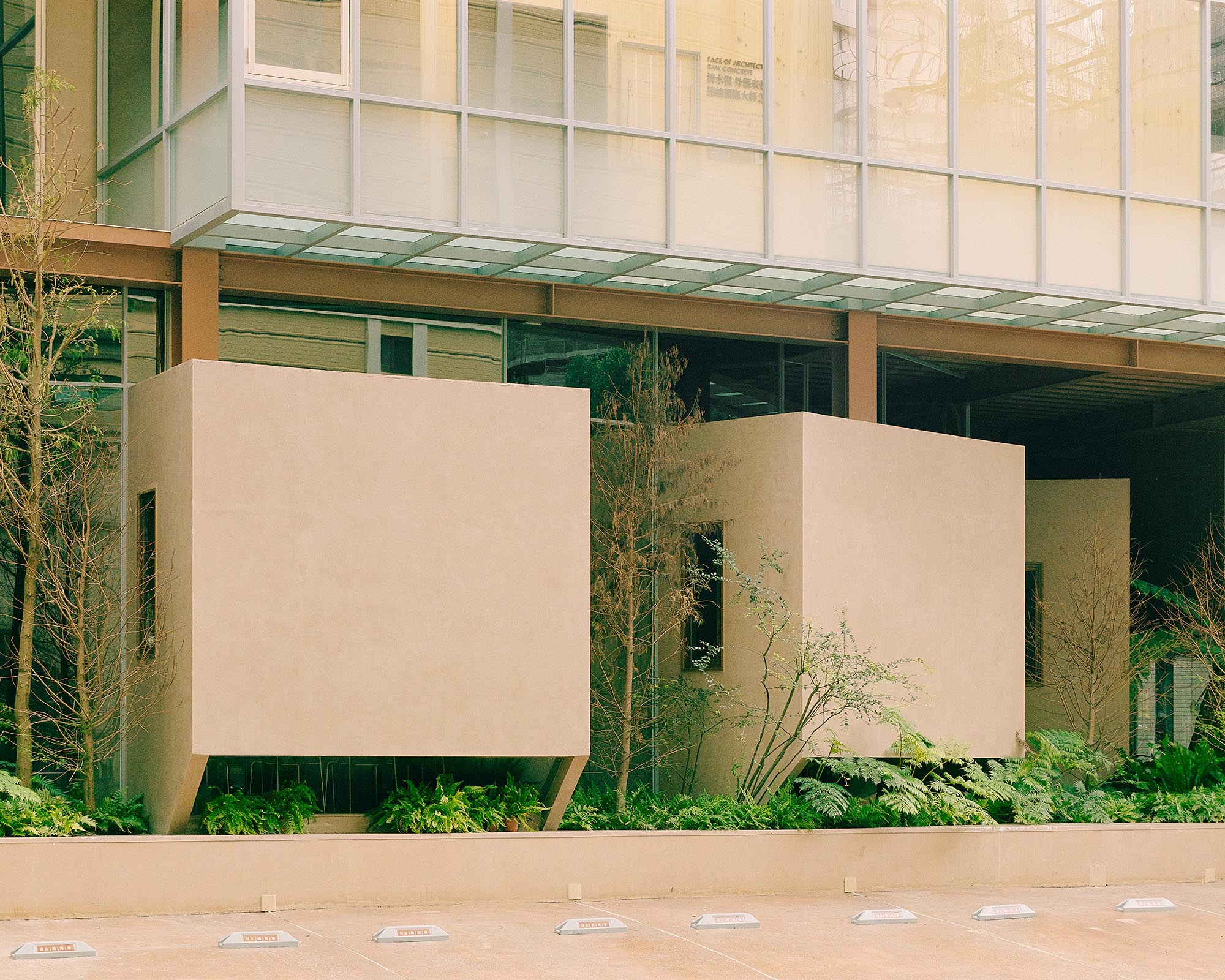
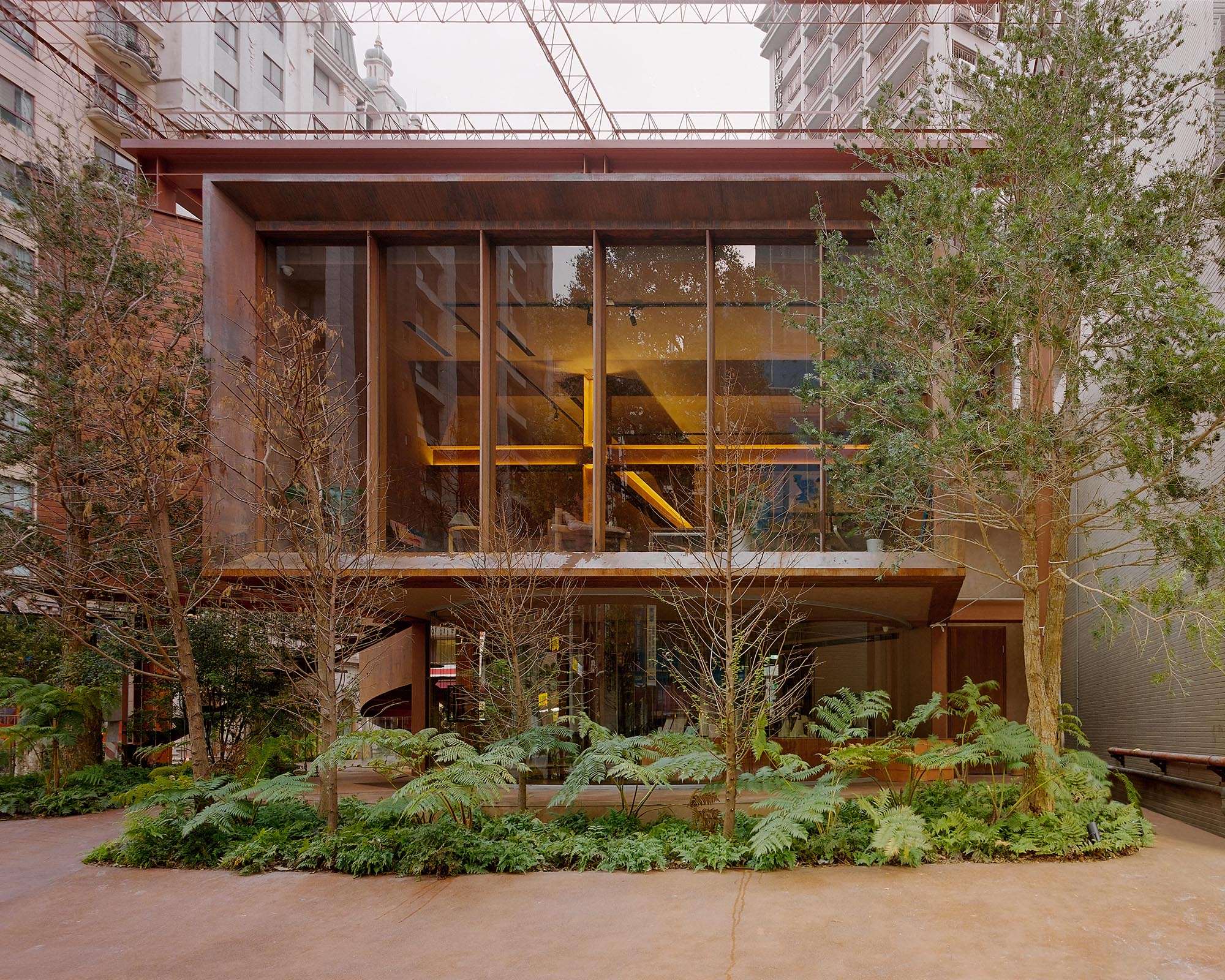
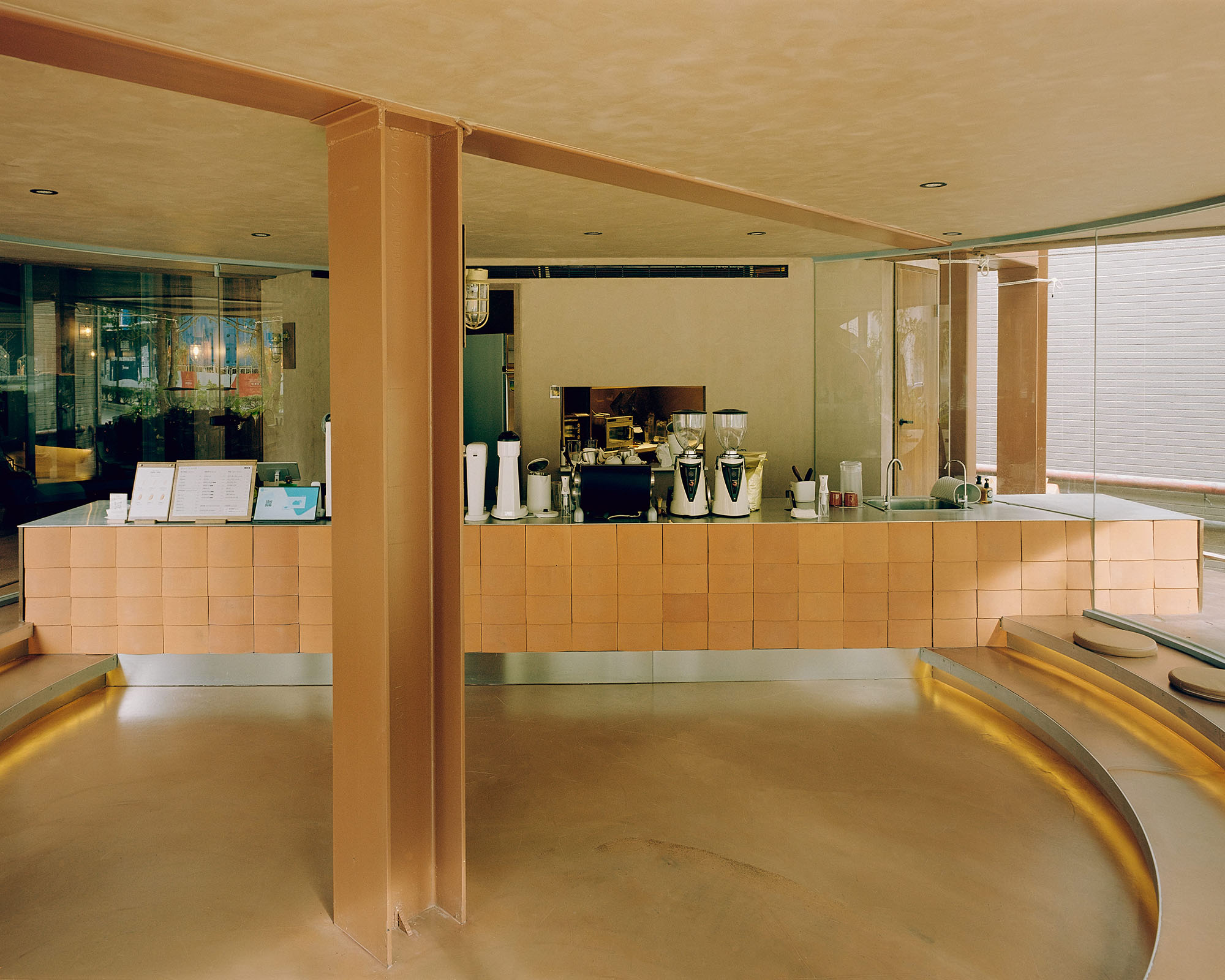
ボリューム群には多様な幾何学形態を採用し、工場の観察から得られた有機的な形態を反映している。これらのユニットは、敷地の輪郭に沿って角度を付けた鉄骨構造のグリッドに挿入され、扇形の配置によって立面と動線の階層が曖昧化されている。
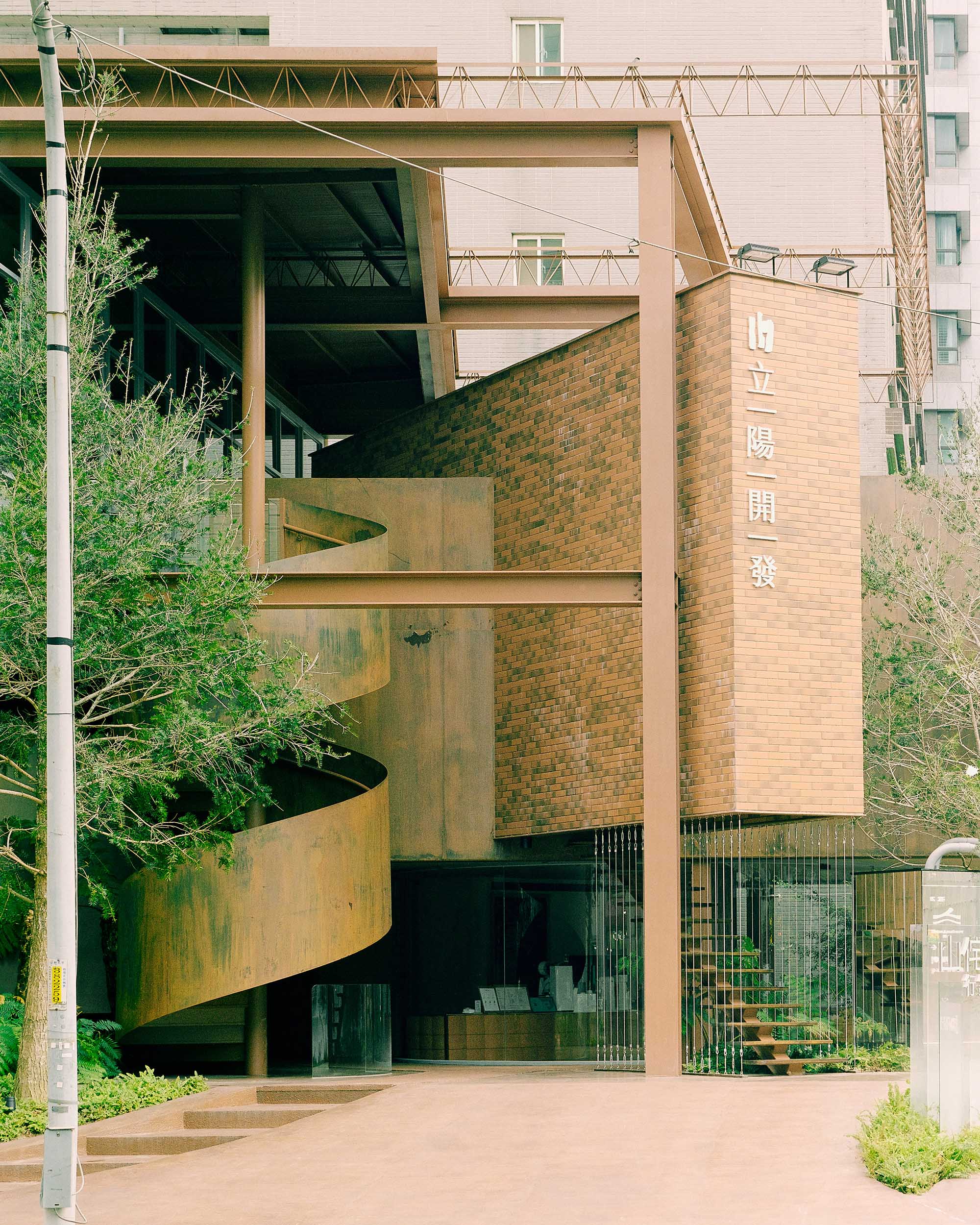
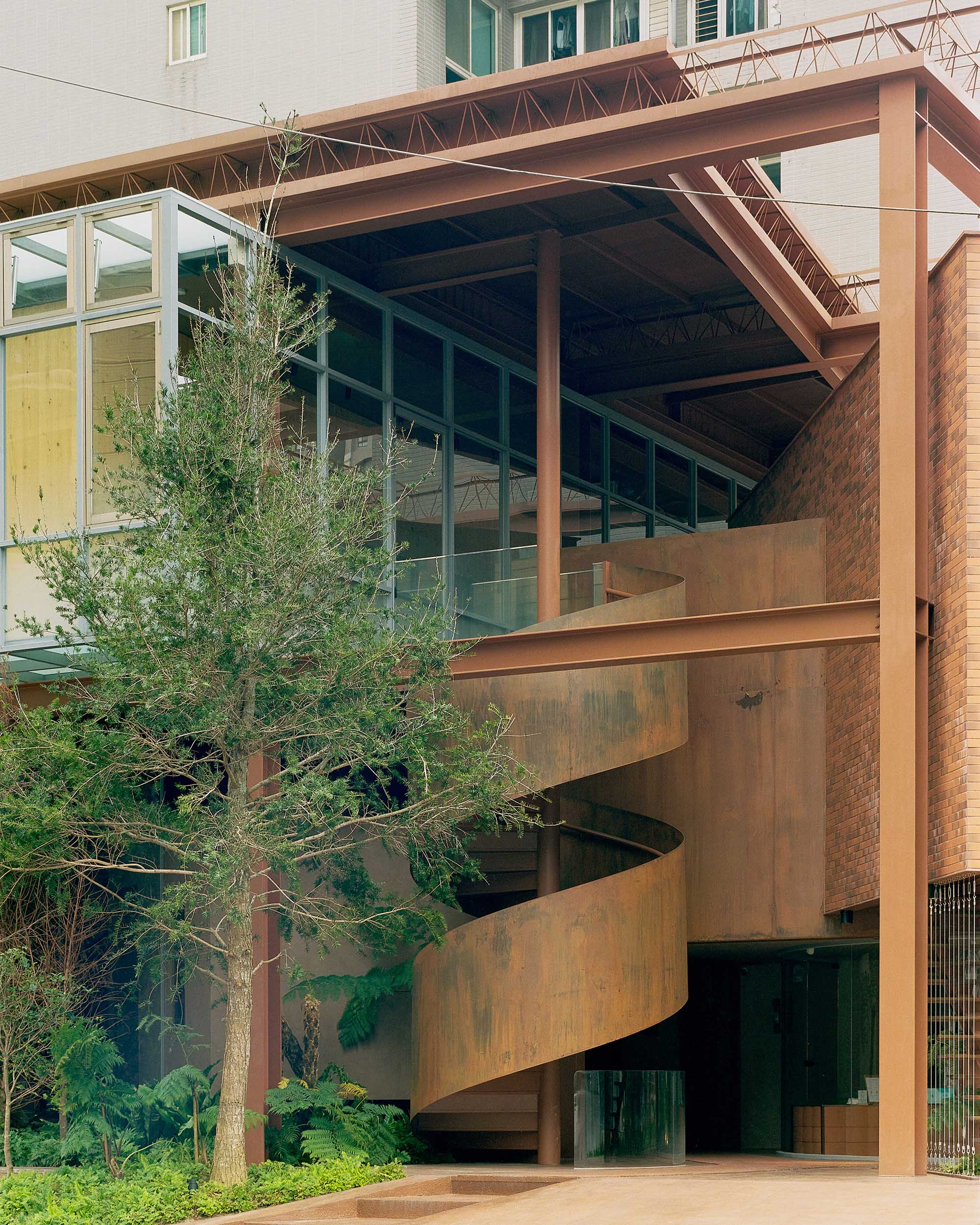
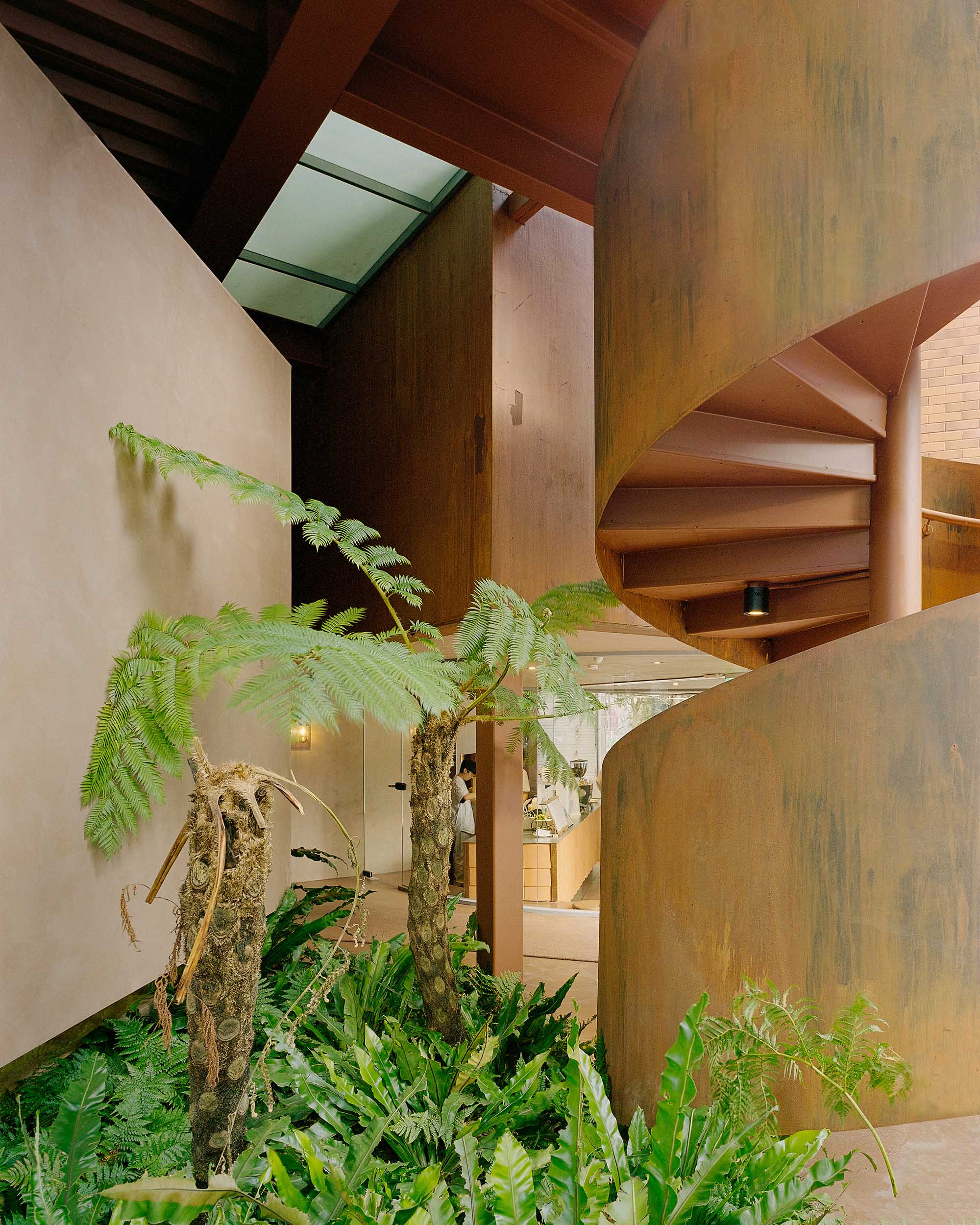
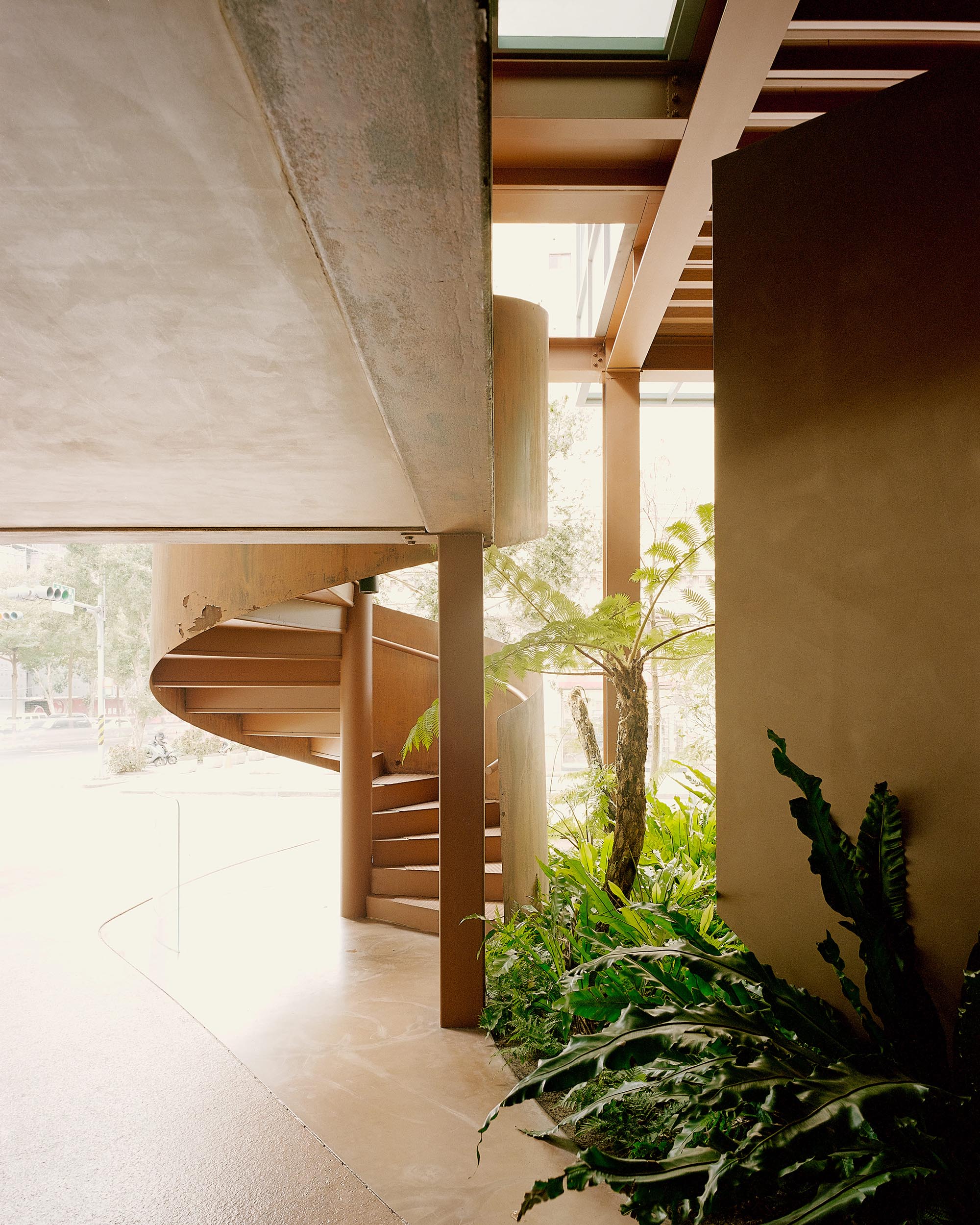
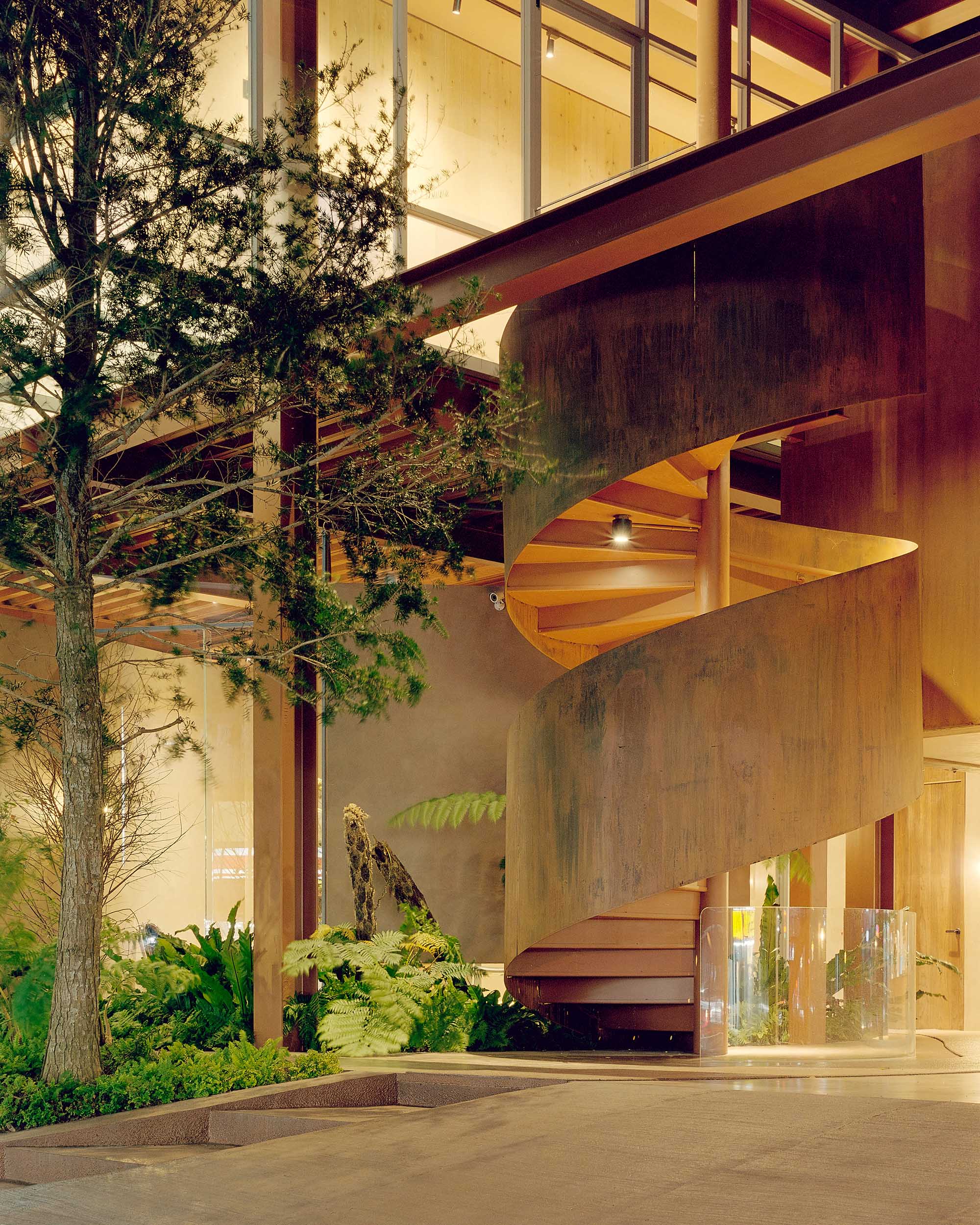
連続する空間は1日を通じて光と影を動的に変化させる。地上階と1階をつなぐ屋外階段は断続的な形状をとり、工場空間の断片性を連想させる。素材は工場で一般的に使われるものを最小限の装飾で用い、粗削りな工業的質感をそのまま受け入れている。
© Studio Millspace
都市と自然をつなぐ空間構成
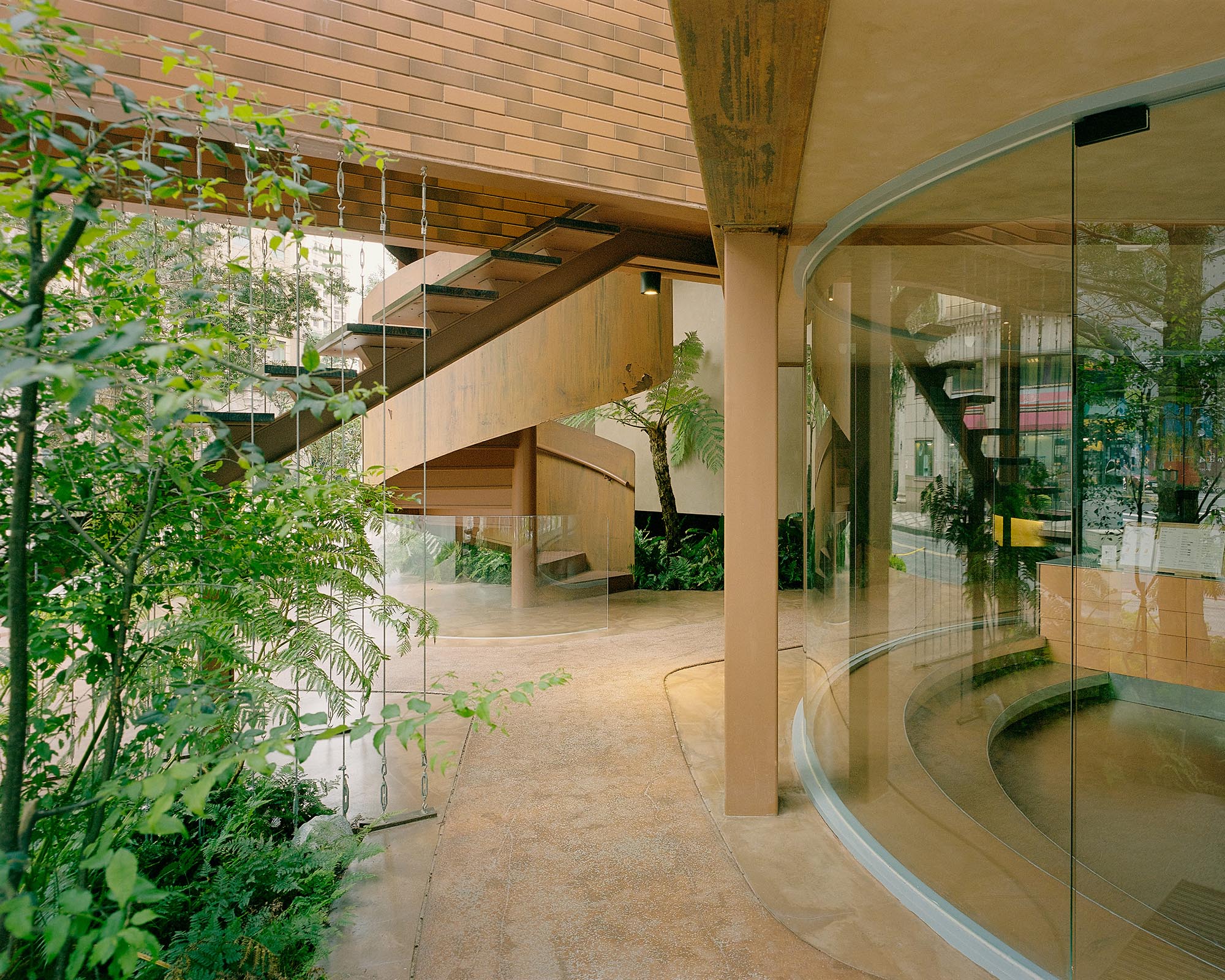
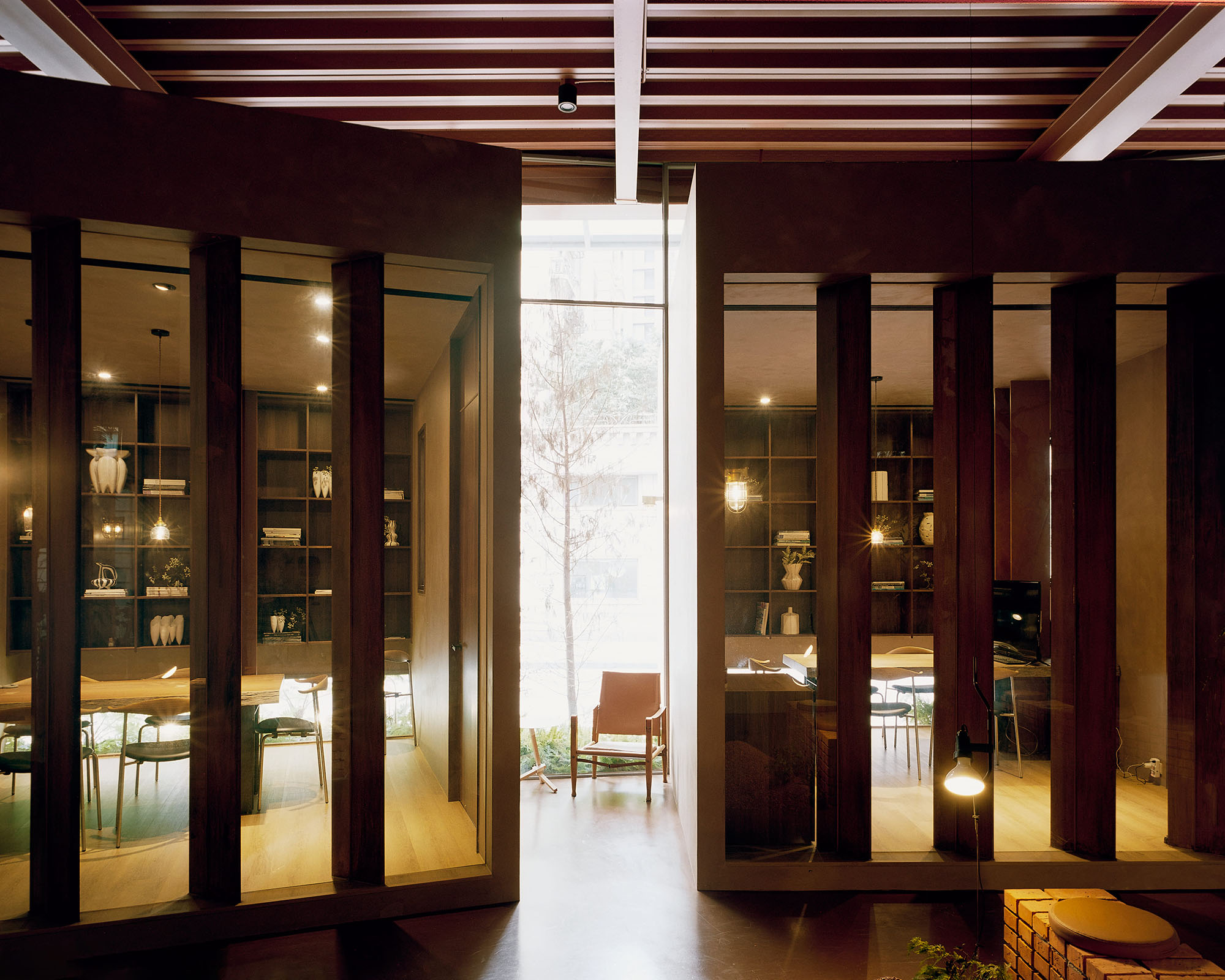
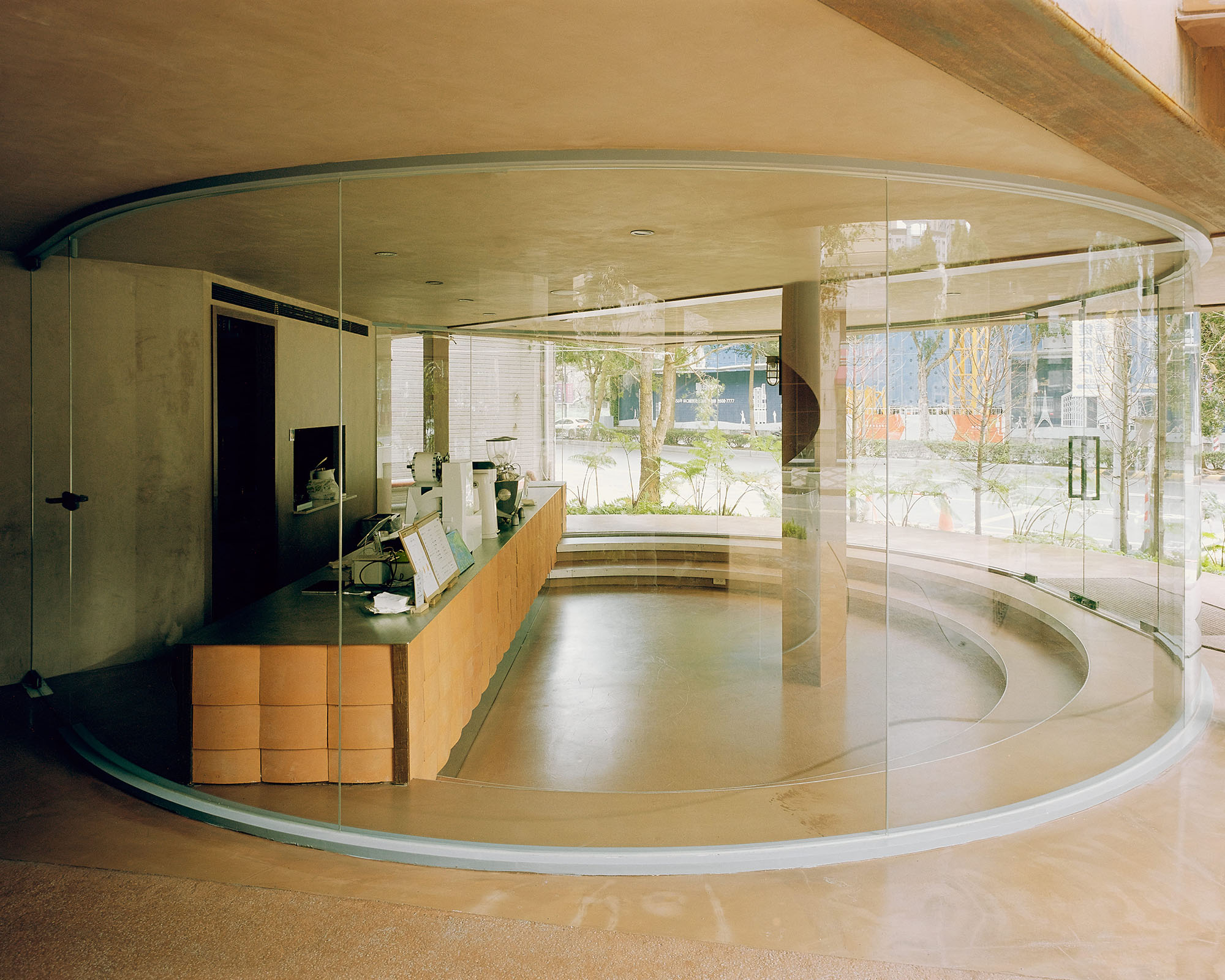
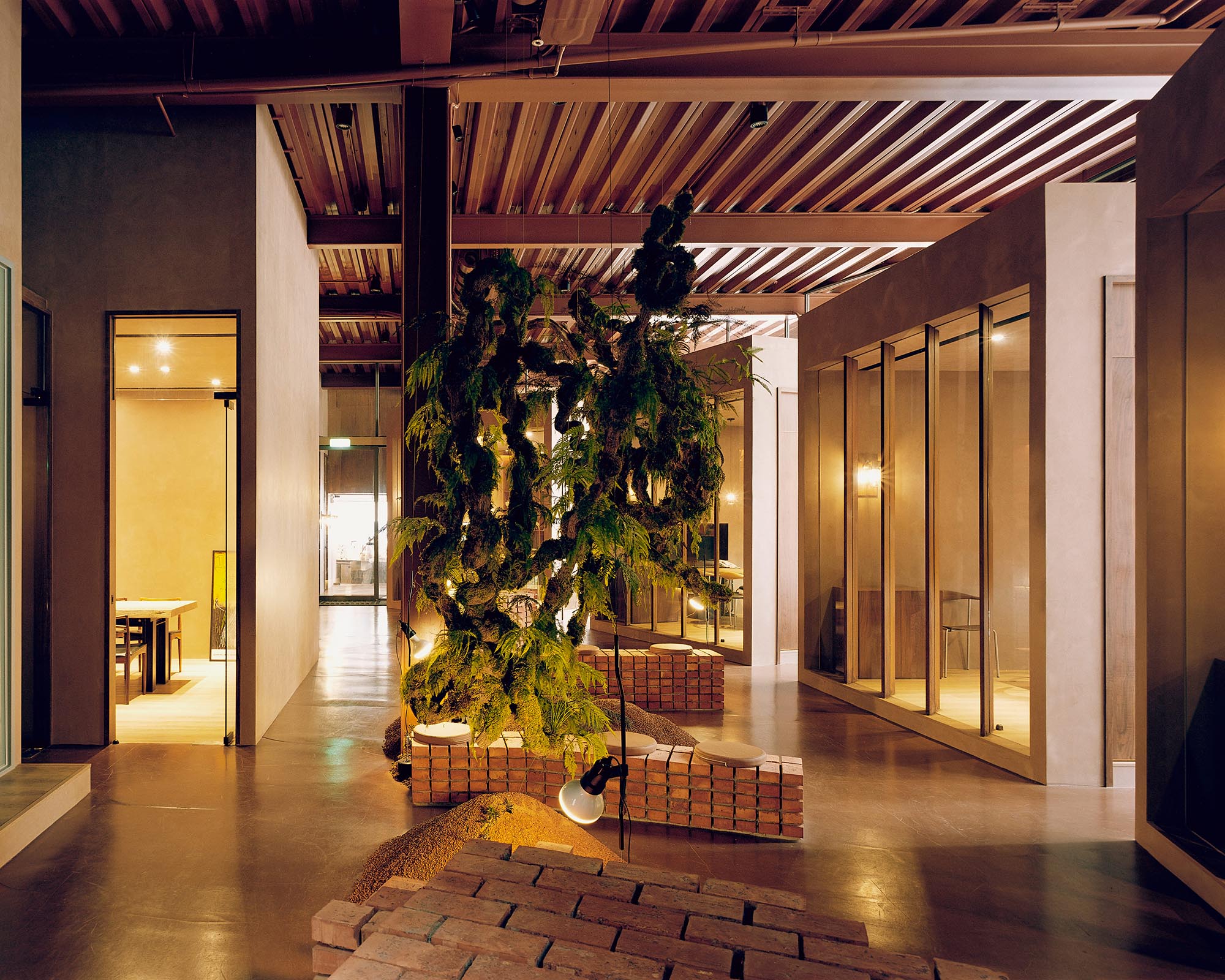
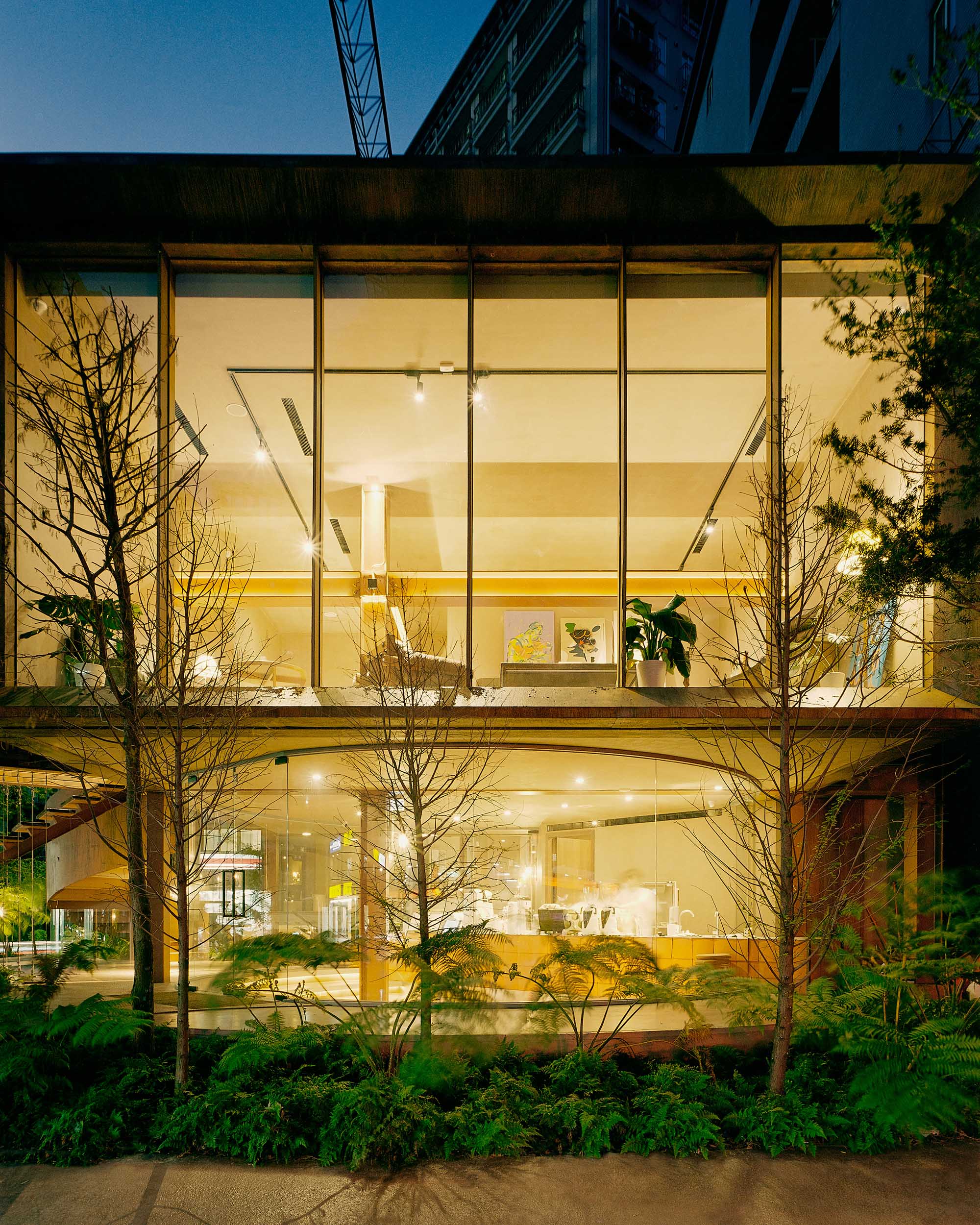
ボリュームは層状に重なり、幾何学が複雑に絡み合う。空隙とガラス面を最大限に活用することで、周囲の環境を感じ取ることのできる内部空間が形成されている。解体と再構成を経た流動的なボリュームは、都市のまち並みと人々を結びつけ、建築と外部空間の親密な相互作用を可能にしている。
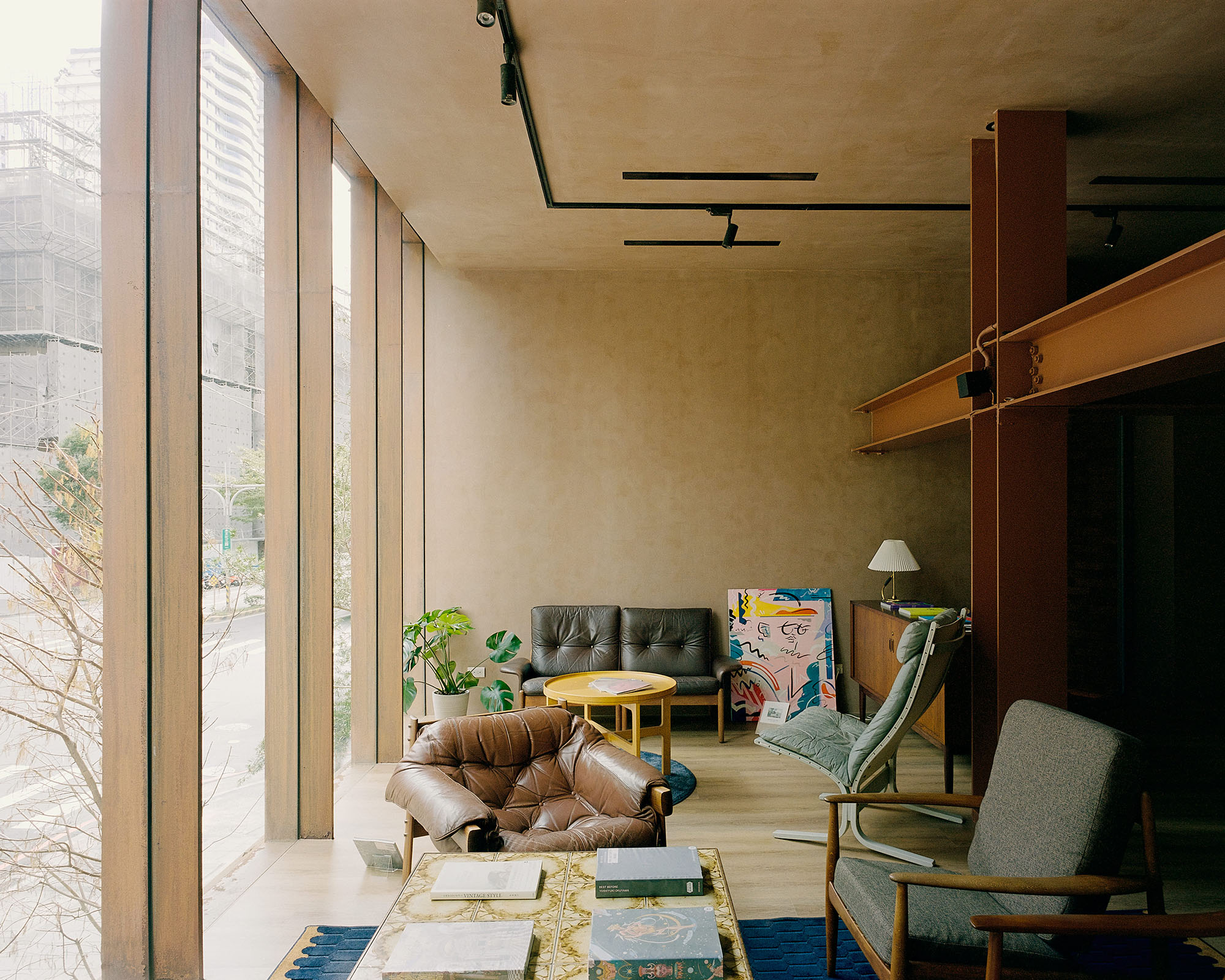
街路に面してカフェや書店、休憩スペースを配置し、企業機能は後方へ配置することで、二次的な空間として機能する。これにより、高層ビル群に囲まれた新都市の中における街角の典型が再定義され、企業本社と公共空間が結びつけられている。
© Studio Millspace
© Studio Millspace
台湾の風景を映すランドスケープ
台湾の山岳的な有機性を反映し、交差する幾何学が建築境界に沿って自由な動線を刻む。散策、休憩、探検を誘うこの動線は、植栽計画と呼応しながら、自然の荒野が徐々に都市へ侵食していく感覚を想起させる。
敷地周囲には台湾杉やシダといった在来植物が豊かに植えられ、透過性のある境界スクリーンを形成すると同時に、山岳的な小径を辿る感覚的な旅へと訪問者を誘っている。
© Studio Millspace
© Studio Millspace
台湾的有機性と建築の融合
森林、都市景観、工場建築は、台湾に深く根差した有機的生態系である。
〈アプリシティ・デベロップメントブランド本社〉ではこれらの要素が慎重に組み合わされ、地域文化を映す建築へと昇華されている。単なる形態を超えて社会の内部状態を映し出し、自然・建築・都市文化が絡み合う表現を形成している。
© Studio Millspace
新しい都市言語としての提案
このプロジェクトは単なる都市形成の観察を超え、しばしば否定的に捉えられる「都市形態のコラージュ的混乱」を、新たな建築言語へと翻訳している。
それは刺激的かつ魅力的な体験を生み出し、文化に異なる視点を与える。蓄積された過去との対峙と和解を促し、変革の必要性を力強く提示するものである。
© Studio Millspace
© Studio Millspace
© Studio Millspace
© Studio Millspace
© Studio Millspace
© Studio Millspace
© Studio Millspace
© Studio Millspace
© Studio Millspace
以下、Soar Design Studio + Ray Architrctsのリリース(英文)です。
Apricity Development Brand headquarters
At this developer’s headquarters, the factory steel frame outlines the layout, echoing with its founding origin of a brick kiln. Spaces are deconstructed and sequentially inserted. Diverting from the commercial setting, the design emphasizes “openness to the community” and shares its brand vision with the public, weaving a reinterpreted factory aesthetic and Taiwan forest impression into the city.
The most remarkable points
Deconstructed and reconfigured form responds to fabrication of factories and organic urban facades
Inviting premises mix with public & retail space, blurring corporate buildings’ sense of boundaries.
Open and flowing massing connects with exterior, offering a meandering, freely wandering experience.The client, a developer focusing on building upon the sense of place, leverages its brand headquarters as a manifesto of city friendliness and innovative urban aesthetics. Departing from a normative boxy structure, the design articulates the vision of the brand through an unconventional architectural expression. The building integrates public and retail spaces with an inviting architectural gesture, blurring the sense of boundaries often induced by a corporate building. Through this multi-functional design, the project attempts to reinterpret the collage-like urban realm in Taiwan, carefully fusing the natural mountain atmospheres and architectural language of the industrial buildings into a new metropolitan prototype.
The building composition responds to the logic of “form follows function,” like when at a factory, a control room is added ad hoc when needs emerge.
The group of volumes adopts various geometries, representing organic forms through observation of a factory. These units are inserted into the steel structure grid, angled according to the contour of the site. The fan-shaped placement blurs the hierarchy of the elevations and circulation. The body of continuous corner spaces animates the light and shadow throughout the day. The external staircase linking the ground and first floor, deliberately disjointed, resembles the fragmentation of factory spaces. Materials commonly found in factories are employed authentically, with minimal embellishment, embracing the rawness of industrial environments.
The massing is a superimposition of layers and varying geometries. By maximizing the void between these volumes and large expanses of glazing, it mediates an interior environment attuned to sensing its surroundings. The open and flowing massing attempts to bridge people and the urban streetscape through the process of deconstruction and reconfiguration of the architecture. It offers a more intimate scale that fosters interactions between the building and its external space.
Close to the street frontiers, a café, a bookstore, and sitting areas are designated, deliberately setting back the corporate functions as the secondary space. The project redefines the street corner typology amongst the sea of high-rise buildings for the new town, and engages the corporate headquarters with the public.
Echoing the organic nature of Taiwanese mountains, interwoven geometries carve fluid and free circulation along the architectural borders, inviting wandering, pause, and exploration. Along with the landscape and planting arrangement, it conjures the sense of gradual encroachment of natural wilderness.
Around the site, a large quantity of native plants such as Taiwania Fir and ferns form a visual shield of the permeable interface, simultaneously drawing visitors into a sensory journey of moving through meandering trails of a mountain-like landscape.
Forests, cityscape, and factory structure are familiar organic ecologies in Taiwan. These three “distinctively Taiwan” and organic entities are carefully combined into an architecture rich in local culture. Beyond mere forms, they are transcended to reflect the society’s inner state, resulting in an intertwined representation of nature, architecture, and urban culture.
Not only is it a narration of city fabrication observation, but this project also translates and reinterprets the collage-like, organic disorder of the current urban form—often seen as negative—into an exciting, engaging, and new architectural language. It offers a different perspective to our culture, forcing contemplation and reconciliation with the accumulated past, and asserting the necessity for a transformative change.
Soar Design Studio + Ray Architrcts 公式サイト
https://www.soardesignstudio.com


![[Interview]iF Design代表のウヴェ氏に聞く、建築と都市の2026年メガトレンド](https://magazine-asset.tecture.jp/wpcms/wp-content/uploads/2026/07/23221054/iF_AwardCeremony_2026_AwardCeremony-82-900x600.jpg)
![[Report]激変する時代の中で、建築とデザインはどう拡張するか。「iF DESIGN AWARD 2026」授賞式&最新トレンド](https://magazine-asset.tecture.jp/wpcms/wp-content/uploads/2026/07/24010304/iFDesignTrendConference26-45-900x600.jpg)
![[Report]RUI Architectsが可動モジュールを設計して松竹のアートスペースをリニューアル、柿落とし展「継承のトランジション」の会場デザインも担当](https://magazine-asset.tecture.jp/wpcms/wp-content/uploads/2026/07/24141011/20260713shutl_press11-01309-c-900x629.jpeg)
![[Interview]BIM図面審査がスタート! さまざまな設計者のニーズに応えるVectorworksによる「限界のないデザイン」の世界](https://magazine-asset.tecture.jp/wpcms/wp-content/uploads/2026/07/13084316/rinterview_vectorworks_056-e1784200974912-900x555.jpg)