漁業拠点の記憶を受け継ぐ再生プロジェクト - シアトルを支えた産業遺産を"場所ごと"アダプティブリユースする〈ウエスト・キャナル・ヤード〉
©︎ Ed Sozinho
アメリカ・シアトルの運河沿いに位置する〈ウエスト・キャナル・ヤード(West Canal Yards)〉は、かつてのシアトルの漁業における重要な拠点であった土地と、その中心に残る巨大な冷凍庫ビルを改修した、メーカーや海事関連企業、クリエイティブテナントが集う複合施設です。
土地自体の歴史を受け継ぎながら現代に適応させる、「場所のアダプティブリユース(適応型再利用)」プロジェクトとして、アメリカの建築事務所 グラハム・ババ・アーキテクツ(Graham Baba Architects)が設計しました。
注目ポイント
- 外観を維持しつつ面積を倍増させるスチールとマス・ティンバーによる中2階
- 窓のない空間に光をもたらすスカイライト
- 最も修繕が必要な冷凍庫ビルに予算とリソースを集中させる合理的な戦略
- 建築的な介入に留まらない、「地域の再定義」まで含めた取り組み
(以下、グラハム・ババ・アーキテクツから提供されたプレスキットのテキストの抄訳)
©︎ Ed Sozinho
©︎ Ed Sozinho
プロジェクトストーリー:漁業の記憶を刻む土地の再生
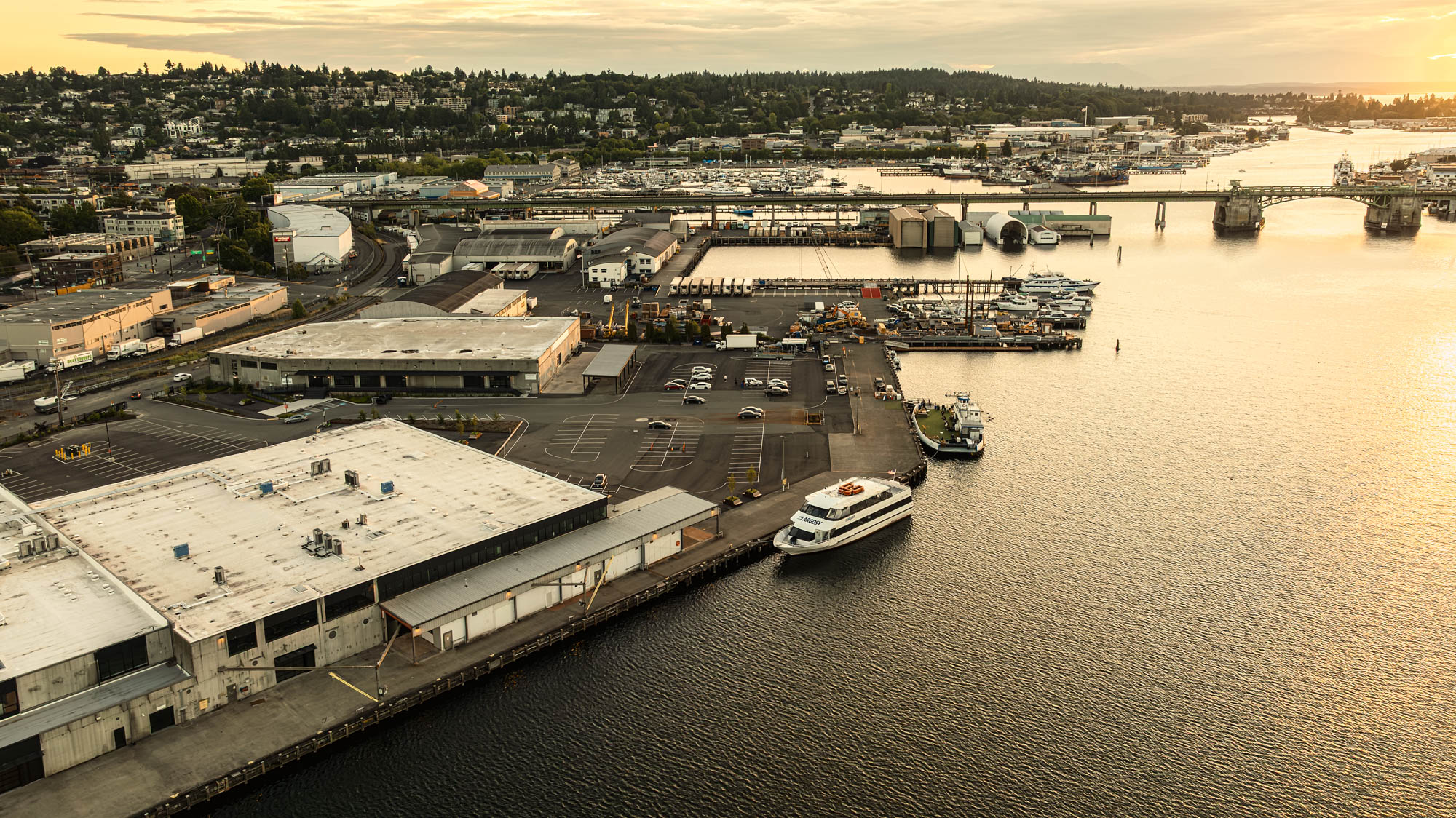
シアトルの運河沿いに位置するこの9エーカーの土地は、かつてシアトルの漁業において重要な拠点であり、数十年にわたりまちの漁業を支え続けてきた。その中心に鎮座していたのは、3万平方フィート(約2,787m²)におよぶ冷凍庫ビルである。窓ひとつなく密閉されたその建物は、独特の磯の香りが漂う場所であった。しかし、加工拠点が北へと移転したことで、建物だけがこの地に残されることとなった。
©︎ Ed Sozinho
“場所”のアダプティブリユースを体現するプロジェクト
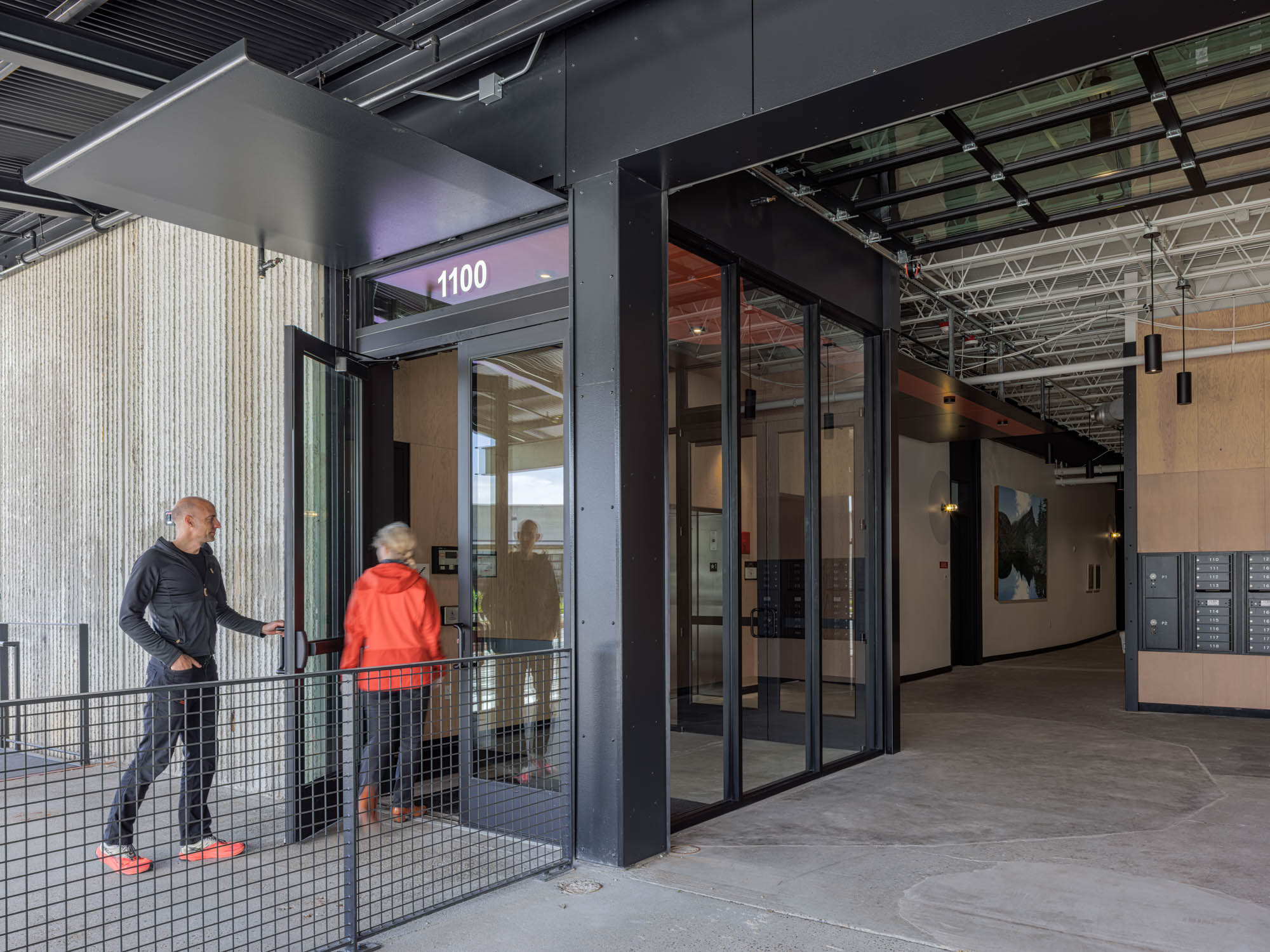
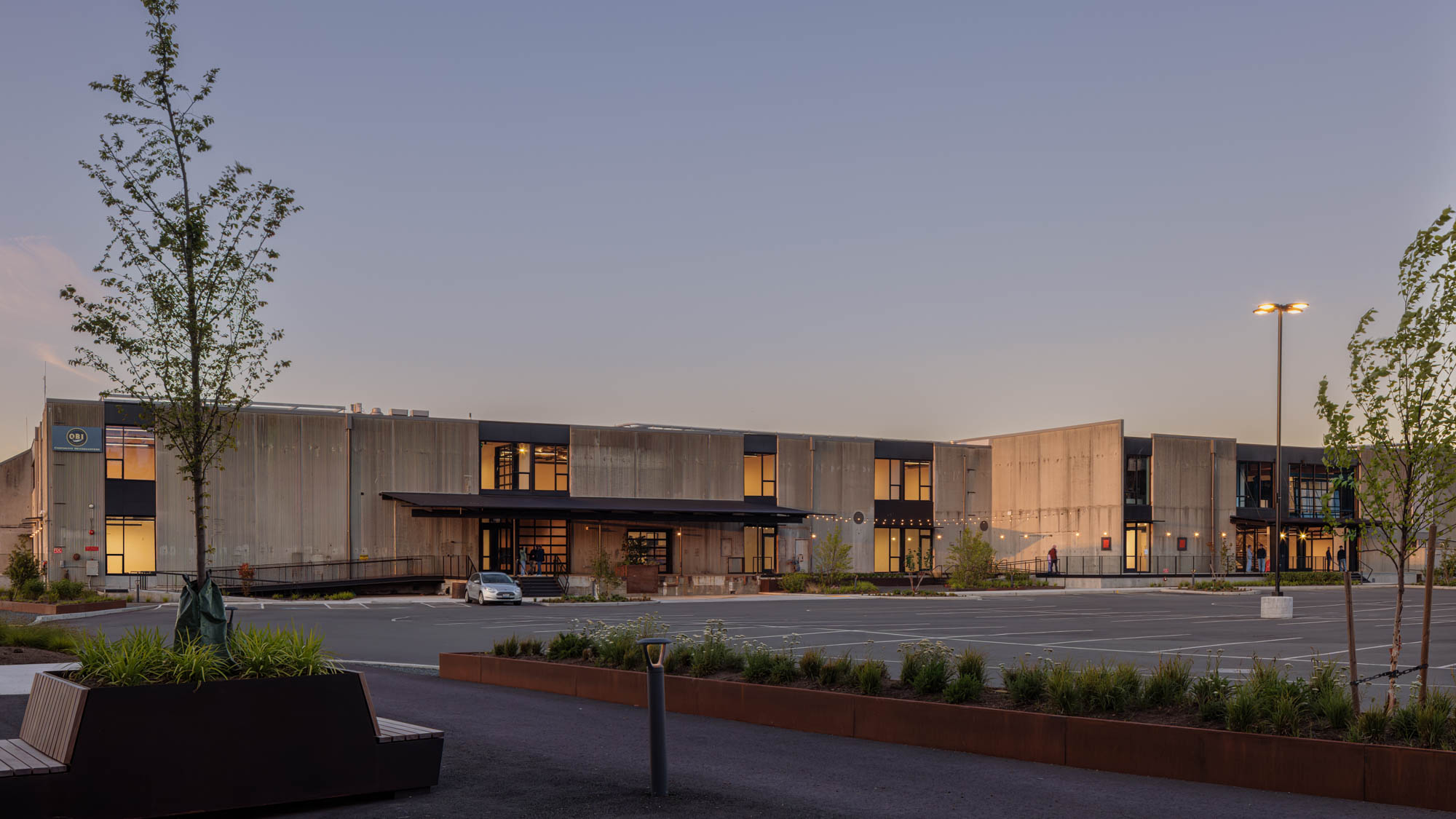
〈ウエスト・キャナル・ヤード〉は、これらのかつて実直に働いてきた構造物を引き継ぎ、メーカーや海事関連企業、そしてクリエイティブなテナントを受け入れる拠点として再び稼働させた。
1,000フィート近くに及ぶ貴重なウォーターフロントの敷地において、このプロジェクトは、海岸線や海事産業に関連する複雑なゾーニング規制を巧みに切り抜けている。そして、即時の再利用と長期的な再開発への柔軟性を両立させた。
これは、数十年がかりで進められる再開発計画の第一歩であり、「場所のアダプティブリユース(適応型再利用)」を体現するものである。
©︎ Ed Sozinho
©︎ Ed Sozinho
インスピレーション:過去を尊重し、新たな光を採り入れる
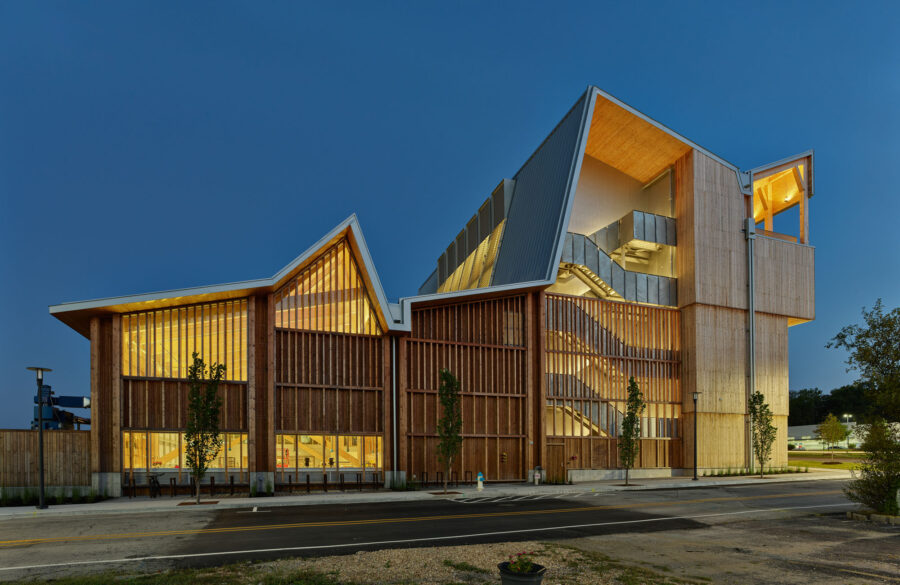
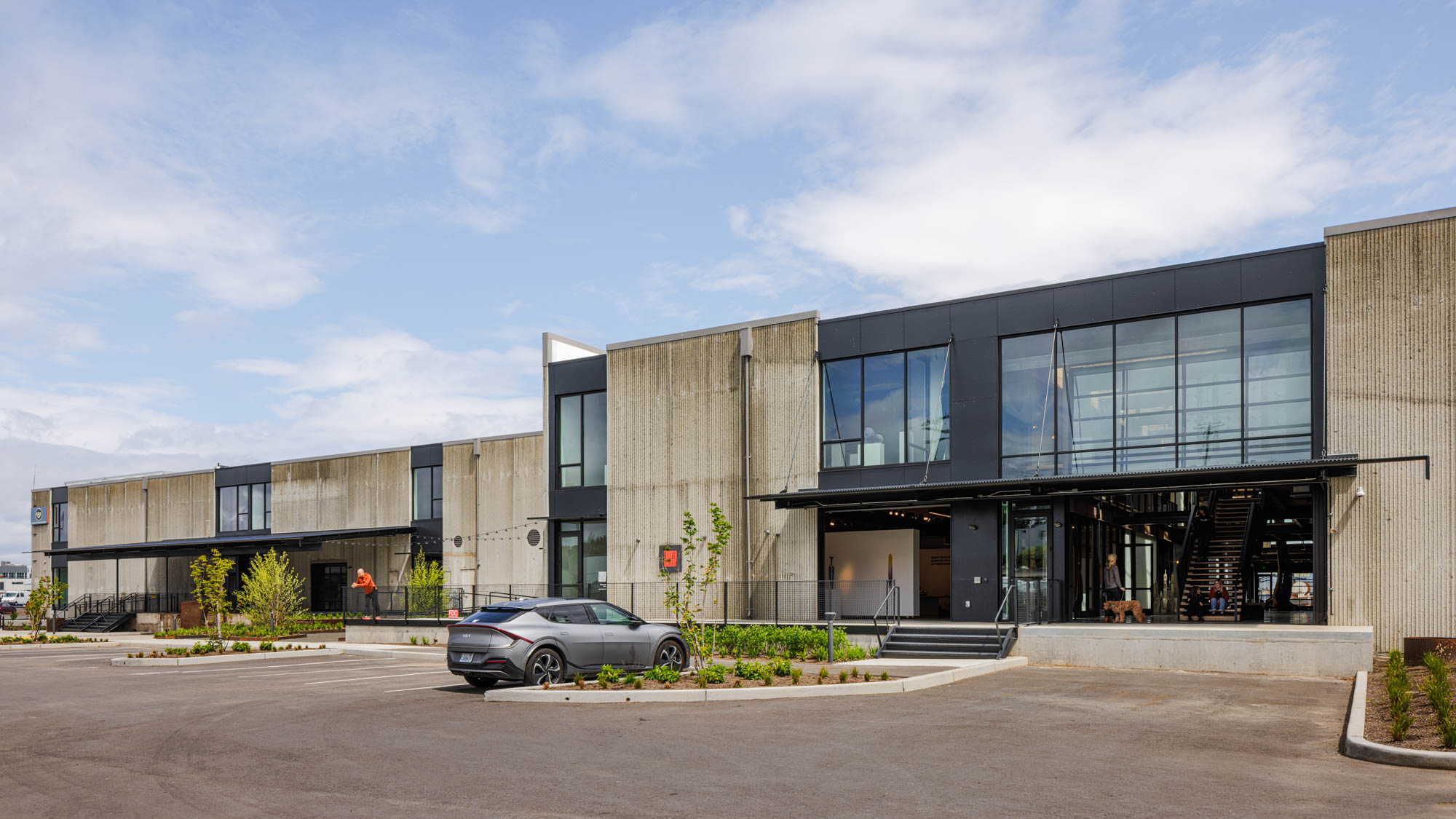
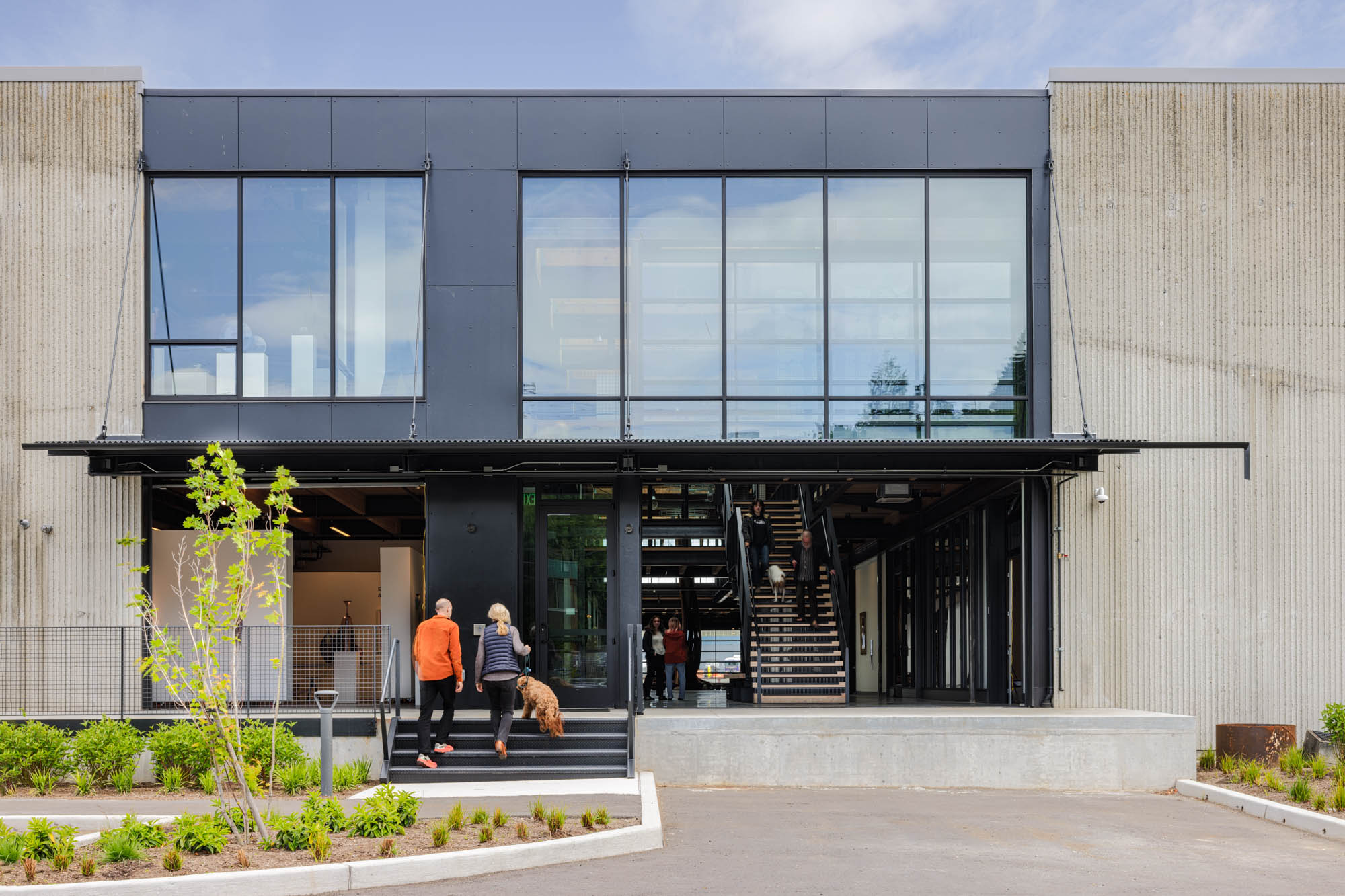
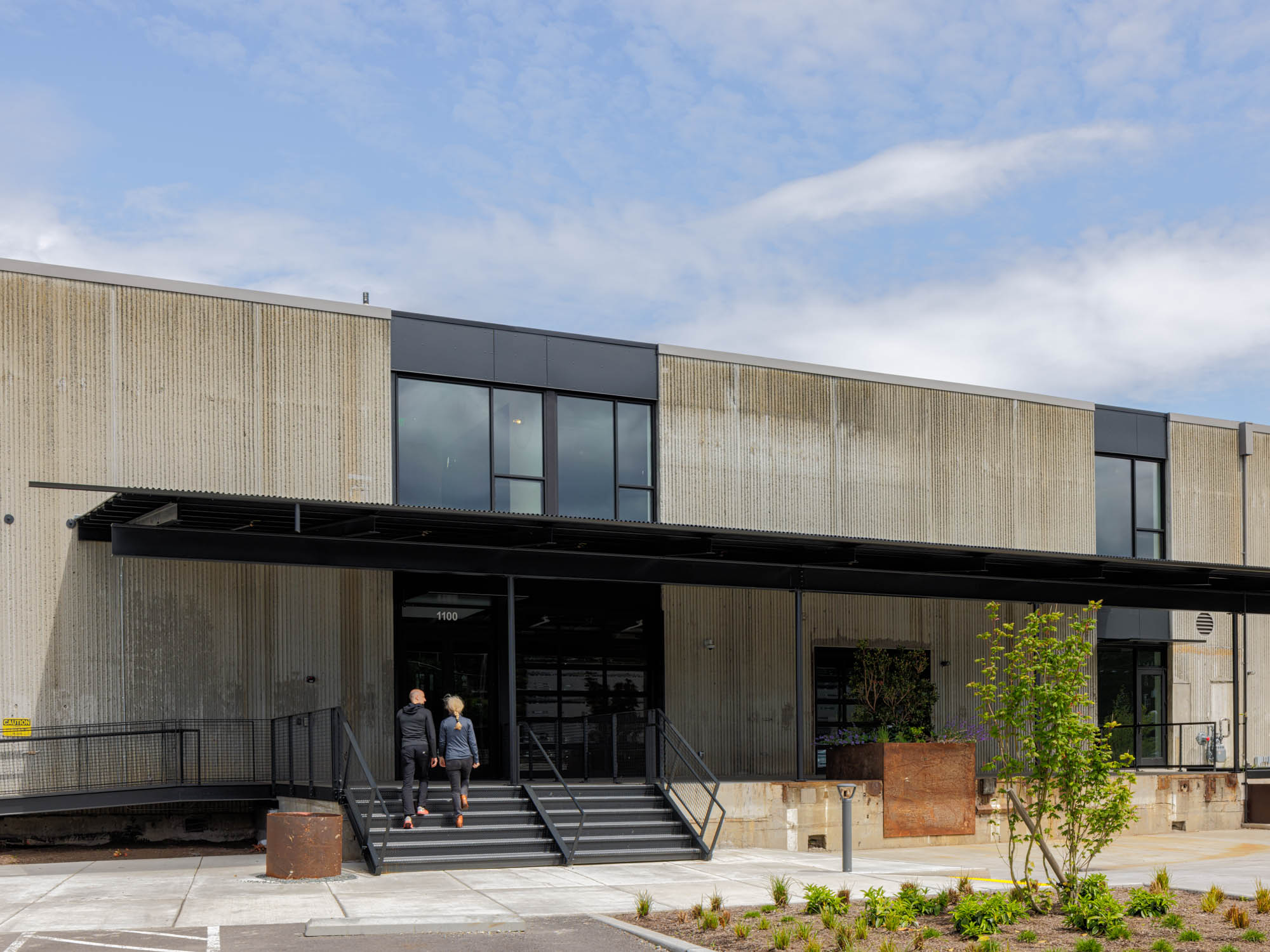
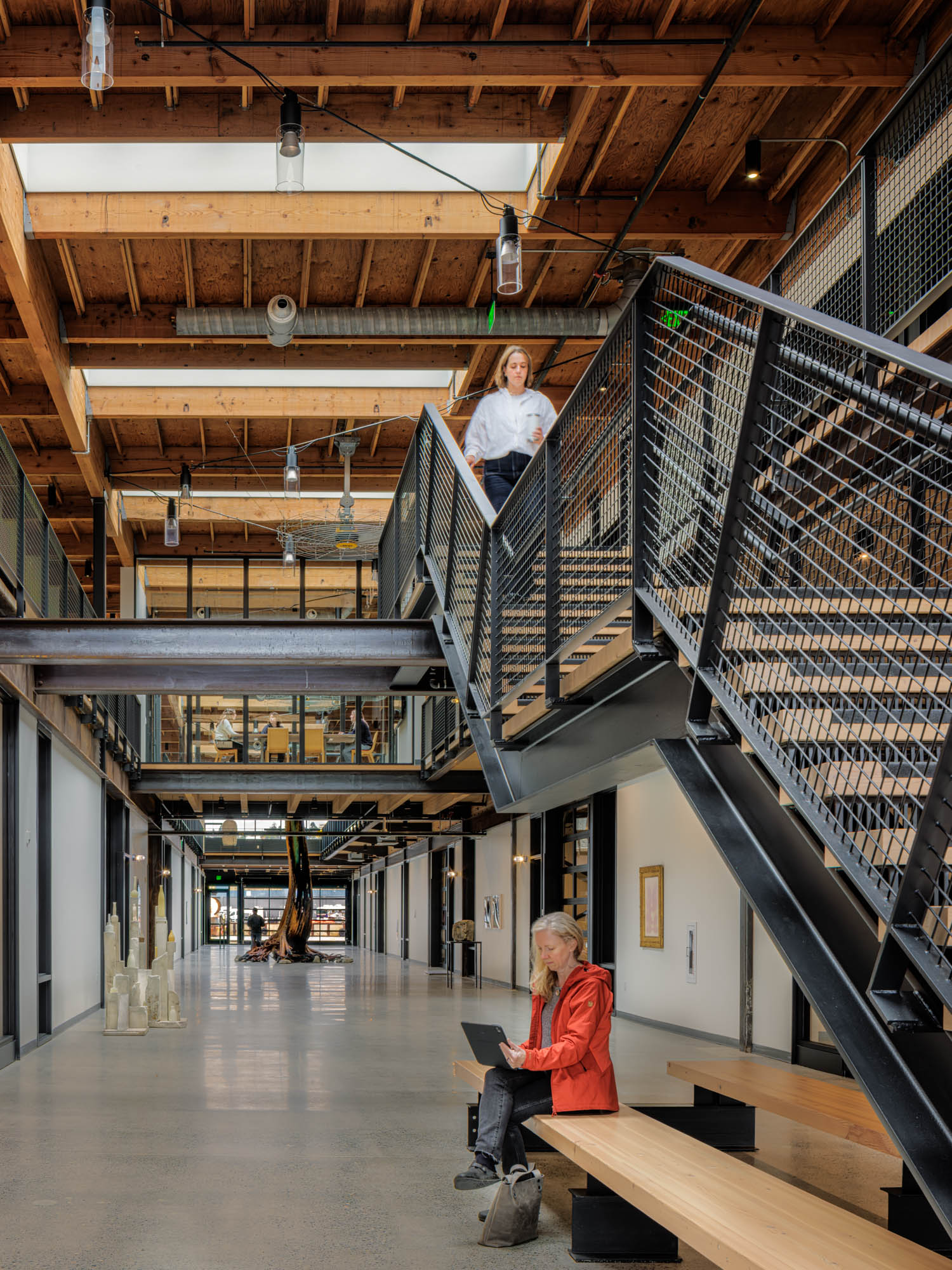
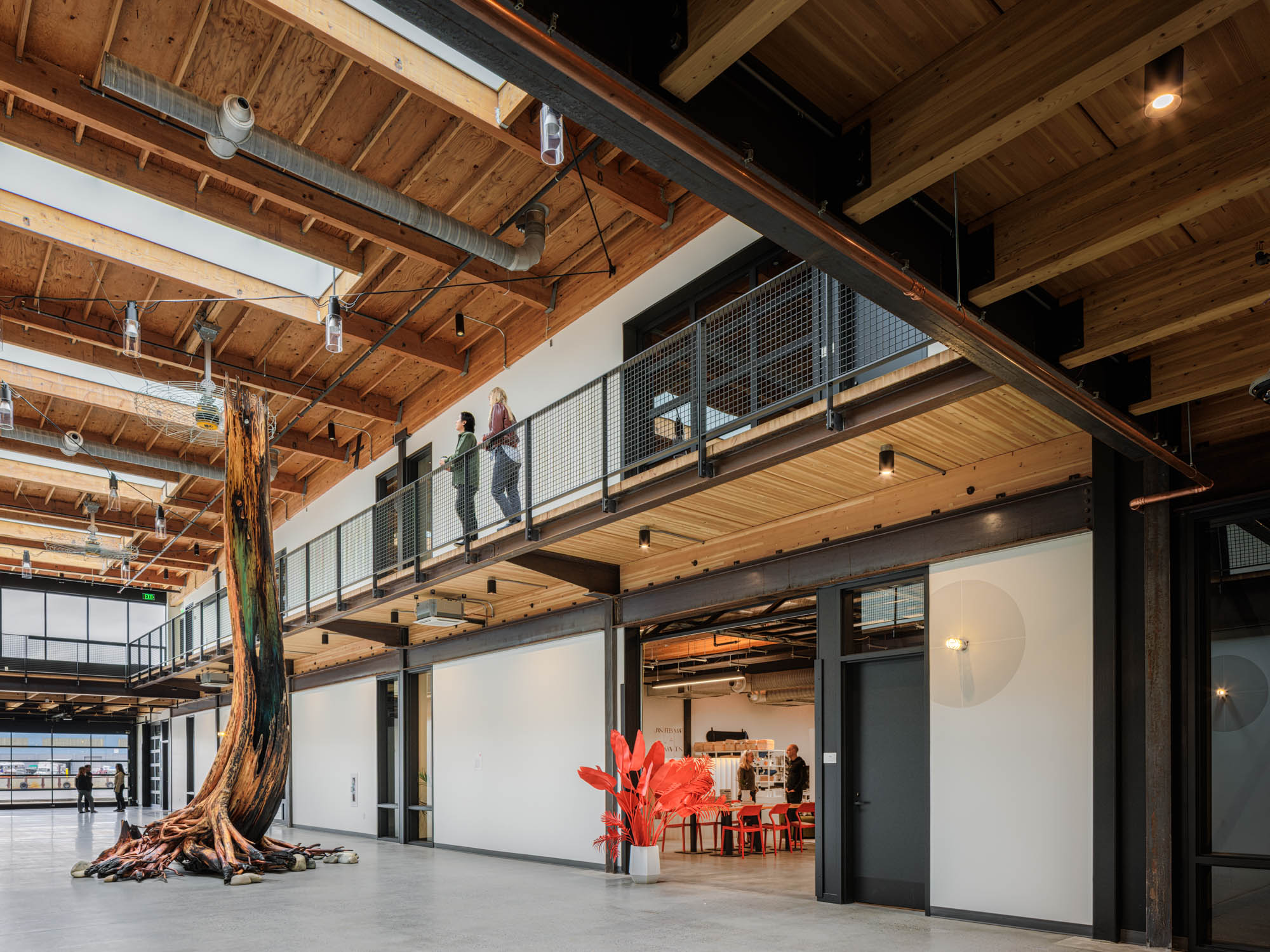
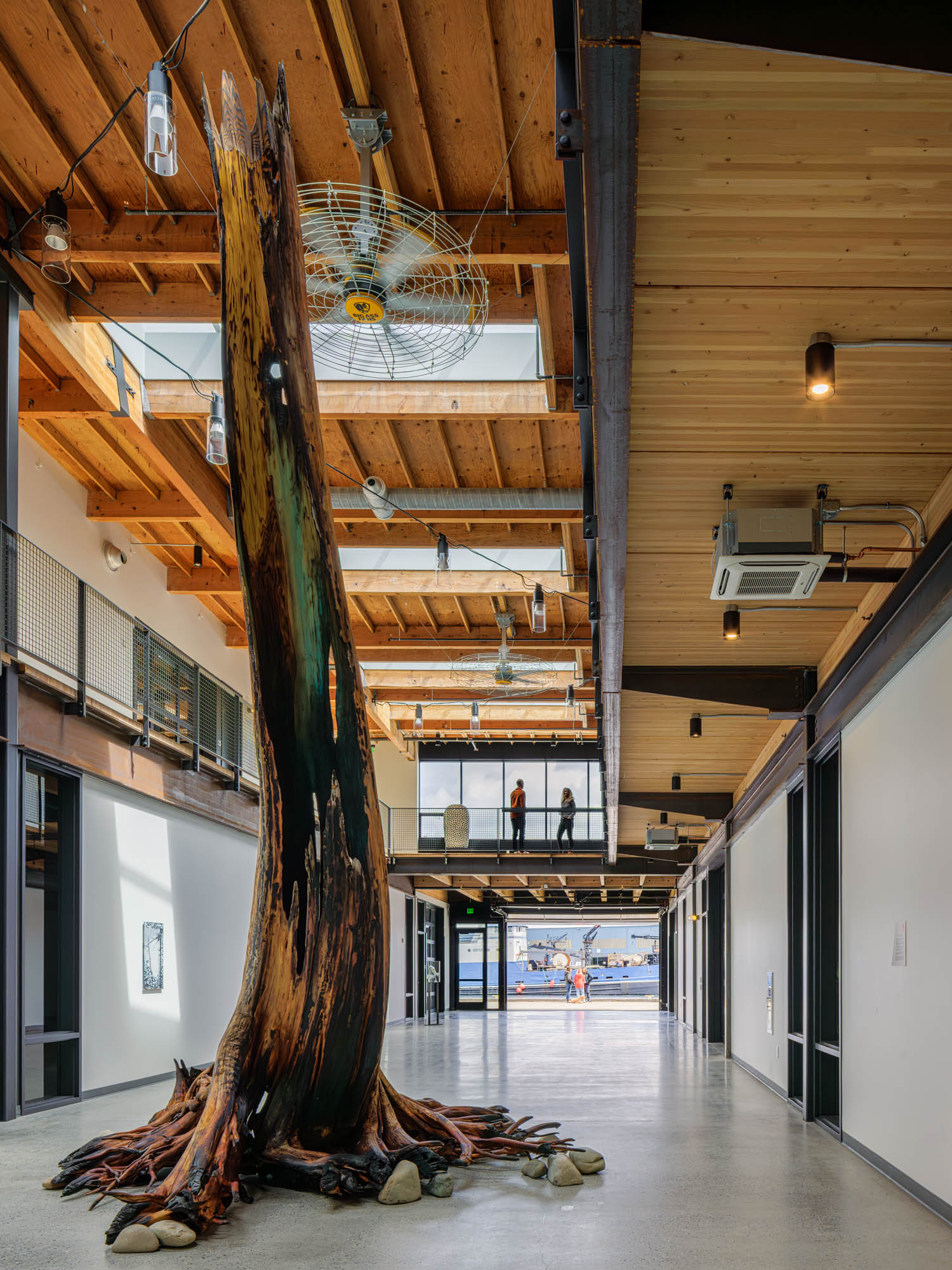
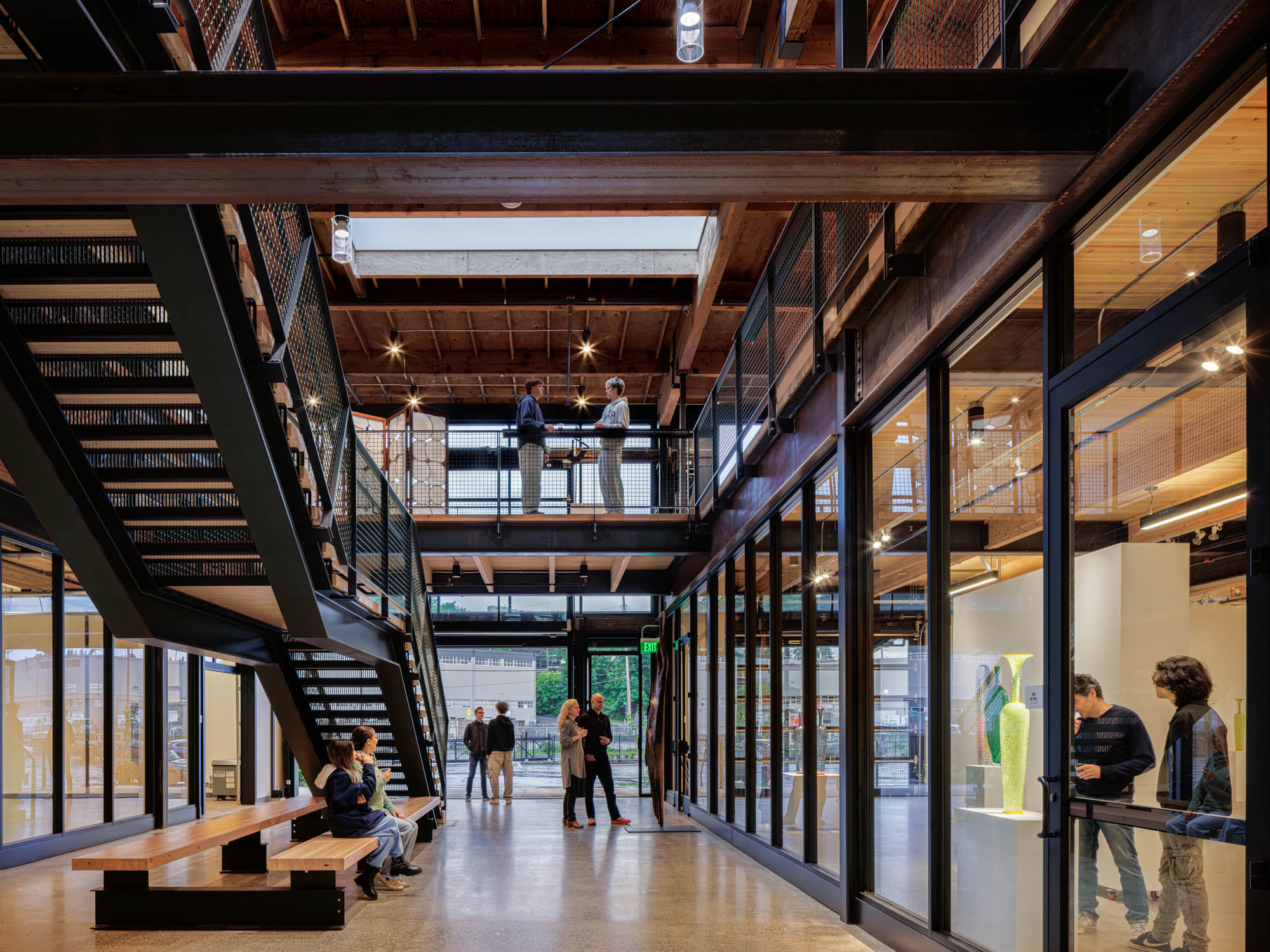
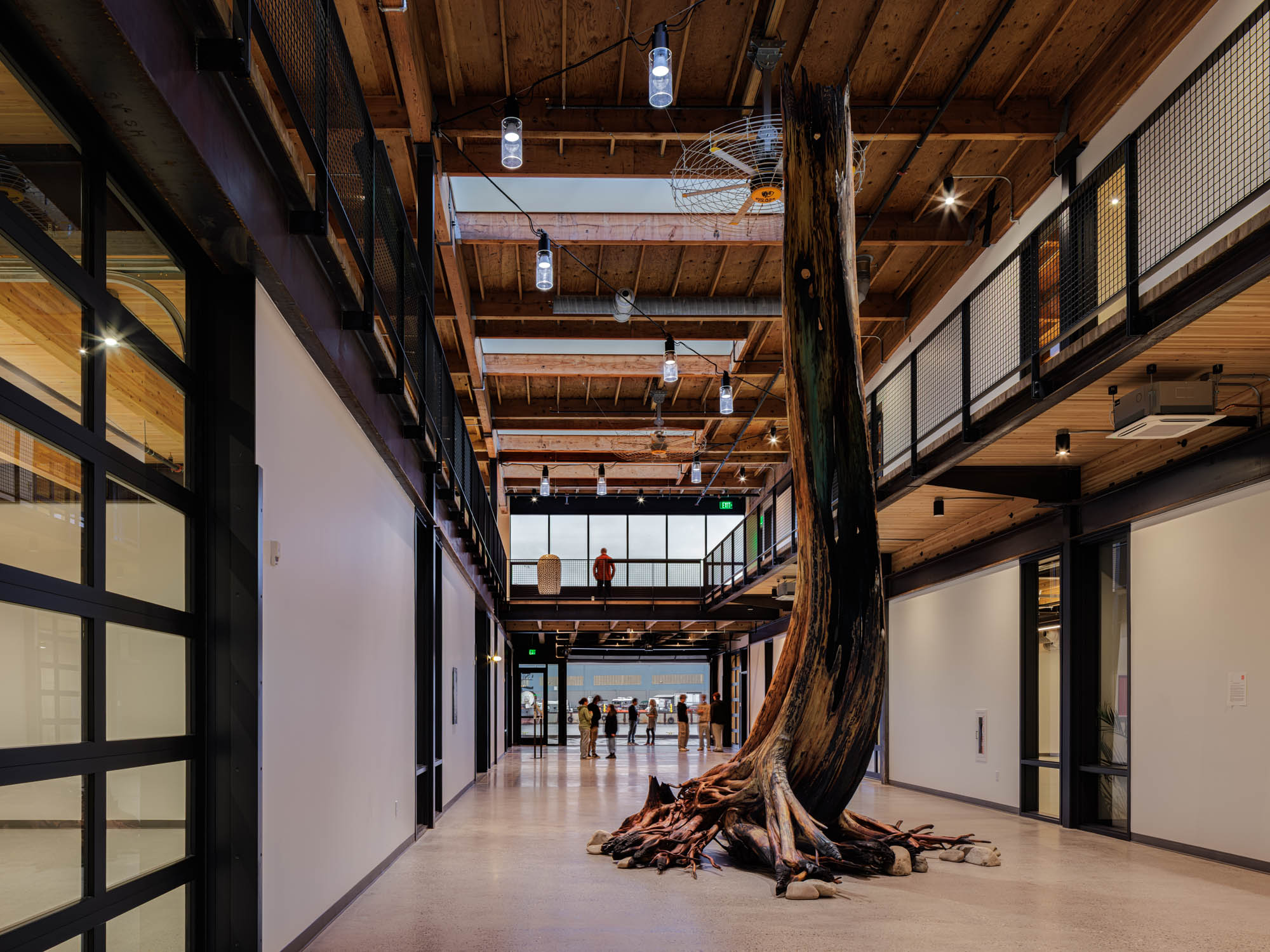
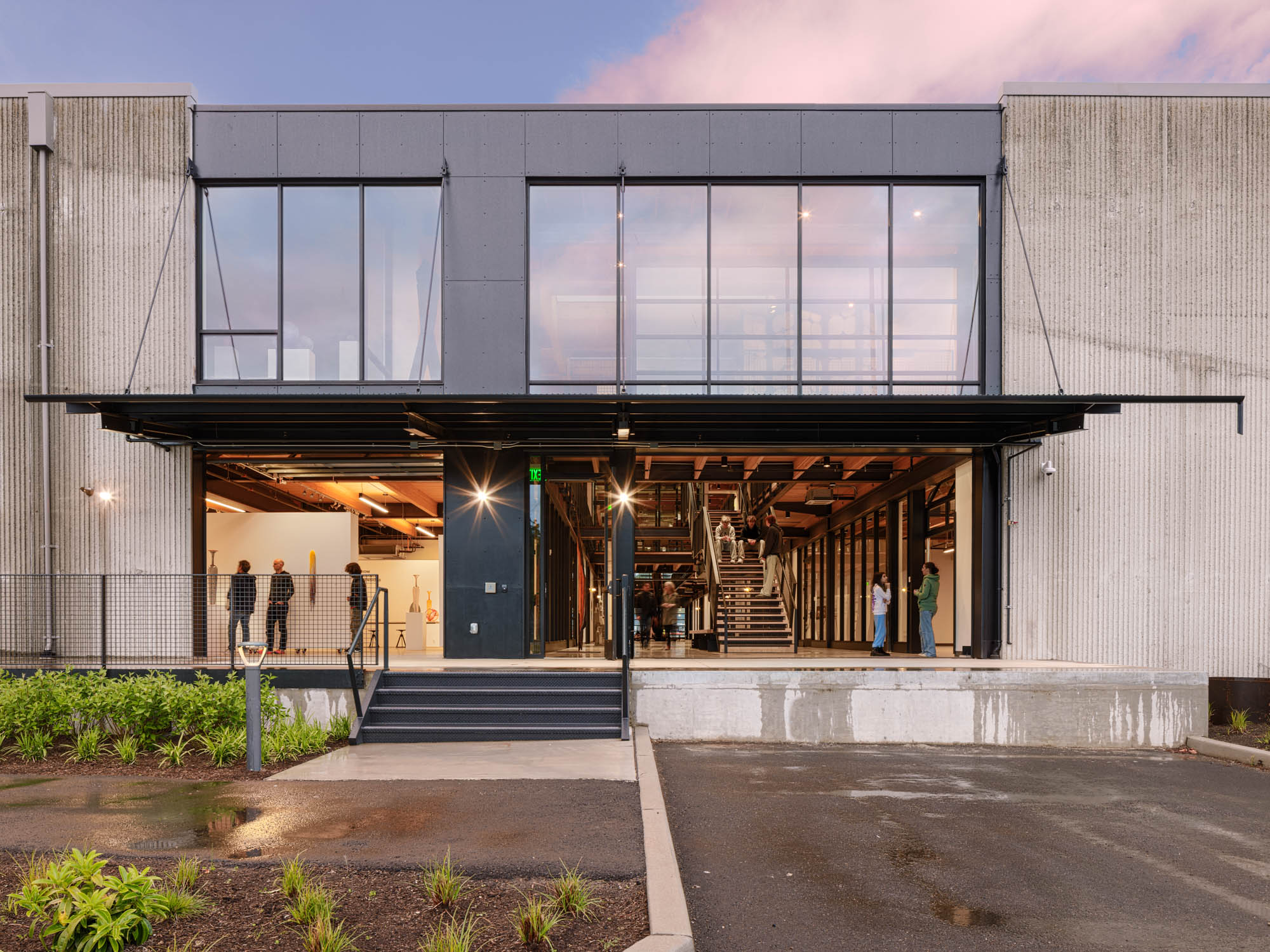
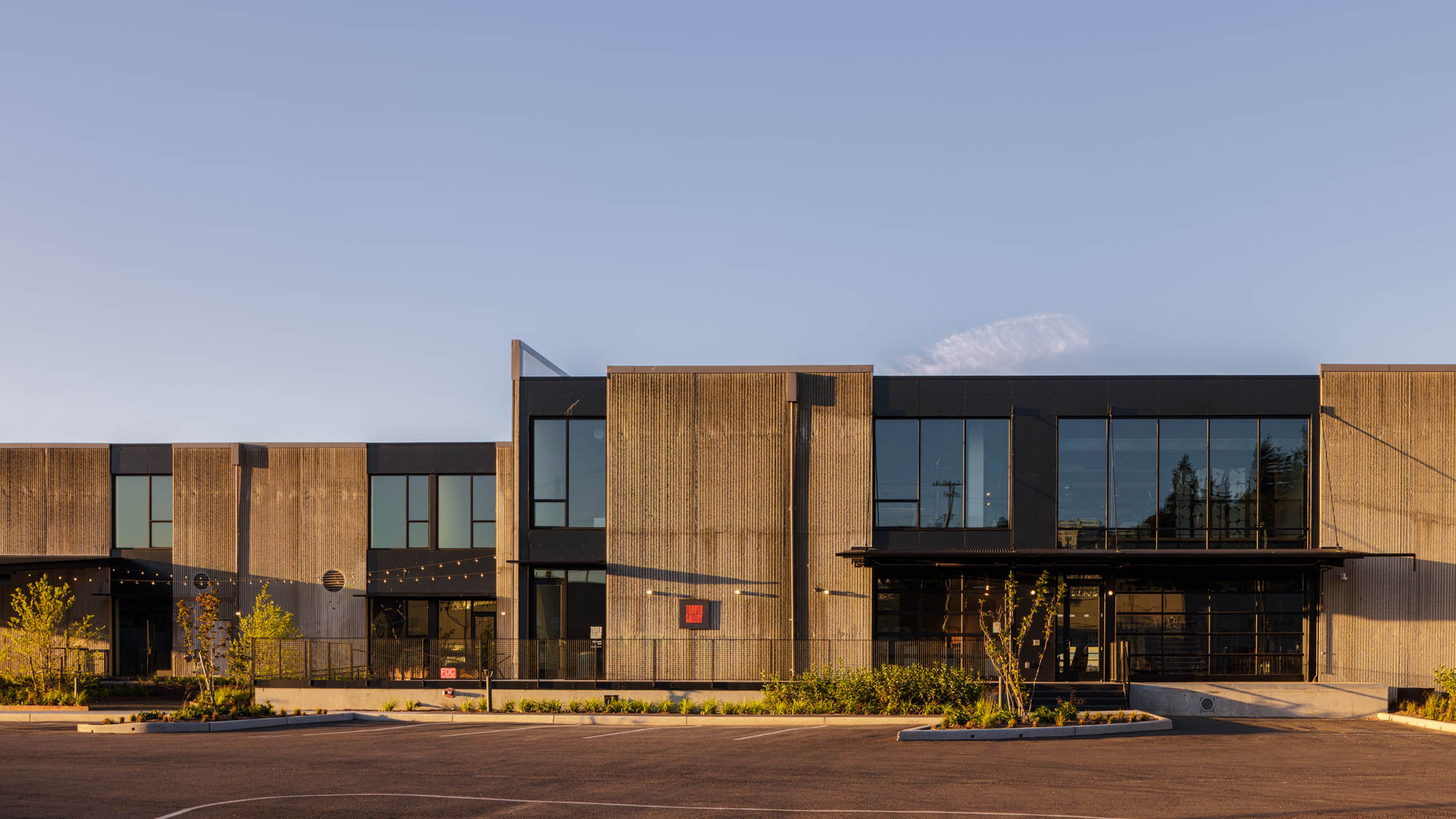
デザインにおいては、敷地がもつ産業遺産としての過去を尊重しつつ、新たな用途への開放を試みている。かつてコンクリート製の保管庫であった冷凍庫ビルは、屋根にスカイライトを設け、傾斜したコンクリートパネルを窓やドア、メタルパネルへと置き換えることで劇的な変容を遂げた。
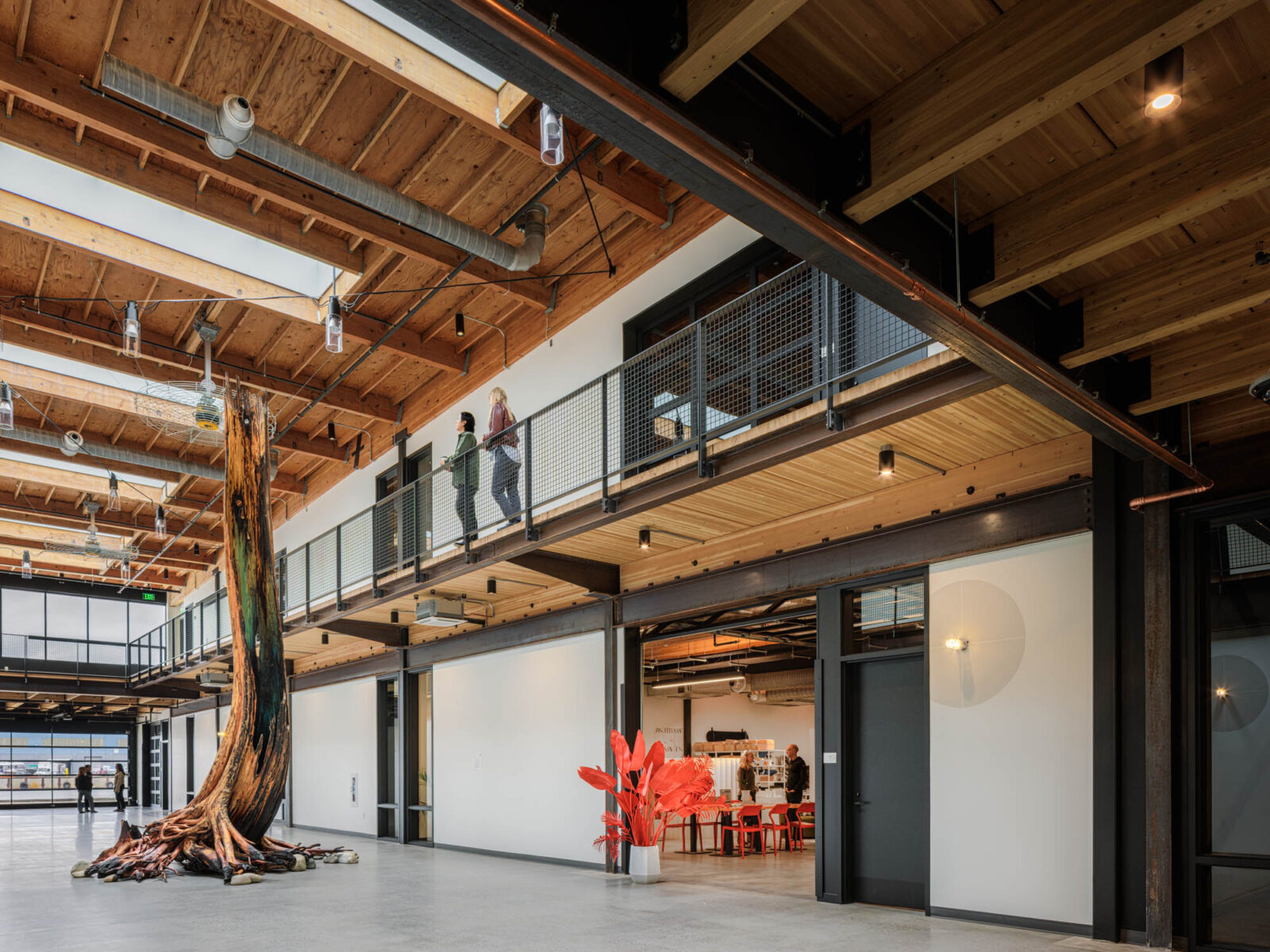
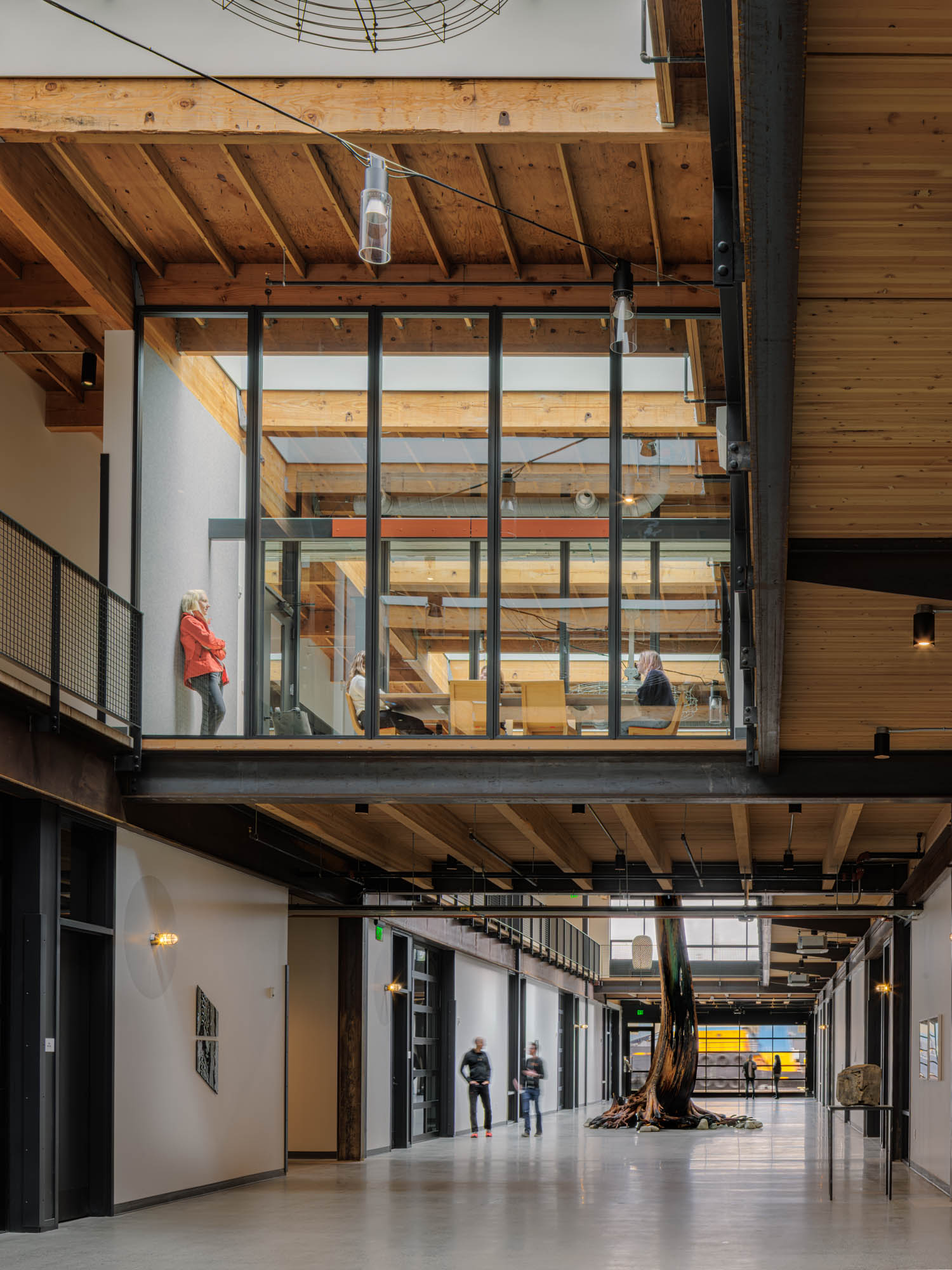
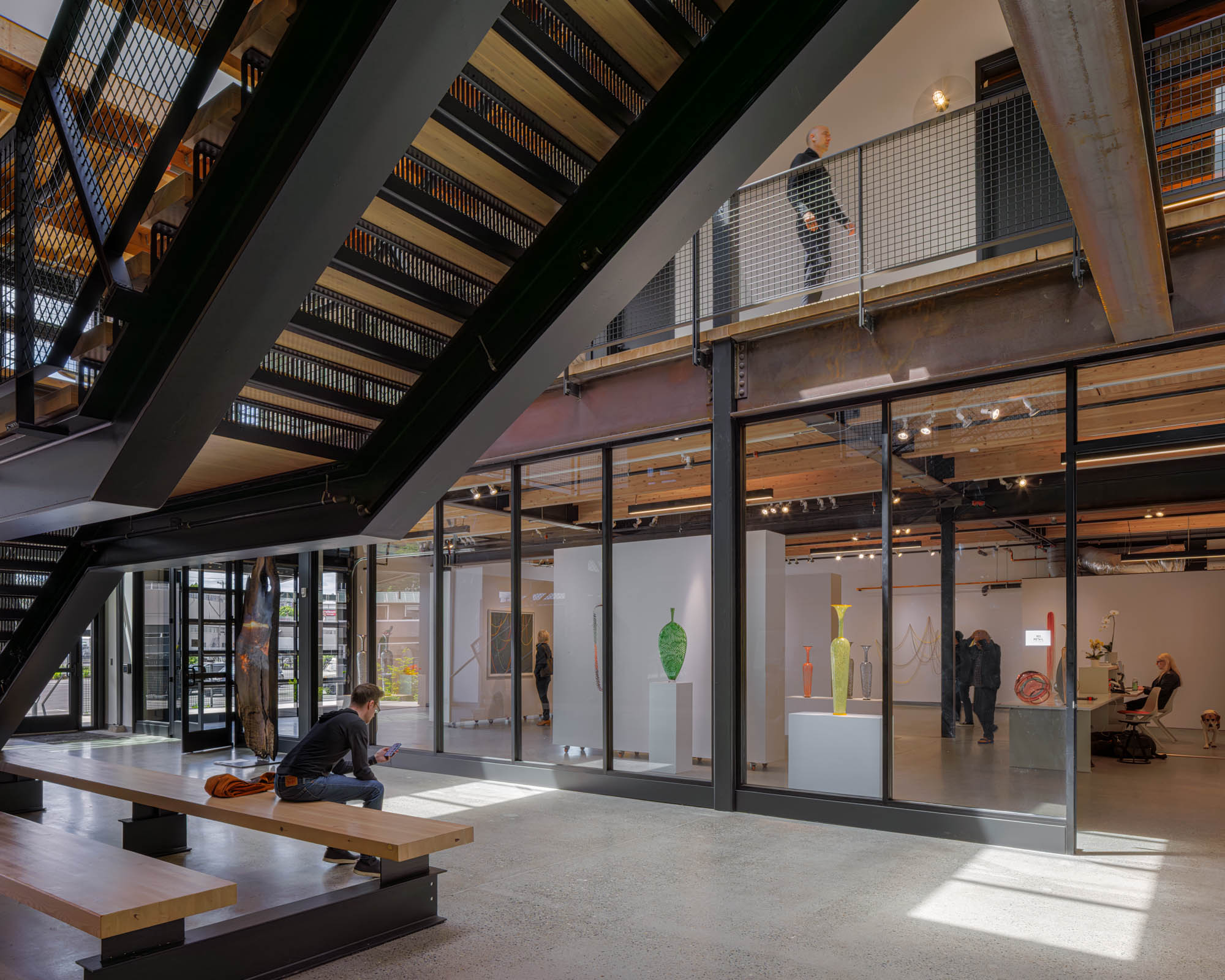
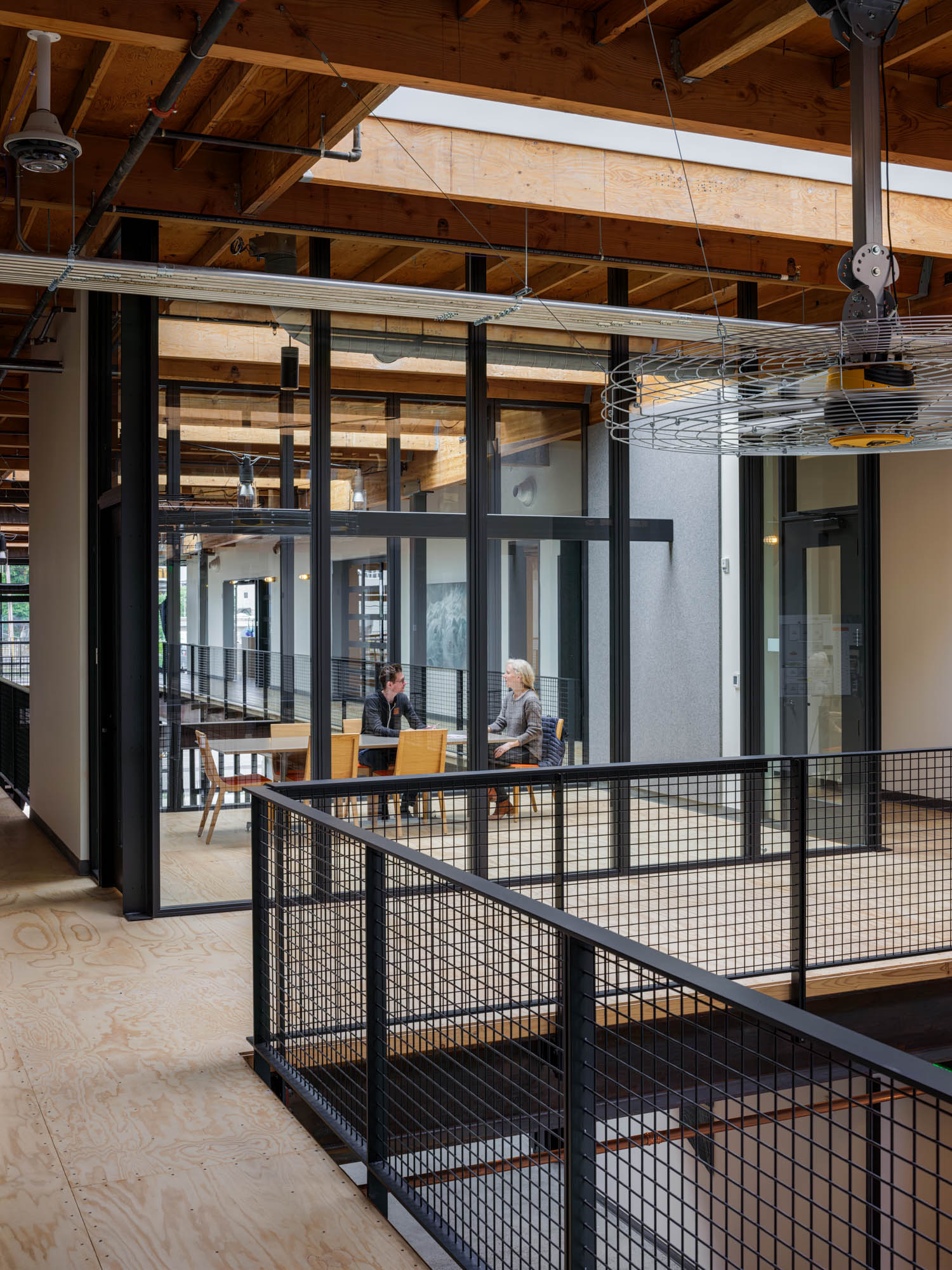
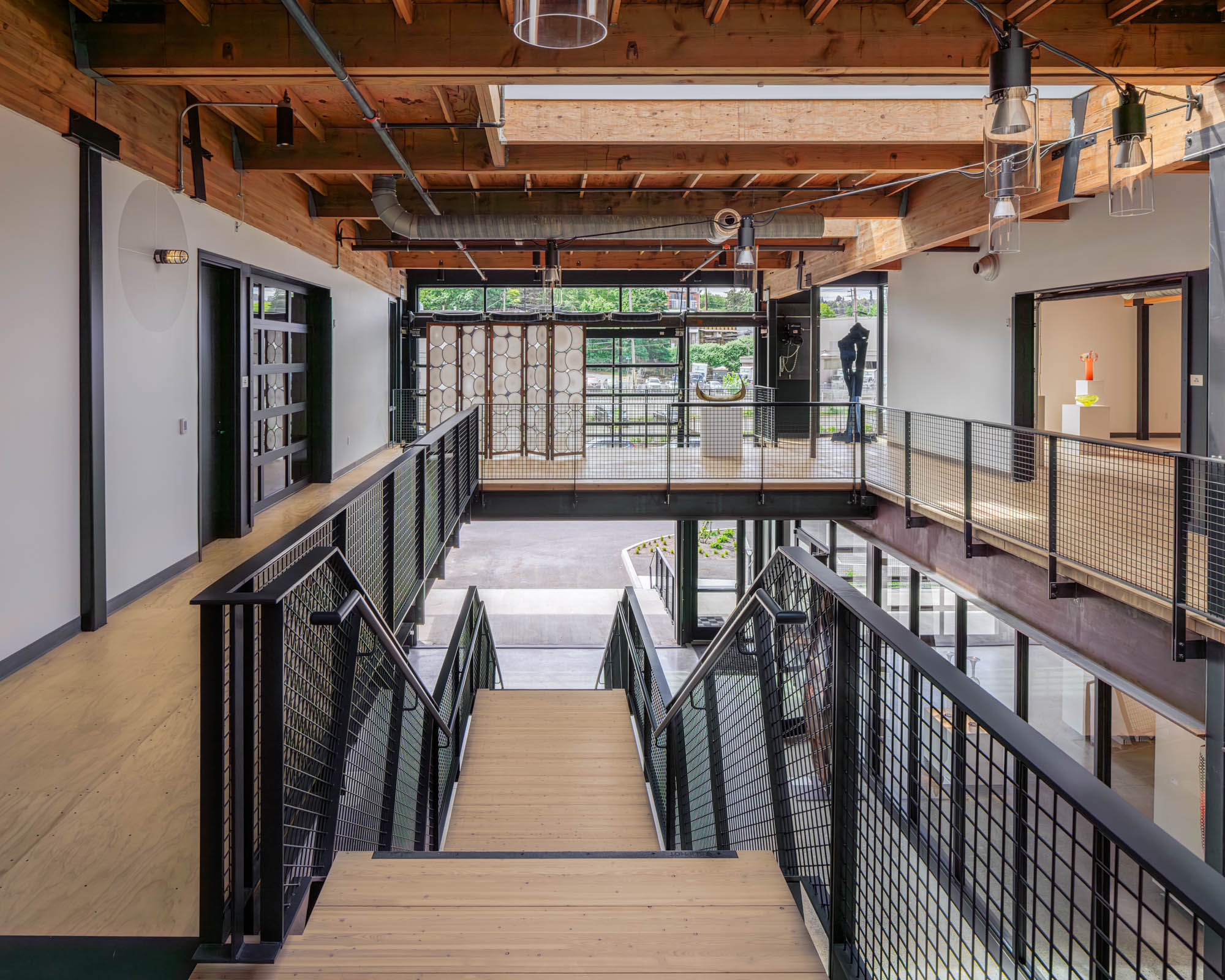
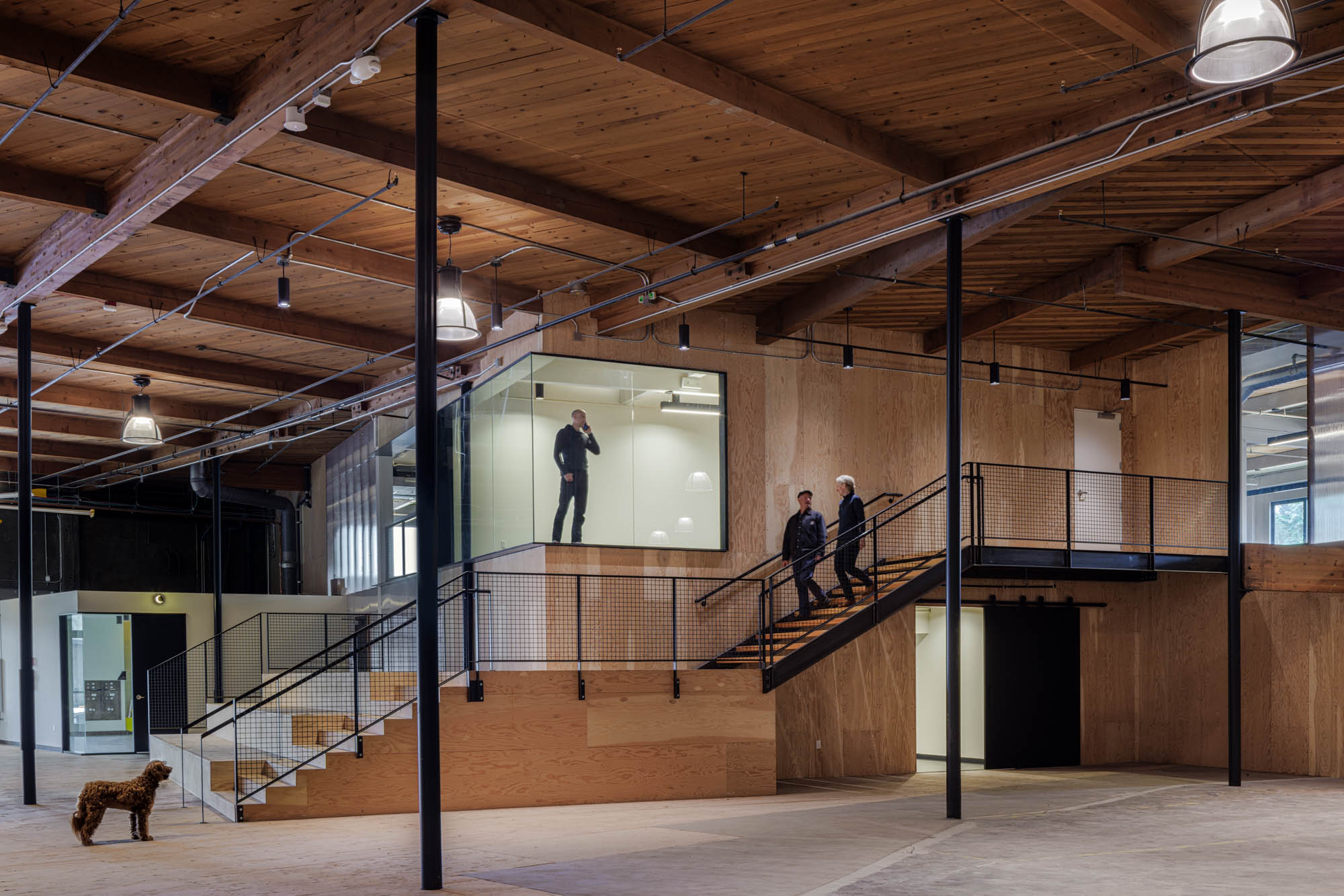
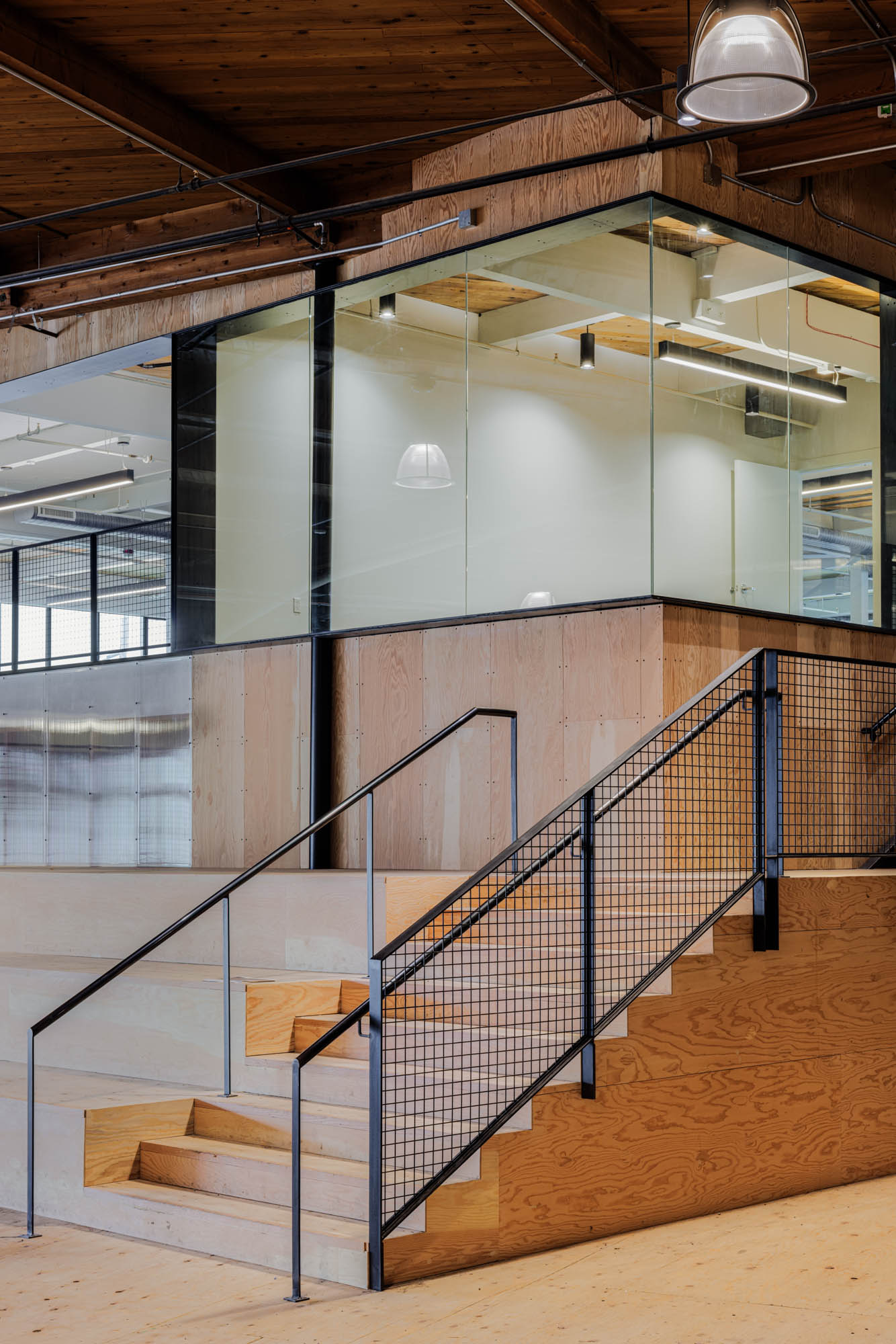
建物内部には、スチールとマス・ティンバー(大規模木造)を用いた中2階を新設した。これにより、外観のボリュームを維持したまま、有効面積をほぼ倍増させることに成功している。外観は依然として稼働中のウォーターフロントの一部としての趣を保ちつつ、内部は明るく柔軟なスペースへと生まれ変わり、多種多様なテナントの活動を支えている。
この「認識可能な姿を保存しつつ、可能性を最大限に引き出す」というバランスこそが、シアトルにおける将来の産業施設再利用のモデルとなる。
©︎ Ed Sozinho
©︎ Ed Sozinho
緻密な戦略による課題解決
この敷地は、老朽化したインフラ、海事産業およびウォーターフロント特有のゾーニング規制、そして予算の制約といった重層的な課題を抱えていた。設計チームは、最も修繕を必要としていた冷凍庫ビルにリソースを集中させる一方で、それ以外の箇所には必要最小限の介入に留めるという戦略をとった。
フロアを増設する手法は、建築面積を広げることなく、また追加の建築基準法による制限を回避しながら、価値ある床面積を生み出すことにつながった。より広い視点で見れば、このプロジェクトは「大規模な産業物件はその規模ゆえに、何年も放置されがちである」という遊休不動産特有の問題を解決したといえる。建物を即座に活性化させることで、人々と場所の両方に利益をもたらしたのである。
©︎ Ed Sozinho
©︎ Ed Sozinho
環境への配慮と産業的個性の維持
既存の構造物を解体せず、再利用・安定化させるアプローチにより、具現化カーボン(エンボディド・カーボン)の削減と廃棄物の最小限化を実現した。また、敷地の安定化プロセスにおいて、メタンガスを発生させていた朽ちた木材やのこぎり屑などの環境汚染物質に対処し、ウォーターフロントの耐用年数を延ばしている。
これらの的を絞った介入は、建物を存続させるために「真に十分な」施策のみを行うという抑制の美学を示しており、建物がもつ本物の産業的なキャラクターを維持することに寄与している。
©︎ Ed Sozinho
©︎ Ed Sozinho
地域の再定義という社会的インパクト
この取り組みは、単なる建築的な変容に留まらず、近隣地域の再定義をも反映している。設計チームは初期の構想段階から主導的な役割を果たし、バラード(Ballard)とクイーン・アン(Queen Anne)に挟まれたこの独特なエリアを「ウエスト・キャナル」と命名した。敷地をいかに活性化し、ヤード(Yards)という拠点を通じていかに地域に根付かせるかというビジョンを、クライアントと共に描き出した。
こうしてプロジェクトは、歴史あるこの地を、再び都市の日常生活に不可欠な場所として確立させたのである。
©︎ Ed Sozinho
©︎ Ed Sozinho
©︎ Ed Sozinho
©︎ Ed Sozinho
©︎ Ed Sozinho
©︎ Ed Sozinho
©︎ Ed Sozinho
以下、グラハム・ババ・アーキテクツのリリース(英文)です。
West Canal Yards
Seattle, WashingtonWest Canal Yards was formerly a vital hub in Seattle’s fishing industry, comprised of two buildings: a long-running fish processing facility including a 30,000-square-foot freezer. These hard-working structures now form the foundation of this adaptive reuse project along Seattle’s Ship Canal.
With its robust volumes, ample parking, and nearly 1,000 feet of wharf frontage, the site presented a rare opportunity to reactivate a maritime-industrial edge of the city. The design strategy involved transforming the freezer building’s tilt-up concrete structure by surgically removing panels and replacing them with large expanses of glass and metal paneling to bring light, ventilation, and views into the interior.
Inside, new mezzanine floors constructed from steel and mass timber insert a second level into the 22-foot-tall volume. A central “zipper” of skylights and glass cuts through the building, bringing daylight deep into the core. The result is a flexible, tenant layout—tailored for makers, marine-related users, and public-facing businesses.
The work reflects not only an architectural transformation but also the reimagining of a neighborhood. GBA led the early ideation, identifying the distinct slice of neighborhood between Ballard and Queen Anne as “West Canal” and helping the client envision how to activate a site and anchor it with these “Yards”. The project balances immediate reuse with long-term redevelopment flexibility, navigating a complex overlay of shoreline and marine-industrial zoning. It is a first move in a multi-decade reinvention—more than adaptive reuse of buildings, it is an adaptive reuse of place.Project Team
Architecture: Graham Baba Architects
Structural Engineer: Swenson Say Faget
Mechanical Engineer: Ecotope
Electrical Engineer: Case Engineering
Civil Engineer: KPFF
Geotechnical Engineer: Aspect
Landscape: Hewitt, JETT Landscape Architecture & Design
Lighting: Rushing, Case
Acoustical Engineer: A3 AcousticsPhotography
Ed SozinhoPROJECT STORY
For decades, this nine-acre campus on Seattle’s Ship Canal was part of the city’s robust fishing industry. At its heart was a 30,000-square-foot freezer—windowless, sealed, and a little smelly. When processing moved north, the buildings were left behind. West Canal Yards takes those hard-working structures and puts them back to work to house makers, marine businesses, and creative tenants. On a rare stretch of nearly 1,000 feet of waterfront, the project balances immediate reuse with long-term redevelopment flexibility, navigating a complex overlay of shoreline and marine-industrial zoning. It is a first move in a multi-decade reinvention; it is an adaptive reuse of place.INSPIRATION
The design honors the site’s industrial past while opening it to new uses. The freezer building, once a concrete vault, was transformed by cutting skylights through its roof and replacing tilt up concrete panels with windows, doors, and metal panel. Inside, new steel and mass timber mezzanines nearly double usable space without expanding the exterior volume. From the outside, the building still reads as part of the working waterfront; inside, it now supports a wide range of tenants in bright, flexible spaces. This balance—preserve what’s recognizable, transform what’s possible—makes the project a model for future industrial reuse in Seattle.PROBLEM-SOLVING
The site was with layered challenges: aging infrastructure, marine-industrial and waterfront zoning, and the constraints of budget. The design team concentrated resources on the freezer building – most in need – while applying lighter interventions where less warranted. Adding a floor created valuable square footage without expanding the footprint or triggering additional code hurdles. More broadly, the project solved the common problem of dormancy: large industrial properties often sit unused for years due to the scale of the spaces. Here, the buildings were made active immediately, benefiting people and place.ENVIRONMENTAL SENSITIVITY
By reusing and stabilizing existing structures rather than demolishing them, the project conserved embodied carbon and minimized waste. Site stabilization also addressed environmental hazards such as decaying wood debris and sawdust that was releasing methane, extending the usable life of the waterfront. These targeted interventions demonstrate restraint—doing “exactly enough” to make the buildings viable—while maintaining their authentic industrial character.SOCIAL IMPACT
The work reflects not only an architectural transformation but also the re-imagining of a neighborhood. The design team led the early ideation, identifying the distinct slice of neighborhood between Ballard and Queen Anne as “West Canal” and helping the client envision how to activate a site and anchor it with these “Yards”. The project re-establishes this historic site as part of the city’s daily life.
グラハム・ババ・アーキテクツ 公式サイト
https://grahambaba.com


![[Report]RUI Architectsが可動モジュールを設計して松竹のアートスペースをリニューアル、柿落とし展「継承のトランジション」の会場デザインも担当](https://magazine-asset.tecture.jp/wpcms/wp-content/uploads/2026/07/24141011/20260713shutl_press11-01309-c-900x629.jpeg)
![[Interview]BIM図面審査がスタート! さまざまな設計者のニーズに応えるVectorworksによる「限界のないデザイン」の世界](https://magazine-asset.tecture.jp/wpcms/wp-content/uploads/2026/07/13084316/rinterview_vectorworks_056-e1784200974912-900x555.jpg)