CULTURE
©︎ Trieu Chien
©︎ Trieu Chien
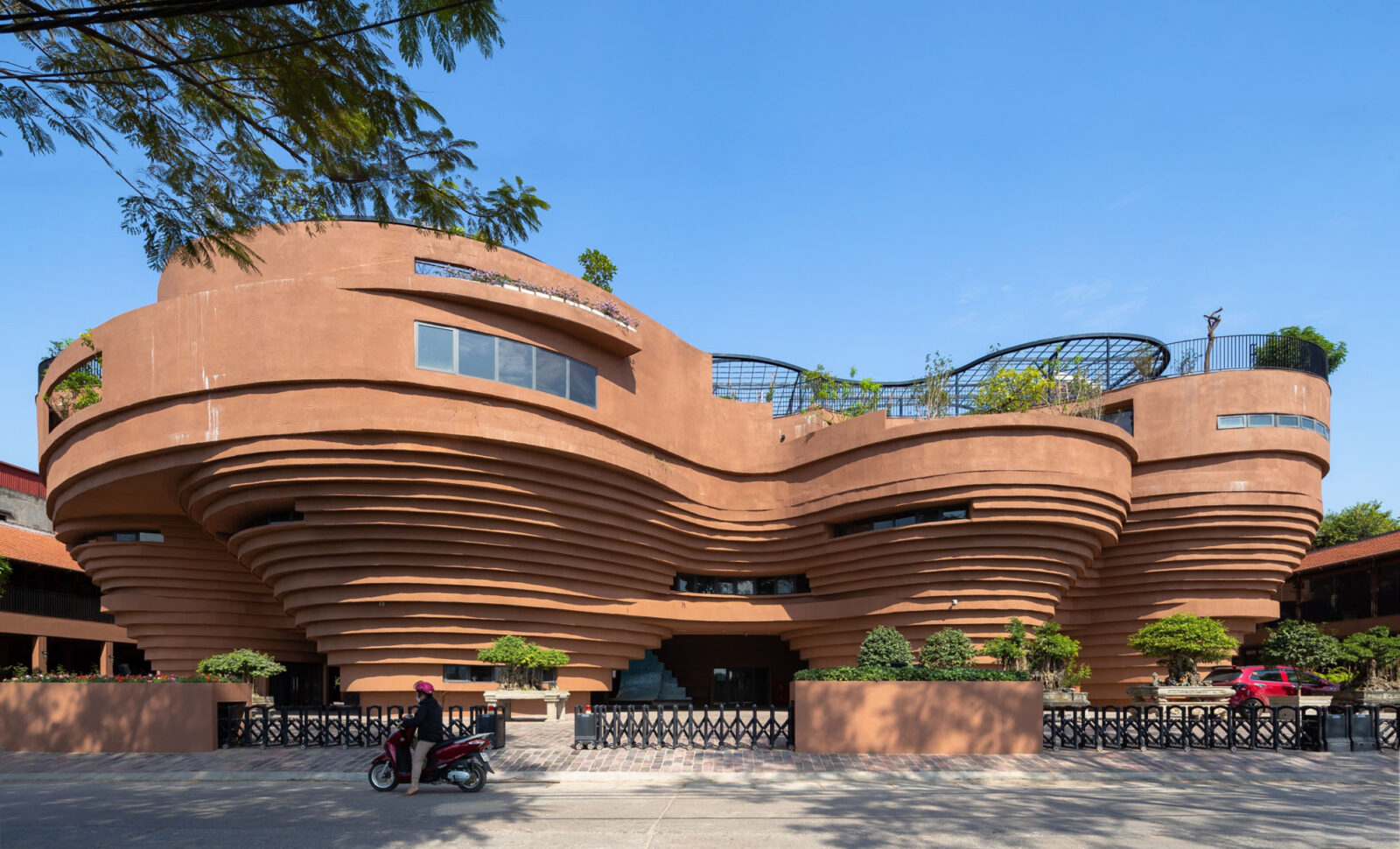
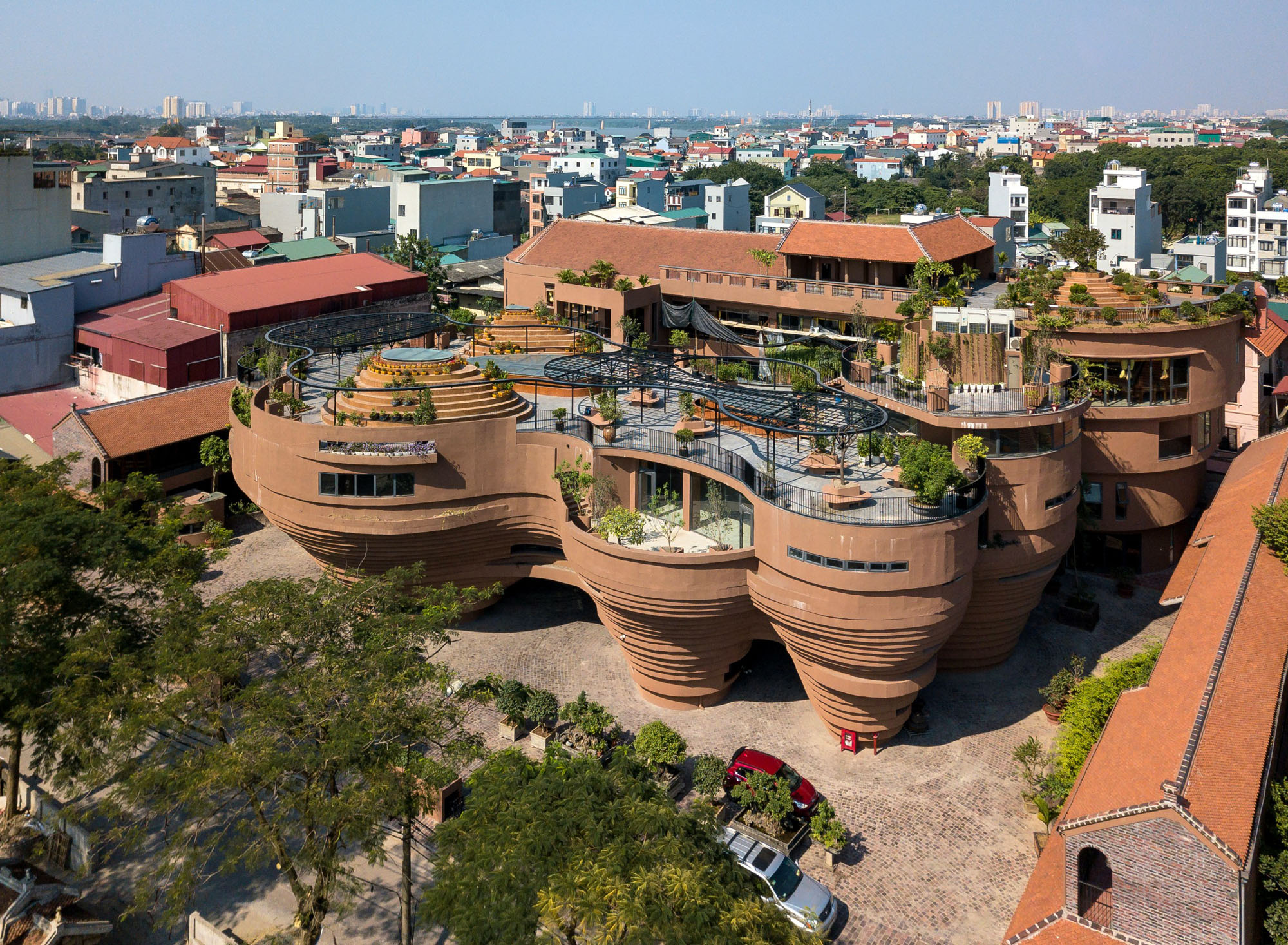
〈バッチャン陶芸博物館(Bat Trang ceramic museum)〉は、ベトナム・ハノイの伝統的な陶磁器の生産地として知られるバッチャン村の入り口に建つ、展示施設と工芸体験施設を併せもつ博物館です。
ベトナムを拠点に活動する1 + 1>2アーキテクツ(1+1>2 Architects)が設計しました。
注目ポイント
- ろくろの回転や粘土の成形プロセスを建築化した形態「交錯する7つのターンテーブル」
- 焼成レンガや伝統的な瓦など、地域のアイデンティティを表現するマテリアル
- 広場、市場、工房、博物館が融合した、文化産業と観光の拠点施設
(以下、1+1>2アーキテクツから提供されたプレスキットのテキストの抄訳)
©︎ Trieu Chien
©︎ Trieu Chien
「船の下、埠頭の上」の賑わいを再現する
唯一無二の歴史を刻むバッチャン陶磁器は、天賦の才をもつ職人たちのろくろから生み出され、世代を超えて丹念に守り継がれてきた工芸品である。バッチャンへの訪問者を迎え入れる玄関口に位置する本プロジェクトは、この工芸村という集合体における重要なランドマークとして立ち上がっている。
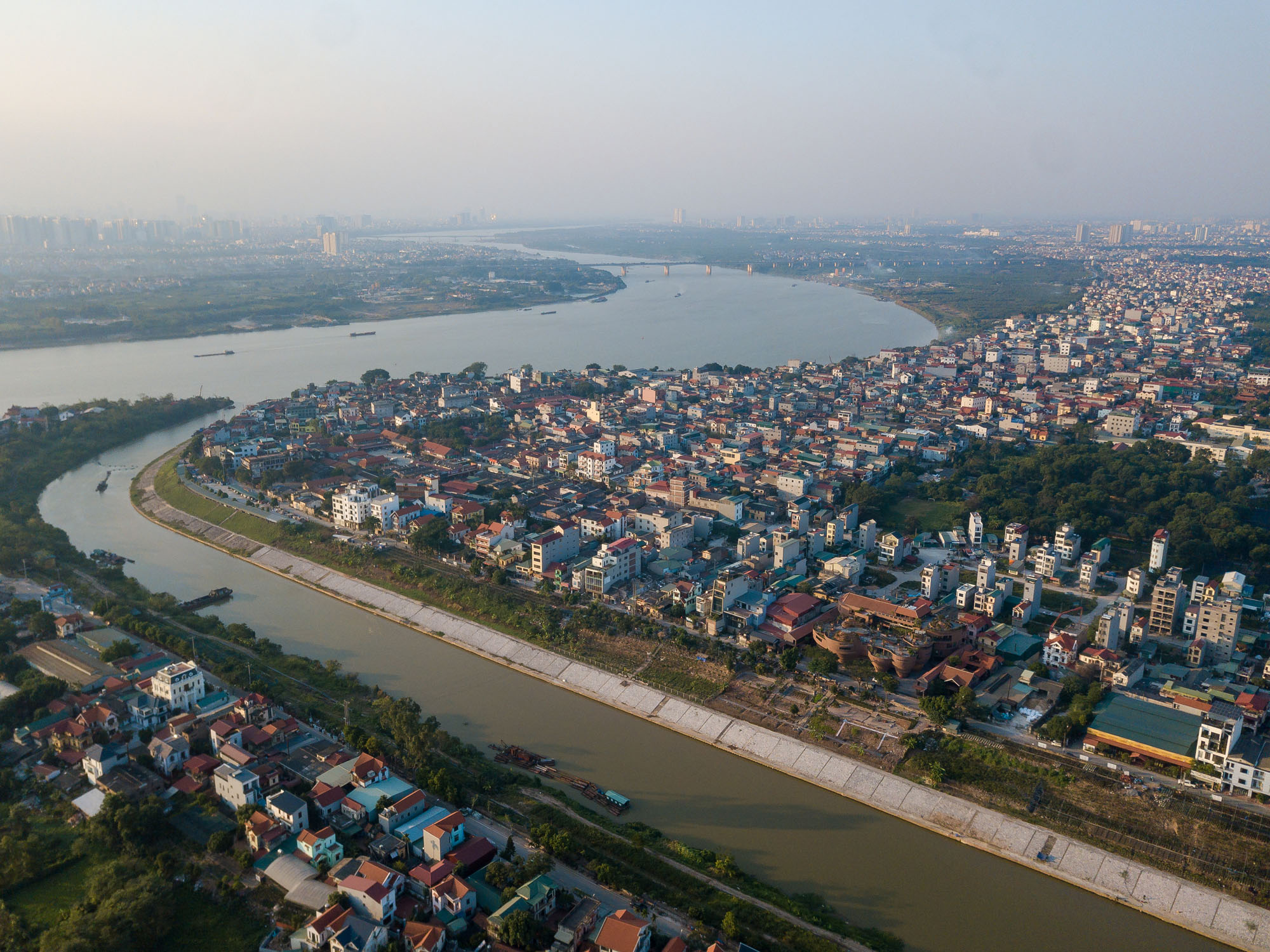
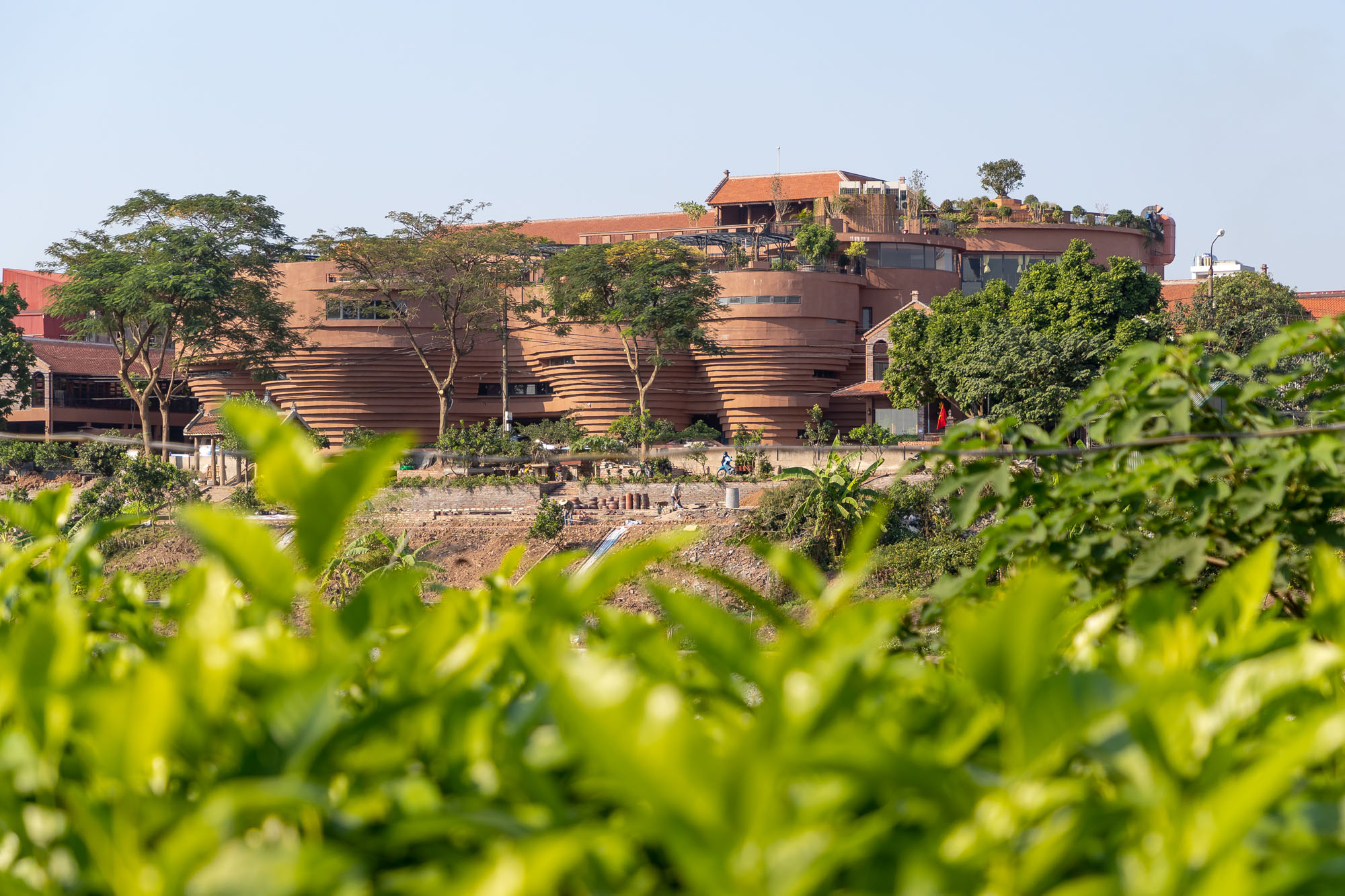
敷地は紅河(ホン川)とバク・フン・ハイ川の合流点に面しており、「埠頭の上、船の下」と称されたかつての陶磁器市場を彷彿とさせる活気ある雰囲気を再現することを目指した。
©︎ Trieu Chien
©︎ Trieu Chien
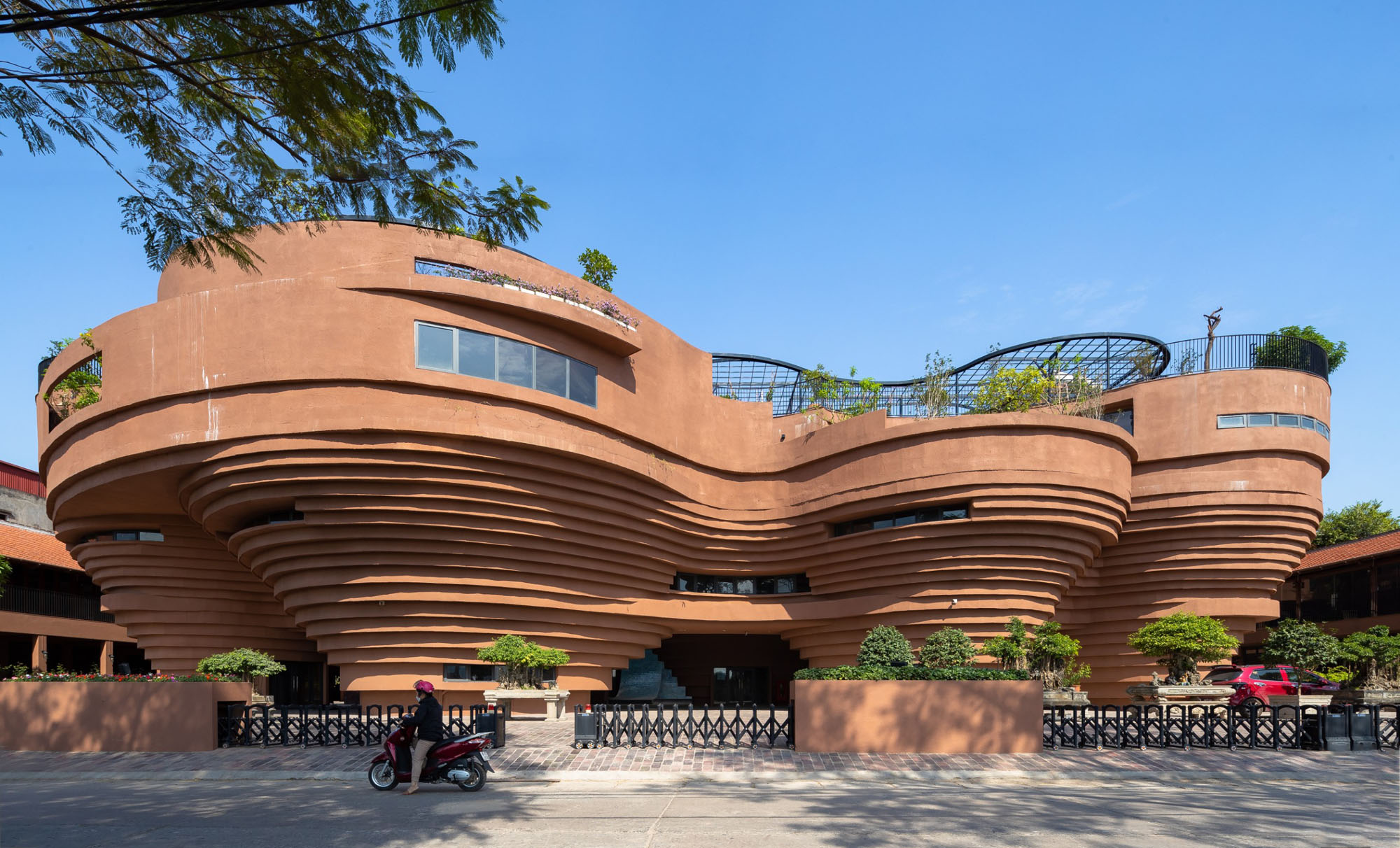
ろくろの回転が生み出す、7つの交錯するフォルム
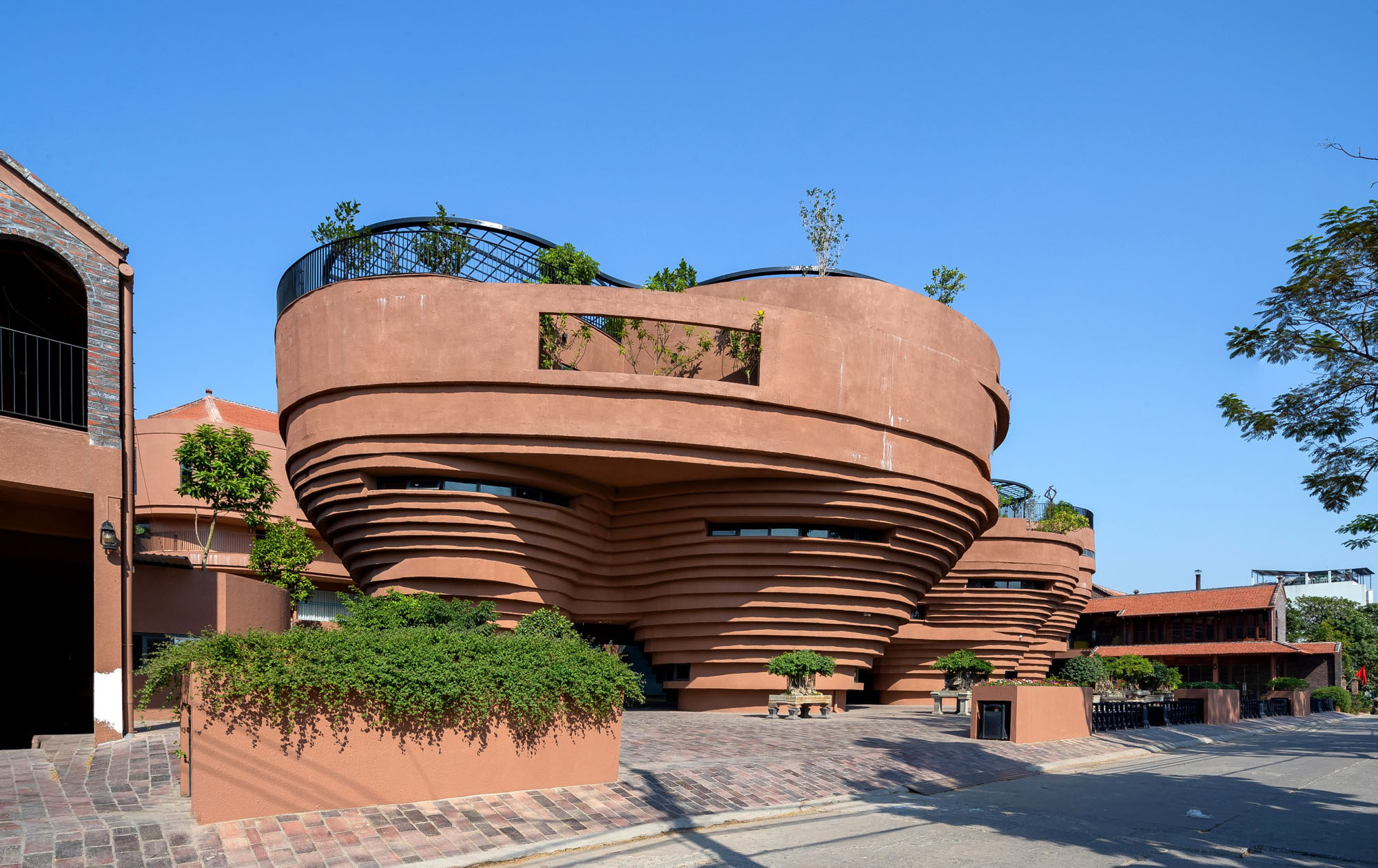
設計チームはランドスケープ、とりわけ既存の周辺構造物のスケール感を綿密にスタディした結果、周囲との調和を図るため、建物の高さを3階建て以下に抑えることを提案した。
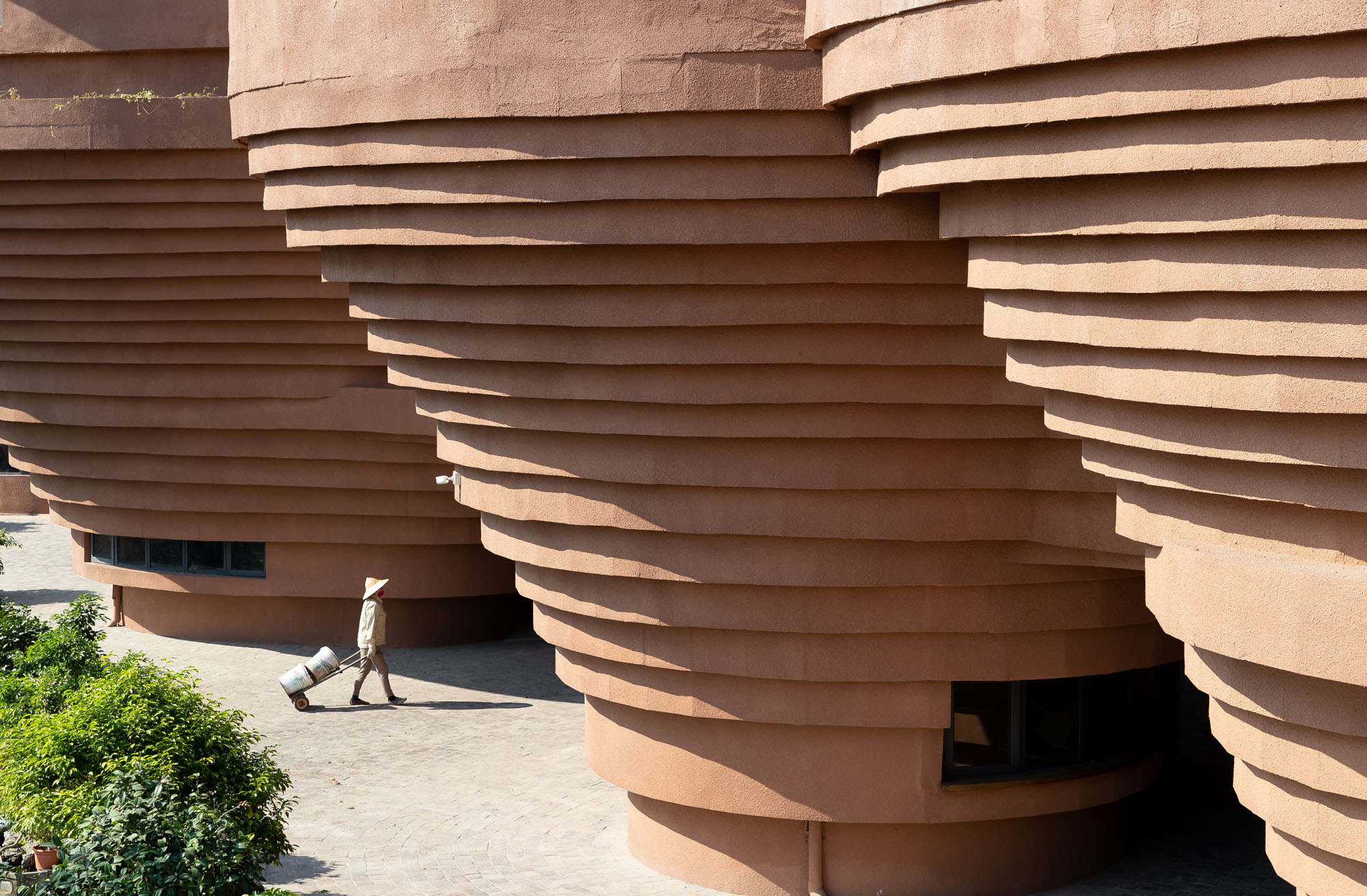
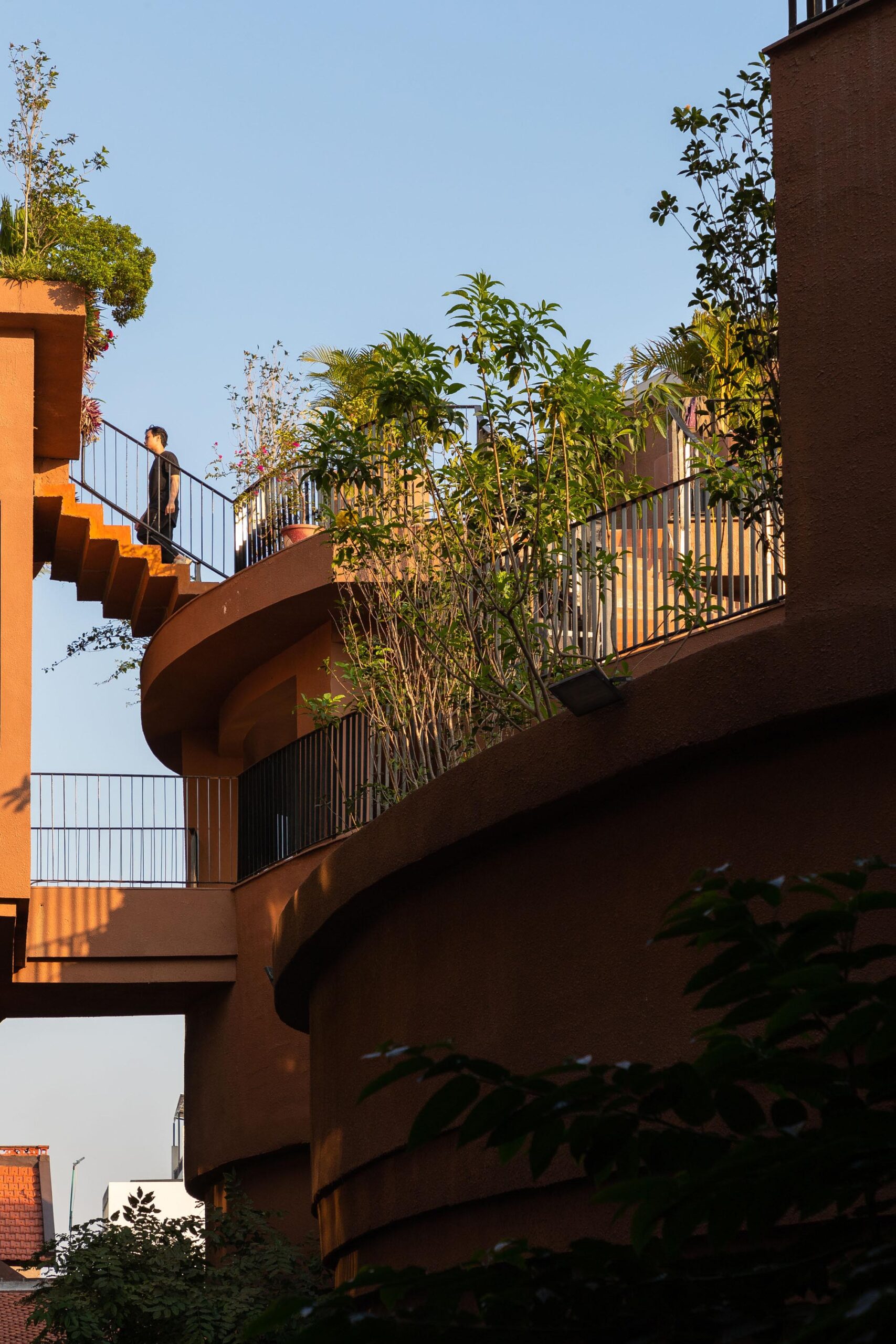
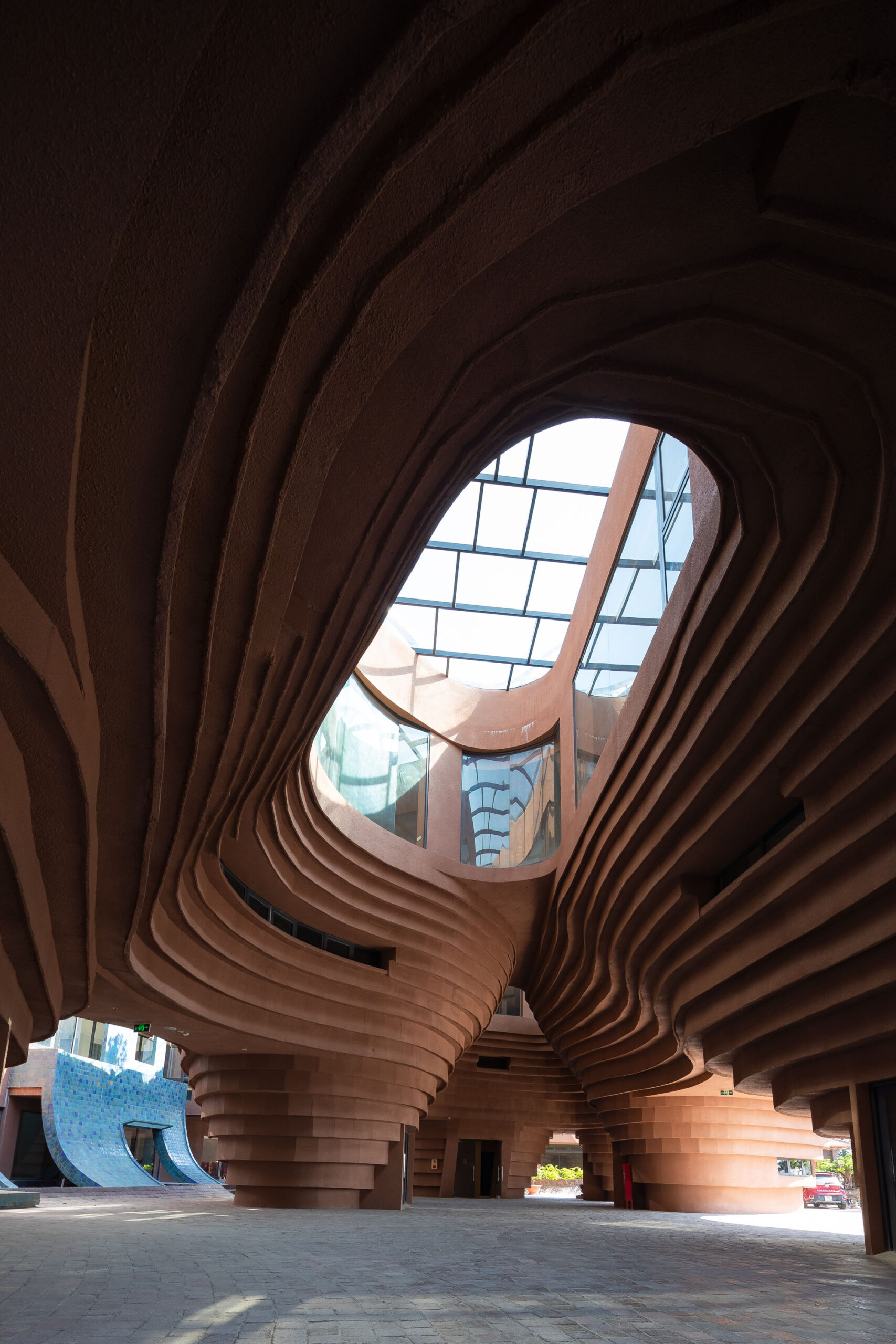
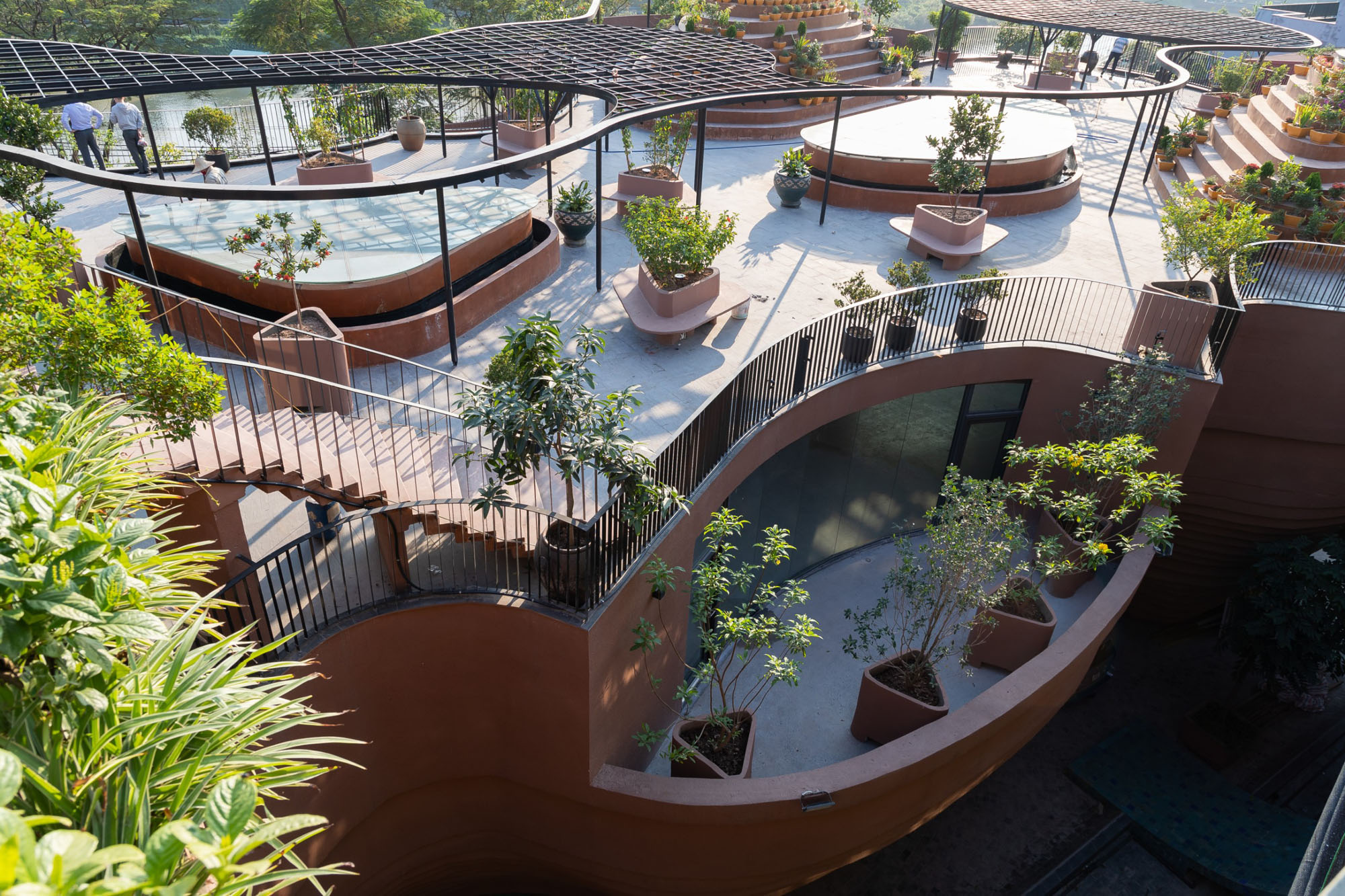
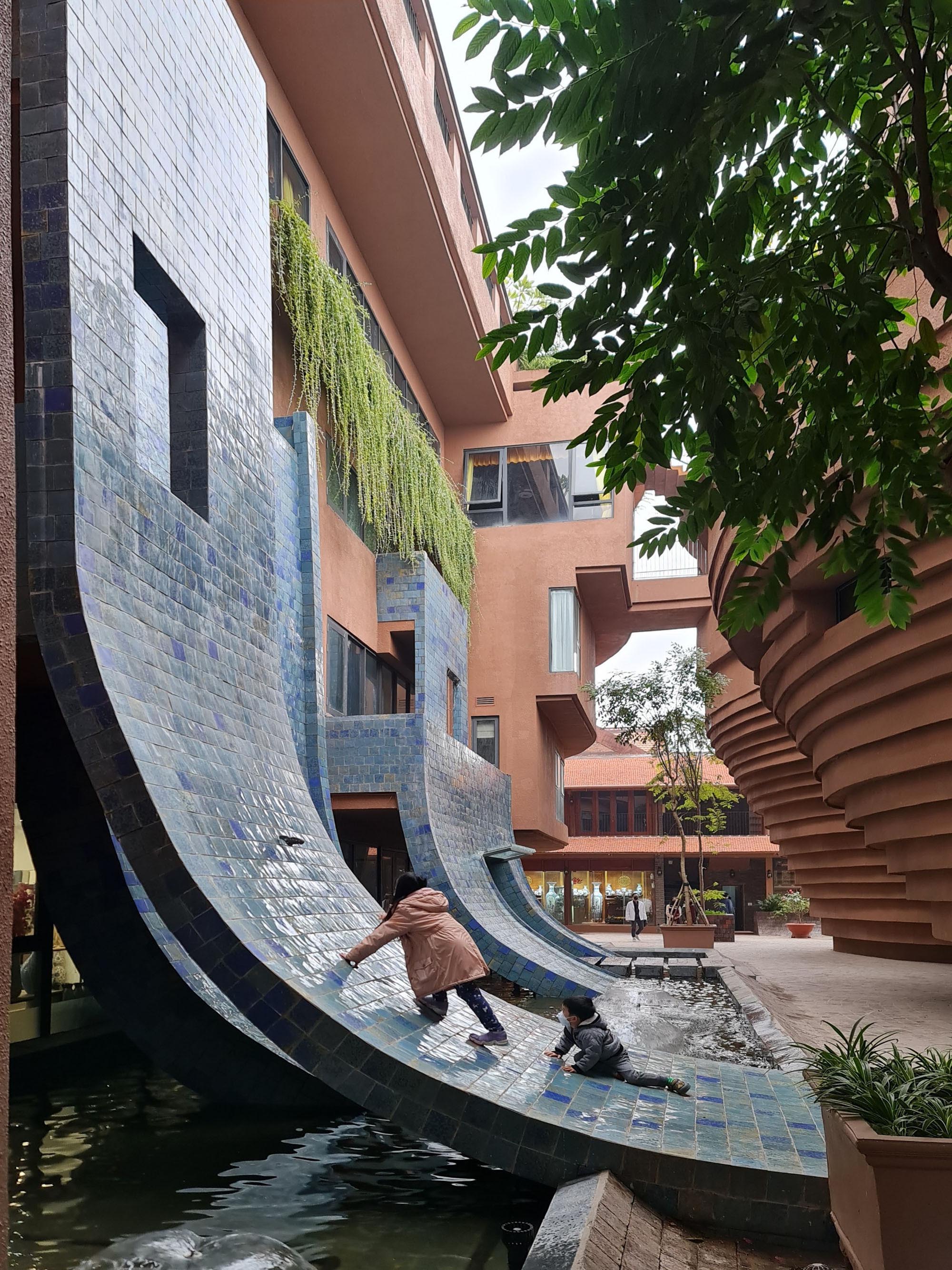
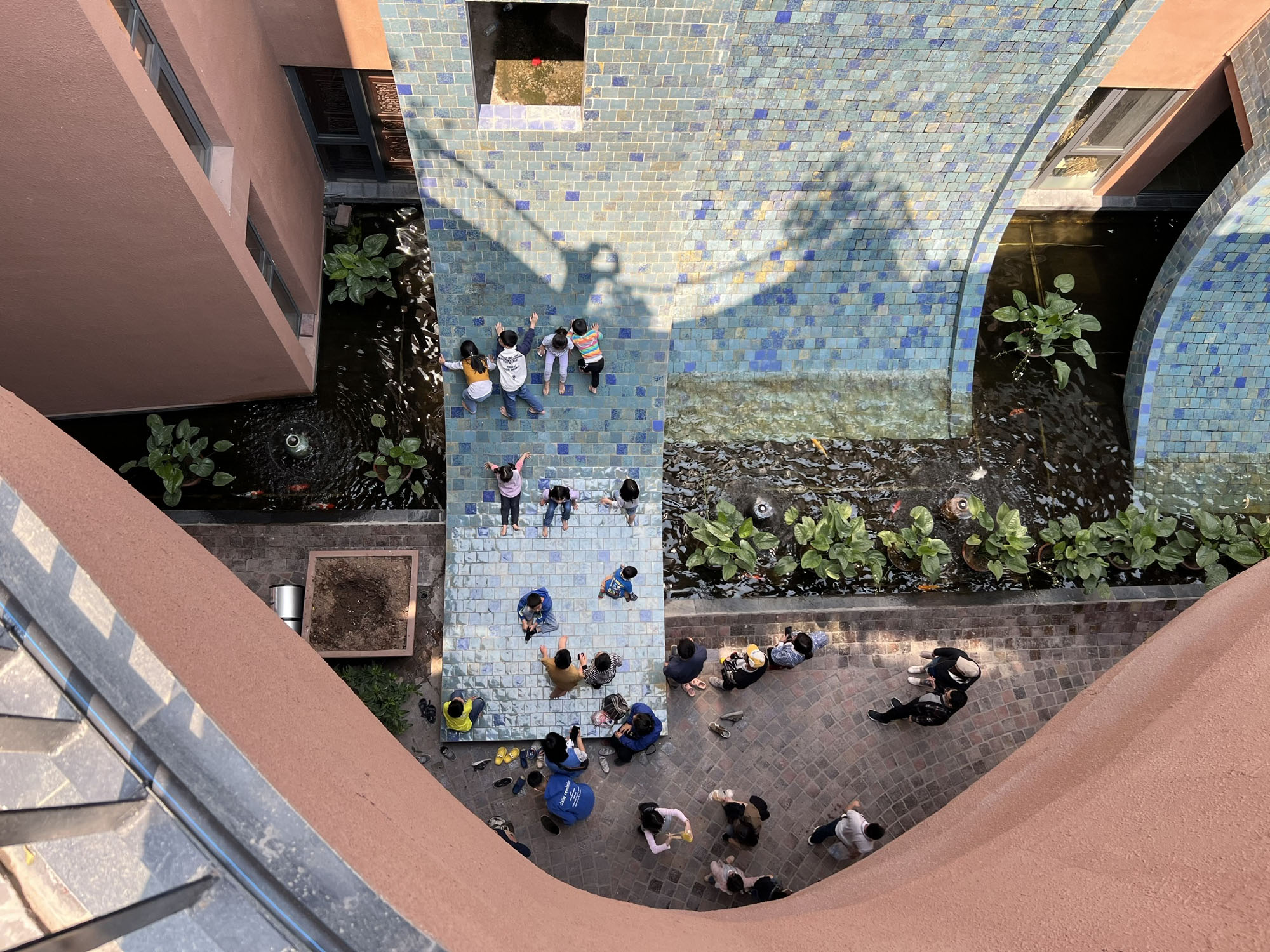
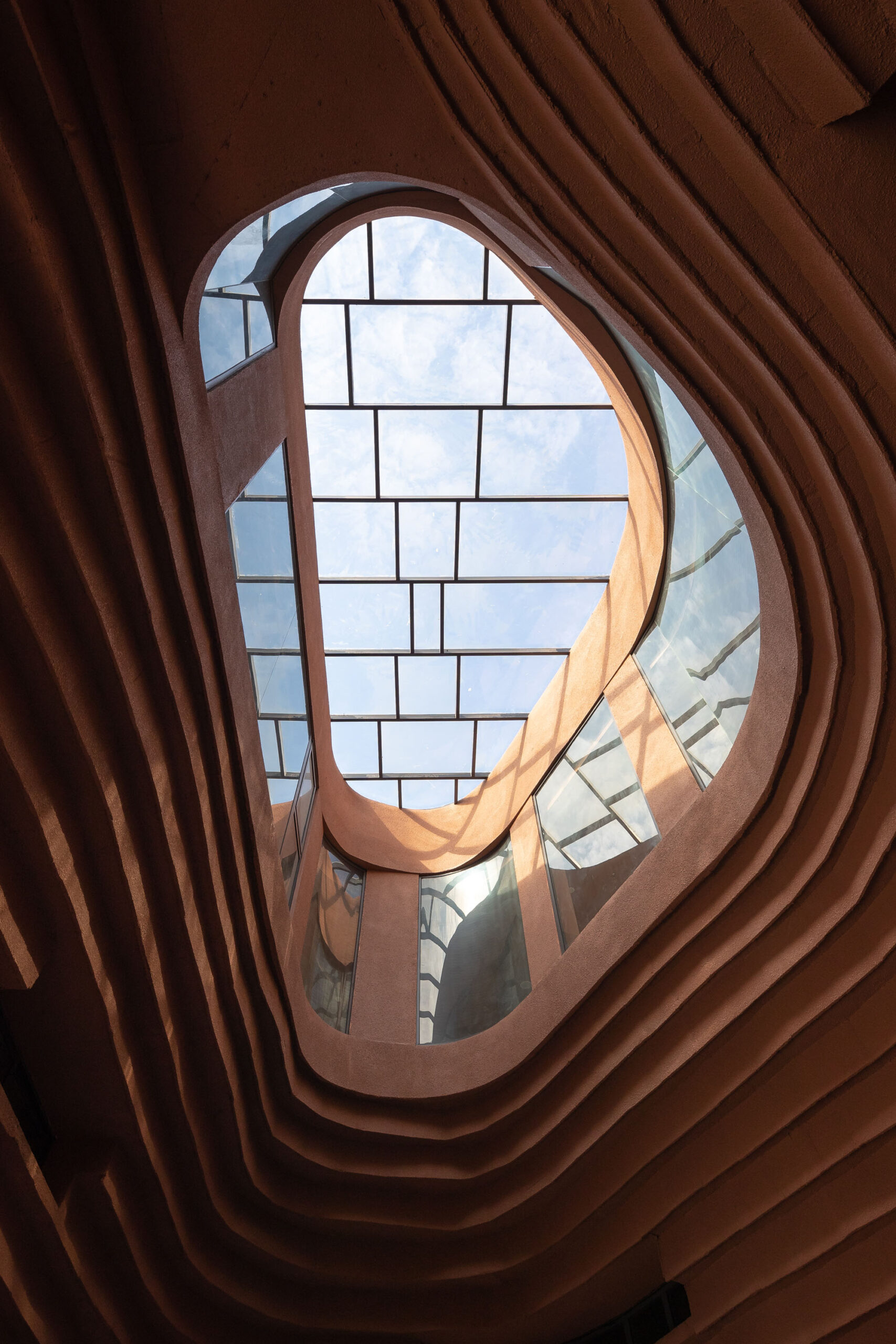
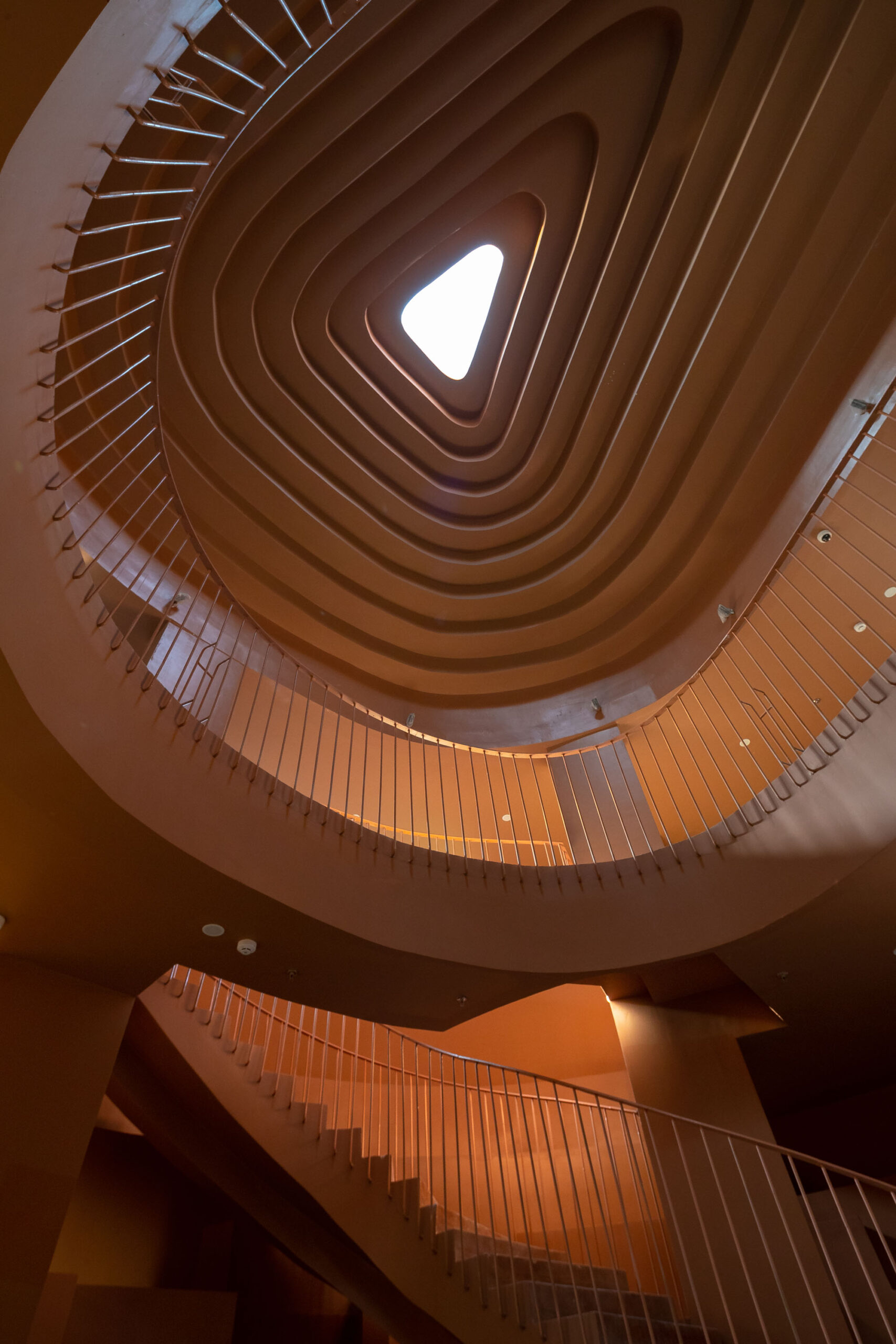
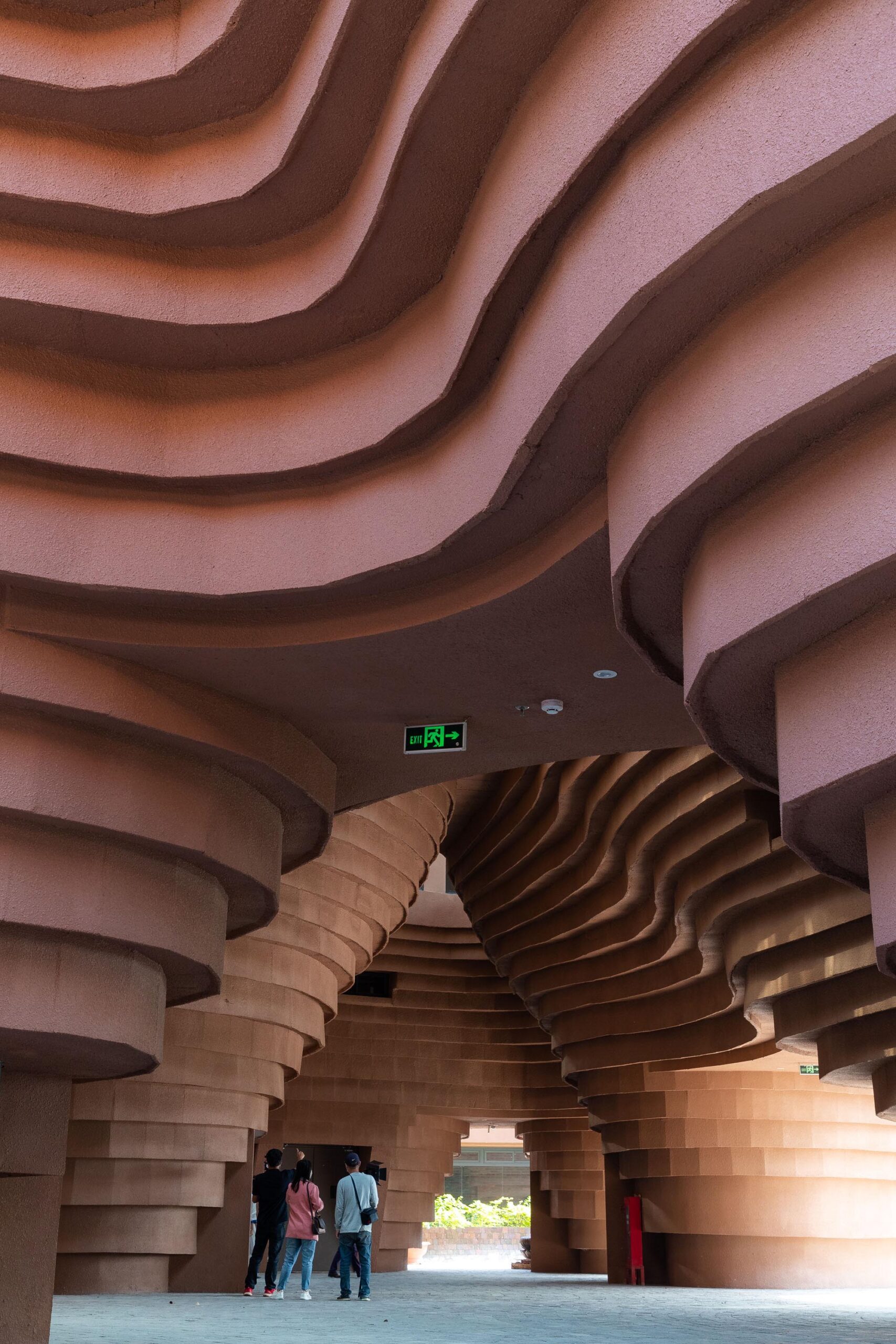
その建築形態は、陶芸家のろくろの躍動的な動き「職人が粘土を成形し、傑作へと魂を吹き込むプロセス」に着想を得ており、7つのセラミック製ターンテーブルが相互に噛み合う構成となっている。連続する曲線は意図的でありながら素朴で、かつ自発的な表現を同時に実現している。また、焼成レンガや装飾陶器、伝統的な瓦といった地元の素材を多用することで、バッチャンという土地がもつ独特のエッセンスを称えている。
©︎ Trieu Chien
伝統から現代へ、時をつなぐ空間構成
この多機能文化センターは、地域コミュニティの交流の場として機能すると同時に、バッチャンと世界をつなぎ、その可能性を集約・促進する拠点となる。
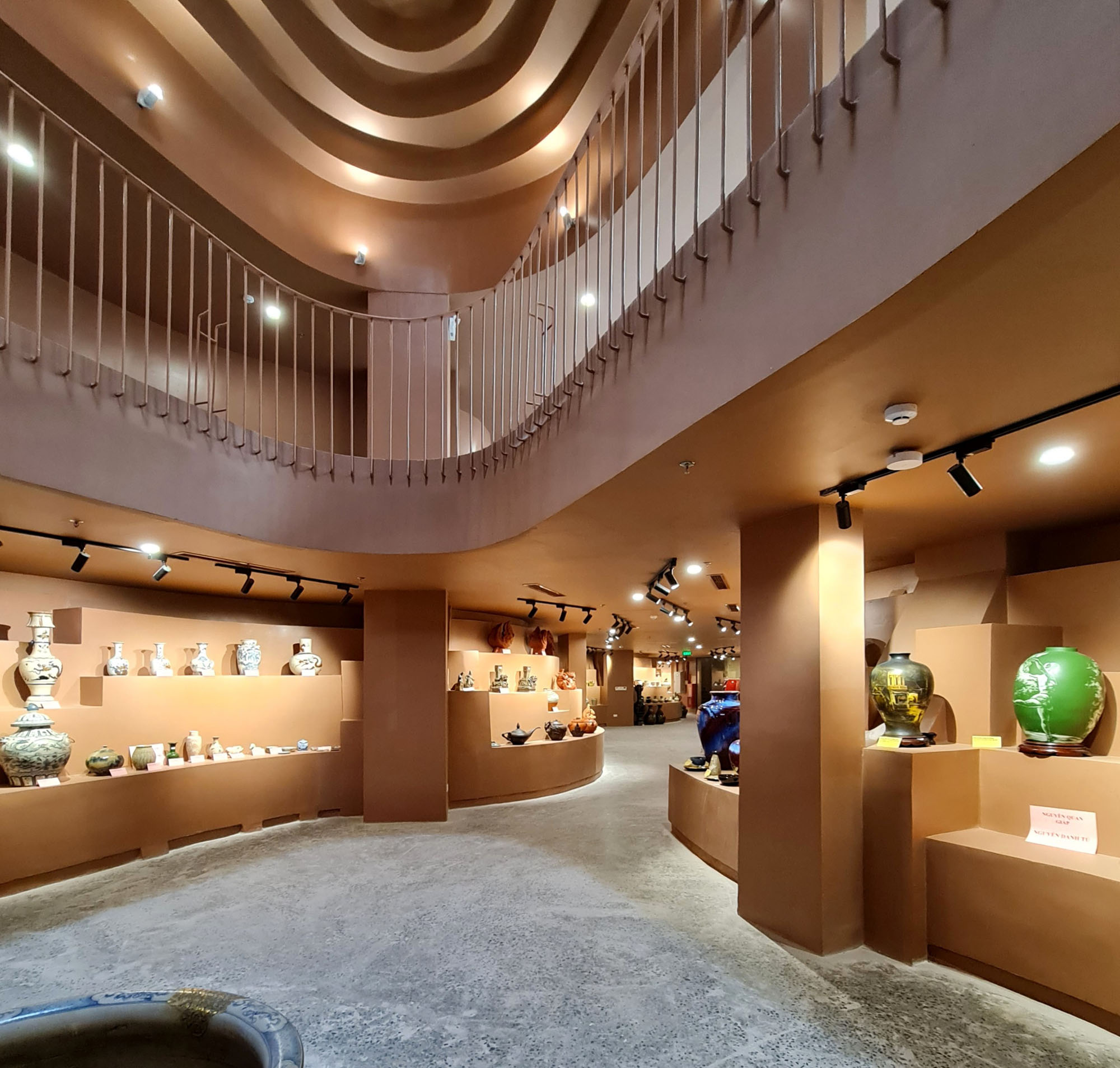
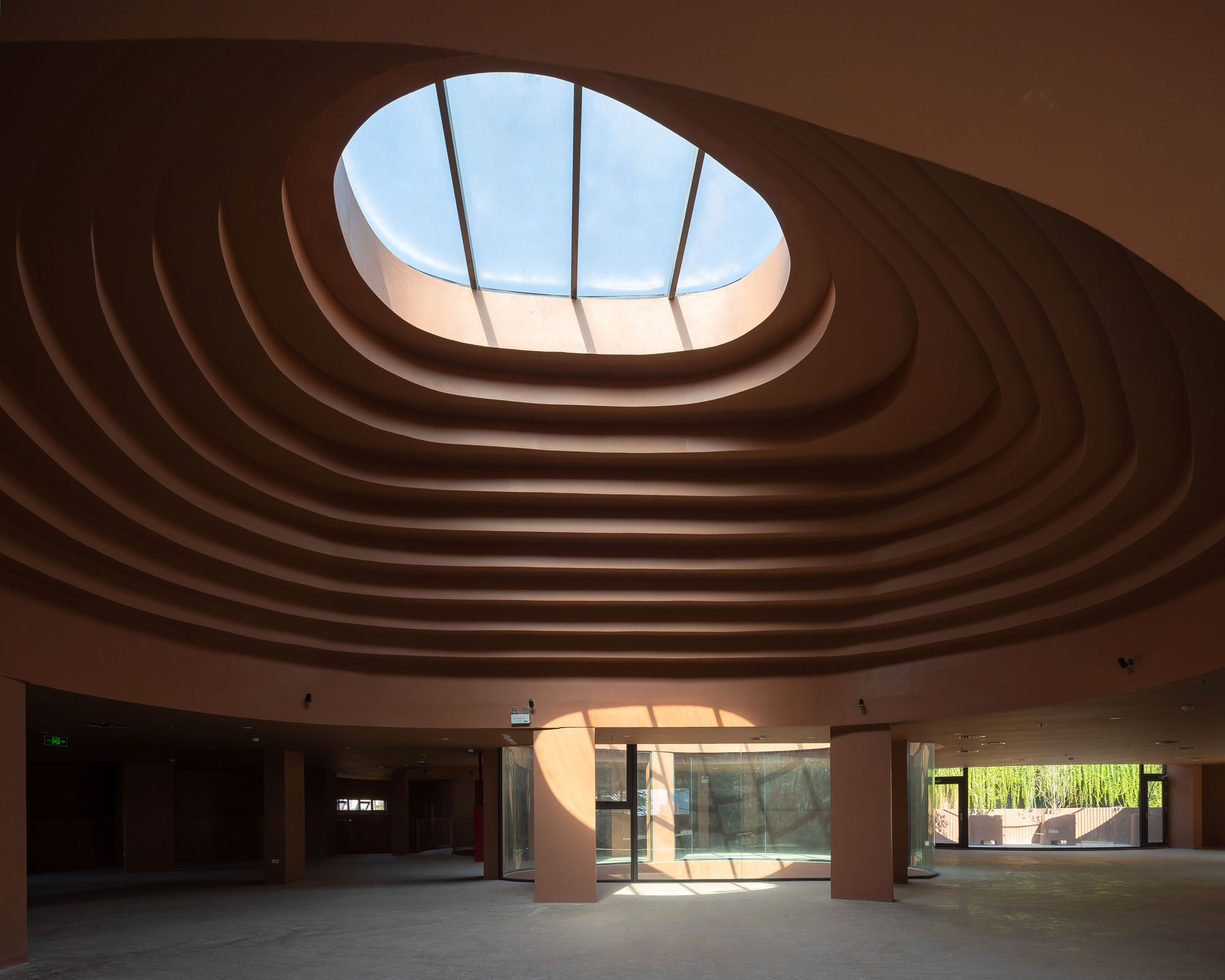
1階全体は「陶磁器広場」として開放され、河岸と一体化することで、イベントやフェア、文化活動のための空間を形成している。2階にはバットチャン陶磁器の歴史を時代別に展示するエリアを設け、伝統的な「ひょうたん窯」、箱窯、ガス窯のイメージを再現した。3階では現代作品やテーマ別のアートを展示し、バッチャンの持続的な活力と絶え間ない革新性を反映している。
さらに、文化産業と工芸観光の発展を目的として、1階には体験型の陶芸工房も統合されており、訪問者、アーティスト、学生といったあらゆる人々を受け入れる場となっている。
©︎ Trieu Chien
©︎ Trieu Chien
地域と世界を結ぶ、風景の中の焦点
展示施設と工芸村体験の複合体である本プロジェクトは、バッチャンの活性化に貢献し、文化交流と首都圏の広範な発展を促進するものである。紅河とバク・フン・ハイ川の景観の中で、この構造物は焦点となりつつも、周囲の環境に対し慎ましやかに溶け込んでいる。
©︎ Trieu Chien
©︎ Trieu Chien
©︎ Trieu Chien
©︎ Trieu Chien
©︎ Trieu Chien
©︎ Trieu Chien
©︎ Trieu Chien
以下、1+1>2アーキテクツのリリース(英文)です。
BAT TRANG CERAMIC MUSEUM – DESCRIPTION
Location: Hanoi, Vietnam
Completion year: 2021
Construction area: 1730 m2
Photograph: Trieu Chien
Unique and storied, Bat Trang ceramics emerge from the potter’s wheels of gifted artisans, a craft meticulously preserved through generations. Situated at the gateway for visitors, the project stands as a vital landmark within the village’s collective fabric. Facing the Bac Hung Hai River at its confluence with the Red River, the project aspires to recreate the bustling “on the wharf, under the boat” atmosphere reminiscent of ancient ceramic markets.
Through a rigorous study of the landscape, particularly the proportional scales of existing structures, the design team proposed an outer building height of no more than three stories to harmonize with the context. Inspired by the dynamic motion of the potter’s wheel—mirroring the process where an artisan sculpts raw clay and breathes soul into a masterpiece—the building’s form is the result of seven interlocking ceramic turntables, defined by continuous curves that are simultaneously intentional, rustic, and spontaneous. Local materials such as fired brick, decorative ceramics, and traditional tiles are utilized extensively to honor the distinctive essence of Bat Trang.
This multi-functional cultural center serves as both a communal space for local connection and a hub for converging and promoting potential, bridging Bat Trang with the world. The entire first floor is liberated into a “Ceramic Square,” an open space integrated with the banks of the Bac Hung Hai River for events, fairs, and cultural activities. The second floor houses an exhibition area dedicated to the history of Bat Trang ceramics across various eras, recreating the imagery of traditional “gourd” kilns, box kilns, and gas kilns. The third floor displays contemporary works and thematic art, reflecting the enduring vitality and constant innovation of Bat Trang. With the objective of developing cultural industries and craft tourism, the project integrates a hands-on pottery workshop on the ground floor to serve visitors, artists, and students alike.
This complex of exhibitions and craft village experiences contributes to the revitalization of Bat Trang, fostering cultural exchange and the broader development of the capital. The structure stands as a focal point within the landscape of the Red River and Bac Hung Hai River, integrating modestly into its surrounding environment.
1+1>2アーキテクツ 公式サイト
http://112.com.vn/en
【購読無料】空間デザインの今がわかるメールマガジン TECTURE NEWS LETTER
RECOMMENDED ARTICLE
![[大阪・関西万博]海外パビリオン紹介_UAE](https://magazine-asset.tecture.jp/wpcms/wp-content/uploads/2025/04/28211148/UAE_7-900x683-1.jpg)