CULTURE
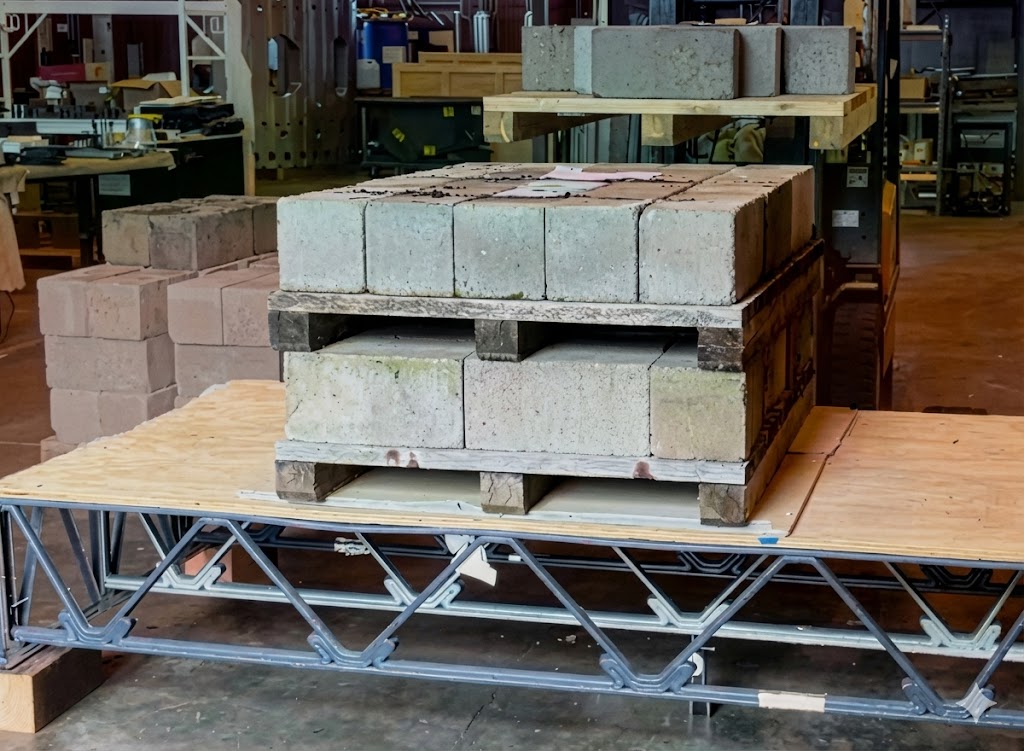
マサチューセッツ工科大学(MIT)の研究グループ「MIT HAUS」は、リサイクルプラスチックをフレームに利用する中規模住宅向けの「3Dプリント床トラスシステム」の開発を進めています。
本プロジェクトの最大の特徴は、コンクリートによる3Dプリントではなく、洗浄工程を省いた「汚れたプラスチック」を直接粉砕・出力し、従来の木材に代わる軽量かつ高強度な構造用フレーム(基礎やトラス)へと変換する点にあります。
注目ポイント
- 米国の建築基準を上回る剛性重量比と耐荷重性能
- 前処理(洗浄)不要のプラスチックを直接建材化する新技術
- 都市のゴミ発生源を建材工場に変える「マイクロ工場」構想
(以下、MITから提供されたプレスキットのテキストの抄訳)
Courtesy of the researchers
廃棄されるプラスチックが木材に代わる未来の建材
リサイクルボックスに捨てたペットボトルが、未来の家の構造材になるかもしれない。MITのエンジニアたちは、リサイクルプラスチックを用いて建築用の梁や床トラスを3Dプリントする技術を開発している。これは従来の木材に代わる、軽量で持続可能な選択肢である。
MITチームが再生プラスチックでプリントした床フレームは、4,000ポンド(約1,814kg)以上の荷重に耐え、米国の主要な建築基準をクリアした。トラス1本あたり約13ポンド(約5.9kg)と木製より軽く、産業用プリンターなら13分未満で造形できる。2050年までに世界で約10億戸の新規住宅が必要とされる中、森林伐採を防ぎつつ「プラスチック汚染」と「住宅不足」を同時に解決する一手として期待されている。
Courtesy of the researchers
洗浄不要の「汚れたプラスチック」をそのまま印刷する挑戦
MIT内のグループ「MIT HAUS」は、コンクリートを用いた壁の印刷ではなく、基礎やトラスといった「構造用フレーム」の3Dプリントにいち早く着目した。
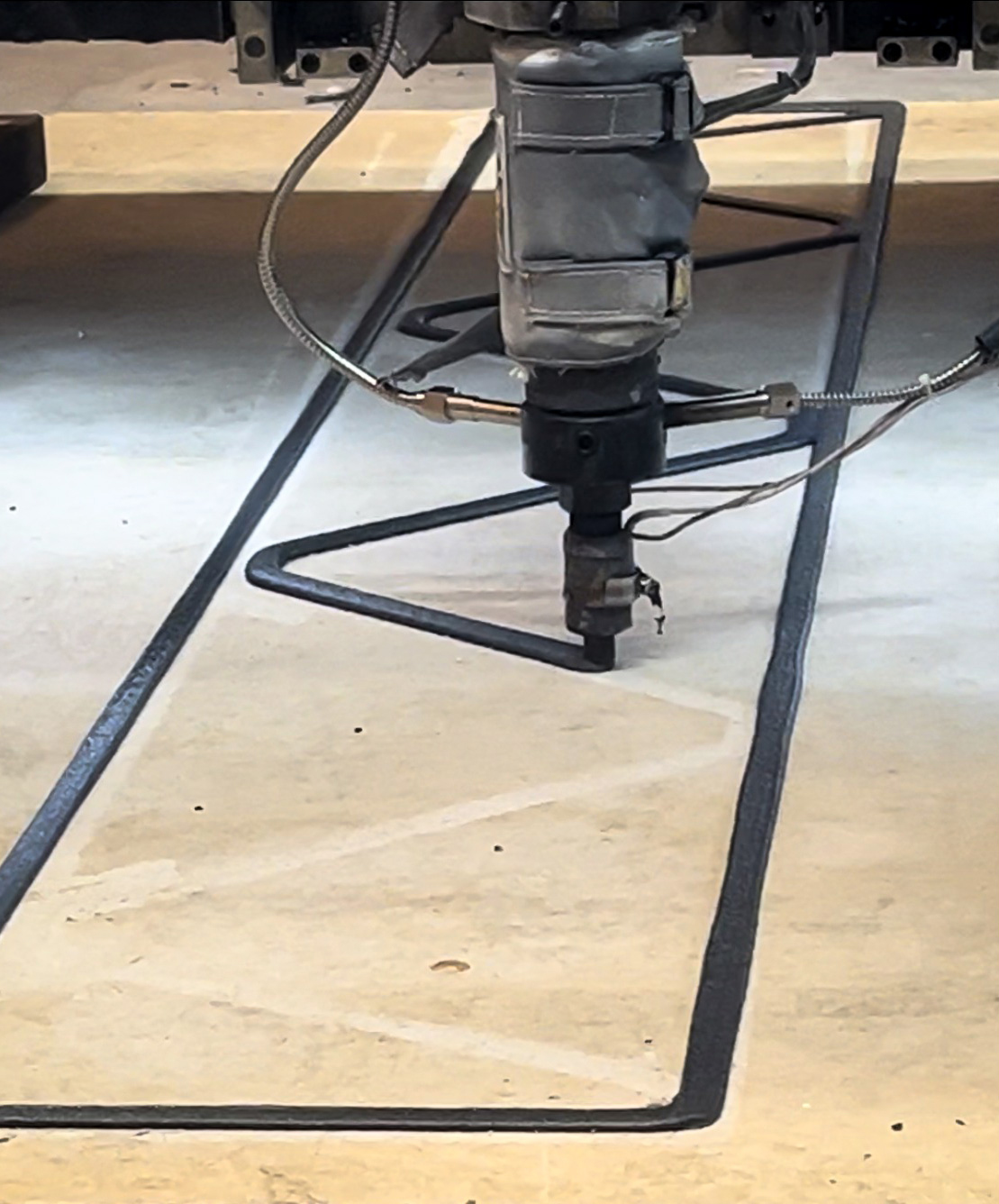
最大の特徴は、セメントではなく、洗浄や前処理が不要な「汚れた」プラスチックの活用を目指している点である。使用済みのボトルや容器を直接粉砕・ペレット化し、大型3Dプリンターで構造部品に変換する。完成した複合部品は非常に軽量なため、運搬に大型トラックを必要とせず、ピックアップトラックで現場へ運んで迅速に組み立てることが可能になる。
Courtesy of the researchers
高い剛性重量比を実現したトラス設計と耐荷重試験
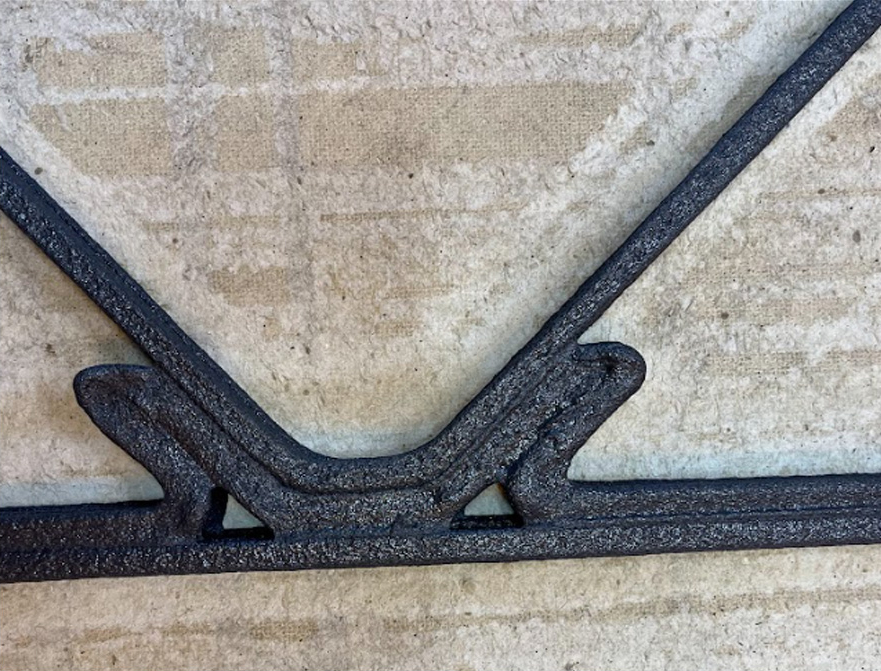
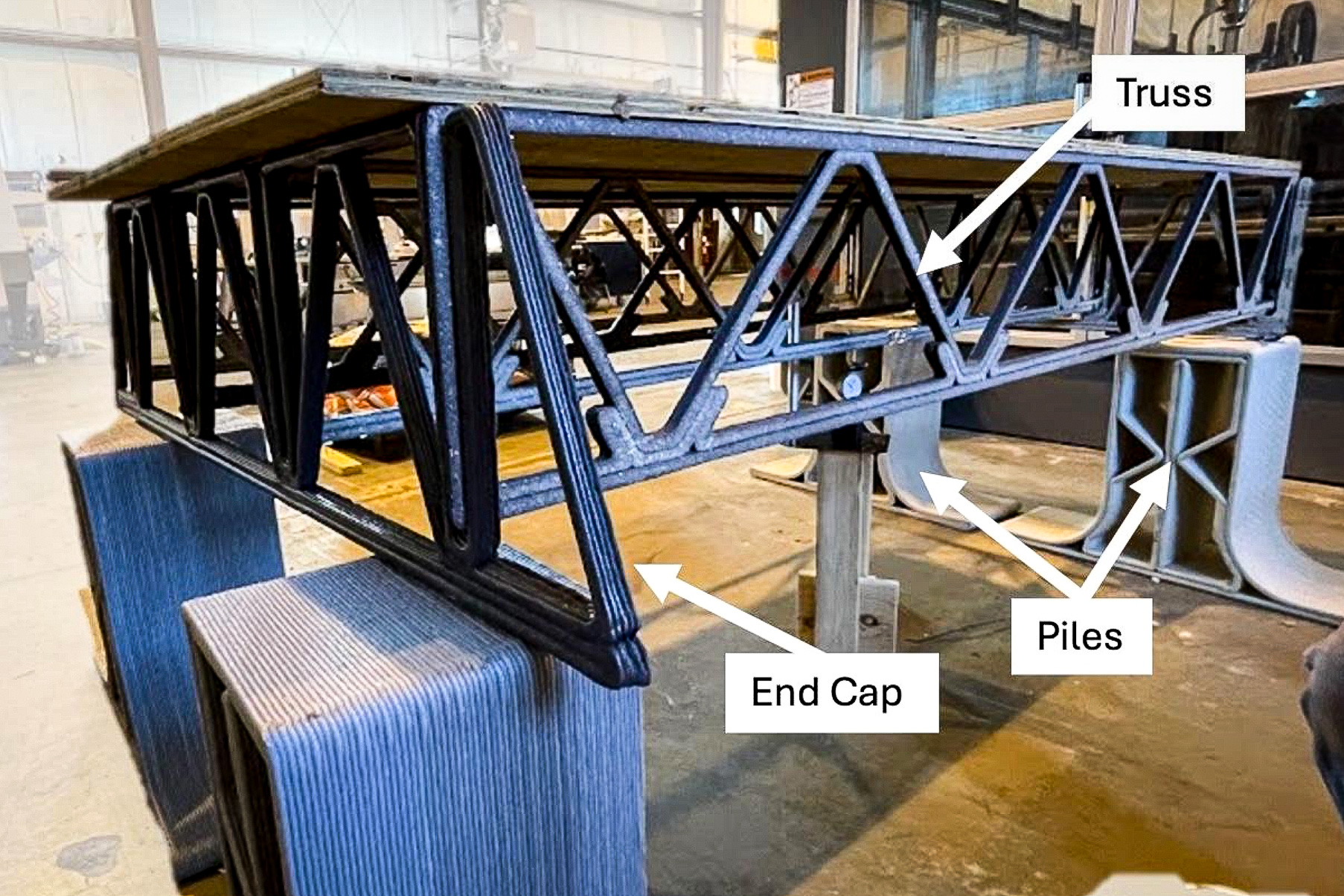
研究チームはシミュレーションを重ね、最も剛性重量比が高い設計を特定した。それは、従来の木製トラスに近い「斜めの段を持つはしご状」の構造に補強を加えたものである。
実際の試験では、リサイクルPETとガラス繊維を混合した複合材を使用し、長さ約2.4mのトラスを4基プリントした。これらを合板に固定して床枠システムを組み、砂袋やコンクリートで荷重をかけたところ、4,000ポンドを超えてようやく座屈するほど、米国のたわみ基準を大幅に上回る耐荷重性能を実証した。
Courtesy of the researchers
実用化への課題と、世界の住宅危機を救うマイクロ工場構想
強度面で建築基準を満たした一方で、普及に向けた課題は「木材と競争できるレベルのコスト削減」である。また、今回の試験には純度の高い工場廃棄プラスチックが使われたため、現在は飲料の残留物が付着したような「より汚れた」市中プラスチックでの品質検証を進めている。
研究チームは将来の構想として、スタジアムなど大量のプラスチックゴミが発生する場所の近くに、粉砕機と3Dプリンターを搭載したコンテナ型の「マイクロ工場」を設置することを掲げる。現地でゴミを軽量な建材に変え、原付バイクなどで住宅が不足する地域へ直接運ぶという、持続可能な未来を描いている。
本研究は、ガースナー・フィランソロピー、チャンドラー・ヘルス・オブ・ザ・プラネット助成金、シンシナティ・インコーポレイテッドの一部支援を受けて実施された。
以下、MITのリリース(英文)です。
Your future home might be framed with printed plastic
MIT engineers are using recycled plastic to 3D print construction-grade floor trusses.
Jennifer Chu | MIT NewsPublication Date: February 3, 2026
The plastic bottle you just tossed in the recycling bin could provide structural support for your future house.
MIT engineers are using recycled plastic to 3D print construction-grade beams, trusses, and other structural elements that could one day offer lighter, modular, and more sustainable alternatives to traditional wood-based framing.
In a paper published in the Solid FreeForm Fabrication Symposium Proceedings, the MIT team presents the design for a 3D-printed floor truss system made from recycled plastic.
A traditional floor truss is made from wood beams that connect via metal plates in a pattern resembling a ladder with diagonal rungs. Set on its edge and combined with other parallel trusses, the resulting structure provides support for flooring material such as plywood that lies over the trusses.
The MIT team printed four long trusses out of recycled plastic and configured them into a conventional plywood-topped floor frame, then tested the structure’s load-bearing capacity. The printed flooring held over 4,000 pounds, exceeding key building standards set by the U.S. Department of Housing and Urban Development.
The plastic-printed trusses weigh about 13 pounds each, which is lighter than a comparable wood-based truss, and they can be printed on a large-scale industrial printer in under 13 minutes. In addition to floor trusses, the group is working on printing other elements and combining them into a full frame for a modest-sized home.
The researchers envision that as global demand for housing eclipses the supply of wood in the coming years, single-use plastics such as water bottles and food containers could get a second life as recycled framing material to alleviate both a global housing crisis and the overwhelming demand for timber.
“We’ve estimated that the world needs about 1 billion new homes by 2050. If we try to make that many homes using wood, we would need to clear-cut the equivalent of the Amazon rainforest three times over,” says AJ Perez, a lecturer in the MIT School of Engineering and research scientist in the MIT Office of Innovation. “The key here is: We recycle dirty plastic into building products for homes that are lighter, more durable, and sustainable.”
Perez’ co-authors on the study are graduate students Tyler Godfrey, Kenan Sehnawi, Arjun Chandar, and professor of mechanical engineering David Hardt, who are all members of the MIT Laboratory for Manufacturing and Productivity.
Printing dirty
In 2019, Perez and Hardt started MIT HAUS, a group within the Laboratory for Manufacturing and Productivity that aims to produce homes from recycled polymer products, using large-scale additive manufacturing, which encompasses technologies that are capable of producing big structures, layer-by-layer, in relatively short timescales.
Today, some companies are exploring large-scale additive manufacturing to 3D-print modest-sized homes. These efforts mainly focus on printing with concrete or clay — materials that have had a large negative environmental impact associated with their production. The house structures that have been printed so far are largely walls. The MIT HAUS group is among the first to consider printing structural framing elements such as foundation pilings, floor trusses, stair stringers, roof trusses, wall studs, and joists.
What’s more, they are seeking to do so not with cement, but with recycled “dirty” plastic — plastic that doesn’t have to be cleaned and preprocessed before reuse. The researchers envision that one day, used bottles and food containers could be fed directly into a shredder, pelletized, then fed into a large-scale additive manufacturing machine to become structural composite construction components. The plastic composite parts would be light enough to transport via pickup truck rather than a traditional lumber-hauling 18-wheeler. At the construction site, the elements could be quickly fitted into a lightweight yet sturdy home frame.
“We are starting to crack the code on the ability to process and print really dirty plastic,” Perez says. “The questions we’ve been asking are, what is the dirty, unwanted plastic good for, and how do we use the dirty plastic as-is?”
Weight class
The team’s new study is one step toward that overall goal of sustainable, recycled construction. In this work, they developed a design for a printed floor truss made from recycled plastic. They designed the truss with a high stiffness-to-weight ratio, meaning that it should be able to support a given amount of weight with minimal deflection, or bending. (Think of being able to walk across a floor without it sagging between the joists.)
The researchers first explored a handful of possible truss designs in simulation, and put each design through a simulated load-bearing test. Their modeling showed that one design in particular exhibited the highest stiffness-to-weight ratio and was therefore the most promising pattern to print and physically test. The design is close to the traditional wood-based floor truss pattern resembling a ladder with diagonal, triangular rungs. The team made a slight adjustment to this design, adding small reinforcing elements to each node where a “rung” met the main truss frame.
To print the design, Perez and his colleagues went to MIT’s Bates Research and Engineering Center, which houses the group’s industrial-scale 3D printer — a room-sized industrial machine that is capable of printing large structures at a fast rate of up to 80 pounds of material per hour. For their preliminary study, the researchers used pellets made of a combination of recycled PET polymers and glass fibers — a mixture that improves the material’s printability and durability. They obtained the material from an aerospace materials company, and then fed the pellets into the printer as composite “ink.”
The team printed four trusses, each measuring 8 feet long, 1 foot high, and about 1 inch wide. Each truss took about 13 minutes to print. Perez and Godfrey spaced the trusses apart in a parallel configuration similar to traditional wood-based trusses, and screwed them into a sheet of plywood to mimic a 4-x-8-foot floor frame. They placed bags of sand and concrete of increasing weight in the center of the flooring system and measured the amount of deflection that the trusses experienced underneath.
The trusses easily withstood loads of 300 pounds, well above the deflection standards set by the U.S. by the Department of Housing and Urban Development. They didn’t stop there, continuing to add weight. Only when the loads reached over 4,000 pounds did the trusses finally buckle and crack.
In terms of stiffness, the printed trusses meet existing building codes in the U.S. To make them ready for wide adoption, Perez says the cost of producing the structures will have to be brought down to compete with the price of wood. The trusses in the new study were printed using recycled plastic, but from a source that he describes as the “crème de la crème of recycled feedstocks.” The plastic is factory-discarded material, but is not quite the “dirty” plastic that he aims ultimately to shred, print, and build.
The current study demonstrates that it is possible to print structural building elements from recycled plastic. Perez is in the process of working with dirtier plastic such as used soda bottles — that still hold a bit of liquid residue — to see how such contaminants affect the quality of the printed product.
If dirty plastics can be made into durable housing structures, Perez says “the idea is to bring shipping containers close to where you know you’ll have a lot of plastic, like next to a football stadium. Then you could use off-the-shelf shredding technology and feed that dirty shredded plastic into a large-scale additive manufacturing system, which could exist in micro-factories, just like bottling centers, around the world. You could print the parts for entire buildings that would be light enough to transport on a moped or pickup truck to where homes are most needed.”
This research was supported, in part, by Gerstner Philanthropies, the Chandler Health of the Planet grant, and Cincinnati Incorporated.
MIT 公式サイト
https://news.mit.edu/2026/your-future-home-might-be-framed-with-printed-plastic-0203
【購読無料】空間デザインの今がわかるメールマガジン TECTURE NEWS LETTER
RECOMMENDED ARTICLE