CULTURE
©︎ Yong Ju Lee Architecture
©︎ Yong Ju Lee Architecture
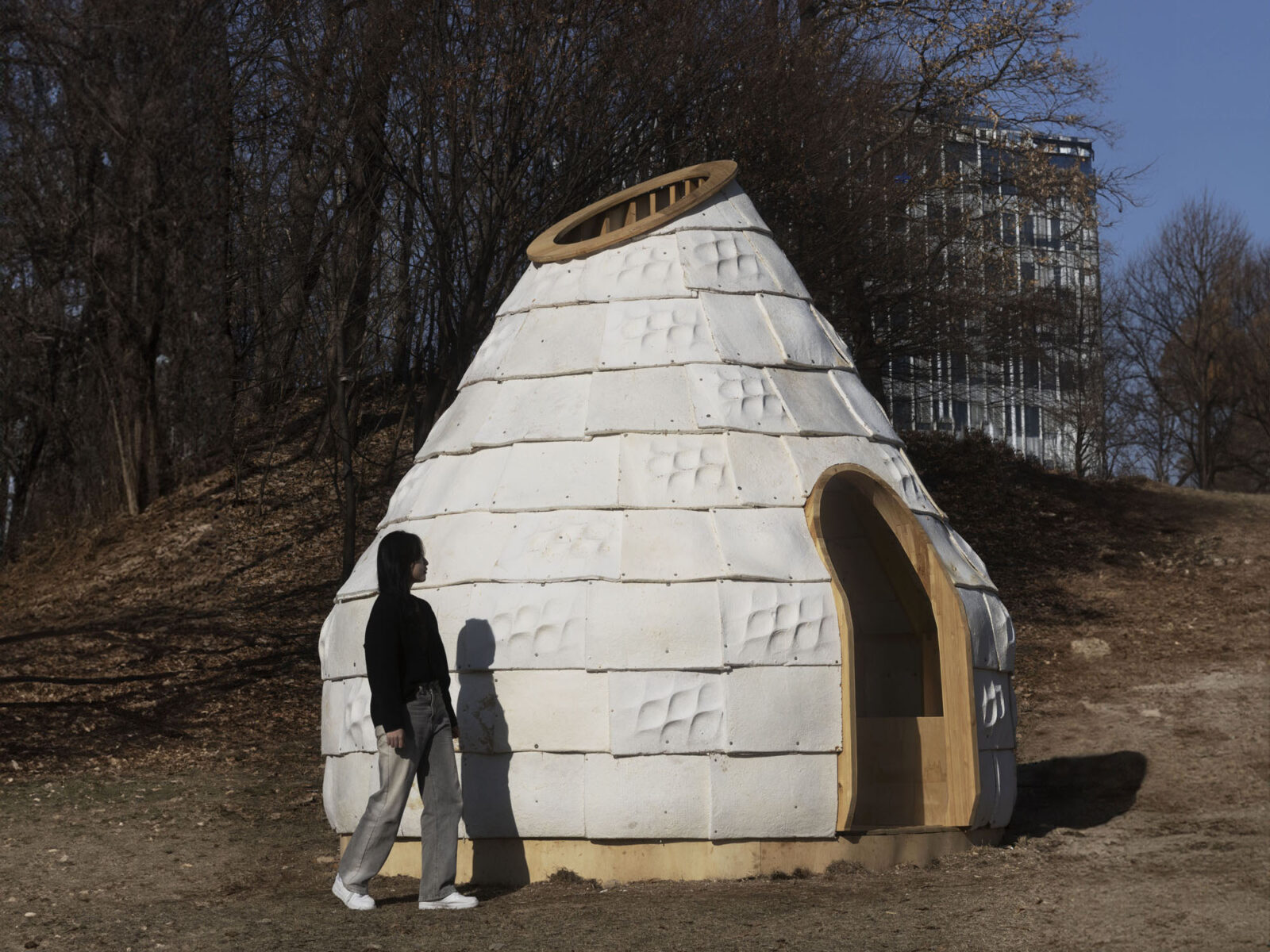
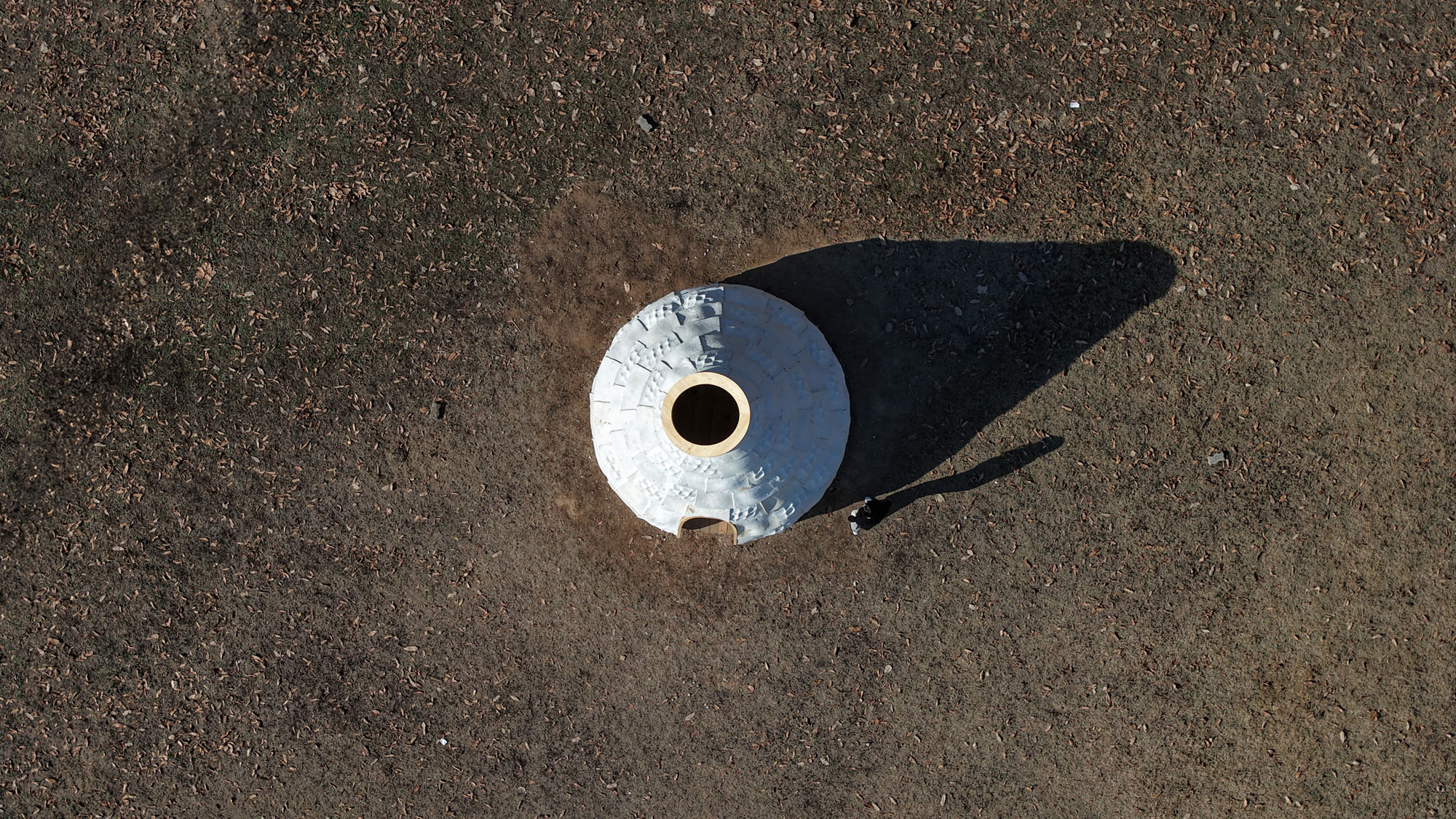
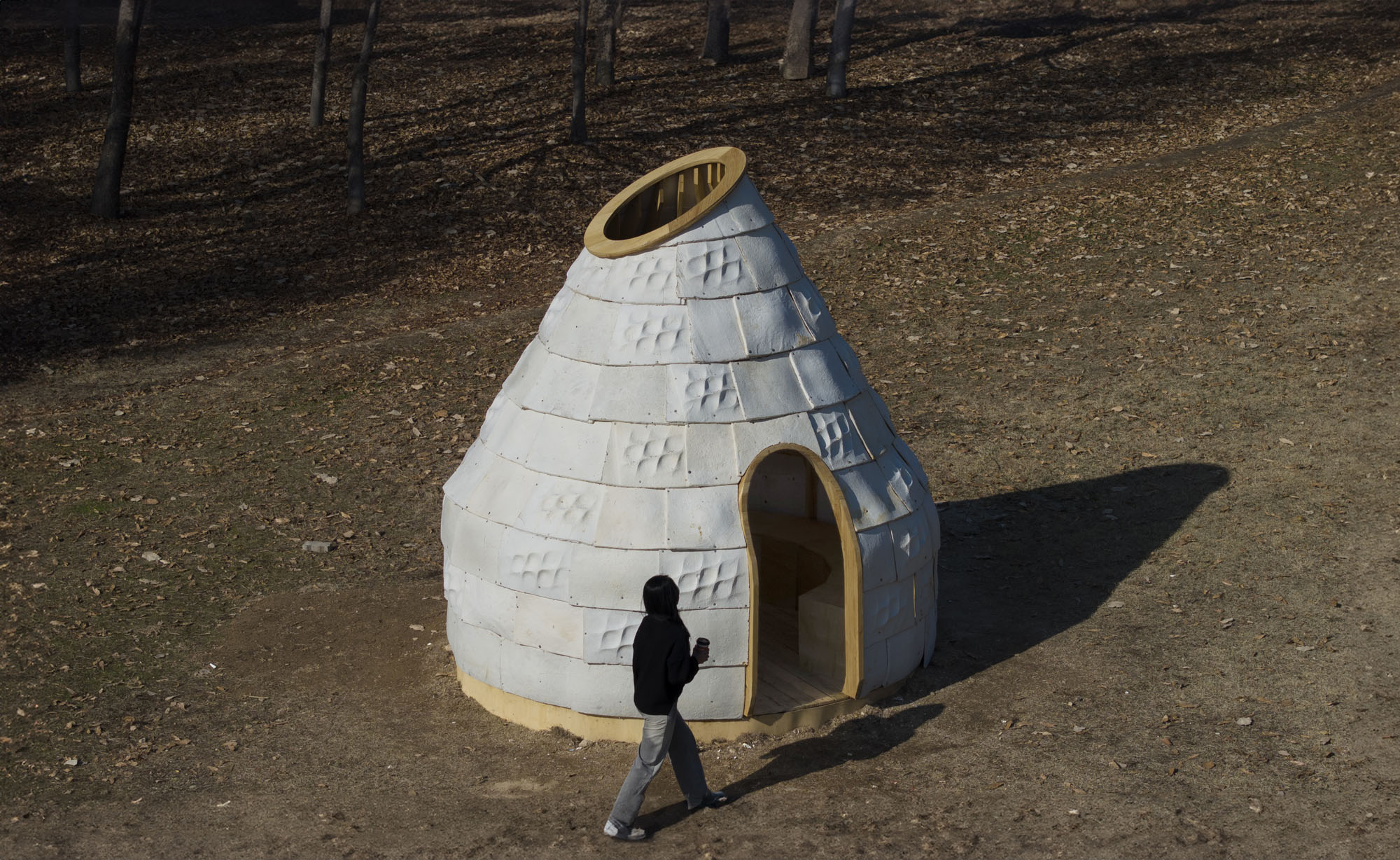
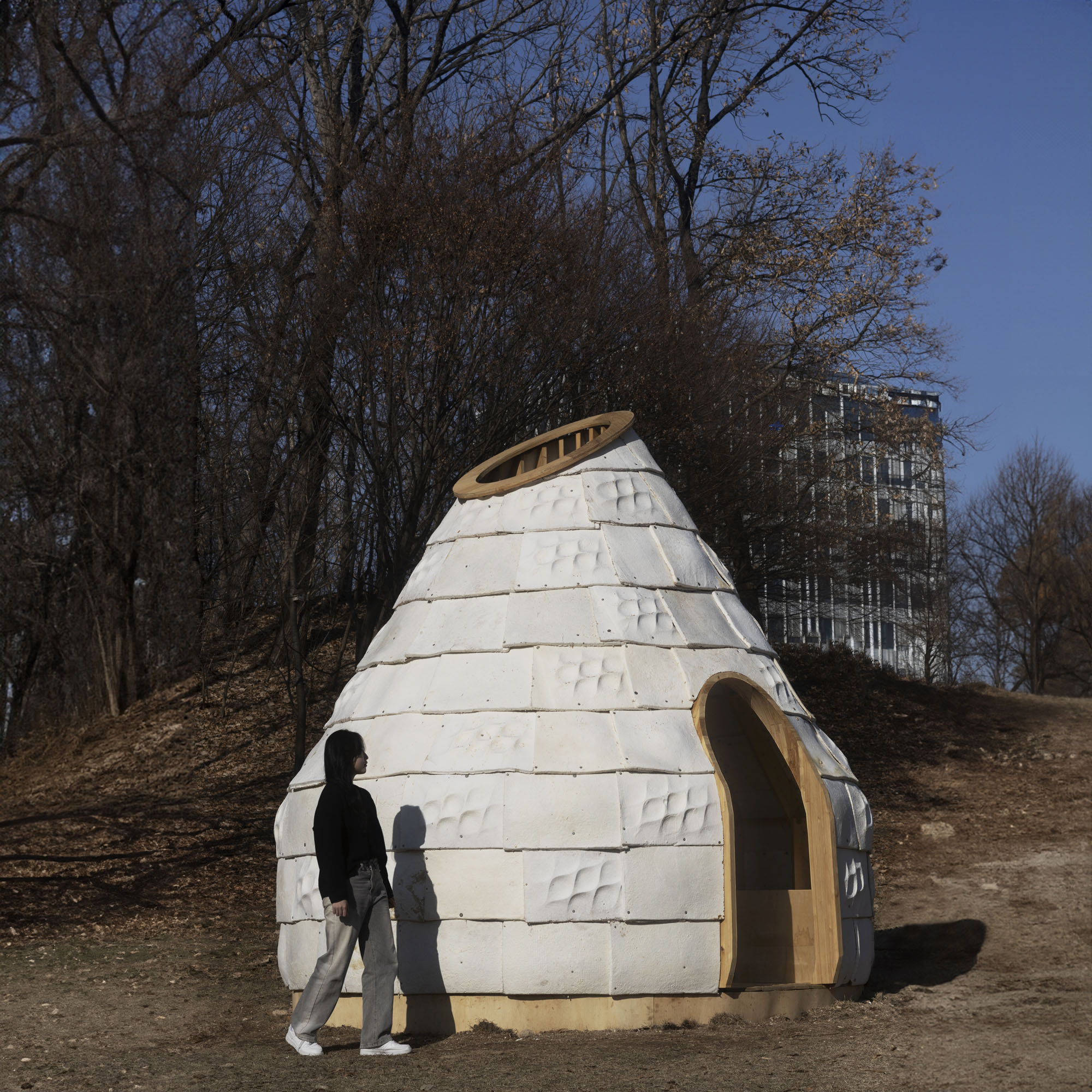
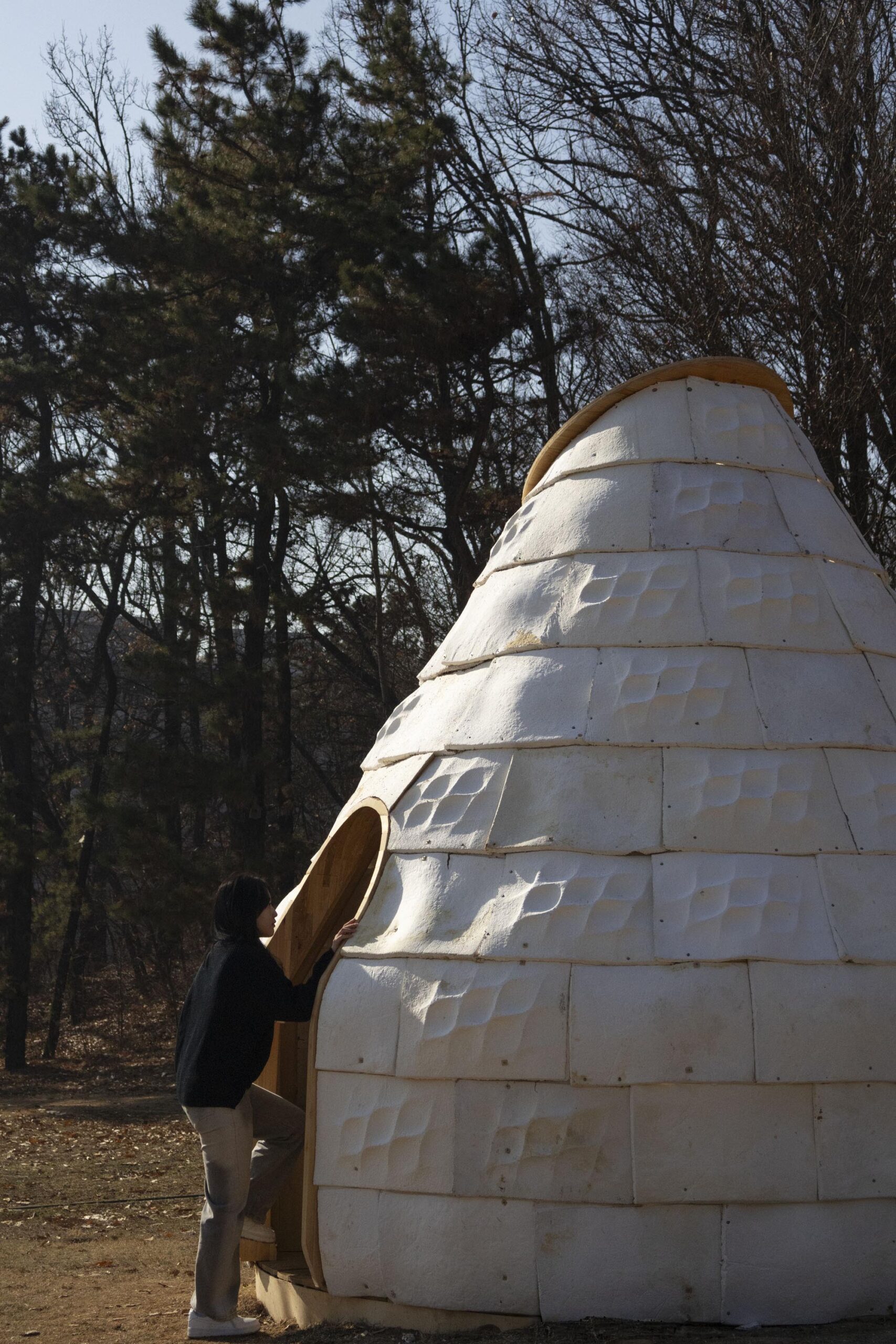
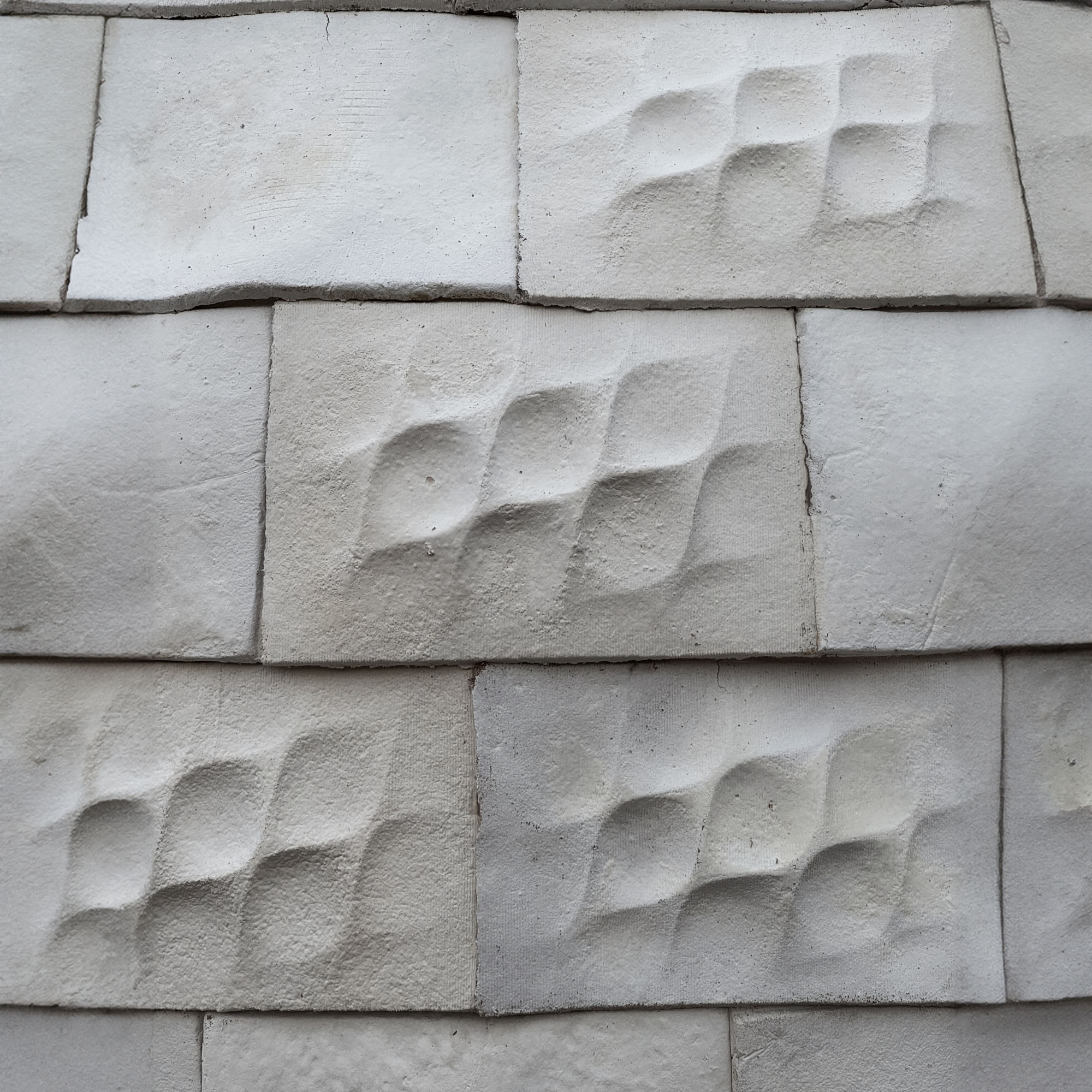
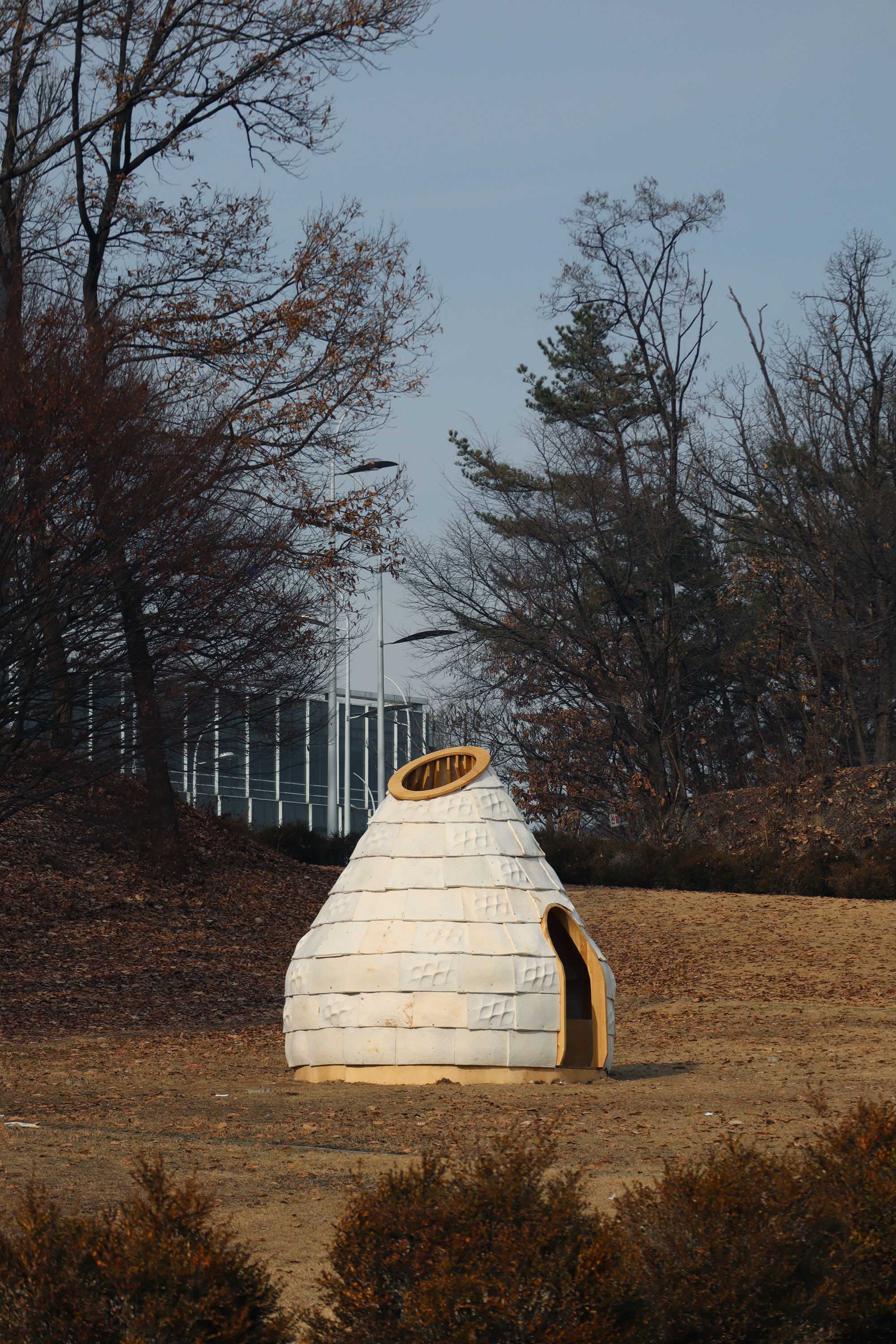
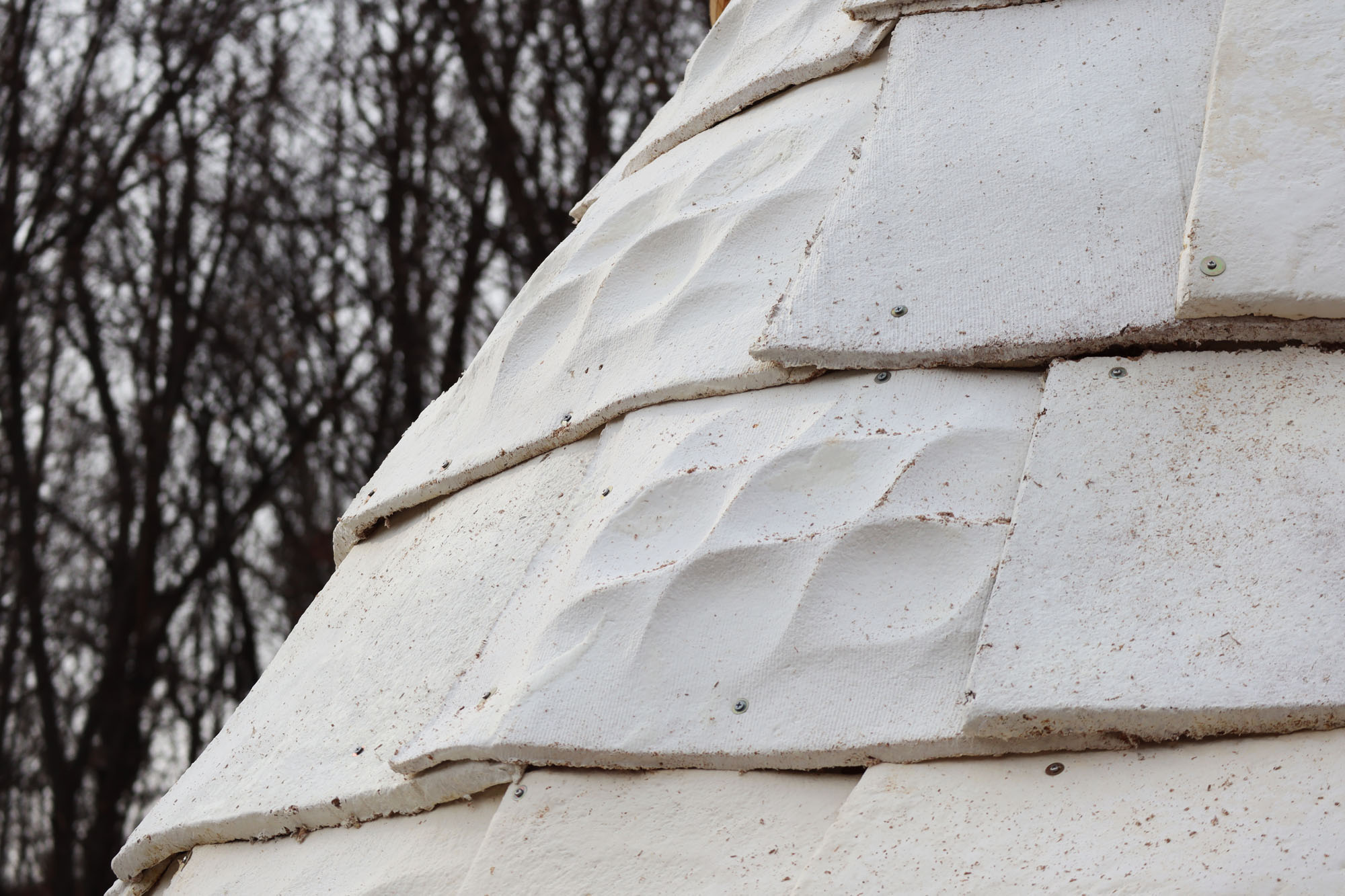
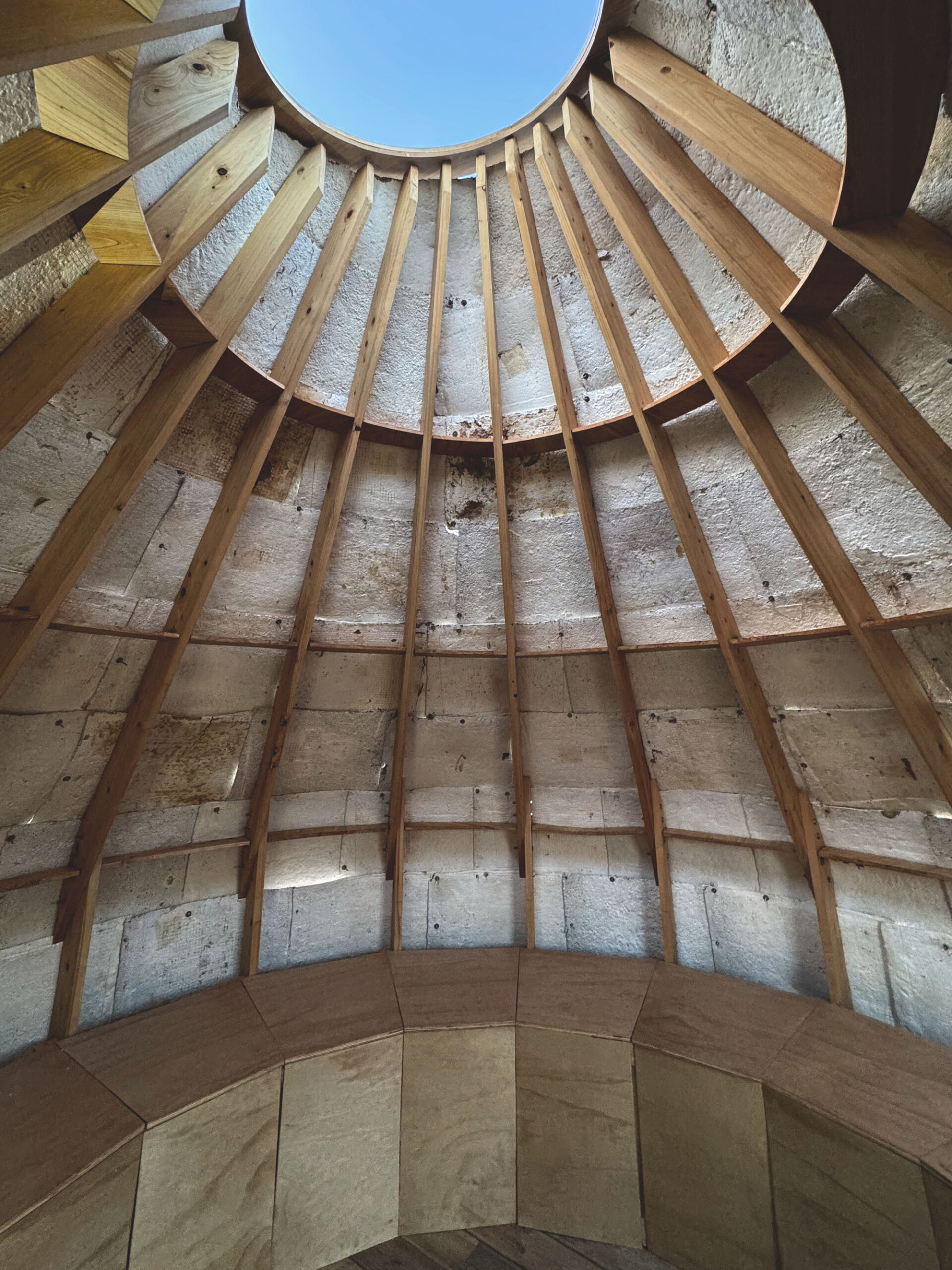
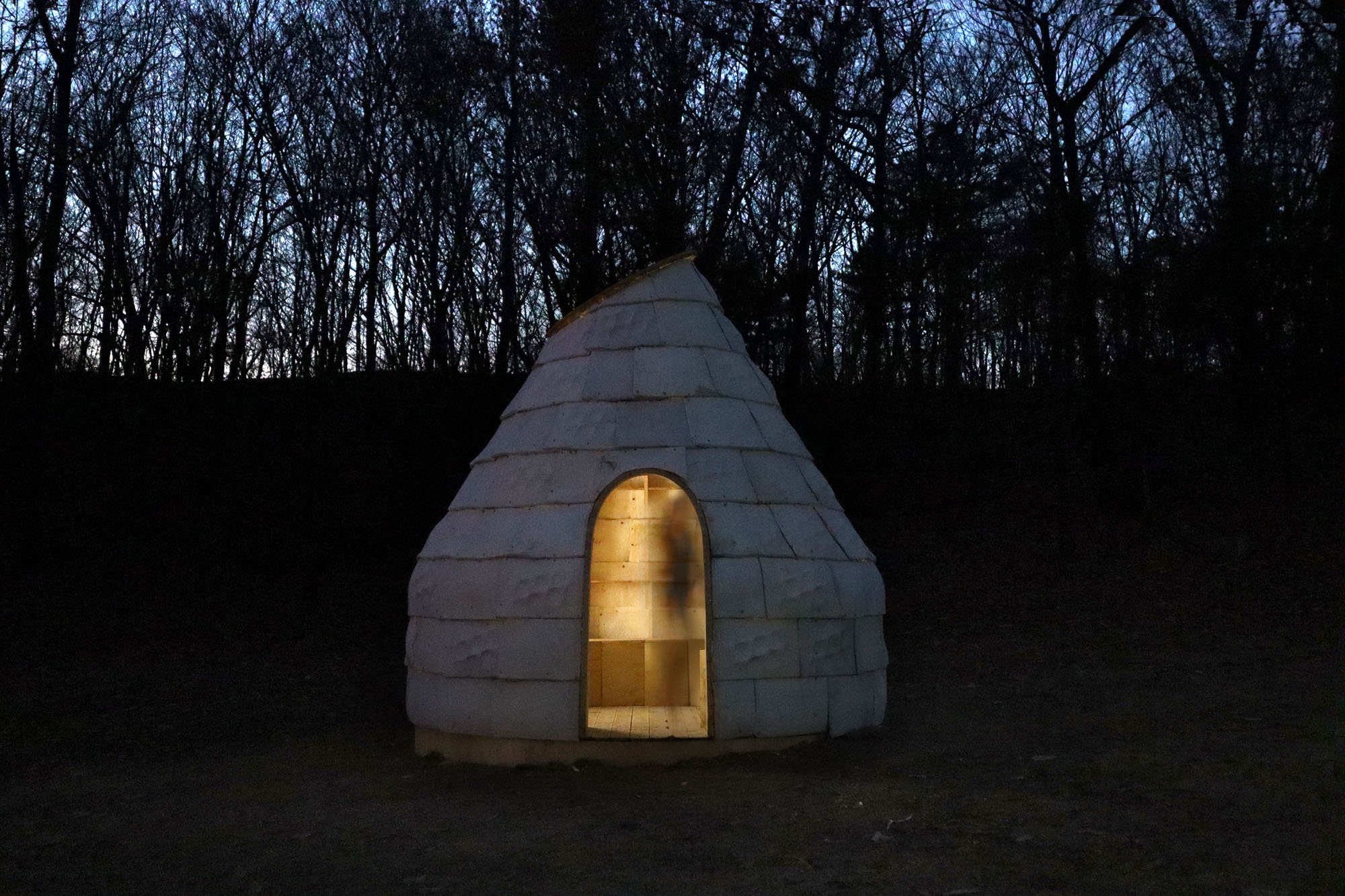
韓国の設計事務所ヨンジュ・リー・アーキテクチャ(Yong Ju Lee Architecture)が手がけた〈マイセリウム・ハット(Mycelial Hut)〉は、ソウル科学技術大学のキャンパス内に設置されたパビリオンです。
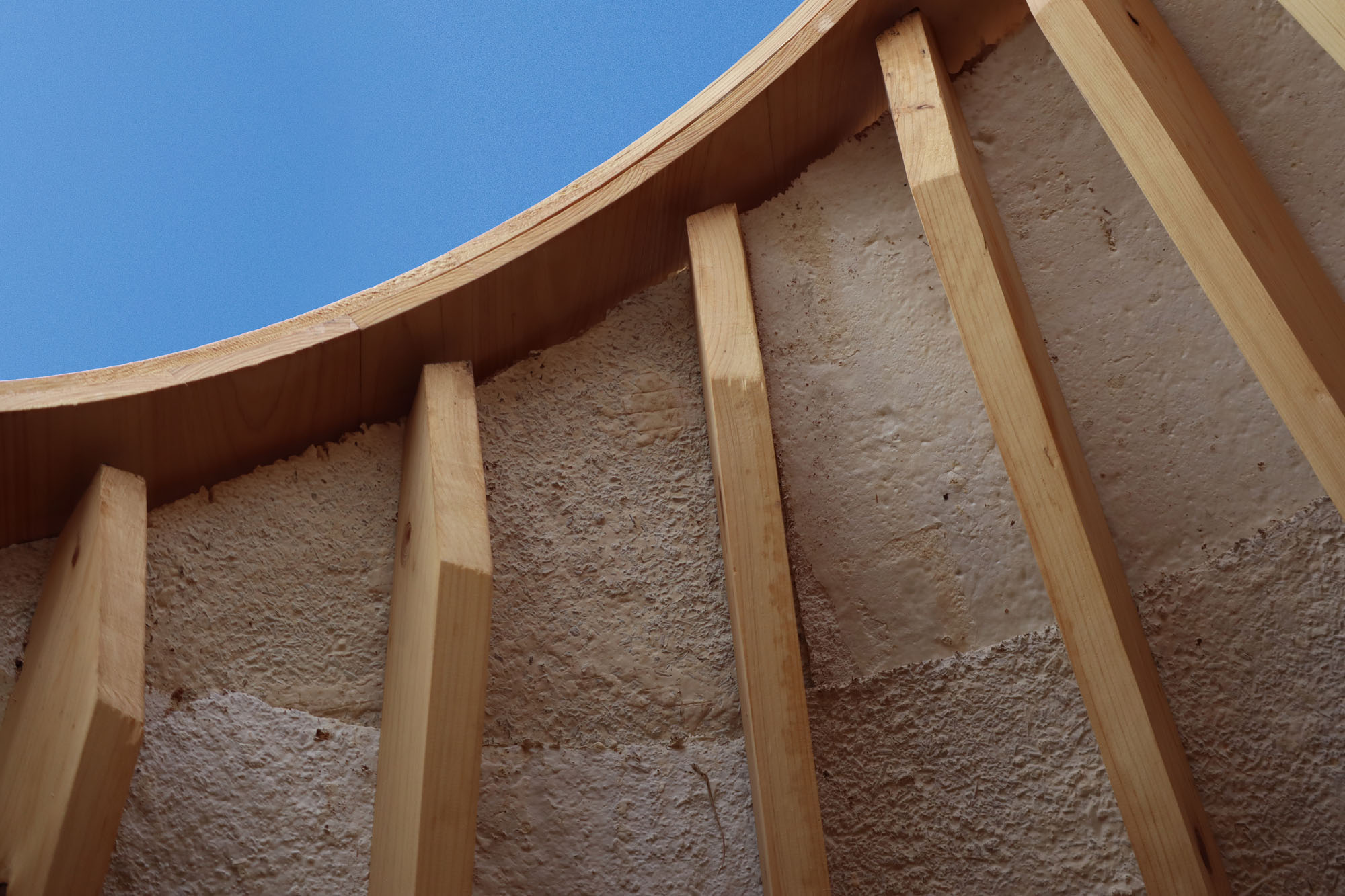
自然界の菌糸体(マイセリウム)と産業用ロボットによる3Dプリント技術を組み合わせた「バイオハイブリッド建築」となっています。
注目ポイント
- 菌糸体を主要な建築材料として活用したプロジェクト
- ロボットによる3Dプリントで製作した型枠
- コンピューティングとバイオロジーの共存を体現する建築
(以下、ヨンジュ・リー・アーキテクチャから提供されたプレスキットのテキストの抄訳)
©︎ Yong Ju Lee Architecture
建築業界が抱える環境負荷の課題と歴史的背景
現在、建築・建設部門は、世界のあらゆる産業の中で最も多くのO2を排出している。1万年以上にわたり人類と共に進化してきた建築は、20世紀に入ると効率と経済性を何よりも優先し、コンクリートと鉄鋼をほぼ唯一の材料として採用するようになった。
こうした産業的最適化の追求は、急速な発展を可能にした一方で、建築を生態学的ルーツから切り離し、建築環境が環境に与える負荷を増大させてしまった。
©︎ Yong Ju Lee Architecture
©︎ Yong Ju Lee Architecture
サステナビリティの再定義:菌糸体が切り拓く新たな可能性
こうした状況下、環境危機とパンデミックの時代を経て、サステナビリティの概念を再定義する革新的かつ批判的なアプローチが台頭してきた。特に、生物由来の複合材料の活用は建築に新たな可能性をもたらし、無機質建築材料がもつ「リサイクル不可」かつ「分解不可」という性質に挑んでいる。
自然のフィルターとして機能する菌糸体(マイセリウム)を用いた実験と展示を通じて、本プロジェクトは環境に優しい建築の概念を再解釈し、成長、分解、デザインを単一のプロセスに統合する革新的なバイオ統合型製造手法の可能性を探求する。
©︎ Yong Ju Lee Architecture
©︎ Yong Ju Lee Architecture
3Dプリントと菌糸体が融合するバイオハイブリッド建築
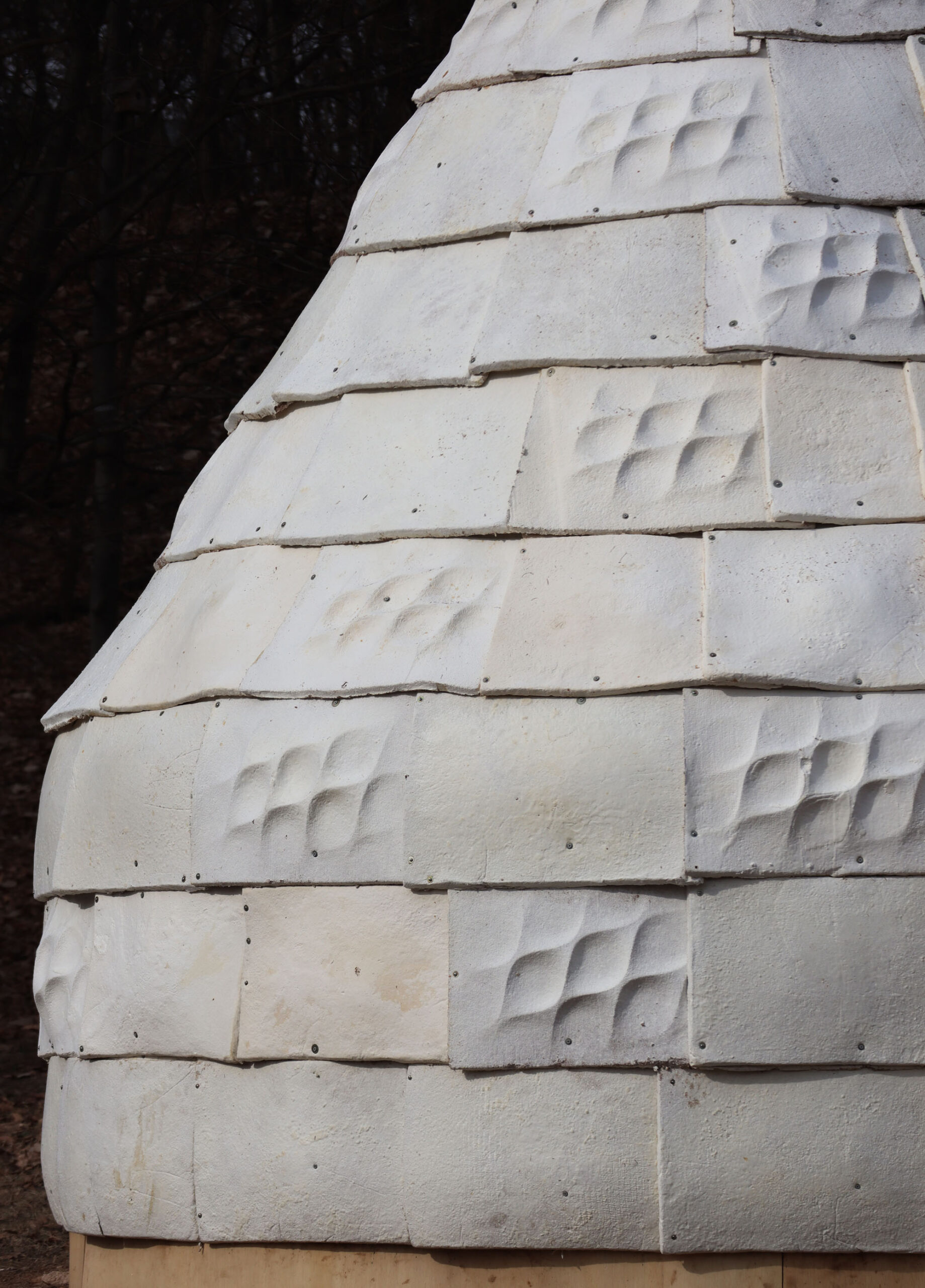
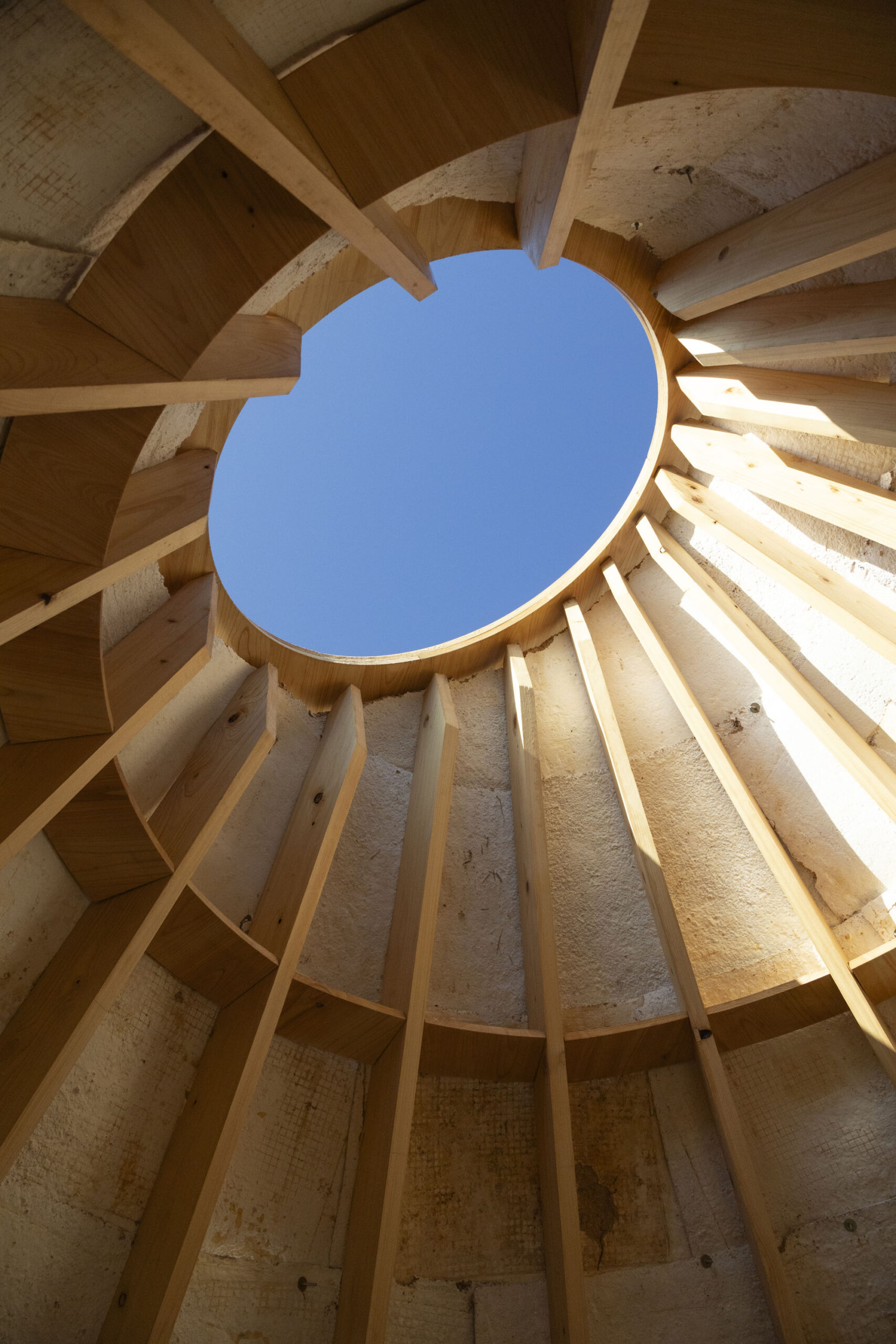
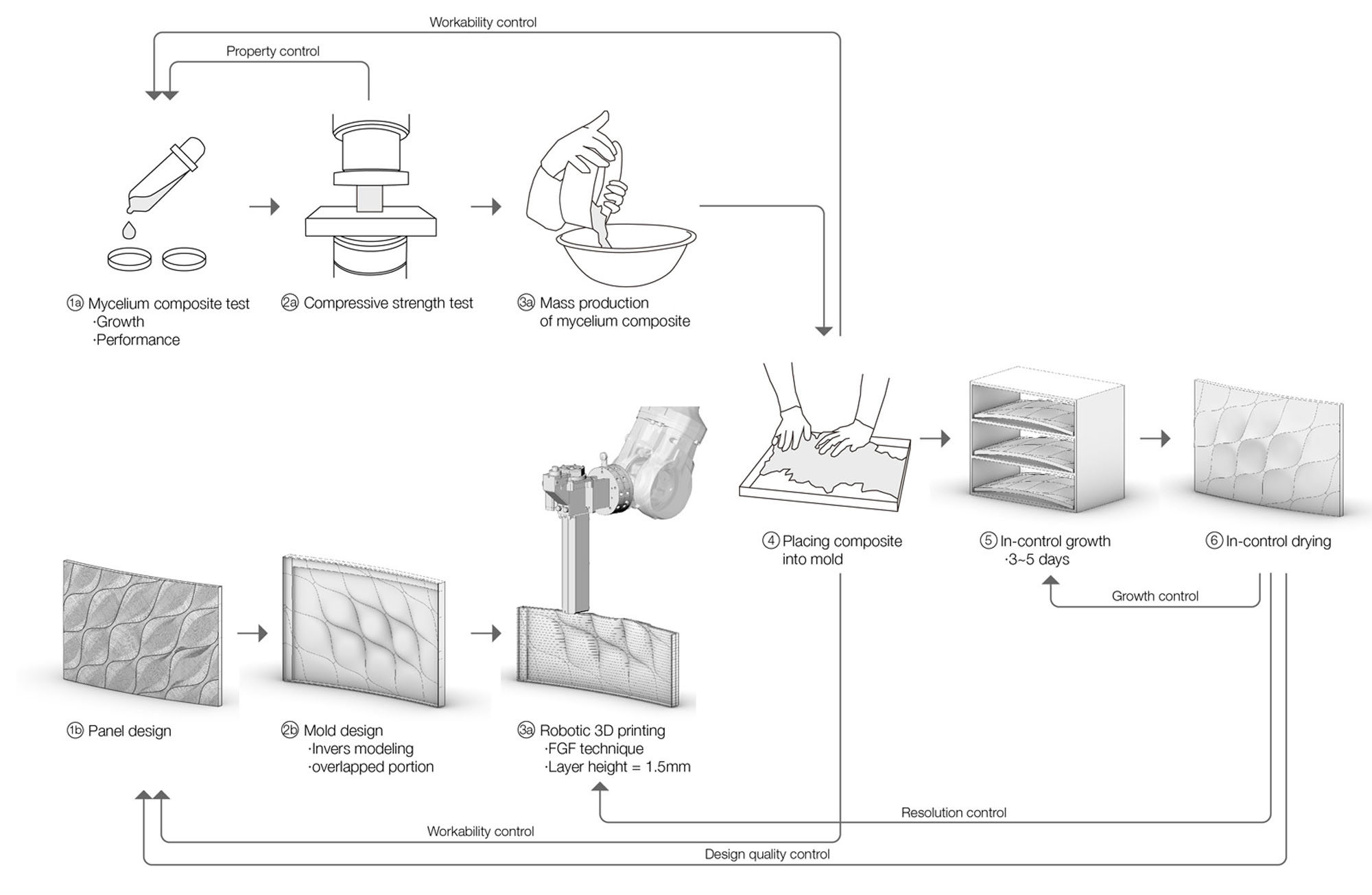
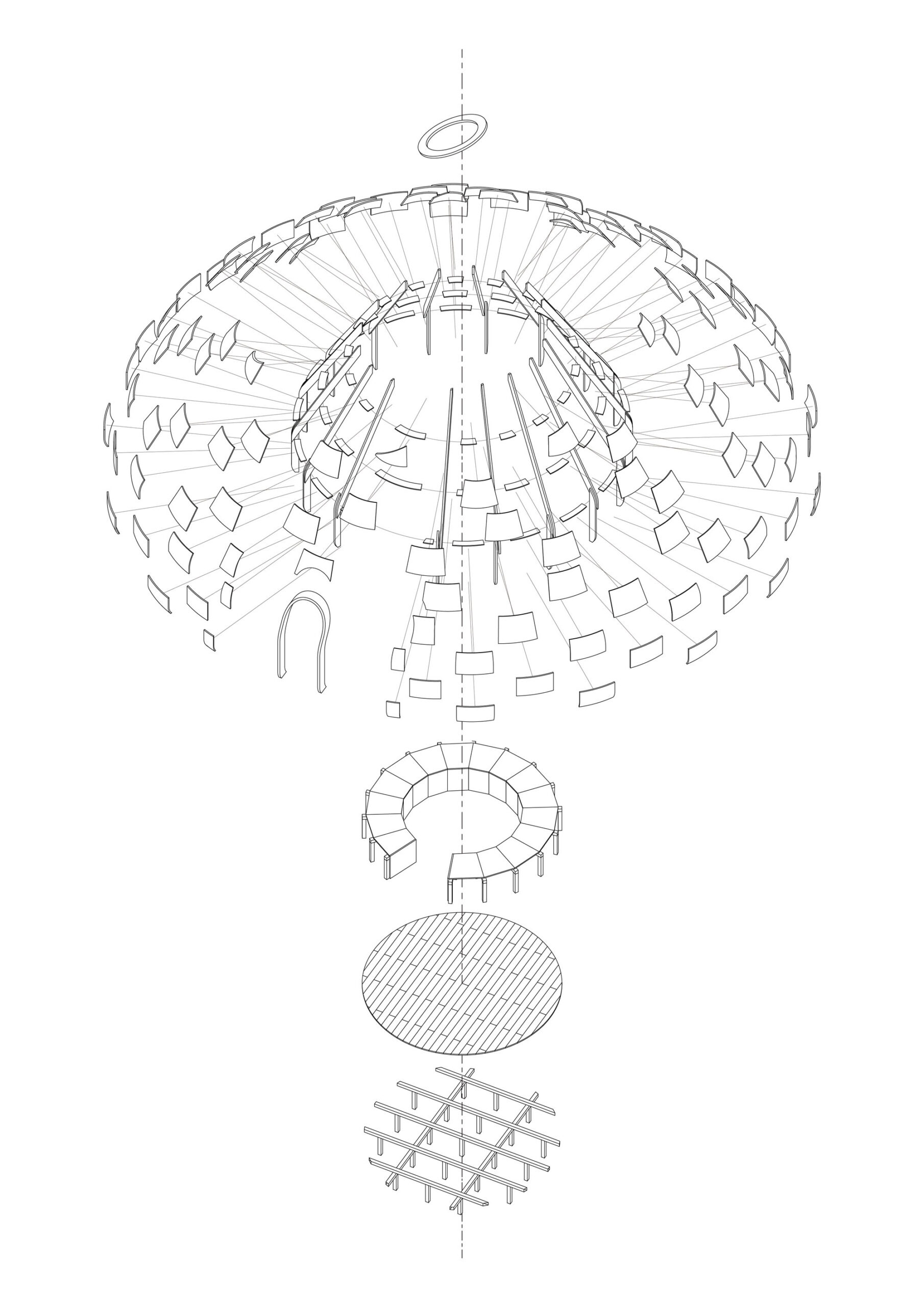
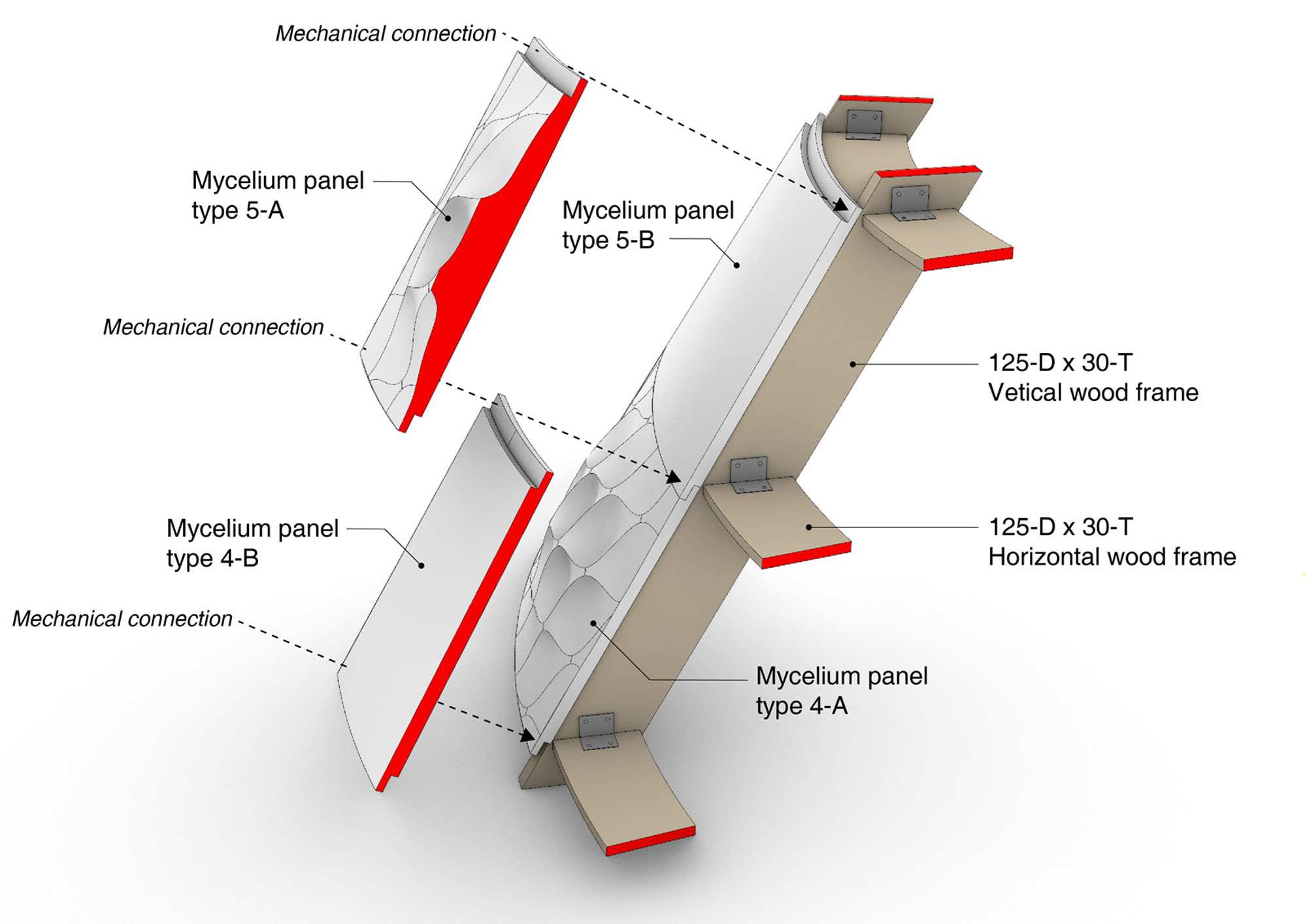
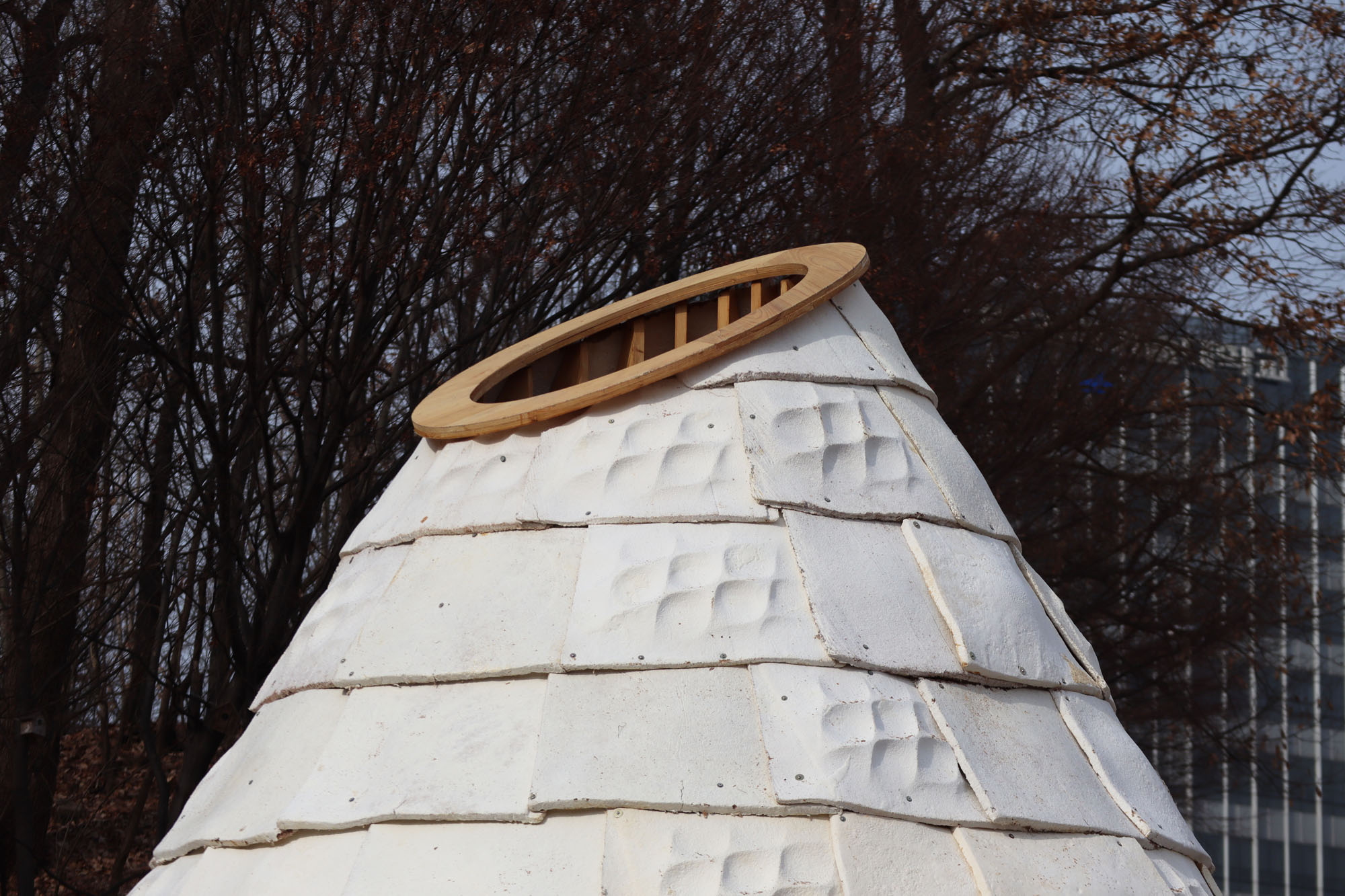
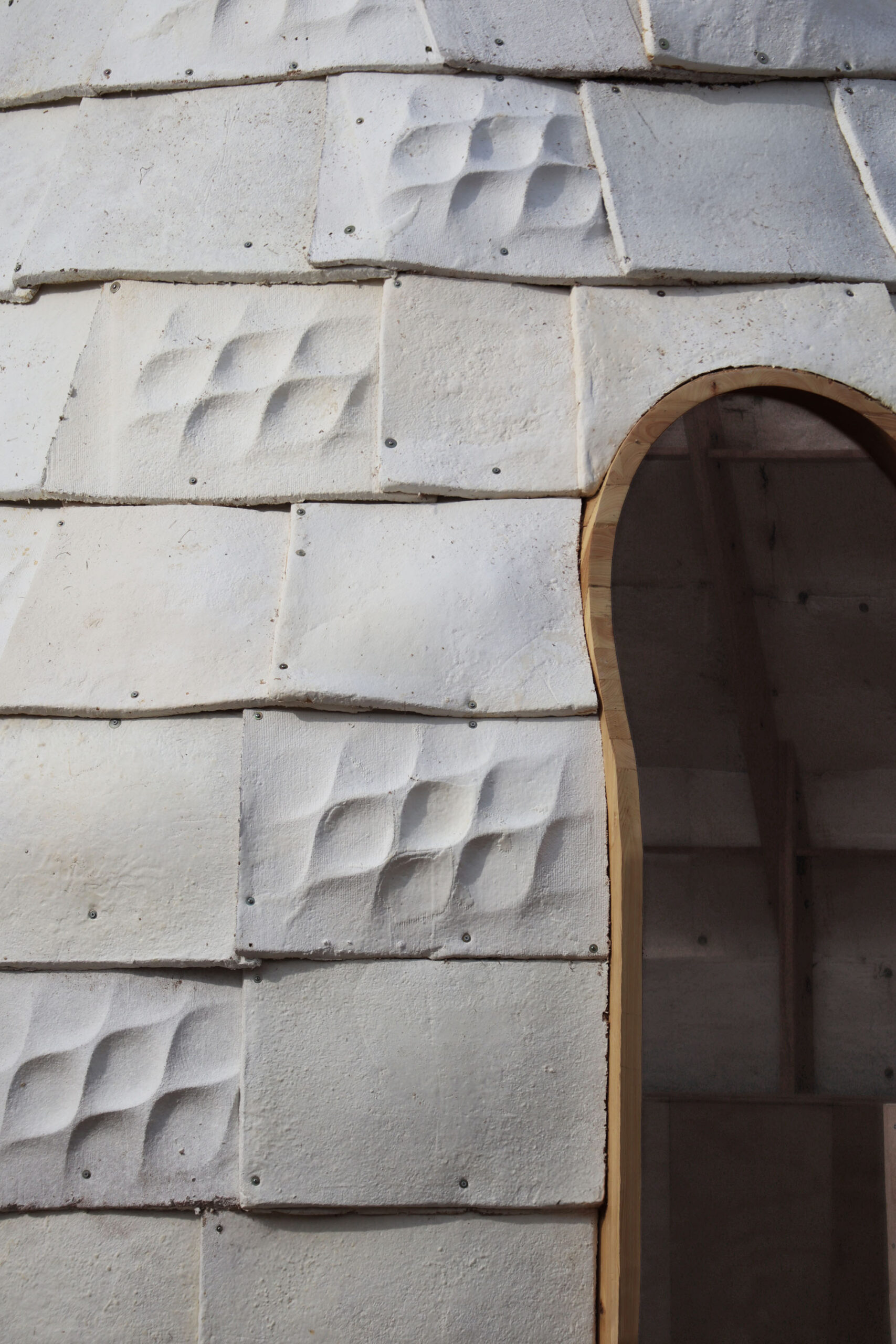
〈マイセリウム・ハット〉は、ロボットによる3Dプリントで製作された特注の型を用いて、建築材料としての菌糸体の大規模な応用を実証することを目指している。このデザインベースの研究により、木製のフレームが構造的な骨格となり、特注の菌糸体パネルが外装を形成するバイオハイブリッド・パビリオンが生み出される。
初期段階では、さまざまな種類の菌糸体基質について、加工性、成長、強度を評価するための試験が行われた。これらの結果に基づき、3Dプリントを用いて特定の型を製作した。
diagram
diagram
diagram
コンピューティングとバイオロジーの共存
最終的に、産業用ロボットアームを組み合わせた新たなワークフローが確立され、デジタルプロセスと自然の成長システムを融合させることで、コンピューティングとバイオロジー(生物学)の共存を体現する大規模な構造体が実現した。
本プロジェクトは、菌類素材の応用における課題に取り組み、建築構造におけるバイオコンポジットの実現可能性を実証するものである。ソウル科学技術大学のキャンパス内に設置されたこの大胆なインスタレーションは、持続可能な建築の概念を日常生活の中で具体的かつ身近なものとし、建物が単に建設されるのではなく、育てられる未来を想像するよう観覧者に呼びかけている。
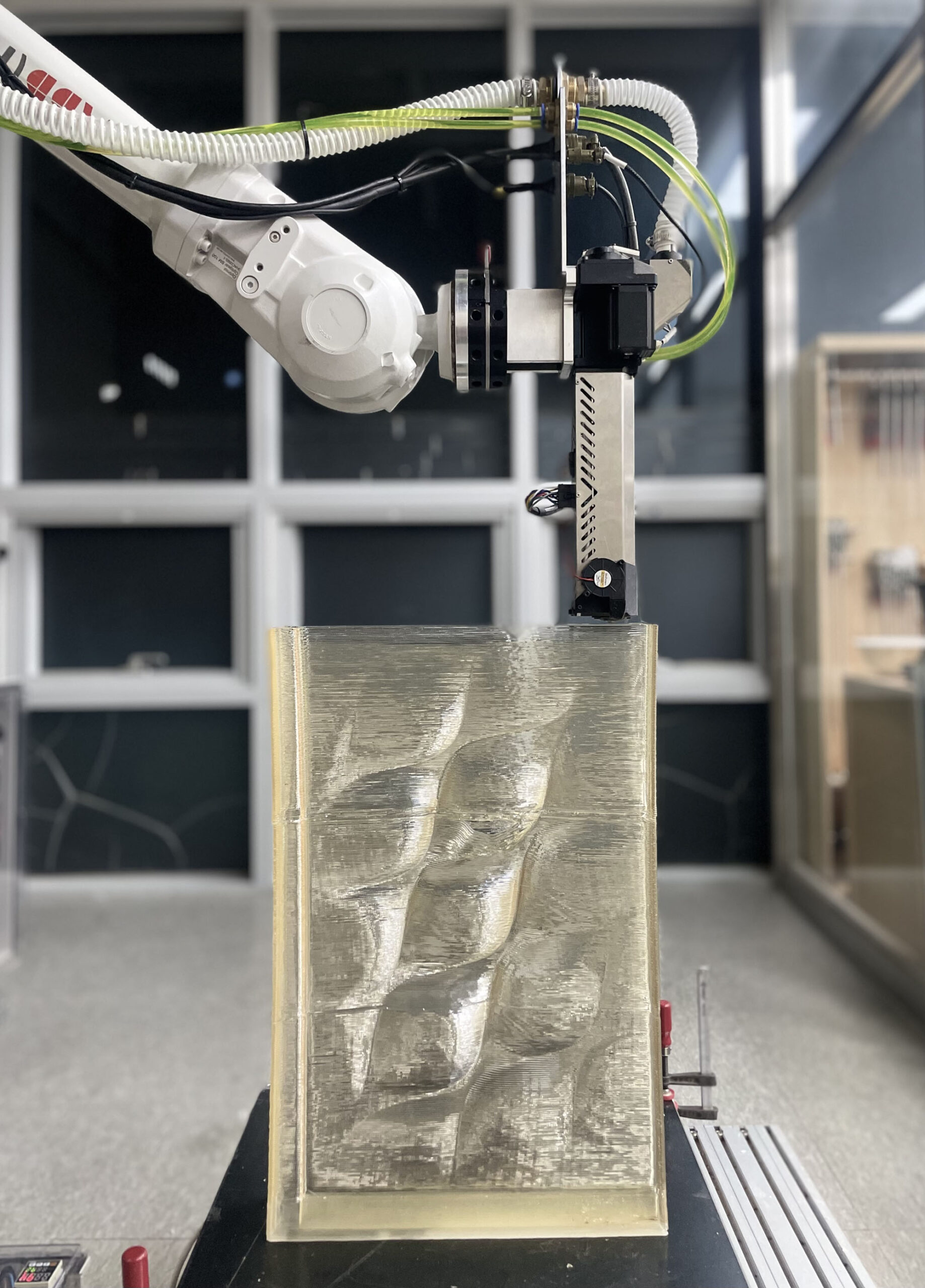
robotic fabrication
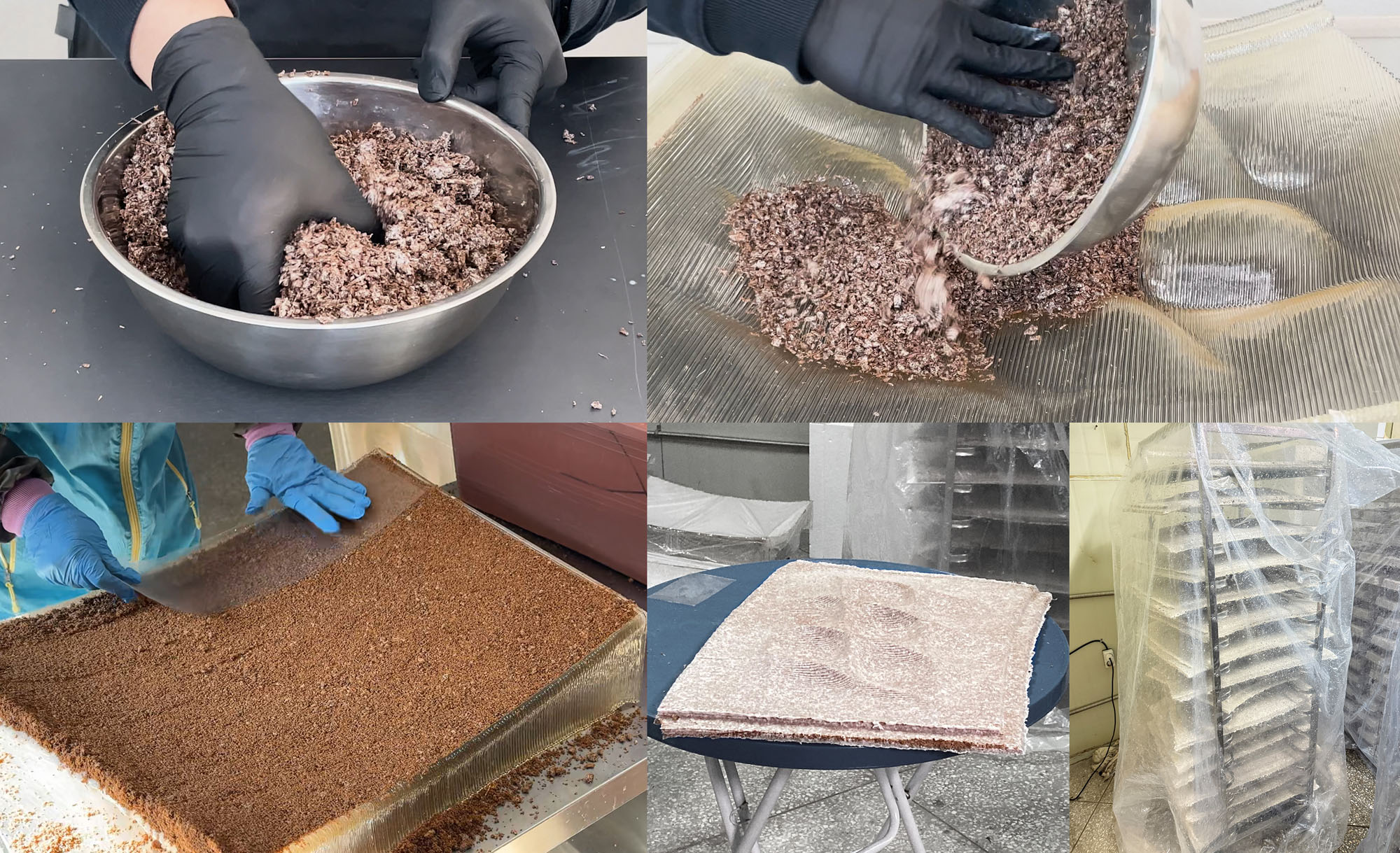
production
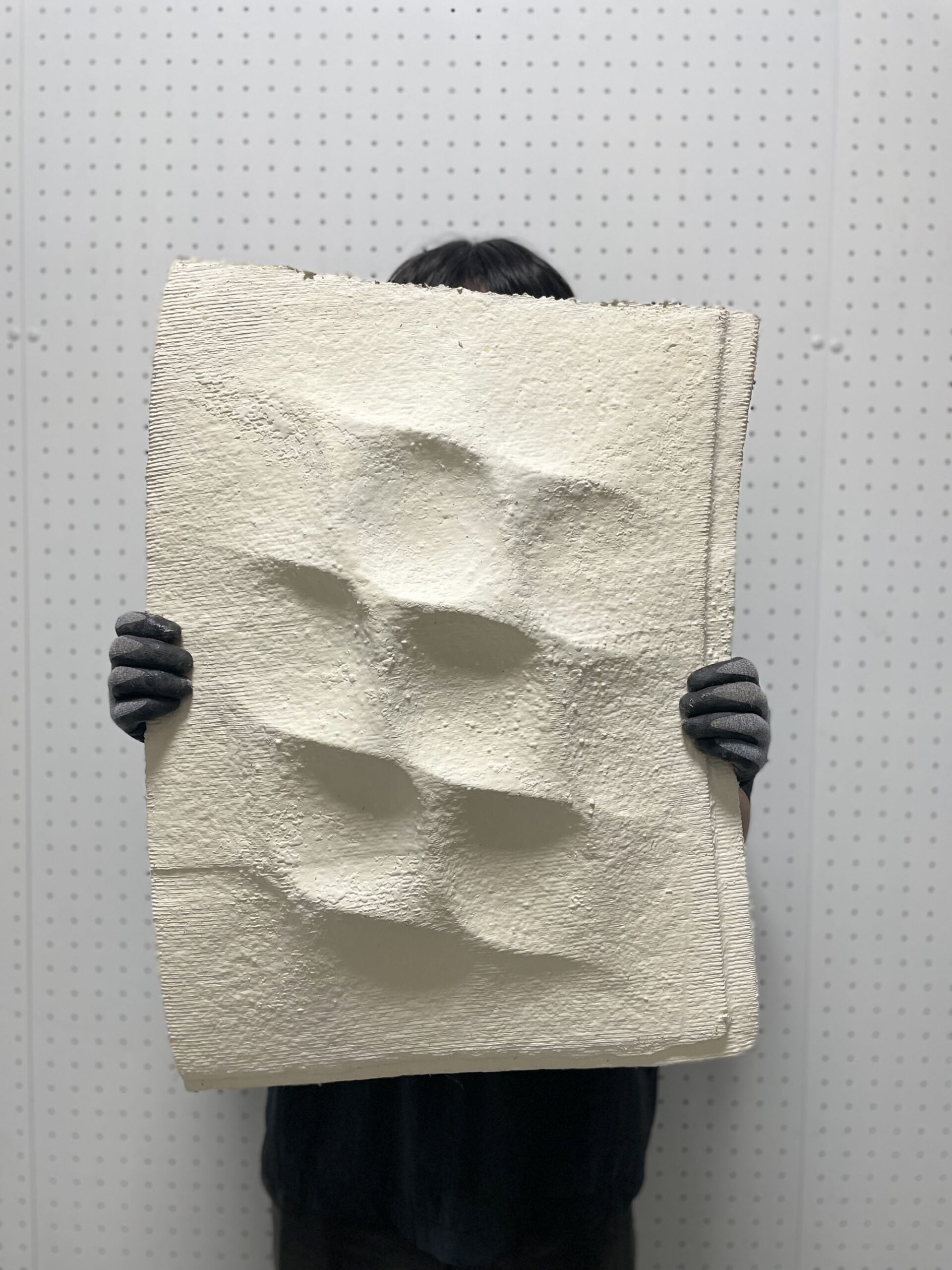
panel detail
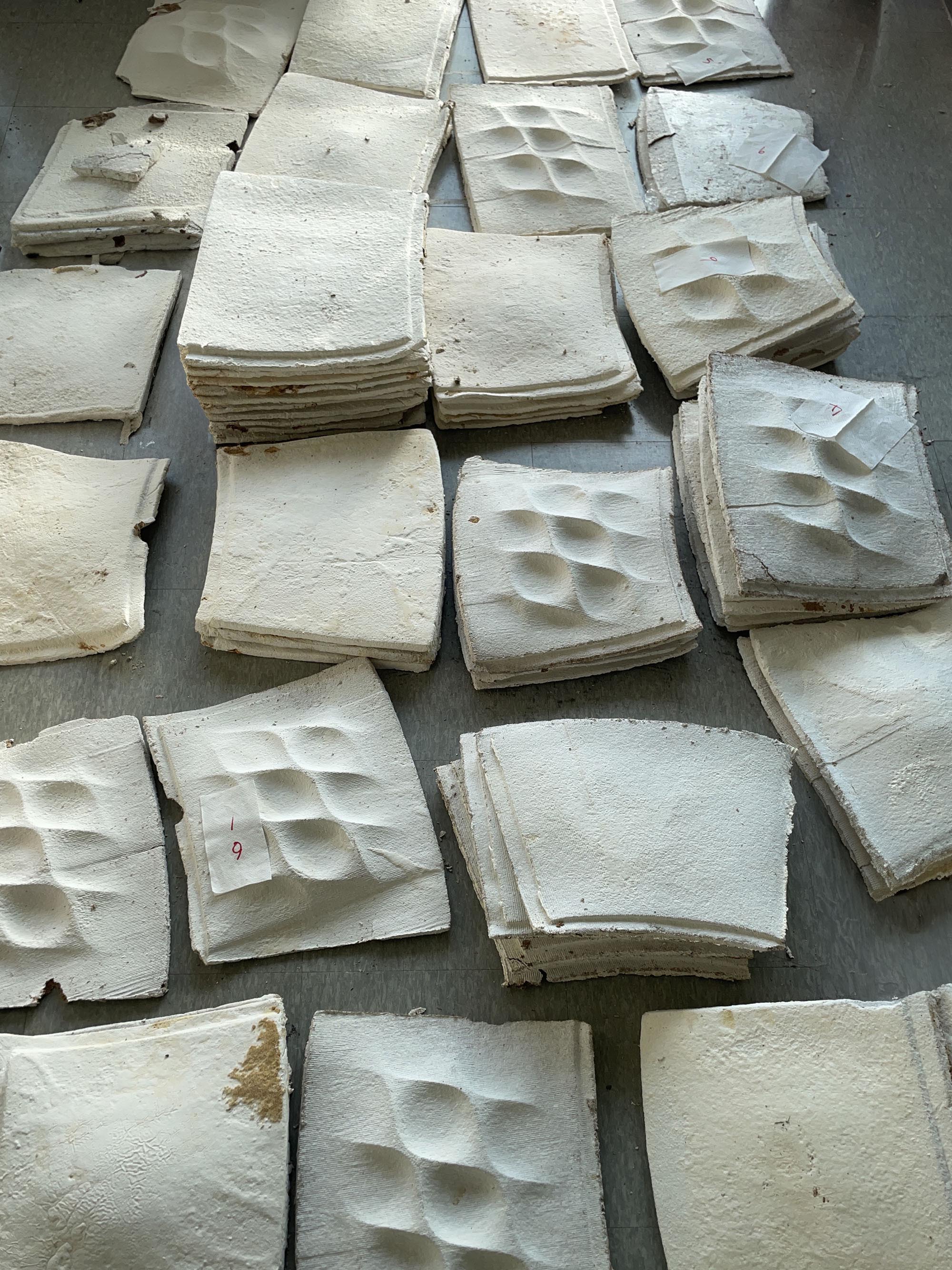
panel detail
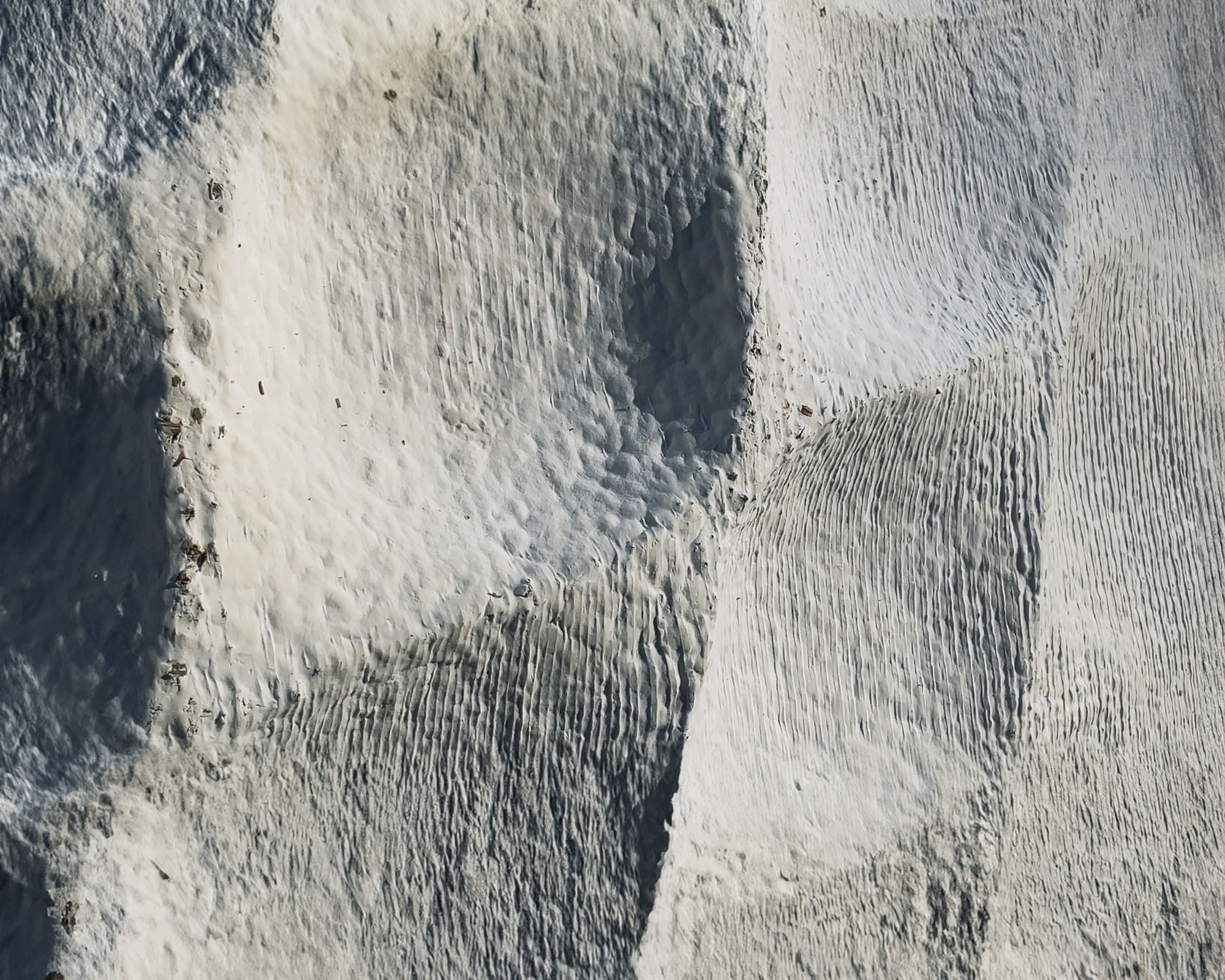
panel detail
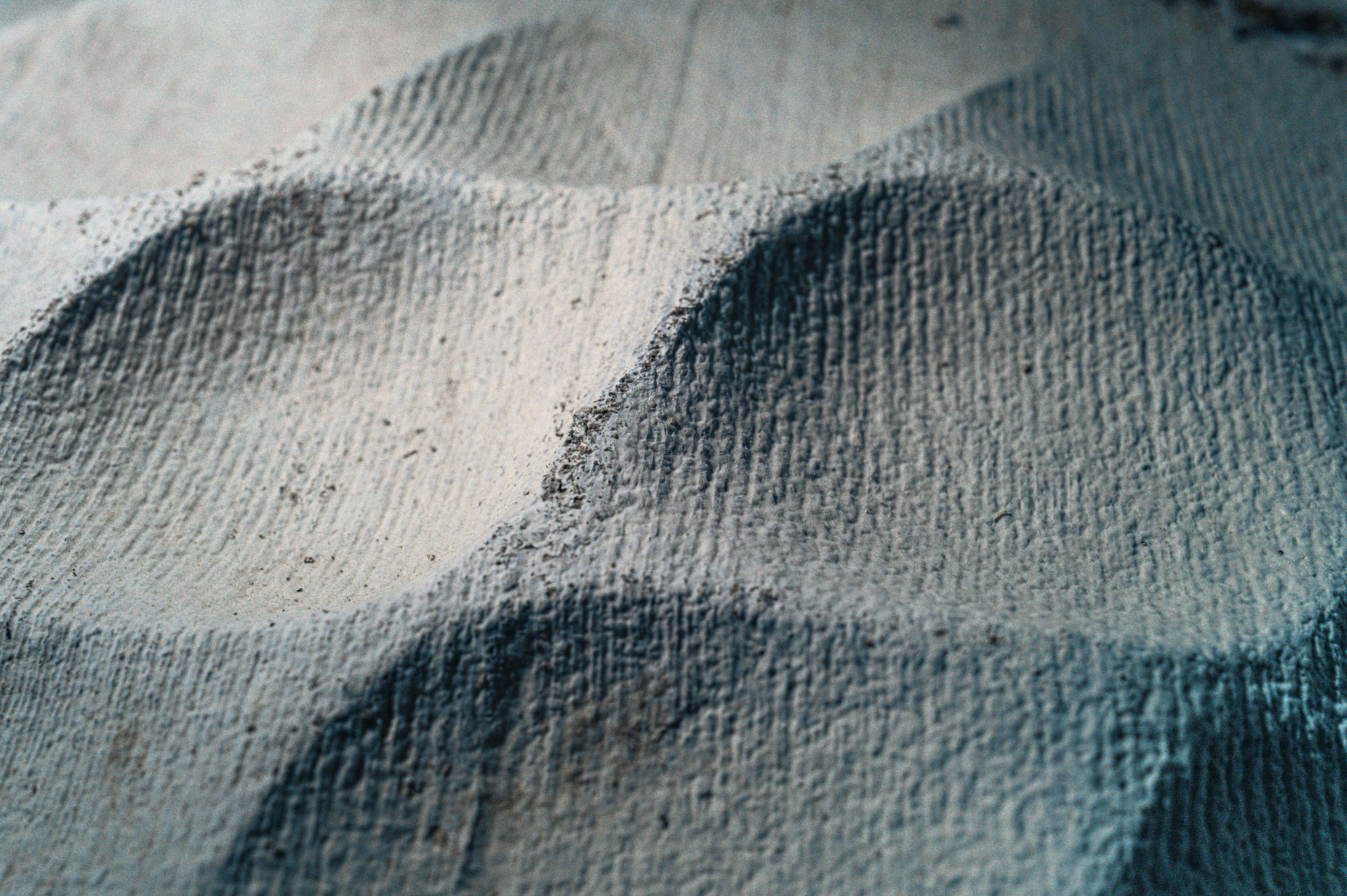
panel detail
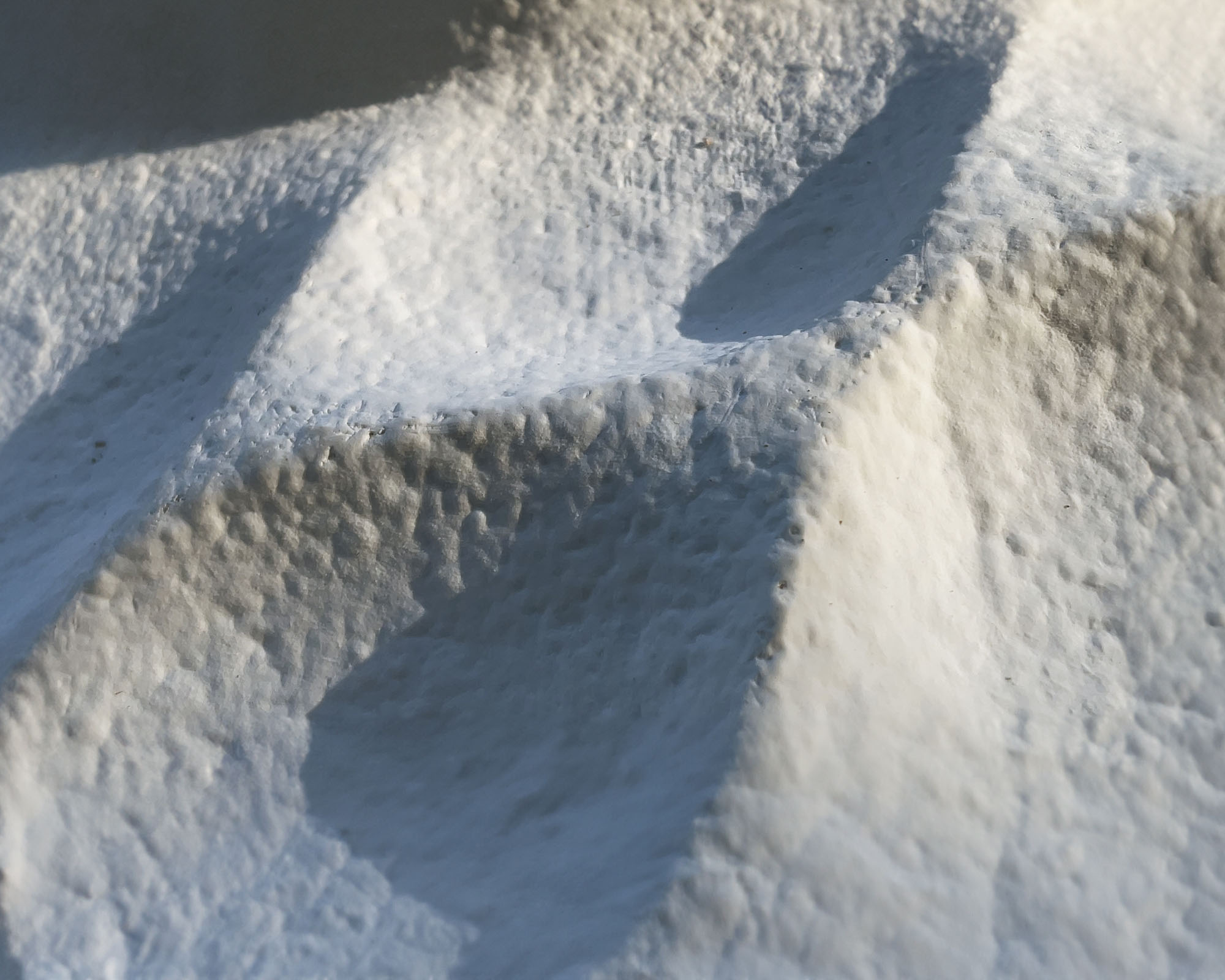
panel detail
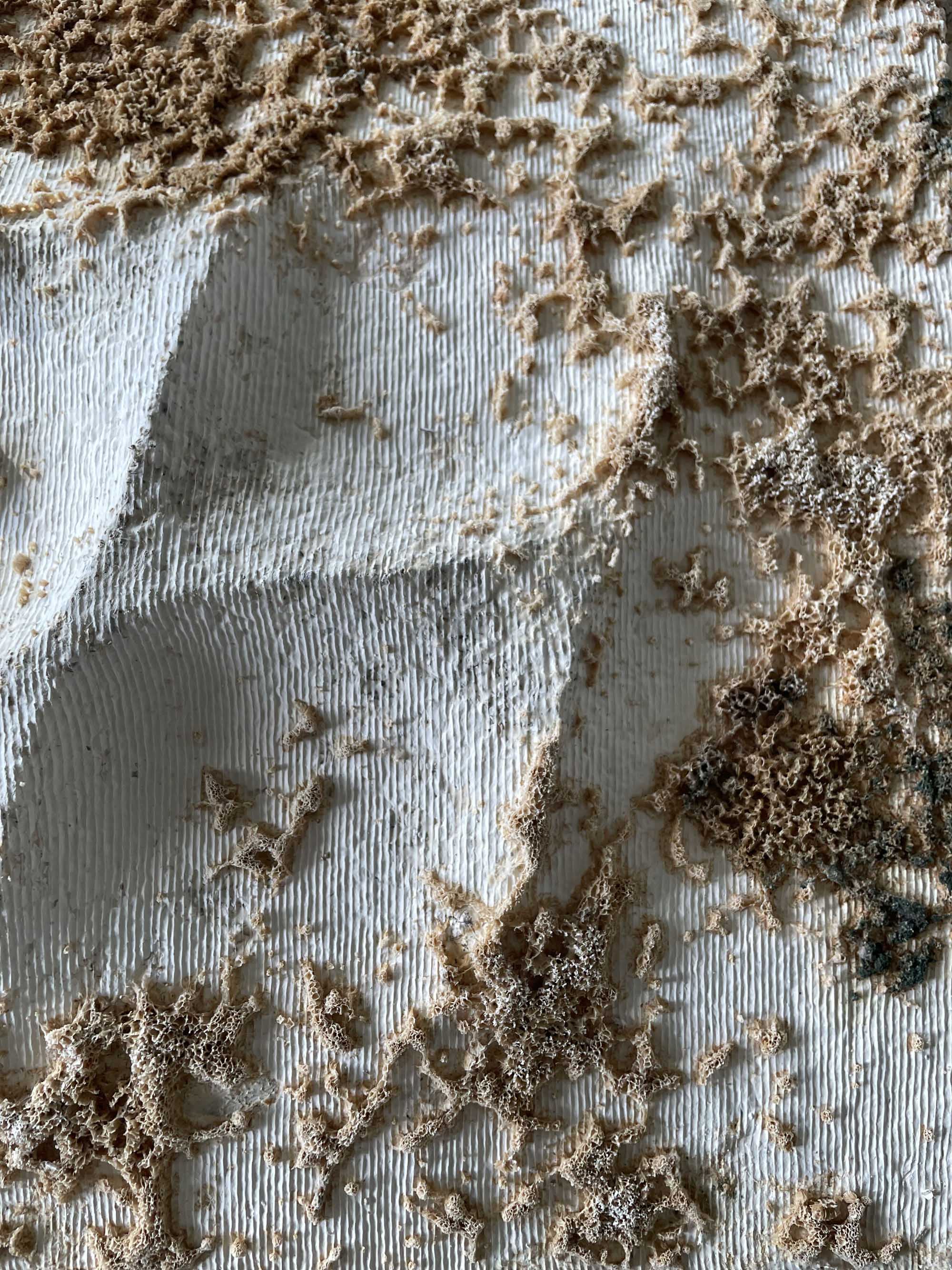
panel detail
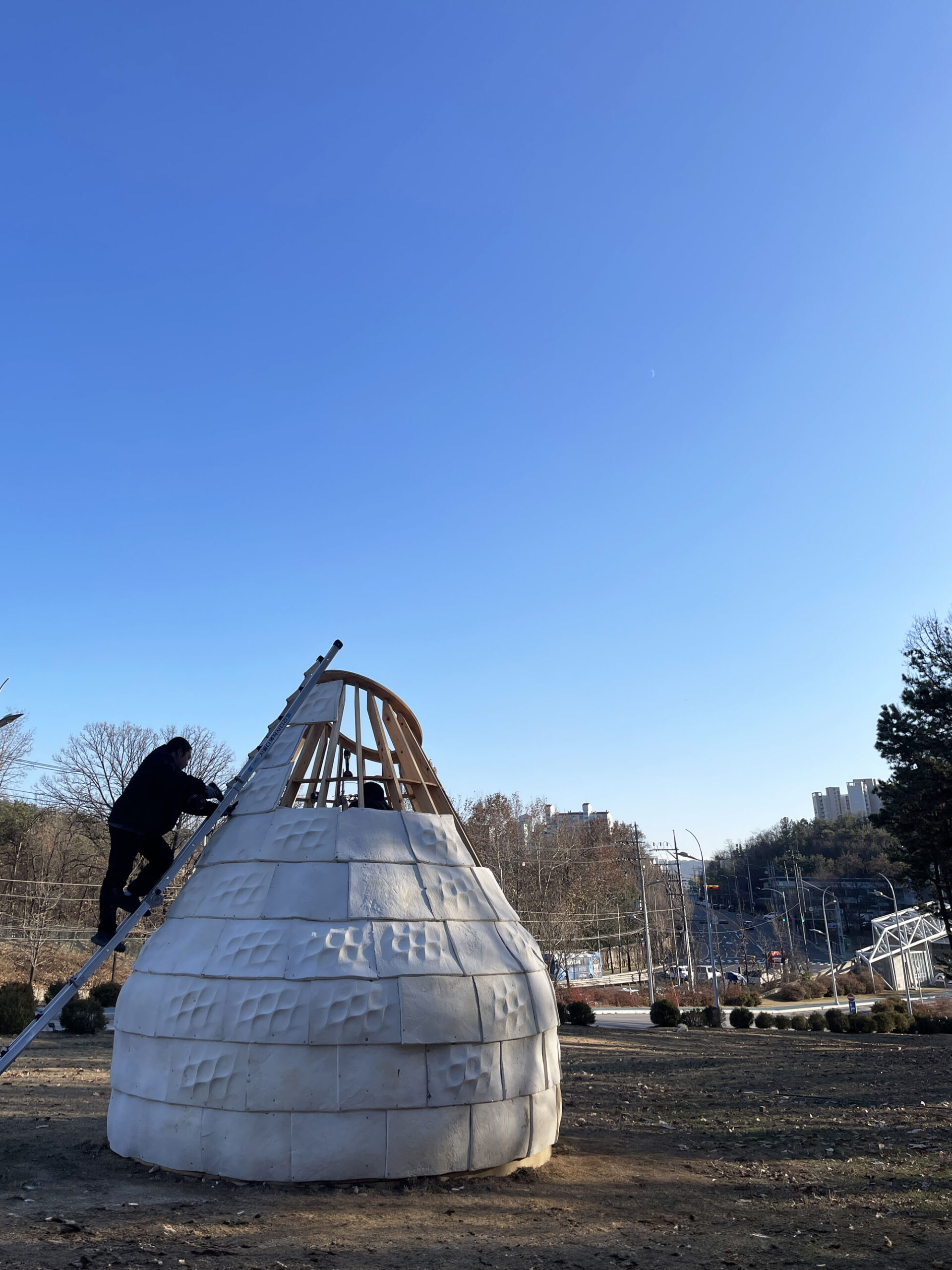
construction
©︎ Yong Ju Lee Architecture
©︎ Yong Ju Lee Architecture
©︎ Yong Ju Lee Architecture
©︎ Yong Ju Lee Architecture
©︎ Yong Ju Lee Architecture
©︎ Yong Ju Lee Architecture
©︎ Yong Ju Lee Architecture
©︎ Yong Ju Lee Architecture
以下、ヨンジュ・リー・アーキテクチャのリリース(英文)です。
Project name: Mycelial Hut
Architect: Yong Ju Lee Architecture (Yong Ju Lee)
Design team: Yong Ju Lee, Dachan Oh
Location: 232 Gongneung-ro, Nowon-gu, Seoul
Programme: Pavilion
Building area: 10m2
Gross floor area: 10m2
Height: 3.7m
Structure: Wooden frame
Collaboration in Experimental and Data Studies: EarthForm
Coding and Fabrication: Robotic Fabrication Studio (Dachan Oh, Hakjoon Kim, Yejun Kim, Heon Lee, Wonseok Lee, Jeonggi Kim, Seonwoo Kim, Jaegong Choi, Seongmin Hong, Songju Yi, Seoyeon Bae, Thin Haythi Aung, DongUk Sohn, Yunjin Kim, Suhyeong You)
Design period: 2024. 7. ~ 9.
Construction period: 2024. 9. ~ 12.
Construction budget: 5,000,000 won
Photo: Yong Ju Lee ArchitectureThe architecture and construction sector currently accounts for the highest carbon emissions among all global industries. Architecture, which has evolved alongside humanity for over 10,000 years, entered the 20th century prioritizing efficiency and economy above all else, adopting concrete and steel as its near-exclusive materials. This pursuit of industrial optimization, while enabling rapid development, also detached architecture from its ecological roots and intensified the environmental burden of the built environment.In this context, following the era of environmental crisis and the pandemic, an innovative and critical approach has emerged to redefine the concept of sustainability. In particular, the use of organism-based composite materials presents new possibilities for architecture, challenging the non-recyclable and non-degradable nature of inorganic construction materials. By experimenting with and showcasing mycelium — the fungal network that serves as nature’s filter — this project reinterprets the idea of eco-friendly architecture and explores the potential of innovative bio-integrated fabrication methods that align growth, decay, and design within a single process.Mycelial Hut aims to demonstrate the large-scale application of mycelium as a building material through customized molds fabricated by robotic 3D printing. This design-based research produces a bio-hybrid pavilion in which a wooden frame serves as the structural backbone, while customized mycelium panels form the external envelope. In the initial phase, various types of mycelium substrates were tested to evaluate their workability, growth, and strength. Based on these results, specific molds were fabricated using 3D printing.Ultimately, a new workflow combining industrial robotic arms was established to merge digital processes with natural growth systems, resulting in a large-scale structure that embodies the coexistence of computation and biology. The project addresses the challenges of fungal material application and demonstrates the feasibility of bio-composites for architectural construction. Located on the campus of Seoul National University of Science and Technology, this bold installation seeks to make the concept of sustainable architecture tangible and accessible in everyday life, inviting viewers to imagine a future where buildings are not simply constructed, but cultivated.Video: https://vimeo.com/1046332177?fl=pl&fe=sh
ヨンジュ・リー・アーキテクチャ 公式サイト
https://www.yongjulee.com
【購読無料】空間デザインの今がわかるメールマガジン TECTURE NEWS LETTER
RECOMMENDED ARTICLE