廃墟が刻んだ時間を宿す屋外型ミュージアム - 産業廃材を再生し構築する、中国・青水塘の〈「廃墟のこだま」サウンドミュージアム〉
©︎ Chen Yifan
©︎ Chen Yifan
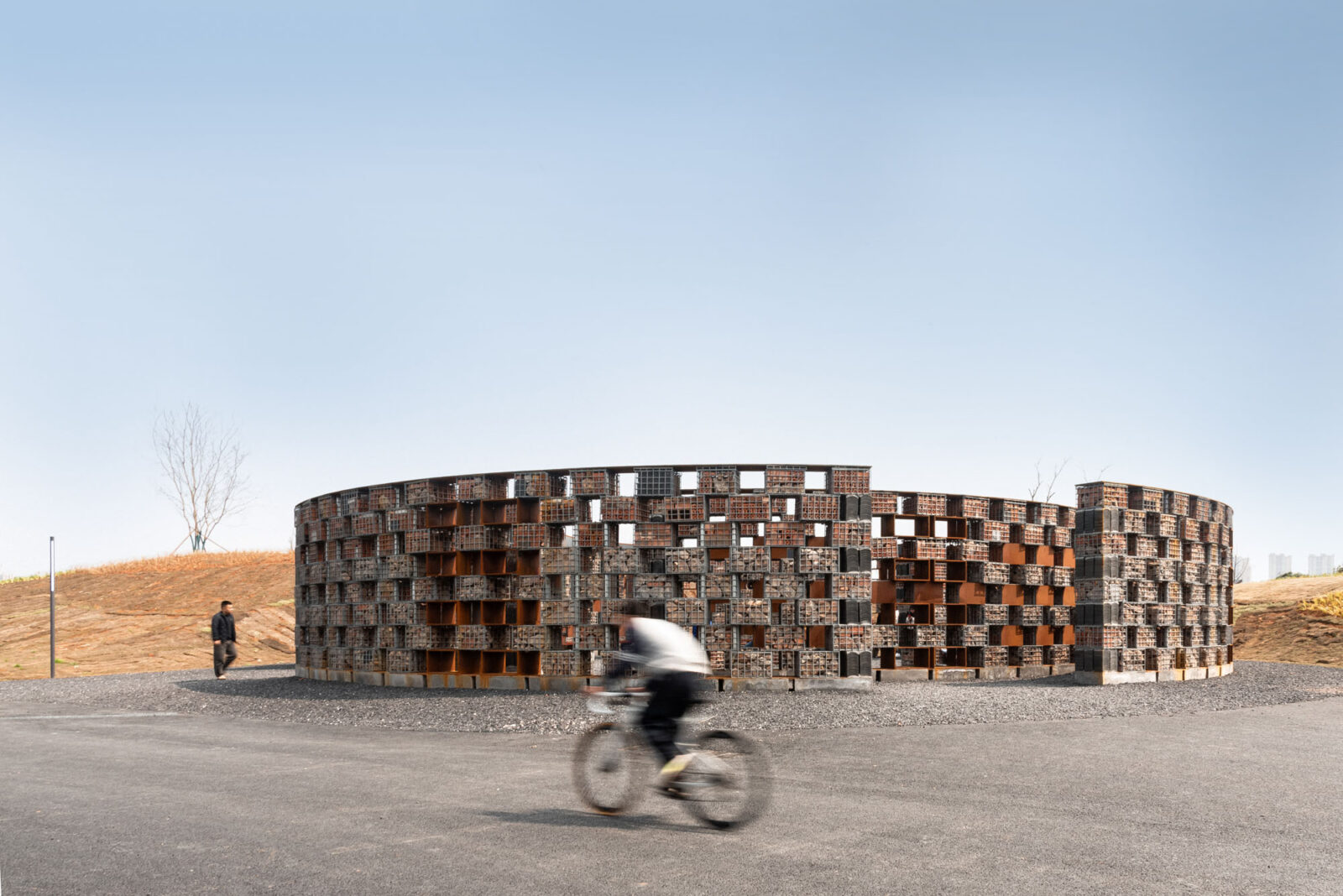
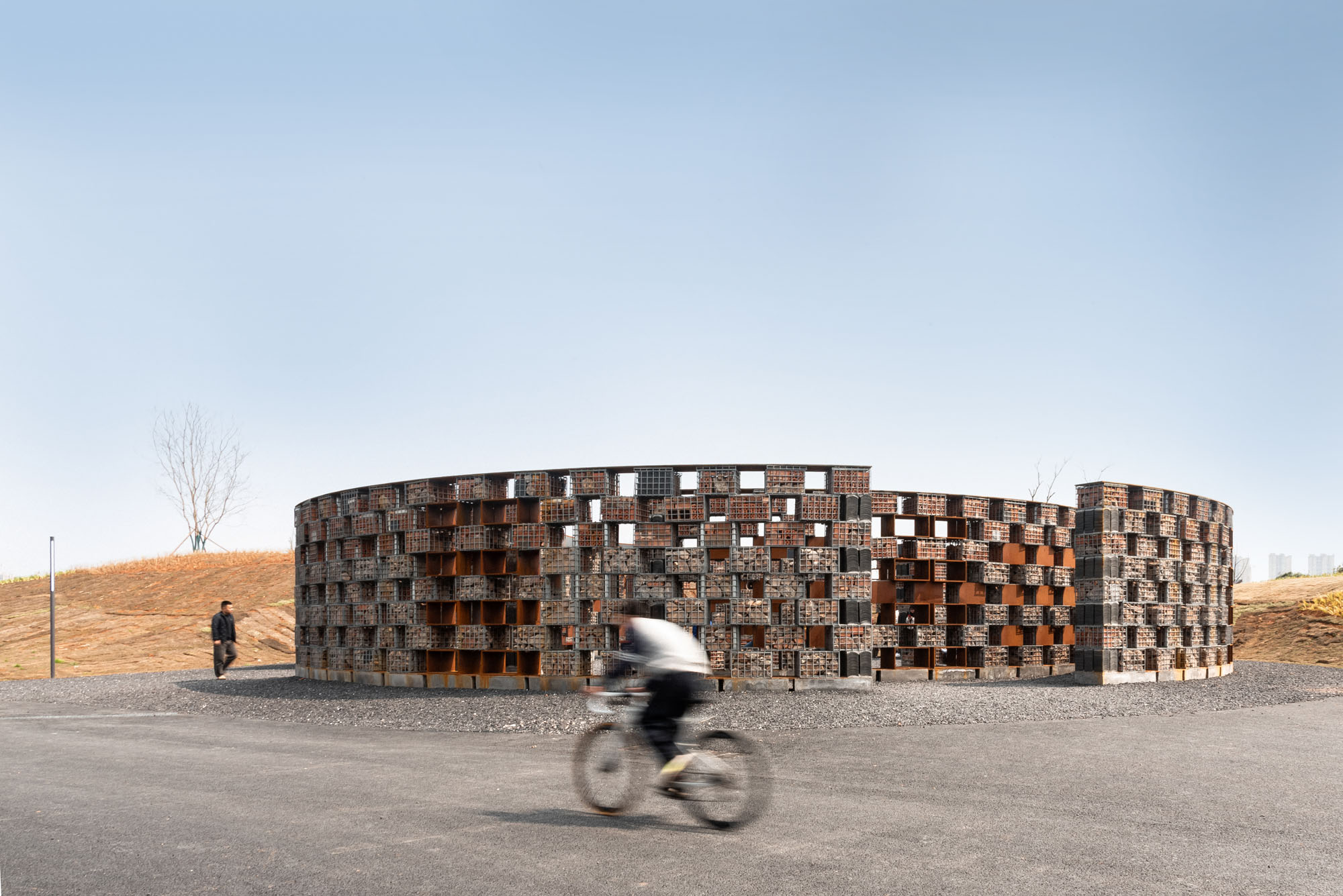
中国・株洲市の旧工業地帯である青水塘(せいすいとう)に誕生した〈「廃墟のこだま」サウンドミュージアム(“Echo of the ruins” Sound Museum)〉は、成都を拠点とする1Yアーキテクツ(1Y Architects)が設計を手がけた屋外型のミュージアムです。
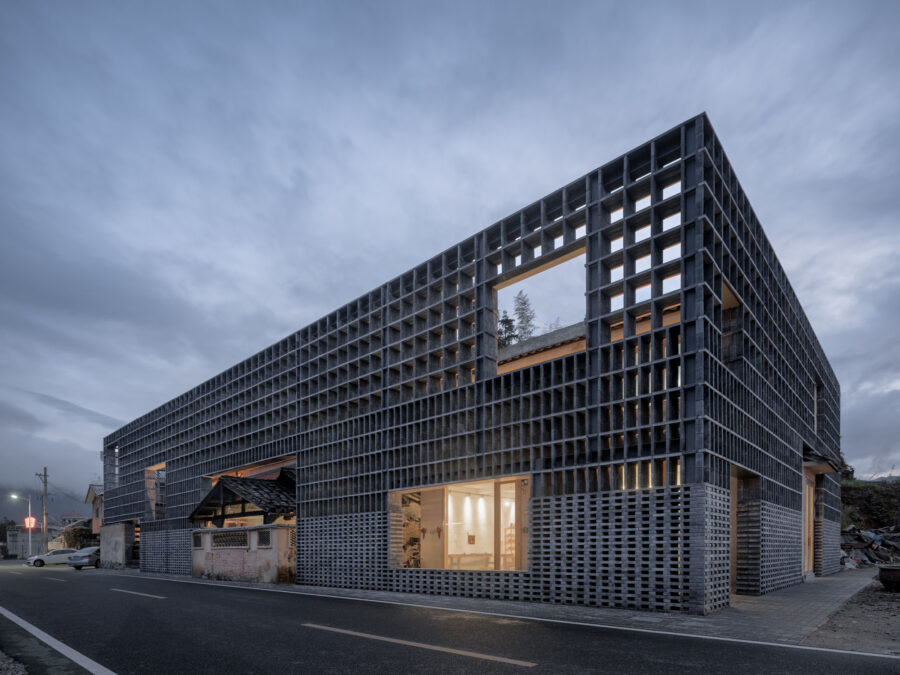
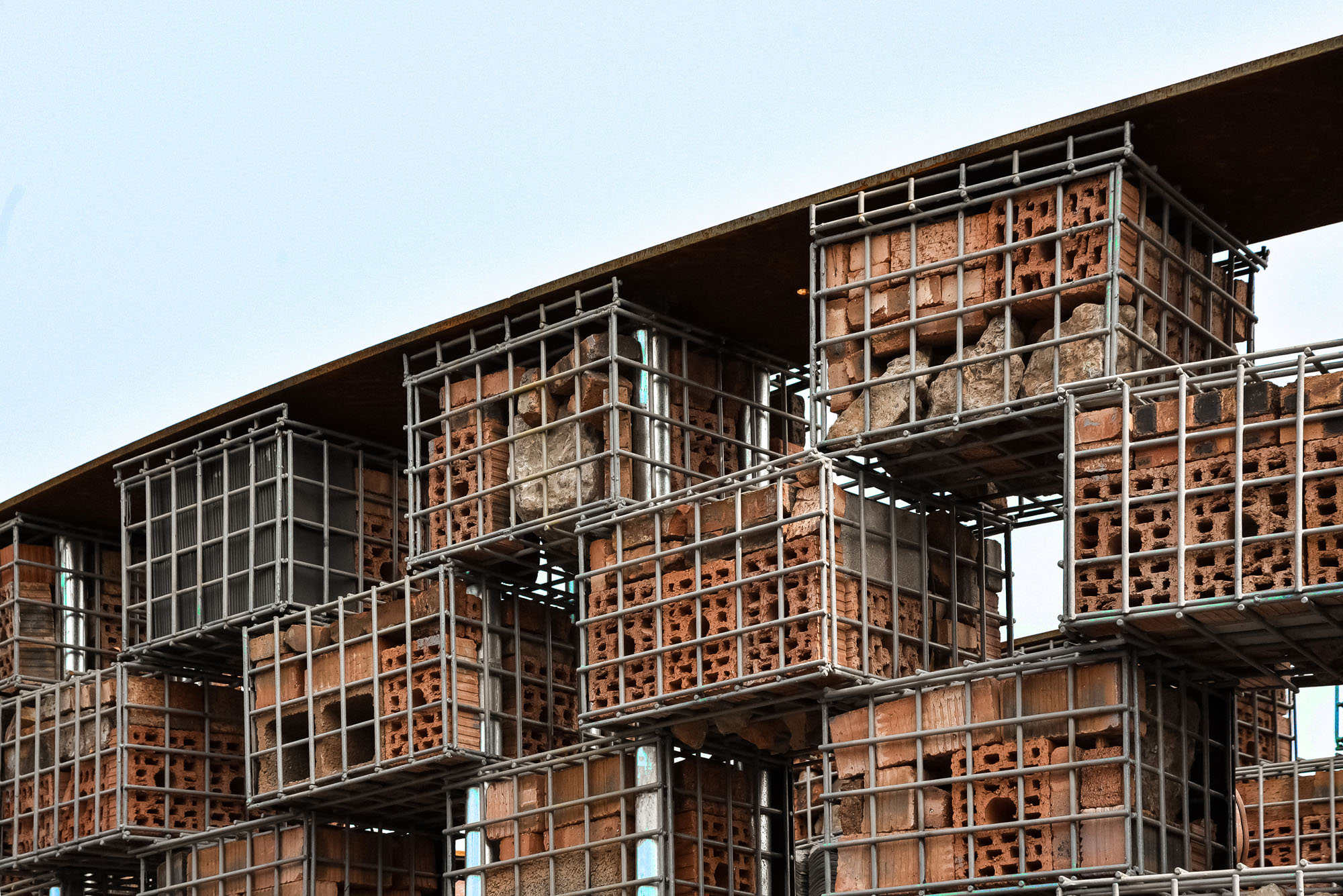
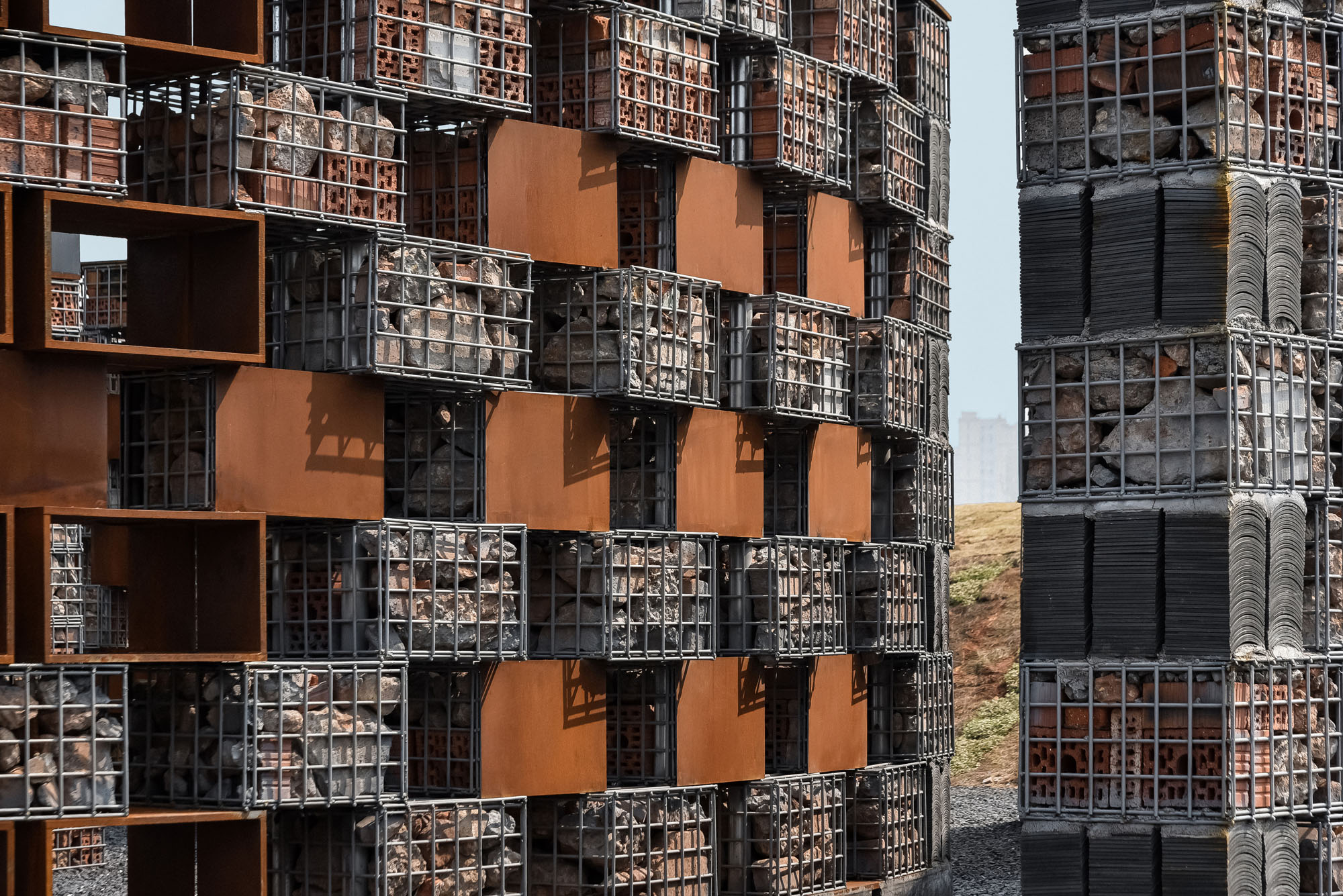
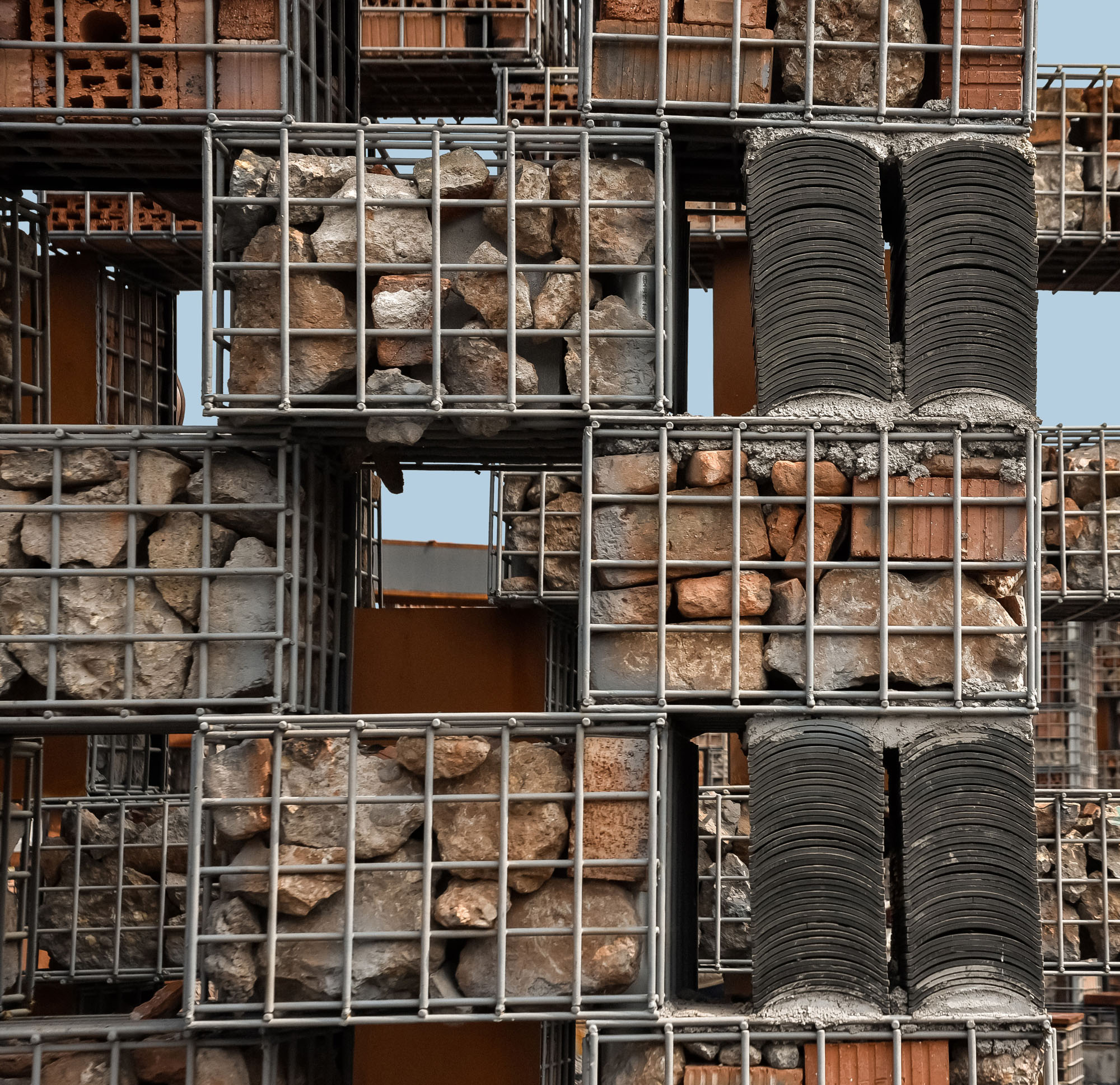
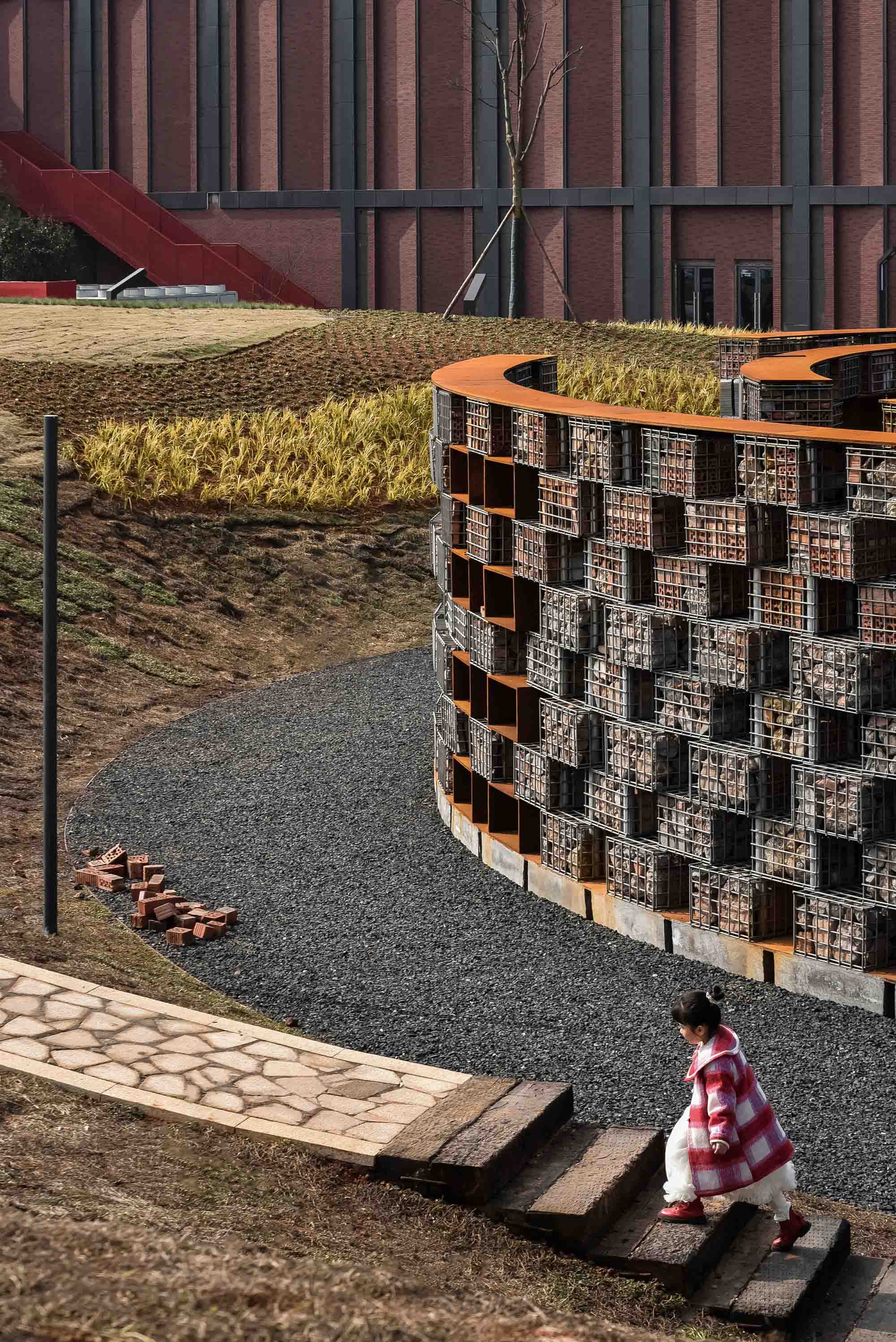
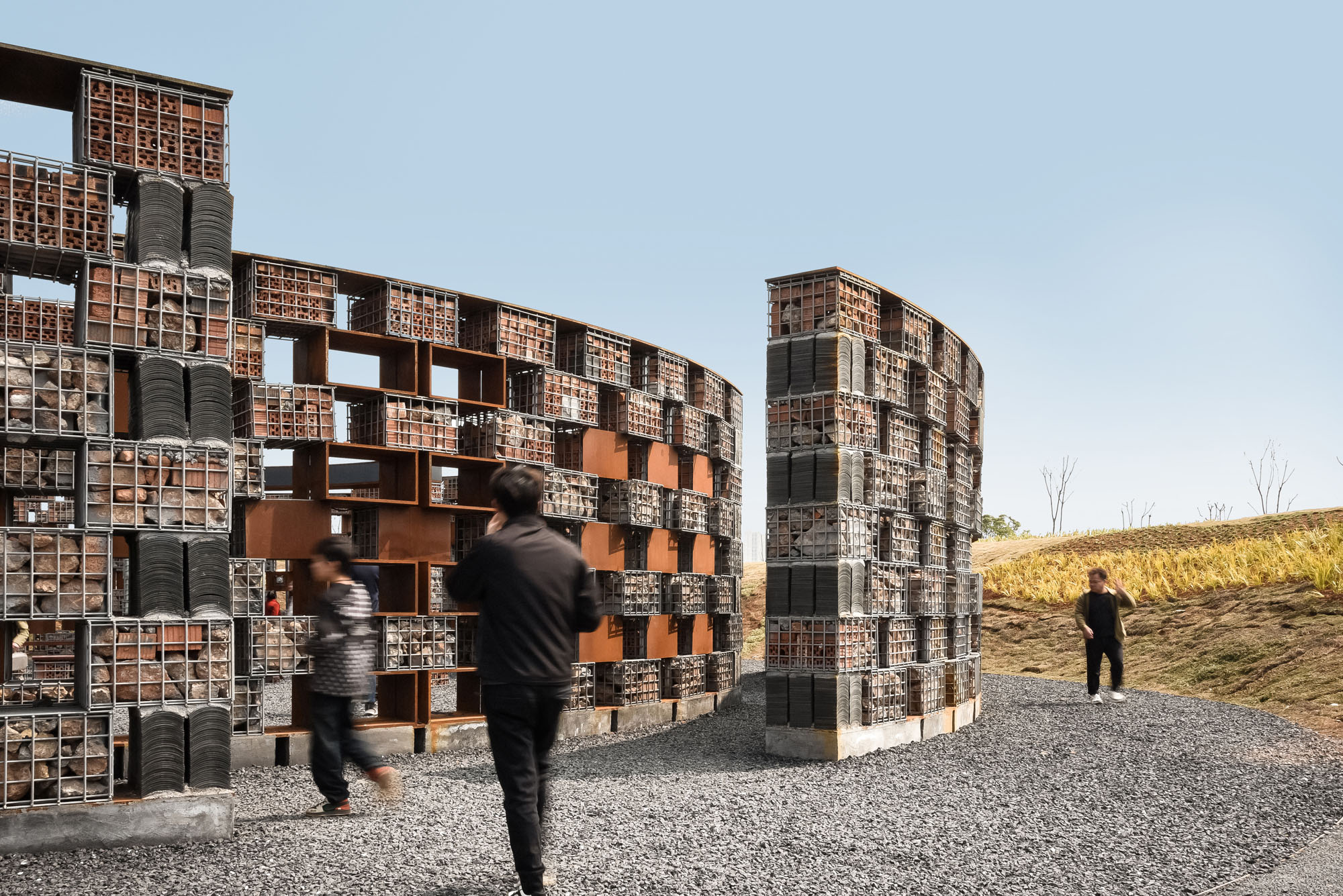
従来のホワイトキューブ型展示空間から脱却し、かつての工場群から生じた廃棄レンガや瓦をガビオン(石籠)に詰めて空間を構築している点が最大の特徴となっています。
注目ポイント
- 廃棄されたレンガや瓦で構築する、廃墟の時間を宿した空間
- ホワイトキューブを排した屋外型ミュージアム
- 「音」を媒体としたインタラクティブなプログラム
- 多世代を巻き込むパブリックスペースの再生
(以下、1Yアーキテクツから提供されたプレスキットのテキストの抄訳)
©︎ Chen Yifan
©︎ Chen Yifan
静寂を破る〈「廃墟のこだま」サウンドミュージアム〉の誕生
2026年2月、長年静寂に包まれていた旧工業地帯・青水塘(せいすいとう)に、〈「廃墟のこだま」サウンドミュージアム〉が完成した。
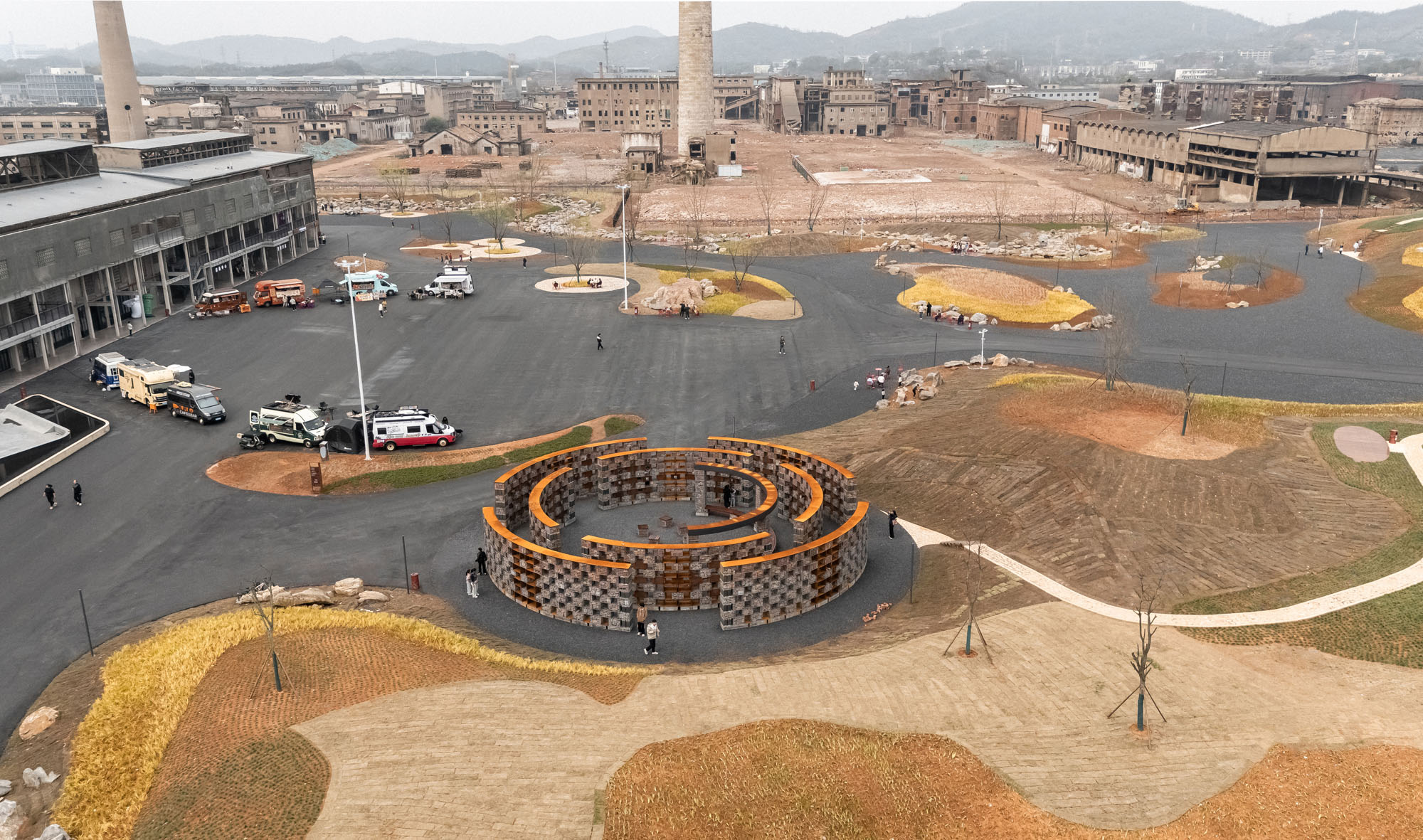
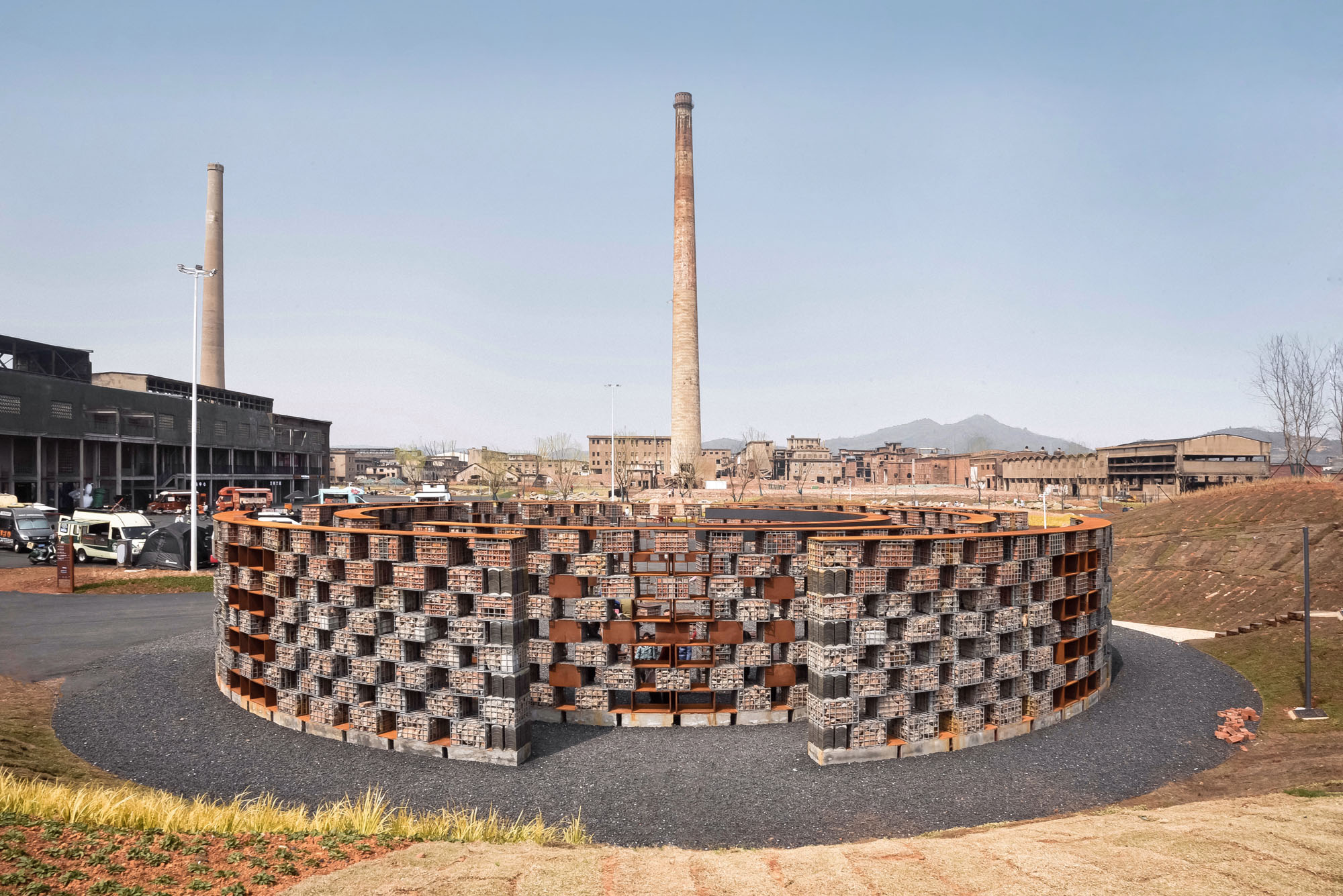
本建築は、従来の展示スペースに見られる「ホワイトキューブ」やガラスケースとは一線を画しており、廃墟そのものから直接生え出たような構造となっている点が特徴である。古い工場建物の廃棄されたレンガや瓦をすべて活用して建てられた、屋外型のミュージアムである。
ここは誰もが利用できる都市の公共空間であり、人々が足を踏み入れ、耳を傾け、それぞれの物語を分かち合える場所となっている。
site condition
©︎ Chen Yifan
©︎ Chen Yifan
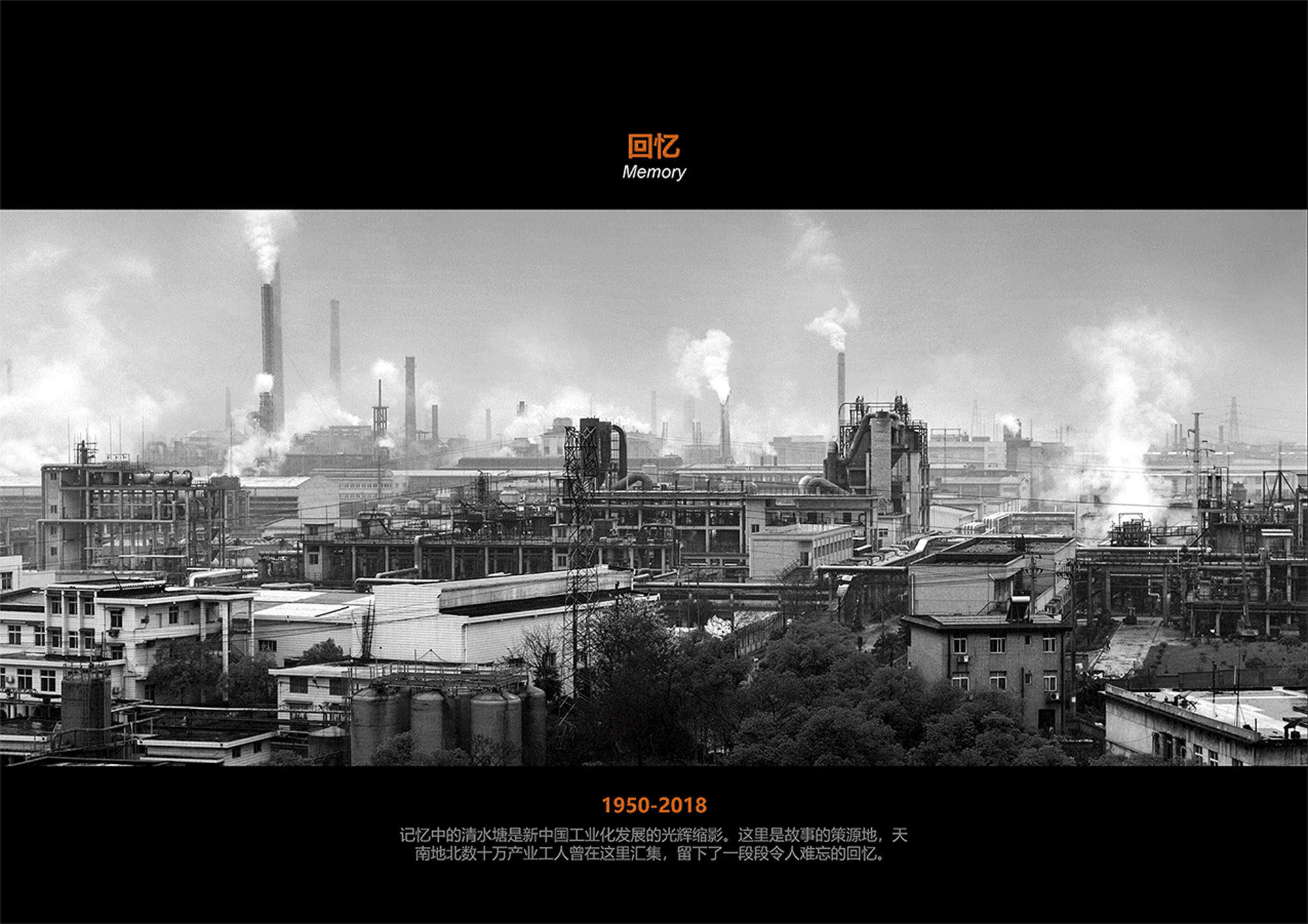
廃墟の再生:そこに宿る時間
「廃墟」という朽ち果てた響きを帯びたこの言葉こそが、私たちの思考の出発点となった。捨てられたレンガの1つ1つ、瓦礫の破片の1つ1つが、時によって磨き上げられた唯一無二の存在である。それらは、この土地が歴史に残した最も誠実な贈り物なのである。
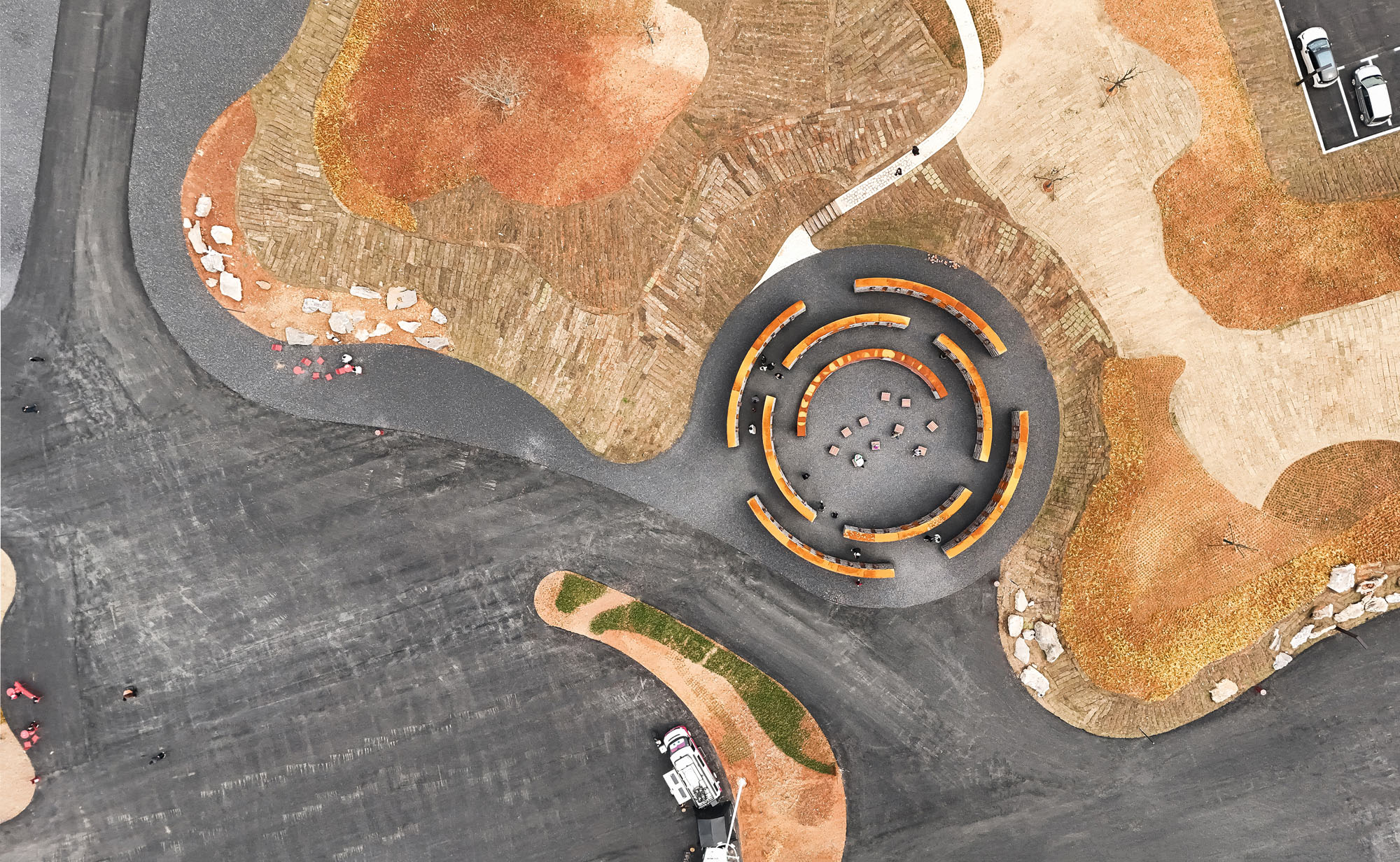
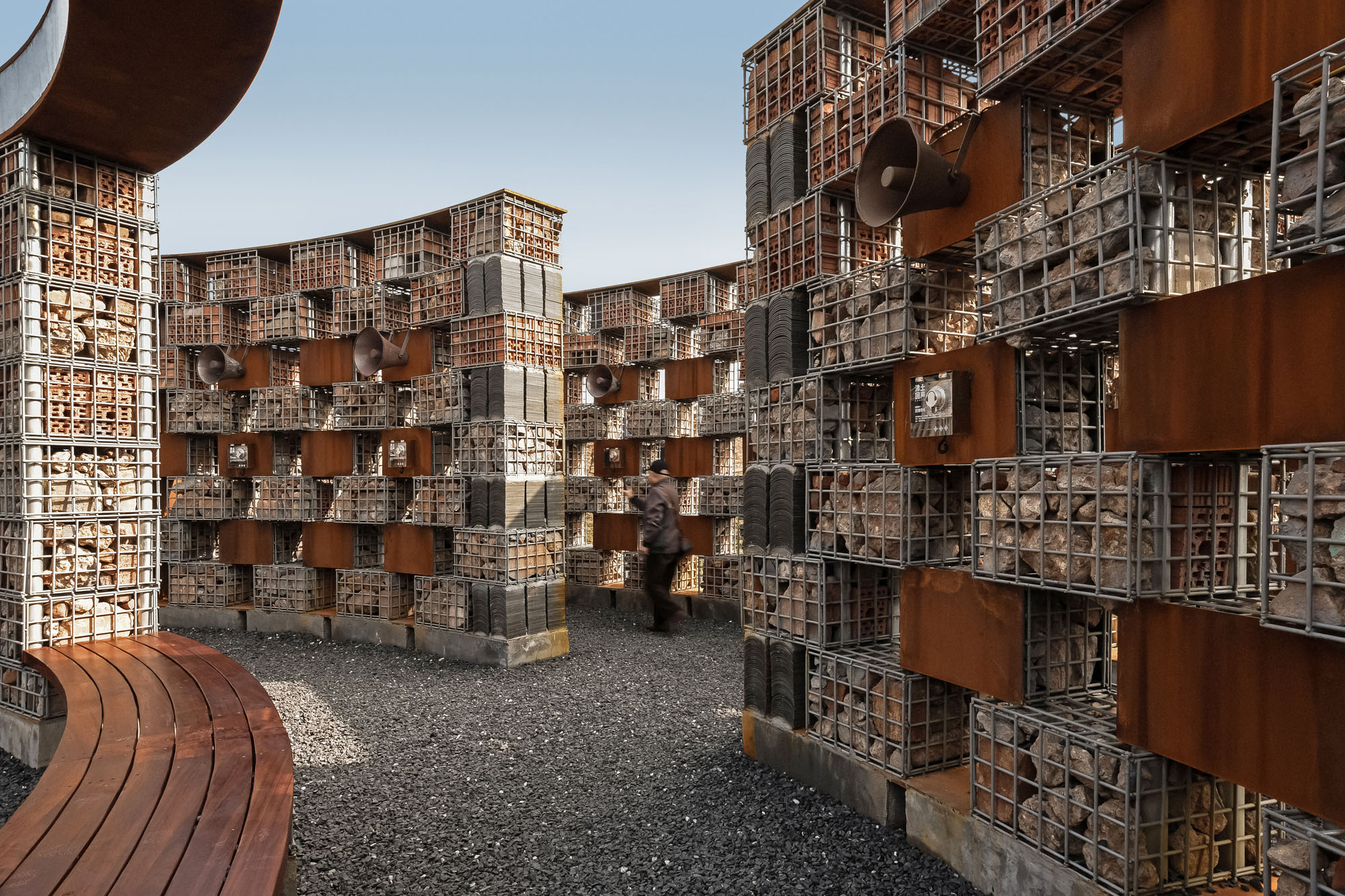
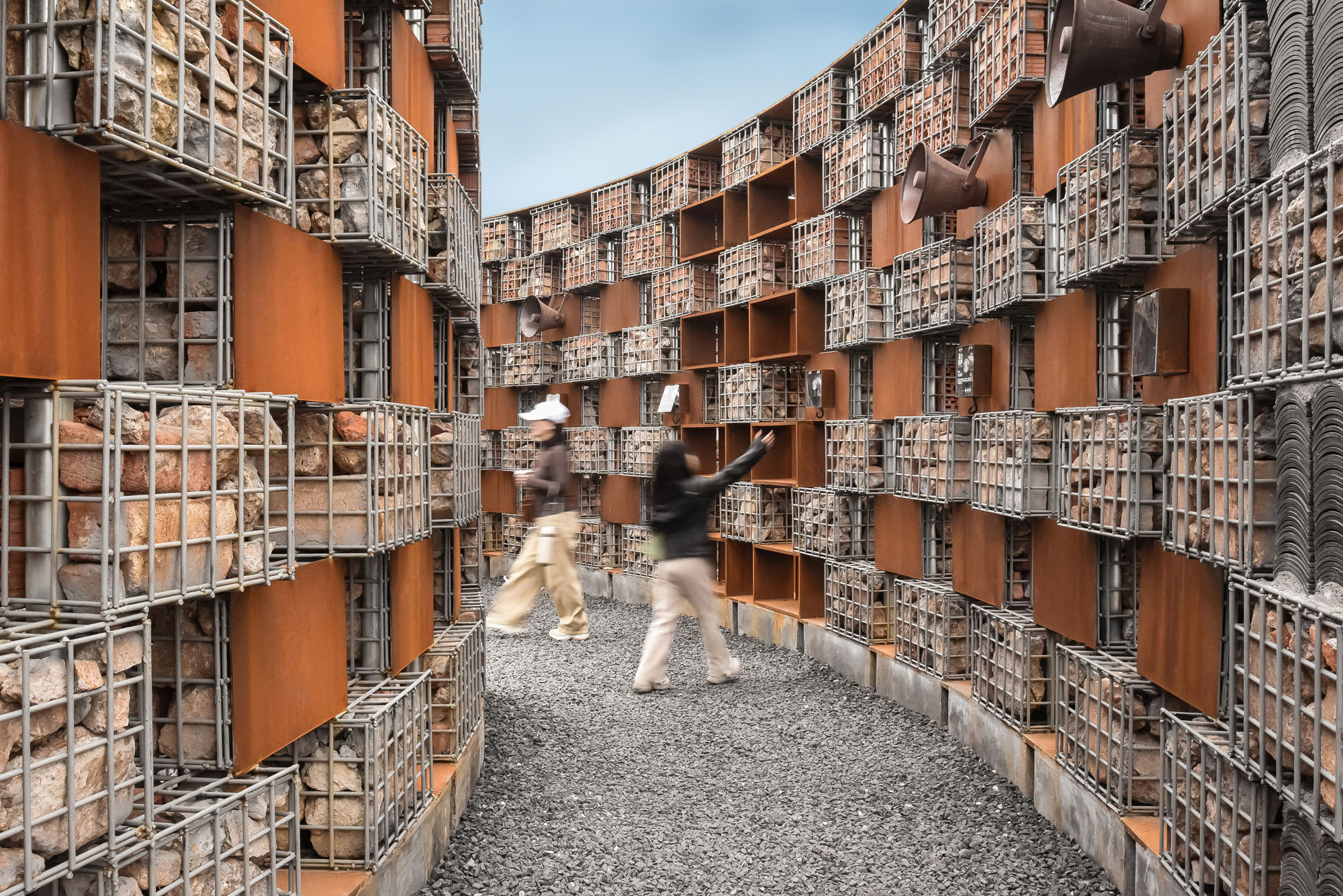
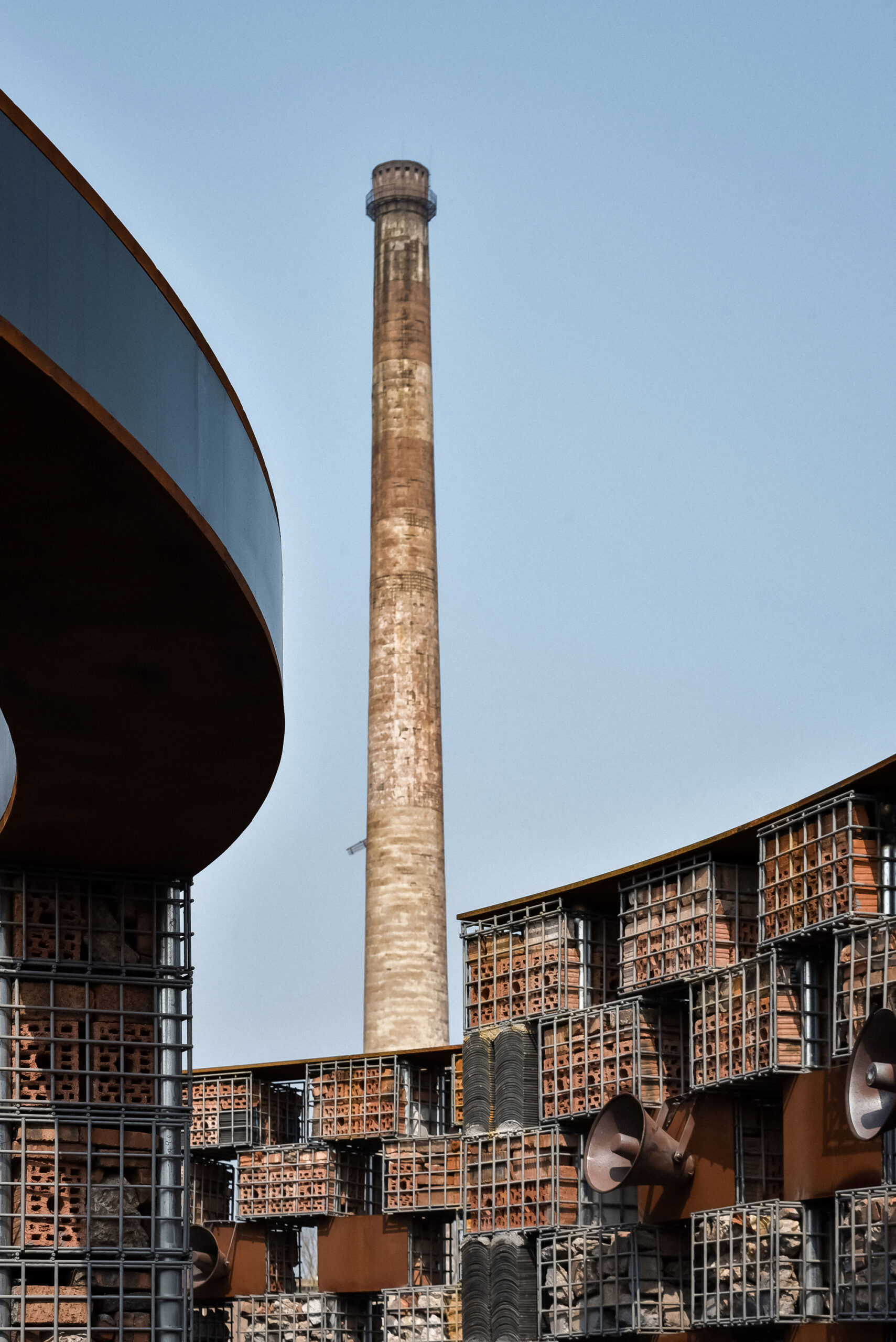
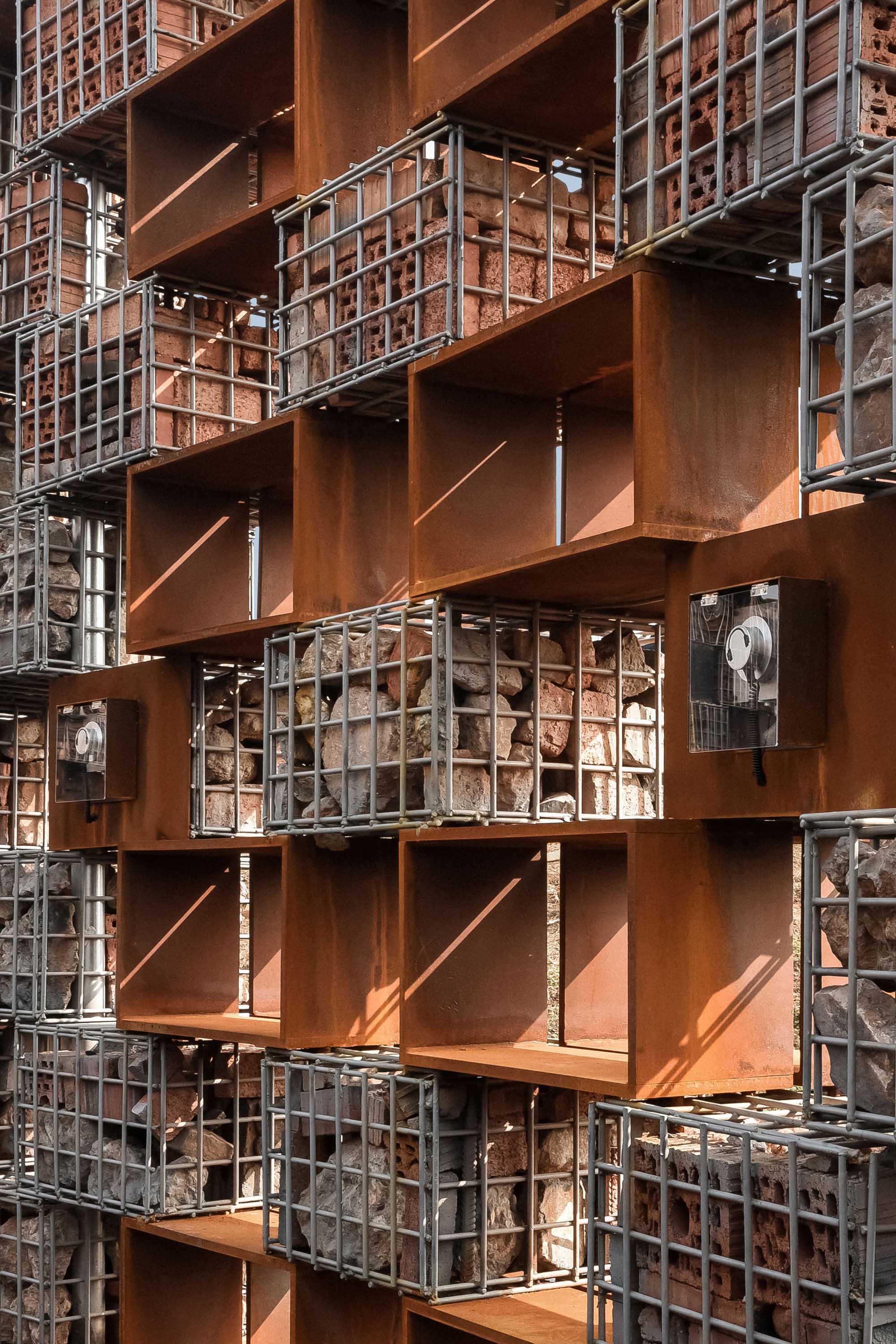
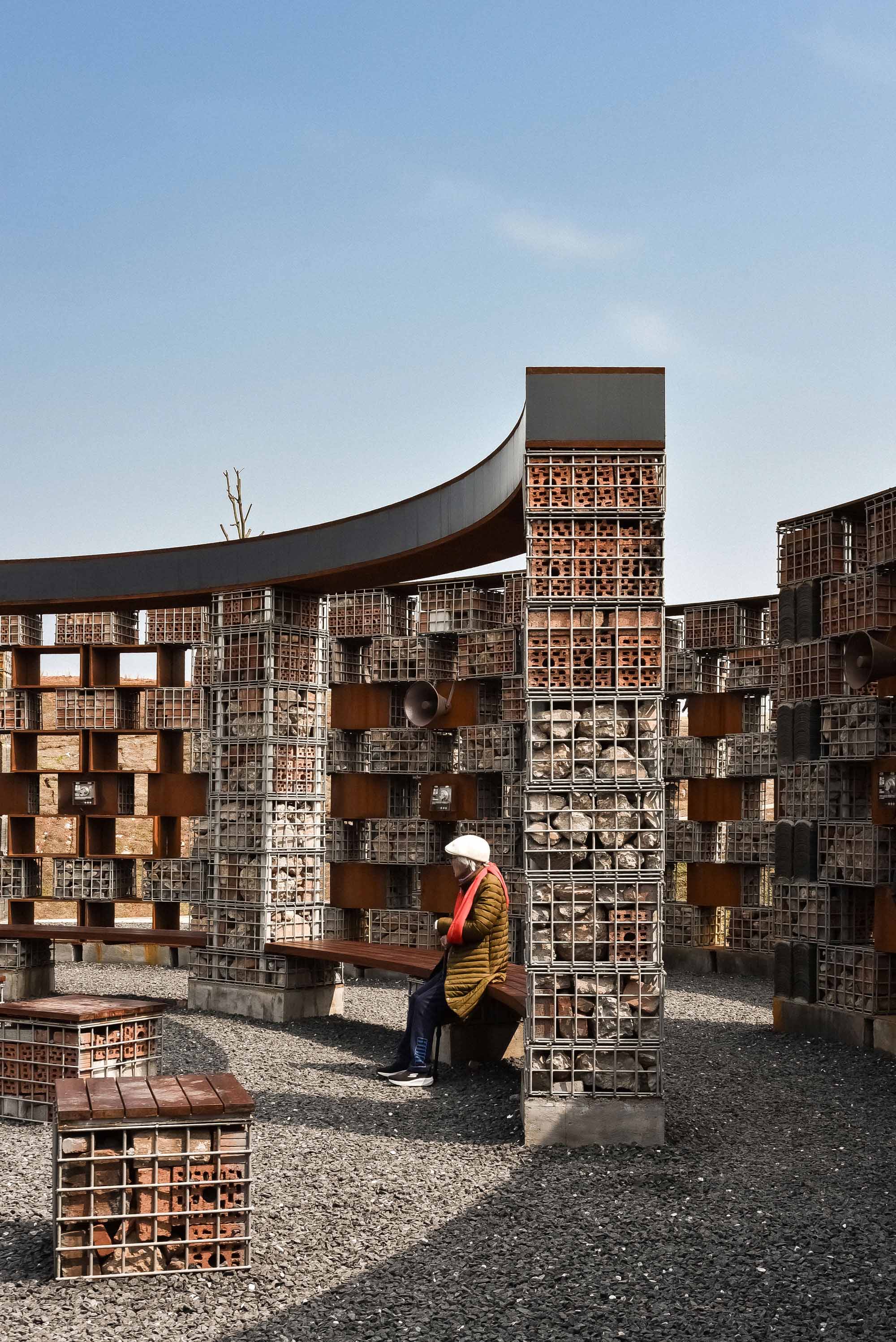
私たちは、主要構造を形成する基本モジュールとしてガビオン(石籠)を選択した。ガビオンの中に青水塘の廃棄されたレンガや瓦を詰め込み、それらを層状に重ねることで主要な壁面を形成している。
©︎ Chen Yifan
媒体としての音:相互作用を通じて記憶が流れる場所
第2のステップは、歴史を真に生き生きと蘇らせることである。私たちは「音」を媒体として導入し、以下の3つの体験を構築した。
- 物語に耳を傾ける
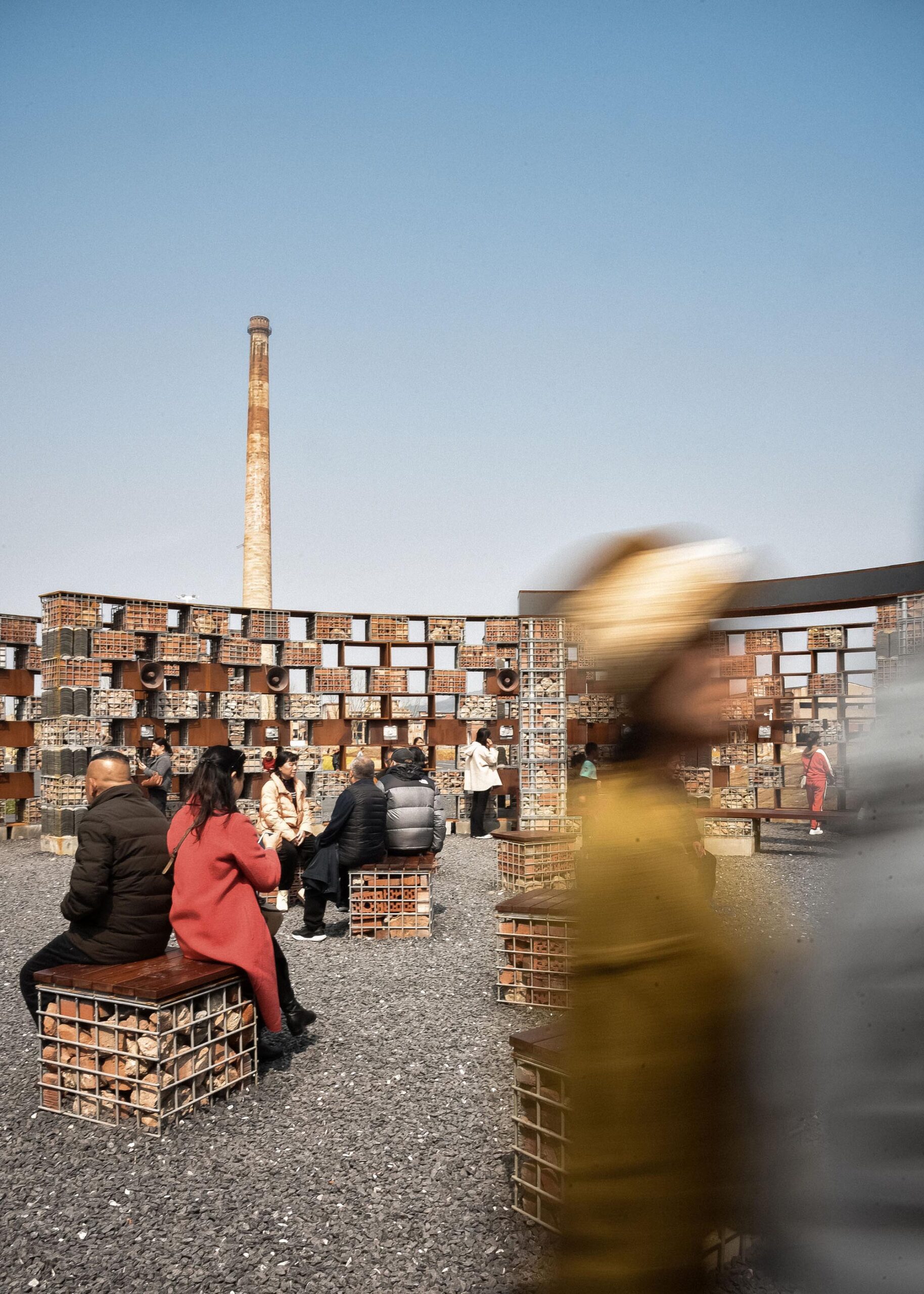
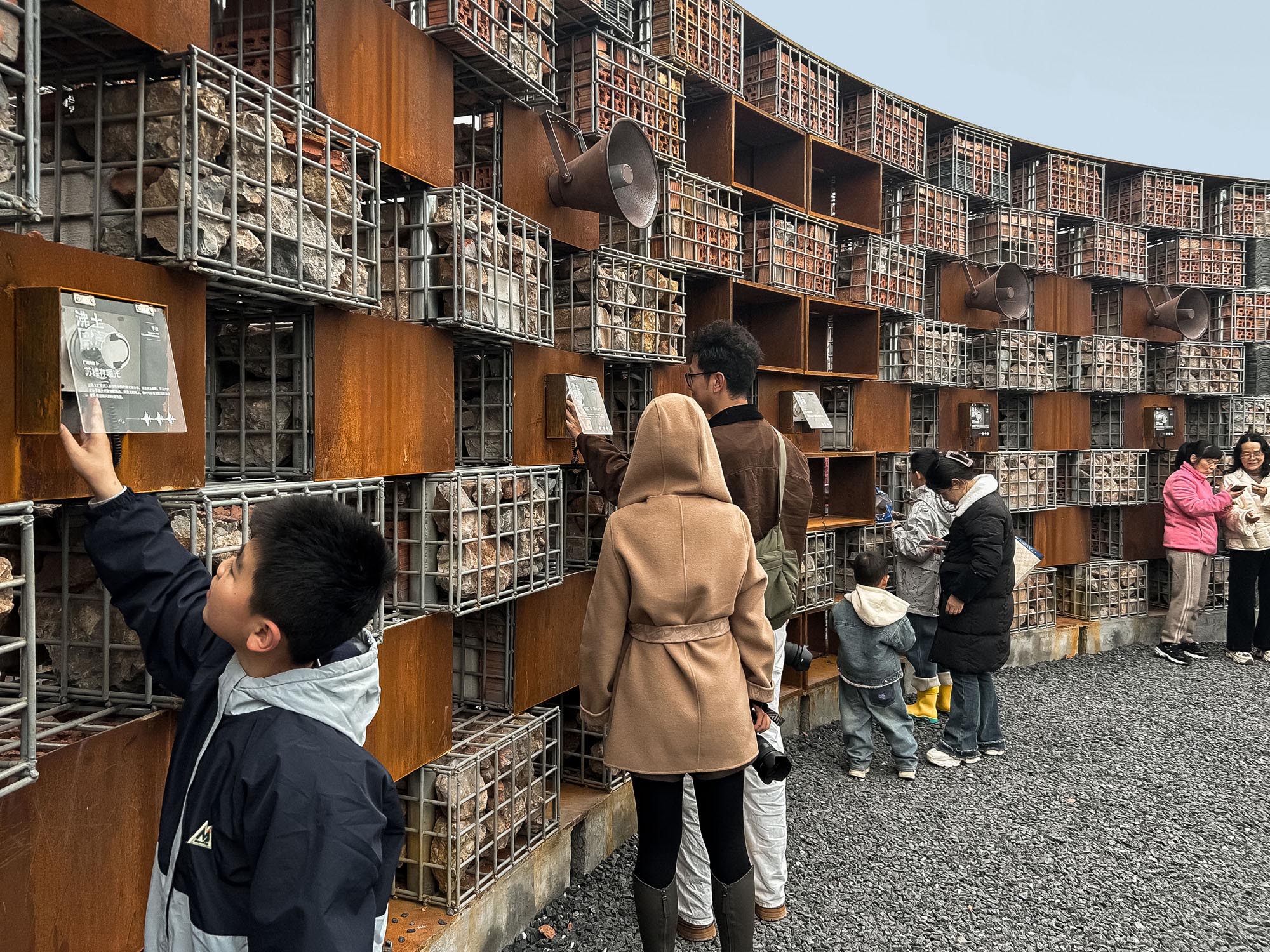
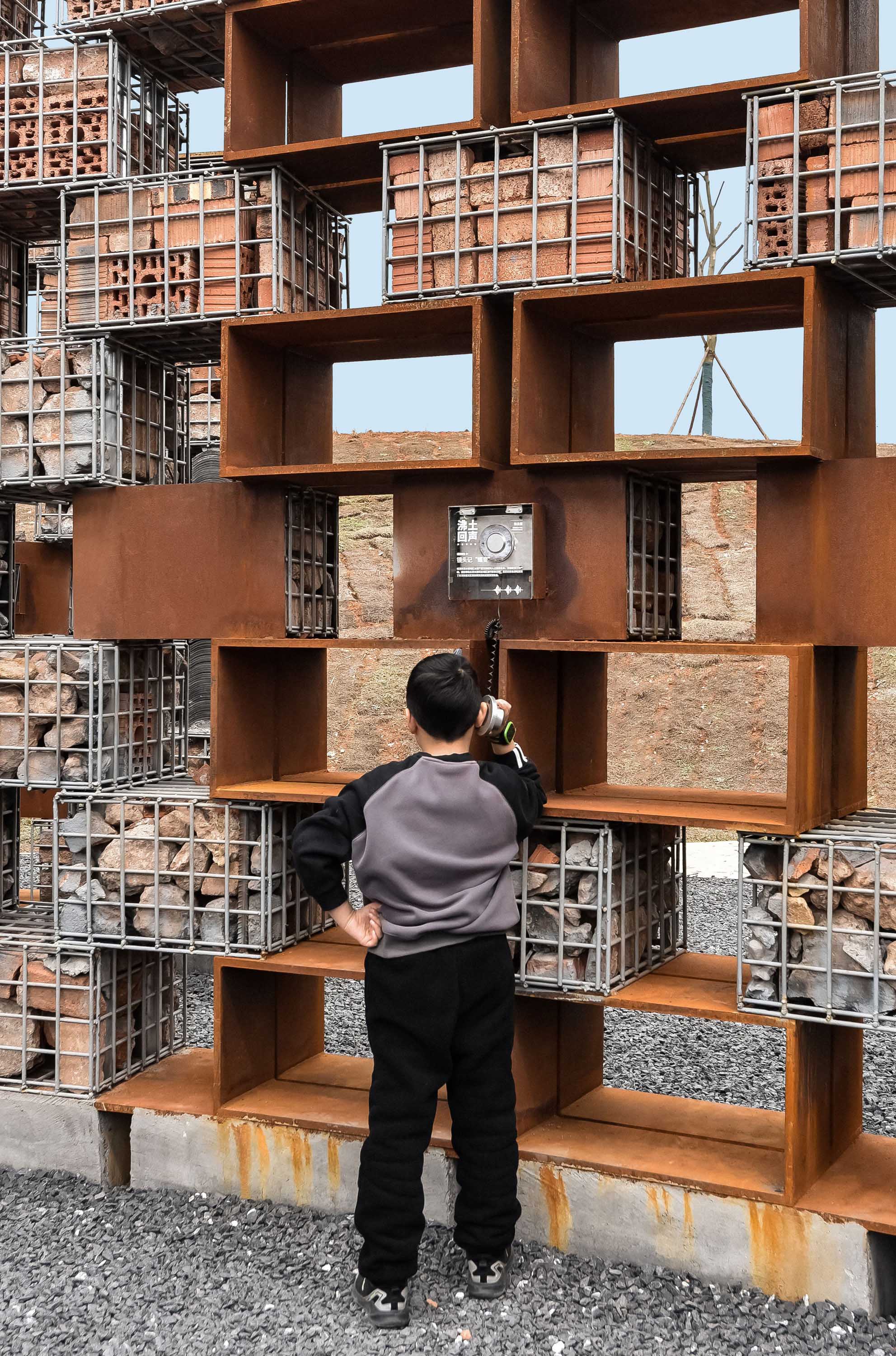
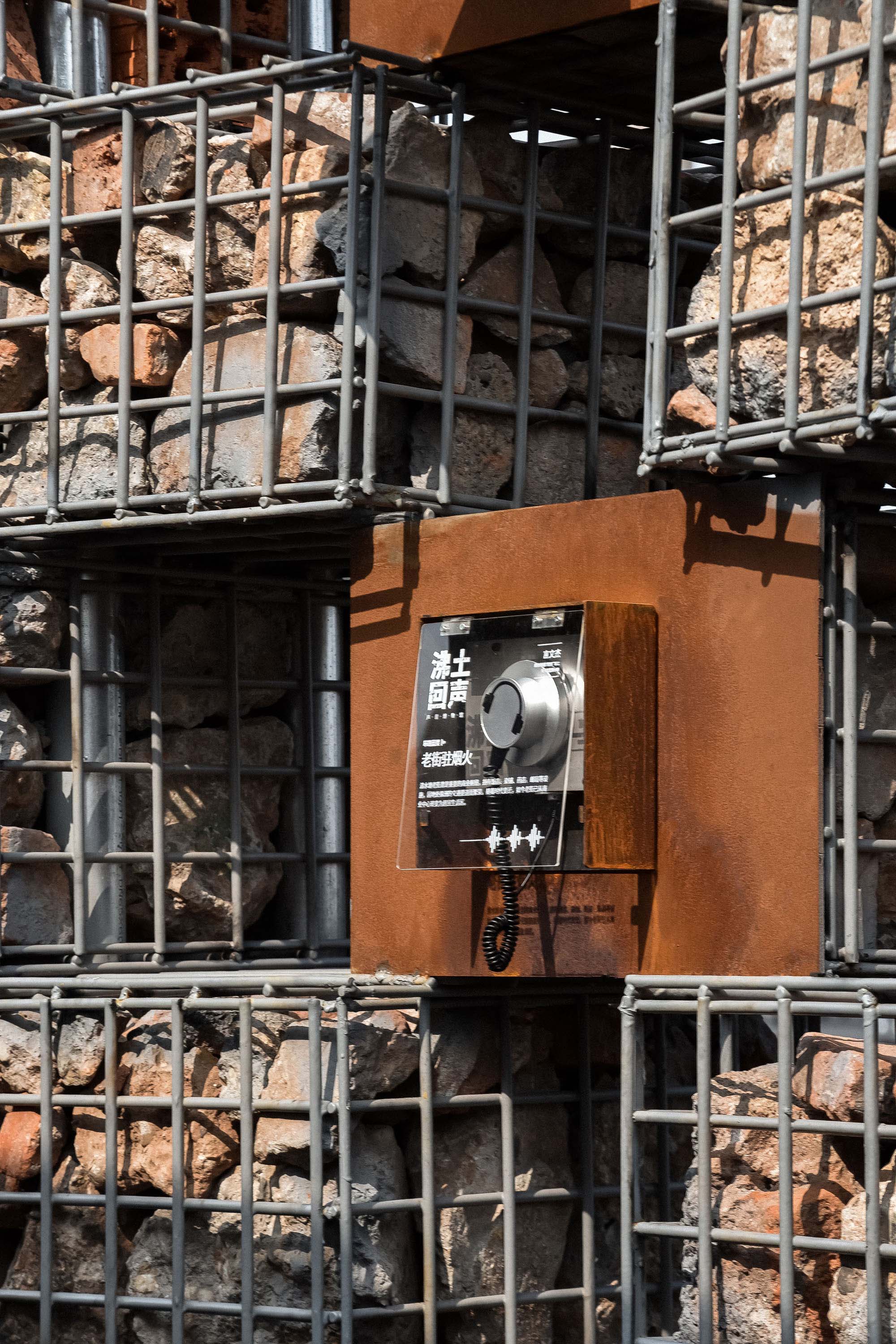
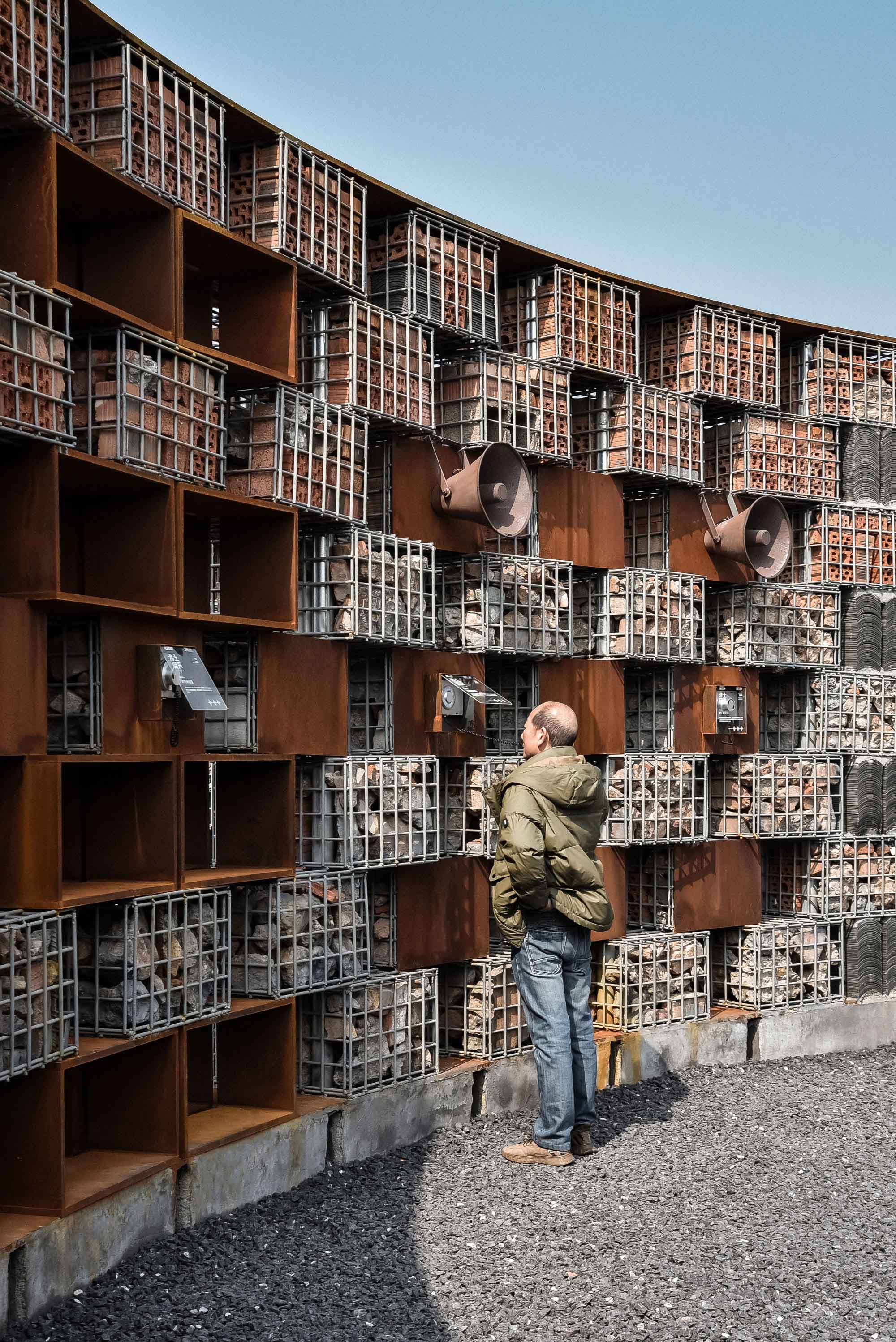
円形の壁の内側には、20組のスピーカーが埋め込まれている。これらは青水塘の人々による口述記録を再生する。来場者は40組の磁気ヘッドホンを通じて、これらの記憶をより間近で聴くことも可能である。 - 物語を語る:現在への介入と蓄積
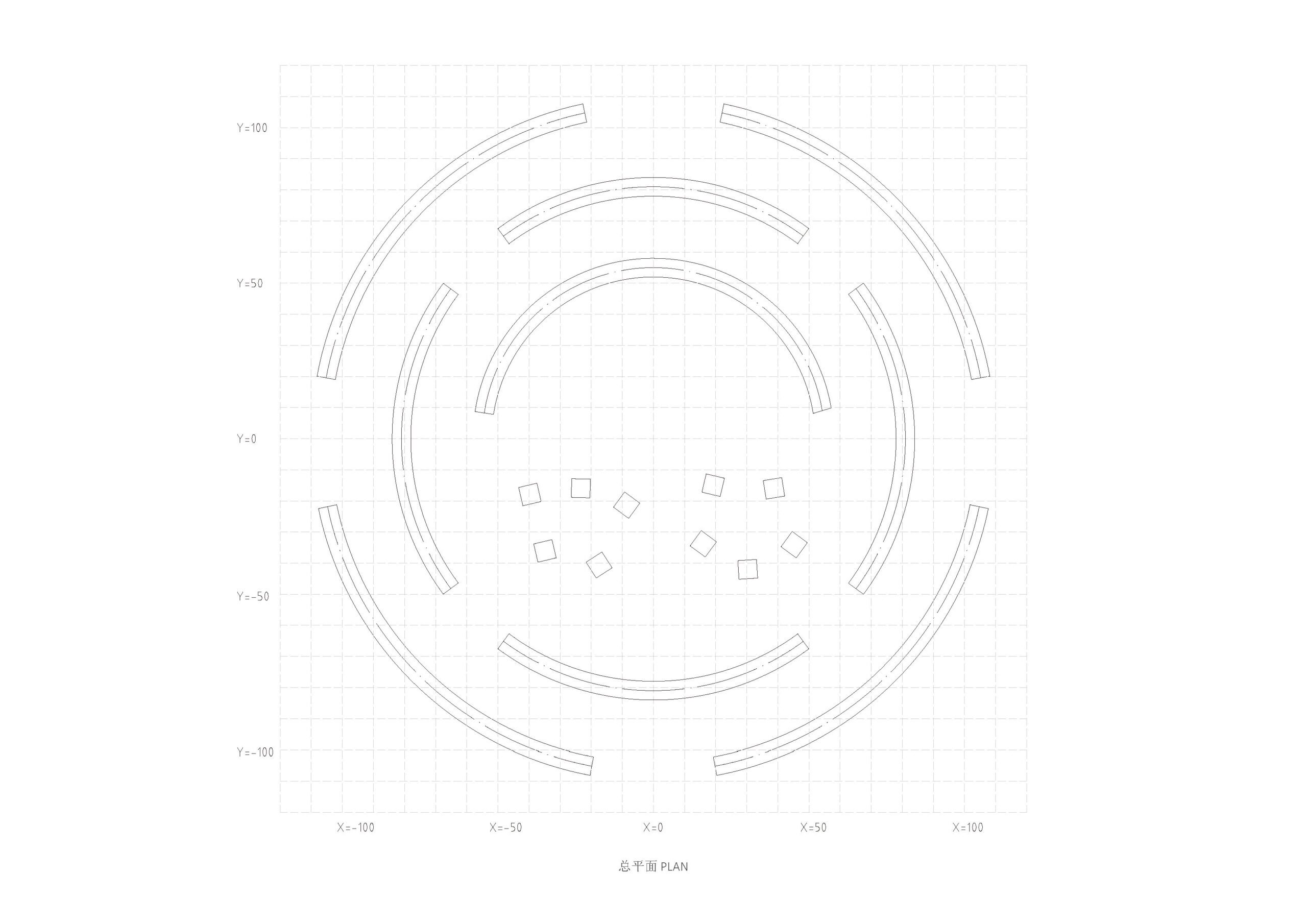
各円形通路の終端には録音ステーションが設置されている。来場者はここで、自身の物語を録音するよう招かれる。処理を経たこれらの録音データは、オーラルヒストリー・アーカイブへと加えられるのである。 - 物語の共有:現場での集いと共鳴
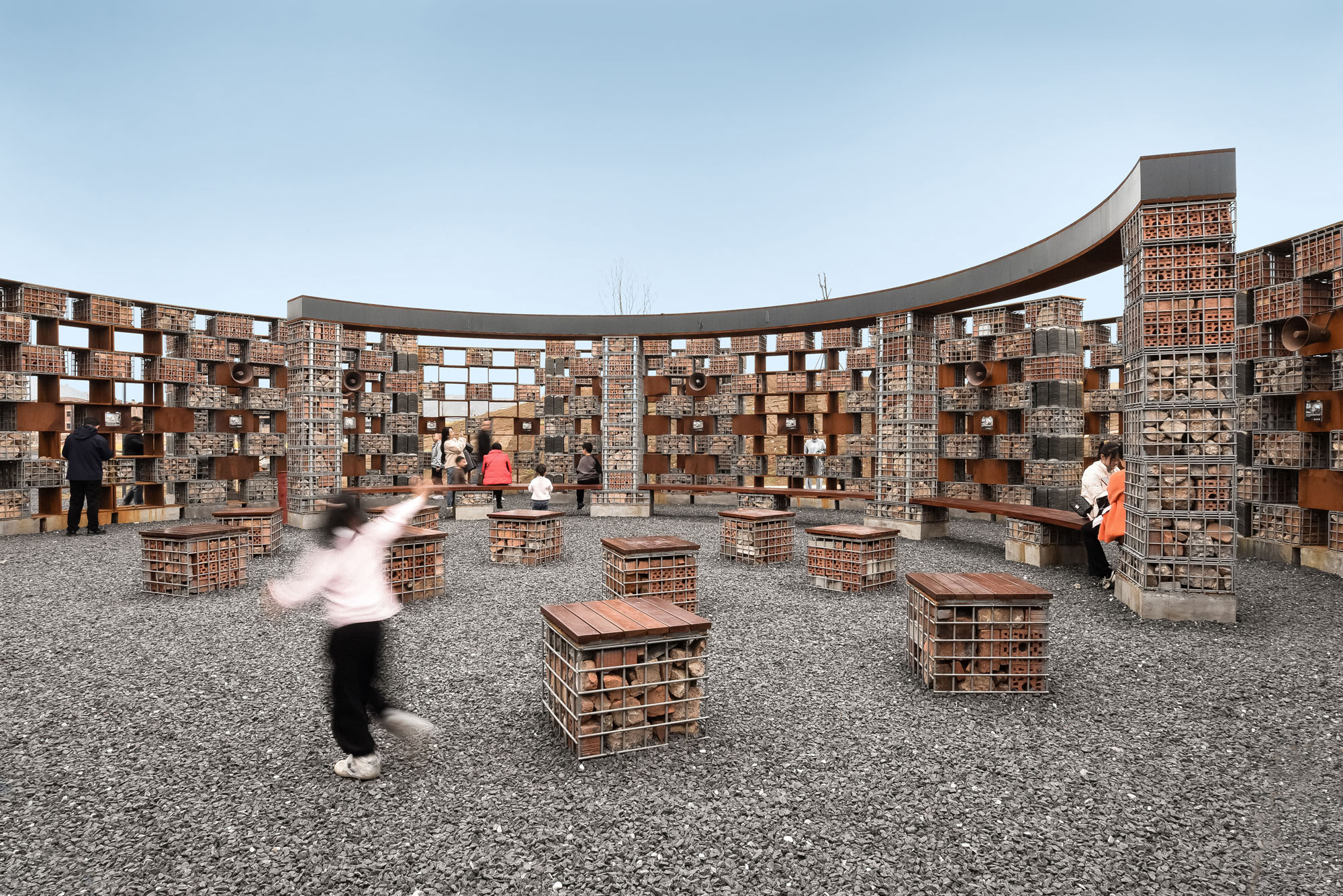
同心円の中心には、直径約16mの円形劇場「エコー・プラザ」が存在する。ここは、即興で物語を語る舞台となり、小規模な朗読会や音楽演奏の会場としても機能する。人々はこの場所に集い、顔を合わせて物語を分かち合う。
©︎ Chen Yifan
©︎ Chen Yifan
©︎ Chen Yifan
あらゆる世代のための野外ミュージアム
2026年2月の開館以来、〈廃墟のこだま〉は株洲市の新たな都市ランドマークとなり、あらゆる世代のための都市公共空間として機能している。
青水塘の年配者にとって、ここは歴史を振り返る記憶の場である。
若い世代にとっては、親やこの街の歴史を深く理解するための入り口となる。
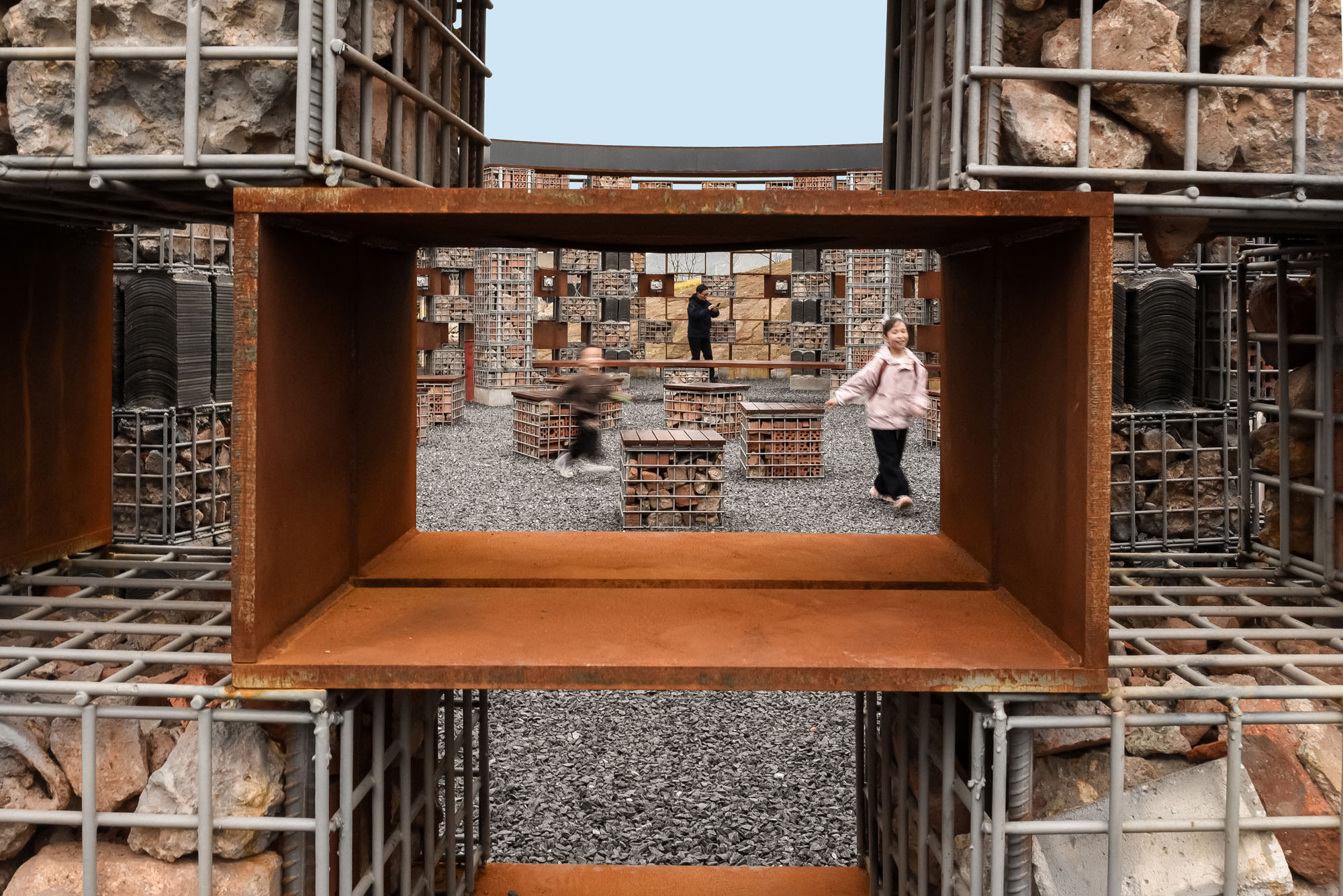
そして子供たちにとっては、円形の小道が織りなす迷路である。彼らは壁の間を駆け回り、遊びを通じてこの土地と初めて触れ合う。
廃墟の上には、今もな”こだま”が響き渡っている。
©︎ Chen Yifan
©︎ Chen Yifan
©︎ Chen Yifan
©︎ Chen Yifan
©︎ Chen Yifan
©︎ Chen Yifan
©︎ Chen Yifan
©︎ Chen Yifan
©︎ Chen Yifan
©︎ Chen Yifan
©︎ Chen Yifan
Plan
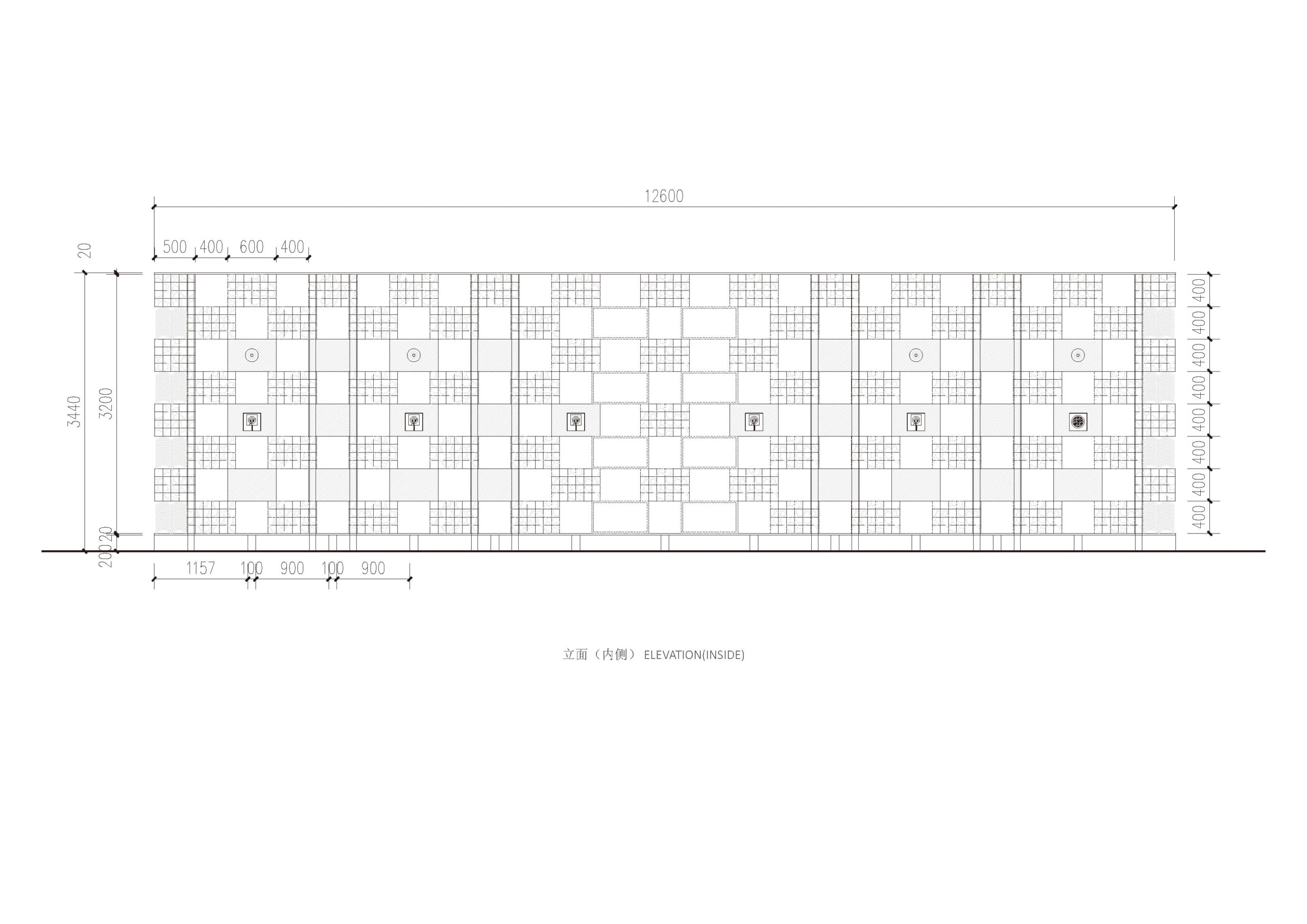
Elevation
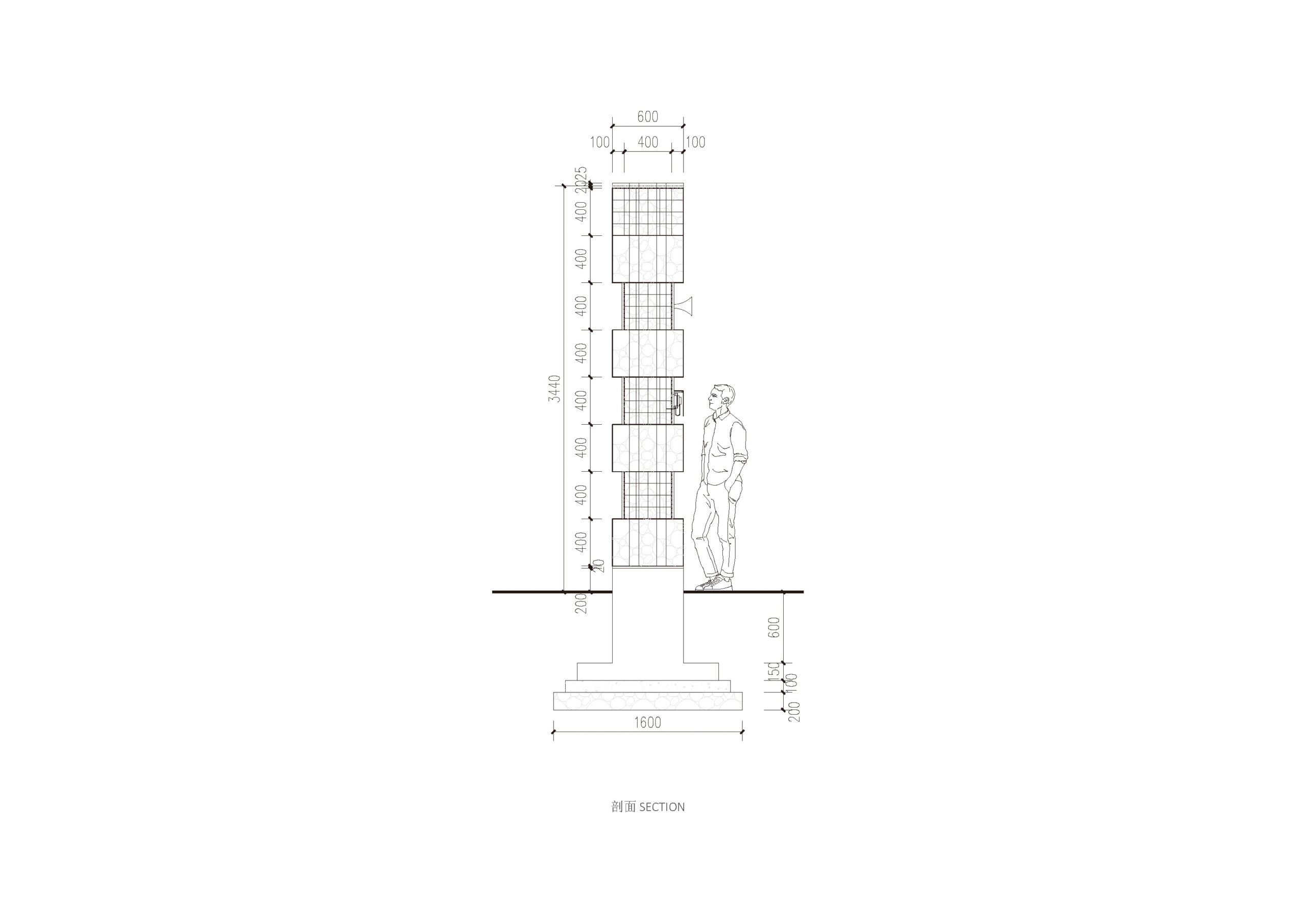
Section
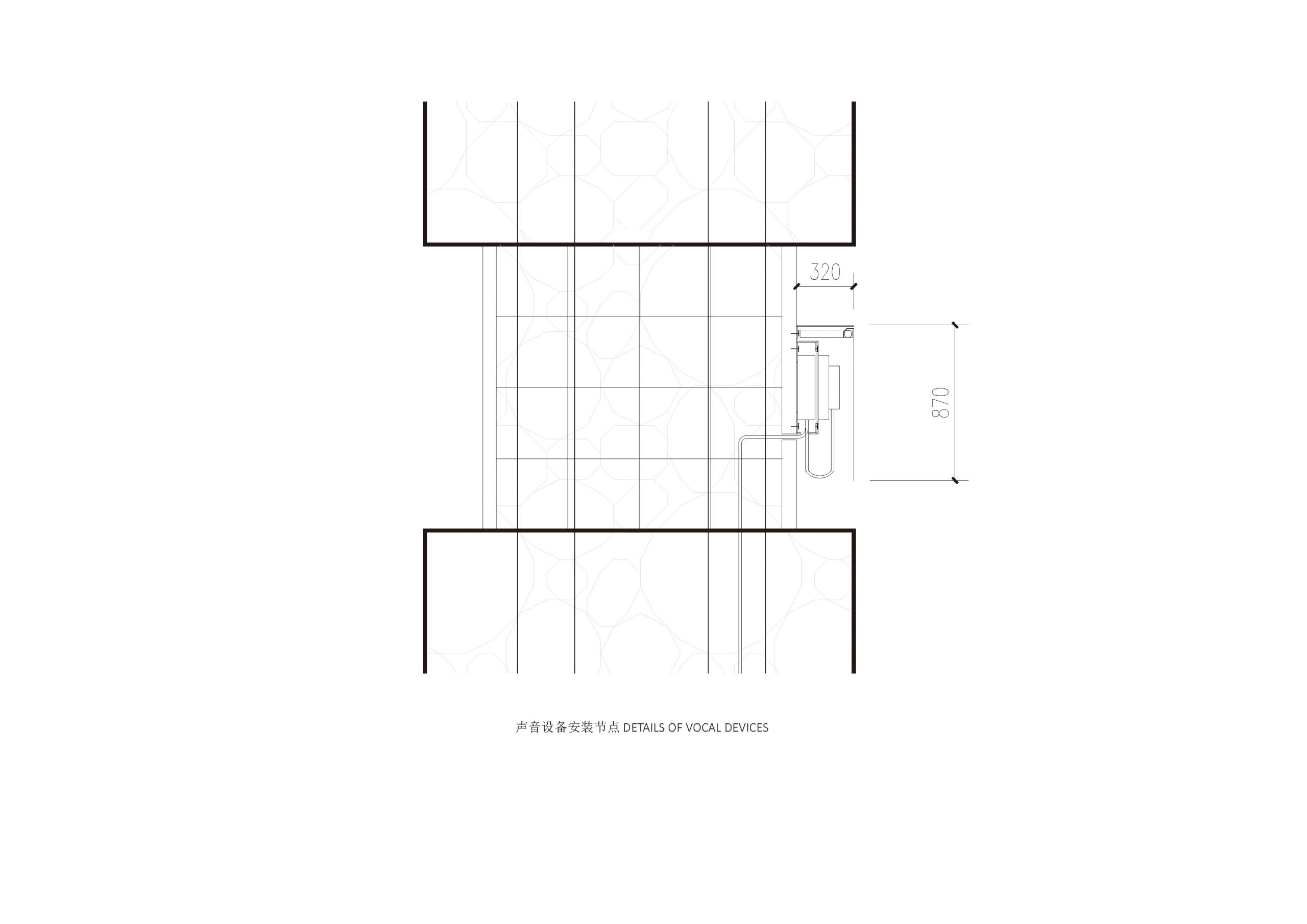
Detail
以下、1Yアーキテクツのリリース(英文)です。
Project Information
Name: “Echo of the ruins” : Open-Air Museum of Sound and Memory
Type: Architecture / Cultural building
Location: Qingshuitang 1956 Industrial Heritage Site, City of Zhuzhou, Hunan Province, China
Completion Year: 2026
Gross Built Area: 380㎡
Client: Zhuzhou City Construction and Development Group Co.,Ltd. / Zhuzhou Qingsh Investment Group.,Ltd.
Architecture Firm: 1Y Architects
Lead Architect: Fan Chang
Website: https://1yarchi.cn
Contact e-mail: fanchang@1yarchi.cnMedia provider
Photography: Chen Yifan
Photographer’s email: oliverphoto@163.comProject Description
In February 2026, the “Echo of the ruins” Sound Museum was completed in Qingshuitan—this old industrial area which had lain silent for years.
Free from the white cubes and glass display cases of traditional exhibition space. Instead, it is a structure that grows directly from the ruins. An open-air Museum built from every discarded brick and tile of the old factory buildings. It is an urban public space open to all, a place where people can enter, listen, and share their stories.
Revival of Ruins: Time Embodied Within
“Ruins”—a word tinged with decay—became precisely the starting point of our thinking. Every discarded brick, every fragment of rubble is a unique entity refined by time. They are the most honest gift this land has left to history.We chose gabion mesh cages as the basic modular unit to form the main structure. we filled the gabions with discarded bricks and tiles from Qingshuitang, stacking them layer by layer to form the main walls.
Sound as Medium: Where Memories Flow Through Interaction
The second step is to truly bring history to life. We introduced sound as a medium,I. Listening to Stories:
Embedded inside the circular walls are 20 groups of speakers. They play oral records from people of Qingshuitang. Visitors can also listen closely to these memories through 40 sets of magnetic headphones.II. Telling Stories: Intervention and Accumulation of the Present
Recording stations are placed at the end nodes of each circular passage. Visitors are invited to record their own stories. After processing, these recordings are added to the oral history archive.III. Sharing Stories: Gathering and Resonance on Site
At the heart of the concentric circles lies the Echo Plaza, an amphitheater with a diameter of approximately 16 meters. It can be a spontaneous stage for storytelling, a venue for small readings or musical performances. People gather here, sharing their stories face-to-face.An Open-Air Museum for All Ages
Since its opening in February 2026, “Echo of the Ruins” has become a new urban landmark for Zhuzhou city—an urban public space for all ages:For the older generation of Qingshuitang people, it is a field of memory to revisit history.
For the younger generation, it is an entrance to understanding their parents and the city’s history.
For children, it is a labyrinth formed by circular pathways. They run between the walls, making their first contact with this land through play.
Above the ruins, there is still an echo.
1Yアーキテクツ 公式サイト
https://1yarchi.cn/#