CULTURE
©︎ Iwan Baan
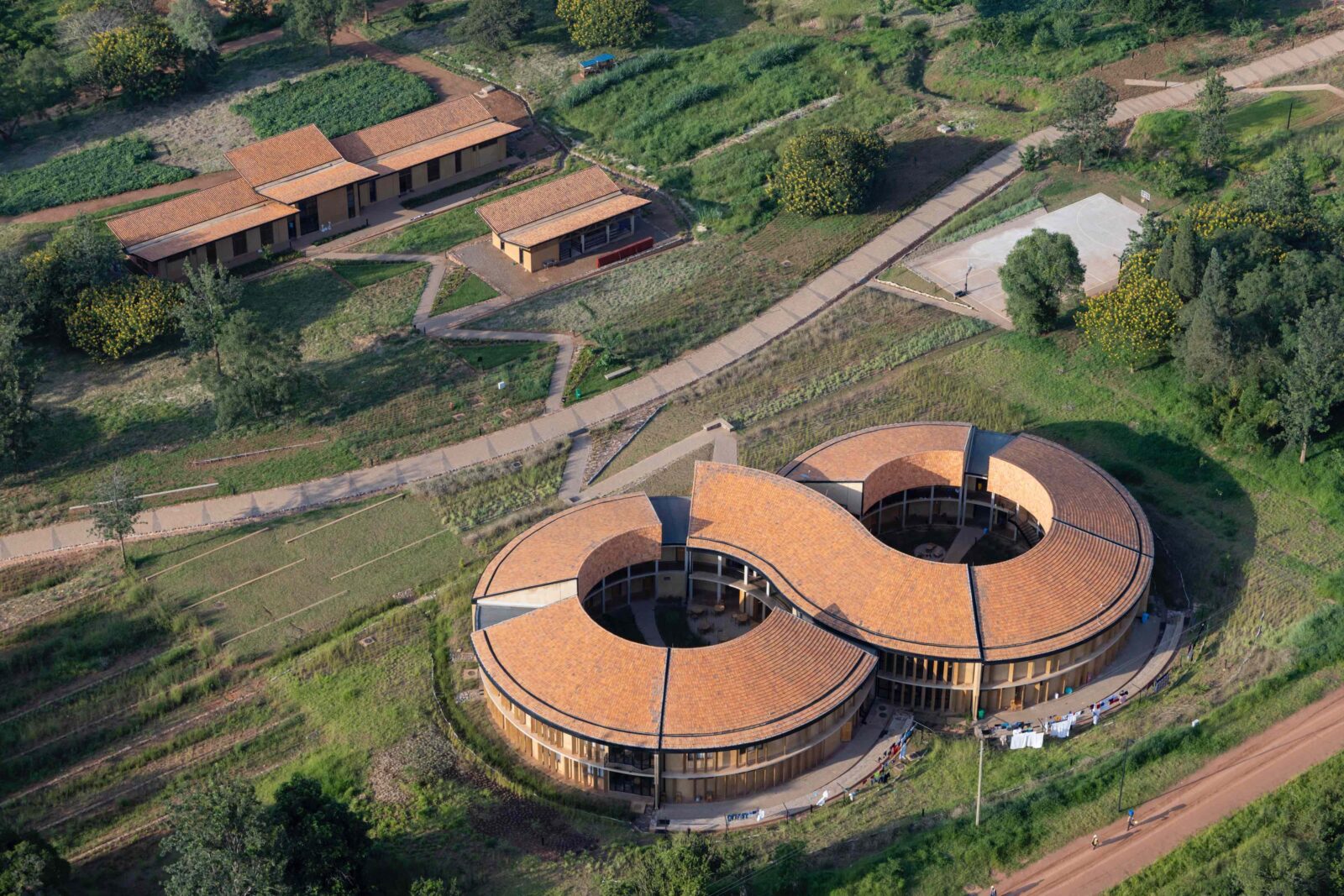
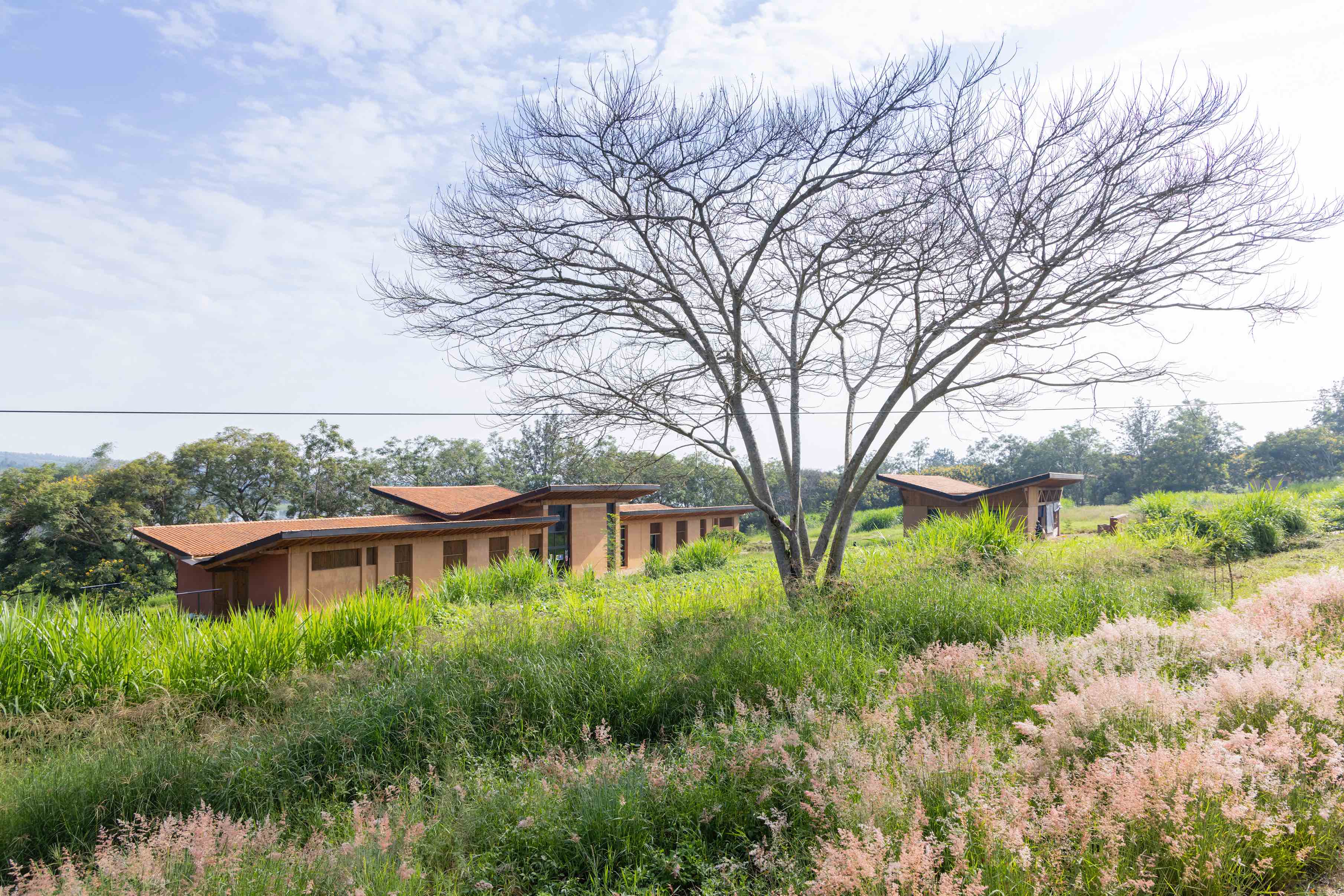
〈RICA(Rwanda Institute for Conservation Agriculture)〉は、ルワンダの次世代農業リーダーを育成し、持続可能な農業における国家的課題の推進を目指して設立された大学およびそのキャンパスです。
アメリカとルワンダに拠点を置く設計事務所 MASSデザイングループ(MASS Design Group)が設計しました。
注目ポイント
- ヒト・動物・生態系の健康を統合的に扱う「世界初のワンヘルス農業キャンパス」
- 建築・ランドスケープ・教育カリキュラムを統合したマスタープラン
- 木構造、版築、圧縮安定化土ブロックなど、地域特化型の低炭素建材の採用
- 予算の90%を500マイル圏内で支出する地域経済循環型の建設モデル
(以下、MASSデザイングループから提供されたプレスキットのテキストの抄訳)
©︎ Iwan Baan
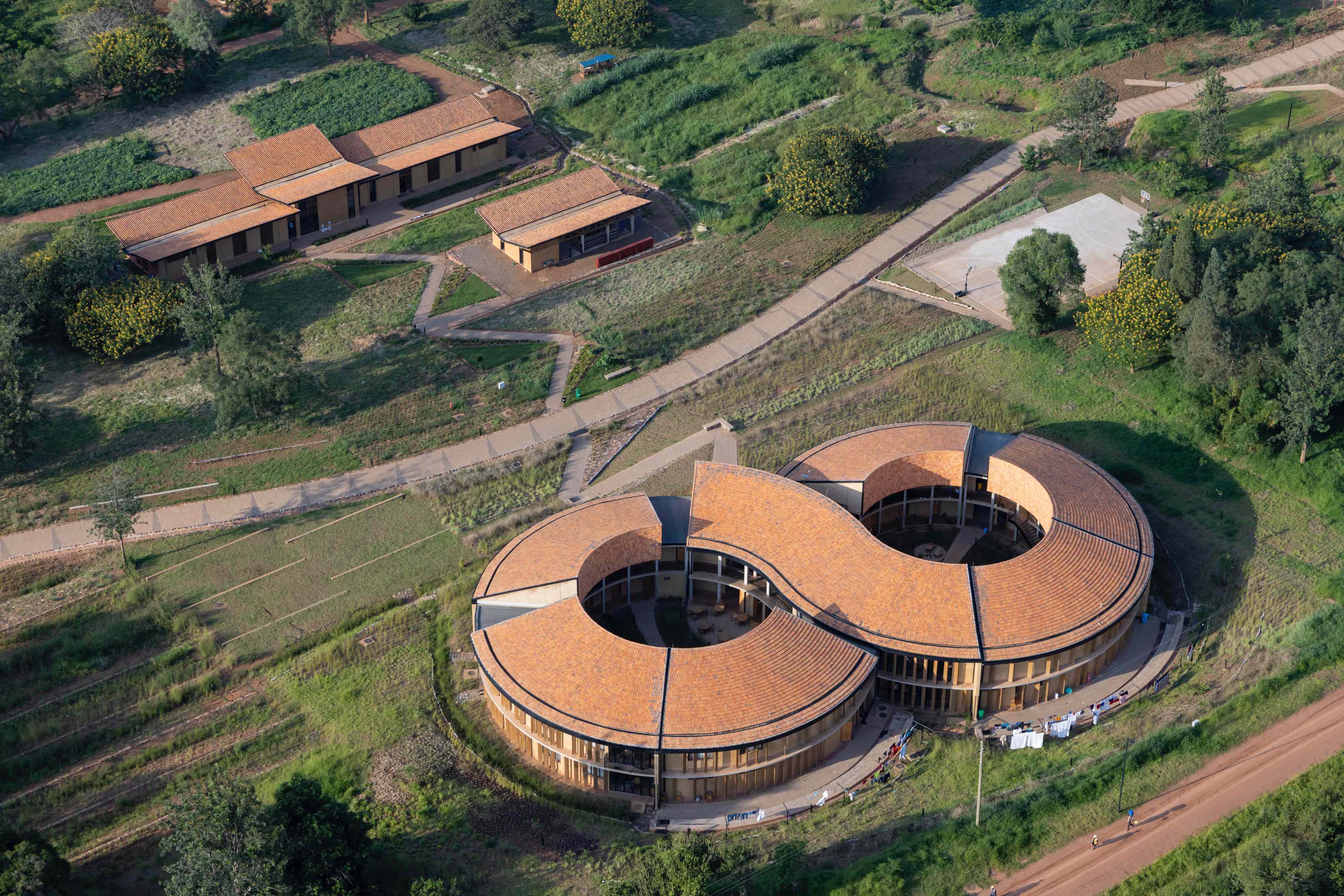
MASSデザイングループは、研究・教育・普及サービスに特化した〈RICA〉のキャンパスを創設した。本キャンパスは、ルワンダの次世代農業リーダーを育成し、持続可能な農業における国家的優先課題を推進するものである。
〈RICA〉は、持続可能なランドスケープデザイン、低炭素建材、循環型資源システムにより、2040年までに「クライメート・ポジティブ(建設・運営におけるCO2排出量よりも吸収量の方が多い状態)」を達成するよう設計されており、ルワンダ、東アフリカ、そして世界における再生農業、保全、低影響開発のモデルとして機能することを目指している。
©︎ Iwan Baan
プロジェクト背景:人口増加と土地利用の変化
ルワンダの人口は過去75年間で3倍に増加し、2050年までにさらに倍増すると予測されている。国土の景観は森林とサバンナが主体であった状態から自給的農業中心へと変化し、耕作地は1965年の20%から現在では80%以上に達している。
それにもかかわらず、国民の約20%が依然として食料不安に直面している状況である。増加する人口を養うためには、より少ない土地でより高栄養な食料を生産する必要がある。
©︎ MASS Design Group
森林伐採はこの問題をさらに深刻化させ、気候変動、生物多様性の喪失、作物害虫の増加、人獣共通感染症の拡大、土壌・水質の劣化を招いている。
本プロジェクトはルワンダ、東アフリカ、そして世界に向けて、農業・土地利用・建設における持続可能なアプローチを示す代替モデルを提供する。
©︎ MASS Design Group
プロセス:地域とともに形成するデザイン
コミュニティ参画
MASSのチームは、地域の文化的価値観、生活ニーズ、資源を理解するため、現地の生活に深く関与した。複数回にわたる参画セッションを開催し、ルワンダの国民的奉仕活動「ウムガンダ」に毎月参加した。この実践的アプローチにより、開発パターン、交通・流通ネットワーク、燃料・建築資材の使用、収穫方法、放牧や水管理などに関する貴重な知見を得た。
©︎ MASS Design Group
設計前調査と計画
〈RICA〉のマスタープランは、農業教育モデルを検証し、教育方法論の課題を特定し、それらを支える景観を分析する包括的かつ学際的な取り組みから生まれた。
生態学者、地域歴史家、獣医師、医師、農学者、生物学者と連携し、敷地の動植物相を詳細に分析した結果、約4分の1を占める手つかずのサバンナ林地帯が極めて貴重であることが明らかとなった。この発見が「ワンヘルス農業キャンパス」設計原則の採用を促し、人間・動物・生態系の相互連関する健康を重視する方向性が確立された。
ワンヘルス・アプローチ:ヒト、動物、環境の健康(健全性)に関する分野横断的な課題に対して、関係者が協力し、その解決に向けて取り組むことを指す
©︎ MASS Design Group
また、国際的な6つの農業キャンパスと、国内10以上の農業研修・収穫センターの事例調査も実施した。建築家とランドスケープデザイナーが学際チームを構成し、「世界初のワンヘルス農業キャンパス」の設計原則を定義した。
これらの知見に基づき、MASSは新設大学のスタッフと協働し、カリキュラム開発をキャンパス計画と整合させた。持続可能な設計戦略、土地利用計画、効率的な動線システムをマスタープランに統合している。
©︎ Iwan Baan
キャンパス設計:自然と学びを結ぶ構造
全体構成
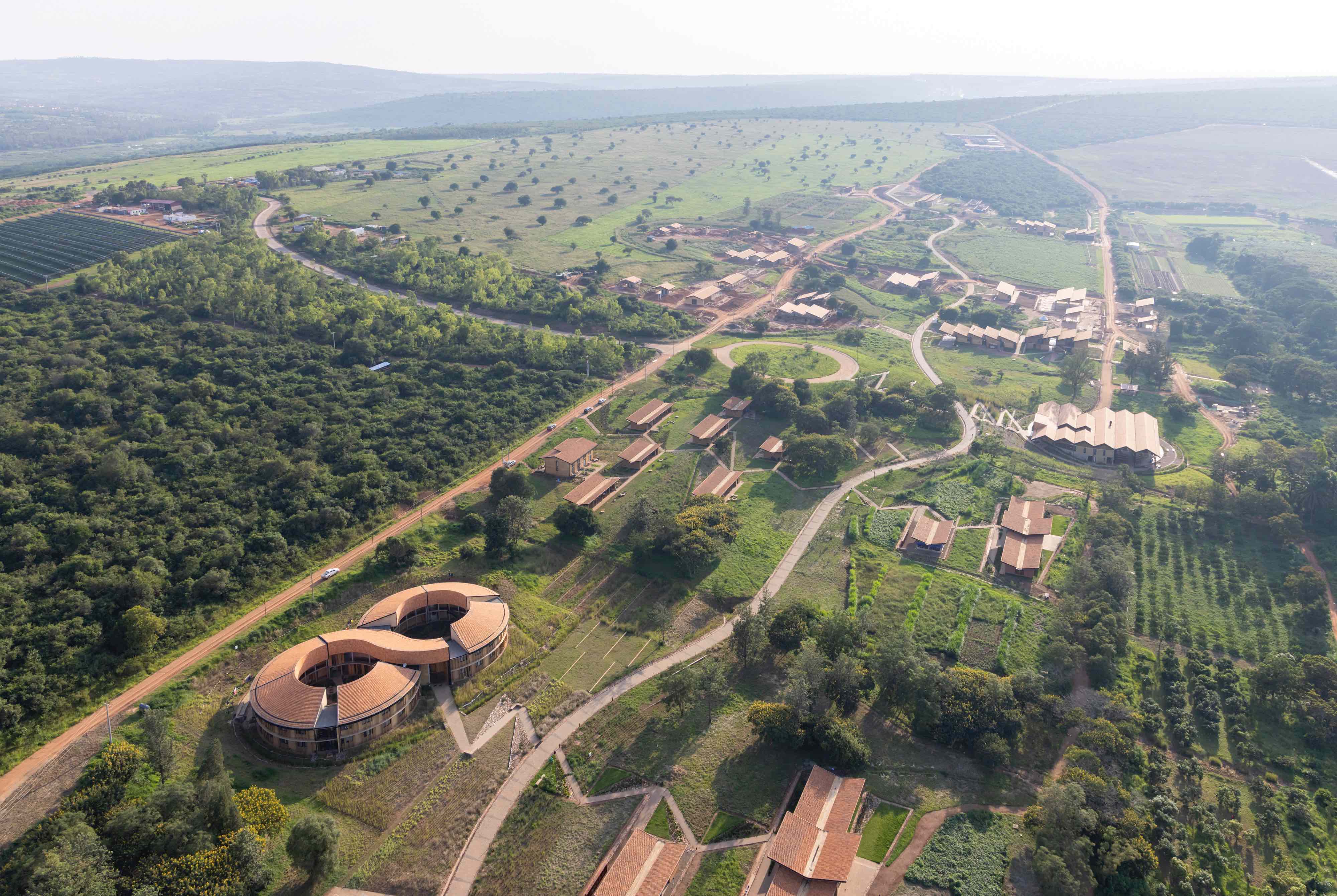
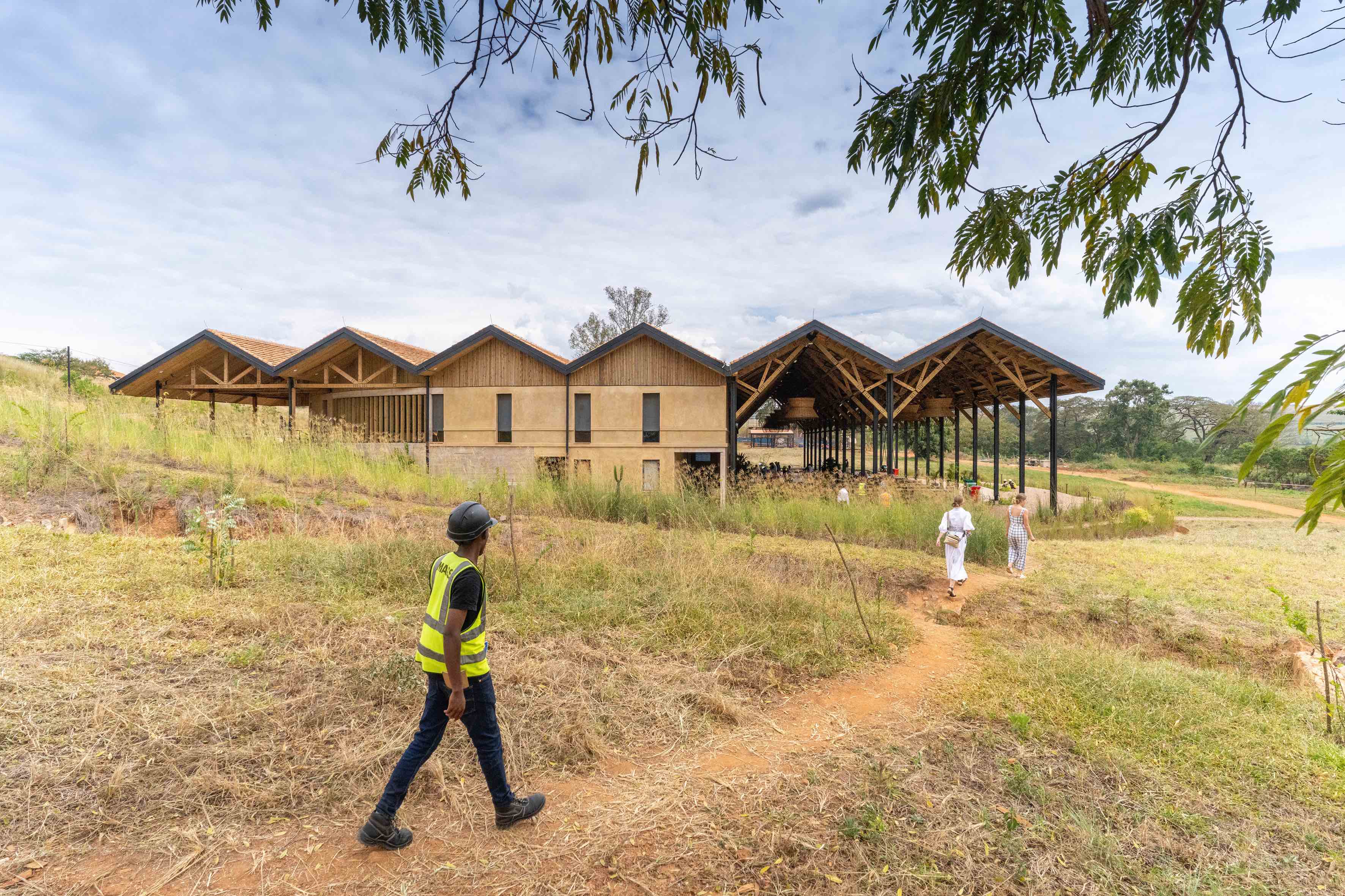
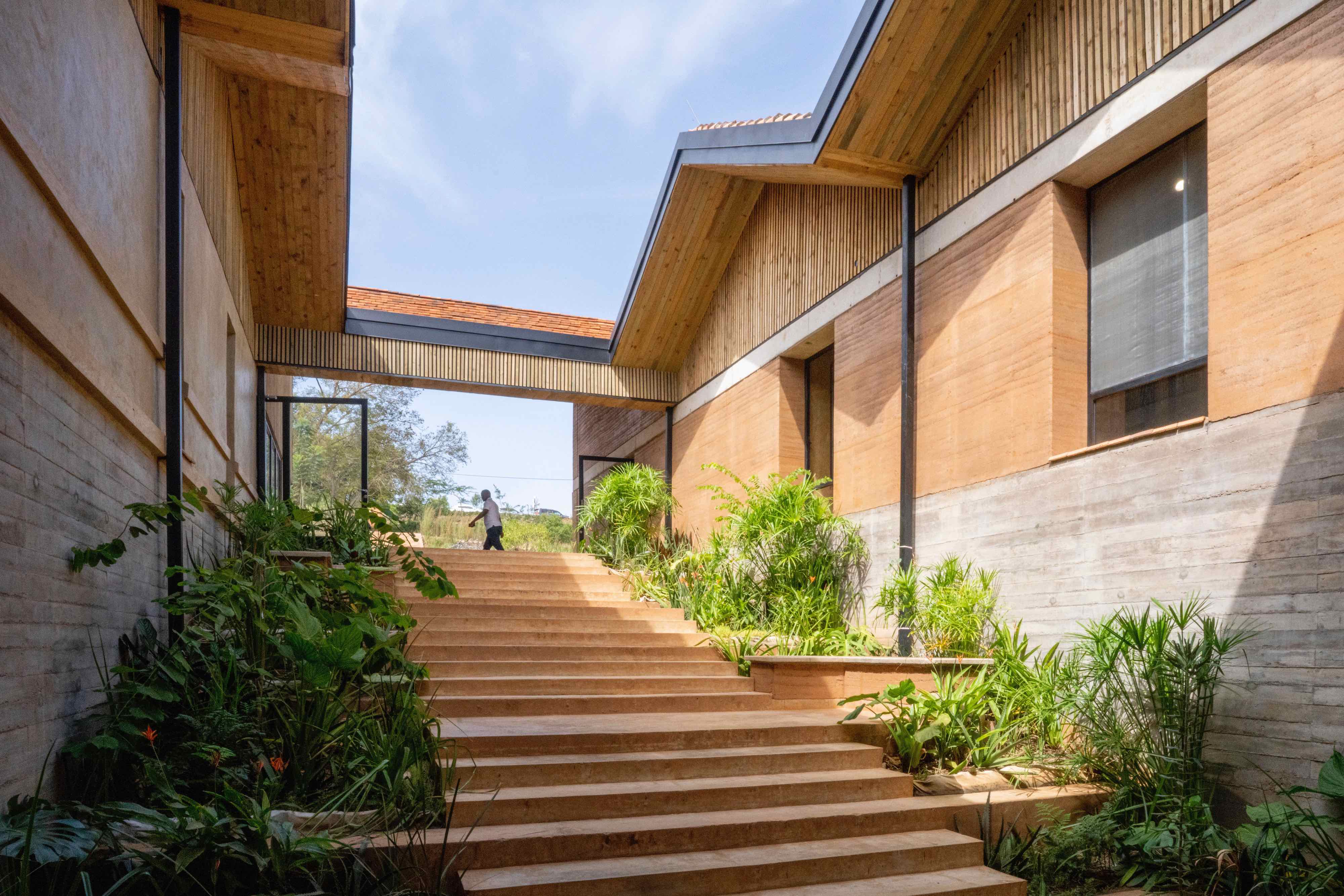
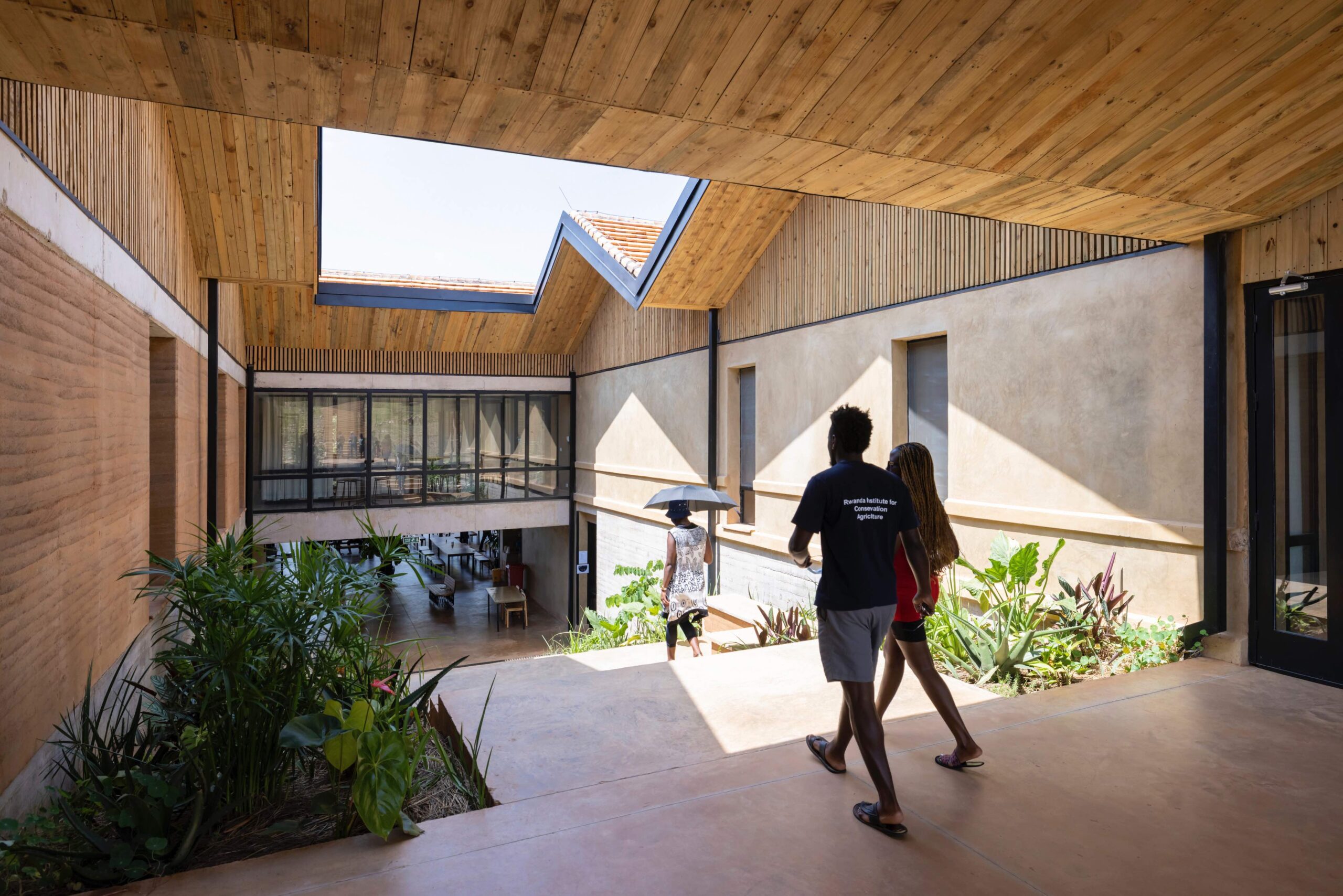
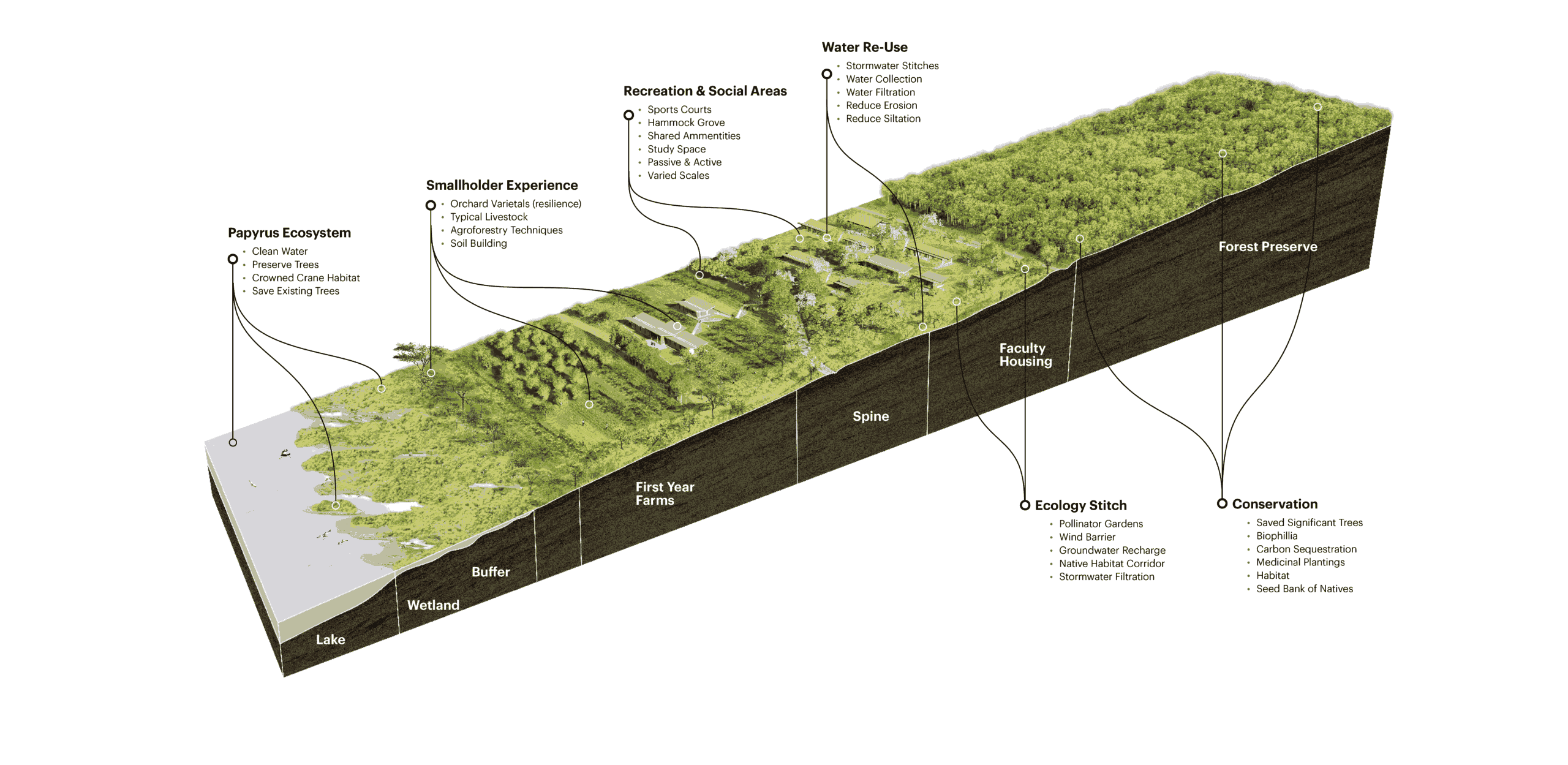
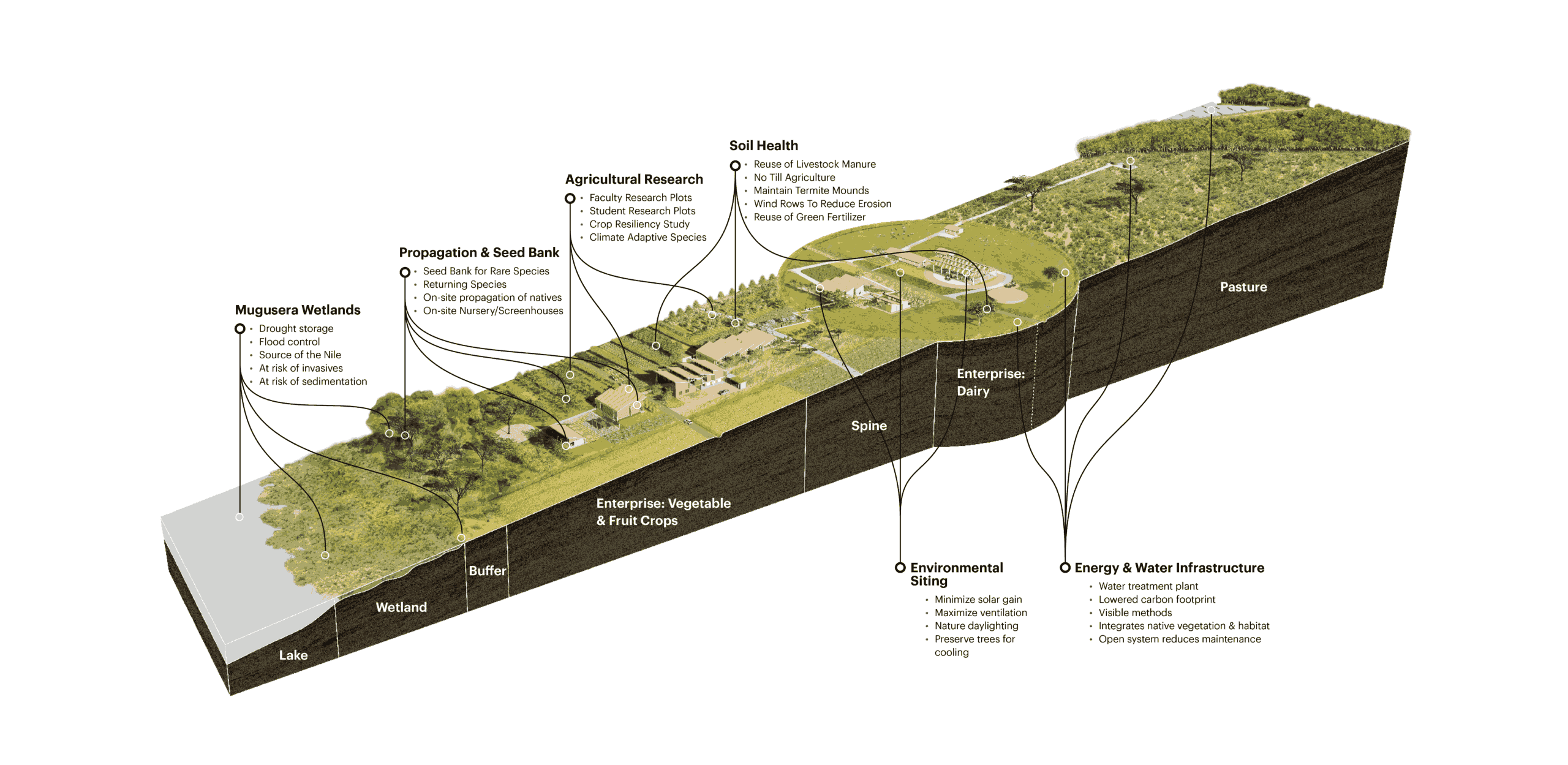
〈RICA〉キャンパスは、保全農業とワンヘルスの理念を体現する相互接続システムとして構築された。69棟の建物が中央軸に沿って配置され、全施設を結びつけることでアクセシビリティ、移動性、社会的結束を促進する。この軸は、西側の機械化農業から東側の小規模学生農場へと続き、農業プログラムを空間的に連結している。
学術棟群は設計の中核を成し、植物・動物ベースの6つの農業分野にそれぞれ特化している。これらの施設は生産ゾーン内に戦略的に配置され、原料から加工品への流れをメイン回廊に沿って可視化する。体験型学習を統合した構成により、学生や訪問者が農業実践を直接観察できる機会を提供している。
また、畜舎や加工施設はバイオセキュリティ確保のため慎重にゾーニングされ、飼料供給、廃棄物管理、動線経路が明確に整理されている。
RICA Transect Housing ©︎ MASS Design Group
RICA Transects Farming Enterprise ©︎ MASS Design Group
ランドスケープデザイン
ランドスケープは生態系の回復を重視しており、敷地内には保護対象のサバンナ林地帯が2カ所設けられている。これらはエコロジカル・コリドーによって連結され、水質維持を目的とした湿地緩衝帯により支えられる。また、頂点捕食種を導入することで、生態系の再生と野生生物の回帰を促進している。
さらに、アグロフォレストリー技術により、樹木や植生を農業システムに統合した。これにより生息地の回復、収量の向上、畜産活動の支援に寄与している。
アグロフォレストリー:樹木を植え、森を管理しながら、そのあいだの土地で農作物を栽培したり、家畜を飼ったりすること
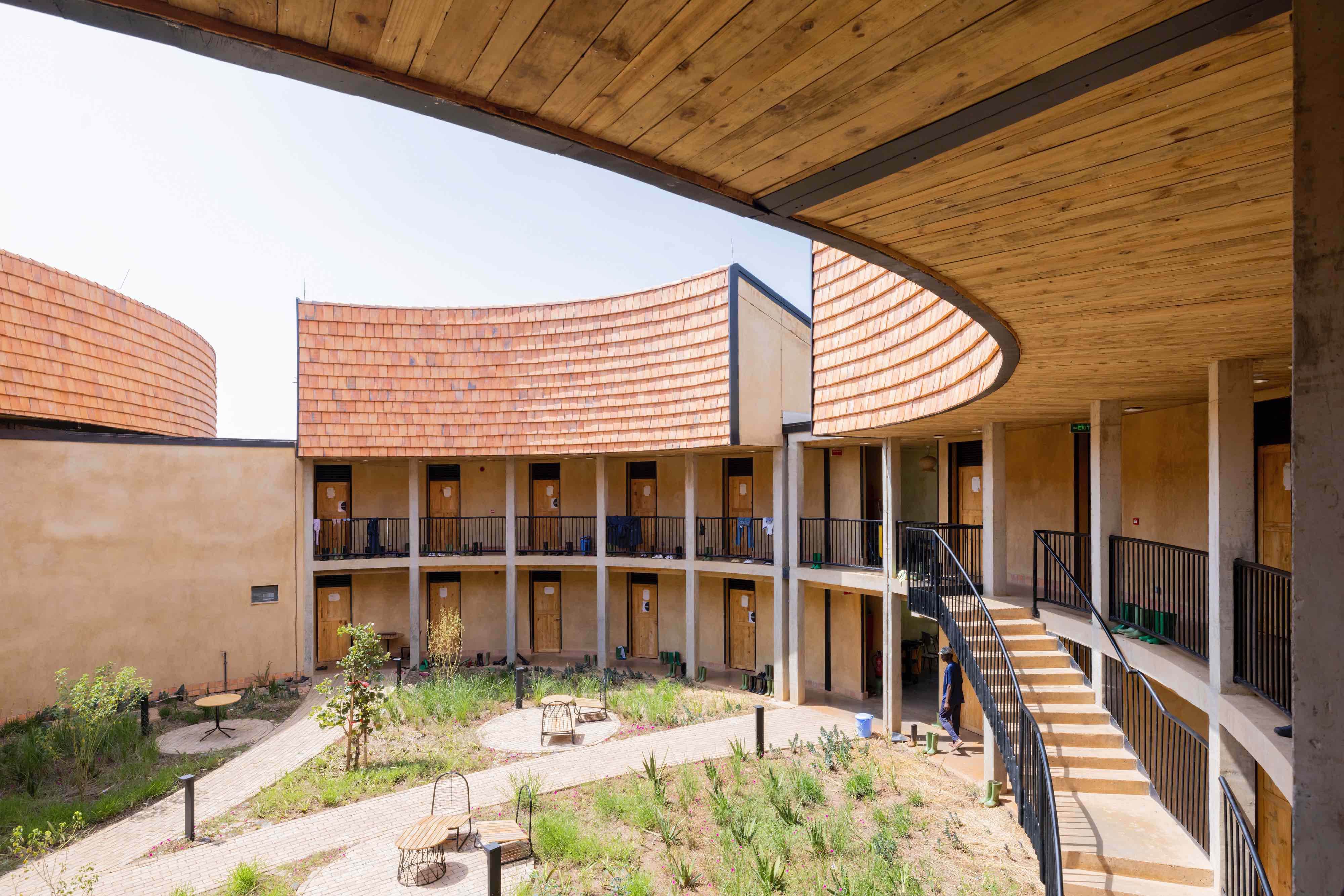
©︎ Iwan Baan
エネルギー・水システム
キャンパスの電力は、ルワンダ最大級となる1.5MWの太陽光発電システムですべて賄われている。この電力はポンプ、浄水施設、灌漑システムの稼働を支え、完全な自給を実現している。すべての水は敷地内で採取・処理され、独立した循環システムが構築されている。
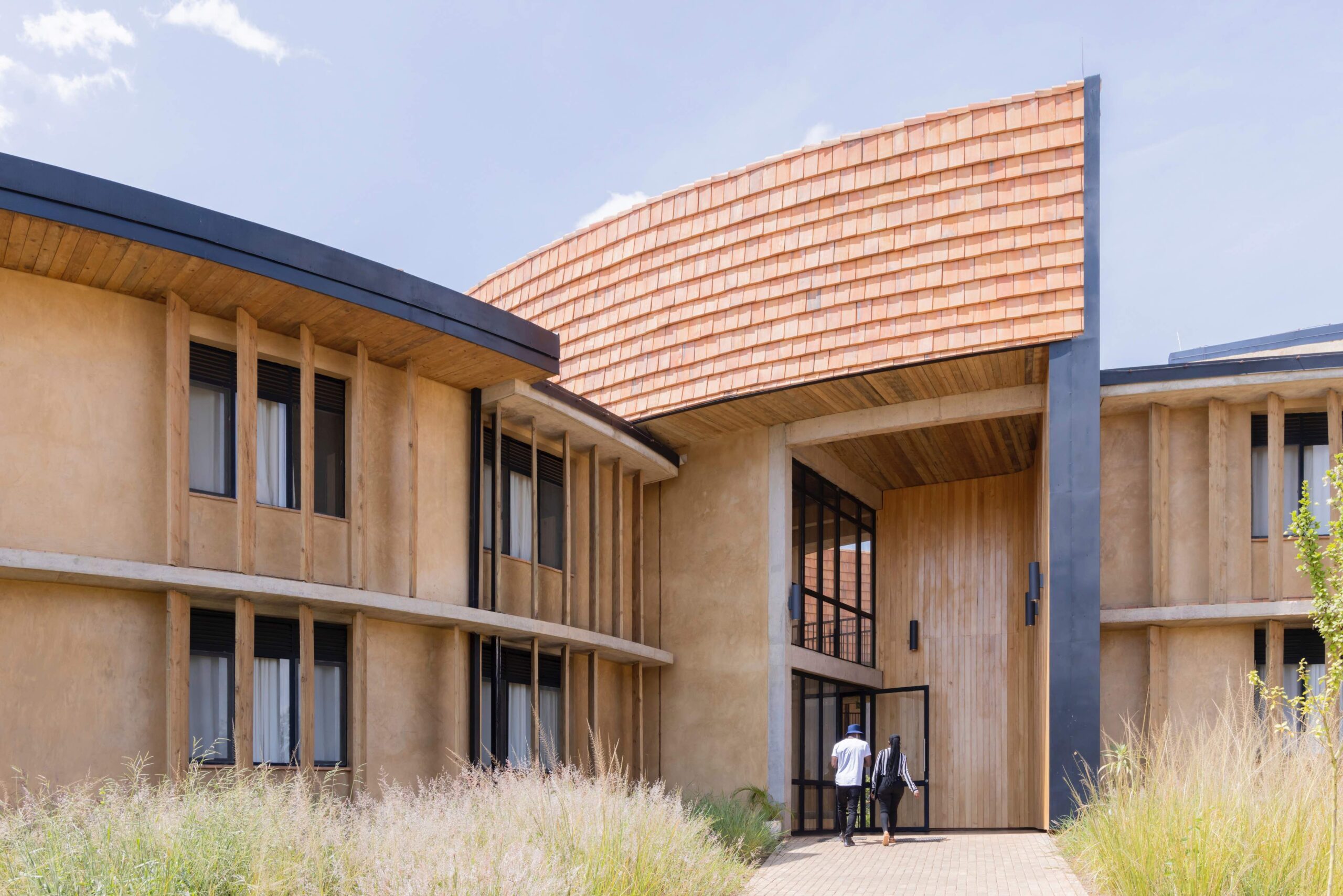
©︎ Iwan Baan
雨水・廃棄物管理
雨水は在来植物を利用した自然型バイオスウェイルで管理され、浸食を抑えつつ生物多様性を維持する。キャンパスでは閉鎖型廃棄物システムも採用し、動物排泄物を安全に収集・分配・堆肥化し栄養豊富な肥料を生産する。これらのシステムは需要と生産のバランスを取りつつ環境負荷を最小化する、持続可能性への包括的アプローチを体現している。
バイオスウェイル:低湿地に流入した水をろ過浸透させる機能をもたせたランドスケープ装置
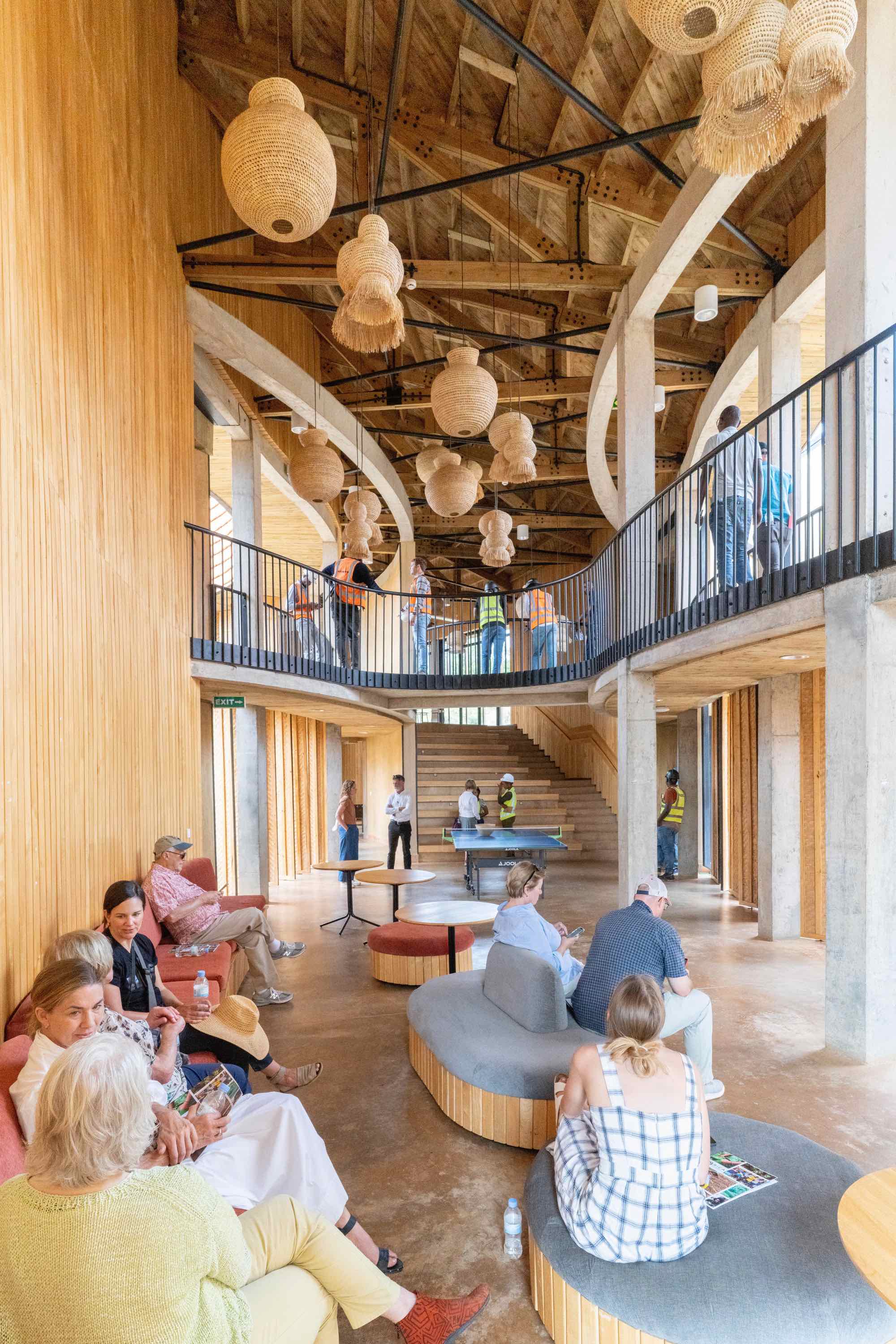
©︎ MASS Design Group
資材と工法:ローカル資源による低炭素建築
建築資材
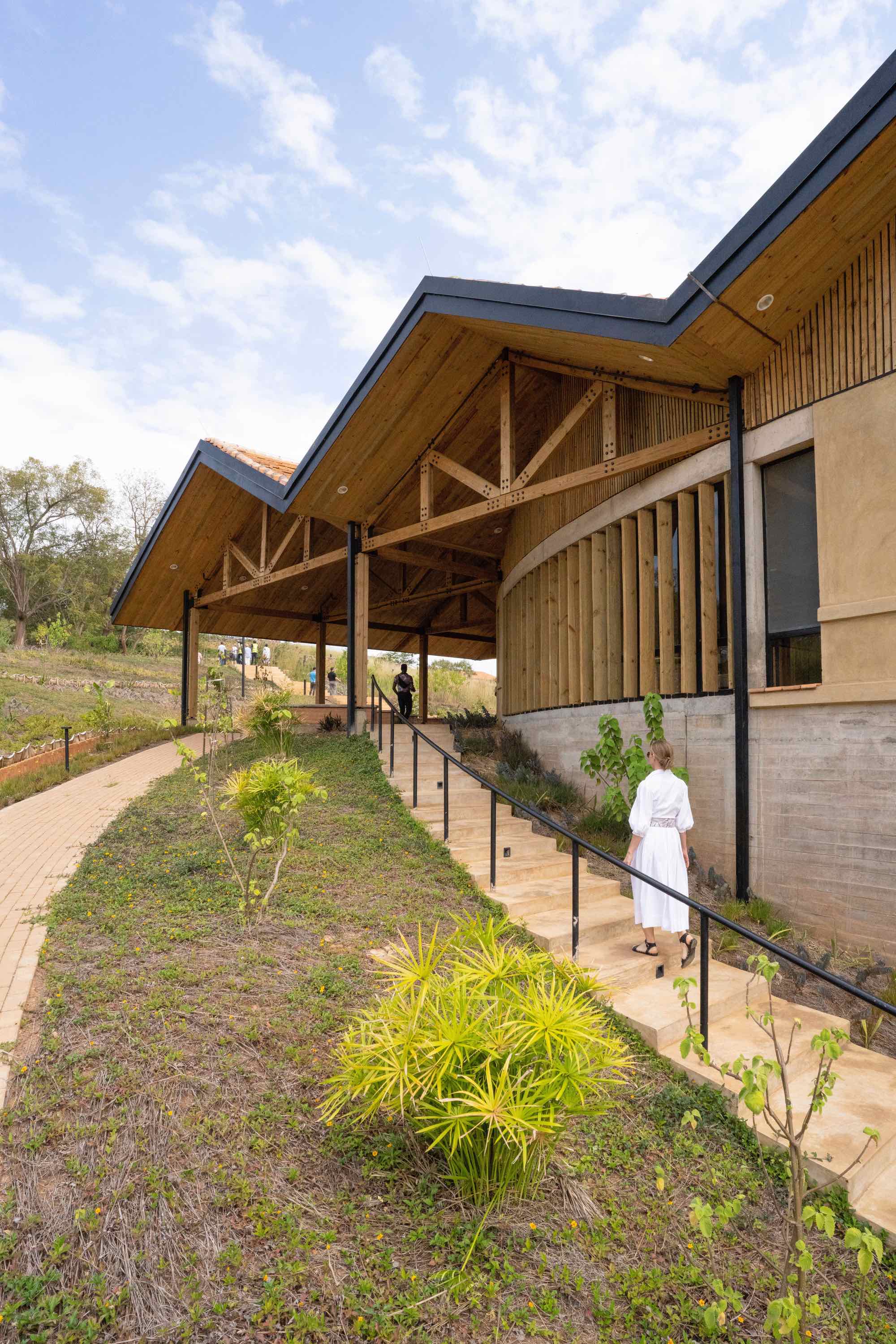
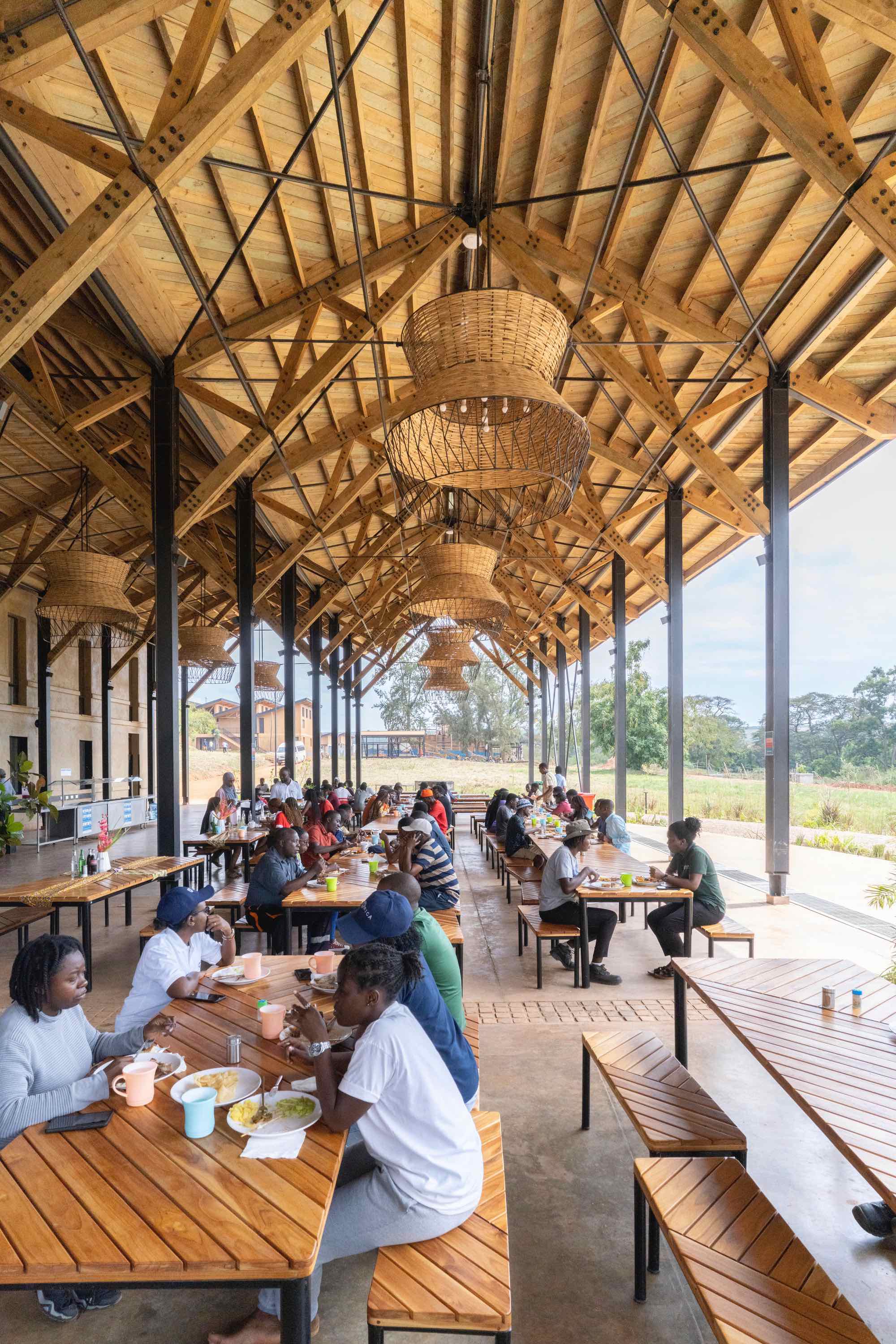
建築資材の約96%をルワンダ国内で調達し、地域産業の支援と持続可能性の両立を図った。木造屋根構造、版築、圧縮安定化土ブロックなど、地域特化型の低炭素建材を開発した。また、基礎構造には現地採石による石積みを採用し、コンクリート使用量を大幅に削減した。
資源効率を最大化するため、現地の土壌を用いて圧縮安定化土ブロックと版築壁用の低セメント混合材を製造した。ルワンダの地震条件下での耐久性を確保すると同時に、同国の農業遺産を称賛する設計となった。屋根の構造には地域産針葉樹を採用し、低炭素木材産業の確立に貢献するとともに、外来種への依存を回避している。国内最大の農業廃棄物であるコーヒー豆の殻を燃料に焼成した地元製テラコッタ瓦は、文脈に根ざした革新的な設計の好例である。
圧縮土ブロック(Compressed Earth Blocks):現地の土壌と非膨張性粘土、骨材の混合物を機械により高圧で圧縮し成形するブロック。セメントなどで安定化されている場合には圧縮安定化土ブロック(Compressed Stabilized Earth Blocks)とも呼ばれる。
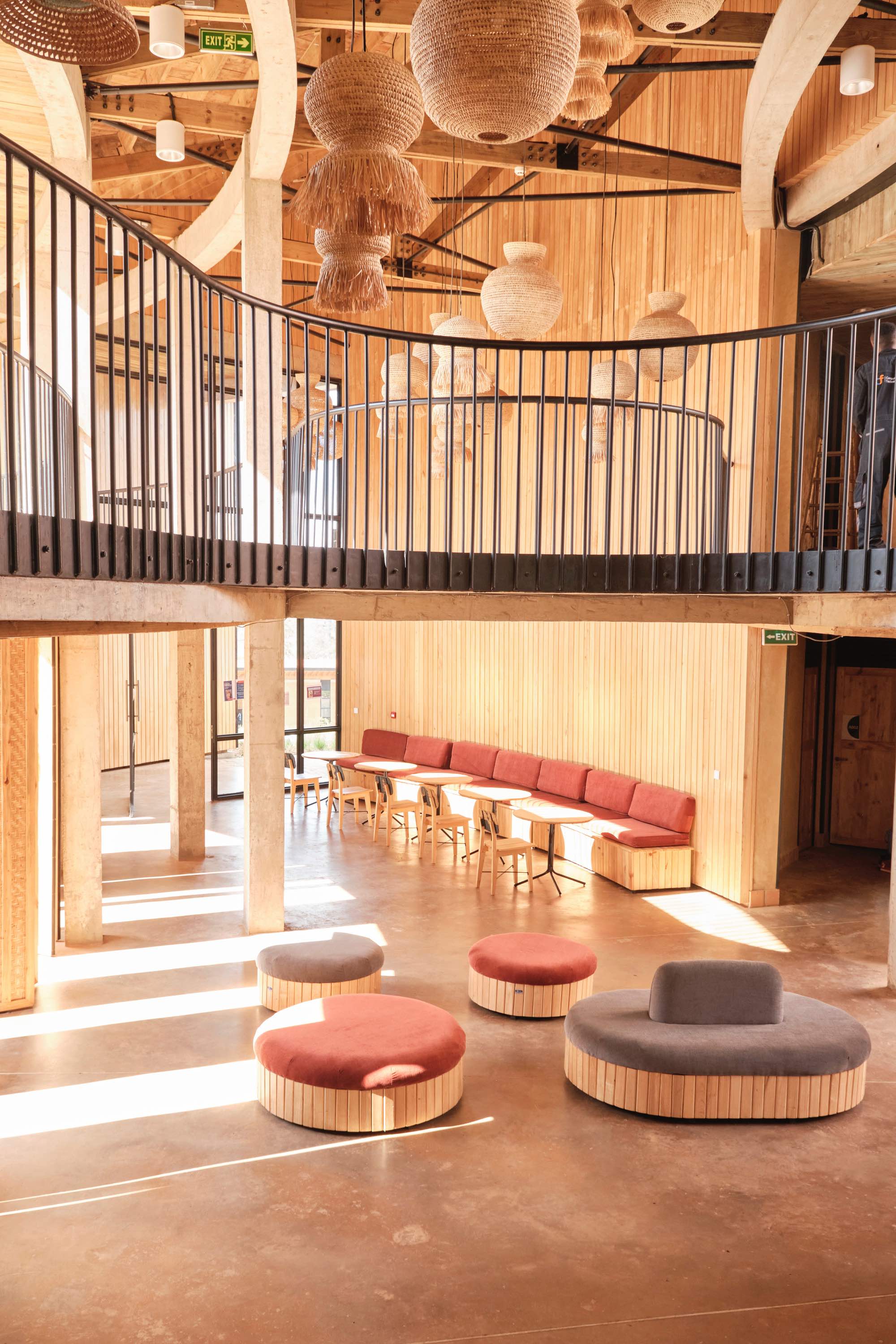
©︎ Chris Schwagga
家具・備品・設備
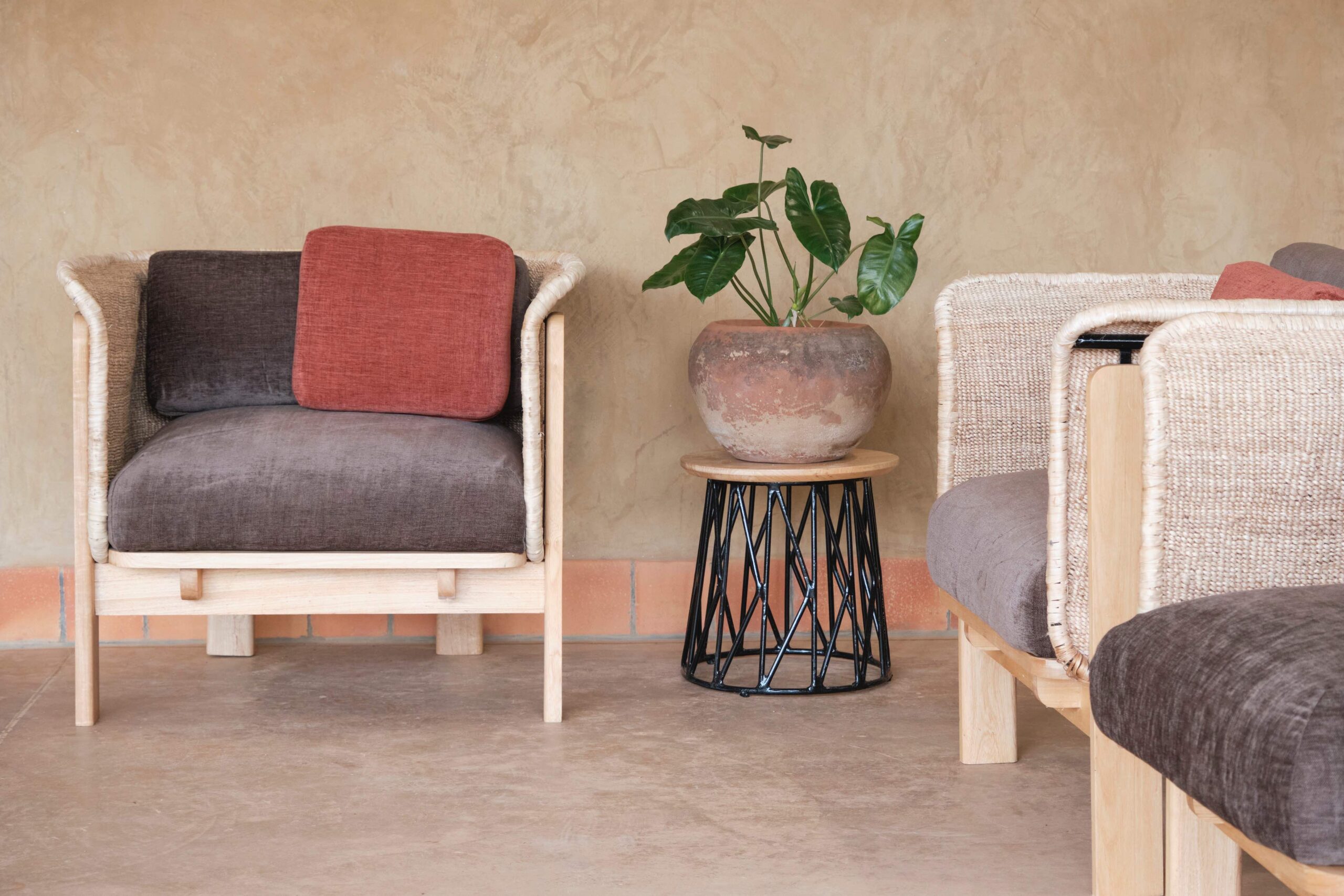
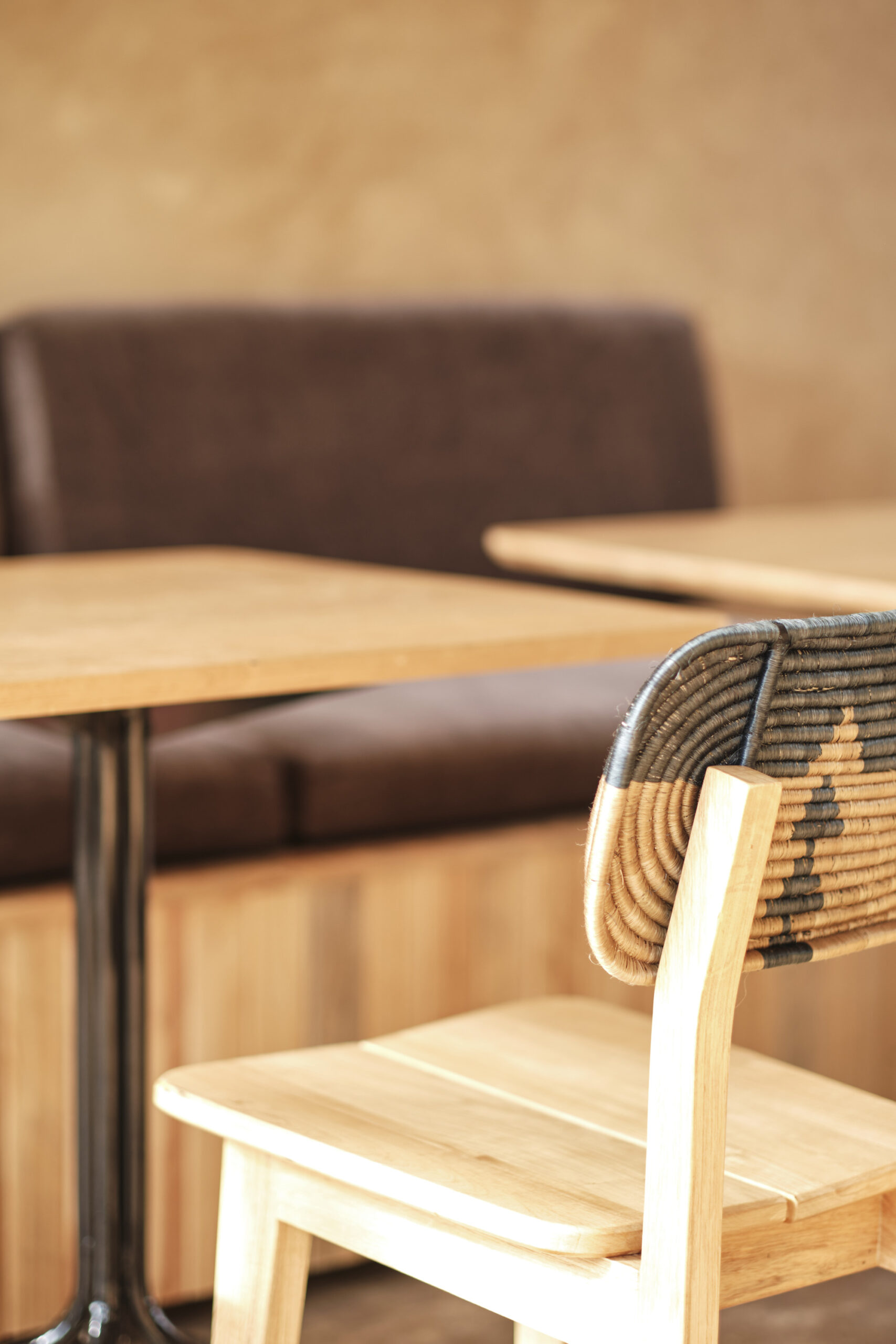
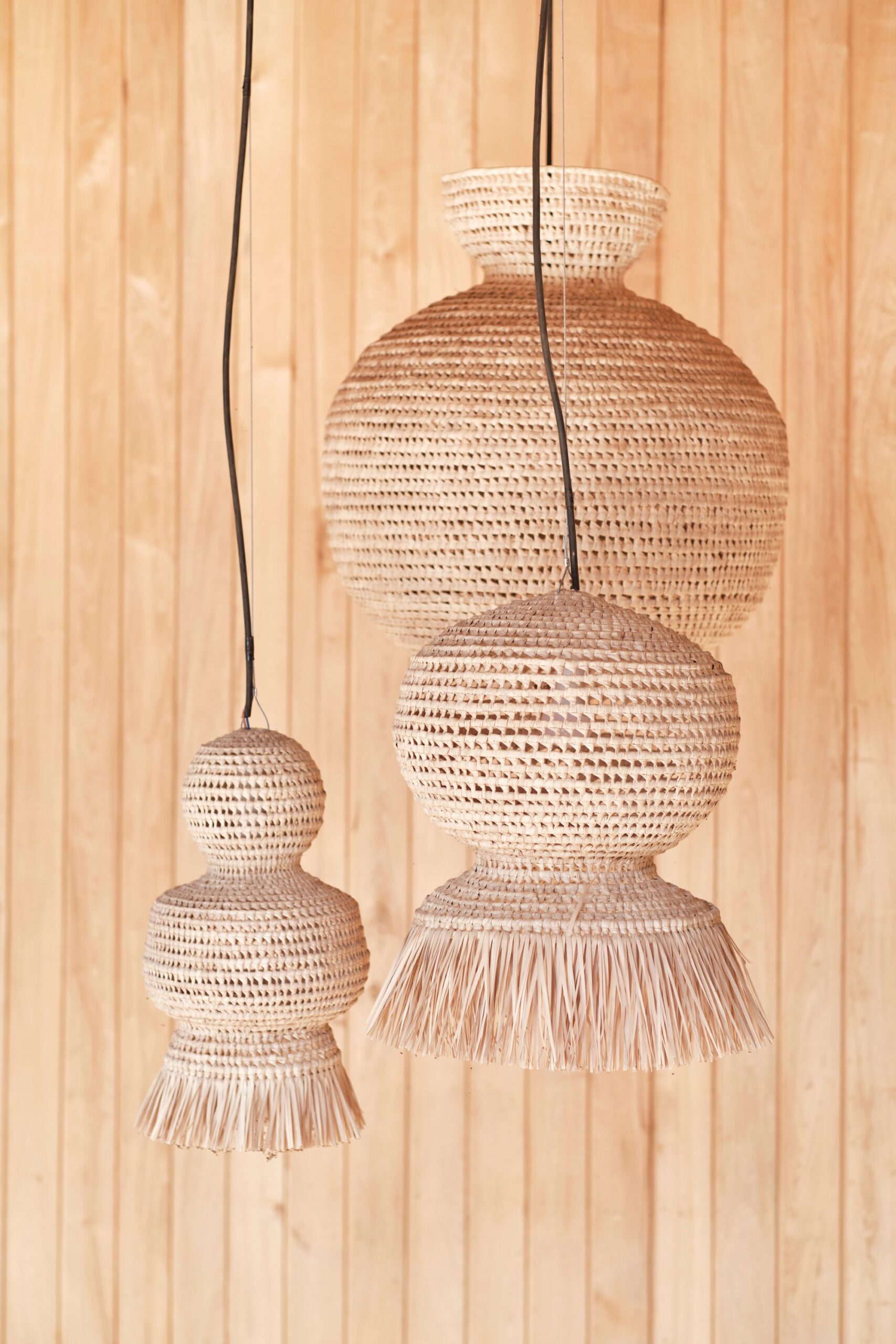
MASSは85以上の地元職人・協同組合と協働し、3,300点以上の家具・備品を設計・製作した。粘土、木材、テキスタイル、パピルスなどの自然素材を活用し、現代的機能と伝統工芸を融合させたデザインを展開している。学生・教職員・地域社会の多様なニーズに対応し、実用性と文化的共鳴の両立を実現した。
©︎ Chris Schwagga
インパクト:地域社会と環境への波及
地域への影響
本プロジェクトでは、労働力と資材の双方を地元で調達することで、周辺コミュニティに持続的な経済的機会を創出した。2,500人の労働者のうち90%がブゲセラ地区出身であり、予算の90%が現場から500マイル圏内で支出された。
天然建材の採用は、石積み・土壁工法・大工・織物などの技能訓練を通じ、労働者のスキル向上にもつながった。特に、版築技術を習得した労働者による協同組合が全国的に活動を展開していることは、その成果を象徴している。
また、現場リーダーシップチームの58%を女性が占め、男性優位とされてきた建設業界における新たな包括性の基準を打ち立てた。
©︎ Chris Schwagga
環境的持続可能性
ランドスケープデザイン、資材選定、エネルギー、雨水・廃棄物管理など、あらゆる側面における統合的戦略により、キャンパスの埋蔵炭素量は214kgCO2e/m²を達成し、公共事業プロジェクトの平均値より約60%低い数値を実現している。
〈RICA〉は2040年までに「クライメート・ポジティブ」となる見込みであり、建設・運営過程で排出する炭素量を上回る炭素を吸収・固定するキャンパスとして、持続可能な未来への道を示すものである。
©︎ Chris Schwagga
以下、MASSデザイングループのリリース(英文)です。
Rwanda Institute for Conservation Agriculture
Lead Architect: MASS Design Group
Client: Howard G. Buffett Foundation
Owner: Rwanda Institute for Conservation Agriculture Civil Engineering: Arup
SMEP MASS, Arup
Contractor: MASS, Remote Group, Costwise
Quantity Surveying: MEW Consultants LTD, Arabella Specifications: Conspectus
Furniture Design: MASSSummary
MASS partnered with the Rwanda Institute for Conservation Agriculture RICA to create a campus dedicated to research, education, and extension services. The campus trains Rwandaʼs next generation of agricultural leaders and supports national priorities in sustainable agriculture. RICA is designed to achieve climate positivity by 2040 through sustainable landscape design, low-carbon materials, and closed-loop resource systems. It serves as a model for regenerative agriculture, conservation, and low-impact development in Rwanda, East Africa, and globally.
Background
Rwanda’s population has tripled in 75 years and is expected to double again by 2050. Over this period, the landscape has shifted from predominantly forest and savannah to subsistence farming, now covering over 80% of the land compared to just 20% in 1965. Yet, 20% of the population remains food insecure. Meeting the challenge of nourishing a growing population will require producing more nutritious food on less land.
Deforestation has worsened the problem, contributing to climate change, biodiversity loss, crop infestations, zoonotic diseases, and soil and water degradation. This project offers an alternative model for Rwanda, East Africa, and beyond, demonstrating sustainable approaches to agriculture, land use, and construction.
Process
Community Engagement
To understand the community’s cultural values, needs, and resources, the team immersed itself in local life, hosting several engagement sessions and participating in monthly umugandaRwandaʼs national community work days. This hands-on approach provided invaluable insights into development patterns, transportation and circulation networks, fuel and building material usage, harvesting practices, informal grazing, and water management.Pre-Design Research & Planning
RICAʼs masterplan emerged from a comprehensive, multidisciplinary effort that examined agricultural education models, identified gaps in pedagogy, and analyzed the landscapes that support them.Our team began by collecting data from the community and conducting an in-depth analysis of the siteʼs flora and fauna, engaging ecologists, local historians, veterinarians, doctors, agricultural academics, and biologists. This work revealed a highly valuable expanse of intact savannah woodlands, covering roughly one-quarter of the site. The discovery inspired the adoption of “One Healthˮ design principles, emphasizing the interconnected health of humans, animals, and ecosystems.
The research also included case studies of six international agricultural campuses and over a dozen Rwandan agricultural training and harvesting centers. A team of architects and landscape designers collaborated with veterinarians, doctors, agricultural academics, and biologists to define the principles for a ‘One Health Agricultural Campusʼ—a first of its kind.
Building on these findings, the MASS team worked closely with the new university’s staff to align curriculum development with campus programming, integrating sustainable design strategies, land use planning, and efficient circulation systems into the masterplan.
Campus Design
Overview
RICAʼs campus is designed as an interconnected system that embodies the principles of Conservation Agriculture and One Health, linking ecological, animal, and human health. The masterplan includes 69 buildings organized along a central spine, which connects all facilities and fosters accessibility, movement, and social cohesion. This spine spatially links the campusʼ agricultural programming, from mechanized farming on the West to smallholder student farms on the East.Academic buildings anchor this design, with each dedicated to one of six agricultural enterprises, both plant- and animal-based. These buildings are strategically embedded within production zones, showcasing the movement of raw-to-processed materials along the main corridor. This arrangement integrates experiential learning, offering students and visitors a direct view into
agricultural practices. Production facilities, barns, and processing spaces are carefully zoned to ensure biosecurity, with clearly defined routes for feed, waste management, and circulation.
Landscape
The landscape design focuses on ecological restoration, with two zones of savannah woodland designated for conservation. These areas are connected through ecological corridors and supported by a wetland buffer to maintain water quality. The design prioritizes apex species to regenerate local ecosystems and attract wildlife, such as the grey crowned crane, back to the area.Agroforestry techniques enhance the landscape by integrating trees and vegetation into agricultural systems. These techniques help restore habitats, boost crop yields, and support livestock operations.
Energy & Water Systems
RICA is powered entirely by a 1.5MW on-site solar array, one of the largest in Rwanda. This solar farm generates 100% of the campus’s electricity needs, enabling the operation of lake pumps, filtration stations, and irrigation systems. All water is sourced and treated on-site, ensuring a self-sufficient system.Stormwater and Waste Management Systems
Stormwater is managed using natural bioswales, propagated from native site plants. These green infrastructure features reduce erosion and support biodiversity. The campus also employs a closed-loop waste system, safely collecting, distributing, and composting animal waste to produce nutrient-rich fertilizer. Together, these systems embody a holistic approach to sustainability, balancing demand with output while minimizing environmental impact.Materials & Craft
Construction Materials
Approximately 96% of the campusʼ building materials were sourced within Rwanda, reflecting a commitment to sustainability and support for local industries. MASS designed, engineered, and tested low embodied-carbon materials tailored to the region, including timber roof structures, rammed earth, and compressed stabilized earth block. Structural foundations were constructed using locally-quarried stone masonry, significantly reducing the use of concrete.To maximize resource efficiency, on-site soils were used to create a low-cement mix for compressed stabilized earth blocks and rammed-earth walls, ensuring durability in Rwandaʼs seismic conditions while celebrating the countryʼs agricultural heritage. Roof structures incorporate regionally sourced softwoods, helping to establish a low-carbon timber industry and avoiding reliance on invasive species. Locally crafted terra-cotta roof tiles, fired using coffee bean husks—the countryʼs largest agricultural waste product—further exemplify innovative, context-driven design.
Furniture, Fixtures & Equipment
MASS oversaw the design and production of over 3,300 furniture and fixture units, collaborating with more than 85 local artisans and cooperatives. Inspired by Rwandaʼs natural landscape, the designs use sustainably sourced materials like clay, wood, textiles, and papyrus, blending modern functionality with traditional Rwandan craftsmanship. The pieces were tailored to meet the diverse needs of students, faculty, and the broader community, ensuring both practicality and cultural resonance.Impact
Community Impact
The project’s commitment to sourcing both labor and materials locally created meaningful opportunities for adjacent communities, with 90% of the 2,500-person workforce coming from the Bugesera district and 90% of the budget spent within 500 miles of the site.The use of natural building materials also enabled comprehensive worker training in trades such as stone and earth masonry, carpentry, and natural fiber weaving. This training’s lasting impact is exemplified by a cooperative formed by workers trained in rammed earth construction on the project now working across the country.
Notably, 58% of the site leadership team identified as female, setting a new standard for inclusivity in a traditionally male-dominated construction industry.
Environmental Sustainability
Through various strategies across landscape design, material choice, energy systems, stormwater management, and waste management, the campus buildings achieve an embodied carbon of 214 kg CO2 equivalent per square meter (kgCO2e/m2), which is 60% lower than the baseline for institutional projects. RICA is projected to be climate positive by 2040, meaning it will sequester more carbon than it emits from its construction and operations.
MASSデザイングループ 公式サイト
https://massdesigngroup.org/index.php/work/design/rwanda-institute-conservation-agriculture
【購読無料】空間デザインの今がわかるメールマガジン TECTURE NEWS LETTER
RECOMMENDED ARTICLE


![[大阪・関西万博]トイレや休憩所などを紹介_トイレ8](https://magazine-asset.tecture.jp/wpcms/wp-content/uploads/2025/07/09164736/DSC00702-min-900x600.jpg)