

CULTURE
© Kéré Architecture
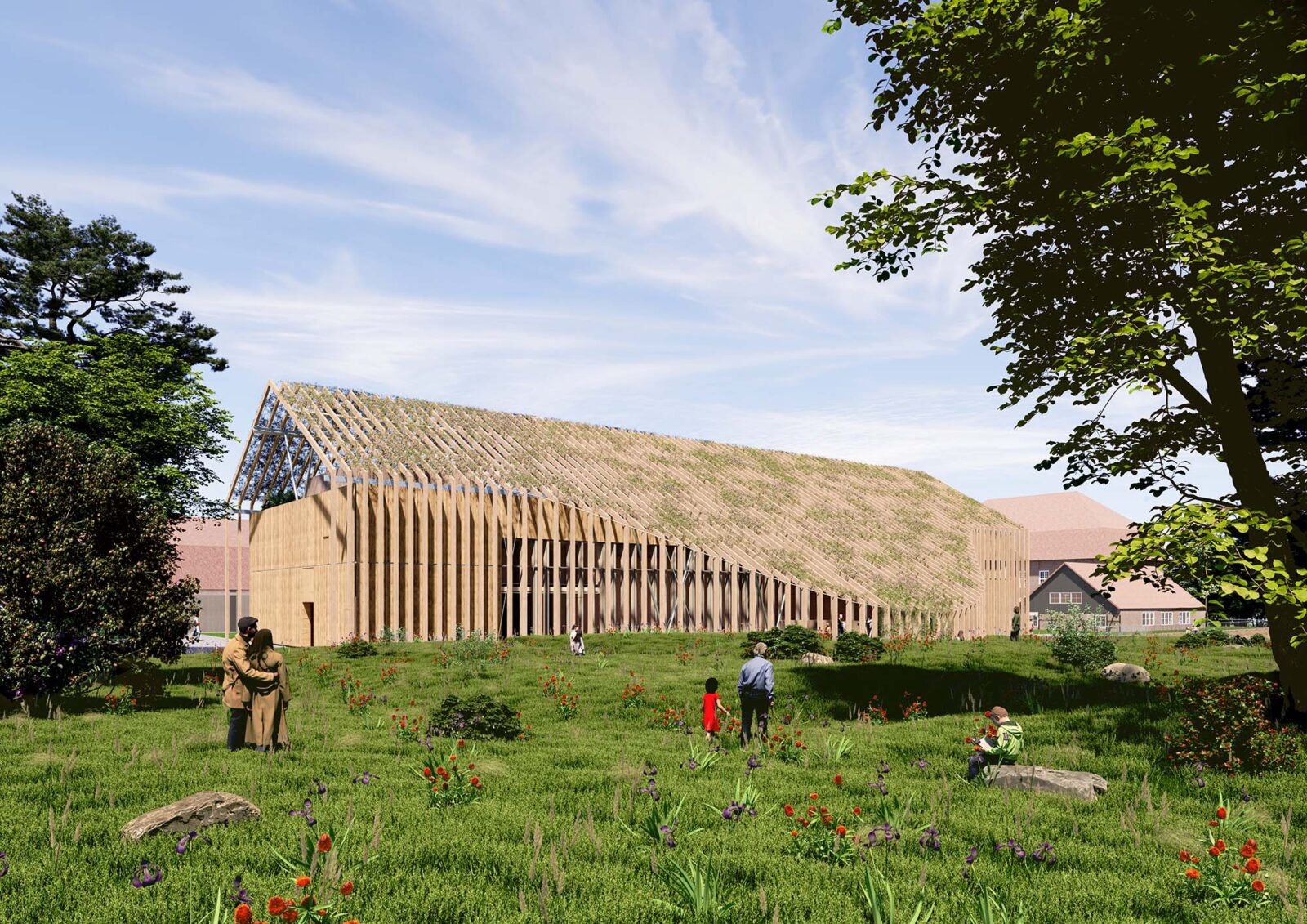
ドイツ北部のプリュショウに計画されている〈エールハルト美術館(Museum Ehrhardt)〉は、ドイツの芸術に大きな影響を与えた芸術家アルフレート・エールハルトの息子夫妻によって構想された、写真と現代美術に特化した美術館です。
2022年にプリツカー賞を受賞したブルキナファソの建築家フランシス・ケレ(Francis Kéré)が率いるケレ・アーキテクチャ(Kéré Architecture)が設計しました。
注目ポイント
- フランシス・ケレによるドイツ初の文化施設かつヨーロッパ初のミュージアム建築
- 木材と粘土による地域技術を再評価した工芸的なアプローチ
- 版築壁の熱容量による温湿度調整機能とパッシブデザイン
- 将来的な解体・再利用を前提とした木造構造によるサステナブルな設計思想
(以下、ケレ・アーキテクチャから提供されたプレスキットのテキストの抄訳)
© Kéré Architecture
ケレ・アーキテクチャによるドイツ初の文化プロジェクト
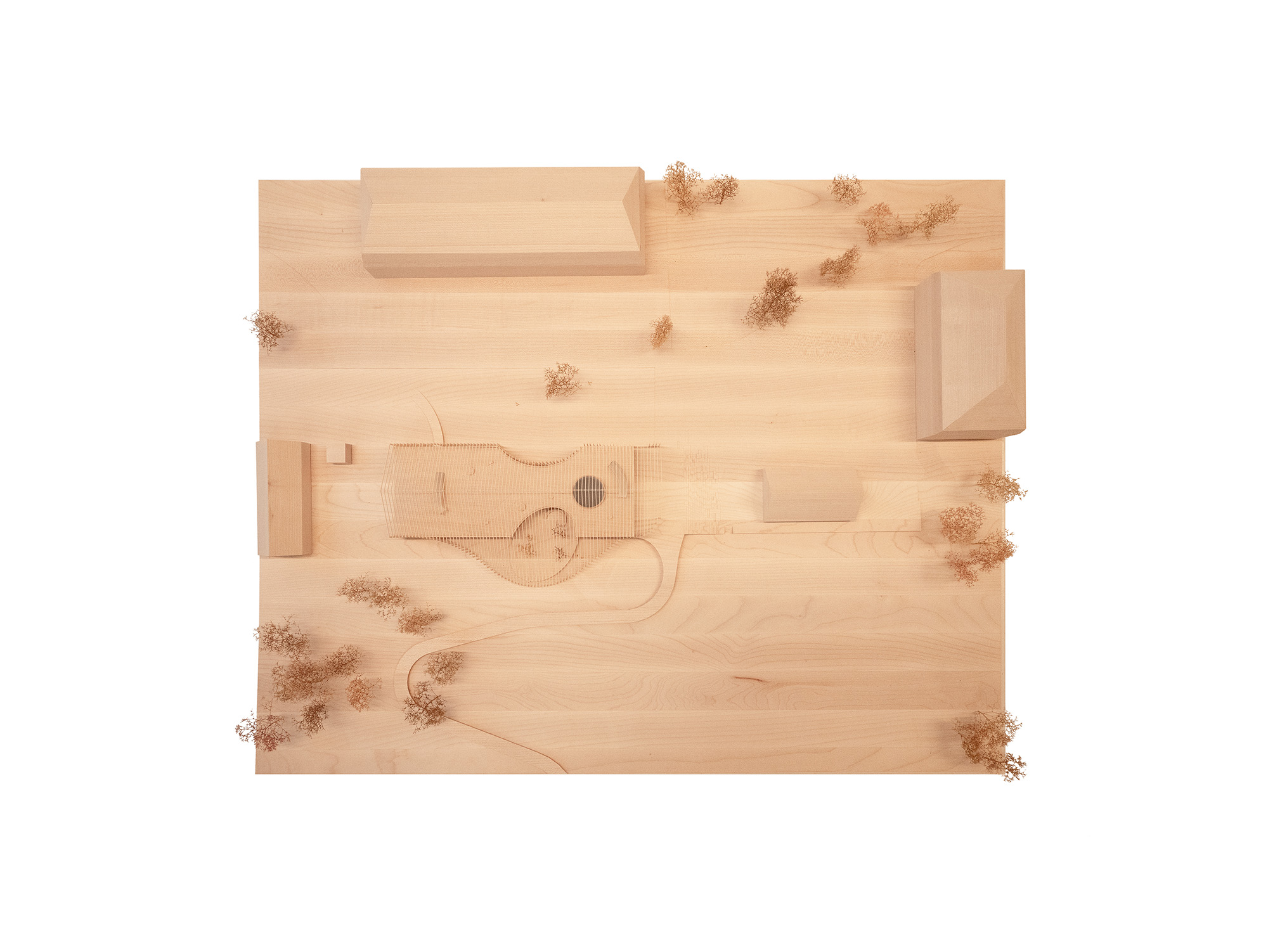
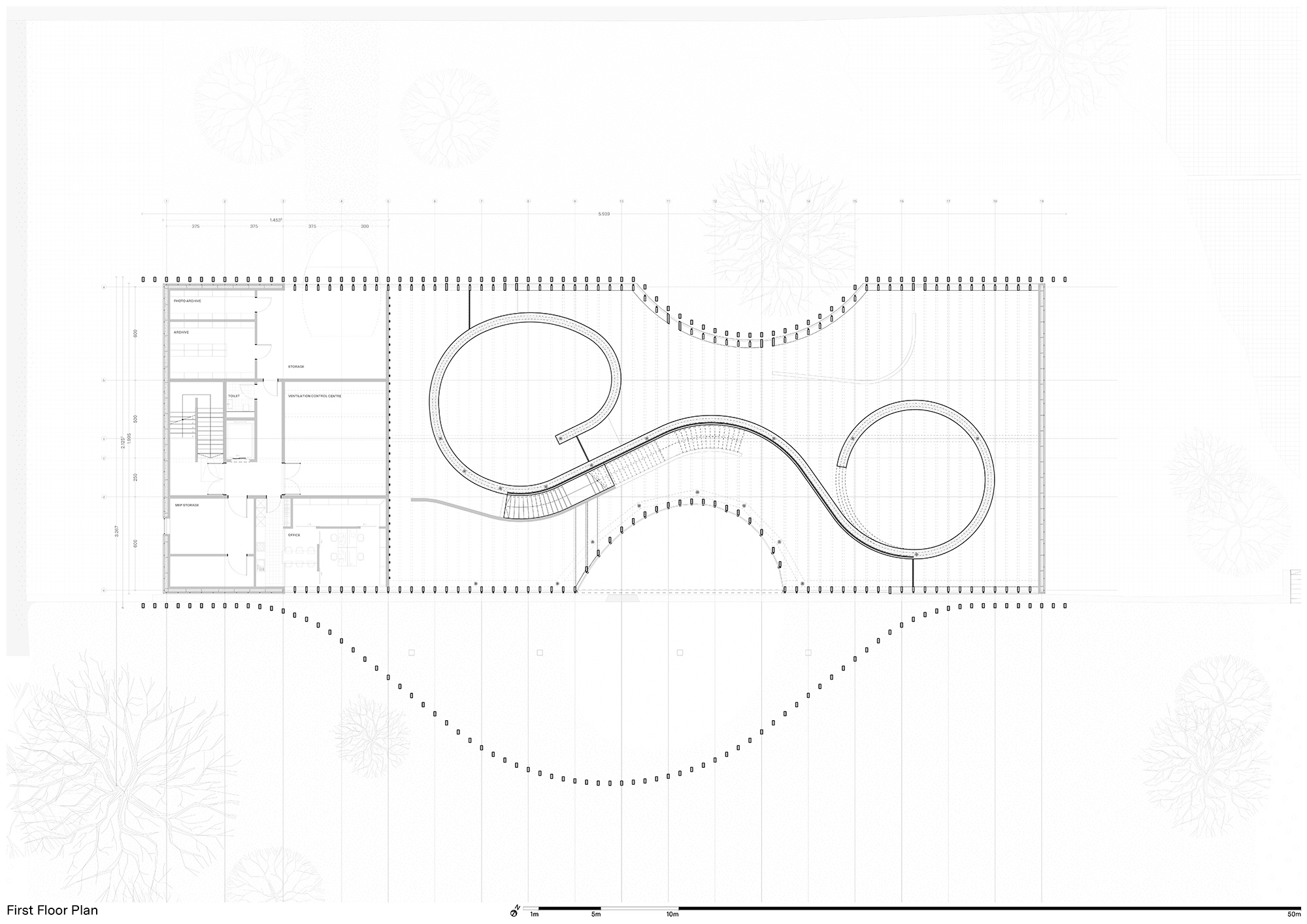
〈エールハルト美術館〉は、フランシス・ケレとケレ・アーキテクチャによるドイツ初の文化施設であり、同スタジオにとってヨーロッパ初のミュージアム建築である。本プロジェクトは、写真と現代美術に特化した新たな拠点として計画され、敷地面積は約1,400m²に及ぶ。
© Kéré Architecture
アルフレート・エールハルトの遺産から生まれた構想
本計画は、芸術家アルフレート・エールハルト(Alfred Ehrhardt)の息子であるヤン・エールハルト博士(Jens Ehrhardt)と、その妻エルケ・ヴァイト=エールハルト(Elke Weicht-Ehrhardt)によって発案された。
アルフレート・エールハルト(1901–1984)は画家、写真家、映画作家として活躍し、新即物主義運動の主要な人物の1人である。彼の活動は、20世紀ドイツにおける芸術の理解と発展に大きな影響を与えた。
© Kéré Architecture
北ドイツの文化的景観に寄与する立地選定
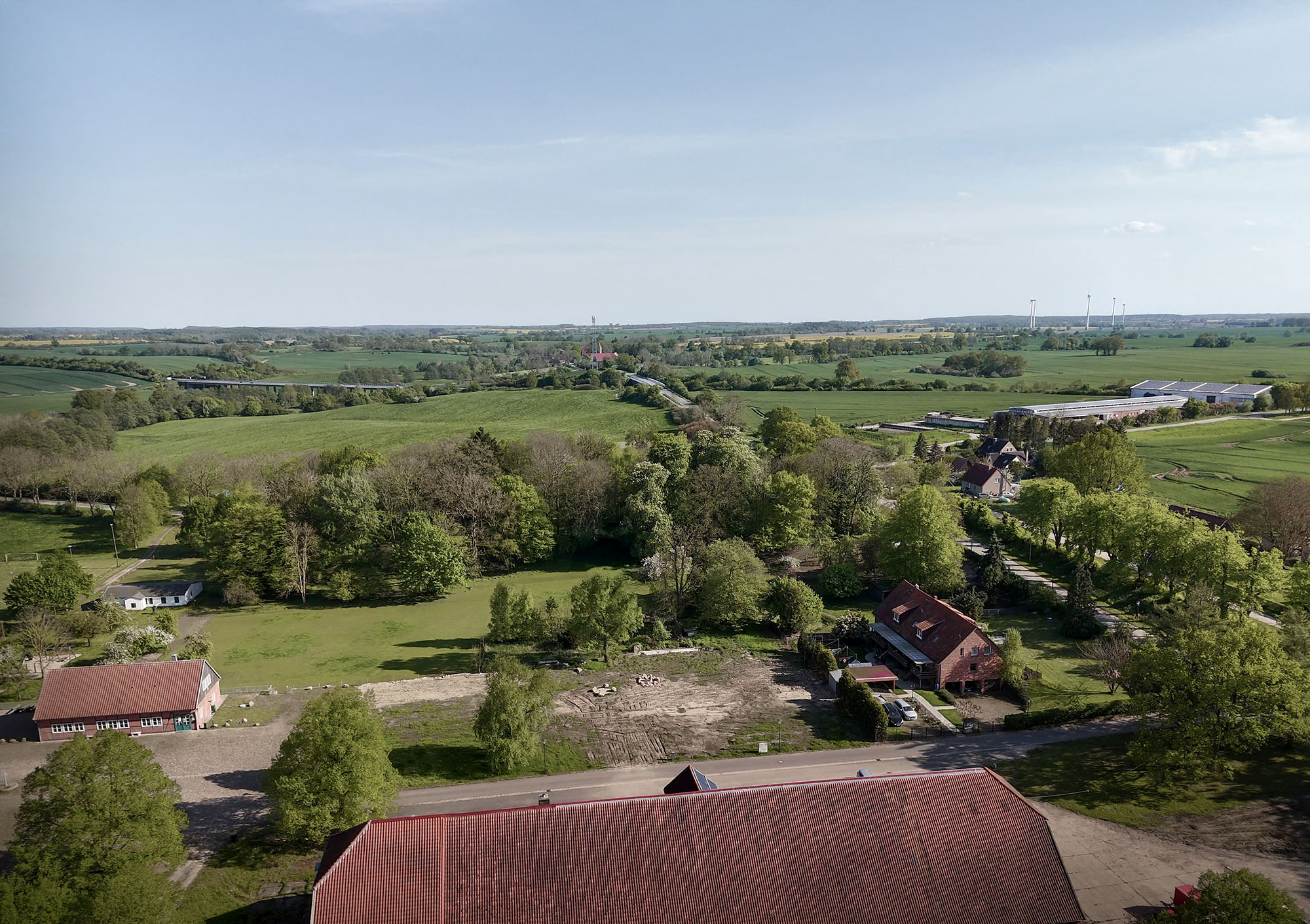
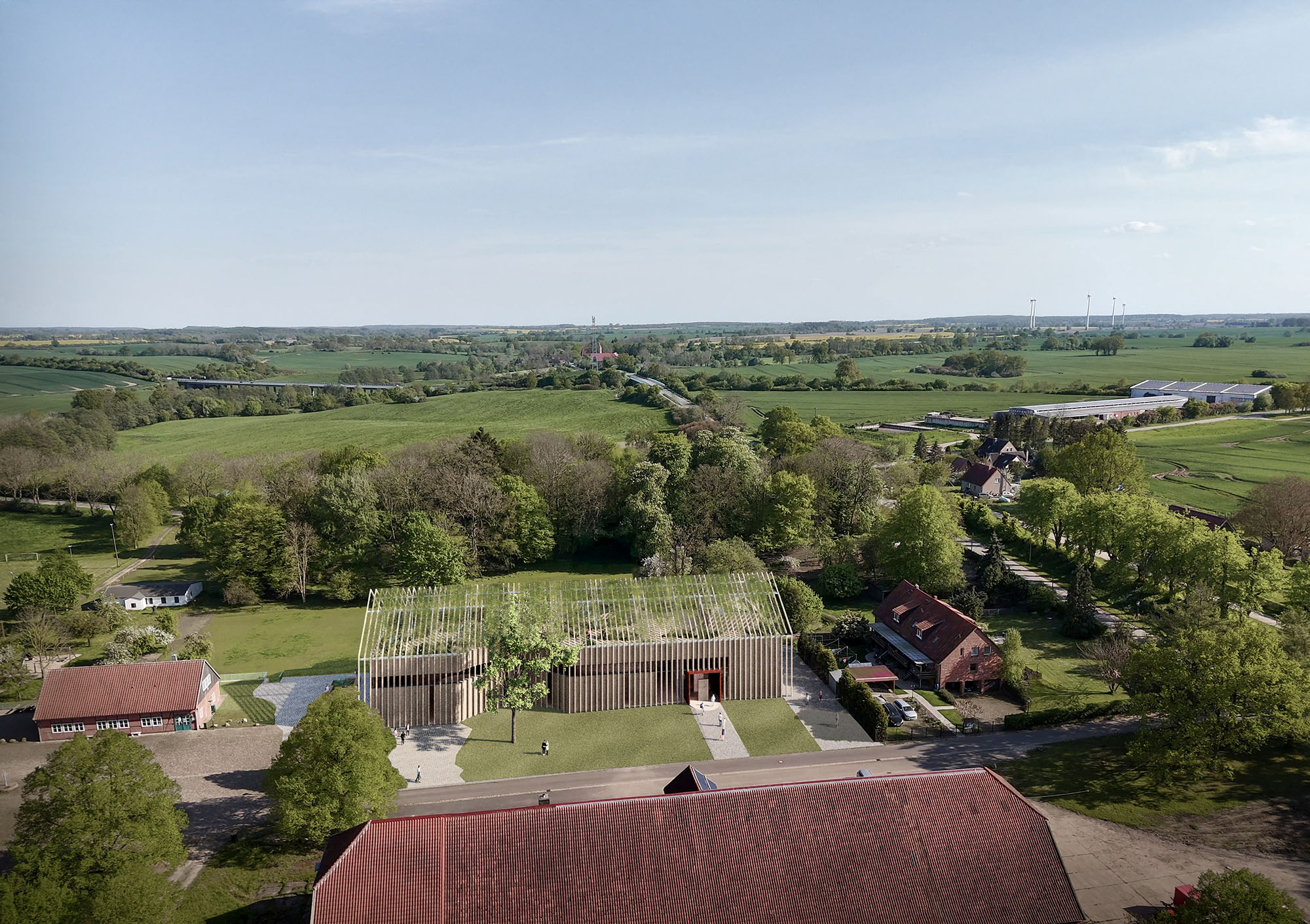
〈エールハルト美術館〉の敷地は旧東ドイツ、バルト海沿岸のプリュショウ村に位置する。この地は、クライアント夫妻が個人的なつながりをもち、家族のルーツが存在する地域であると同時に、北ドイツの文化的景観に新たな価値を加える場として選定された。
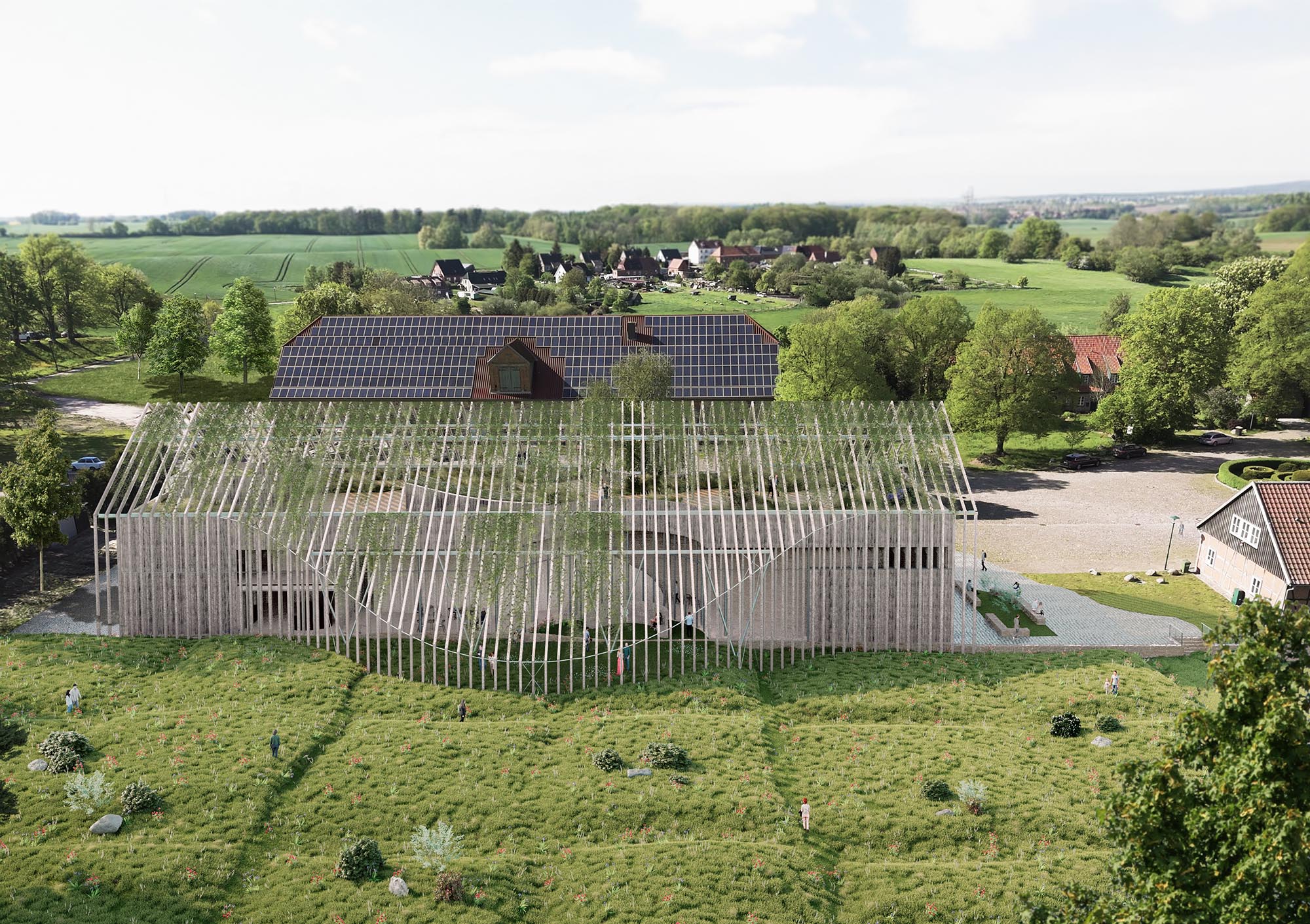
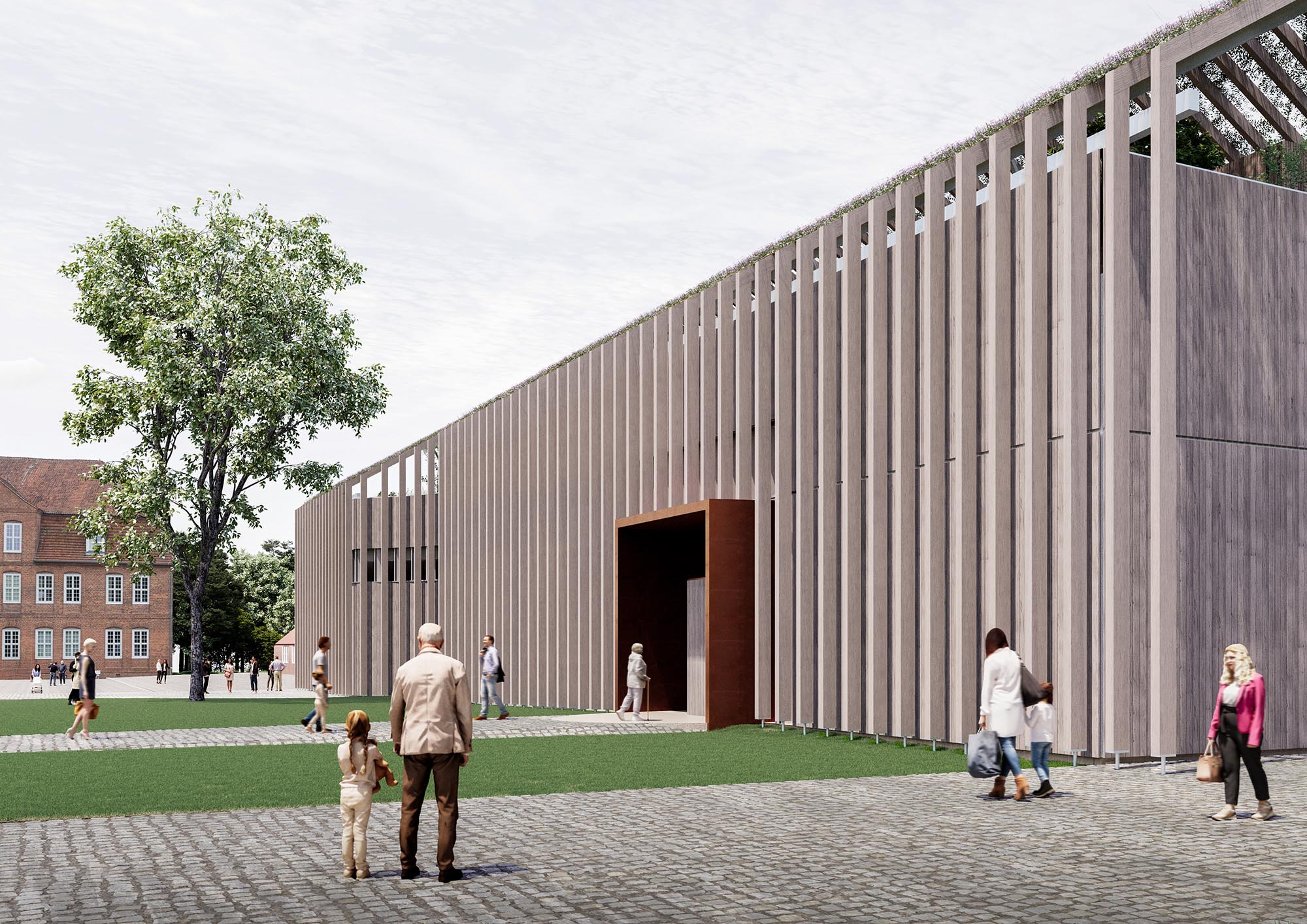
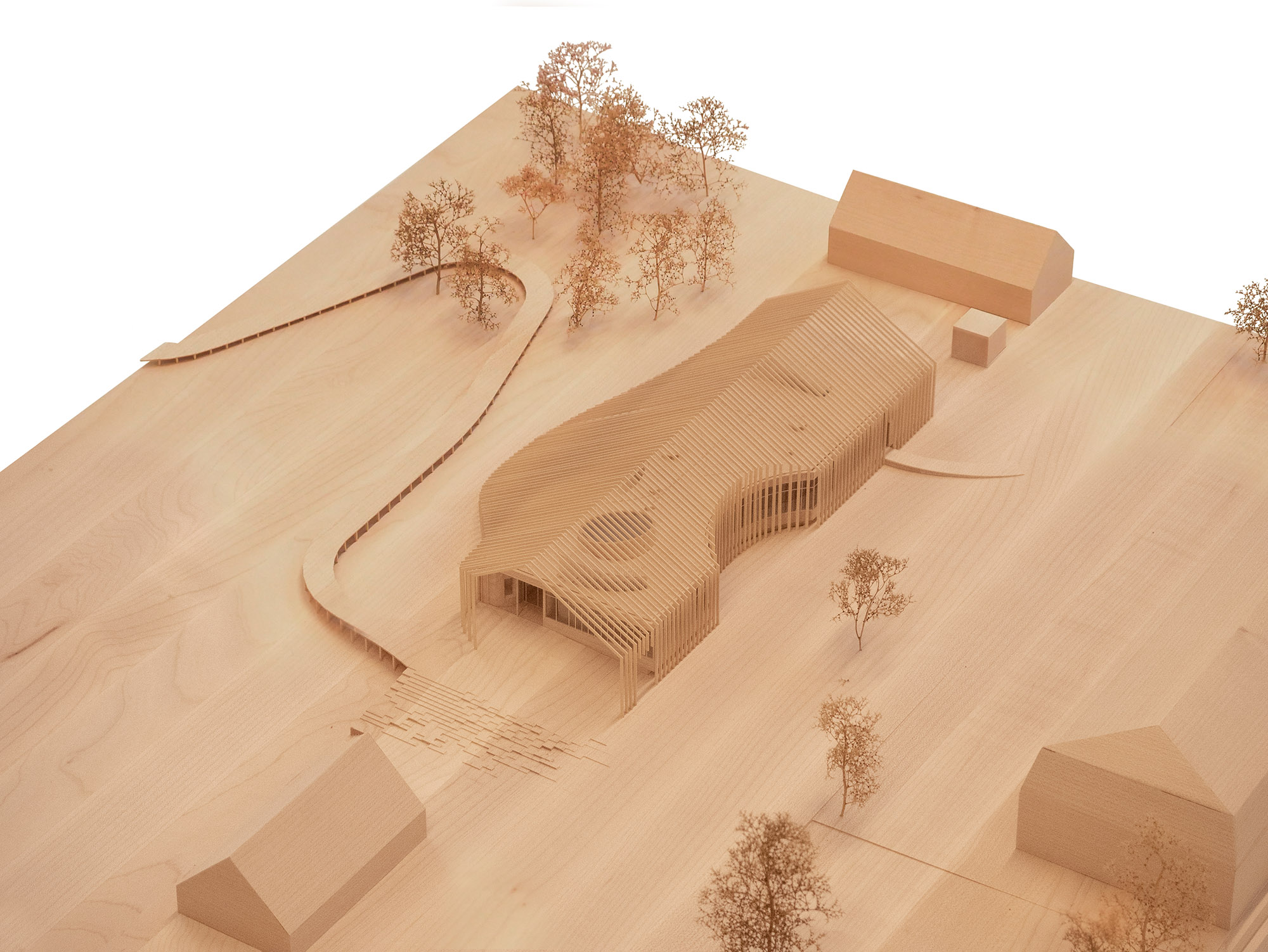
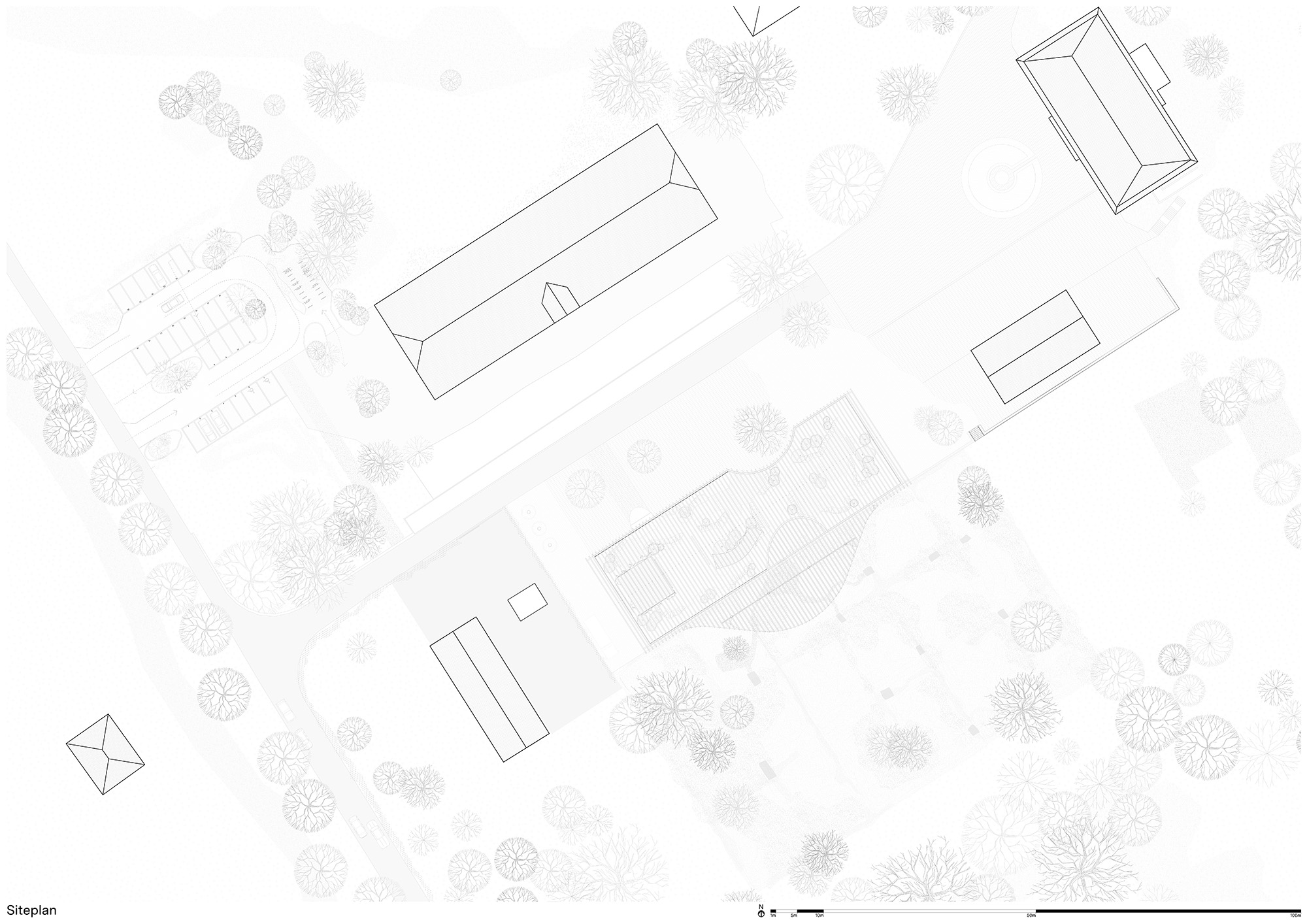
美術館は、アーティスト・イン・レジデンスとギャラリーを併設するプリュショウ城に隣接して配置される予定である。
© Kéré Architecture
© Kéré Architecture
地域の技術と素材に根ざした建築
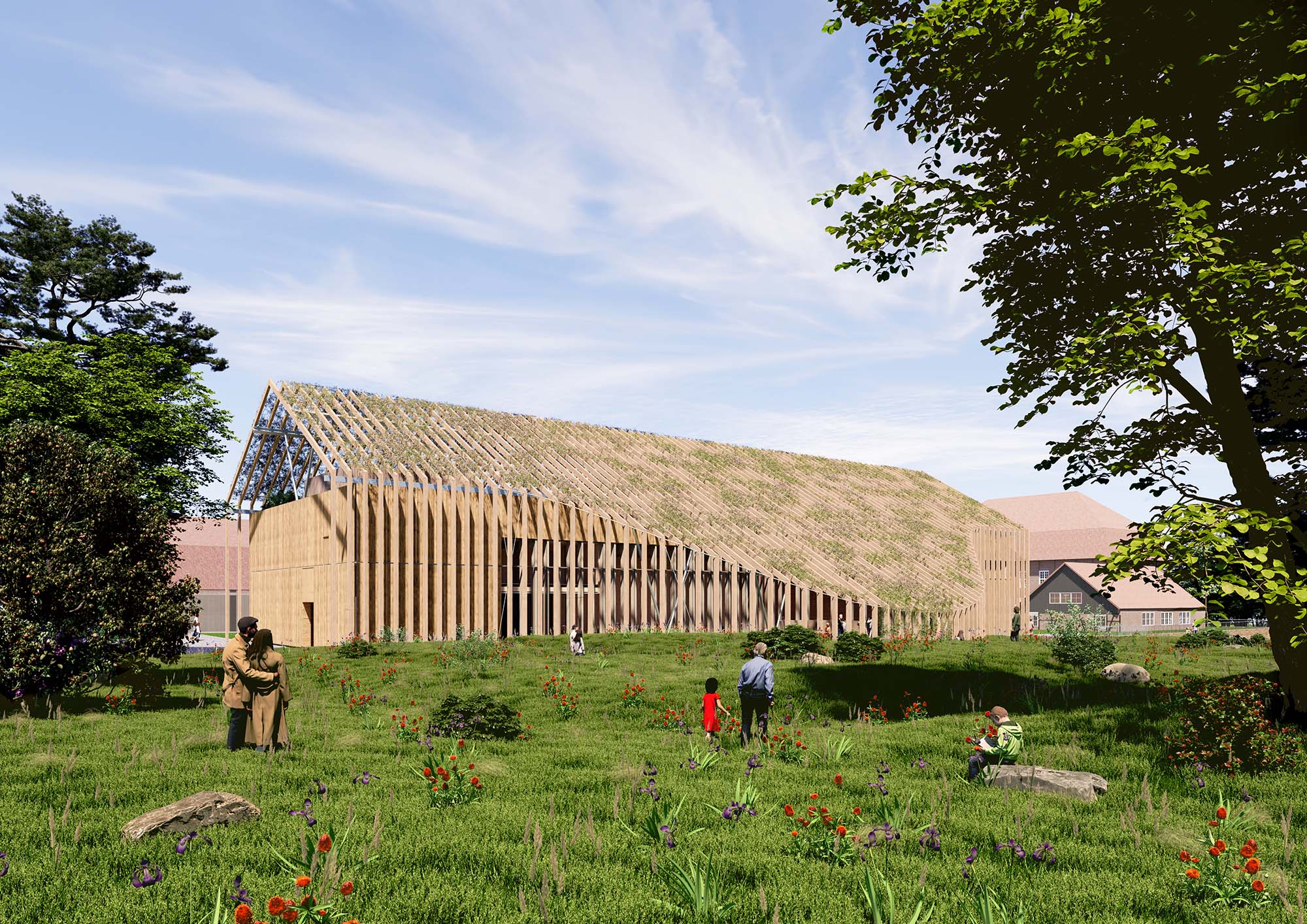
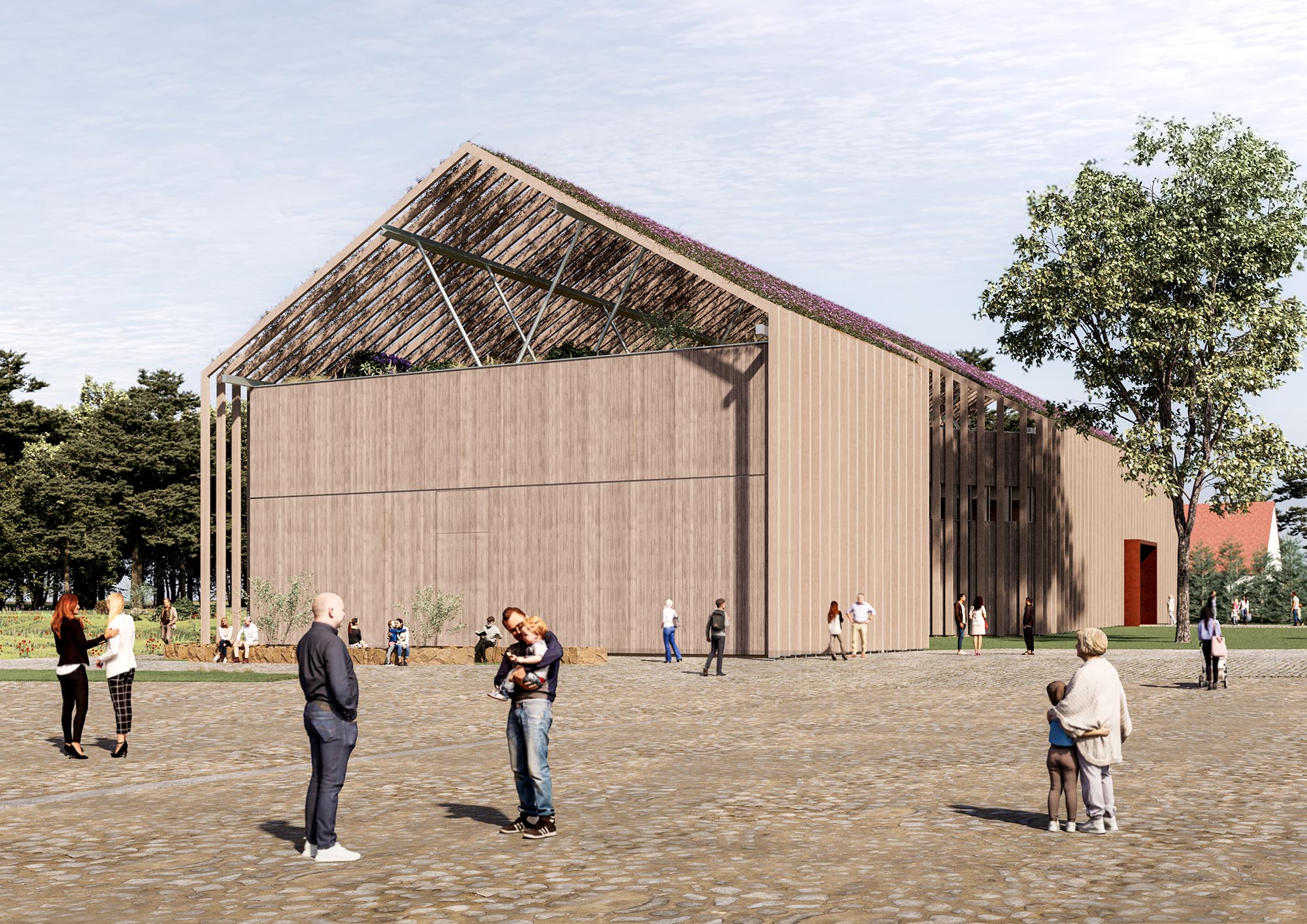
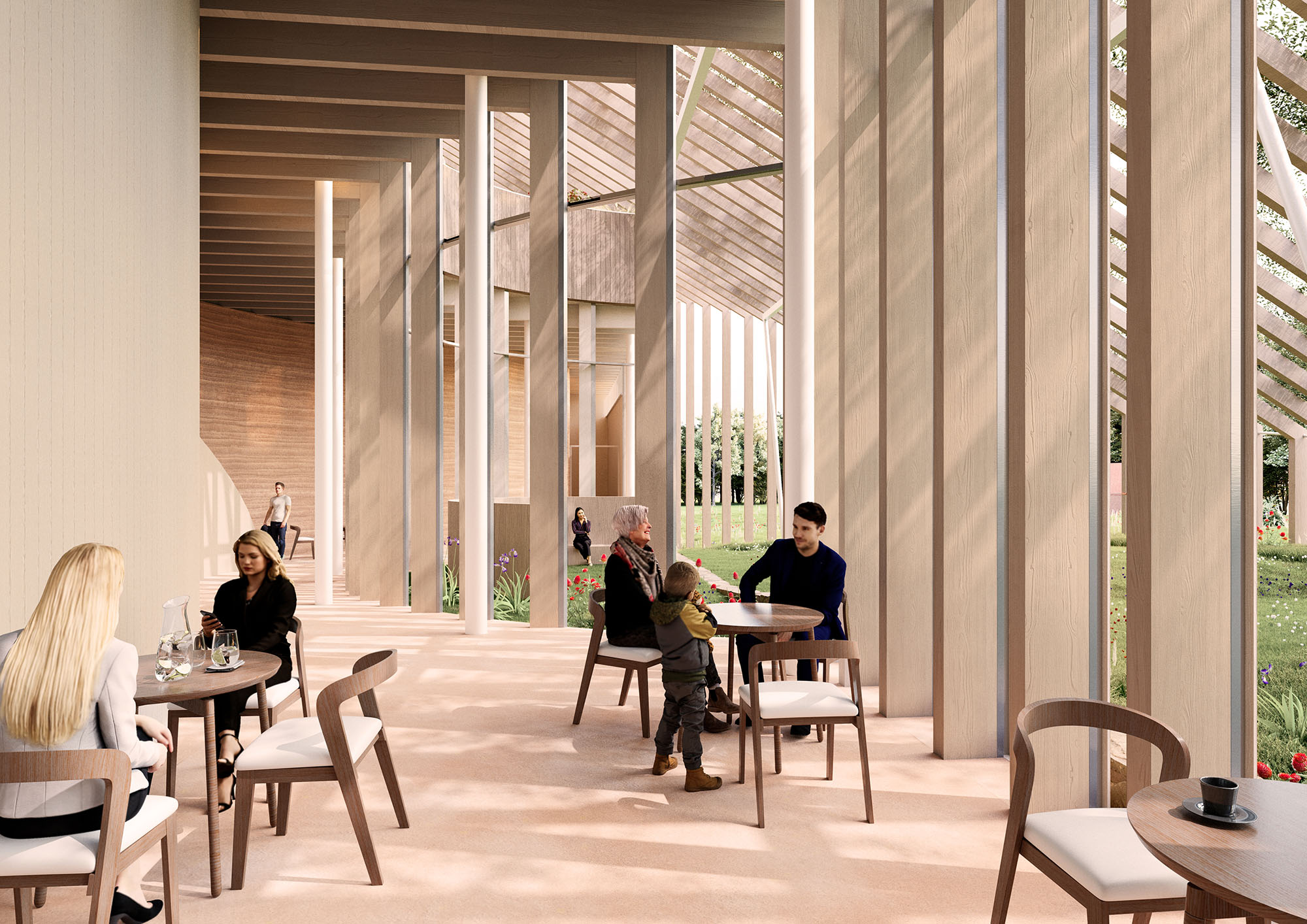
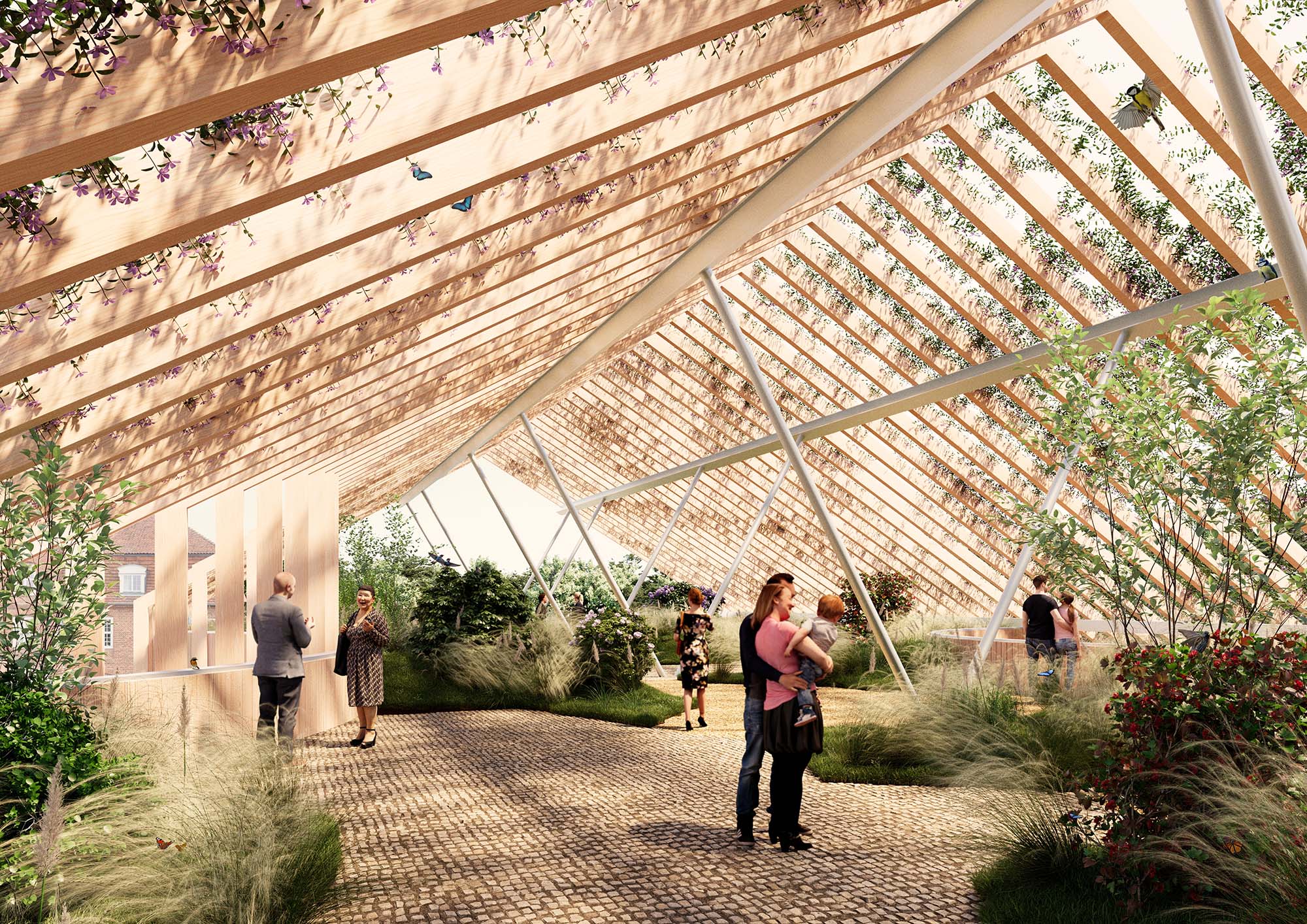
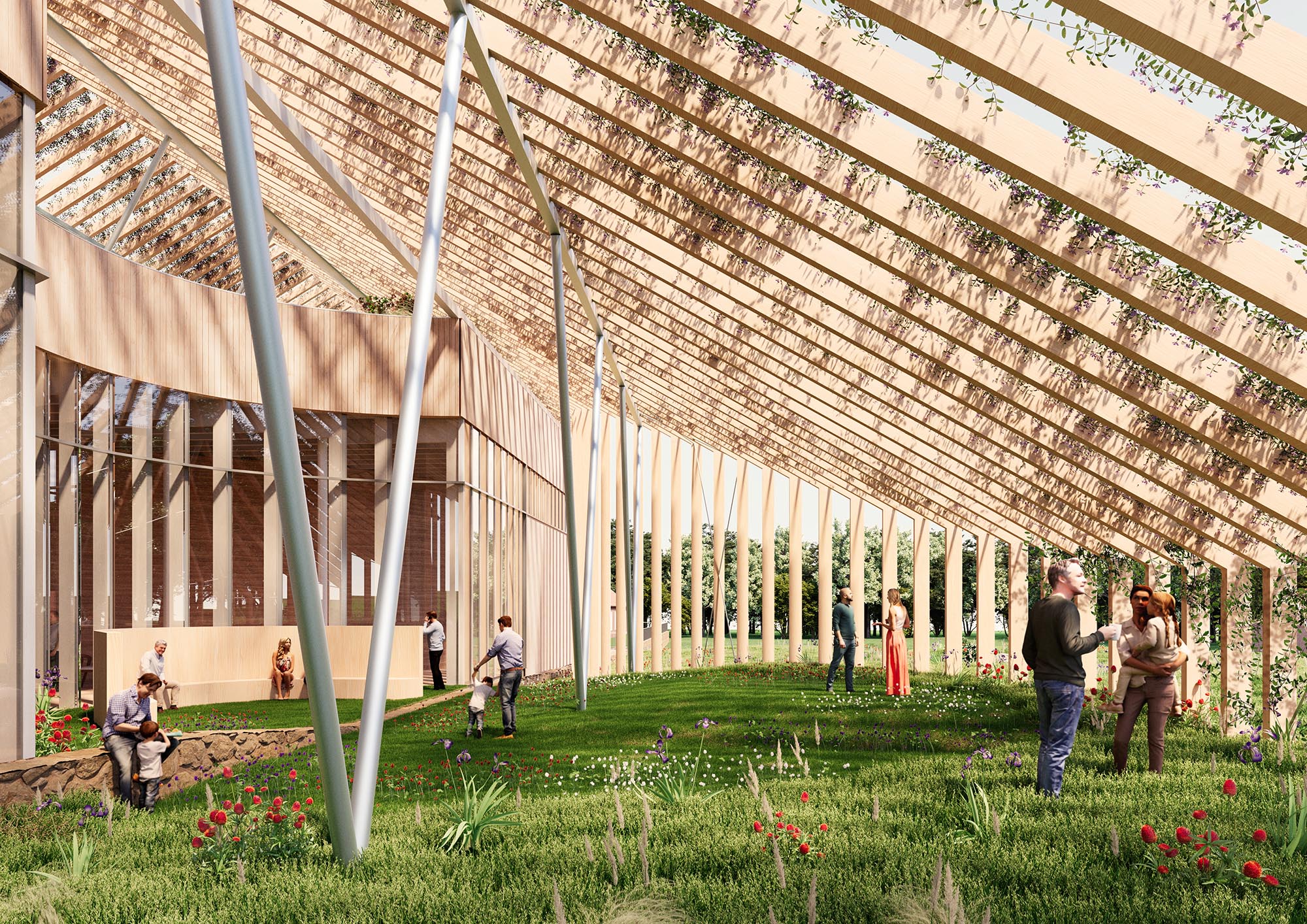
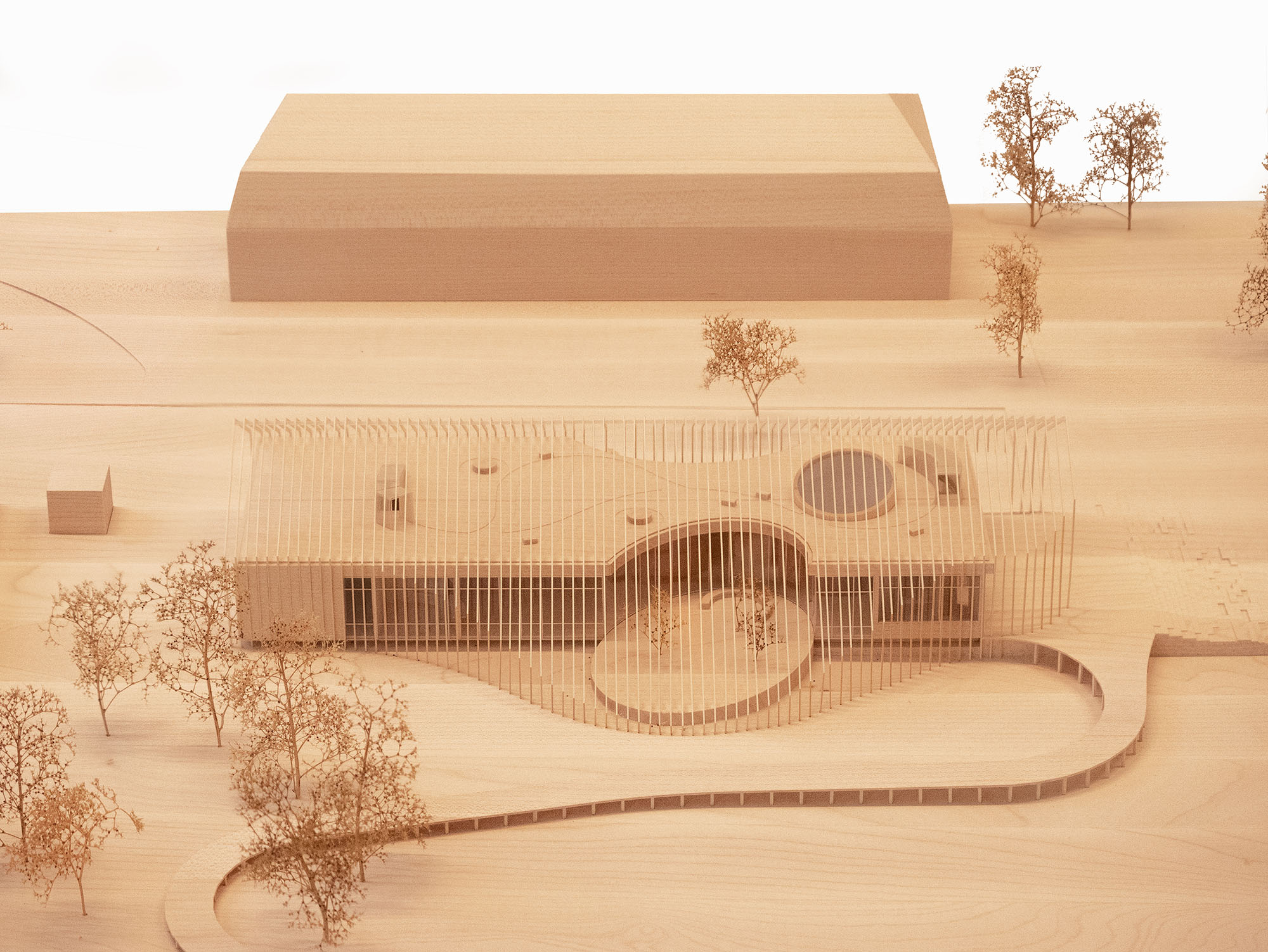
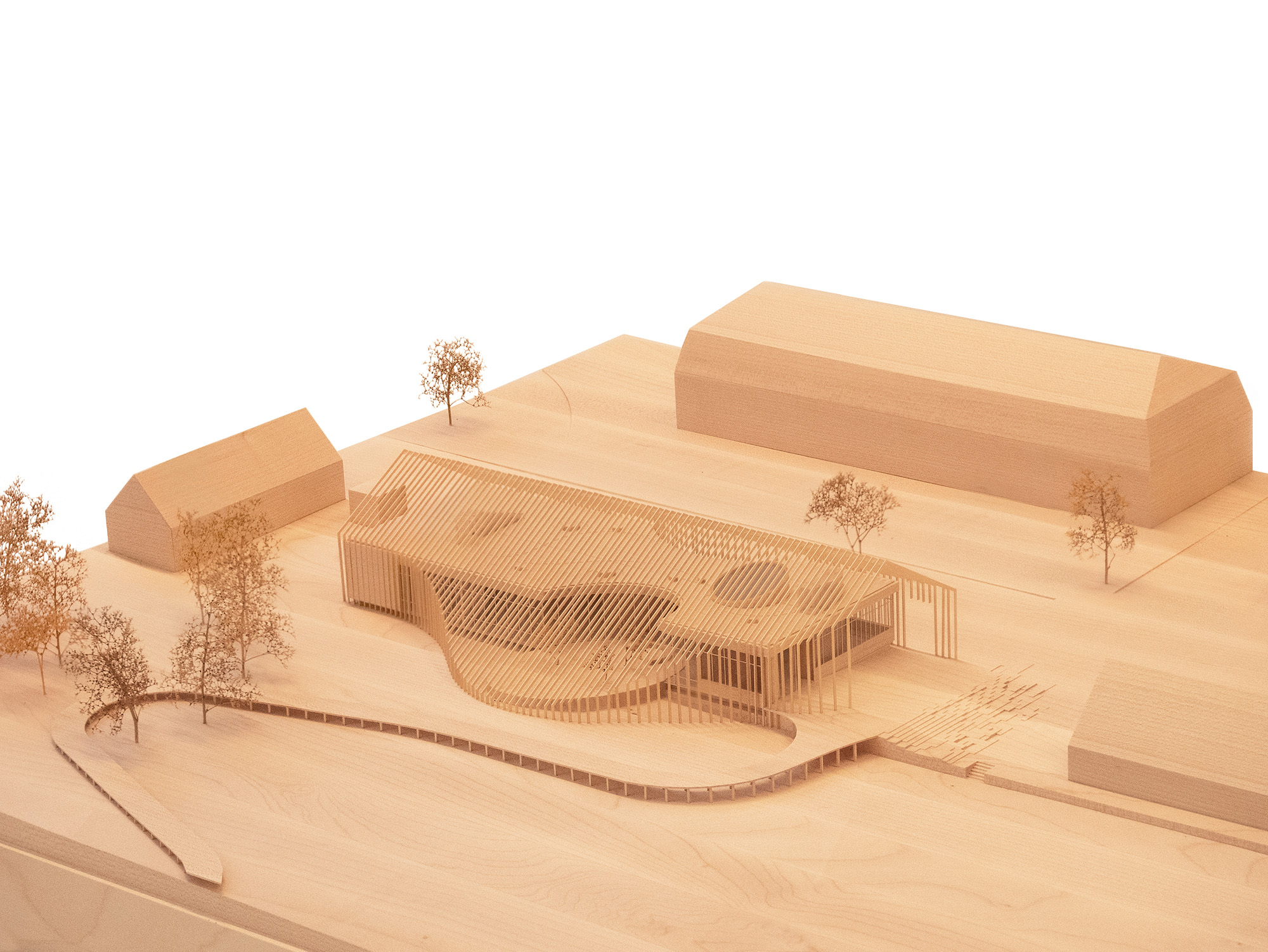
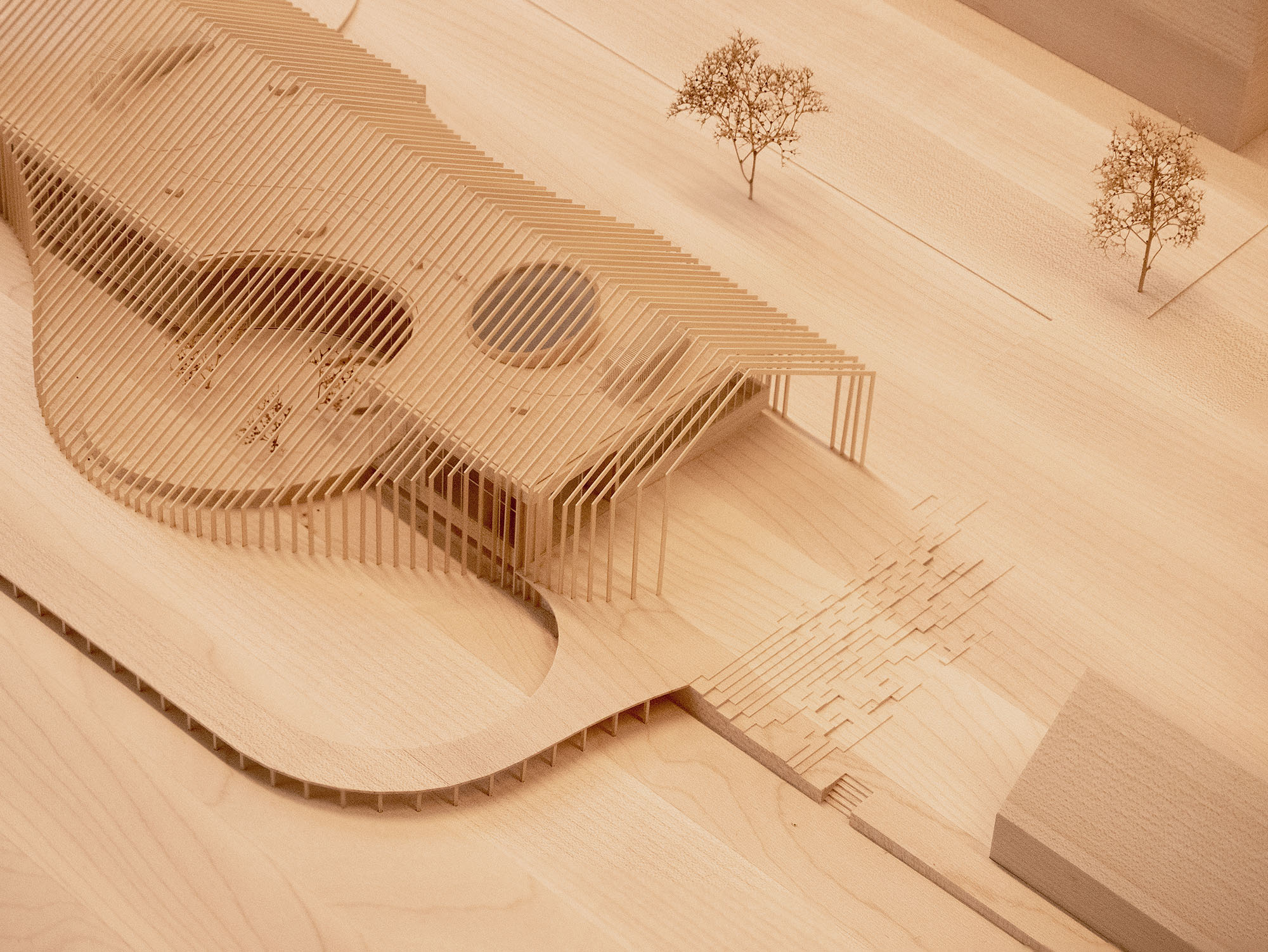
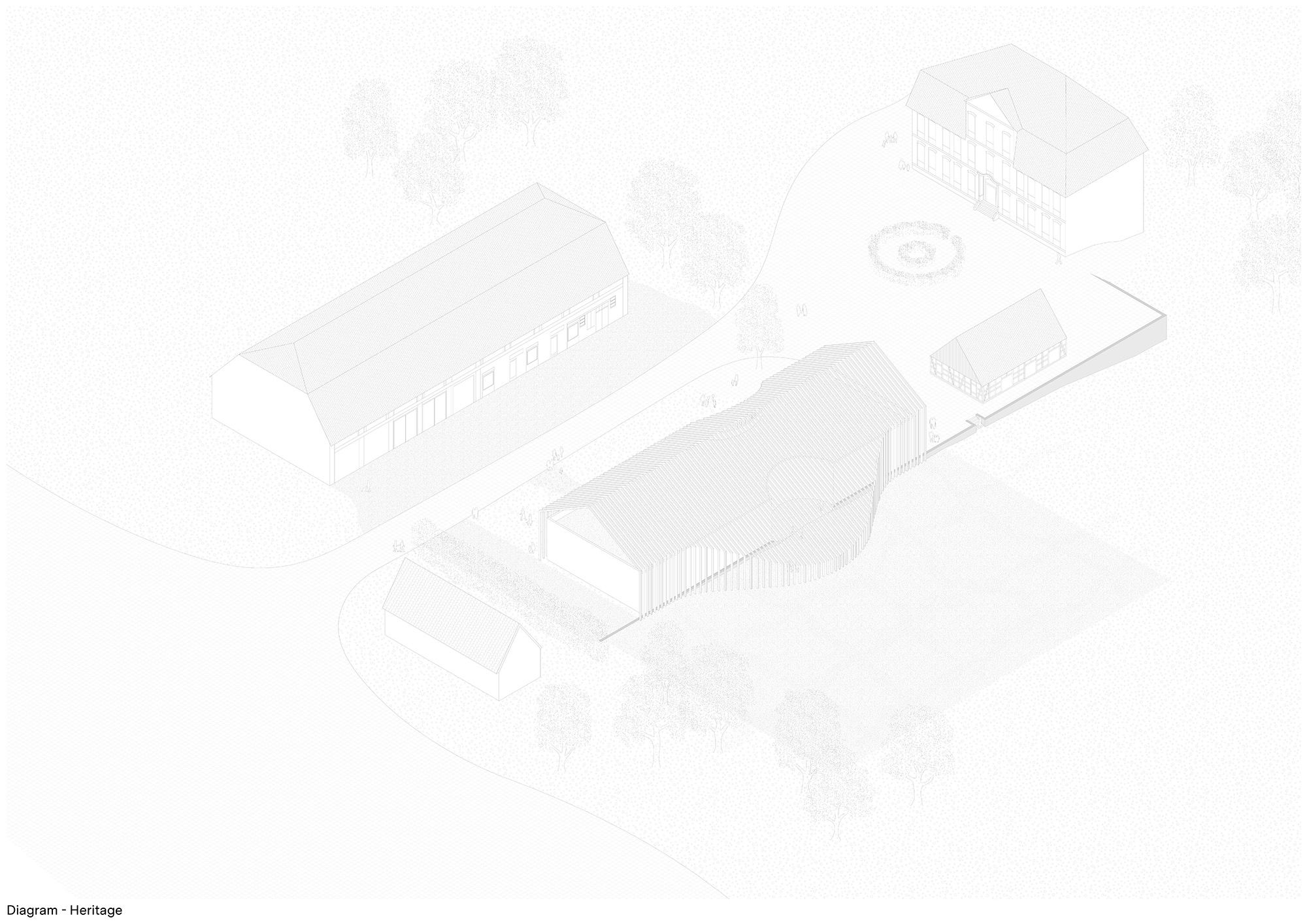
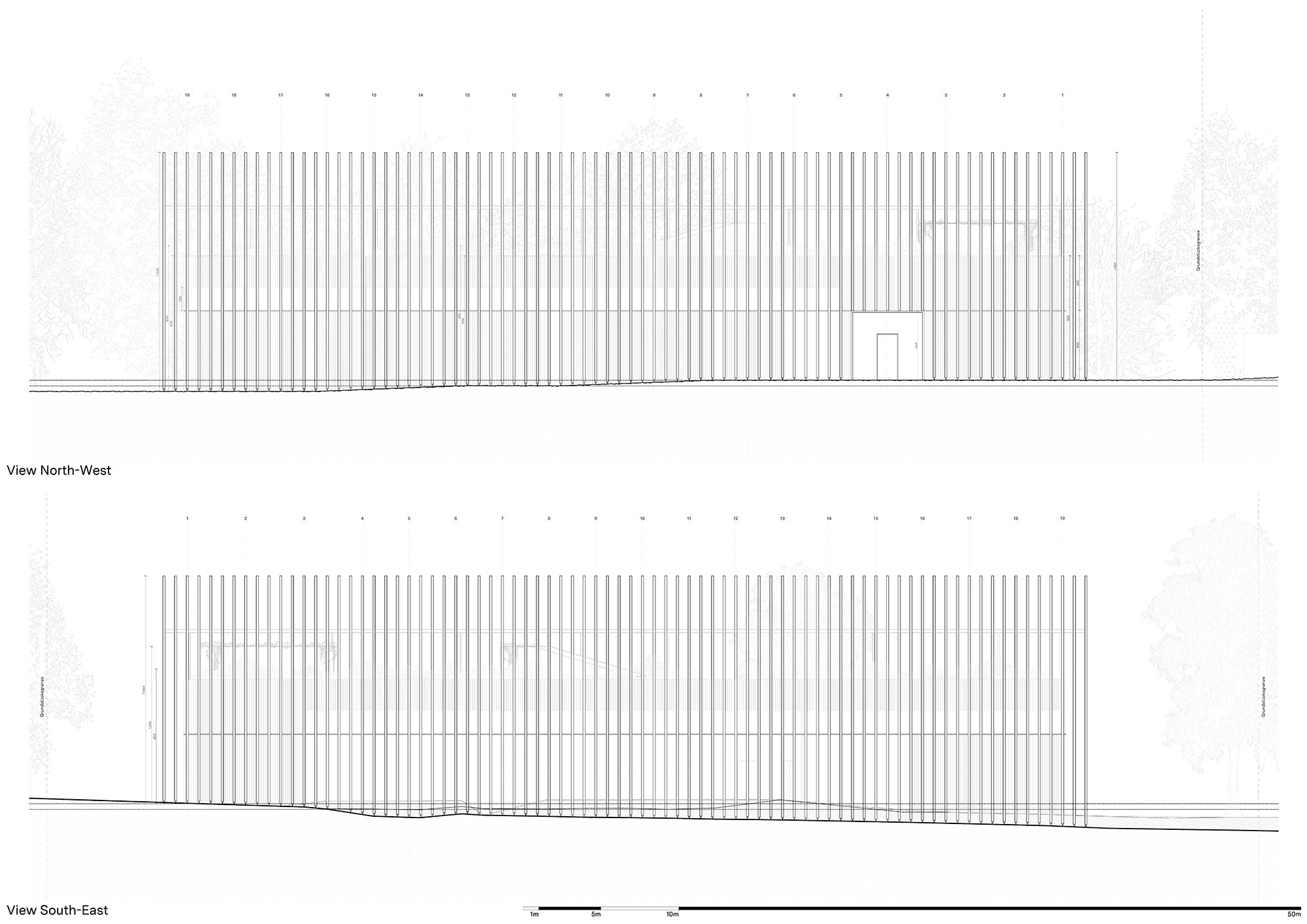
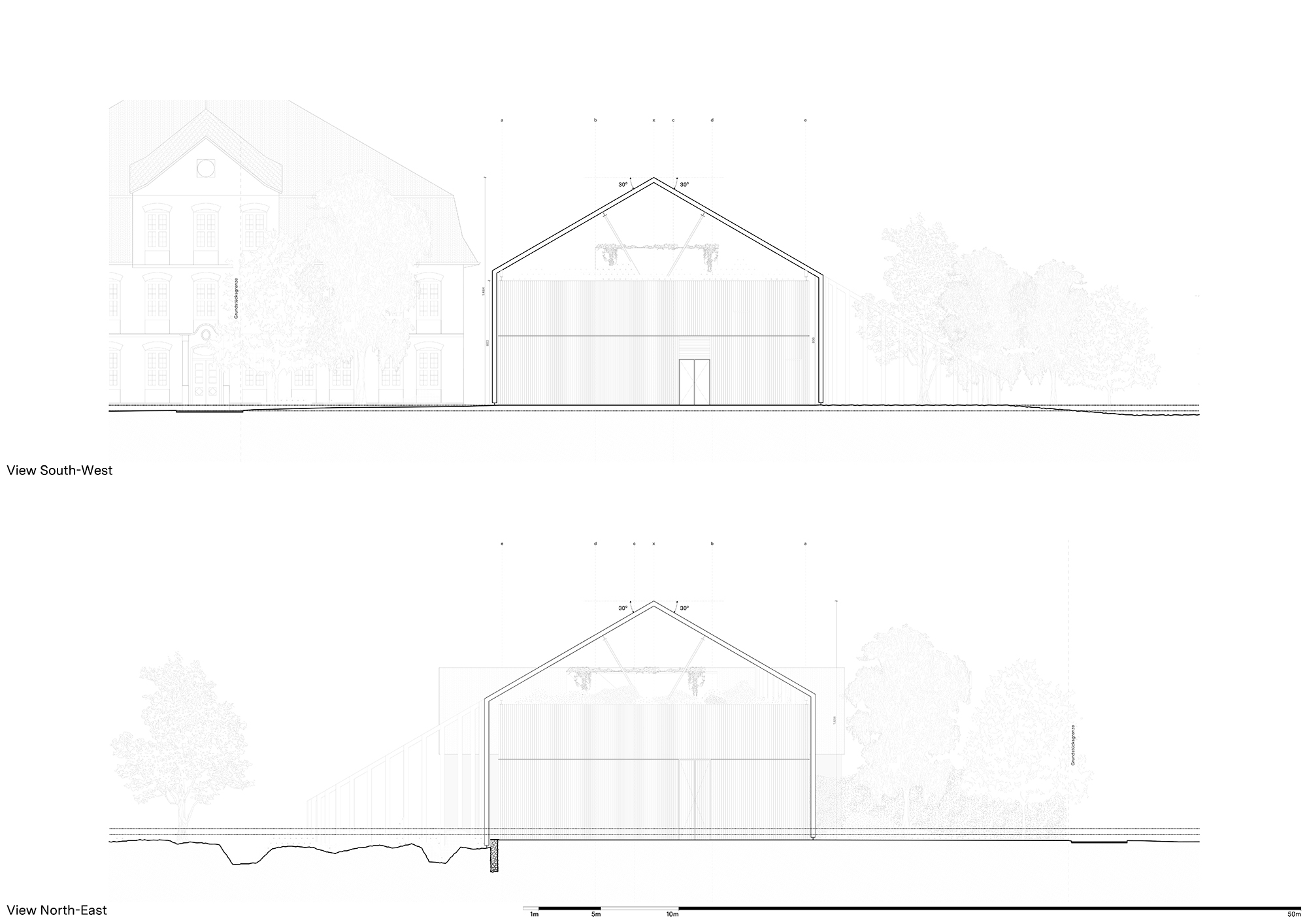
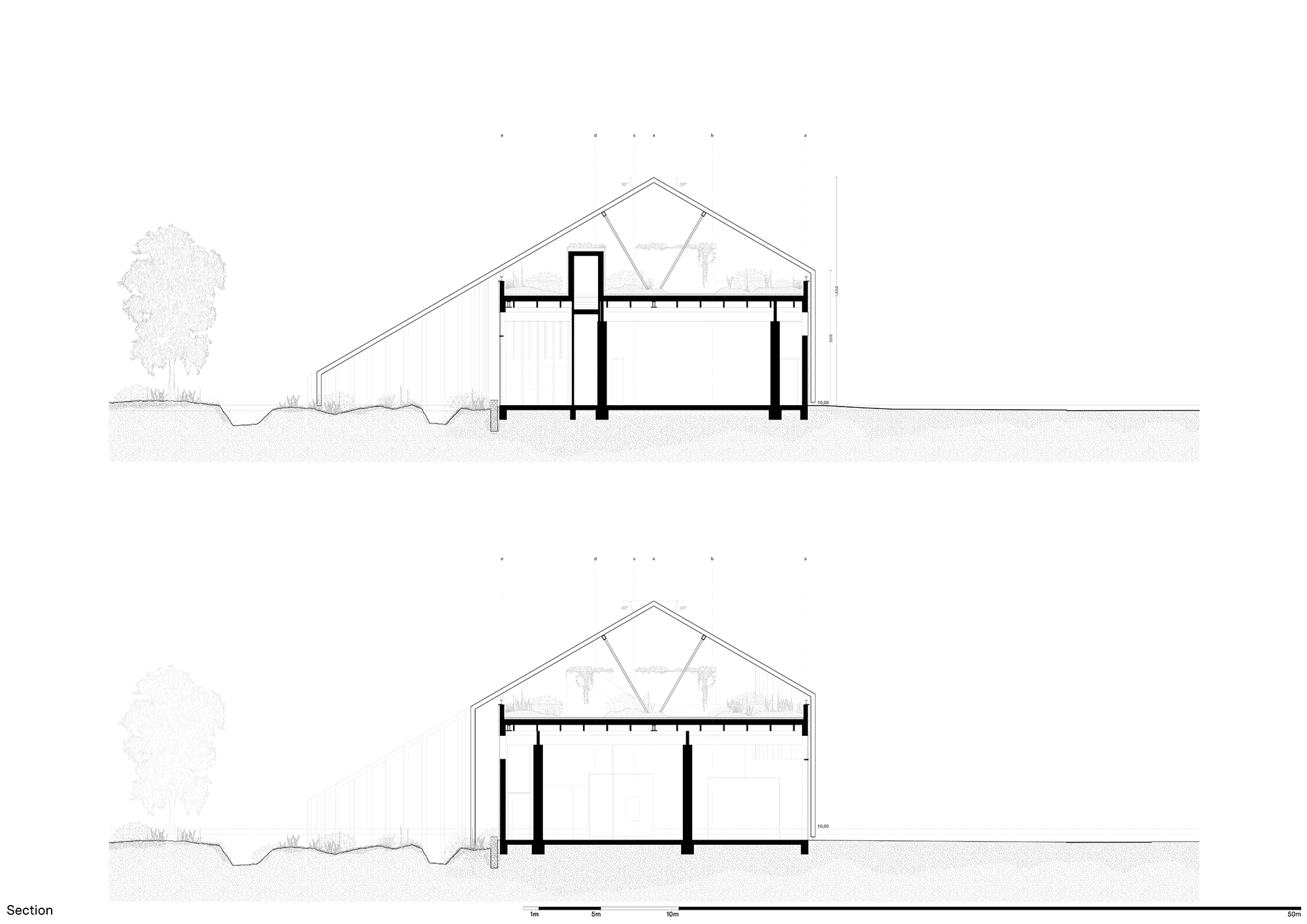
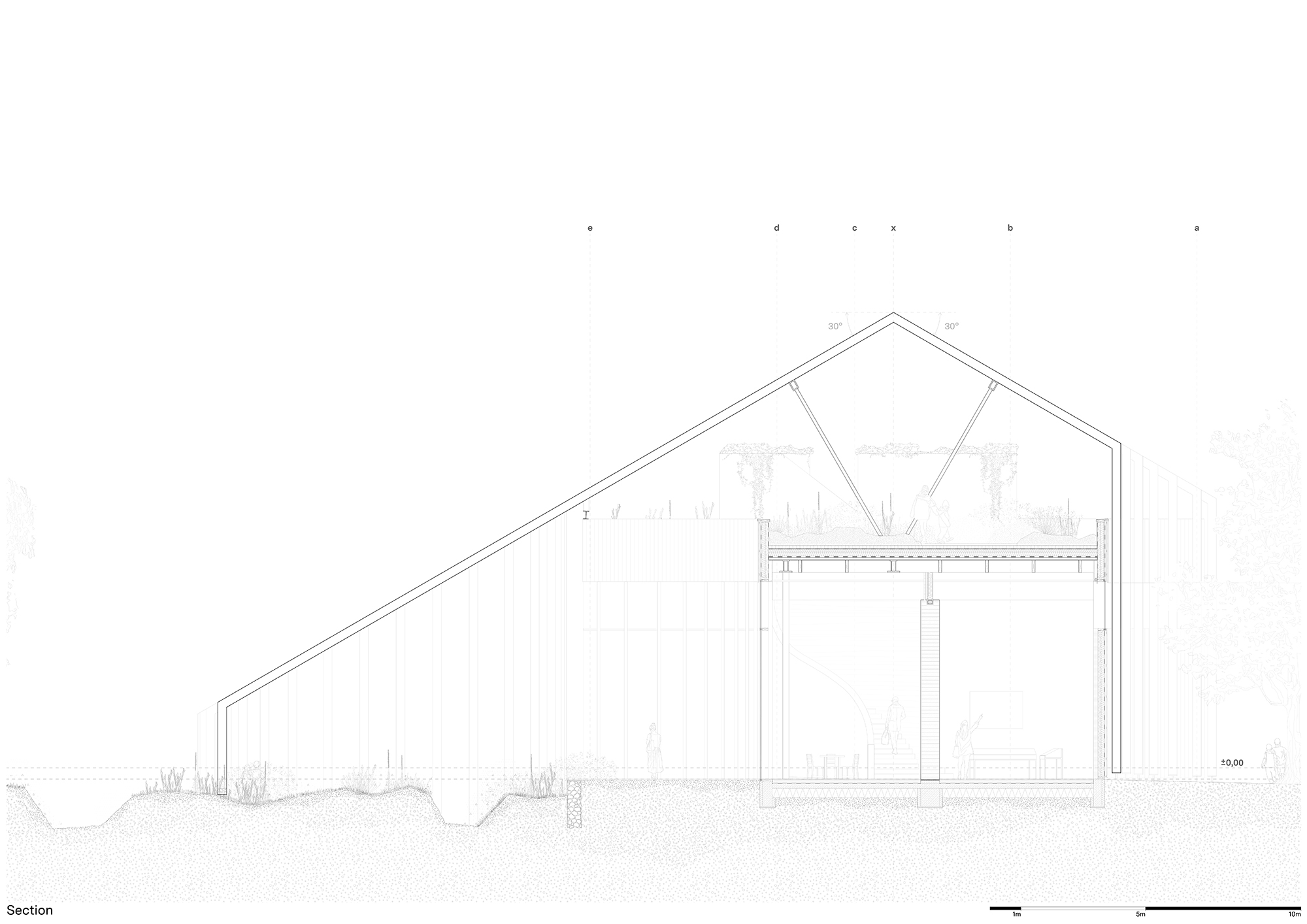
建築は文脈に即しつつ工芸に焦点を当てた計画となっており、木材と粘土を用いた地域技術を採用している。木製のパーゴラは伝統的な切妻屋根の形態を辿り、屋上庭園が建物を景観に溶け込ませる。
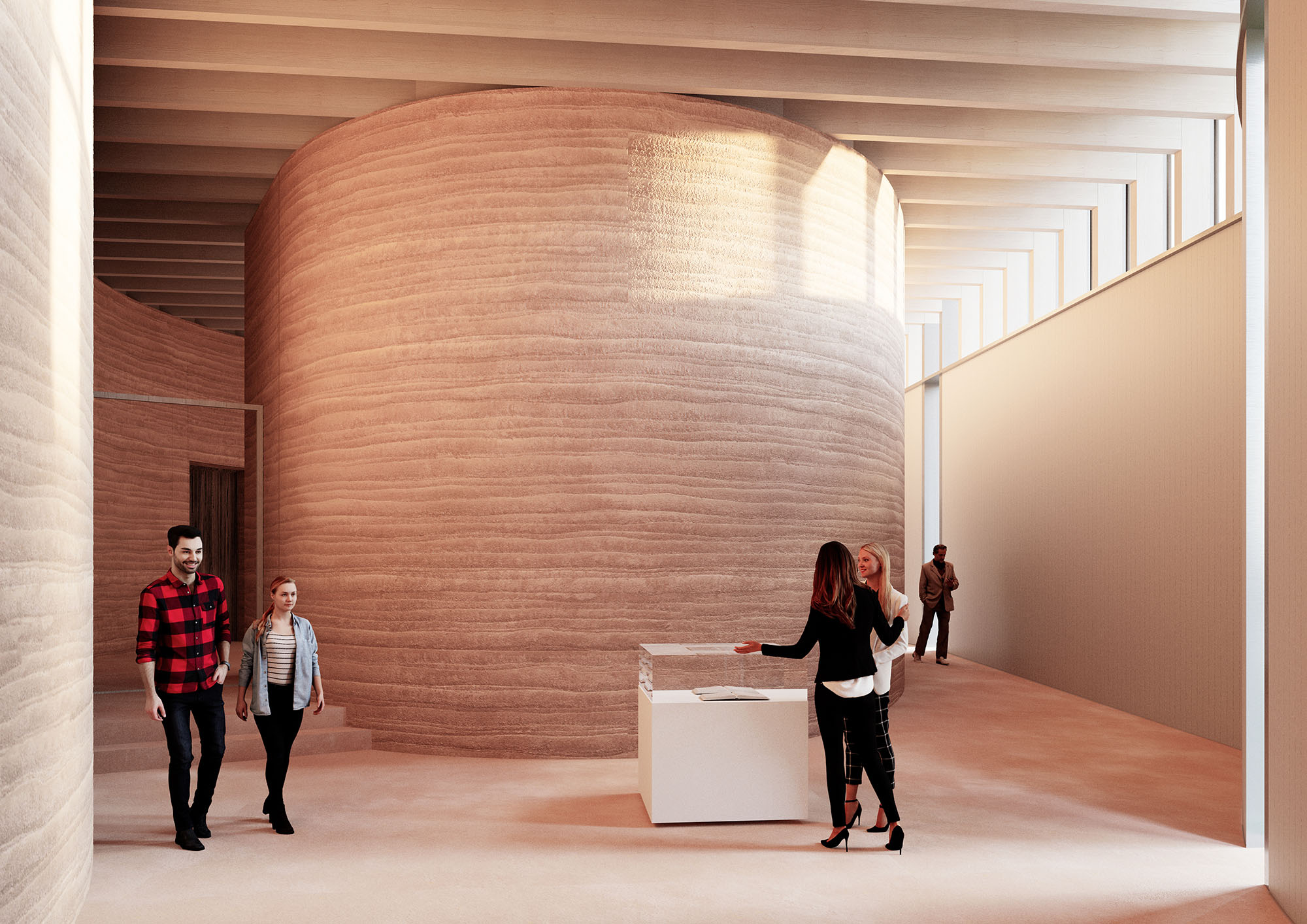
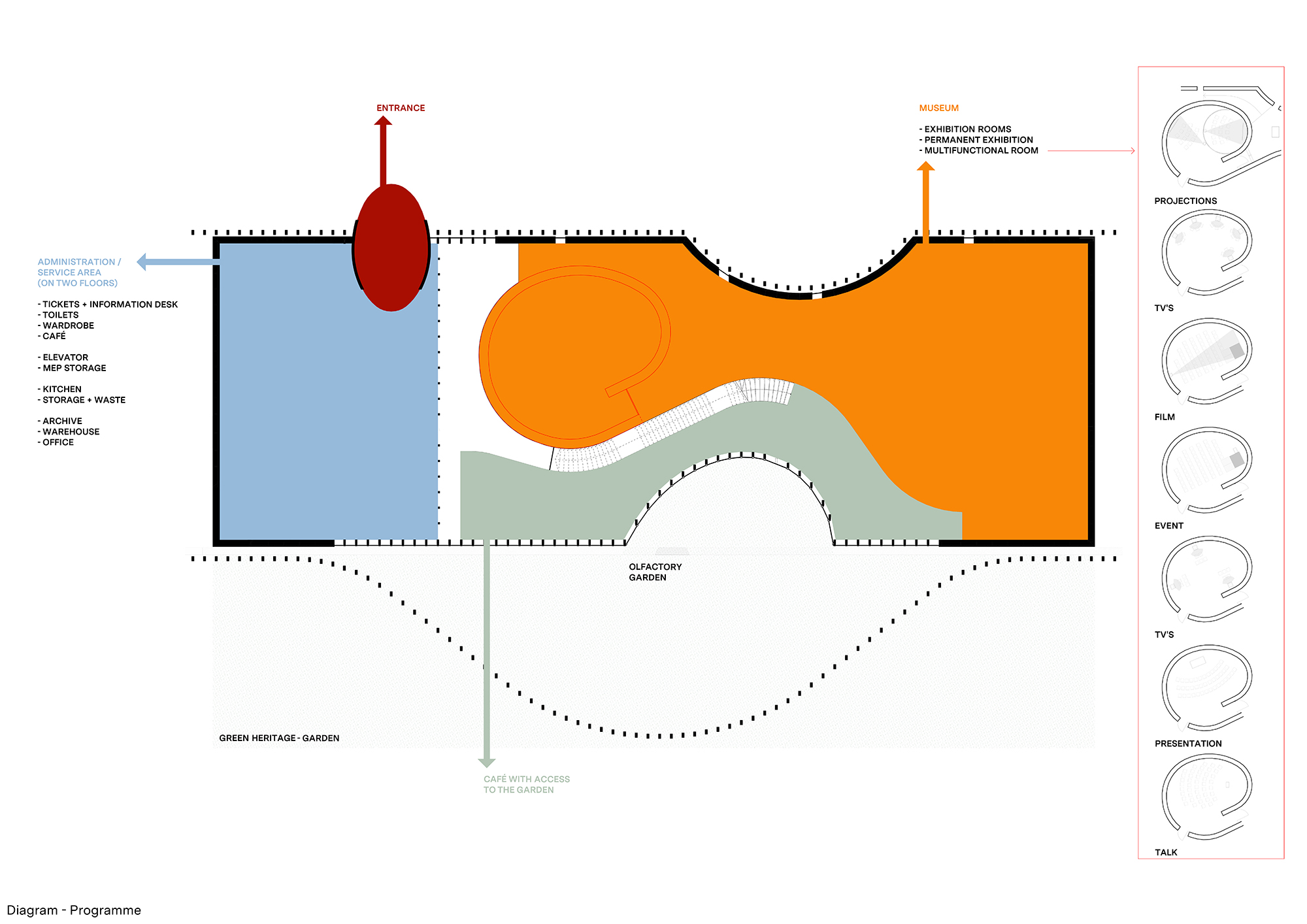
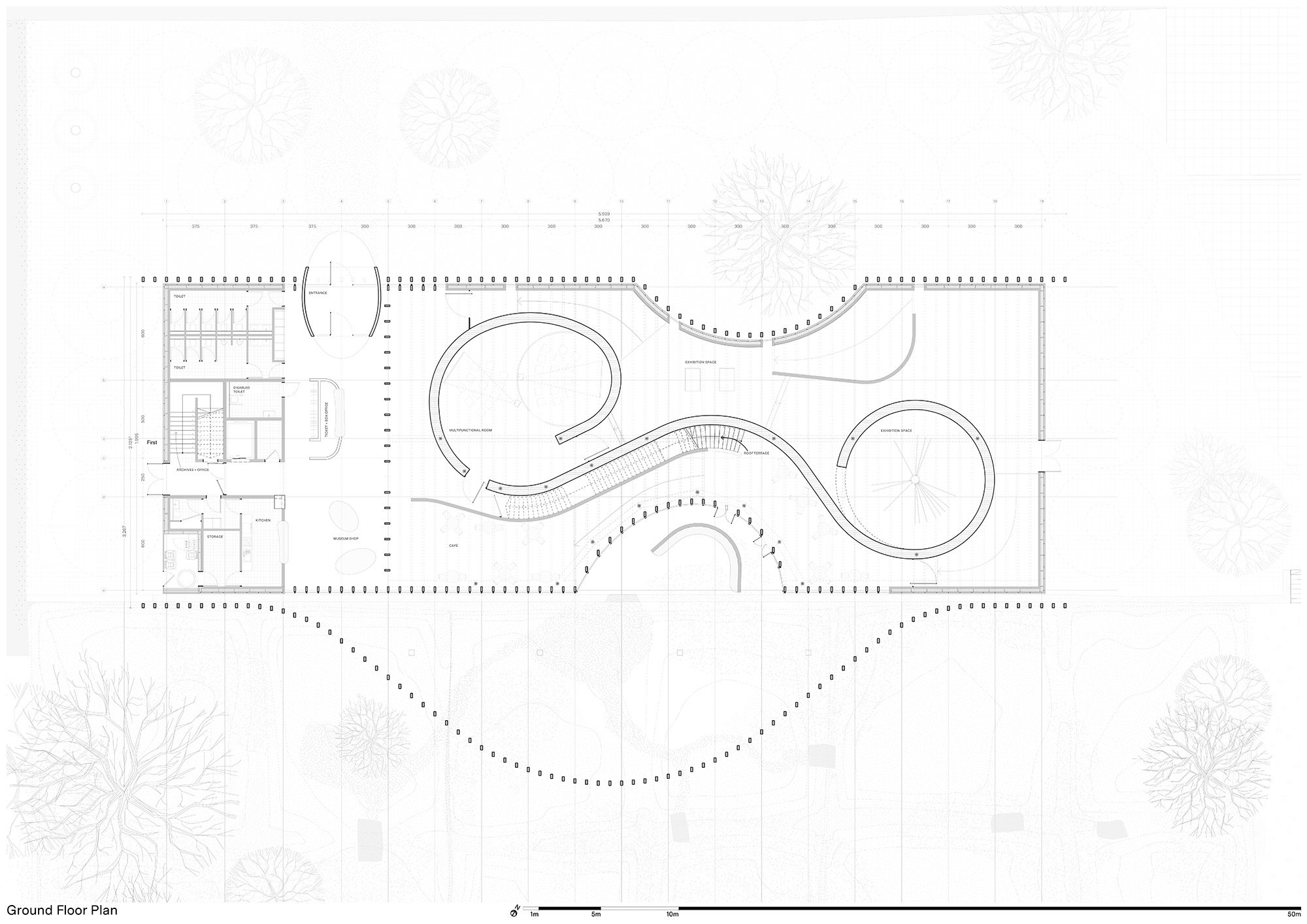
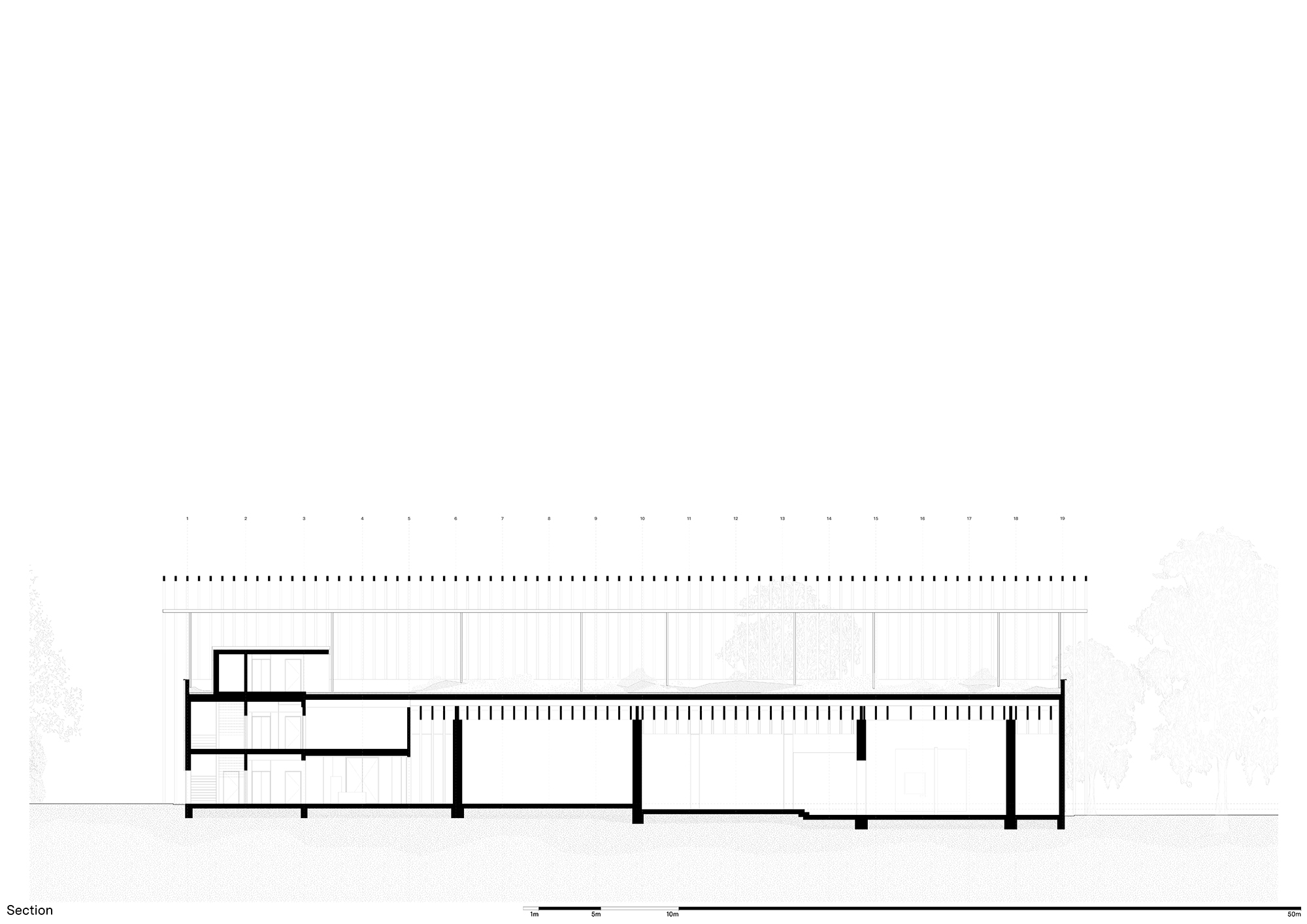
建物の中央軸線に沿って、全長80mの自由曲線の版築壁が展示空間を形成する。この壁は蓄熱性により湿度と温度を調整し、快適な室内環境を実現する。
© Kéré Architecture
© Kéré Architecture
サステナブルな構造と協働体制
版築壁の上部には、将来的な解体と再利用を前提とした木造構造が架けられている。この設計は、建物の持続可能なライフサイクルを確保するものである。
木造設計はオーストリアのHK Architektenとの緊密な連携により開発され、同社が施工および詳細設計の監修を担っている。
© Kéré Architecture
© Kéré Architecture
風景と共生する外部空間のデザイン
屋外空間もまた、建築の重要な要素として位置づけられている。屋上庭園は生物多様性を支える生息地として機能し、地上階の庭園はミュージアムカフェに隣接して広がる。
敷地の地形は雨水を効率的に集めるよう設計され、回収した雨水は緑地の灌漑に再利用される。この仕組みにより、外部水源への依存を大幅に削減している。
これらの設計選択は、地域の建築技術と現地資源を活用し、シンプルでありながら高品質な建築を創造するというケレ・アーキテクチャの理念に沿ったものである。
© Kéré Architecture
© Kéré Architecture
© Kéré Architecture
© Kéré Architecture
© Kéré Architecture
以下、ケレ・アーキテクチャのリリース(英文)です。
Museum Ehrhardt, Plüschow, Germany
The Museum Ehrhardt will be the first cultural project by Francis Kéré/Kéré Architecture in Germany and the studio’s first museum building in Europe.
Covering an area of 1,400 square meters, a new museum dedicated to photography and contemporary art will be built. The project is initiated by Dr. Jens Ehrhardt, son of the artist Alfred Ehrhardt, together with his wife Elke Weicht-Ehrhardt. The painter, photographer and filmmaker Alfred Ehrhardt (1901–1984) was among the leading figures of the New Objectivity movement, shaping the understanding of art in 20th-century Germany.
The museum is located in Plüschow, a village near the Baltic Sea in former East Germany. This location was chosen by the clients out of a personal connection to the region, where the family has its roots and continues to live, and from a shared wish to contribute to the cultural landscape of northern Germany. The new building will sit alongside Schloss Plüschow, home to an artist residency and gallery.
The building’s architecture is contextual and craft-focused, employing regional techniques with wood and clay construction. A wooden pergola traces traditional gable forms, with a roof garden that integrates the building into its landscape. Along the center axis of the building, an 80-meter-long, free-formed rammed earth wall shapes the exhibition space. The wall also improves the indoor climate by balancing humidity and temperature through its thermal mass. Above it spans a timber structure whose framework is designed for future dismantling and reuse, ensuring a sustainable life cycle for the building. The timber design has been developed in close collaboration with HK Architekten from Austria, who are overseeing the execution and detailed planning.
Outdoor spaces form an essential part of the design. A roof garden functions as a biotope. A garden at ground level extends from the museum café. Its topography is designed to efficiently collect rainwater, which is then used for irrigating the green spaces, significantly reducing the need for external water sources.
The design choices align with Kéré Architecture’s philosophy of creating simple yet high-quality architecture that employs regional construction techniques and local resources.
ケレ・アーキテクチャ 公式サイト
https://www.kerearchitecture.com/work/building/museum-ehrhardt
【購読無料】空間デザインの今がわかるメールマガジン TECTURE NEWS LETTER
RECOMMENDED ARTICLE



![[大阪・関西万博 Report]リナ・ゴットメに聞く、海と木造技術で繋ぐ内外一体の〈バーレーンパビリオン〉](https://magazine-asset.tecture.jp/wpcms/wp-content/uploads/2025/05/27113717/Expo-25-Osaka-Bahrain-LGA-2768-900x600.jpg)

