CULTURE
© Farah Lieten
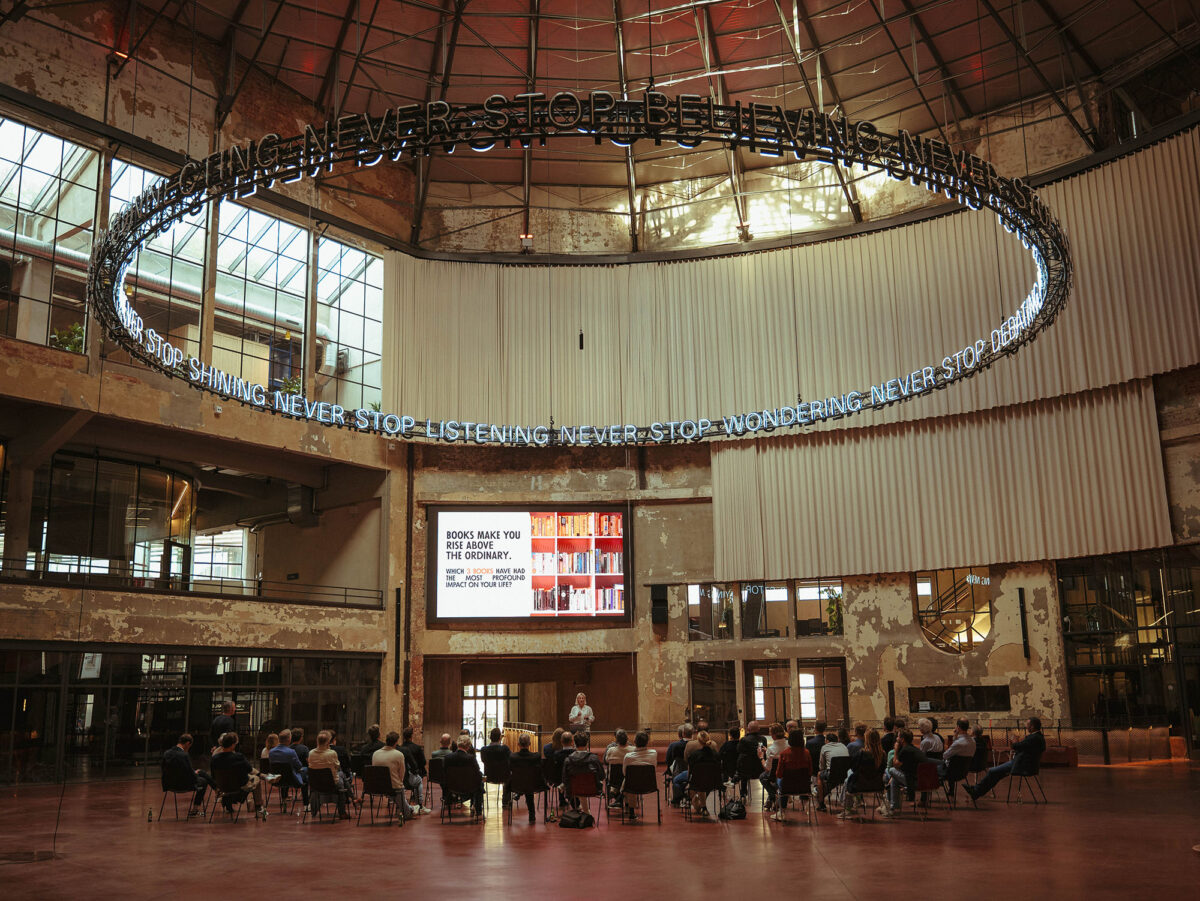
ベルギーの都市ヘントに建つ〈ウィンターサーカス(Wintercircus)〉は、1885年に建てられ、サーカスからガレージへと転用された建物をアダプティブリユースした、カフェやレストラン、音楽会場、ワークスペースを備える施設です。
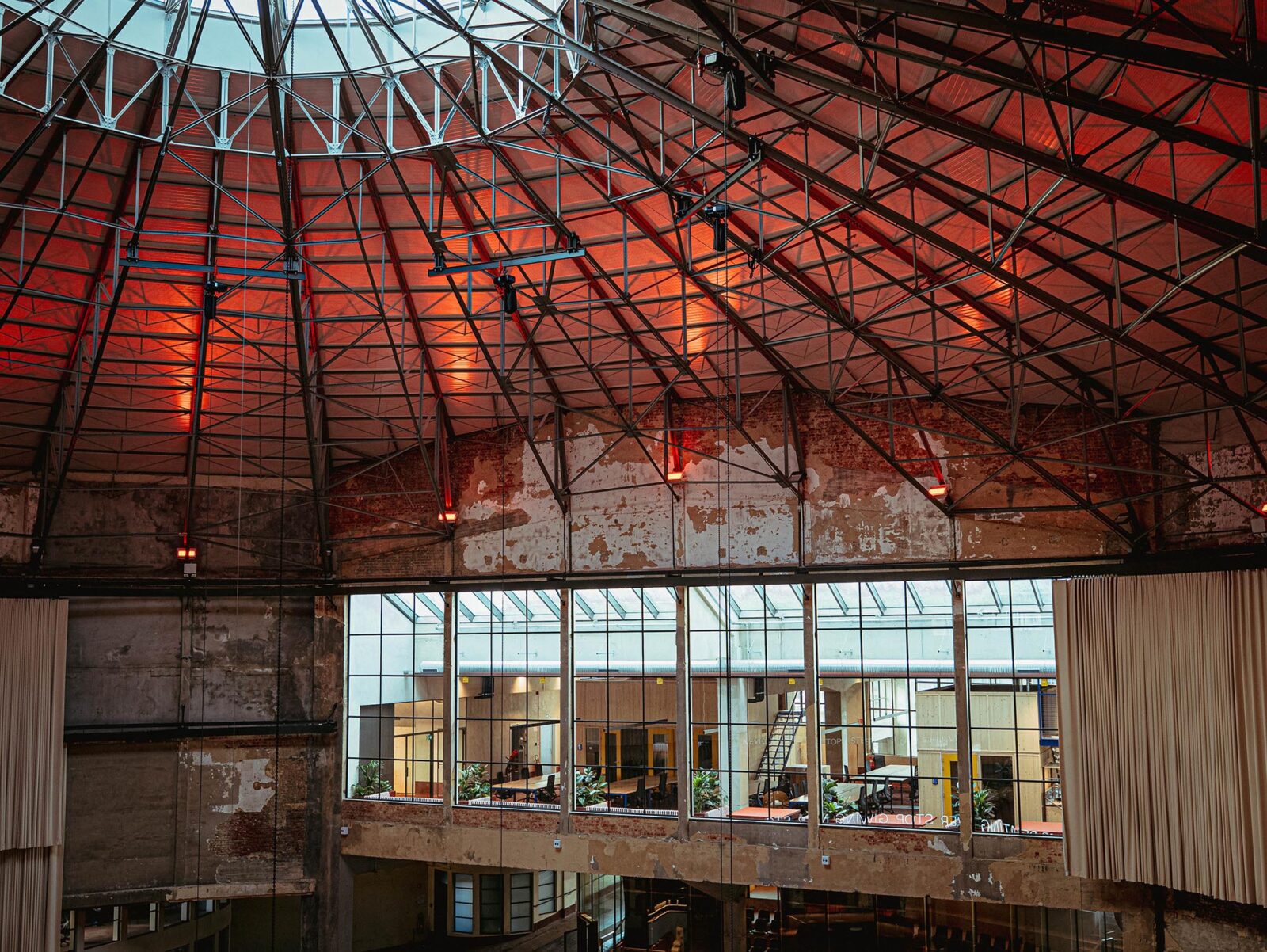
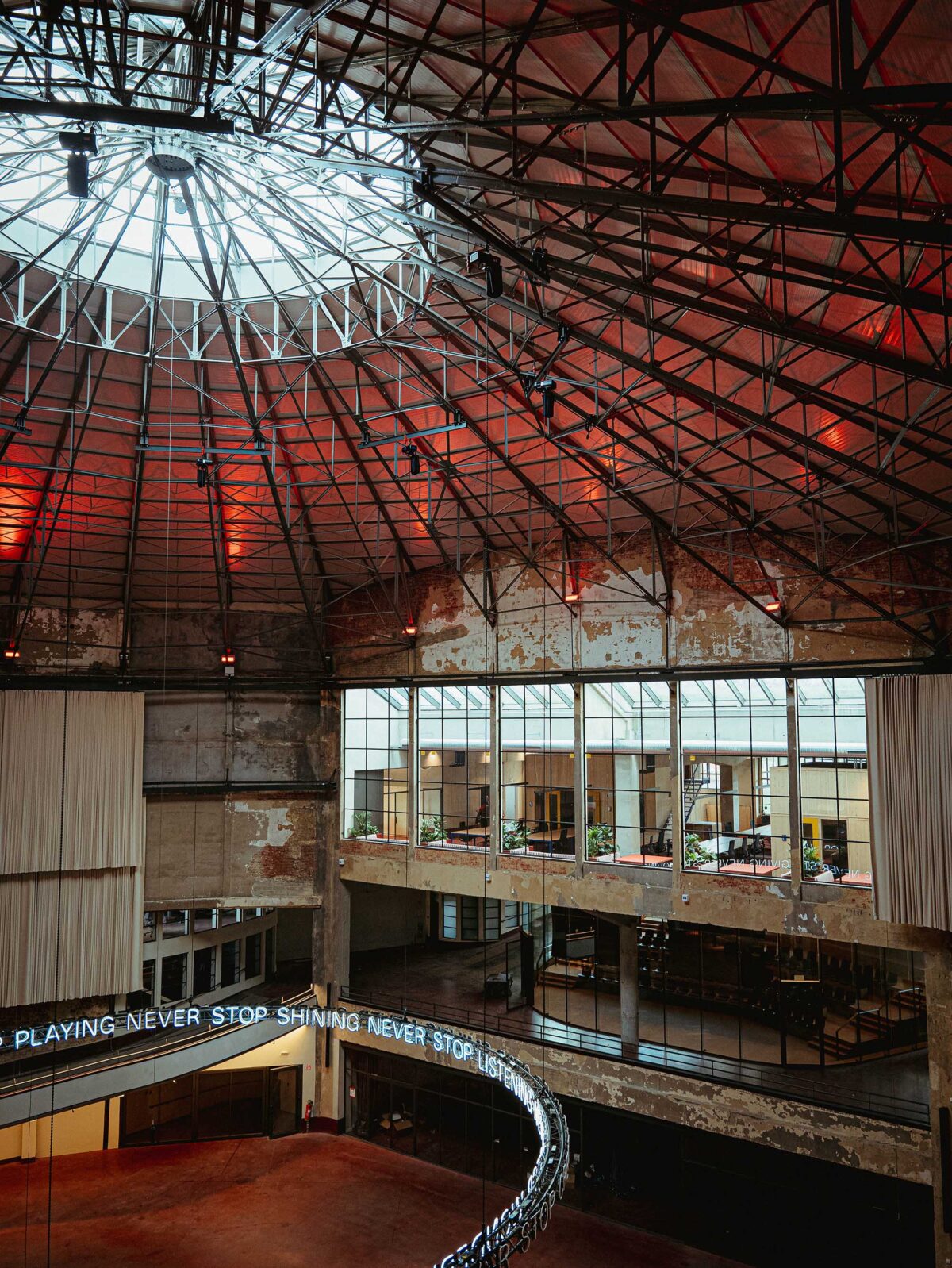
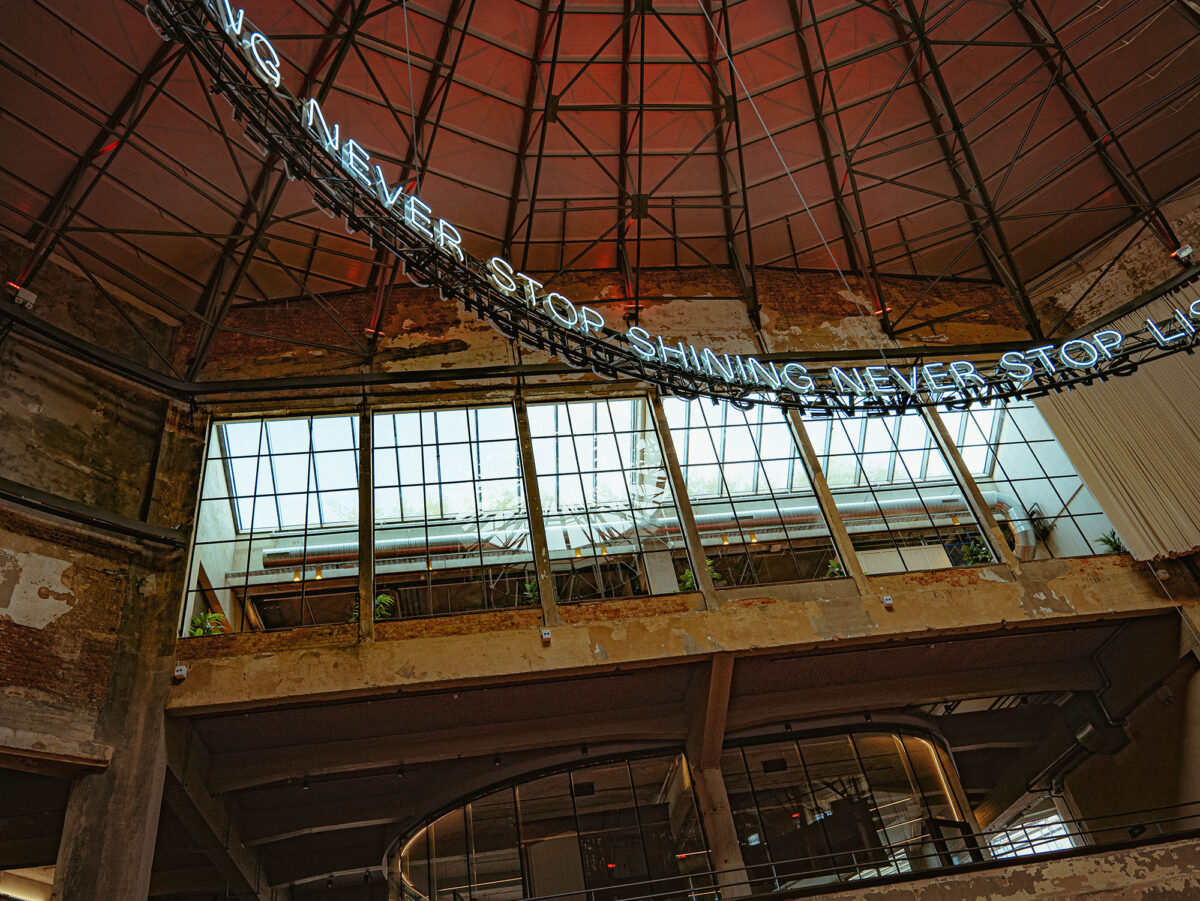
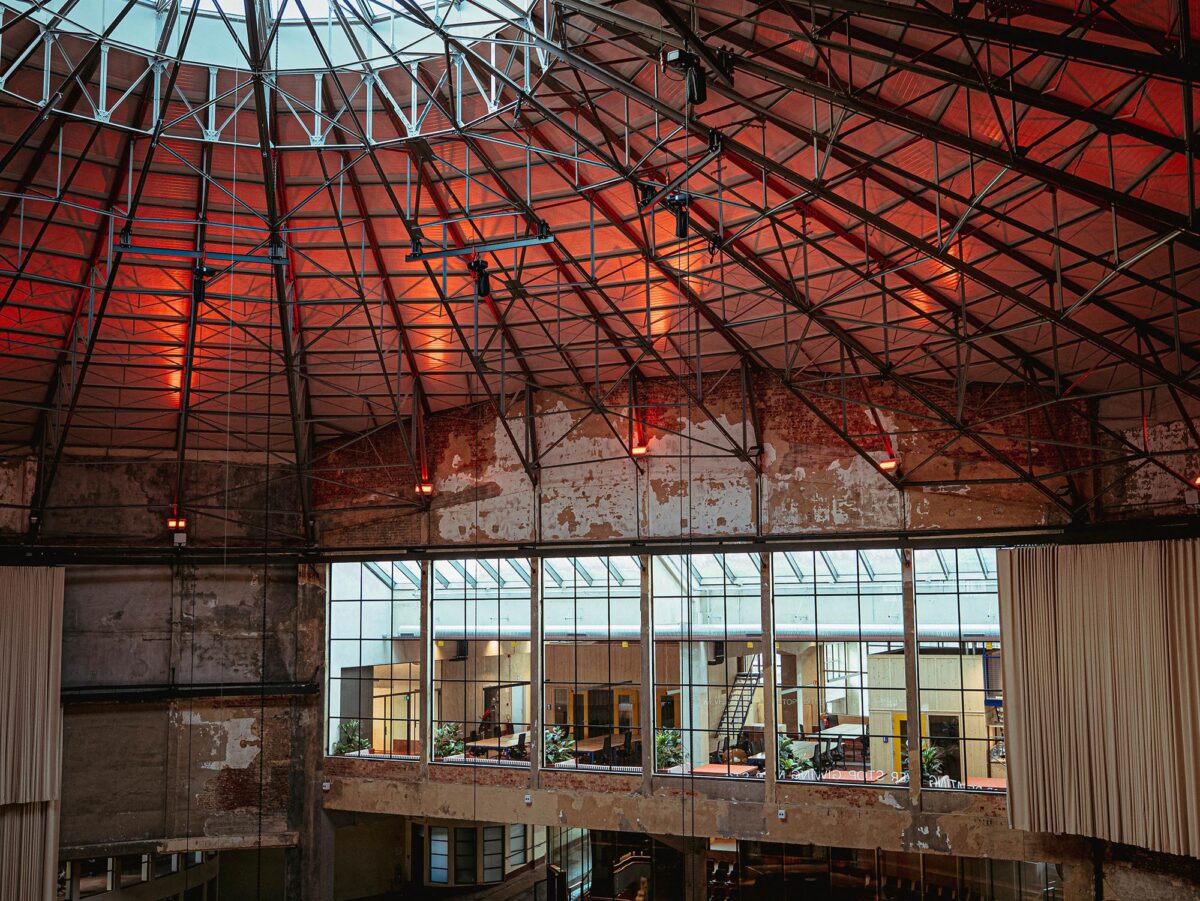
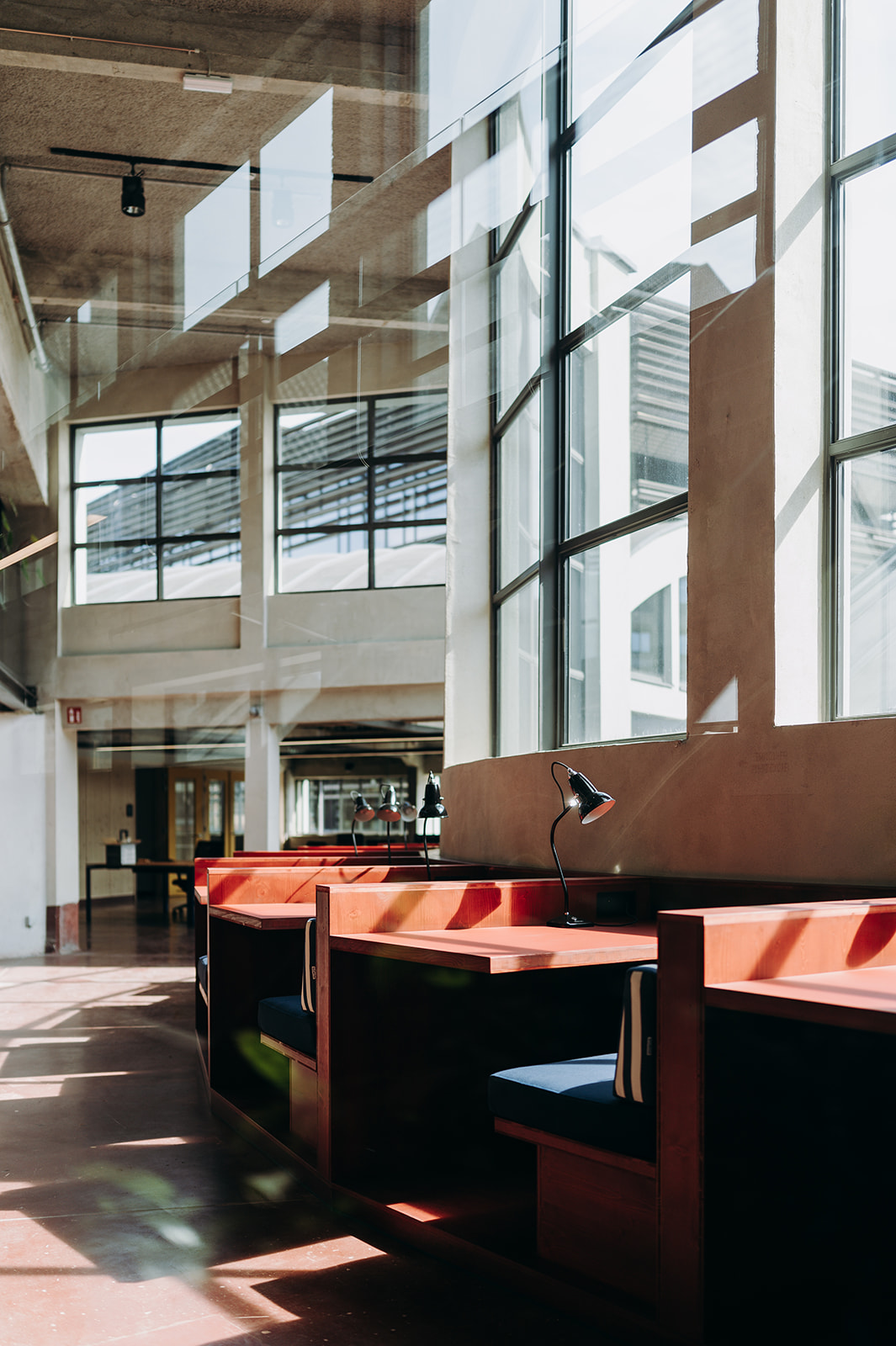
赤いコンクリート床や鋼鉄屋根など、既存の象徴的要素を保存・再利用しつつ、ガレージから回収した旧自動車ランプを再加工し、特徴的なディテールとして落とし込まれています。ヘントとバルセロナに拠点を置くOYOアーキテクツ(OYO Architects)が設計しました。
注目ポイント
- 起業家、学生、研究者、市民が交差する都市の創造的ハブ
- 歴史のレイヤーを可視化しつつ新たな用途をもたせる設計
- 「アーバンマイニング」によるサーキュラーエコノミーの実践例
- 歴史的建築と先端技術の統合による持続可能性の確保
(以下、OYOアーキテクツから提供されたプレスキットのテキストの抄訳)
© Farah Lieten
© Farah Lieten
サーカスからガレージ、そして未来へと受け継がれる建築
〈ウィンターサーカス〉は、1885年にサーカスとして建てられ、自動車工場、ヴィンテージカーのガレージとしての機能を経た建築である。長年空き家として放置されていたこの建物は、新たな都市の拠点へと生まれ変わった。
© Farah Lieten
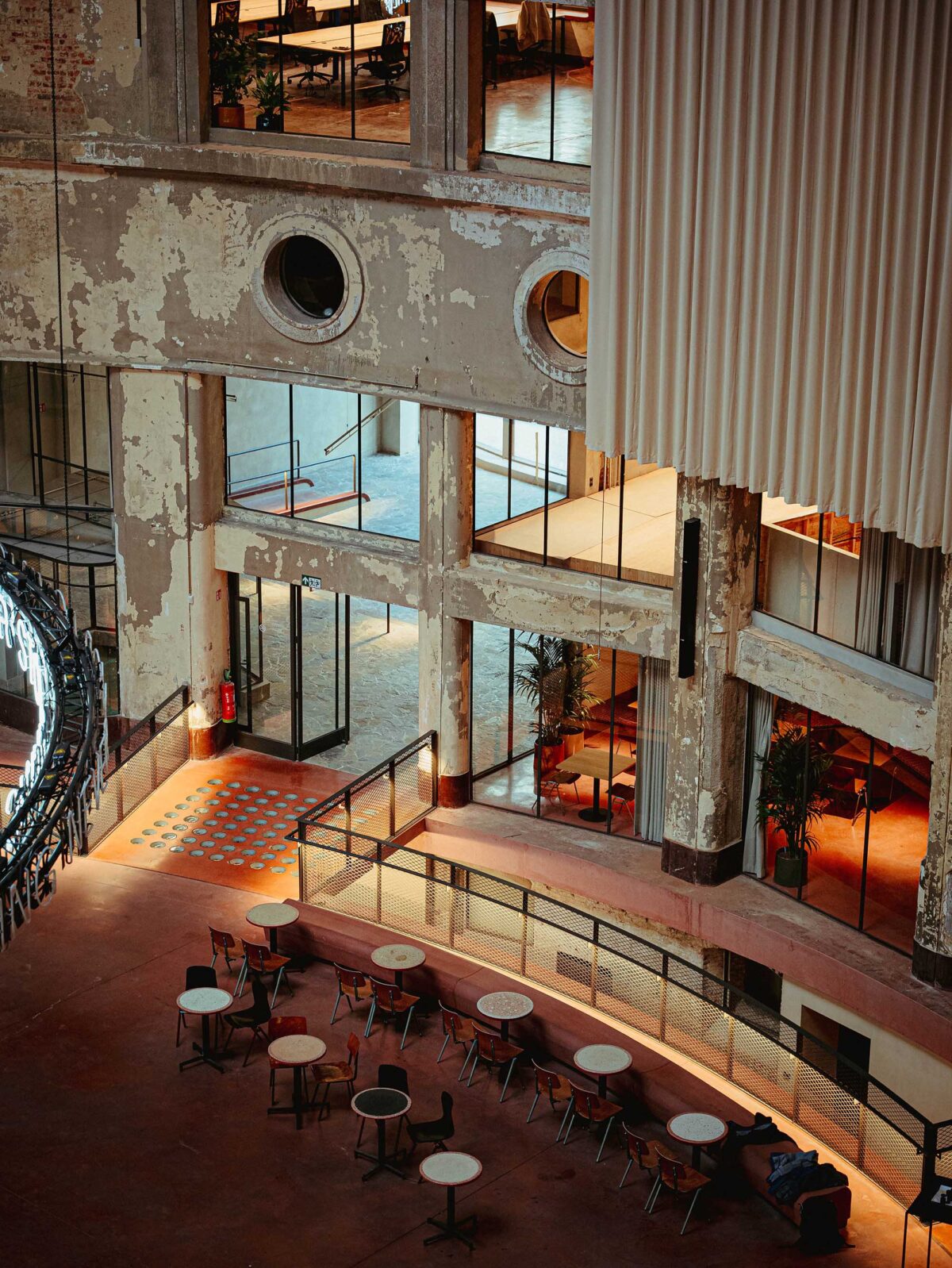
改修後の施設は、カフェ、レストラン、屋上バーを擁する一部公開エリアと、中央広場の地下に設けられた音楽会場付きの起業家向けワークスペースから構成されている。
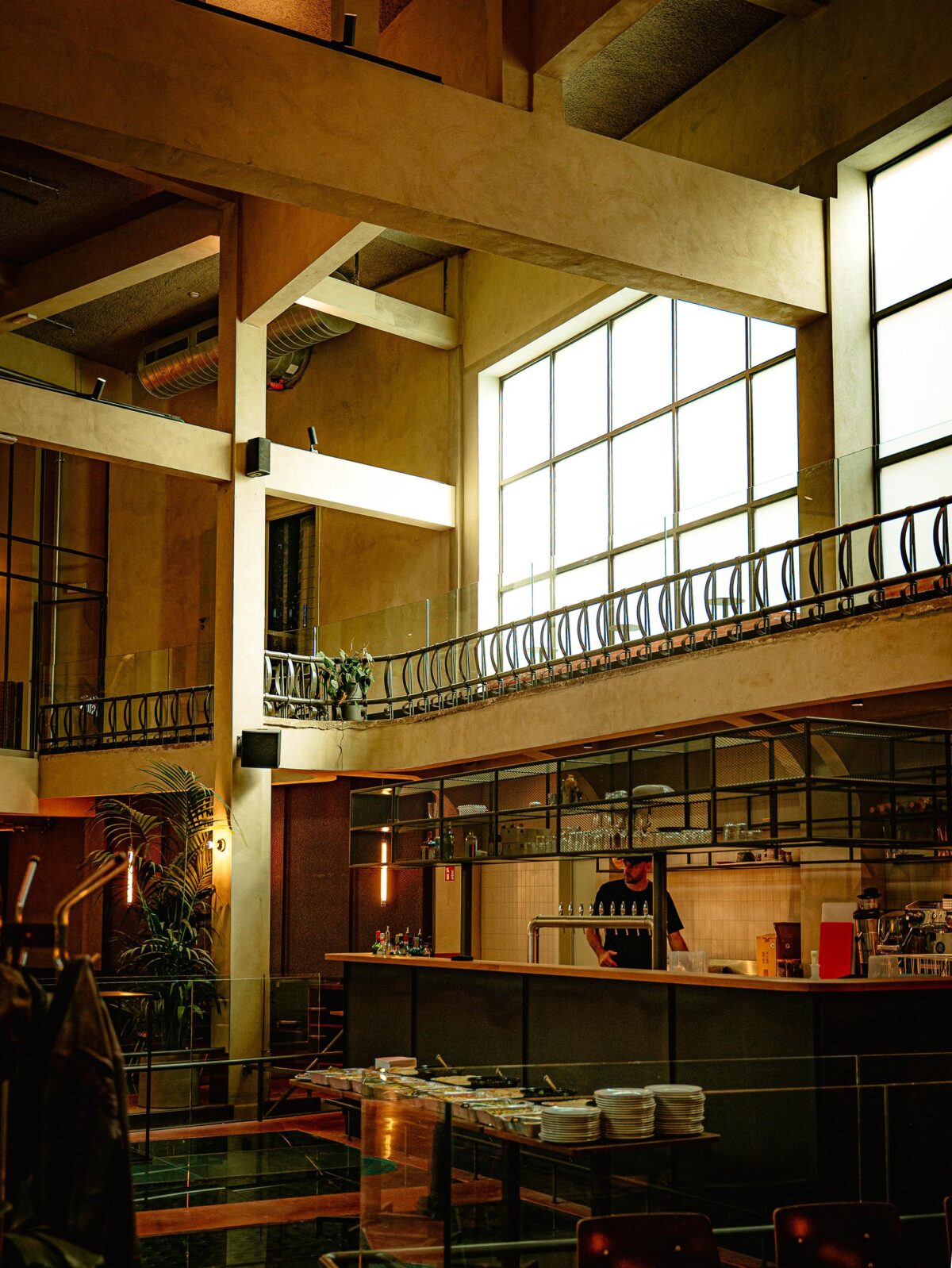
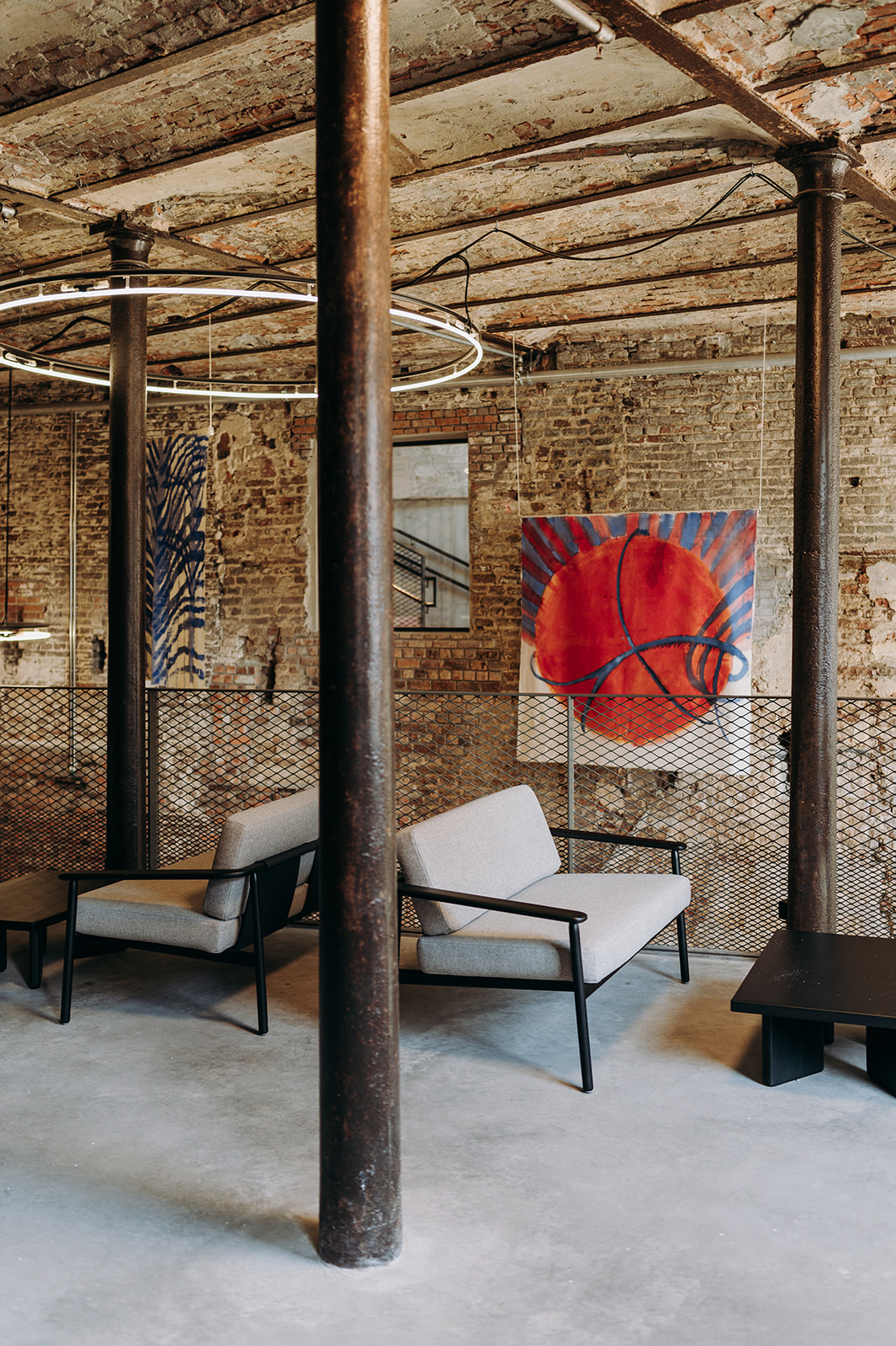
初期の改修段階では、建物の根幹部分が丁寧に復元され、オリジナルの頑強な構造が強調された。我々の課題は、既存構造に敬意を払いつつ、新たな要素を対比的に挿入することで、歴史と現代の対話を明確に表現することであった。
© Farah Lieten
循環型建築としての実践
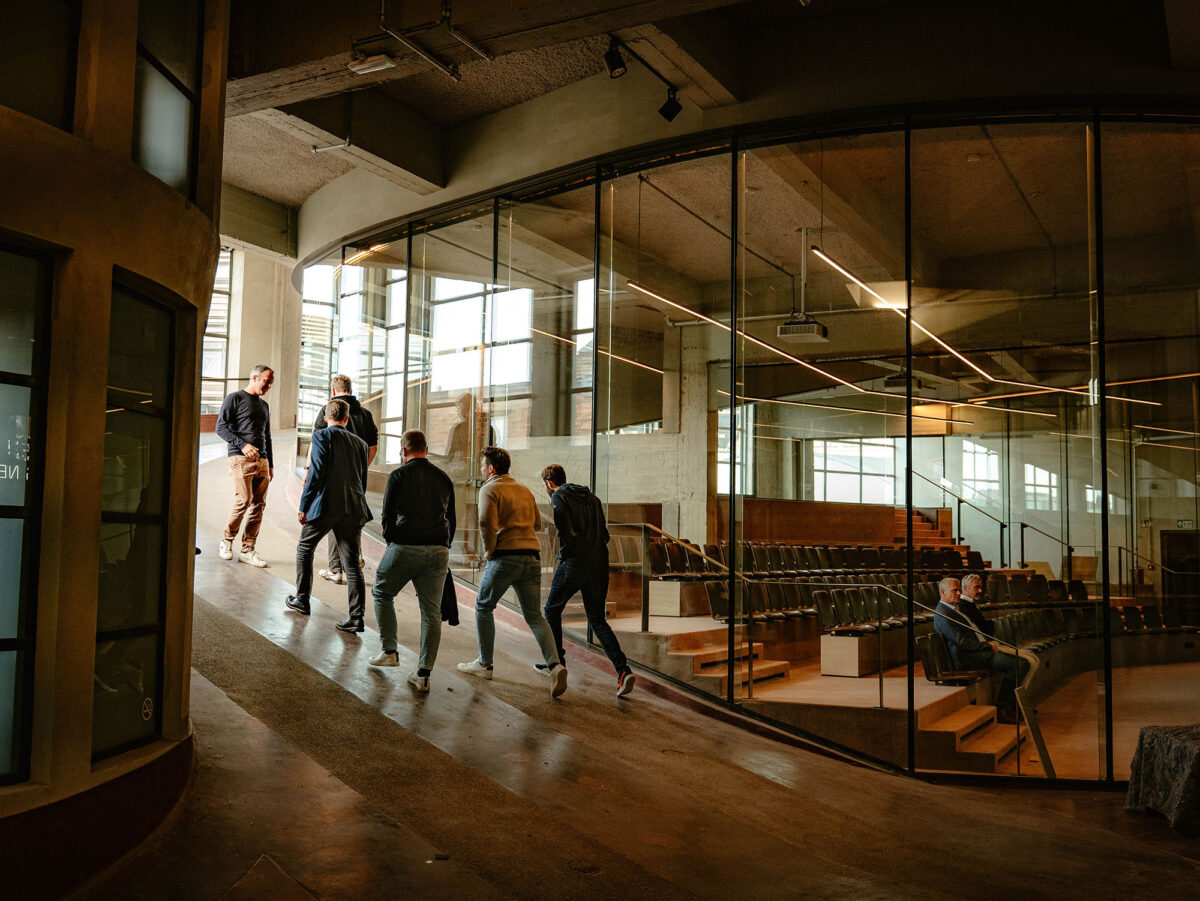
今日、循環型の建築デザインは、もはや選択肢ではなく必然の戦略である。〈ウィンターサーカス〉は、異なる時代のレイヤーを露わにし、都市における「サーキュラーエコノミー」の実装を象徴する建築となっている。
© Farah Lieten
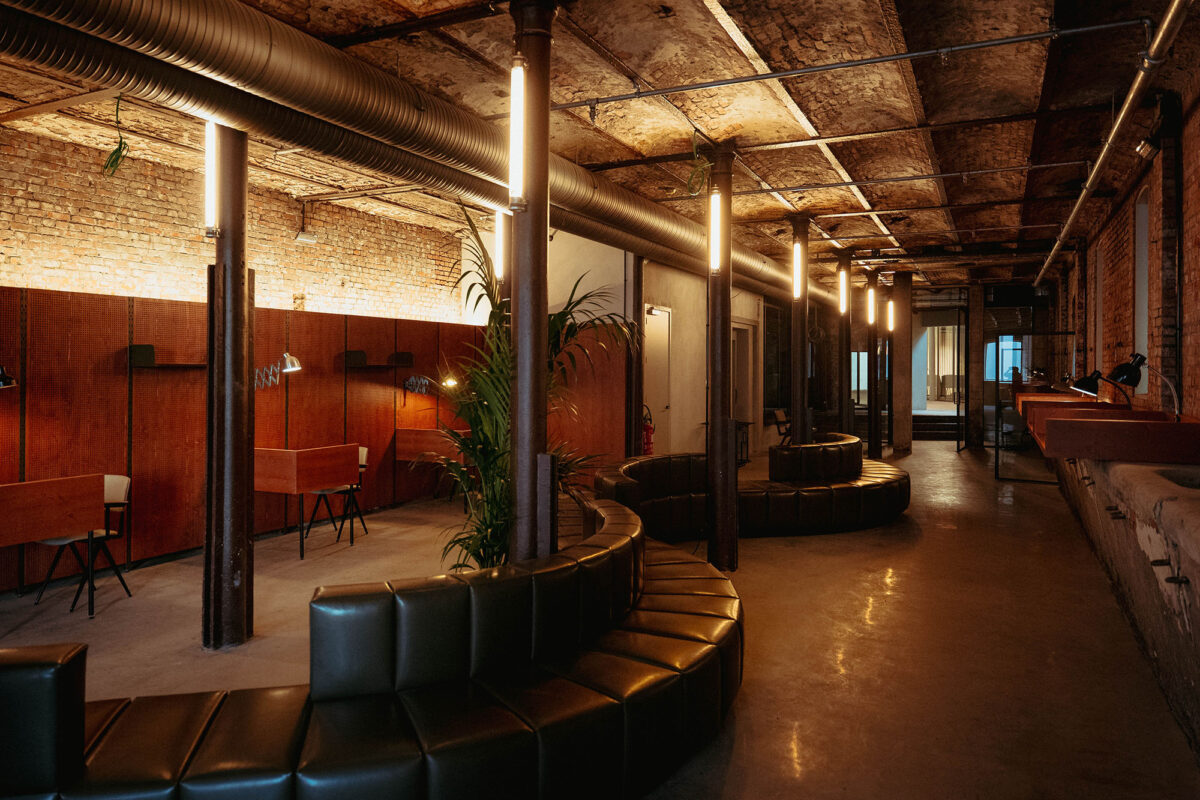
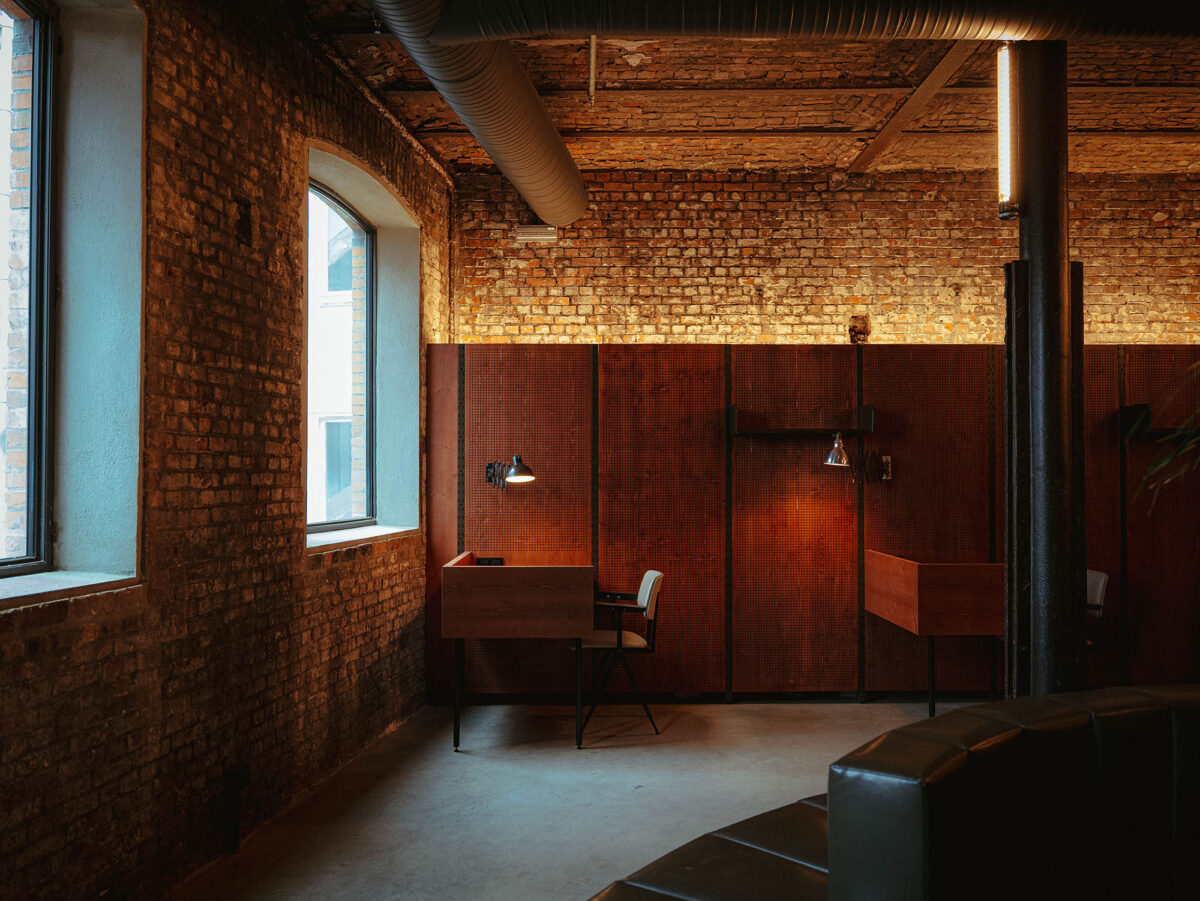
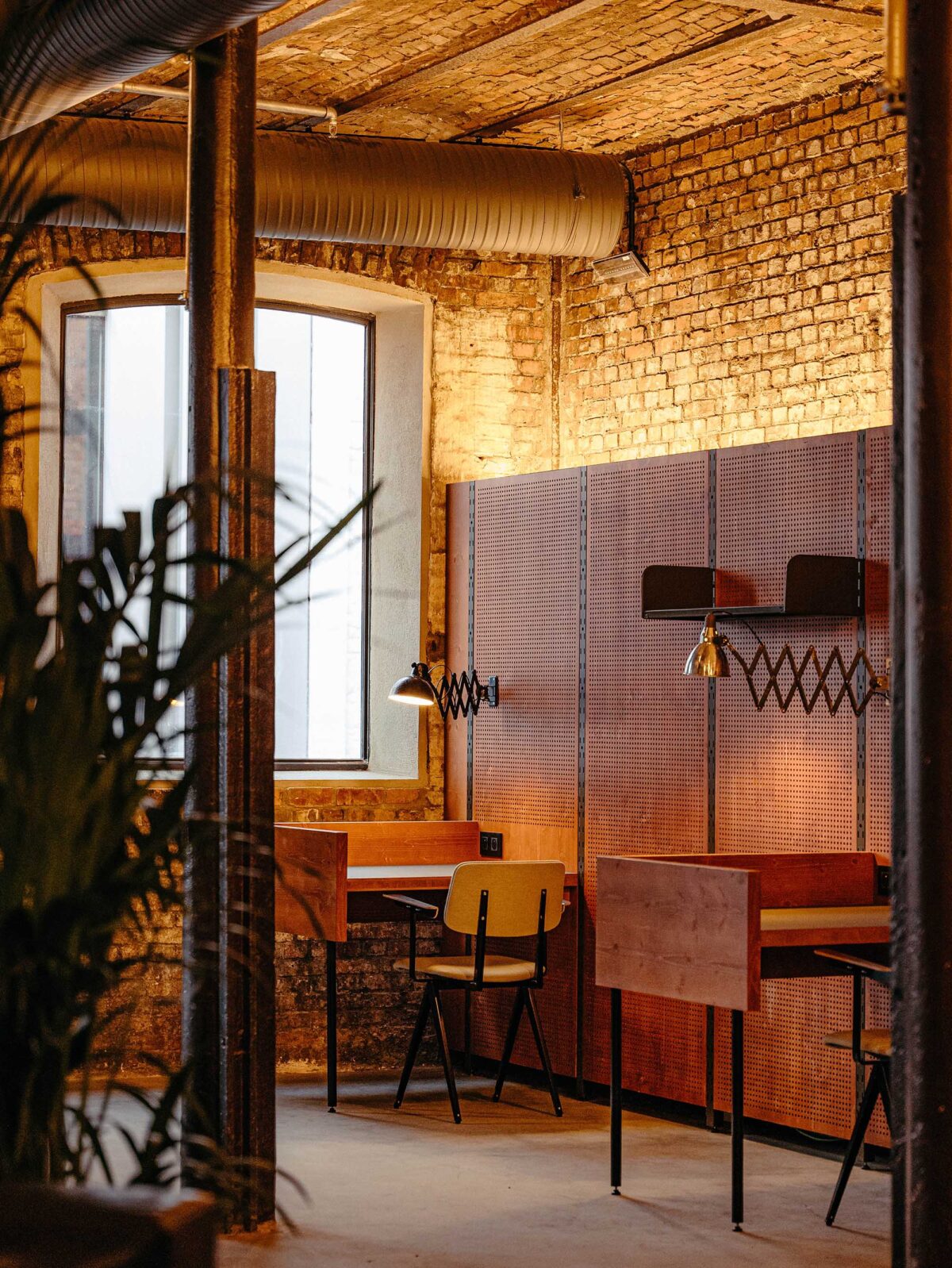
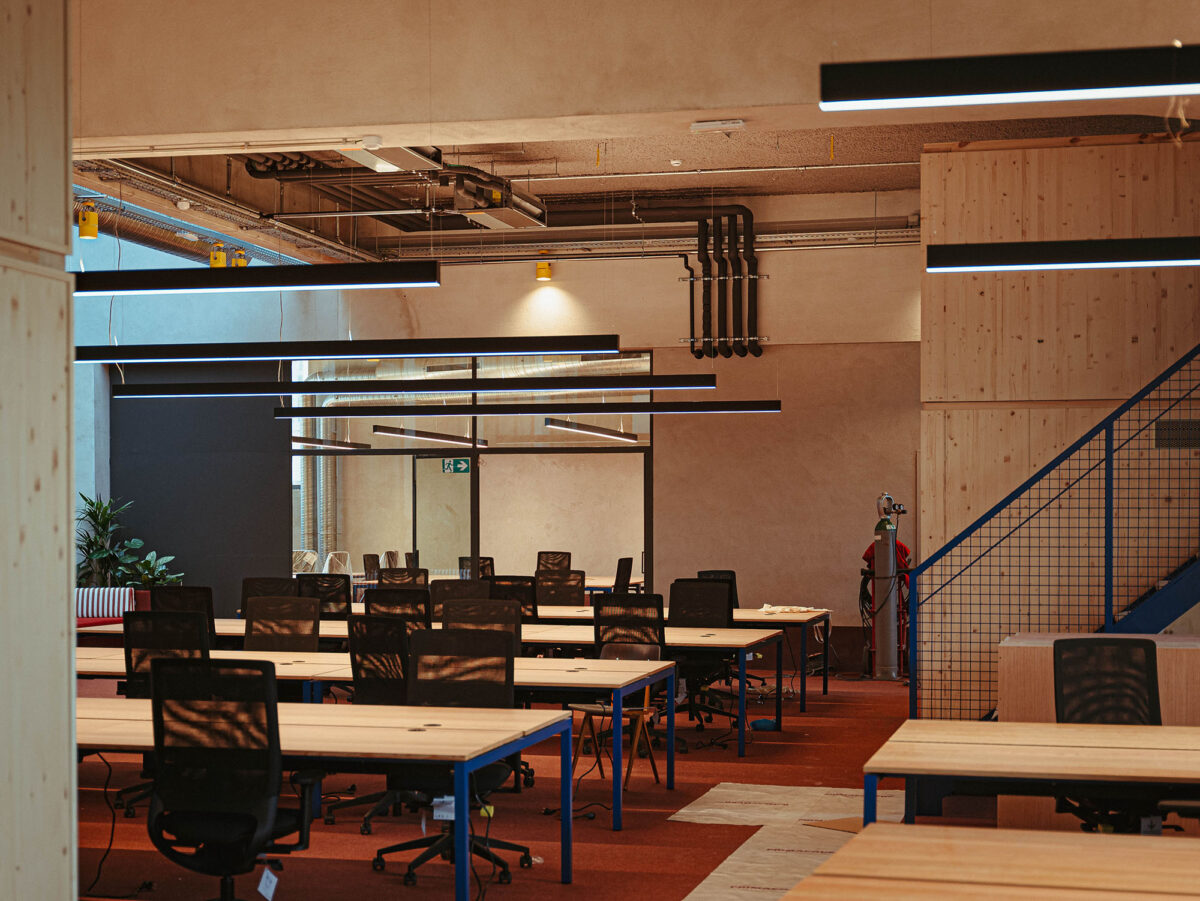
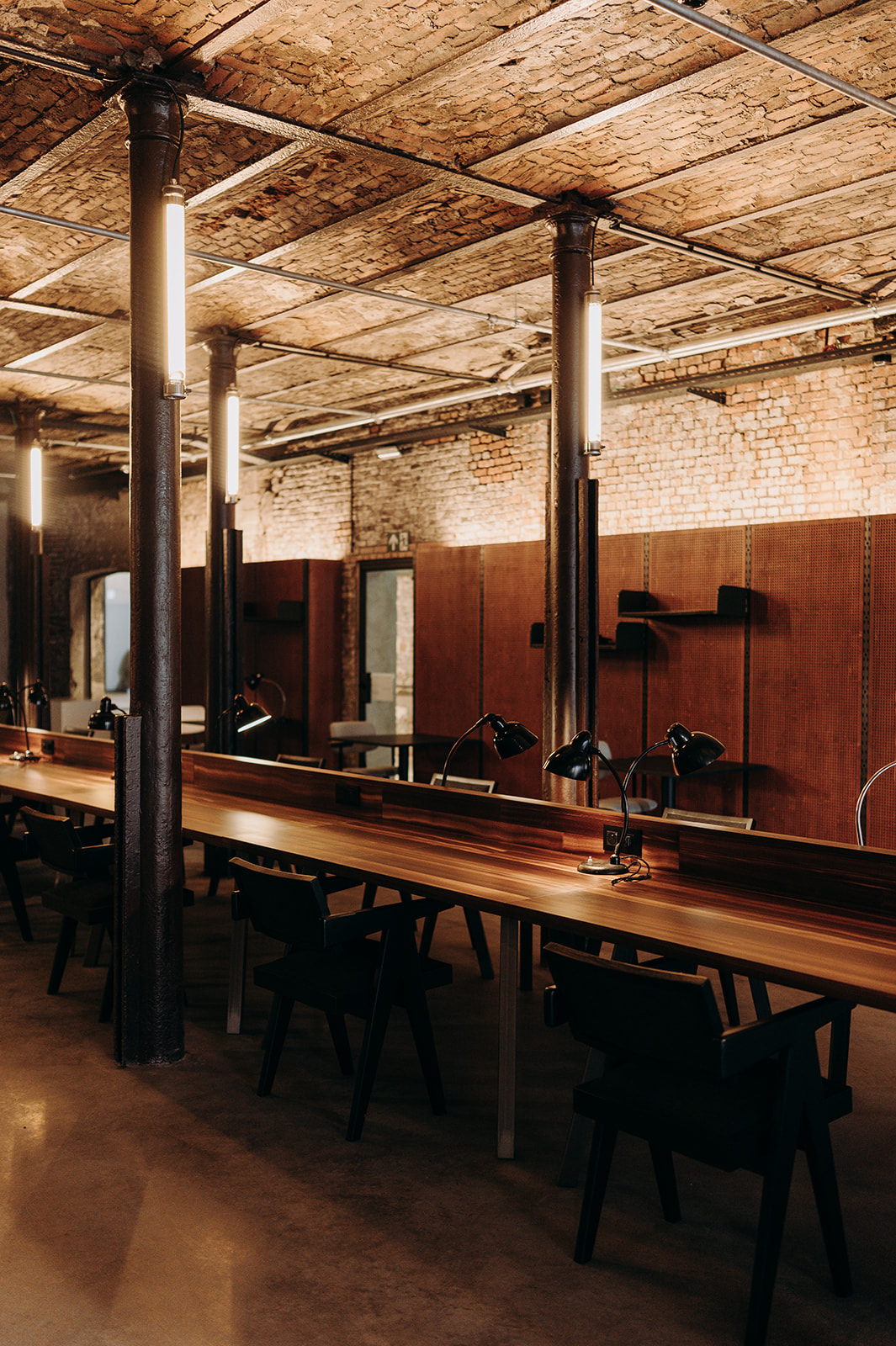
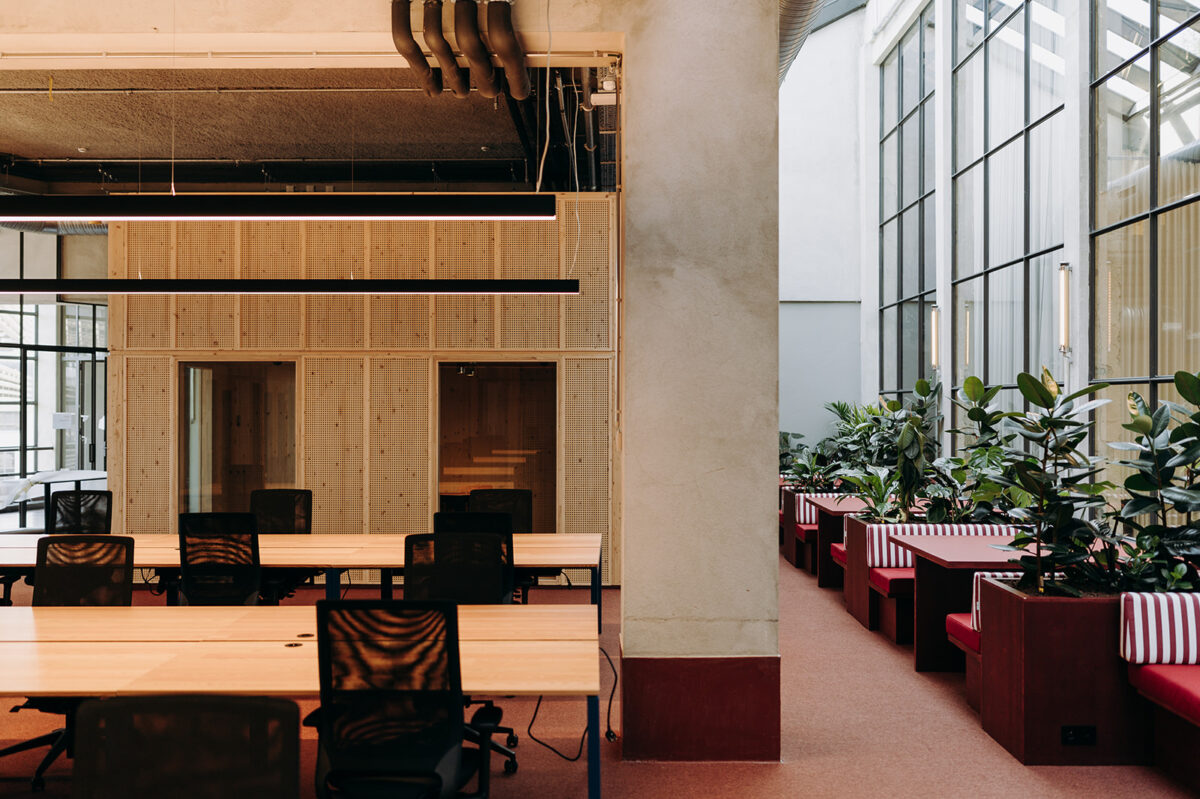
本プロジェクトでは、都市鉱山化の考え方を取り入れ、電子廃棄物や解体建材、使用済み製品といった都市の副産物から再利用可能な資源を回収した。たとえば、Bulo社が廃棄物から製造した「WoodSaverベニア」が、デスクや14mに及ぶ図書館テーブルとして活用されている。
都市鉱山、アーバンマイニング(urban mining):都市でごみとして大量に廃棄される家電製品などの中に存在する、レアメタルなどのような有用な資源を鉱山に見立てたもの
© Farah Lieten
© Farah Lieten
建物のストーリーの再構築
実用性を重視したアプローチにより、サーカスとガレージという建物のこれまでの機能に敬意を表しつつ、現代的要素と伝統的要素を融合させている。
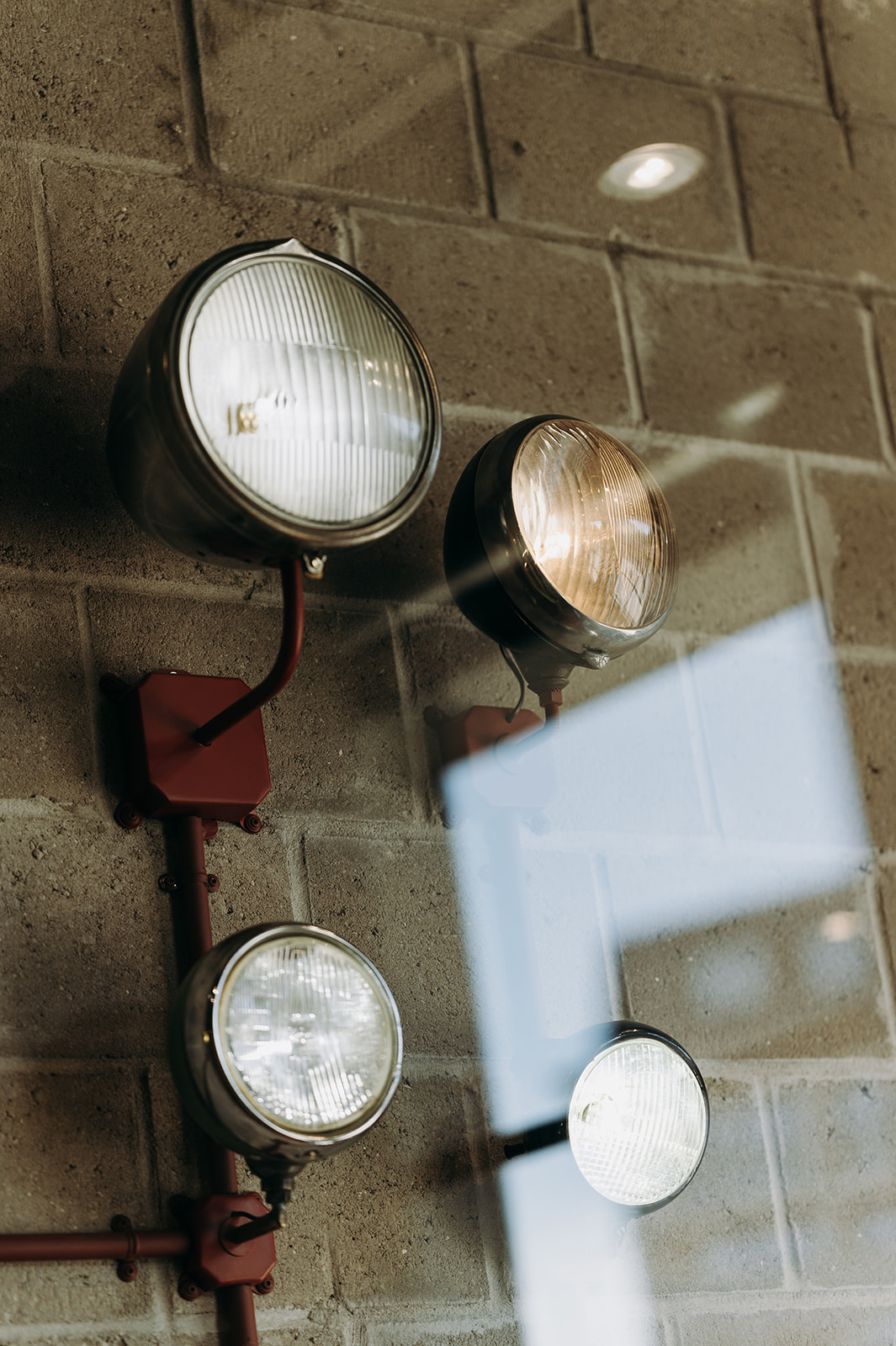
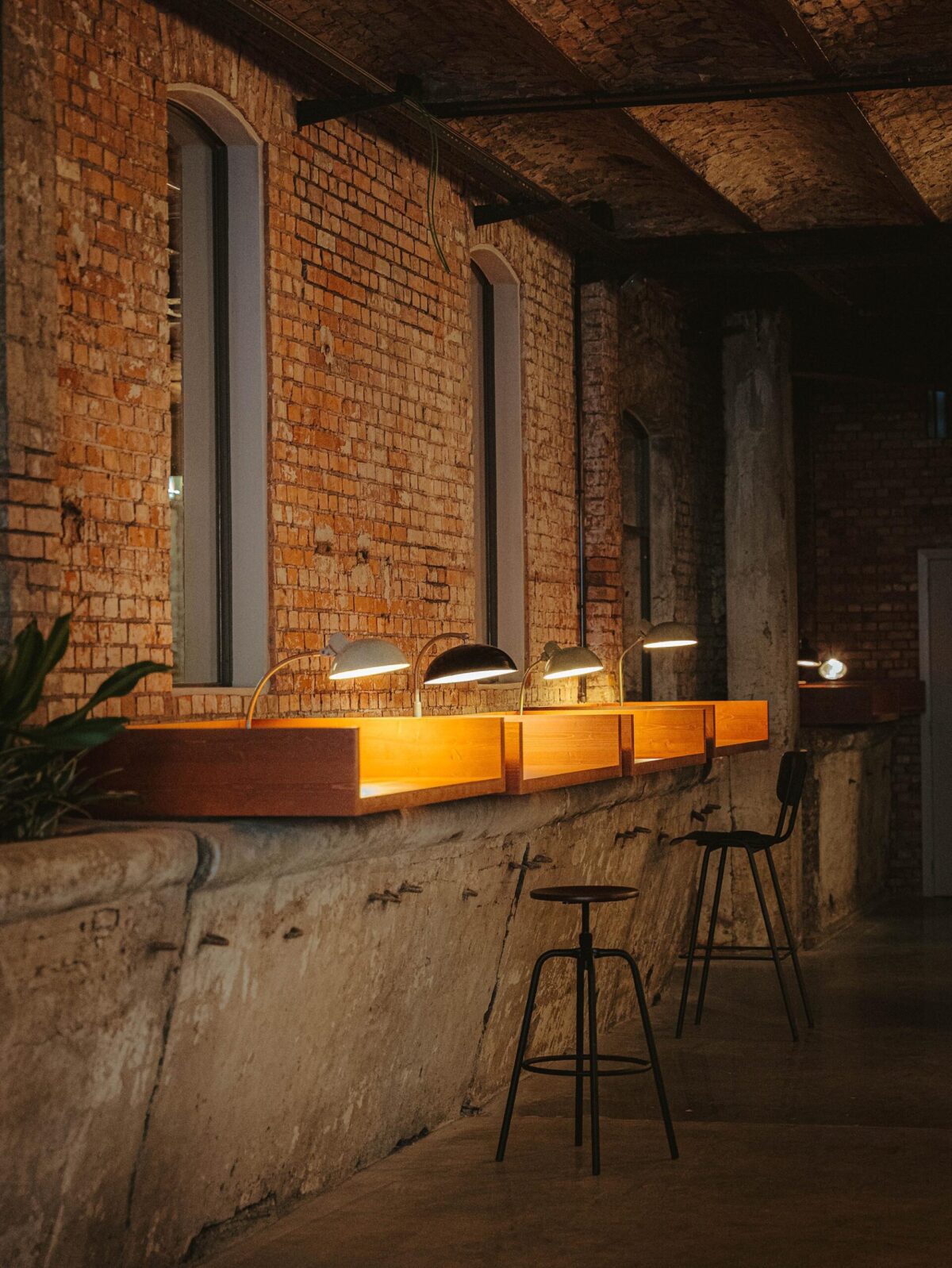
古い自動車ランプは清掃・再加工され、空間の中にユニークなディテールとして組み込まれている。また、Scrap vzw、Rotor、The Good Stuff Factoryといった循環型パートナーと連携し、中古家具を選定・導入したことで、建物の物語を現代の文脈で再解釈したデザインが実現した。
© Karen Van der Biest
歴史的要素の保存と再機能化
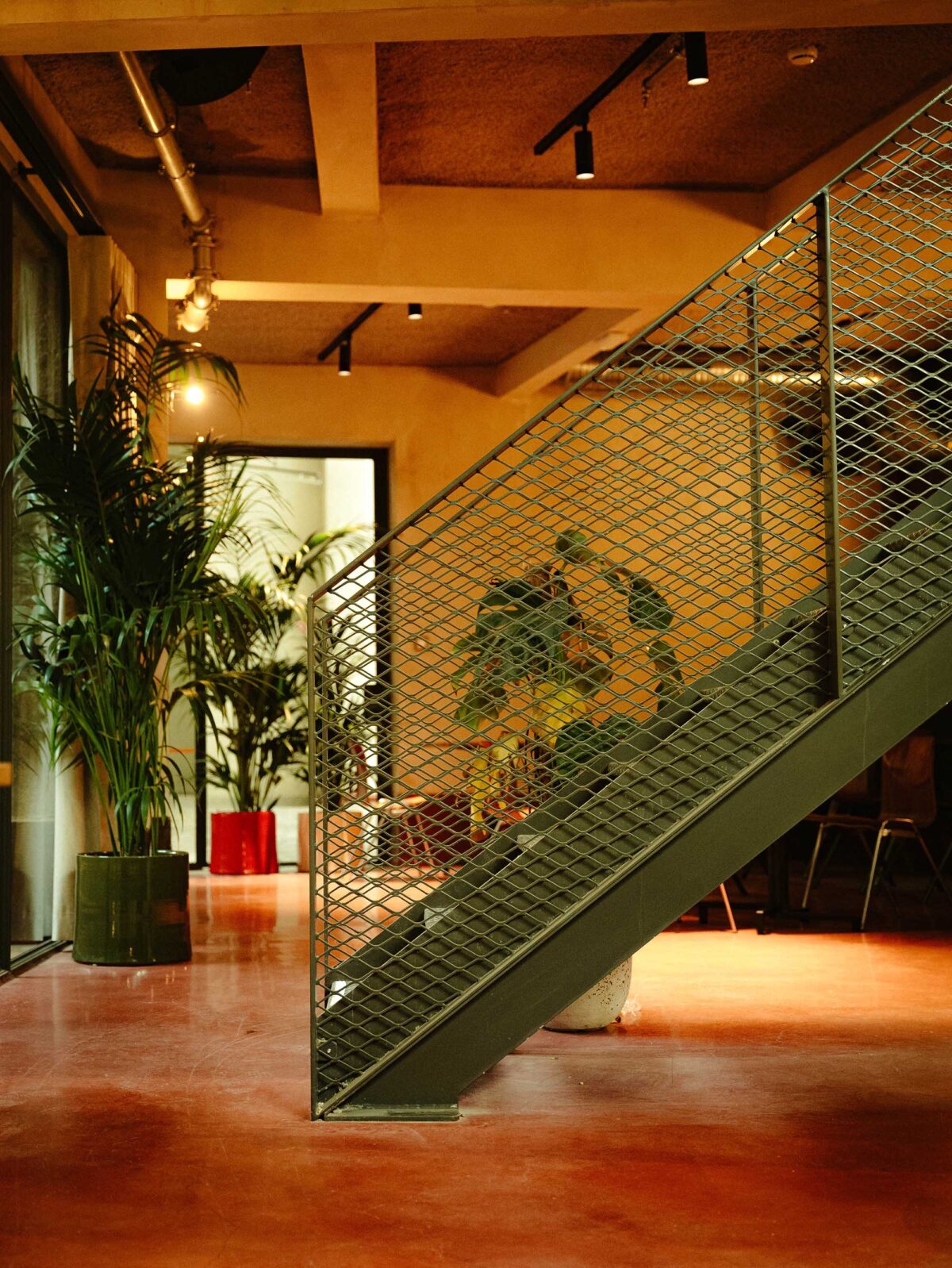
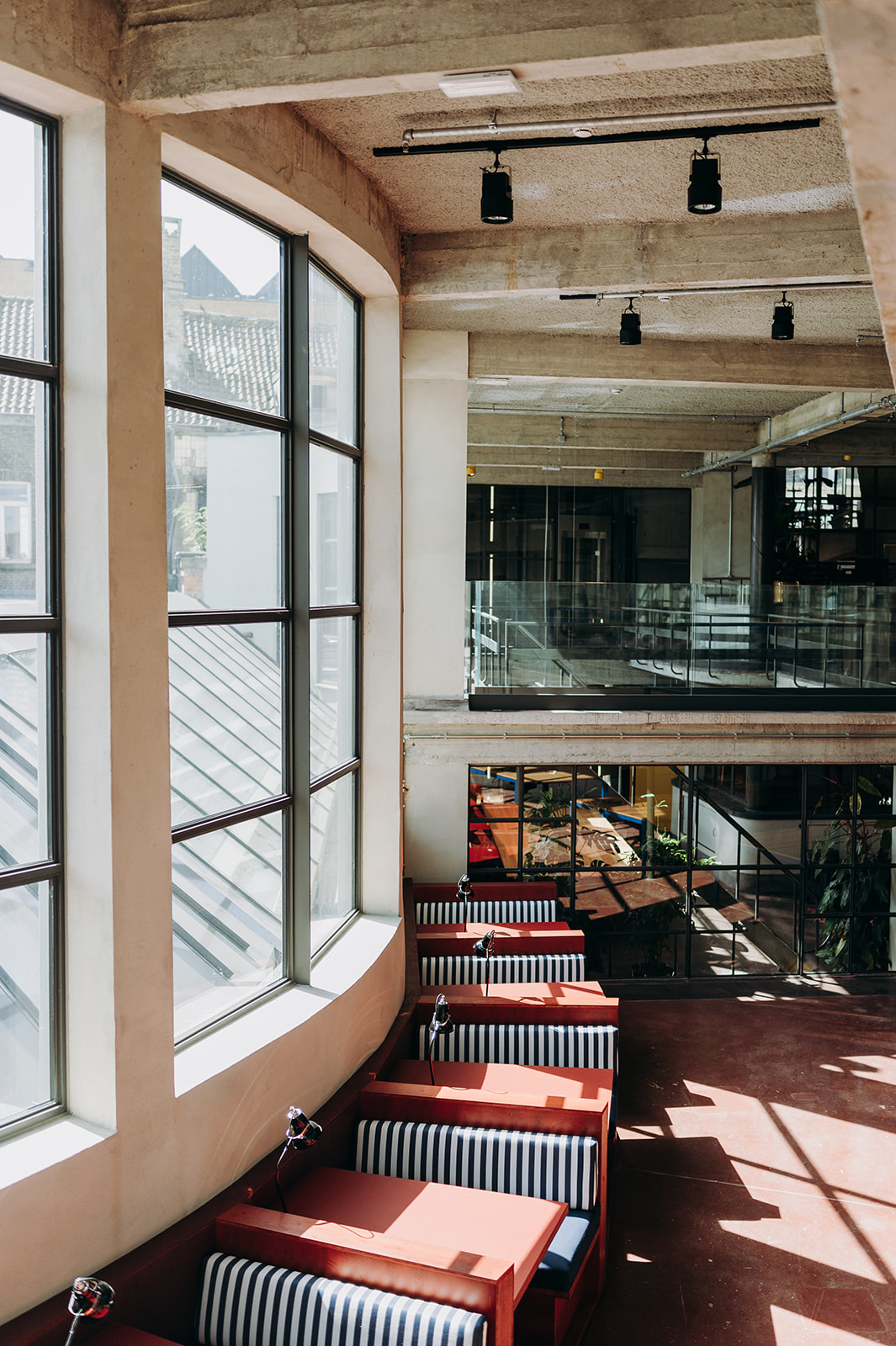
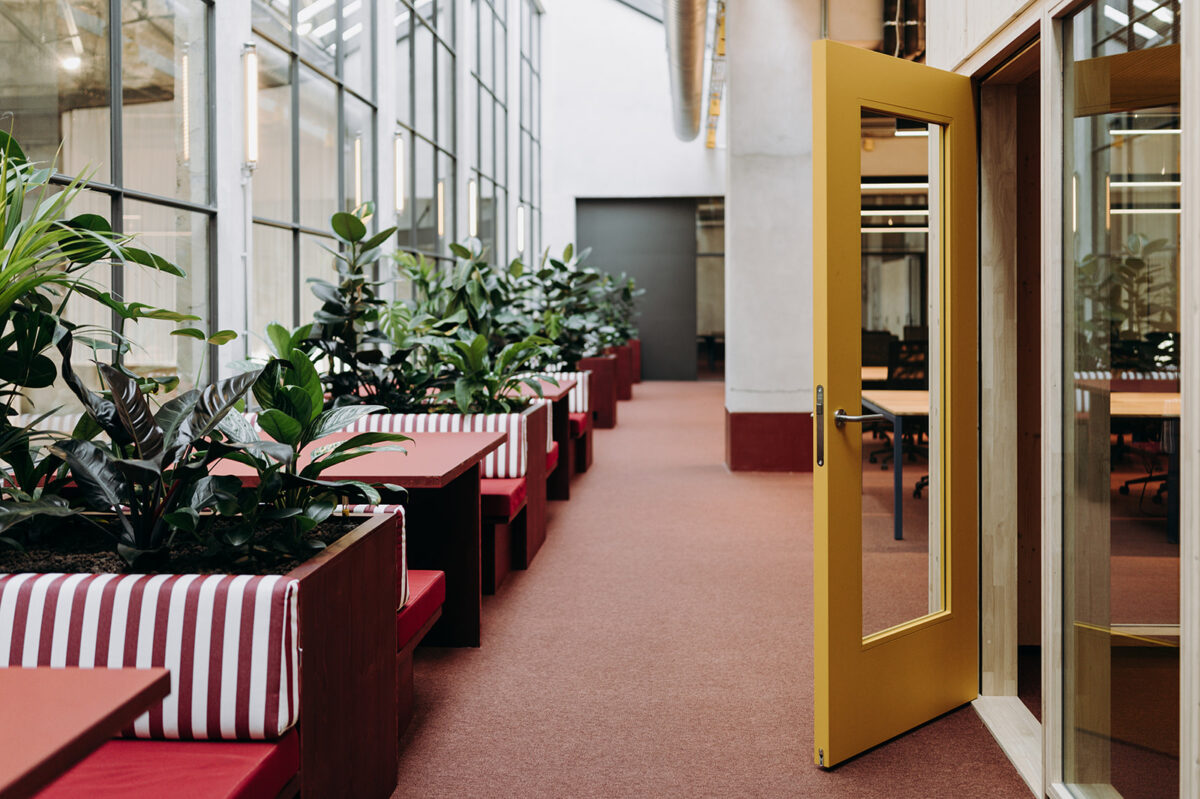
改修では、鋼鉄の屋根構造や赤いコンクリート床といった象徴的要素が保存されている。さらに、象の滑り台や馬小屋は修復され、新たな用途が与えられた。ガソリンポンプなども、かつてのガレージの記憶を今に伝える装置となっている。
© Farah Lieten
最大の課題は、構造内でのアクセス性、音響、技術的な要件に対応するため、デザイナーと施工業者との緊密な協力と柔軟性が求められた点である。
材料の再利用、家具のアップグレード、デザインの適合など、このカスタマイズされたプロセスを真のチームワークでリードすることが、〈ウィンターサーカス〉のビジョンを現実化する鍵となった。
© Farah Lieten
都市と人々をつなぐ触媒としての空間
都市の経済的・社会的な触媒として、〈ウィンターサーカス〉は多様なグループを受け入れ、好奇心と起業精神を育む空間を提供する。これにより起業家、研究者、学生、デジタルクリエイター、一般市民の自発的な交流と相互作用から生まれる、魔法のようなイノベーションの機会を提供する。
また、歴史の多様なレイヤーを明らかにし、都市のサーキュラーエコノミーを強化する機会も提供する。最終的に、設計の目的は建物の寿命を延ばし、キャンパスに持続可能な未来を確保することである。
© Farah Lieten
歴史と未来が融合する、循環型都市建築の象徴
再オープン以降、〈ウィンターサーカス〉は、スタートアップやクリエイター、そしてヘントの音楽文化の拠点として活気を呈している。
本プロジェクトは、持続可能性と循環性が建築の個性や歴史と共存可能であることを明快に証明した。長い歴史をもつ建築は、最新のテクノロジーを備え、化石燃料を使用しない暖房システムを導入することで、持続可能な未来を内包する存在へと進化している。
© Farah Lieten
© Farah Lieten
© Karen Van der Biest
© Karen Van der Biest
© Karen Van der Biest
© Karen Van der Biest
© Karen Van der Biest
© Karen Van der Biest
以下、OYOアーキテクツのリリース(英文)です。
A home for the new generation of wellbeing makers
Wintercircus Ghent, BEProject: Wintercircus
Location: Ghent, Belgium
Client: TENT (Together for Entrepreneurship, Networking and Technology)
Building period: 2022-2024
Building area: 4.830 m²Interior design team: OYO Architects
Strategy, positioning and branding: Zware Jongens
Photographer: Karen Van der Biest, Farah LietenMore info: https://oyo.eu/work/wintercircus
Selected publications
2024 – Absolut Magazine – printed (BE)
2025 – Frame web – online (NL)
2025 – Architectura – online (BE)
2025 – OnOffice magazine – printed (UK)
2025 – Abitare – printed (IT)
2025 – AIT Magazin – printed (DE)Selected awards
2024 – Architectuurprijs Gent – shortlisted (BE)
Design teams
BARO Architecture, architect
SUMProject, architect
Atelier Kempe Thill, concept owner
aNNo, concept owner
VK architects+engineers, stab-tech-acoustics
Omgeving, roof garden
OYO Architects, interior design and fit-out
NO4MAD, lighting designInput OYO
Arena: curtain walls, decor, furnishing, lighting
Campus: concept, decor, furnishing, lighting
Auditorium: furnishing, lighting
Expo: /
Collective: concept, decor, furnishing, lighting
Music club: /
Bar bougie: concept, decor, furnishing, lighting
Sakas (sushi restaurant): concept, decor, furnishing, lighting
Bakery Klaas: /
Tribune: /
Bar Bassie rooftop: /Restoring the core
In an initial renovation phase, the essence of the building is restored and its original robust structure is emphasised. Our challenge is to add new elements that not only respect the existing but also contrast with it, creating a distinction between the old and the new.
Heritage as a resource
Today, circular architecture and design strategy is no longer a choice but a necessity. Projects like the Wintercircus represent the opportunities to reveal the different layers of history and reinforce the ‘circular economy’ in the city. Through the process of urban mining, we recover valuable resources and materials from various urban sources, including electronic waste, construction and demolition debris, and end-of-life products. One of the examples is the use of WoodSaver veneer, a circular product derived from residual waste streams by Bulo, for desks and a 14-meter-long library table.
Eclectic fusion: circus meets garage
Through a no-nonsense approach, our ‘eclectic’ design represents a fusion of contemporary elements with traditional elements with a nod to the building’s past functions as a circus and a garage. For instance, retrieved old car lamps from a garage, which were cleaned and refitted to add as a quirky detail. Additionally, we sourced second-hand furniture with the help of partners like Scrap vzw, Rotor and The Good Stuff Factory. Through this approach, this design introduces a sequel to the story of a building in its modern context.
Biggest challenge?
The biggest challenge was working within the structure to address accessibility, acoustics and technical requirements; demanding great flexibility and close collaboration among designers and contractors. Leading this tailored process with a true team effort was key to translate Wintercircus’ vision into reality by reusing materials, upgrading furniture, adapting our design etc.
A Living Dialogue Between Past and Present
As an economic and social catalyst for the city, Wintercircus provides space to welcome diverse groups and to encourage curiosity and entrepreneurship. The magic is the opportunity for innovation, inspired by spontaneous interactions and cross-pollination between entrepreneurs, researchers, students, digital creatives and the general public. It also offers the opportunity to reveal the many layers of history and strengthen the city’s circular economy. Ultimately, the design aims to extend the life of the building to ensure a sustainable future for the campus.
Extra information Wintercircus
The Wintercircus, with a rich history from horse circus to variety theatre to vintage car garage, has found a new purpose after a long period of vacancy. The building has been transformed into a partly public space with café, restaurant and rooftop bar, combined with workplaces for high-tech entrepreneurs and a pop and rock venue under the central plaza. The renovation respects the historical layering, preserving iconic elements such as the imposing steel roof structure and the original red concrete floors. Other building elements, such as the former elephant ramp and former horse stables, were restored and given a new function. Car ramps, grease pits and original petrol pumps bear witness to the garage’s past. Some modest new interventions and circulation cores add a new layer for decades to come. Since its reopening, the Wintercircus has been a vibrant hotspot for start-ups, creatives and the Ghent music scene. With its sustainable refurbishment and generous roof garden, it puts Ghent on the global map. The renovation also shows that sustainability and circularity can go hand in hand with character and history. This 125-year-old giant is now equipped with state-of-the-art technologies and is heated fossil-free.
History
In the 19th century, there was a trend in cities to construct buildings destined for relaxation, including circuses. This was also the case for Ghent, where the “New Circus” was built in 1885 on the basis of the plans by architect Emile De Weerdt. Several circus companies gave performances in the building, also during winter. In 1920, the building was almost entirely destroyed by fire and was reconstructed three years later. After World War II, Ghislain Mahy used it as a car workshop. The building was entirely transformed and the circus interior was lost. The workshop continued its activities until 1978, after which the Wintercircus was used as a depot for vintage cars. In 2005 sogent purchased the building to renovate and repurpose it and to integrate it into the new De Krook city district. The casco renovation was designed by Ghent architecture firm BARO and SUMproject.
After four years of intensive renovations, sogent appointed an operator: TENT (Together for Entrepreneurship, Networking and Technology), a consortium of Ghent entrepreneurs and organisations. OYO was appointed for the fit-out of the casco building into a true temple of technology. In 2024 the building reopened its doors. The central arena becomes a publicly accessible covered plaza which people will be able to cross to walk from one entrance to the other. Innovating start-ups and scale-ups breathe new life into the former workshops and share their knowledge in the meeting rooms or the auditorium during lectures and presentations. The underground level will house a concert hall seating 500 spectators.
OYOアーキテクツ 公式サイト
https://oyo.eu
【購読無料】空間デザインの今がわかるメールマガジン TECTURE NEWS LETTER
RECOMMENDED ARTICLE


![[大阪・関西万博]海外パビリオン紹介_UAE](https://magazine-asset.tecture.jp/wpcms/wp-content/uploads/2025/04/28211148/UAE_7-900x683-1.jpg)