

CULTURE
© Zhang Chao
中国・貴州省の貴陽市に建つ〈AYDCパブリック・アート・センター(AYDC Public Art Center)〉は、コミュニティ、イノベーション、自然を統合した拠点として設計された分散型アートパビリオンです。
深圳、雲南、ニューヨークに拠点を置く建築事務所 ATELIER XIが設計しました。
注目ポイント
- 図書館、礼拝堂、舞台として機能する3つのパビリオン
- 単一のデザイン言語を用いつつそれぞれの機能に適応
- 建築が自然の一部として呼応するような環境演出
- 建築を「経験・想像力・コミュニティの器」として再定義
(以下、ATELIER XIから提供されたプレスキットのテキストの抄訳)
© Zhang Chao
© Zhang Chao
文化的ハブとしてのAYDC
2022年、建築家は貴陽市において、「AYDC(A Yun Duo Cang)」の設計を依頼された。AYDCとは彝語(彝族によって話される言語)の言葉に由来し、「私たちの夢の土地」を意味する。
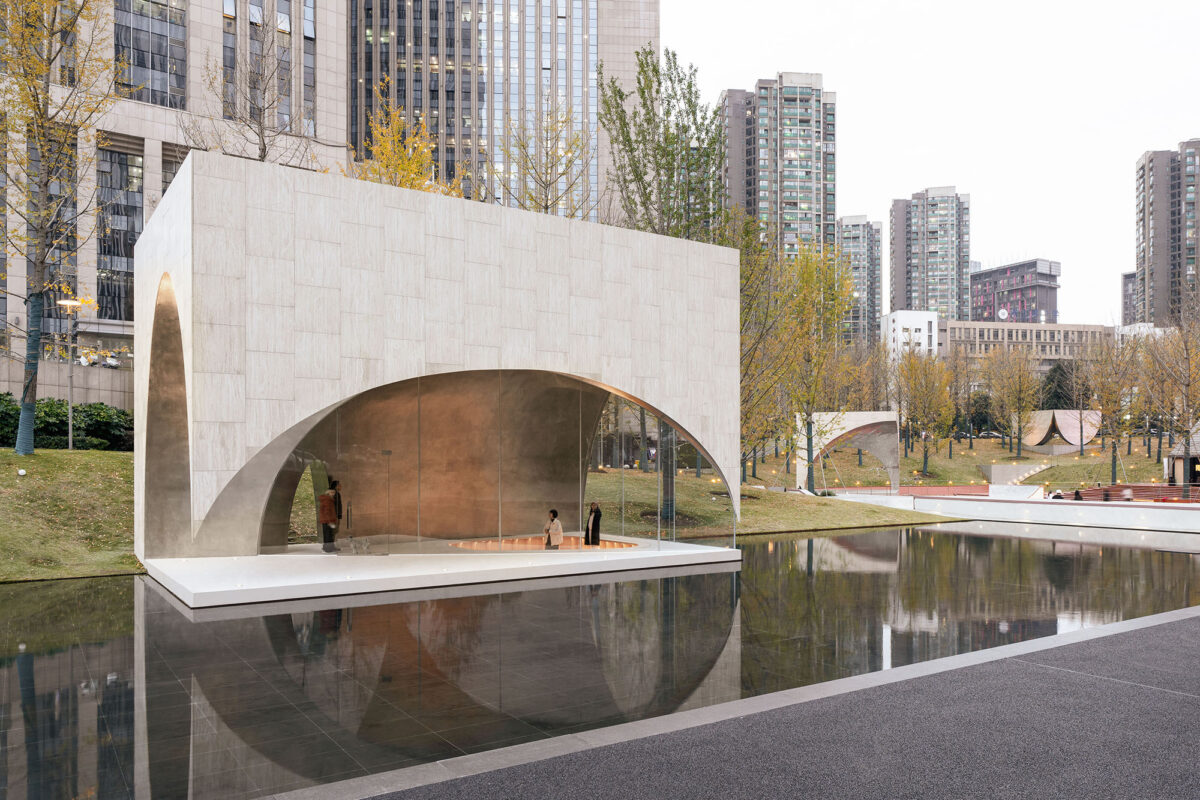
この施設は、コミュニティ、イノベーション、自然を融合した文化主導の実験的ハブとして構想されたものである。クリエイティブ産業と地域コミュニティの表現を促進するためにキュレーションされたこのブランド地区は、貴州省の山岳地帯がもつ精神性に触発されている。ここでは、人々とアイデアが自然の中で自由に成長できる環境が用意されている。
© Zhang Chao
© Zhang Chao
分散型の建築戦略
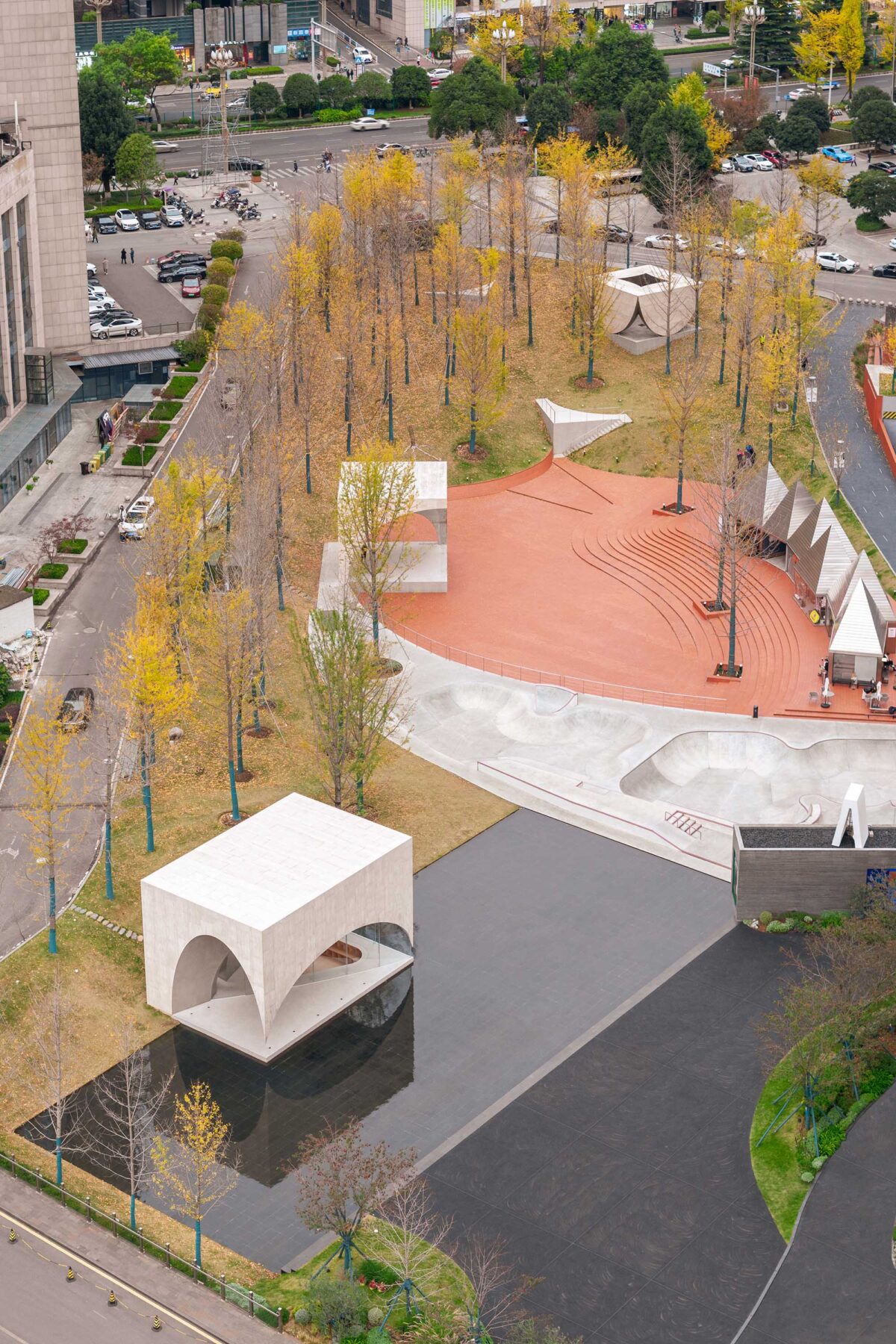
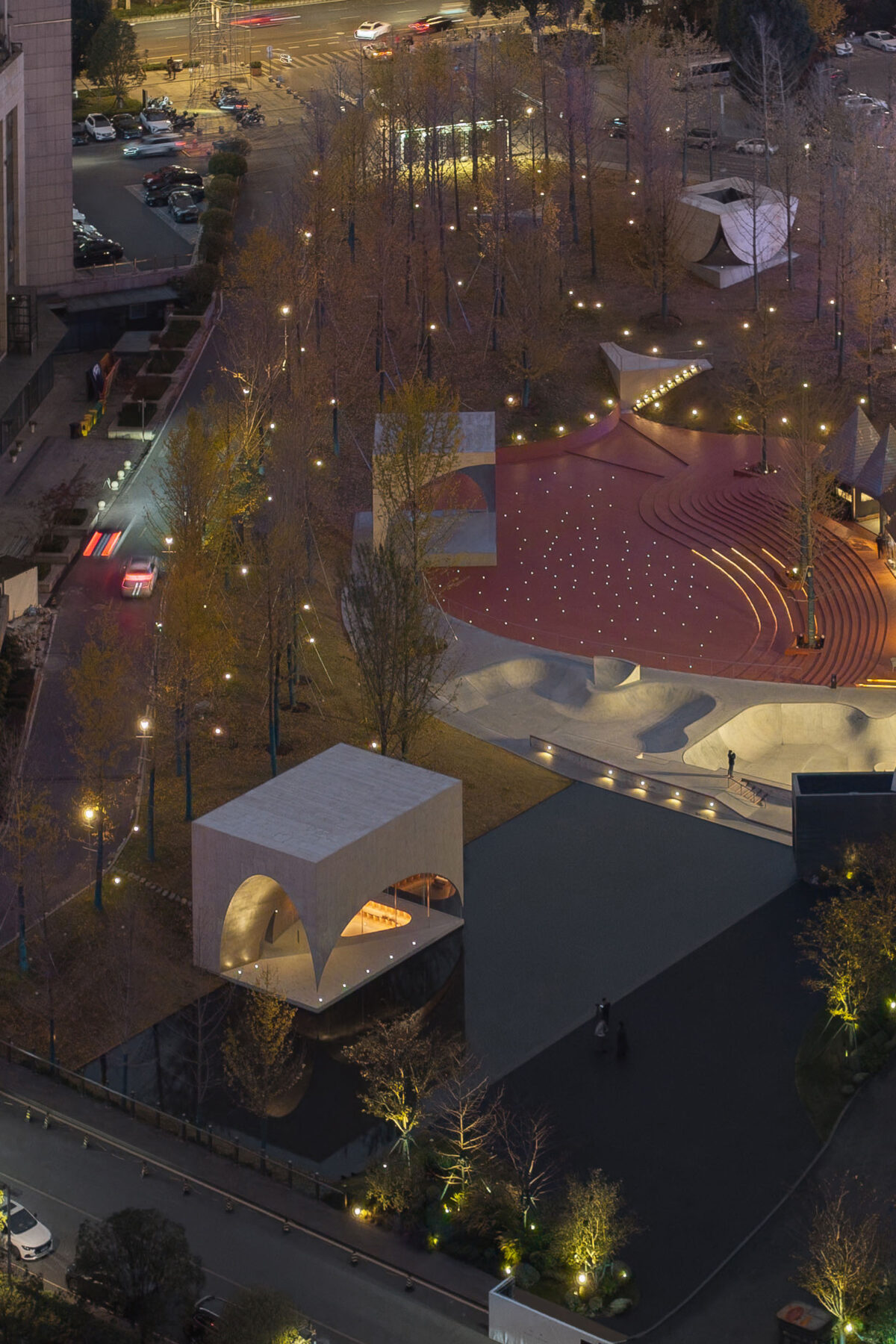
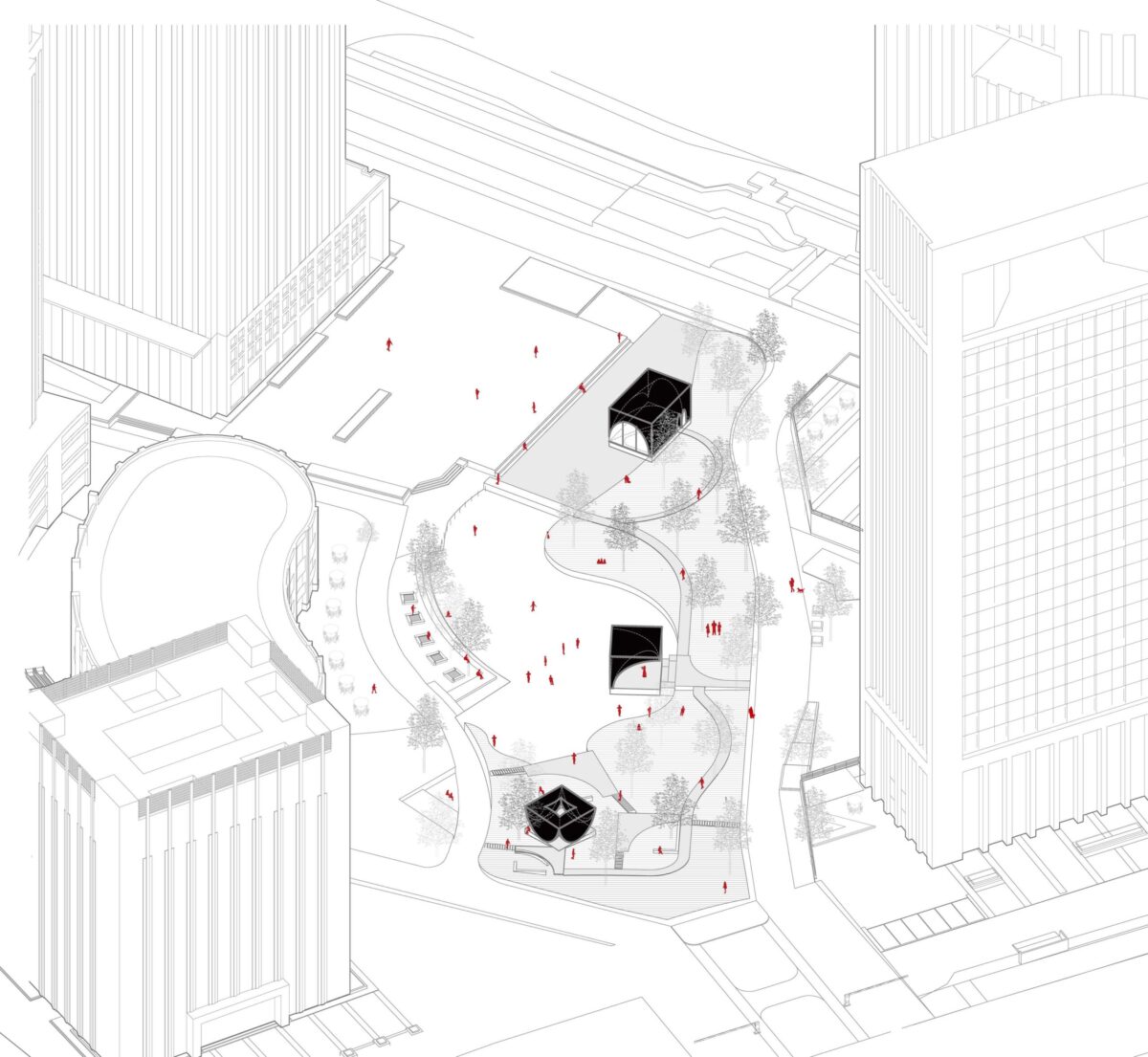
当初計画されていた単一の建物は分解され、ランドスケープの中に点在する複数の公共アートパビリオンとして再構成された。
それぞれの空間は自然環境に溶け込みながらも独立性を保ち、かつ相互につながるネットワークを形成している。この構成によって、地元の芸術コミュニティが自発的に集い、即興的な創造活動を行うための柔軟かつ多様なプラットフォームを実現している。
© Zhang Chao
© Zhang Chao
カルスト地形に着想を得た3つの彫刻的パビリオン
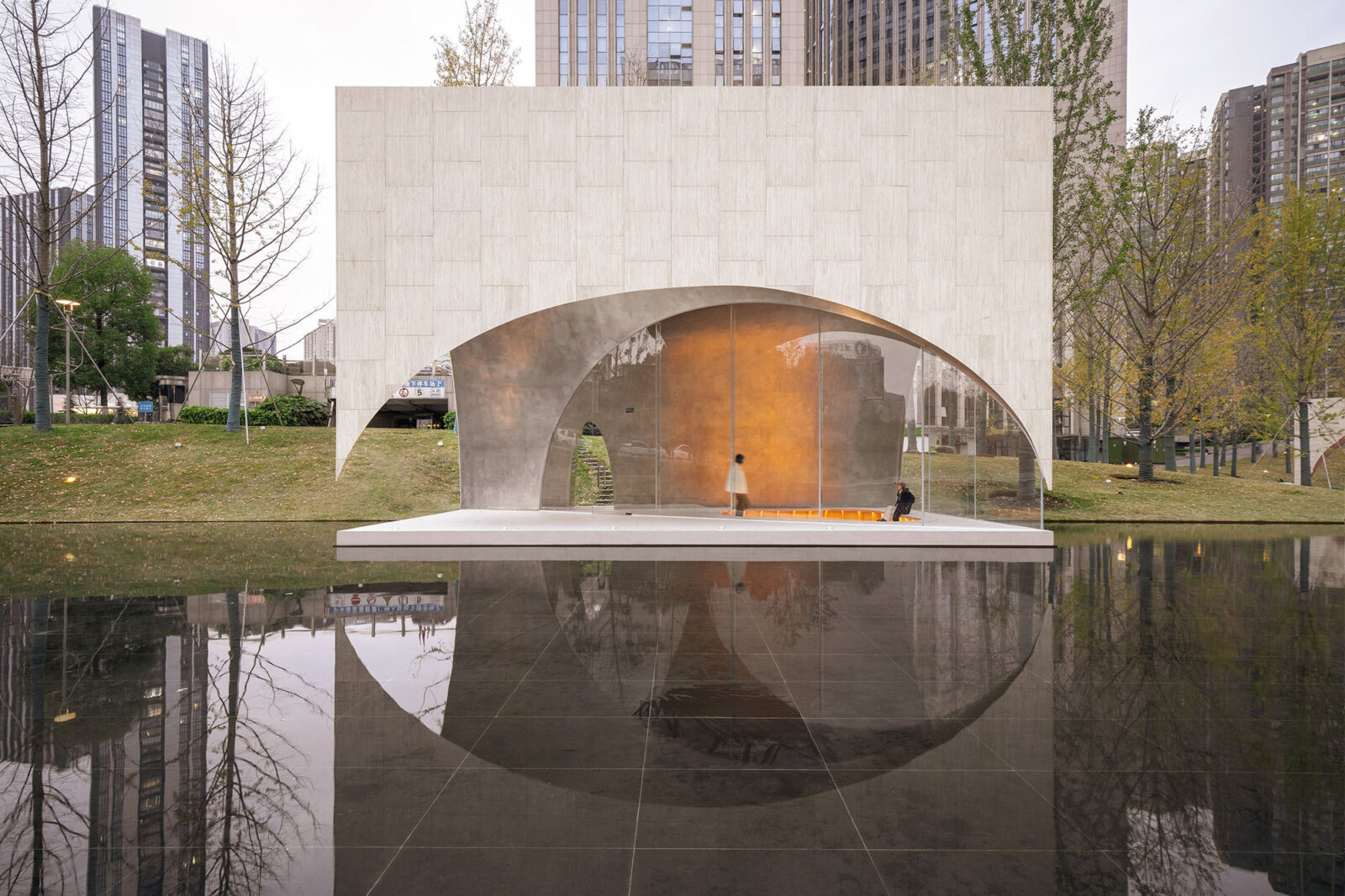
貴州のカルスト山岳地形にインスピレーションを受けて設計された〈AYDCパブリック・アート・センター〉の3つの建築「西馬図書館」「銀杏礼拝堂」「大理ステージ」は、都市の自然地形から隆起したような彫刻的形態を呈している。
それぞれが空間と光の力で内部から刻み込まれ、溶洞のように垂れ下がるアーチを形成し、構造の美しさを懸垂曲線のバランスで表現している。
この3つのパビリオンはそれぞれ、読書、瞑想、パフォーマンスの場として機能し、水、開放された空、そして星明かりといった周囲の自然要素と呼応するように設計されている。
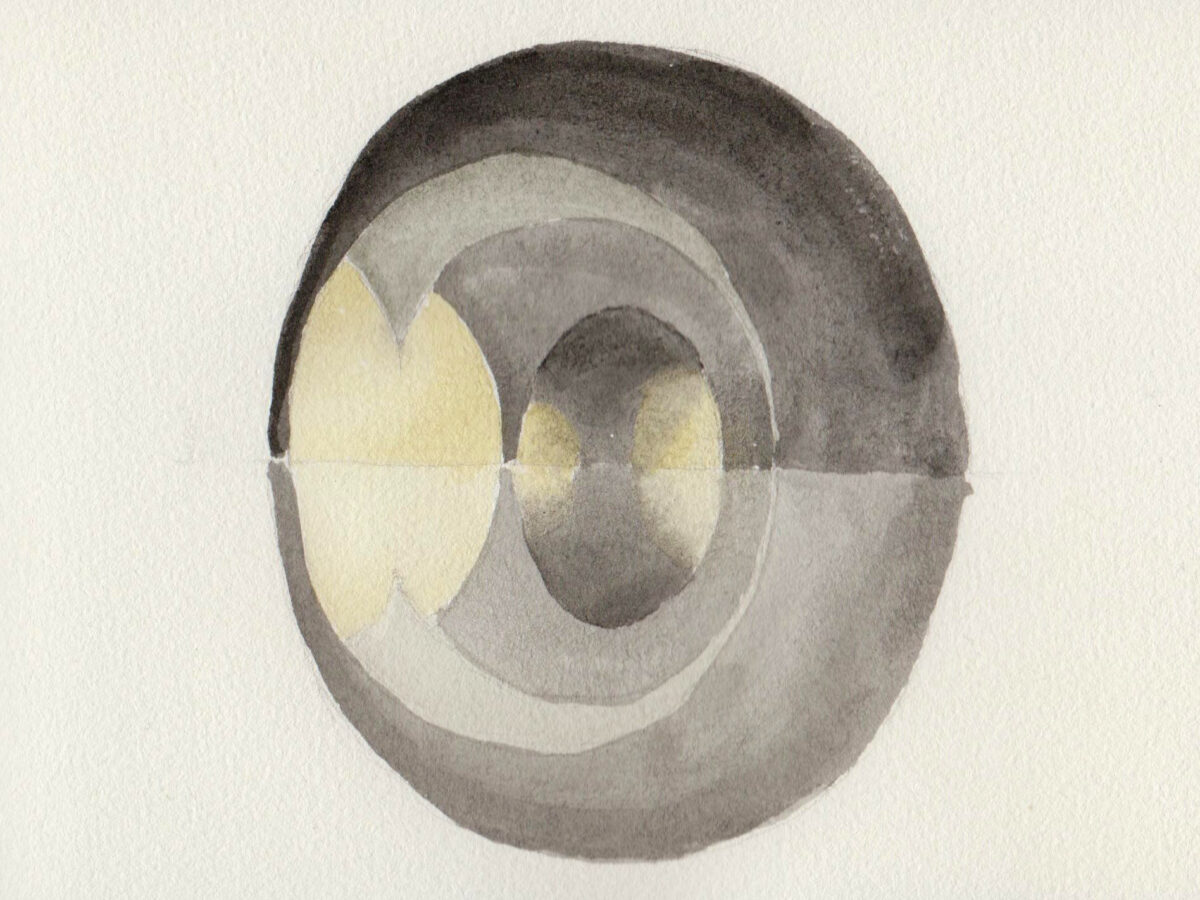
Concept sketch
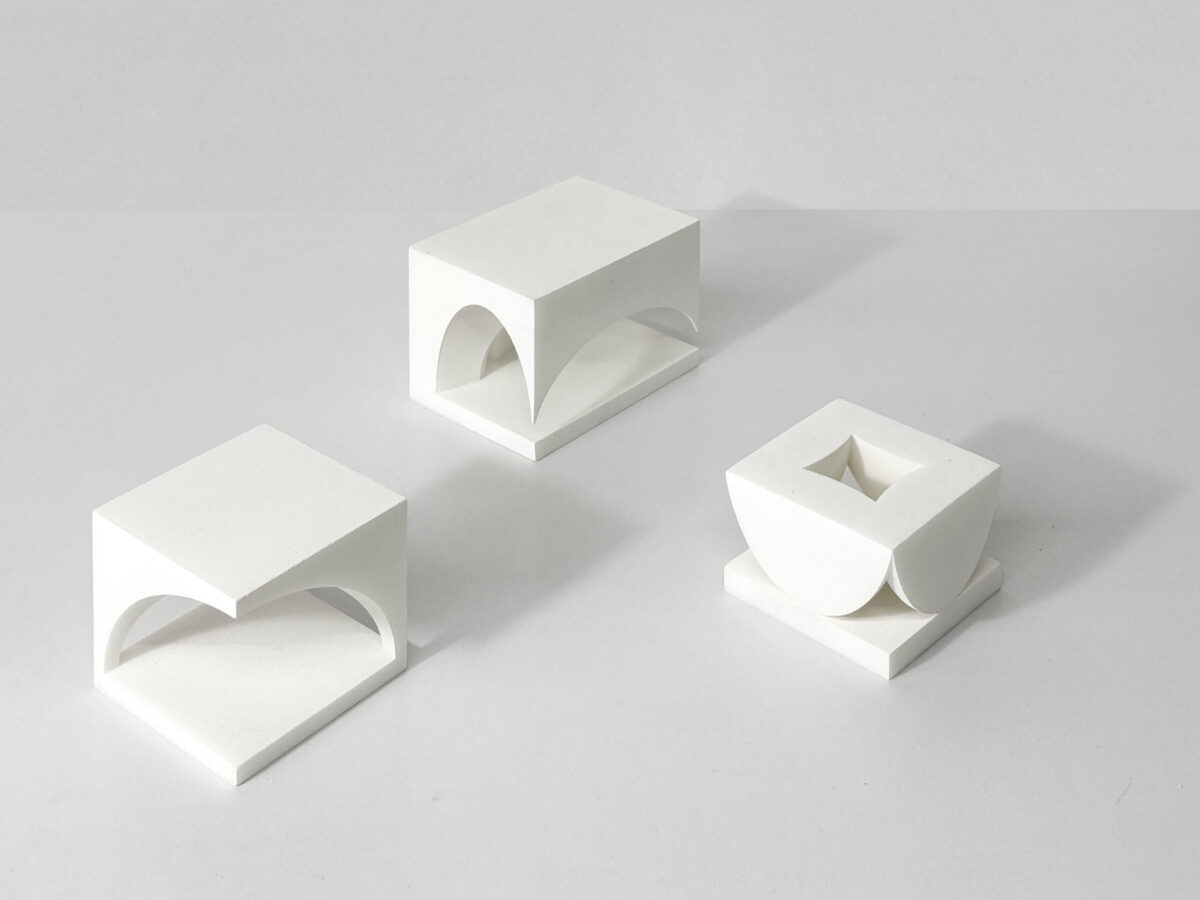
Concept model
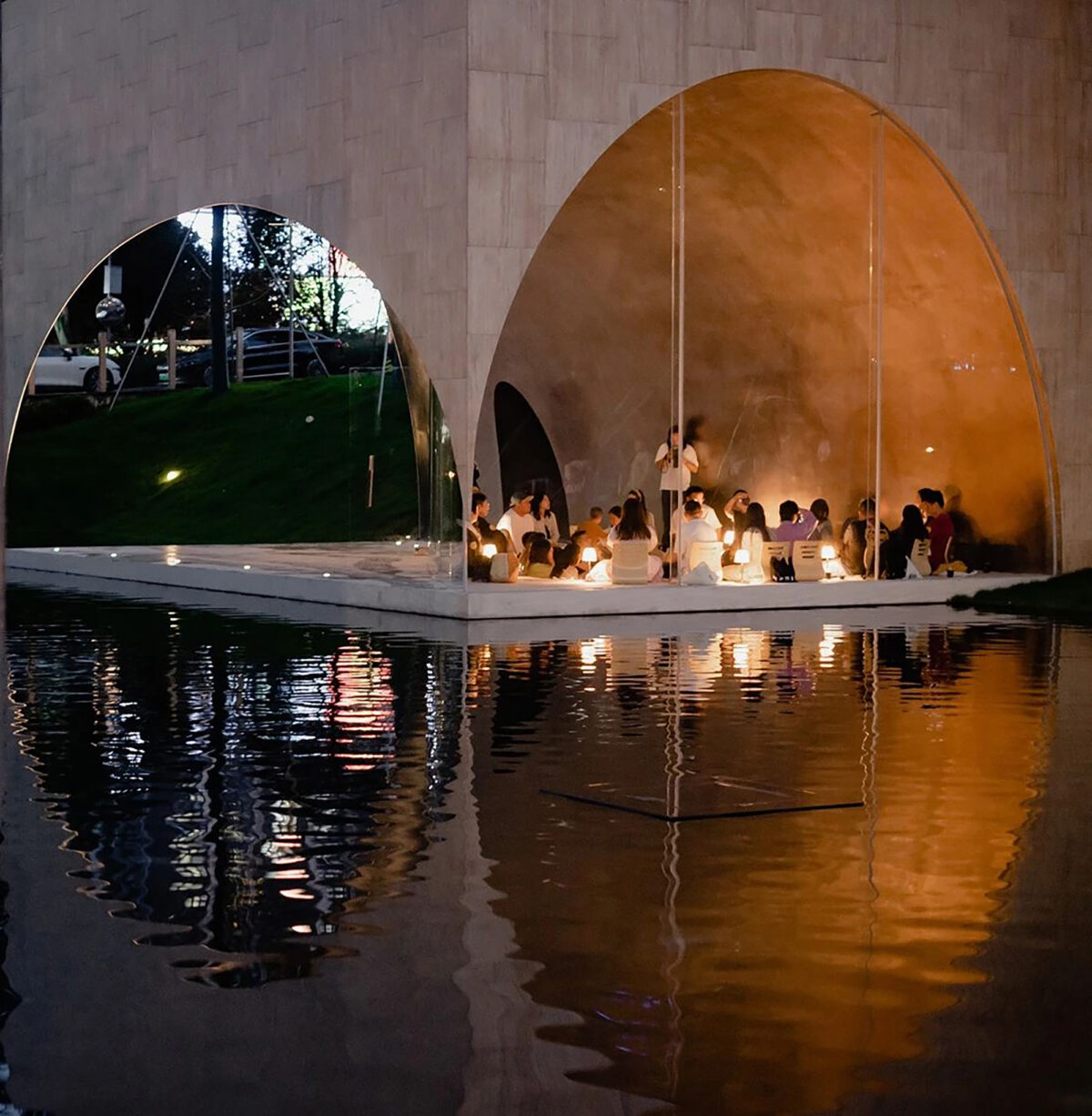
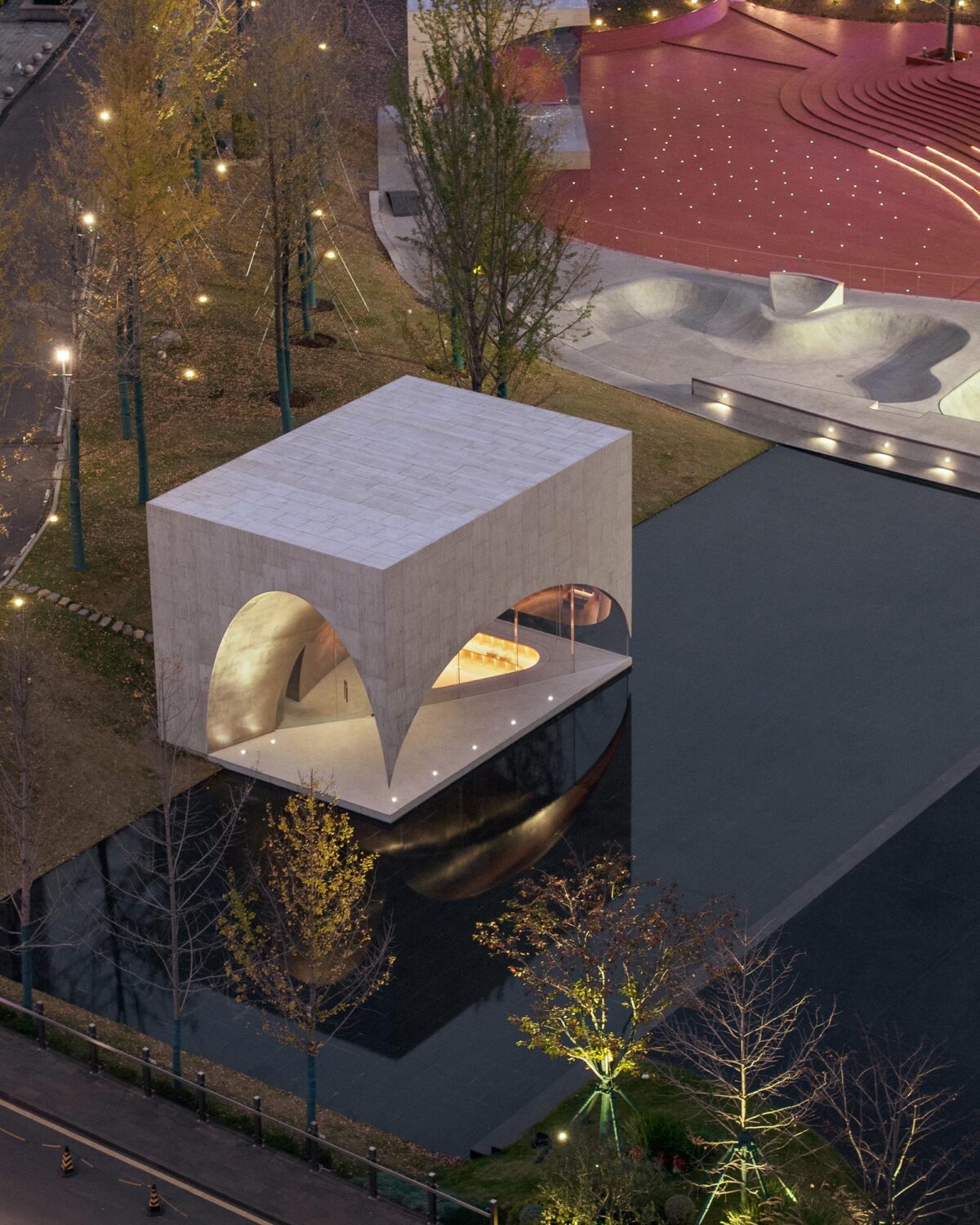
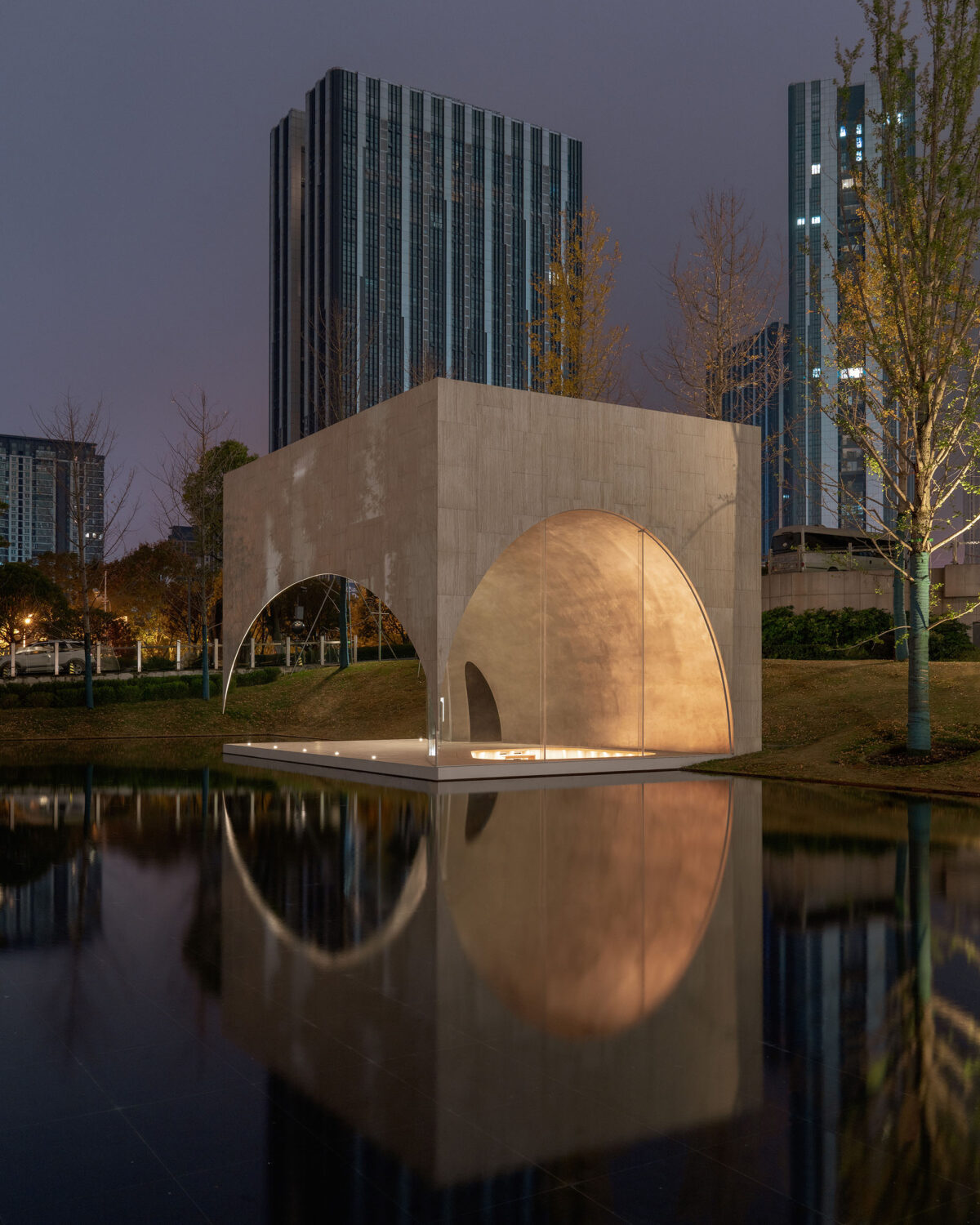
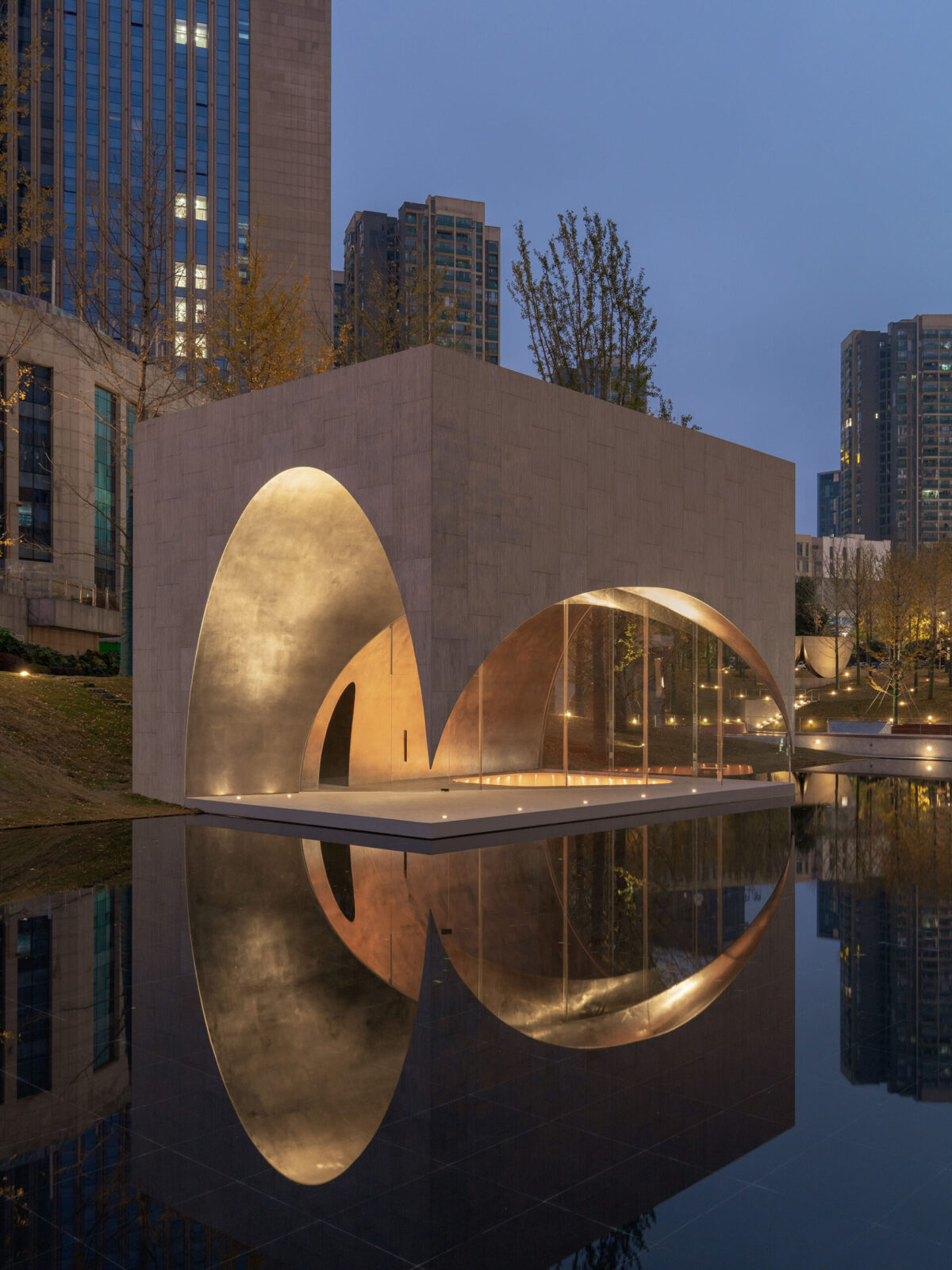
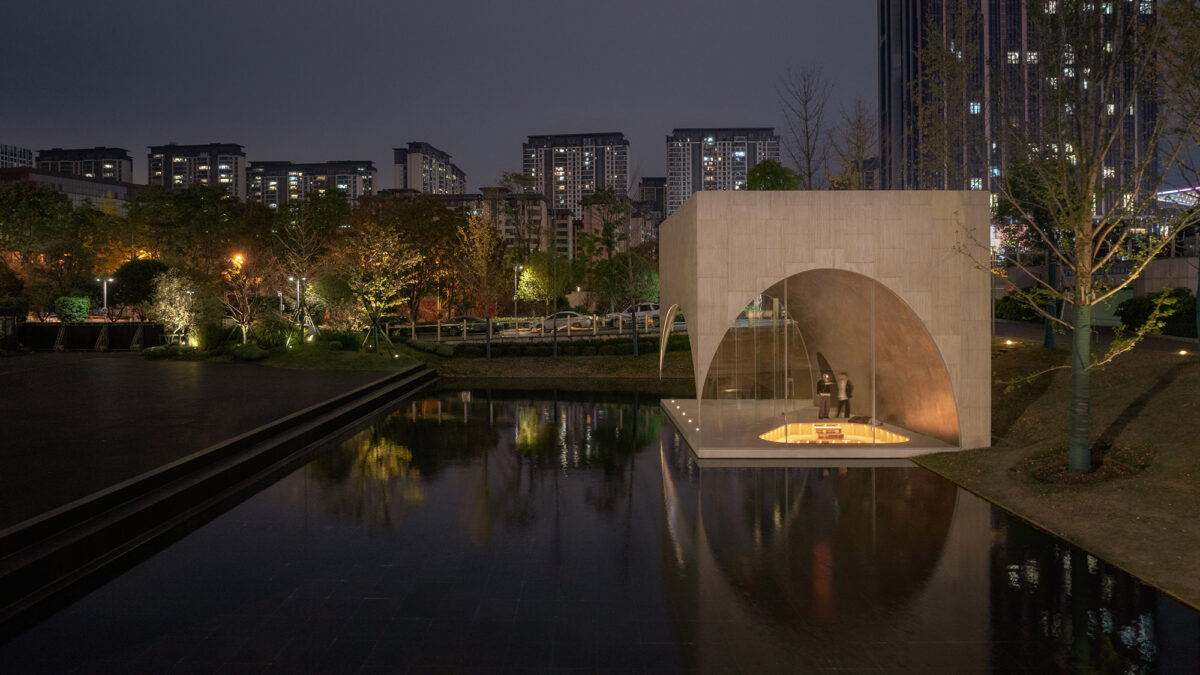
水辺にたたずむ「西馬図書館」
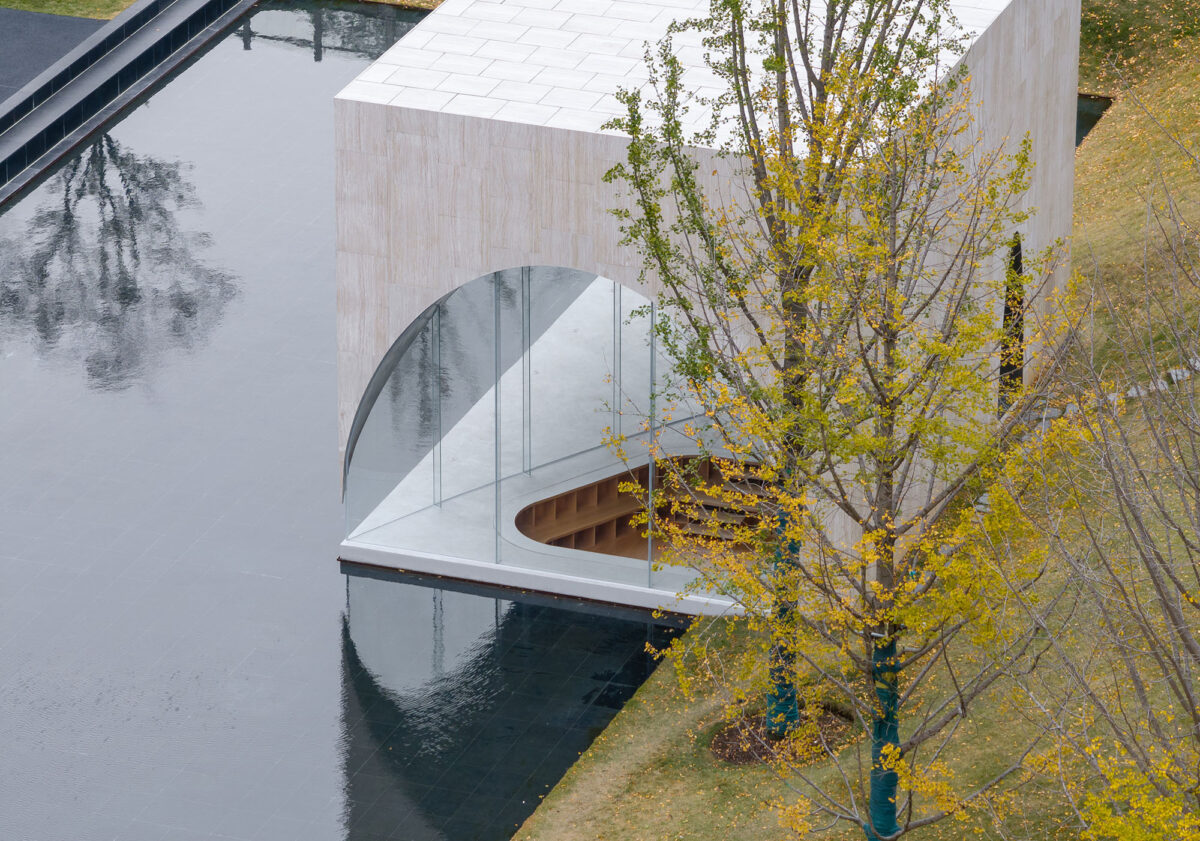
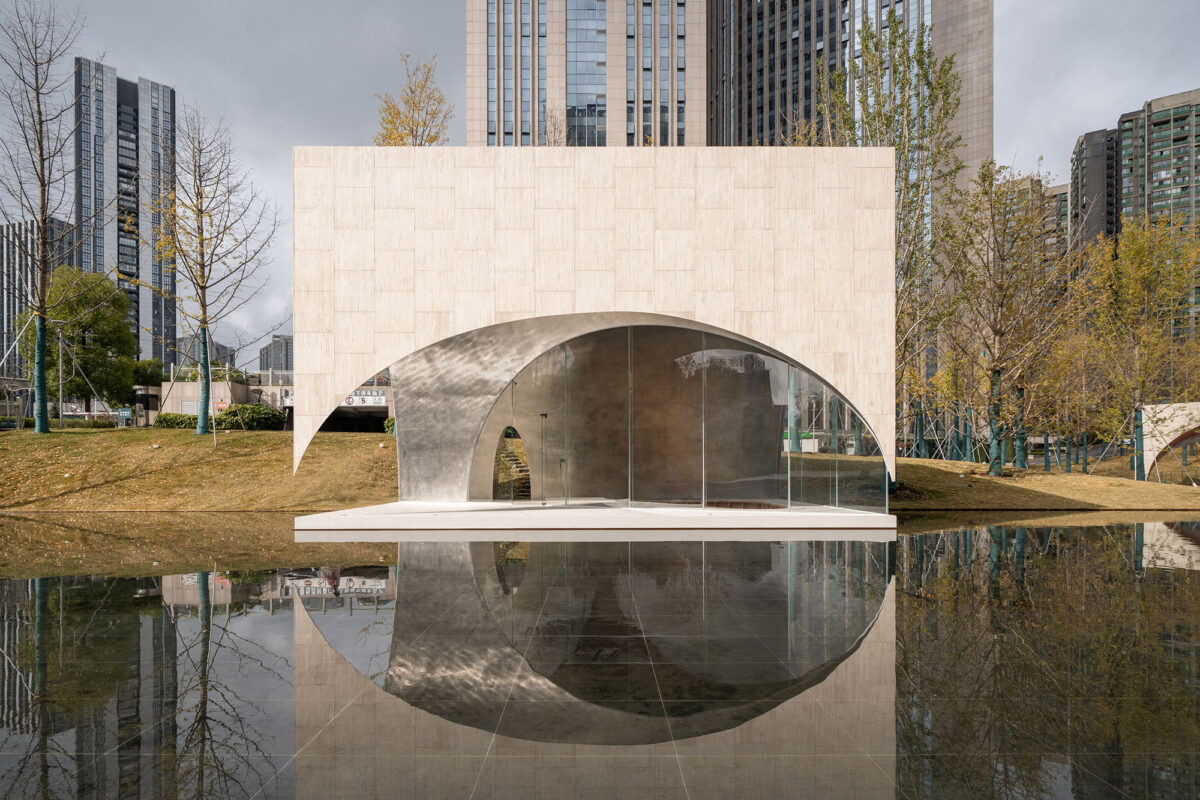
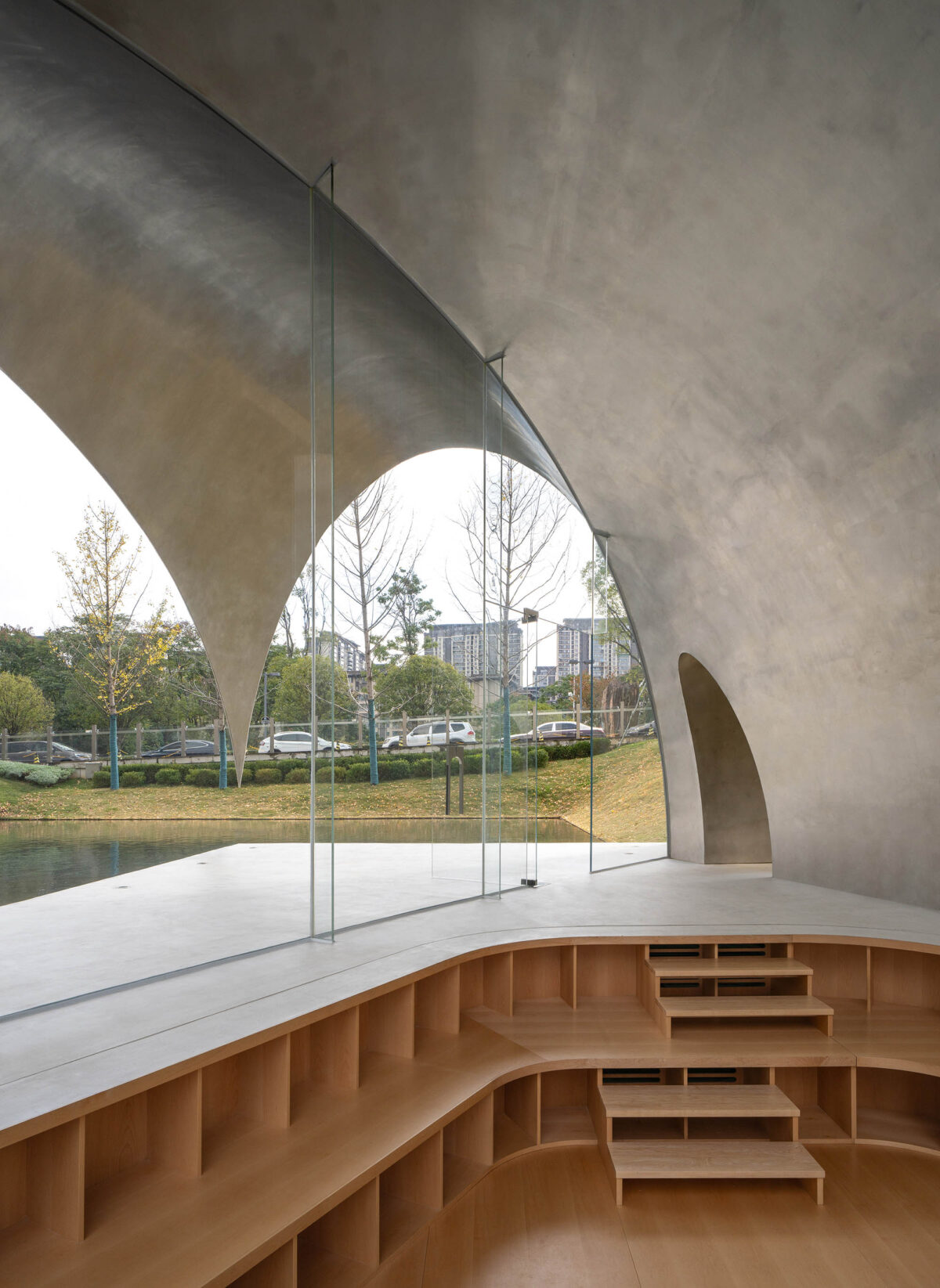
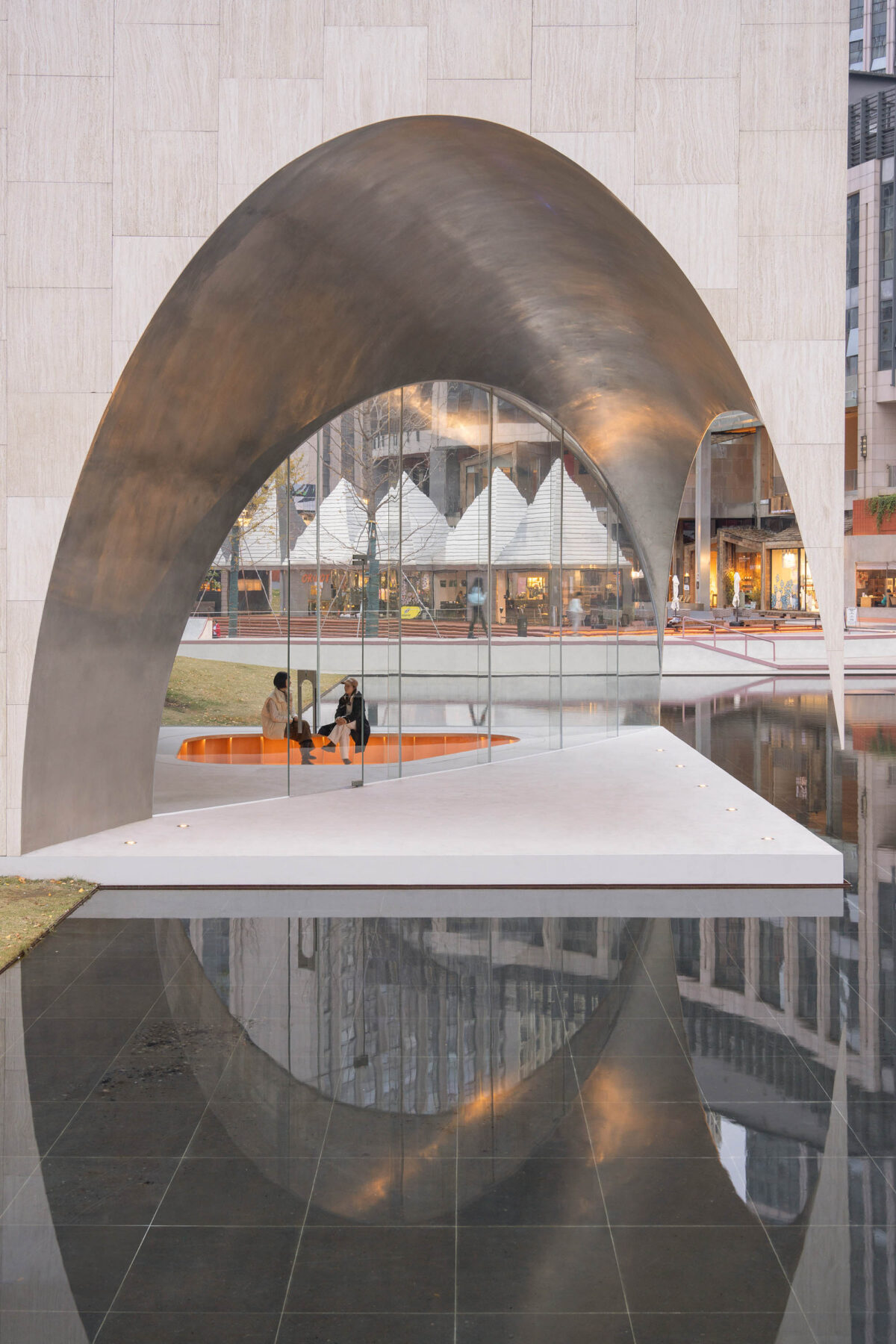
「西馬図書館」は、落ち葉が織りなす鮮やかなタペストリーを背景に、水辺に静かに佇んでいる。直線的な外殻は、光を受けて輝く金属製ドームを包み込み、そのシルエットは水面に反射して、月明かりの影が風とともに揺らぐような幻想的な情景をつくり出している。
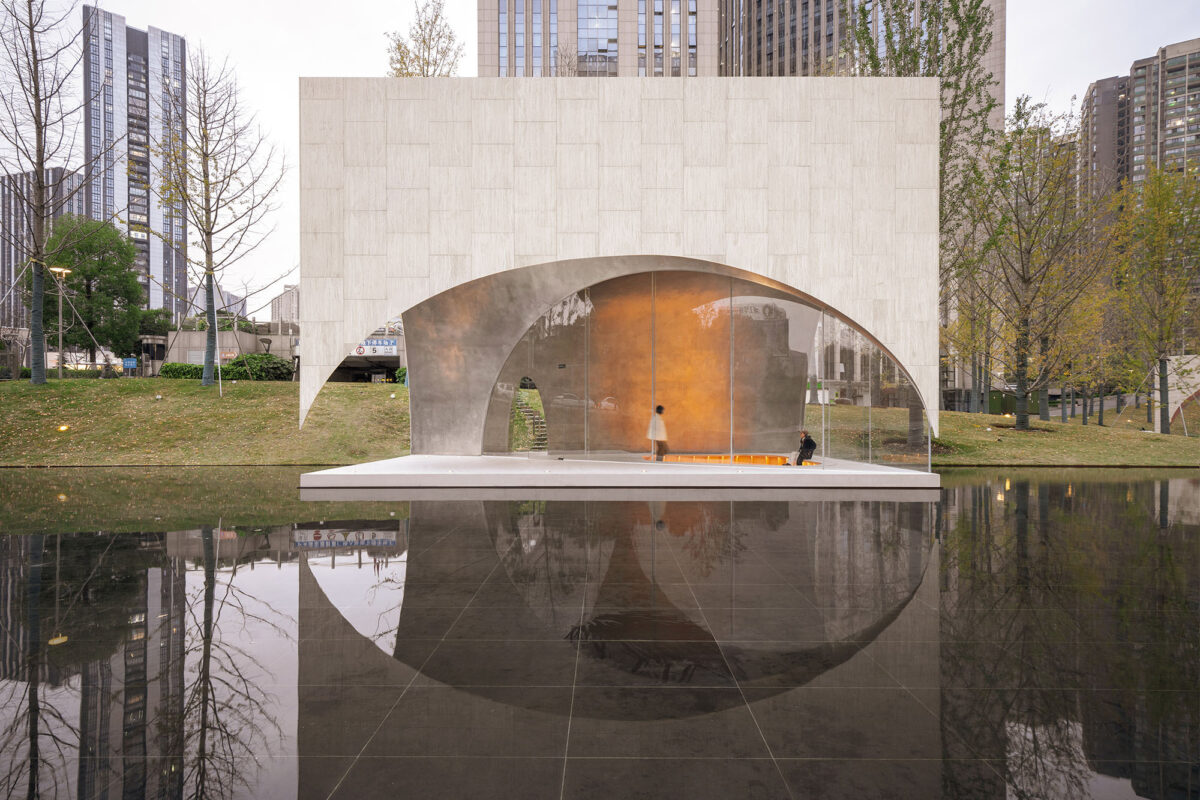
© Zhang Chao
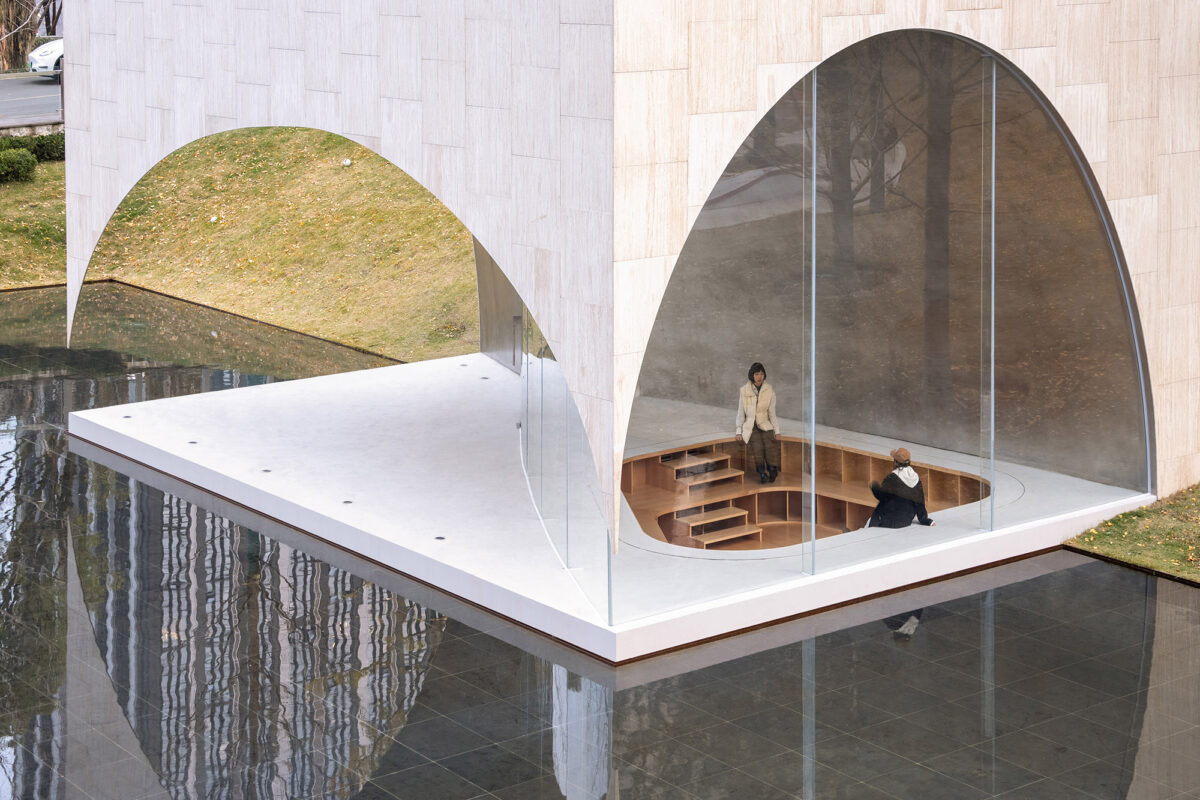
© Zhang Chao
© Zhang Chao
森の中の精神的空間「銀杏礼拝堂」
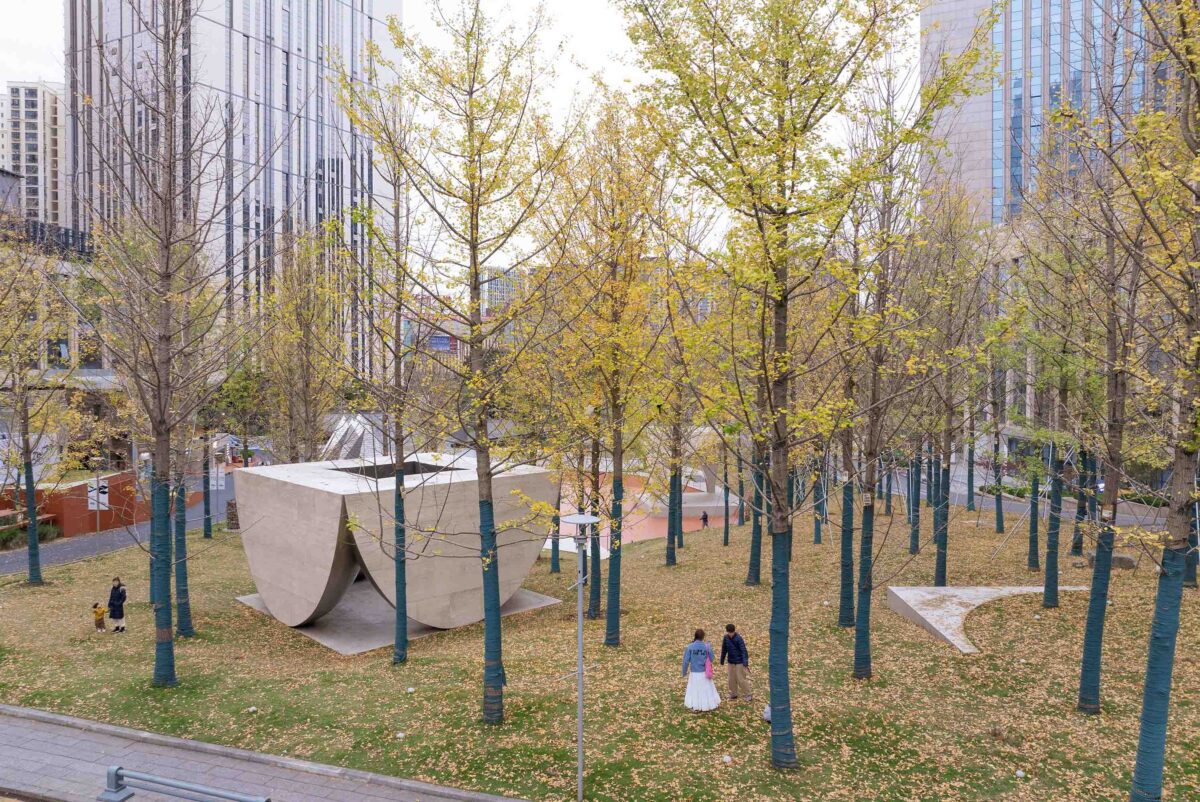
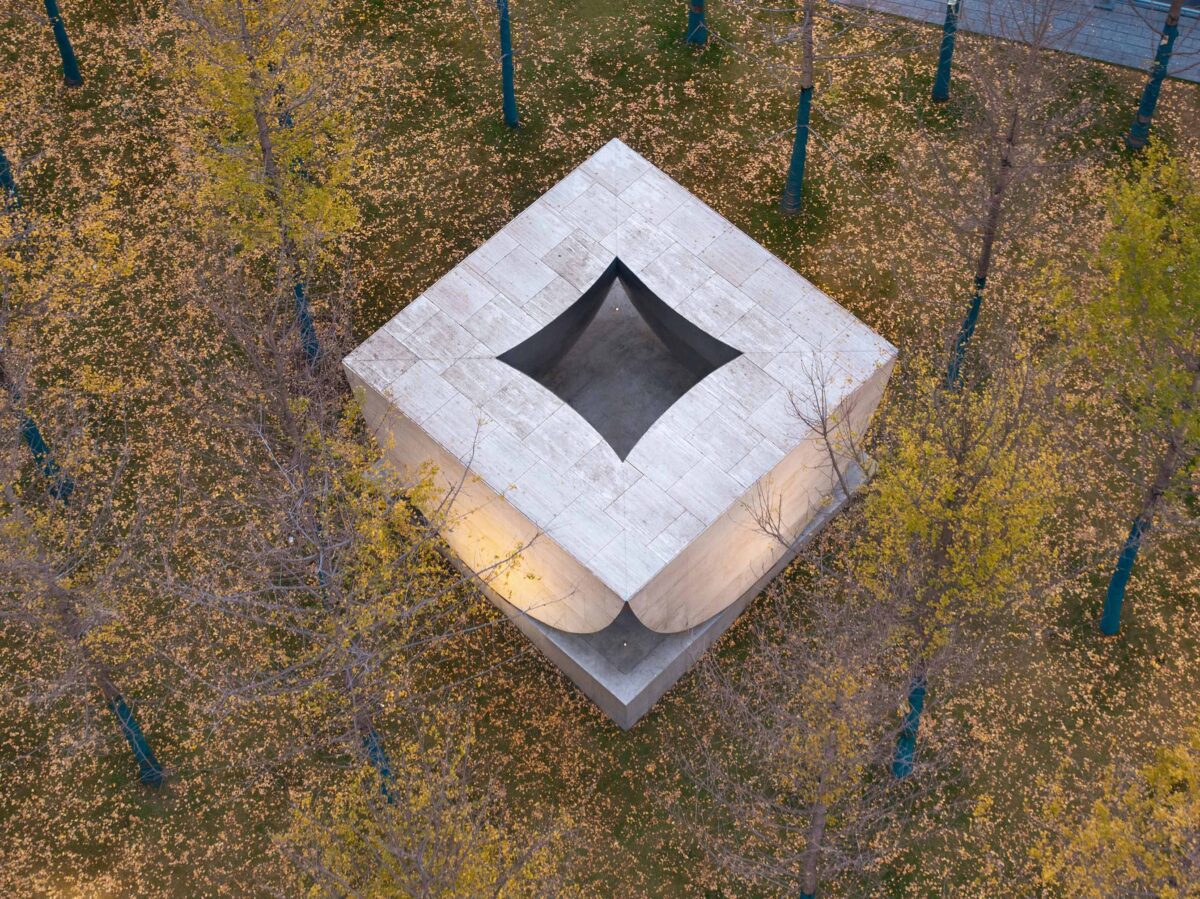
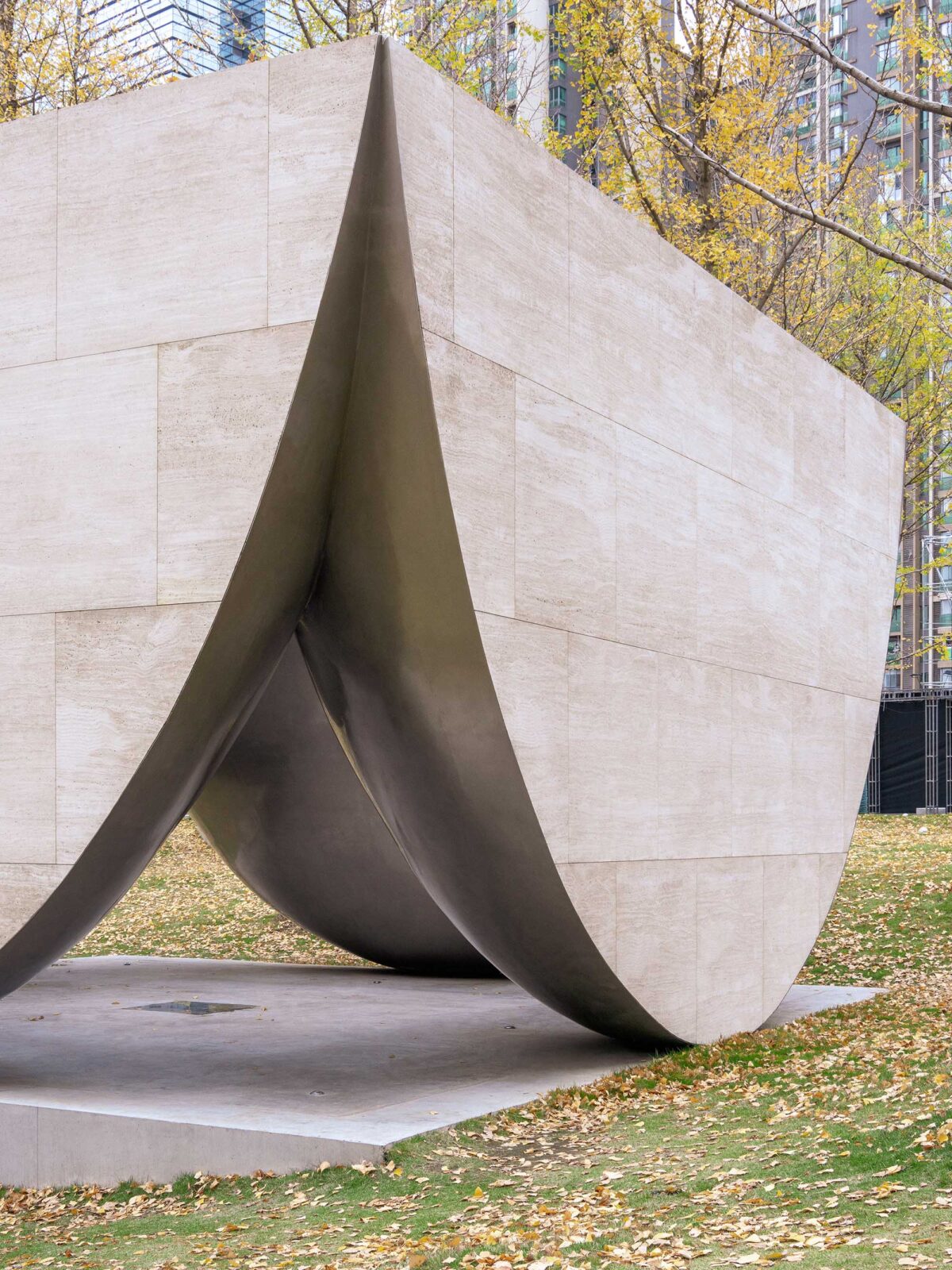
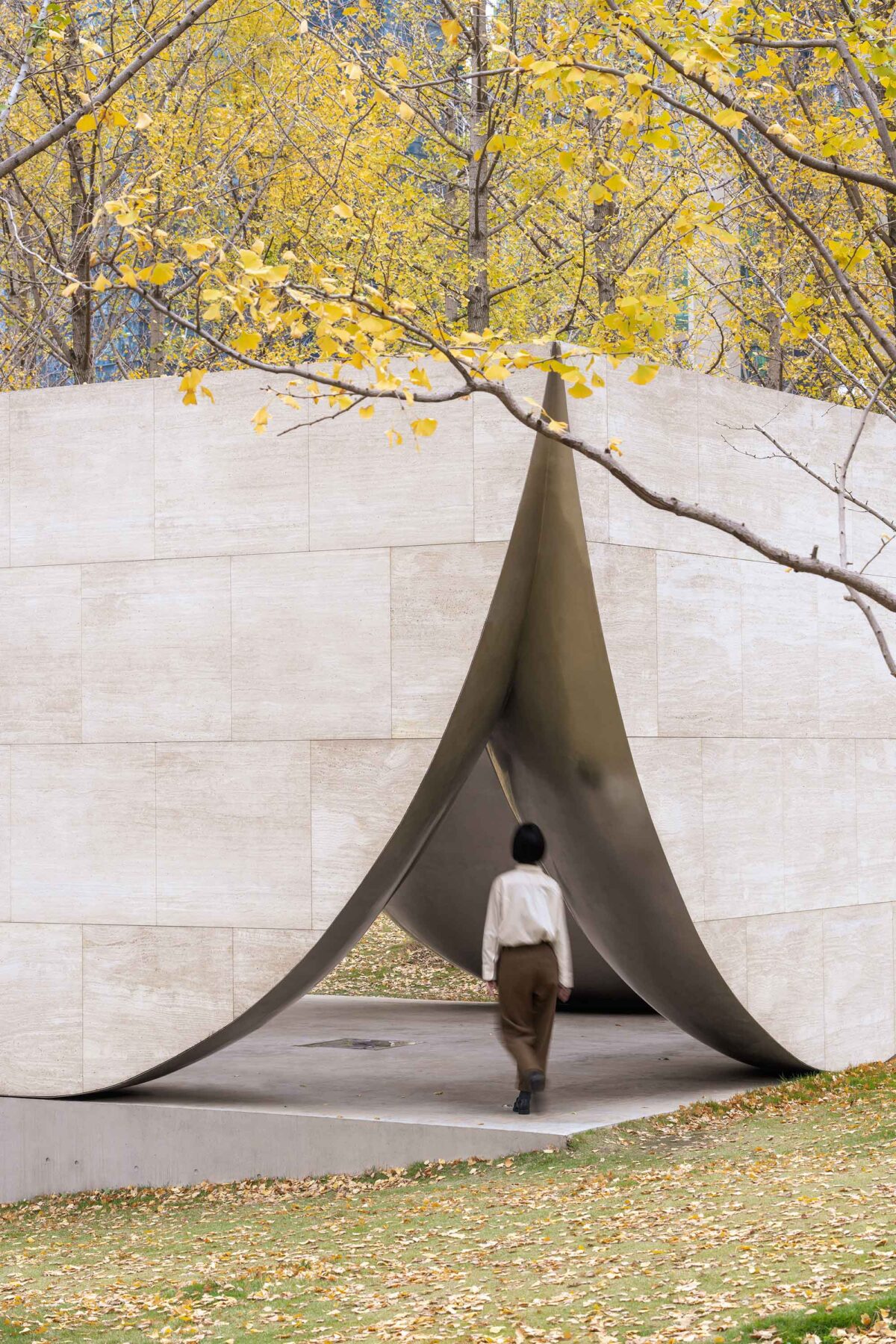
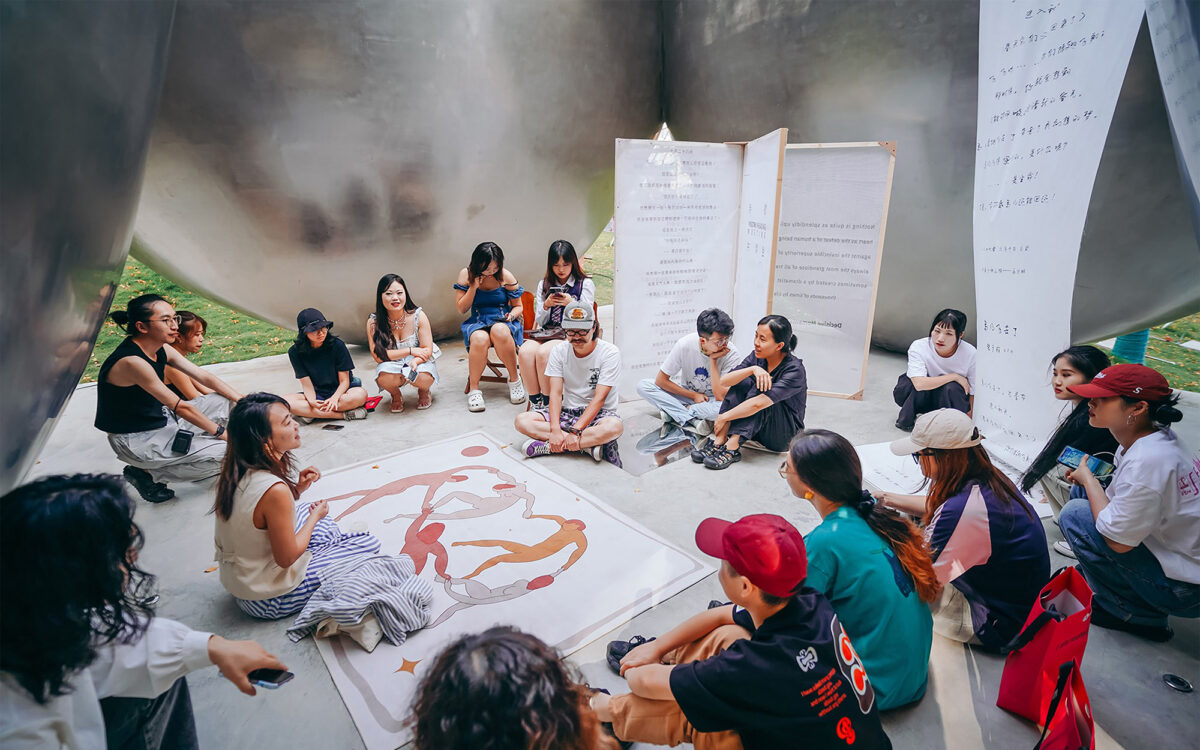
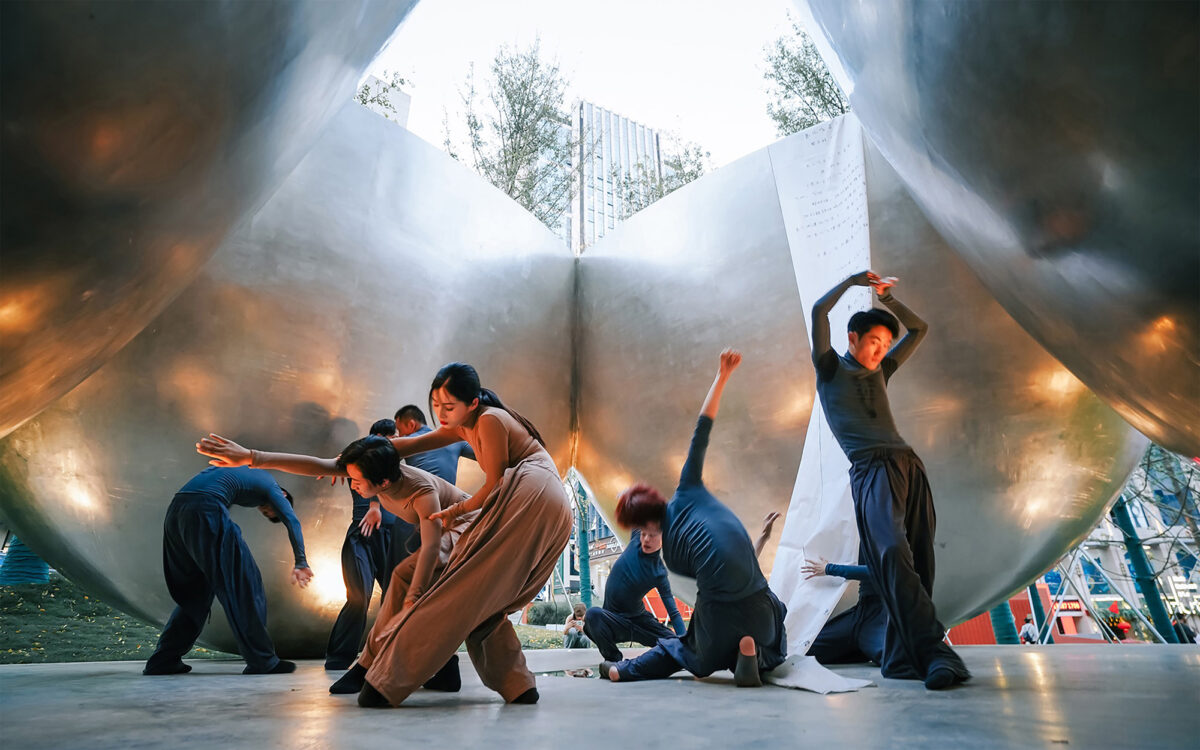
「銀杏礼拝堂」は、丘陵地の木立の中にひっそりと佇み、4枚の巨大な石の葉(イチョウの葉をモチーフにした構造体)によって支えられている。
訪れる者は、曲線を描く金属球の隙間を通り抜け、「虚空」と名付けられた中心空間へと誘われる。そこでは、変化する光を仰ぎ見ながら、風が銀杏の葉の間を吹き抜けるささやきに耳を傾ける時間が流れる。
© Zhang Chao
© Zhang Chao
光と音の舞台「大理ステージ」
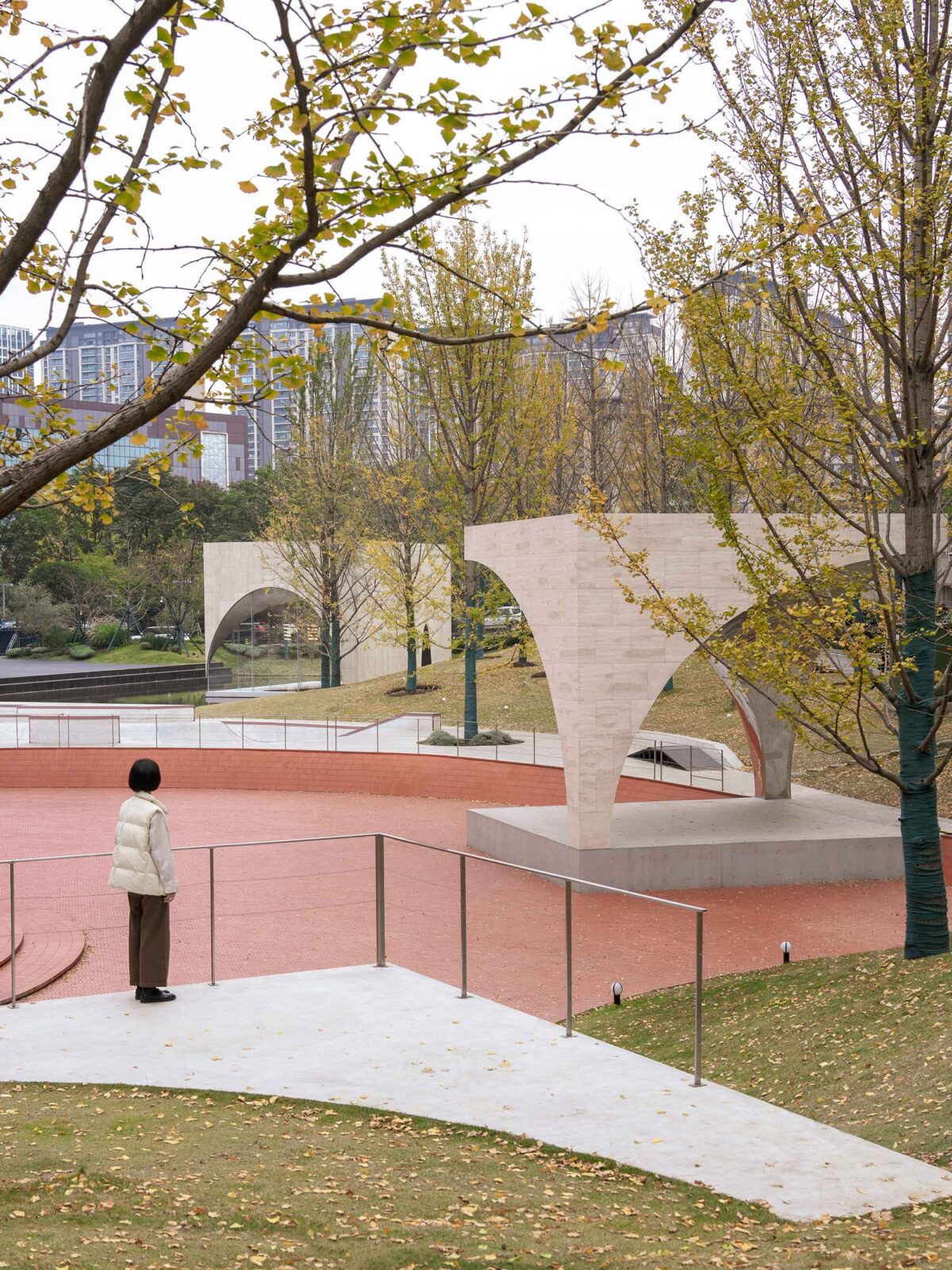
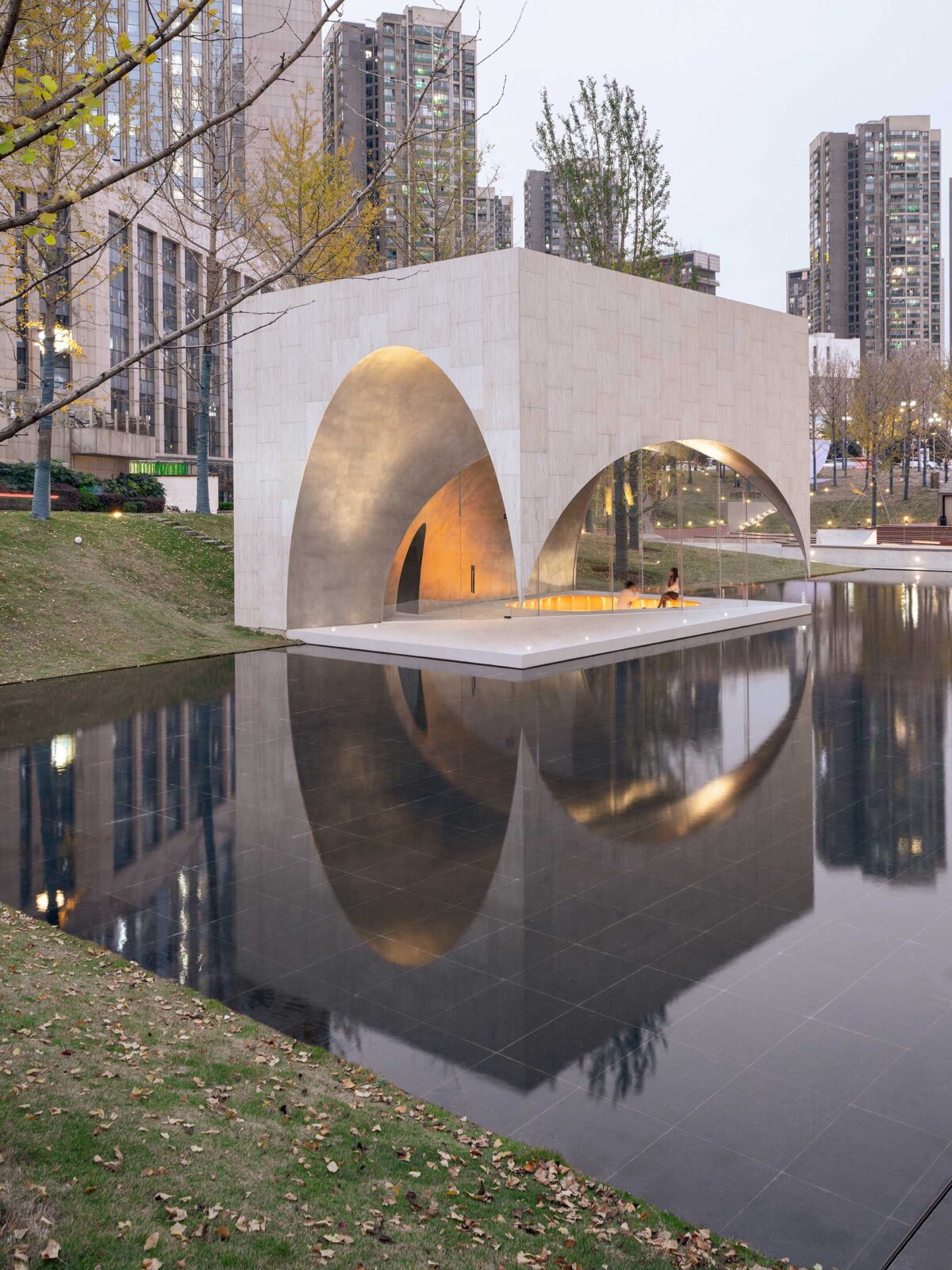
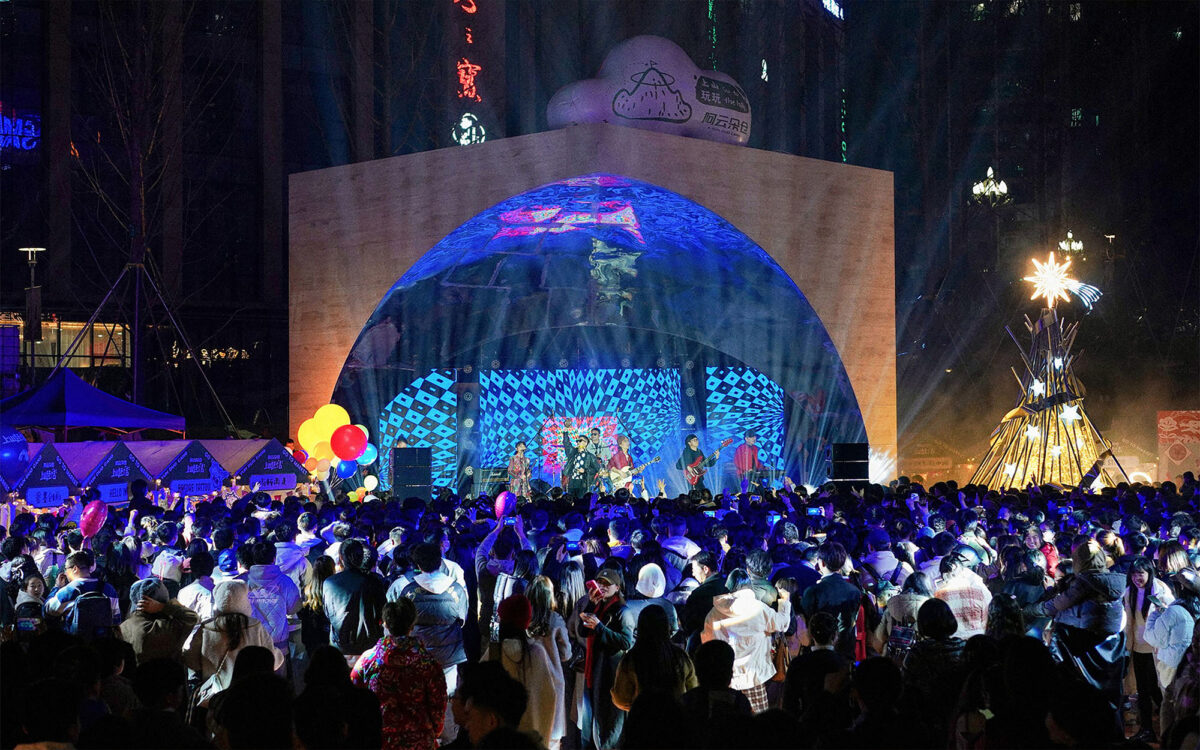
「大理ステージ」は、見えないアーチによってくり抜かれたような構造をもち、公共広場へと大きく開かれている。祝祭やパフォーマンスの舞台として輝く焦点となるこのステージの床下には、ファイバーオプティックライトが埋め込まれ、星降る夜のような空間体験を生み出している。
© AYDC
建築的統一性と素材のディテール
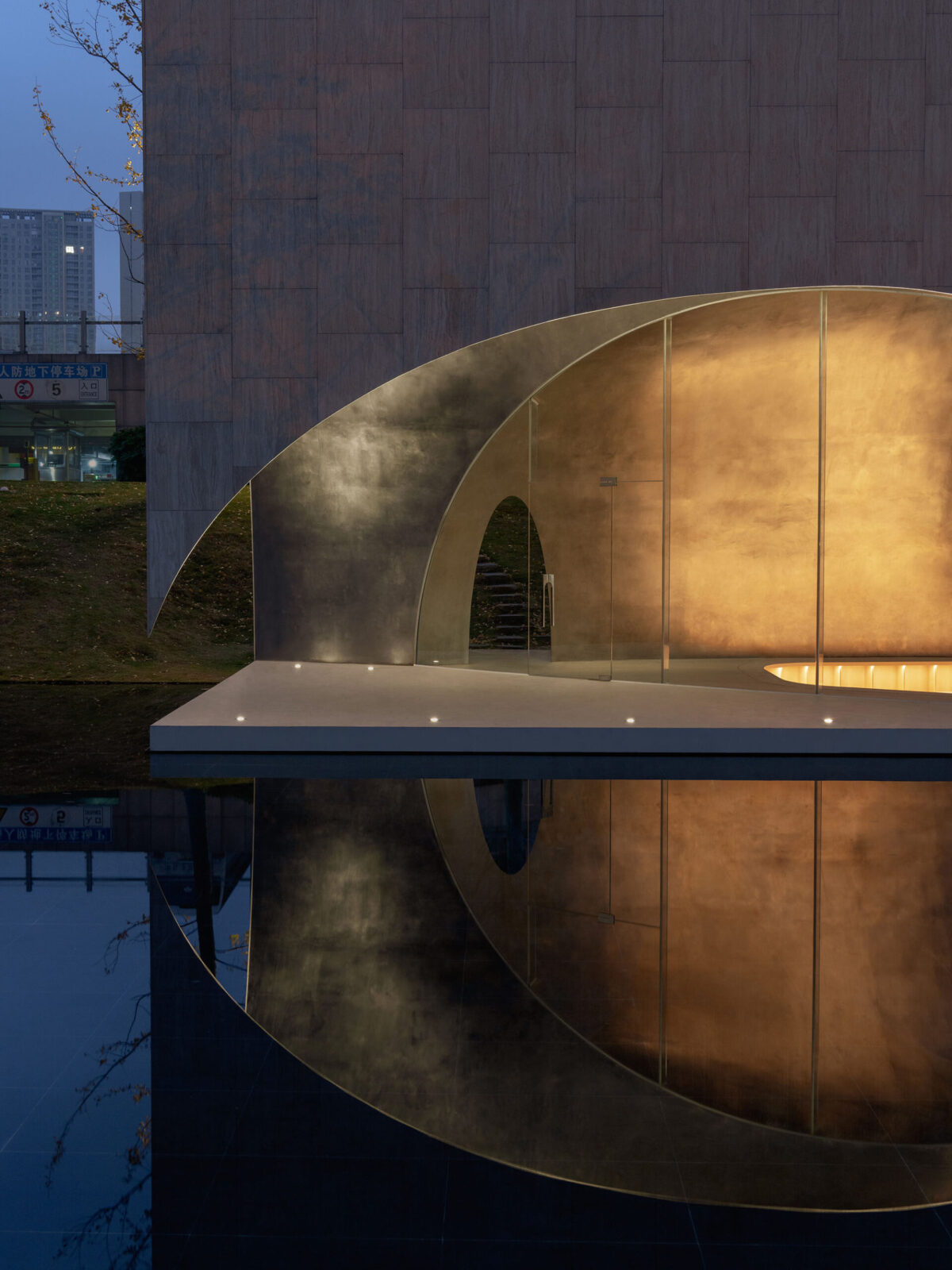
異なる機能をもつ3つのパビリオンは、共通のデザイン言語によって視覚的な統一性を保ちつつ、それぞれの機能に繊細に応答している。多孔質な建築は、風と光を自由に構造内へ流れ込ませる。外装は白大理石のモジュールパネルによって構成され、内側の球体部分は曲面状のステンレス鋼板で覆われている。
図書館と礼拝堂の内部には、サンドブラスト加工による柔らかく触感的なテクスチャが施され、静謐で瞑想的な空間が形成されている。一方、ステージは鏡面仕上げのステンレス鋼で構成され、周囲の光や動きをダイナミックに反射する。
© Zhang Chao
経験と想像力、コミュニティを受けとめる建築
季節の移り変わりとともに、周囲の風景は劇的に変化する。銀杏の森は緑、金、琥珀といった鮮やかな色彩を循環させ、3つのパビリオンと共鳴しながら、自然と建築が融合する没入型のシンフォニーを奏でている。
このプロジェクトでは、建築的表現を最小限に抑えることで、敷地が本来もつ潜在的なエネルギーを引き出すことを試みた。彫刻的な介入と芸術的アプローチを通じて、建築形態、自然景観、地域の文化的記憶が織り合わされ、「建築とは、経験と想像力、そしてコミュニティの器である」という新たな建築の定義を提示している。
© AYDC
© AYDC
© AYDC
© Zhang Chao
© Zhang Chao
© Zhang Chao
© Zhang Chao
© Zhang Chao
© Zhang Chao
Axonometry
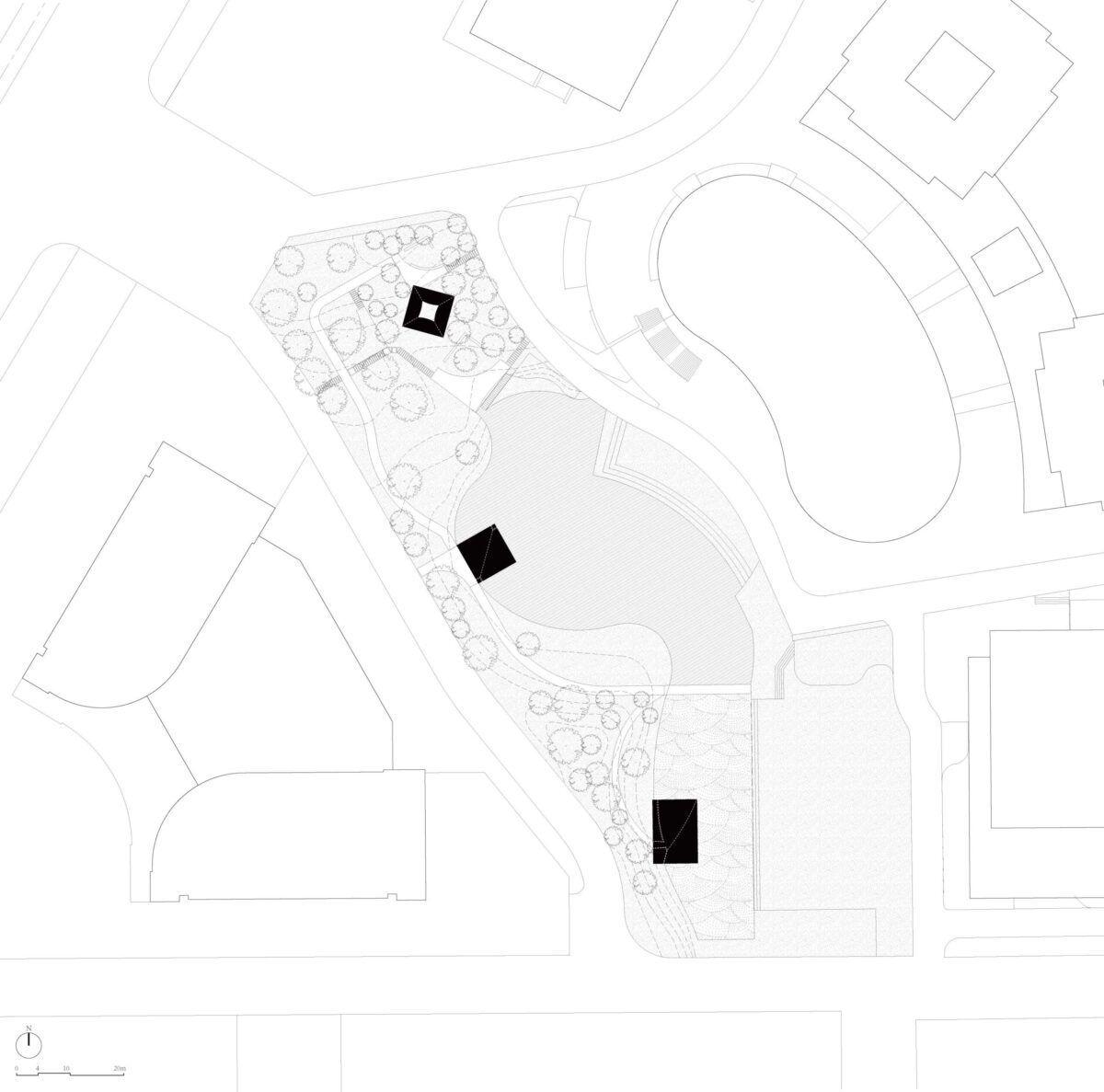
Site plan
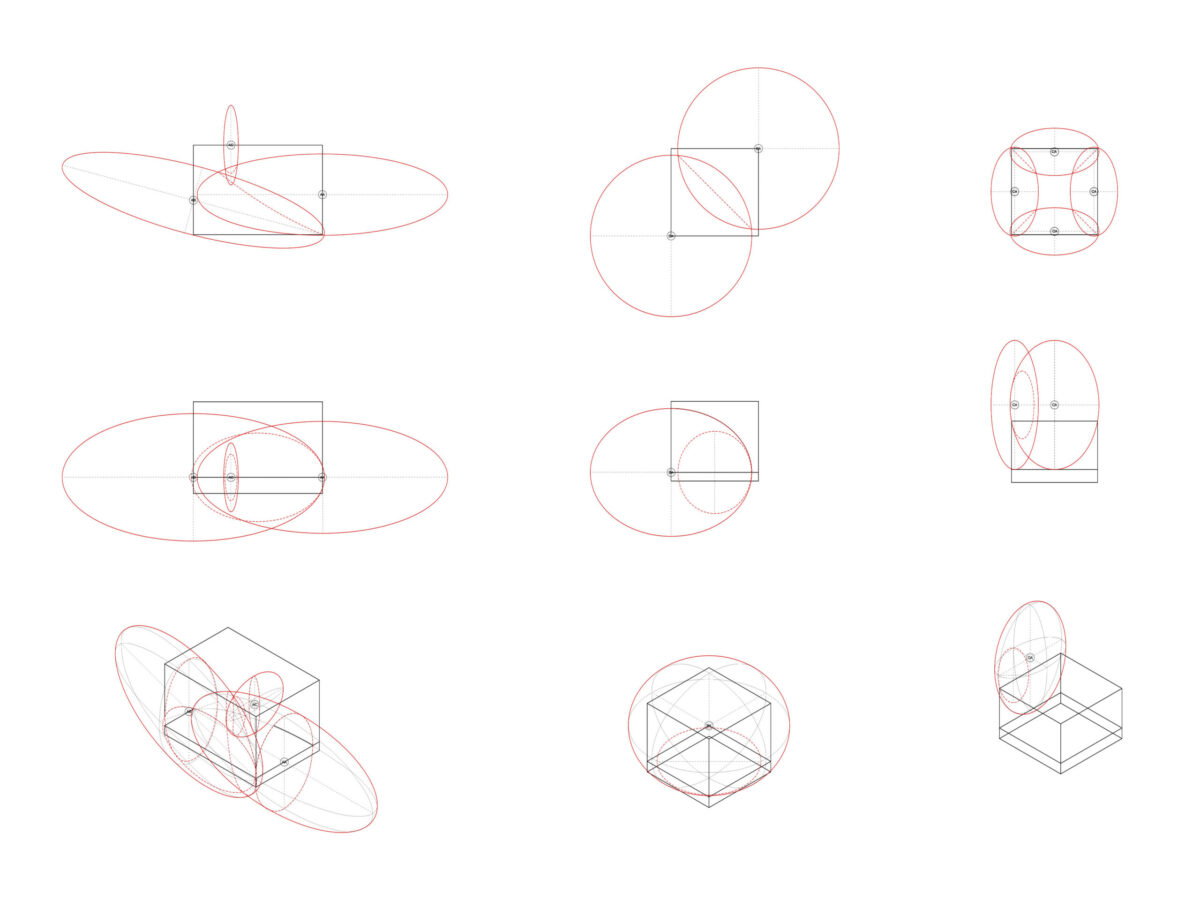
Geometry definition
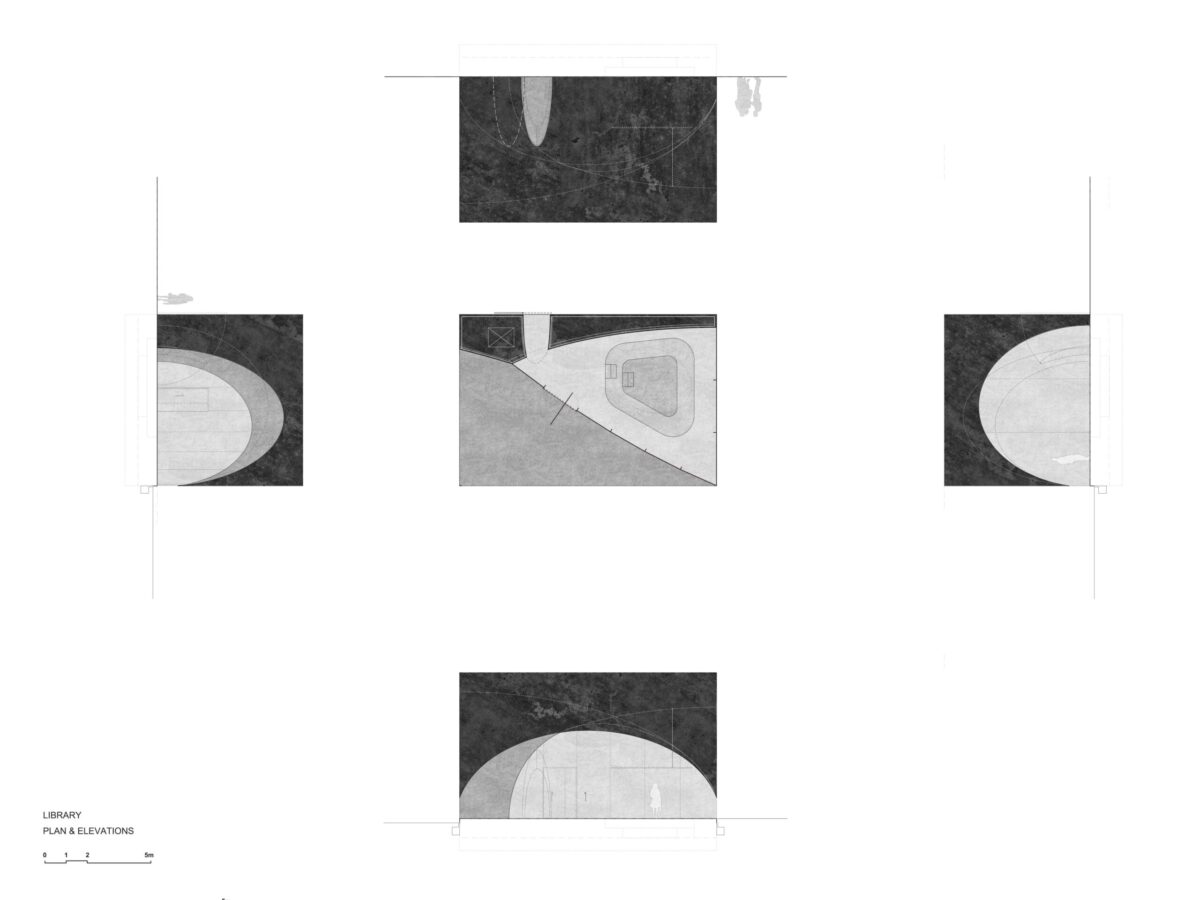
Library Plan Elevation
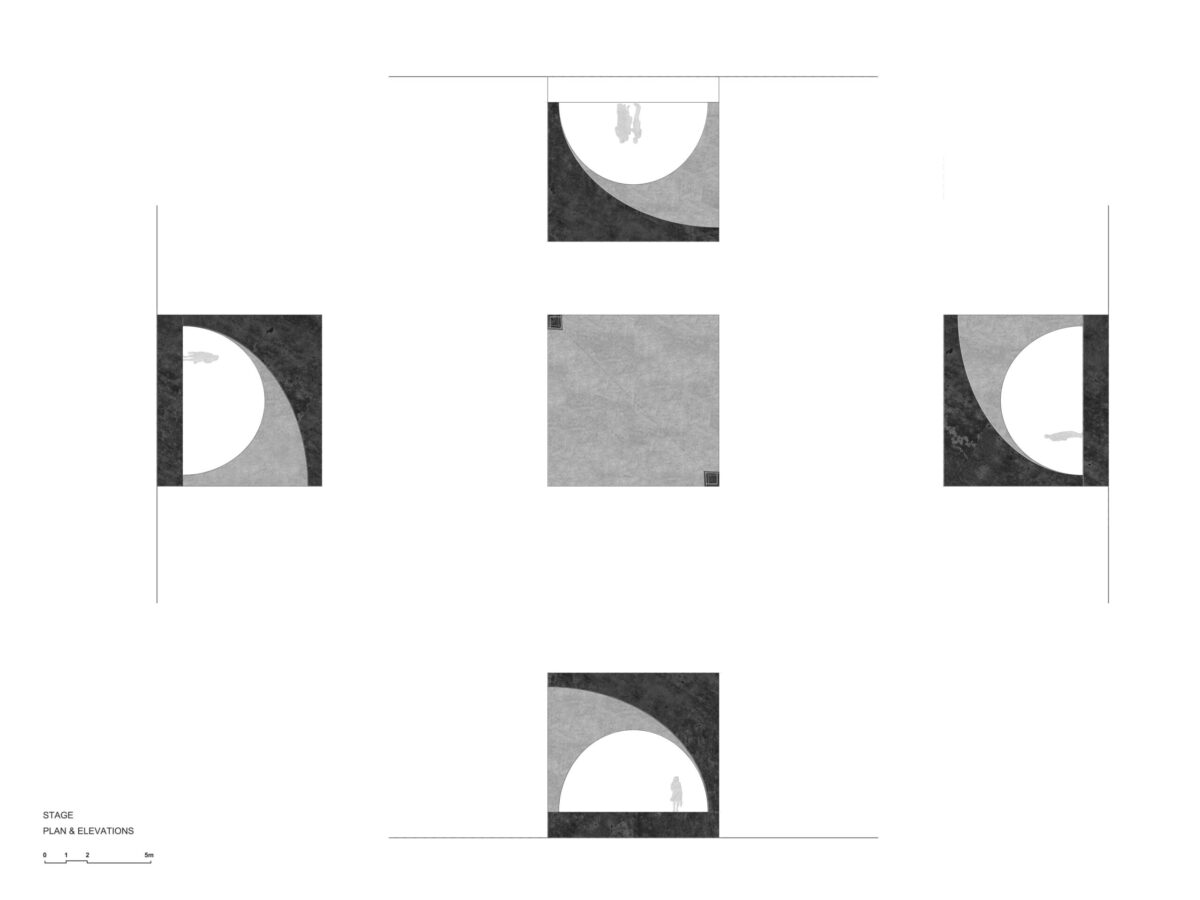
Stage Plan Elevation
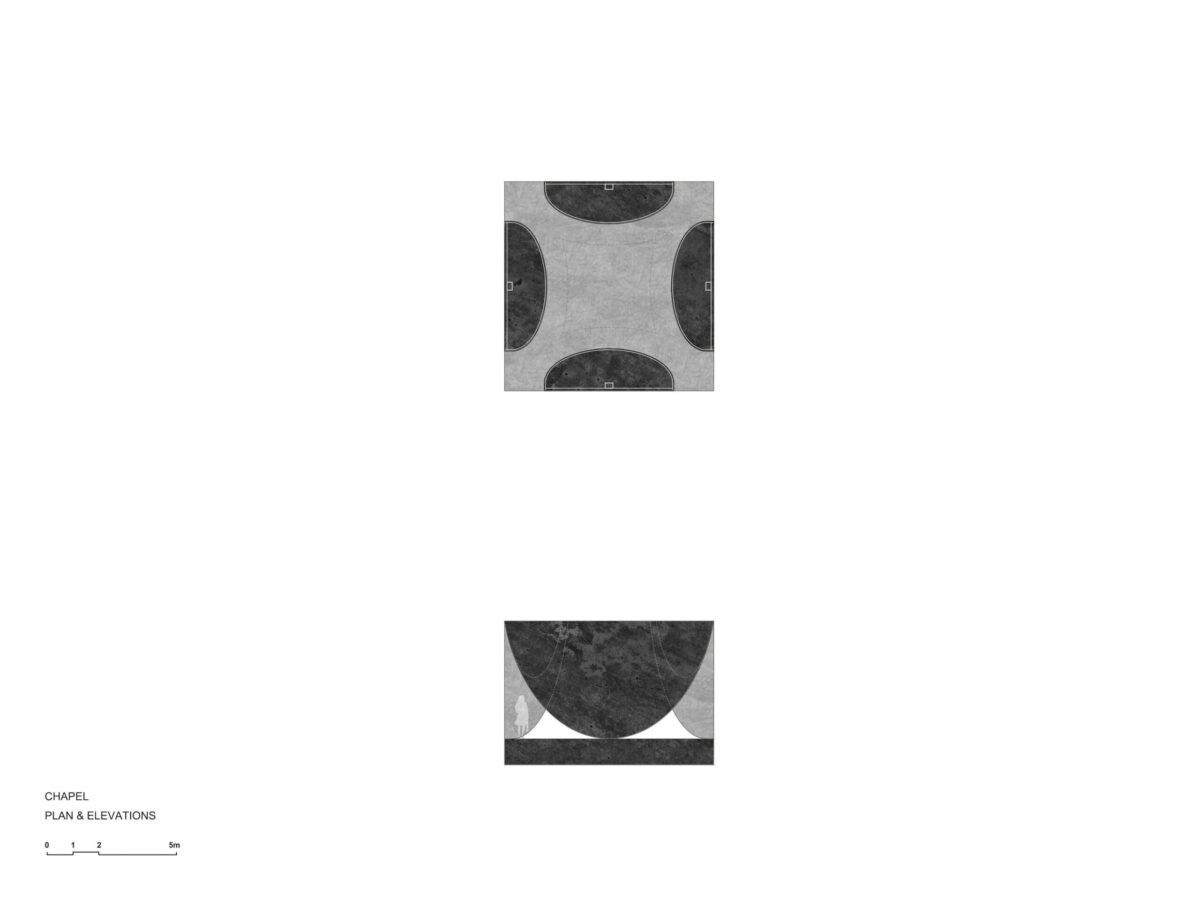
Chapel Plan Elevation
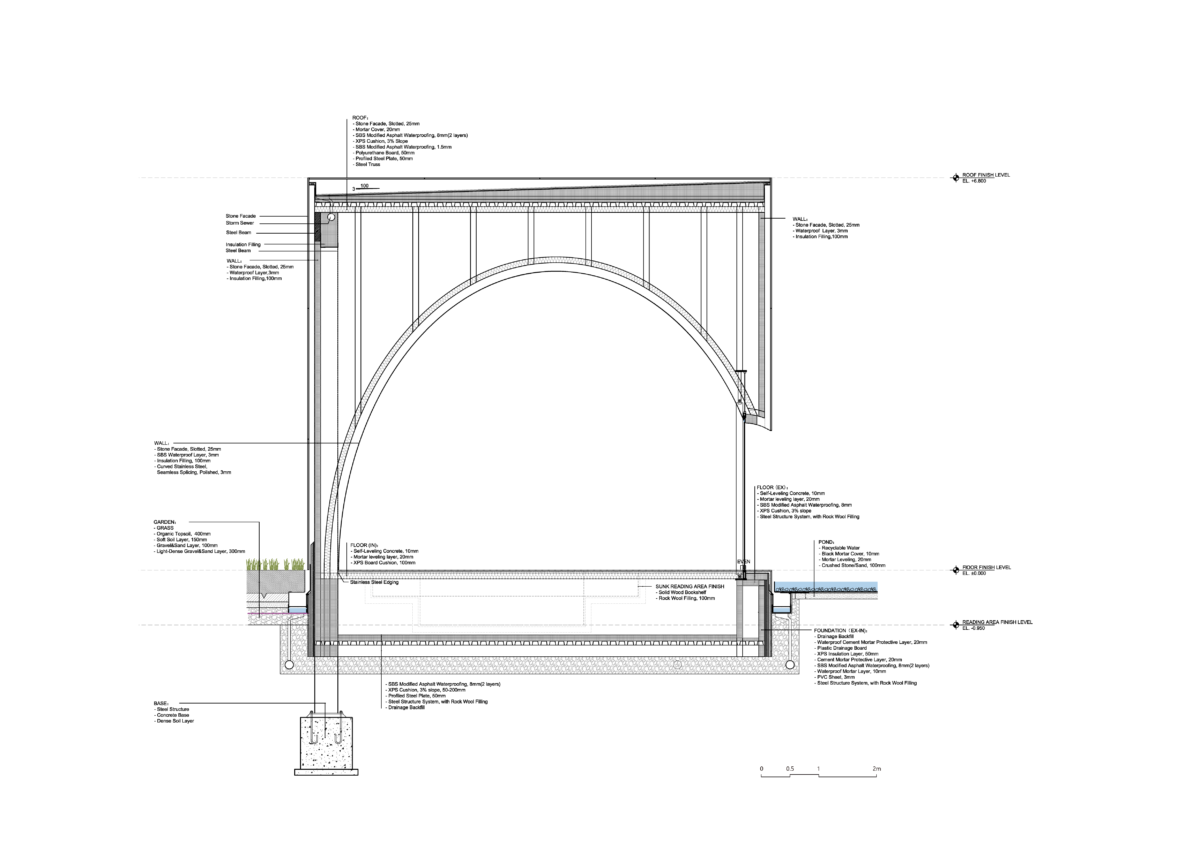
Library section
以下、ATELIER XIのリリース(英文)です。
Project Name: AYDC Public Art Center
Completion Year: 2024
Gross Floor Area: 236 m²
Project location: Guiyang, Guizhou Province, China
Clients: SEEKING GROUPArchitecture & Interior Design: ATELIER XI
Website: https://www.atelierxi.com/
Contact e-mail: cx@atelierxi.com
Instagram: https://www.instagram.com/atelier_xi/
Firm Location: Shenzhen (China), New York (USA)Lead Architect: Chen Xi
Design Team: Zhu Zhu, Huang Zhenfeng, He Xiansen, Zhang Manjia, Huang Fangbai, Zhan Kaichao
Public Square Landscape Design: So boring company, Zhao XiongPhotographer 1’s credits: Chao Zhang
Photographer 1’s website: https://cargocollective.com/ZCSTUDIO
Photographer 1’s e-mail: Chaos_Zhang@foxmail.com
Photographer 2’s credits: AYDCProject Description:In 2022, the architect was invited to design a comprehensive public art complex at the AYDC in Guiyang. AYDC (A Yun Duo Cang), derived from the Yi language of Guizhou, means “our land of dreams.” It is a culture-driven experimental hub that integrates community, innovation, and nature. Curated to promote creative industries and community expression, this branded district is inspired by the spiritual essence of Guizhou’s mountainous landscape. Here, people and ideas can grow freely within nature.The originally planned singular building was disaggregated into a constellation of public art pavilions across the landscape. These spaces, while embedded in nature, remain distinct yet connected, offering a network of flexible and diverse platforms where the local art community can independently gather and spontaneously create.Inspired by the native karst mountain caves of Guizhou Province, the Xima Library, Ginkgo Chapel, and Dali Stage are envisioned as sculptural forms emerging from the city’s natural terrain. Shaped by the forces of space and light, they are carved inward to form suspended, pointed arches—expressing the poetics of structural balance and tension.These three sculptural forms respectively serve as spaces for reading, performance, and meditation. Each resonates with a distinct element of the surrounding landscape, being water, open sky, and twinkling starlight.The Xima Library, set against the vibrant tapestry of fallen ginkgo leaves, stands gracefully by the water. It’s rectilinear form encloses a luminous metallic dome that casts its silhouette upon the rippling water, like a moonlit shadow dancing with the breath of the breeze.The Ginkgo Chapel, nestled among the trees on the hillside, is held aloft by four massive, ginkgo-inspired stone leaves. As visitors pass through the narrow gap between the curved metallic spheres, they step into the central “void”. Here, one looks upward to greet the shifting light and listens to the soft whispers of the wind as it dances through the ginkgo leaves.The Dali Stage, sculpted by the negative imprint of an invisible arch, opens toward the public square. It becomes a dazzling focal point for performances and festive gatherings. Fiber optic lights are embedded beneath the stage floor, evoking the feeling as if one were immersed in a starry night.Though serving distinct purposes, the three pavilions share a common language, achieving visual cohesion while responding subtly to their unique functions. The porous architecture invites wind and light to flow freely through the structures. The outer facades are composed of modular panels of porous white travertine, while the inner spheres are assembled from curved stainless-steel plates. In the library and chapel, the inner surfaces are finished with a soft and tactile sandblasted texture, creating a contemplative atmosphere. In contrast, the stage features polished mirror-like steel, reflecting dynamic lights and movements from its surroundings.As the seasons change, the landscape evolves: the ginkgo forest cycles through vibrant tones of green, gold, and amber shades, harmonizing with the three pavilions to create an ever-changing, immersive symphony of nature and architecture.Ultimately, in the AYDC project, minimal architectural gestures attempt to unleash the site’s full vitality. Through sculptural and artful interventions, the design weaves together the built form, natural landscape, and local cultural memory—redefining the role of architecture as a vessel for experience, imagination, and community.
ATELIER XI 公式サイト
https://www.atelierxi.com/design#/aydc-public-art-center/
【購読無料】空間デザインの今がわかるメールマガジン TECTURE NEWS LETTER
RECOMMENDED ARTICLE



