CULTURE
© Xia Zhi
© Tian Fangfang
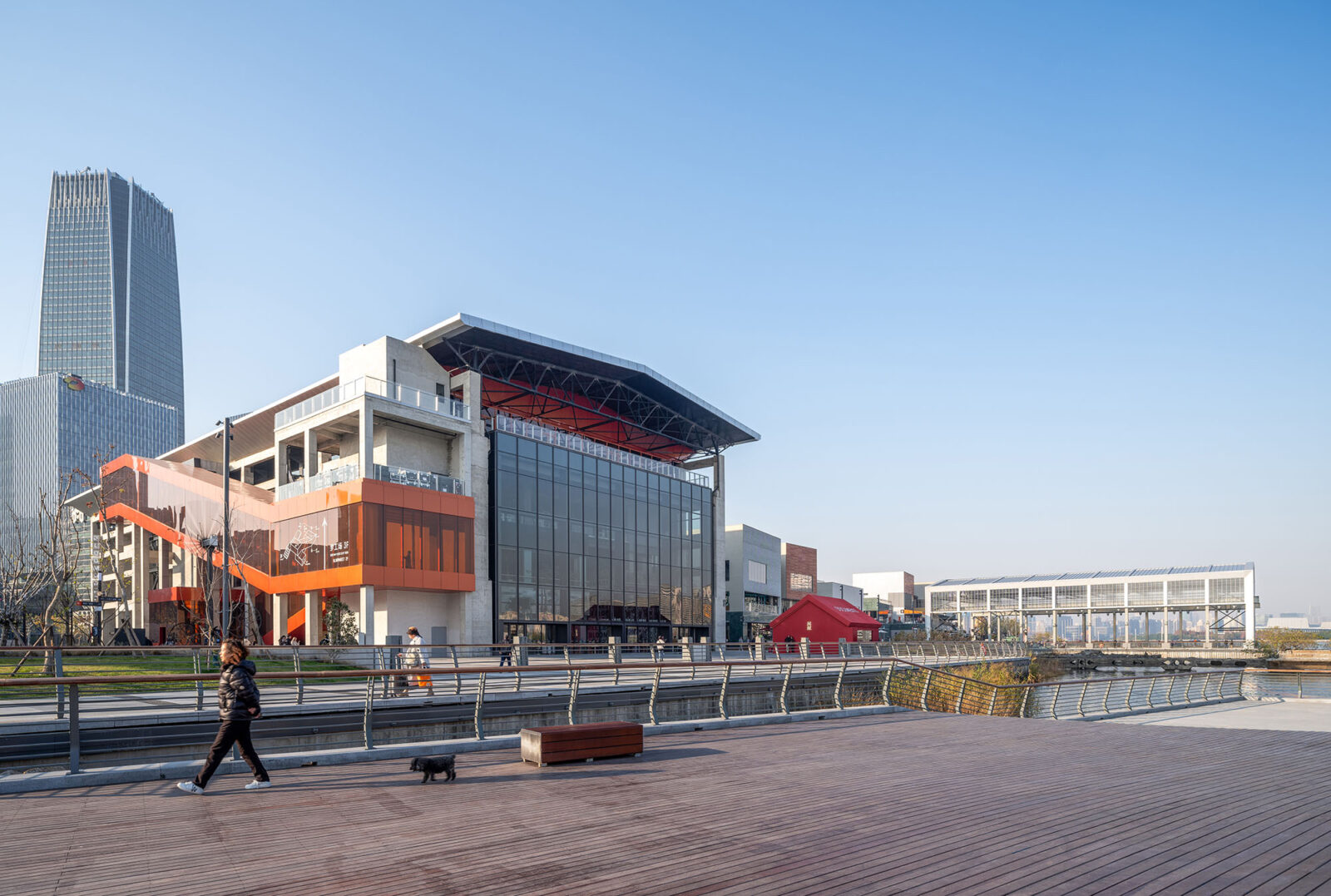
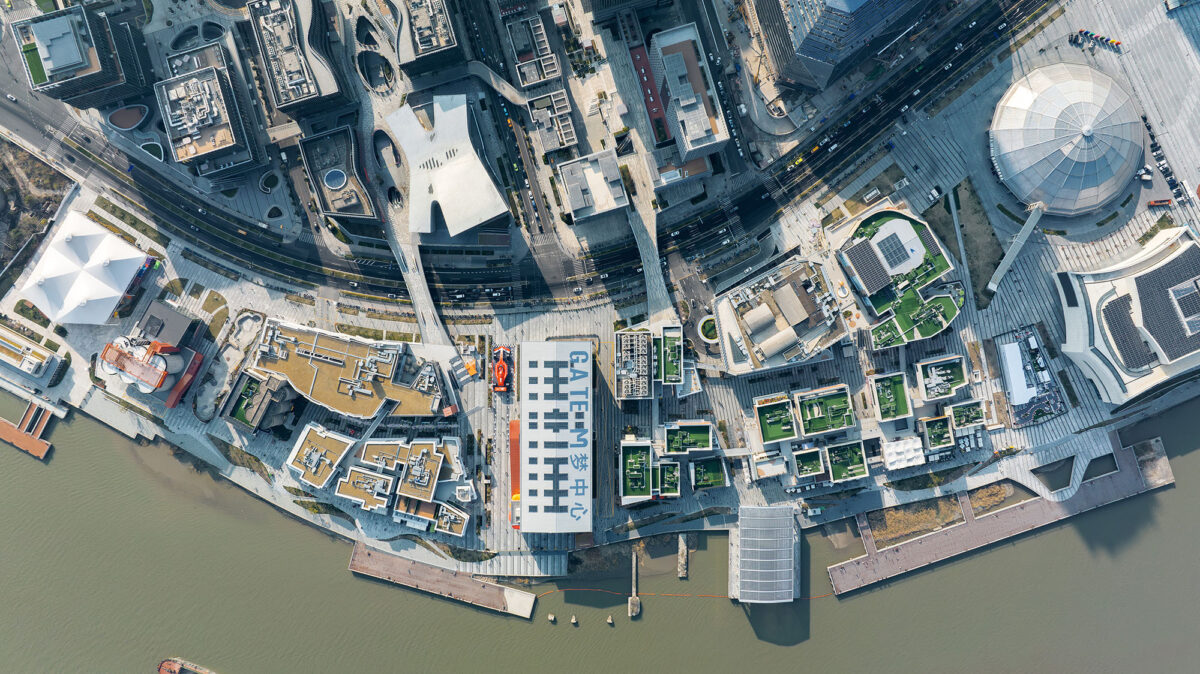
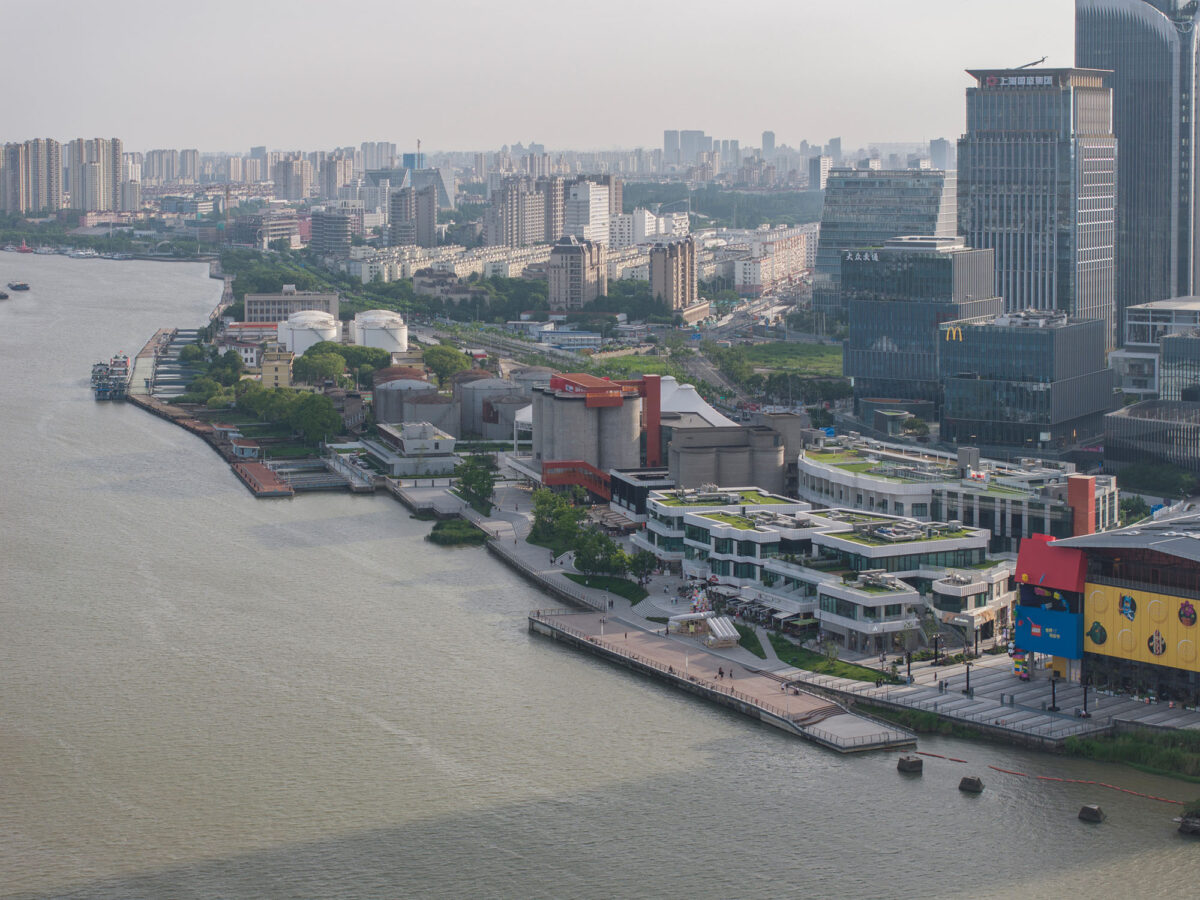
中国・上海に位置する〈GATE M ウェストバンド・ドリーム・センター(GATE M West Bund Dream Center)〉は、アジア最大級の規模を誇ったセメント工場跡地に残る建築群を再利用した文化・レジャー複合施設です。
オランダのロッテルダムを拠点とする建築家集団MVRDVがマスタープランを担当し、それぞれの建築はMVRDVとアトリエ・デスハウス(Atelier Deshaus)、シュミット・ハマー・ラッセン・アーキテクツ(Schmidt Hammer Lassen Architects)が設計を手がけました。
注目ポイント
- 産業遺構を活かしCO2排出量を削減するサステナブルな都市再生
- 全体の統一感とランドマーク性を生み出すオレンジ色の動線
- すでに都市再生賞を複数受賞した「建て替えない再生」
- 「工業地帯の再活用」という世界的な潮流のモデルケース
(以下、MVRDVから提供されたプレスキットのテキストの抄訳)
© Tian Fangfang
© Tian Fangfang
ウェストバンド地区に誕生した文化・レジャー複合施設
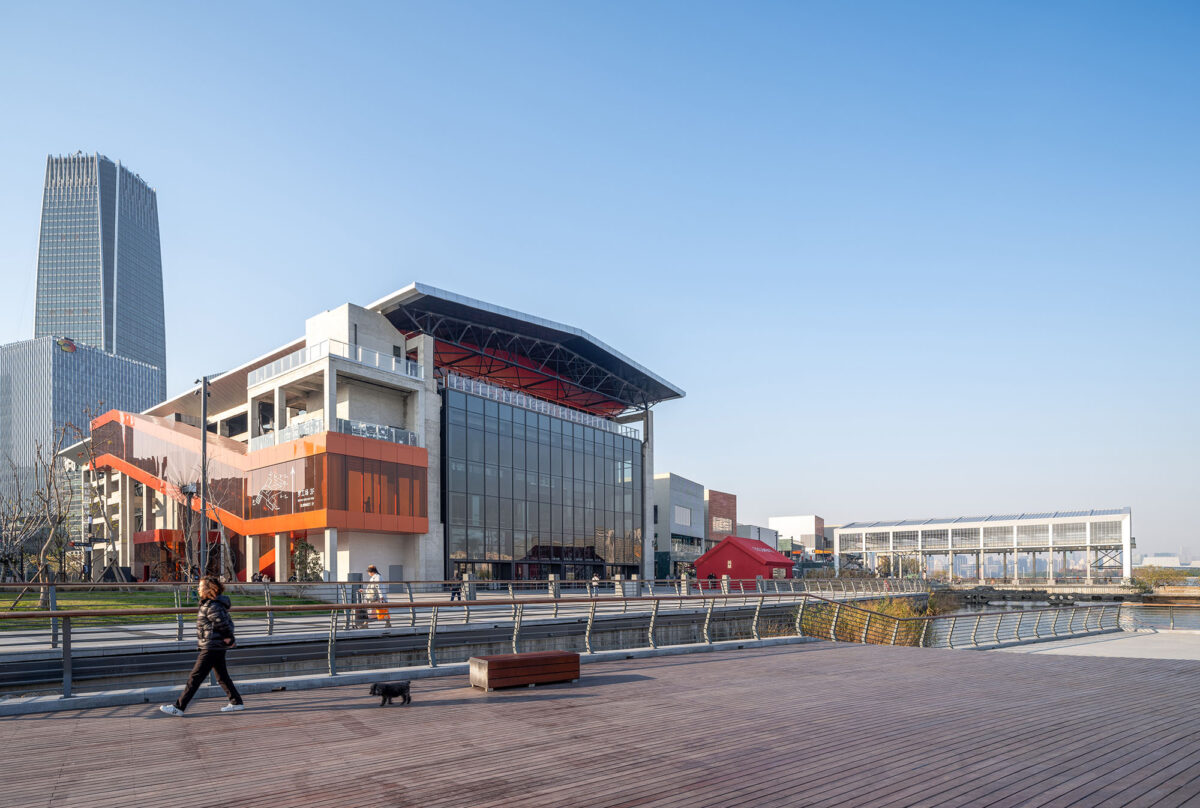
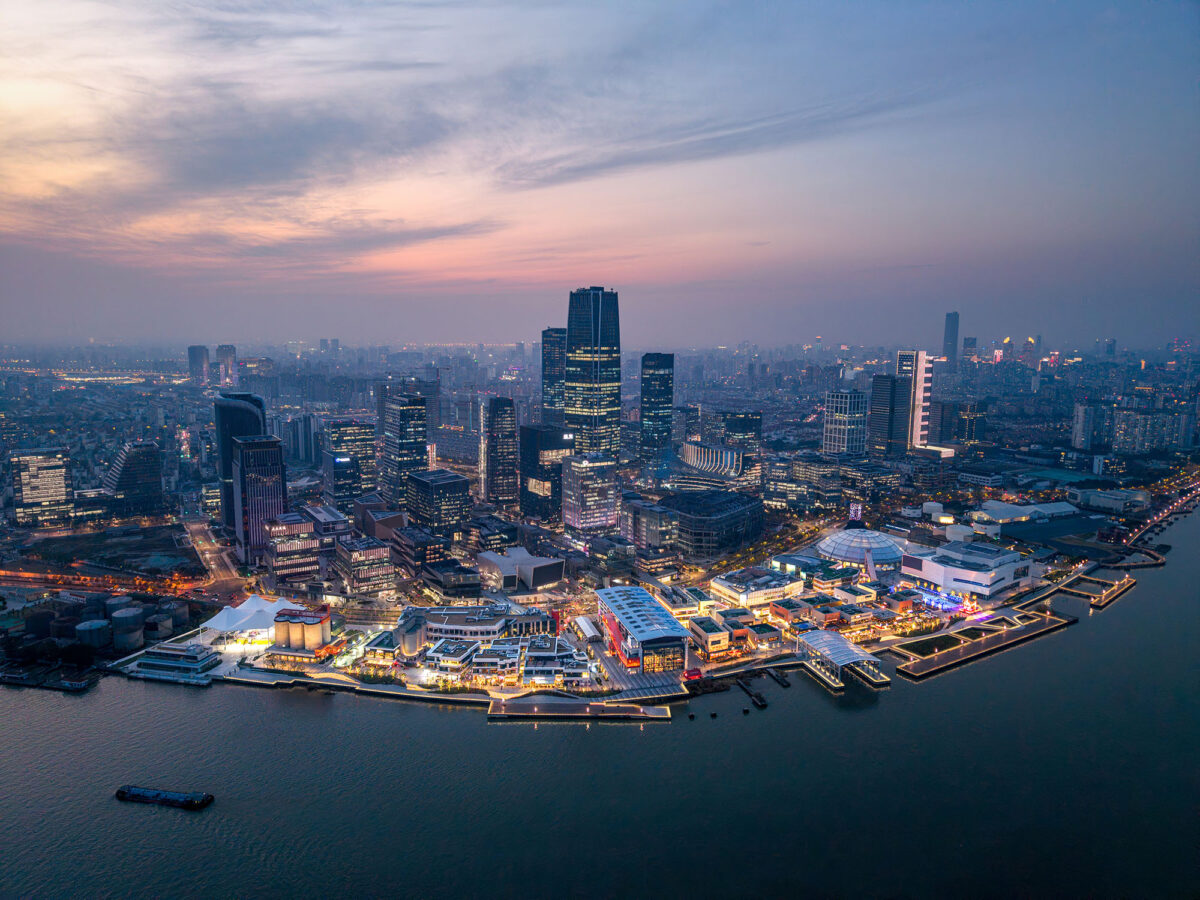
MVRDVは、上海・西岸(ウェストバンド)地区において、かつてのセメント工場を文化とレジャーのゾーンへと転換するプロジェクト〈GATE M ウェストバンド・ドリーム・センター〉を完成させた。
異なる時代の建築群を再編成し、既存構造物の再利用によって炭素排出量の削減を図ると同時に、鮮やかなオレンジ色の動線が独自の視覚的アイデンティティを創出している。
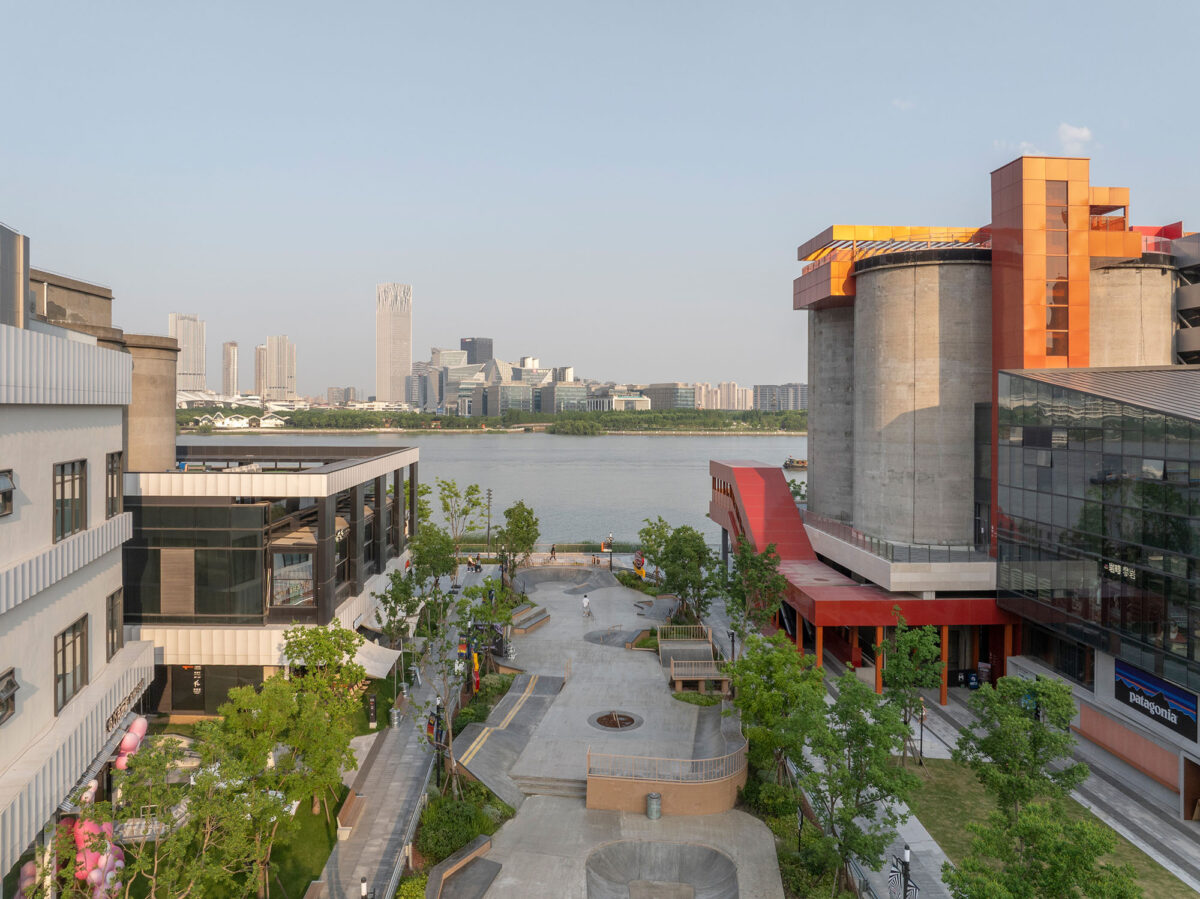
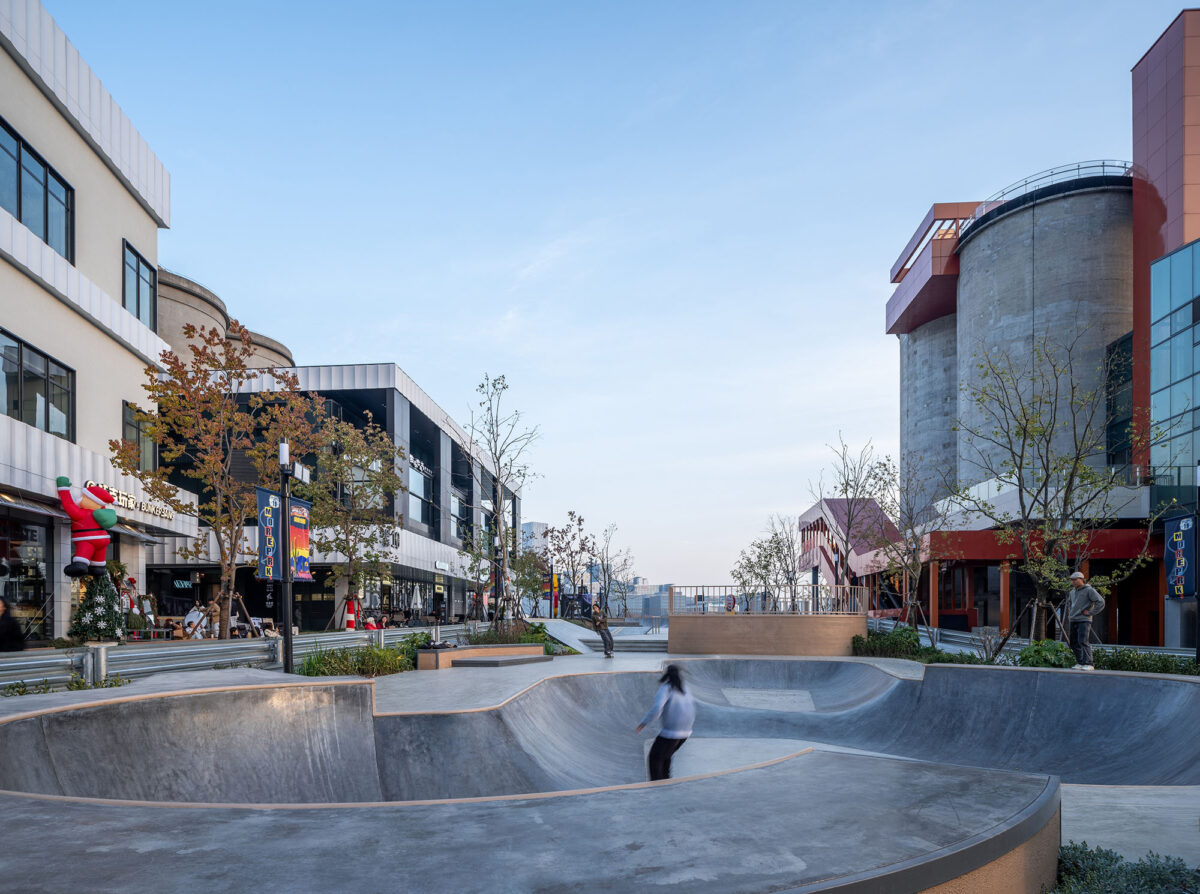
ショッピング、飲食、スケートボード、ロッククライミング、展示やイベント、さらには川辺での憩いまで、多様なアクティビティに対応する本施設は、すでに住民と観光客の双方に支持される人気スポットとなっている。
© Sanqian Visual Image Art
© Tian Fangfang
© Sanqian Visual Image Art
万博を契機とするセメント工場跡地の都市再生
プロジェクトの敷地は、かつてアジア最大級の規模を誇った上海セメント工場の跡地である。2010年の上海万博を契機として、同地域から工業機能を段階的に移転し、市民に開かれた水辺空間へと転換する都市計画が進められた。
MVRDVによる改修前、この敷地には性質の異なる2種類の建物が存在していた。1つは、地域の産業的歴史を象徴する大型の工業建築群であり、もう1つは過去の開発計画に基づいて建設されたものの、未完成に終わった建築物群であった。
© Tian Fangfang
© Tian Fangfang
© Xia Zhi
敷地全体のマスタープランと協働体制
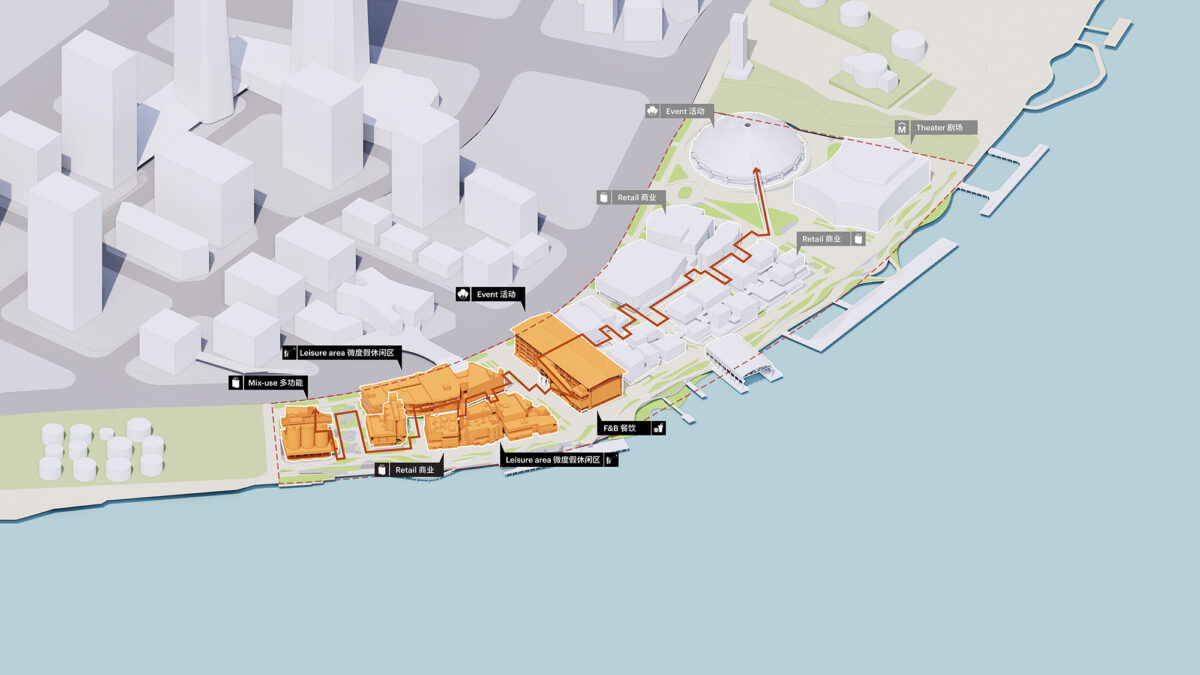
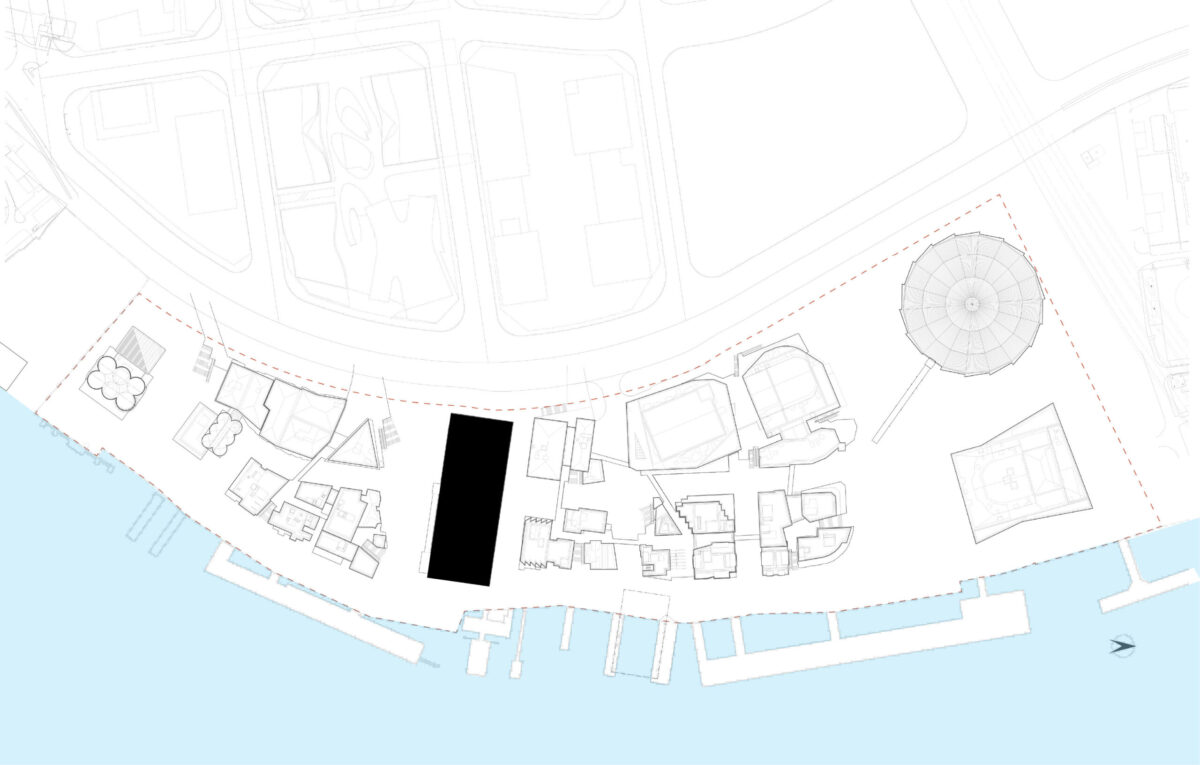
MVRDVは敷地全体のマスタープランを担当し、中心施設〈Mファクトリー〉を含む南側の建築群の設計を担った。
一方、敷地北部の商業施設はアトリエ・デスハウス、〈ウェストバンドドームアートセンター〉および〈上海ウェストバンドシアター〉はシュミット・ハマー・ラッセン・アーキテクツが設計を手がけた。
Site Axonometric
© Liu Guowei
歴史的構造物の再利用と持続可能性
MVRDVの設計方針は、敷地に残る建築の歴史的価値を最大限活かすことであり、解体と新築に伴うCO2の排出や廃棄物の発生を最小限に抑えることを目指した。
MVRDV の創設パートナーであるヤコブ・ファン・ライス(Jacob van Rijs)は次のように語る。
「既存建築には多くの価値が残されており、解体によって単純化することはCO2排出量と廃棄物の増加につながるため、それらを統合して1つのエリアとして機能させることが課題であった。私たちは新しい建物を背景として配置し、工業用の巨大構造物を目玉として際立たせ、その特別な構造的特長を活かした魅力的な機能をもたせた。」
© Sanqian Visual Image Art
© Sanqian Visual Image Art
© Liu Guowei
© Sanqian Visual Image Art
工業建築の再生による空間創出
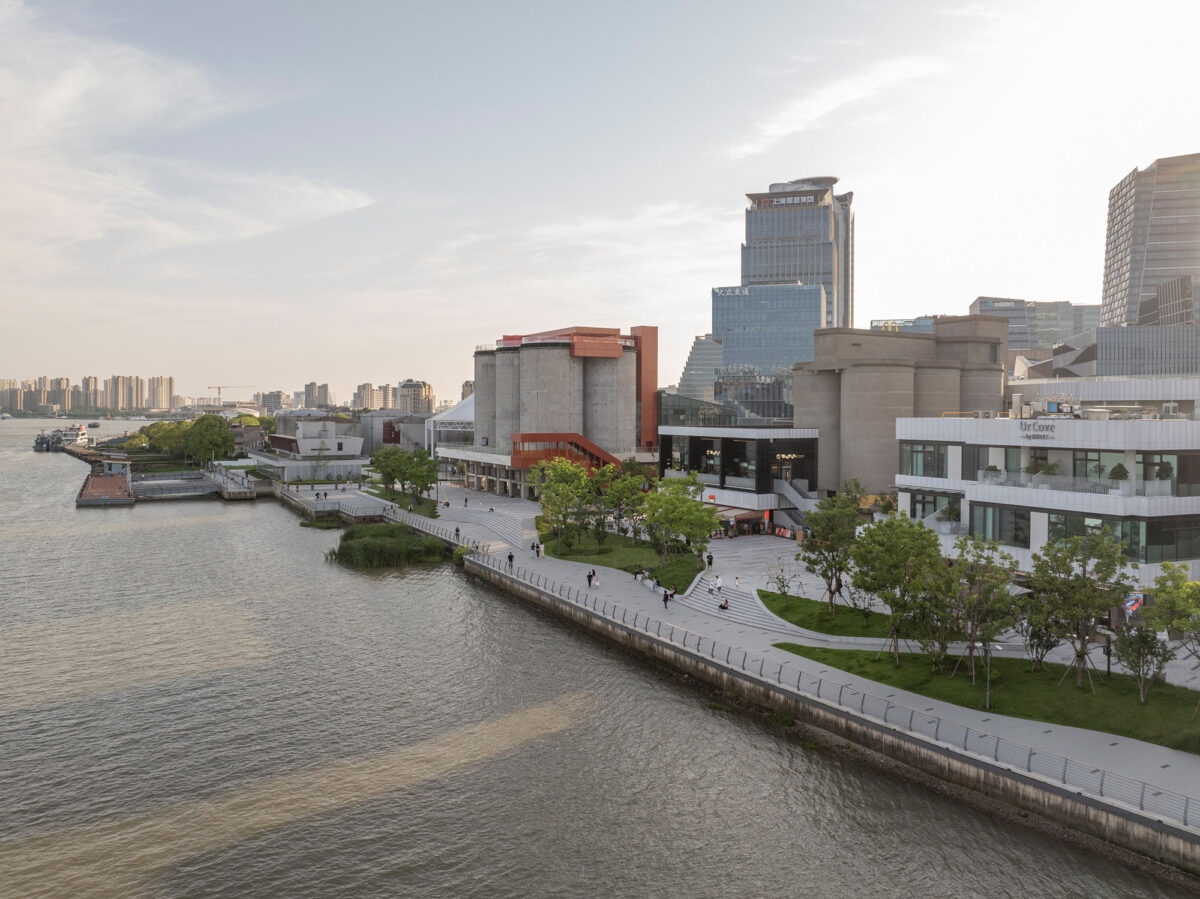
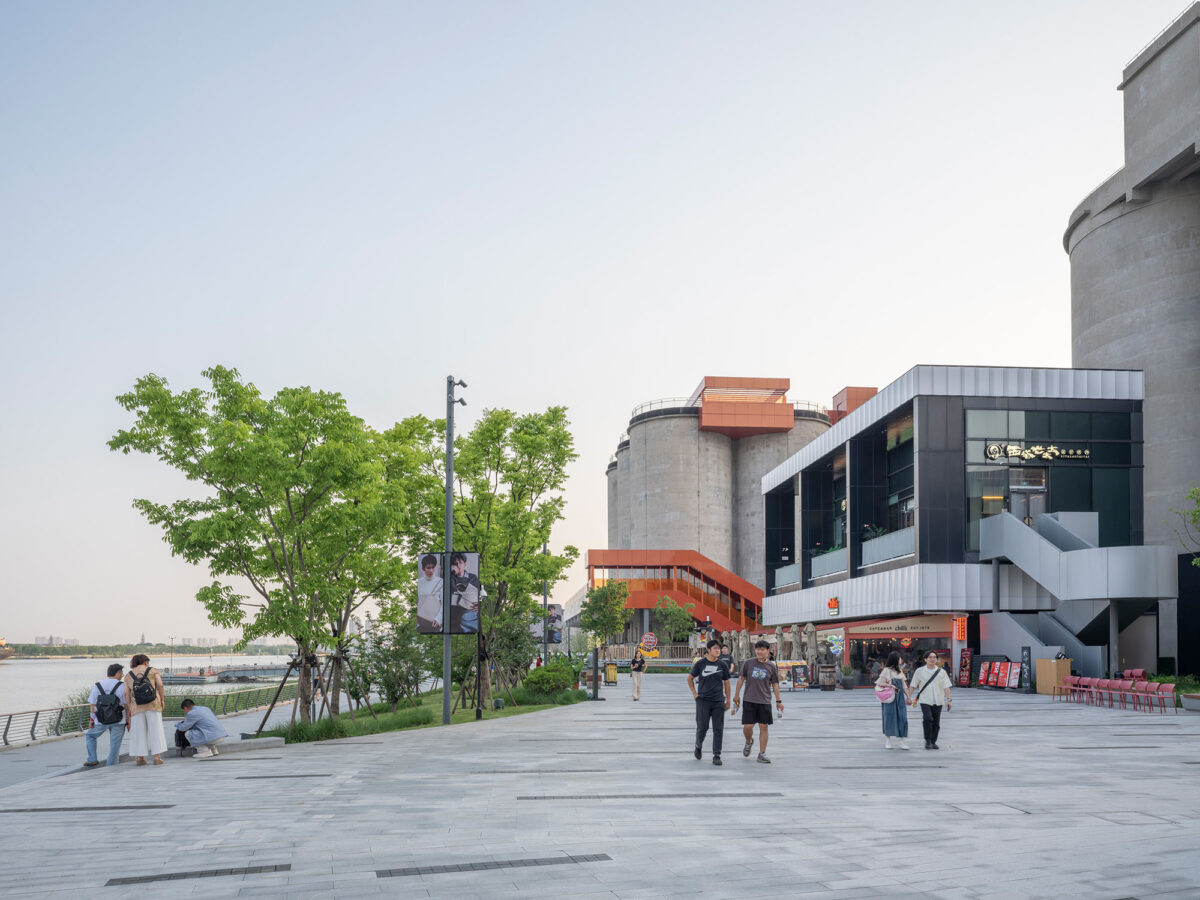
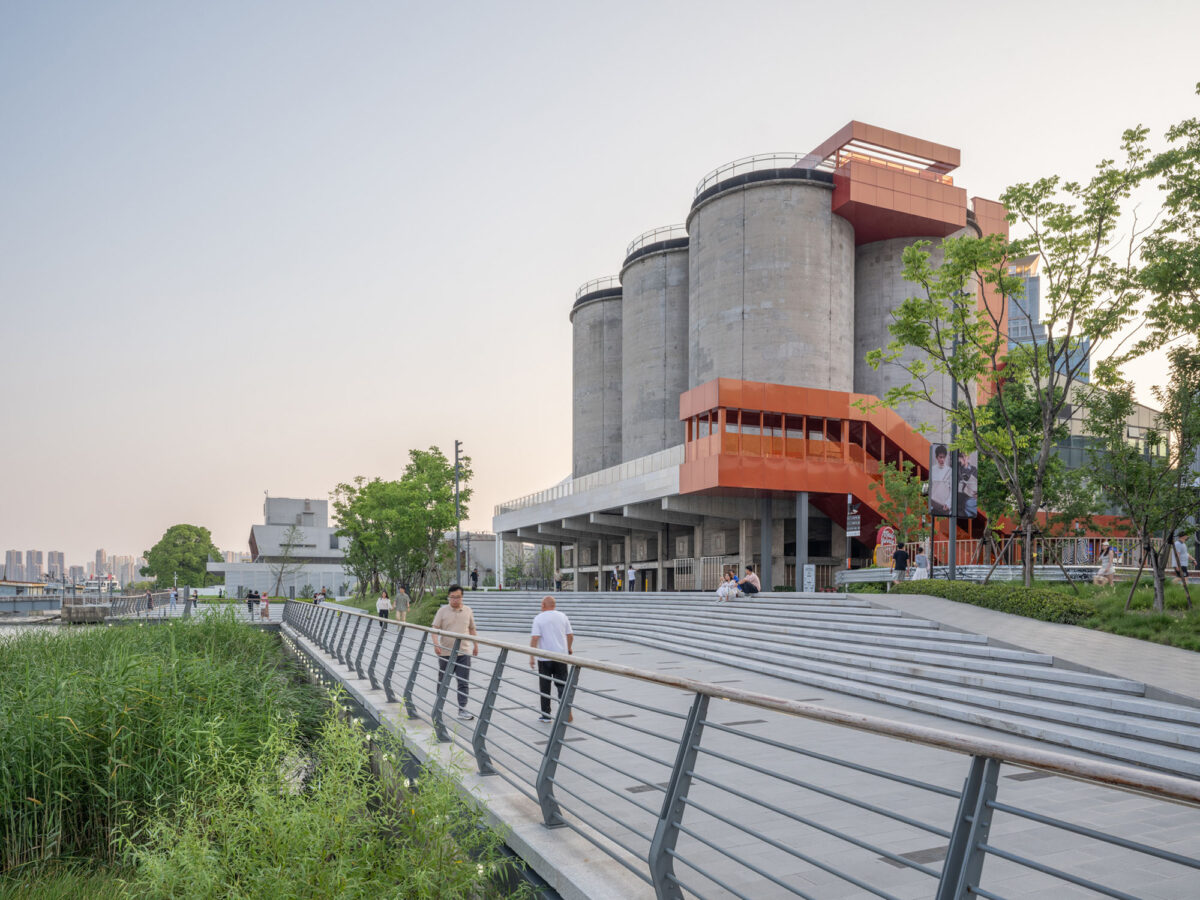
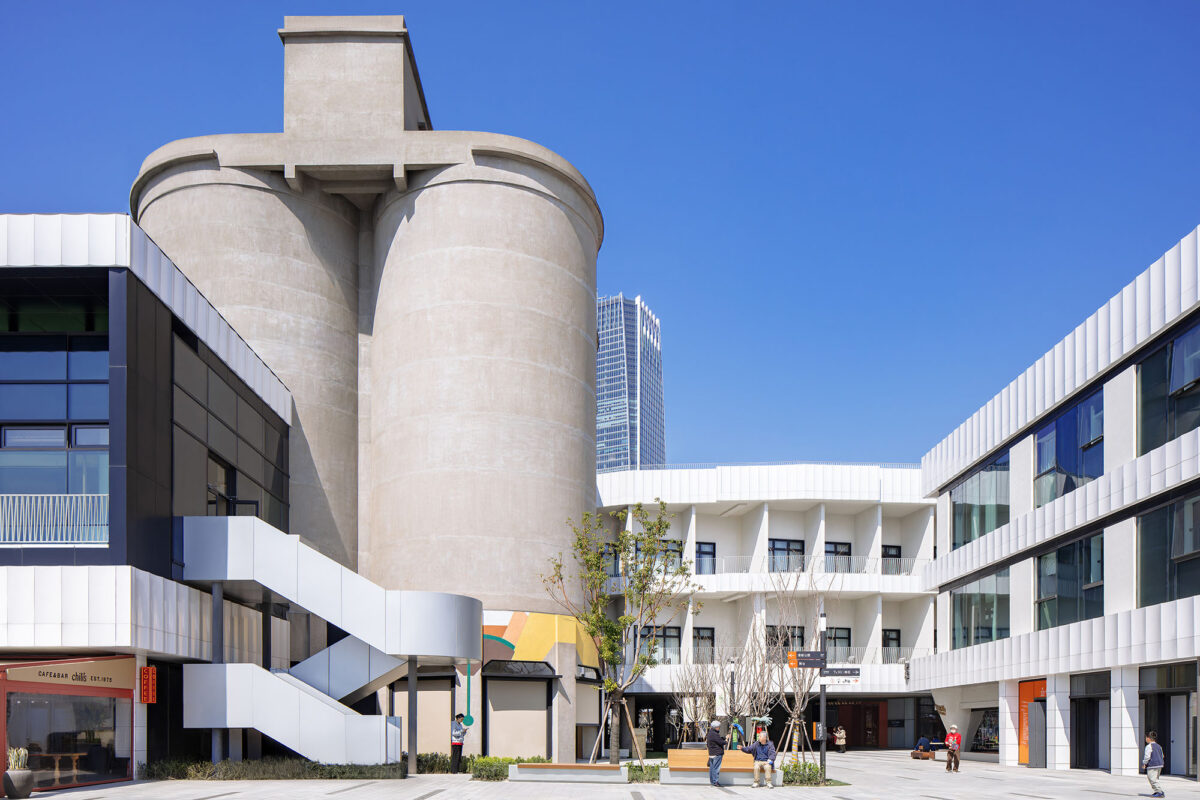
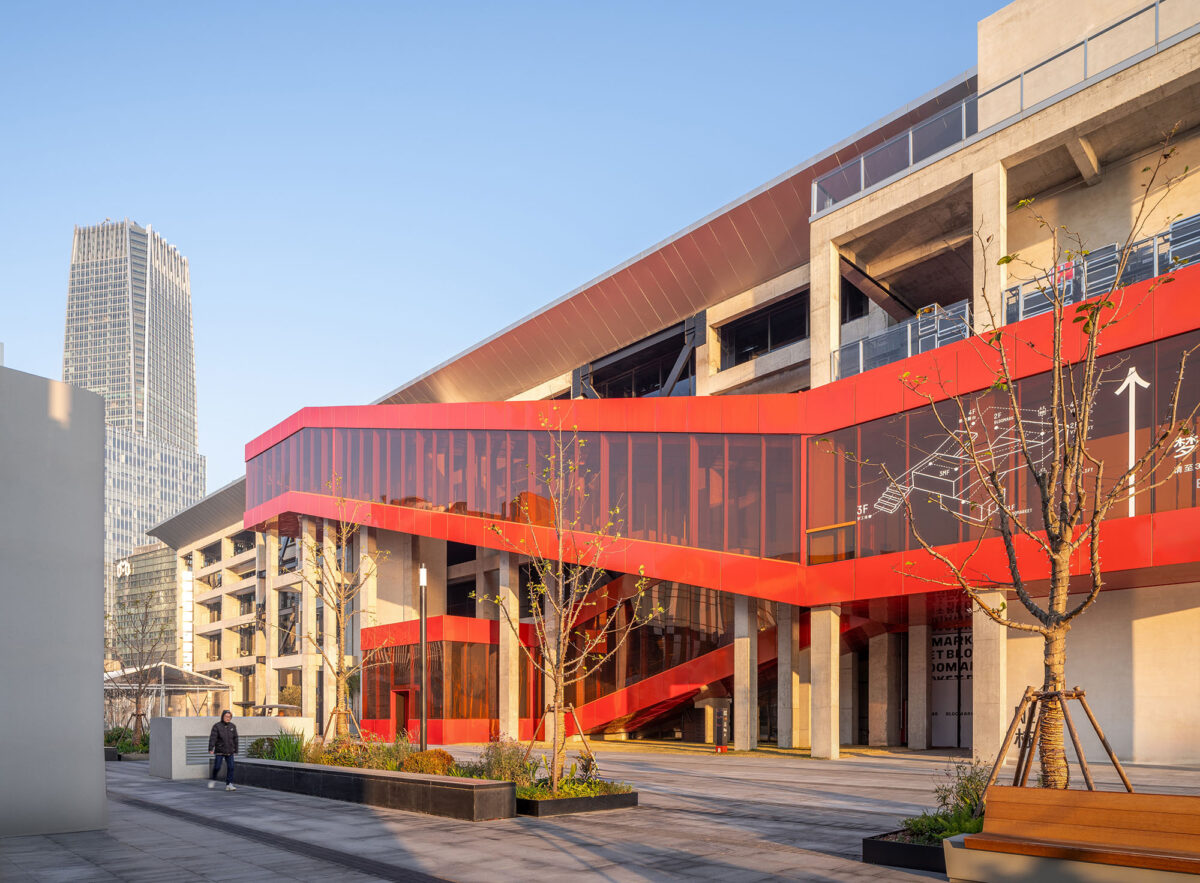
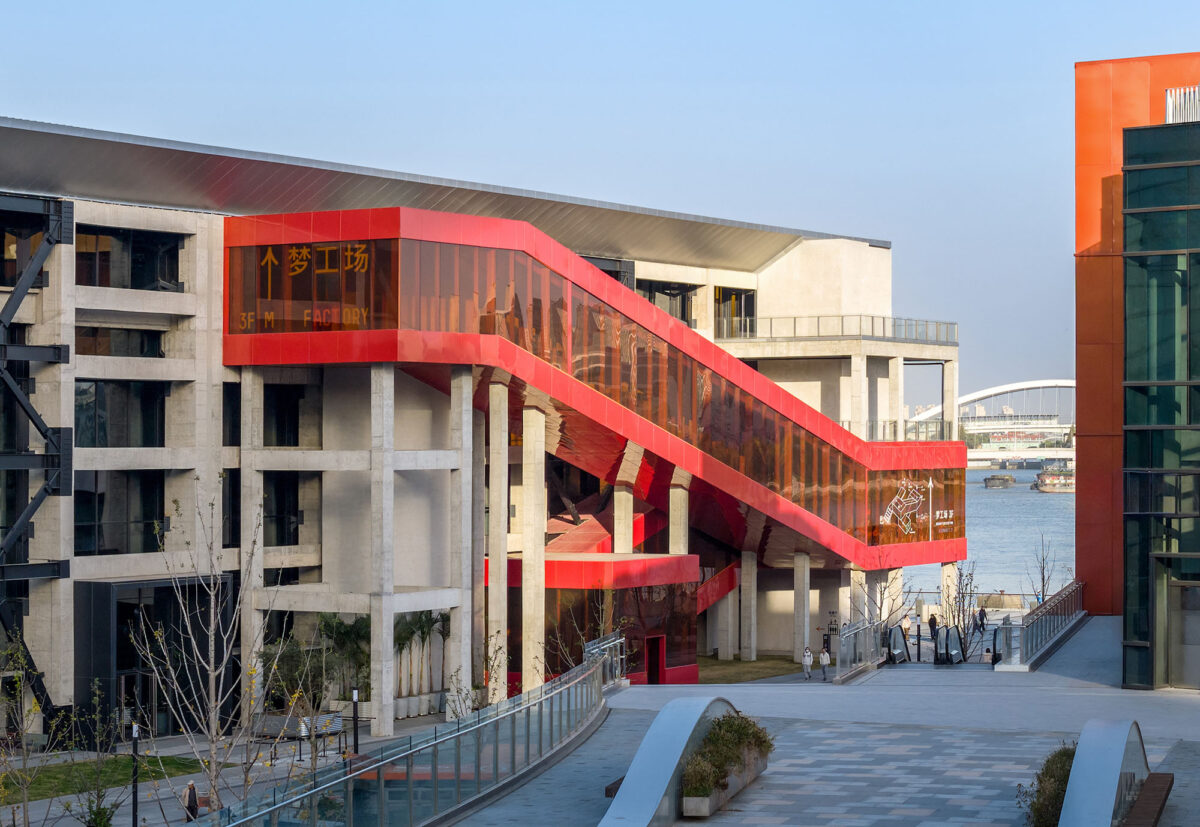
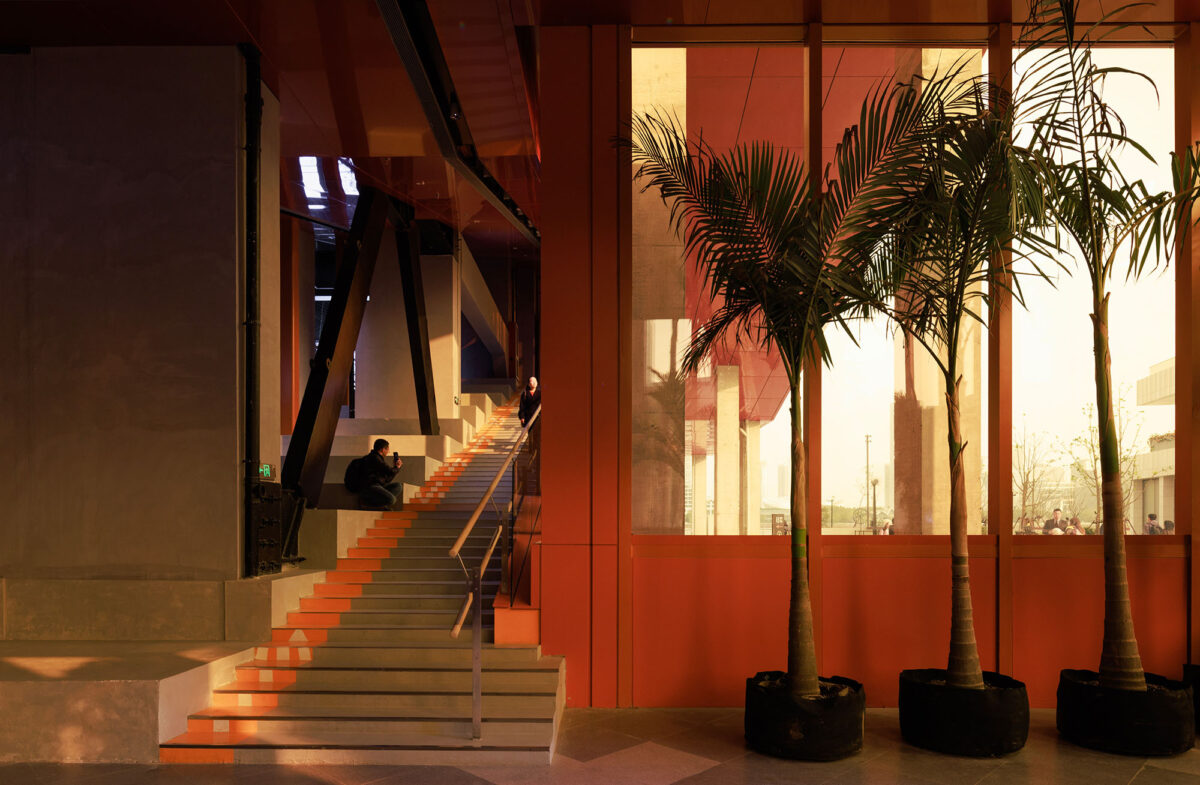
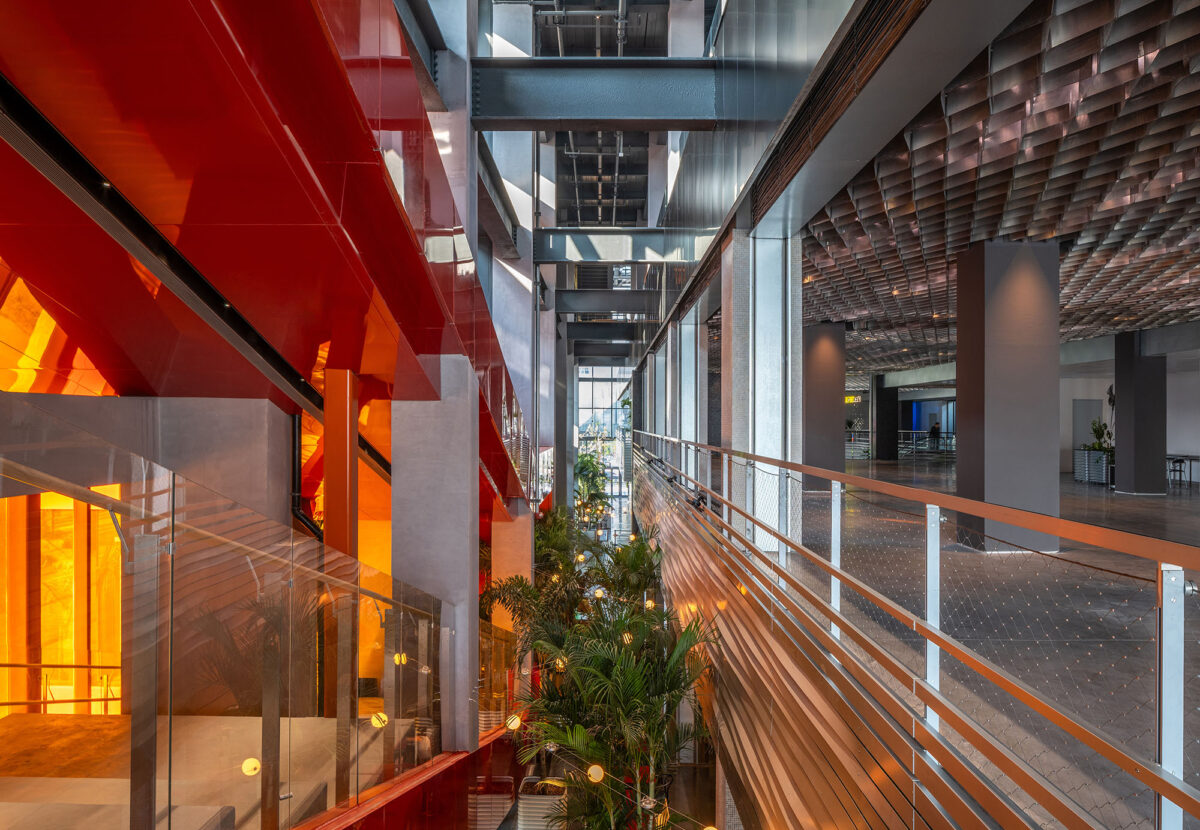
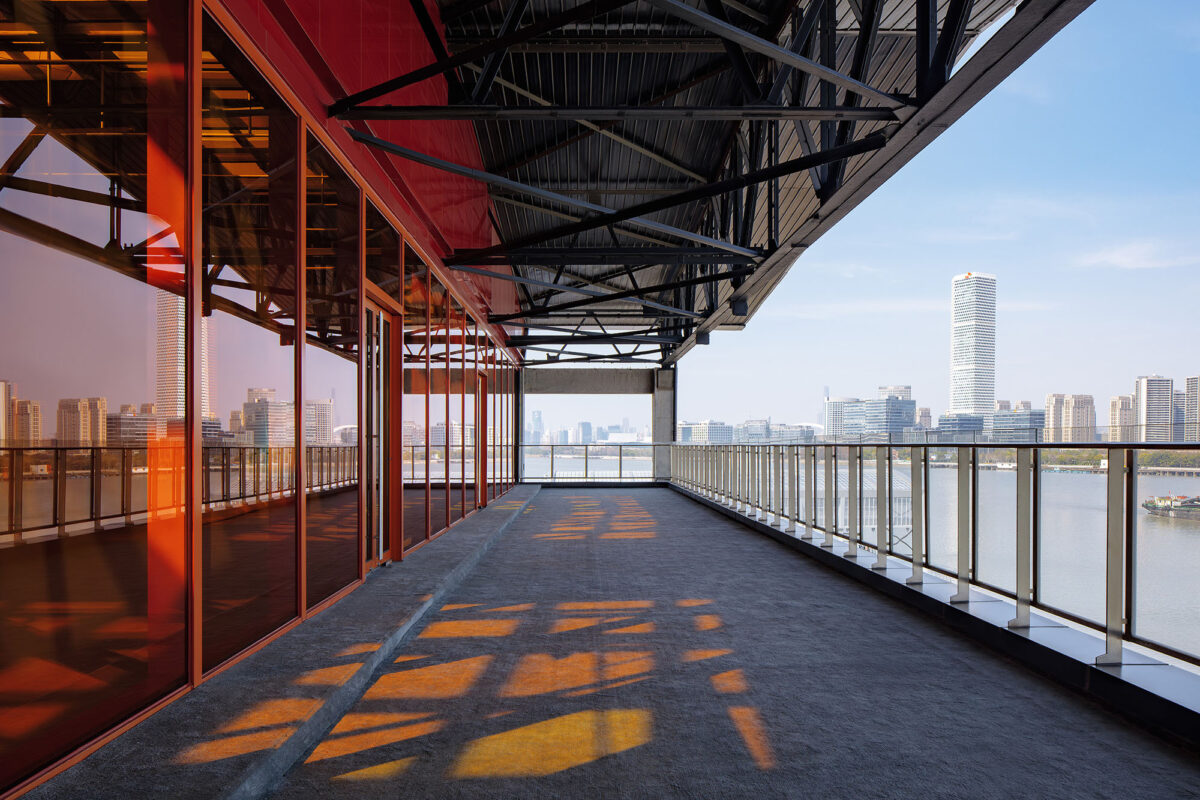
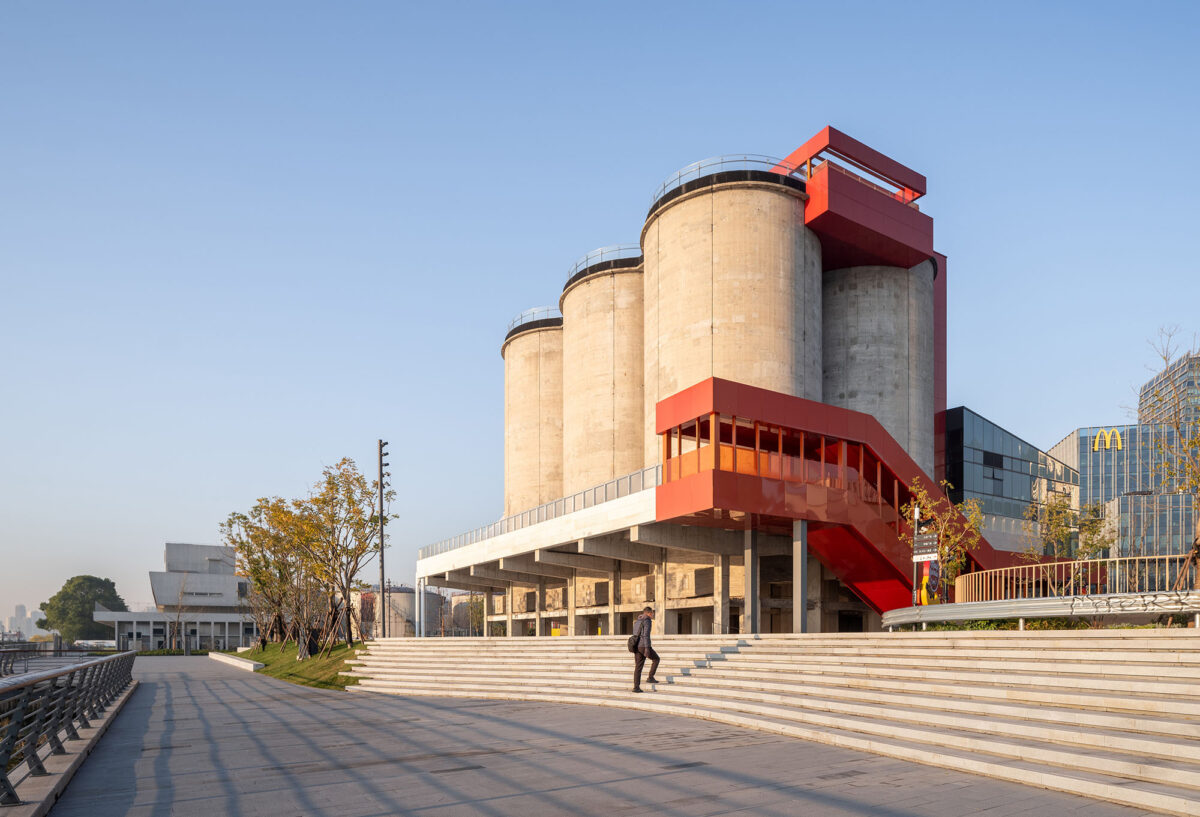
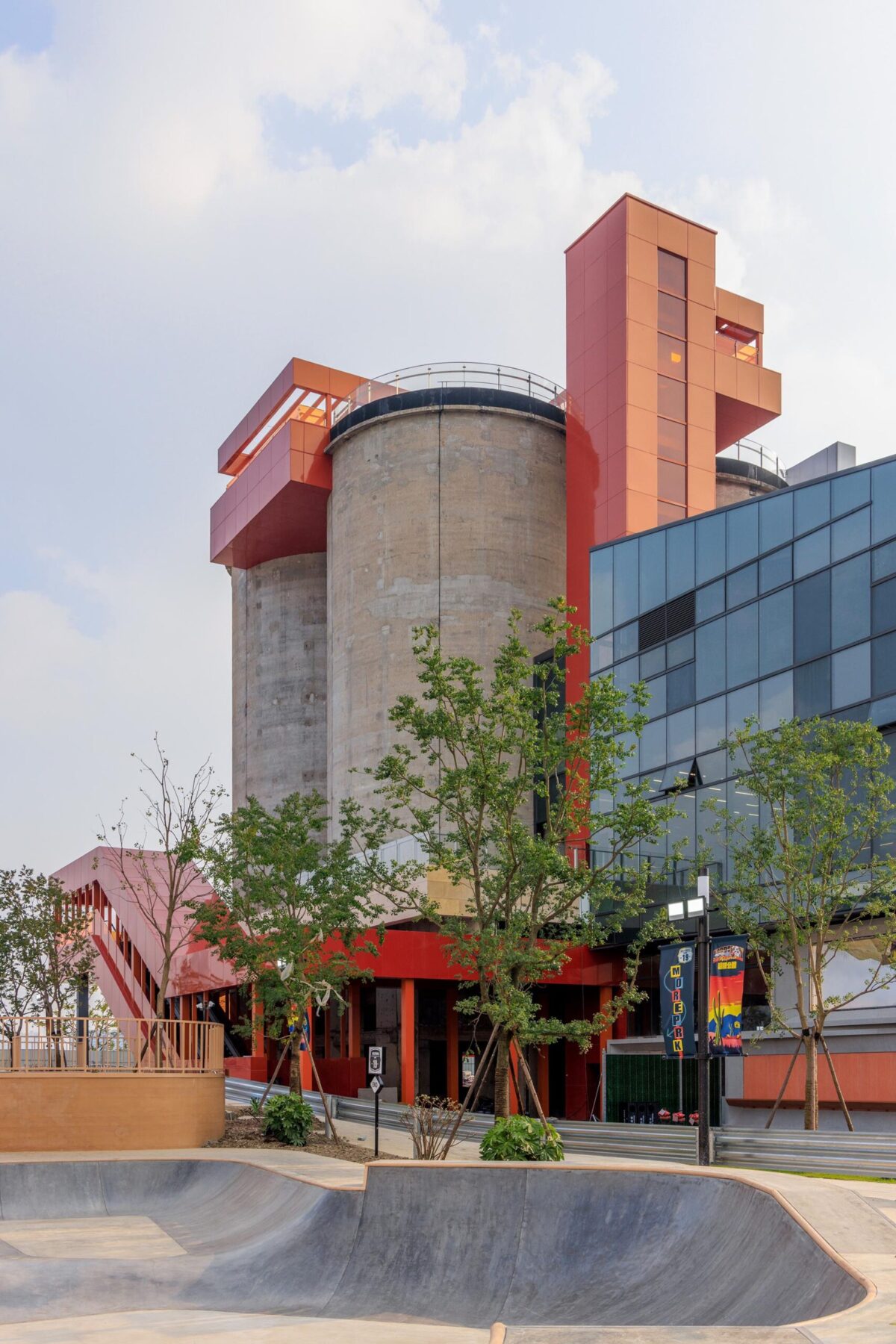
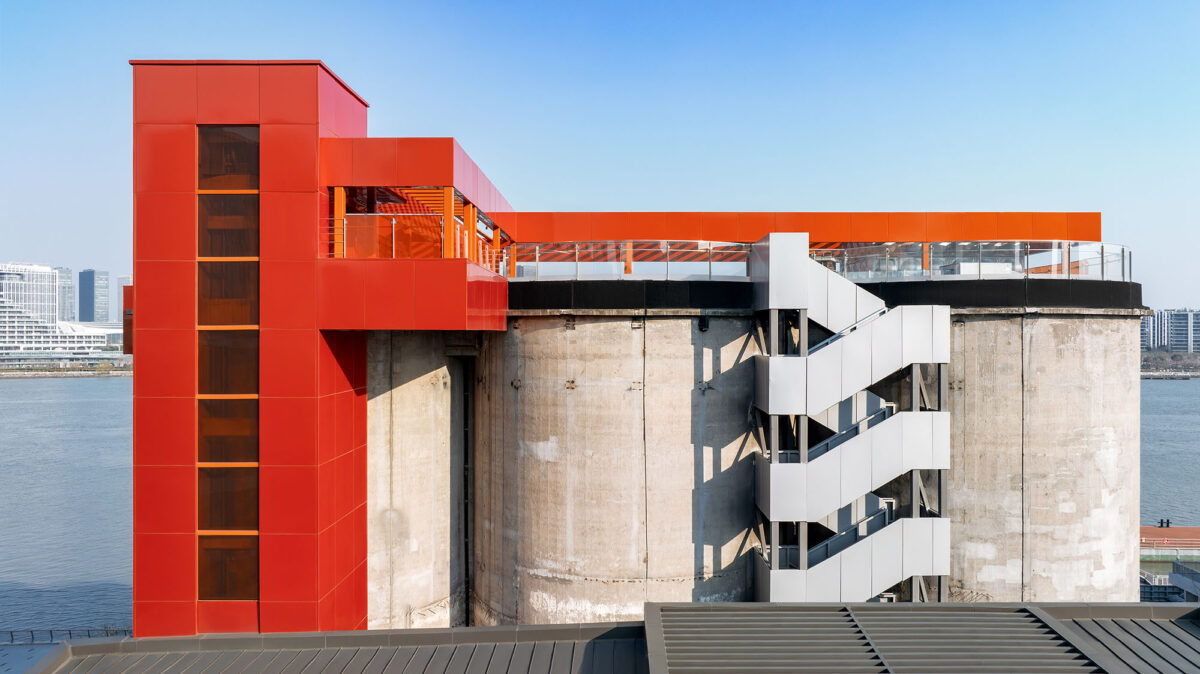
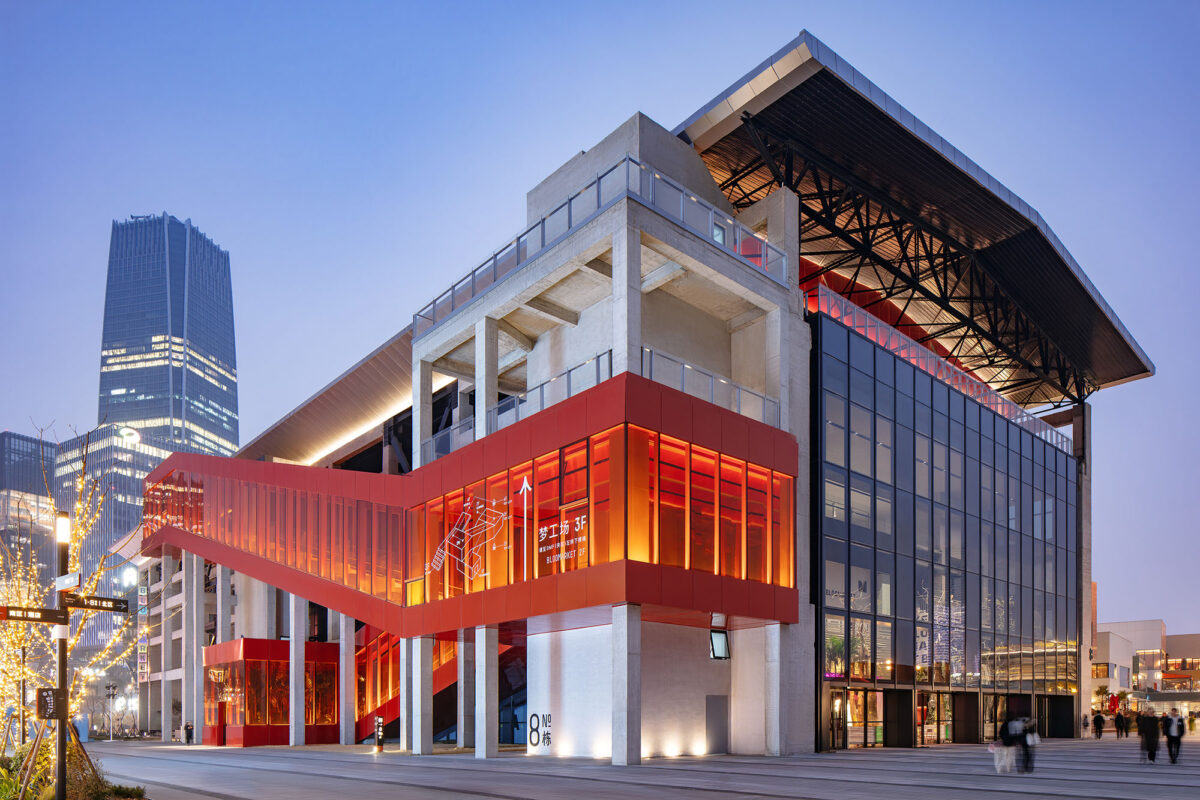
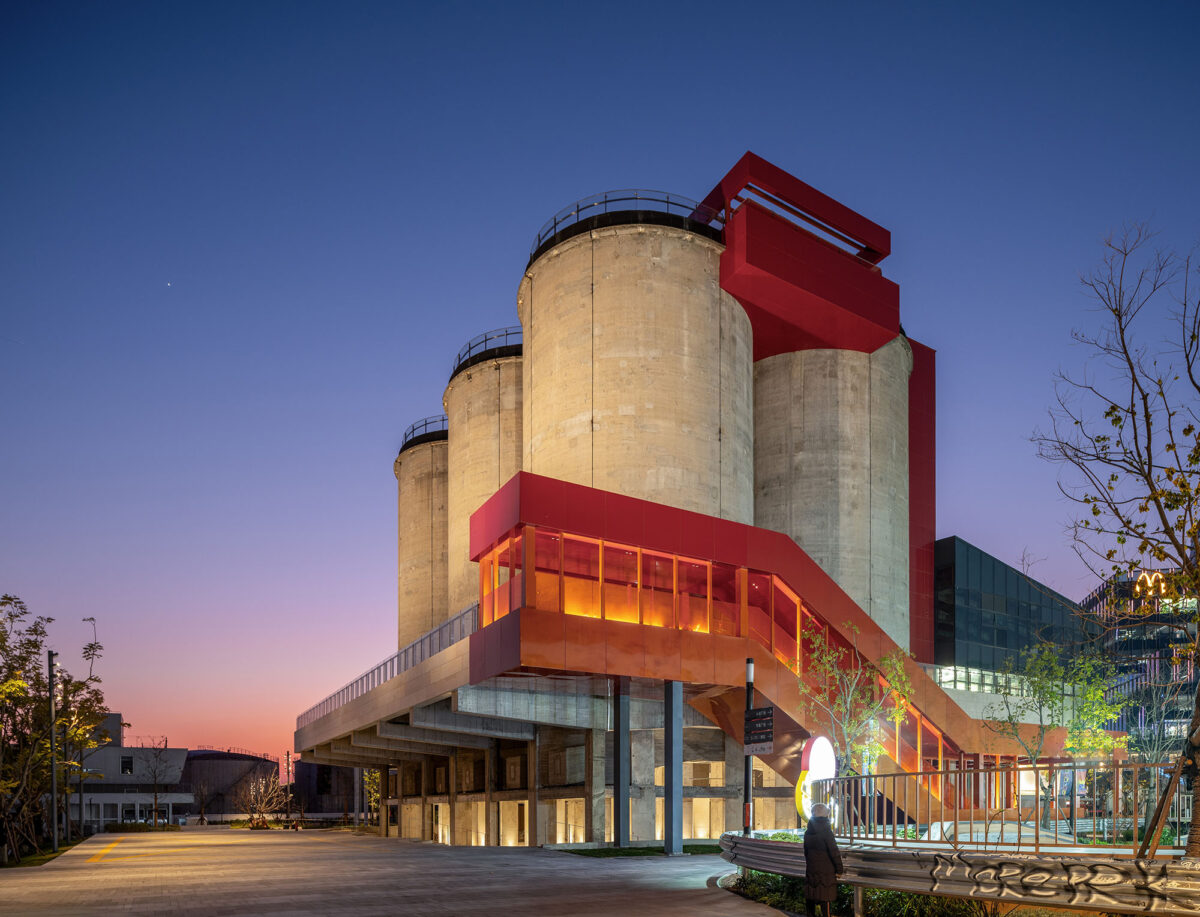
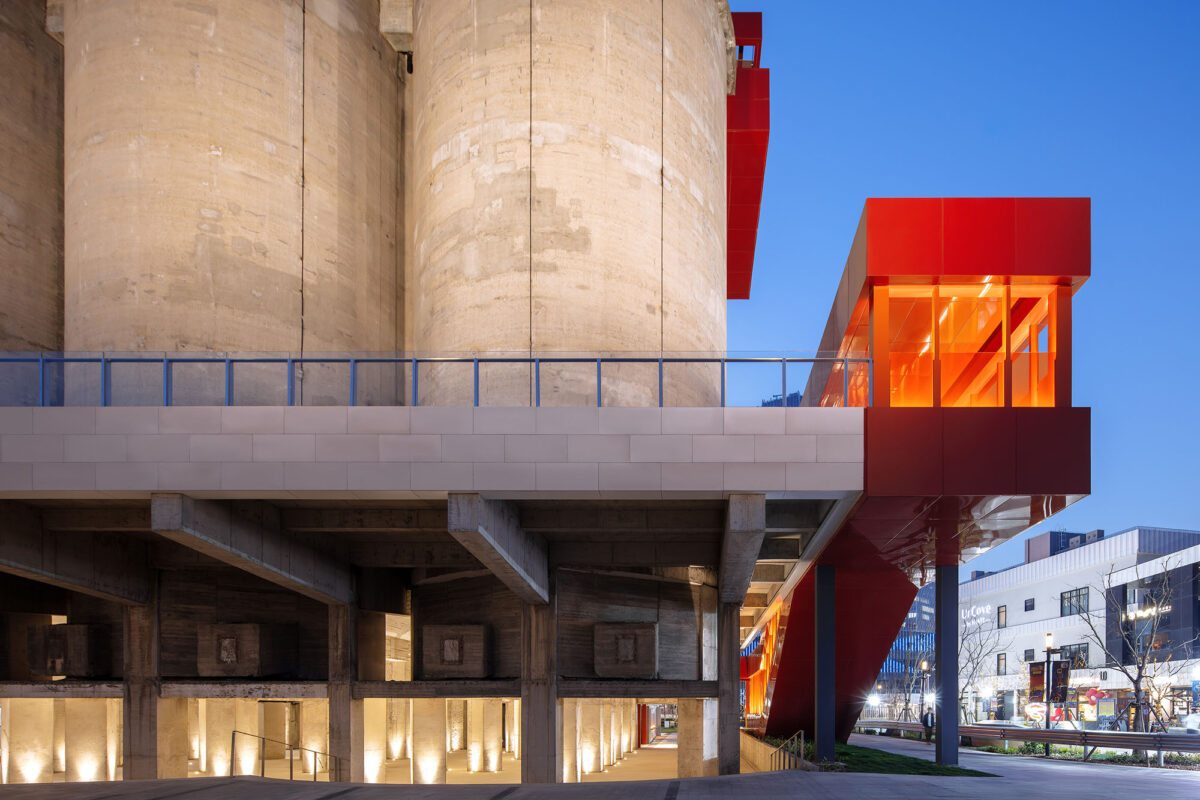
再生された工業用サイロや工場建築は、新たな地区の中核を成している。無骨で記念碑的なコンクリート構造は、歴史とアイデンティティを感じさせ、外観に追加されたオレンジ色の階段やエレベーターシャフトがその印象をより強調している。
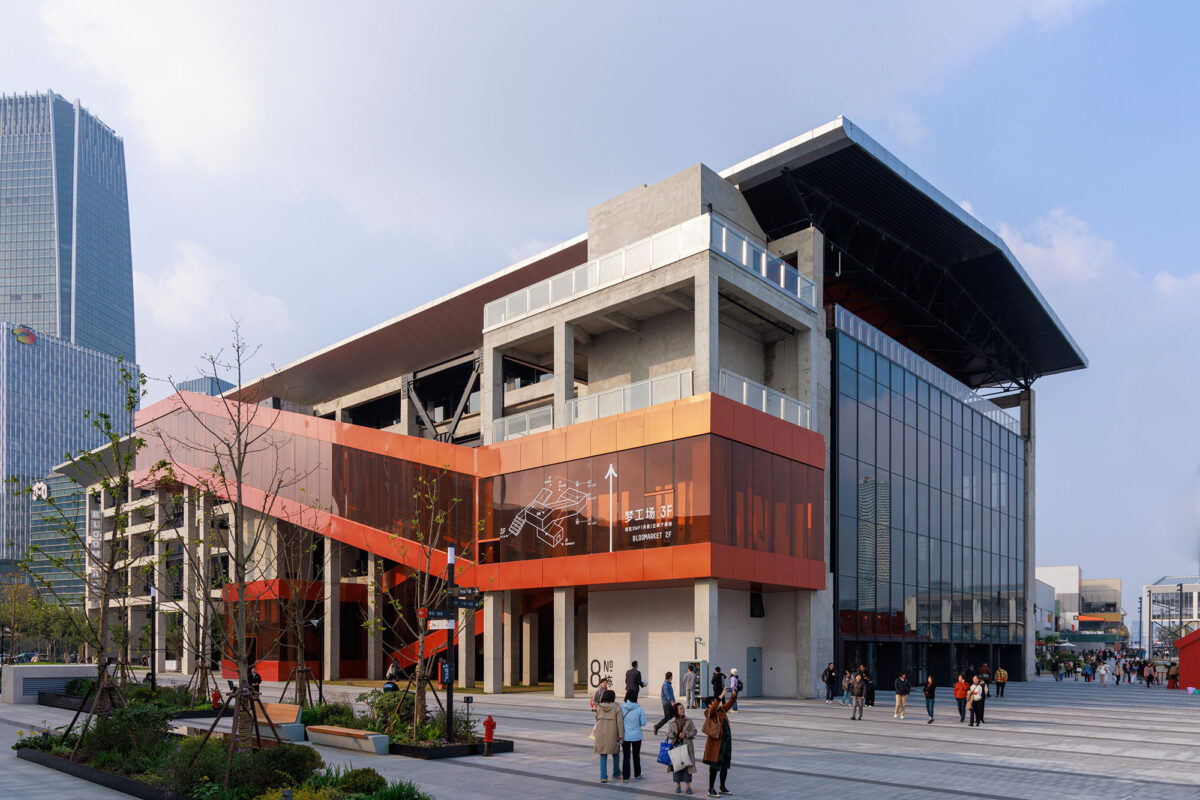
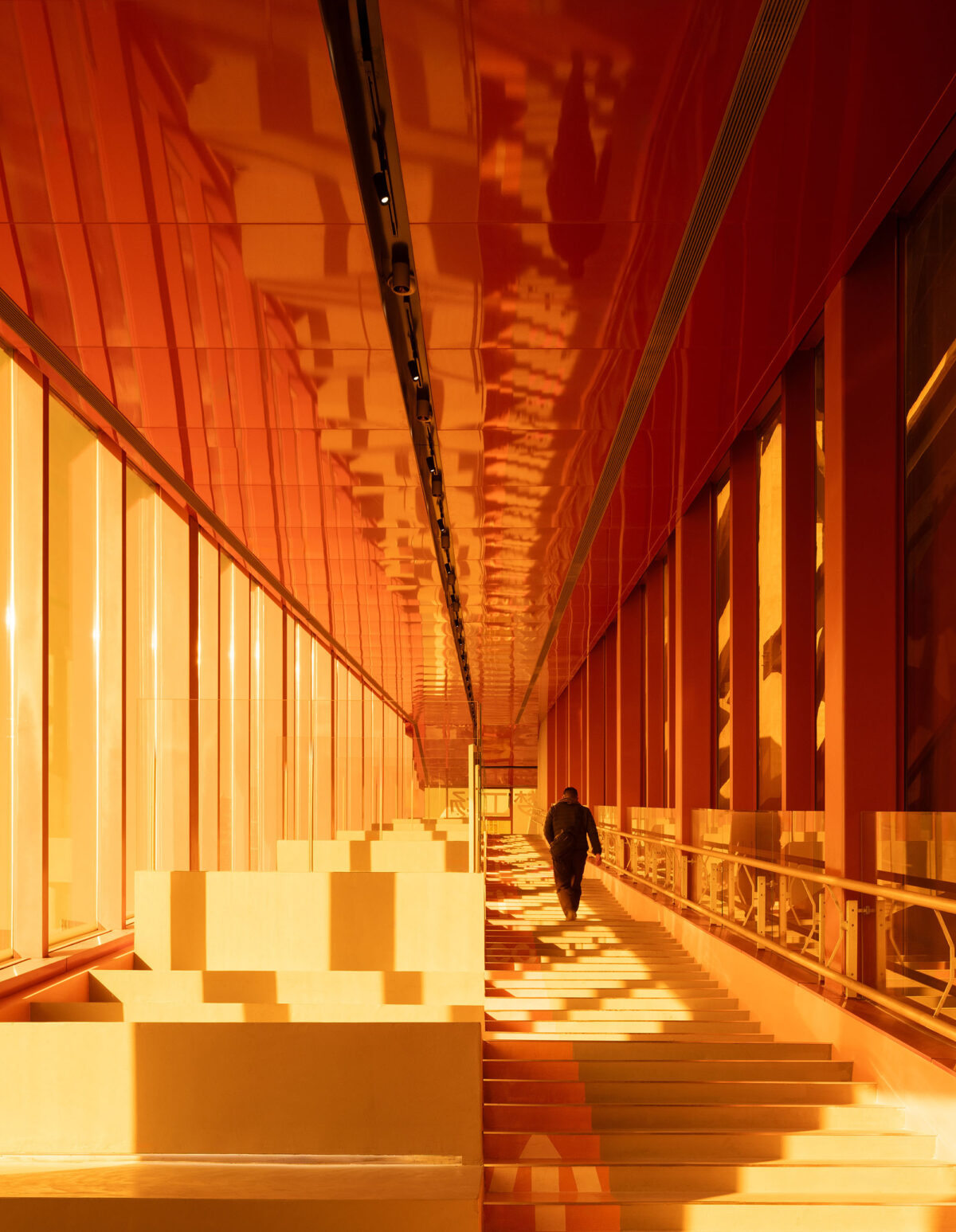
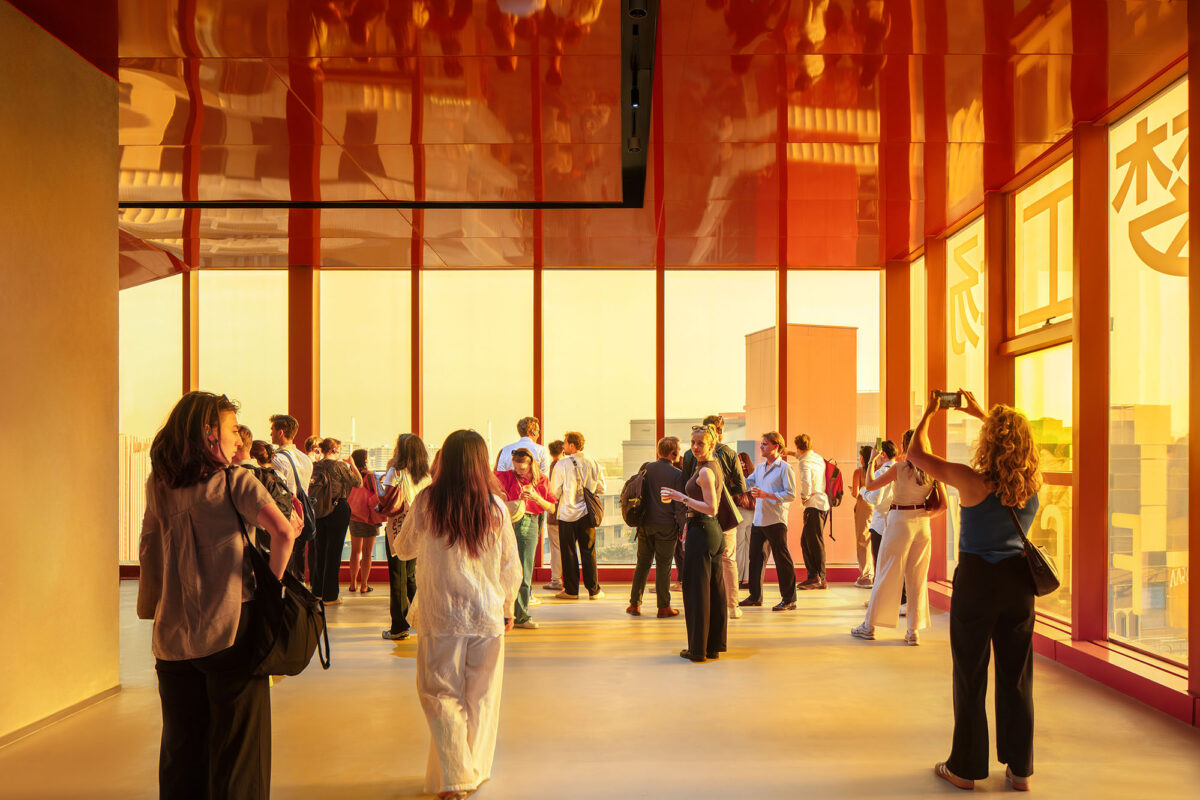
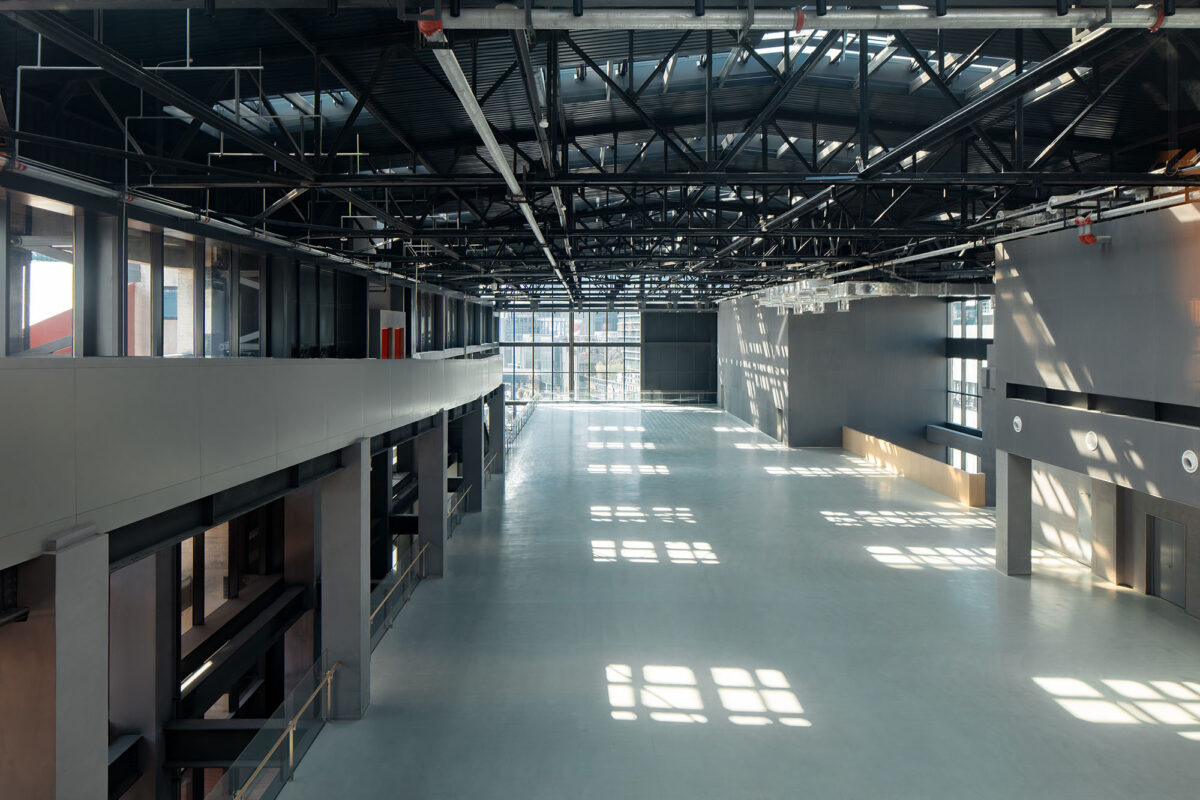
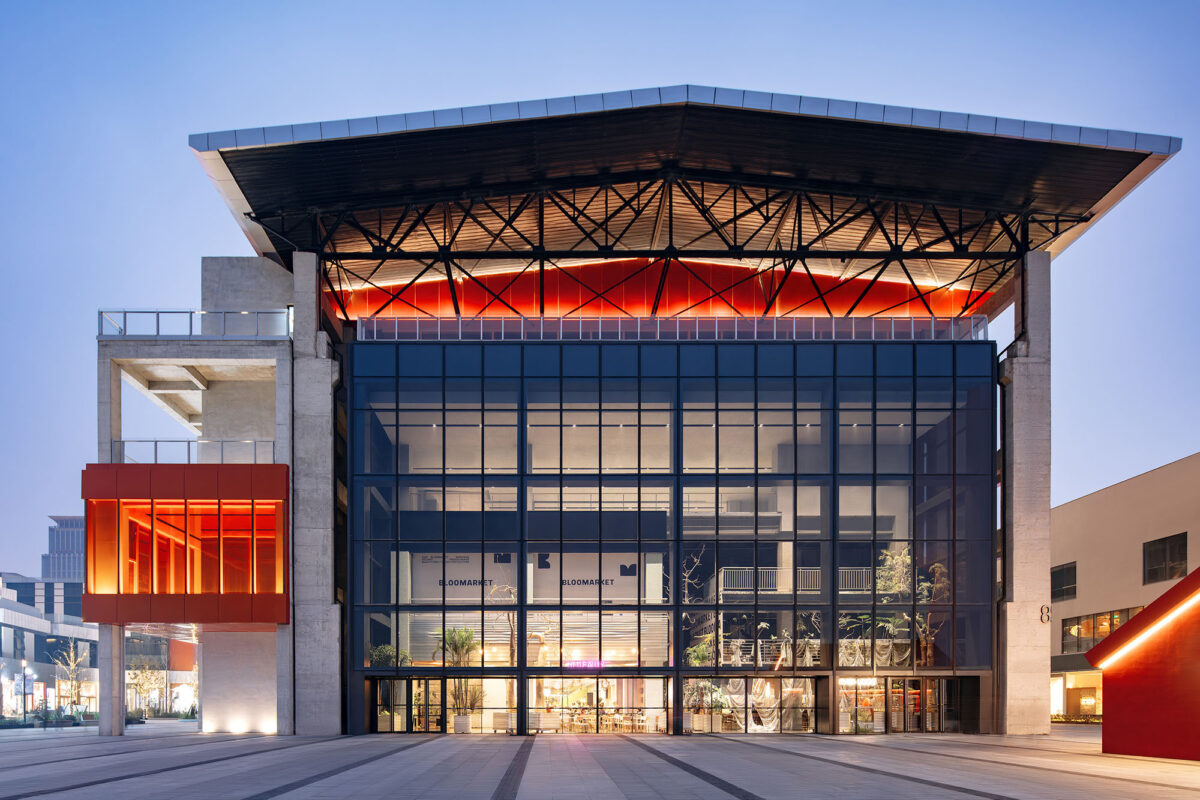
〈Mファクトリー〉の下層階には、食品市場と高級レストランを融合した「BLOOMARKET」が入り、かつてのコンベアベルトを再利用したオレンジ色の階段を上った上層階には、展示、会議、ファッションショー、舞台公演などに対応可能な、柱のない大空間が設けられている。
© Xia Zhi
© Sanqian Visual Image Art
© Xia Zhi
© Xia Zhi
また、巨大なサイロは内部を改修し、ロッククライミングセンターとして生まれ変わらせた。外壁に沿って設置されたオレンジ色のルートは、屋上の展望台や1階のバルコニーへの動線を形成している。
© Sanqian Visual Image Art
© Liu Guowei
© Xia Zhi
新旧建築の融合と公共空間の創出
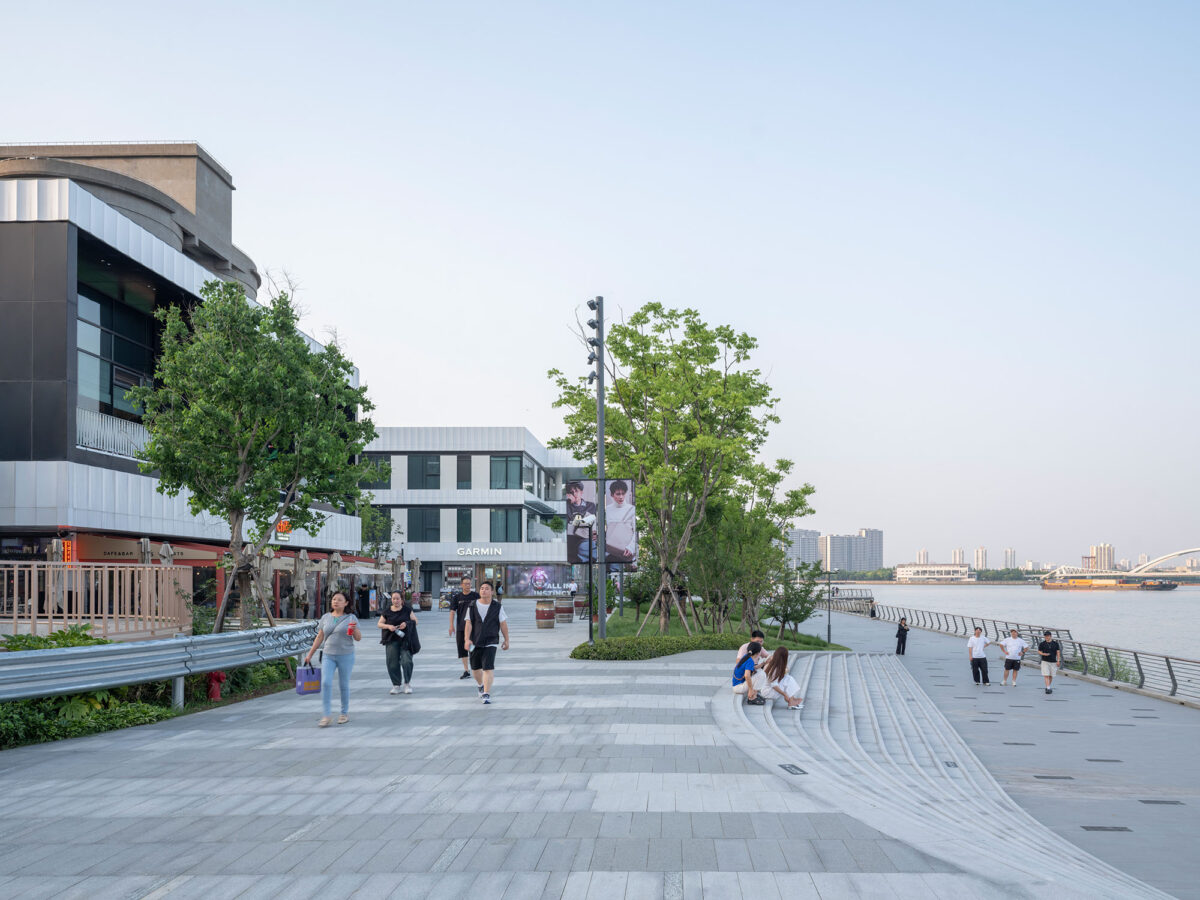
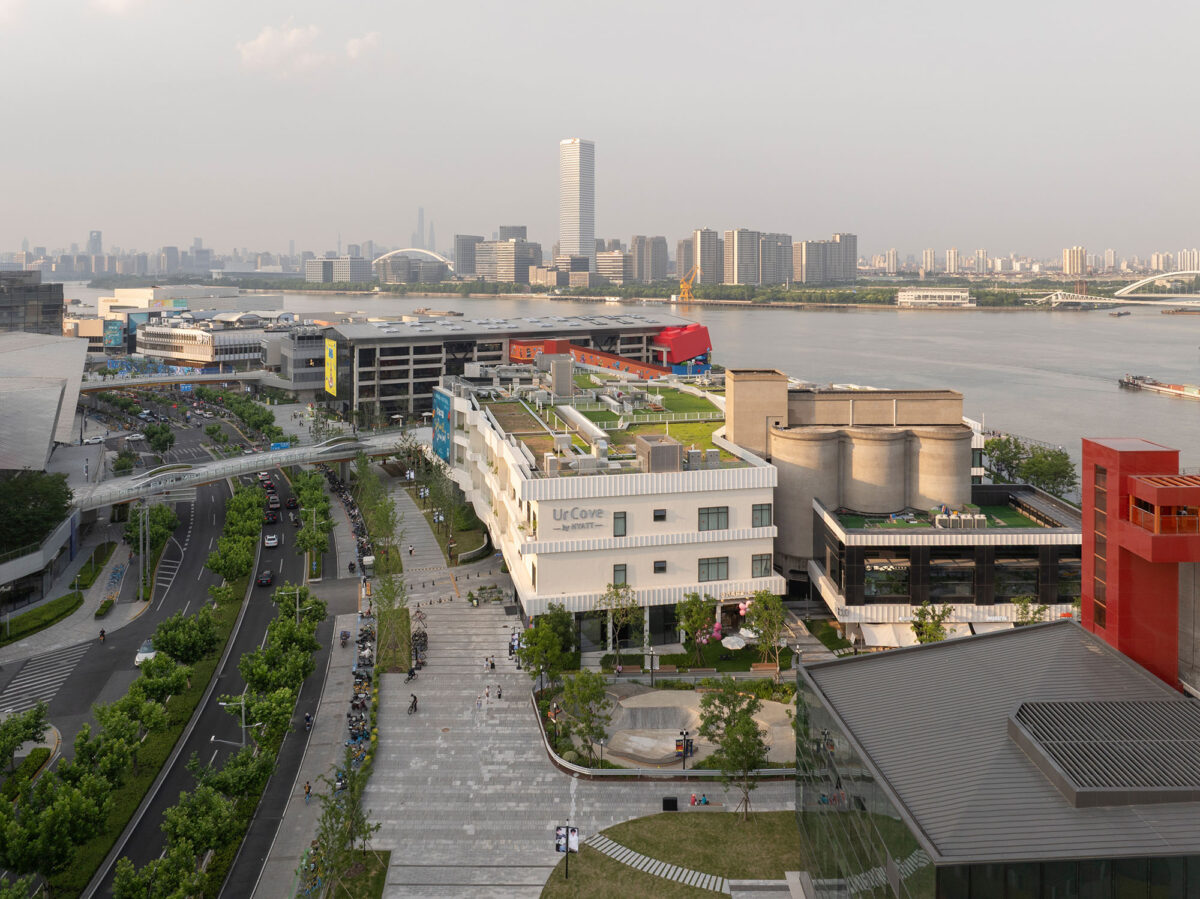
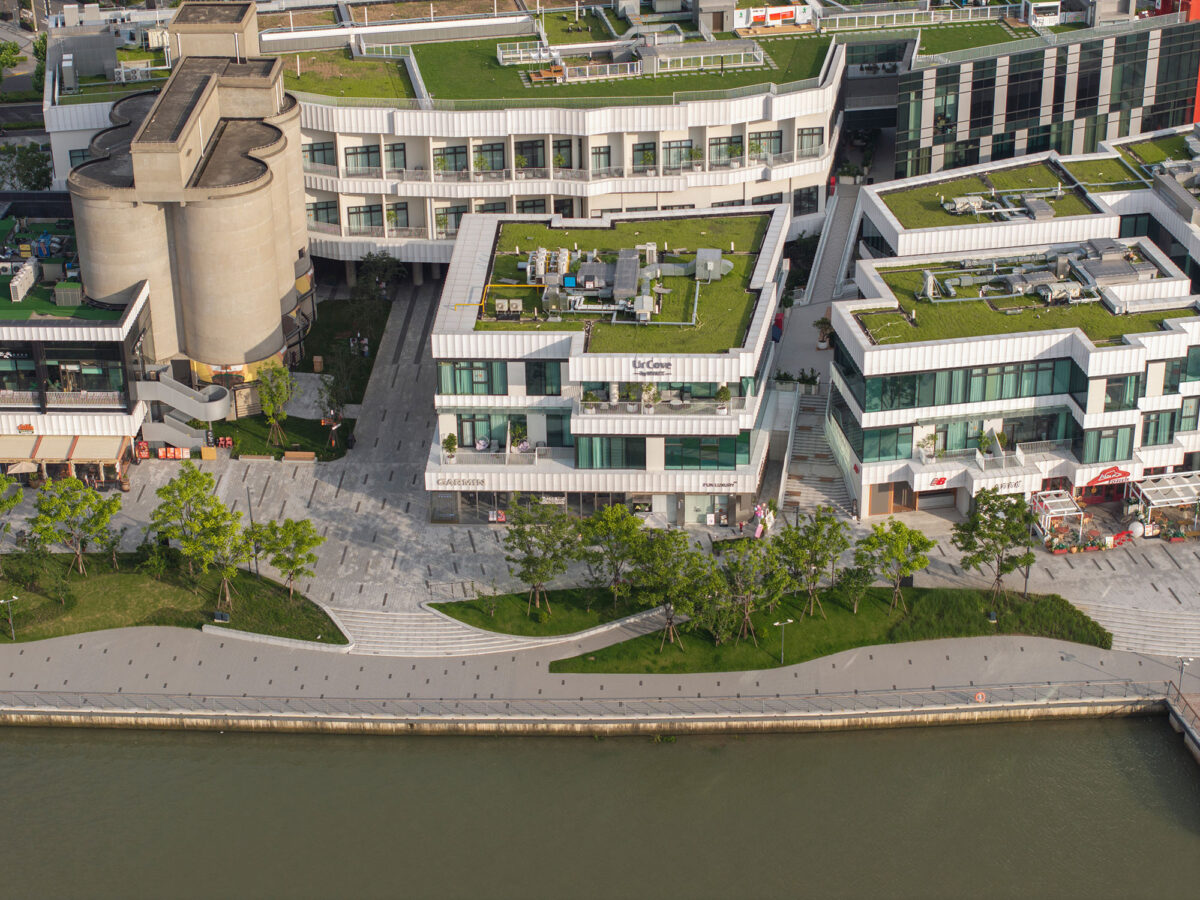
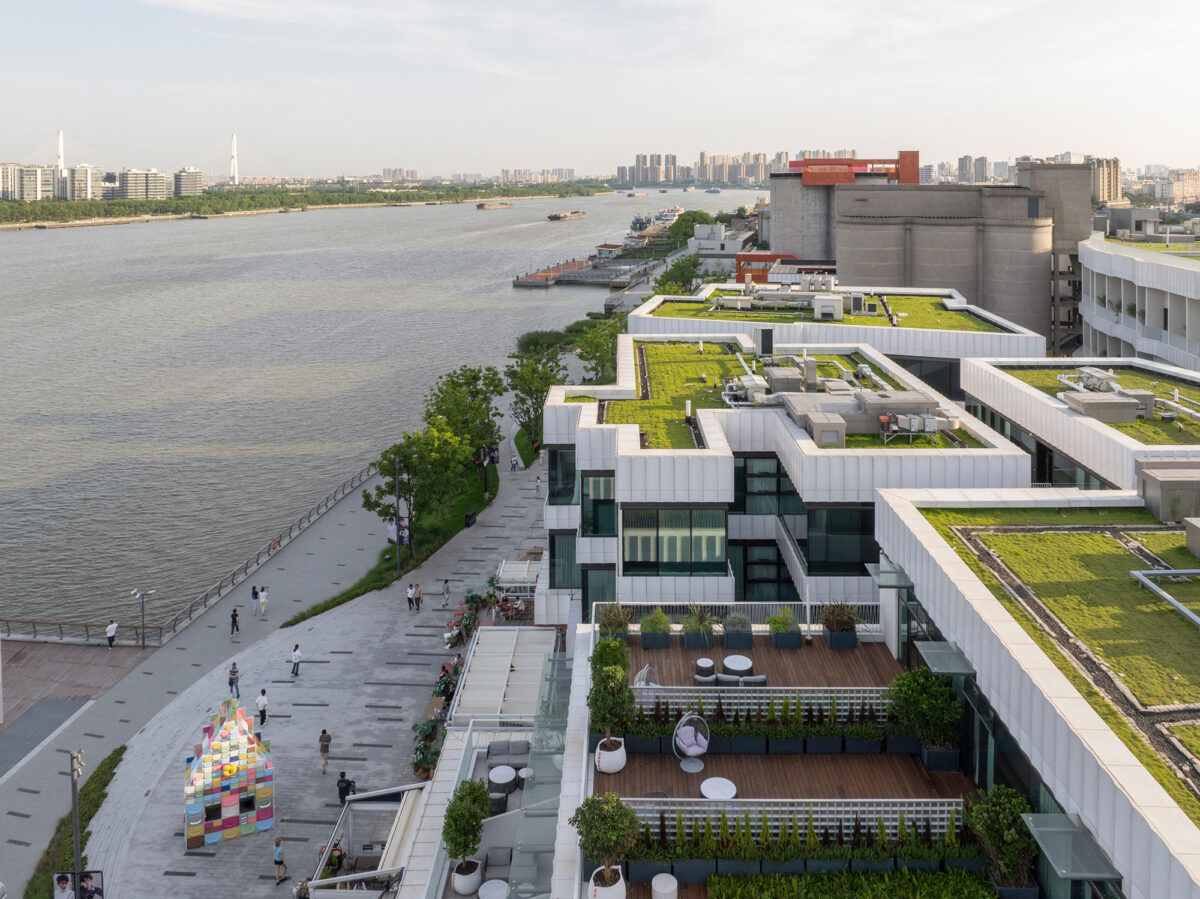
歴史的建築の周囲には、かつて未完成であった新しい建築物群が、ショップ、レストラン、ホテルとして完成されている。これらの建物は中立的なファサード、緑化屋根、屋外テラスを備えており、Field Operationsによるランドスケープデザインと相まって、水辺の立地を活かした快適な公共空間を形成している。
© Tian Fangfang
© Tian Fangfang
© Tian Fangfang
都市再生プロジェクトとしての評価と意義
〈GATE M ウェストバンド・ドリーム・センター〉は、黄浦江河岸の一角に活気ある公共空間を提供する最初の施設となり、すでに中国都市再生年次賞、上海優秀都市再生プロジェクト賞、IDEAT中国未来賞といった複数の都市再生賞を受賞している。
〈Mファクトリー〉の巨大なフレームは、イベントへの集客を促す視覚的ランドマークとして機能しており、「新たな建物を大量に建設することなく都市を再生できる」という姿勢を明確に示す事例となっている。
© Xia Zhi
© Xia Zhi
工業地帯の再活用という国際的潮流
本プロジェクトは、旧工業地帯が都市の拡大とともに新たな文脈へ適応する必要に迫られているという、国際的な都市計画上の潮流を象徴している。世界中の都市が、かつての工業施設を再利用し、孤立した産業エリアから活気ある地域へと変貌させようとしている。
MVRDVもまた、この潮流を先導する建築事務所の1つである。同社は現在、焼却施設や、杭(中国)およびマトジニョシュ(ポルトガル)の石油精製所の再生プロジェクトに取り組んでおり、エイマイデン(オランダ)近郊の製鉄工場に関するビジョンも提案している。
過去には、コンクリート工場を文化・教育施設に転換した〈Rockmagneten〉のマスタープランも手がけている。これらの事例は、創造的な再利用が都市環境と地域社会の双方に価値をもたらすことを証明している。
© Sanqian Visual Image Art
© Xia Zhi
© Sanqian Visual Image Art
M Factory – Site plan
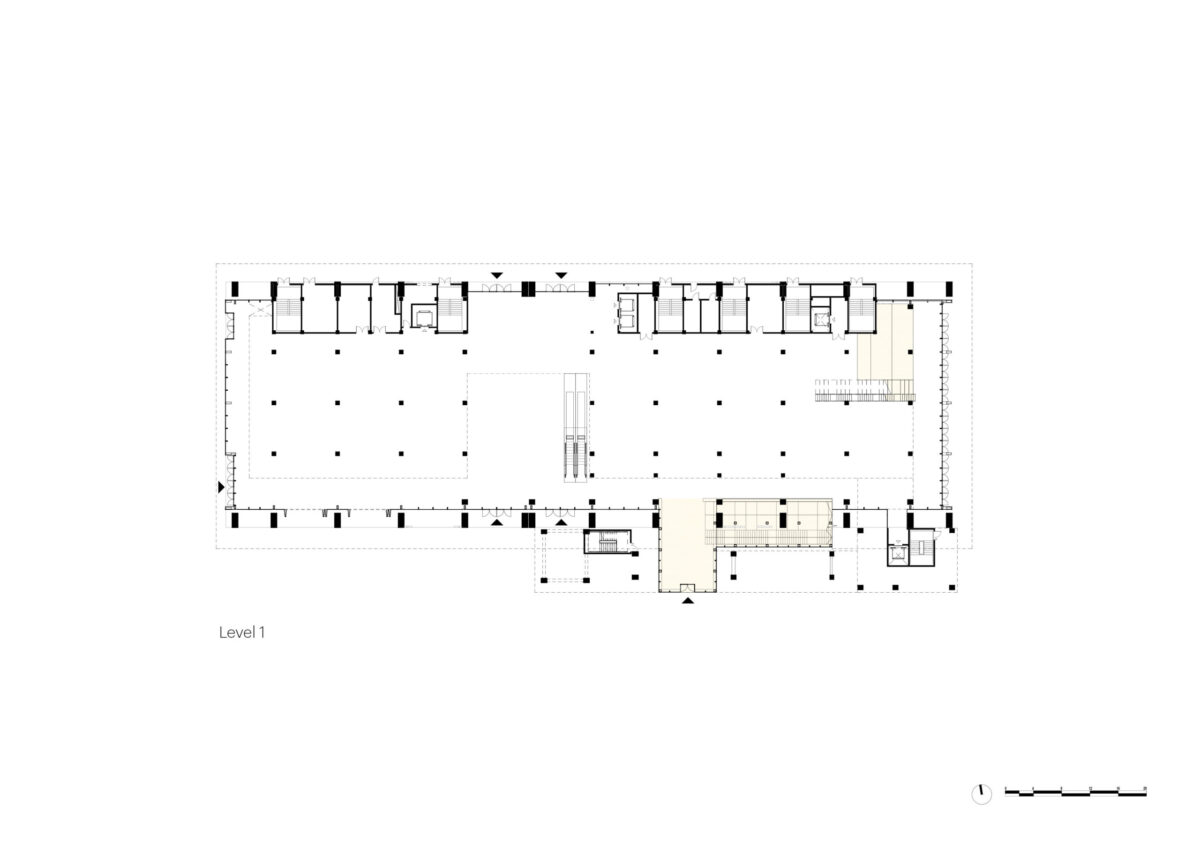
M Factory – Floorplan level 1
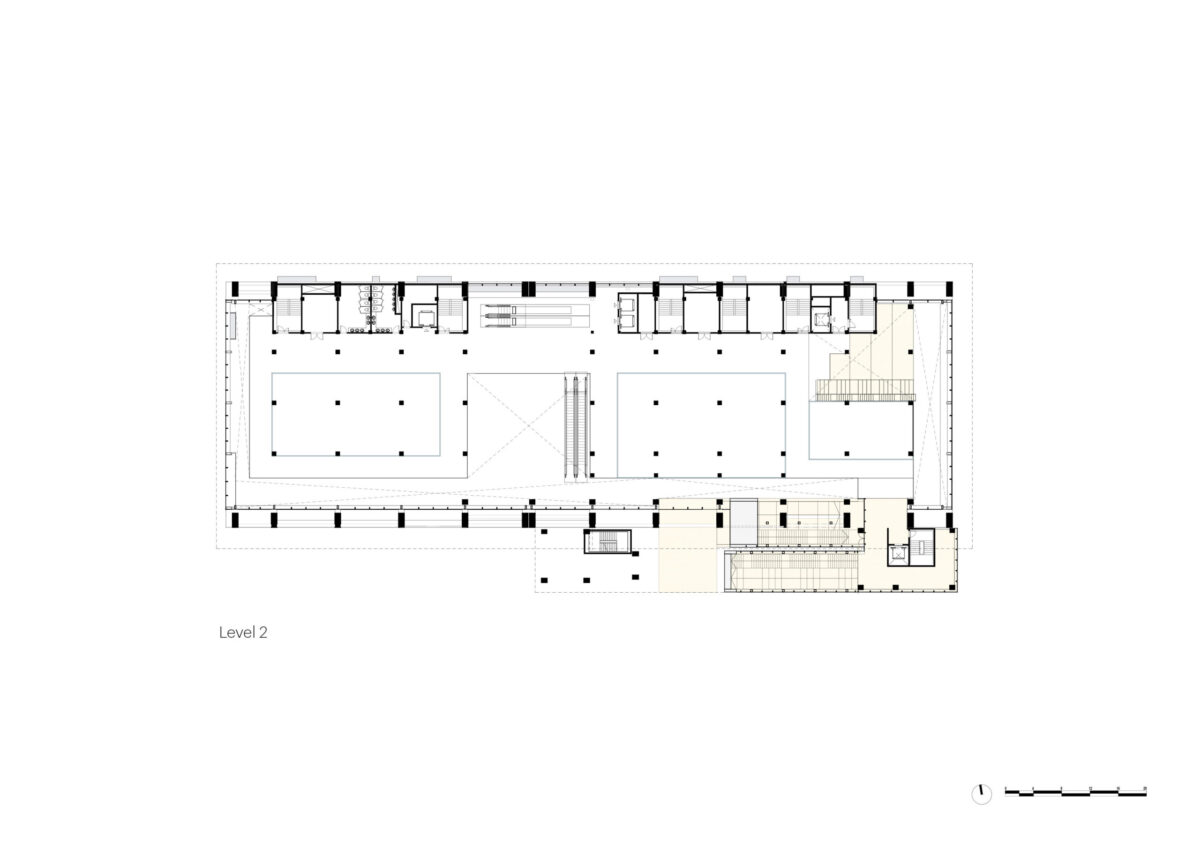
M Factory – Floorplan level 2
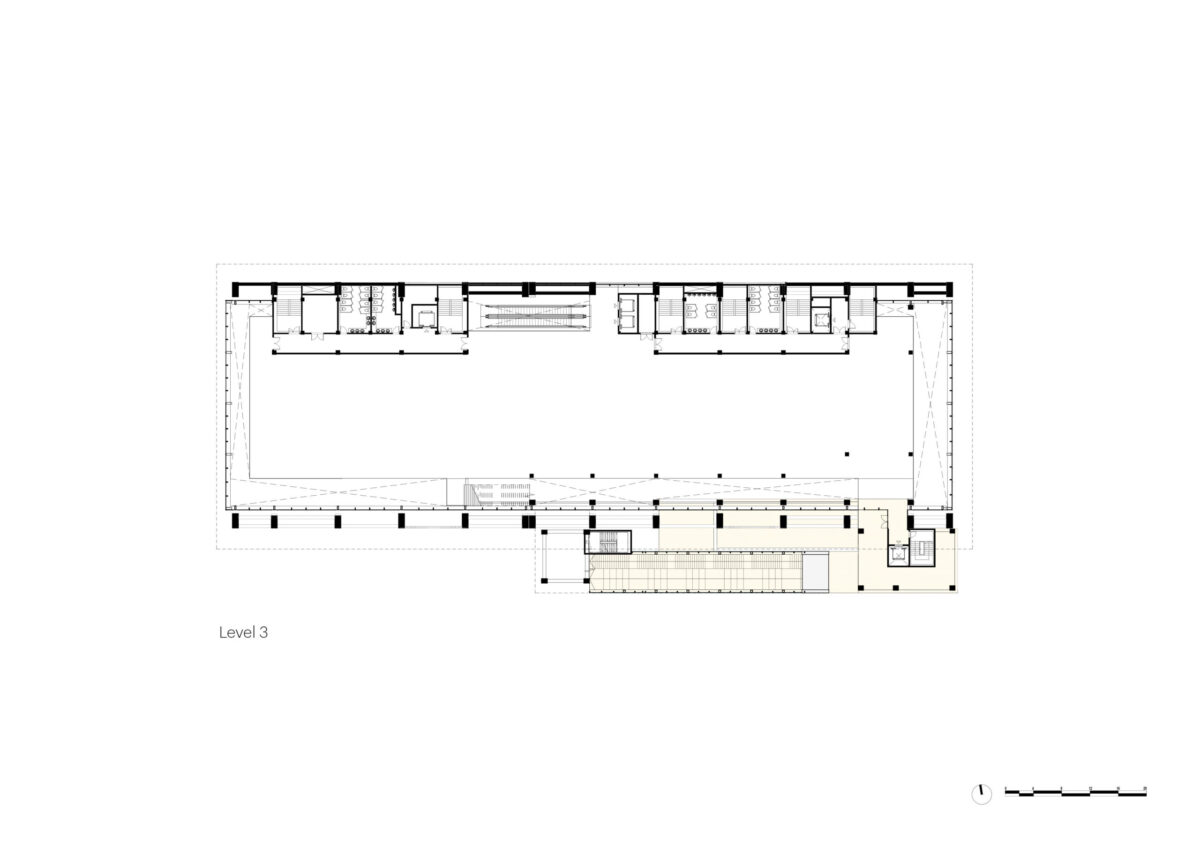
M Factory – Floorplan level 3
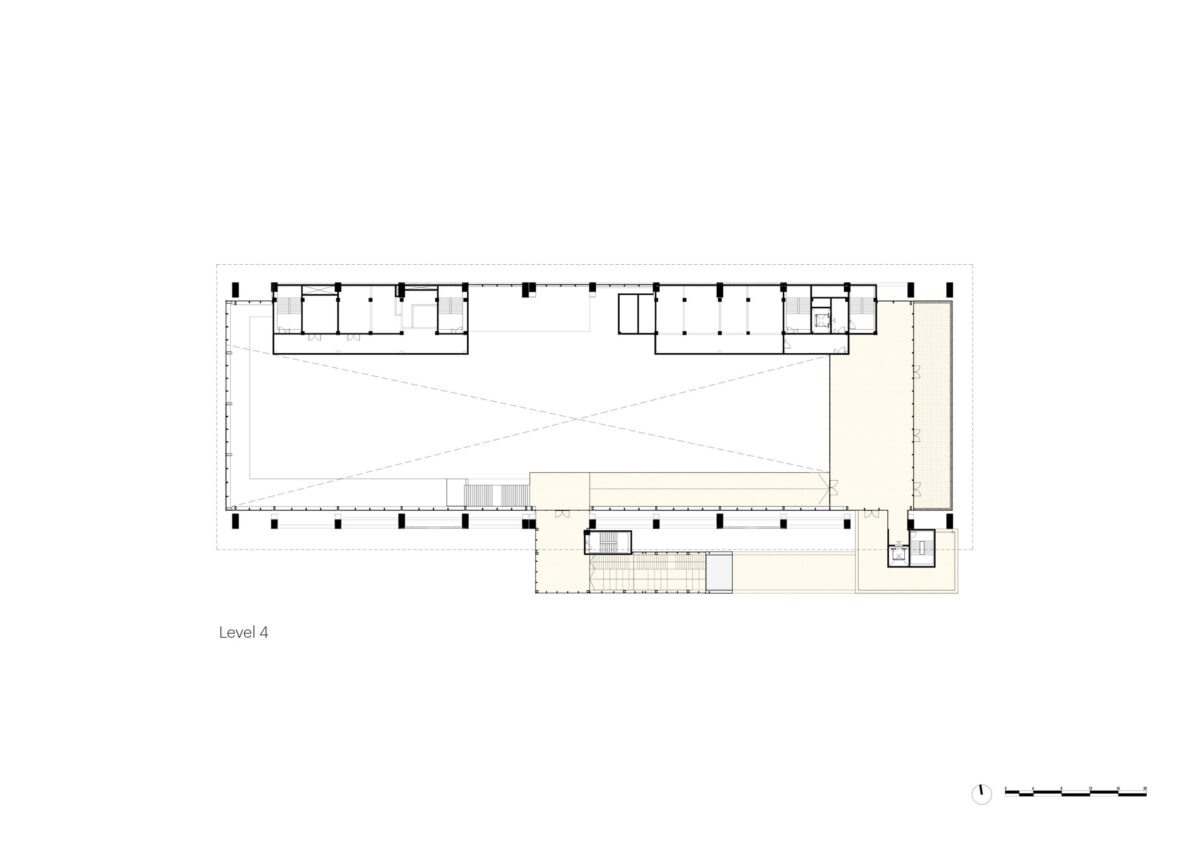
M Factory – Floorplan level 4
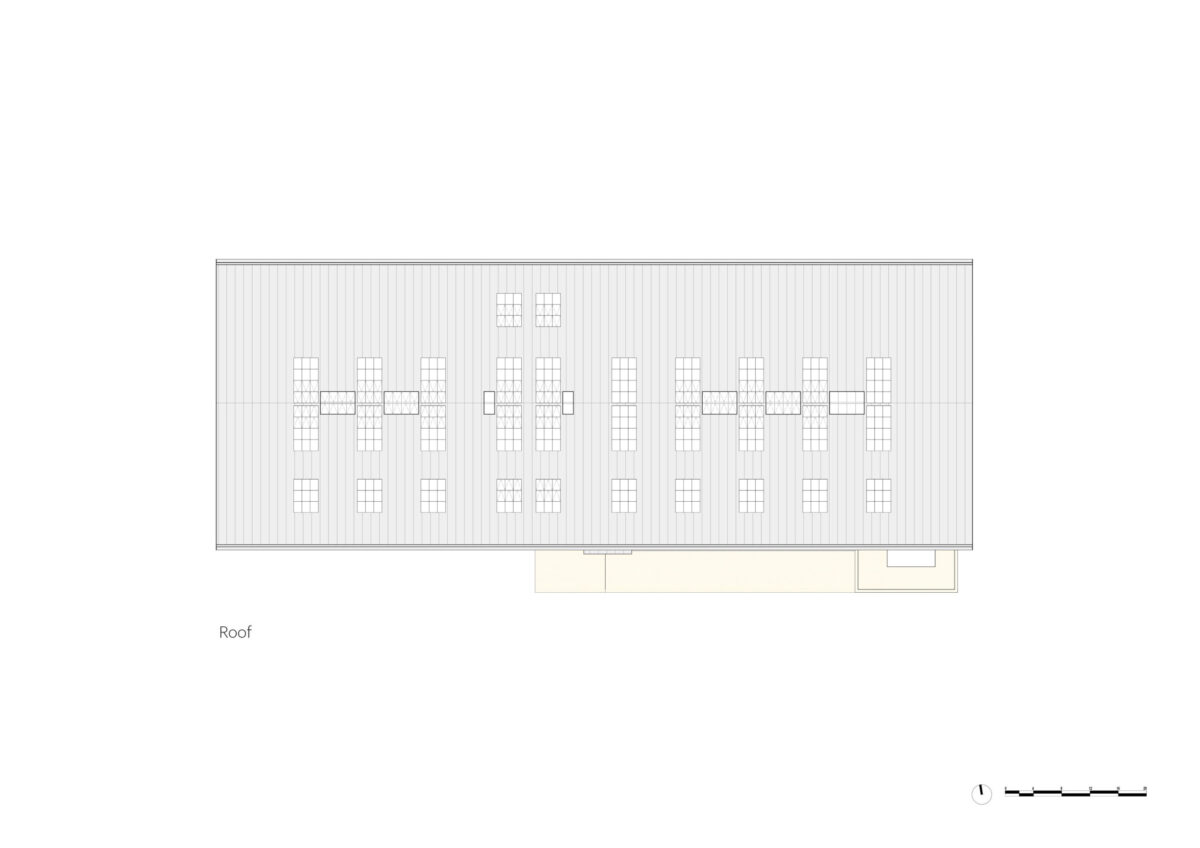
M Factory – Floorplan roof
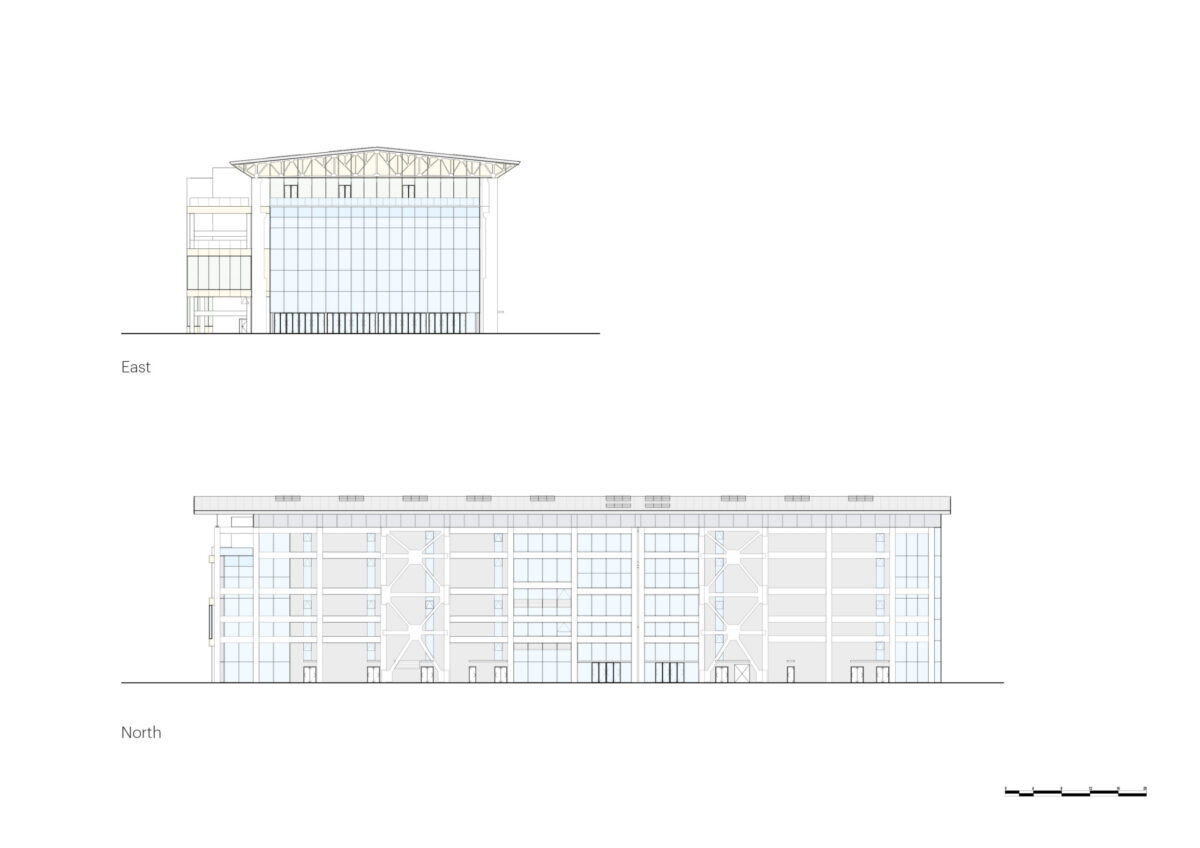
M Factory – Elevations east + north
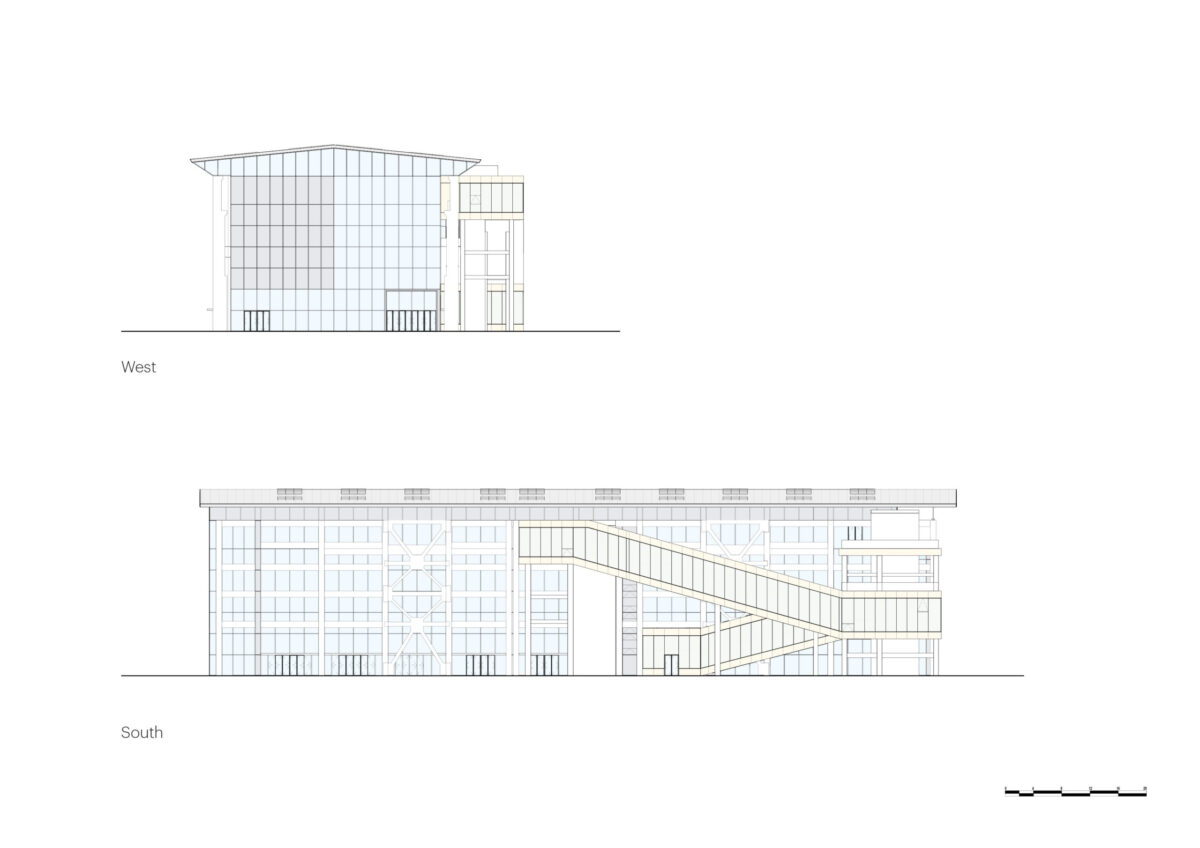
M Factory – Elevations west + south
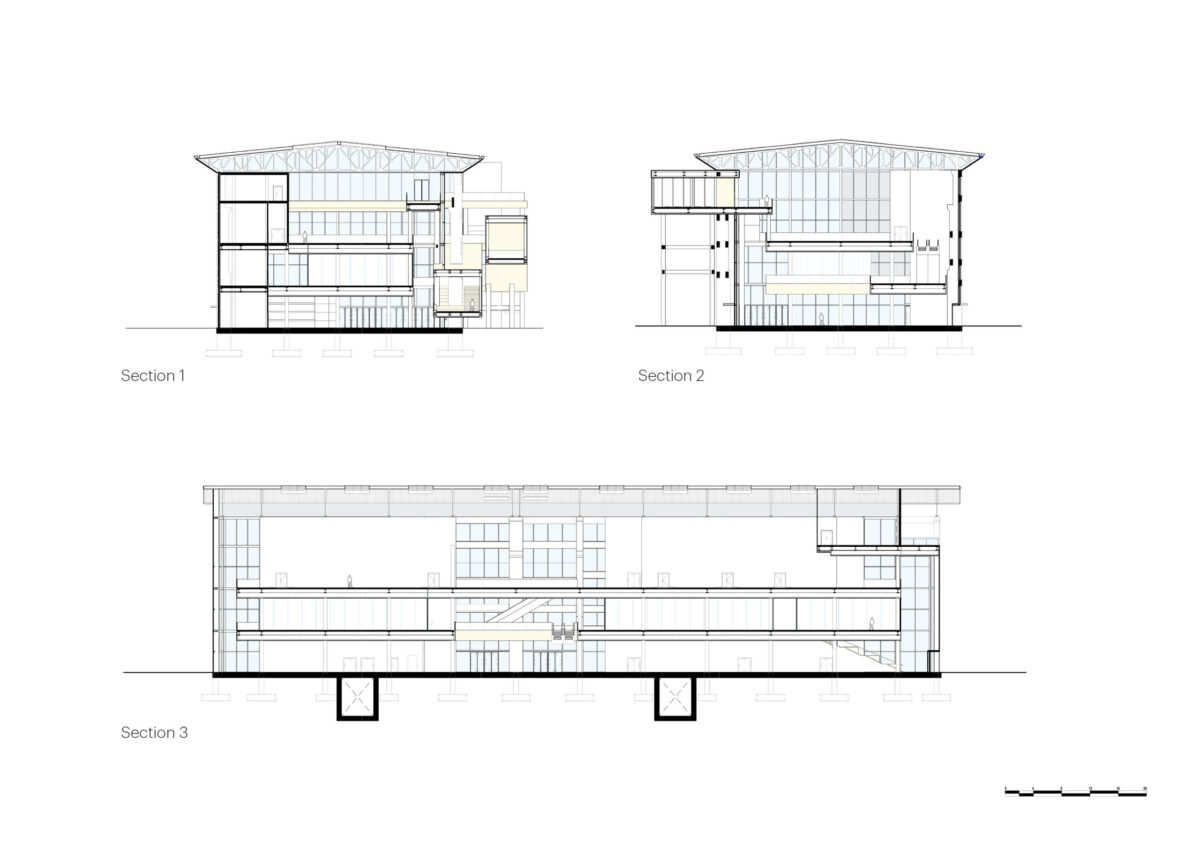
M Factory – Sections
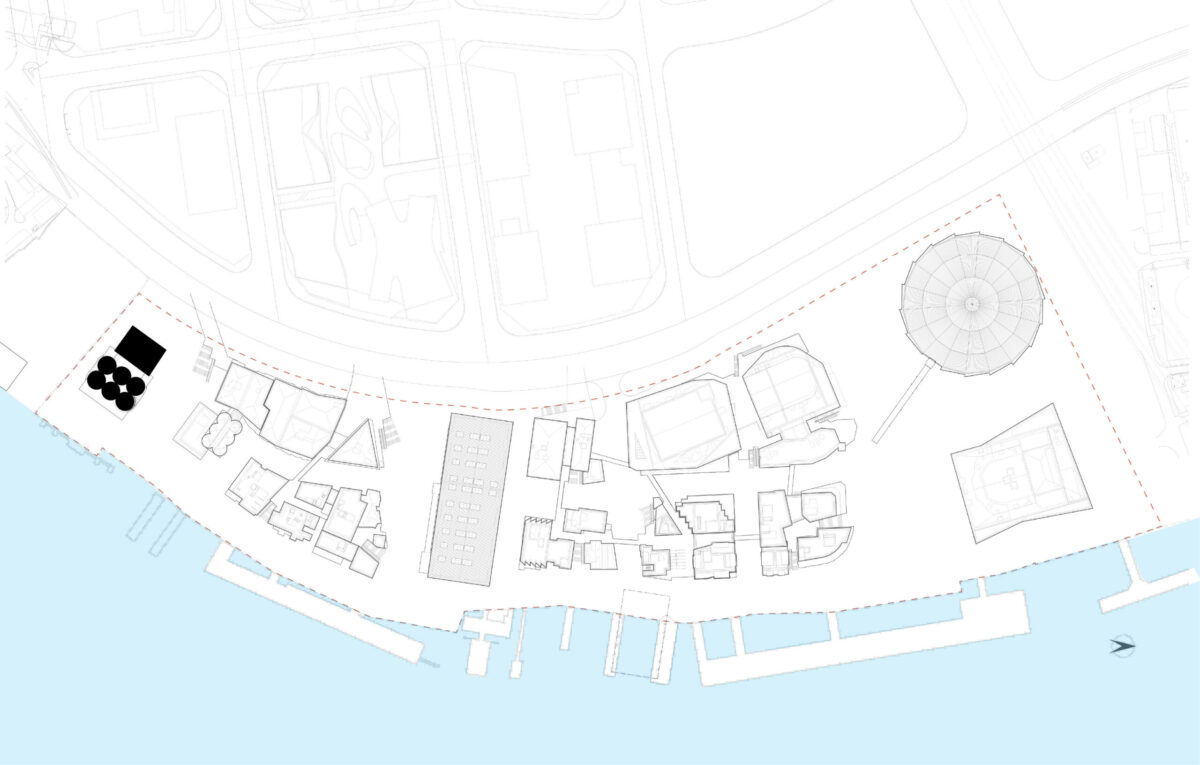
Silo – Site plan
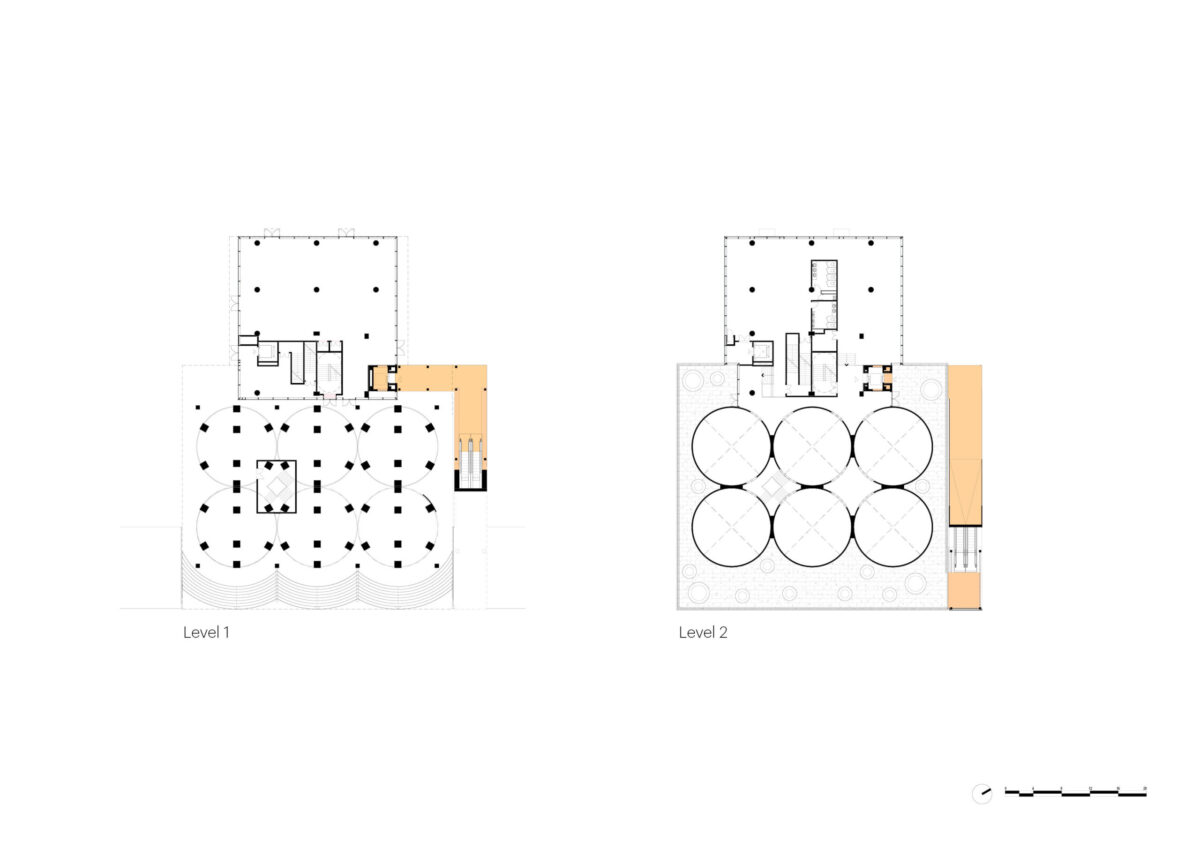
Silo – Floorplan level 1 +2
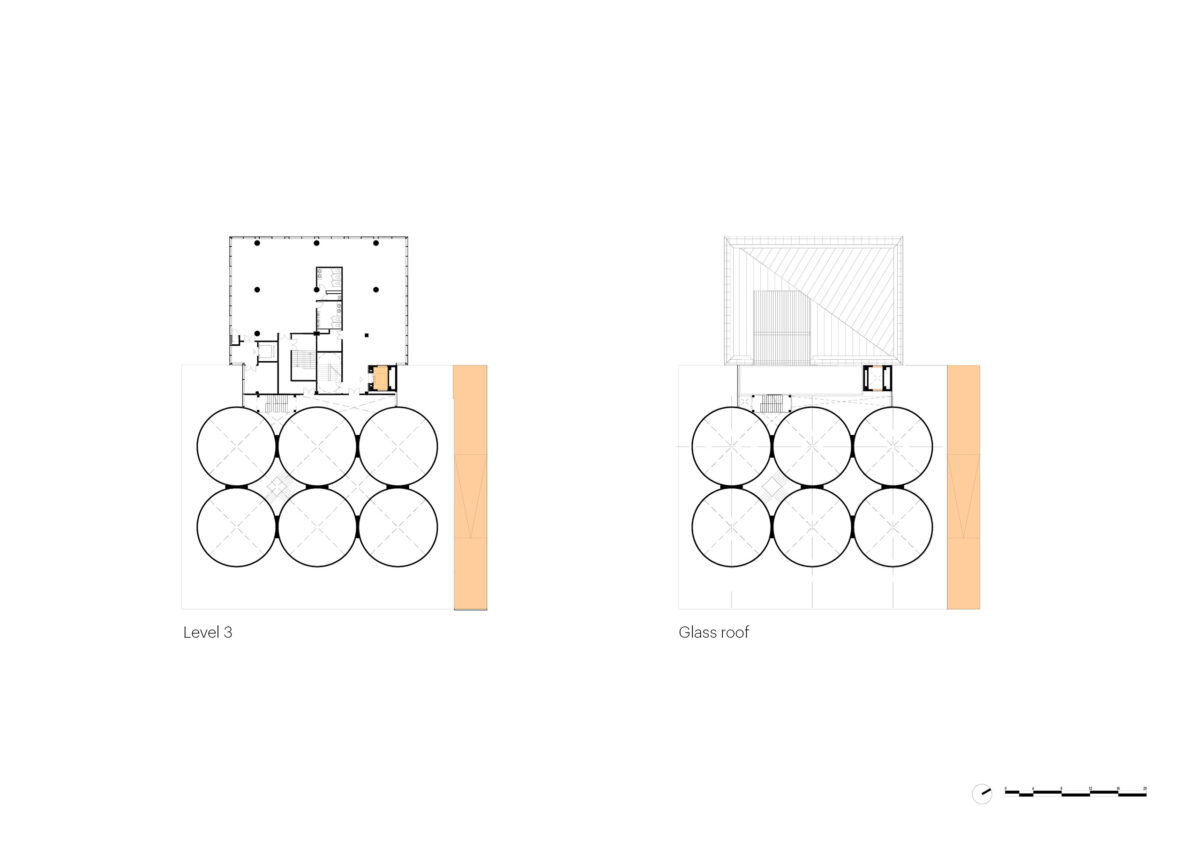
Silo – Floorplan level 3 +glass roof
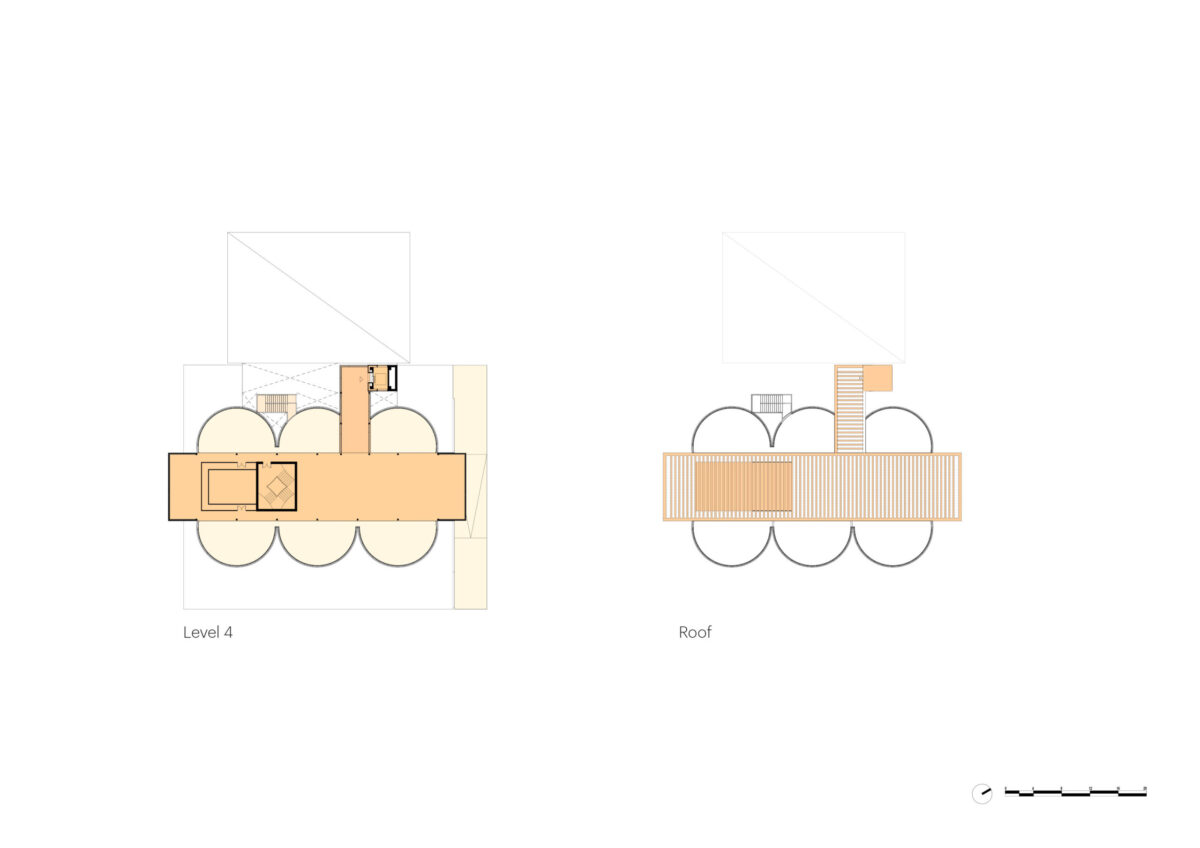
Silo – Floorplan level 4 + roof
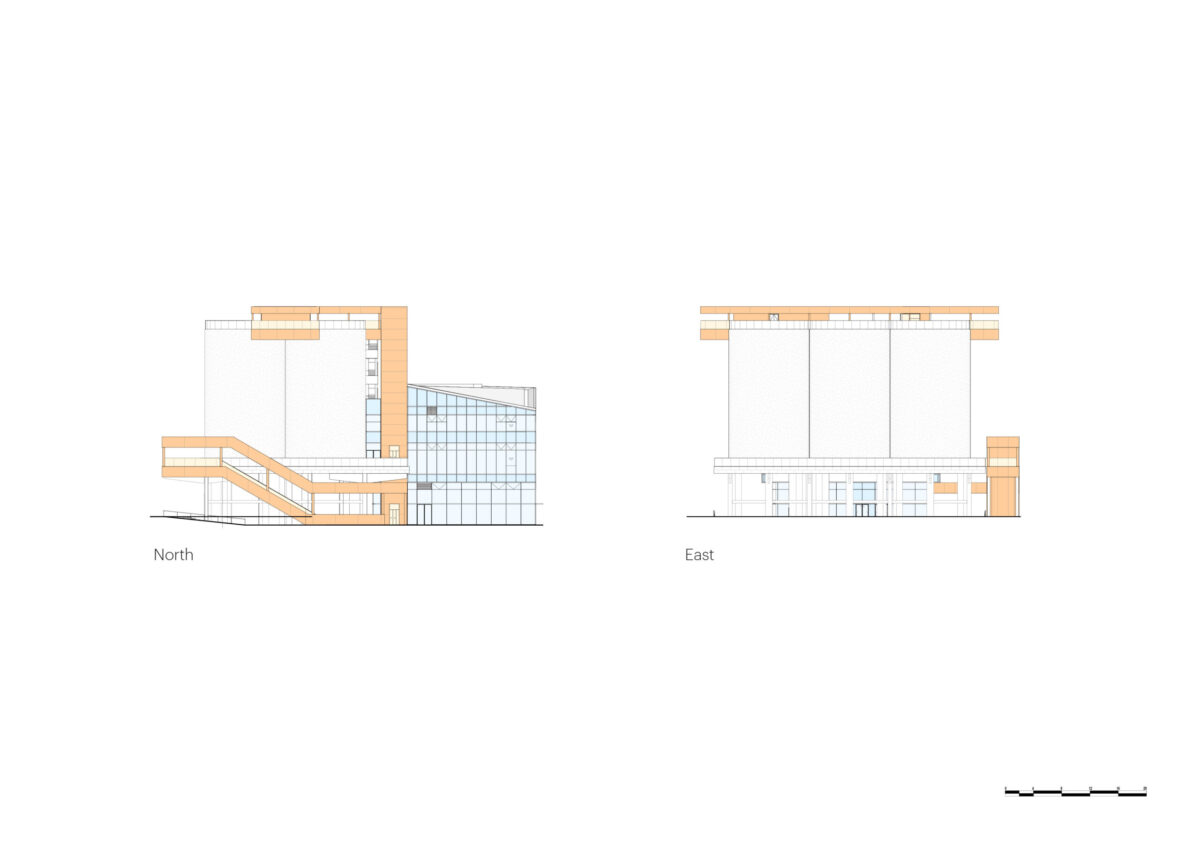
Silo – Elevations north + east
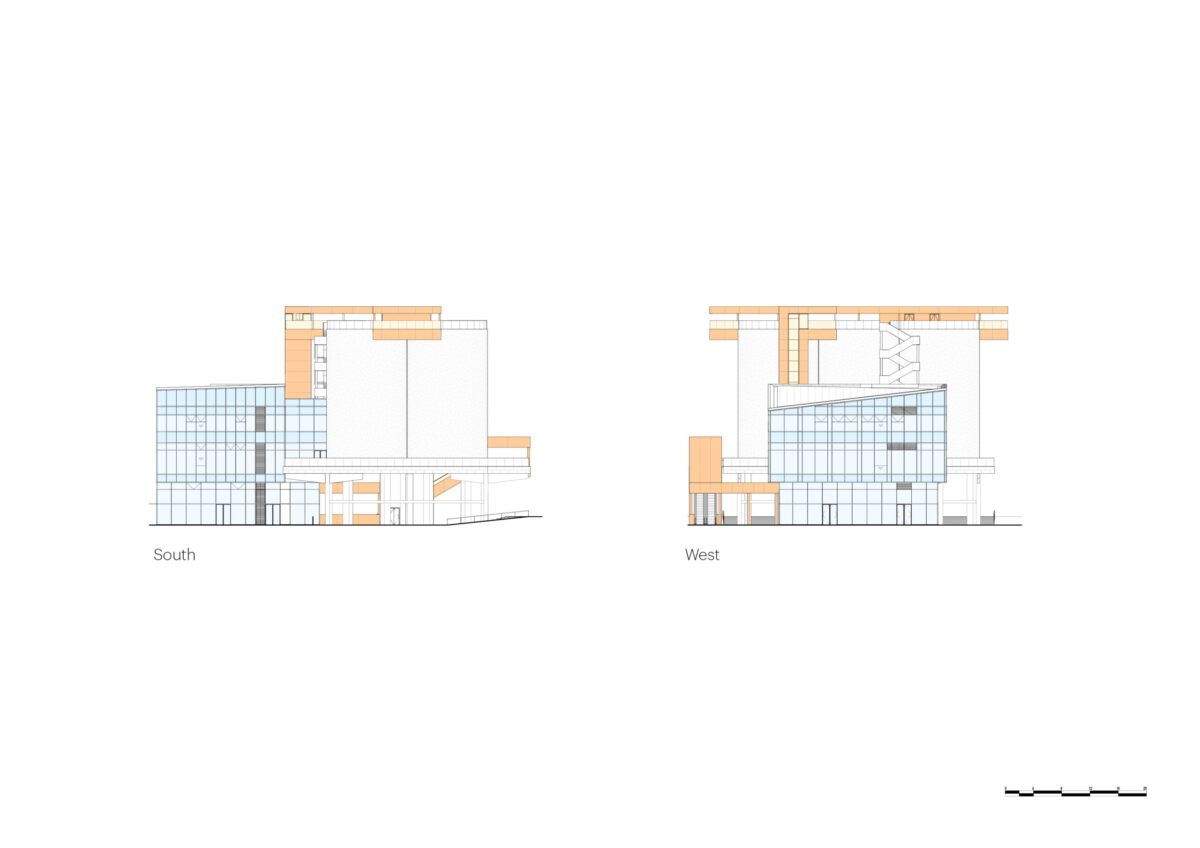
Silo – Elevations south + west
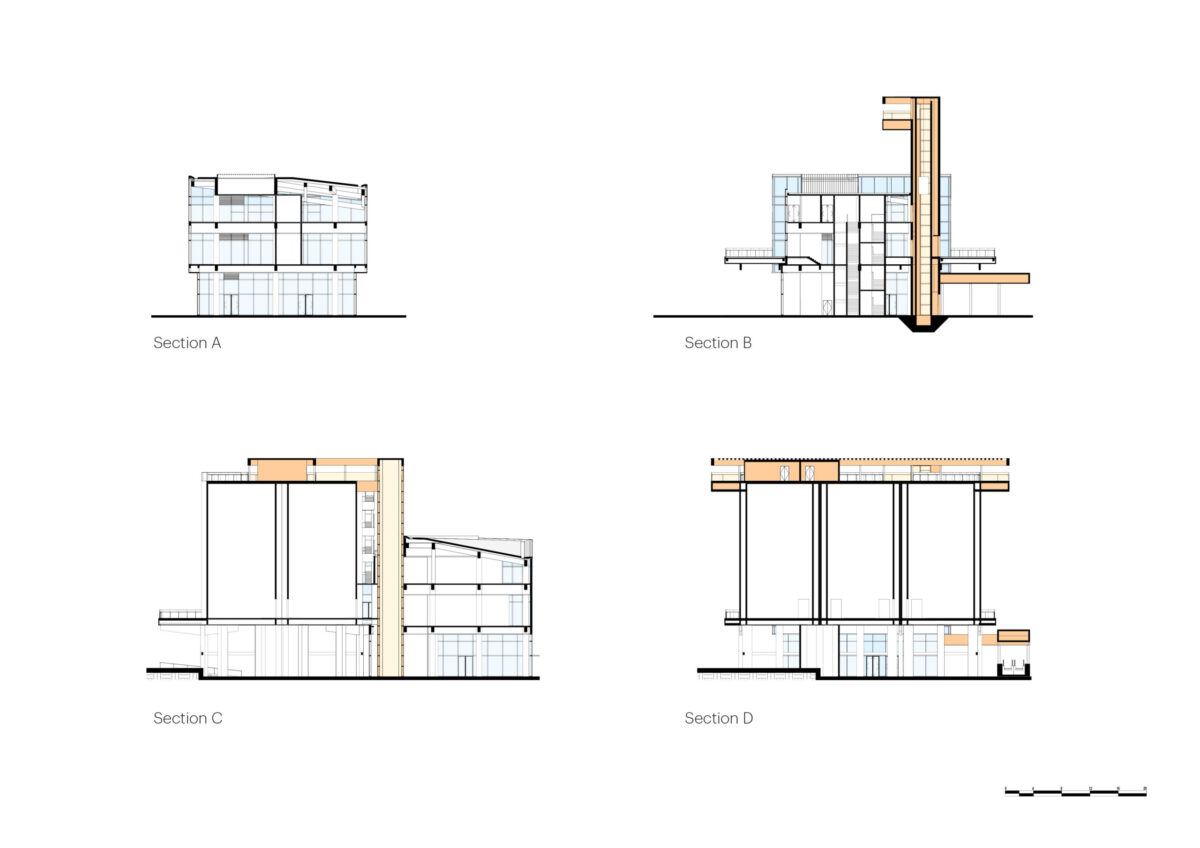
Silo – Sections
以下、MVRDVのリリース(英文)です。
MVRDV transforms former industrial site on Shanghai’s West Bund into lively leisure and culture zone
MVRDV has completed the GATE M West Bund Dream Center, transforming a former cement factory into a culture and leisure district that adds to Shanghai’s expanding string of West Bund cultural projects. The design makes a cohesive urban space out of a collection of buildings from different time periods, reusing the existing structures to minimise carbon emissions, and introducing an unmistakable identity with its bright orange circulation elements. Offering possibilities for shopping, eating, drinking, skateboarding, rock climbing, and visiting exhibitions and events – or simply relaxing by the riverside – the area has already become an award-winning and popular destination for Shanghai residents and visitors alike.
The site of the GATE M Dream Center was once home to the Shanghai Cement Factory, at one time the largest cement factory in Asia. The 2010 Shanghai Expo provided the catalyst for the city to relocate the factory, along with other industrial functions in this part of the city, and to make the banks of the Huangpu River accessible to the city’s residents. Before MVRDV’s transformation, the site was home to two very different sets of buildings: a handful of large industrial structures provided reminders of the area’s history, while the in-between spaces hosted unfinished constructions from a prior development attempt that never came to fruition.
MVRDV designed the masterplan for the entire Dream Center site, and also created the architectural designs for the southern half of the site, including the centrepiece, the M Factory. The commercial buildings in the northern part of the site were elaborated by Atelier Deshaus, while Schmidt Hammer Lassen designed the West Bund Dome Art Centre, and the new Shanghai West Bund Theatre at the site’s northern end.
In their design, MVRDV opted to work with all of these elements of the site’s history, minimising the carbon emissions and waste materials associated with demolishing and rebuilding the structures.
“It was clear from the start that there was a lot of value leftover in the buildings that were already there – we didn’t want to demolish things just because it might be simpler, because that means more carbon, more waste”, says MVRDV founding partner Jacob van Rijs. “Our challenge was to bring these pieces together and make them work as a single area, because they were an awkward pairing. We turned the newer buildings into the backdrop, so that the industrial behemoths could be the exclamation points, with exciting functions that capitalise on their special structural features.”
The remaining industrial silos and factory buildings form the focal points of the new zone. These raw, monumental concrete structures bring a clear sense of history and identity, made more striking by the addition of bright orange staircases and elevator shafts to their exteriors. On its lower floor, the massive M Factory building hosts BLOOMARKET, which combines a food market and a fine dining experience, while the upper floor – accessible via an orange staircase created from what was once a conveyor belt – hosts a large, column-free cultural space that can be used for anything from exhibitions and conferences to fashion shows and stage performances. Meanwhile, the large silo building has been converted internally to become a centre for rockclimbing, with orange routes on the exterior that invite people to viewing platforms on the roof and a first-floor balcony.
Around these enigmatic industrial buildings, the more recent unfinished structures have been completed as shops, restaurants, and hotels, with neutral façades, green roofs, and outdoor terraces. They define a public space that capitalises on its waterfront location, with a landscape design by Field Operations.
Providing an active and exciting public space on this part of the riverbank for the first time, the GATE M Dream Center has already proven a popular destination, and the huge frame of the M Factory has served as an ideal billboard for attracting people to the events taking place inside. The success of this transformation has already helped propel the project to award wins in the China Urban Renewal Annual Award, the Shanghai Excellent Urban Regeneration Projects Awards, and the IDEAT China Future Awards – clearly demonstrating that to emphatically renew our cities, we may not need to build many new structures at all.
The GATE M Dream Center is an example of a broader global trend in which former industrial sites are absorbed by the expansion of cities and must adapt to their new urban contexts. Around the world, growing cities are rethinking how industrial structures can be transformed to serve new purposes and become better neighbours as they shift from isolated industrial estates to thriving neighbourhoods. MVRDV’s portfolio reflects this development: the firm is currently working on transformations of an incinerator, of oil refineries in Hangzhou and Matosinhos, and has proposed a vision for a steel factory near IJmuiden. Past projects include the Rockmagneten masterplan, which turned a concrete factory into a cultural and educational campus including the Roskilde Festival Højskole and the Ragnarock museum of pop, rock, and youth culture. Each of these projects demonstrates the value that creative reuse can bring to both the urban environment and the communities around it.
Facts
Project Name: Shanghai Gate M West Bund Dream Center
Location: Shanghai, China
Year: 2021–2025
Client: Hua Zhi Men Capital
Size and Programme: 45,000 m² Retail, Cultural, HospitalityCredits
Architect: MVRDV
Founding Partner in charge: Jacob van Rijs
Partner: Wenchian Shi
Design Team: Kyo Suk Lee, Peter Chang, Sredej Bunnag, Luca Xu, Shanshan Wu, Yunxi Guo, Albert Parfonov, Amanda Galiana Ortega, Americo Iannazzone, Dorota Kaczmarek, Echo Zhai, Edvan Ardianto, Haocheng Yang, Jiameng Li, Jiani You, Kevin Zhao, Kristina Knauf, Meng Yang, Ming Kong, Martin Chen, Sen Yang, Shushen Zhang, Siyi Pan, Steven Smit, Tanja Dubbelaar, Xiaoliang Yu, Yayun Liu, Yihong Chen, Evan O’Sullivan, Peilu Chen Visualisations: Antonio Luca Coco, Jaroslaw Jeda, Luca Piattelli, Marco Fabri, Stefania Trozzi
Director MVRDV Shanghai: Peter Chang
Copyright: MVRDV Winy Maas, Jacob van Rijs, Nathalie de VriesPartners:
Co-architect: AISA
Landscape architect: Field Operations
Structural: engineer: ARUP, AISA
Façade: consultant: RFR
Interior architect: CL3, Xu Studio
Lighting design: RDI
Photography: Xia Zhi, Liu Guowei, Tian Fangfang, Sanqian Visual Image Art
MVRDV 公式サイト
https://www.mvrdv.com/projects/847/gate-m-west-bund-dream-center
【購読無料】空間デザインの今がわかるメールマガジン TECTURE NEWS LETTER
RECOMMENDED ARTICLE
![[大阪・関西万博]シグネチャーパビリオン紹介_小山薫堂氏](https://magazine-asset.tecture.jp/wpcms/wp-content/uploads/2025/04/11185520/rR0050228-900x596.jpg)