CULTURE
© Iwan Baan
妹島和世と西沢立衛による建築家ユニットSANAAが台湾・台中市に設計した〈台中緑美図(Taichung Green Museumbrary)〉がオープンしました。
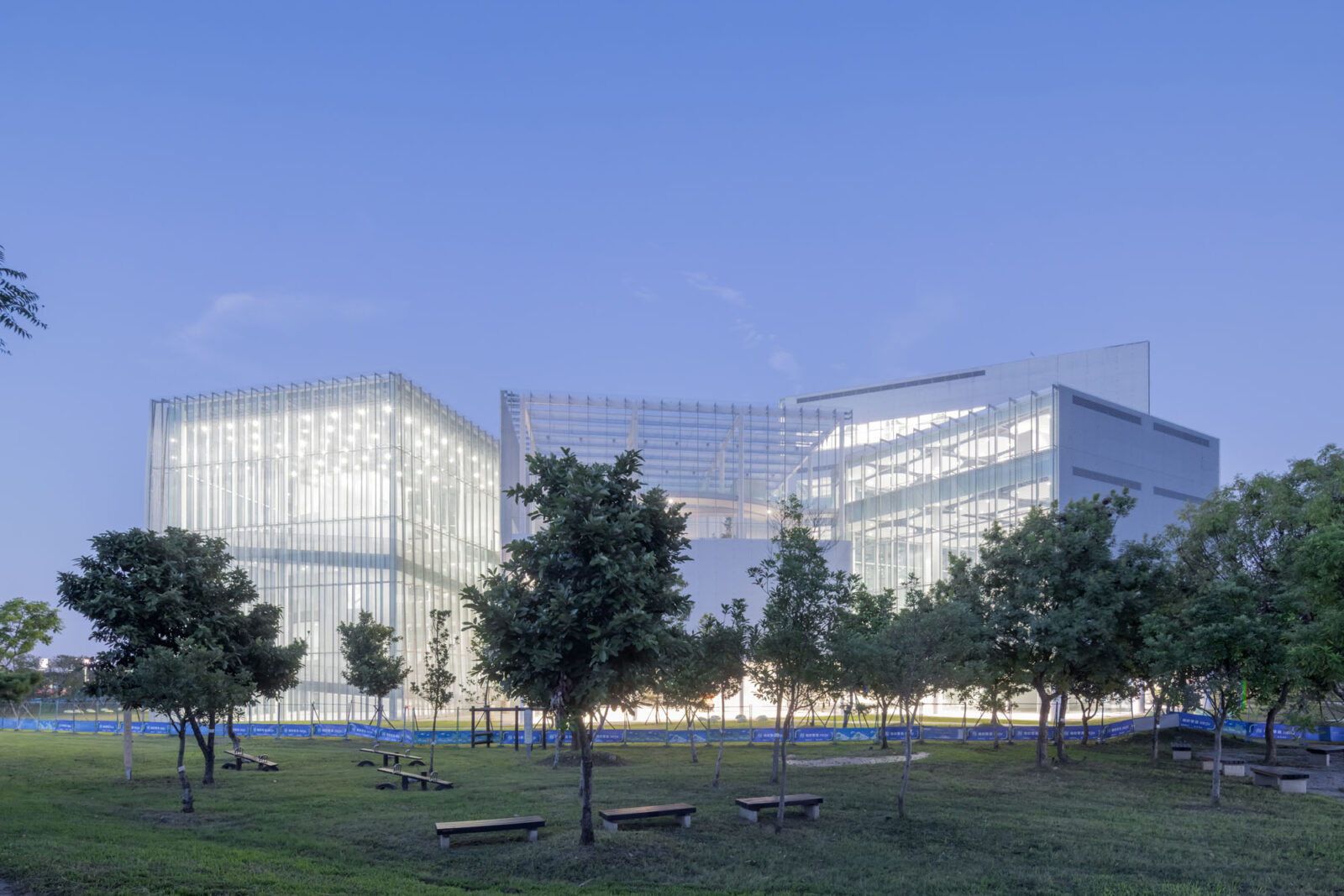
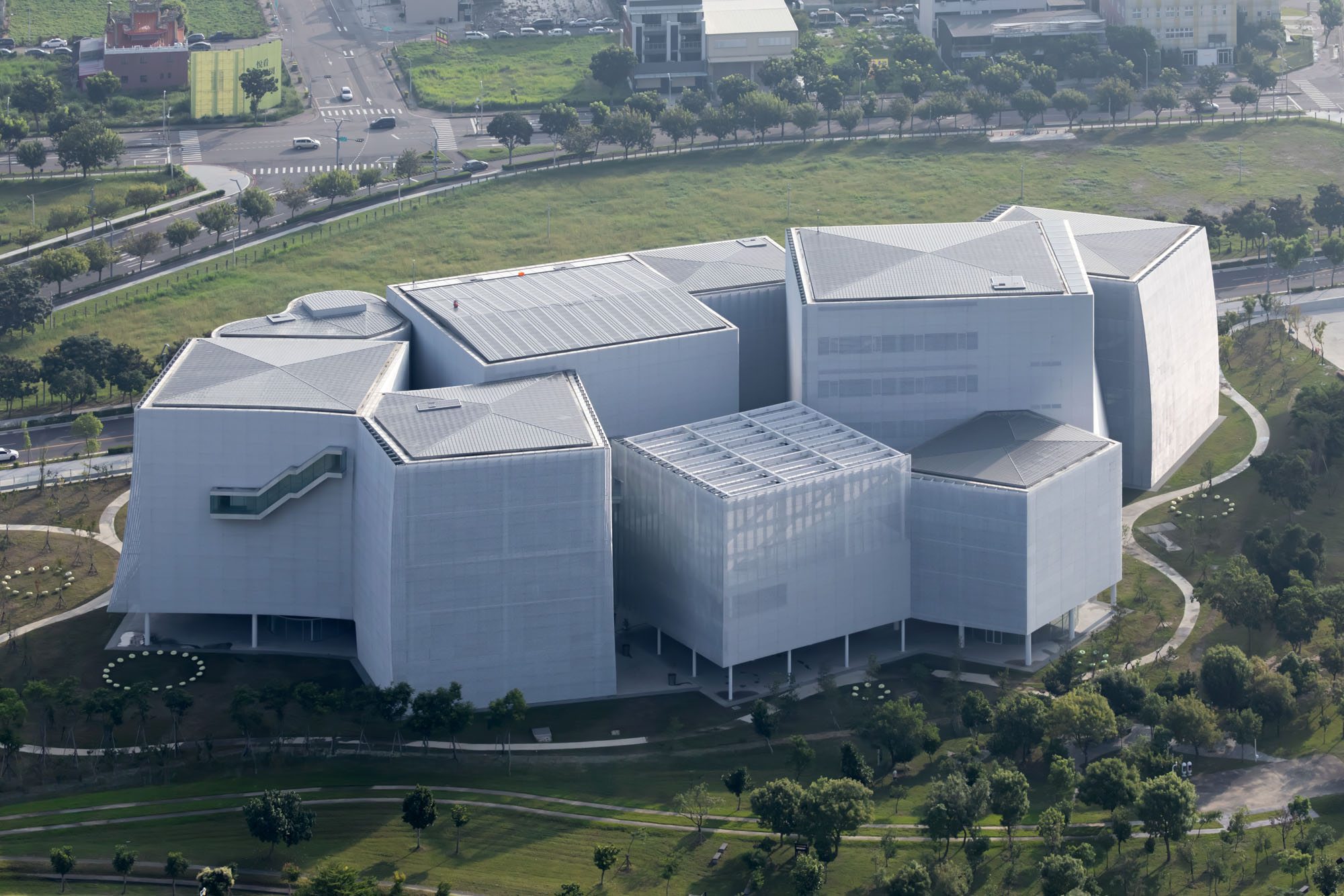
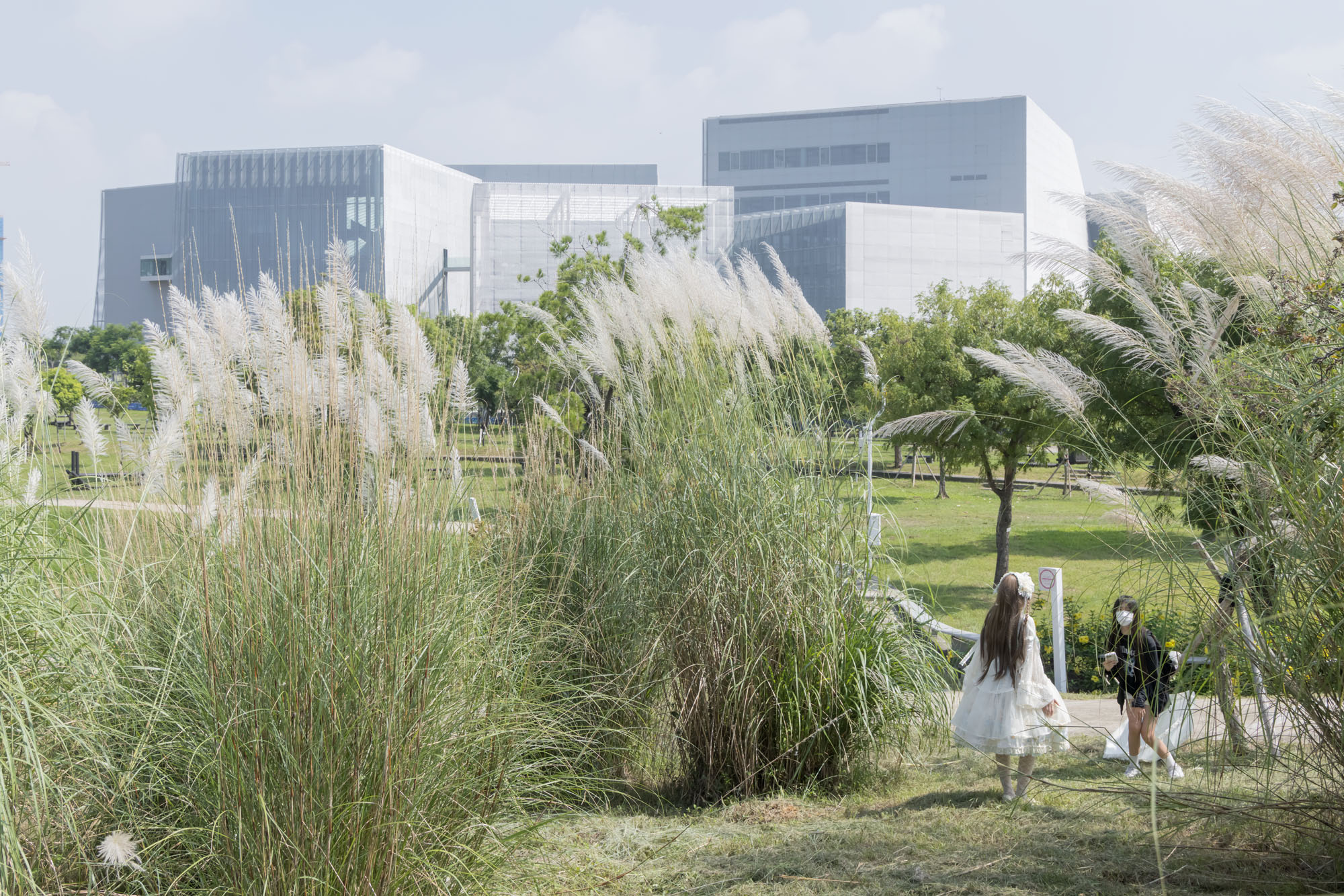
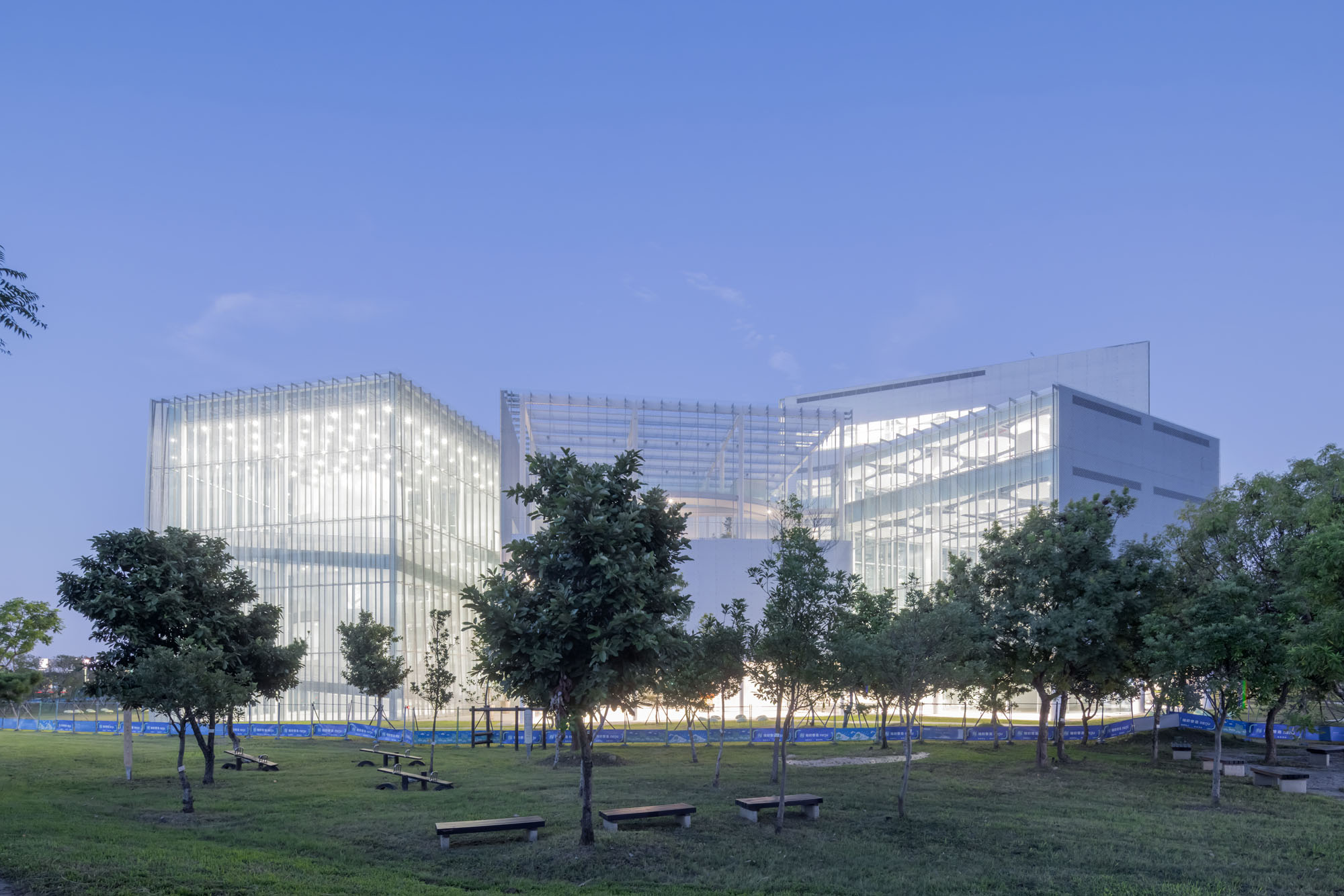
台中中央公園に位置する美術館と図書館の複合施設であり、それぞれが異なる機能・平面・断面・立面を有する8つのボリュームで構成された建築です。
注目ポイント
- 新たな学びと交流を育むコンセプト「文化の森」
- ボリュームの集合、分離、浮遊により生まれた隙間が形成する中庭
- 美術館と図書館が重なり合い、豊かさを生み出す「融合空間(Fusion Spaces)」
- 都市と公園をシームレスにつなぐ動線計画
(以下、Bolton & Quinnから提供されたプレスキットのテキストの抄訳)
© Iwan Baan
「文化の森」が生む新たな交流拠点
〈台中緑美図〉は、台中中央公園に位置する美術館と図書館の複合施設である。「文化の森(cultural forest)」を創出するというコンセプトのもと、新たな学びと交流の形を育む場として計画された。
建物は全方向からアクセスが可能となっている。北西にはコンベンションセンター、東には都市拡張エリア、北には公共交通ハブが隣接しており、発展を続けるこの地域の活性化において重要な役割を担う存在となっている。
© Iwan Baan
© Iwan Baan
環境と応答するボリューム構成
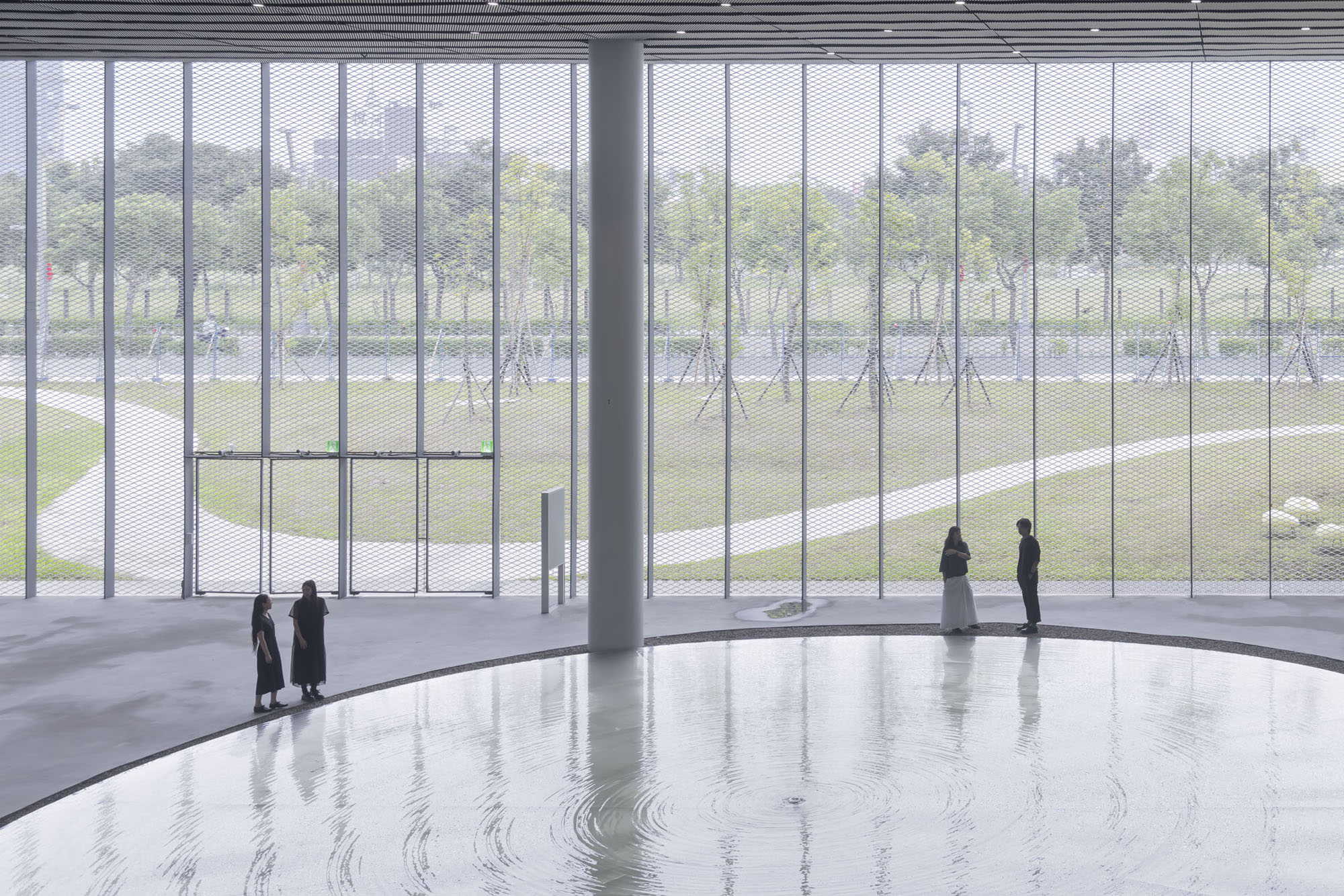
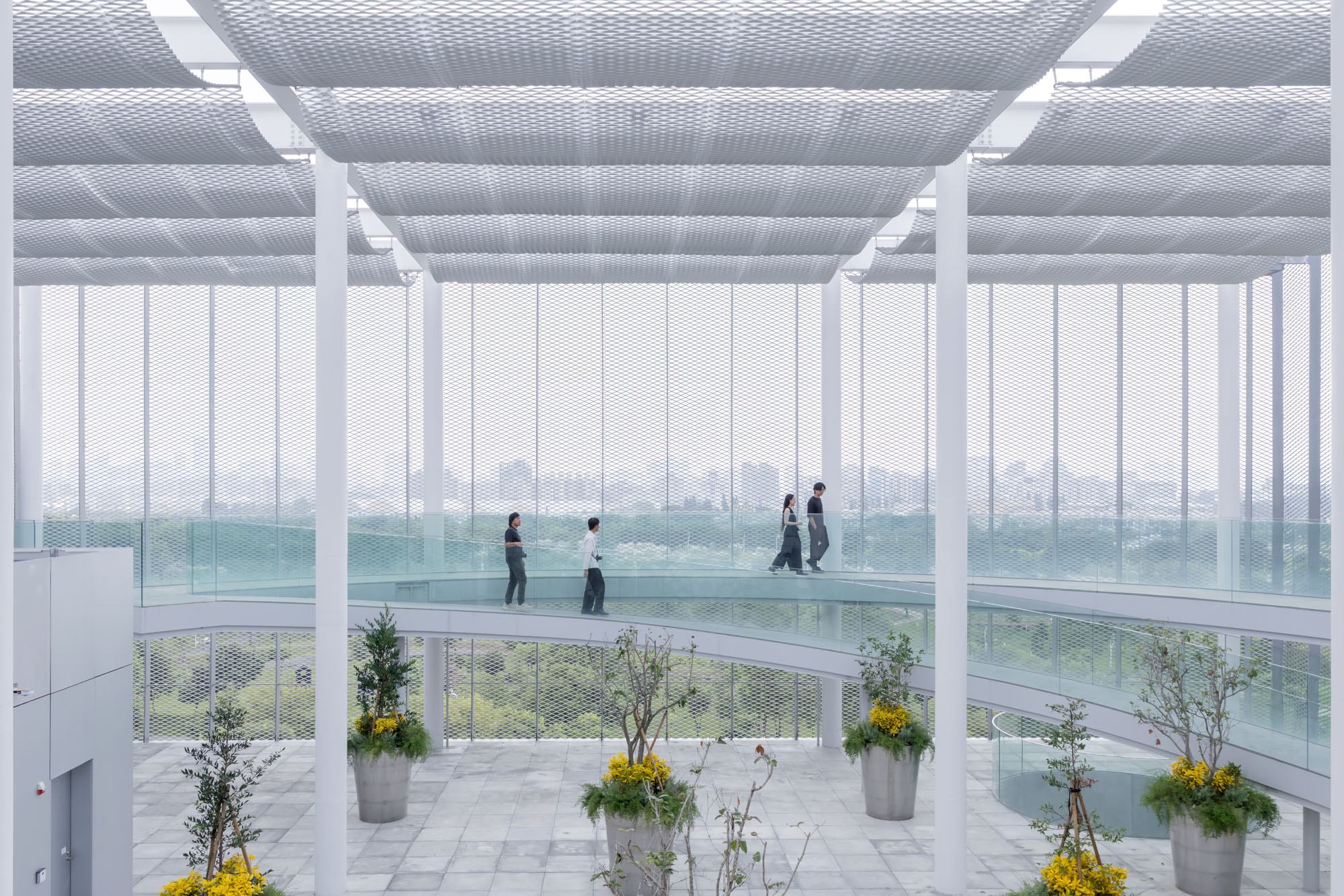
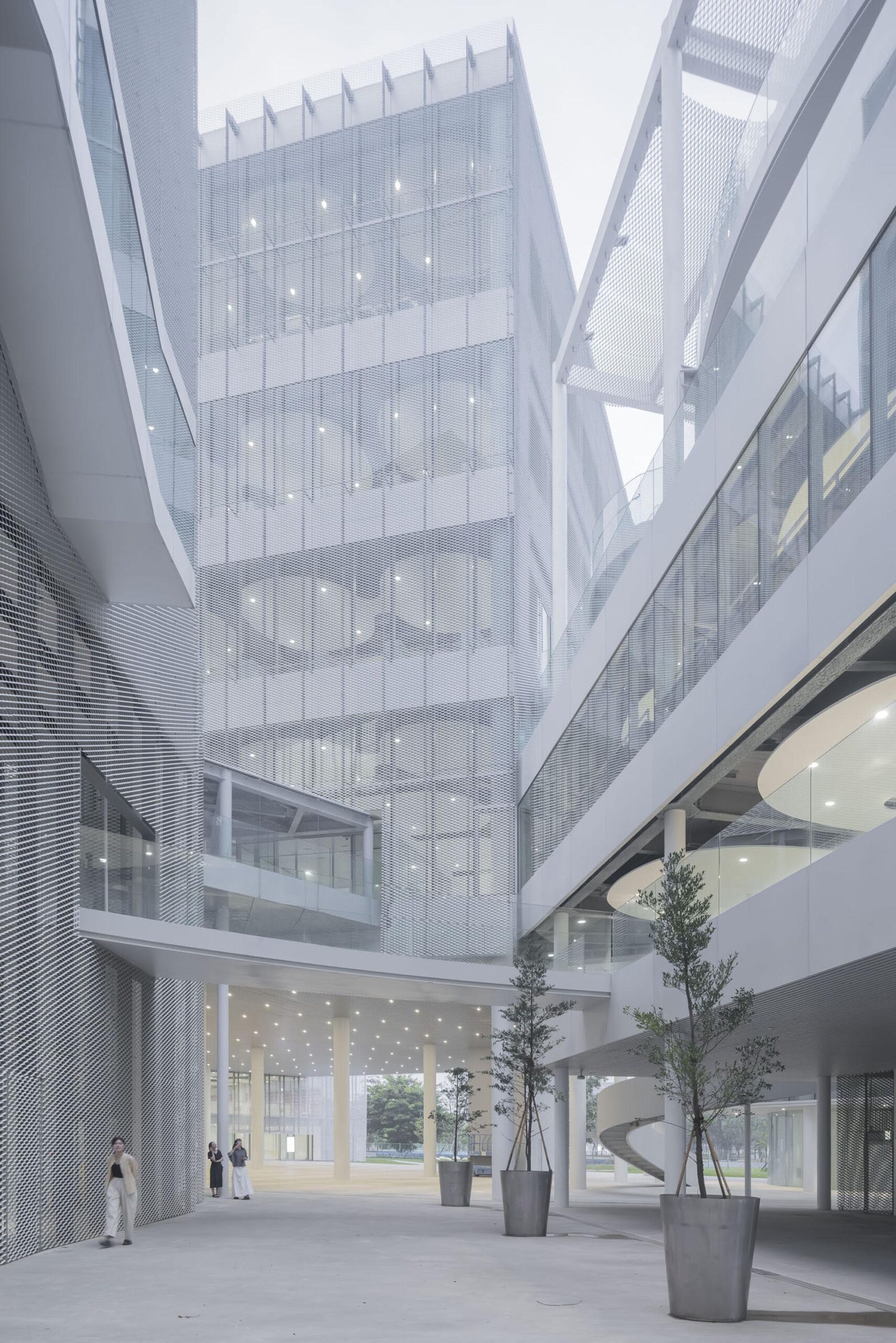
地上延べ床面積28,000m²は8つのボリュームに分割され、各棟が展示スペース、閲覧室、事務室といった独自の機能をもつ。いくつかのボリュームは高架化されており、台湾の強い日差しを遮る広大なピロティ空間を形成している。
この快適な屋外環境は公園とシームレスにつながり、ボリュームの集合と分離によって生まれた隙間は、北風を効果的に取り込む一連の中庭として機能する。一方、地下30,000m²には駐車場、収蔵庫、アーカイブ、ワークショップに加え、展示にも利用可能な大玄関ホールが配置されている。
© Iwan Baan
© Iwan Baan
ダイナミックな「融合空間」
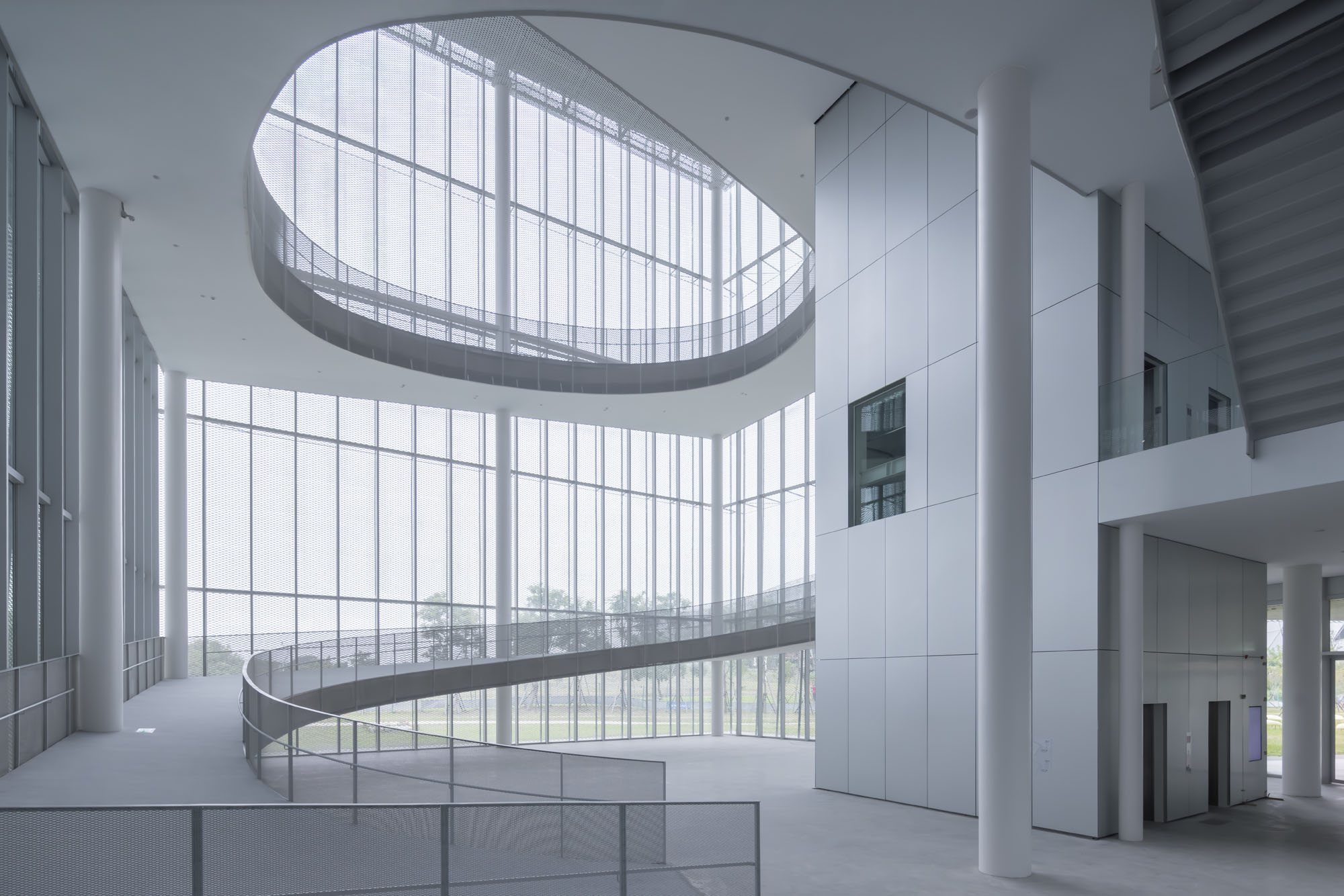
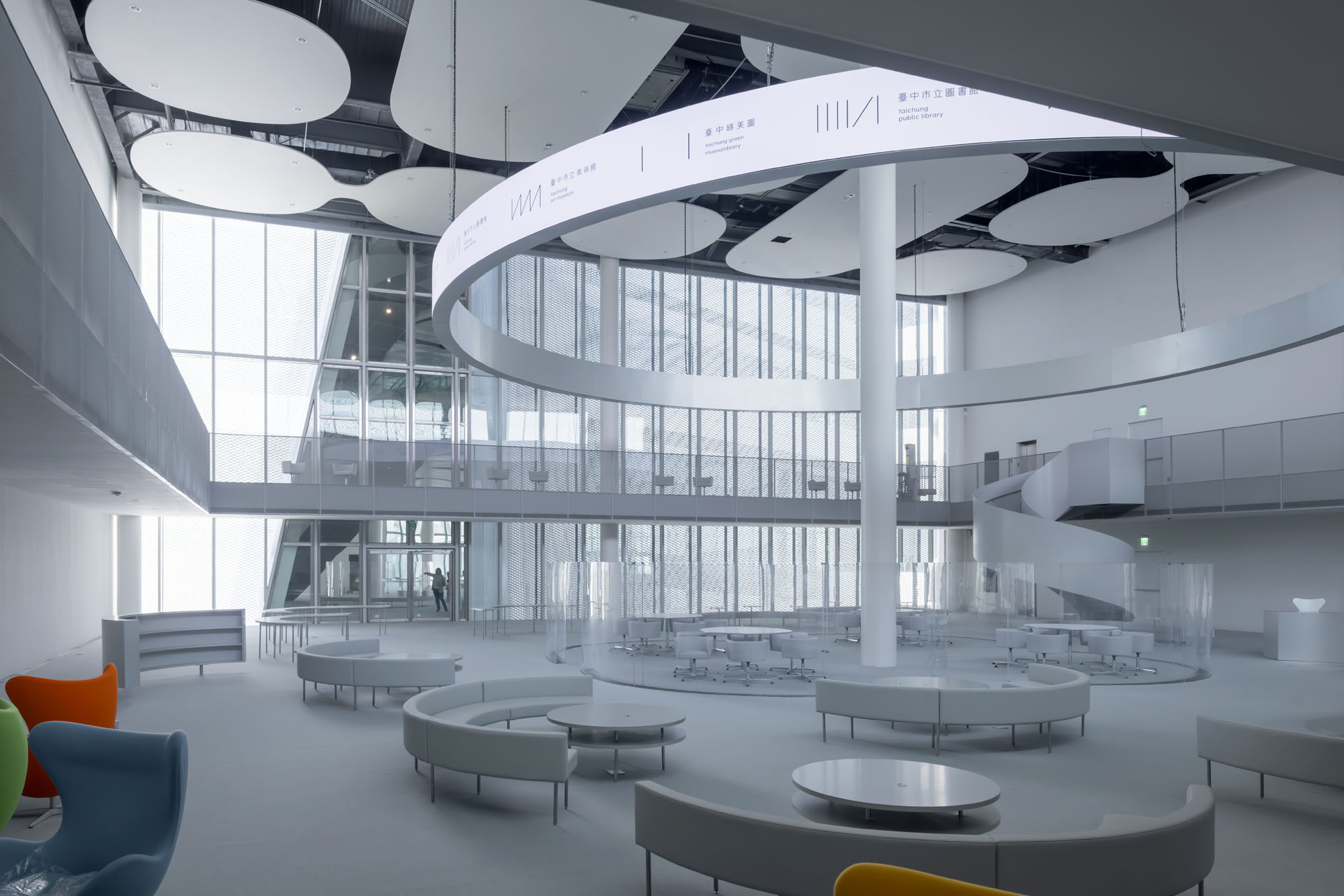
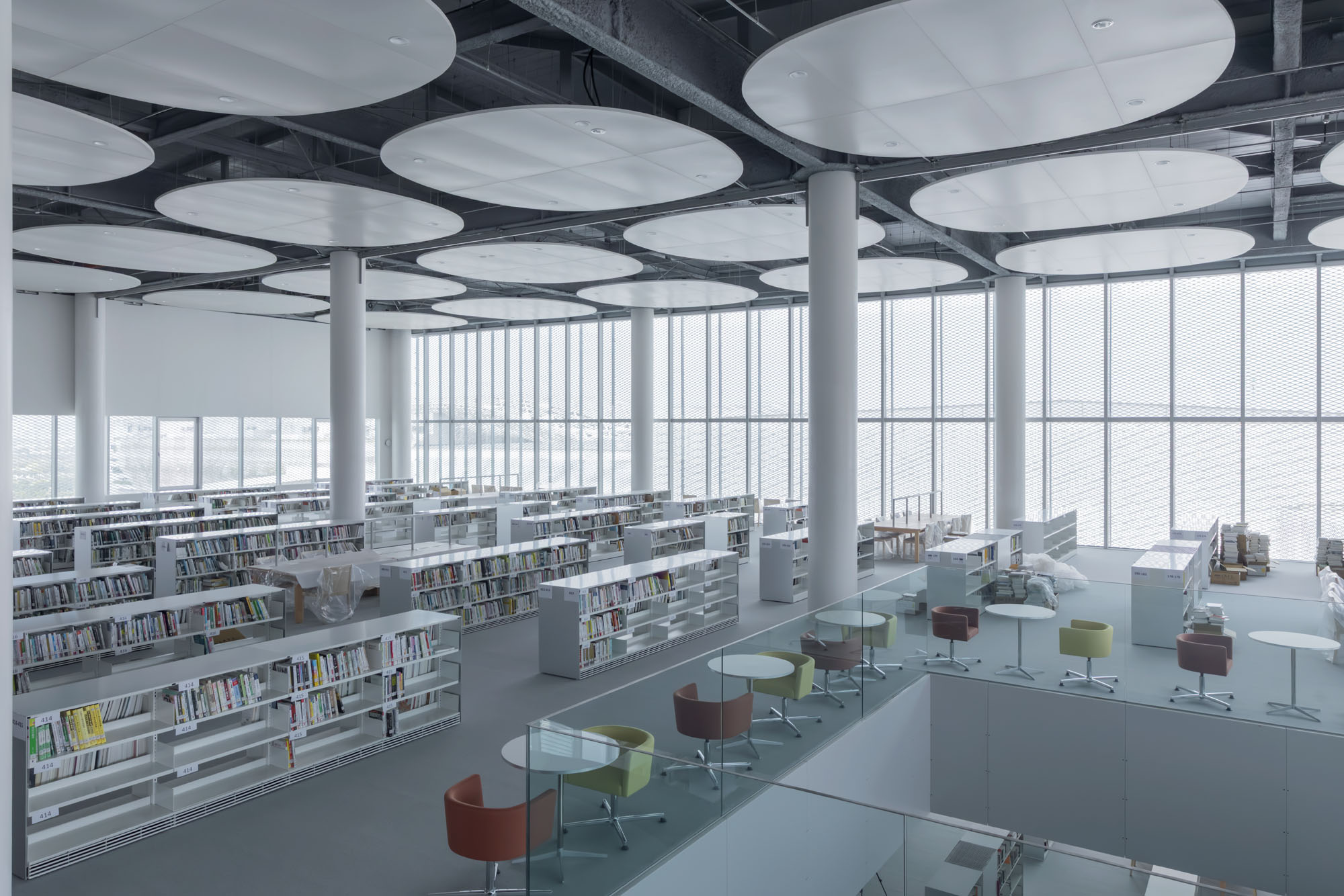
8つのボリュームは、それぞれ異なる平面・断面・立面をもつ。階層ごとに変化するその相互関係は、美術館と図書館を多様かつダイナミックに絡み合わせる。両施設が重なり合い、相互に空間の豊かさを生み出す「融合空間(Fusion Spaces)」が複数設けられているのも大きな特徴である。
© Iwan Baan
多様性を内包する内部空間と動線
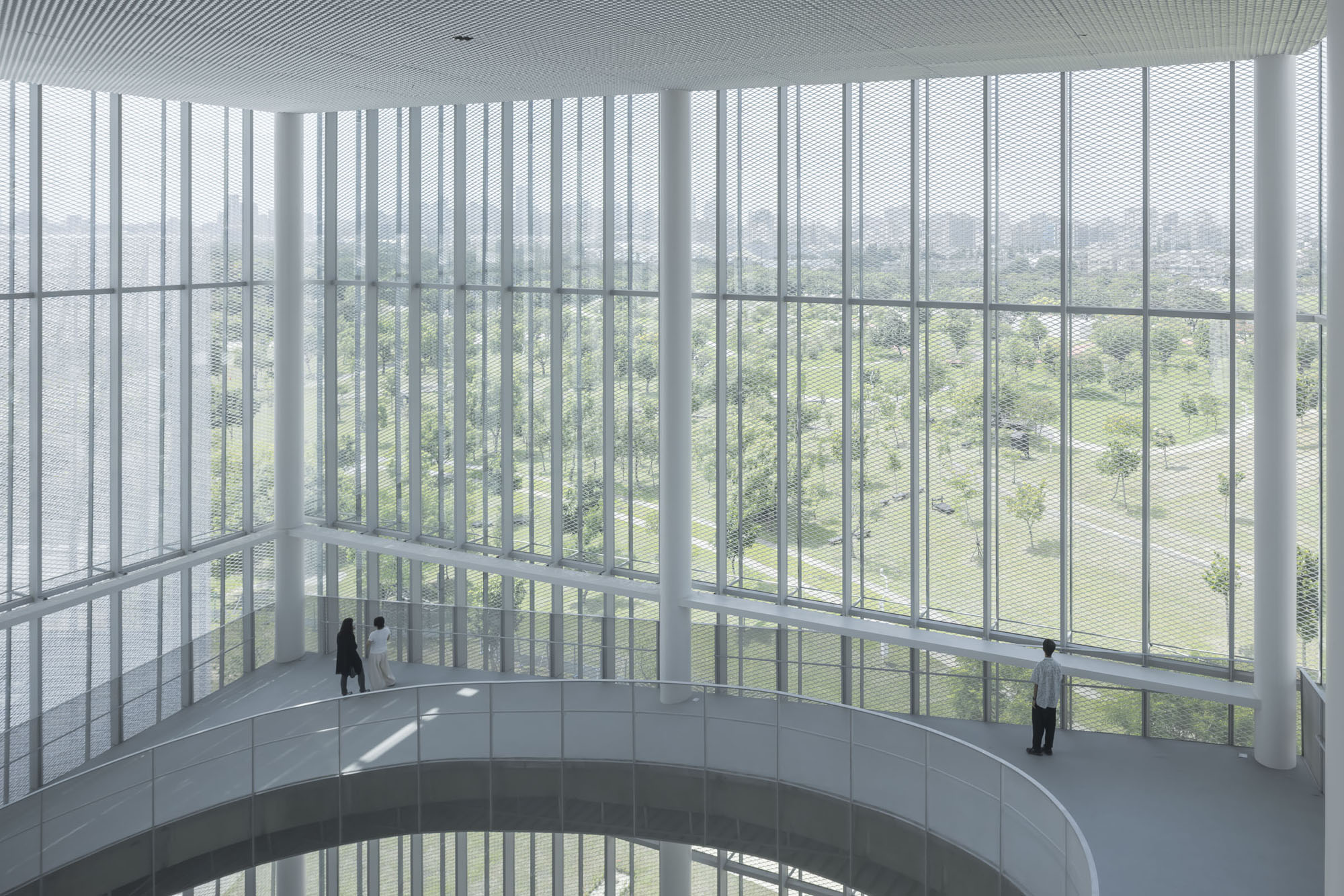
各展示室は、天井高や採光、開口部のデザインなど、空間ごとに固有の特性を有する。これらは、大規模な多層アトリウムを蛇行するように巡る、緩やかな傾斜のランプによって接続されている。さらに展示室間には複数の独立した動線も確保されており、ギャラリー空間の多様な構成や、来場者動線の柔軟な計画が可能となっている。
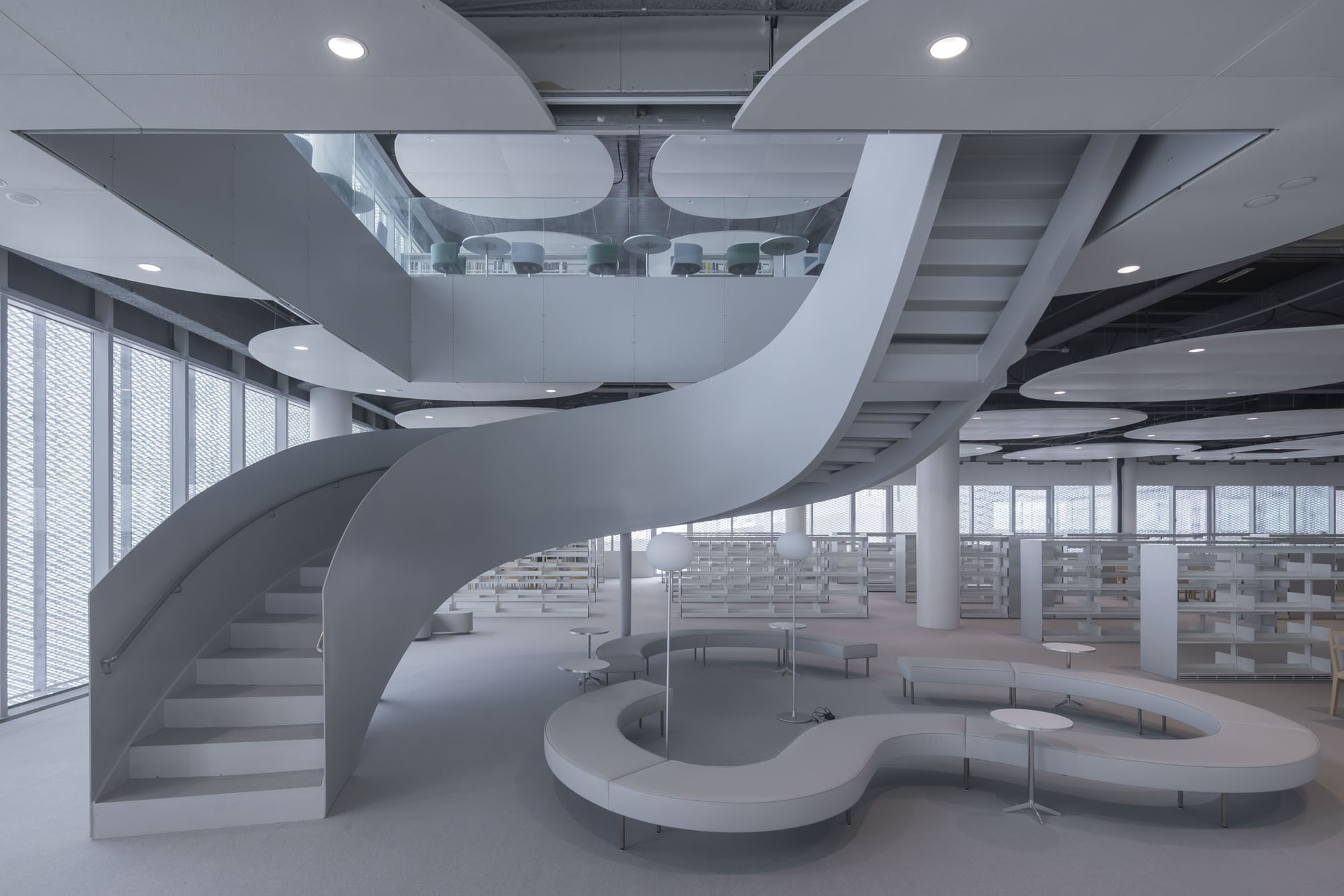
同様に図書館においても各階が独自の性格をもち、利用者が本を探しながらお気に入りの場所を発見し、それぞれの方法で時間を過ごすことを促している。
© Iwan Baan
© Iwan Baan
都市と公園をつなぐシームレスな体験
アプローチから内部へのシークエンスも周到に計画されている。来訪者は公園側からピロティ空間を抜け、建物中心部のエントランスホールへと導かれる。
複合施設内には2本の架橋が走り、ピロティや屋上庭園を貫くその外部環境が、周囲の公園や都市とのつながりを強く感じさせる。ほぼすべてのボリュームが上層のブリッジレベルで連結されており、施設全体を回遊できる連続的な動線が形成されている。
私たちは、美術館と図書館が一体となった場所を創り出すことを目指している。台湾の気候に応える、新しく魅力的な文化的体験を提供する場となるだろう。(SANAA)
© Iwan Baan
© Iwan Baan
以下、Bolton & Quinnのリリース(英文)です。
Taichung Art Museum Press Kit
Architectural statement | SANAAThe Taichung Green Museumbrary is located in Taichung Central Park. It is an art museum and library complex that introduces a “cultural forest”, fostering new forms of learning and exchange. The building is accessible on all sides: from a convention centre to the northwest, an area of urban expansion to the east, and public transport hubs to the north, becoming an active part of this evolving neighbourhood.
The total above-ground floor area of 28,000 m2 is divided into eight volumes, each with its own programme, such as gallery spaces, reading rooms, and offices. Several of these are elevated, creating large pilotis spaces that offer shelter from Taiwan’s strong sunshine. These comfortable outdoor environments connect seamlessly with the park, while the volumes come together and pull apart to create a series of courtyards that draw in breezes from the north. The 30,000m2 basement includes parking, storage, archive, workshops, and a large entrance hall that can also be used for exhibitions.
Each of the eight volumes has a different floor plan, section and elevation. The relationship between them varies across levels, inviting the museum and library to intertwine in diverse and dynamic ways. There are several “Fusion Spaces” where the museum and library overlap and enrich one another.
Each exhibition room has specific characteristics, such as ceiling height, quality of light, and aperture design. These are connected by a gently sloping ramp that winds around a large, multi-storey atrium. In addition, there are several independent circulation routes between exhibition rooms, allowing for multiple configurations of the gallery spaces and flexible planning of visitor flows. Similarly, in the library, each floor has a distinct character, inviting users to search for books while discovering their favourite areas, and encouraging them to spend time in their own way.
Visitors approach from the park, pass through the pilotis space, and are guided to the entrance hall located at the centre of the building. Two elevated bridges run through the complex, exterior environments that pass through the pilotis spaces and rooftop garden, inviting visitors to feel connected to the surrounding park and city. Nearly all volumes are linked at the level of the upper bridge, providing a continuous route around the whole complex.
We hope to create a place where museum and library come together as one, providing a new and compelling cultural experience that responds to the climate of Taiwan.
SANAA 公式サイト
http://www.sanaa.co.jp
【購読無料】空間デザインの今がわかるメールマガジン TECTURE NEWS LETTER
RECOMMENDED ARTICLE