「垂直の森」を纏う二重らせんの高層建築 - 台湾にそびえる次世代型マンション〈タオ・ジュ・イン・ユアン〉
© BES
台湾・台北に位置する〈タオ・ジュ・イン・ユアン(Tao Zhu Yin Yuan)〉は、パリを拠点に活動するヴィンセント・カレボー・アーキテクチャー(Vincent Callebaut Architectures)が設計を手がけた、持続可能性を軸に据えた次世代型の高層マンションです。
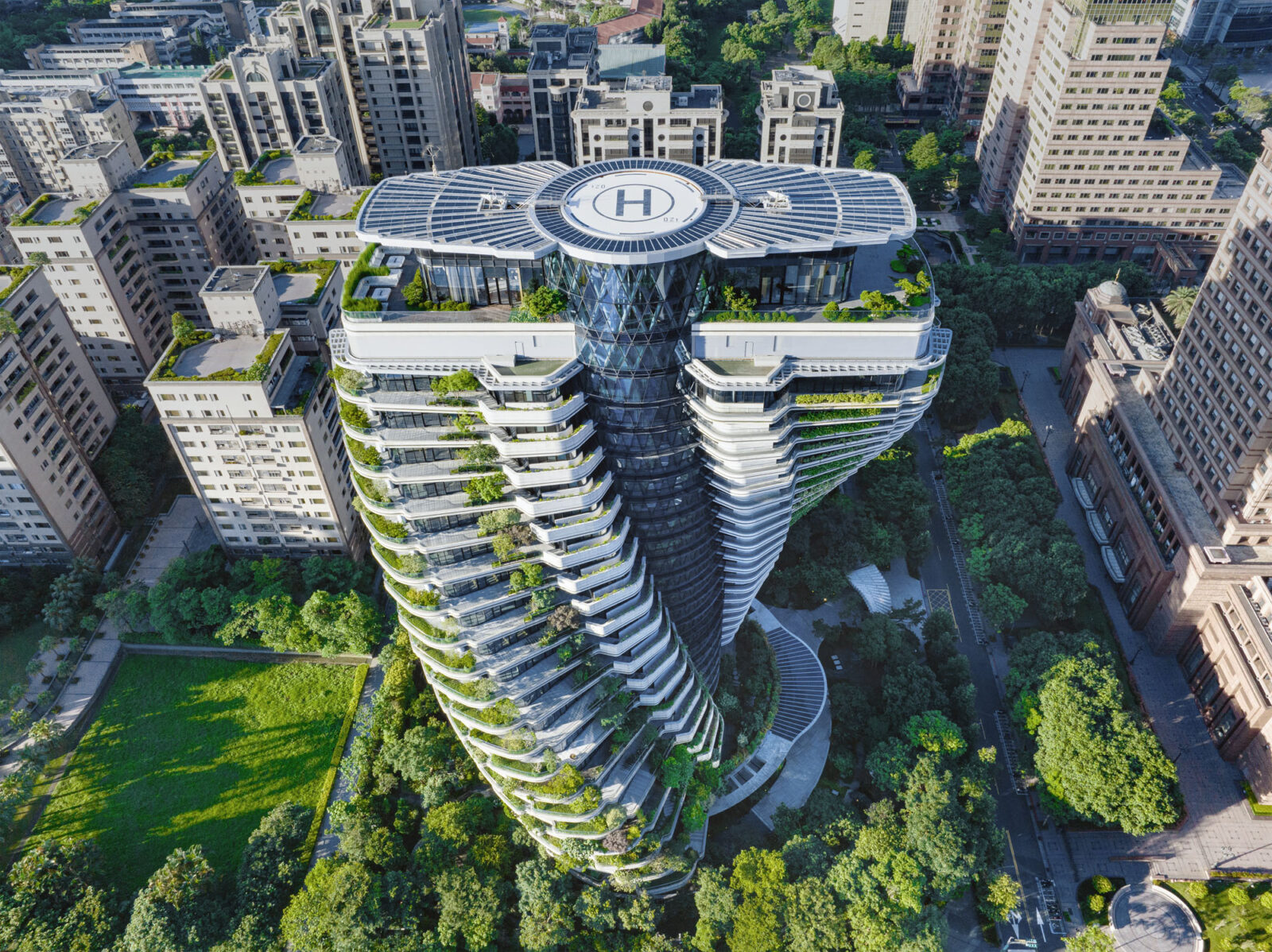
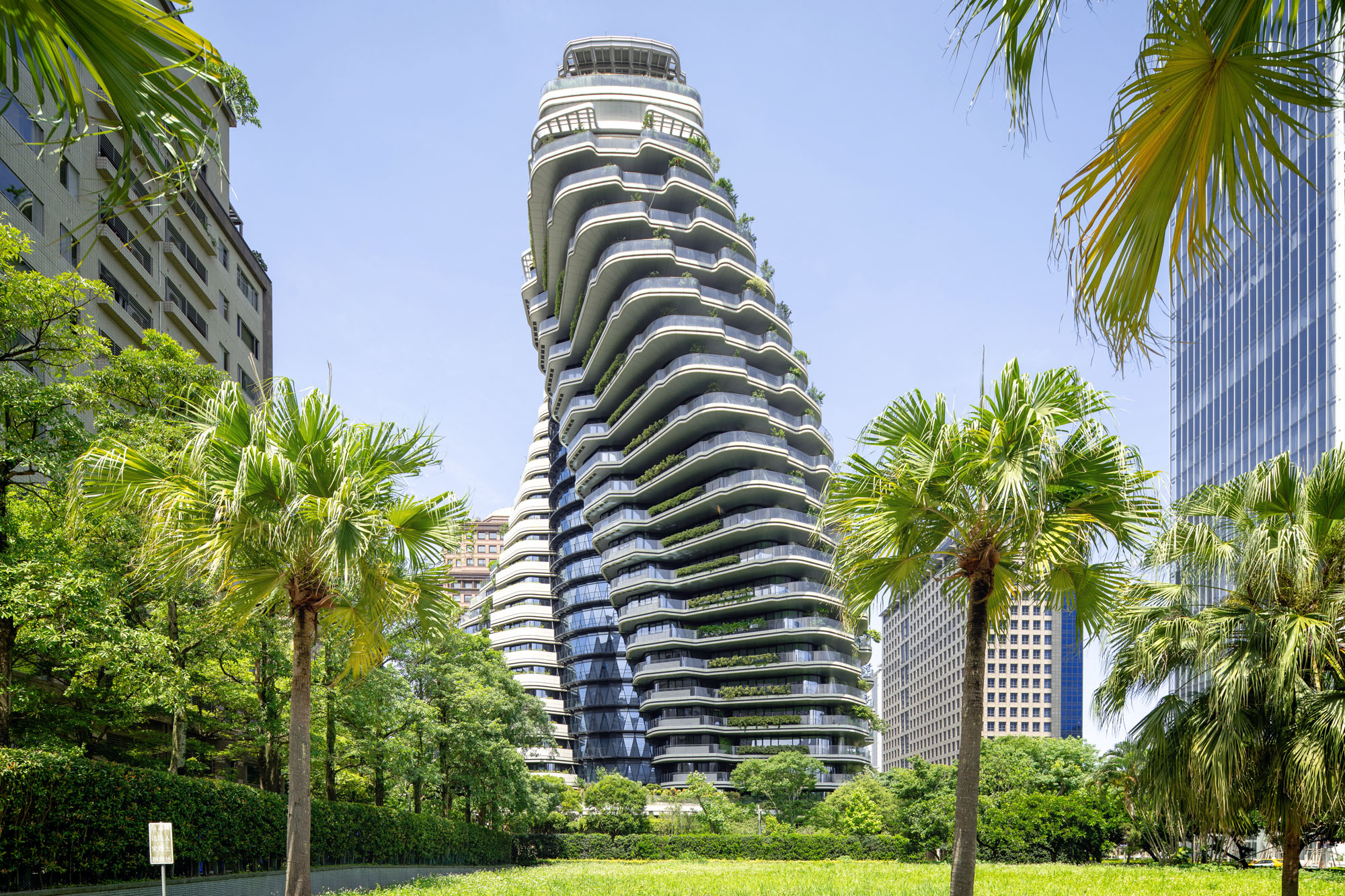
DNAの二重らせんから着想を得て各階が4.5度ずつ回転する独創的なフォルムと、年間最大130トンのCO2を吸収する「垂直の森」が最大の特長となっています。
注目ポイント
- 卓越した環境性能と建築美学を両立させ、LEEDプラチナ認証を取得
- 住戸レイアウトの柔軟性とテラスの面積を最大化する二重らせん構造
- 緻密な樹種選定による、四季折々の色彩を纏う「垂直の森」
- 「1000年の耐用年数」を見据えたレジリエンス設計
(以下、ヴィンセント・カレボー・アーキテクチャーから提供されたプレスキットのテキストの抄訳)
© BES
LEEDプラチナ認証を取得した台北の高層マンション
本プロジェクトは、CNNによって「世界の都市ランドマークトップ9」の1つに選出され、LEEDプラチナ(BD+C:建築設計・施工部門)認証を取得した。主な特徴は以下の通りである。2024年7月には、米国グリーンビルディング協会北アジア支部(USGBC North Asia)による「今月のプロジェクト」特集において、その持続可能な取り組みが詳細に紹介された。主な特徴は以下の通りである。
- 緑化率を最大化する独自の二重らせん構造により、年間最大130トンのCO2を吸収する。
- 「適切な植物を適切な場所に」という理念に基づき、現地の環境に適応した植物種を選定することで、手作業による灌漑を大幅に削減した。雨水貯留システムは最大500トンの貯蔵能力をもち、すべての灌漑需要を賄うことが可能である。
- 建物のユニークな構造に合わせた最適な角度で設置された特注の屋上ソーラーパネルは、年間約40,000kWhの電力を発電する見込み。
「〈タオ・ジュ・イン・ユアン〉は、生物多様性の保全、エネルギーの自給自足、居住者の生活の質への重点化という、建築・住宅開発の将来のトレンドを象徴している。これらのトレンドは、LEED v5の進化の方向性と見事に合致しており、設計者や建設業者の先見的なビジョンを反映したもので、LEEDプラチナ認証の取得に貢献した。その成功は、間違いなくより多くの都市住宅プロジェクトを、環境に優しく持続可能な方向へと導くだろう。また、建築家や開発業者に対し、建物が環境に与える悪影響を最小限に抑えるための革新的なアプローチを採用するよう促すことになるだろう。」
USGBC(米国グリーンビルディング協会)北アジア地域 市場変革・開発担当シニアマネージャー
ステラ・カイ(Stella Cai)
© BES
都市のランドマークと開発の理念
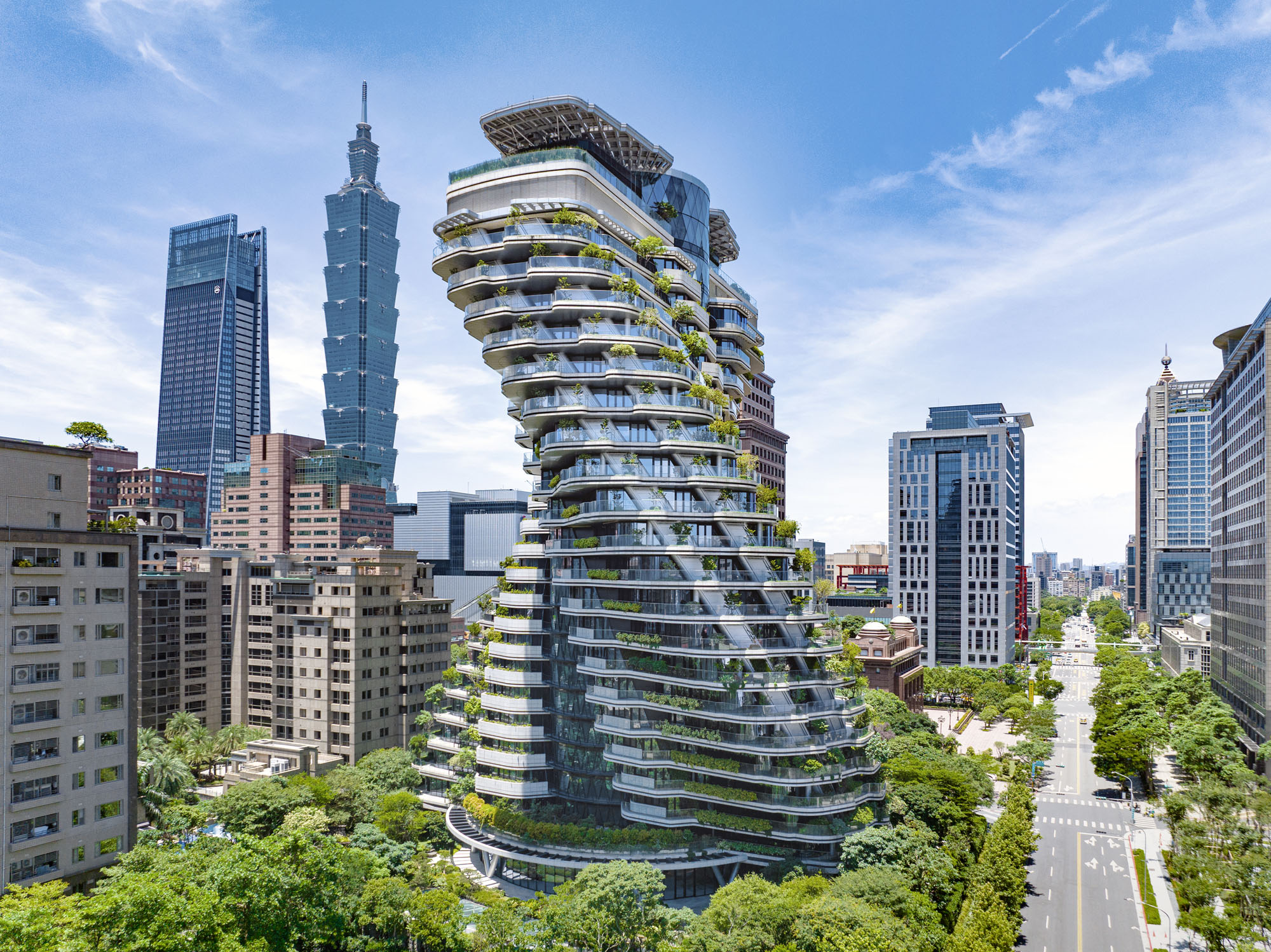
2016年、〈タオ・ジュ・イン・ユアン〉はCNNが選ぶ世界の都市ランドマーク9選に、唯一の住宅プロジェクトとして選出された。蝶が羽を広げたような独創的なデザインは、視覚的な圧倒感のみならず、卓越した環境性能でも高く評価されている。現地を訪れると、そこが単なるグリーンテクノロジーの展示場ではなく、建築美学、居住芸術、そして長年の職人技が融合した壮大な空間であることが理解できる。
台北の好立地に位置する〈タオ・ジュ・イン・ユアン〉は、コア・パシフィック・グループ、BESエンジニアリング・コーポレーション、およびアジア太平洋工商連盟によって開発された。開発陣は純粋な利益追求を排し、炭素吸収と気候変動への耐性を体現した住居の創造を目指した。その結果、2023年にはLEEDプラチナ認証を取得し、視察したUSGBC北アジア支部のアンディ・トー(Andy To)常務理事に「言葉ではその素晴らしさを言い表せない」と言わしめるほどの建築的驚異を完成させた。
© BES
「都市の樹」を象徴する、二重らせんから着想した形状
〈タオ・ジュ・イン・ユアン〉という名称は、春秋時代の知恵者として知られる范蠡(Fan Li)、すなわち陶朱公(Tao Zhu Gong)の知恵と忠誠心にインスピレーションを得ている。これは他者に利益をもたらし、調和のとれた共存を実現するという理想の象徴である。DNAの二重らせんに着想を得た形状は生命の源を意味し、都会の喧騒の中に自然の生態系を再現し、都心に森を取り戻すことを目指している。
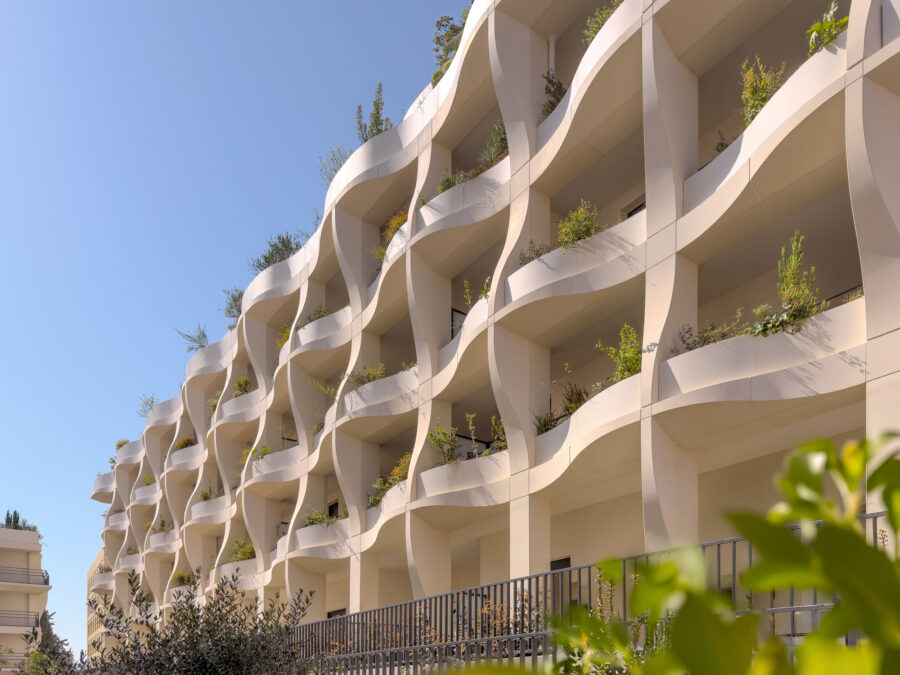
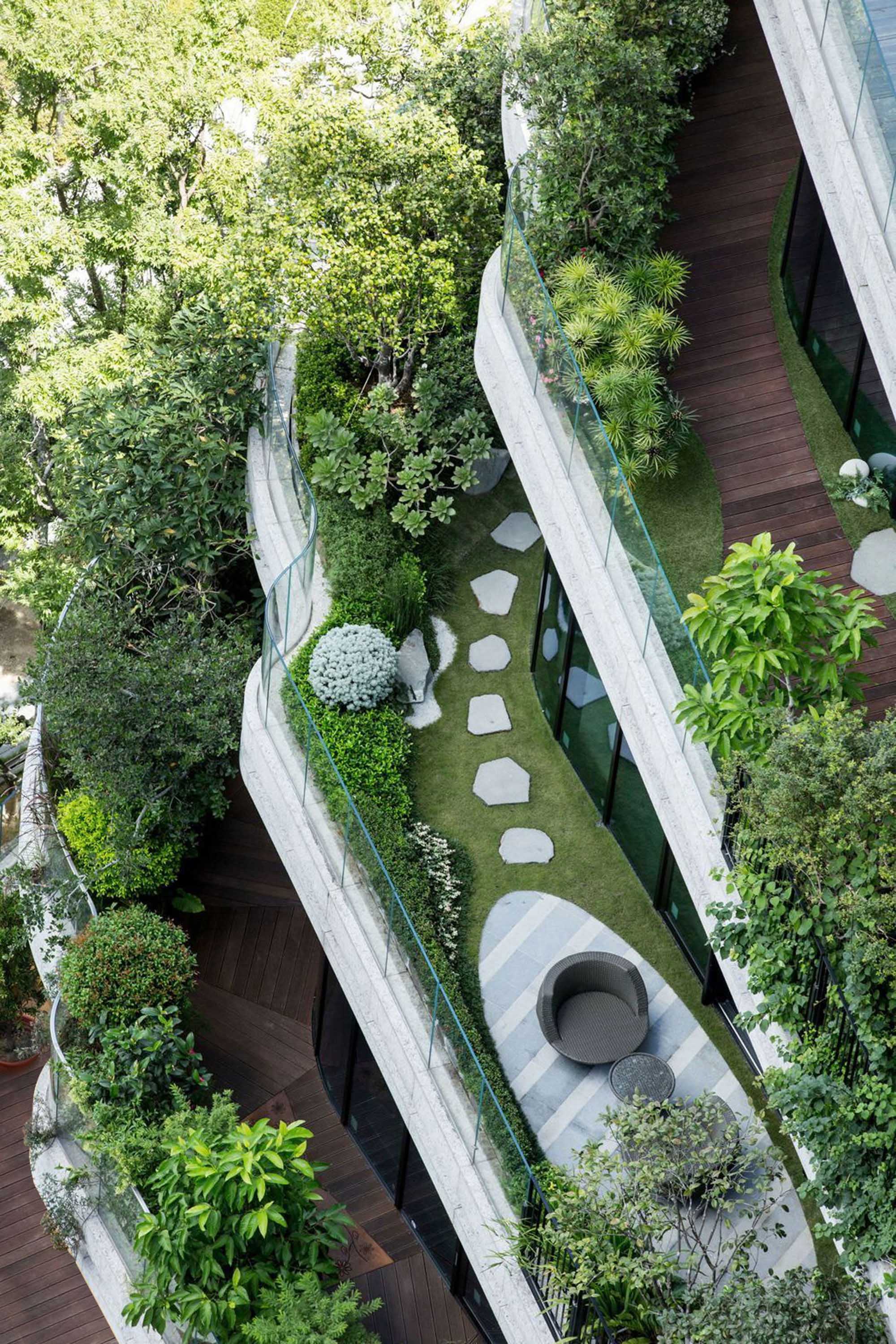
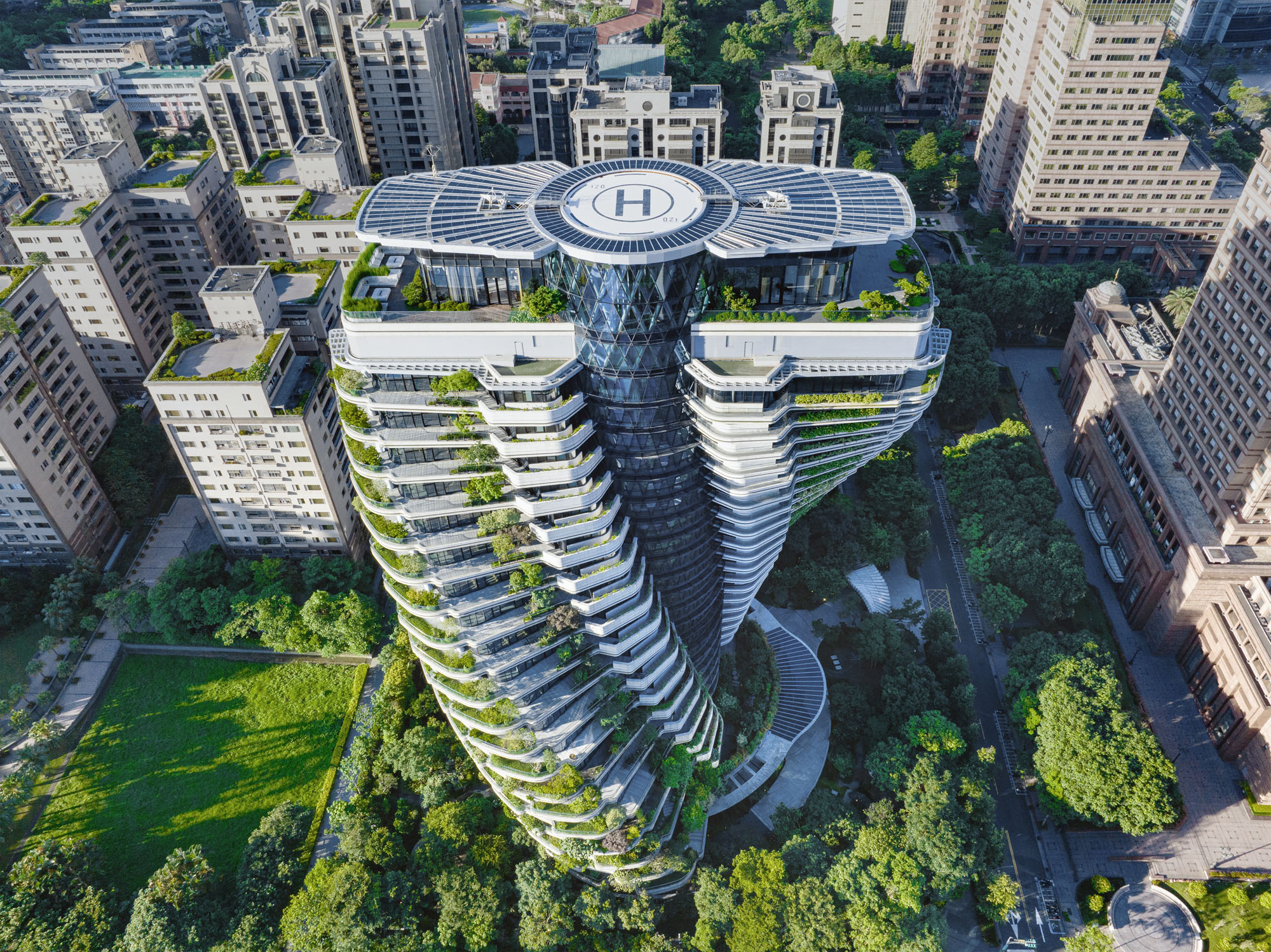
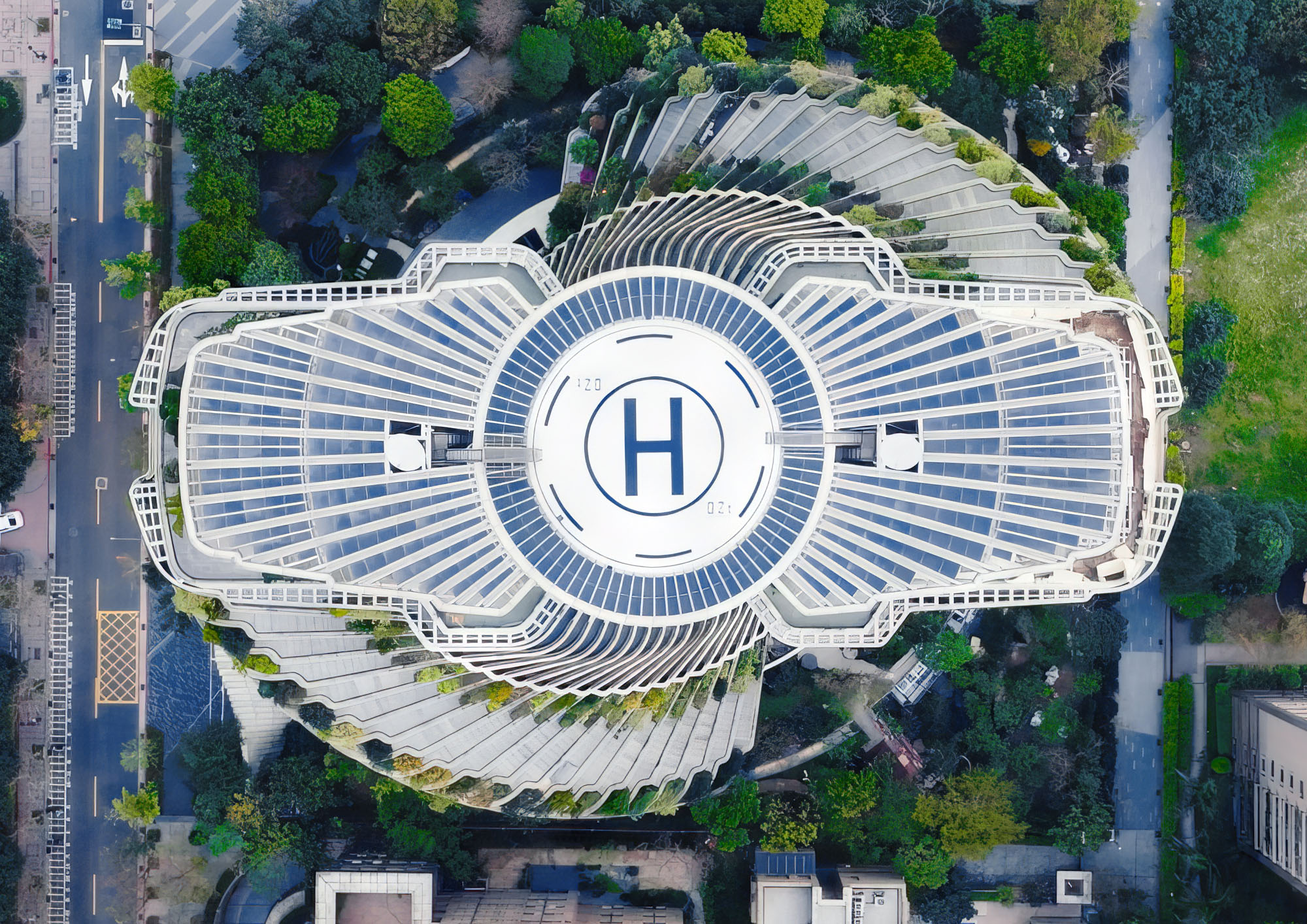
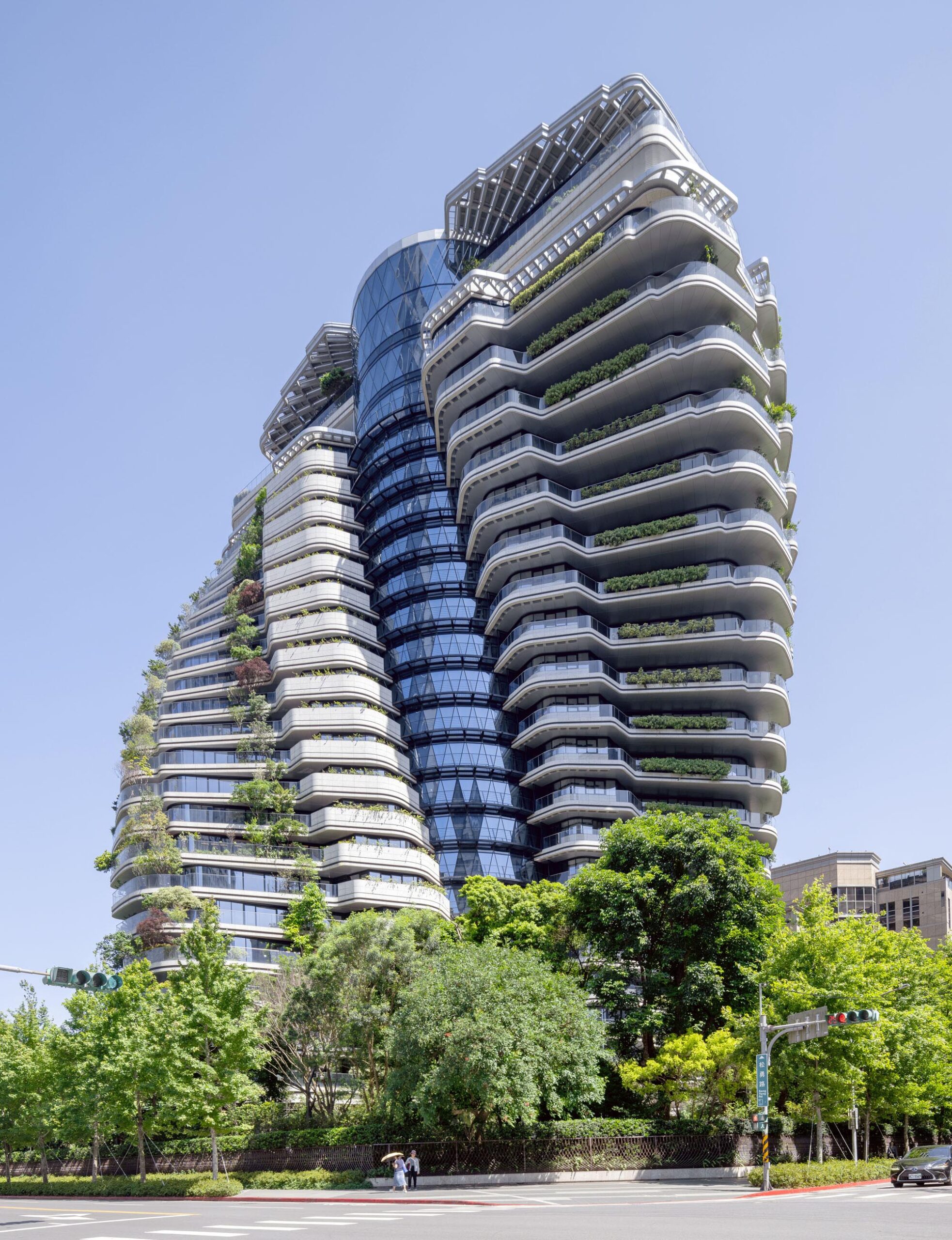
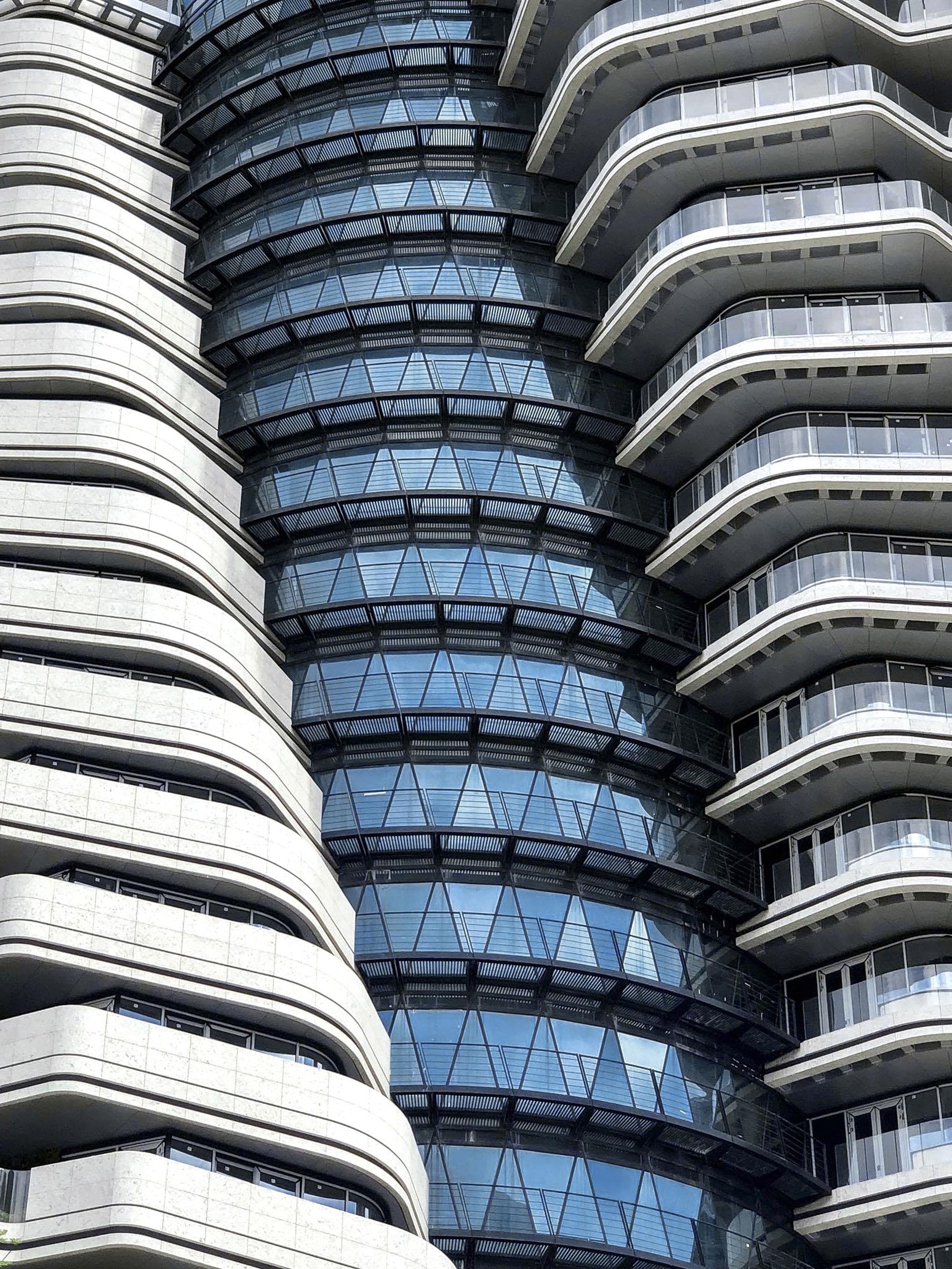
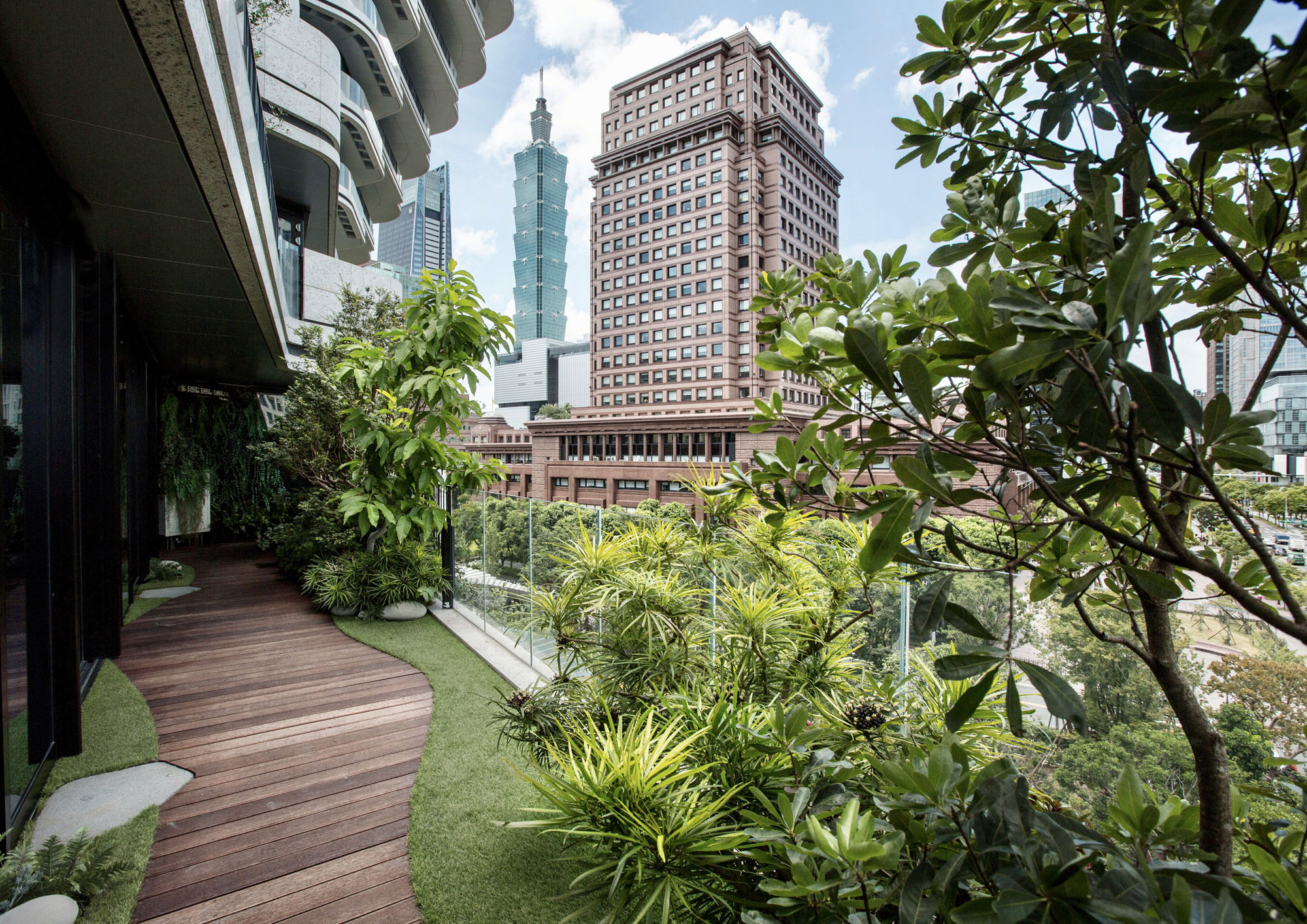
8,000m²を超える敷地において、フランスの建築家ヴィンセント・カレボーのデザインが採用された。建物は各階が4.5度ずつ回転し、パノラマテラスを形成している。各ユニットには167m²のプライベートガーデンが備わり、回転設計によって樹木が自由に成長できる空間を確保した。テラスには最大7本の樹木のほか、居住者の好みに応じた多様な植栽が可能となっている。
21階建ての構造全体では下から上までで90度回転しており、テラスの総面積は10,000m²を超え、緑地面積を3倍に拡大させた。この回転バルコニーにより、各階が陽光を浴び、四季折々の色彩を纏う「垂直の森」が実現している。
© BES
生態系の回復とバイオフィリックデザイン
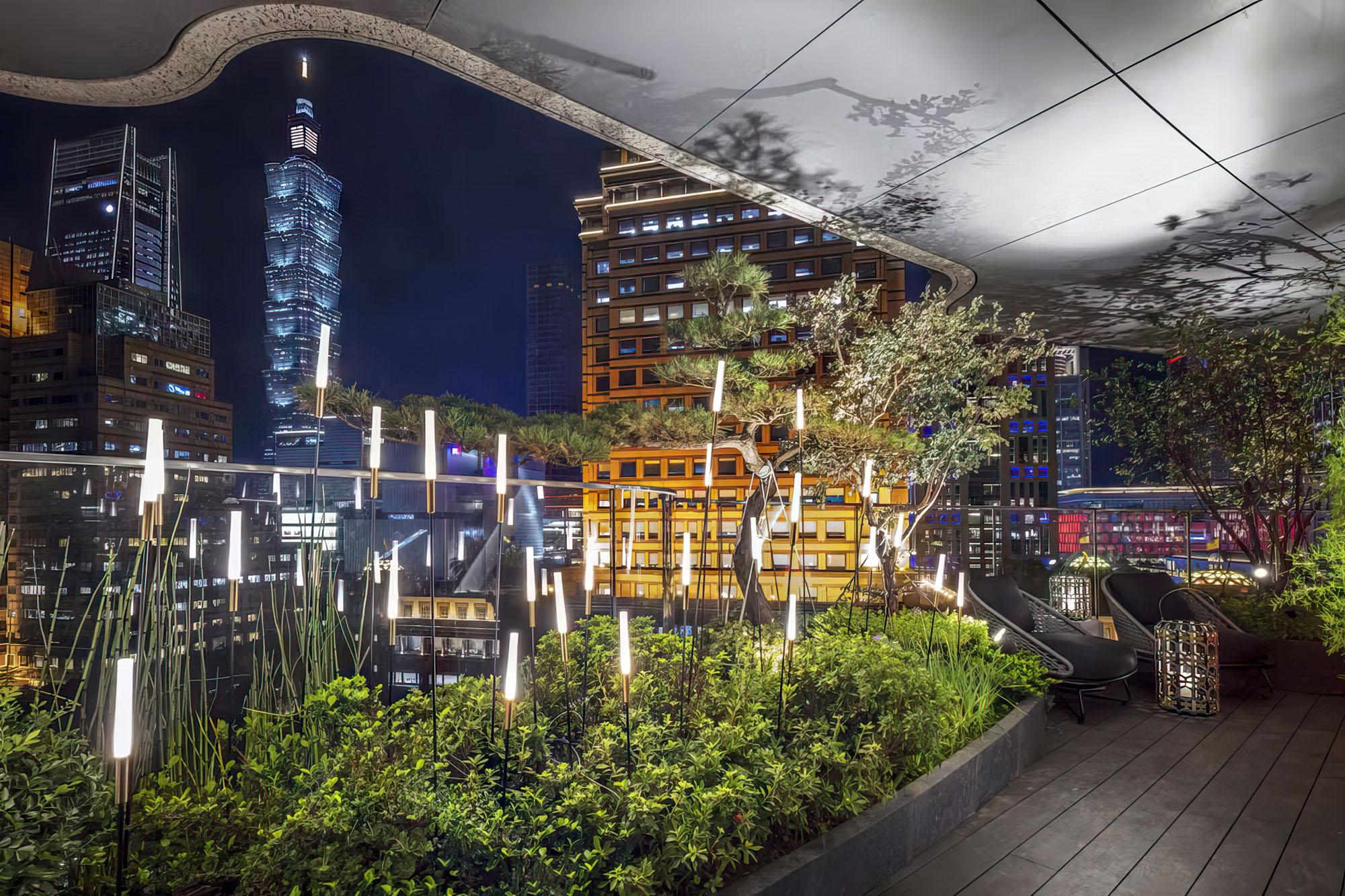
生態系の回復効果は目覚ましく、アオカササギやリス、アオサギなど多様な生物の生息地となっている。年間最大130トンのCO2を吸収するこの「都市の樹」は、都心の空気清浄機として機能している。
LEED基準では、人間と自然のつながりを重視している。例えばv4の「持続可能な敷地」カテゴリーでは、敷地の30%以上を屋外自然空間とすることが求められている。今後のLEED v5ではこれが室内空間にも拡大され、「自然とのつながり(Connecting with Nature)」という新しいクレジットが導入される予定である。〈タオ・ジュ・イン・ユアン〉は、まさにこのバイオフィリックデザインを先取りした存在と言える。
© BES
垂直の森を支える高度な維持管理
垂直の森林の維持管理のため、「樹木医」として著名なジャン・フェンチュン(Feng-Chun Jan)博士が招聘された。微気候分析や土壌改良を通じて、台北の環境に適した樹種が慎重に選定されている。土壌については6カ月をかけて陽明山特有の微生物を配合し、植物の成長に最適な環境を整えた。
また、台湾特有の台風に備え、樹木や窓の風雨試験を実施し、耐風性・耐乾性の高い種を選定するとともに、ステンレス製トレイや安定化技術を用いて、根による建物の損傷を防いでいる。灌漑面では、500トンの雨水貯留システムを活用し、在来種や適応性の高い植物を選ぶことで、屋外での水使用量を100%削減することに成功した。これはLEEDが求める植生要件を大幅に上回る成果である。
© BES
1000年続く耐久性を目指したレジリエンス設計
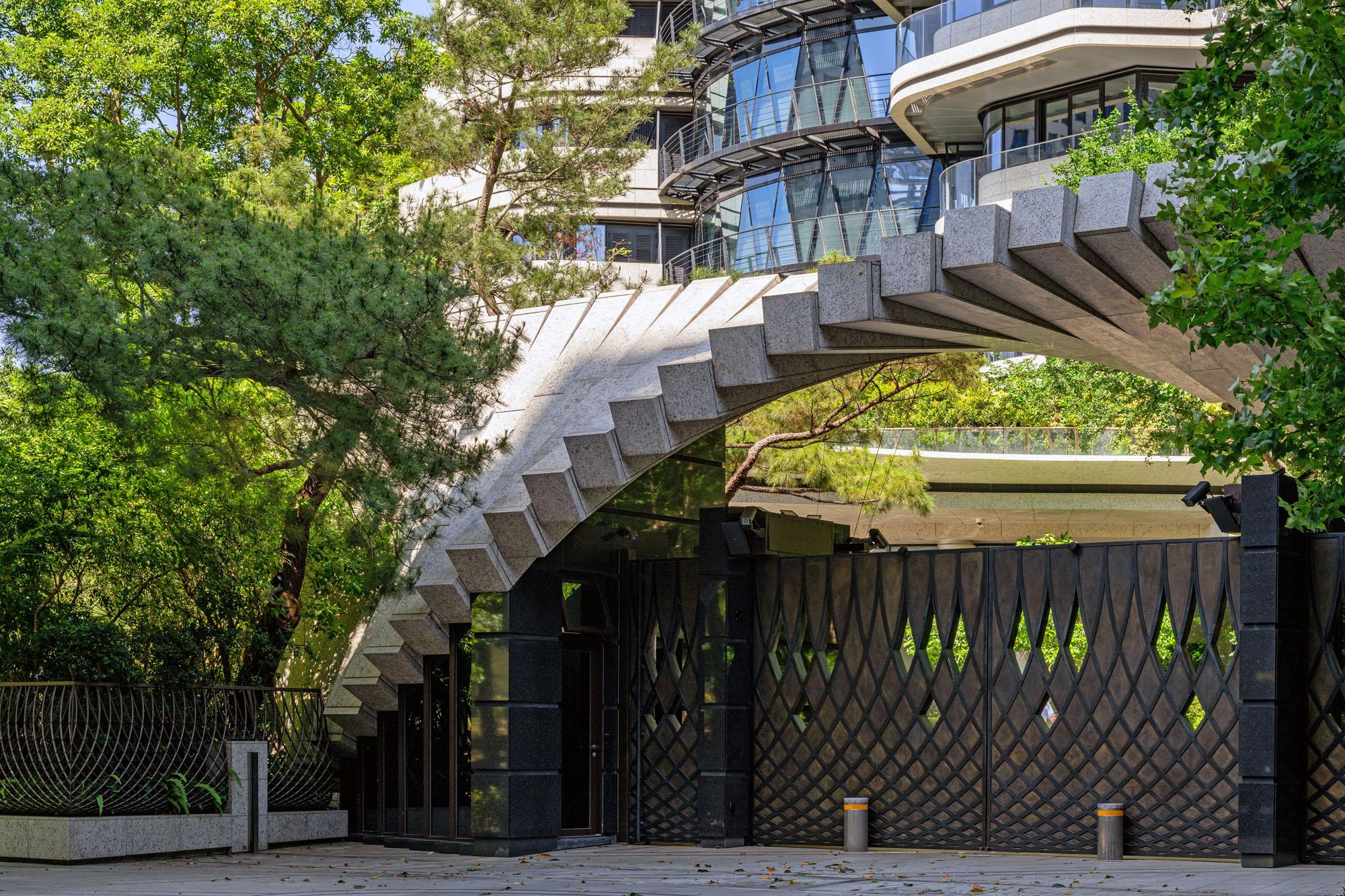
地震の頻発する台湾において、〈タオ・ジュ・イン・ユアン〉は耐震・免震性を設計の中核に据えている。岩盤まで50mに達する68本の深基礎杭と、米国製のEPS製曲面免震パッド48枚を設置し、厳格な動的耐震試験をクリアした。独自の「免震ジョイント」は、地震エネルギーを分散させるだけでなく、地下への採光と通風も確保している。
主要構造は純鋼製であり、〈台北101〉や〈東京スカイツリー〉に使用されているものと同等の高強度鋼材を採用した。これにより、マグニチュード7の地震でも構造が損なわれない安全性を確保している。また、洪水対策として道路より最大1.3m高い2層のバリアを設け、台北の200年洪水水位をさらに1m上回る設計としている。2013年の着工当時から気候変動へのレジリエンスを最優先したこの先見性は、LEED v5の基準とも深く合致している。
© BES
© BES
居住体験の最適化と安全性
各住戸は3面が床から天井までの窓で構成され、270度のパノラマビューと迅速な空気循環を可能にしている。熱回収換気装置やUV殺菌フィルター、ジェスチャー制御エレベーターなど、最新の健康・衛生設備も完備されている。
空間の自由度も高く、対称構造と1フロアおきの断面空洞化により、奇数階では完全な柱のない空間を実現した。これにより、一般的な建物より有効面積が増加し、インテリアデザインの柔軟性が飛躍的に向上している。
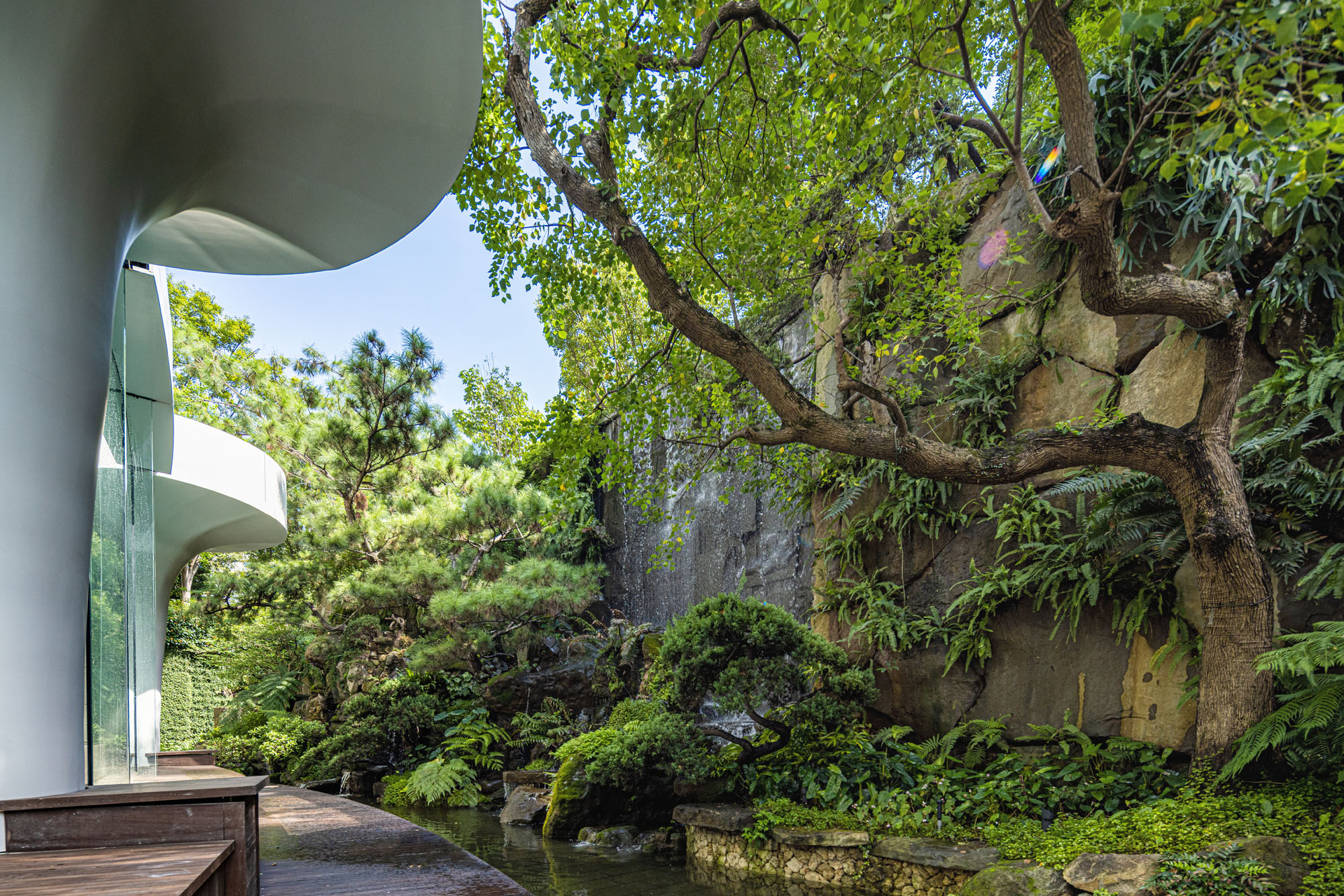
防犯・安全面では、顔認証クラウドインターホンや車両侵入防止バリアを備え、各住戸内にはインフラを完備した「セーフルーム」を設置。屋上には緊急救助やビジネス利用を見据えたヘリポートも設置されている。地下の25mプールは、ガラスパネルを通じて自然光と滝が融合し、森の中で泳いでいるような体験を提供する。これらの仕様は、10年以上にわたるステークホルダー間の「統合設計」の賜物である。
© BES
© BES
エネルギー効率と埋め込み炭素の削減
〈タオ・ジュ・イン・ユアン〉は運用段階の省エネにも秀でている。246%の緑化率は、夏の周囲気温を3〜4℃低下させ、冷房使用量を最大30%削減する。共用部の滝はマイナスイオンを放出するだけでなく、周辺気温を8〜9℃下げる冷却効果をもたらす。
外壁の中空合わせガラスやLED照明、エネルギー管理システムの導入により、30〜40%の省エネを実現した。再生可能エネルギーについては、特注のソーラーパネルが年間40,000kWhを、6基の風力タービンが年間1,400kWhを発電し、公共施設の電力を賄っている。
さらに、革新的な構造と高強度鋼により「1000年の耐用年数」を確保したことは、将来の解体・再建に伴う炭素排出を抑制し、従来の建物と比較してカーボンフットプリントを10分の1以下に抑えることにつながる。建材の45%以上にグリーン材料を使用し、屋外には成長の早い竹を活用するなど、埋め込み炭素の削減においても先駆的な役割を果たしている。
〈タオ・ジュ・イン・ユアン〉が掲げる「炭素吸収への小さな一歩、暑さ対策への大きな飛躍」という決意は、緻密な設計と技術、そして自然への深い敬意によって、確かな現実として台北の地に根付いている。
© BES
以下、ヴィンセント・カレボー・アーキテクチャーのリリース(英文)です。
TAO ZHU YIN YUAN
LEED Platinum Certification,
USGBC North Asia, Taipei 2024, TaiwanINTERNATIONAL ARCHITECT: Vincent Callebaut Architectures, Paris
CLIENT: BES Engineering Corporation, Taipei
CONTRACTOR: Taiwan Kumagai Co, Ltd
CONTRACT LOCATION: XinYin District, Taipei City, Taiwan
PROGRAM: 42 Sustainable Apartments + Facilities
SURFACE AREA: 42.335.34 m²
DELIVERY: 2024
GREEN CERTIFICATION: U.S. Green Building Council, LEED Platinum + Low Carbon Building Alliance, Diamond Level
LOCAL ARCHITECT: LKP Design, Taipei
STRUCTURAL ENGINEER: King Le Chang & Associates, Taipei
LOCAL MEP ENGINEERING: Sine & Associates, Taipei
INTERNATIONAL INTERIOR ARCHITECT: Wilson & Associates (WA), Los Angeles
INTERNATIONAL LANDSCAPE ARCHITECT: SWA, Sausalito, San Francisco
LOCAL LANDSCAPE ARCHITECT: Horizon & Atmosphere (H&A), Taipei
INTERNATIONAL LIGHTING DESIGNER: L’Observatoire International, New-York
LOCAL LIGHTING DESIGNER: Unolai Design, Taipei
GREEN CONSULTANT: Enertek, Taipei
VCA’S TEAM: Emilie Diers, Frederique Beck, Jiao Yang, Florence Mauny,
Volker Erlich, Philippe Steels, Marco Conti Sikic, Benoit Patterlini, Maguy Delrieu, Vincent Callebaut
MODEL MAKER: Patrick Laurent
WEBSITE : http://www.tao-zhu.com.tw/index-en.html
USGBC NORTH ASIA’S ARTICLE : https://www.linkedin.com/pulse/2024-project-month-tao-zhu-yin-yuan-ranked-among-worlds-by09cTAO ZHU YIN YUAN, by Vincent Callebaut Architectures
THE LEED PLATINUM REDISDENTIAL TOWER, TAIPEI, TAIWAN
THE RESIDENTIAL TOWER IS RANKED BY CNN AMONG THE WORLD’S TOP NINE URBAN LANDMARKS & ACHIEVES THE LEED PLATINUM BD+C CERTIFICATION (LEADERSHIP IN ENERGY AND ENVIRONMENTAL DESIGN, BUILDING DESIGN & CONSTRUCTION).
In July’s 2024 “Project of the Month” feature edited by “USGBC North Asia”, the Tao Zhu Yin Yuan residential project takes center stage. We invite you to read below this very detailed article written by the U.S. Green Building Council North Asia to delve into its sustainable initiatives, which include:
• The project’s distinctive double-helix structure, which maximizes green coverage, enabling the building to absorb up to 130 tons of carbon dioxide annually.
• A “right plant, right place” philosophy, ensuring that local, adaptive plant species were selected, significantly reducing the need for manual irrigation. Additionally, the rainwater harvesting system can store up to 500 tons of water, enough to meet all irrigation needs.
• Custom-designed rooftop solar panels, installed at optimal angles for the building’s unique structure, are expected to generate around 40,000 kWh of electricity annually.
“In the case of Tao Zhu Yin Yuan, we witness the future trends in architecture and residential development: a greater focus on biodiversity conservation, energy self-sufficiency, and the quality of life for residents/users. These trends align seamlessly with the direction of LEED v5’s evolution and reflect the forward-thinking vision of its designers and builders, which contributed to achieving LEED Platinum certification. Its success will undoubtedly drive more urban residential projects toward ecological friendliness and sustainability. It will also inspire architects and developers to adopt innovative approaches to minimize the negative environmental impact of buildings.” Stella Cai, Senior Manager of Market Transformation & Development, North Asia, USGBC (U.S. Green Building Council)
In 2016, Taipei’s Tao Zhu Yin Yuan was listed among CNN’s nine global city landmarks, standing out as the only residential project. Its unique design, reminiscent of a butterfly spreading its wings, is not only visually stunning but also celebrated for its exceptional environmental performance. Visiting Tao Zhu Yin Yuan, one might expect a mere showcase of green technology and passive system, but it turns out to be a grand feast of architectural aesthetics, residential art, and long-term craftsmanship.
Tao Zhu Yin Yuan, located in a prime area of Taipei, is developed by Core Pacific Group, BES Engineering Corporation, and Asia Pacific Federation of Industry and Commerce. Foregoing pure profit motives, the developers aimed to create a residence that embodies the concepts of carbon absorption and climate resilience. The project is completed has become an architectural marvel. Its dedication to environmental sustainability, resilience, and optimal living experience earned it the prestigious LEED Platinum certification in 2023. After visiting the site, Andy To, Managing Director of U.S. Green Building Council North Asia, praised it highly: “Words cannot do it justice!”
1. A TREE IN THE CITY — NAMING A RESIDENTIAL BUILDING “TAO ZHU YIN YUAN”
Design: Concept and Achievements
Tao Zhu Yin Yuan, a name rich in ancient heritage, draws inspiration from the wisdom and loyalty of Fan Li, also known as Tao Zhu Gong, from the Spring and Autumn period. The name signifies the ideals of benefiting others and harmonious coexistence. Its form, inspired by the DNA double helix, symbolizes the source of life and vitality, aiming to recreate a natural ecosystem amidst the urban hustle and bustle, bringing the forest back to the city center and revitalizing it.Occupying over 8,000 square meters, the project team resolutely chose the design by French architect Vincent Callebaut (Vincent Callebaut Architectures, Paris) to promote the harmonious coexistence of nature and architecture. Each floor of the building rotates 4.5 degrees, creating panoramic terraces. Each double-helix unit contains two apartments, with terraces transforming into 167 square meter private gardens. The rotating design allows trees to grow freely, with each terrace capable of accommodating up to seven trees, as well as shrubs, flowers, and vegetables according to residents’ preferences, showcasing personalized greenery.
From bottom to top, the 21-story double-helix structure rotates 90 degrees, with the total terrace area exceeding 10,000 square meters, tripling the green space. This achievement makes Tao Zhu Yin Yuan a green miracle in the city. It is not just a residence but a profound interpretation of respect for nature and ecological friendliness.
The ingenious design of the rotating balconies at Tao Zhu Yin Yuan ensures that each floor bathes in sunlight while creating layered, rich plant landscapes. Throughout the changing seasons, the trees and shrubs display vibrant colors, transforming the building into a vertical forest teeming with life.
The ecological restoration has been remarkably effective. Tao Zhu Yin Yuan has become a habitat for various species, including blue magpies, fairy pittas, squirrels, and night herons, demonstrating its high-quality ecosystem. This urban giant tree also makes a significant contribution to carbon reduction, absorbing up to 130 tons of CO2 annually. It functions as a green air purifier in the city center, contributing to a healthier urban environment.
No one can resist such a residence—waking up to the sounds of birds and the fragrance of flowers, enjoying the changing seasons from the comfort of your home, and staying close to nature. In LEED standards, we always emphasize maximizing the connection between human activity spaces and natural spaces. For instance, in the version 4, the “Open Space” credit of “Sustainable Sites” category requires projects to provide outdoor natural space that accounts for more than 30% of the site, creating places for human-environment interaction, social interactions, recreation, and sports activities.
Looking ahead to LEED v5, this emphasis will extend to indoor spaces as well. The “Indoor Environmental Quality” category of LEED v5 BD+C will introduce a new credit, “Connecting with Nature”, encouraging biophilic design elements indoors. This will foster connections with nature within indoor spaces, enhancing the overall well-being of the occupants.
Operations: The Maintenance of Vertical Forests
Dr. Feng-Chun Jan, a renowned “tree doctor,” was specially hired by Tao Zhu Yin Yuan to carefully select tree species suited to Taipei’s unique environment. By combining microclimate analysis, health diagnostics, and soil improvement, the project ensures that the right trees are planted in the right places, balancing both landscape and ecological functions. The team also selected high-carbon-absorbing trees, contributing to global environmental efforts. Each tree and every inch of soil were meticulously chosen and nurtured.Addressing soil challenges, Tao Zhu Yin Yuan spent six months selecting and improving soil, incorporating distinctive microorganisms from Yangmingshan. This approach revitalized the soil, making it more adaptable to Taipei’s environment and meeting the needs of plant growth. This effort has set a new benchmark for vertical and rooftop greening.
Tao Zhu Yin Yuan employs sophisticated sunlight, water, and air management techniques. By using light and heat analysis to simulate the urban microclimate, the team meticulously selects vegetation to ensure ecological balance on balconies and rooftop gardens. Given Taiwan’s frequent typhoons, the team conducts wind and rain tests on trees and shrubs, simulating extreme weather conditions to select wind-resistant and drought-tolerant species. Additionally, they optimize anchoring methods to ensure tree stability, protecting the building and minimizing disaster-related losses.
Tao Zhu Yin Yuan is meticulous in tree transplantation and maintenance, employing stainless steel troughs and other stabilization techniques to prevent tree roots from damaging the building, thus ensuring the safety of waterproofing and insulation layers. Additionally, dedicated maintenance pathways are established to regularly inspect plant growth, document planting histories, and demonstrate deep care and meticulous attention to each plant.
The project skillfully applies the “right tree for the right place” principle by selecting native, adaptable plants to reduce irrigation needs. It is equipped with a high-efficiency rainwater harvesting system, capable of storing 500 tons of water. This system meets the irrigation needs of over 10,000 plants, promotes rainwater infiltration, replenishes groundwater, and effectively alleviates urban flooding issues.
In LEED standards, the requirements for vegetation include at least six species of native or adaptive plants, including at least two types of trees, shrubs, and ground cover plants. Additionally, projects must include at least 3 square meters of designated habitat as a pollinator garden, composed of native flowering plants (future v5 requirements will increase this to more than 15 native adaptive plants and a 10 square meter pollinator garden). Tao Zhu Yin Yuan has excelled in these practices and executions. However, extensive plantings inevitably increase daily maintenance and irrigation water needs. Thus, Tao Zhu Yin Yuan has meticulously selected plant species well-suited to Taipei’s urban climate, significantly reducing water and maintenance requirements. Coupled with rainwater reuse for supplementary irrigation, the project achieves a 100% reduction in outdoor water use.
2. PEOPLE FIND COMFORT IN HOMES, HOMES VALUE PEOPLE
During our visit, we were particularly impressed by the project’s focus and commitment to enhancing human experience. The team aims to make every person who enters Tao Zhu Yin Yuan feel as though they are returning to nature’s embrace, experiencing a true sense of home. As a residential project that is deeply connected to daily life, how does Tao Zhu Yin Yuan address these aspects?Architectural Resilience — Redefining Structural Strength for a Millennium of Endurance
Given the frequent earthquakes in Taiwan, Tao Zhu Yin Yuan places seismic resistance and isolation at the core of its design to ensure the safety of its residents. This dedication includes installing 68 deep foundation piles reaching 50 meters into the bedrock and 48 American-made EPS curved seismic isolation pads, along with rigorous seismic dynamic testing to ensure the building’s stability and safety during earthquakes.The project has also incorporated a unique “seismic isolation joint,” which provides a space for the building to absorb and dissipate seismic energy during an earthquake. This joint not only enhances the building’s seismic resilience but also subtly introduces natural light and ventilation into the basement, achieving multiple benefits.
The main structure of Tao Zhu Yin Yuan is constructed from pure steel, using top-tier materials: SS steel frames, high-strength rebar, and steel equivalent to Taipei 101’s SM570M and Tokyo Skytree’s KBSA630 high-strength steel. These materials ensure high resilience and seismic resistance. The interior floors are designed to support increased loads and feature soundproofing, fire resistance, and rust prevention properties. The unique design and reinforced facilities ensure that the building remains structurally intact and safe even under a magnitude 7 earthquake.
In addition to earthquakes, typhoons and floods are significant climate-related risks in Taiwan. For wind and flood protection, each sky garden’s plantings and floor-to-ceiling windows have been tested against high winds, with plantings and windows designed to withstand winds of up to level 12 and 17, respectively. The garden is also surrounded by two layers of flood barriers (a flood wall and a waterproof gate), with the first barrier 0.6 meters and the second barrier 1.3 meters higher than the road, raised by an additional 1 meter above the 200-year flood level in Taipei. These measures ensure the safety of residents during flooding events.
A home is a sanctuary that shields us from the storms of the world. Therefore, compared to commercial buildings, residential buildings should perhaps receive even greater focus and implementation in terms of resilience and disaster resistance. The construction of Tao Zhu Yin Yuan began in 2013, at a time when the project prioritized climate resilience and the protection of residents’ lives and property. This forward-thinking approach has become even more valuable in today’s era of increasingly frequent extreme weather events. It’s worth noting that the new LEED v5 standards further incorporate extensive assessments and design requirements for building resilience, aiming to reduce health risks during catastrophic natural events and provide emergency response measures.
Living Experience — Health, Flexibility, Safety
Each unit in Tao Zhu Yin Yuan is designed with three sides of floor-to-ceiling windows that can open 270 degrees, allowing for rapid air circulation. The units are also equipped with advanced features such as a heat recovery ventilator, gesture and voice-controlled elevators, UV sterilization filters, and an indoor positive pressure system. Combined with humidity control and indoor air quality monitoring, these elements ensure better health for residents. Additionally, the ground-floor outdoor garden features natural waterfalls and forest trees, which produce phytoncides (plant antimicrobial substances), offering significant antiviral benefits in the era of living with pandemics.The building’s column-free design significantly enhances spatial flexibility for residents. The entire building employs a symmetrical structure, with a voided cross section every other floor, providing unobstructed openings. This design results in absolute column-free spaces on odd-numbered floors, increasing usable area by approximately 12 square meters compared to typical columned buildings. On even-numbered floors, only the edges of the building have visible columns, increasing usable space by about 6 square meters compared to conventional buildings. This not only expands the usable area for residents but also offers more expansive window views and greater flexibility in interior design. Homeowners can freely arrange functional areas within their units, with even the kitchen and bathroom adaptable to their needs.
During our visit, the project team highlighted one of the most striking features of Tao Zhu Yin Yuan: the 4.5-degree clockwise rotation. This design not only facilitates tree planting but also provides a disaster-responsive, island-like evacuation route. In the event of a violent threat, the ground-floor entrance is equipped with a vehicle barrier to prevent attacks. Additionally, the building features Taiwan’s most advanced facial recognition cloud intercom system for enhanced security. The “safe rooms” within each unit are equipped with water, electricity, internet, and fresh air to ensure residents’ safety. The top floor boasts Taiwan’s first and only helipad, which can accommodate emergency rescue helicopters and may potentially be used for business flights in the future.
Tao Zhu Yin Yuan features a 25-meter dual-channel swimming pool located in the basement. The pool incorporates extensive glass panels to maximize natural light, creating a seamless integration with the outdoor waterfall, making the swim experience feel like a forest immersion. The project team conducted extensive research and gathered feedback from various stakeholders regarding the pool’s landscape and design details, ensuring that every aspect is meticulously crafted to enhance the living experience for residents.
The health and comfort of residents are at the heart of Tao Zhu Yin Yuan’s mission. The project team aimed to create the premier residential complex in downtown Taipei, focusing not only on optimizing the acoustic, visual, and thermal environments but also persistently addressing complex technical challenges. This process profoundly embodies LEED’s “integrated design” philosophy. Over a decade, various stakeholders—including owners, designers, suppliers, and consultants—engaged in countless meetings and collaborations, jointly pursuing LEED’s sustainability goals. Through continuous innovation and optimization, they ultimately achieved this residential landmark.
3. ONE SMALL STEP FOR CARBON ABSORPTION, ONE GIANT LEAP FOR COMBATING HEAT
“One small step for carbon absorption, one giant leap for combating heat.” This striking statement on the Tao Zhu Yin Yuan website represents the project’s commitment to combating global warming. But how is this commitment translated into practice?Energy Efficiency and Carbon Reduction in Operation
Tao Zhu Yin Yuan stands out by integrating ecological landscaping into its balcony design, allowing residents to enjoy gardening and planting, and even create diverse spaces such as children’s splash pools. This design not only enhances aesthetic appeal but also provides insulation and cooling during the hot summer months. With a green space coverage of 246%, the dense shrubs and trees effectively block heat waves, reducing the surrounding temperature by 3 to 4 degrees Celsius and cutting air conditioning usage by up to 30% during peak summer, demonstrating the environmental and energy-saving benefits of green buildings.The natural waterfalls in the public areas not only offer a visual feast but also contribute to health benefits. The evaporation of water combined with the fragrances of ferns, mosses, and trees releases negative ions, promoting physical and mental well-being. Additionally, the waterfalls significantly mitigate the urban heat island effect, with temperatures in the waterfall area being 8-9°C lower than the outdoors during the peak summer season.
Taipei Tao Zhu Yin Yuan employs a range of energy-saving and carbon-reducing measures with remarkable results. The exterior walls use hollow laminated glass and German aluminum thermal break materials to effectively block external heat, reducing air conditioning energy consumption. The building features a high window-to-wall ratio of 47.4%, and its 270-degree daylight design maximizes natural light, decreasing public electricity usage. The underground seismic isolation joints are designed to let in natural light, reducing the need for basement lighting. The entire building is equipped with LED lighting and an energy management system, saving 30-40% of energy. Additionally, high-tech energy-saving devices such as dual-effect heat pumps and elevator energy recovery systems have been integrated to promote a green living concept comprehensively.
In terms of renewable energy usage, the roof-mounted solar panels are custom-designed based on the building’s specific requirements. With a capacity of 41.3 kilowatts, they are expected to generate around 40,000 kilowatt-hours of electricity annually, sufficient to supply ten households. Moreover, the building’s top is equipped with six wind turbines, producing 1,400 kilowatt-hours of electricity per year, which can be used to power the building’s public facilities.
Leading the Way in Embedded Carbon Design
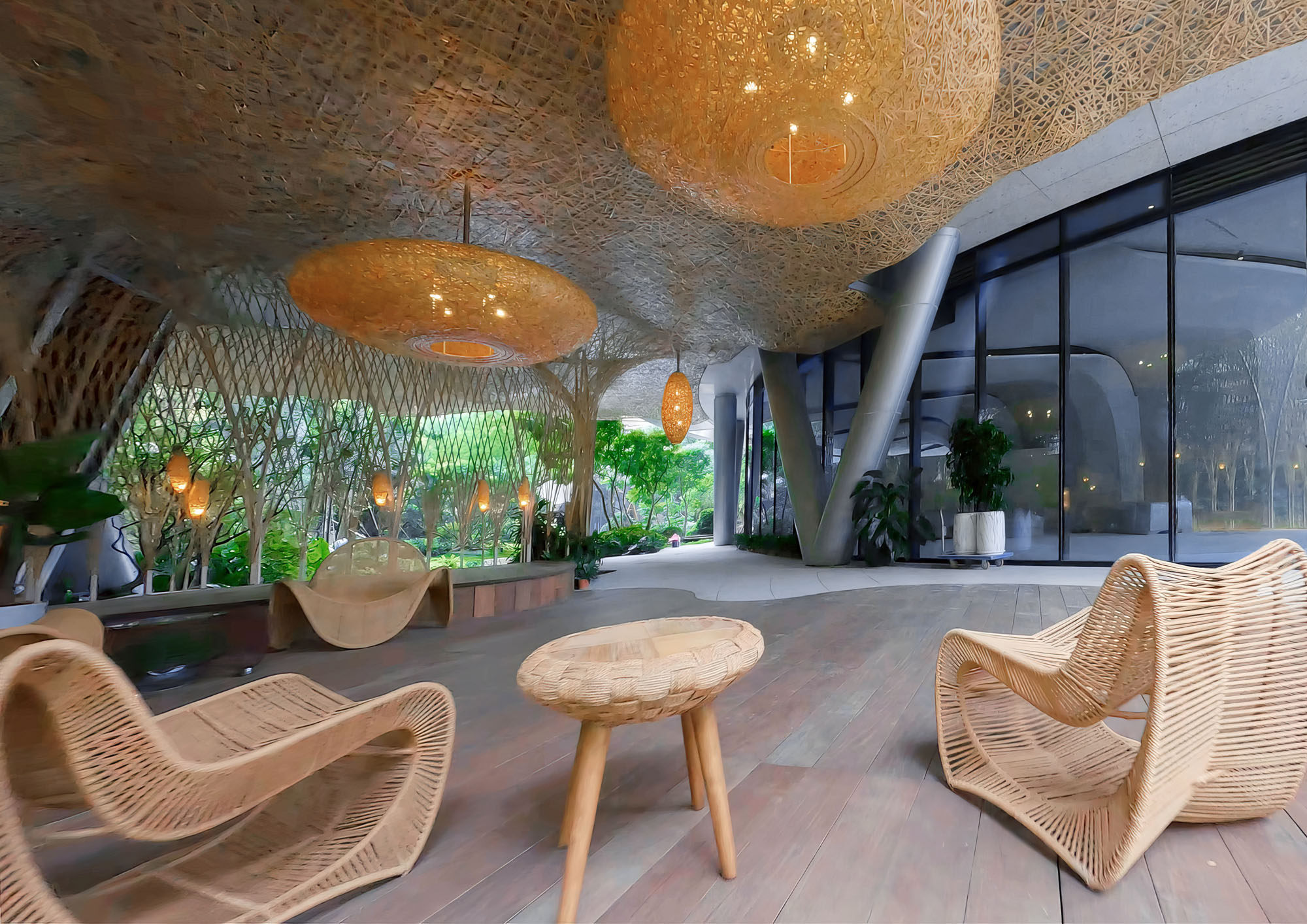
Its innovative structure, high-strength steel, and seismic isolation design ensure a lifespan of a thousand years. This significantly reduces the carbon emissions associated with future demolition and reconstruction, cutting its carbon footprint by over ten times compared to traditional buildings. Additionally, the project uses more than 45% green building materials, setting a leading example in reducing embedded carbon.A notable example is the shaded area beside the outdoor courtyard. The project utilizes fast-growing bamboo as both construction and decorative materials, creating a forest-like environment that fosters harmonious coexistence between people and their surroundings.
Article written by LEED in North Asia, July 2024
ヴィンセント・カレボー・アーキテクチャー 公式サイト
https://vincent.callebaut.org