
CULTURE
©︎ 高唯芷
©︎ 褚英男
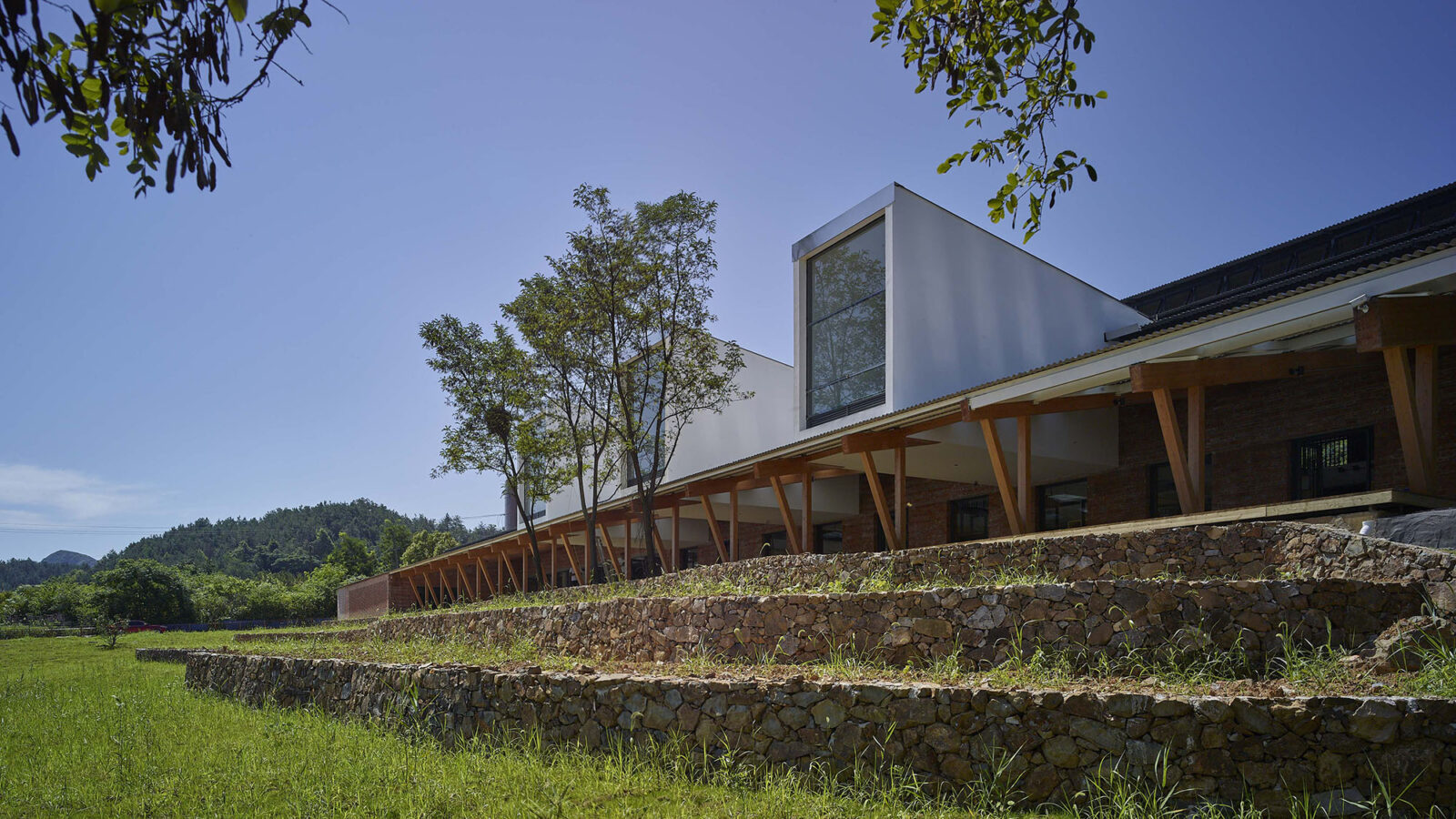
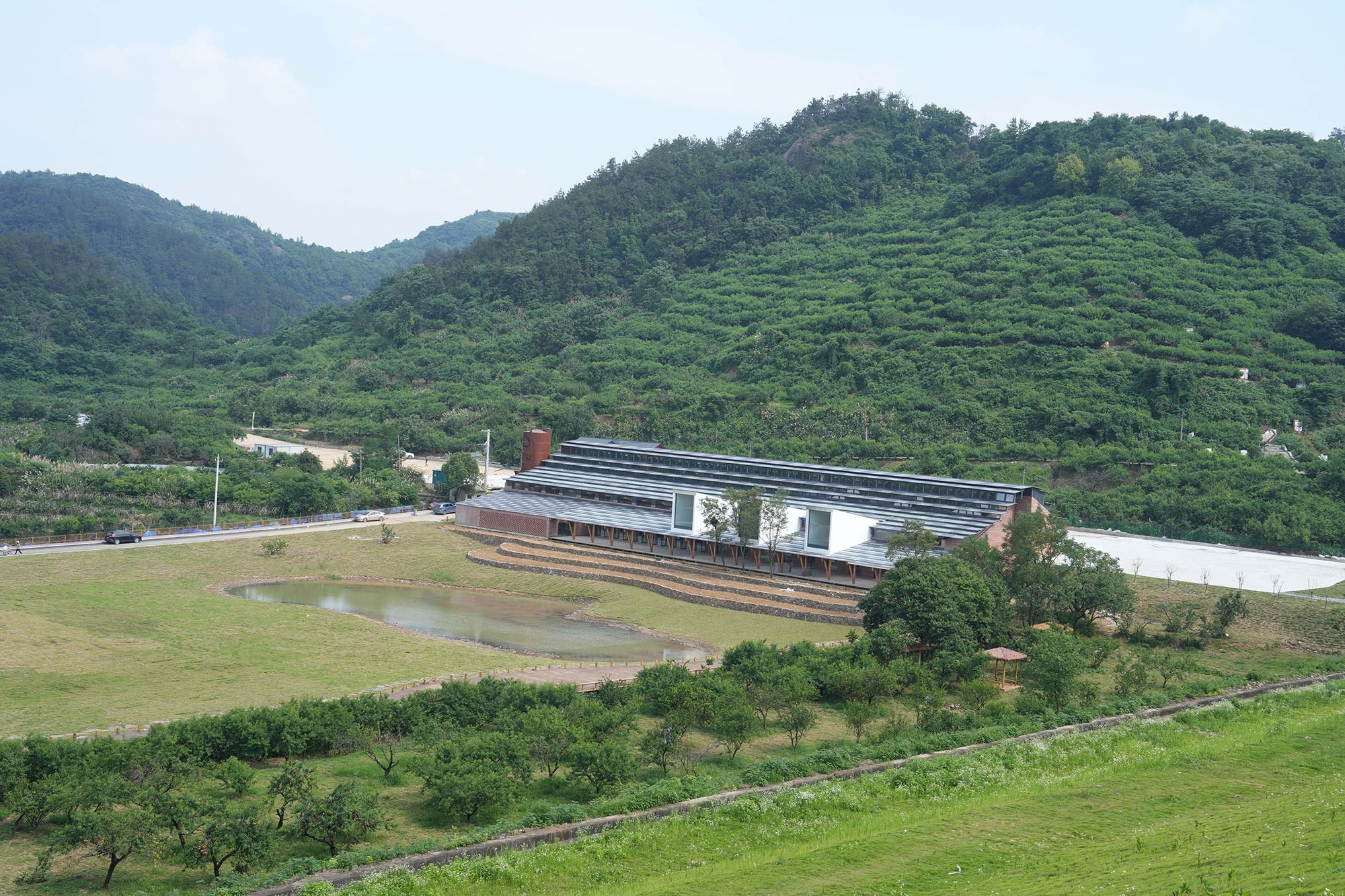
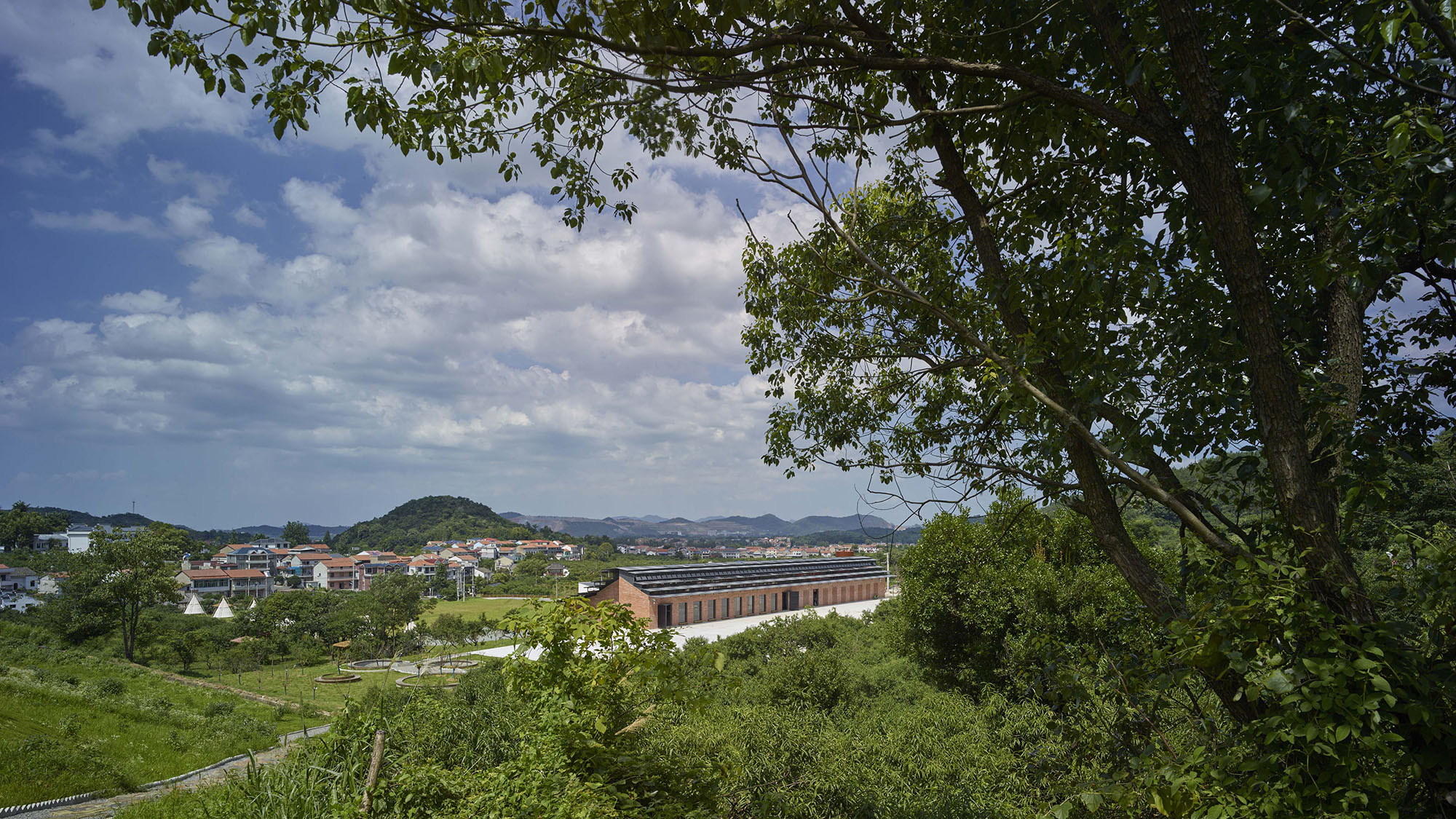
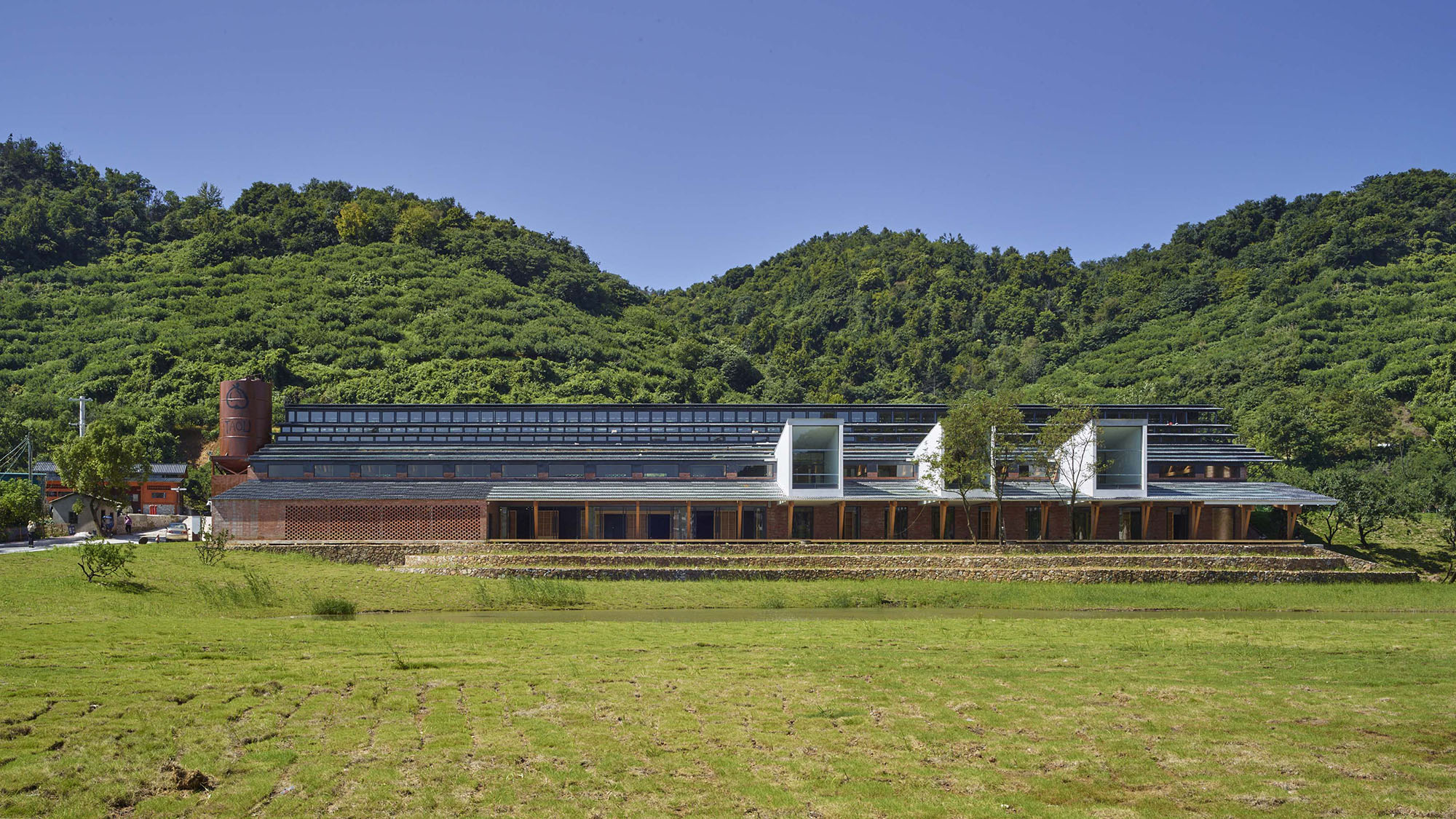
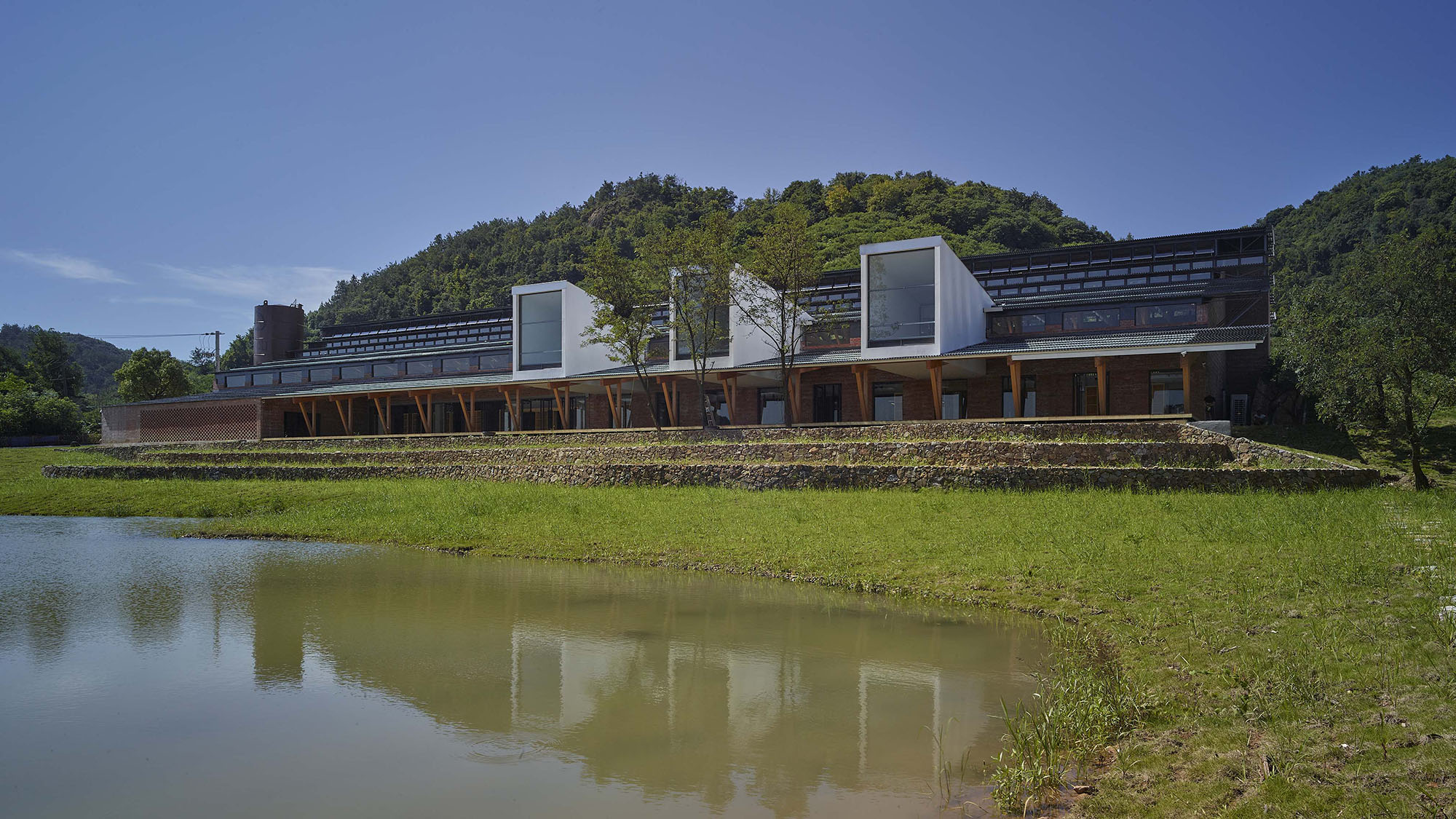
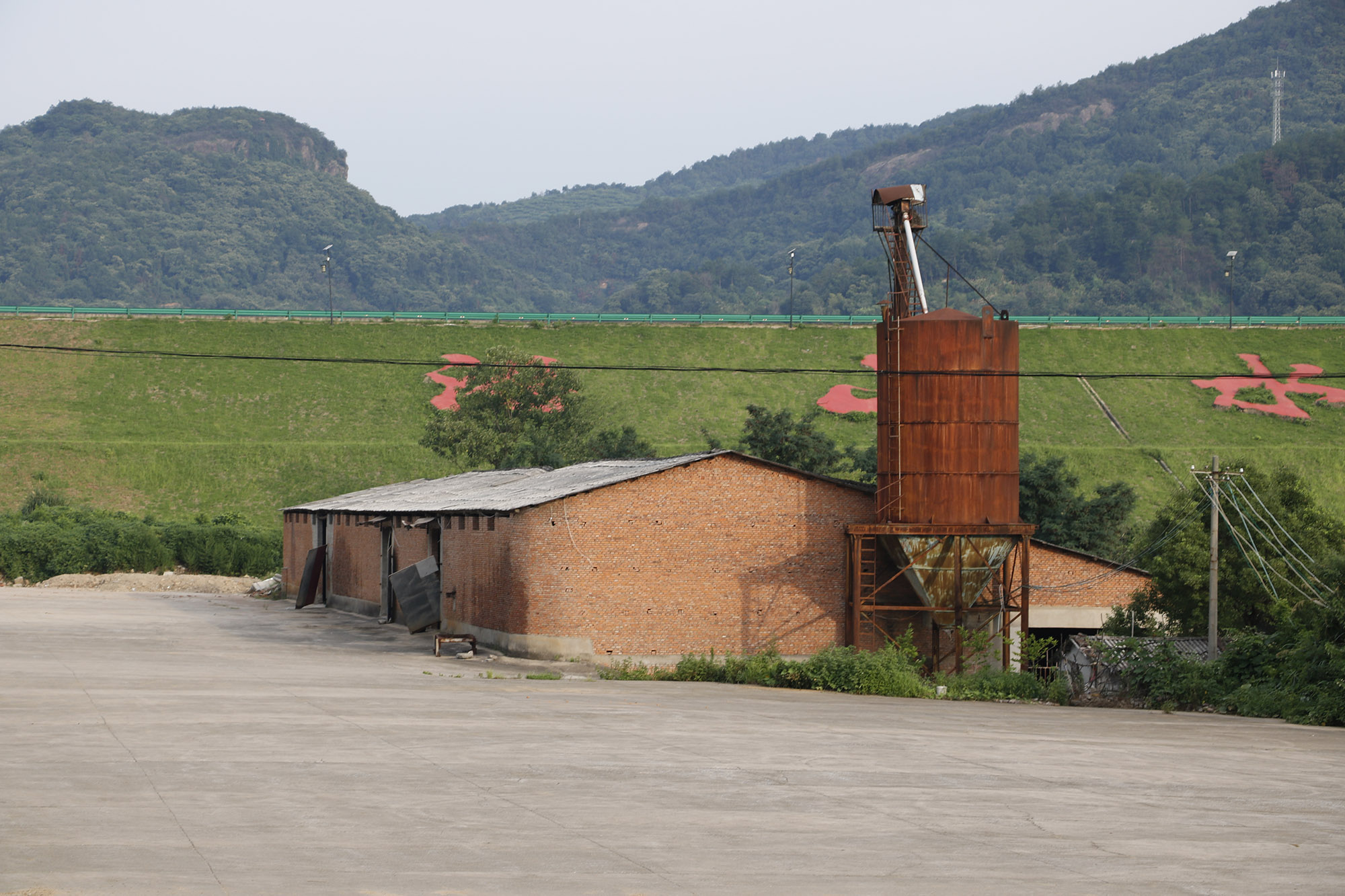
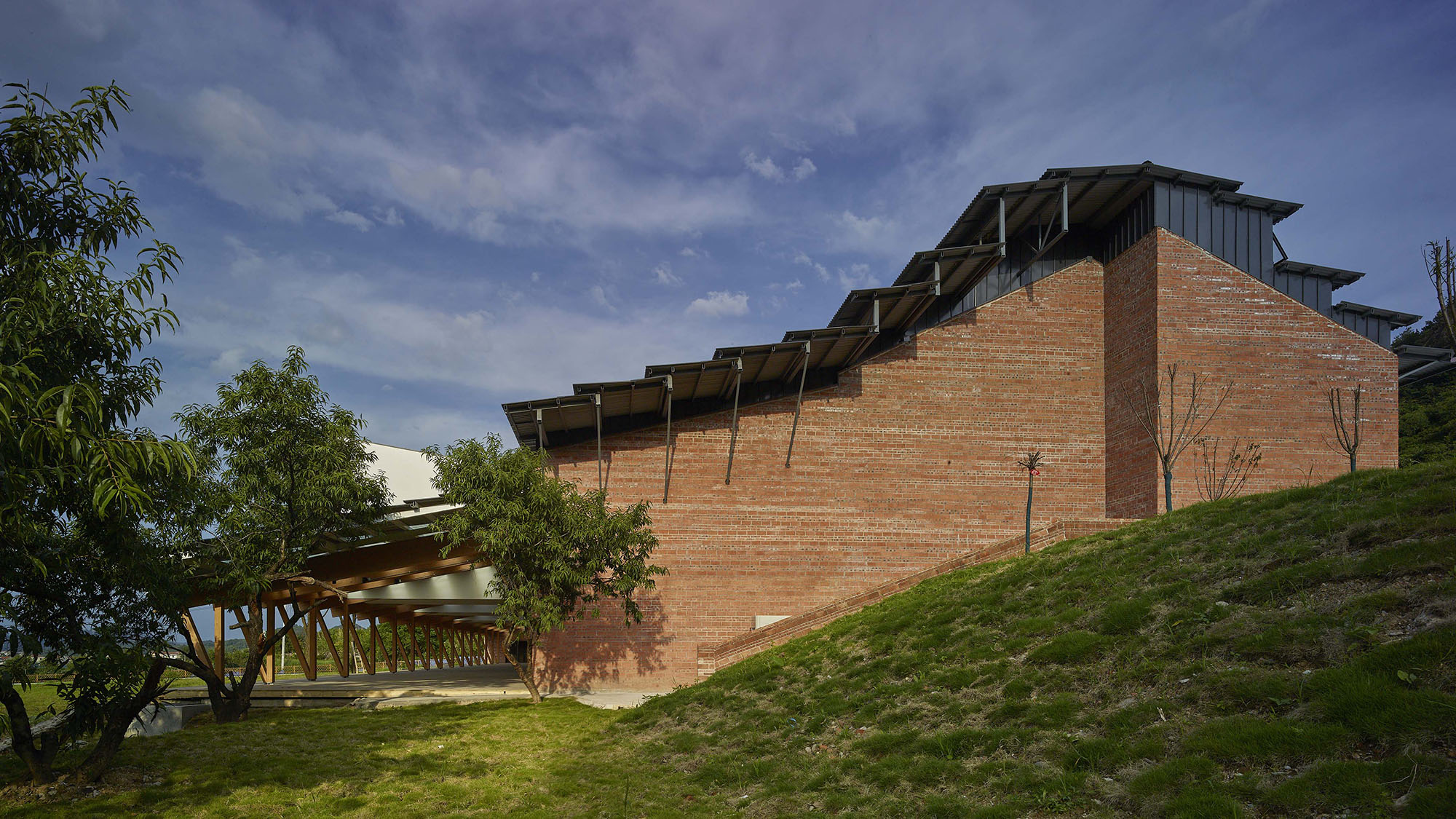
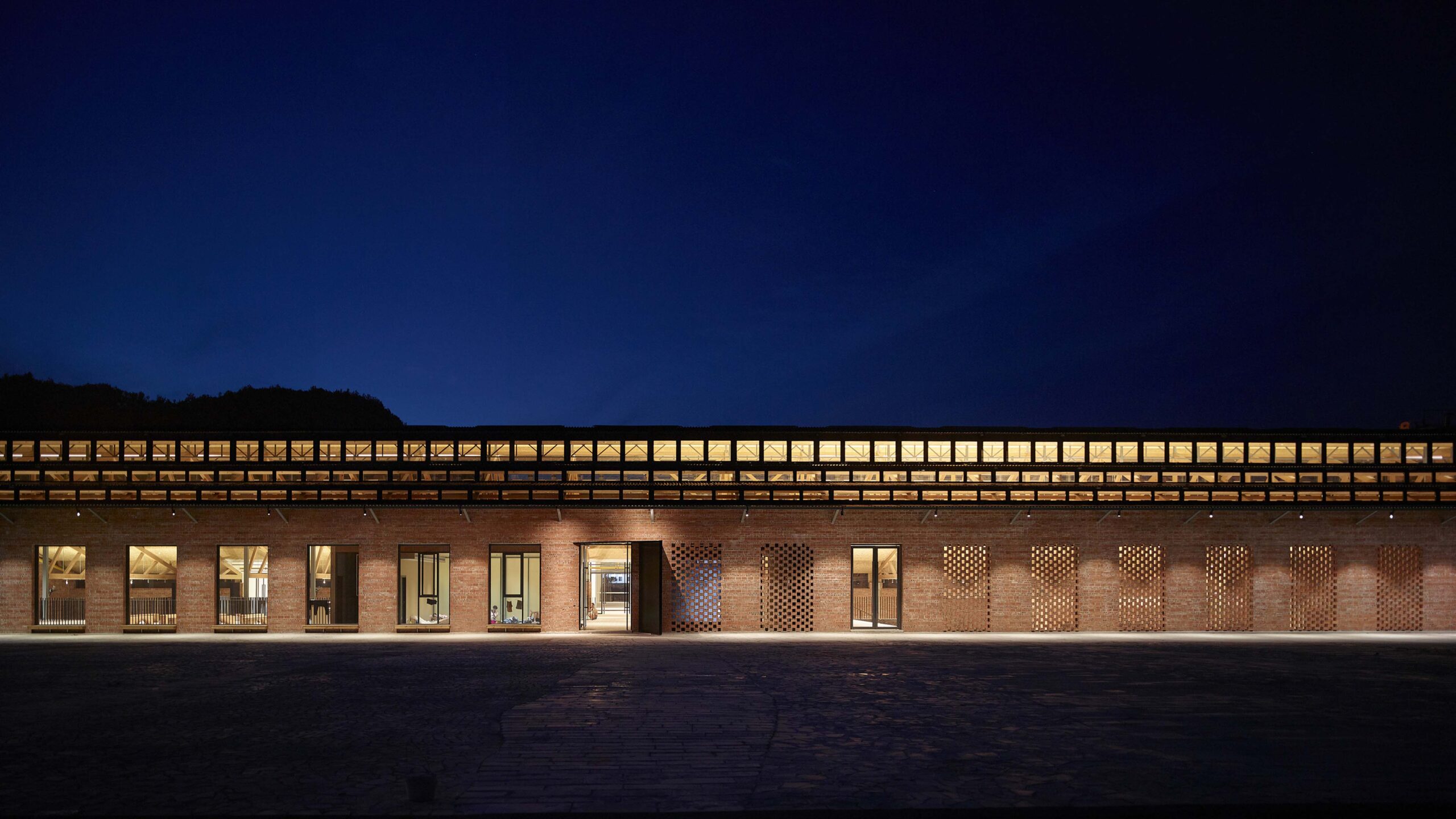
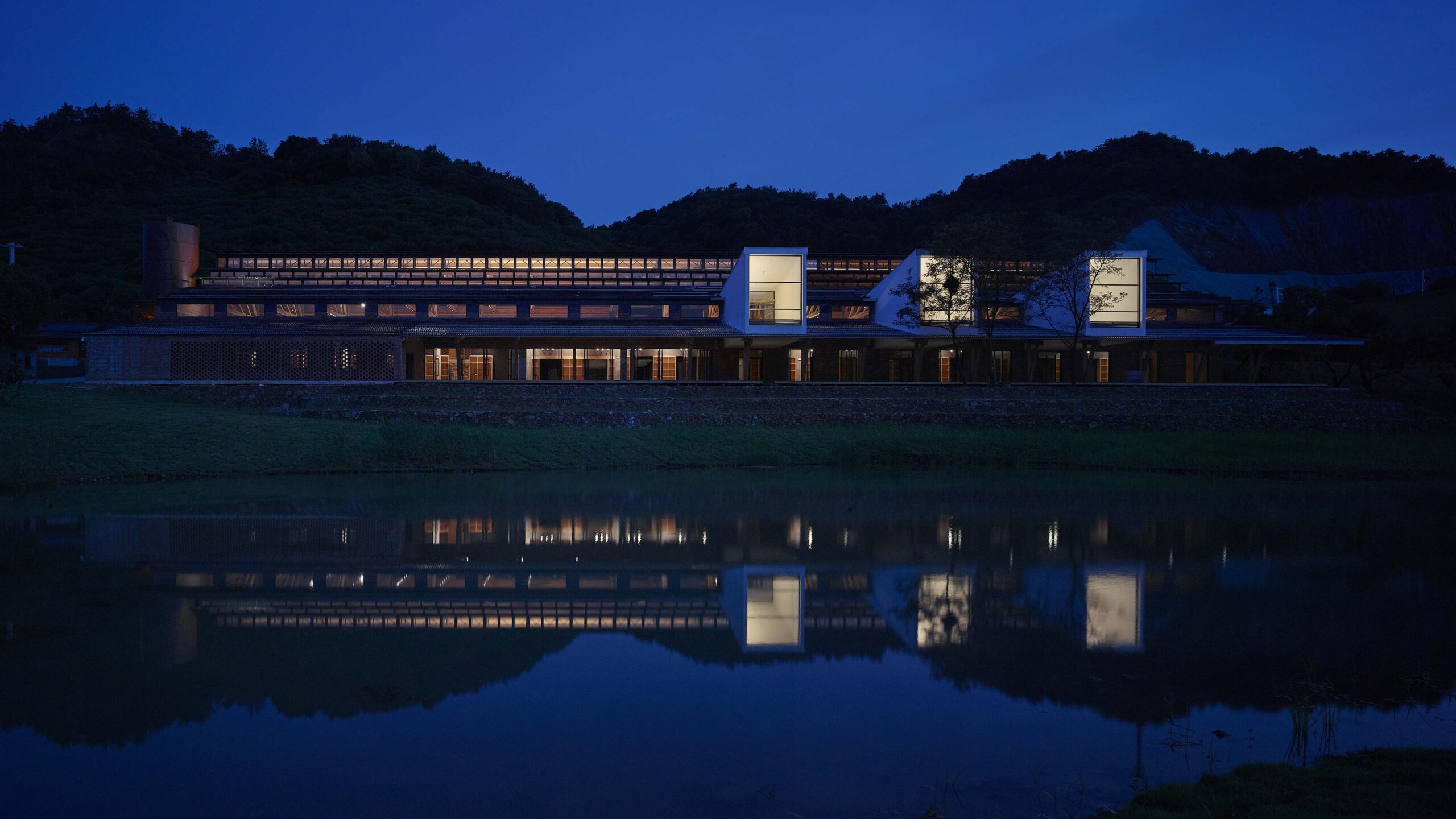
中国の湖北省、沼山村に位置する〈桃里・沼山村村民センター(Taoli-Zhaoshan Village Center)〉は、廃工場を再生した地域コミュニティのための公共施設です。
海外の建築業界で近年注目を集める、歴史的な建築物を保存するだけでなく現代に適合させ活用する「アダプティブリユース」という考え方を取り入れた建築であり、中国の設計事務所 SUPアトリエ(SUP Atelier)が設計しました。
注目ポイント
- 再生資材による廃工場のアダプティブリユース
- 瓦礫擁壁、赤レンガ、木造フレーム、産業設備、採石場廃棄物など現場の多様な素材を再利用
- 自然採光と換気を促す鉄骨と木造を組み合わせた段丘状の屋根構造
- 環境的、素材的、コミュニティ的な持続可能性の実現
(以下、SUPアトリエから提供されたプレスキットのテキストの抄訳)
©︎ 褚英男
©︎ 褚英男
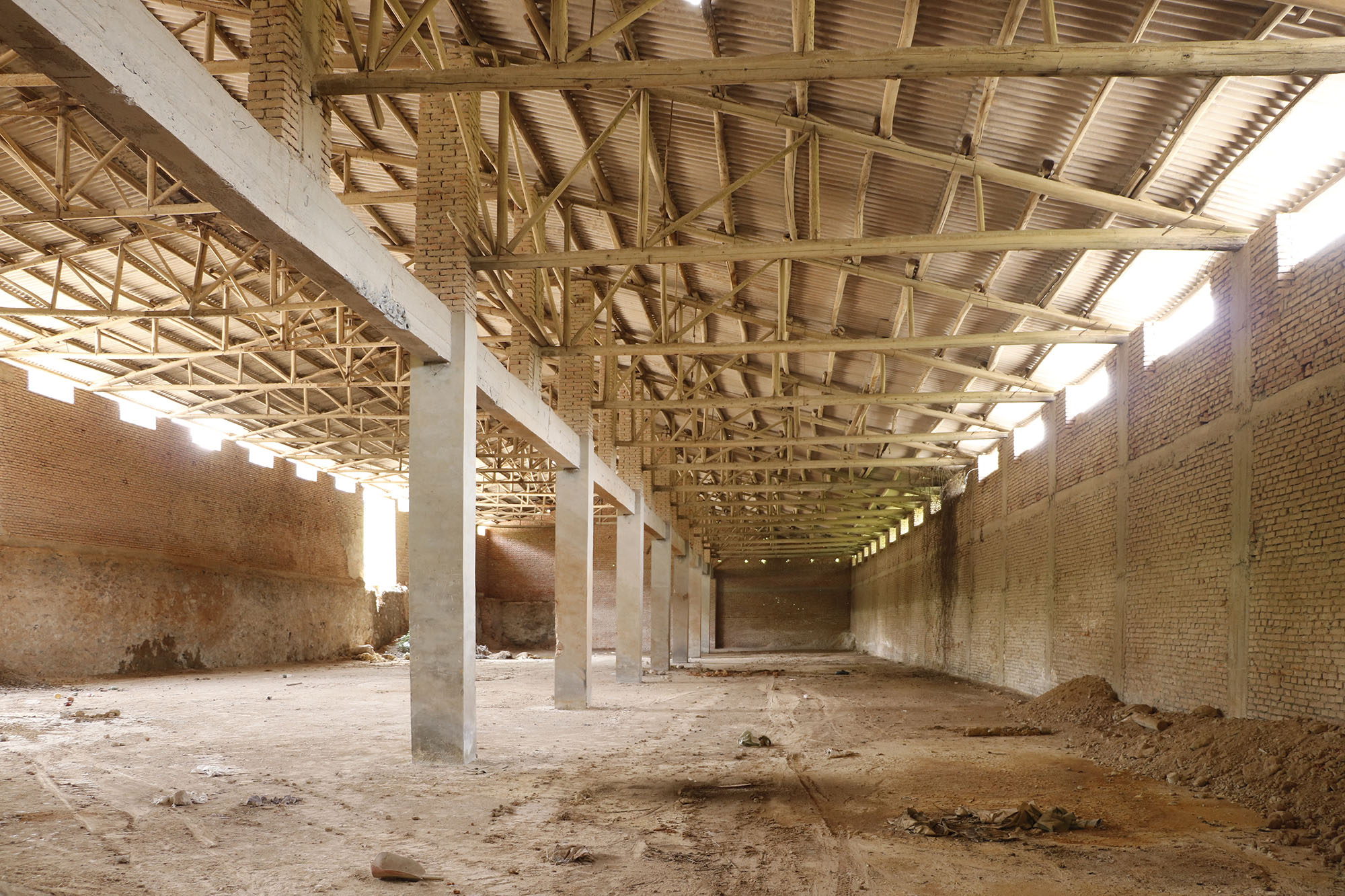
廃工場の再生
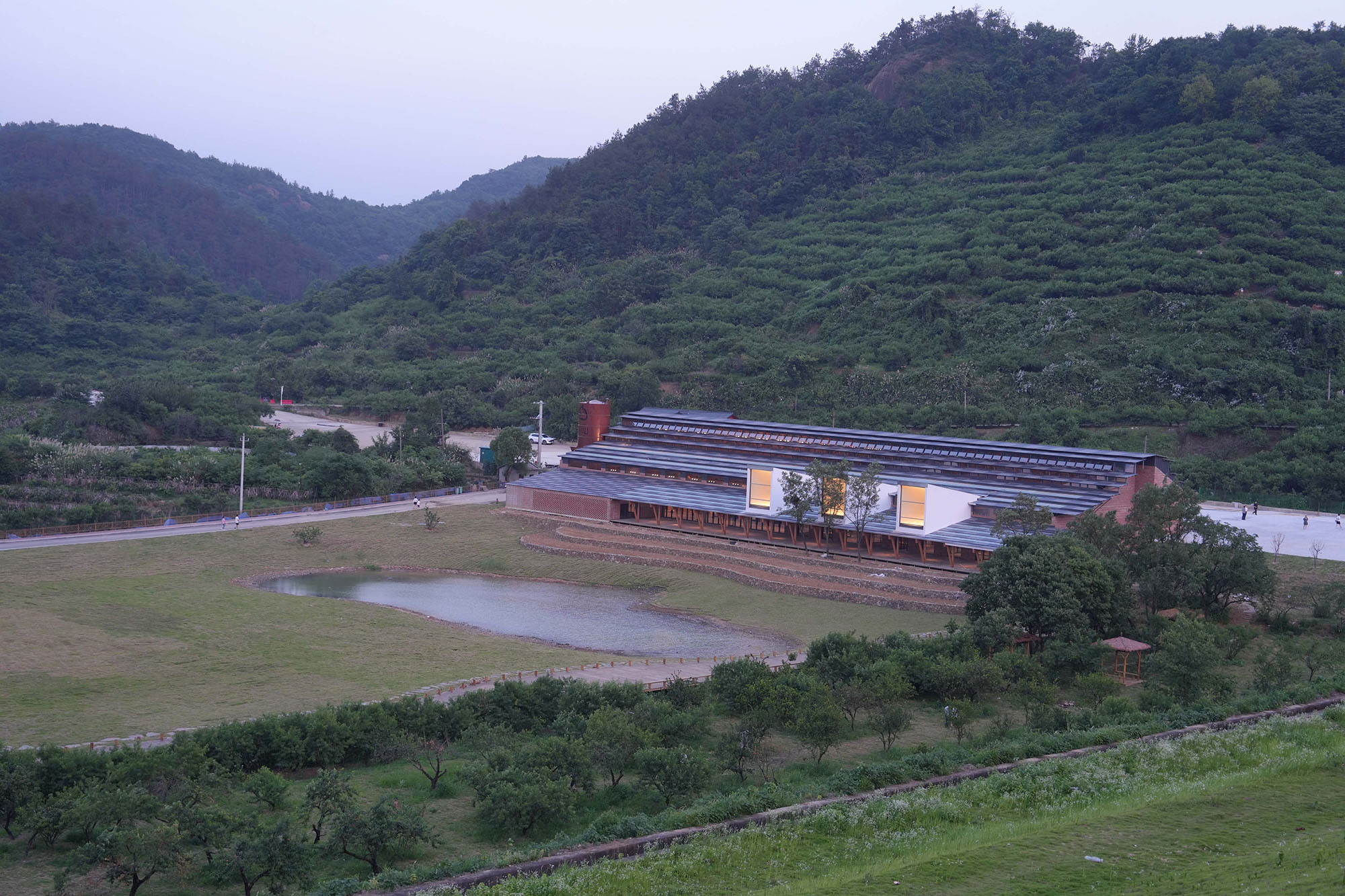
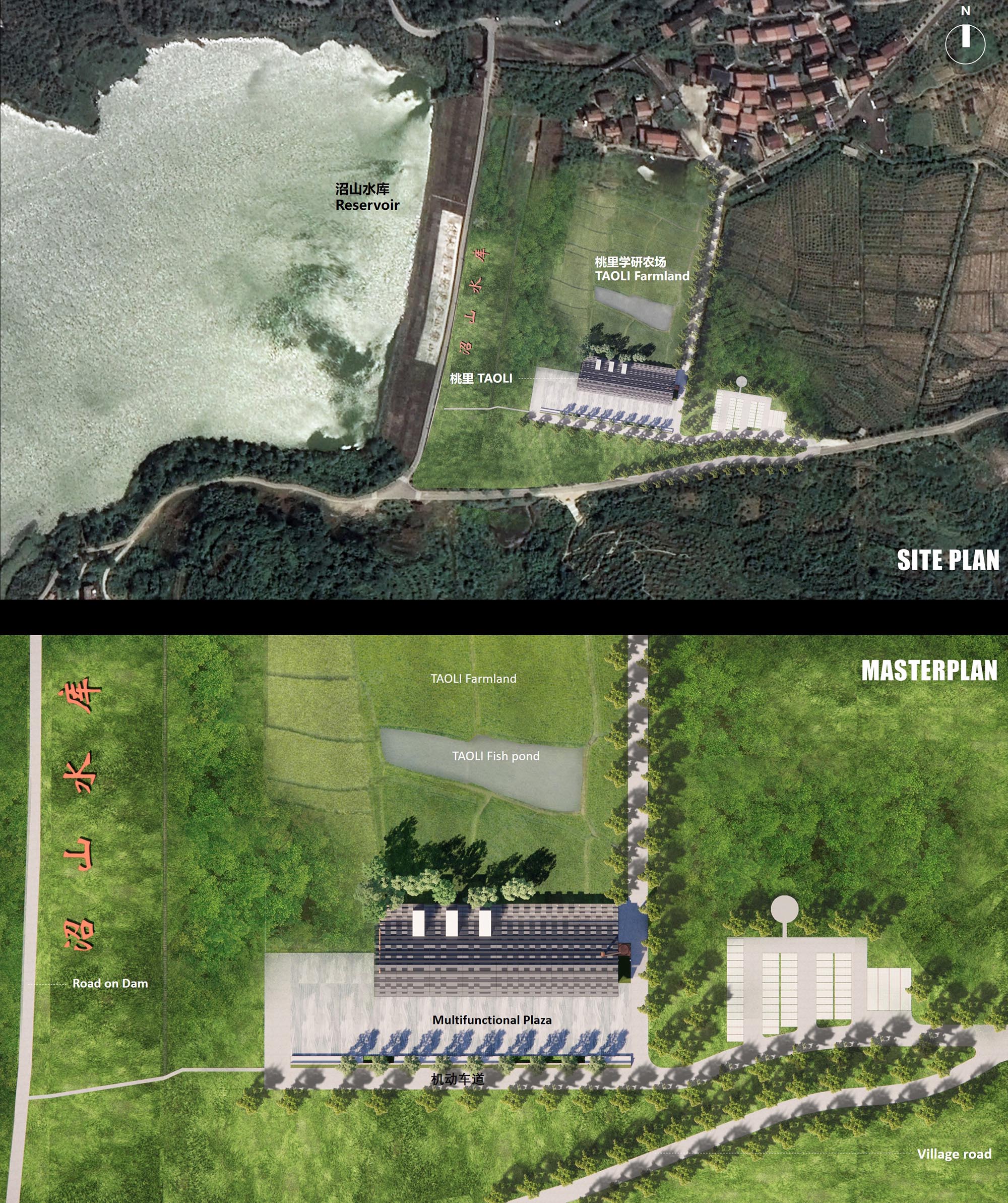
〈桃里・沼山村村民センター〉は、沼山村ダムの麓に位置し、廃業した粘土精製工場の持続可能な再生に焦点を当てている。設計においては現地の素材と職人技を重視し、自然条件と地域資源を活用して持続可能な設計戦略と適切な伝統的技術を開発した。
再生利用された資材を用いてアダプティブリユースすることで、農村環境にシームレスに溶け込みながら、村民と訪問者に向けた高品質で多機能な公共空間を創出している。
©︎ 高唯芷
©︎ 高唯芷
資源循環と再利用の実践
本プロジェクトは、資源循環を通じた農村地域における持続可能な地域建設フレームワークを実証している。
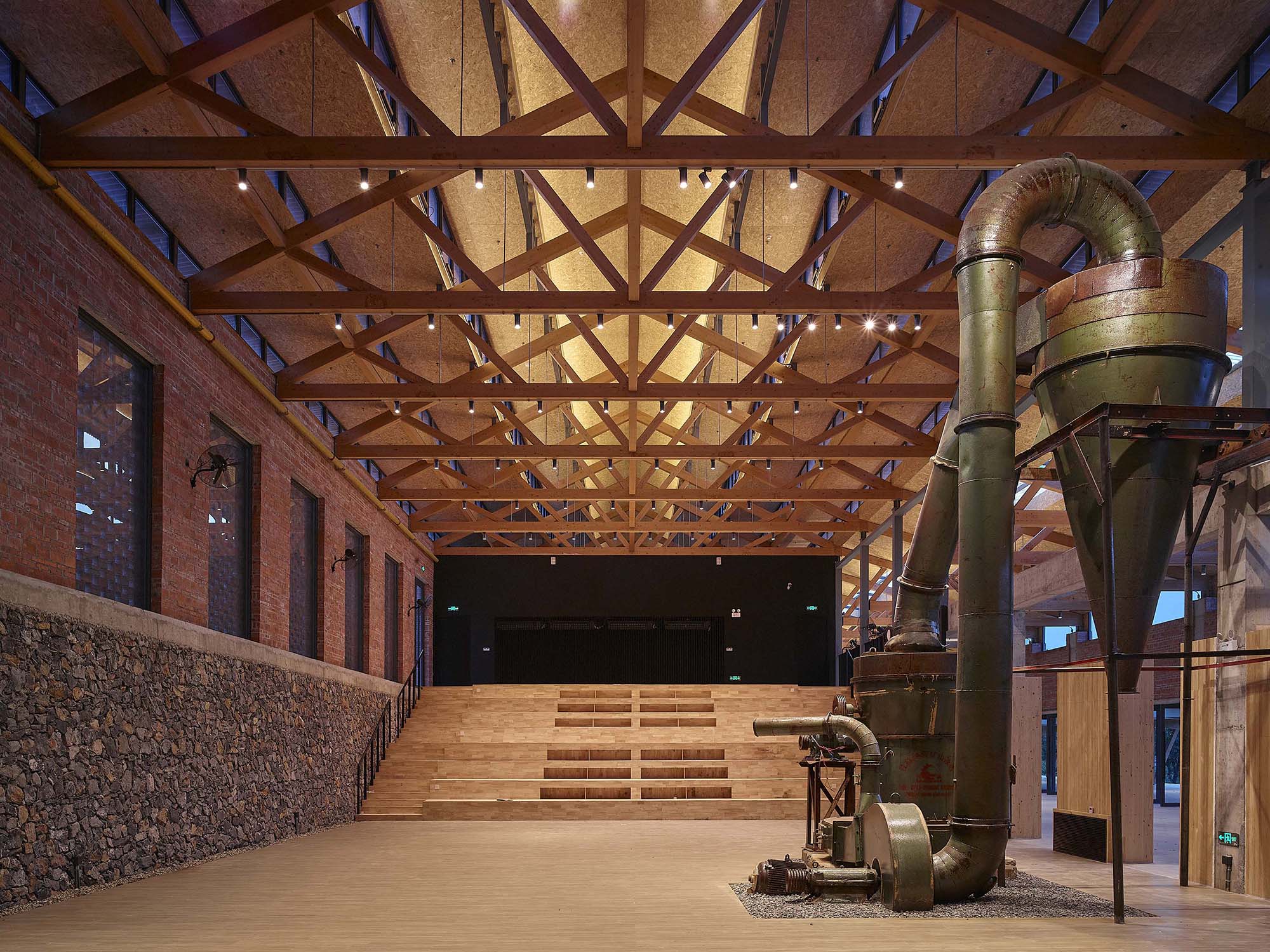
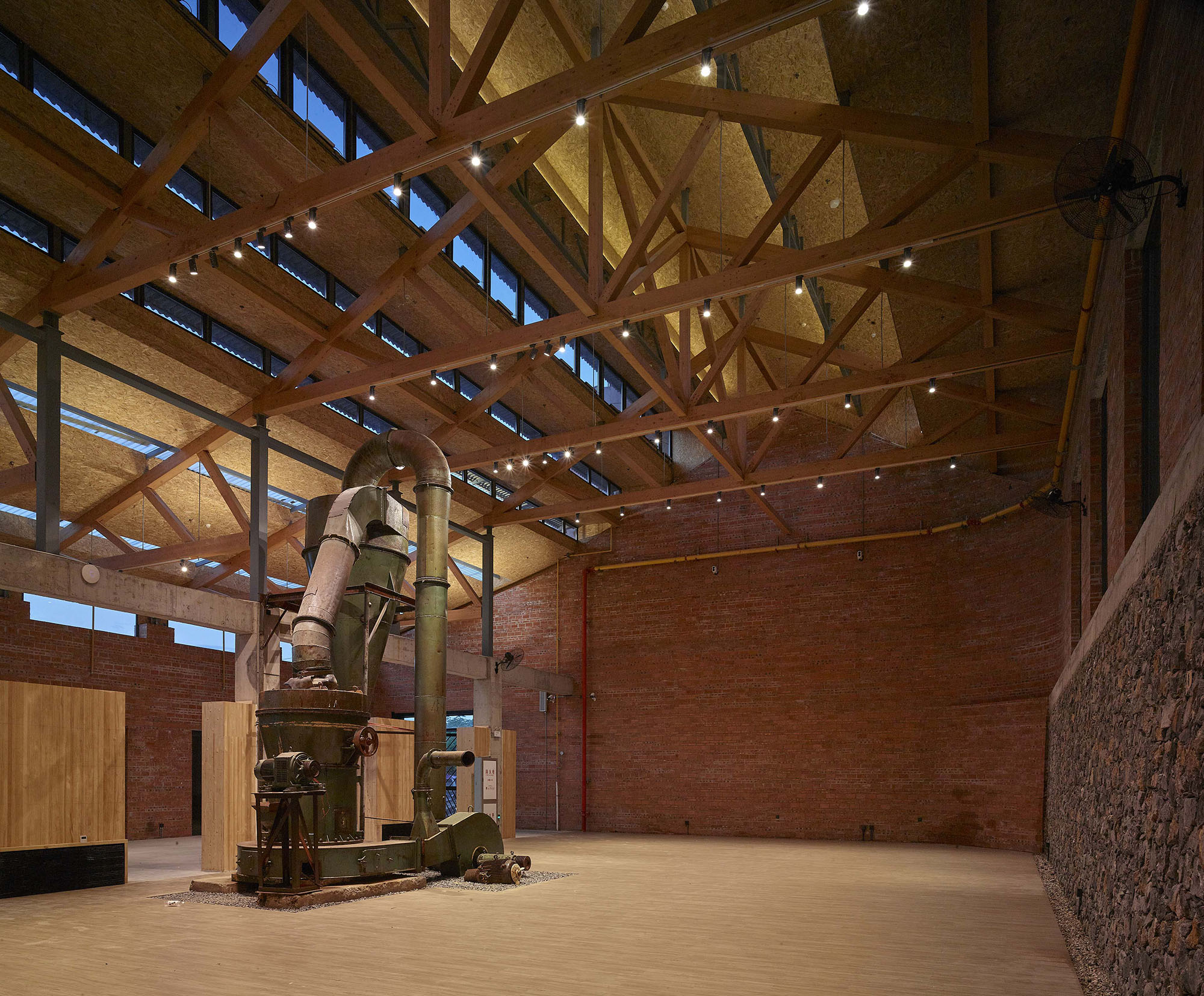
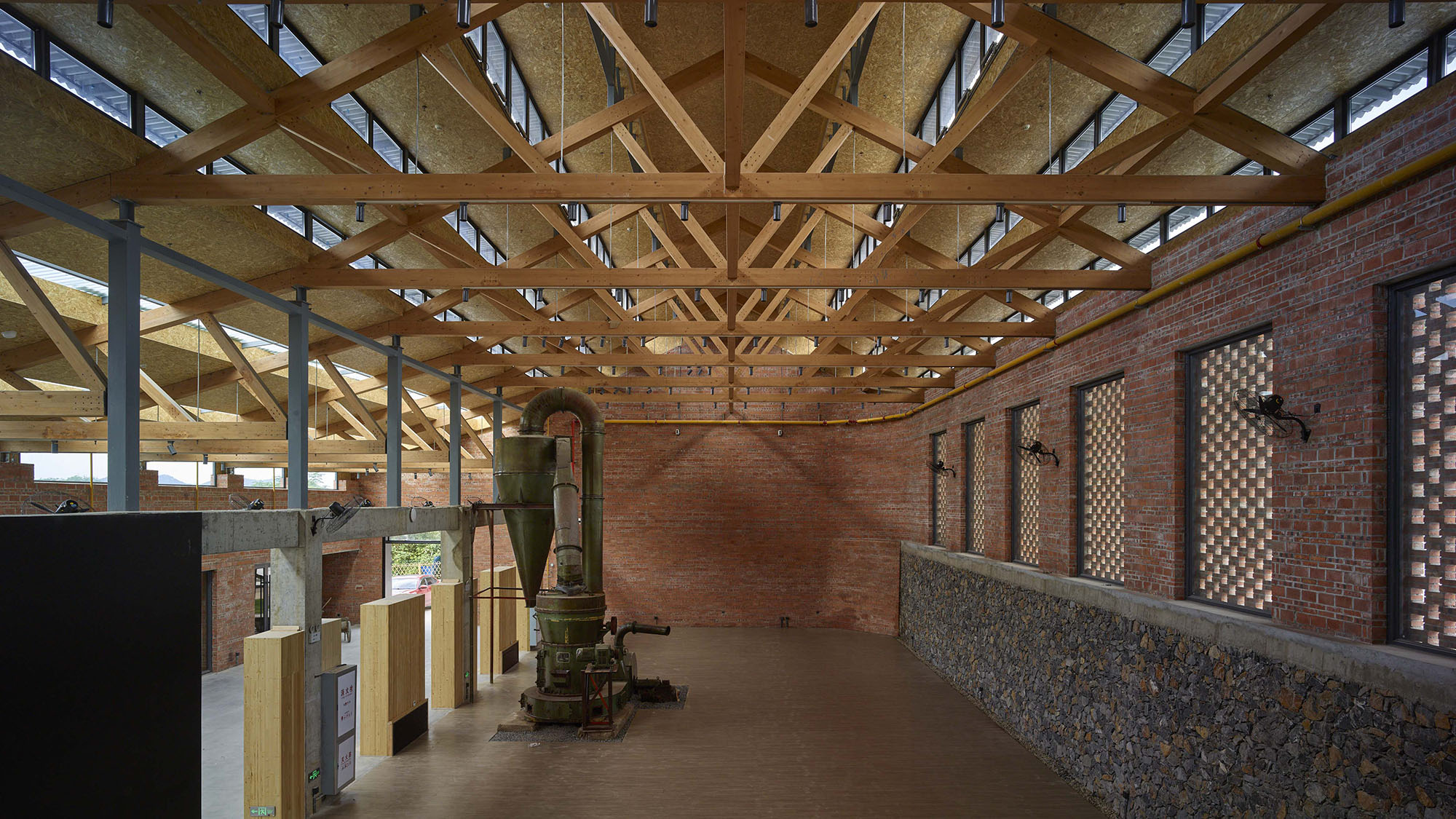
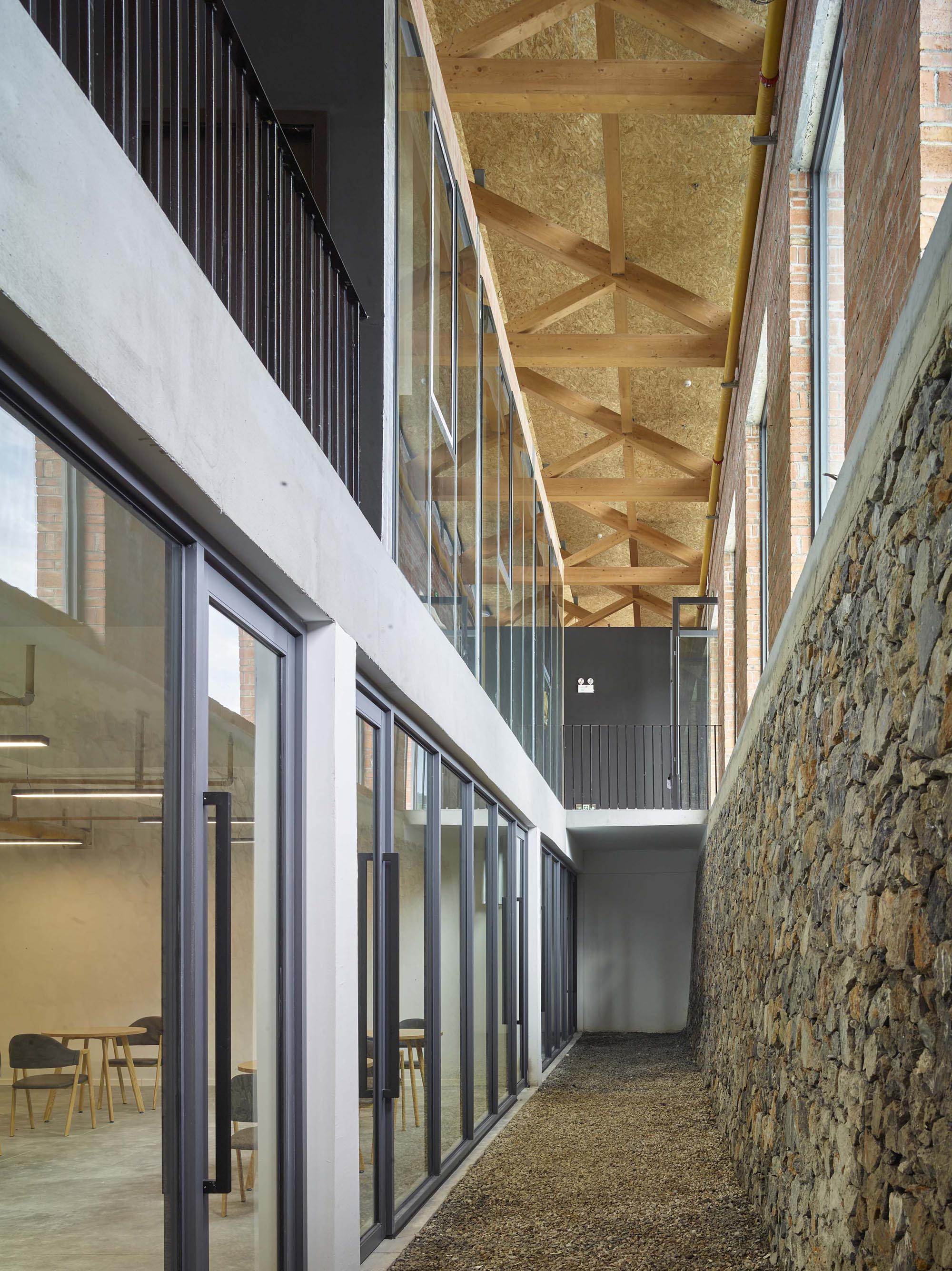
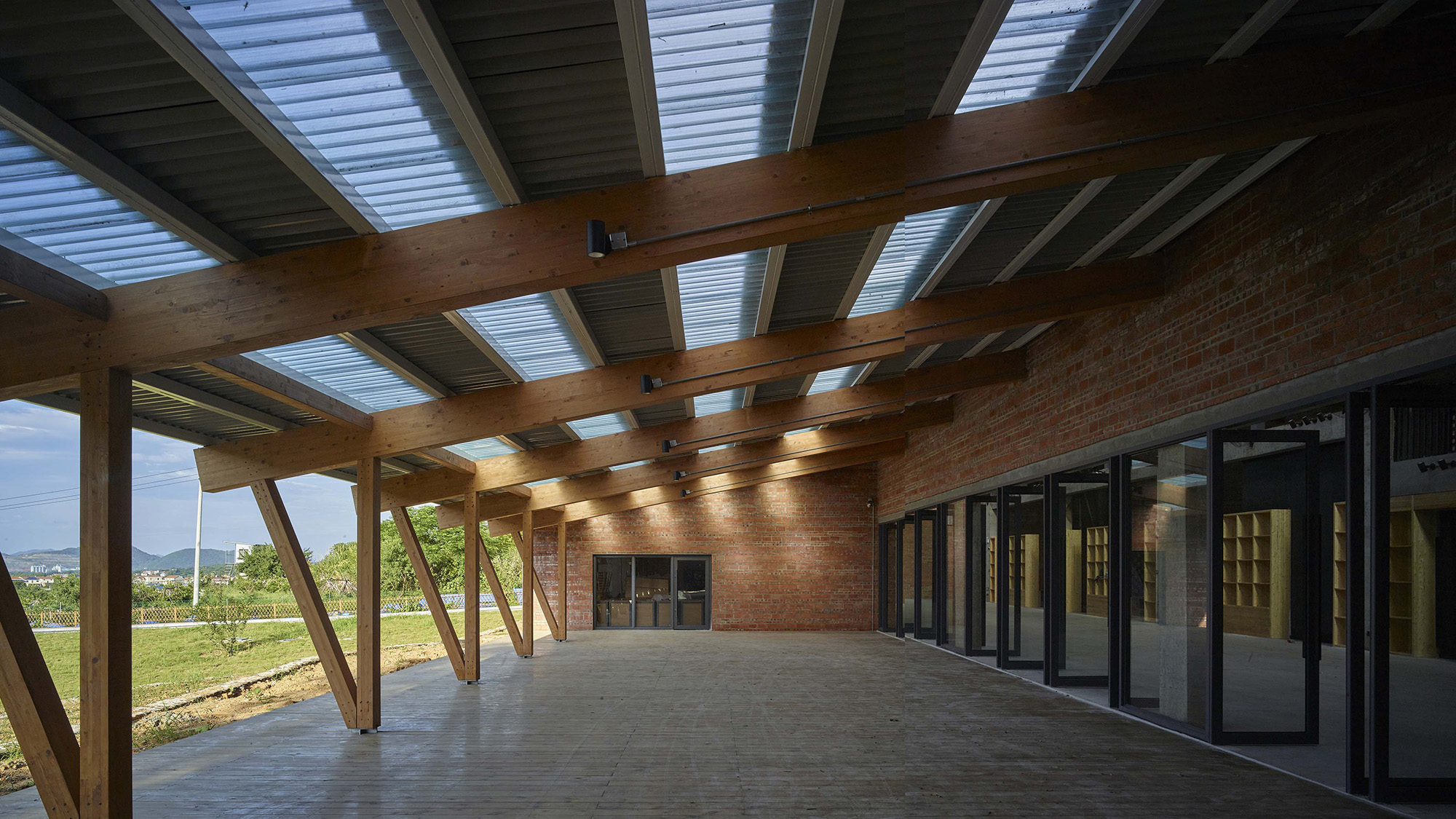
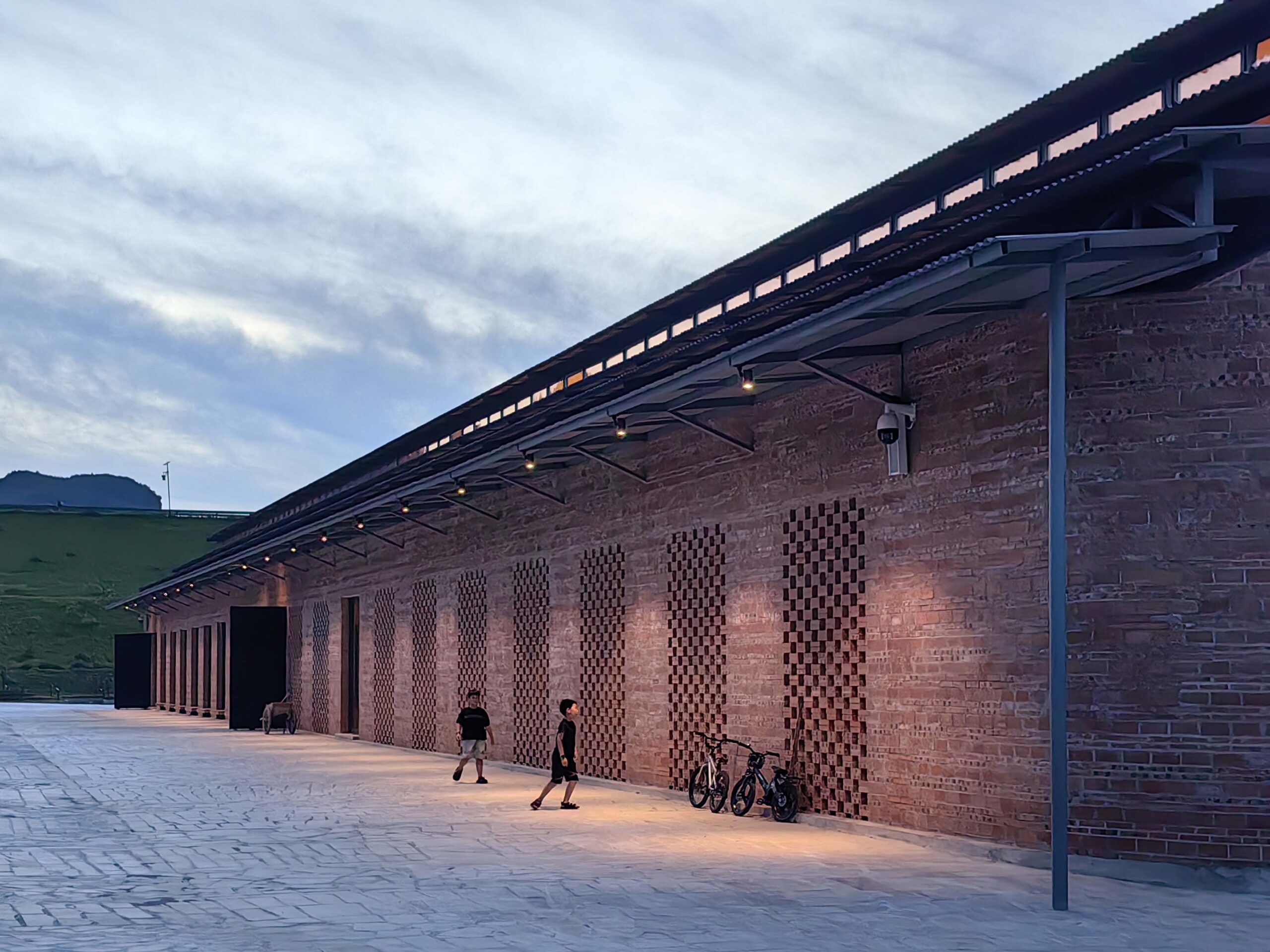
設計の指導のもと、瓦礫擁壁・赤レンガ壁・木造フレーム・産業設備・採石場廃棄物などが再利用された。この再利用は主要内部空間の形成に不可欠であり、建設過程における環境負荷を大幅に低減した。
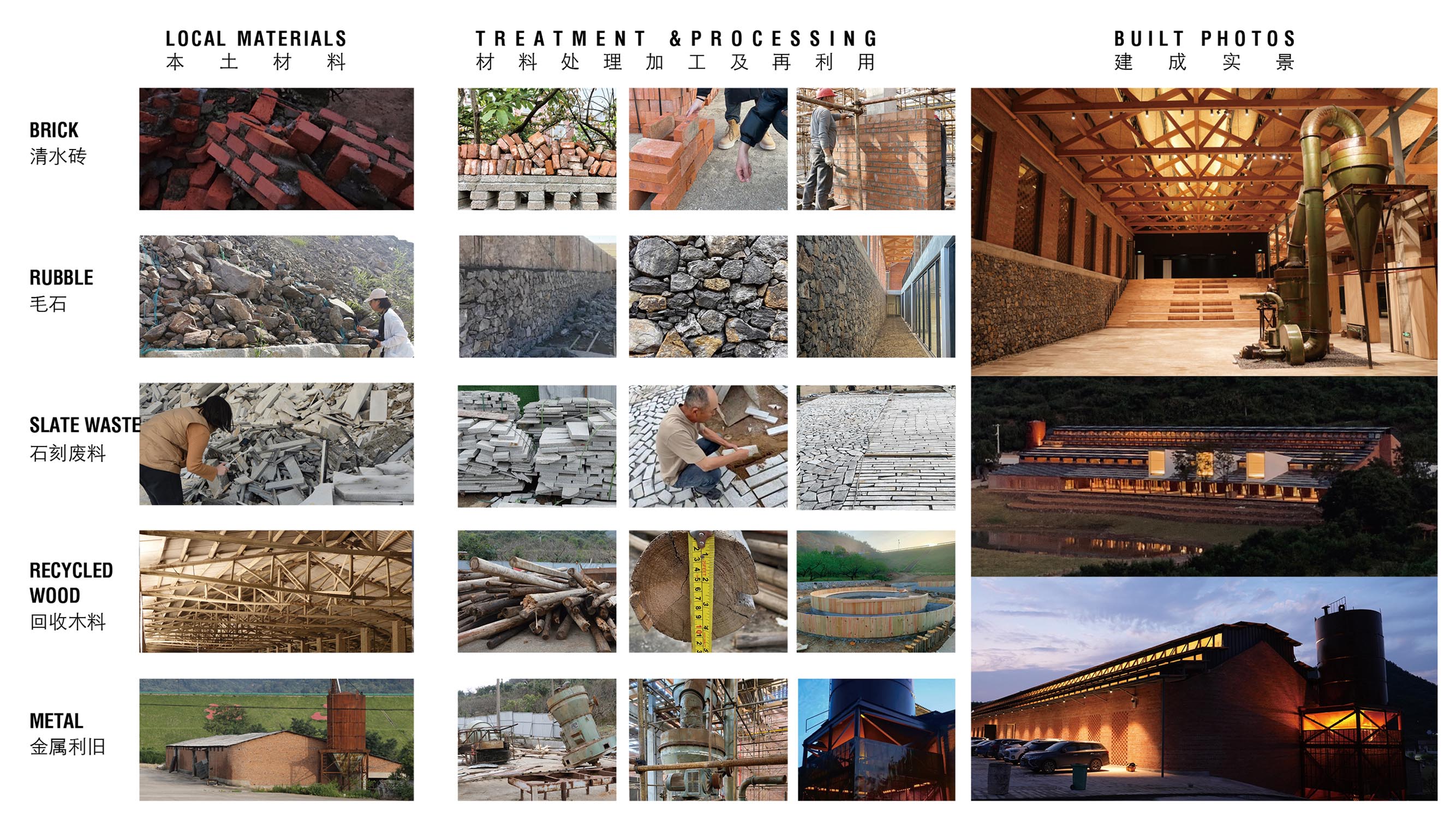
Local Material treatment and processing
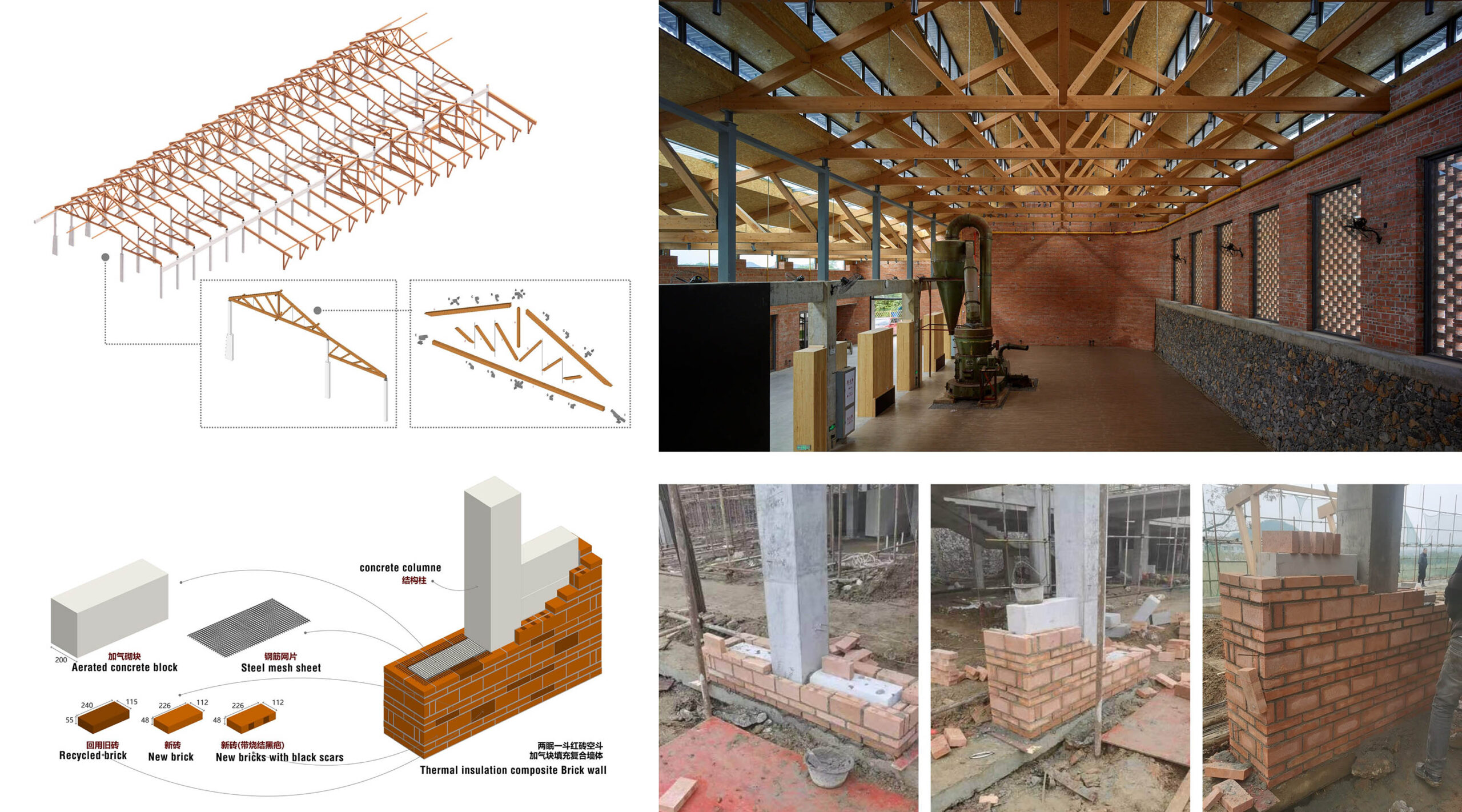
Wood truss and brick construction
建築形態と環境性能の統合
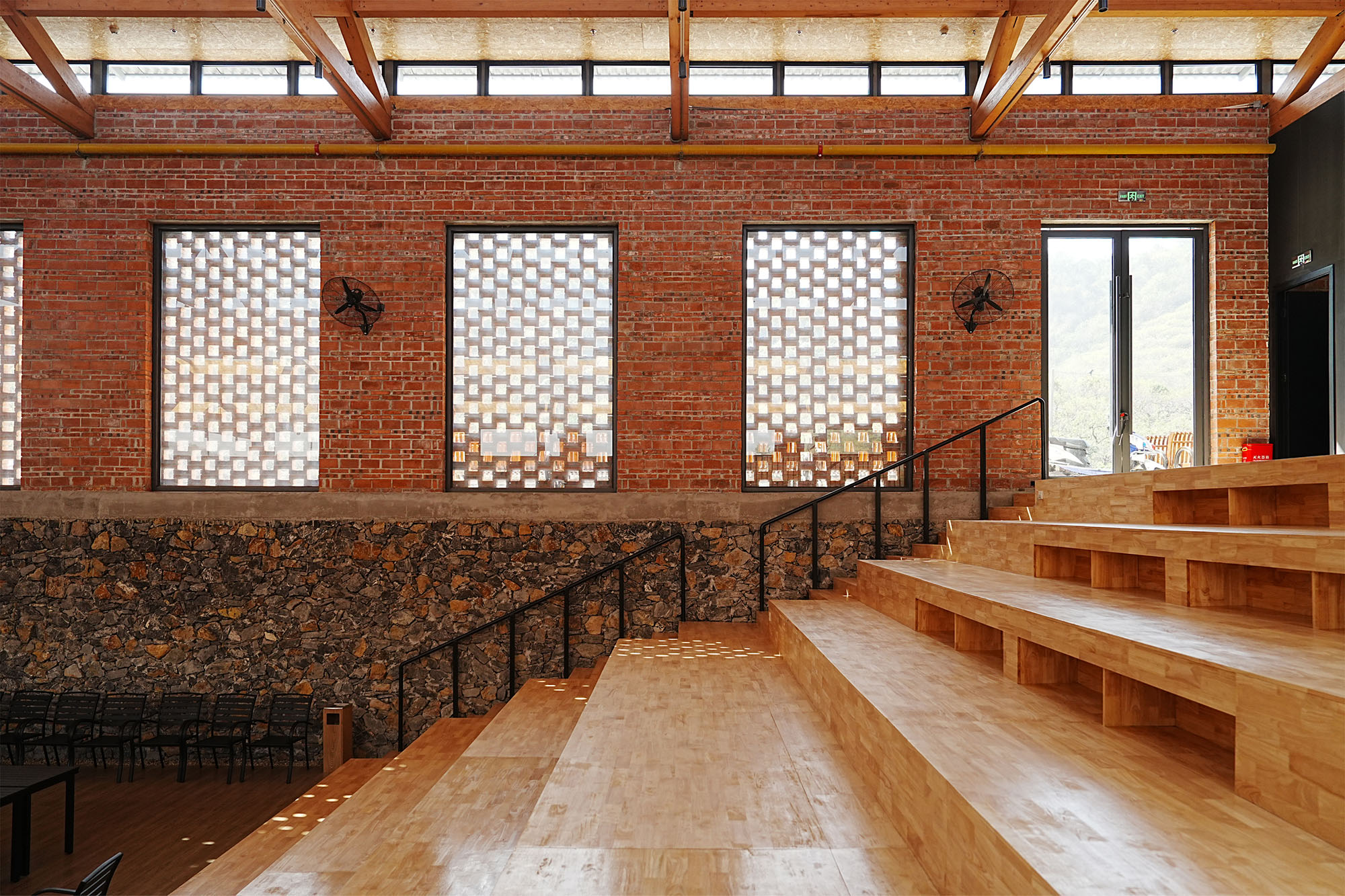
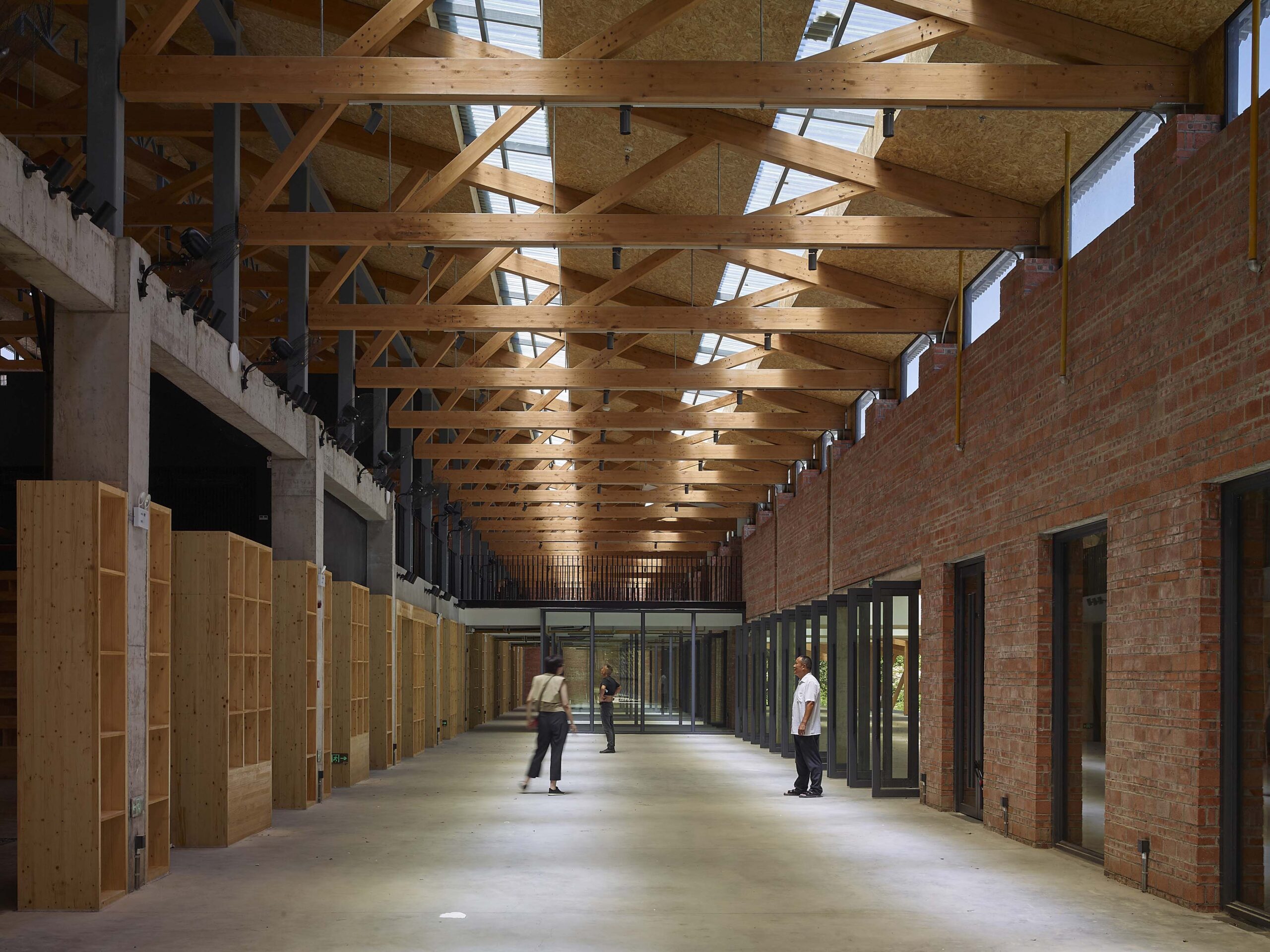
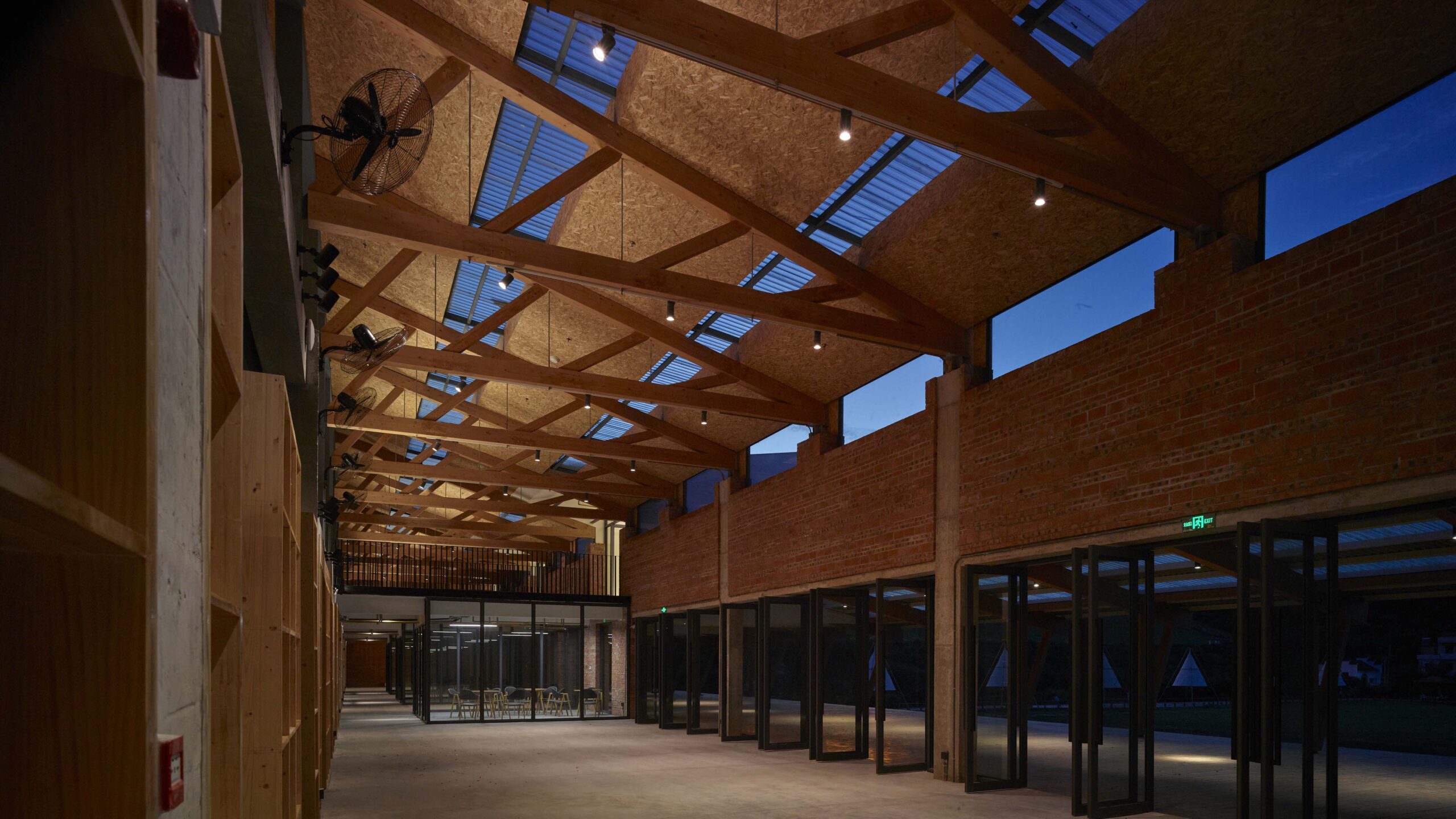
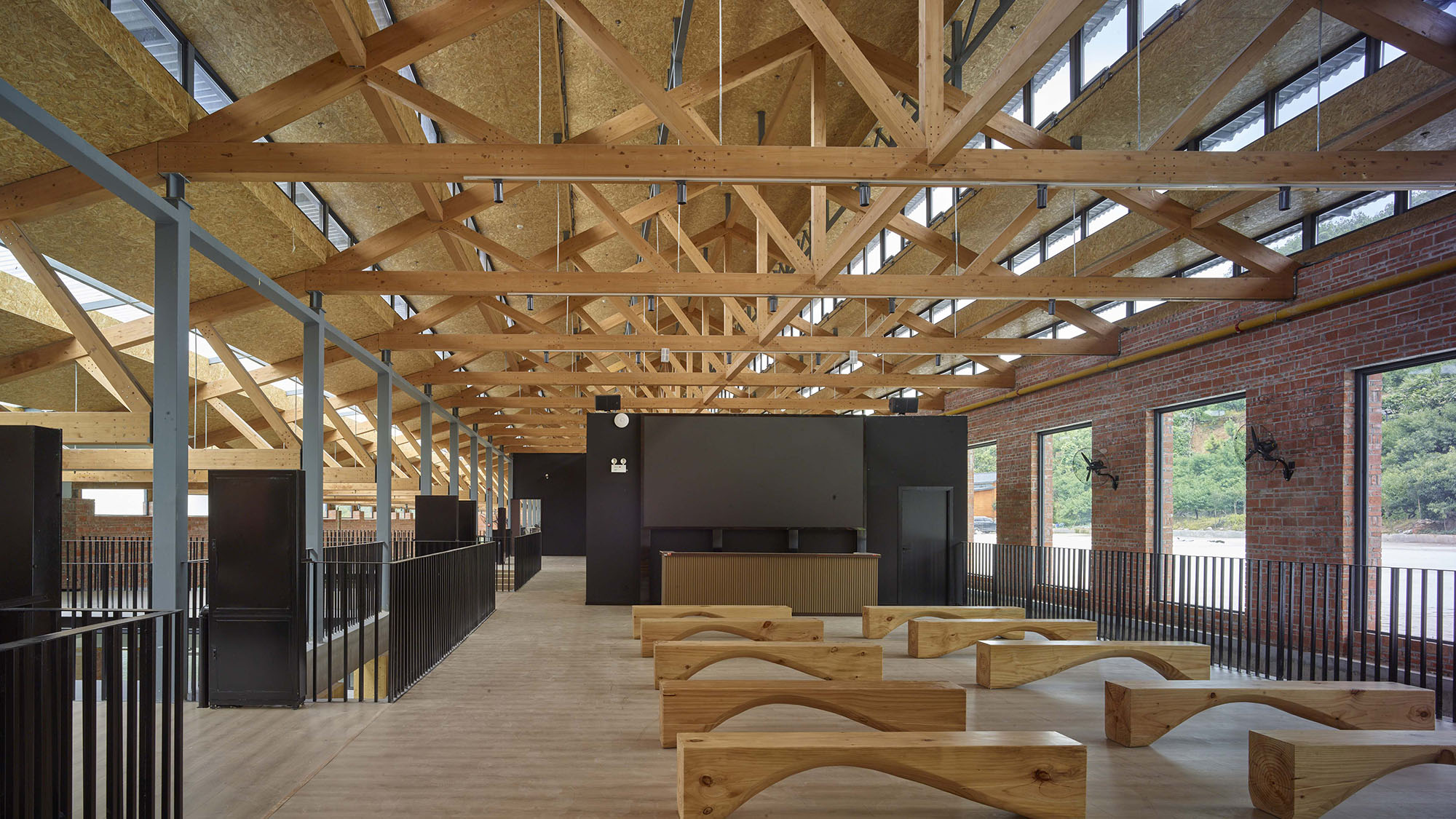
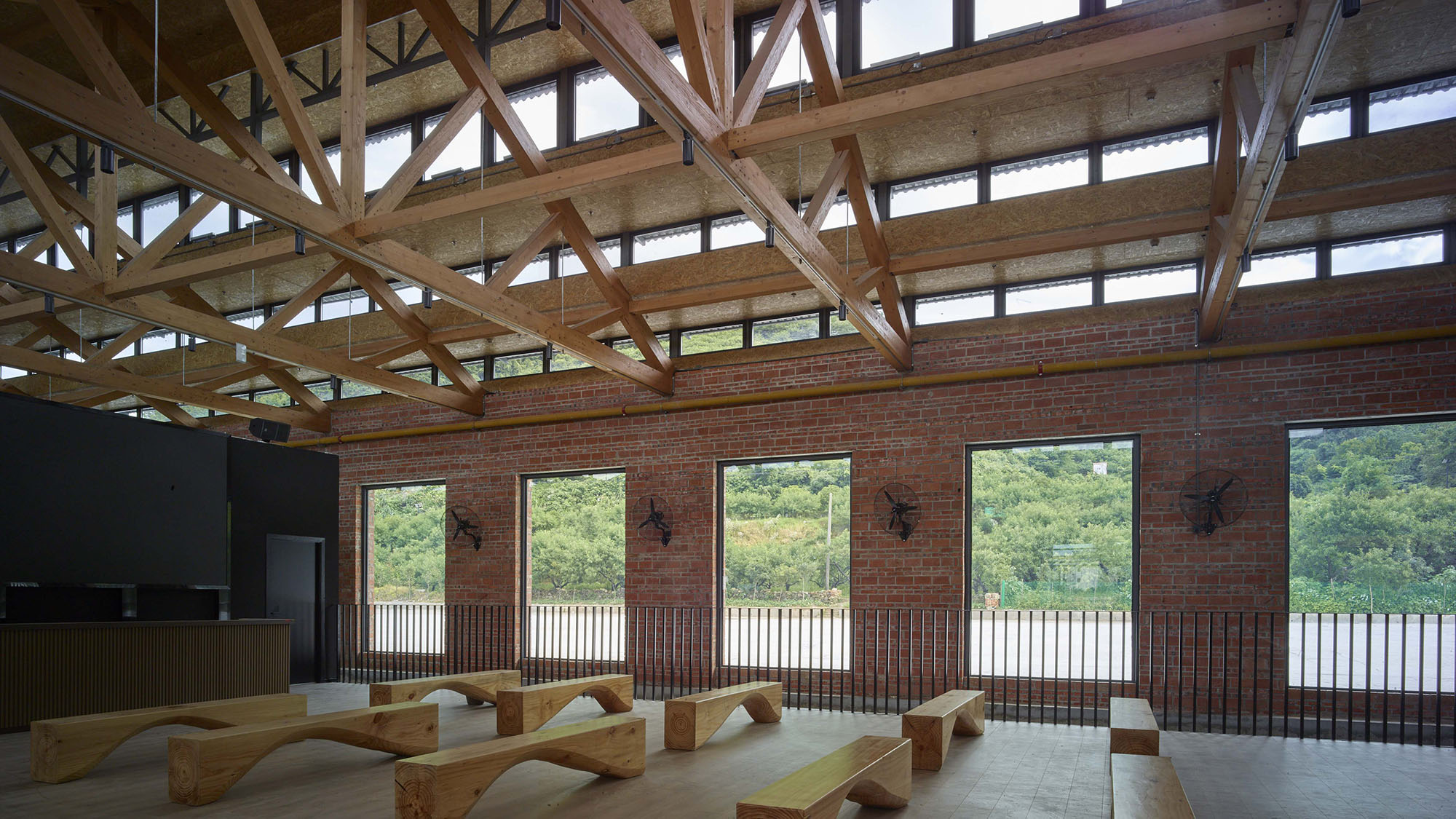
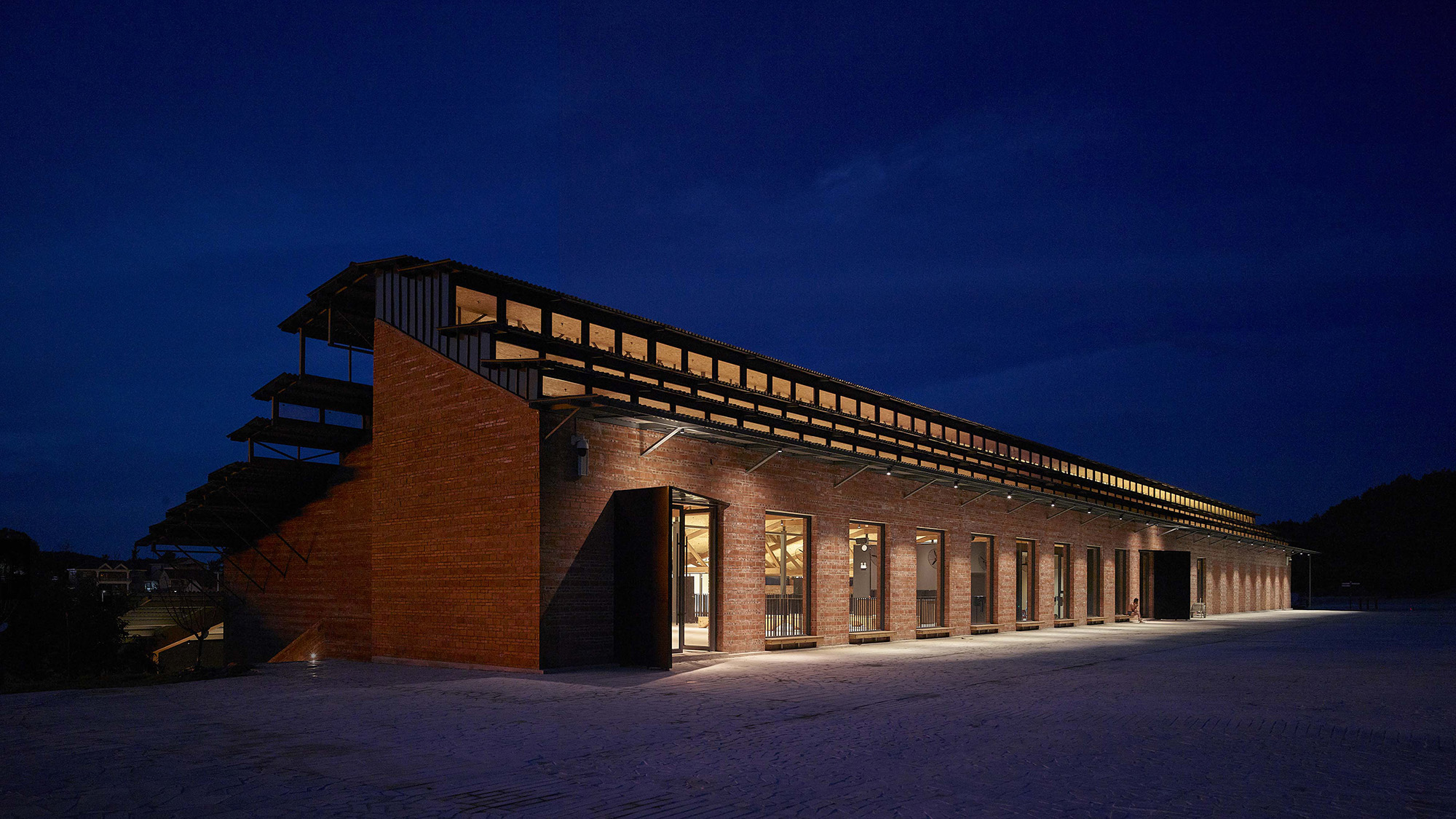
建築形態と環境性能は調和的に統合されている。改修された鉄骨と木造の構造は段丘状の屋根を形成し、多数の開閉可能な高窓と北向きの天窓が自然採光と統合換気のモデルを生み出し、空間に新鮮な空気を取り込んでいる。
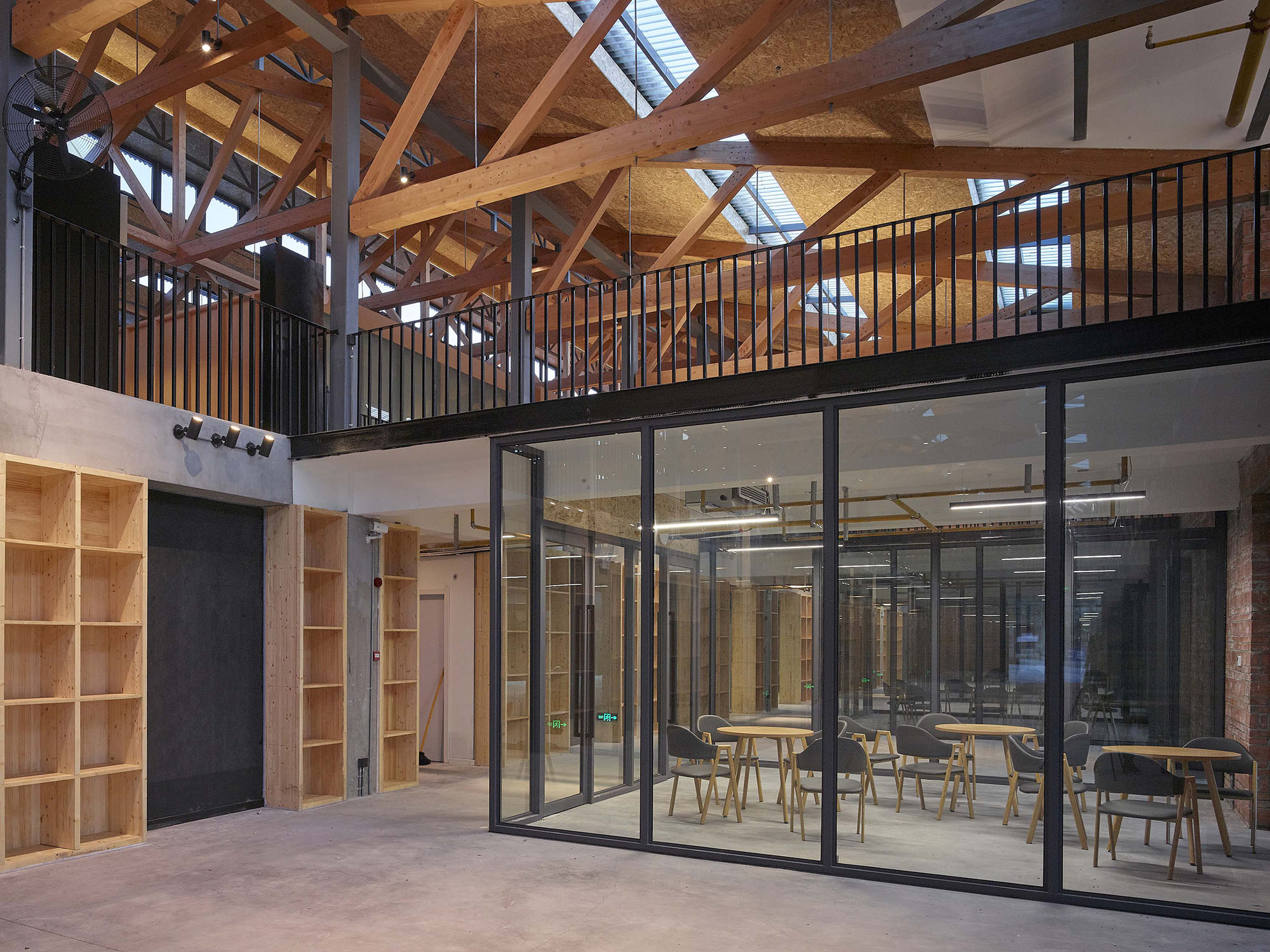
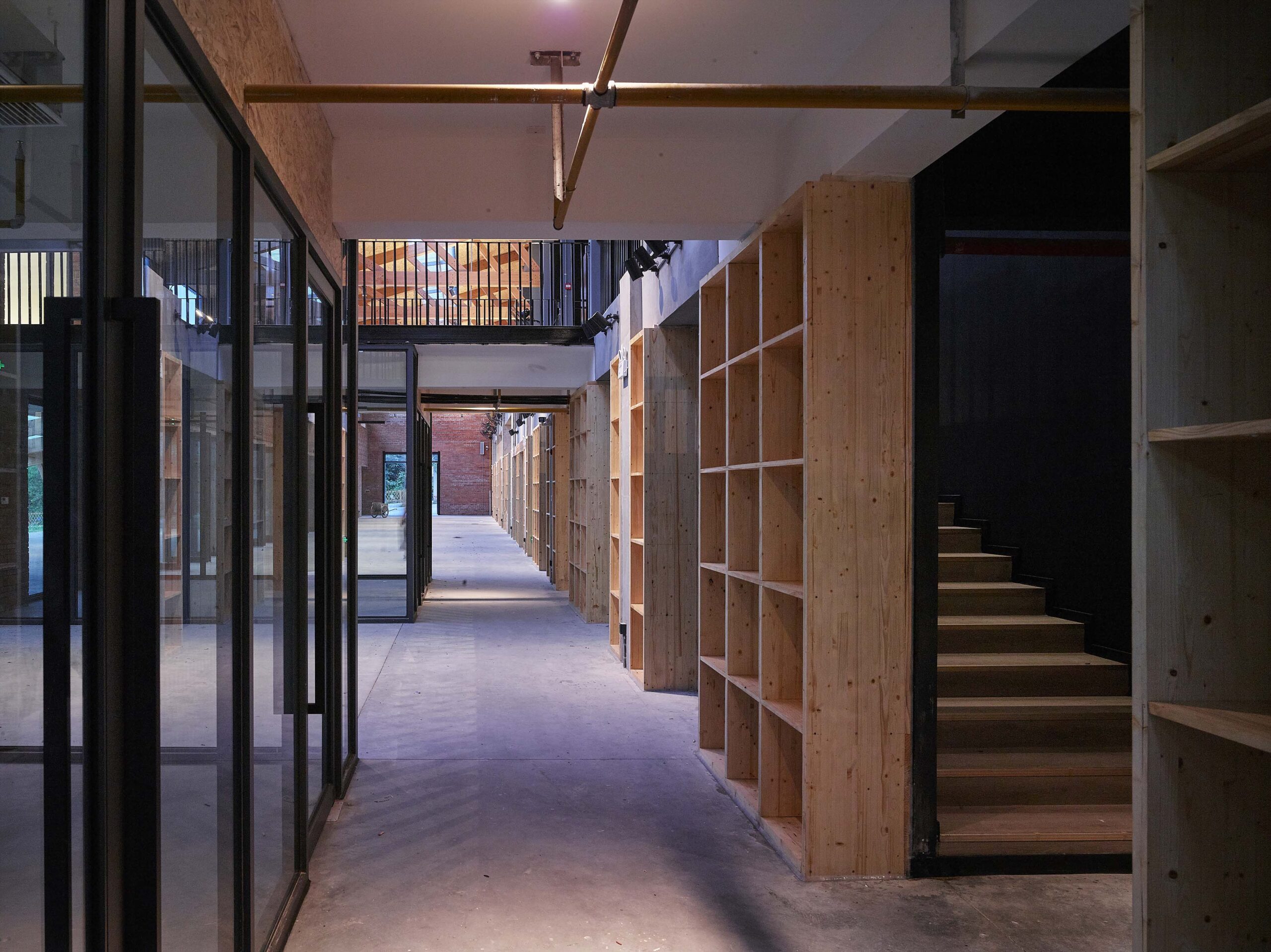
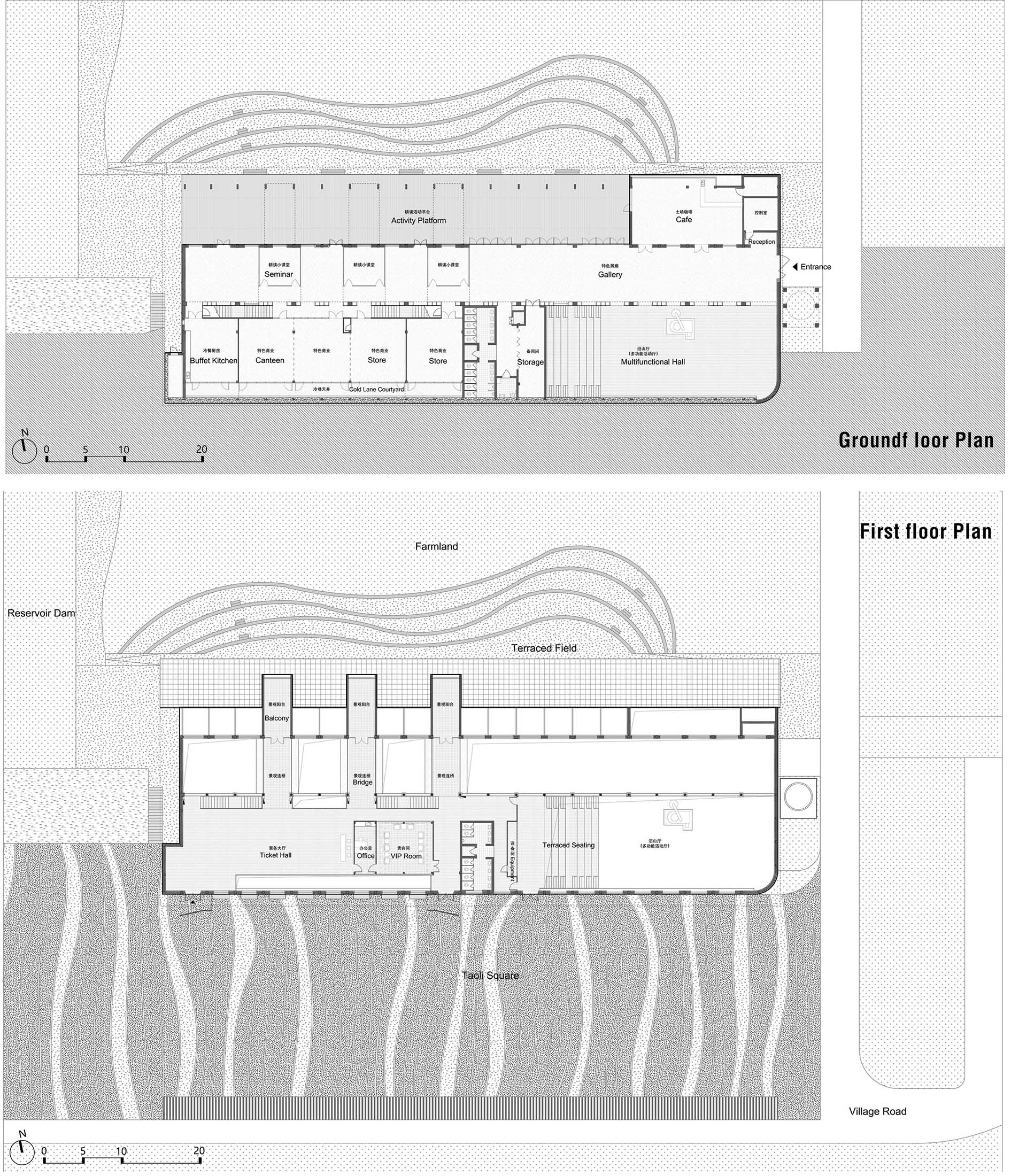
「部屋の中の部屋」というコンセプトにより内部構成を最適化し、機械設備への依存を抑制することが可能となった。この結果、快適性のレベルを段階的に変化させながら、公共ホールや各種独立室に対応し、建物運営におけるエネルギー消費を削減している。
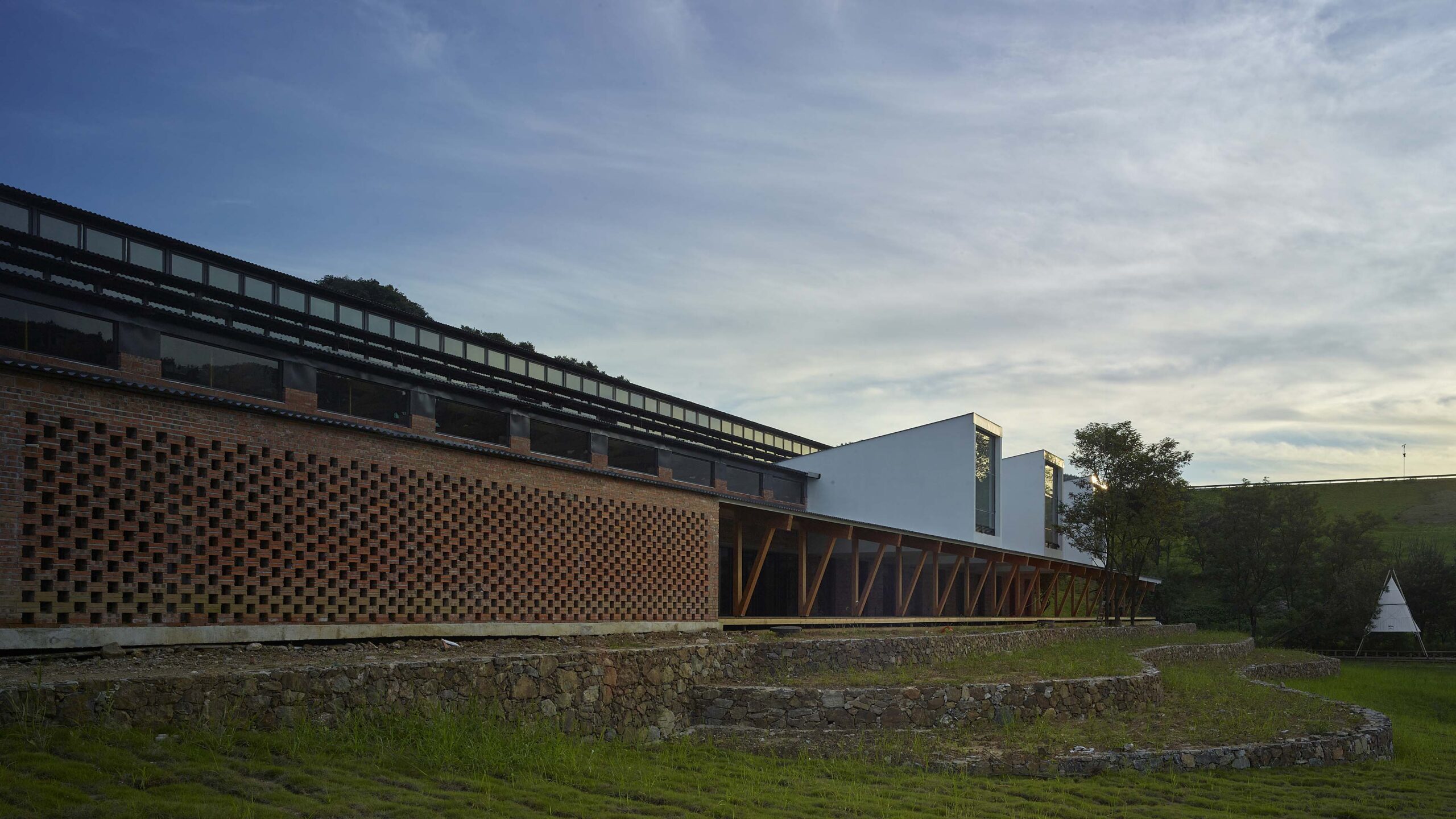
©︎ 褚英男
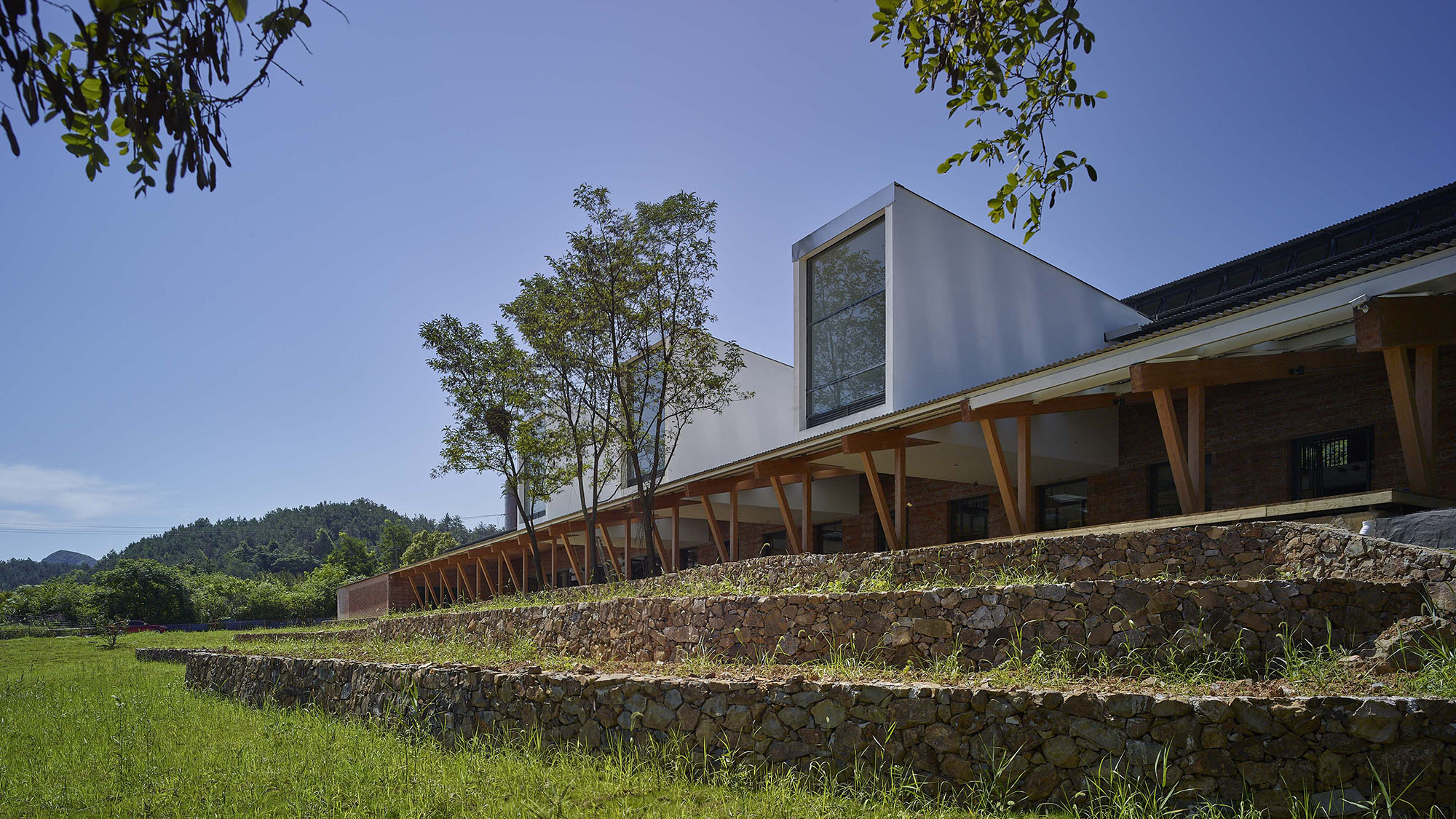
©︎ 褚英男
©︎ 褚英男
多機能空間と地域利用
内部空間は学術会議、演劇公演、農業教育、専門物販、飲食サービスなど幅広い用途に対応可能となっている。
また、屋外広場は村の集まりやコミュニティ宴会、その他の公共イベントの場として機能する。さらに、地域住民から寄贈された太陽光発電パネルを屋根に設置し、活動に必要な基本的電力需要を賄っている。
©︎ 褚英男
©︎ 褚英男
包括的アプローチによる持続可能性
全体として、本プロジェクトは農村の技術を活用し、廃墟化した産業施設をコミュニティへと転換することで、ライフサイクル全体を通じて農村環境における低炭素モデルを示す建築物を実現した。
持続可能性を実現する核心は、既存条件を徹底的に分析する包括的設計アプローチにある。周辺住民の生活様式、近隣のリサイクル資源、地域気候を把握するために多大な労力を投じ、この分析が農村環境に適した改修戦略の策定を可能にした。
©︎ 褚英男
©︎ 高唯芷
環境・材料・社会における持続可能戦略
環境的な持続可能性の観点では、既存の瓦礫擁壁・レンガ壁・敷地高低差・構造レイアウトを活かしつつ、新たな多層鋼木屋根構造を導入し、室内快適性を高めながら新機能に適応している。
ゾーン別暖房を組み合わせた「多層的」快適性戦略により、許容可能な条件下で建設費・運営費・エネルギー消費を大幅に削減した。
©︎ 褚英男
©︎ 褚英男
材料における持続可能性の観点では、地域の再生資材と職人的建築技法を多用することで、農村コミュニティの環境特性を保全し、地元職人の参加意識を高め、建物に対する村民の集団的アイデンティティを強化している。
©︎ 褚英男
©︎ 褚英男
社会的な持続可能性の観点では、農村における多様な運営パターンと空間利用を考慮することで、運営期間を通じて村民が建物から恩恵を得られるよう設計されている。
この包括的な持続可能設計戦略の実施により、建築は環境的・社会的・経済的側面において地域社会にシームレスに統合されることが保証されている。
©︎ 褚英男
©︎ 褚英男
©︎ 褚英男
©︎ 褚英男
©︎ 孙菁芬
©︎ 高唯芷
©︎ 褚英男
©︎ 褚英男
©︎ 褚英男
Siteplan+Masterplan
Plans
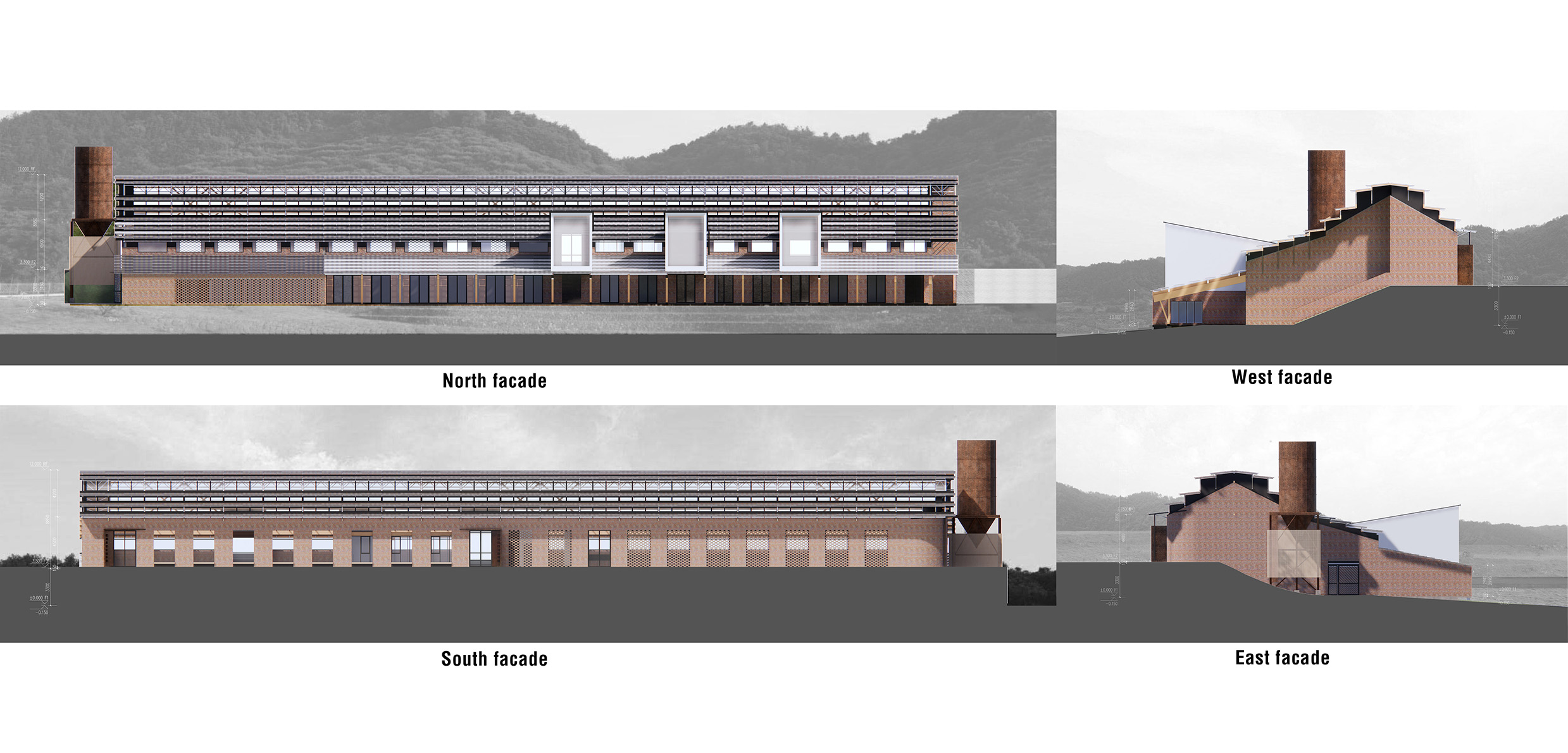
Elevations
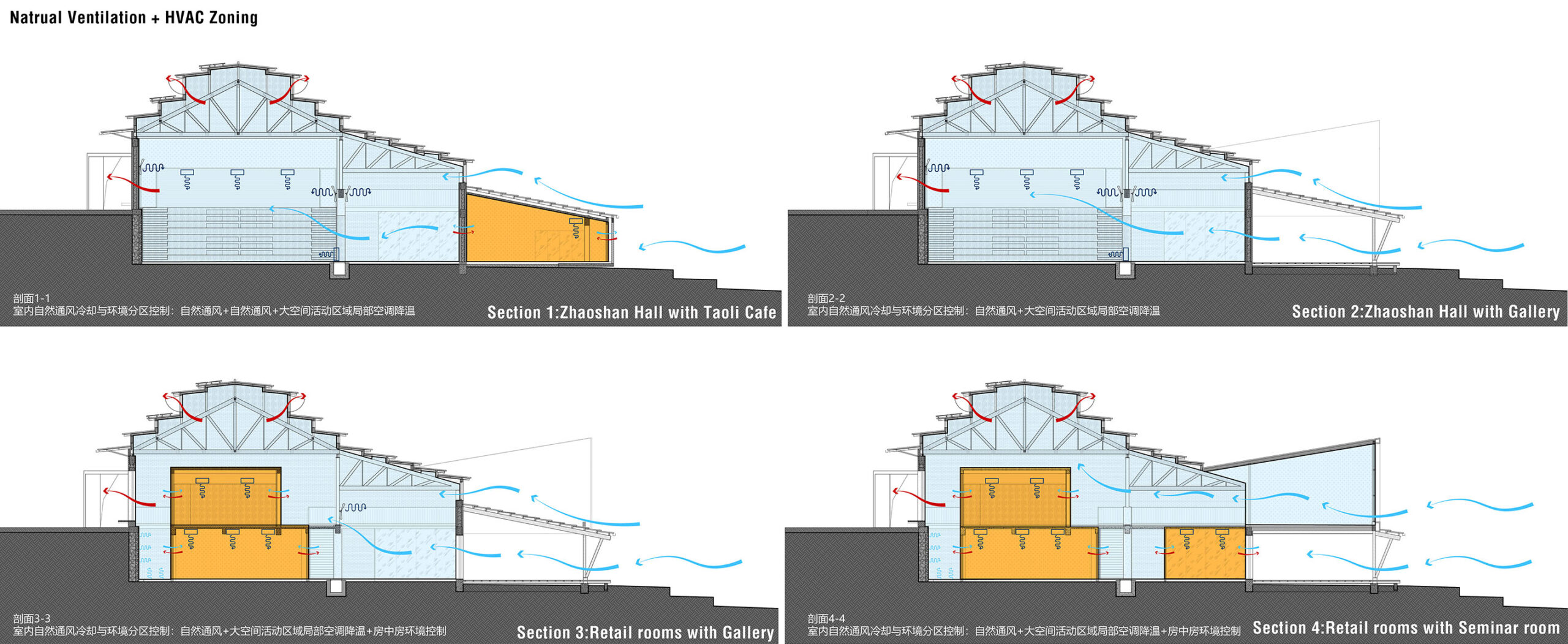
Sections
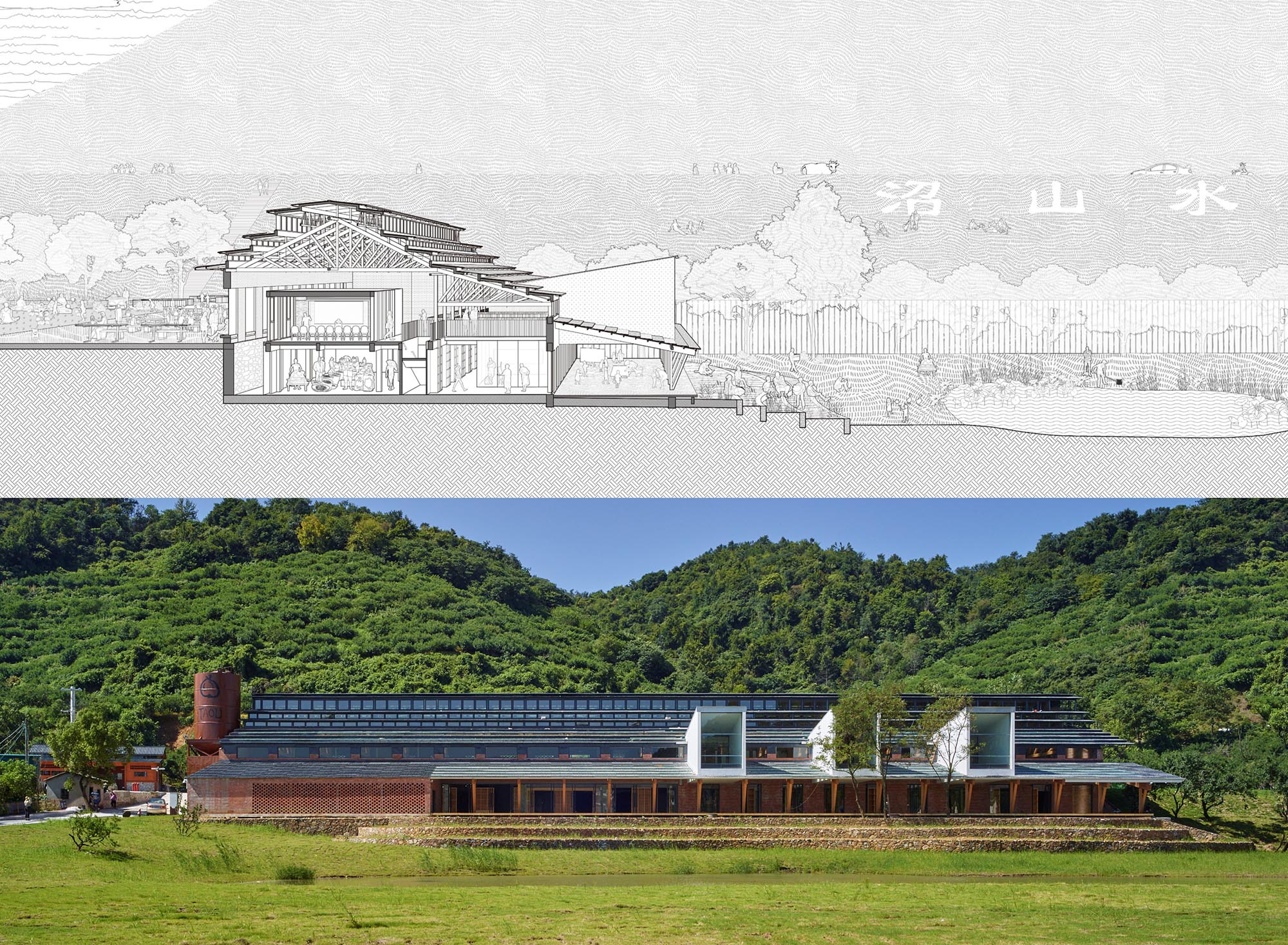
Site sectional perspective
以下、SUPアトリエのリリース(英文)です。
Project Name: Taoli- Zhaoshan Village Center
Project Location: Zhaoshan Village,Bao’an township, Daye County, Huangshi City, Hubei Province, China
Client: Zhaoshan village government
Architect office: SUP Atelier of THAD
Lead Architect: Yehao Song, Jingfen Sun
Architects Team:Weizhi Gao, Dan Xie,Kunpeng Liu, Xiaoqin Guan, Zhuoran Zhang, Yingnan Chu,Haiyue Yu,Lifu Peng,Giulia Montanaro
Urban planning team: China Academy of Urban Planning &Design
Lighting design:One Lighting Studio of THAD
Structure Design: Zhaojun Liu from THUPDI Structural Design Institute
Engineering Design: THUPDI Mechanical and Electrical Design Institute
Landscape Design: SUP Atelier of THAD
Interior Design: SUP Atelier of THAD
Construction Contractor: Local Villagers
Design Year: 2023.07-2023.11
Completion Year:2024.07
Site Area: 10482m²
Gross Built Area:2993m²
Structural system :Reinforced concrete frame+ Wood-And-Steel Composite Truss
Photography: Yingnan Chu, Weizhi GaoThe project is located at the foot of the Zhaoshan Village reservoir dam, focusing on the sustainable revitalization of an abandoned clay refining factory. The design emphasizes local materials and craftsmanship, utilizing natural conditions and regional resources to develop sustainable design strategies and appropriate vernacular technologies. By adaptively reusing on-site recycled materials, it seamlessly integrates into the rural context while fostering a high-quality, multifunctional public space for villagers and visitors.
This project demonstrates a sustainable local construction framework in rural areas through resource circularity. Materials such as rubble retaining walls, red brick walls, timber frames, industrial equipment, and quarry waste were repurposed under design guidance. This reuse was crucial in shaping the primary interior spaces and significantly reduced environmental impact during the construction process. The renovated steel and wood structure forms a terraced roof, with numerous operable clerestory windows and north-facing skylights that create a prototype for natural lighting and integrated ventilation, bringing fresh air into the spaces. The “room within a room” concept optimizes interior space organization, reducing reliance on HVAC systems in rural settings while meeting the diverse needs.The architectural form and environmental performance are harmoniously unified. The renovated steel and wood structure forms a terraced roof, with numerous operable clerestory windows and north-facing skylights that create a prototype for natural lighting and integrated ventilation, bringing fresh air into the spaces. The “room within a room” concept optimizes interior space organization, reducing reliance on mechanical systems in rural settings. This approach achieves a comfortable environment with varying levels of comfort, reducing energy consumption for building operations while meeting the diverse needs of public halls and various independent rooms.
The architectural space is designed to accommodate diverse uses, with interior spaces supporting functions such as academic conferences, theater performances, farm education, specialty trading, and dining services, while the outdoor plaza can host various village gatherings, community banquets, and other public events. Solar photovoltaic panels, donated by the community, are installed on the roof to meet the basic electricity needs of all types of activities.Overall, this project employs appropriate rural technologies to transform abandoned industrial facilities into a community, creating a building that serves as a low-carbon model throughout its lifecycle in a rural setting.
The holistic design approach is the key principle of this project to achieve sustainability, with thoroughly unpacking existing conditions. We invested significant effort in understanding current resources, the lifestyle patterns of the surrounding residents, recyclable materials nearby, and the local climate. This analysis helped us formulate feasible renovation strategies tailored to the rural context.
The environmental sustainable design strategies improve indoor comfort and adapt to new functions, including existing rubble retaining wall, brick walls, site level difference, and structural layout and introducing new layered steel-timber roof structure. The use of a “layered” comfort strategy with zoned heating significantly reduces construction and operational costs and energy consumption under acceptable comfort conditions.
The material sustainable strategies makes extensive use of various types of local recycled materials and artisanal construction techniques. This approach preserves the environmental characteristics of the rural community, enhances local craftsmen’s sense of participation, and continually strengthens the villagers’ collective sense of identity with the building.
On social sustainability, the architectural design fully considers different operational patterns and spatial uses in the rural context, enabling villagers to benefit more effectively from the building during its operation.
The implementation of this holistic sustainable design strategy ensures that the building is seamlessly integrated into the local rural community across environmental, social, and economic dimensions.
SUPアトリエ 公式サイト
https://www.supatelier.com/cn/projects/602
【購読無料】空間デザインの今がわかるメールマガジン TECTURE NEWS LETTER
RECOMMENDED ARTICLE



