CULTURE
©︎ Yingnan Chu
©︎ Yingnan Chu
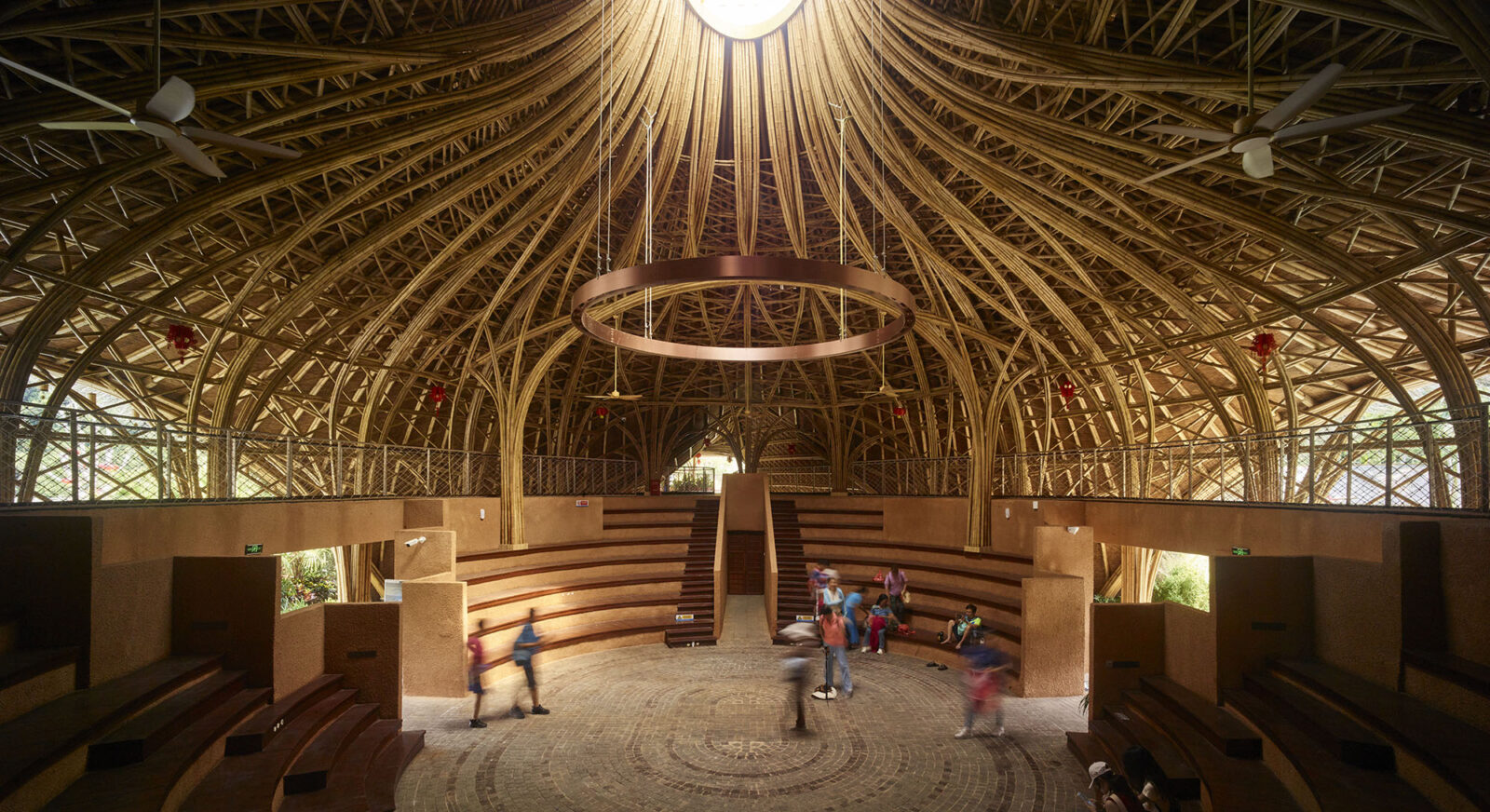
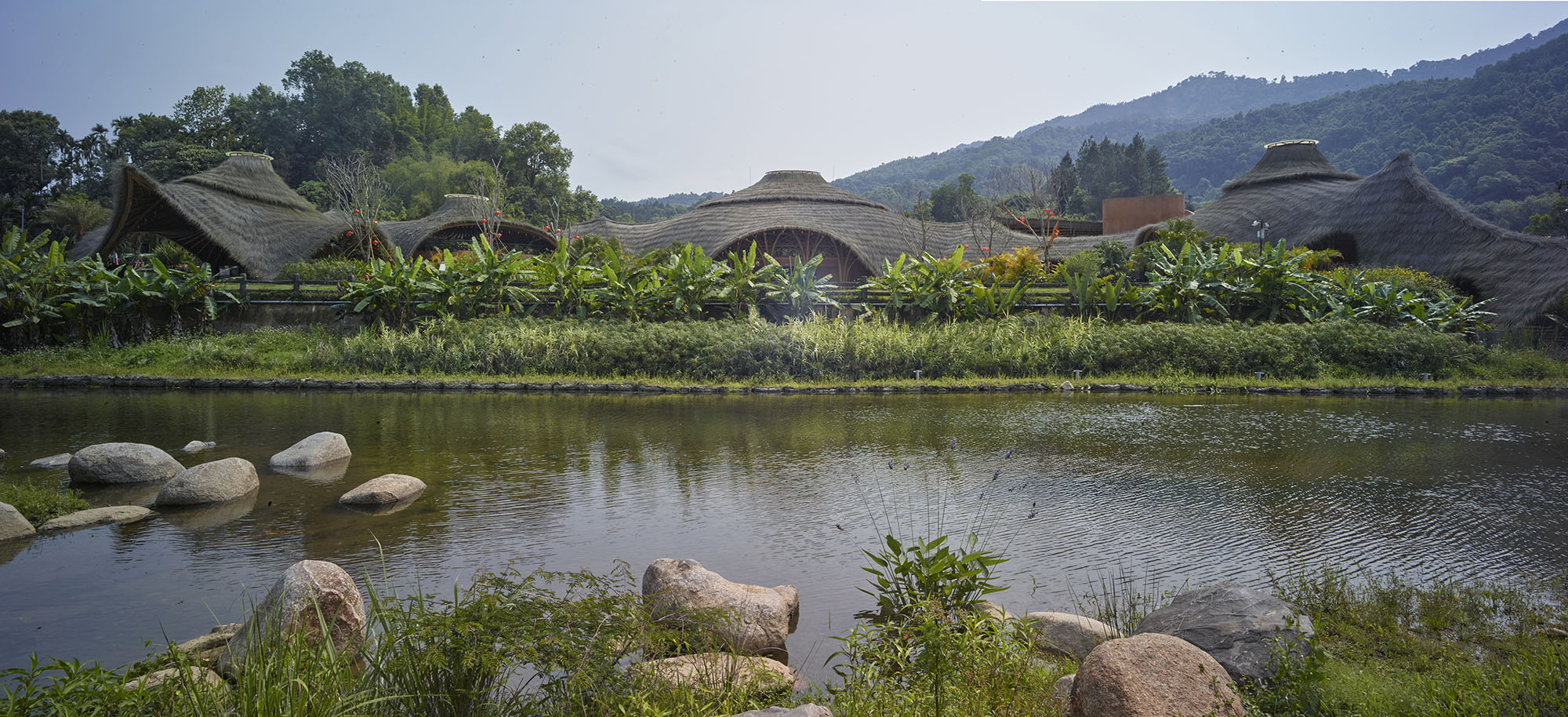
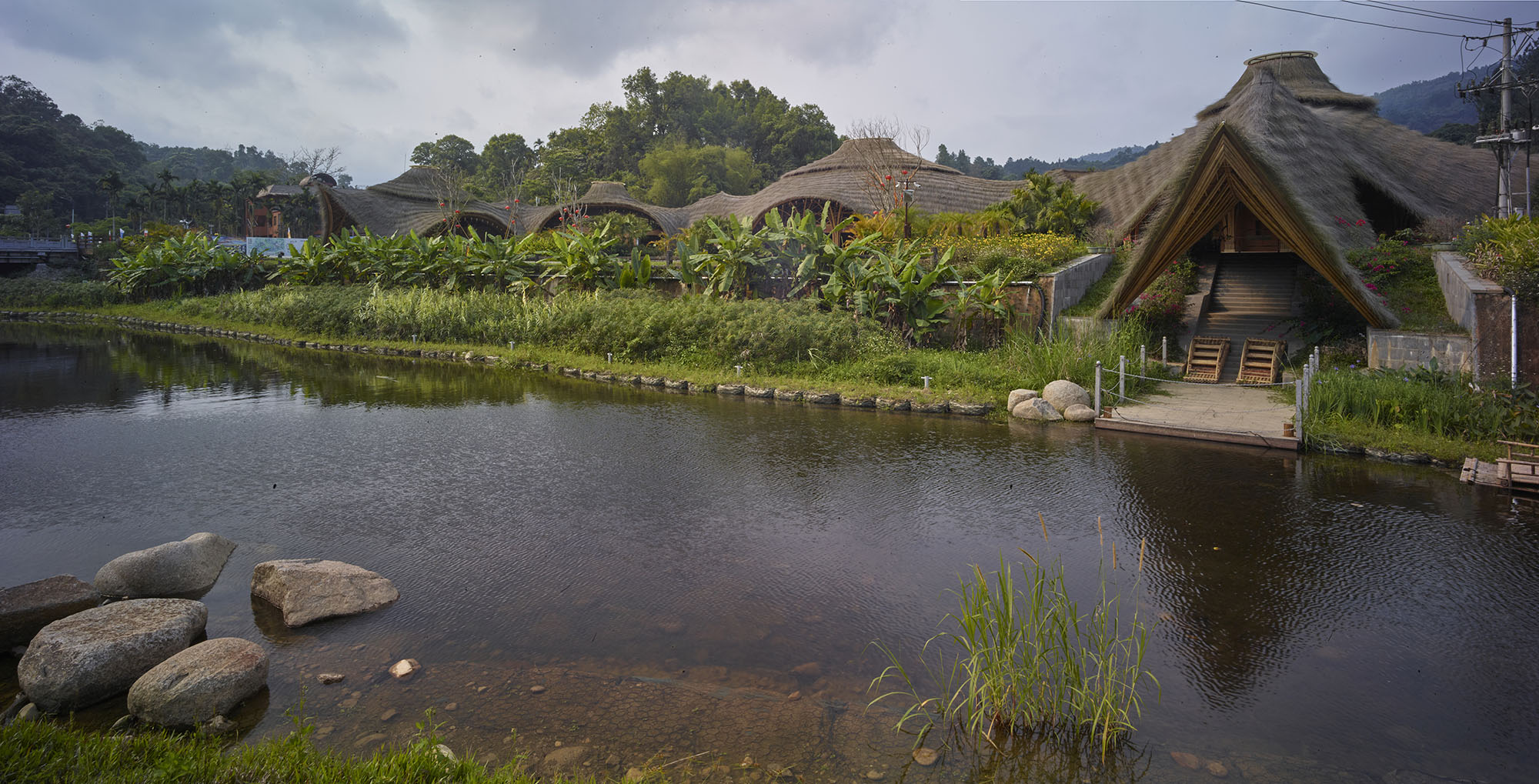
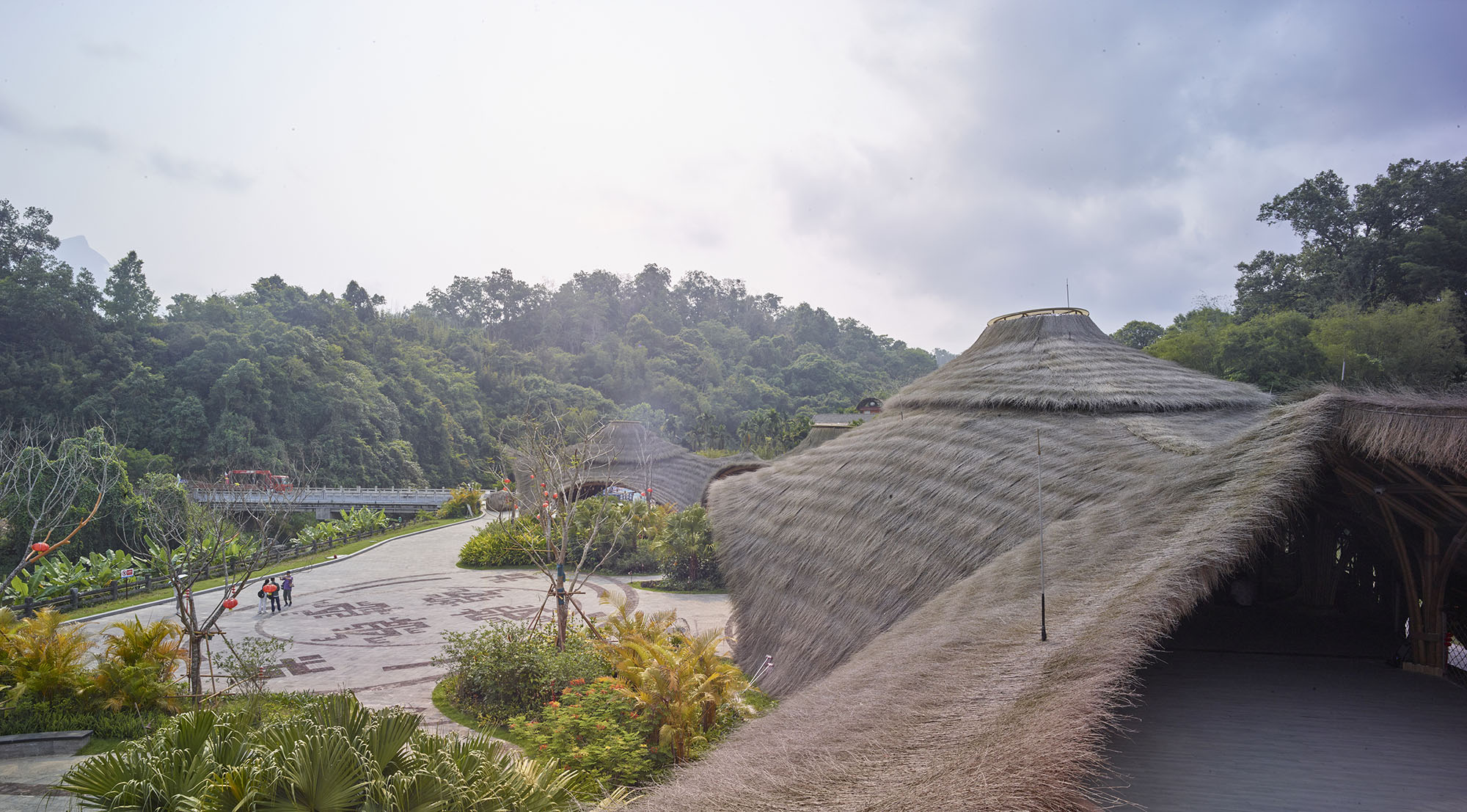
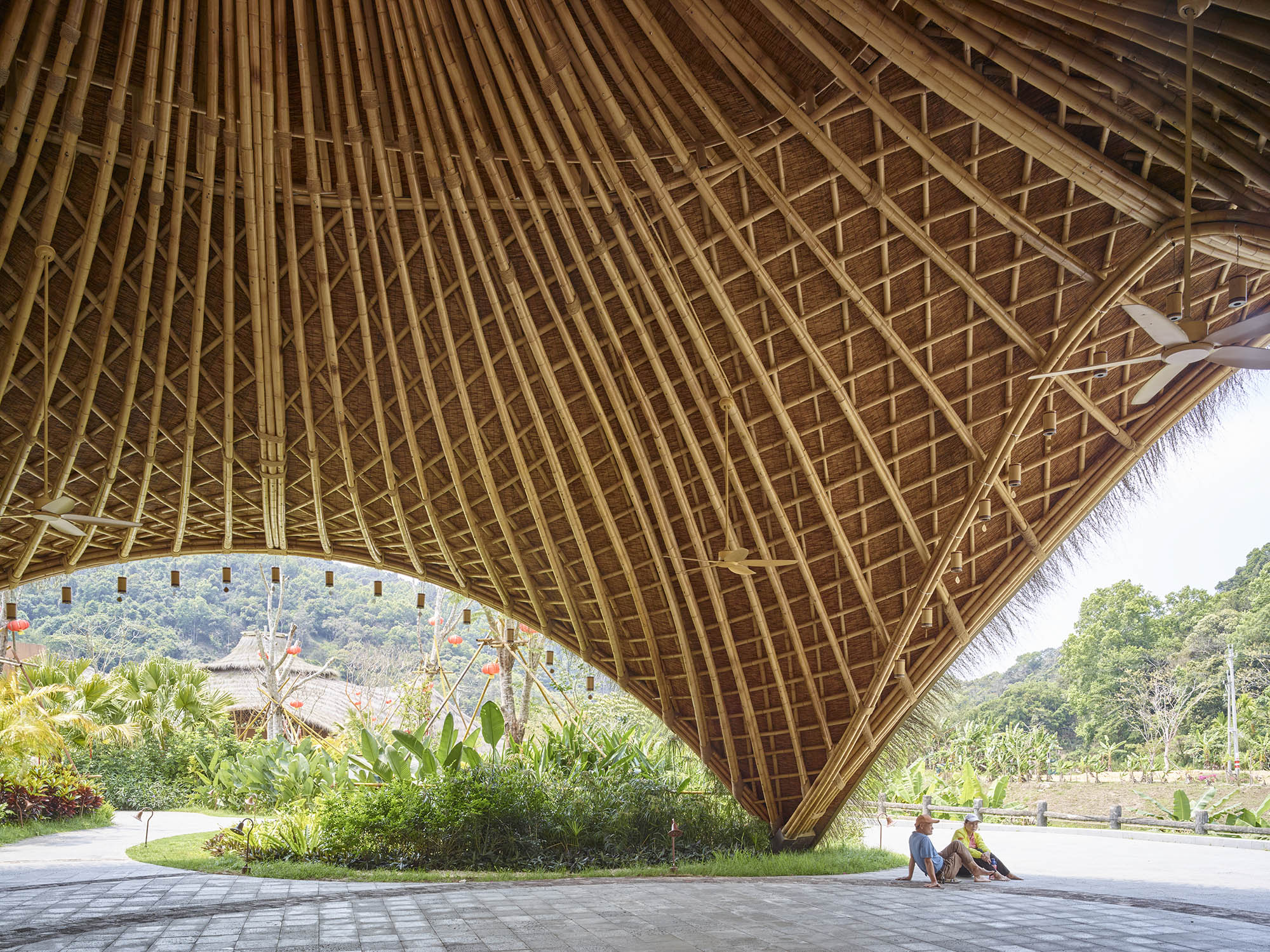
中国・海南省に広がる熱帯雨林の麓に位置する村に建つ〈マオナ・ビレッジセンター(Maona Village Center)〉は、村に住むリ族の伝統住居「船屋」に着想した、竹構造のコミュニティセンターです。
31,500本の竹と赤竹を使用した中国最大規模の純竹建築であり、中国の設計事務所 SUPアトリエ(SUP Atelier)が設計しました。
注目ポイント
- 地元資材(竹・火山岩・赤土)を活用し、炭素排出量を約56.8%削減
- 自然光と通風を最大限活用し、設備・エネルギー消費を最小限に抑えた設計
- 村民の68%が建設に参加し、技能伝承と地域コミュニティの結束を強化
- 低コストで維持可能な公共施設モデルとして、他地域への展開可能性を示す
(以下、SUPアトリエから提供されたプレスキットのテキストの抄訳)
©︎ Yingnan Chu
©︎ Yingnan Chu
熱帯雨林の麓に建つ村の中心施設
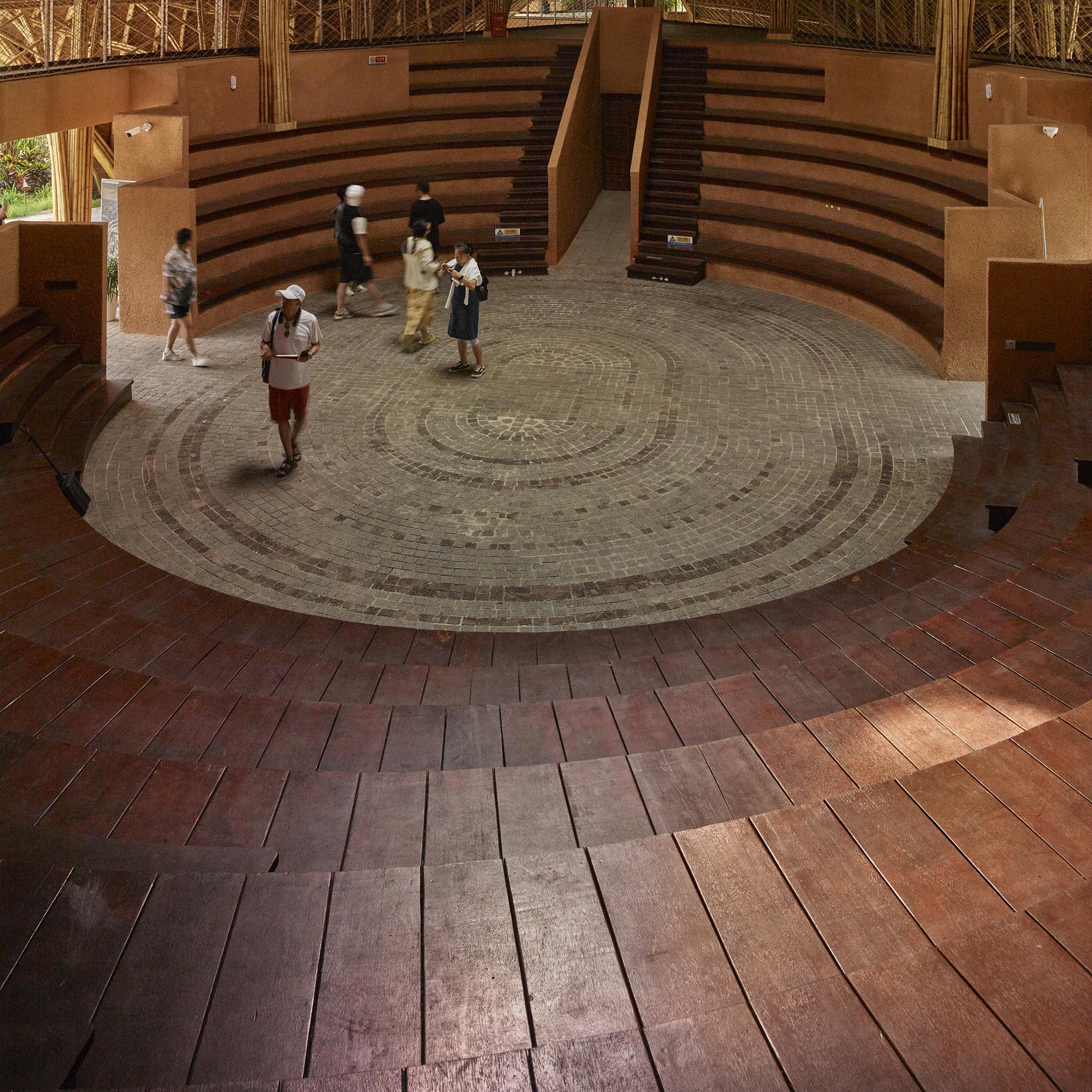
〈マオナ・ビレッジセンター〉は、中国・五指山市の山脈の熱帯雨林の麓に位置するリ族の村に建設された施設である。
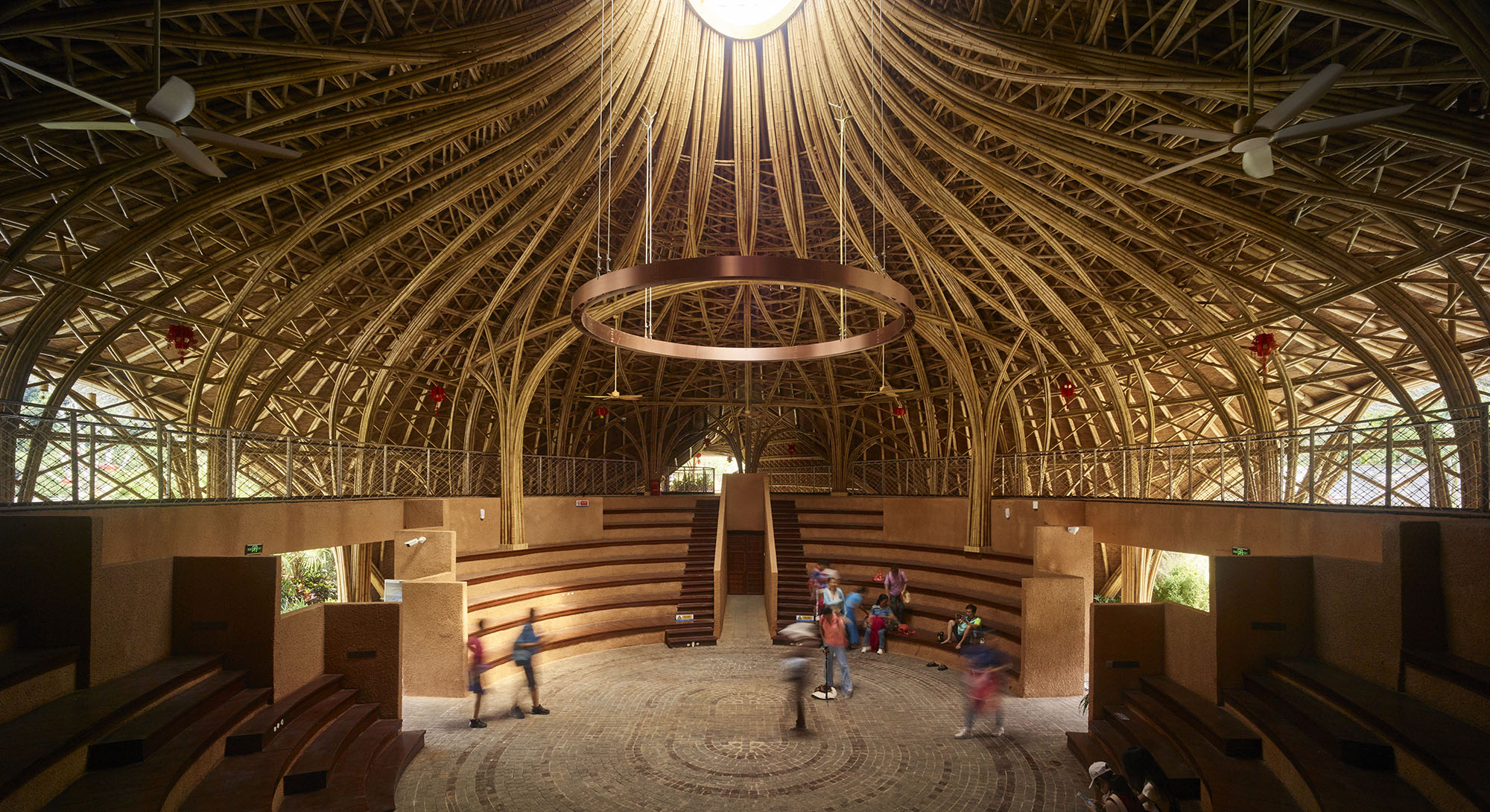
伝統的な「船屋」に着想を得て、竹を用いた24時間利用可能な村の中心施設として設計された。ここでは日常的なレクリエーションや集会、科学教育、医療ケアなど、多機能な公共空間を提供している。
©︎ Yingnan Chu
©︎ Yingnan Chu
マオナ村は数世紀にわたる歴史をもつ少数民族集落である。しかし急速な都市化により伝統的な村落文化はほぼ消滅し、地域には十分な公共サービス空間が不足していた。
本プロジェクトでは地元産材を用い、失われつつある伝統的な竹細工技術と現代のニーズを融合させ、農村公共サービス施設における伝統的素材・構造の応用を探求した。
©︎ Yingnan Chu
生態系回復への取り組み
村では長年にわたり土地開発は無秩序に進み、本来の生態環境が損なわれてきた。
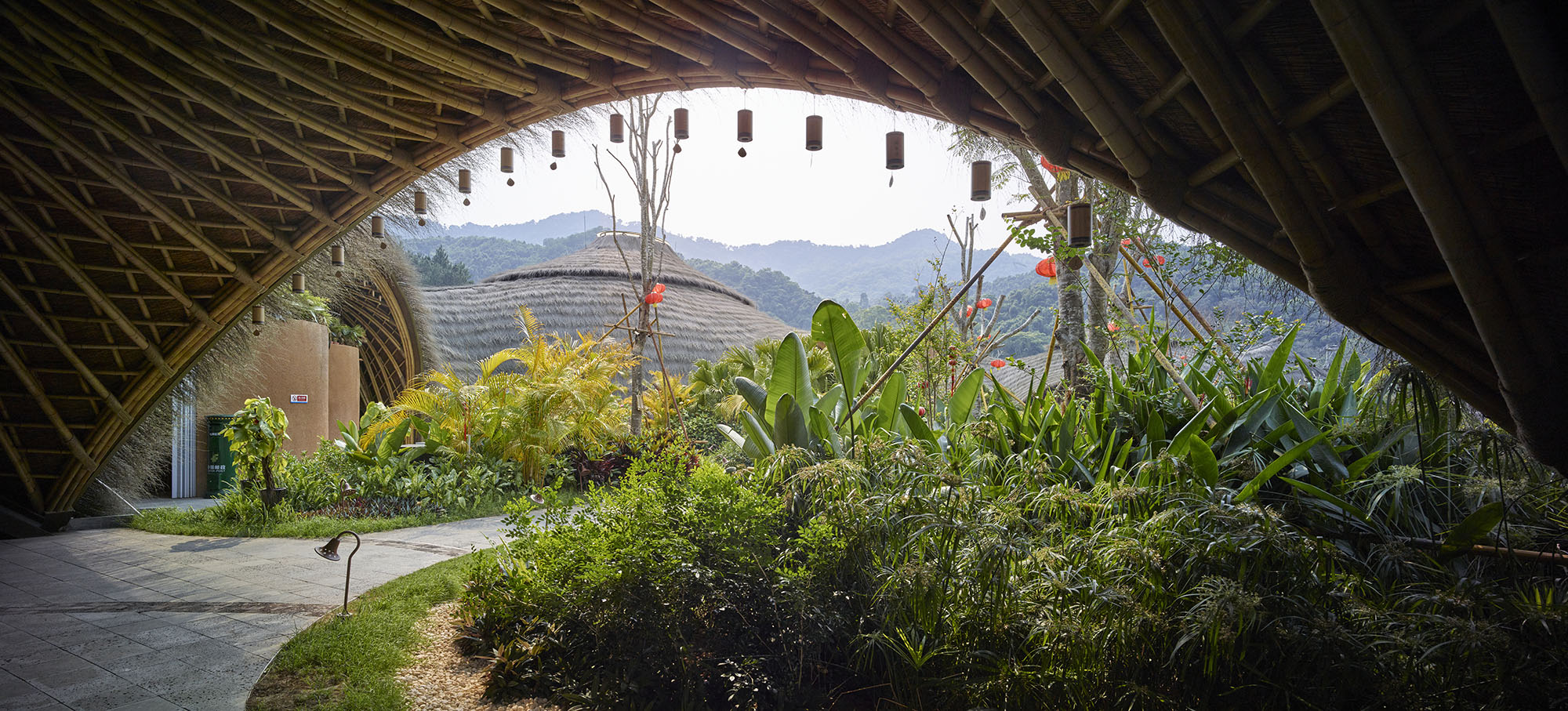
設計において、樹木、低木、地被植物を含む83種の在来植物を選定し、村の入口、河川沿い、住宅周辺に再植林を行った。これにより新たな植生が繁茂し、ミツバチやチョウ、サギ、スズメといった生物が戻り、生態系の回復が進んでいる。
©︎ Yingnan Chu
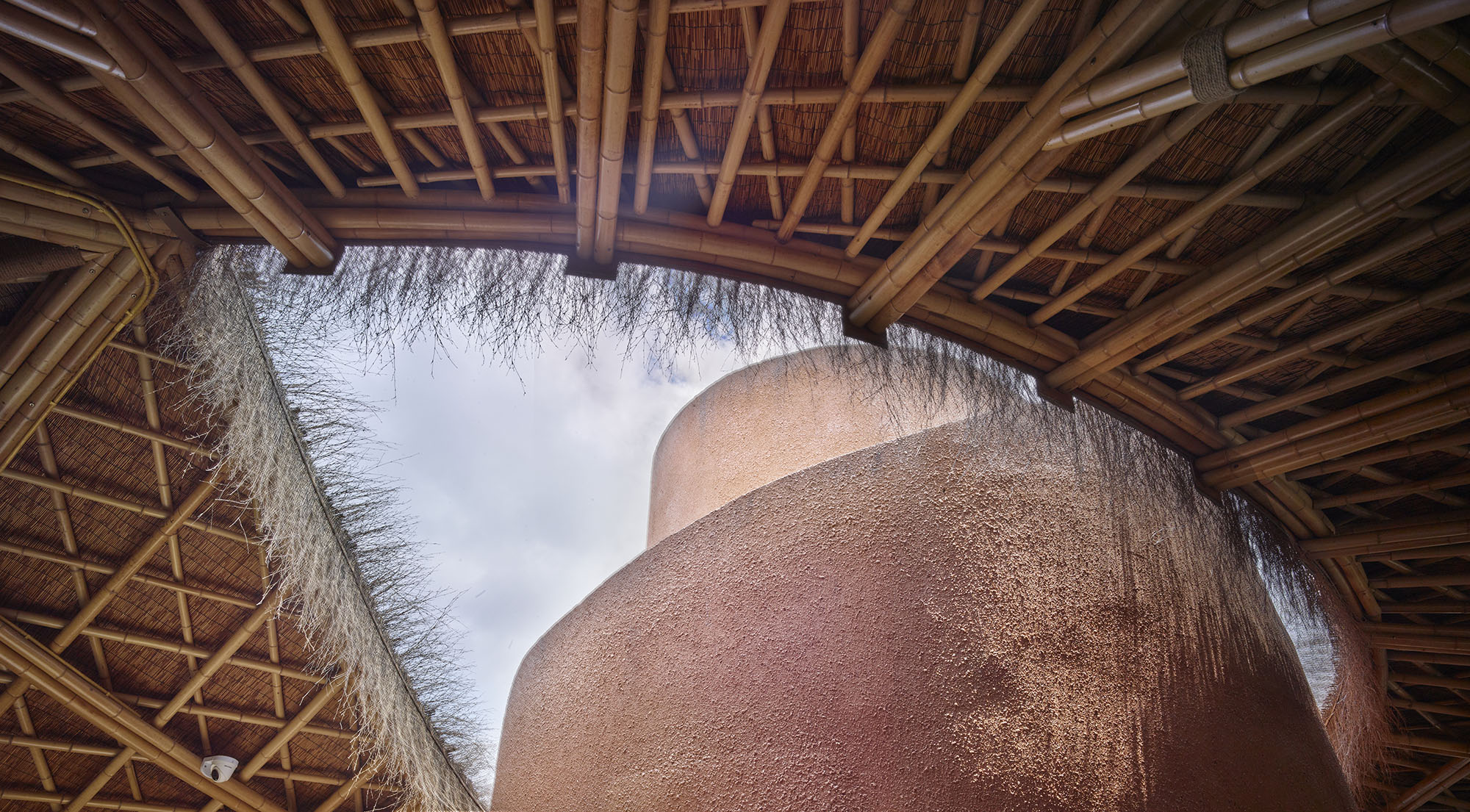
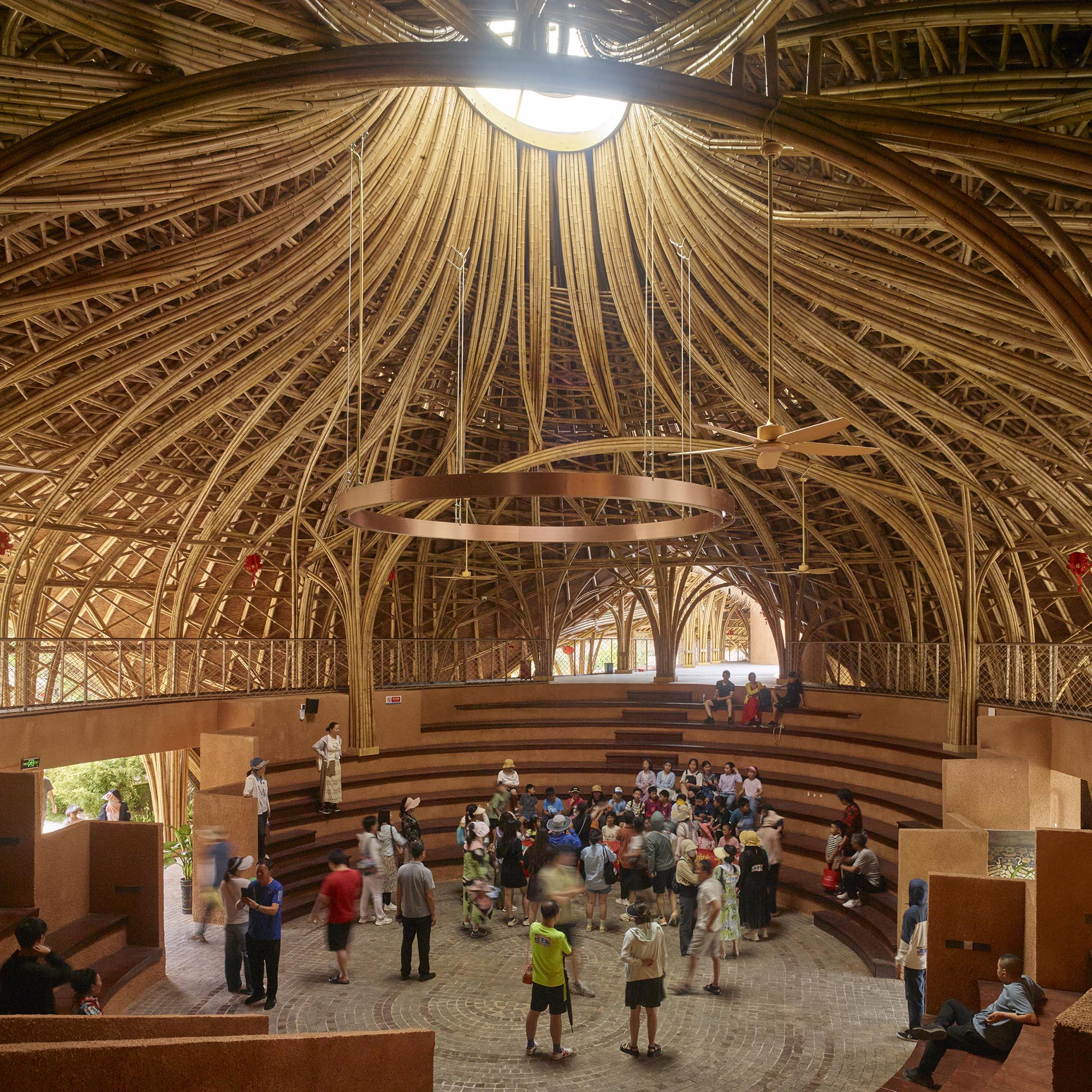
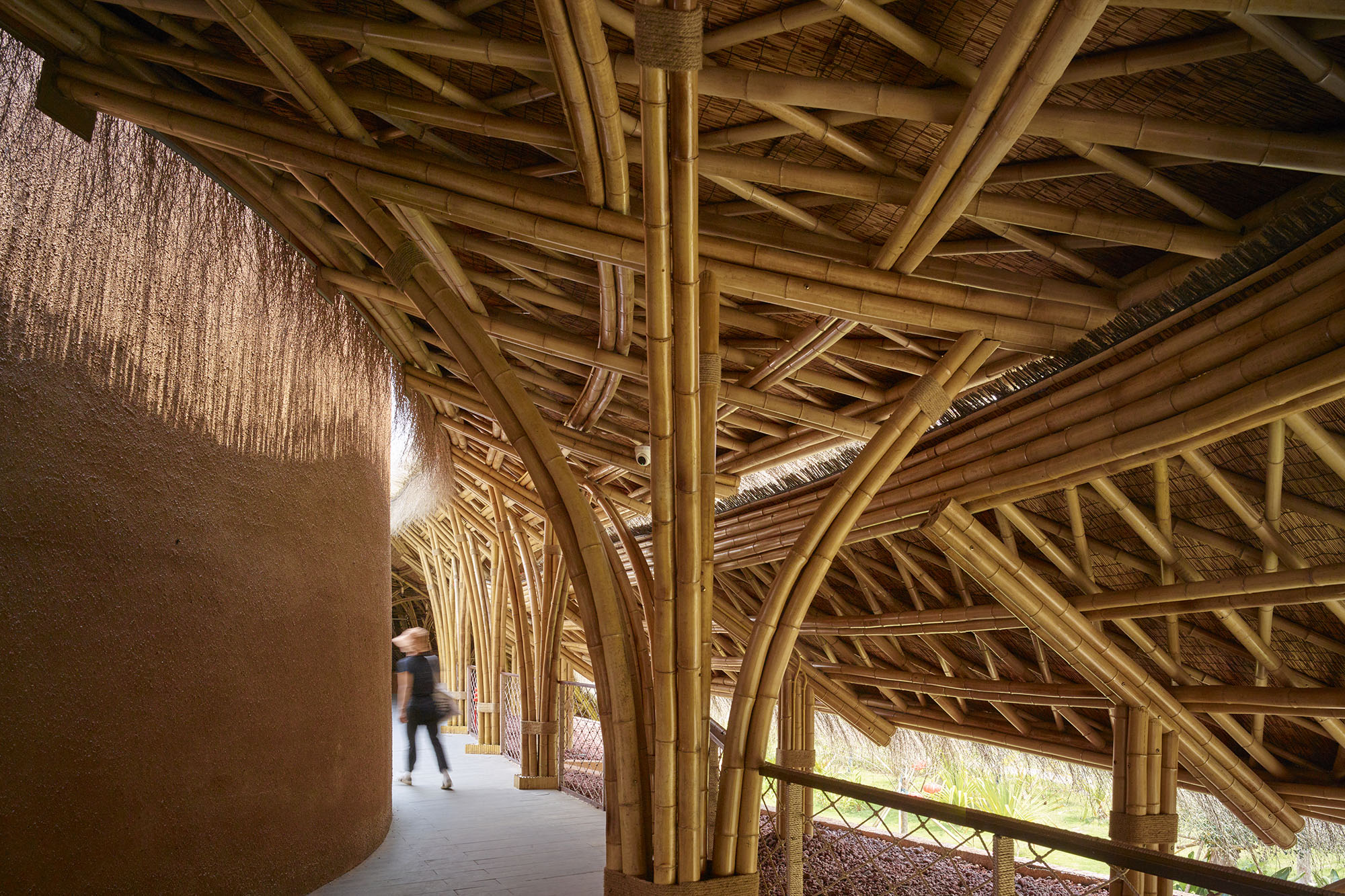
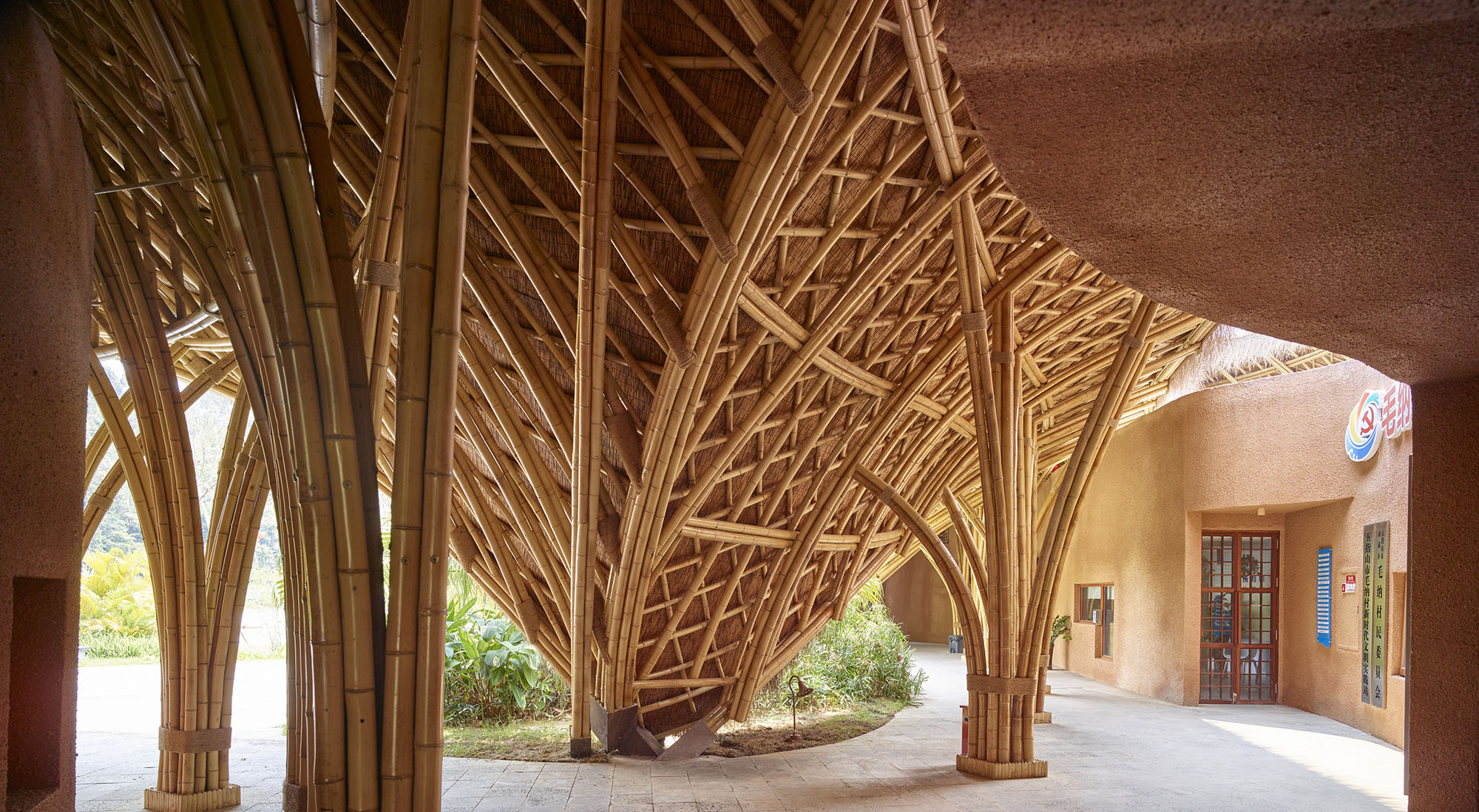
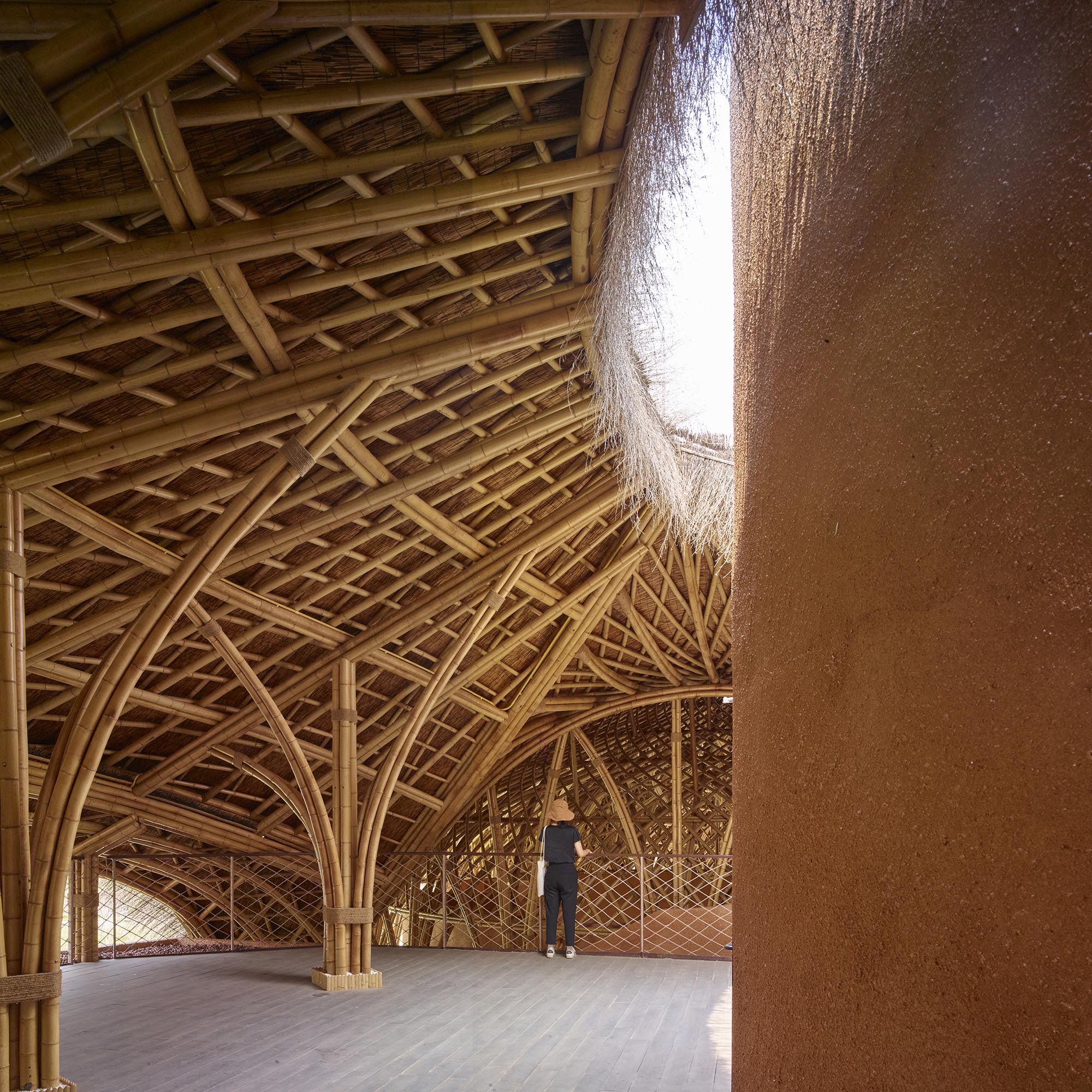
また、〈マオナ・ビレッジセンター〉は31,500本の竹と赤竹を組み合わせて建設されており、伝統と現代の建築技術が融合されている。延べ床面積約2,300m²の純竹構造建築であり、うち竹構造部分は1900m²を占める。これは現時点で中国最大の単体純竹建築である。
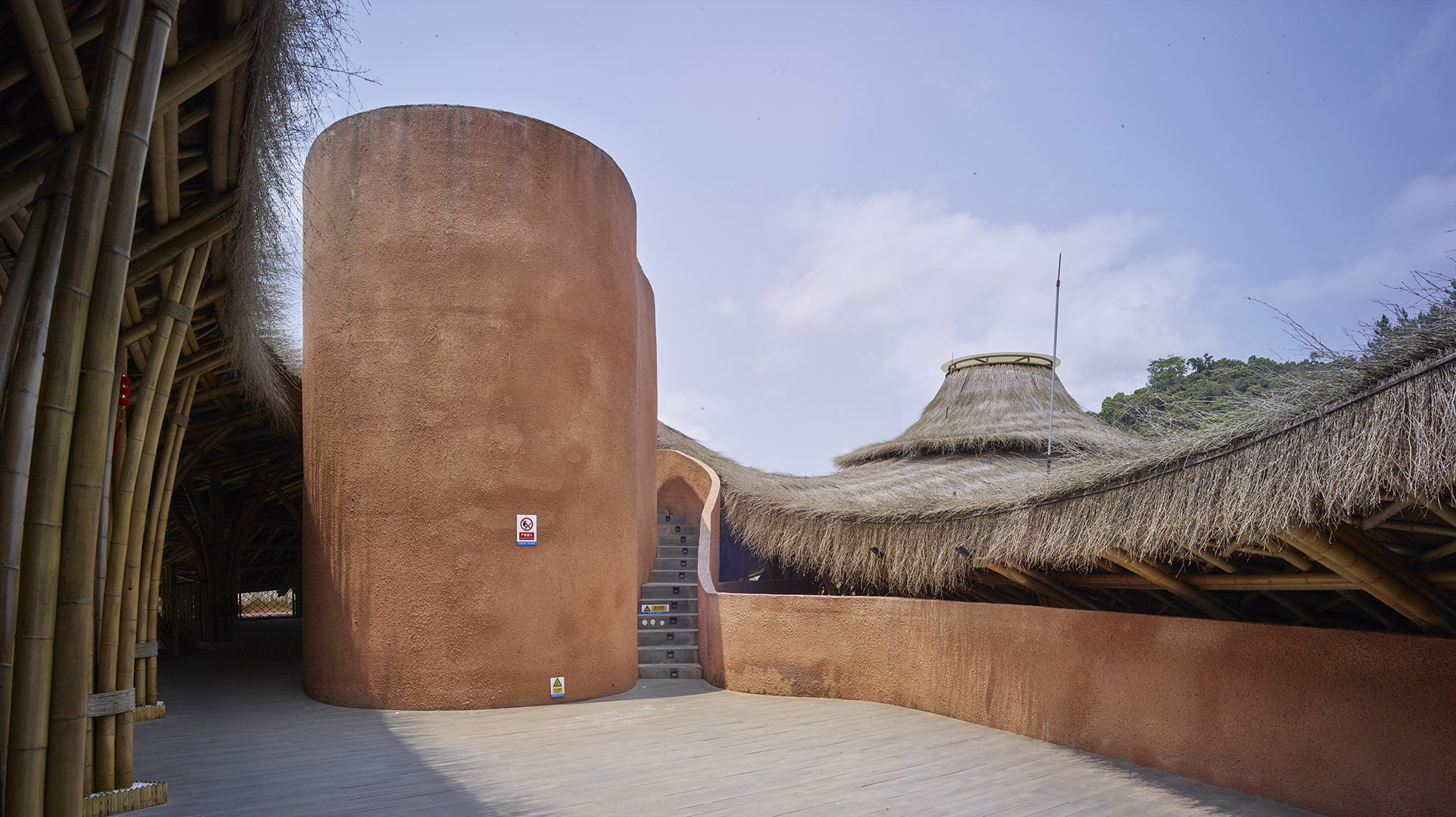
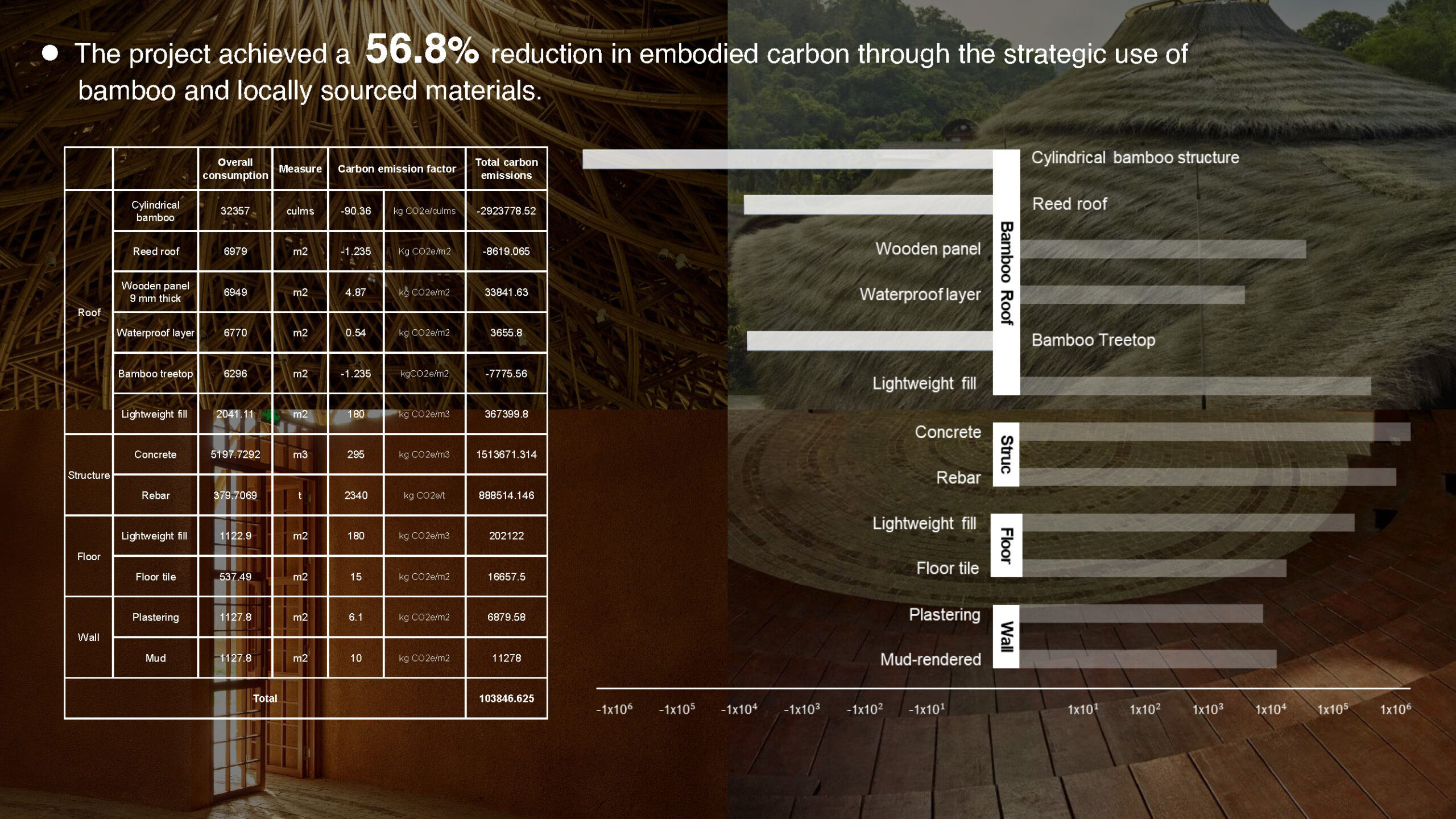
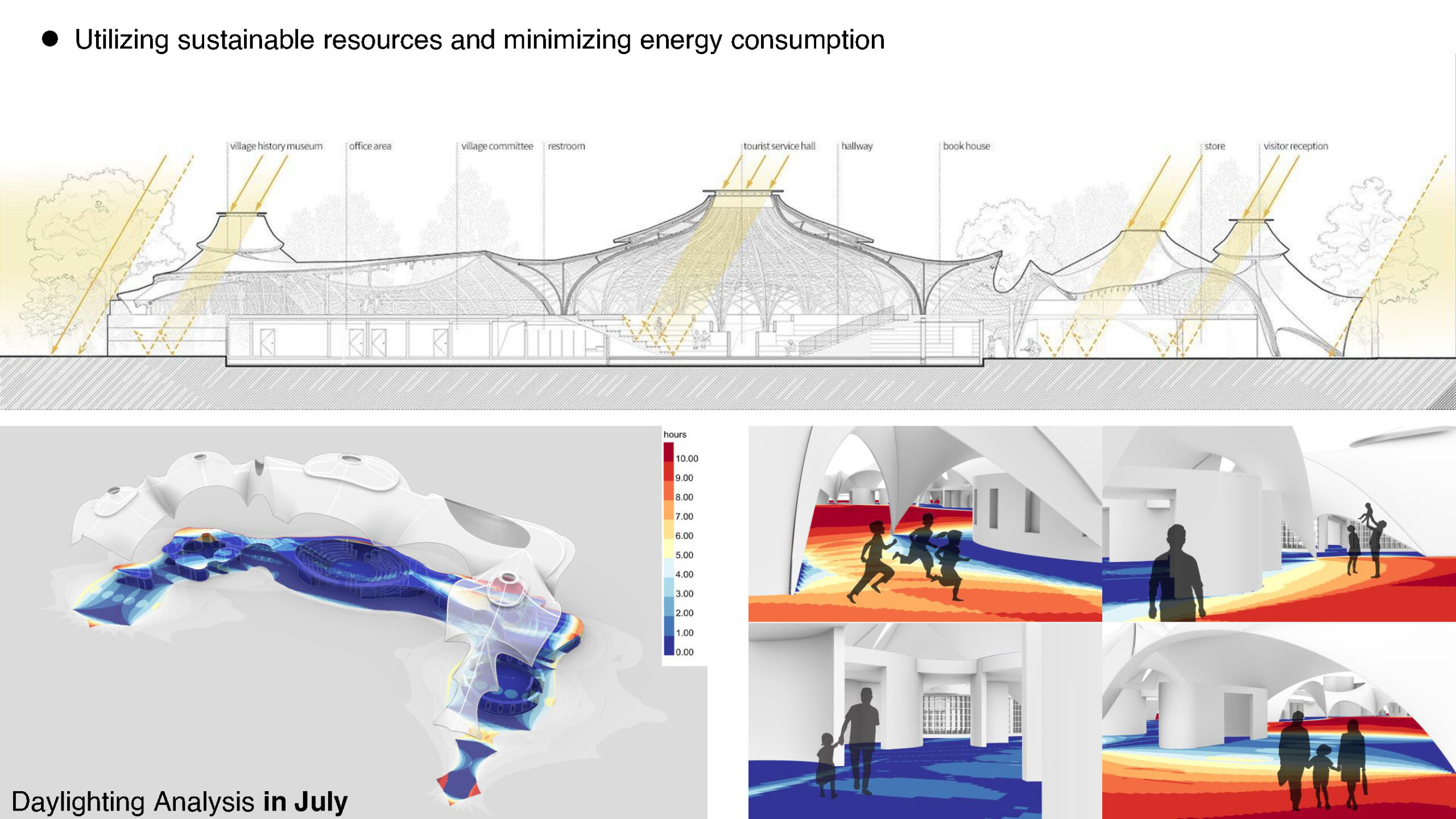
竹は炭素排出量が低く、地元で調達可能な素材である。河川近くの竹構造は生態系への影響を抑え、敷地や装飾には地元の火山岩や赤土資材を活用することで、炭素排出量を56.8%削減した。自然採光と換気を最大限に活かす設計により、最小限のエネルギー消費で健康的な空間を実現しつつ、疾病の蔓延を防いでいる。
Carbon emission analysis ©︎ SUP Atelier
Daylighting analysis ©︎ SUP Atelier
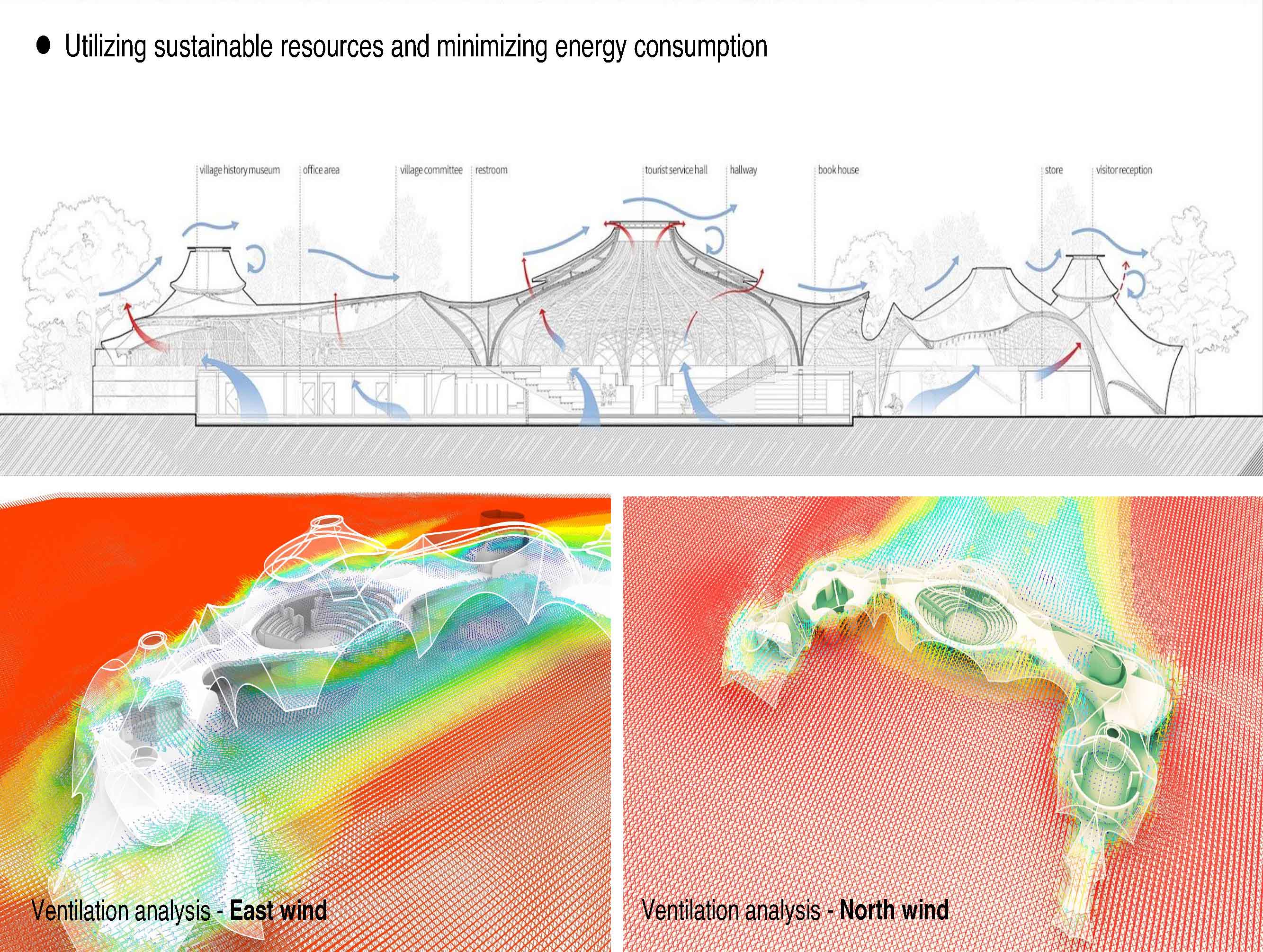
Natural ventilation analysis ©︎ SUP Atelier
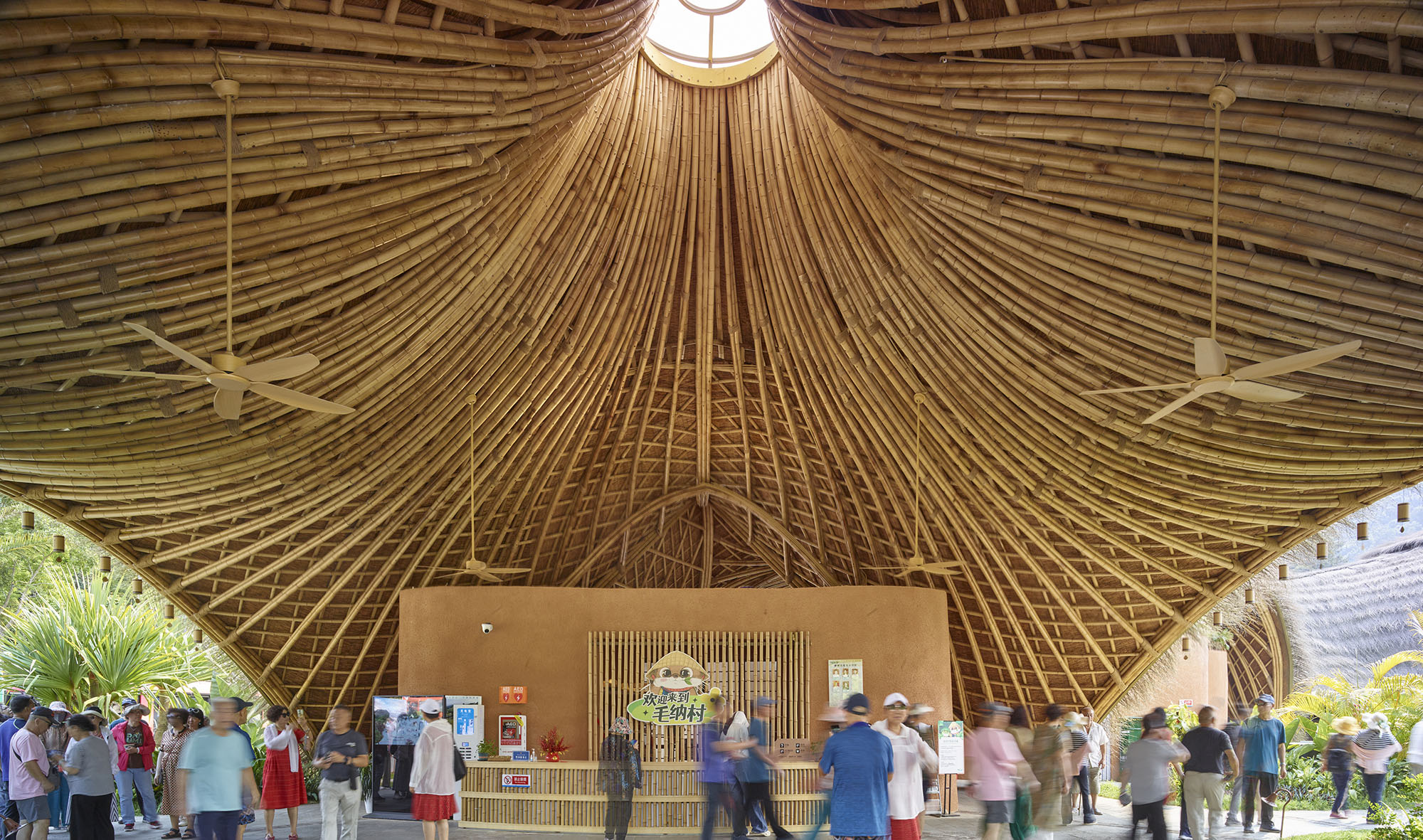
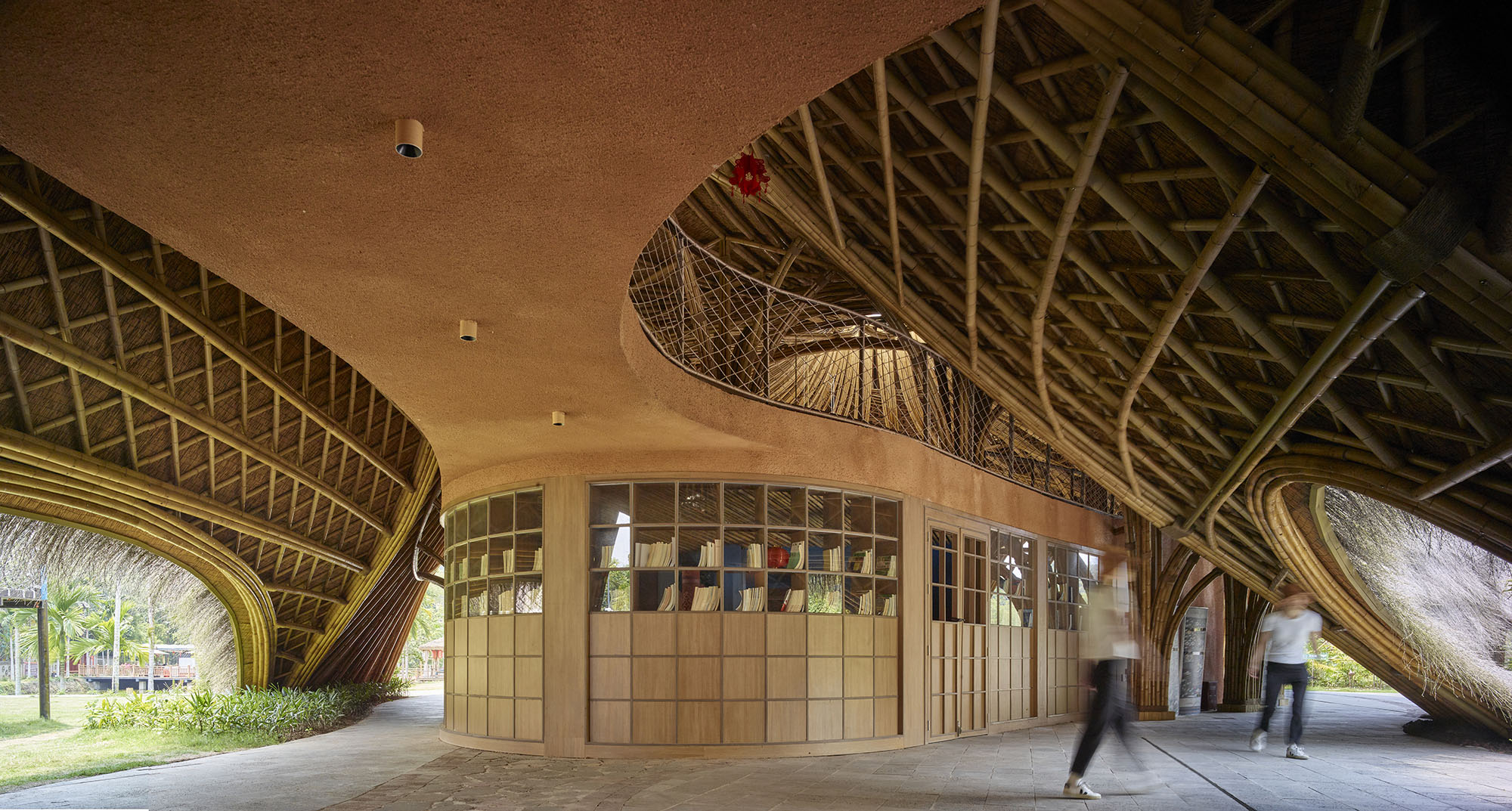
〈マオナ・ビレッジセンター〉の主な空間には、多目的活動が可能な会館、図書館、村共同組織事務所、村歴史博物館が含まれる。
さらに、マオナ村が将来の観光産業発展による地域経済活性化を計画していることから、コミュニティセンターは観光客の受付・休憩場所としても機能し、伝統文化展示や特産品販売を通じて村民に基本的な公共サービス空間を提供し、生活の質向上に寄与する。
©︎ Yingnan Chu
©︎ Yingnan Chu
村民とともにつくる包括的なコミュニティ
本プロジェクトでは、経験豊富な職人の指導のもと、伝統的な竹建築技術を研究・革新し、村民に新たな技能を伝承した。公共施設は低コストで建設され、村の生活環境を改善するとともに将来的な自主維持を可能とする仕組みが整えられている。
建設過程では、村民128名のうち87名(68%)が村の中心部を含む施設の建設に参加し、地域の結束を深めた。この取り組みは地方農村建設のインフラモデルとして位置づけられ、近隣地域でも竹を活用した公共空間整備が計画されている。
©︎ Yingnan Chu
©︎ Yingnan Chu
完成後の運用と地域への効果
〈マオナ・ビレッジセンター〉は、完成から1年半を経た現在も村民の日常的な集いの場として機能している。
ここでは文化交流や伝統展示など26の活動が開催され、観光や商業活動によって村民の収入は世帯あたり約1,400ドル増加した。同時に、民族文化の普及や地域経済の活性化にも寄与している。
©︎ Yingnan Chu
©︎ Yingnan Chu
©︎ Yingnan Chu
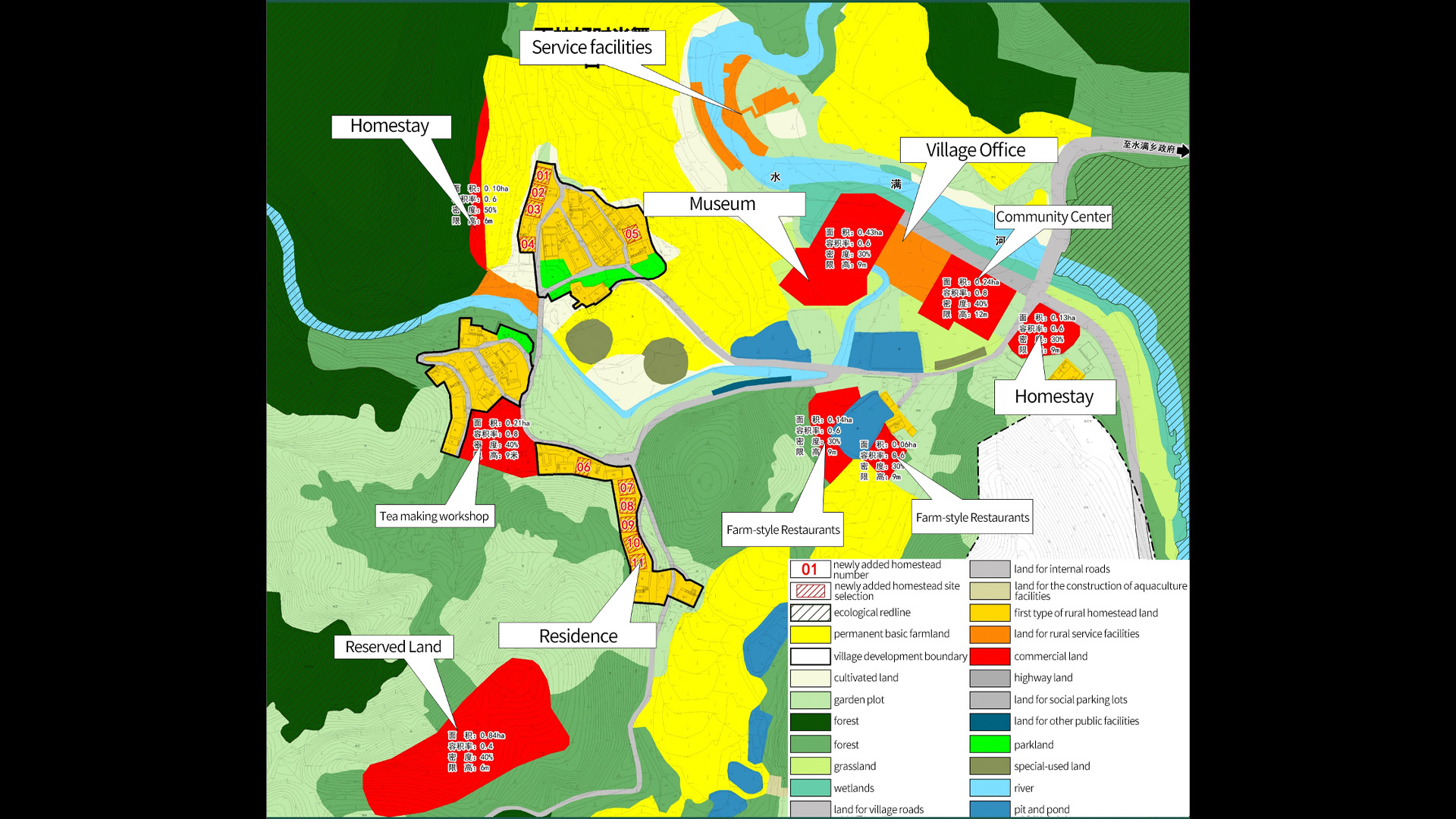
landuse plan ©︎ SUP Atelier
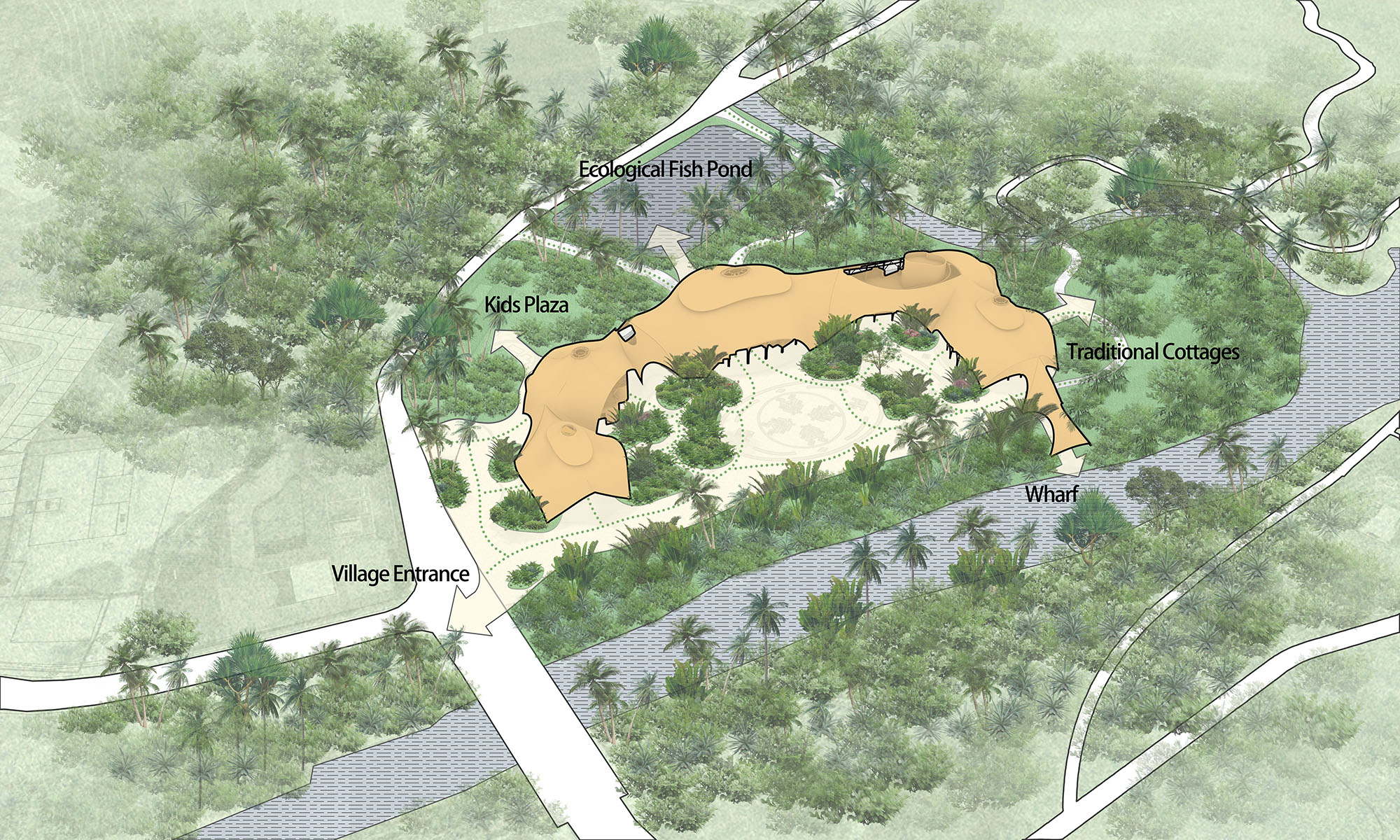
Site analysis ©︎ SUP Atelier
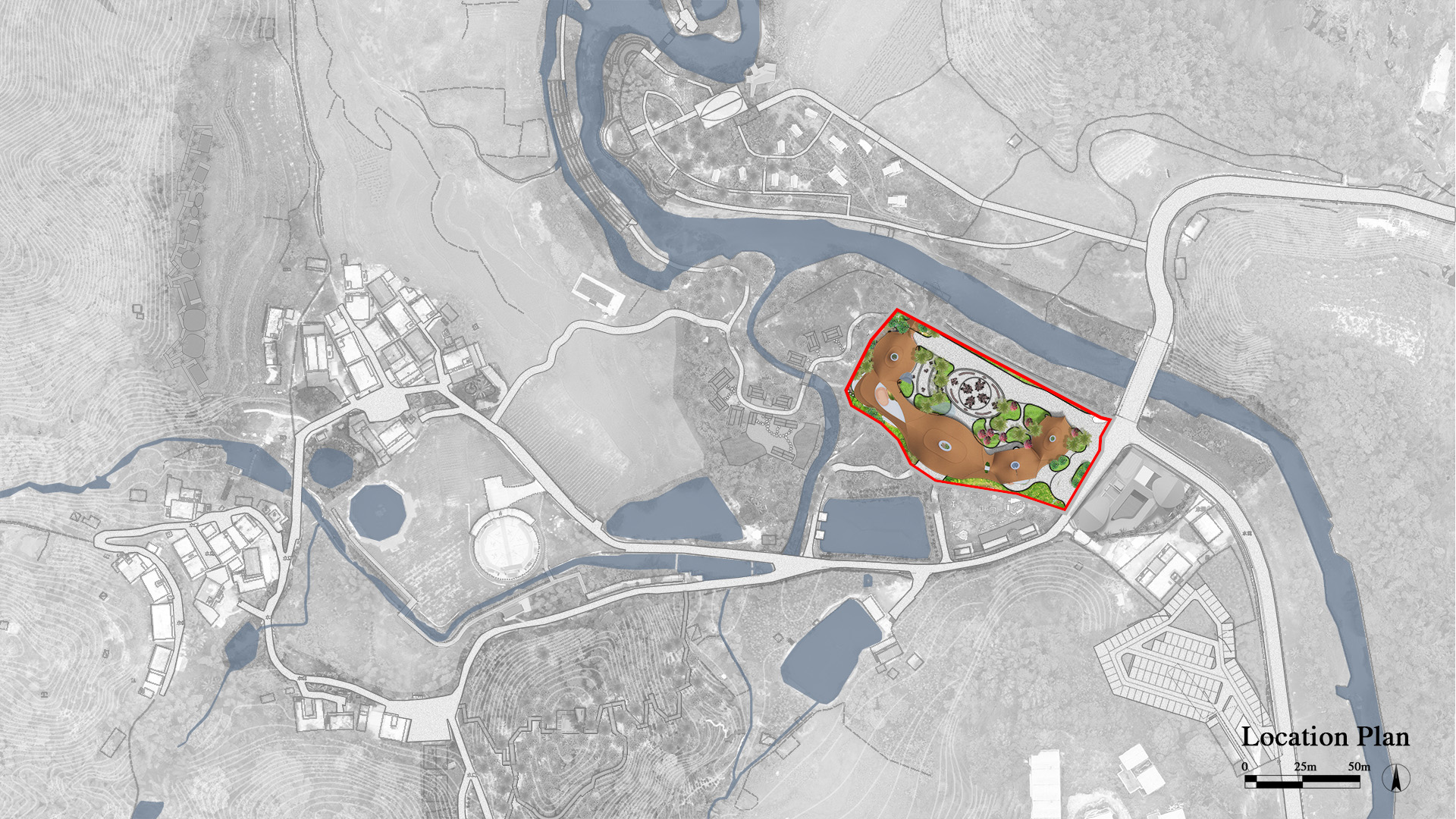
Location Plan ©︎ SUP Atelier
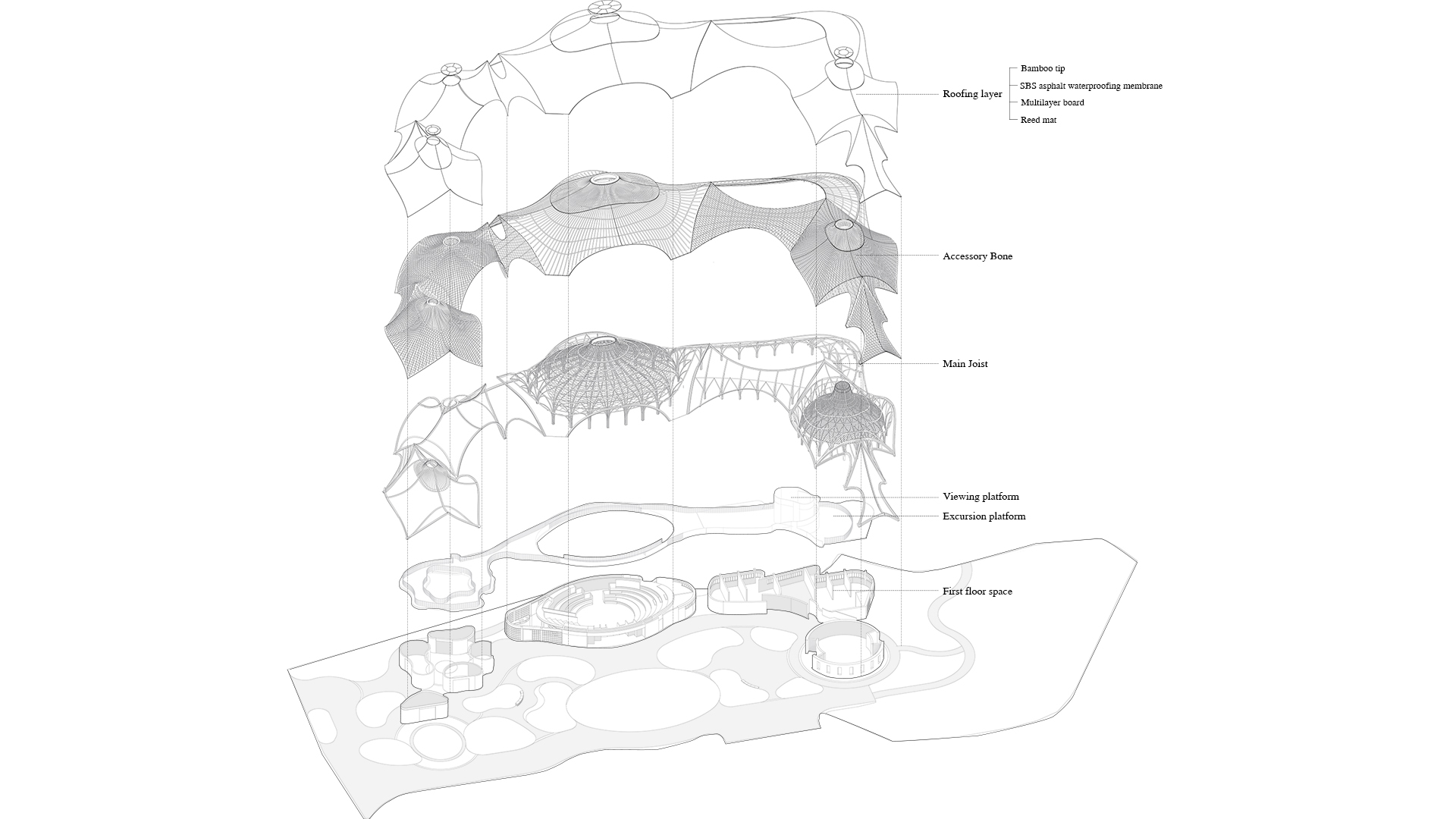
Design details ©︎ SUP Atelier
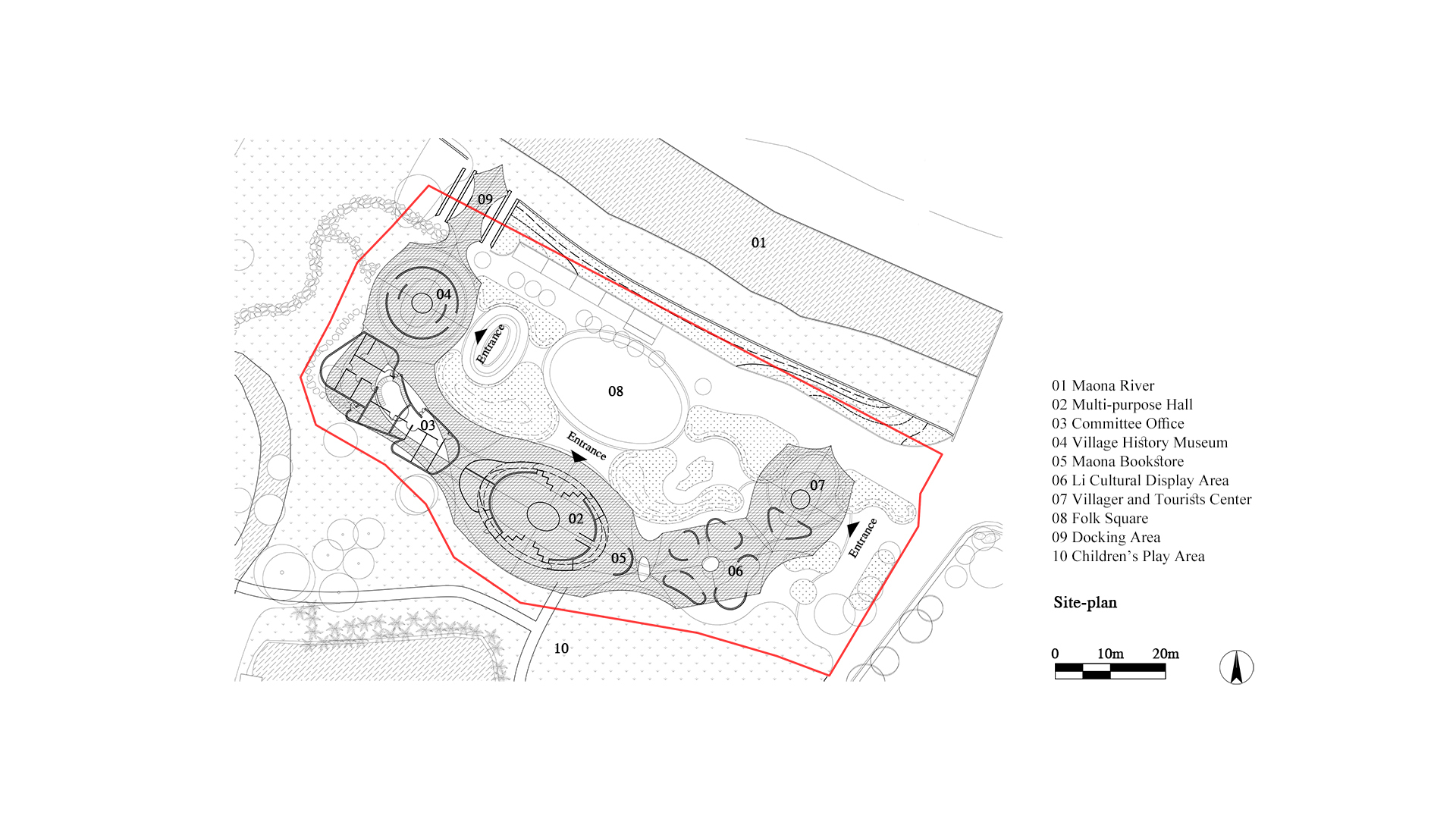
Site plan ©︎ SUP Atelier
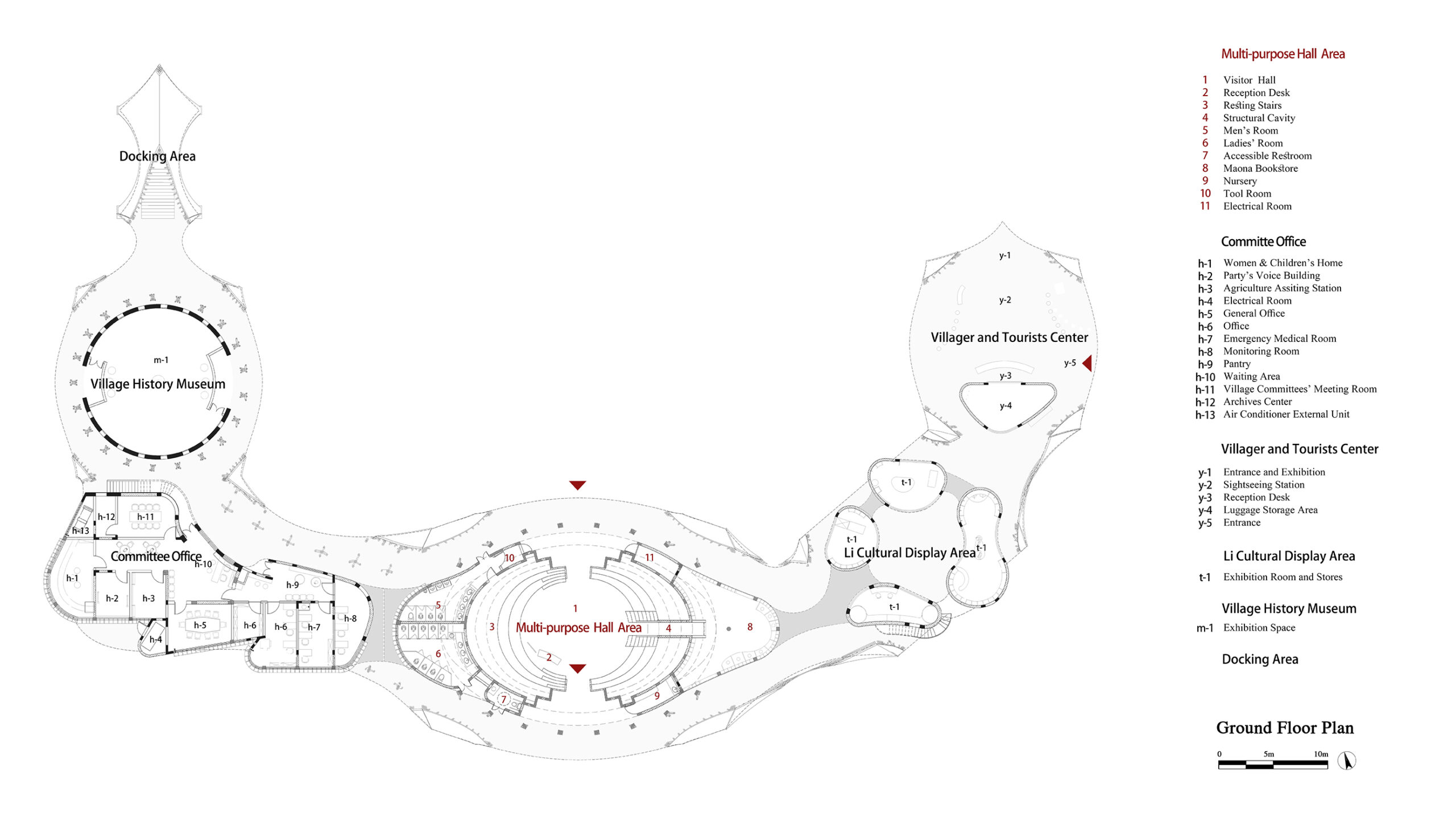
Ground floor plan ©︎ SUP Atelier
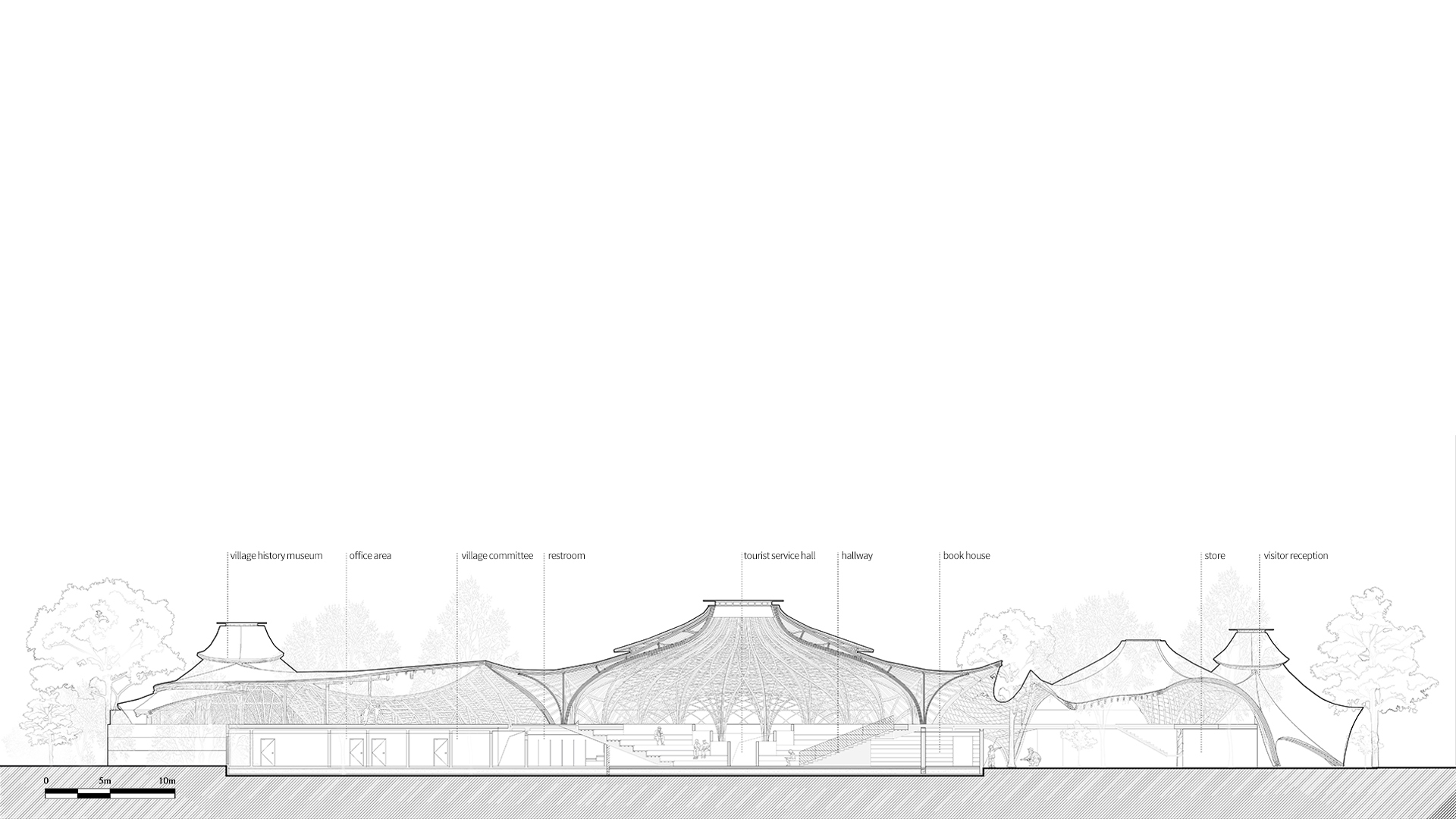
Section ©︎ SUP Atelier
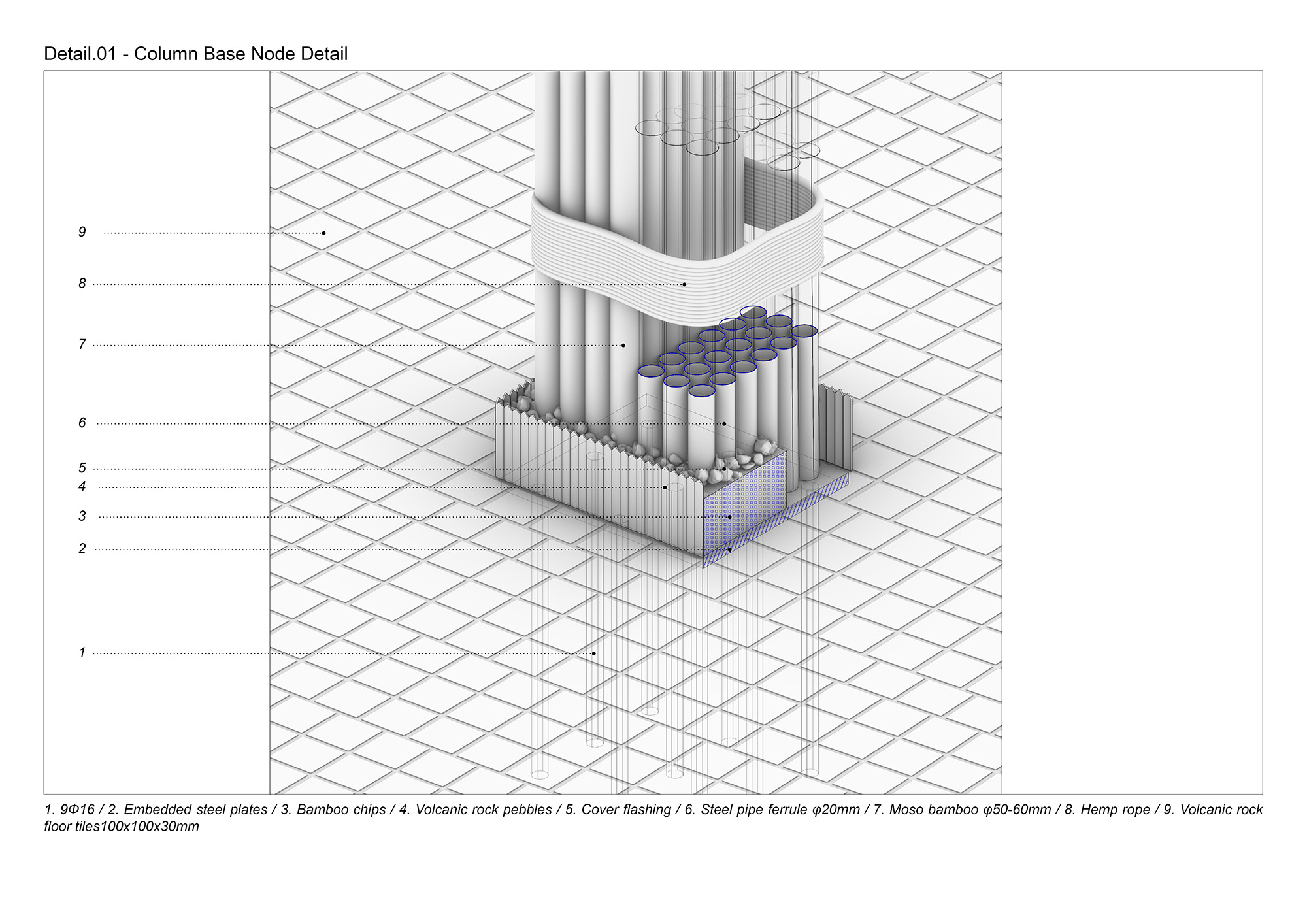
Detail of Bamboo column foundation ©︎ SUP Atelier
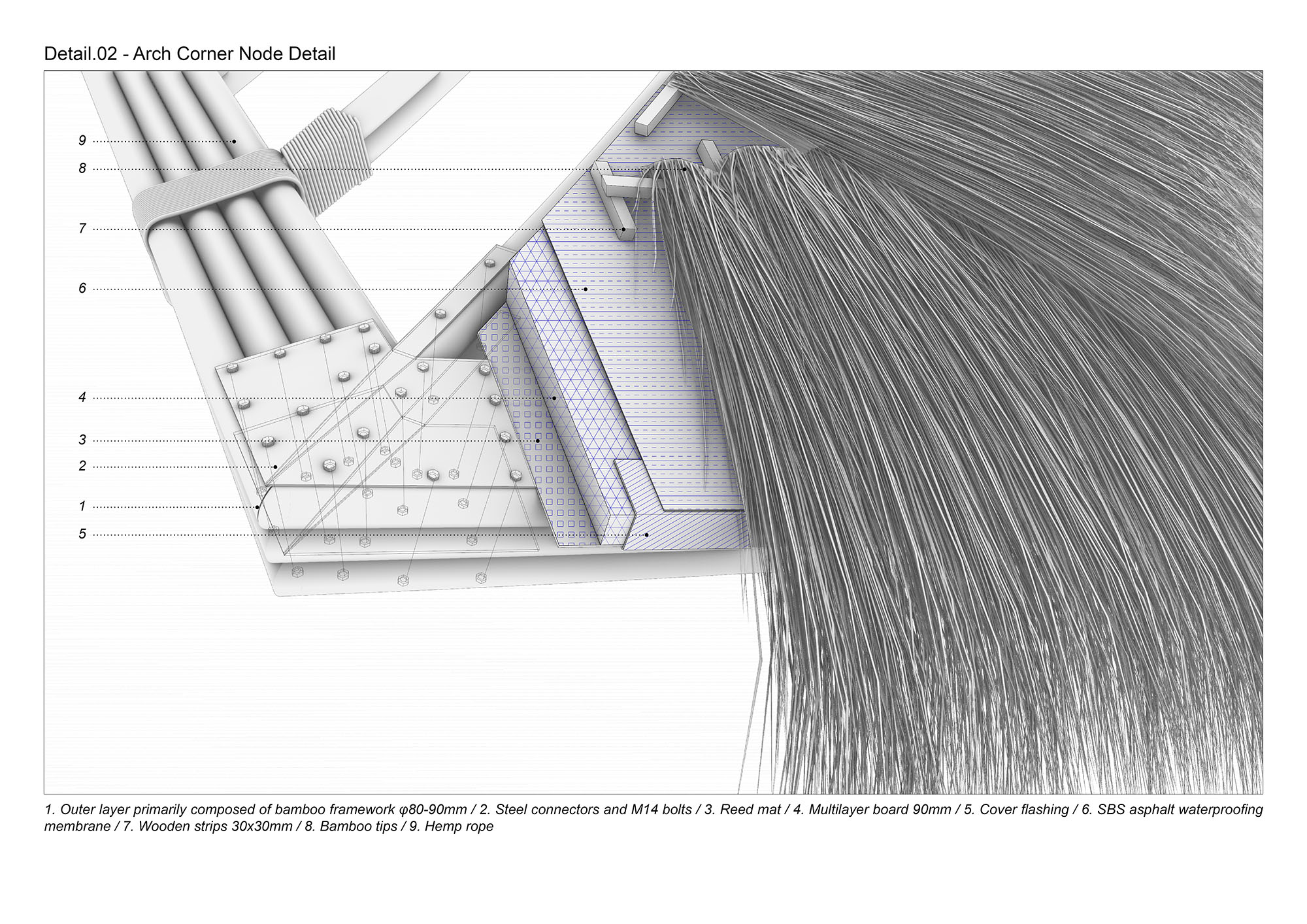
Detail of eaves corner ©︎ SUP Atelier
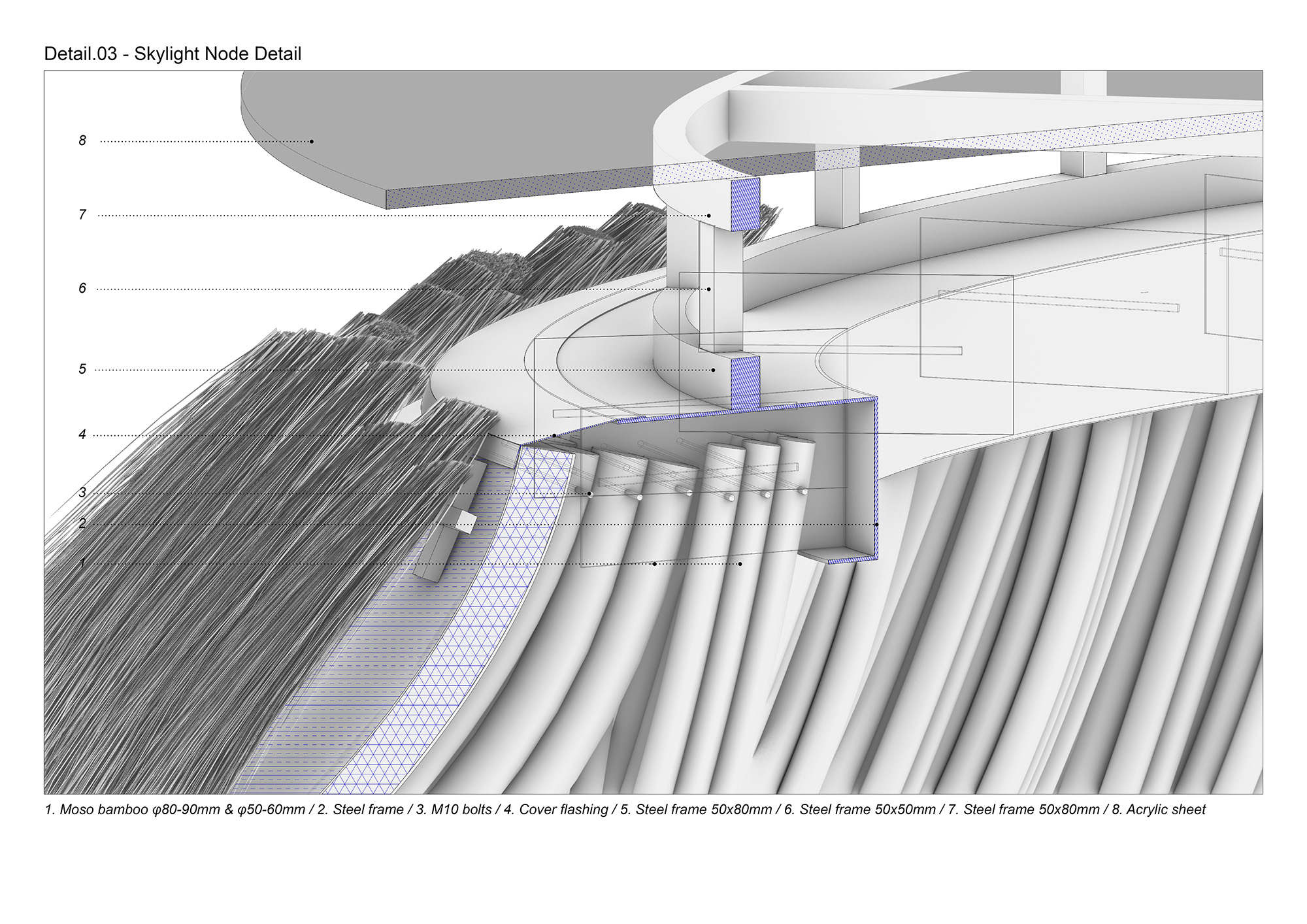
Detail of the skylight ©︎ SUP Atelier
以下、SUPアトリエのリリース(英文)です。
Maona Village Center
The Maona Village Center is located in a Li ethnic village at the foot of the rainforest in the Wuzhishan Mountains, China. Drawing on the traditional “boat house”, the project utilizes bamboo to build a 24-hour village center that provides a multi-functional space for daily recreation, gatherings, science education, and medical care.
Utilizing local natural resources to restore ecosystems
The design chose 83 local vegetation types including trees, shrubs, and ground cover. These were replanted around the village entrance, by the river, and near houses. The new plants thrived, attracting bees, butterflies, egrets, and sparrows, thus restoring the ecosystem.
The village center, made of 31,500 bamboos and some red bamboos, combines traditional and modern construction. Bamboo has low – life – cycle carbon emissions and is locally sourced. Near the river, the bamboo structure reduces ecological disturbance. Using local volcanic rock and red – soil – based materials for the site and decoration reduces carbon emissions by 56.8%.
Natural lighting and ventilation provide healthy spaces with minimal energy consumption, reducing disease spread.
Guide villagers to build a cohesive and inclusive community
Traditional bamboo construction techniques are explored and innovated with the guidance of experienced craftsmen, who teach villagers new skills. Low-cost means are used to construct public facilities, improving the village’s living environment and facilitating future self-upkeep.
In Maona Village’s renovation, 87 out of 128 villagers (68%) partook in building various sites including the village center, strengthening community cohesion. This has led to an infrastructure model for local rural construction. Nearby areas are planning to replicate it with bamboo for public spaces.
Since the renovated village center’s completion 1.5 years ago, it has served as a daily venue for villagers and held 26 activities like cultural exchanges and heritage showcases. Tourism and trade have boosted villagers’ income by around $1400 per household, while also spreading ethnic culture.Project Title: Maona Village center
City: Maona Village, Wuzhishan City, Hainan Province
Architecture Design: SUP Atelier of THAD
Leading Architect: Yehao Song, Xiaojuan Chen
Architecture Design Team: Xie Dan, Shi Lei, Mei Yingyan
Engeneering Design Team: (Structure Design)Meng Xinmiao, Liu Zhaojun (Electrical Design) Yin Dapeng (Water Supply and Drainage Design) Ma Sai
Lighting Design Team: One Lighting Studio of THAD
Construction Team: HOTRY , CCCC Ruitong Construction Engineering Co., Ltd,
Construction: 2023/07
Total site are: 5555 square meters
Total combined floor area: 2273 square metersIII. PROJECT HISTORY [Describe how the project came about. What was the initial client brief? How has the project been implemented and how is it used today?]
Maona Village, located at the foot of the tropical rainforest in Wuzhishan, is a centuries old ethnic settlement mainly inhabited by the Li ethnic group. However, rapid urbanization has nearly eradicated its traditional village culture, and the community lacks adequate public service spaces. This project uses locally sourced materials to combine the dying traditional bamboo craftsmanship with modern needs, exploring the application of traditional materials and structures in rural public service facilities. Inspired by the local boat-shape dwellings, a community center that is open 24 hours a day and nestled within the local vegetation community has been formed. This space serves as a venue for gatherings, a library, medical services, and a village history exhibition, providing essential services to the villagers. By reviving traditional architectural methods and combining them with contemporary functionality, this project utilizes low-cost methods to protect cultural heritage and enhance community cohesion and sustainable development in Maona Village.
The project is located at the entrance of the village, adjacent to the Maona River. Over the years, the development of the land has been chaotic, damaging the original ecological environment. Taking advantage of the opportunity of the village center, the site has restored and improved the surrounding landscape and waterfront areas, supplemented a large number of diverse local vegetation, and attracted the return of small animals such as bees, butterflies, and birds since its construction more than a year ago. Both inside and outside the village center are integrated into lush vegetation, forming a bioclimatic micro courtyard.
The site is located in the tropical region of southern China, on a special island formed by volcanic geology, known for its superior natural ecological environment and distinctive red soil. Traditional local architecture emphasizes natural ventilation and utilizes deep eaves for shading, creating semi–outdoor spaces suitable for living and working. The local residents have a tradition of semi-outdoor living and activities. The building design draws from the wisdom of traditional residences and lifestyles, utilizing locally sourced materials. It combines traditional bamboo structures with modern building programme, exploring the application of these materials and structures in rural public service facilities. By making full use of natural lighting and ventilation, the design minimizes equipment and energy consumption, providing a healthy and comfortable multifunctional space for villagers. This approach not only respects the local climate and cultural practices but also enhances the social environment by creating a space that aligns with the community’s way of life.VI. PROJECT DESCRIPTION [Describe the function and use of the project. For example: 200-bed hospital, 2-hectare park, 12 storey office building, renovation of an old town.]
A two-story multifunctional village center, including: 300 square meter multifunctional village hall, 4 traditional culture and specialty product sales areas, a reception area, a library, a village history museum, 290 square meter village collective organization office area, and a small boat dock.
As the main public supporting building in Maona Village, this project is usually a comprehensive village center with various functions. The main spaces include a village hall that can hold multifunctional activities, a library, an office for the village collective organization, and a village history museum. In addition, as Maona Village plans to enhance the local economy through the development of tourism industry in the future, the community center can also serve as a place for tourist reception and rest, with traditional culture exhibitions and specialty product sales, providing basic public service space for villagers and improving their lives.VIII. MATERIALS, CONSTRUCTION AND TECHNOLOGY [Describe the principal materials used and indicate the basic construction technology. What are the innovative features of the project, if any?]
The village center is an original bamboo structure with a building area of approximately 2300 square meters, of which the bamboo structure covers an area of 1900 square meters, making it the largest single original bamboo building in China at present.. This project involves innovative exploration of raw bamboo construction while complying with building and structural regulations. Inspired by boat-shape dwellings of Hlai ethnic groups, the design comprises five interconnected units that seamlessly blend with the surrounding landscape, forming a cohesive, undulating canopy amidst the lush rainforest flora. This innovative structure primarily utilizes raw bamboo as its main building material.
As a traditional sustainable construction method, bamboo architecture has great potential in the urgent need for public space construction in rural China. However, due to unclear regulations and traditional bamboo architecture not meeting modern flexible usage needs, traditional techniques have gradually been lost in some areas. The project combines modern digital design methods and structural calculations to meet the regulations of architecture and structure. By combining traditional bamboo architecture with modern reinforced concrete and masonry structures, a more diverse and flexible usage space can be created at a low cost to meet modern needs.IX. PROJECT SIGNIFICANCE AND IMPACT [Describe the approach of the programming and design of the project. Describe the aspects of the project that represent a particular achievement (e.g. a technical, economic or social achievement or the project’s response to culture, climate etc.), its significance and impact.]
Utilizing local natural resources to restore ecosystems
The design selected 83 species of local vegetation such as trees, shrubs, and ground cover, and extensively replanted them at the village entrance, along the river, and in front and behind the houses of villagers. The newly added plants flourished, attracting the return of small animals such as honeybees, golden spotted butterflies, tiger spotted butterflies, egrets, and spotted sparrows, and restoring the damaged ecosystem.
The village center is built from approximately 31500 Moso bamboos and a small amount of red bamboo, fully tapping into the modern potential of local materials. It combines the lost traditional bamboo construction techniques with modern design and construction. Bamboo, as a traditional material with very low carbon emissions throughout its lifecycle, can be quickly constructed using locally sourced materials. The village center is adjacent to the river, and the bamboo structure construction greatly reduces the disturbance to the sensitive river ecology. In addition to the main structure, the site and decoration should also make use of local natural materials as much as possible, such as using permeable volcanic rock paving and exterior wall decoration materials made of local red soil, to reduce interference with the ecosystem. Through the application of local materials, the project’s carbon emissions have been reduced by 56.8%.
Fully utilizing natural lighting and ventilation, providing healthy spaces in tropical forests with minimal equipment and energy consumption, and reducing the spread of diseases.Guide villagers to build a cohesive and inclusive community
Explore traditional bamboo construction techniques, innovate on the basis of traditional skills, and lead by an experienced team of craftsmen to impart new skills to villagers. Utilizing low-cost methods to construct public service facilities for villagers, improving the living environment of the village, and facilitating their self maintenance in the future. During the renovation process of Maona Village, including the village center, a total of 87 out of 128 villagers participated in the construction of different locations, accounting for 68% of the total number of villagers. The villagers worked together to participate in the construction, which also enhanced the cohesion of the village.
This has also established an infrastructure spatial model that adapts to rapid rural construction in the local area, improving the living environment of rural areas and jointly building inclusive communities. This model can be extended to more places, and nearby villages and towns are already planning to use bamboo structures to create similar public spaces.
The renovated village center and Maona Village have attracted more outsiders. Since its completion one and a half years ago, the village center has not only been open every day to provide daily activity venues for villagers, but also held 26 themed celebration activities, such as the Wuzhishan Children’s and Paris Children’s Exchange Music Concert, intangible cultural heritage craft themed activities, cultural science popularization, agricultural product trading, etc., strengthening the dissemination and exchange of ethnic culture. Tourists and specialty product transactions have also brought tangible income to villagers, with an average increase of about $1400 in income per household in the past year.
SUPアトリエ 公式サイト
https://www.supatelier.com/cn/projects/598
【購読無料】空間デザインの今がわかるメールマガジン TECTURE NEWS LETTER
RECOMMENDED ARTICLE



![[大阪・関西万博]トイレや休憩所などを紹介_トイレ3](https://magazine-asset.tecture.jp/wpcms/wp-content/uploads/2025/07/17114647/49f00b4e92c207e0cd76342000541edf-900x600.jpg)